17 Cities Built in Places That Defy All Logic
Throughout history, humans have shown a remarkable ability to establish thriving communities in the most improbable locations. From scorching deserts to frozen tundras, from active volcanic zones to areas below sea level, people have built cities where nature seems to say ‘absolutely not.’
These settlements often began for strategic, economic, or sometimes purely stubborn reasons, growing into major population centers despite facing constant environmental challenges. Here is a list of 17 cities that were built in places that seem to defy all common sense and logic.
Venice, Italy
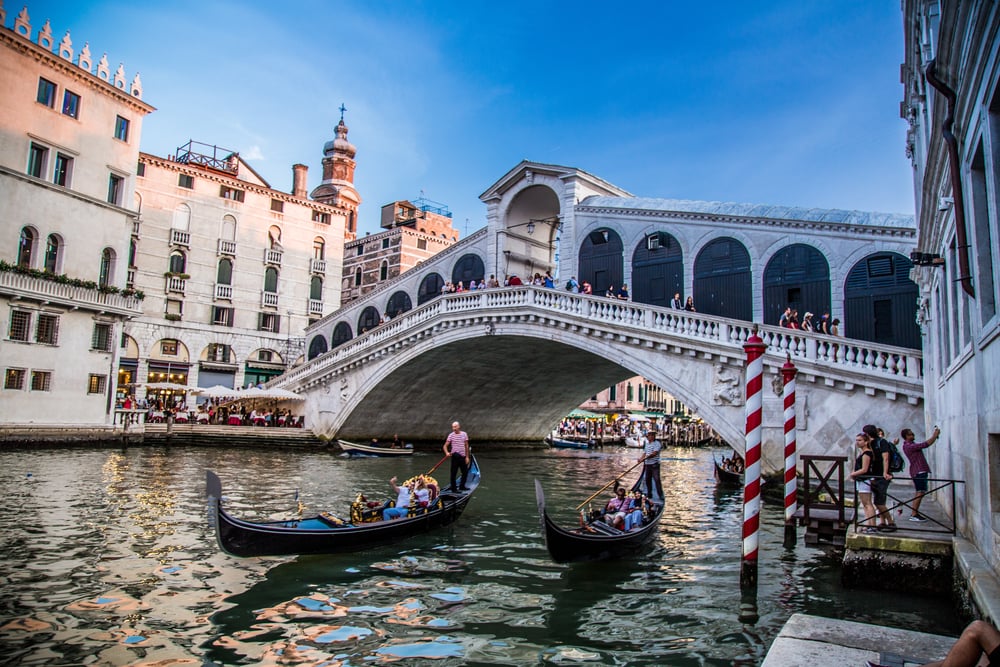
Venice sits on more than 100 small islands in a lagoon, connected by canals instead of roads. The entire city literally floats on wooden pillars driven deep into the marshy ground centuries ago.
What started as a refuge from barbarian invasions became one of the world’s most powerful maritime republics, proving that sometimes the most defensible position is the one nobody else wants.
Las Vegas, Nevada
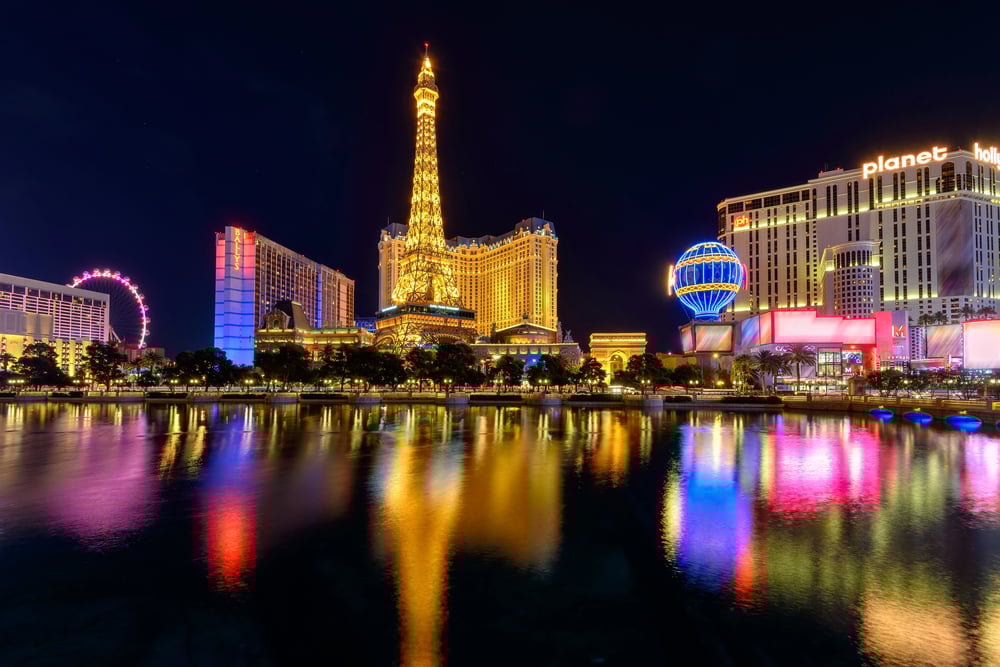
Building a major city in the middle of the Mojave Desert, where summer temperatures regularly exceed 110°F and rainfall averages just 4 inches per year, seems like madness. Yet Las Vegas thrives by importing virtually everything it needs, including massive amounts of water from the Colorado River.
The city’s existence depends entirely on human engineering and the constant flow of tourists willing to visit a desert oasis of entertainment.
Like Go2Tutors’s content? Follow us on MSN.
Barrow, Alaska
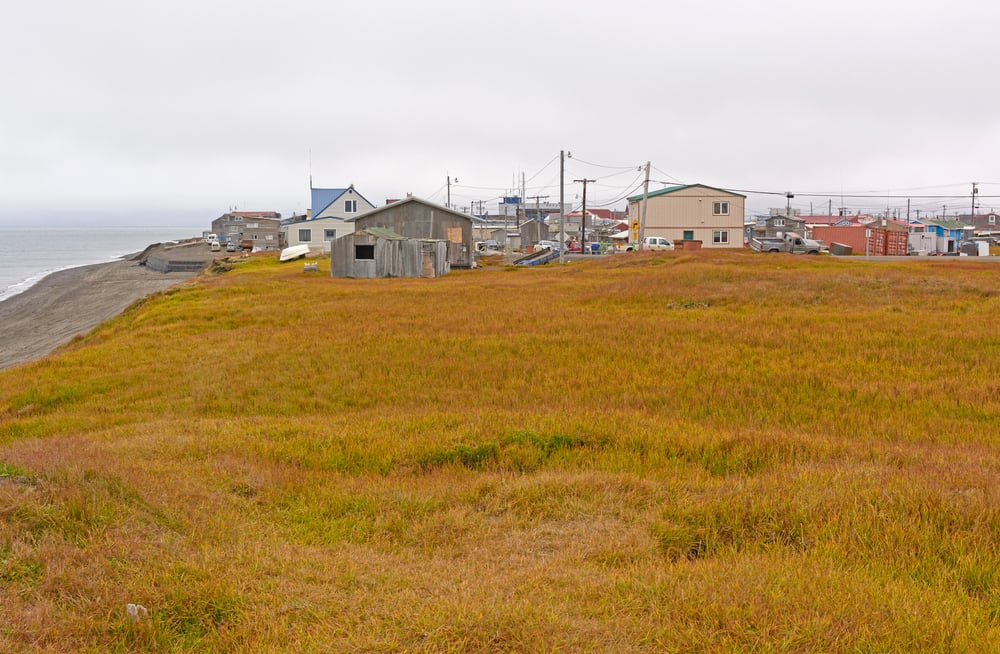
Now known as Utqiagvik, this city sits 340 miles north of the Arctic Circle, making it the northernmost settlement in the United States. For 67 days each winter, the sun never rises above the horizon, and temperatures can drop to -40°F.
Despite these brutal conditions, around 4,000 people call this frozen outpost home, originally drawn by whaling opportunities and now sustained by oil industry jobs.
New Orleans, Louisiana
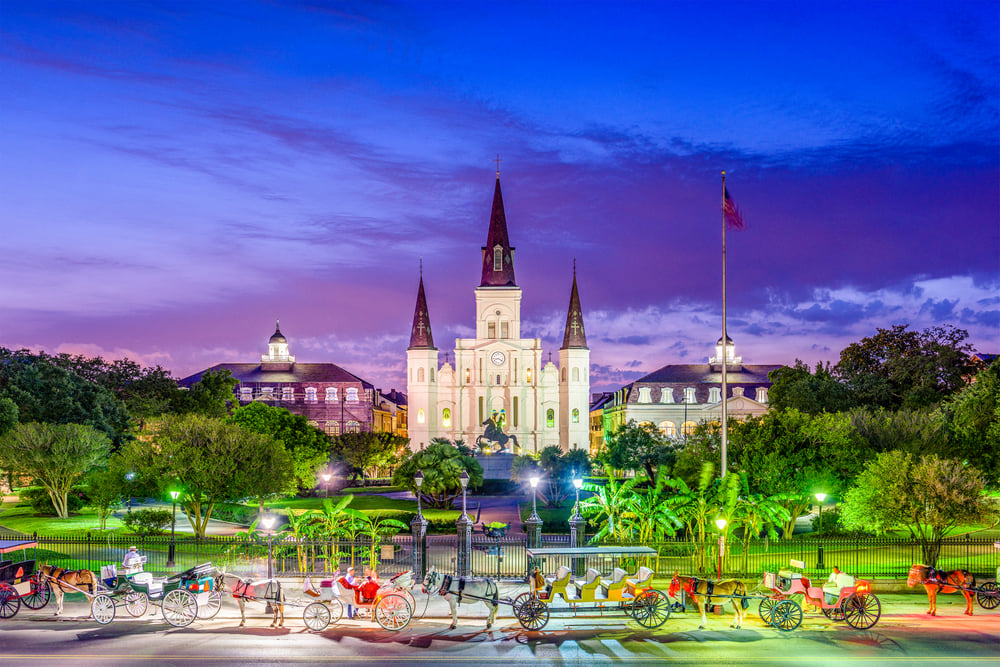
Much of New Orleans sits below sea level, surrounded by water on three sides and protected by a complex system of levees and pumps. The city was built on swampy ground that continues to sink, making it increasingly vulnerable to flooding.
Hurricane Katrina demonstrated just how precarious this location is, yet the city’s unique culture and strategic position at the mouth of the Mississippi River keep it alive and growing.
Phoenix, Arizona
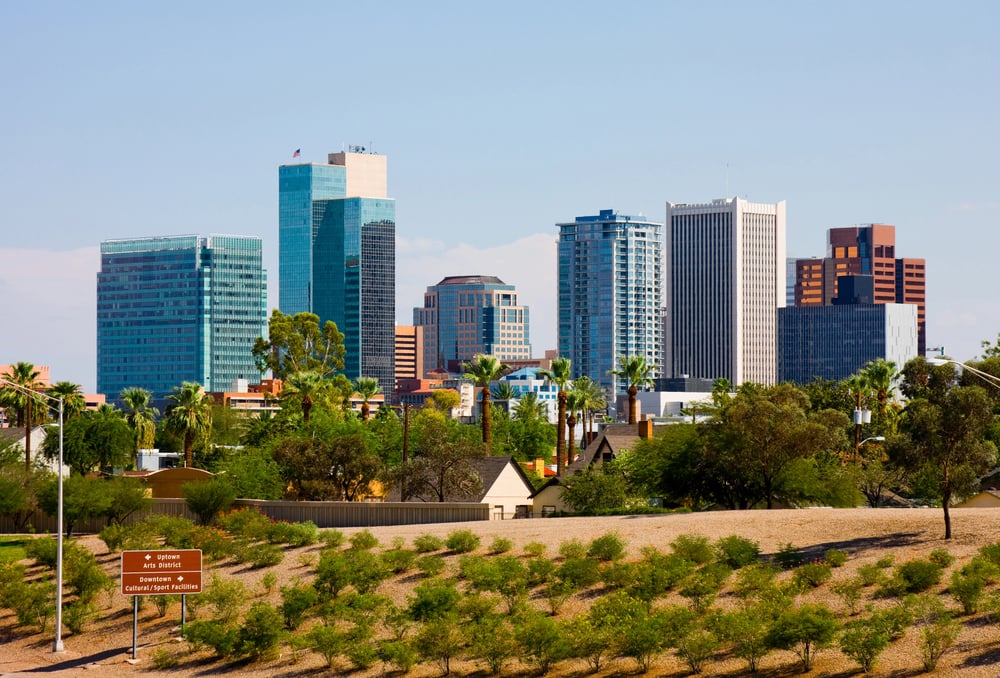
With summer temperatures that can reach 120°F and less than 8 inches of annual rainfall, Phoenix seems like an unlikely spot for America’s fifth-largest city. The Sonoran Desert location made sense for small Native American communities, but supporting over 1.6 million people requires massive water importation and constant air conditioning.
It’s essentially a testament to modern technology’s ability to make the uninhabitable livable.
Like Go2Tutors’s content? Follow us on MSN.
Lhasa, Tibet
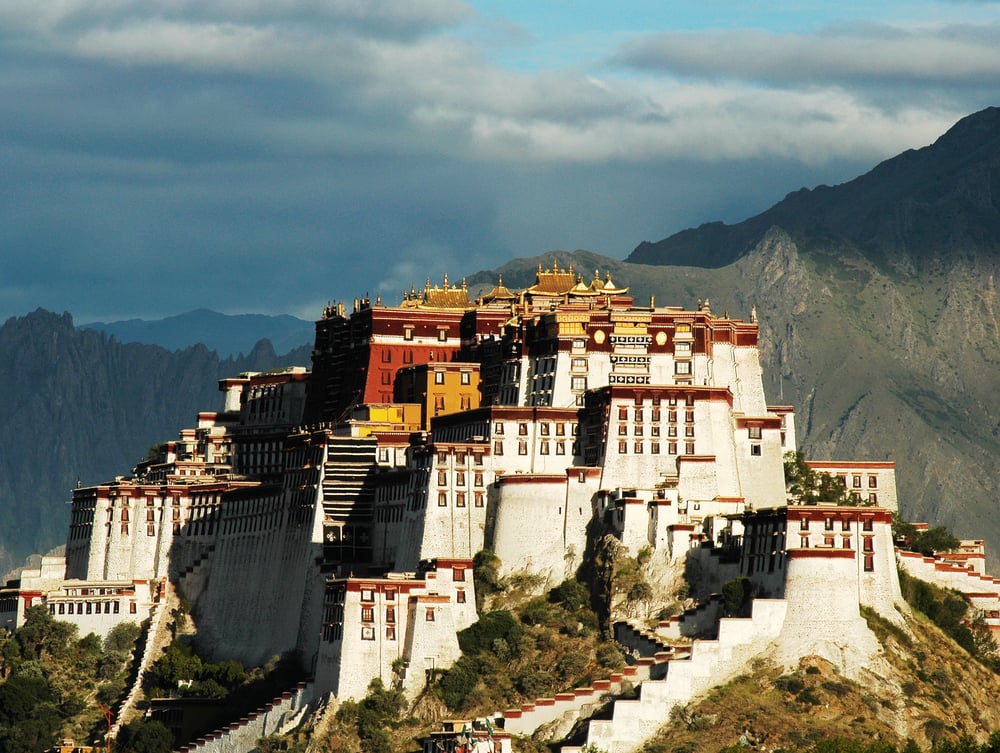
At 11,975 feet above sea level, Lhasa sits higher than most mountains in the continental United States. The thin air contains about 35% less oxygen than at sea level, making even simple activities exhausting for newcomers.
This ‘Roof of the World’ location provided natural defense for Tibetan Buddhism’s spiritual center, though the extreme altitude continues to challenge both residents and visitors.
Miami, Florida
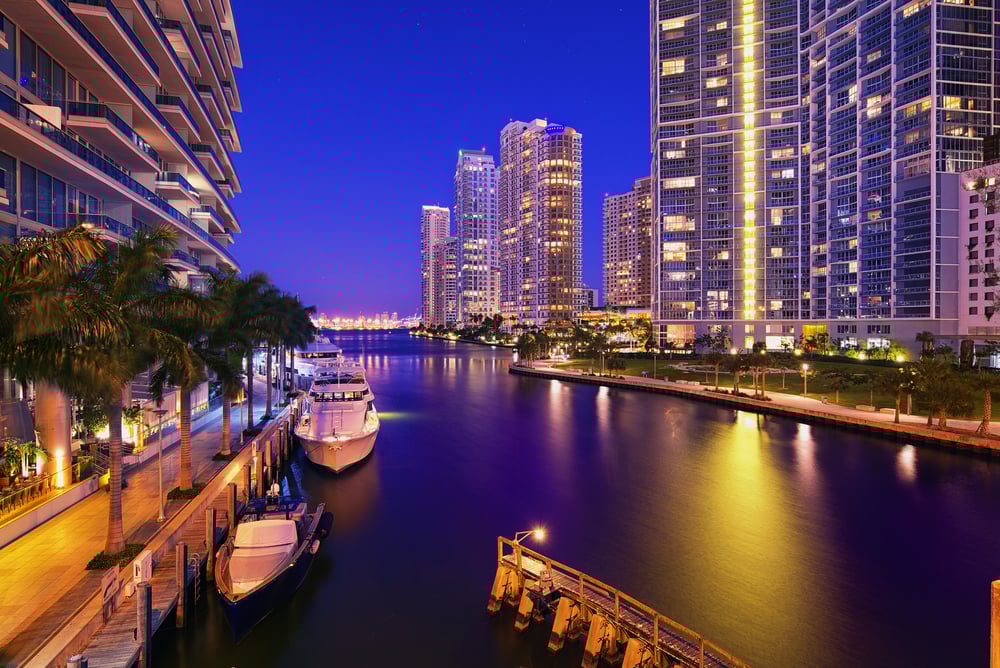
Built on a swampy peninsula barely above sea level in hurricane-prone territory, Miami faces threats from multiple directions. The city sits on porous limestone that allows saltwater to seep upward, threatening the freshwater supply.
Add in regular hurricanes, intense heat, and rising sea levels, and Miami represents humanity’s determination to build paradise in a place that nature intended as a swamp.
Reykjavik, Iceland
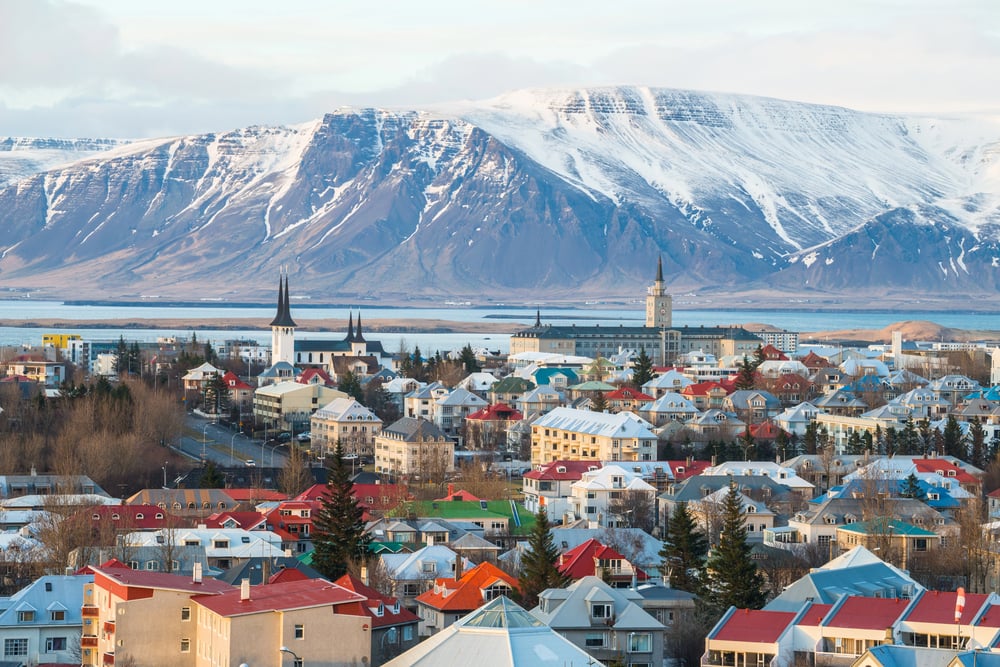
Iceland’s capital sits just below the Arctic Circle, where winter days last only four hours and summer nights never get truly dark. The island’s location on the Mid-Atlantic Ridge means it’s literally splitting apart, with active volcanoes and geothermal activity everywhere.
Yet early settlers discovered that all that geothermal energy could heat homes and provide hot water, turning a frozen rock in the North Atlantic into a surprisingly cozy place to live.
Like Go2Tutors’s content? Follow us on MSN.
Dubai, United Arab Emirates
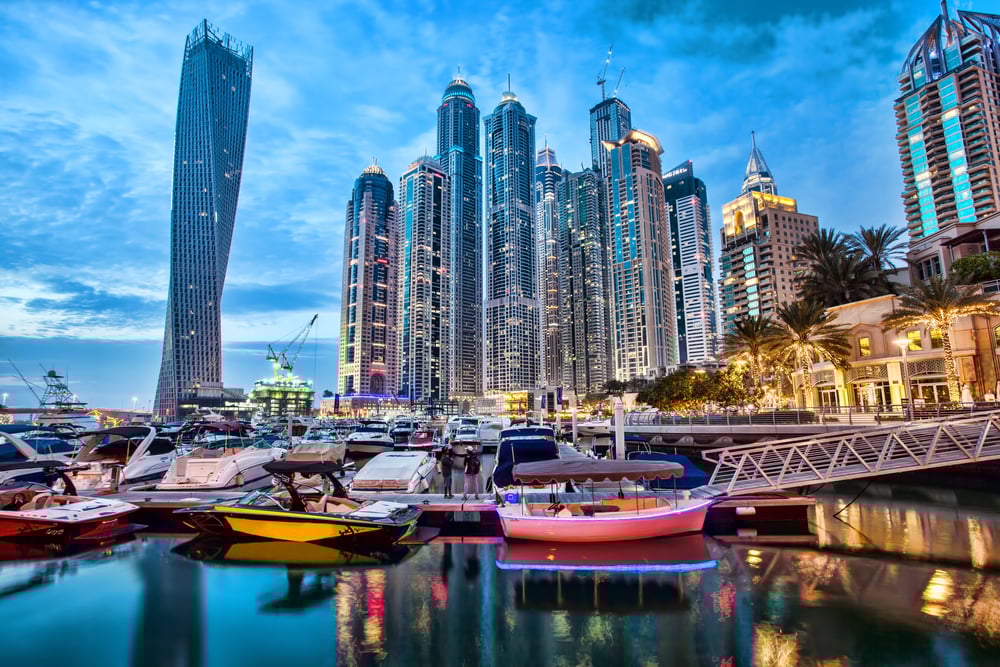
Dubai rose from empty desert sands to become a gleaming metropolis where summer temperatures exceed 100°F for months and humidity makes it feel even hotter. The city has virtually no natural freshwater, requiring massive desalination plants to support its population.
Everything from soil to building materials had to be imported, making Dubai perhaps the ultimate example of human stubbornness overcoming environmental impossibility.
Cusco, Peru
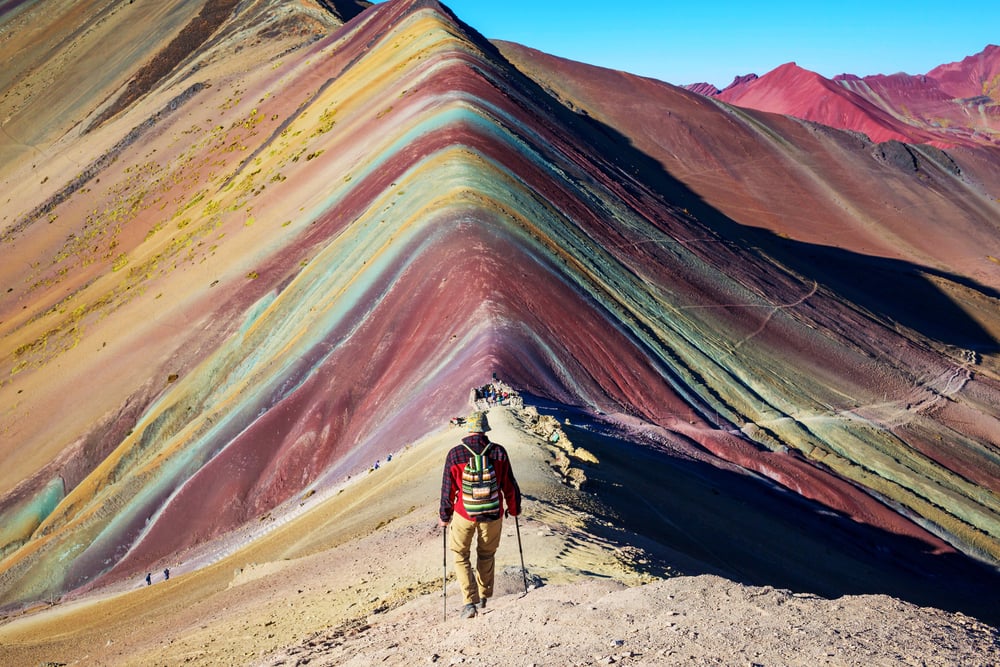
Perched at 11,200 feet in the Andes Mountains, Cusco challenges visitors with altitude sickness before they even step off the plane. The ancient Inca capital was built on steep mountain slopes where the thin air makes physical exertion difficult and weather can change dramatically within hours.
The strategic mountain location provided defense and access to trade routes, though daily life remains a constant battle against gravity and oxygen deprivation.
Death Valley, California
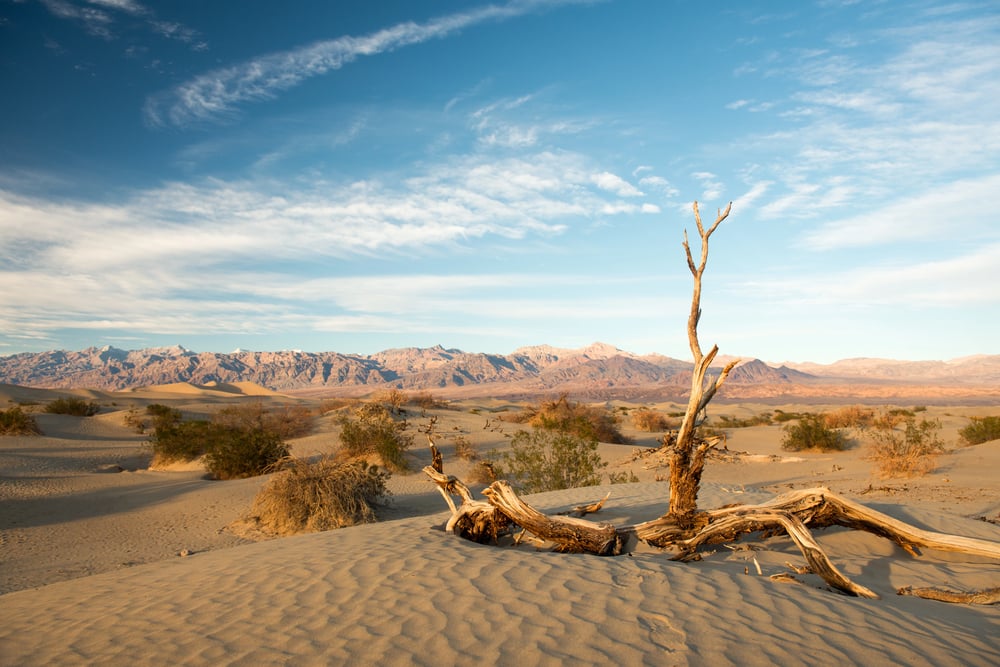
While not a major city, the small community of Furnace Creek sits in the lowest and hottest place in North America. Summer temperatures regularly exceed 120°F, and the world record of 134°F was recorded here.
The area receives less than 2 inches of rain per year and sits 282 feet below sea level. Yet people live here year-round, originally drawn by mining operations and now staying to serve the steady stream of tourists fascinated by extremes.
Like Go2Tutors’s content? Follow us on MSN.
Ushuaia, Argentina
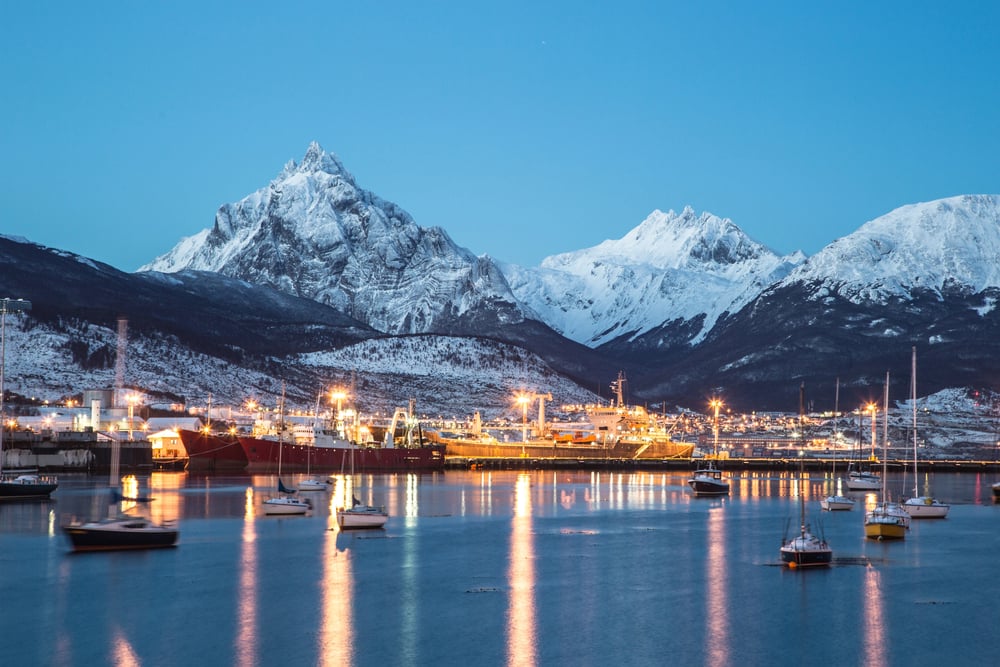
Known as the ‘End of the World,’ Ushuaia sits at the southern tip of South America, surrounded by mountains and facing the Drake Passage’s notoriously rough seas. Winter temperatures hover around freezing, and the city experiences dramatic seasonal changes in daylight hours.
This remote location made it perfect for a prison colony, and though the prison closed long ago, the city continues to thrive as a gateway to Antarctica and Tierra del Fuego’s rugged wilderness.
Alice Springs, Australia
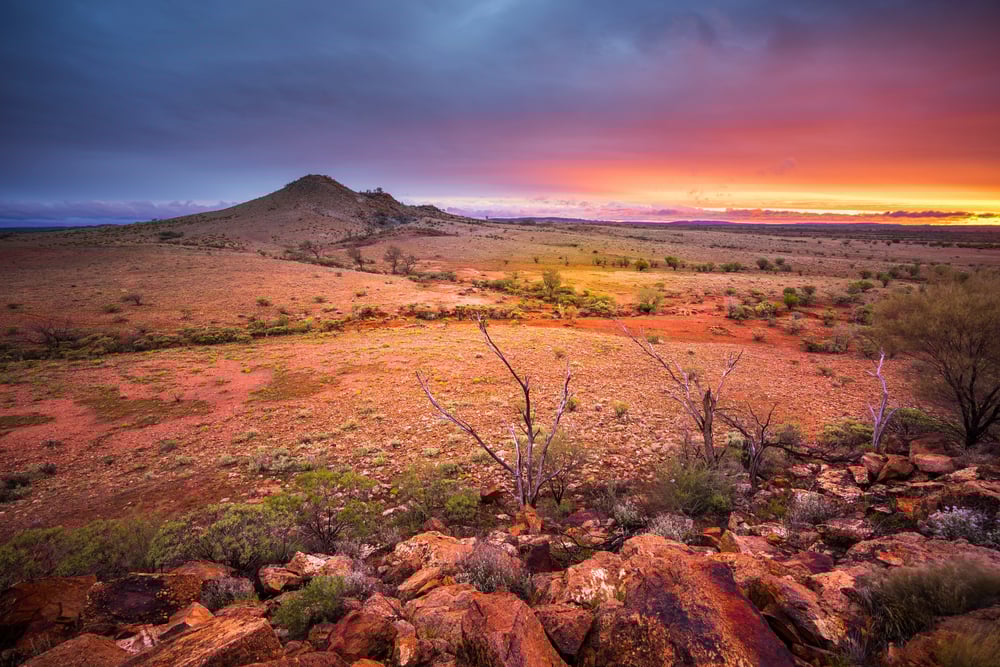
Sitting almost dead center in the Australian continent, Alice Springs is surrounded by hundreds of miles of red desert in every direction. Summer temperatures regularly exceed 100°F, and the nearest major city is over 900 miles away.
The town originally grew around a telegraph repeater station, proving that sometimes strategic communication needs can justify building a community in the middle of nowhere.
Longyearbyen, Norway
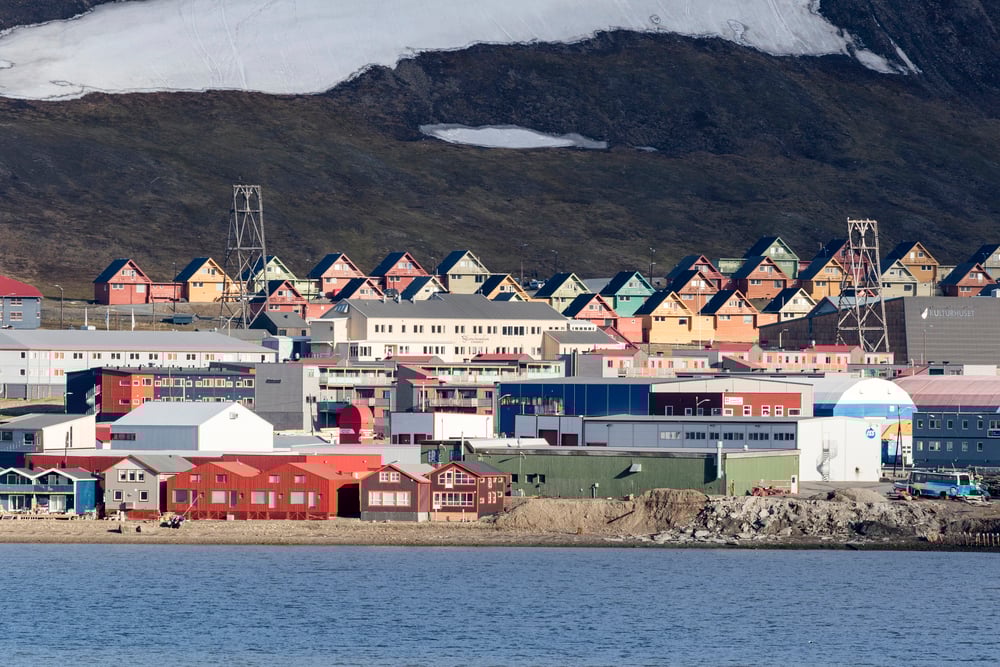
This Arctic city sits at 78°N latitude, making it one of the world’s northernmost settlements. For four months each year, the sun never sets, and for another four months, it never rises.
Temperatures can drop to -40°F, and the ground is permanently frozen. Norwegian law actually prohibits dying in Longyearbyen because bodies don’t decompose in the permafrost, creating a unique community where nature literally freezes time.
Like Go2Tutors’s content? Follow us on MSN.
Quito, Ecuador
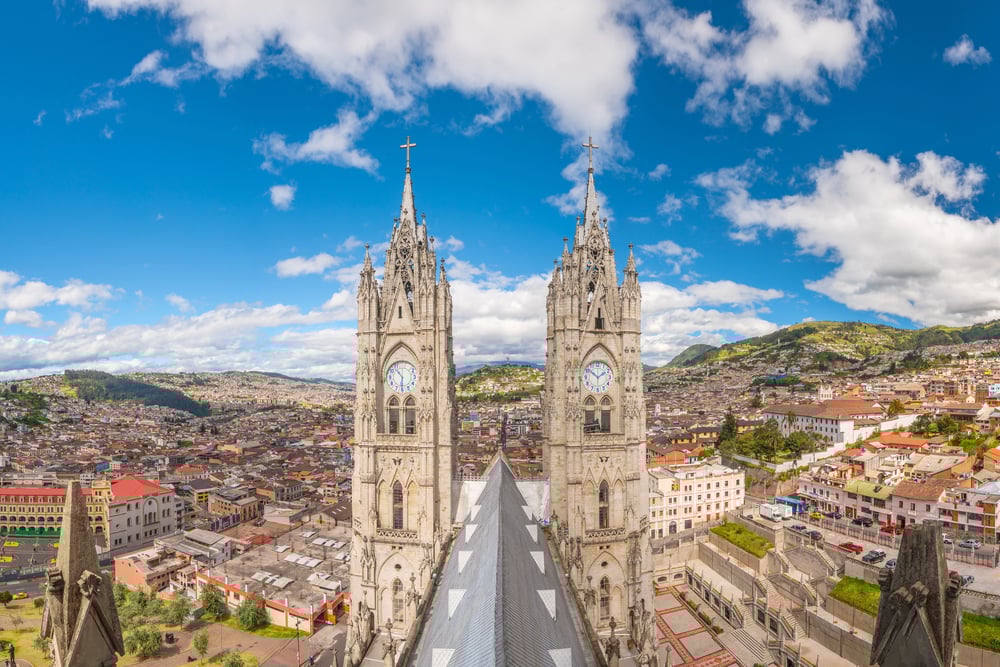
Ecuador’s capital sits at 9,350 feet above sea level, high in the Andes Mountains just 15 miles south of the equator. This creates the bizarre situation of a tropical climate where you need a jacket year-round due to the altitude.
The city was built on the slopes of active volcanoes, and earthquakes regularly shake the mountainous terrain. The combination of thin air, volcanic activity, and steep slopes makes Quito a daily reminder that humans will build cities anywhere.
Tromsø, Norway
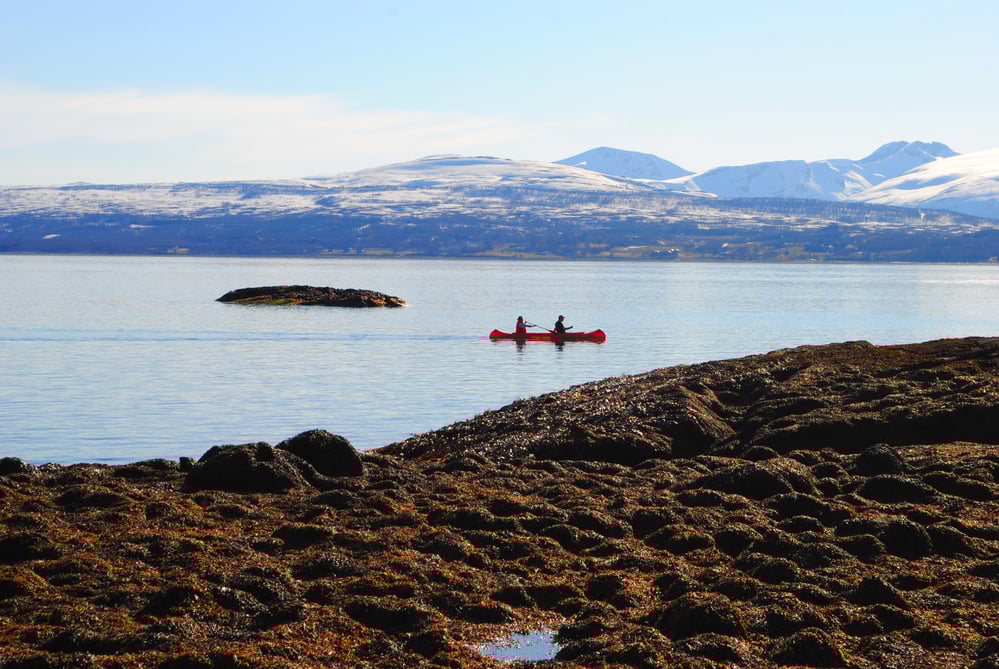
Located 250 miles north of the Arctic Circle, Tromsø experiences polar night from November to January, when the sun doesn’t rise for over two months. Despite this extreme darkness and temperatures that can drop well below freezing, over 75,000 people call this northern city home.
The midnight sun during summer months provides a counterbalance, but surviving the long polar nights requires serious mental fortitude.
McMurdo Station, Antarctica
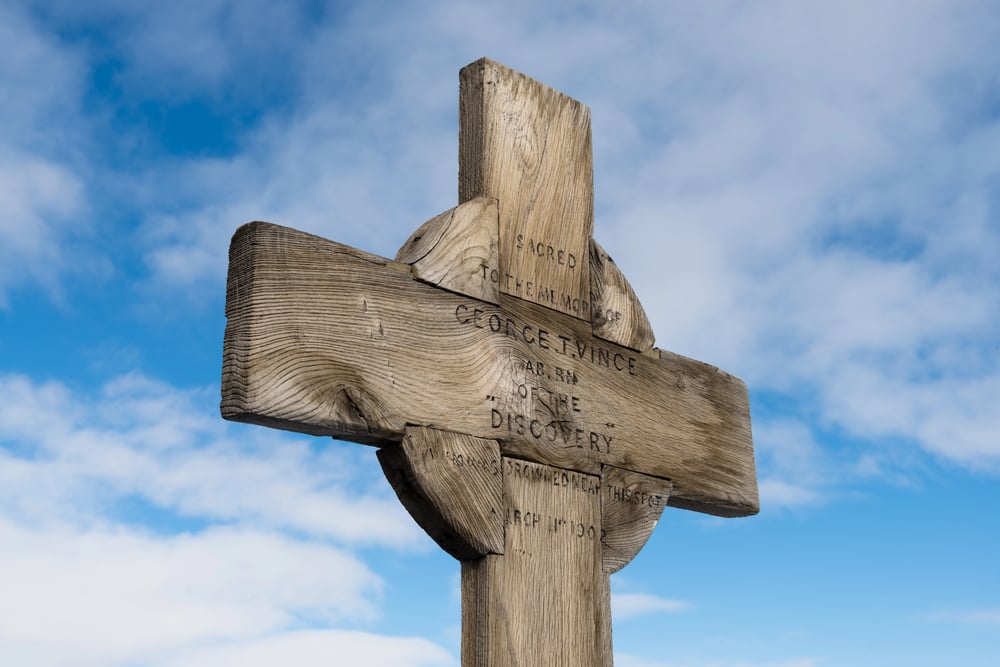
While technically a research station rather than a city, McMurdo supports over 1,000 people during Antarctic summer, making it larger than many incorporated towns. Located on bare volcanic rock with no vegetation, surrounded by ice and facing months of complete darkness, it represents the absolute extreme of human habitation.
Everything from food to fuel must be flown or shipped in, and waste must be removed, making it perhaps the most logistically challenging community on Earth.
Like Go2Tutors’s content? Follow us on MSN.
When Determination Meets Geography
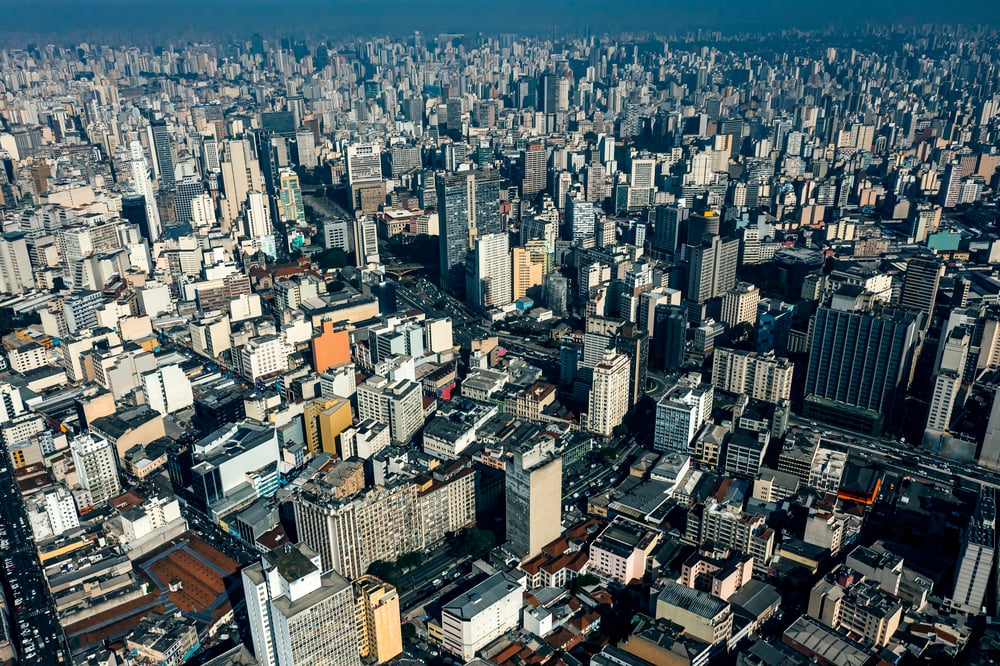
These cities prove that human ingenuity and stubbornness can overcome almost any environmental challenge. Whether driven by strategic necessity, economic opportunity, or simple refusal to admit defeat, people have created thriving communities in places that seem designed to repel human habitation.
Modern technology has made many of these locations more livable, but the original settlers who established these communities had only determination and creativity to work with. Today, these cities stand as monuments to humanity’s refusal to let geography dictate where we can build our homes and dreams.
More from Go2Tutors!

- 16 Historical Figures Who Were Nothing Like You Think
- 12 Things Sold in the 80s That Are Now Illegal
- 15 VHS Tapes That Could Be Worth Thousands
- 17 Historical “What Ifs” That Would Have Changed Everything
- 18 TV Shows That Vanished Without a Finale
Like Go2Tutors’s content? Follow us on MSN.