17 Currencies That Collapsed Within a Single Year
Most currencies lose value slowly, in increments small enough that a government can pretend it has time to fix things. Then there is the other kind of collapse — the kind where prices double before lunch, banks print notes with more zeros than they have room for, and a currency that opened the year as real money closes it as something people use to light stoves.
These are cases where the math simply stopped working within roughly twelve months, and a country was forced to throw out its money and start again.
Hungarian Pengő
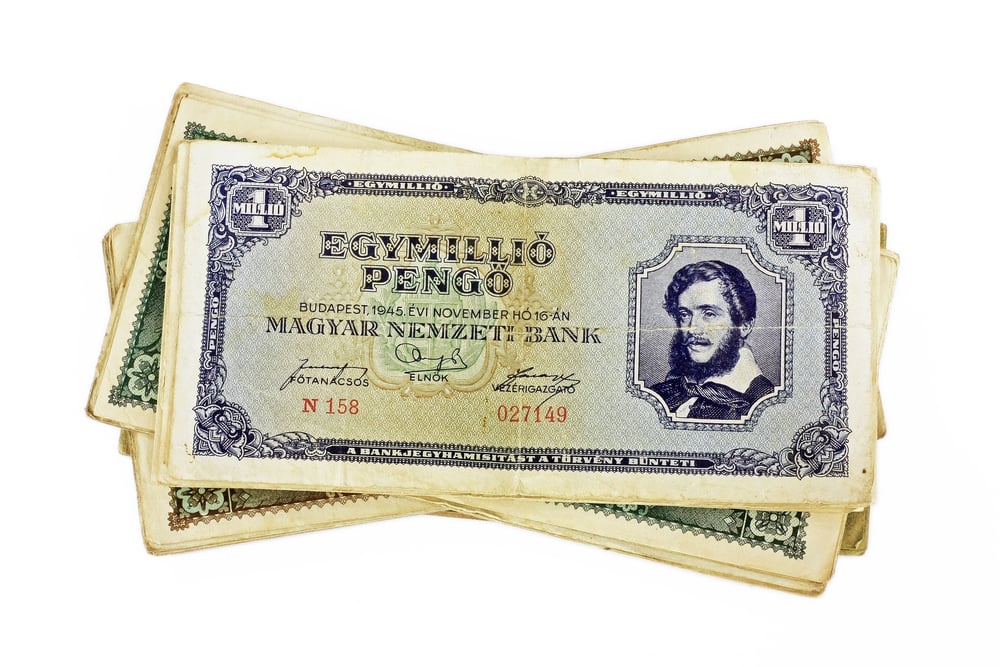
Hungary’s postwar hyperinflation remains the most extreme ever recorded, with prices doubling roughly every 15 hours at its peak in mid-1946. The government issued a banknote for 100 quintillion pengő — a 1 followed by 20 zeros — shortly before abandoning the currency entirely in August 1946 and replacing it with the forint at an exchange rate too large to write out in full on a single line.
Zimbabwean Dollar
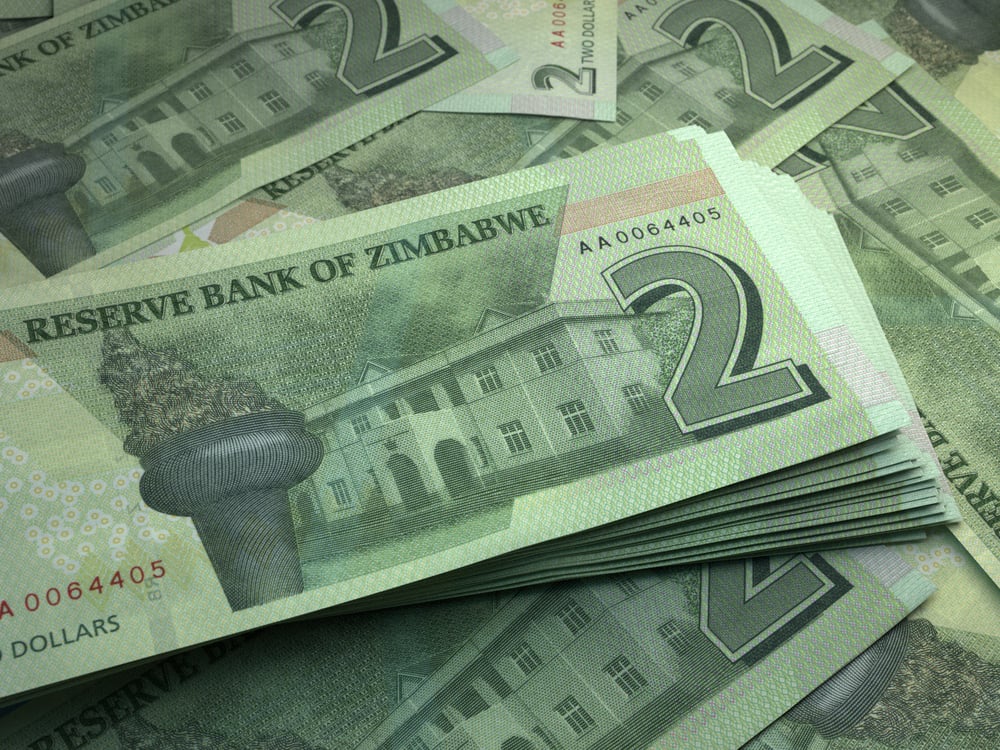
By November 2008, Zimbabwe’s monthly inflation rate was estimated at 79.6 billion percent, meaning prices roughly doubled every 24.7 hours. The central bank issued a 100-trillion-dollar note that, by the time it reached circulation, could barely cover a bus fare. The government abandoned the currency in early 2009, allowing foreign currencies to be used instead.
Yugoslav Dinar
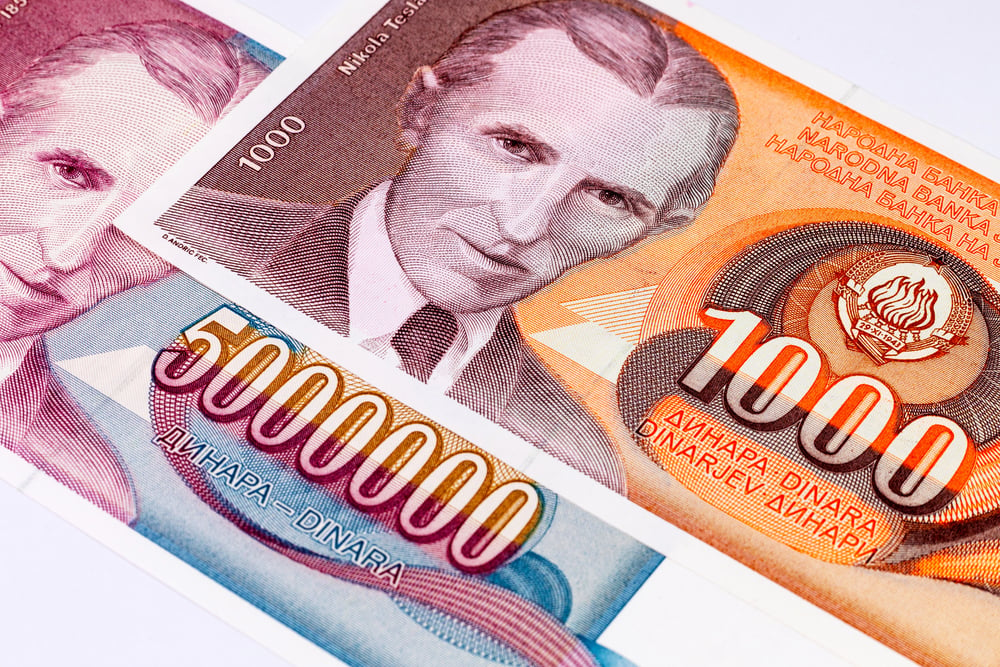
As Yugoslavia disintegrated amid war and sanctions, the dinar entered a hyperinflationary spiral through 1993, culminating in January 1994 with a monthly inflation rate exceeding 300 million percent. The government issued a 500-billion-dinar note before finally stabilizing the currency with a new dinar pegged to the German mark.
German Papiermark
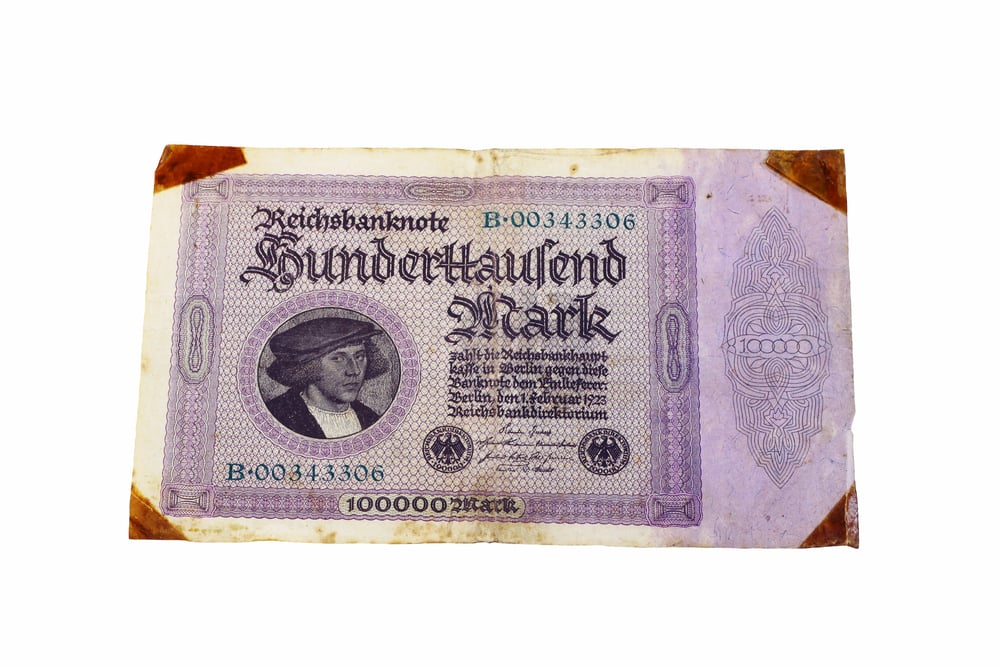
The Weimar Republic’s currency collapsed over roughly a year between 1922 and November 1923, when the exchange rate reached 4.2 trillion marks to one US dollar. Workers were paid twice daily and rushed to spend their wages before prices rose again by the afternoon; stories circulated of wheelbarrows of banknotes being stolen while the cash itself was left behind as worthless.
Greek Drachma
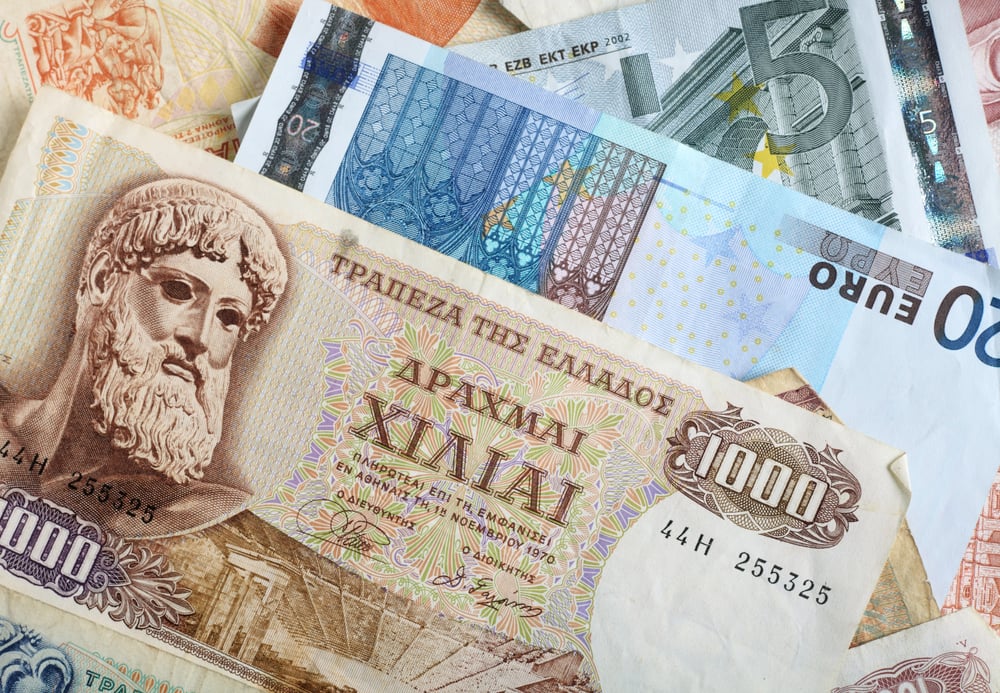
Under Axis occupation, Greece’s currency collapsed through 1943 and 1944, with prices rising an estimated 8.55 billion percent in the final month before liberation. The occupation-era drachma was replaced entirely after the war, and the memory of the collapse shaped Greek monetary policy for a generation afterward.
Venezuelan Bolívar
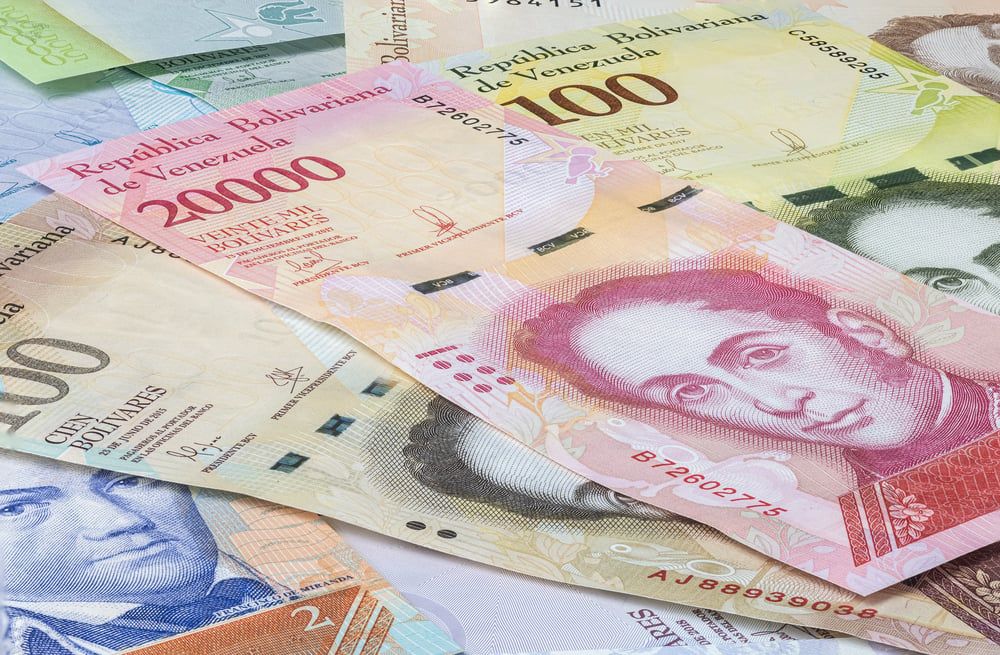
Venezuela’s bolívar fuerte lost value so quickly during 2018 that the IMF estimated annual inflation at close to 1,000,000 percent by year’s end. The government introduced the bolívar soberano in August 2018, slashing five zeros from the currency, only to see the replacement currency begin losing value at a similarly rapid pace almost immediately.
Chinese Gold Yuan
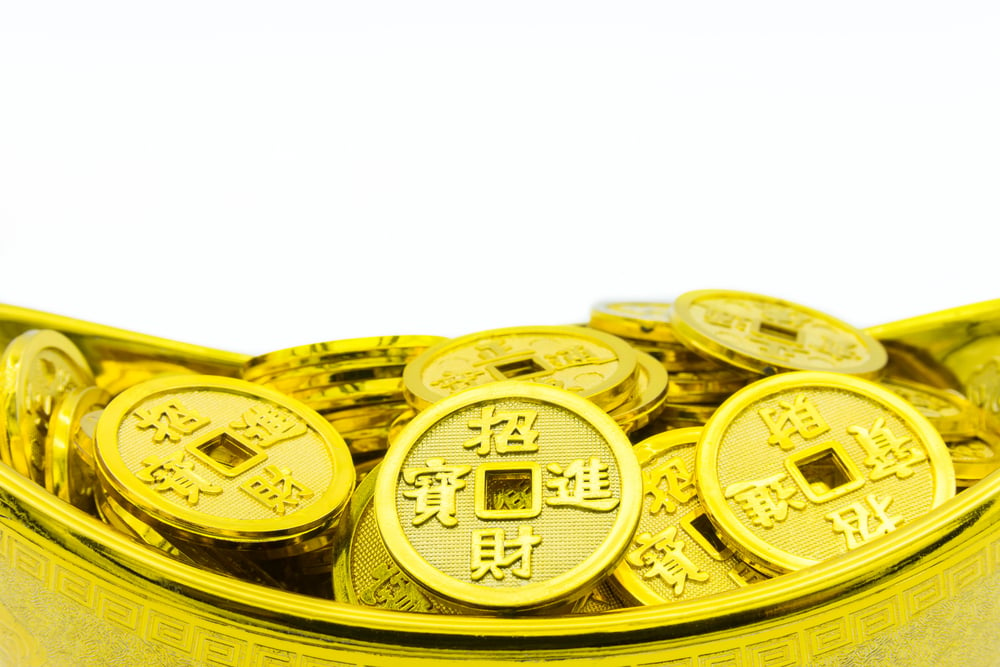
Introduced by the Nationalist government in August 1948 in an attempt to halt runaway inflation, the gold yuan itself collapsed within about ten months as the government printed money to fund the losing civil war against Communist forces. By mid-1949 it was effectively worthless, undermining public confidence in the Nationalist government just before its retreat to Taiwan.
Confederate States Dollar
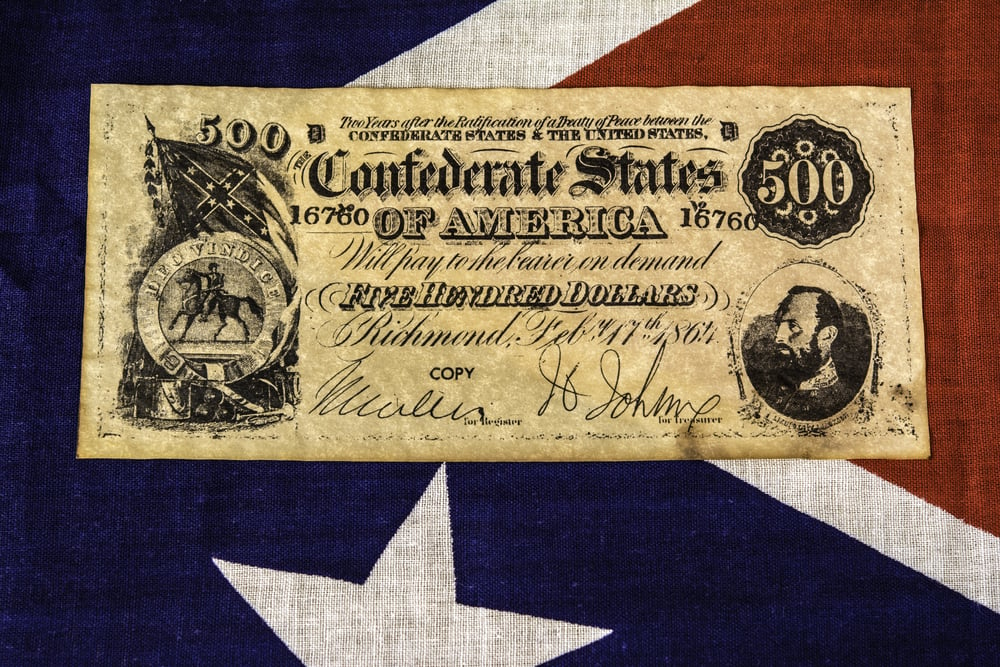
The Confederacy’s currency lost the vast majority of its value in the final year of the American Civil War, as military defeats mounted and confidence in an eventual Confederate victory evaporated. By the war’s end in April 1865, Confederate dollars were effectively worthless and were never redeemed by any successor government.
Peruvian Inti
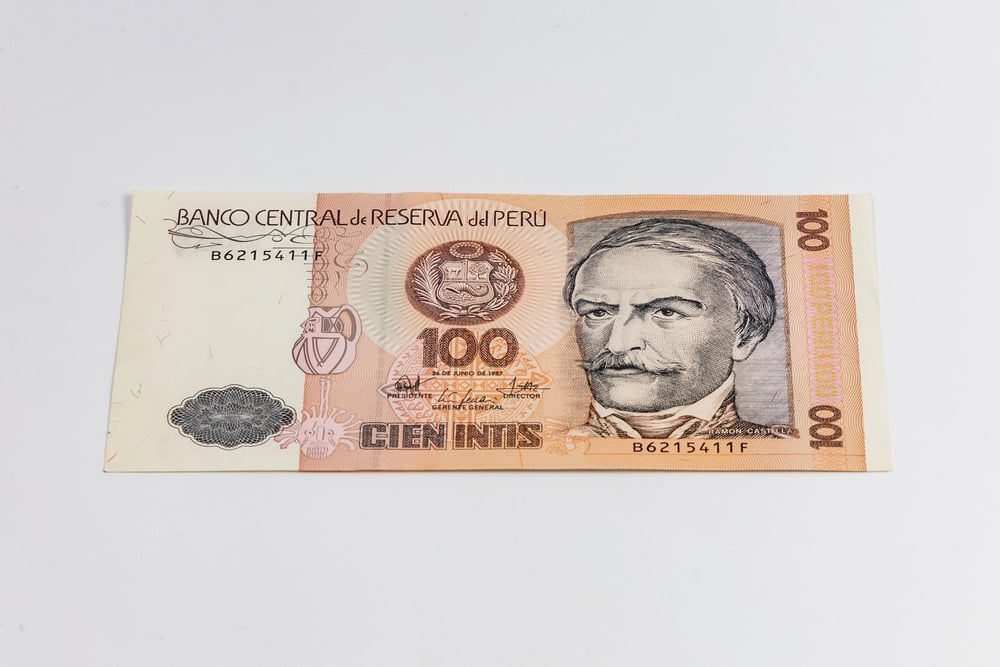
Introduced in 1985 to replace an earlier currency already struggling with inflation, the inti itself succumbed to hyperinflation within a few years under President Alan García’s economic policies, with annual inflation exceeding 7,000 percent by 1990. It was replaced by the nuevo sol in 1991 at an exchange rate of one million to one.
Bolivian Peso
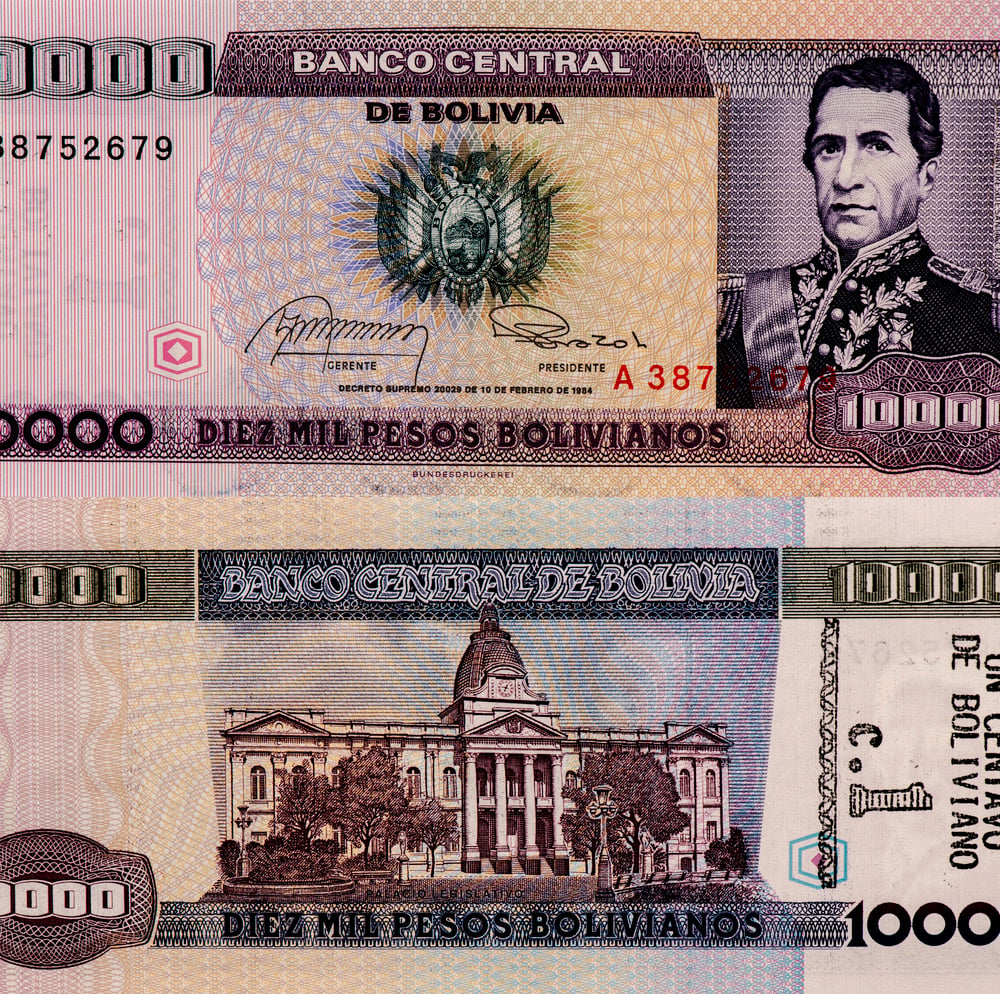
Bolivia’s peso collapsed during 1984 and 1985, with annual inflation peaking above 20,000 percent, among the highest rates recorded in South America. The government introduced the boliviano in 1987, replacing the peso at a rate of one million to one and pairing the currency change with sweeping economic stabilization measures.
Nicaraguan Córdoba
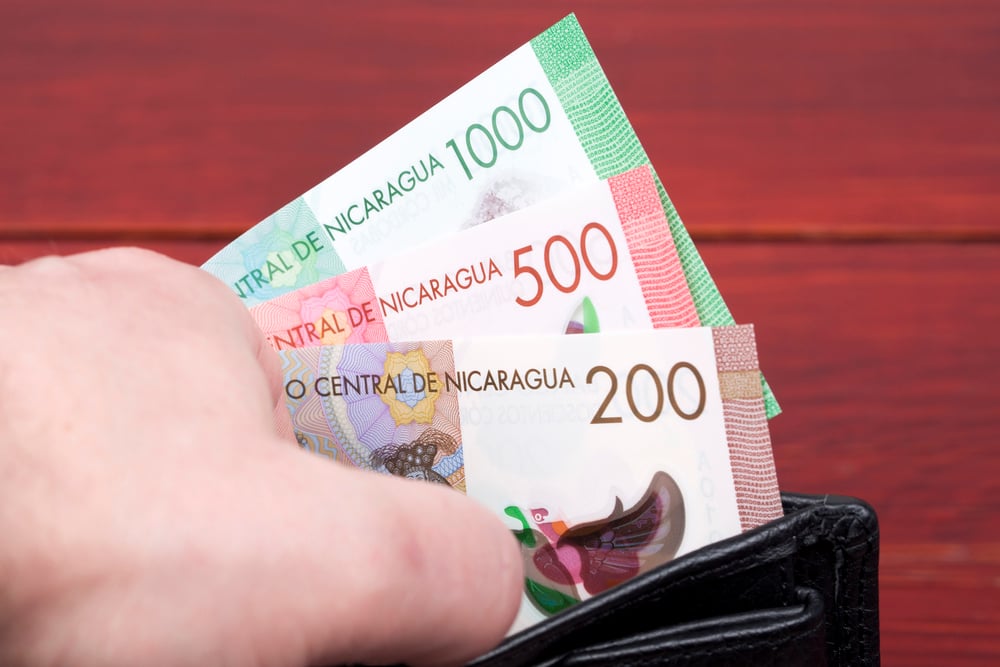
Under Sandinista-era economic pressures and a US trade embargo, Nicaragua’s córdoba entered hyperinflation through 1987 and 1988, with annual inflation estimated above 30,000 percent at its worst point. The government replaced it with a new córdoba in 1988, only to require a further currency changeover the following year as inflation continued.
Argentine Austral
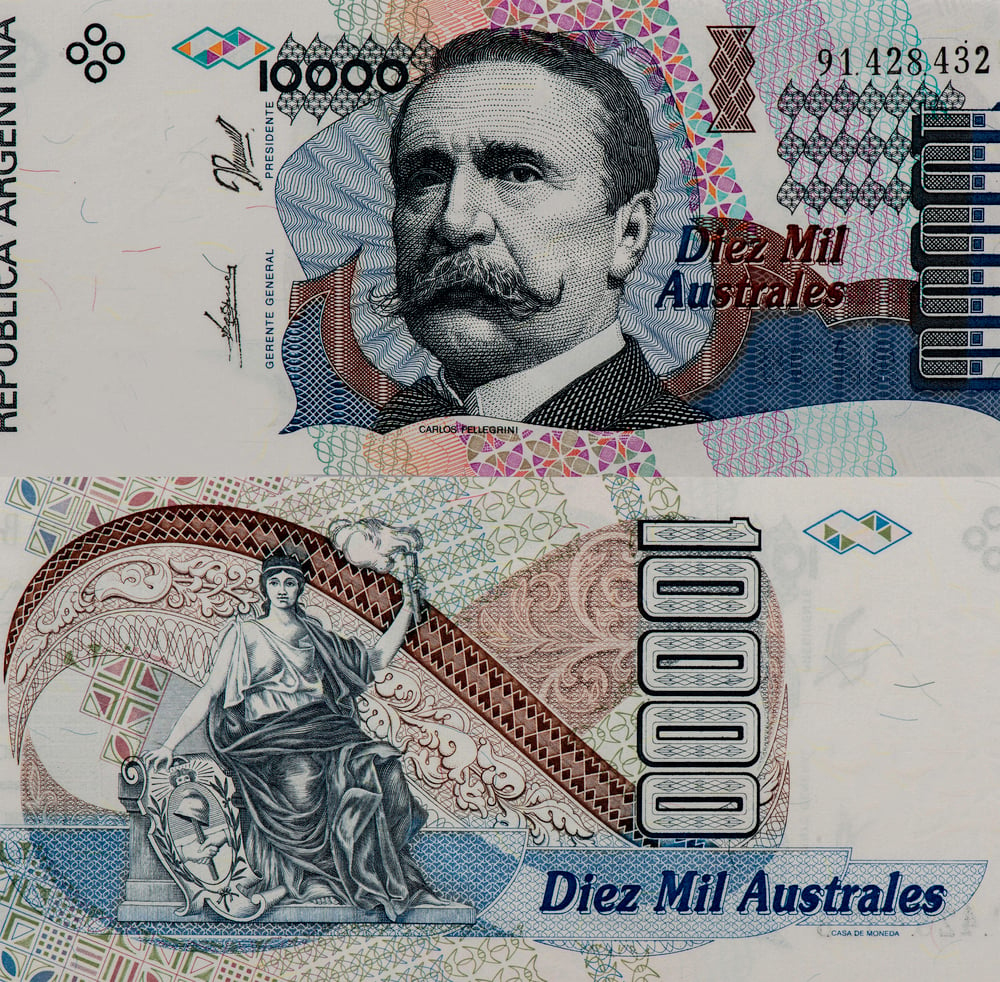
Argentina’s austral, introduced in 1985 to replace an earlier inflation-battered peso, itself collapsed within a few years, with monthly inflation exceeding 200 percent during 1989 alone. Riots and supermarket looting accompanied the collapse, and the government replaced the austral with a new peso in January 1992 at a rate of 10,000 to one.
Ukrainian Karbovanets
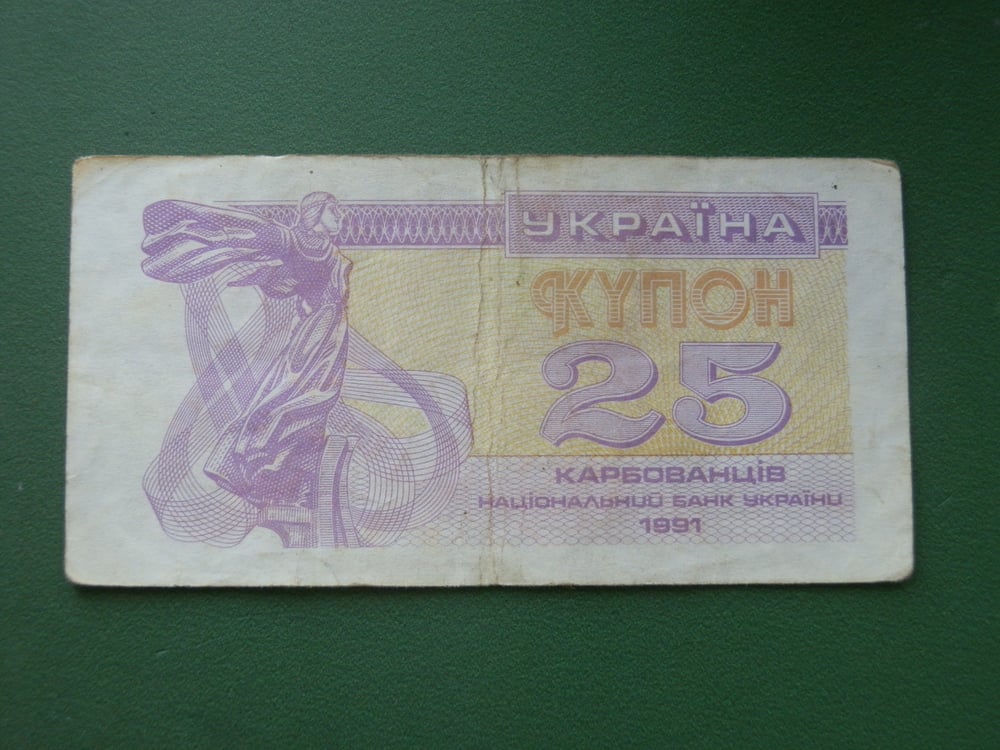
Introduced as a transitional currency after Ukrainian independence, the karbovanets lost the vast majority of its value during 1993 amid annual inflation estimated above 10,000 percent, among the highest rates recorded that year anywhere in the world. It was eventually replaced by the hryvnia in 1996.
Georgian Coupon
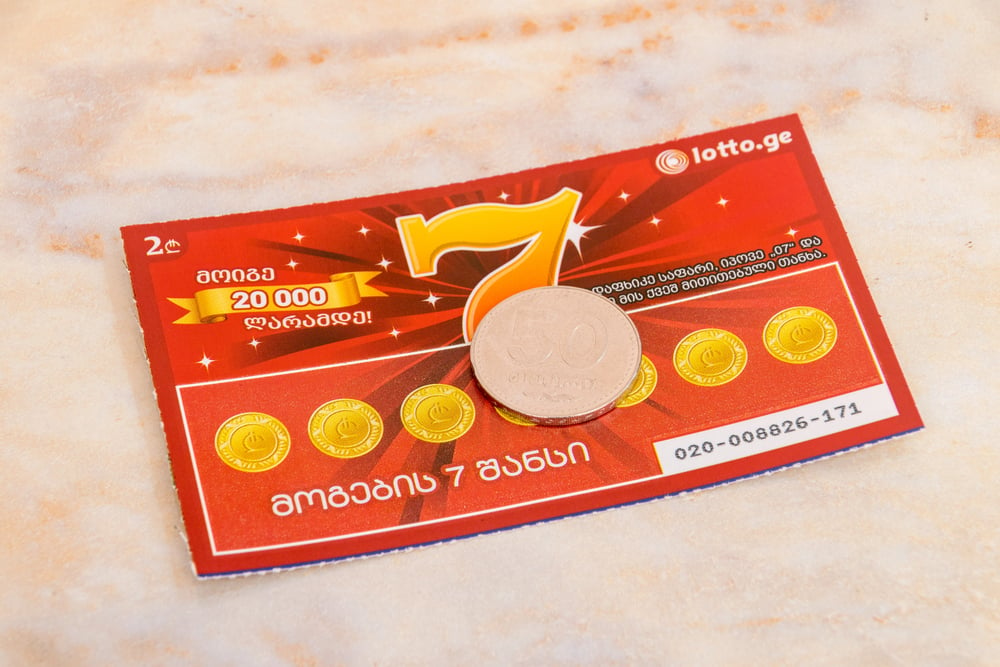
Georgia’s transitional post-Soviet currency, known as the kuponi or coupon, collapsed through 1993 and 1994 amid civil conflict and economic breakdown, with monthly inflation reaching some of the highest levels recorded in the former Soviet Union. The lari replaced it in 1995 at an exchange rate of one million coupons to one lari.
Austrian Krone
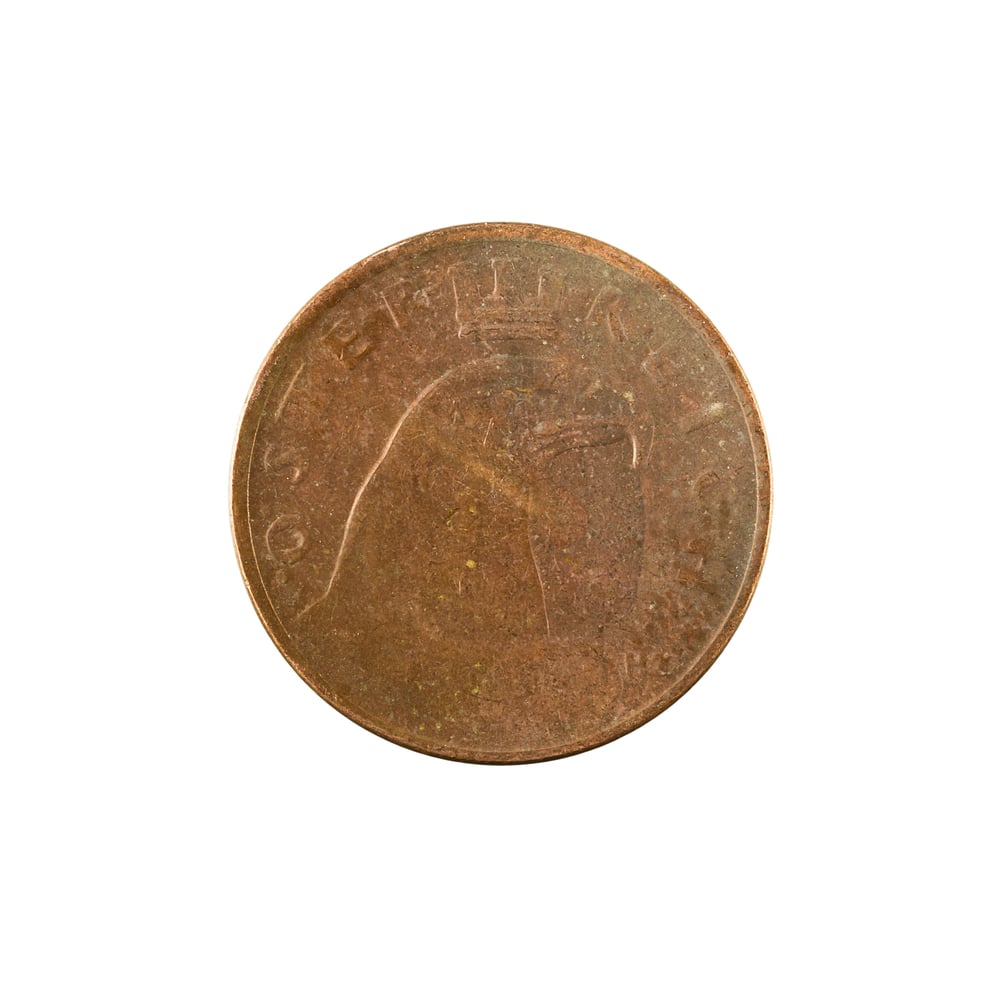
In the aftermath of the Austro-Hungarian Empire’s collapse, the Austrian krone lost most of its value during 1921 and 1922, with the exchange rate against the US dollar falling from roughly 20 to over 70,000 within about a year. A League of Nations-backed stabilization program replaced it with the schilling in 1925.
North Korean Won
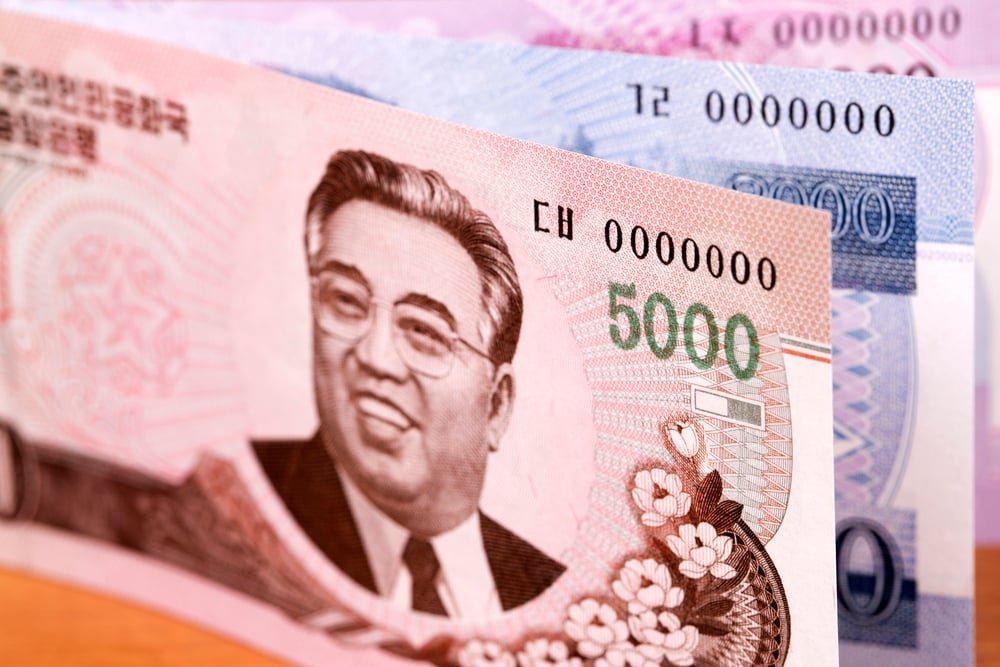
North Korea’s abrupt 2009 currency redenomination, which slashed two zeros from the won and limited how much old currency citizens could exchange, triggered a collapse in the currency’s purchasing power and widespread public anger within months. The architect of the reform was reportedly executed the following year as the government sought a scapegoat for the fallout.
Angolan Kwanza
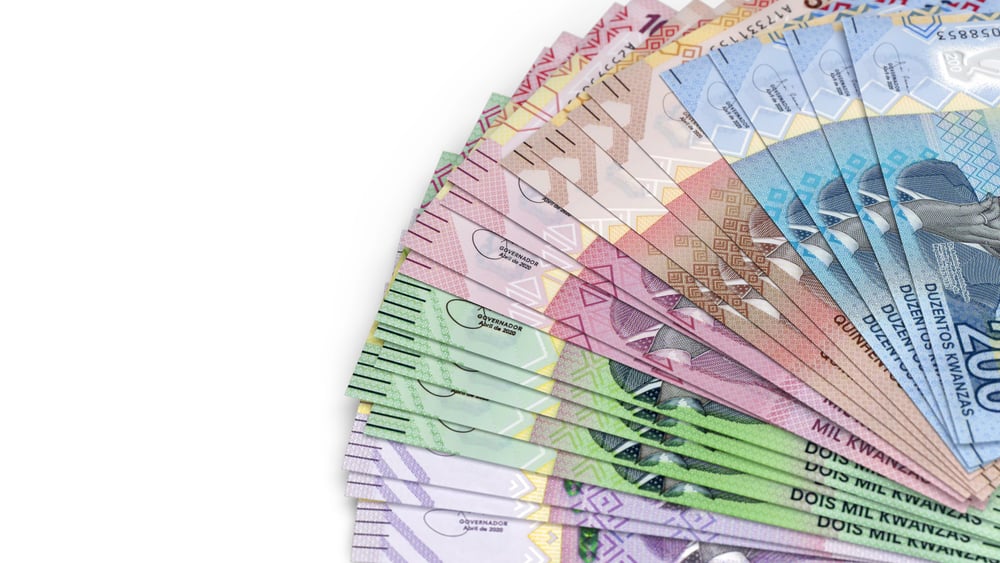
Amid civil war and economic mismanagement, Angola’s kwanza collapsed through 1994 and 1995, with annual inflation estimated above 3,700 percent at its peak. The government introduced the readjusted kwanza in 1995, slicing zeros from the currency, before further reforms were needed later in the decade.
The Arithmetic of Losing Faith
Every currency on this list failed for a slightly different political reason — a lost war, a broken peg, a government printing its way out of a crisis it could not otherwise solve — but the mechanism of collapse looks remarkably similar each time. Confidence erodes faster than any central bank can respond to, and once people stop believing tomorrow’s money will buy what today’s does, the currency is already finished in every way that matters, regardless of what the government still claims about it.
What makes these collapses so vivid in hindsight is the sheer scale of the numbers involved: trillion-dinar notes, quintillion-pengő bills, exchange rates that require scientific notation to express cleanly. They are less a story about economics than about how quickly an abstraction — the shared belief that a piece of paper has value — can simply stop working, and how expensive it is for a country to rebuild that belief from nothing.
More from Go2Tutors!

- The Romanov Crown Jewels and Their Tragic Fate
- 13 Historical Mysteries That Science Still Can’t Solve
- Famous Hoaxes That Fooled the World for Years
- 15 Child Stars with Tragic Adult Lives
- 16 Famous Jewelry Pieces in History
Like Go2Tutors’s content? Follow us on MSN.



