Airports With the Most Flight Delays
You plan your trip carefully, arrive early, and check your flight status obsessively. Then the departure board flashes that dreaded word: delayed.
Some airports turn this into a regular occurrence. Weather, congestion, infrastructure problems, or simply poor management can trap thousands of passengers in terminals for hours.
Knowing which airports struggle most with on-time performance helps set realistic expectations before you book.
Newark Liberty International Airport

Newark consistently ranks among the worst airports for delays in the United States. The airport operates at near capacity during peak hours, leaving no room for recovery when problems arise.
A single delayed arrival creates a cascade of late departures. Weather compounds the issues.
Newark sits in a region prone to thunderstorms, winter snow, and fog. The airport has three runways, but crosswinds and poor visibility often force operations onto just one or two.
Air traffic control manages three major airports in the New York area simultaneously, creating constant coordination challenges. Airlines overbook slots during busy periods, betting they can squeeze in more flights than the infrastructure really allows.
When that gamble fails, passengers pay the price. Newark’s delay rates hover around thirty percent during summer months, meaning nearly one in three flights leaves late.
Heathrow Airport

London Heathrow operates at 98 percent capacity most days. The airport has only two runways for roughly 1,300 flights daily.
This leaves almost no buffer for weather, mechanical issues, or air traffic control delays elsewhere in Europe. Connecting passengers complicates matters further.
Heathrow serves as a major hub, so delays ripple across continents. A late arrival from New York pushes back a departure to Singapore, which then affects a flight to Sydney.
The airport struggles to absorb even minor disruptions. Dense fog affects the region frequently, reducing visibility and forcing slower operations. Winter weather grounds flights regularly.
The airport has proposed building a third runway for decades, but political and environmental opposition keeps blocking the project. Until capacity increases, delays will remain routine.
Frankfurt Airport

Frankfurt handles more cargo than almost any European airport while also managing heavy passenger traffic. This dual role strains the infrastructure constantly.
The airport operates as Lufthansa’s primary hub, creating waves of arrivals and departures that stress the system. German efficiency doesn’t prevent weather delays.
Thunderstorms roll through regularly during summer, halting operations for safety. Winter brings ice and snow that require extensive de-icing operations.
Each delayed aircraft creates a domino effect through the tightly scheduled flight pattern. The airport has four runways but can’t use all of them simultaneously due to noise restrictions.
Evening curfews limit operations, forcing airlines to cancel late flights rather than delay them past permitted hours. This creates a bottleneck where schedule problems have nowhere to go except into cancellations.
Charles de Gaulle Airport
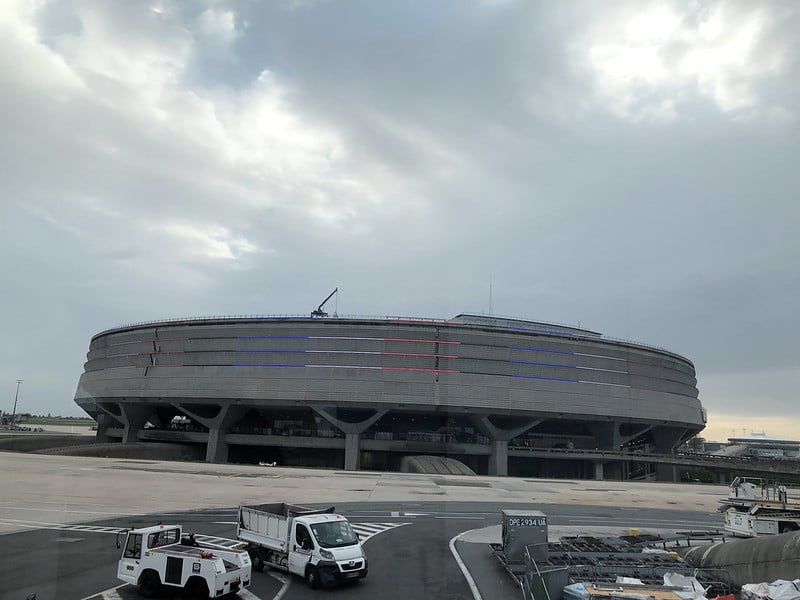
Paris Charles de Gaulle combines aging infrastructure with intense traffic volume. The airport opened in 1974 and has expanded repeatedly, creating a confusing layout that complicates ground operations.
Taxiing between terminals takes longer than at newer airports designed with efficiency in mind. French air traffic controllers strike more frequently than in other countries.
These work stoppages cause massive disruptions that ripple through European airspace. Even after strikes end, the backlog takes days to clear.
Airlines avoid scheduling tight connections through Charles de Gaulle for this reason. The airport serves as Air France’s hub, concentrating traffic at specific times.
When weather delays incoming flights, departure waves get compressed, overwhelming gates and ground crews. Recovery takes hours even after conditions improve.
LaGuardia Airport

LaGuardia operates in one of the most congested airspaces in the world. Three major airports—LaGuardia, JFK, and Newark—share limited airspace over New York City. Weather at any of them affects all three.
The airport has two runways that intersect, meaning only one can operate when both are needed for arrivals or departures. This creates an inherent bottleneck.
During busy periods, planes stack up in holding patterns, burning fuel while waiting for their turn. Recent renovations improved the terminal buildings but didn’t add runway capacity.
The fundamental problem remains: too many flights scheduled into too small a space. Airlines know this but keep adding flights because demand for New York City access justifies the risk of delays.
Toronto Pearson International Airport

Toronto Pearson struggles with Canadian weather and heavy international traffic. Winter storms regularly close runways for snow removal.
The airport needs to keep operations safe in conditions that would ground flights in milder climates. Customs and immigration processing creates additional delays unique to international hubs.
Long lines for border control slow passenger movement through the terminal. When flights arrive in waves, the system becomes overwhelmed.
Passengers miss connections even when their arriving flight landed on time. The airport serves as a major hub for Air Canada and several other carriers.
This concentrates traffic at specific times, straining gates and ground services. Summer thunderstorms and winter blizzards both cause regular disruptions that the tight schedule can’t absorb.
San Francisco International Airport

Fog rolls into San Francisco Bay most mornings, reducing visibility to minimums. The airport operates with instrument landing systems, but approach speeds drop when visibility falls.
This creates spacing between aircraft that reduces the number of landings per hour. The airport has four runways, but two pairs sit close together.
During low visibility, only one runway in each pair can operate. This cuts capacity in half precisely when efficiency matters most.
Airlines schedule morning banks of departures that must wait for fog to clear. Strong crosswinds also affect operations.
Pilots sometimes need multiple approach attempts before landing safely. These go-arounds delay not just the struggling aircraft but everyone behind it.
The weather patterns are predictable, yet schedules remain optimistic about departure times.
Chicago O’Hare International Airport

O’Hare sits in the middle of the country’s weather systems. Thunderstorms in summer, snowstorms in winter, and wind shear year-round all create operational challenges.
The airport has invested billions in runway improvements, but the weather doesn’t respect infrastructure upgrades. As United and American Airlines’ major hub, O’Hare handles massive connecting traffic.
Passengers typically have forty-five minutes to change planes. When inbound flights run late, those connections become impossible.
The ripple effects spread across the country as delayed passengers miss flights to dozens of cities. Air traffic control manages some of the highest volumes in the world.
During peak hours, planes land and depart every ninety seconds. This leaves no margin for error.
A single maintenance issue can ground an aircraft on a taxiway, blocking others and creating delays that take hours to resolve.
Denver International Airport
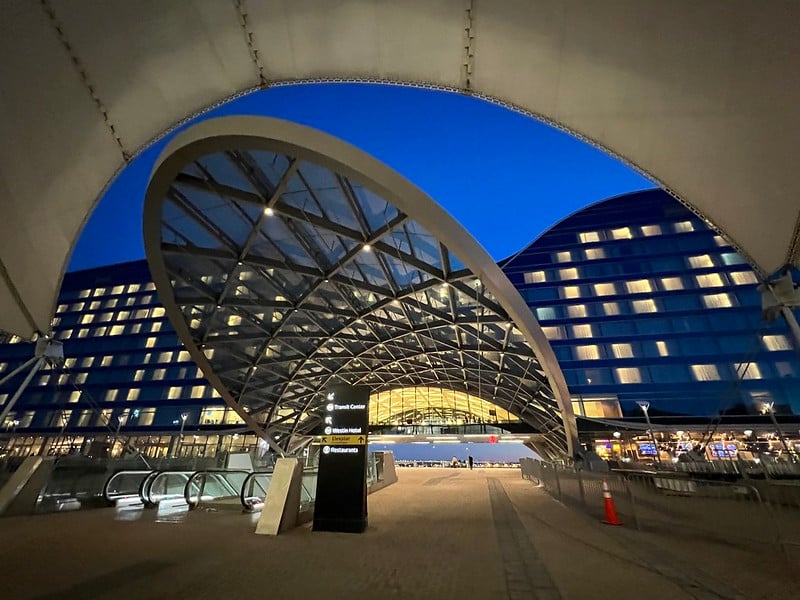
Denver’s high altitude and unpredictable mountain weather create constant operational challenges. Afternoon thunderstorms develop almost daily during summer.
These storms appear suddenly and move across the airport in waves, halting operations for thirty to sixty minutes at a time. Winter brings blizzards that can dump several feet of snow overnight.
The airport has extensive snow removal equipment, but clearing six runways takes time. De-icing aircraft becomes a major bottleneck.
Planes wait in line for treatment before they can take off, creating cascading delays. The airport sits far from downtown Denver, which means weather can differ significantly between the city and the airport.
Passengers sitting in sunshine downtown often discover their flight is delayed by weather they can’t even see. The isolated location makes ground transportation delays worse when flights do get cancelled.
Miami International Airport

Hurricane season brings months of uncertainty to Miami International. Storms form in the Atlantic with little warning.
Airlines must decide whether to cancel flights preemptively or risk stranding aircraft and crew in dangerous conditions. Even when hurricanes stay offshore, the weather affects operations.
Tropical storms bring heavy rain and strong winds that slow arrivals and departures. Afternoon thunderstorms develop routinely during summer, creating daily disruption windows.
The airport serves as a major gateway to Latin America and the Caribbean. International flights face different scheduling constraints than domestic routes.
Delays at Miami affect airports across two continents. Customs processing adds another variable that can slow passenger flow and create bottlenecks.
Dallas/Fort Worth International Airport
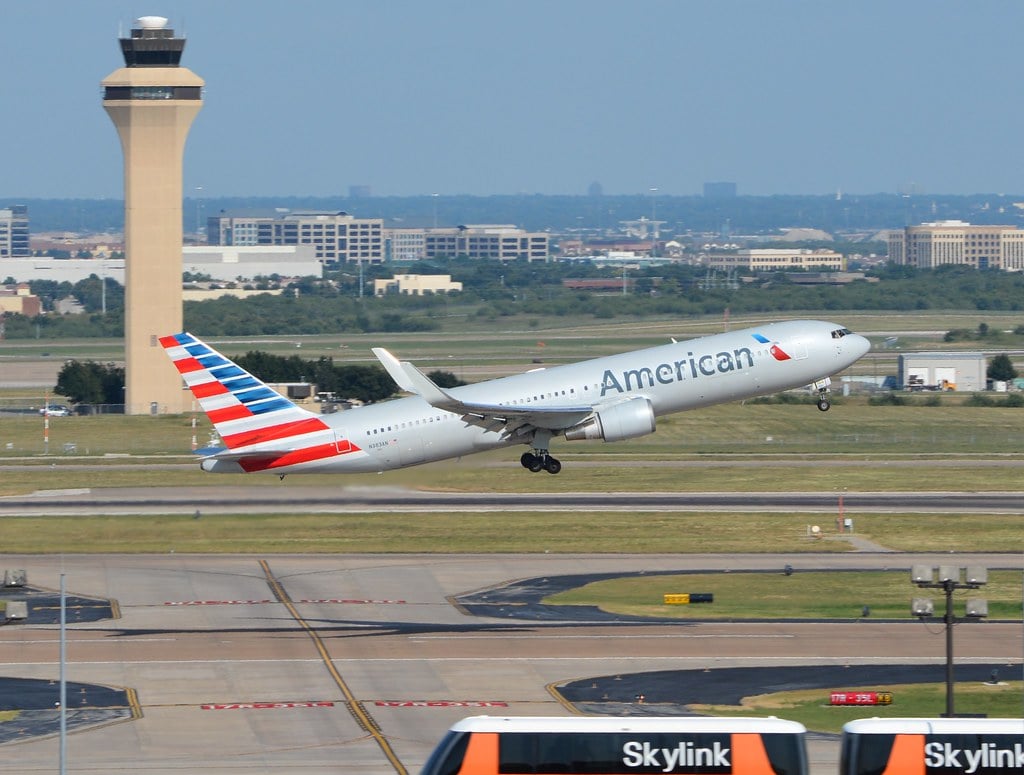
DFW spreads across a massive area with seven runways, yet still experiences frequent delays. Severe thunderstorms roll across North Texas regularly, particularly during spring.
Tornadoes occasionally force the airport to ground all operations and evacuate terminals. The airport serves as American Airlines’ largest hub.
This concentration means thousands of passengers connect through DFW daily. When weather delays incoming flights, connecting passengers miss their onward journeys.
The schedule works perfectly in ideal conditions but collapses under stress. Summer heat creates performance problems for aircraft.
Hot air reduces lift, requiring longer takeoff runs. This means fewer departures per hour when temperatures climb above 100 degrees.
The airport knew about this when it was built but chose the location anyway for land availability.
London Gatwick Airport

Gatwick operates with a single runway serving roughly 900 flights per day. This makes it the busiest single-runway airport in the world.
Any problem that affects the runway halts all operations instantly. The airport alternates the runway direction to share noise among surrounding communities.
This switching creates scheduling complexities. Delays on one runway configuration affect the next, creating a backlog that persists for hours.
Low-cost carriers dominate Gatwick, and these airlines operate on thin margins. They schedule aircraft aggressively, assuming everything will work perfectly.
When delays hit, low-cost carriers have fewer spare aircraft to substitute. Passengers often get stuck for hours or even overnight waiting for the next available flight.
Amsterdam Schiphol Airport

Schiphol handles heavy traffic volume through a hub-and-spoke system that concentrates flights at specific times. KLM and its partners schedule waves of arrivals followed by waves of departures.
This creates intense pressure on gates, baggage systems, and customs facilities. Weather in the Netherlands includes frequent fog, strong winds, and winter storms.
The airport sits below sea level, making flooding a concern during extreme weather. Runways occasionally need inspection and temporary closure after heavy rain. Noise restrictions limit operations during nighttime hours.
Late arrivals often can’t depart until morning, creating a backlog of delayed flights. The airport balances community concerns with operational efficiency, but passengers bear the cost of these compromises.
Where Schedules Meet Reality
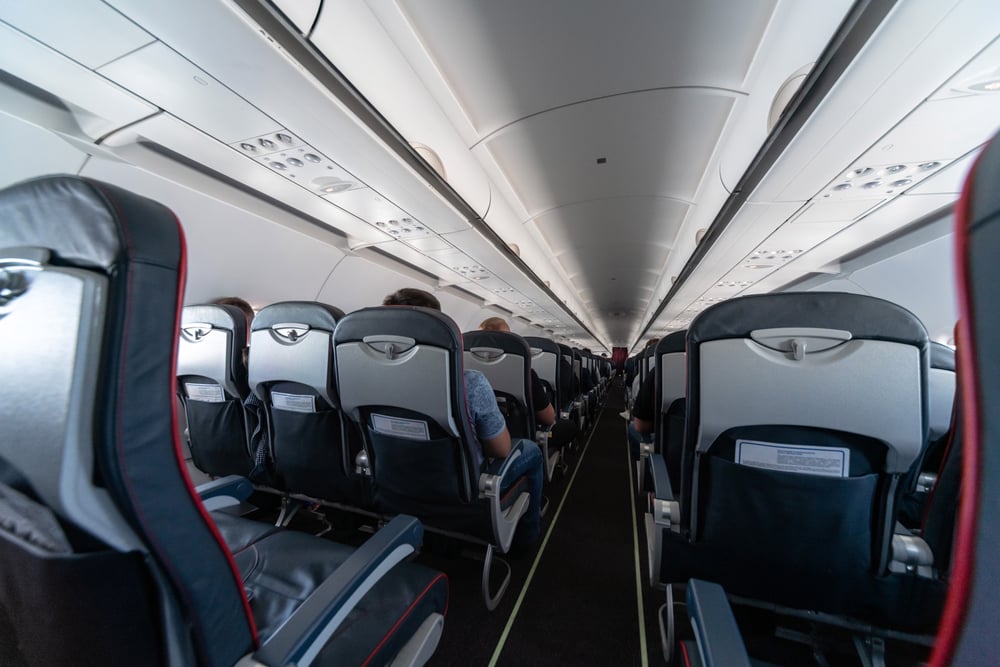
Airlines list upbeat takeoff times since travelers like handy departures rather than truthful ones. Airports pack in extra flights they can’t smoothly manage, seeing income ties to how many arrive.
All players get that things barely hold together. The weather’s never going away.
Machines will still break down now and then. Air traffic systems can only handle so much.
The hubs with the longest wait times have something in common – they act like those facts don’t matter. As long as squeezing more flights beats building dependable ops, delay signs will stay lit up at the usual spots.
More from Go2Tutors!

- The Romanov Crown Jewels and Their Tragic Fate
- 13 Historical Mysteries That Science Still Can’t Solve
- Famous Hoaxes That Fooled the World for Years
- 15 Child Stars with Tragic Adult Lives
- 16 Famous Jewelry Pieces in History
Like Go2Tutors’s content? Follow us on MSN.