17 iconic record labels that shaped music
Record labels aren’t just business entities that distribute music. They’re cultural architects that have shaped entire genres, launched legendary careers, and changed the way we experience sound.
From the blues-soaked streets of Memphis to the hip-hop blocks of New York, these companies didn’t just sign artists—they crafted movements that still echo through today’s music. Some labels captured lightning in a bottle by focusing on specific sounds or communities, while others became powerhouses by adapting to every musical shift.
Each one left an unmistakable fingerprint on music history, whether through innovative production techniques, groundbreaking artist development, or simply having the guts to take risks when others played it safe. Here is a list of 17 record labels that didn’t just release music—they transformed it.
Motown Records

Founded in 1959 by Berry Gordy Jr. in Detroit, Michigan, Motown became known as the ‘Sound of Young America,’ masterfully blending pop and soul music. The label turned a converted house in Detroit into a hit factory that would redefine popular music.
Smart melodies and intoxicating soul the label popularized changed music forever, reminding America that it was much more than just white folk-rockers and British Invasion enthusiasts. Artists like Stevie Wonder, Diana Ross and the Supremes, and Marvin Gaye didn’t just make great records—they broke down racial barriers and brought Black music into mainstream America during one of the most turbulent periods in the country’s history.
Atlantic Records
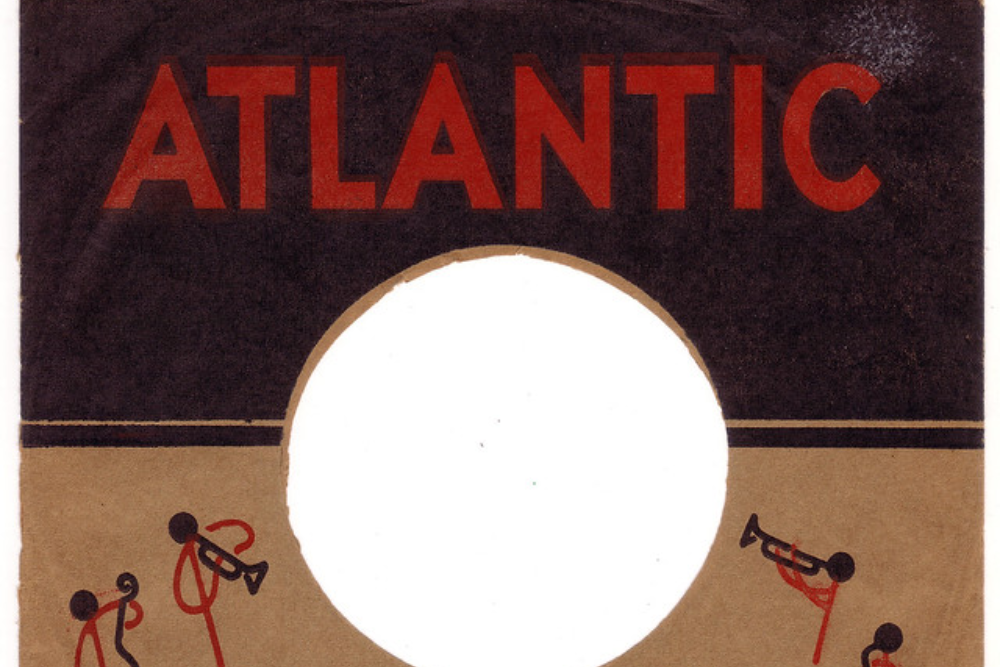
Founded in 1947 by Ahmet Ertegun and Herb Abramson in New York City, Atlantic Records pioneered the development of rhythm and blues, soul, and rock music. The label became legendary for treating artists with respect and giving them creative freedom when most companies saw musicians as disposable commodities.
Ray Charles, Aretha Franklin, and Led Zeppelin all found artistic homes at Atlantic, where the focus was on capturing authentic performances rather than manufacturing hits. For all its success with RnB in the 50s, rock in the 70s and pop in the 21st century, Atlantic as an iconic label is all about its golden decade of 24 carat soul music.
Like Go2Tutors’s content? Follow us on MSN.
Sun Records
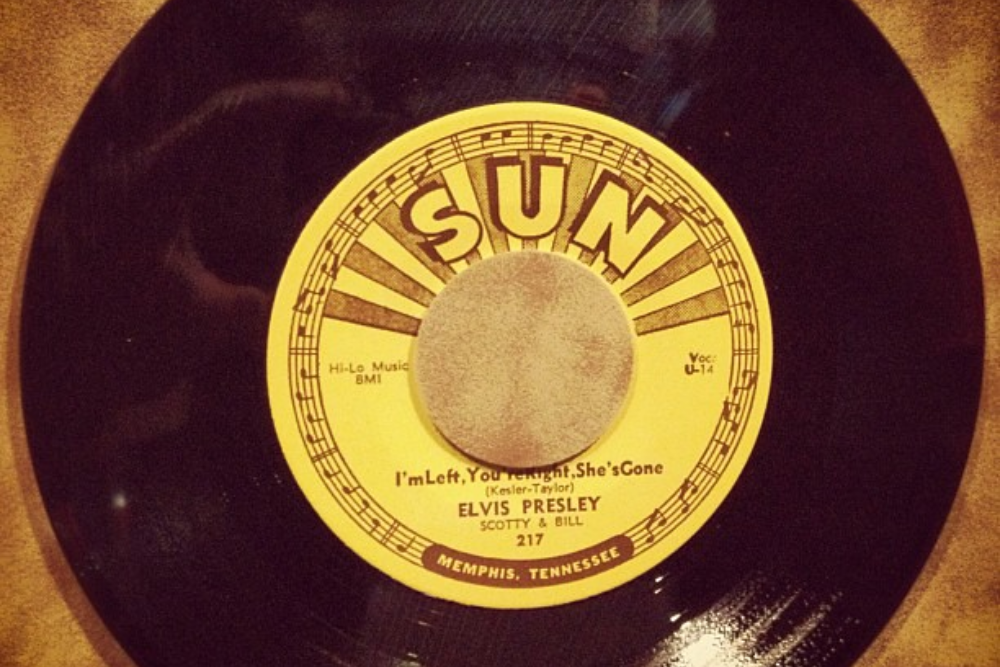
Sun Records in Memphis became the birthplace of rock and roll when Sam Phillips opened his doors in the early 1950s. Sun Records (home of Elvis Presley, Johnny Cash, and Sam Perkins) profoundly impacted the proliferation of rock and roll.
Phillips famously said he was looking for a white artist who could sing Black music, and when Elvis Presley walked through his doors in 1954, everything changed. The label’s raw, energetic sound captured something that polished major-label productions couldn’t—the pure electricity of musicians discovering something completely new.
Columbia Records

Columbia Records was the second record label and is the oldest record label still in operation today. This New York-based giant has weathered every musical storm for over a century, adapting and thriving through jazz, folk, rock, and beyond.
Bob Dylan, Johnny Cash, and Miles Davis all called Columbia home at crucial points in their careers. The label’s ability to spot talent across genres and give artists the resources to create their best work has kept it relevant through countless musical revolutions.
Blue Note Records

Established in 1939 by German-Jewish emigrants Alfred Lion and Max Margulis, Blue Note derived its name from the blue notes of jazz and the blues. More than just a jazz label, Blue Note became synonymous with artistic integrity and innovative sound.
The photography and graphic art of Reid Miles created a series of iconic album covers, often incorporating session photos by Francis Wolff, which added to Blue Note’s artistic reputation. Artists like John Coltrane, Miles Davis, and Thelonious Monk found at Blue Note a label that understood jazz as serious art, not just entertainment.
Like Go2Tutors’s content? Follow us on MSN.
Capitol Records

Capitol Records was founded in 1942 by Johnny Mercer, Buddy DeSylva, and Glenn Wallichs, with their vision to establish a record company that would rival the established East Coast labels. The label’s circular Hollywood building became as iconic as the music it housed.
Capitol’s historic 1963 decision to release records by the essentially unknown Beatles in the United States would forever change the trajectory of popular music and cement Capitol’s place in music history. From Nat King Cole to the Beach Boys, Capitol consistently championed artists who defined American popular music.
Stax Records

In 1957, Jim Stewart founded Satellite Records, which became Stax Records by combining the first two letters of Stewart and Axton (his sister Estelle). Located in Memphis, Stax created the perfect storm for soul music with its integrated house band Booker T. & the M.G.’s and legendary songwriting team of Isaac Hayes and David Porter.
Otis Redding, perhaps the label’s most treasured star, left an everlasting legacy with his evocative and emotive vocal performances. The label’s raw, emotional approach to soul music influenced generations of musicians and proved that great music could come from anywhere.
Def Jam Records

Founded in 1984 by Russell Simmons and Rick Rubin in New York City, Def Jam pioneered hip-hop music and culture, launching careers of artists like LL Cool J and Run-D.M.C. Starting in a New York University dorm room, Def Jam transformed hip-hop from underground culture into a global phenomenon.
The label’s aggressive, stripped-down production style and street-smart marketing turned rap into one of the most dominant forces in popular music. What began as party music for New York neighborhoods became the voice of American youth worldwide.
Like Go2Tutors’s content? Follow us on MSN.
A&M Records

A&M Records expanded far into pop and rock during the 1980s, continuing its tradition of signing diverse and influential artists. Founded by Herb Alpert and J. Moss, A&M maintained an artist-friendly approach that attracted musicians seeking creative control.
The label’s eclectic roster included everyone from The Police to Janet Jackson, proving that treating artists well could be both ethical and profitable. A&M’s willingness to support artists through their experimental phases resulted in some of the most innovative music of the 1970s and 1980s.
Elektra Records
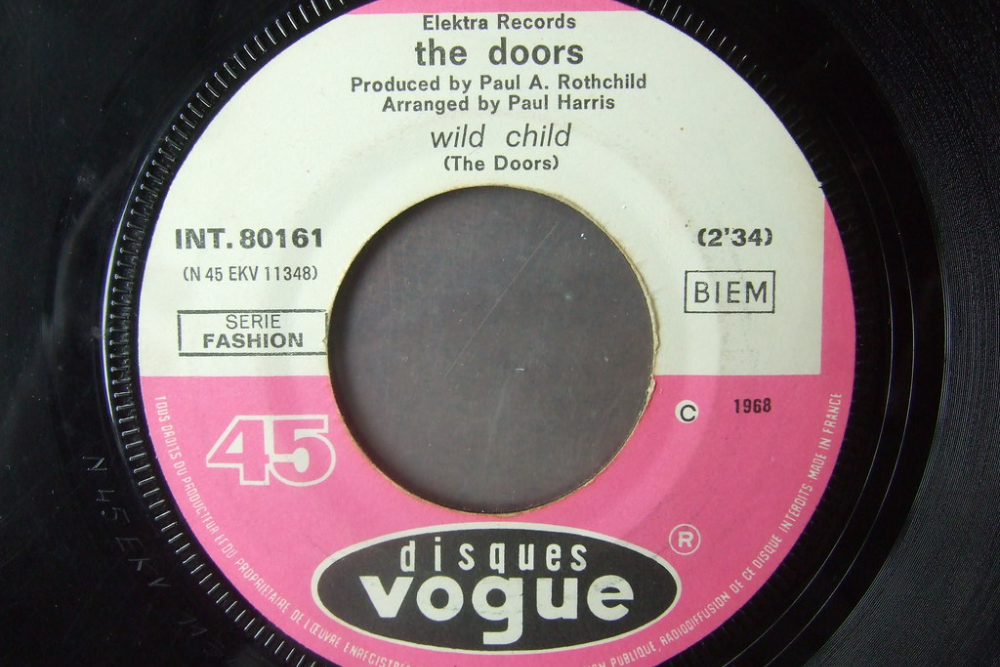
In 1950, Jac Holzman founded the independent label while still in college, building a catalog of landmark albums that galvanized the legacies of artists such as The Doors, MC5, Metallica, and Queen. Elektra started as a folk label but evolved into a home for counterculture and alternative music.
It played an important role in the development of contemporary folk and rock music between the 1950s and 1970s. The label’s willingness to take risks on unconventional artists resulted in some of the most influential albums in rock history.
Sub Pop Records

Seattle’s most famous label captured the sound of a city during a glorious musical era, bringing the unlikely rock of Sonic Youth, Green River, Soundgarden, and more to living rooms. Founded by Bruce Pavitt, Sub Pop turned Seattle grunge from local scene to global movement.
Sub Pop’s most famous find likely occurred in 1988, when it released Nirvana’s first single. The label’s DIY aesthetic and fierce independence proved that major labels weren’t necessary to change music history—sometimes all you needed was passion and good taste.
Like Go2Tutors’s content? Follow us on MSN.
RCA Victor

RCA Records’ journey began over a century ago in 1900 with the founding of Victor Talking Machine Company. The label made one of music history’s smartest investments when they spent $35,000 to secure Elvis Presley’s contract from Sun Records in the mid-1950s.
RCA is known for its pioneering role in the recording industry and launched the careers of iconic artists like Elvis Presley, David Bowie, and Whitney Houston. RCA’s technical innovations and star-making machinery helped define what a major record label could accomplish.
Chess Records
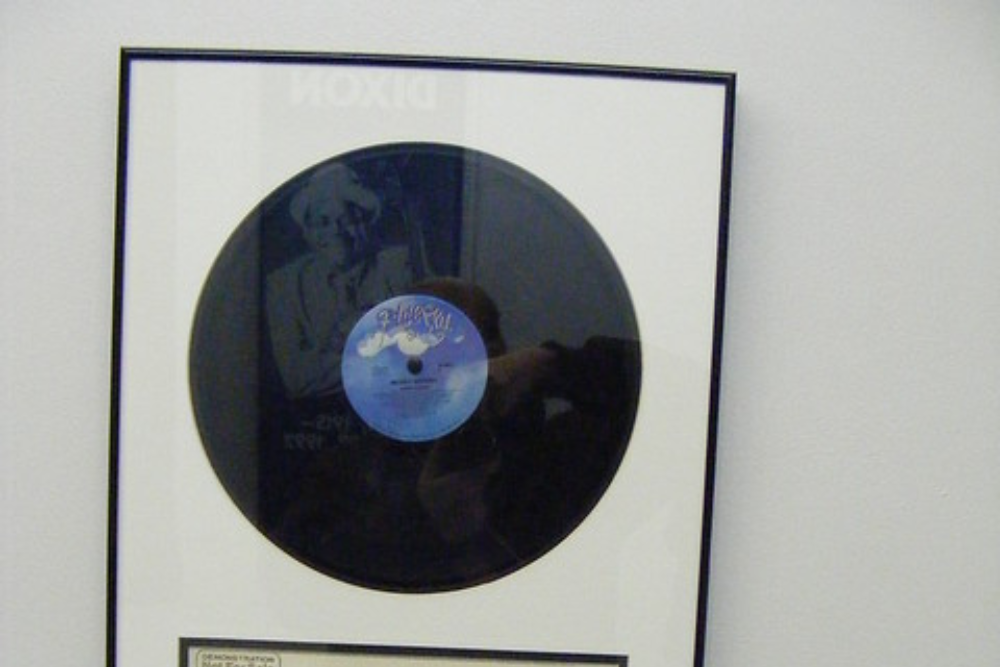
Founded in 1950 by Leonard and Phil Chess in Chicago, Illinois, Chess Records became known for its significant contributions to blues and rock music. The Chicago-based label served as a bridge between rural blues and urban rock, recording artists like Muddy Waters, Chuck Berry, and Howlin’ Wolf.
Chess understood that blues wasn’t museum music—it was alive, electric, and ready to evolve. Their recordings laid the foundation for rock and roll while preserving the authentic spirit of Chicago blues.
Warner Bros. Records

Founded in 1958 as a division of Warner Bros. Entertainment, the label became known for its diverse roster, including artists like Madonna, Prince, and Green Day. Warner Bros. built its reputation on artist development and creative freedom, allowing musicians to grow and experiment without micromanagement.
The label’s success with everyone from Frank Sinatra to Fleetwood Mac proved that respecting artists’ vision could be both artistically satisfying and commercially successful.
Like Go2Tutors’s content? Follow us on MSN.
Tommy Boy Records

Unlike Sugarhill, Tommy Boy was more attuned to the new wave of young hip hop acts coming through in the mid-80s, and remained a major player for the rest of the decade, courtesy of the likes of Stetsasonic, Queen Latifah, and De La Soul. Founded by Tom Silverman, Tommy Boy bridged the gap between hip-hop’s early party days and its more sophisticated artistic future.
Afrika Bambaataa’s Looking For The Perfect Beat and Renegades of Funk further cemented the blueprint of the electro funk sound. The label proved that hip-hop could be both commercially successful and artistically adventurous.
Factory Records
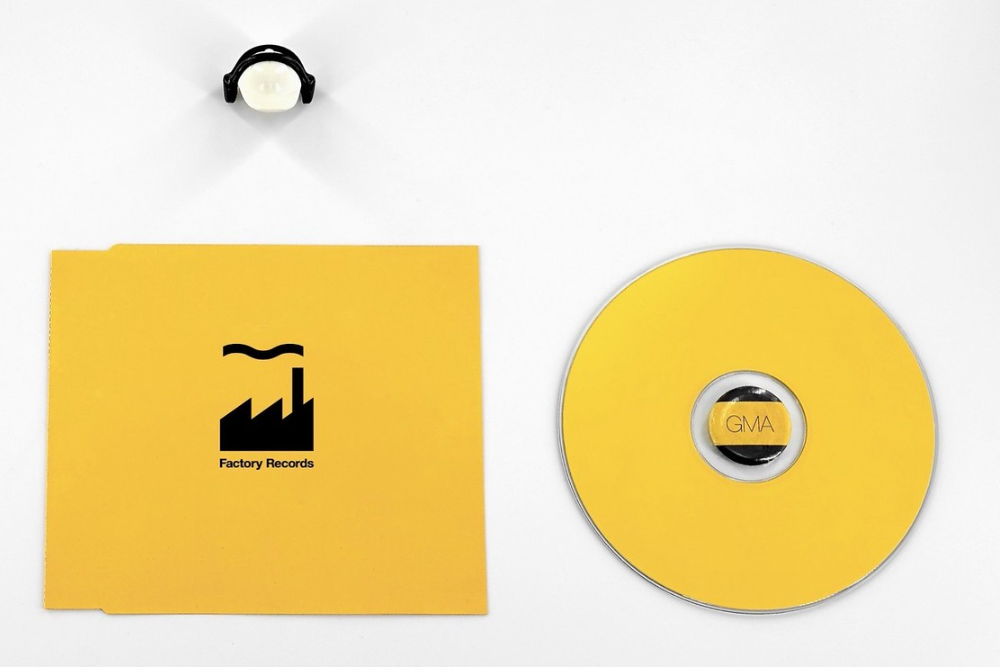
Founded in 1978 by Tony Wilson and Alan Erasmus off the back of their club night, The Factory, the label was made famous by Joy Division and New Order. Based in Manchester, Factory Records became legendary for its uncompromising artistic vision and innovative design aesthetic.
The label treated music as high art, creating some of the most distinctive album covers and marketing campaigns in music history. Factory proved that independent labels could influence culture far beyond their size or budget might suggest.
Underground Resistance

UR is steeped in the musical history of Detroit, not just techno, or Motown, but beyond that to jazz, blues and gospel. Founded in Detroit, Underground Resistance represents techno music at its most political and uncompromising.
UR supremo and co-founder ‘Mad Mike’ Banks remains as the label reaches its 30th anniversary, guiding the mothership with principles that are hardwired into the DNA of the collective. The label views techno as a sonic revolution, creating music that challenges both dance floors and social systems.
Like Go2Tutors’s content? Follow us on MSN.
The Beat Lives On

These 17 labels didn’t just release records—they shaped how we think about music, culture, and artistic expression. From Motown’s integration of American popular music to Underground Resistance’s techno revolution, each label found ways to turn sound into social change.
They proved that record companies could be more than profit machines; they could be cultural catalysts that give voice to new generations and movements. Today’s streaming world might seem different, but the DNA of these pioneering labels still flows through every playlist and viral hit.
More from Go2Tutors!

- 16 Historical Figures Who Were Nothing Like You Think
- 12 Things Sold in the 80s That Are Now Illegal
- 15 VHS Tapes That Could Be Worth Thousands
- 17 Historical “What Ifs” That Would Have Changed Everything
- 18 TV Shows That Vanished Without a Finale
Like Go2Tutors’s content? Follow us on MSN.



