17 Lost Art Techniques That Modern Tech Revived
Throughout history, countless artistic methods have faded into obscurity as practitioners passed away or materials became scarce. These techniques often represented the pinnacle of human creativity in their time, only to be forgotten as the world moved forward.
Modern technology has become an unlikely hero in this story, breathing new life into practices that seemed lost forever. Here is a list of 17 remarkable art techniques that have been rescued from the brink of extinction by today’s technological innovations.
Daguerreotype Photography
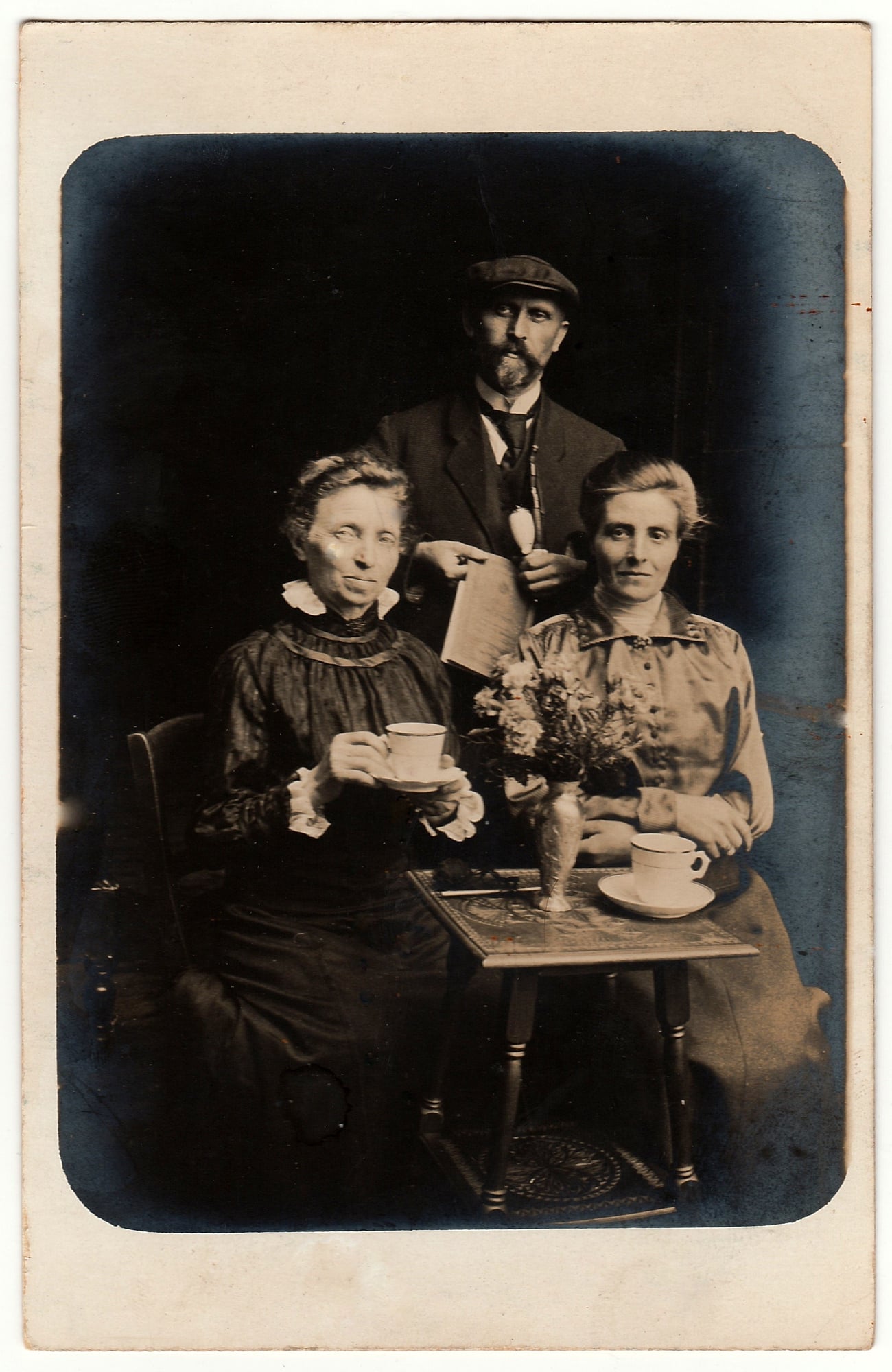
The first commercially successful photographic process now enjoys renewed popularity thanks to digital scanning technology. Modern artists create these silver-plated copper images using traditional methods but preserve and share them through high-resolution digital scanning, allowing this 19th-century technique to reach audiences worldwide.
Scagliola

This ancient technique for creating imitation marble and semiprecious stones nearly vanished after its heyday in the 17th century. Computer modeling now helps craftspeople design complex patterns before execution, while modern polymers enhance durability without compromising the characteristic luminous appearance.
Like Go2Tutors’s content? Follow us on MSN.
Mokume-gane
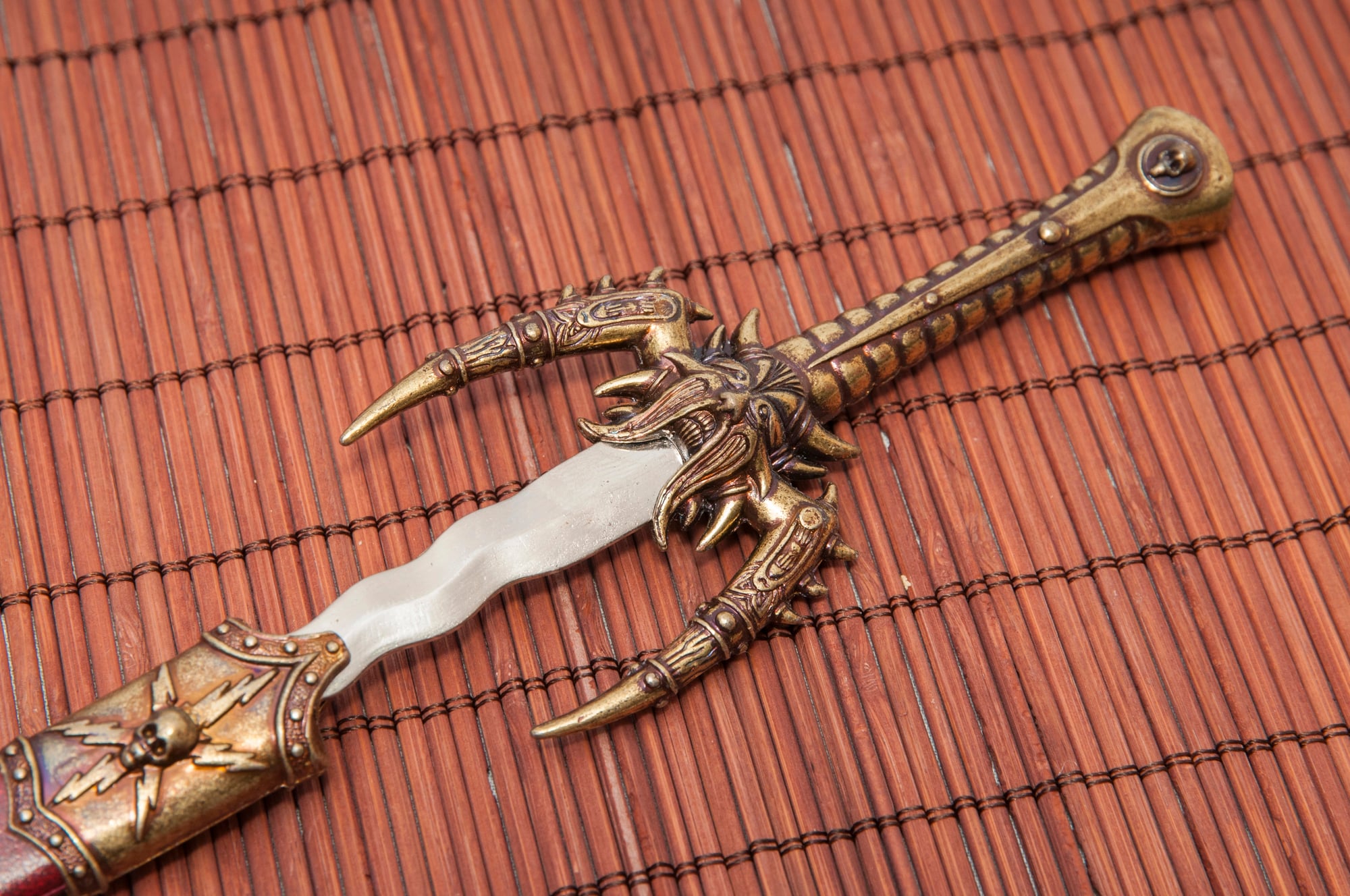
Japanese metalsmiths developed this wood-grain metal technique for creating samurai sword fittings. Contemporary laser cutting and 3D modeling software have revitalized this labor-intensive process, making it possible for jewelry designers to create precise patterns that would be nearly impossible by hand alone.
Natural Pigment Extraction

The art of creating pigments from minerals, plants, and insects almost disappeared with the rise of synthetic colors. Digital spectroscopy and chemical analysis now allow artists to precisely identify and recreate historical pigments, ensuring accurate restoration work and enabling new artists to work with authentically formulated materials.
Glass Harmonicas
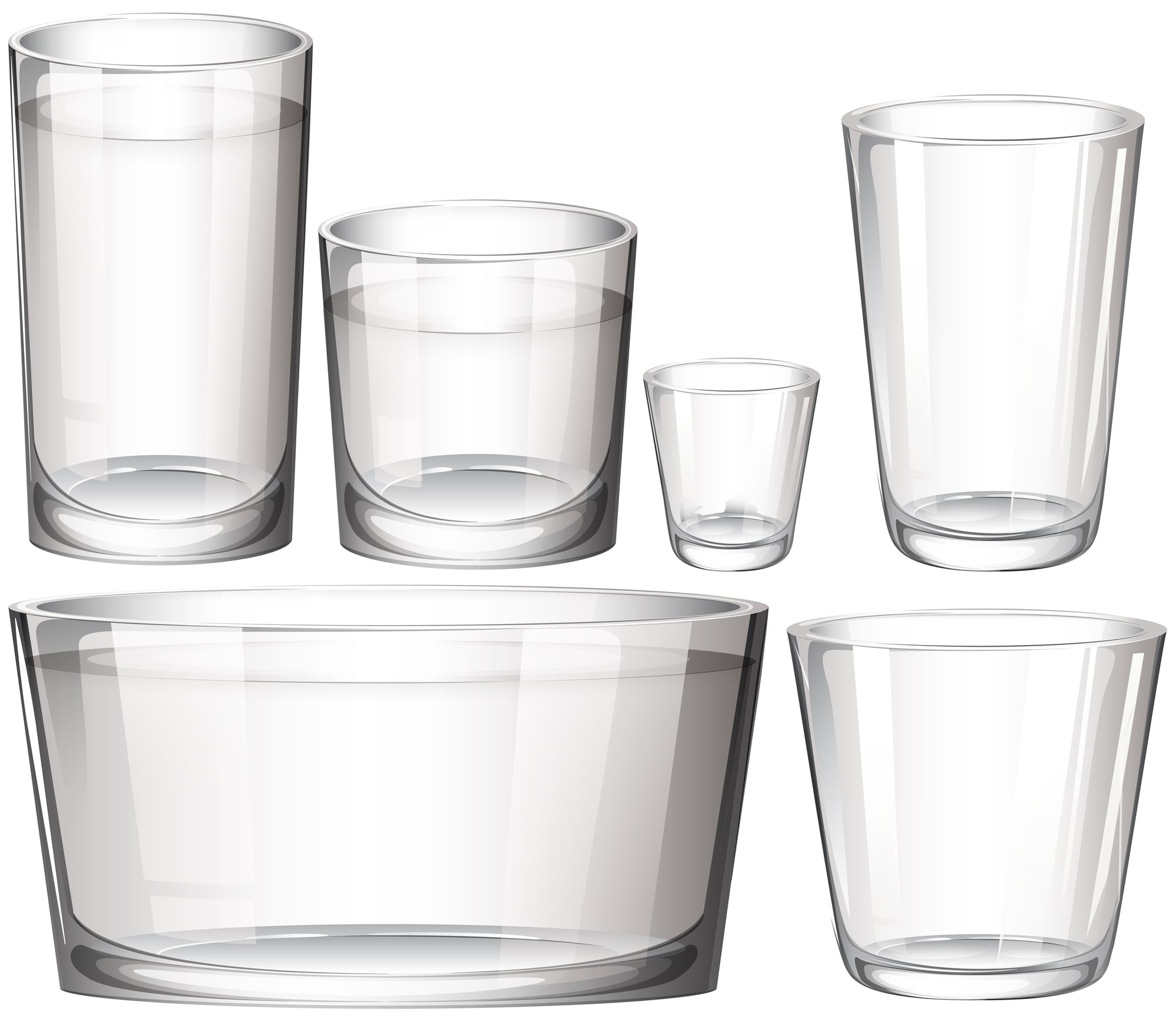
These crystalline musical instruments, popularized by Benjamin Franklin, fell out of favor in the 19th century. Modern manufacturing techniques and digital sound analysis have made these instruments accessible again, with computer modeling improving their acoustic properties beyond what was historically possible.
Like Go2Tutors’s content? Follow us on MSN.
Camera Obscura Techniques
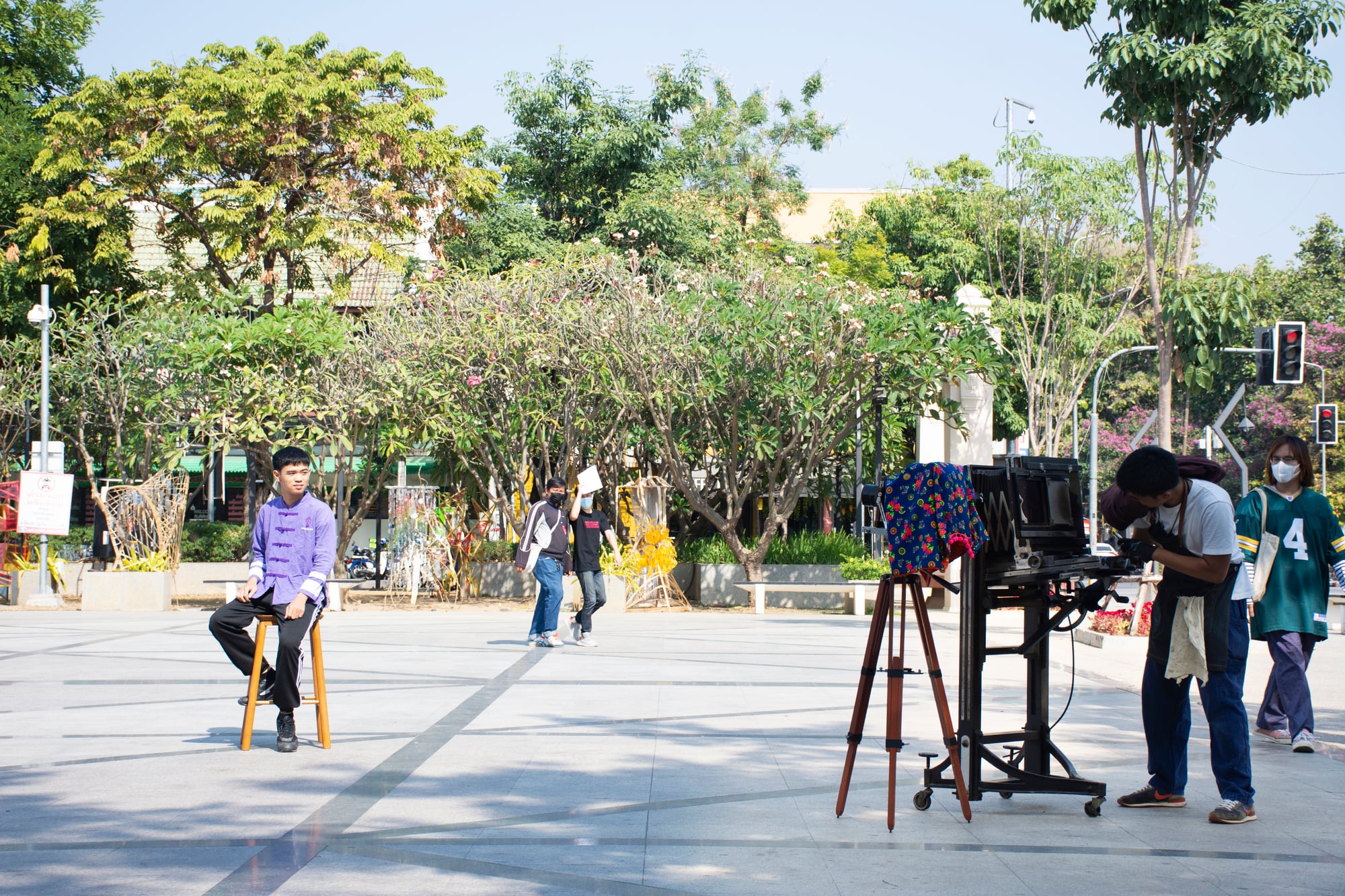
Artists from Vermeer’s era used these primitive projection devices as drawing aids. Contemporary artists now incorporate digital projection mapping into camera obscura setups, creating hybrid works that bridge centuries-old optical principles with cutting-edge display technology.
Encaustic Painting
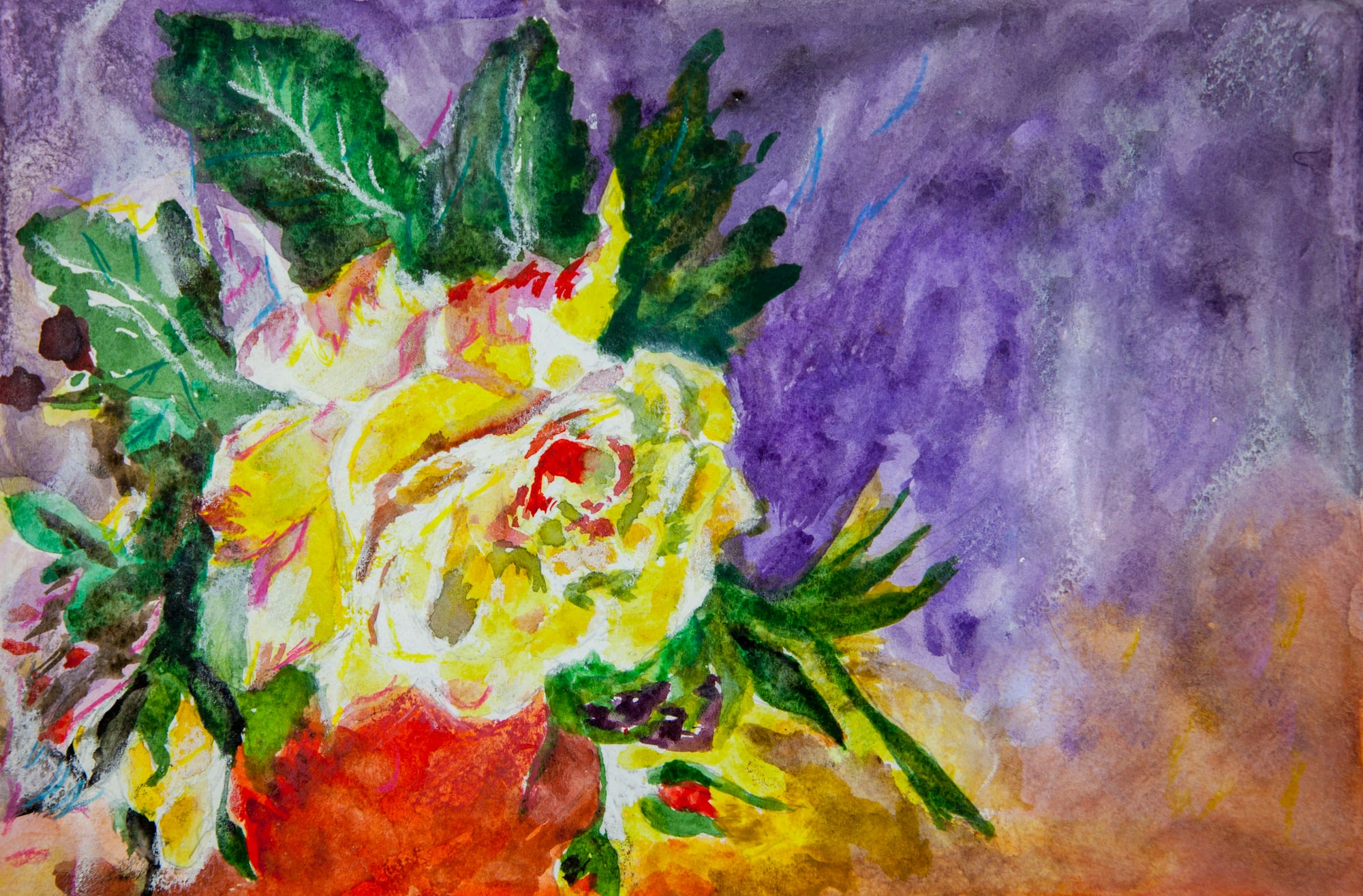
This ancient hot wax painting technique used by Egyptian artists has been transformed by precisely controlled heating elements and temperature sensors. Modern encaustic artists create works with consistency and safety that would amaze their ancient counterparts.
Metalpoint Drawing
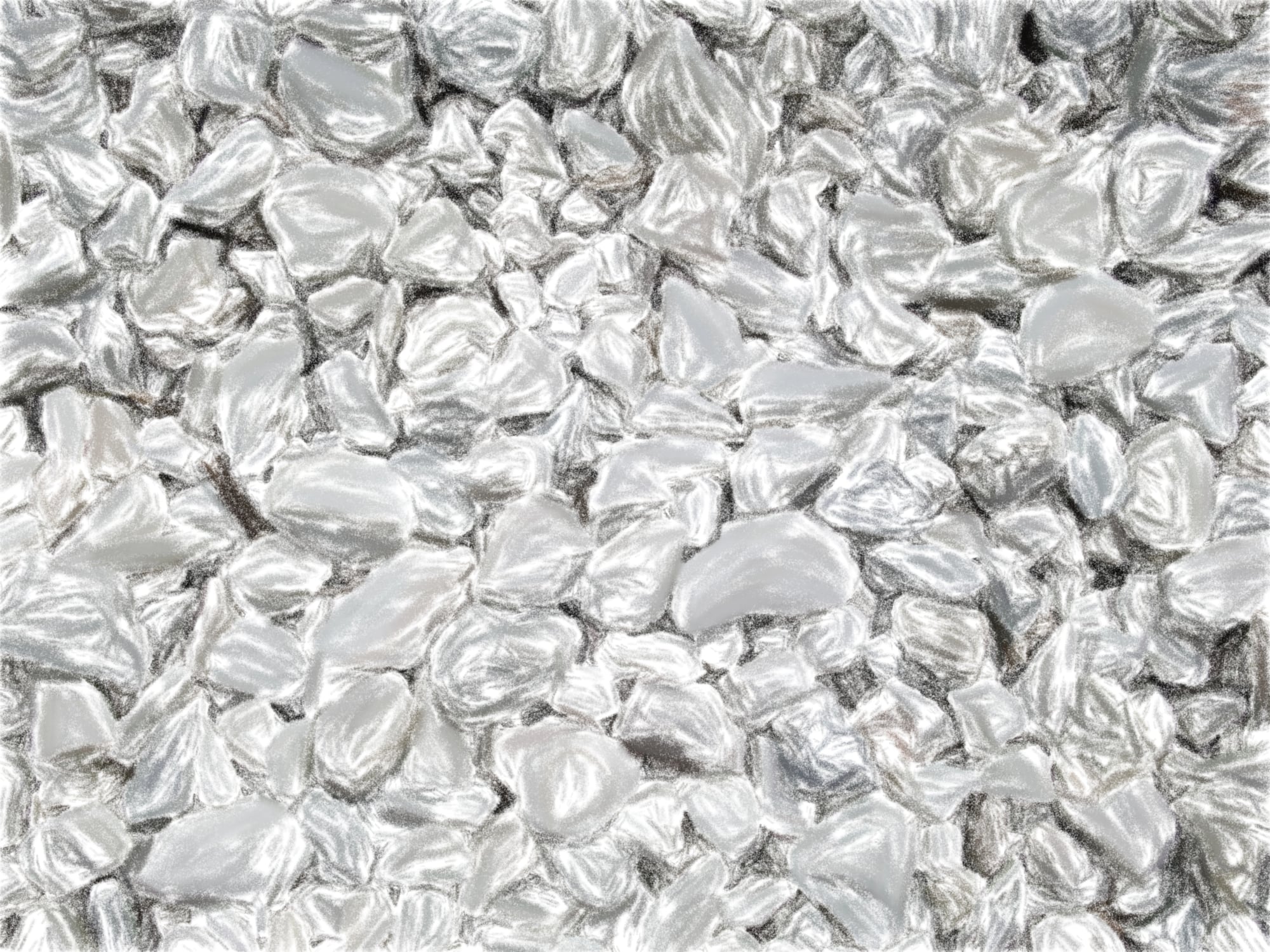
Drawing with silver, gold or copper styluses on prepared surfaces was largely abandoned after the Renaissance. Digital microscopy now allows artists to study historical metalpoint works in unprecedented detail, while modern preparation compounds offer enhanced durability for this delicate medium.
Like Go2Tutors’s content? Follow us on MSN.
Damascus Steel
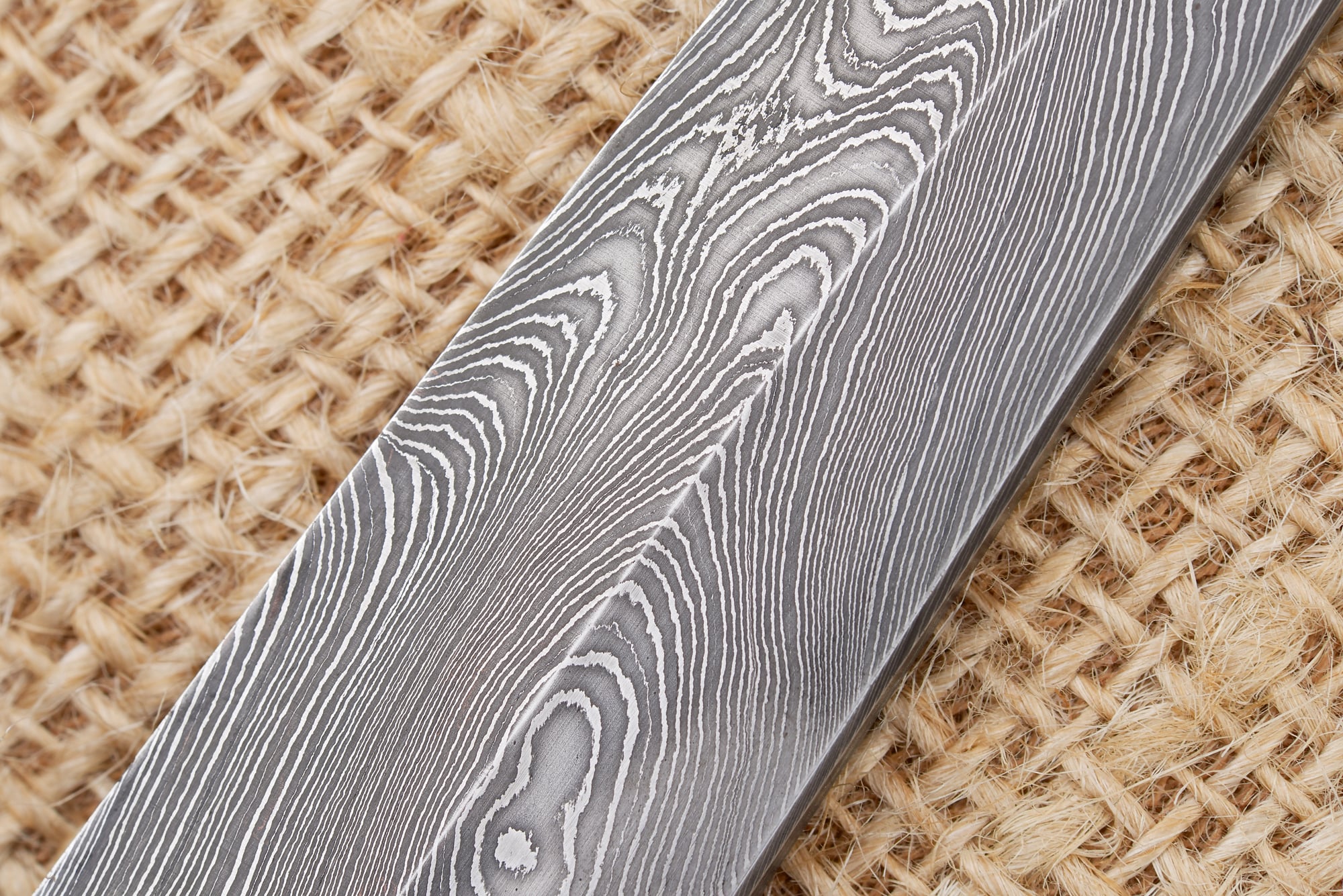
The legendary metal-folding technique that created distinctive wavy patterns went extinct in the 18th century. Materials scientists using electron microscopy have uncovered the microstructure secrets of authentic Damascus steel, allowing modern bladesmiths to recreate this once-lost material with astonishing accuracy.
Bronze Mirror Casting
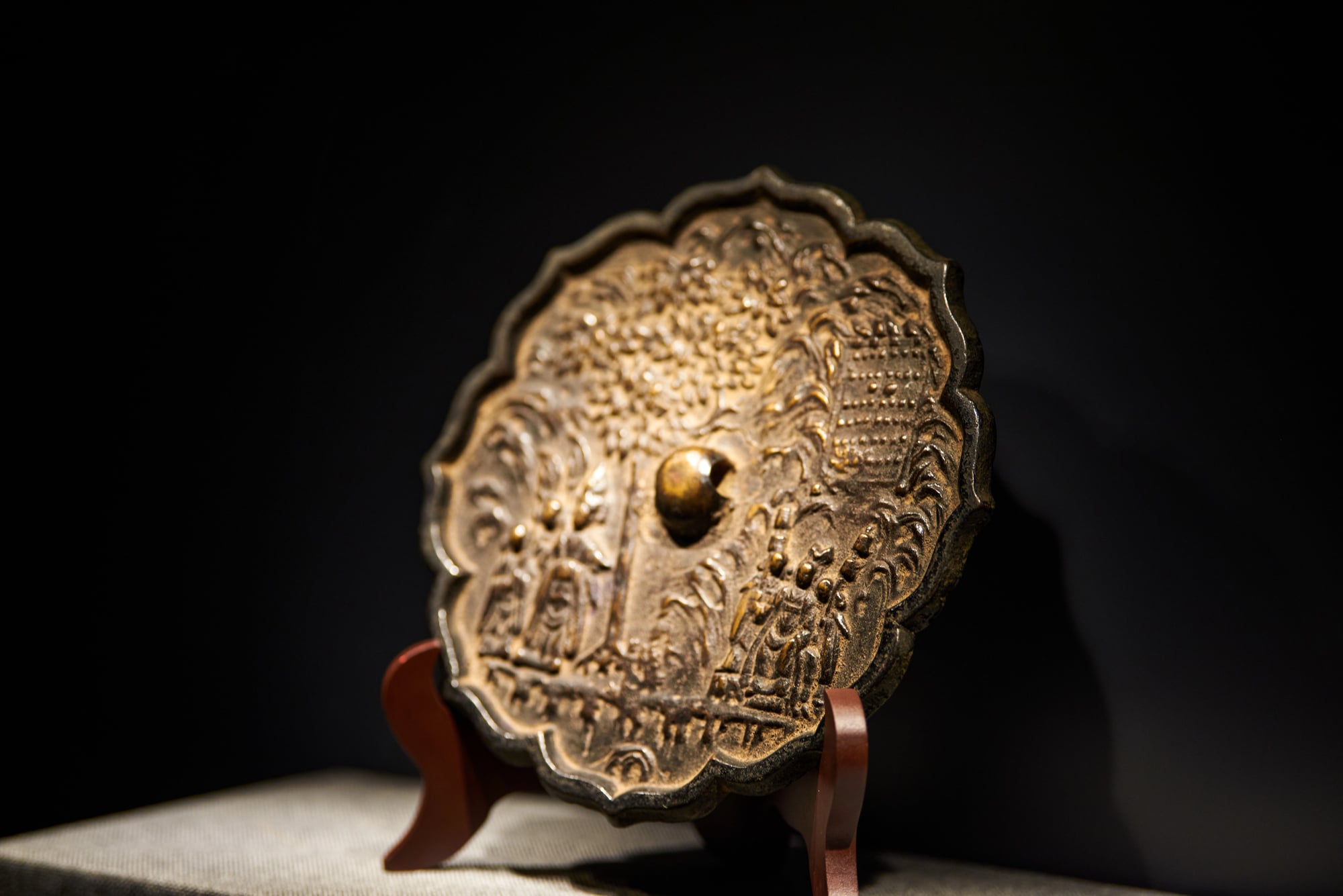
The ancient Chinese art of creating highly reflective bronze mirrors mystified metallurgists for centuries. Computer simulation of metal flow dynamics has revealed the casting techniques necessary to achieve the perfect surface polish that traditional craftspeople achieved through generations of accumulated knowledge.
Frescotech

Traditional fresco painting on wet plaster requires perfect timing and irreversible execution. New digital projection systems allow artists to preview designs on walls before application, while modern humidity sensors help control the critical drying process that determines fresco durability.
Like Go2Tutors’s content? Follow us on MSN.
Lost-Wax Casting
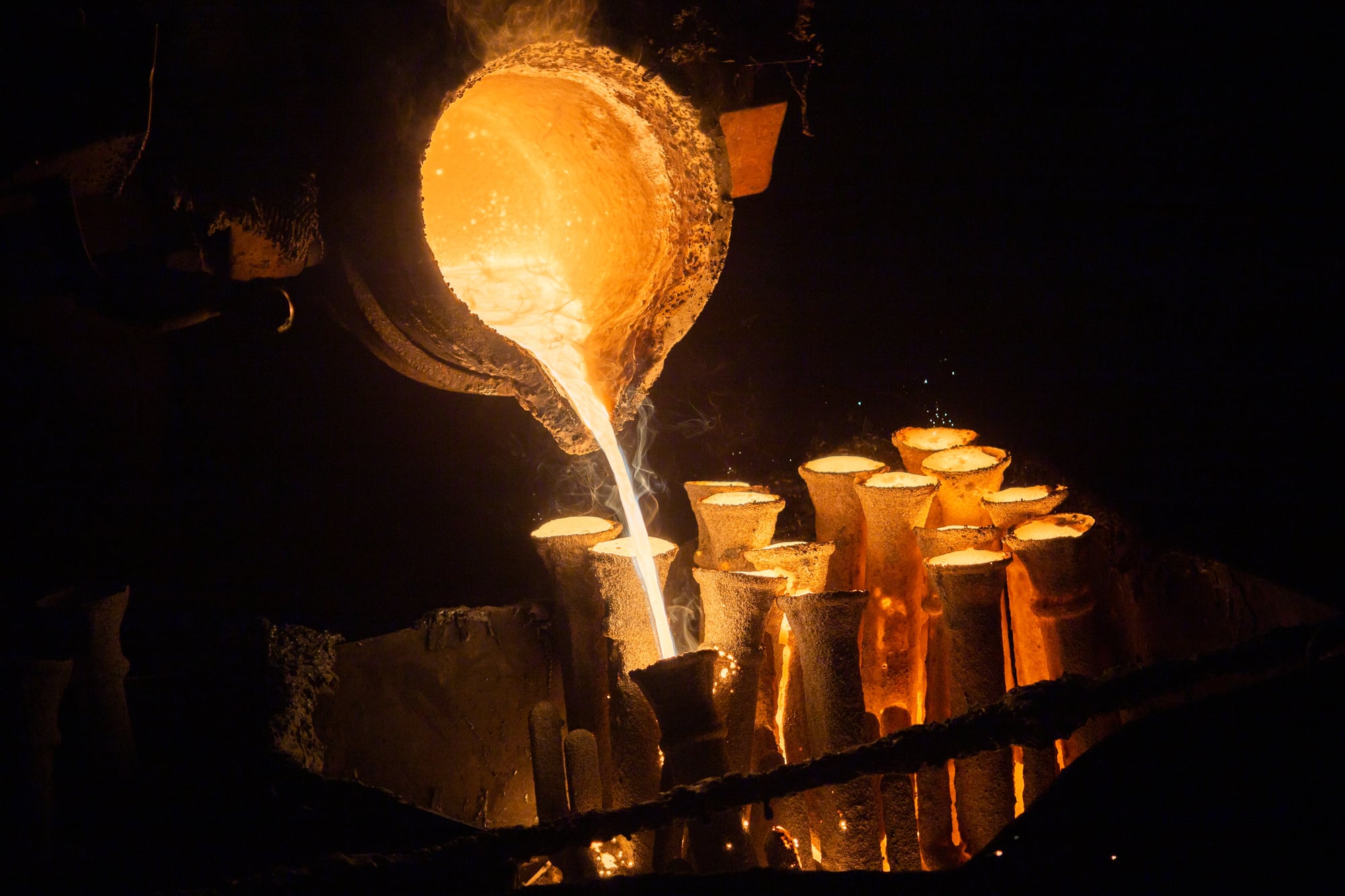
This ancient technique for creating detailed metal objects nearly disappeared in certain regions. 3D printing technology has revolutionized the process, allowing artists to create intricate wax models with unprecedented precision before casting them in metal through the traditional method.
Woodblock Animation

The labor-intensive process of creating animation through carved wooden blocks was abandoned as more efficient techniques emerged. Laser cutting systems now automate the carving process while preserving the distinctive aesthetic, making this technique commercially viable again for specialty productions.
Lithophanes
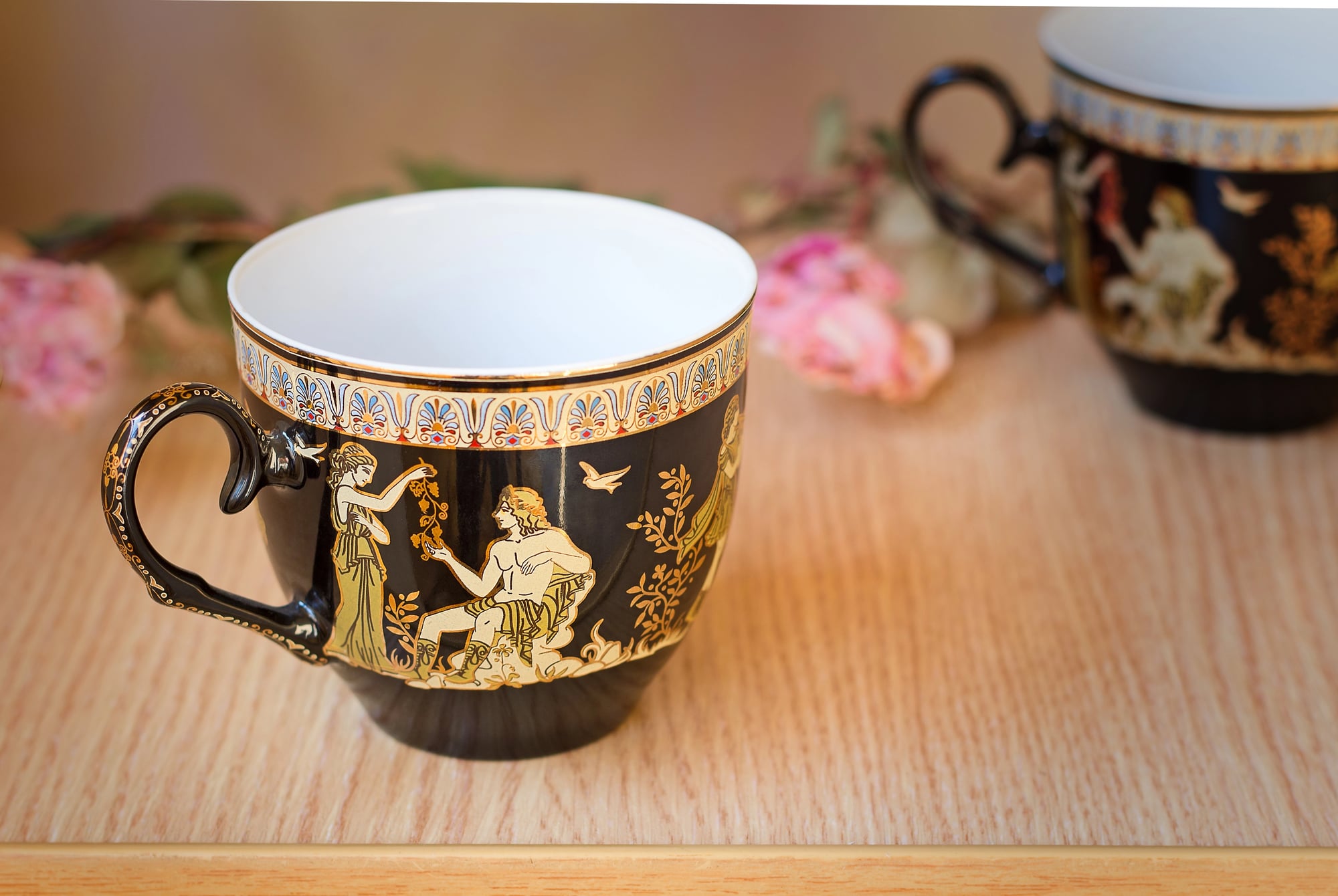
These thin porcelain reliefs that reveal images when backlit were popular Victorian decorations. Modern slicing algorithms and 3D printing have revitalized this art form, allowing contemporary artists to create lithophanes with detail and precision beyond what was historically possible.
Like Go2Tutors’s content? Follow us on MSN.
Marquetry
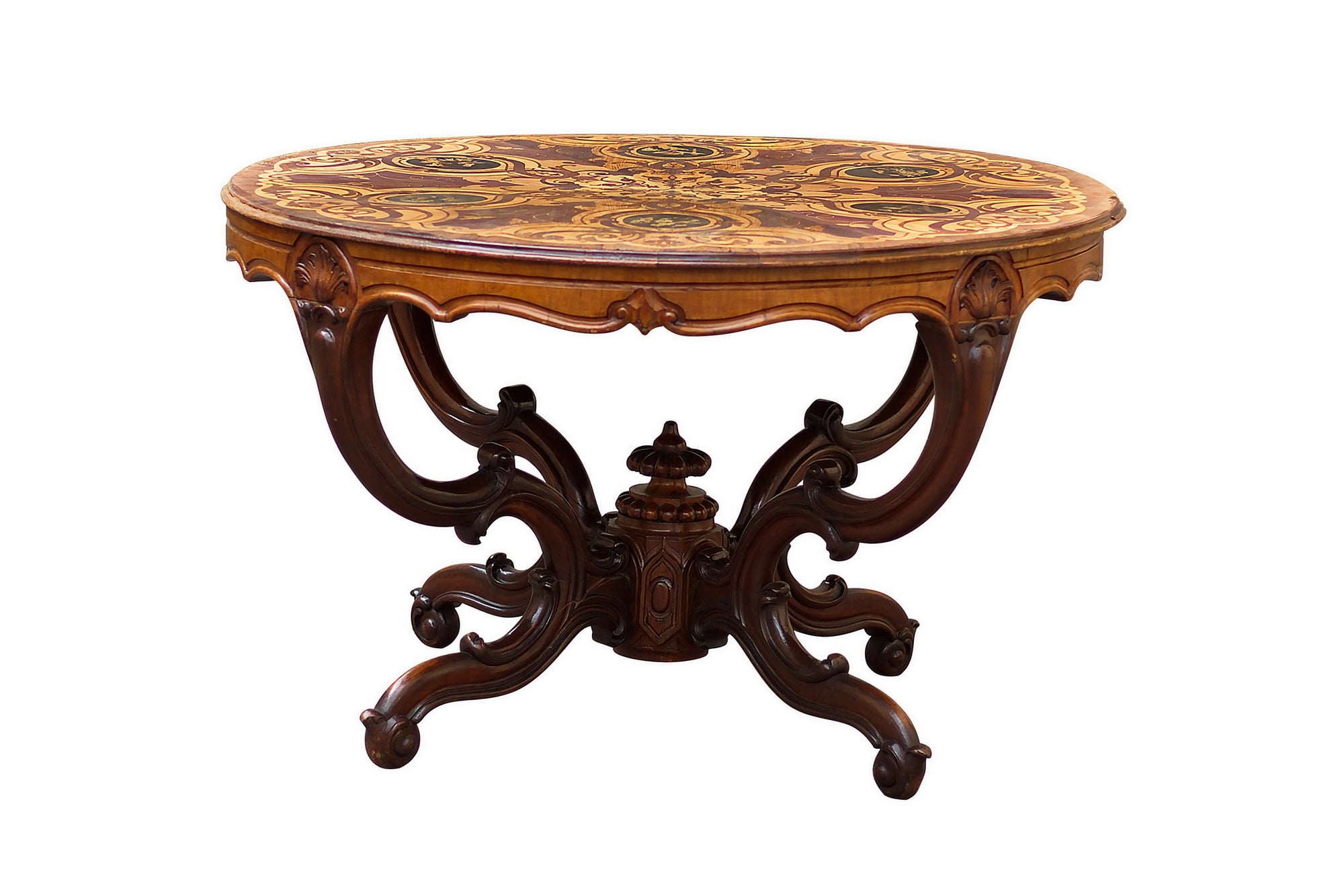
The intricate wood inlay technique used in fine furniture faced decline as hand skills became scarce. Computer-controlled laser cutters now allow precision cutting of veneer pieces, enabling new generations to continue this tradition while adding contemporary innovations.
Casein Painting
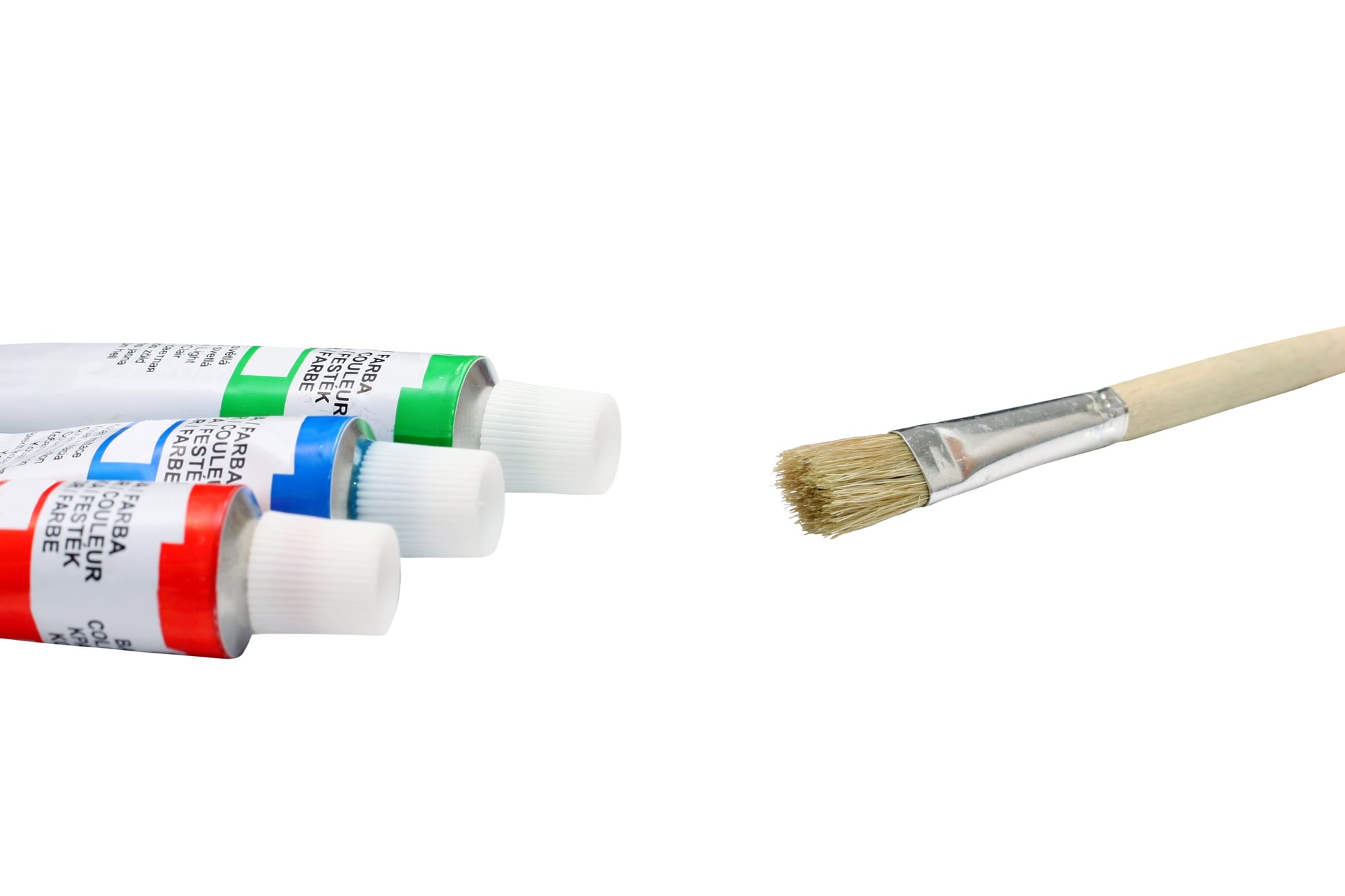
This milk-based paint medium predates oil painting but lost popularity centuries ago. Scientific analysis of protein structures has improved modern casein formulations, while digital color matching helps artists achieve consistent results with this temperamental but luminous paint type.
Natural Dye Processing
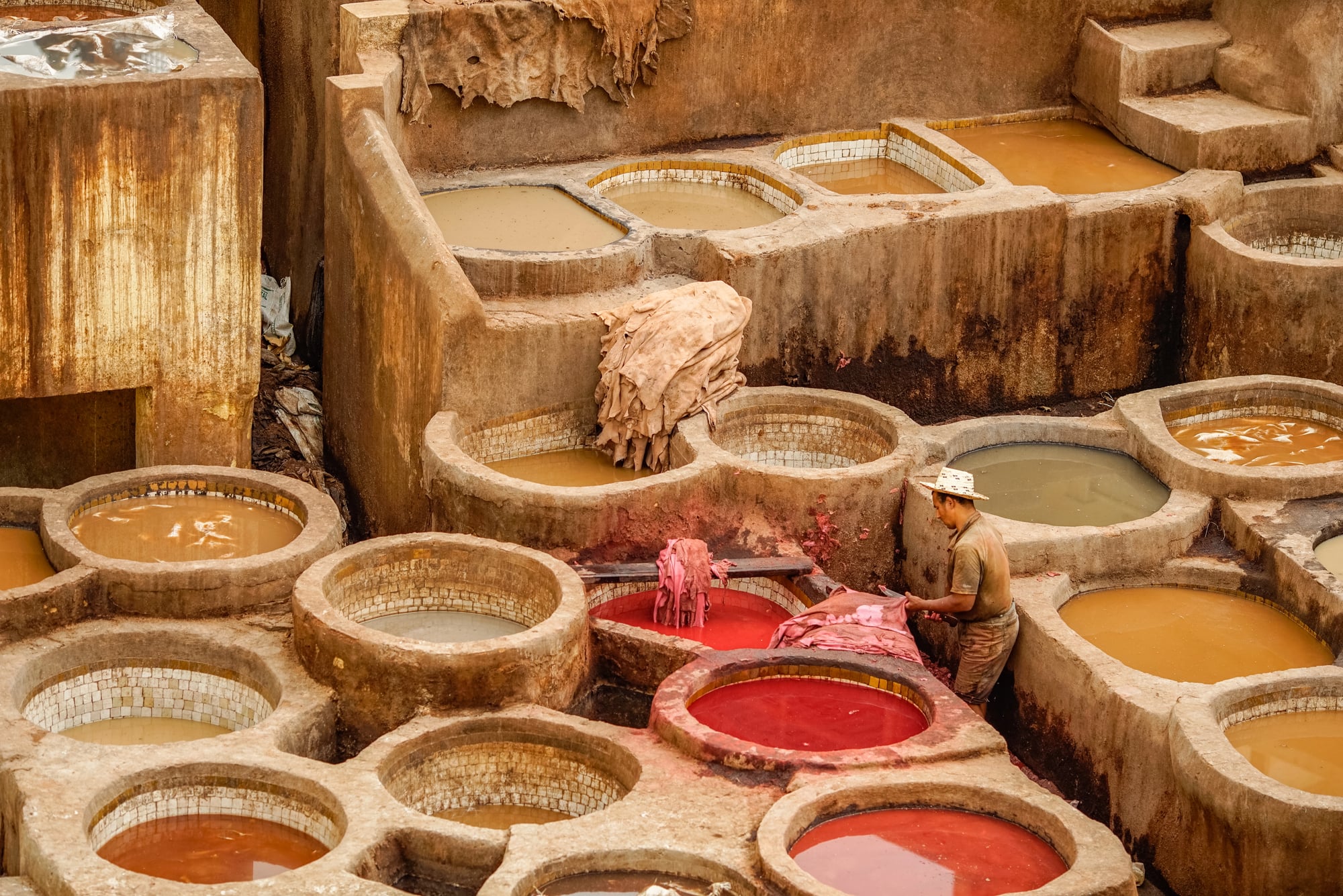
Traditional plant and insect-based fabric dyes were nearly forgotten after synthetic alternatives emerged. Spectrophotometer technology now allows precise color measurement and recipe development, helping textile artists reliably recreate historical dyes while developing new sustainable color palettes.
Like Go2Tutors’s content? Follow us on MSN.
The Ancient Becomes Modern

The marriage of historical techniques with contemporary technology represents more than mere preservation. These revivals demonstrate how innovation doesn’t always mean abandoning tradition.
As digital tools continue evolving, we can expect even more forgotten artistic processes to find new relevance in our modern world.
More from Go2Tutors!

- 16 Restaurant Chains That Went Too Fast
- 12 Things Sold in the 80s That Are Now Illegal
- 15 Strange Things People Have Tried to Ban (And Failed)
- 16 Collectibles People Tossed Out Too Soon
- 17 Myths from Your Childhood That Were Actually Based on Real Things
Like Go2Tutors’s content? Follow us on MSN.