Liquids That Cost More Than Cars
You probably check the price tag when buying a bottle of water or a gallon of gas. But some liquids trade hands at prices that make luxury vehicles look like bargain bin items.
The disparity seems absurd at first—how can a few milliliters of liquid be worth more than a car? The answer lies in scarcity, difficulty of production, and demand from industries where these substances become irreplaceable.
Scorpion Venom: Nature’s Most Expensive Extract

Scorpion venom tops the list at around $39 million per gallon. That price comes from the painstaking process of extracting tiny amounts from each scorpion—a process called “milking” that yields barely a few drops per creature.
The venom contains compounds that researchers use in cancer treatment studies and developing new medications. Each scorpion produces so little that collecting a meaningful quantity requires thousands of specimens and countless hours of careful work.
Medical research facilities pay these astronomical prices because the venom’s unique proteins show promise in treating brain tumors, arthritis, and other conditions. The molecules in scorpion venom can cross the blood-brain barrier, something most drugs struggle to do.
Horseshoe Crab Blood
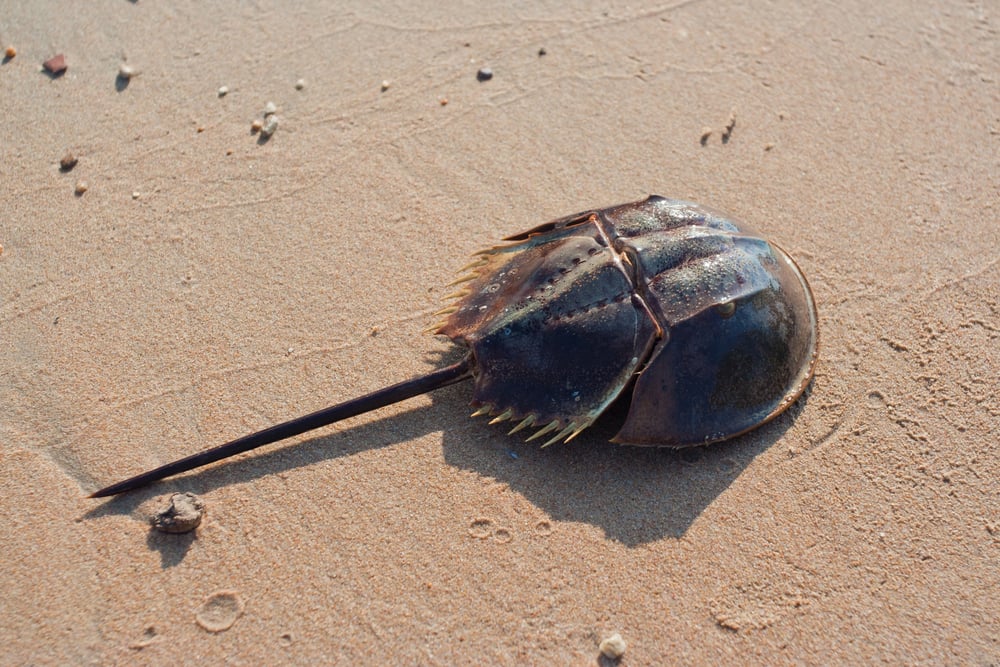
The blue blood flowing through horseshoe crabs sells for around $60,000 per gallon. Pharmaceutical companies need it to test every vaccine, injectable drug, and medical device for bacterial contamination.
The blood contains special cells that clot around even trace amounts of bacterial toxins, making it the most reliable safety test available. Collectors catch horseshoe crabs, extract about 30% of their blood, then return them to the ocean.
Most survive this process, but the practice has raised conservation concerns. Scientists have developed synthetic alternatives, but many regulatory agencies still require horseshoe crab blood for testing.
The crabs themselves date back 450 million years, and their blood remains impossible to fully replicate in a lab.
Printer Ink: The Everyday Luxury
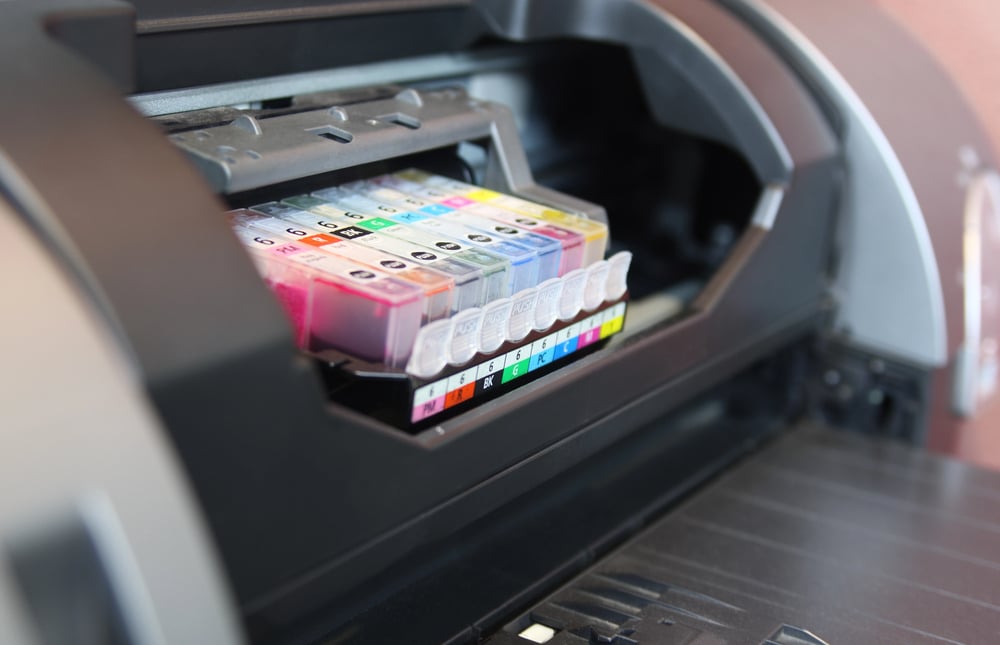
Standard printer ink costs more per gallon than vintage champagne. A single cartridge holds less than an ounce but can cost $30 or more, putting the price around $8,000 per gallon.
Manufacturers engineer cartridges to fail or report empty when they still contain usable ink. They sell printers at a loss and recoup profits through ink sales—a business model that works because switching printer brands means replacing the entire machine.
The ink itself contains sophisticated formulations of pigments, solvents, and additives designed to dry instantly without clogging microscopic nozzles. But the markup remains staggering.
Third-party refills exist, but many printers detect them and refuse to work, forcing consumers back to official cartridges.
King Cobra Venom

King cobra venom trades at approximately $153,000 per gallon. These snakes produce larger quantities than scorpions, which actually makes their venom slightly more accessible.
Researchers use it to develop pain medications and study neurotoxins. The venom attacks the nervous system, and understanding these mechanisms helps scientists create drugs that block pain signals.
Extracting the venom requires expertise and nerve. Handlers must work with one of the world’s deadliest snakes, coaxing it to bite through a membrane stretched over a collection container.
One wrong move could prove fatal. The combination of danger, specialized knowledge, and limited supply keeps prices high.
Chanel No. 5 Perfume (Pure Parfum)

A gallon of pure Chanel No. 5 parfum costs around $26,000. The perfume contains jasmine from Grasse, France, where specific climate conditions create the ideal scent profile.
Each flower gets picked by hand at dawn when the fragrance compounds peak. It takes roughly 1,000 jasmine flowers to produce one gram of absolute—the concentrated essence used in perfumes.
The formula itself remains a guarded secret, unchanged since 1921. Chanel controls every aspect of production, from the flower fields to the bottling process.
The parfum concentration contains 20-30% pure fragrance oils, far higher than eau de toilette or eau de parfum versions. That concentration explains the price, but also means a single drop lasts for hours.
Lysergic Acid Diethylamide

LSD sells for approximately $123,000 per gallon on illicit markets. A single dose requires only about 100 micrograms—an invisible speck.
That means one gallon could theoretically supply millions of doses, which explains why even small-scale manufacturers can profit despite the risks. The synthesis requires advanced chemistry knowledge and precursor chemicals that governments heavily monitor.
The drug’s potency at such minute quantities makes it both valuable and dangerous. Researchers occasionally use it in studies on consciousness, addiction treatment, and mental health, but legal restrictions severely limit scientific access.
Mercury

Liquid mercury costs around $3,400 per gallon. Industries use it in manufacturing, scientific instruments, and dental amalgams, though environmental concerns have reduced demand.
The metal exists as a liquid at room temperature, a rare property that makes it useful in thermometers and barometers. But mercury’s toxicity has led to strict regulations and disposal requirements that drive up legitimate market prices.
Mining mercury involves heating cinnabar ore, a process that releases toxic fumes. Most developed nations have banned mercury mining, creating supply bottlenecks.
The existing supply gets recycled from old electronics, dental offices, and industrial equipment—a market that operates under tight oversight.
Gamma Hydroxybutyric Acid (GHB)
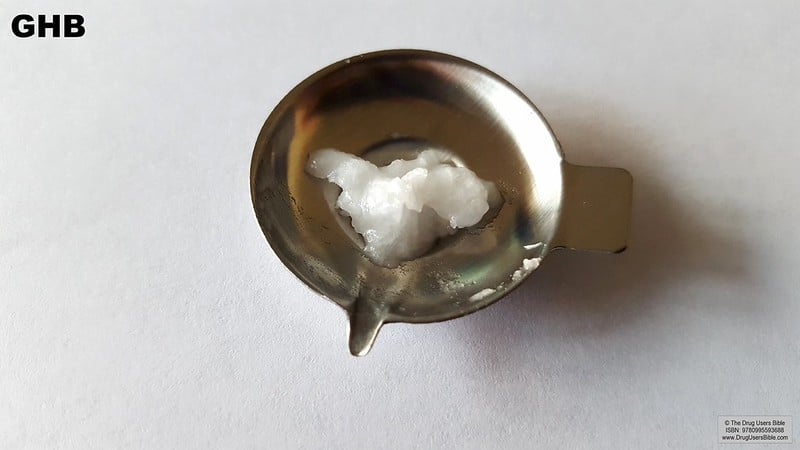
GHB trades illegally for around $2,500 per gallon, though legitimate medical-grade versions cost more. Doctors prescribe it for narcolepsy under strict controls, but illicit production continues due to relatively simple synthesis from industrial chemicals.
The drug produces euphoria and sedation, which has led to its abuse and association with crimes. The line between therapeutic use and dangerous misuse remains razor-thin with GHB.
Small dose changes produce dramatically different effects, from helpful sleep aid to respiratory failure. This unpredictability, combined with its misuse, has made it one of the most tightly controlled medications.
Insulin (Medical Grade)

Pharmaceutical-grade insulin costs approximately $9,400 per gallon in the United States. A single vial contains 10 milliliters and might cost $275-$350, putting a gallon at that staggering price point.
People with diabetes need this medication to survive, yet the price continues climbing despite insulin being discovered over a century ago. Three manufacturers dominate the market, and they’ve faced accusations of price fixing.
The insulin they produce differs from early versions—modern analogs work faster or last longer—but those improvements don’t fully explain the cost. Many diabetics ration their insulin or travel to other countries for affordable versions, a situation that has sparked political debates and calls for reform.
Snake Venom Cocktails

Beyond specific snake species, researchers collect venom from numerous snakes to create antivenoms and study different toxins. Black mamba venom goes for around $4,000 per gram, and saw-scaled viper venom fetches similar prices.
These venoms each contain unique combinations of proteins that attack different body systems. Creating antivenom requires injecting small amounts of venom into horses, then harvesting the antibodies their immune systems produce.
This process takes months and requires maintaining healthy horses in controlled conditions. The resulting antivenom can save lives, but production costs and limited demand in many regions keep prices elevated.
Rare Essential Oils

Certain essential oils rival luxury perfumes in cost. Orris root oil, derived from iris flowers, sells for around $60,000 per gallon.
The roots must age for three to five years before processing, and it takes roughly one ton of roots to produce one kilogram of oil. The scent—described as floral with violet notes—appears in some of the world’s most expensive perfumes.
Bulgarian rose oil commands similarly high prices, though slightly less than orris. Workers harvest rose petals early in the morning before heat dissipates the volatile compounds.
The distillation process yields so little oil that it takes about 10,000 roses to produce a single ounce. Perfumers prize this oil for its complex, true rose scent that synthetic versions can’t replicate.
Human Blood Components

Medical-grade blood components carry significant value, though exact prices vary. Albumin, a protein extracted from donated blood, can cost around $400-$600 per liter when purchased by hospitals.
Factor VIII, used to treat hemophilia, costs even more—tens of thousands per liter of concentrated product. Blood banks and pharmaceutical companies process donated blood into multiple components: red blood cells, platelets, plasma, and extracted proteins.
Each component serves specific medical needs. The processing, testing, and storage requirements add substantial costs beyond the blood itself.
And while donors give blood freely, the infrastructure to collect, process, and distribute it requires significant funding.
Liquid Gold
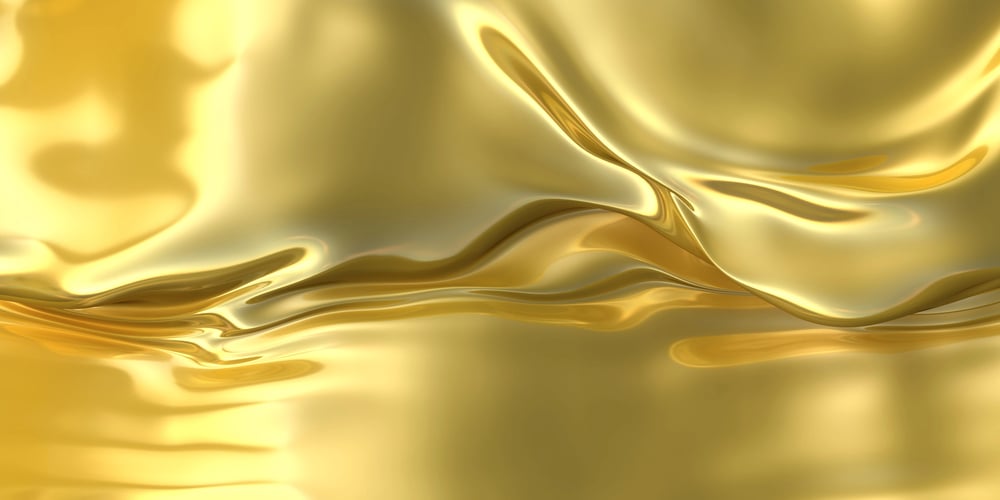
Molten gold runs about $60 million a gallon these days. It turns liquid at 1,948°F – pretty hot, right?
Each gallon packs close to 30,000 troy ounces because it’s super heavy. With each ounce going for nearly two grand, the total starts sounding unreal.
We’re talking sums bigger than what most people win in lotteries. Few reasons justify keeping gold molten outside factories or crafting rings.
Once cooled, the stuff hardens right away. Still, it’s worth stays steady either way, which means – unlike most fluids here – you might technically handle it barehanded… if scorched skin sounds fun.
Where Value Meets Necessity

Those prices show what people care about – and how markets grow where things are rare. Value kicks in when something’s tough to get, can’t be copied, or fixes a unique issue.
The person extracting scorpion venom makes money by doing slow, repetitive labor. Meanwhile, the insulin maker benefits because folks have no choice.
Some of these liquids keep people alive. Yet others just feed ego or wonder.
A handful show how dangerous it gets when vital meds turn into high-profit goods. Comparing them to cars feels pointless – because a few of these substances decide survival, drop by drop.
More from Go2Tutors!

- The Romanov Crown Jewels and Their Tragic Fate
- 13 Historical Mysteries That Science Still Can’t Solve
- Famous Hoaxes That Fooled the World for Years
- 15 Child Stars with Tragic Adult Lives
- 16 Famous Jewelry Pieces in History
Like Go2Tutors’s content? Follow us on MSN.