17 School Traditions That Quietly Disappeared
Schools were once filled with rituals and customs that shaped generations of students’ memories. From morning assemblies to elaborate homecoming ceremonies, these traditions created the rhythm of academic life while building genuine school spirit.
Many of these cherished practices have gradually faded away — replaced by digital alternatives or simply forgotten as education evolved. The following traditions once defined the American school experience, yet they’ve largely vanished from today’s classrooms and hallways. Here’s a list of 17 school traditions that quietly disappeared over the past few decades.
Morning Pledge and Announcements

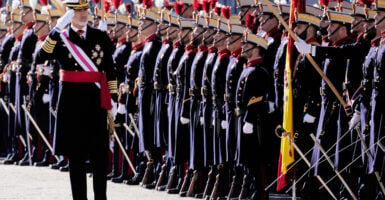
Every school day began with students standing beside their desks, hands over hearts, reciting the Pledge of Allegiance together. Crackling announcements followed over the intercom system — delivered by principals or student council members who took their roles seriously.
This ritual established a sense of shared purpose that started each day on a formal note, though it seems almost quaint by today’s standards.
Dress Codes and Formal Attire Days
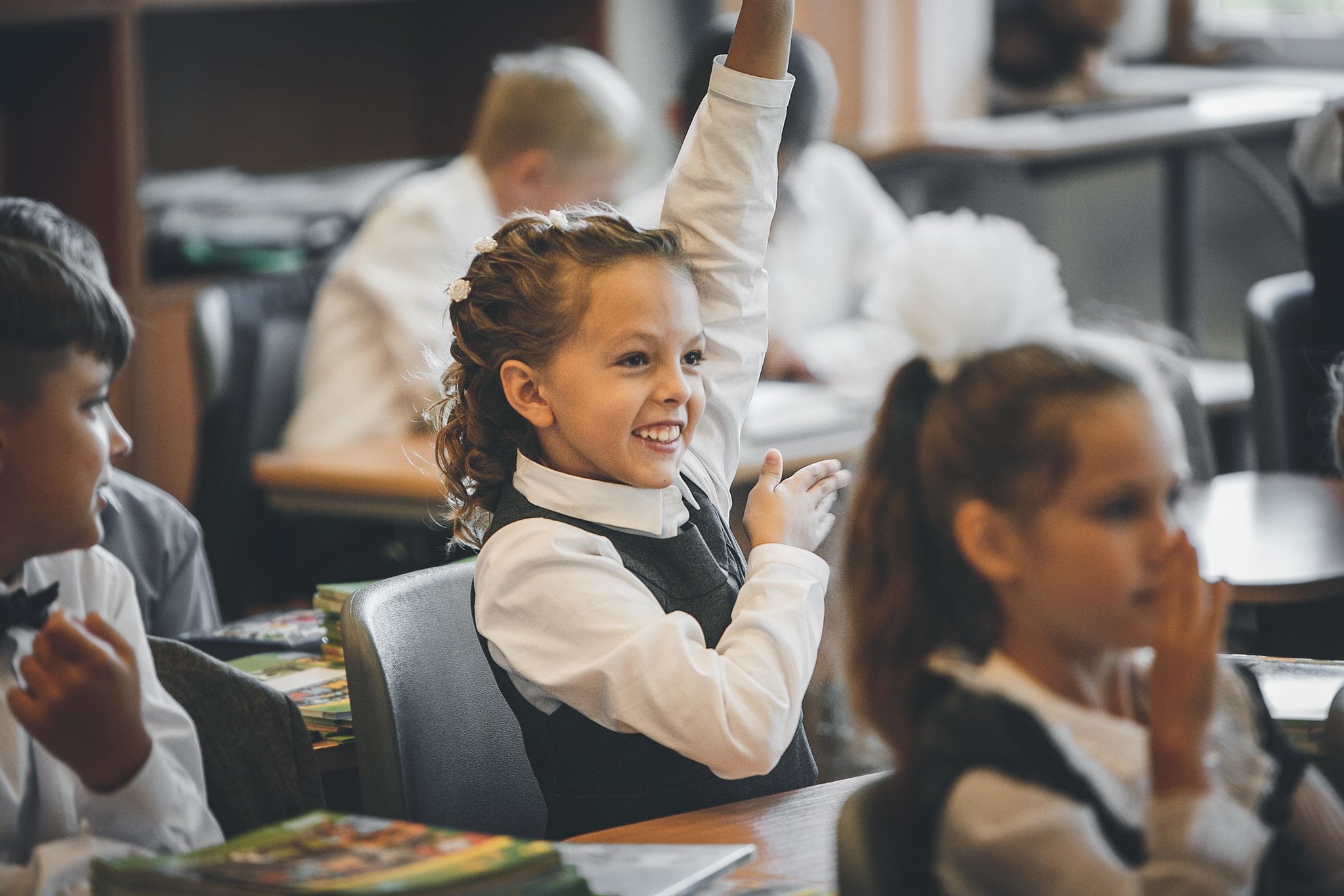
Students once dressed up for school regularly. Many institutions required ties for boys and dresses for girls during special occasions, while picture day meant everyone showed up in their Sunday best.
Certain events called for formal wear that would make today’s casual dress codes seem almost unthinkable — yet these expectations taught students about appropriate presentation and dressing for the occasion.
Like Go2Tutors’s content? Follow us on MSN.
Handwritten Thank You Notes

Teachers required students to write personal thank you notes by hand for everything from field trips to guest speakers. The practice taught proper etiquette while forcing students to think carefully about their words since there wasn’t a delete key to rely on.
Each note became a small lesson in gratitude and communication — skills that extended far beyond the classroom walls.
Elaborate Homecoming Week
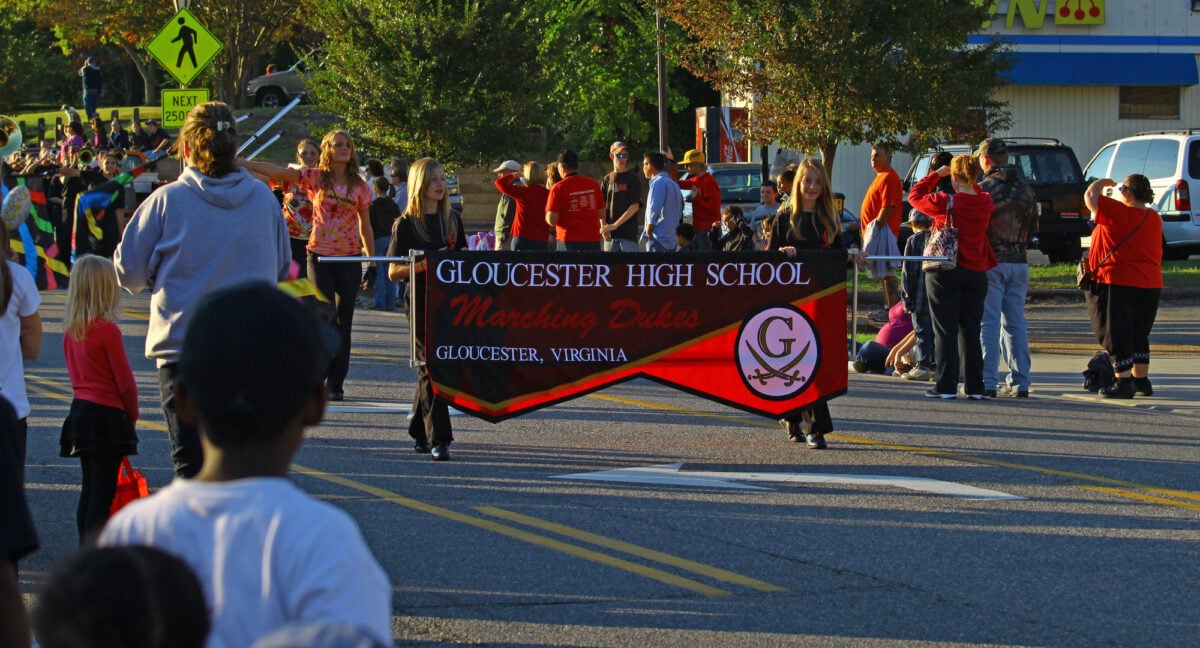
Homecoming wasn’t just a dance. It was a week-long celebration featuring themed dress-up days, hallway decorating contests, and class competitions that consumed the entire school.
Students spent weeks preparing floats, organizing pep rallies, and participating in spirit competitions that brought different grade levels together, though the effort required was enormous.
Classroom Pet Responsibilities
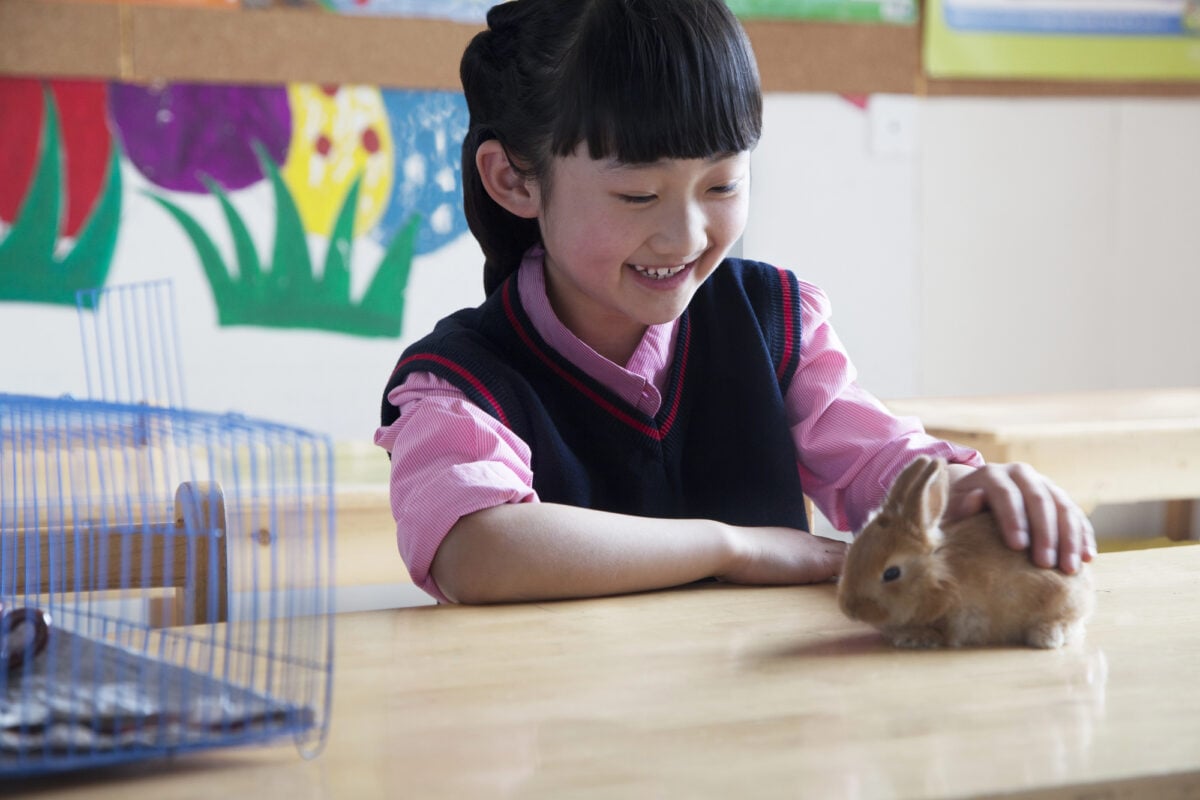
Nearly every elementary classroom housed a hamster, fish, or rabbit that students took turns caring for throughout the year. These classroom companions taught responsibility while providing comfort during stressful moments — something that can’t be replicated with digital pets.
Students would sign up for feeding duties, cleaning cages, and even taking the pets home during school breaks.
Like Go2Tutors’s content? Follow us on MSN.
Handwriting Classes and Penmanship Contests

Cursive writing was a required skill back then. Students spent considerable time perfecting their penmanship in dedicated handwriting classes, while schools held contests to recognize the most beautiful handwriting.
Teachers displayed excellent examples on bulletin boards — treating the careful formation of letters as importantly as spelling or arithmetic.
School Milk Programs

Every student received small glass containers or cartons of milk during designated break times, often accompanied by graham crackers or simple snacks. The milk break was a scheduled part of the day that provided nutrition while offering a moment of calm between lessons.
Students would collect bottle caps or trade different flavored milk options with their classmates — simple pleasures that built community.
Elaborate Science Fair Displays

Science fairs were major productions featuring three-panel poster boards, detailed hypothesis testing, and formal presentations to panels of judges. Students spent months on projects that filled entire gymnasiums, though winning meant advancing to regional or state competitions.
The displays combined scientific method with creative presentation skills — they were genuine works of art.
Like Go2Tutors’s content? Follow us on MSN.
Mandatory Shop and Home Economics Classes

Every student learned practical life skills through required shop and home economics courses, regardless of gender. Boys and girls alike learned to use tools, cook basic meals, balance checkbooks, and perform household repairs — skills that prepared them for independent living in ways academic subjects couldn’t match.
These classes bridged the gap between theoretical knowledge and real-world application.
School Newspaper and Journalism Classes

Most schools published regular newspapers written, edited, and distributed entirely by students under teacher supervision. These publications covered school events, sports scores, and student opinions while teaching valuable writing and editing skills — though the responsibility was genuine.
The newspaper staff informed their school community and often broke important stories that mattered to students.
Formal School Dances with Strict Rules

School dances were carefully chaperoned events with specific dress codes, approved music lists, and rules about appropriate dancing. Students learned social skills and etiquette while enjoying orchestrated entertainment that brought the community together.
Planning committees worked for months to transform gymnasiums into magical venues, creating memories that lasted for decades.
Like Go2Tutors’s content? Follow us on MSN.
Weekly Fire Drills and Safety Practices
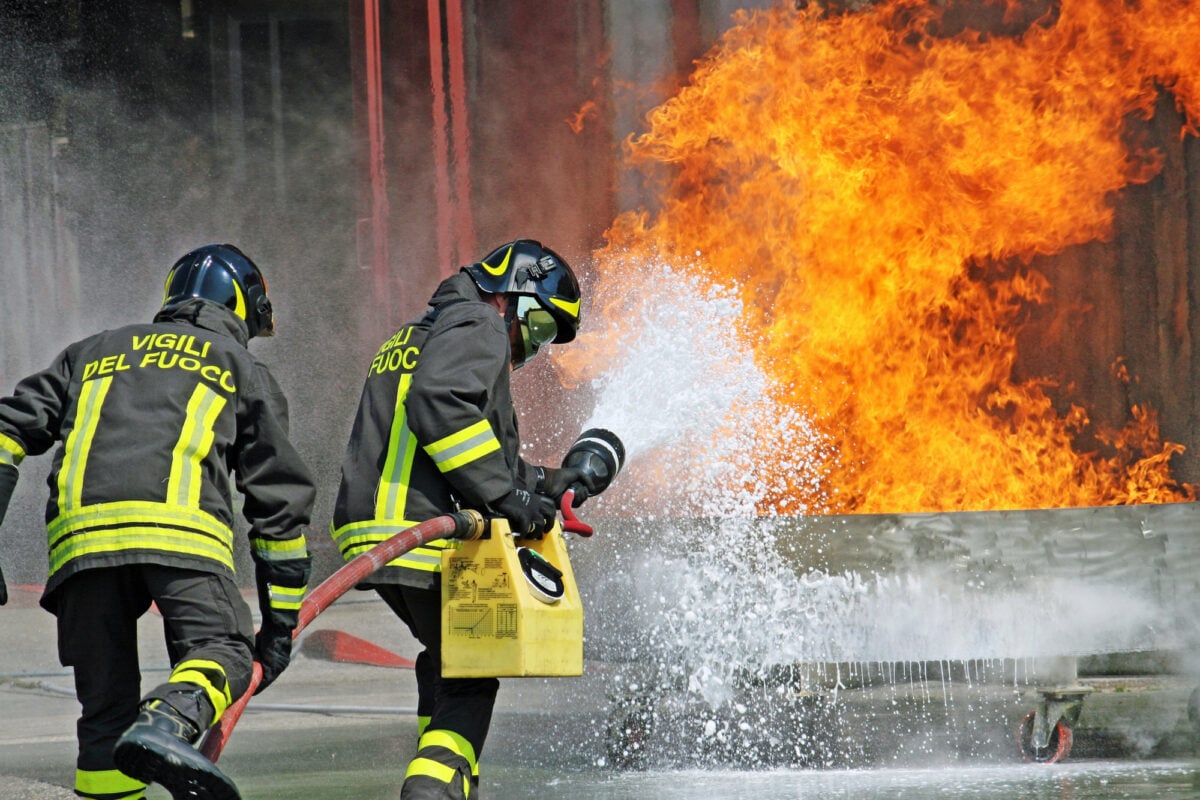
Regular fire drills were serious affairs with designated routes, specific procedures, and actual fire department participation. Students practiced orderly evacuation techniques and learned about fire safety through hands-on demonstrations.
These drills prepared students for real emergencies while teaching them to follow instructions under pressure, though they were treated as genuine safety measures rather than mere formalities.
Student-Led Morning Assemblies

Upper-grade students took turns leading school-wide assemblies that featured announcements, performances, and recognition ceremonies. These events taught public speaking skills and gave students ownership of their school community.
The assemblies created a sense of shared identity while allowing student voices to be heard by the entire school, fostering leadership skills that extended beyond academics.
Cafeteria Table Assignments and Manners
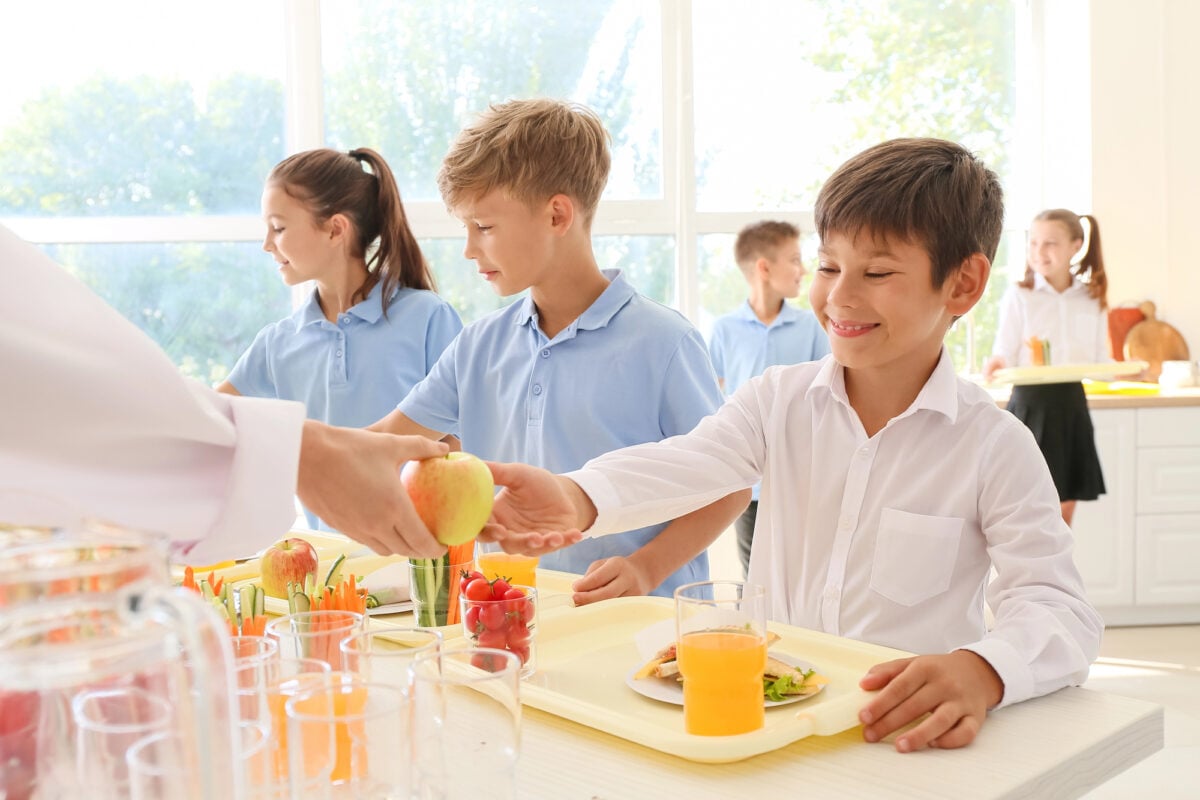
Lunch periods followed strict seating arrangements with assigned tables and enforced mealtime etiquette. Students learned proper table manners, conversation skills, and respect for cafeteria workers through structured meal times.
The system created order and taught social skills that extended far beyond the school environment, though it might seem overly rigid by today’s standards.
Like Go2Tutors’s content? Follow us on MSN.
Detailed Report Cards with Character Grades

Report cards included grades for character traits like cooperation, effort, and citizenship alongside academic subjects. Teachers provided detailed written comments about each student’s behavior, work habits, and social development.
Parents received comprehensive pictures of their children’s school experience that went far beyond test scores, creating a more holistic view of student progress.
Class Rings and Senior Privileges

Juniors would order elaborate class rings in formal ceremonies, while seniors enjoyed special privileges like designated parking spots and early dismissal. These traditions marked important milestones and created clear hierarchies that students worked toward throughout their school careers.
The privileges gave older students something to anticipate and younger students goals to achieve, though the system reinforced traditional academic progressions.
School-Wide Talent Shows and Variety Programs

Annual talent shows featured students from every grade level performing music, comedy, magic tricks, and other entertainment for packed auditoriums. These events celebrated diverse talents and gave shy students chances to shine in front of their peers.
The shows brought families and communities together while showcasing the full range of student abilities, creating inclusive environments that academic achievement alone couldn’t provide.
Like Go2Tutors’s content? Follow us on MSN.
When Tradition Meets Progress

These disappeared traditions reflected a different era when schools moved at a slower pace and community involvement ran deeper. Technology, safety concerns, budget constraints, and changing social expectations gradually replaced many of these practices with more efficient or inclusive alternatives.
While some changes represented necessary progress, the loss of these traditions also meant fewer opportunities for students to develop social skills, take on responsibilities, and connect with their school communities in meaningful ways. Today’s educators face the challenge of preserving the valuable aspects of these old traditions while adapting to modern needs and expectations.
More from Go2Tutors!

- 18 Unexpectedly Valuable Collectibles You Might Have Lying Around
- 20 Little-Known Historical Battles That Had Huge Consequences
- 20 Historical Artifacts That Scientists Can’t Explain
- 15 Inventions That Were Immediately Banned After Being Created
- 20 Actors Who Were Almost Cast in Iconic Roles
Like Go2Tutors’s content? Follow us on MSN.