17 Unusual Ingredients Used in Perfumes
Walk into any perfume store and you’ll see bottles promising notes of rose, vanilla, and citrus. But behind the world’s most captivating fragrances lie ingredients so unusual they sound like something from a medieval alchemist’s workshop.
From whale secretions that wash up on beaches to roots that age for years like fine wine, the perfume industry has always pushed boundaries in its quest for the perfect scent. These extraordinary materials have shaped fragrance history for thousands of years, transforming simple mixtures into complex works of olfactory art.
Here are 17 unusual ingredients that have captivated perfumers and continue to define luxury fragrances today.
Ambergris

Ambergris is a wax-like pathological growth found in the stomach and intestines of about one in a hundred sperm whales, and also in the pygmy sperm whale. It is rejected by the animal, floats to the surface and is then harvested.
Often called ‘floating gold’ or ‘treasure of the seas,’ this grey stone-like substance can cost between $70,000 to $120,000 per kilogram. The finest ambergris develops an incomparably lovely, sweet, musky odor that seems to combine perfume, the sea, and some primordial animal scent.
What makes it so valuable is that sperm whales are never harmed to obtain it – perfumers simply wait for the ocean to deliver this precious gift to shore.
Orris Root
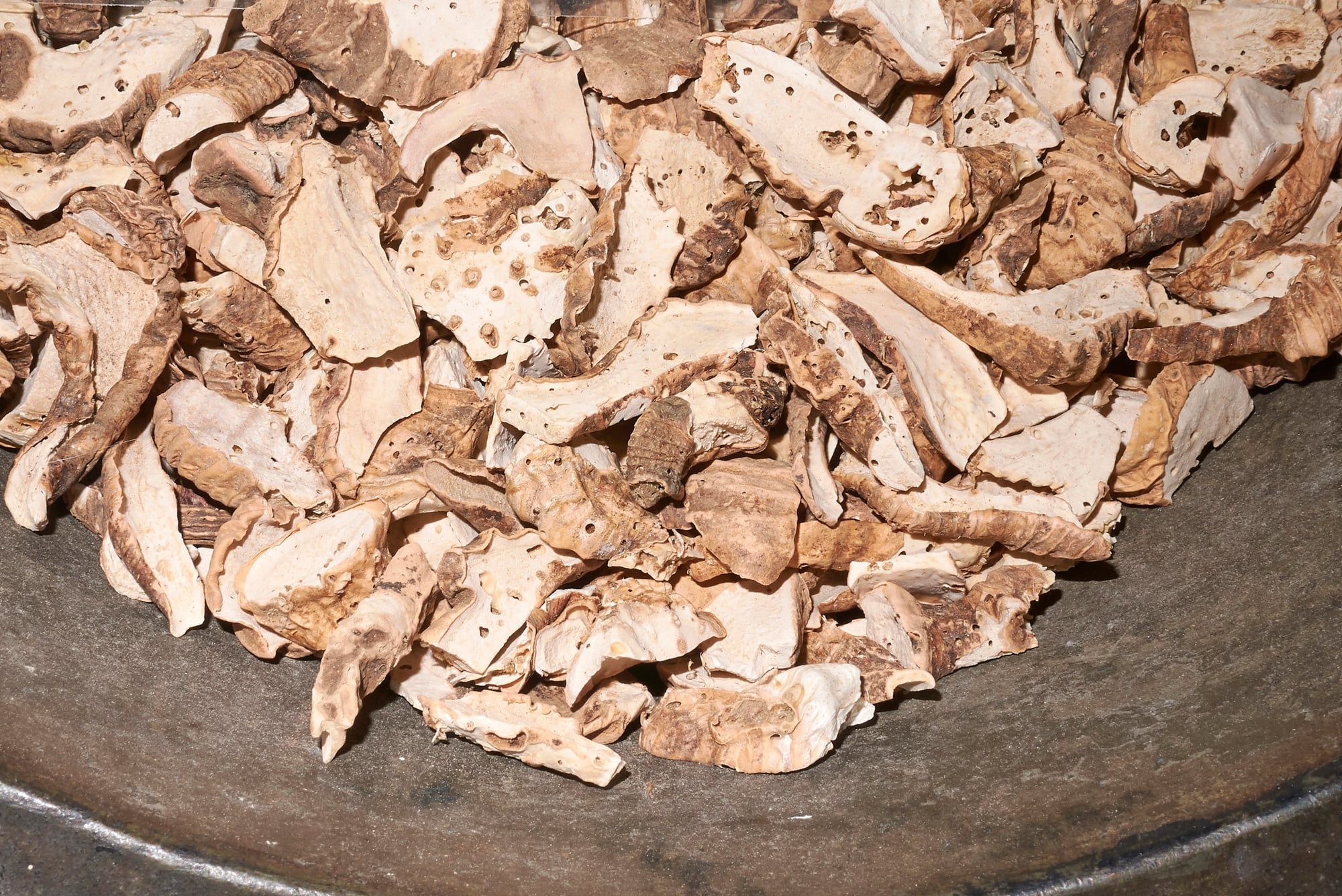
One ton of iris root produces two kilos of essential oil, also referred to as orris root butter or butter of iris, and it is the most expensive substance used in the fragrance industry. This ingredient comes from the rhizomes of iris plants and costs about $30,000 per pound.
After an iris flower blooms, its stalk is cut, but its rhizome (the orris root) is left in the ground for three years. After three years, the root is carefully unearthed, fastidiously cleaned by hand, and left to dry in the sun for another three years.
The result is a powdery, violet-like scent that adds incredible depth and longevity to perfumes.
Civet
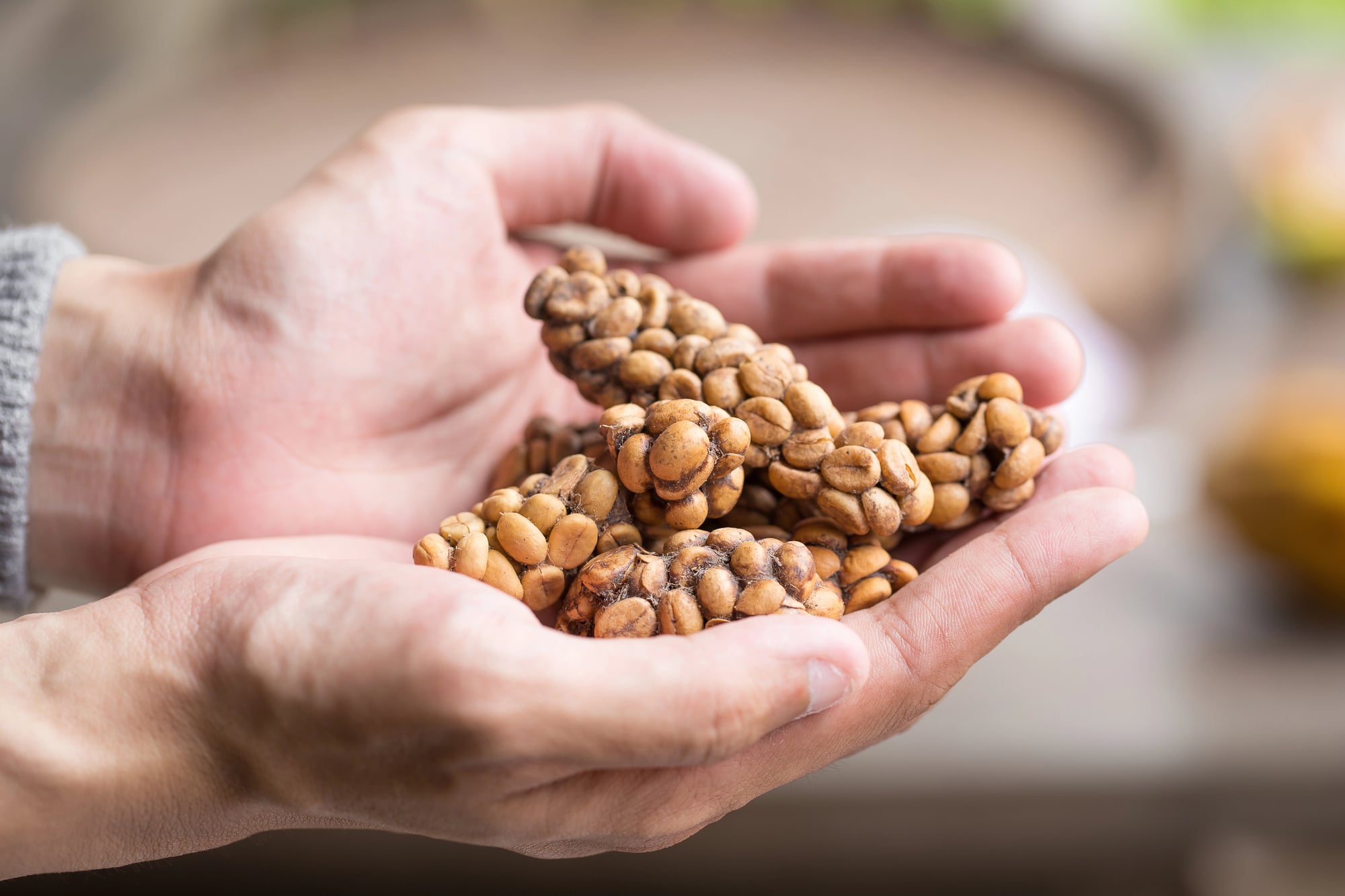
Pure civet is a crude, buttery-yellow paste that turns darker with age. At full strength the tincture smells fecal and nauseating, but when diluted it has a radiant, velvety, floral scent.
This secretion comes from the perineal glands of civet cats found in Africa and Asia. Civet Musk is so expensive that a small 3-gr bottle is sold for $350 USD at minimum.
Today, most perfumes use synthetic alternatives due to ethical concerns, but the original material remains legendary for its ability to add sensual depth to fragrances.
Oud
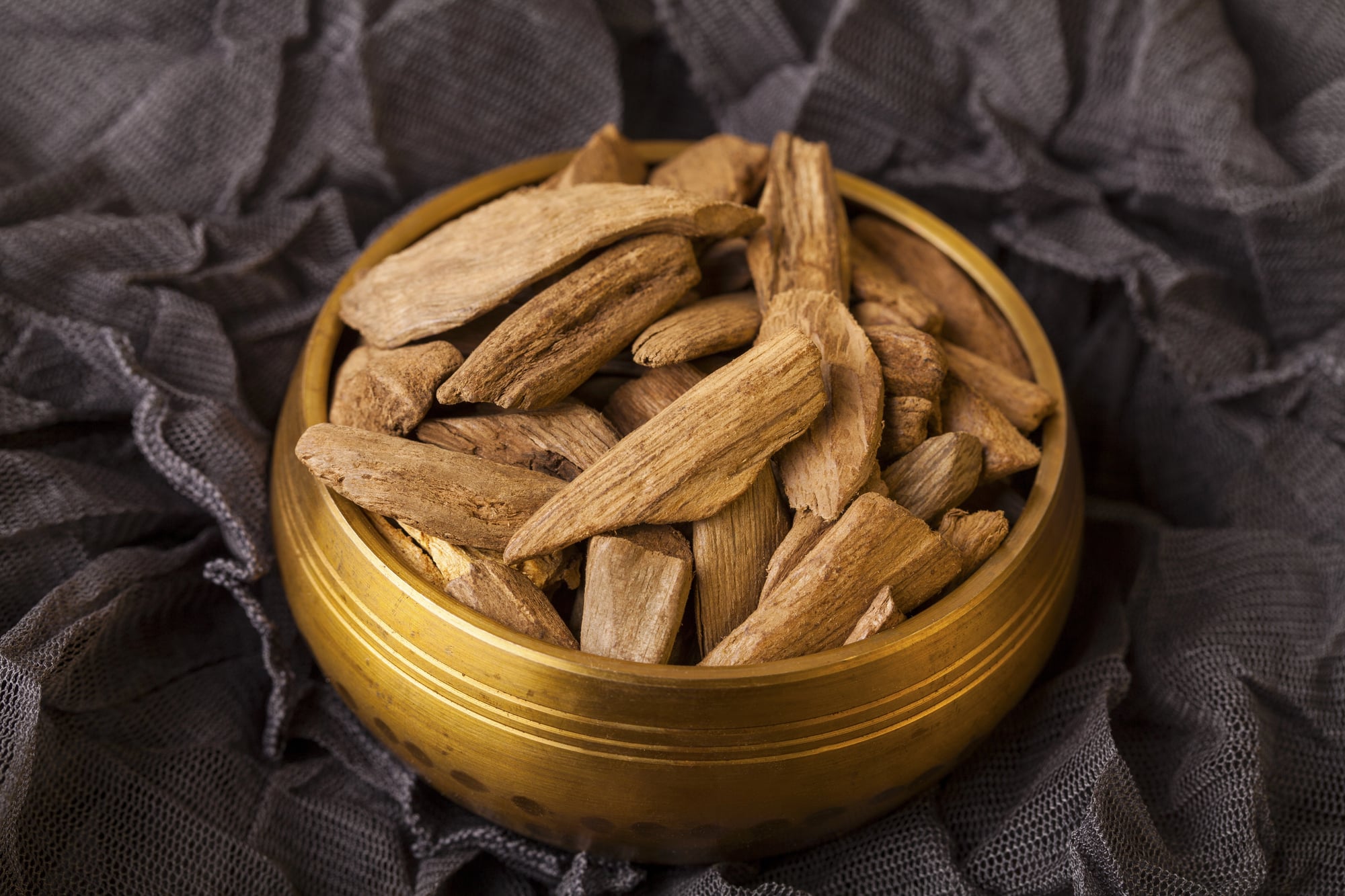
Oud, also known as agarwood or oudh, is a rare aromatic resinous heartwood from agarwood trees, primarily belonging to the plant genera Aquilaria. According to some estimates, only 2% to 7% of wild trees are capable of producing agarwood only when the tree gets infected or injured.
This infection creates dark, resinous wood with an incredibly complex scent that’s sweet, animalic, and woody all at once. Some high-quality oud can cost more than gold by weight, making it one of the most prized ingredients in Middle Eastern and luxury Western perfumery.
Saffron
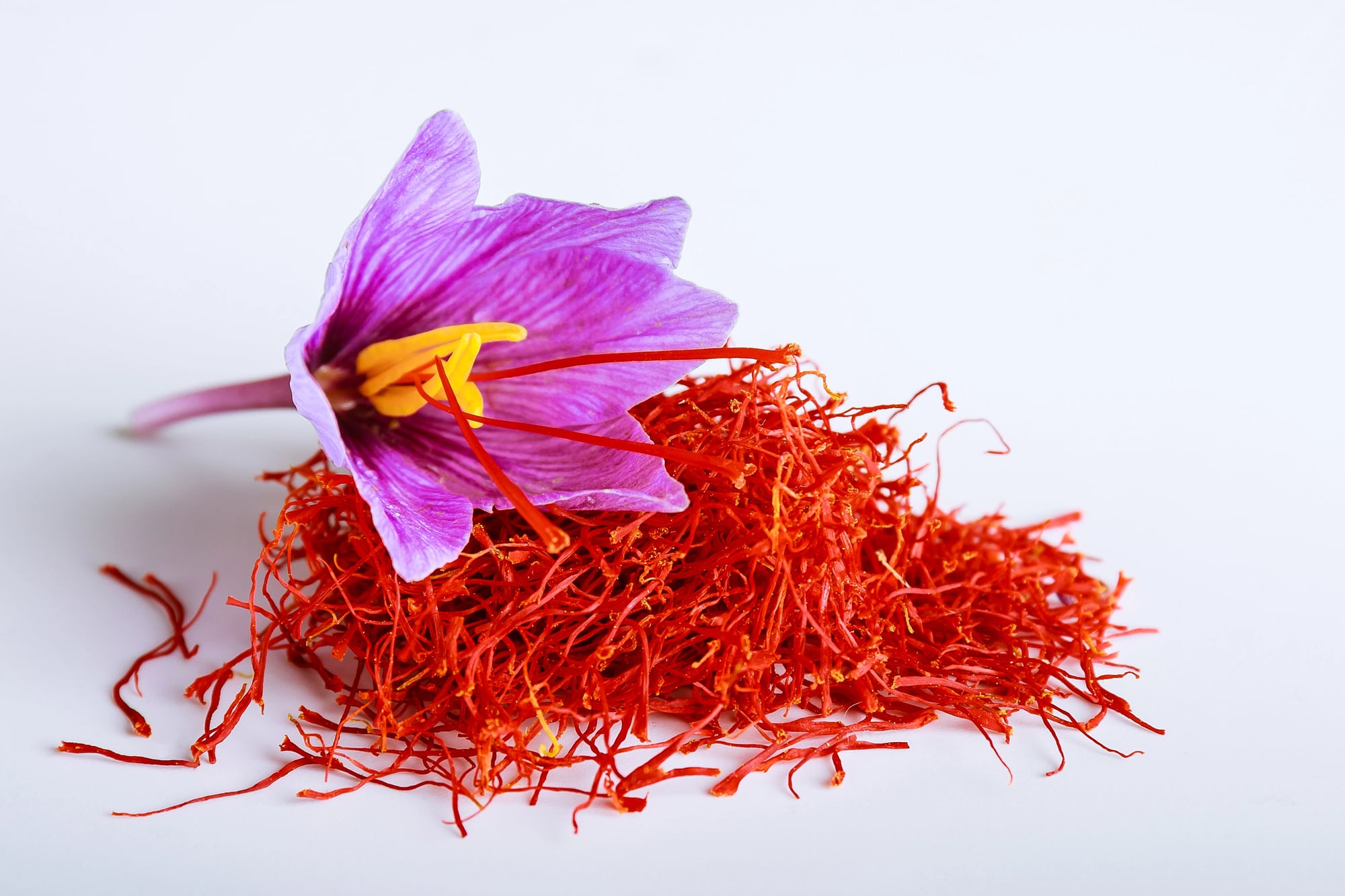
Due to the way it’s harvested, some of the varieties of saffron can cost almost £8,000 per kilogram. It’s often referred to as ‘red gold’ and is among some of the most ancient ingredients used in perfumes.
To produce only a single kilo of rose oil, approximately 1,500,000 blossoms are required. Wait, that’s for roses – but saffron is similarly labor-intensive, requiring hand-harvesting of delicate stigmas from crocus flowers.
The result is a warm, slightly metallic spice that adds golden warmth to oriental and modern fragrances alike.
Castoreum
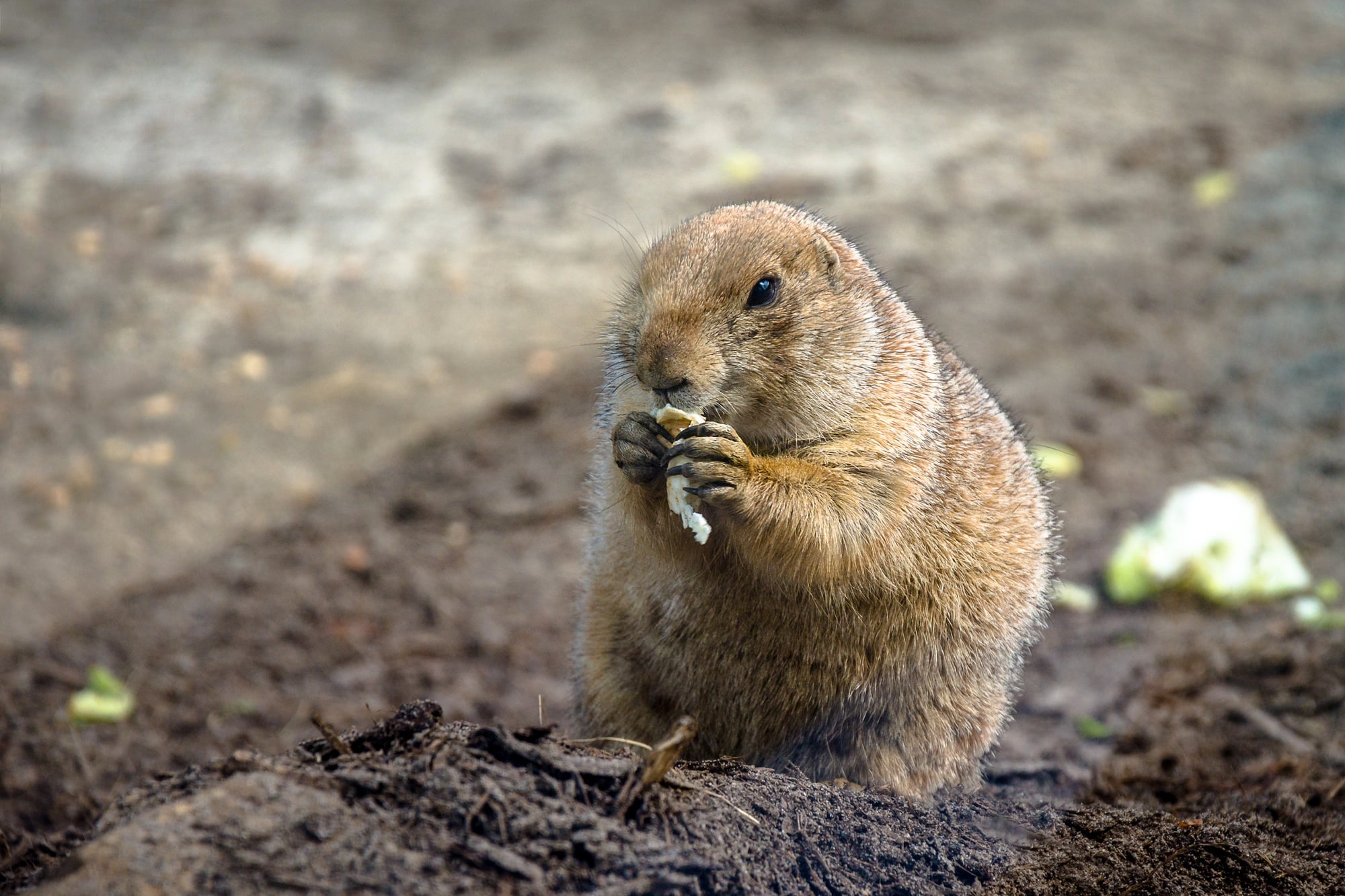
Castoreum comes from the castor sacs of the beaver, which occur in both males and females between the pelvis and the base of the tail. The beaver must be killed to harvest the castor sacs, which are filled with thick paste.
This ingredient was historically prized for its leather-like scent and incredible tenacity. In perfumery, castoreum has been used as the ultimate leather scent, evocative of fine leather upholstery, in classic leather-themed perfumes.
Today it’s banned in most modern perfumery and replaced with synthetic alternatives that capture its distinctive aroma without animal harm.
Tonka Bean
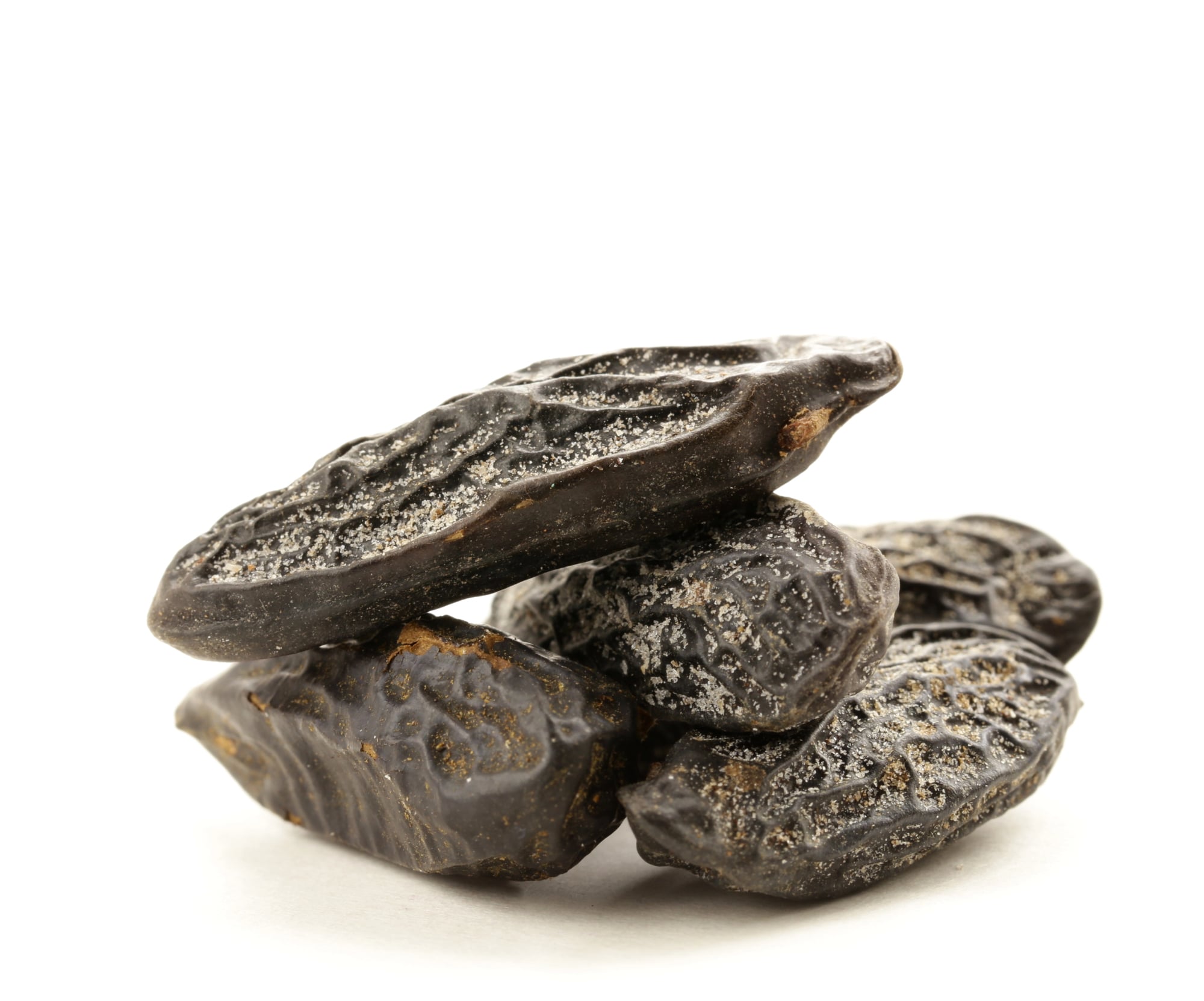
Tonka Bean Absolute is obtained from Dipteryx odorata, a large tropical tree native to Brazil, Guyana, and Venezuela. Tonka beans – fruits of Dipteryx odorata, a tropical tree native to Central and South America – contain 1-3% of coumarin.
Tonka Bean scent has a very rich, caramel-like, powdery-sweet aroma of new mown hay with a warm herbal and soft earthy undertone that is very tenacious. The beans are soaked in rum for 12-24 hours, then dried until white coumarin crystals form on their surface.
This creates one of perfumery’s most beloved gourmand ingredients, offering vanilla-like sweetness with complex spicy and woody undertones.
Labdanum
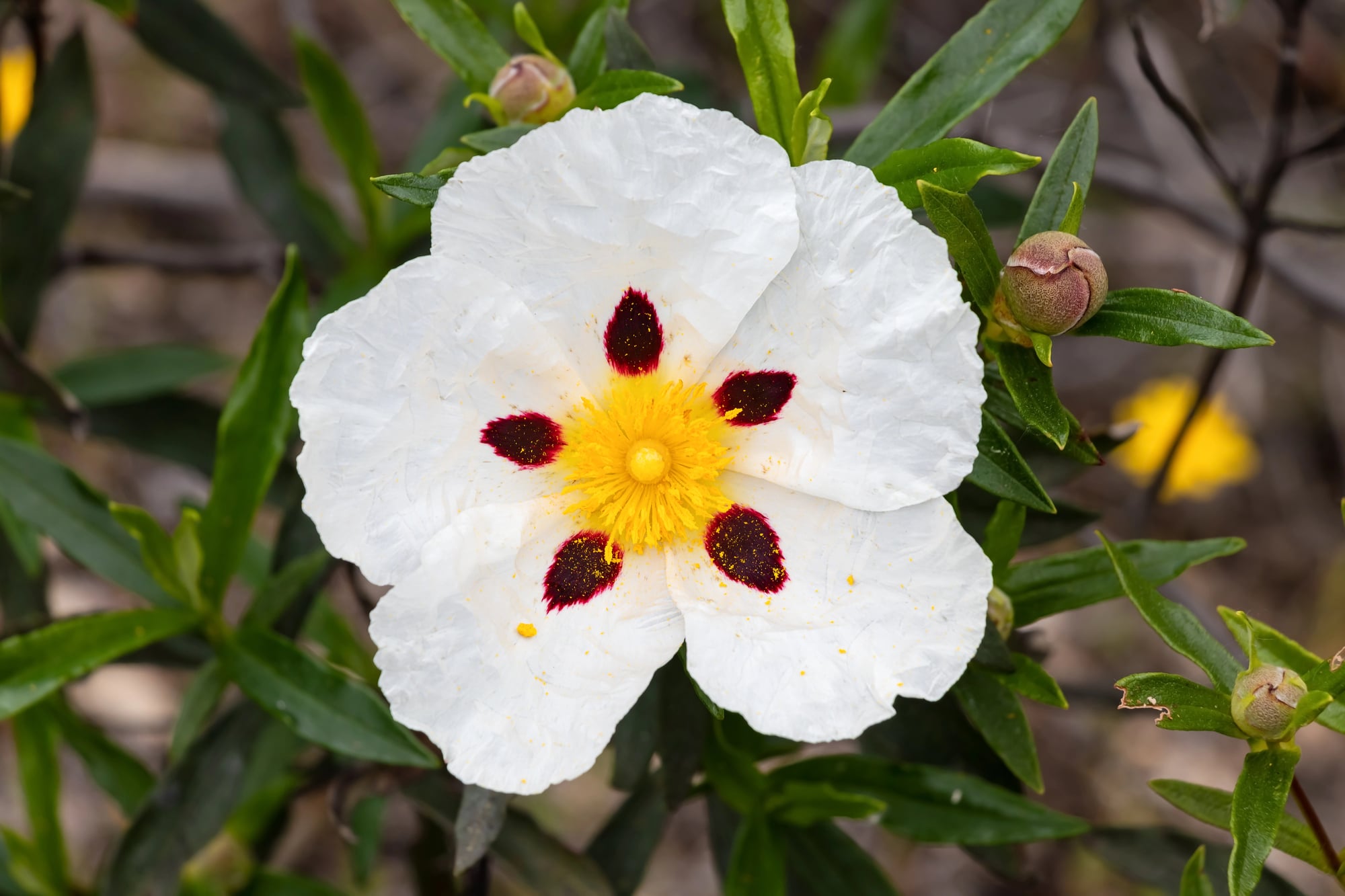
It comes as a sticky dark brown resin exudate from two sources: from the shrubs Cistus ladaniferus (western Mediterranean) and Cistus creticus (eastern Mediterranean), both species of rockrose. Labdanum’s odour profile is highly complex.
It is balsamlike, with woody, earthy, smoky, and even marshy undertones. Some even describe it as ambergris-like, or leathery and honeylike with hints of plum or oakmoss after a rain.
Ancient Egyptians used labdanum in their ceremonial Kyphi mixtures, and it remains essential in modern chypre fragrances for its amber-like warmth and incredible fixative properties.
Frankincense
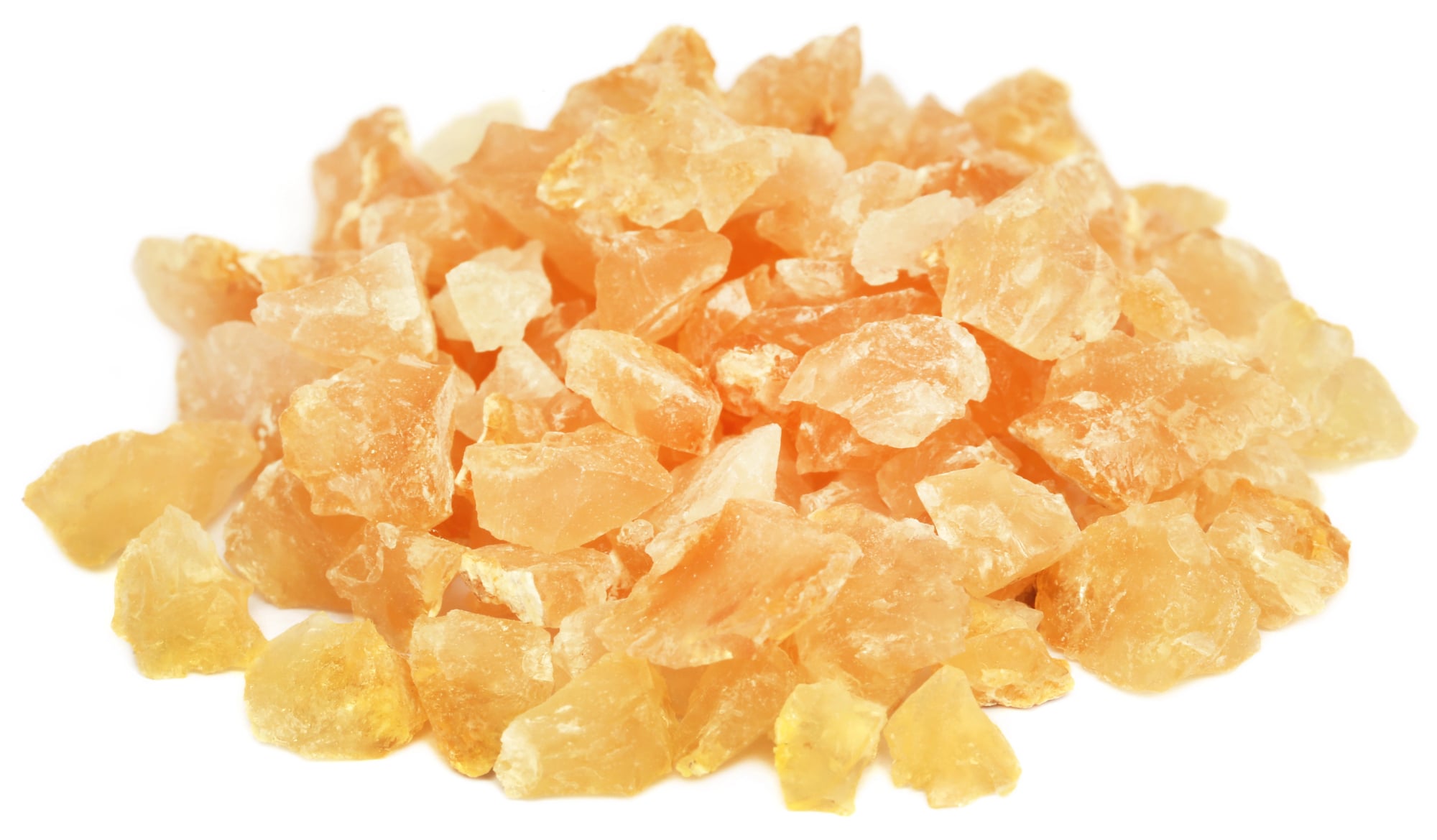
Frankincense, also called Olibanum, Levonah, Luban and Khunk, is an aromatic, congealed, resinous sap from a specific variety of trees in the genus Boswellia of the family Burseraceae. The trees require an arid climate where moisture is provided by morning mist.
This biblical ingredient was once worth more than gold and transported along ancient trade routes. Up to 3000 tons of frankincense and myrrh were transported each year during the height of Nabataean trade!
Its scent combines fresh, balsamic, and spicy notes with subtle fruitiness, making it perfect for both religious incense and luxury perfumes.
Myrrh
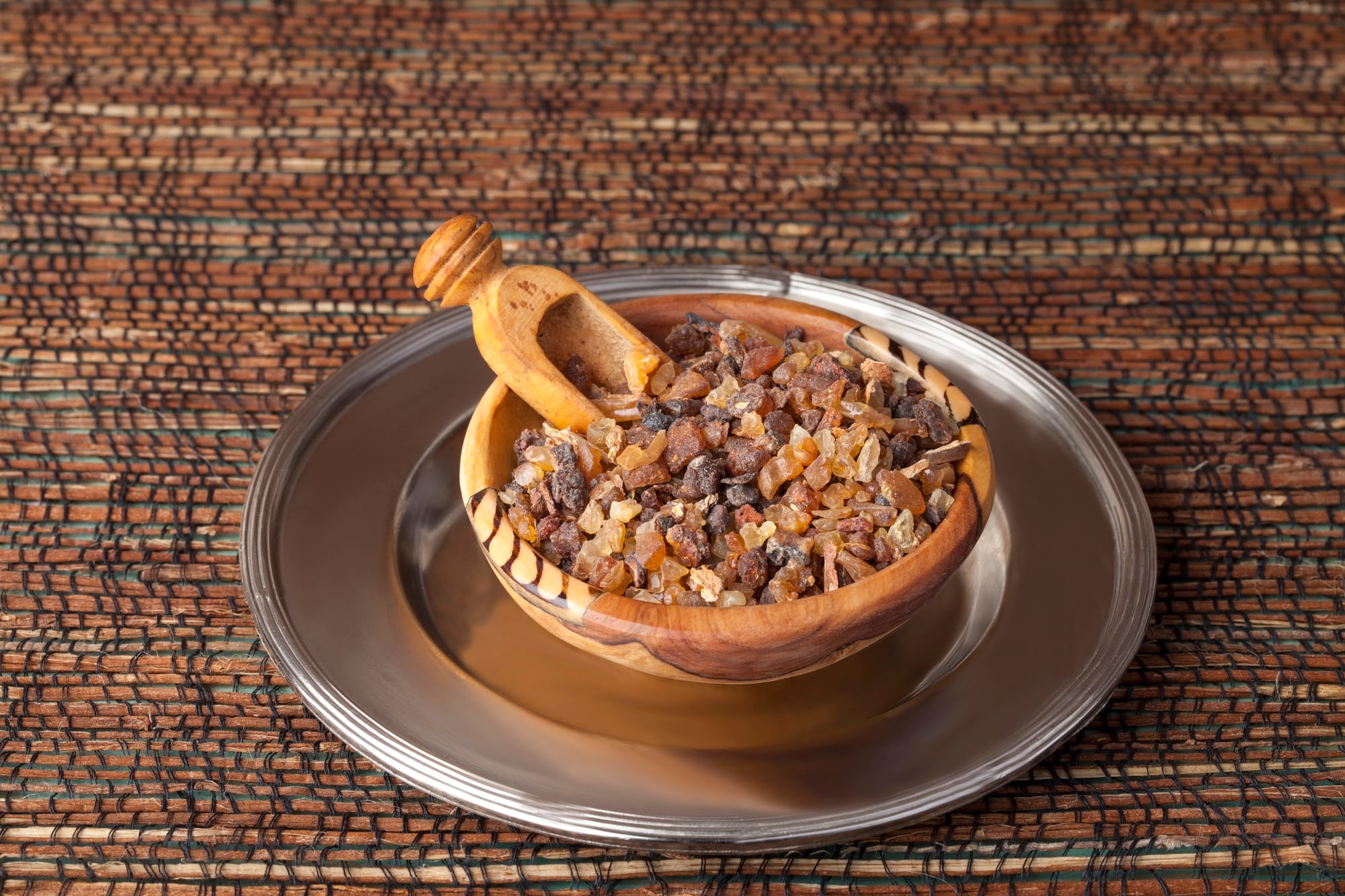
Like frankincense, myrrh originates from the sap excreted by the Boswellia and Commiphora trees when the bark is cut. Linked to death and burial rites, it was a vital ingredient in the embalming rituals of ancient Egypt and one of three gifts the Magi bestowed upon the infant, Jesus, on the night of his birth.
Myrrh offers a woody, warm, and slightly medicinal aroma that can be challenging but extremely rewarding in skilled hands. Its deep, resinous character adds gravitas and complexity to oriental and amber compositions.
Galbanum
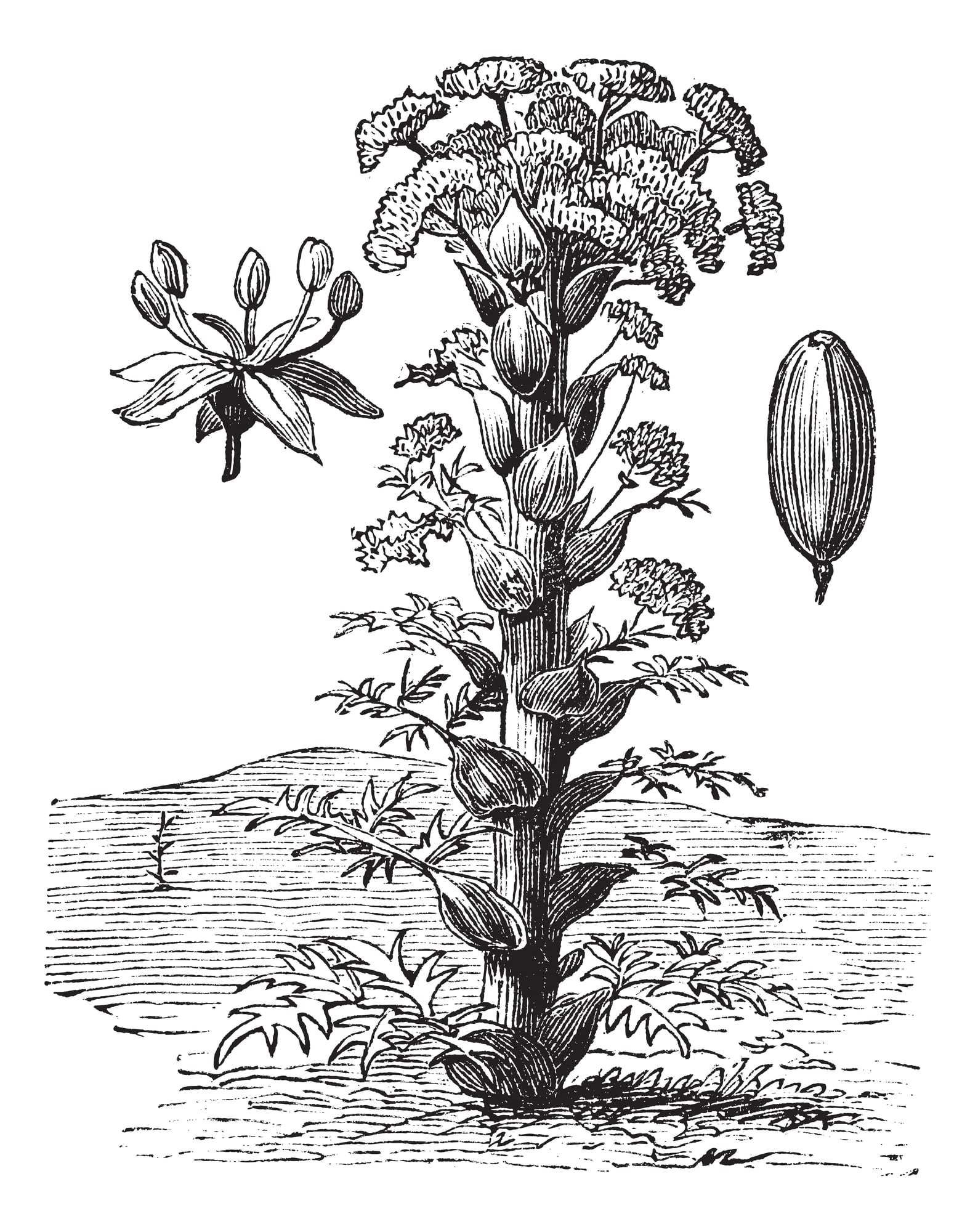
Rich, green, mysterious and woody, this sticky, brown and aromatic resin is extracted from plants that are in the same botanical family as carrots, celery and parsley. These plants thrive along the mountainous slopes of northern Iran, Afghanistan and Turkey, and are known to reach about ten feet in height and diameter at maturity.
Aroma Description: powerful, complex, fresh, earthy, rich green, spicy, woody, balsamic-resinous fragrance. This biblical ingredient appears in both the Old Testament and ancient Egyptian formulations, prized for its intensely green, almost bitter quality that adds striking top notes to chypre fragrances.
Oakmoss
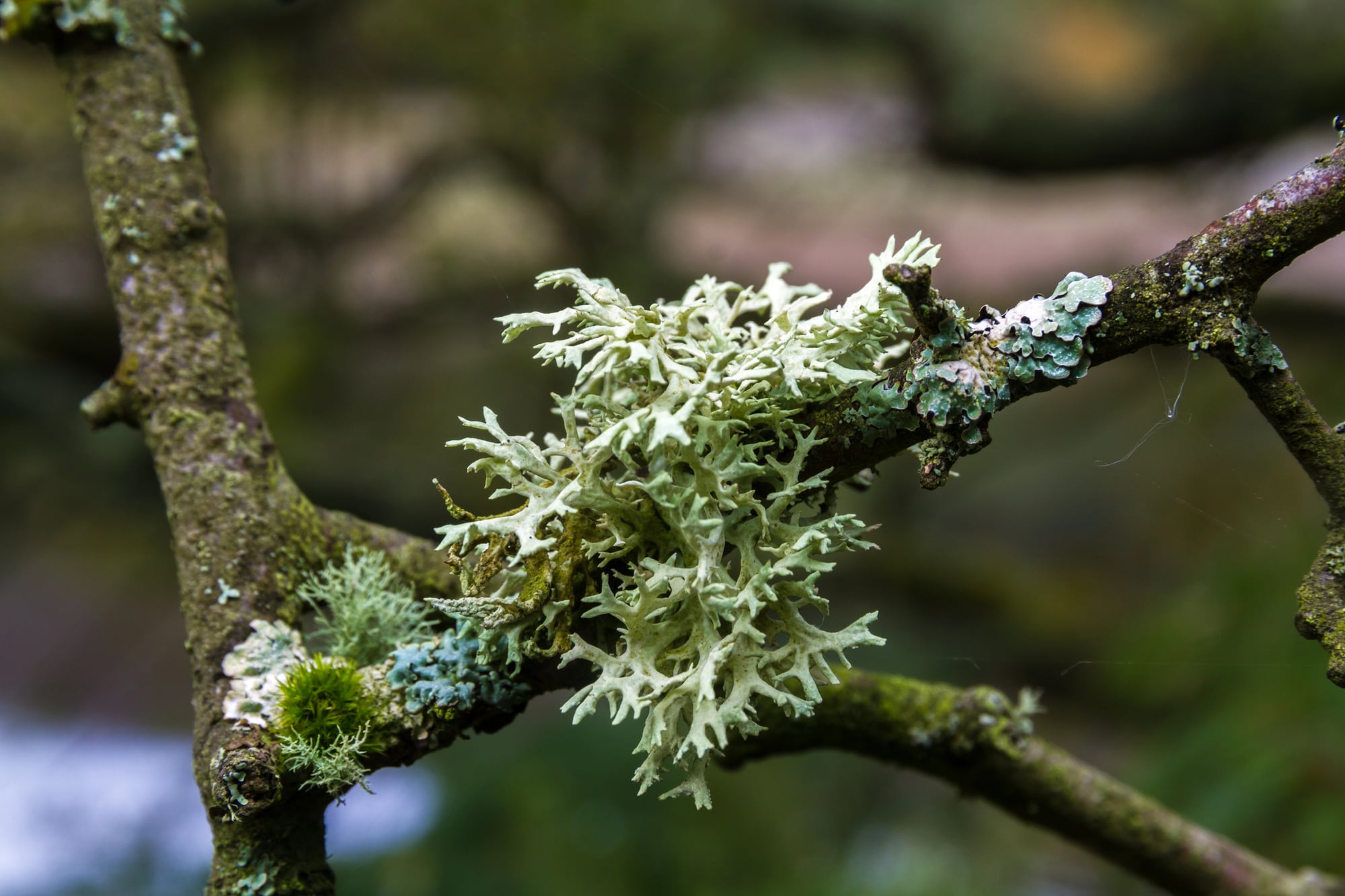
A basic chypre accord consists of oakmoss, labdanum, and citrus (bergamot), patchouli is often included as well. An earthier, greener variation of a classic Chypre fragrance built around an accord of bergamot, cistus labdanum, patchouli, and moss.
This lichen grows on oak trees and provides the essential mossy, earthy foundation for the chypre family of fragrances. Oakmoss has a distinctive damp forest floor aroma that’s both sophisticated and primal.
However, its use is now heavily restricted due to potential allergens, making vintage oakmoss-heavy perfumes increasingly precious.
Benzoin
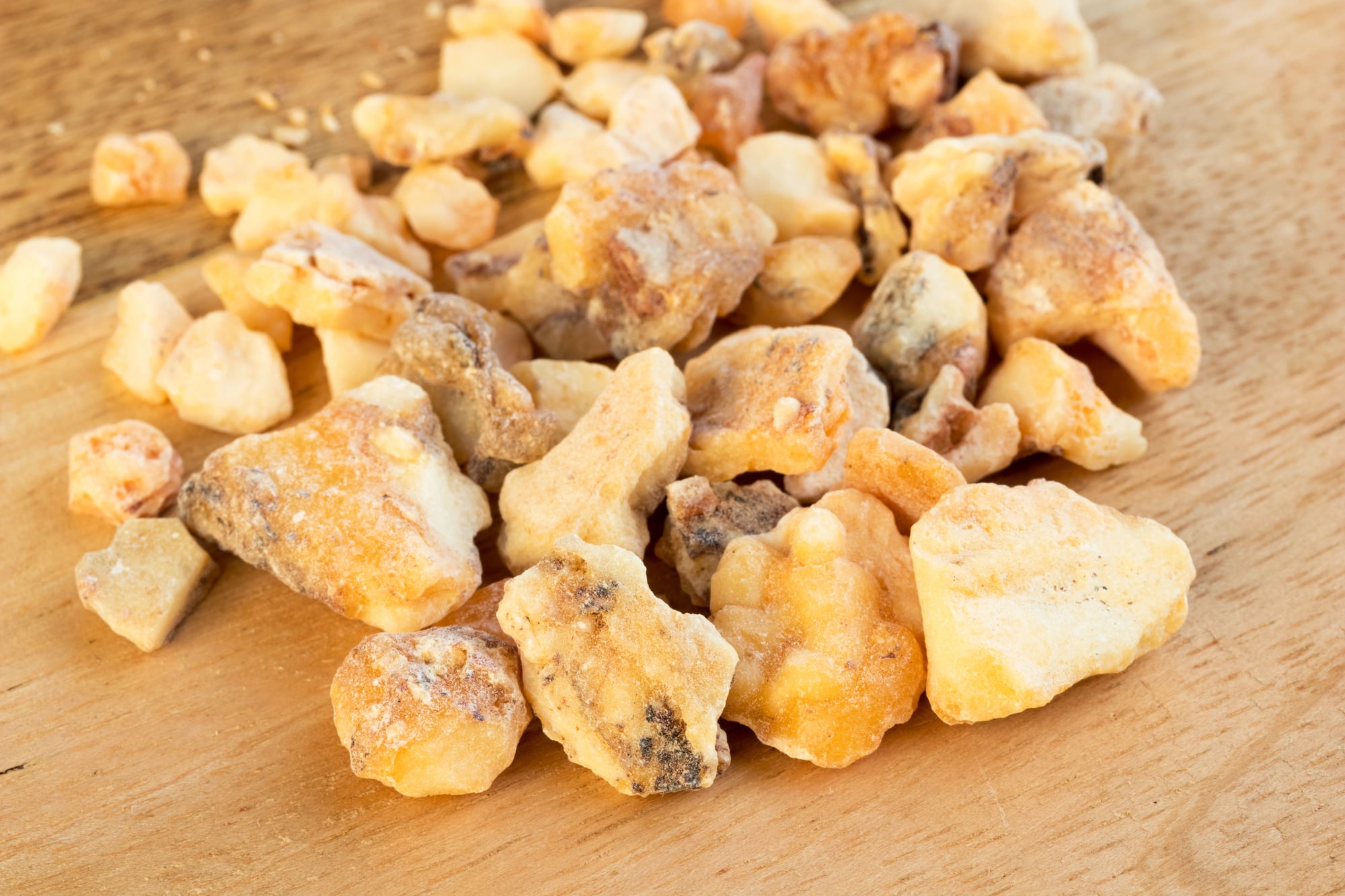
Also known as Friar’s Balm, and storax, these are synonyms for the balsamic resin known as benzoin. The Arabs of the 14th century were the first culture to describe benzoin as the ‘frankincense of Java.’
The essential oil of guayak tree is often used for perfumery compositions with rose, as well as an ingredient that ‘fixes’ perfumes well. Wait, that’s about guayak wood – but benzoin similarly acts as an excellent fixative with its sweet, vanilla-like, balsamic aroma.
This resin from Styrax trees adds warmth and longevity to oriental fragrances while providing a cozy, almost edible sweetness.
Deer Tongue
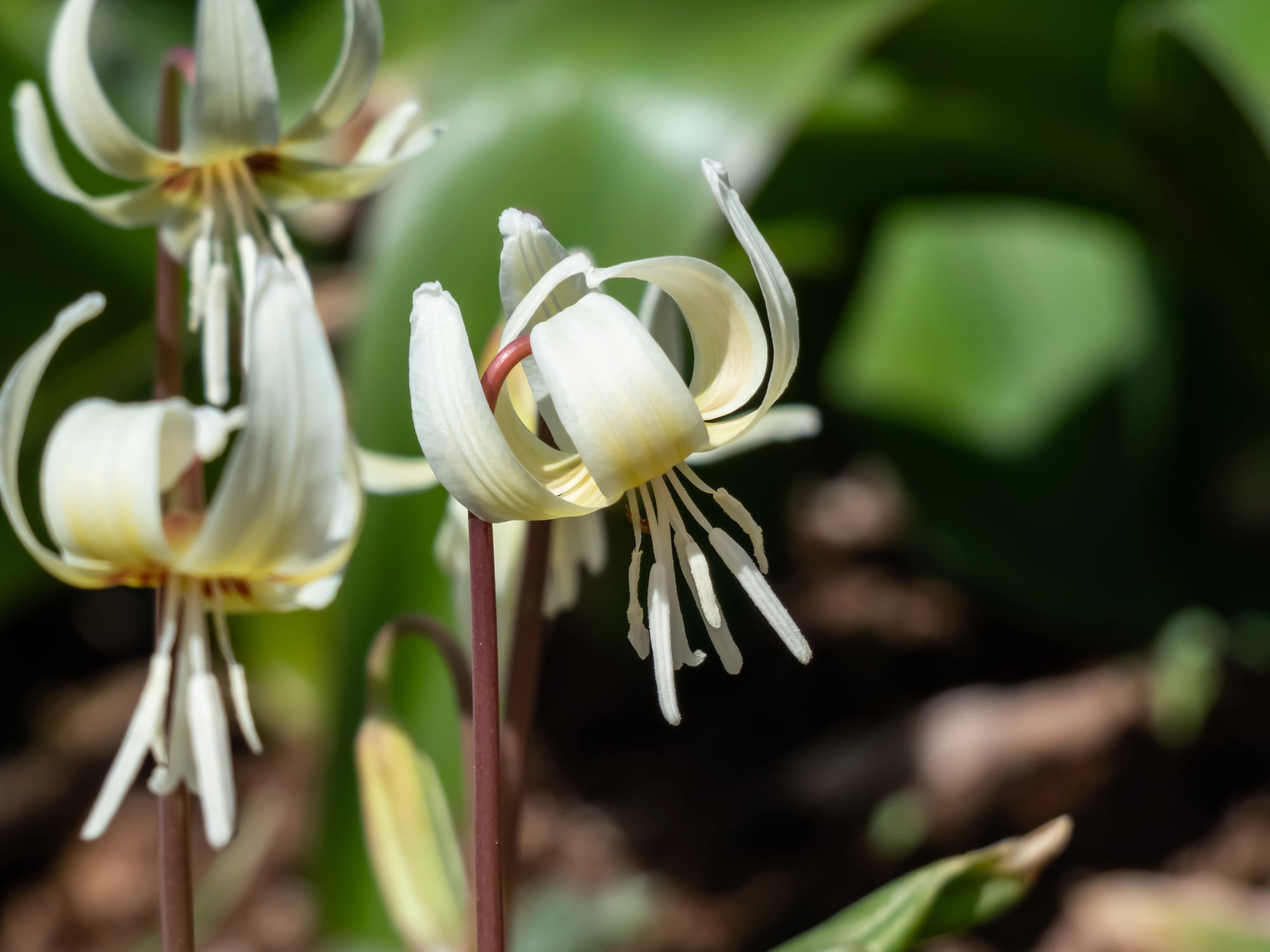
Natural perfumers used and continue to use tonka bean absolute and tonka in powder form, as well as deer’s tongue, a herb with brittle leaves to render a coumarin note. Don’t worry – no deer are harmed for this ingredient!
Deer tongue is actually a plant (Liatris odoratissima) with brittle leaves that contain natural coumarin. This North American herb smells like fresh hay and vanilla, offering a more accessible alternative to expensive tonka beans while providing similar sweet, grassy notes that were essential in early American perfumery.
Hyraceum
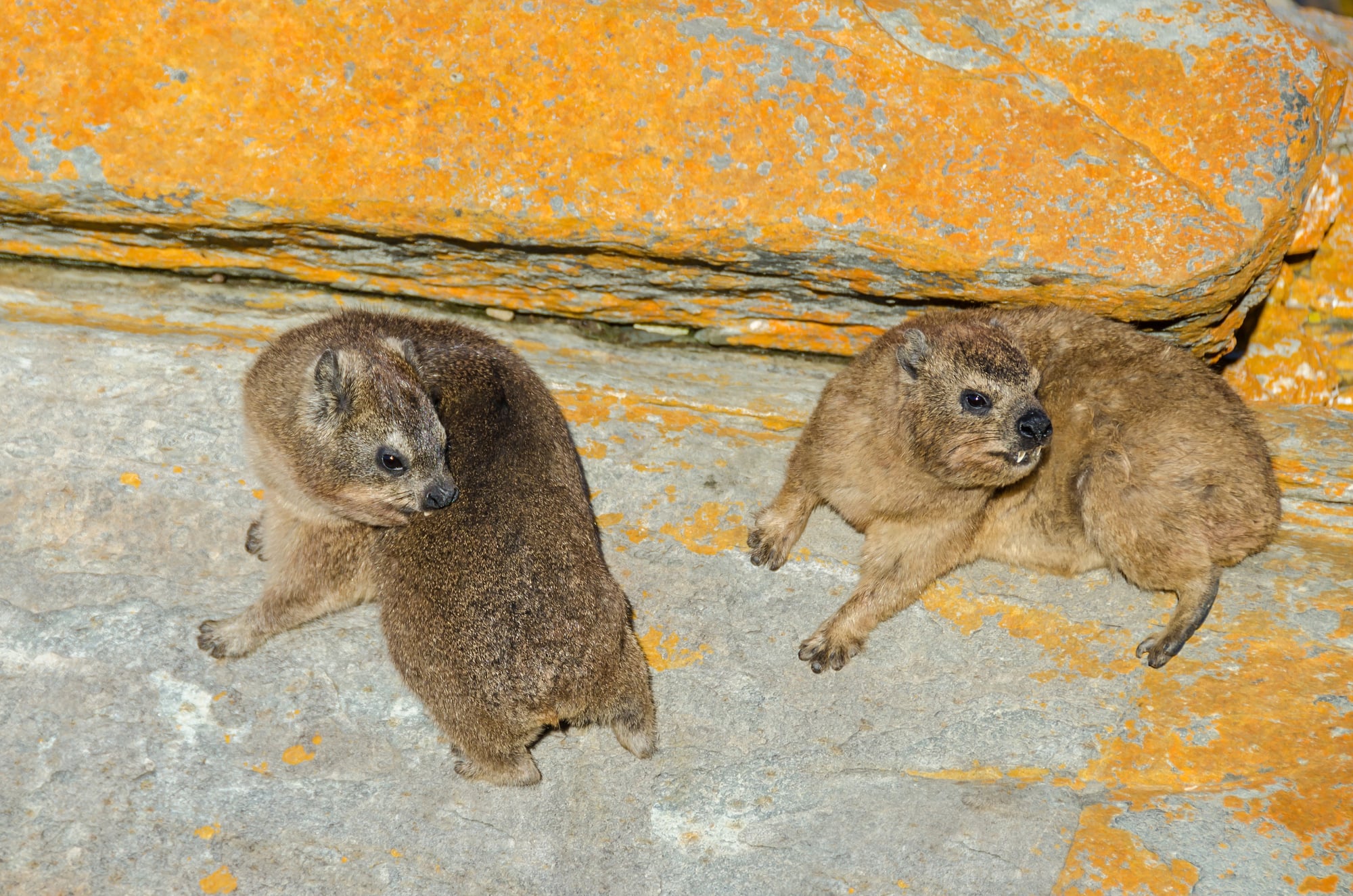
Hyraceum, also called African Stone, is an animal essence used in perfumery. It is part of the natural animal notes, along with civet, musk, castoreum and ambergris.
Hyraceum, which is a rock-like, earthy substance fossilized from the urine of the ‘rock rabbit,’ a small mammal with rounded ears and no tail. This fascinating material forms when rock hyrax urine crystallizes over hundreds of years in African caves.
The result is a fossilized substance with an incredibly complex aroma that combines animalic, earthy, and sweet facets. It’s one of the rarest perfume ingredients in the world.
Rose Otto
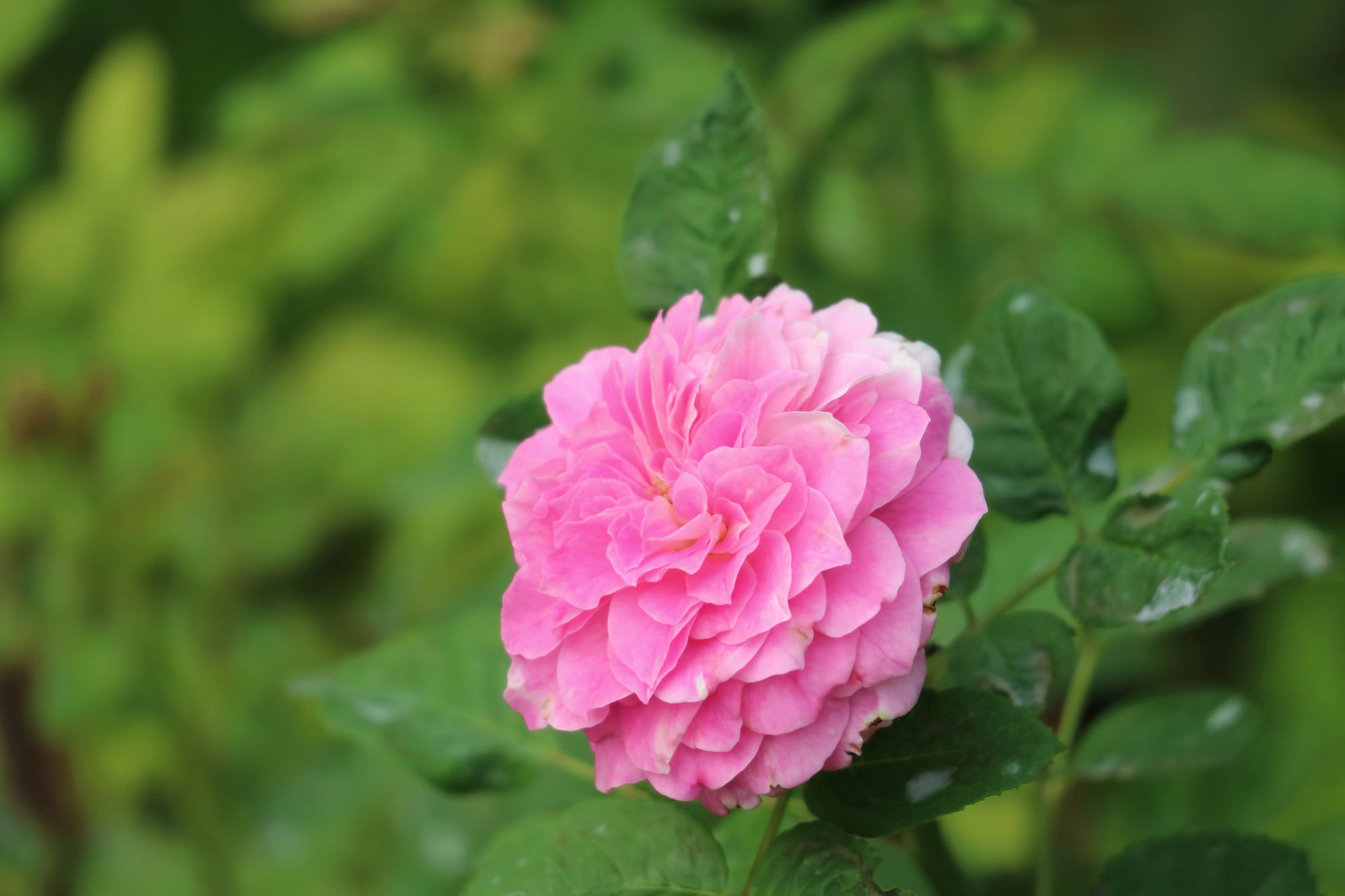
To produce only a single kilo of rose oil, approximately 1,500,000 blossoms are required. The process is also very labor-intensive.
Each flower must be carefully hand-picked on the first morning, just after dark and before the sun rises, kept in a willow basket, and immediately transferred for quick processing. Bulgarian rose otto represents the pinnacle of floral perfumery, requiring enormous quantities of petals and perfect timing.
The roses must be picked in the early morning when their oil content is highest, then immediately processed to capture their ethereal scent. This explains why true rose otto can cost thousands of dollars per ounce.
Gunpowder
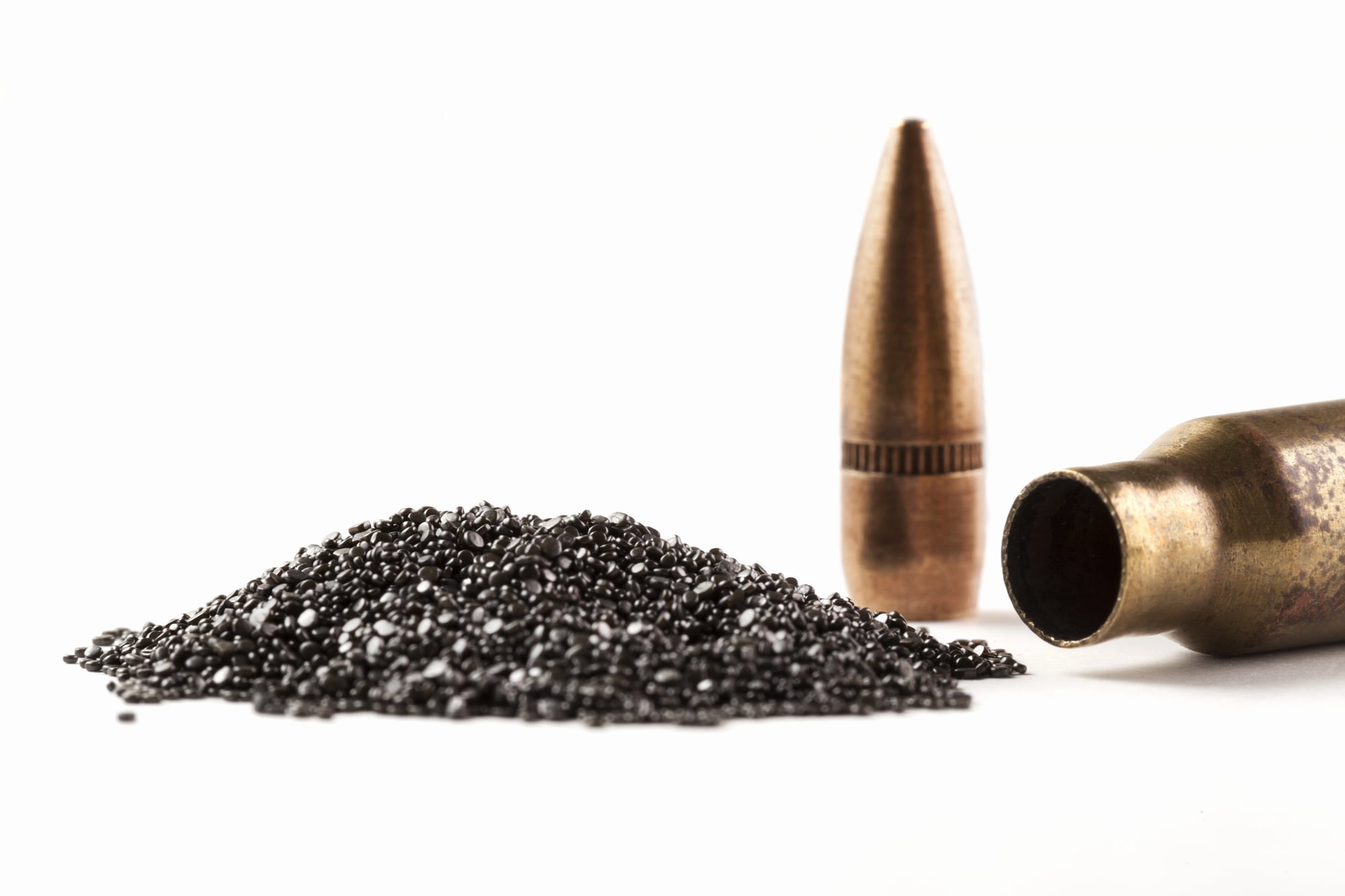
The metallic smoke scent of gunpowder in perfumes gives them a unique impression. It is combined with other natural elements, such as sandalwood or amberwood, to create erotic fragrances.
Yes, actual gunpowder has been used in perfumery to create unusual smoky, metallic effects. This unconventional ingredient adds an edgy, almost dangerous quality to fragrances.
When combined with woods and resins, gunpowder creates surprisingly sophisticated scents that challenge traditional perfume boundaries and appeal to those seeking truly unique olfactory experiences.
The Alchemy of Scent
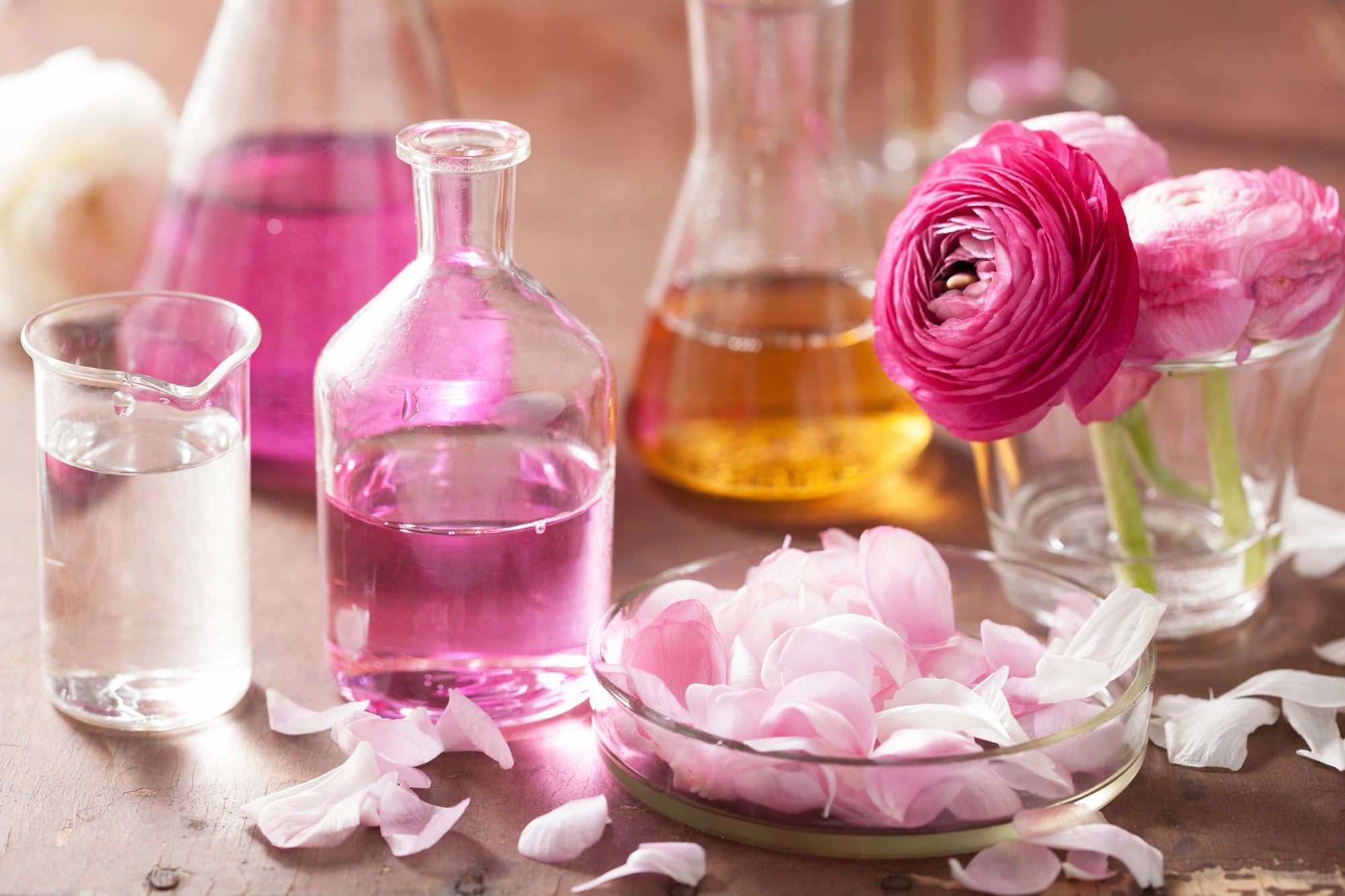
These unusual ingredients remind us that perfumery has always been about transformation and surprise. What seems unthinkable – whale secretions, fossilized urine, plant resins aged for years – becomes beautiful when skillfully blended by master perfumers.
While many of these materials are now synthesized or ethically sourced, their stories connect us to thousands of years of human fascination with scent. Today’s perfume bottle might contain the chemical essence of ancient trade routes, biblical ceremonies, and natural processes that unfold over decades, proving that the most extraordinary beauty often comes from the most unexpected places.
More from Go2Tutors!

- The Romanov Crown Jewels and Their Tragic Fate
- 13 Historical Mysteries That Science Still Can’t Solve
- Famous Hoaxes That Fooled the World for Years
- 15 Child Stars with Tragic Adult Lives
- 16 Famous Jewelry Pieces in History
Like Go2Tutors’s content? Follow us on MSN.



