18 Best Fictional Animals of All Time
Some of the most memorable characters in stories aren’t human at all. A horse that won’t give up.
A spider that writes words on her web. A lion who carries the weight of an entire kingdom.
Fictional animals have a way of sticking with you long after the story ends — sometimes more than any human character in the same tale. Here are 18 that earned their place in the conversation.
Simba (The Lion King)
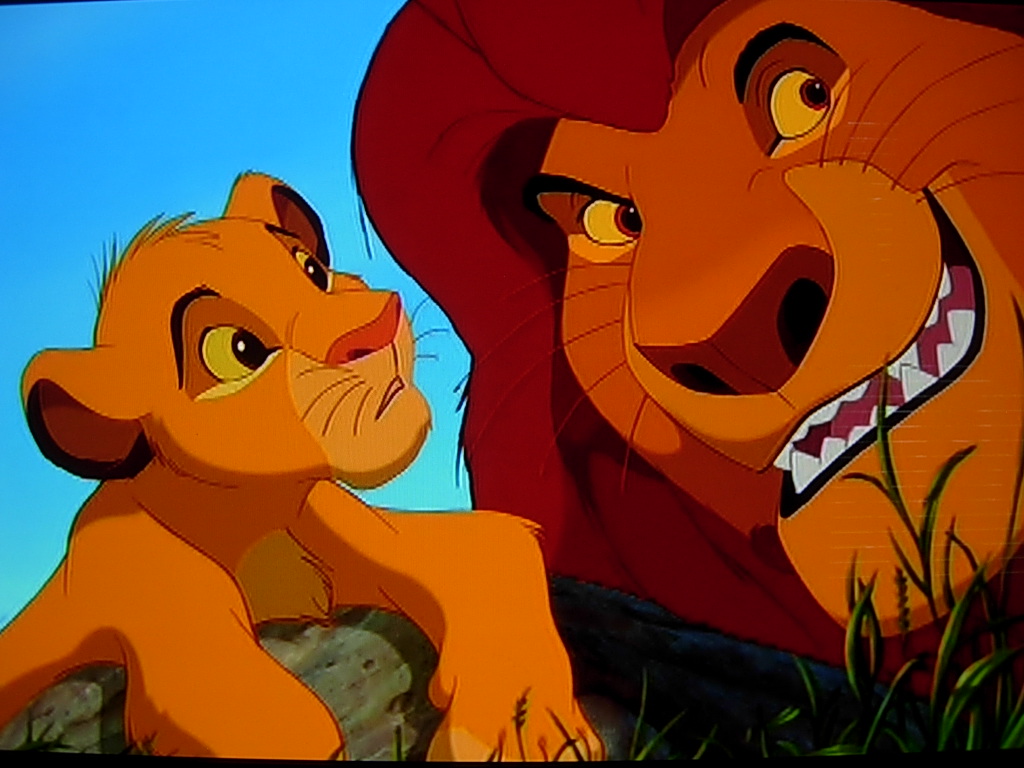
Few characters carry as much emotional weight as Simba. He starts as a playful cub who just wants to be king, then spends years running from his past after his father’s death.
His arc — guilt, exile, and eventually facing what he’s been avoiding — hits harder than most human dramas. The savanna setting and Hans Zimmer’s score don’t hurt either.
Lassie (Lassie)
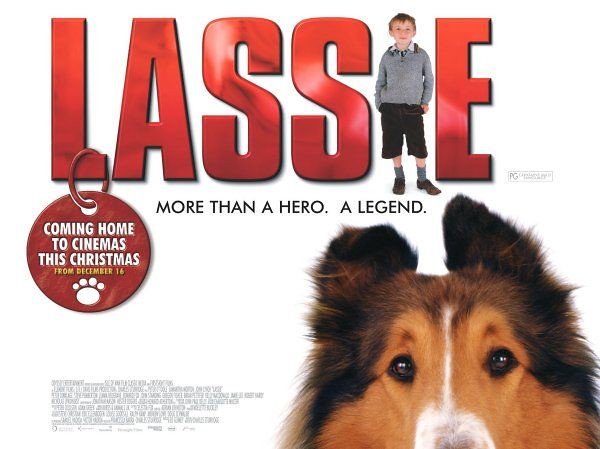
Lassie has been around in various forms since 1940, and the core idea is always the same: a rough collie who is loyal beyond reason and brave in ways that feel almost impossible. The original story follows her long journey home across Scotland after being sold.
It’s straightforward, but it works because Lassie’s determination feels completely real.
Dumbo (Dumbo)
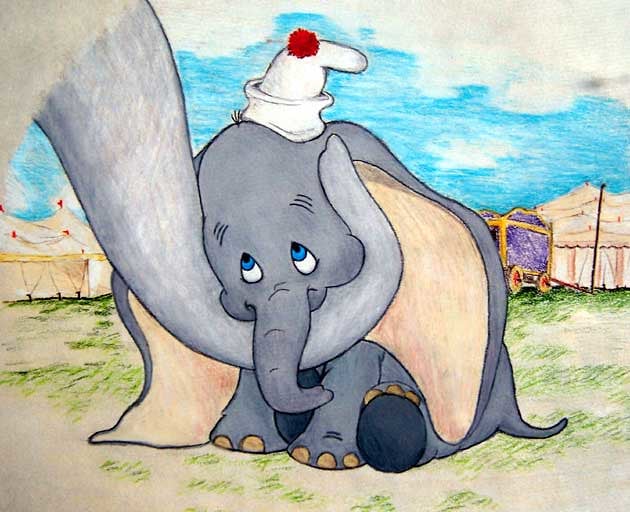
An elephant with oversized ears who gets mocked and isolated — and then those same ears turn out to be the thing that makes him extraordinary. Dumbo barely speaks, but his story lands because of how clearly it captures the experience of being different in a world that won’t let you forget it.
Aslan (The Chronicles of Narnia)
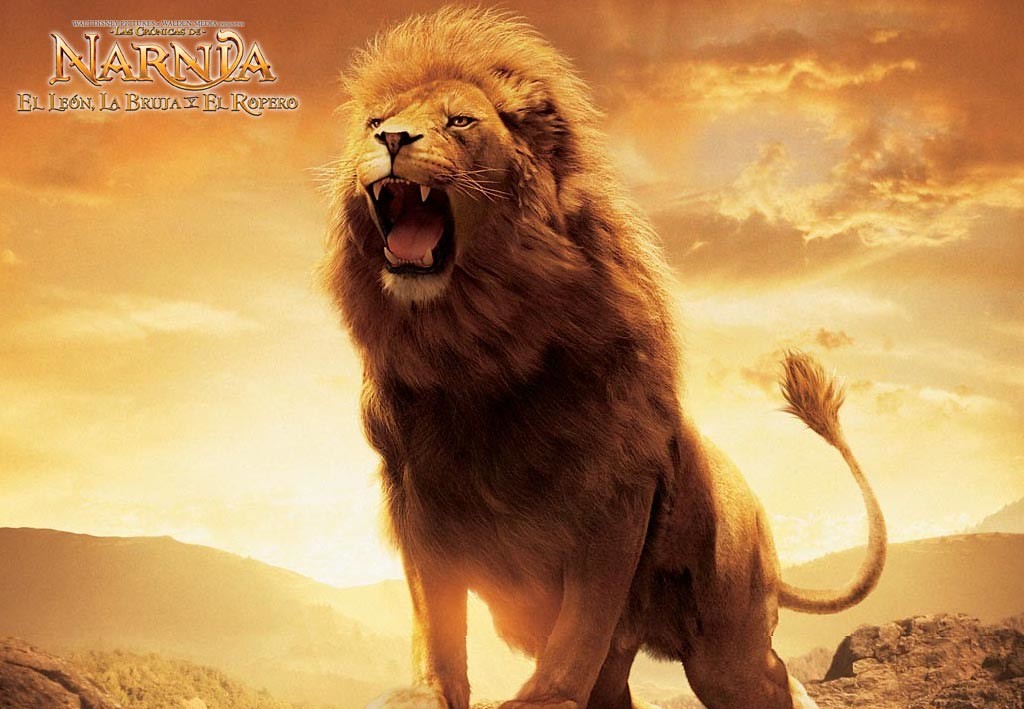
Aslan is a lion, but also something more. C.S. Lewis built a character who manages to feel genuinely powerful and genuinely gentle at the same time, which is harder to pull off than it sounds.
The scene in The Lion, the Witch and the Wardrobe where he surrenders himself willingly remains one of the most affecting moments in children’s literature.
Paddington (Paddington)
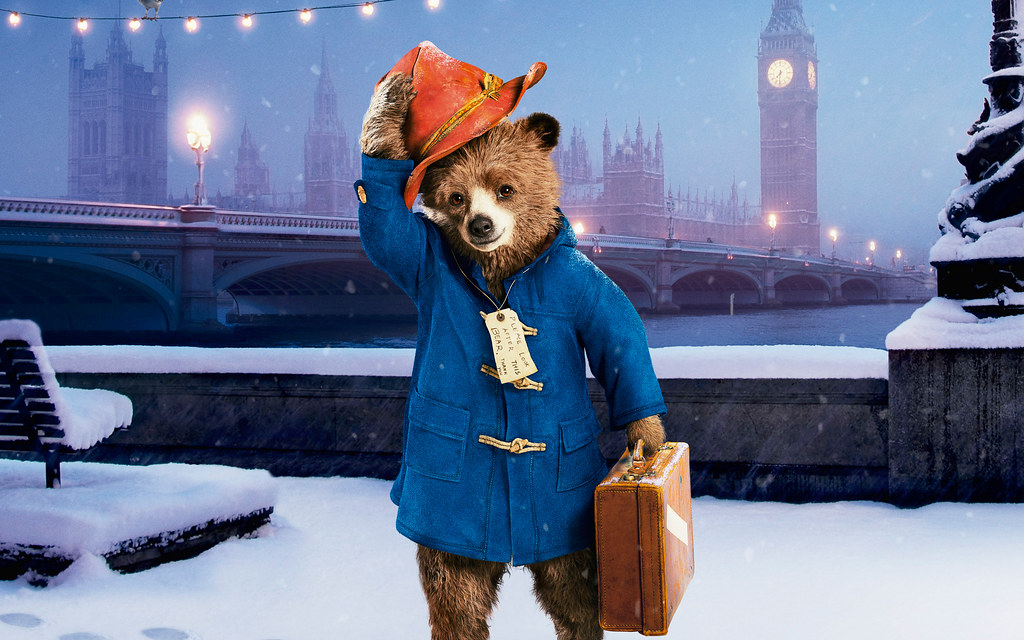
A small bear from Peru in a duffle coat, carrying a suitcase and looking for a family. That’s all it takes.
Paddington works because he approaches the world with total sincerity — he never becomes cynical, never stops being curious, and always seems to find the best in the people around him. The films brought him into a new generation without losing any of that warmth.
Bambi (Bambi)
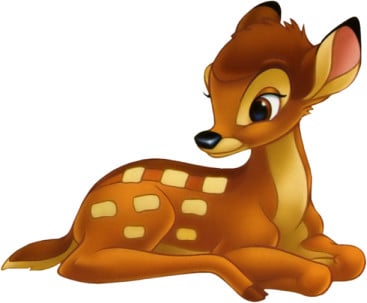
Bambi’s story is quiet, slow, and genuinely sad in places. The death of his mother has been traumatizing children since 1942, and it still does.
But the film is also about seasons changing, growing up, and the forest as a living thing. It holds up better than you’d expect from something that old.
Winnie-the-Pooh (Winnie-the-Pooh)
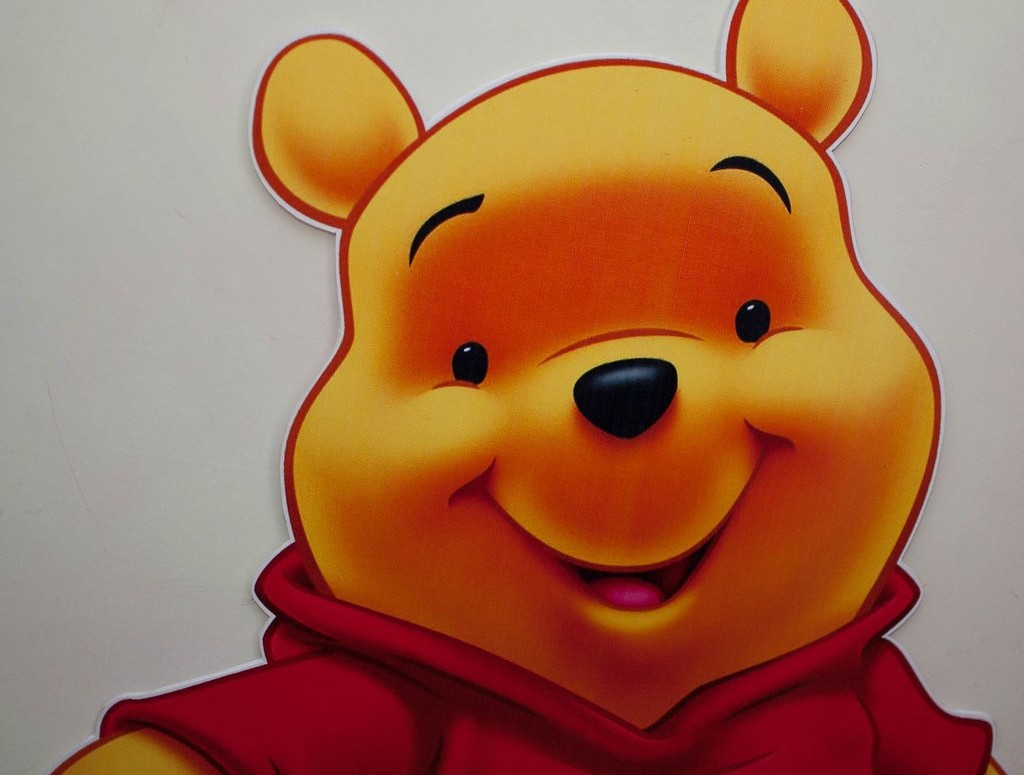
Pooh is a bear with very little brain, and that’s exactly what makes him so good. He’s not trying to solve problems or prove anything.
He wanders, he eats honey, he talks to his friends, and occasionally stumbles into something wise without meaning to. A.A. Milne created something that looks simple and is actually hard to replicate.
Charlotte (Charlotte’s Web)
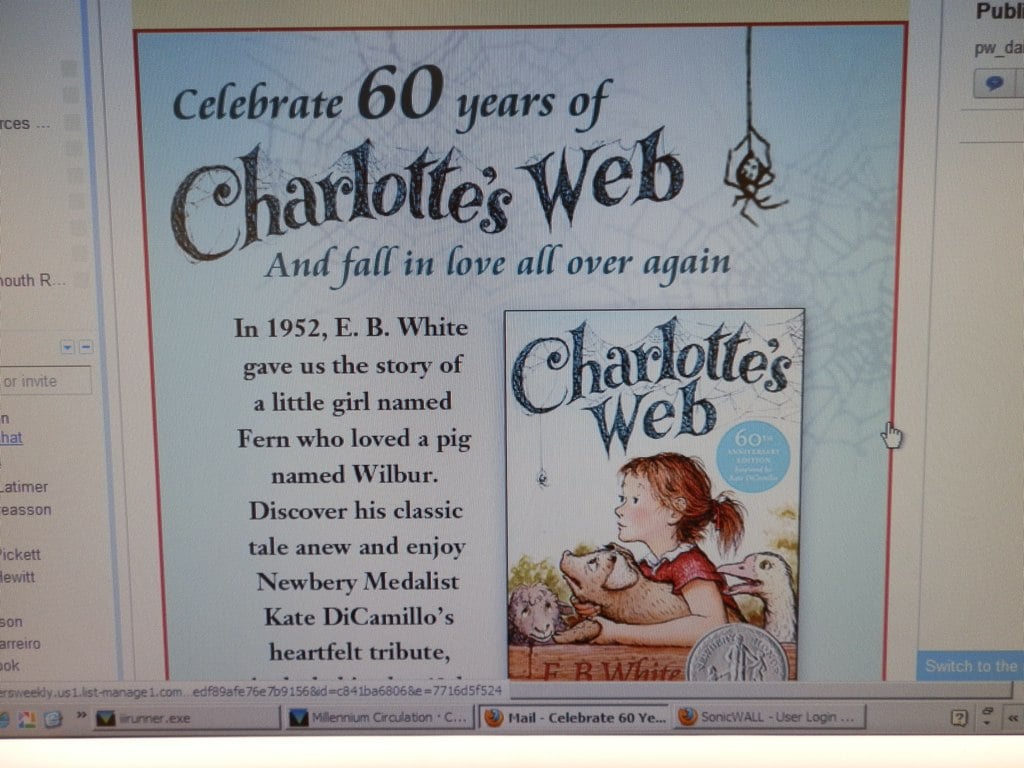
Charlotte is a barn spider who saves the life of a pig named Wilbur by weaving words into her web. She’s pragmatic, intelligent, and kind — and she does what she does quietly, without asking for credit.
E.B. White gave her one of the most honest deaths in all of children’s fiction, and it has been making readers cry for decades.
Pikachu (Pokémon)
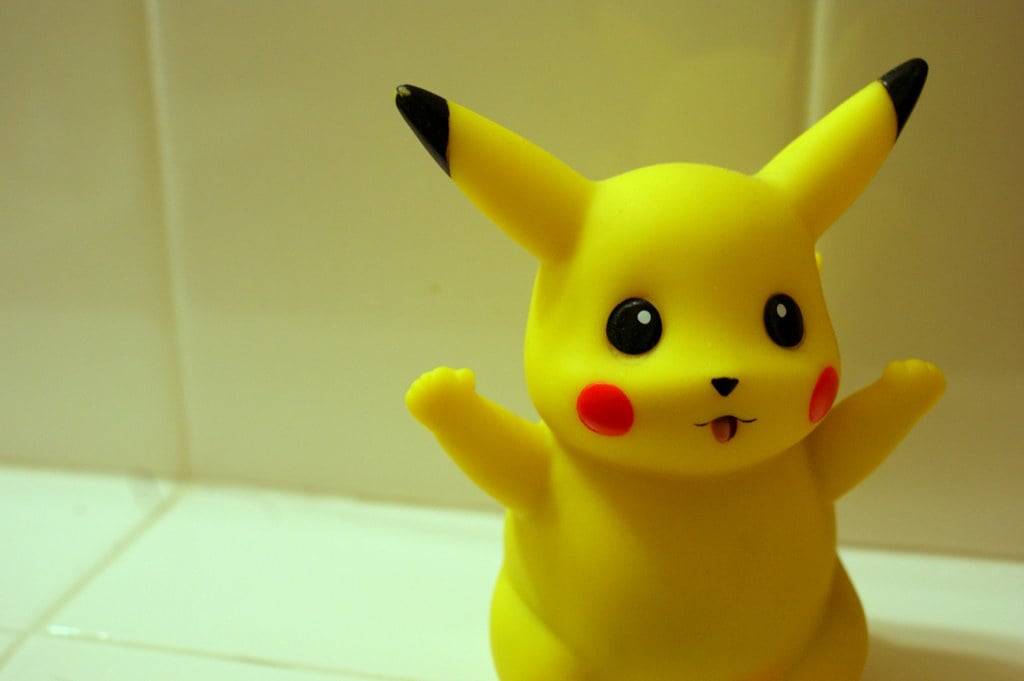
There are hundreds of Pokémon, but Pikachu became the face of an entire franchise for a reason. Part of it is the design — round, yellow, small enough to fit in a pocket. But the relationship between Pikachu and Ash in the anime gave the character an emotional core that made it more than just a mascot.
That first episode where Pikachu refuses to go back into his Poké orb is still a solid piece of storytelling.
Black Beauty (Black Beauty)
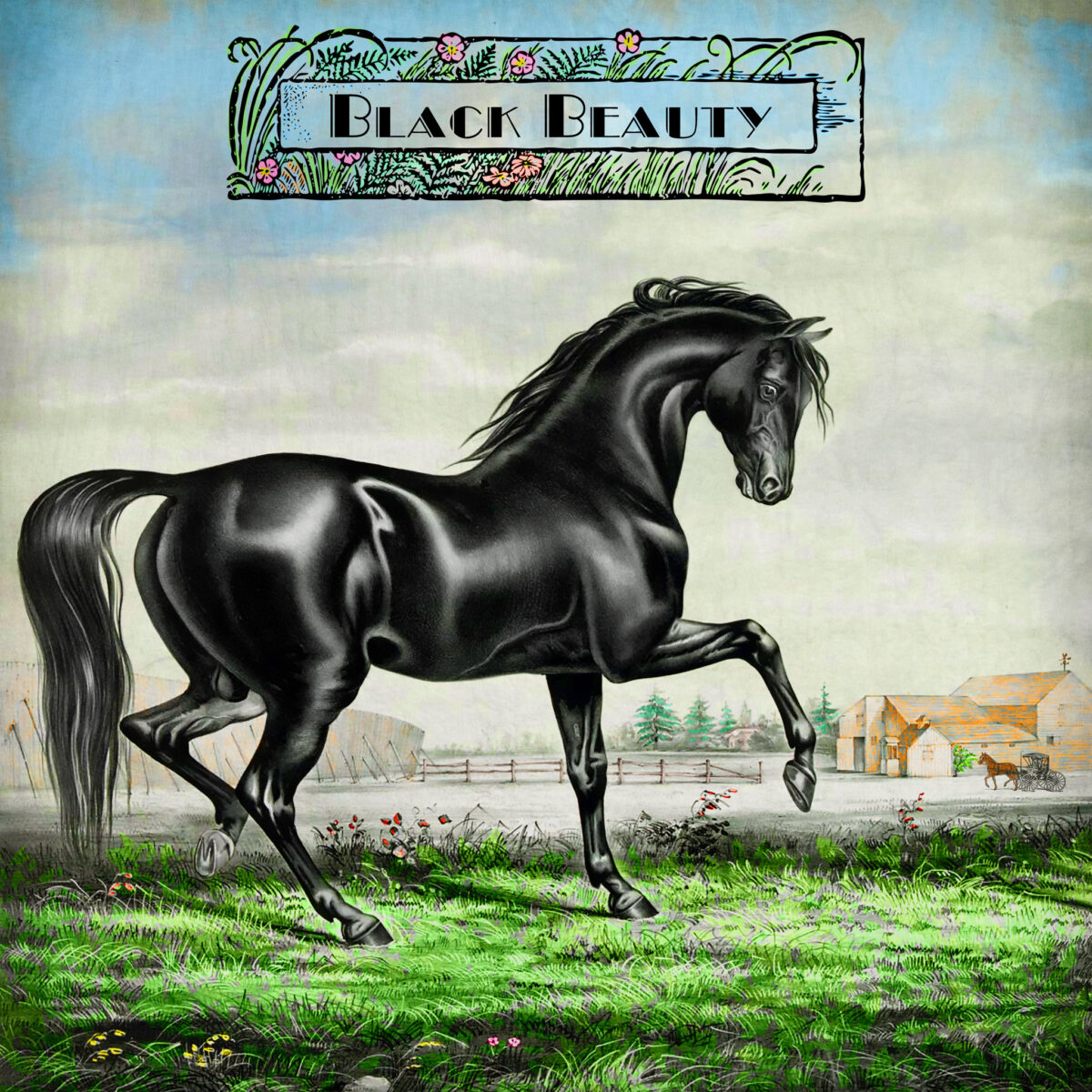
Anna Sewell wrote Black Beauty in 1877 partly as a protest against the mistreatment of horses. The novel is told entirely from the horse’s point of view, which was unusual at the time.
Black Beauty moves through different owners and different lives — some kind, some cruel — and the book makes you feel every one of those transitions. It changed how people thought about animal welfare.
Falkor (The Neverending Story)
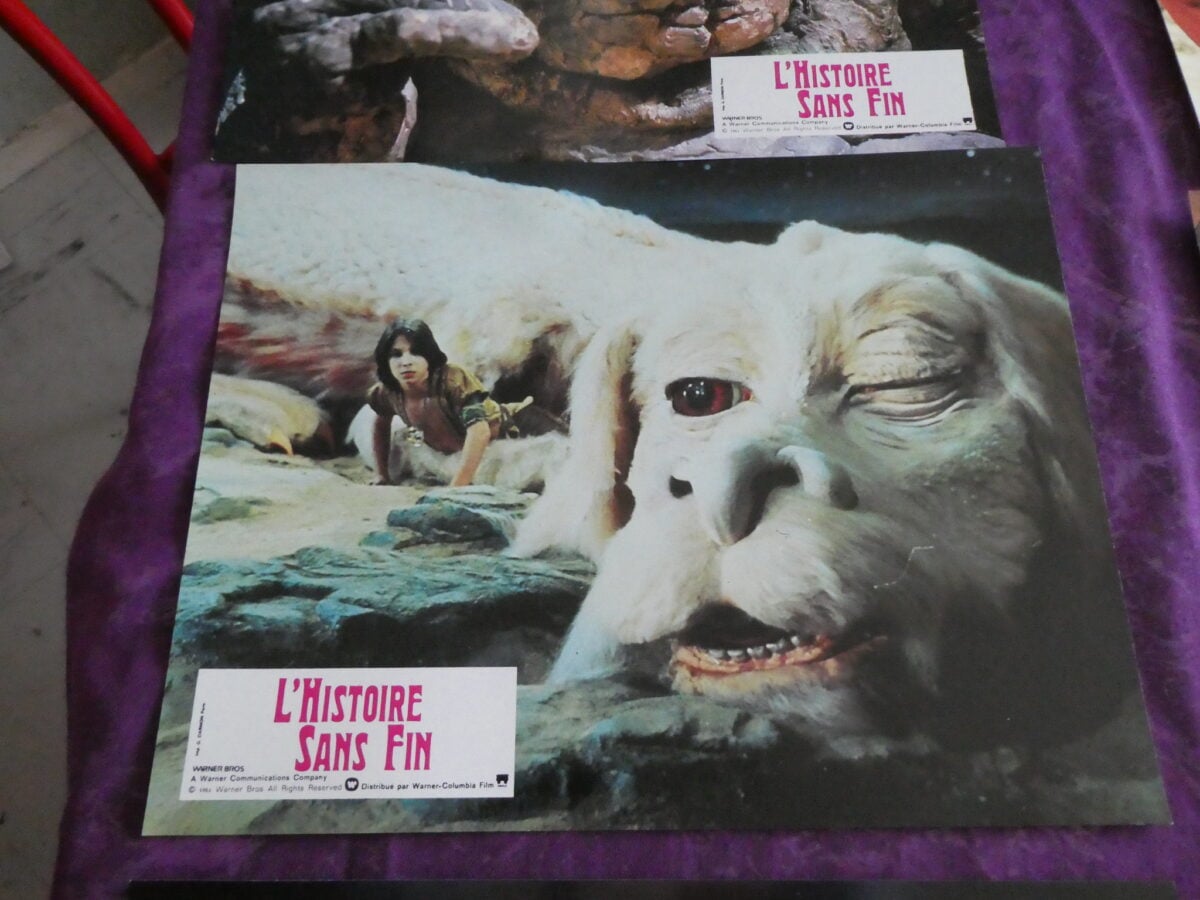
A luck dragon who looks like a white dog crossed with a Chinese dragon and flies through the sky like it’s nothing. Falkor is optimistic in the most infectious way, and his friendship with Atreyu has a warmth to it that keeps the film from getting too dark.
“Never give up, and good luck will find you” is the kind of line that sounds like a cliché but somehow doesn’t feel like one coming from him.
Hedwig (Harry Potter)
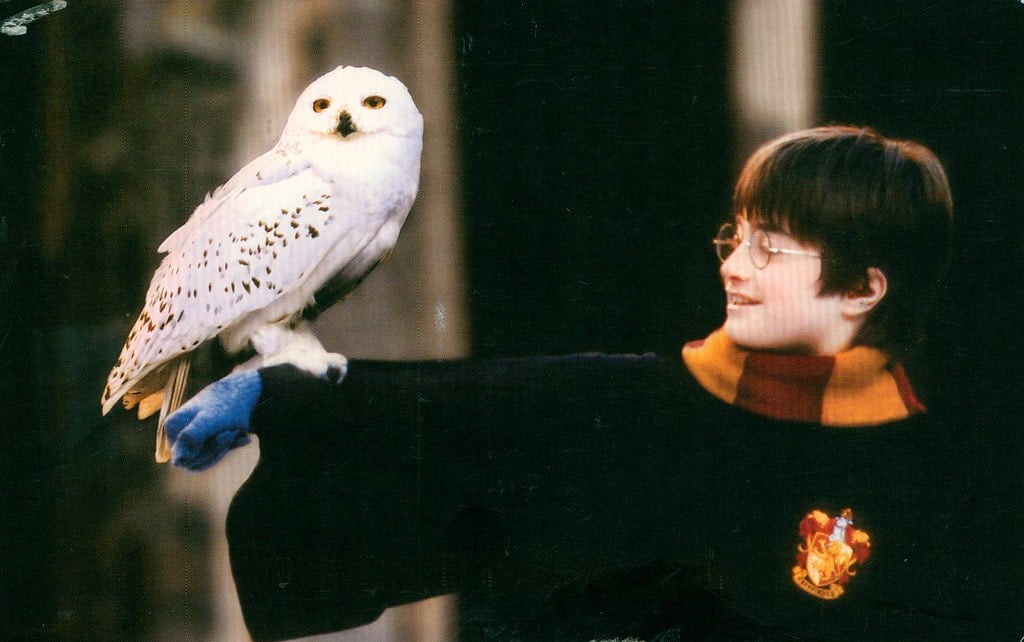
Hedwig is a snowy owl who carries Harry’s letters and sleeps in his dormitory, and yet her death in Deathly Hallows marks the emotional point where the series stops feeling safe. She represents Harry’s connection to the magical world, and when she’s gone, something shifts.
She doesn’t have many scenes, but she doesn’t need them.
Spirit (Spirit: Stallion of the Cimarron)
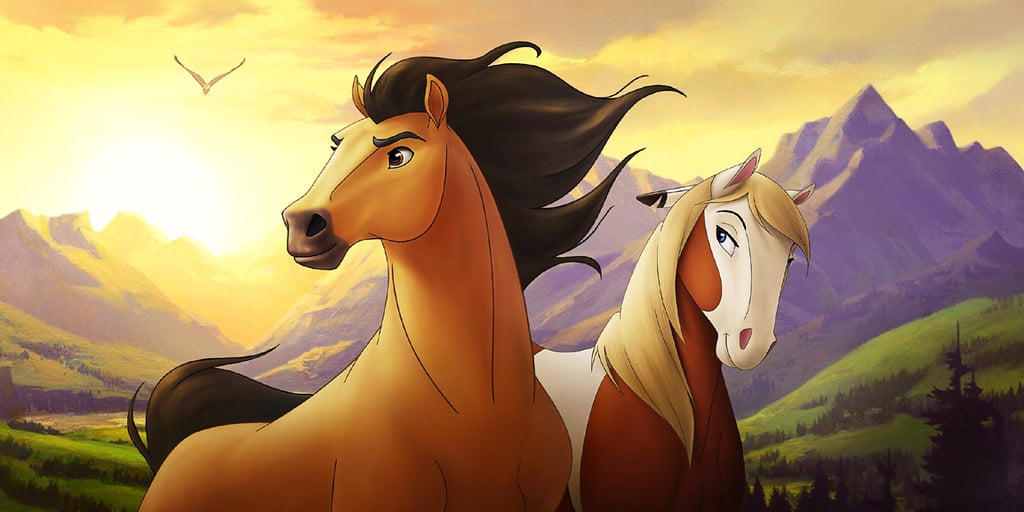
A mustang who refuses to be broken. Spirit spends most of the film without dialogue, which means the animation and Bryan Adams’ soundtrack have to carry everything — and they do. The horse never stops trying to get back to his herd, and there’s something deeply compelling about a character whose only goal is freedom.
Toto (The Wizard of Oz)
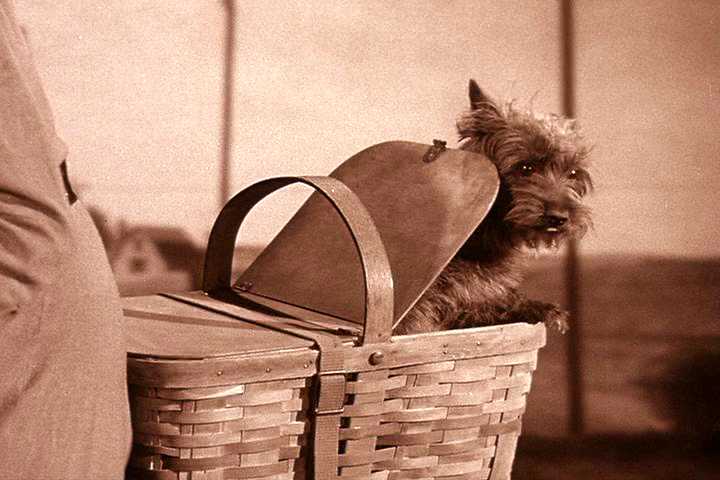
Toto doesn’t do much in the grand scheme of things. He gets Dorothy into trouble at the start and pulls back a curtain near the end.
But he’s always there, trotting alongside Dorothy through Munchkinland and the haunted forest, completely unbothered. His presence in every scene is reassuring in a way that’s hard to explain.
Mewtwo (Pokémon: The First Movie)
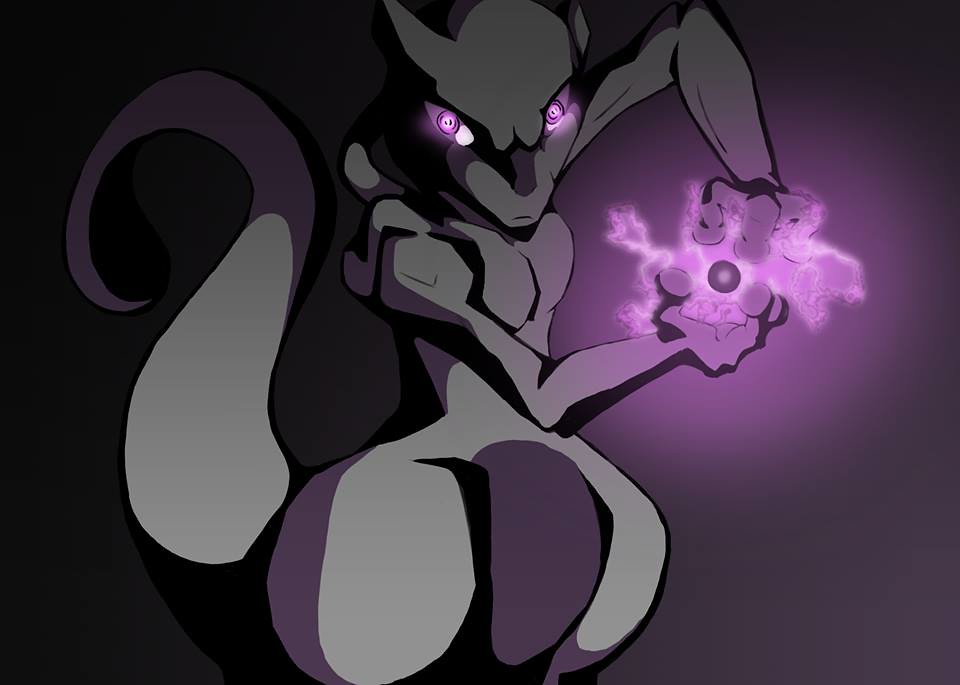
A genetically engineered Pokémon who is angry at the world for creating him. Mewtwo is one of the few villains in the Pokémon universe who has a genuine philosophical argument: he didn’t ask to exist, and the people who made him used him as a weapon.
The 1998 film handles that surprisingly well for a children’s movie.
Buck (The Call of the Wild)
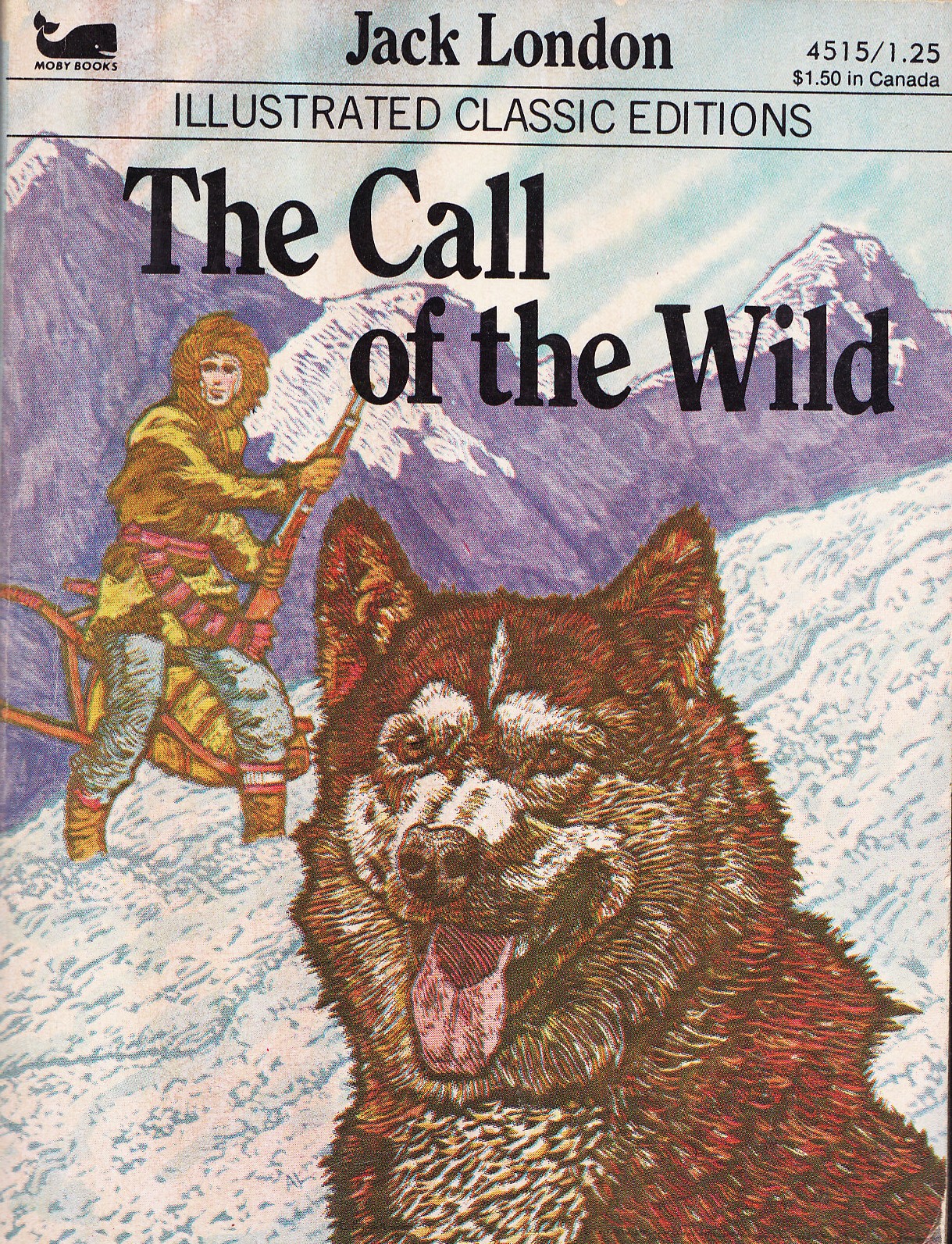
Jack London’s Buck starts as a domesticated dog and ends as something completely wild. The novel follows his transformation from comfortable house pet to sled dog to free creature in the Yukon, and London writes every stage of it with conviction.
Buck’s journey is about instinct reasserting itself, and it’s as gripping now as it was when it was published in 1903.
Snoopy (Peanuts)
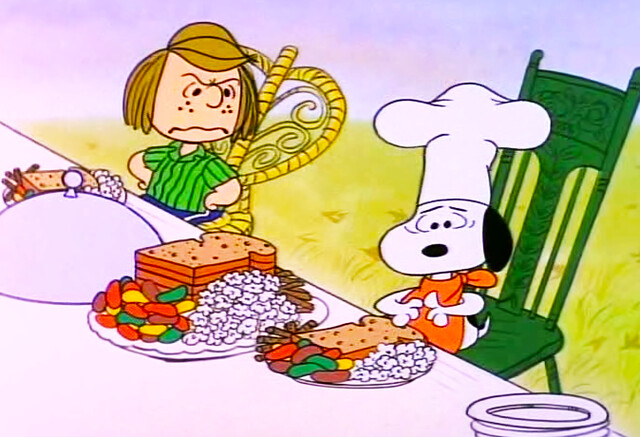
Snoopy is a beagle who imagines himself as a World War I flying ace, writes novels on his doghouse roof, and dances like nobody’s watching. Charles Schulz gave him an inner life richer than most of the human characters around him.
He’s funny and a little detached and oddly comforting. There’s a reason he’s lasted as long as he has.
Baloo (The Jungle Book)
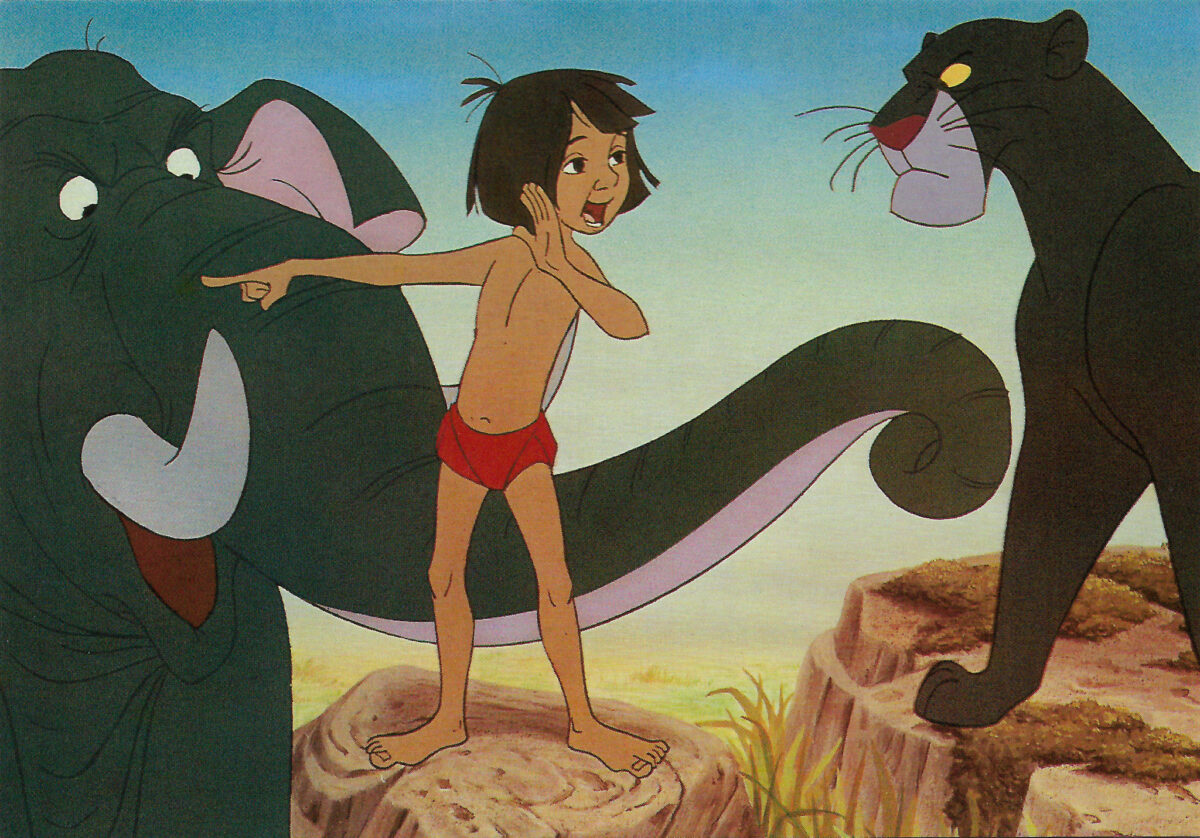
Baloo believes in the bare necessities — simple pleasures, no stress, good company. In both the Kipling original and the Disney adaptation, he functions as a counterweight to all the danger and urgency around Mowgli.
He’s the friend who shows up when things get heavy and somehow makes them lighter without dismissing what’s hard about them.
What Makes an Animal Character Last
The fictional animals that endure aren’t just cute or clever. They carry something real — loyalty, grief, freedom, the desire to belong.
They exist in stories where the emotional stakes feel genuine, and they face those stakes without armor. You remember them because they remind you of something.
Sometimes it’s a person you know. Sometimes it’s yourself.
And sometimes it’s just the feeling of watching something beautiful move through the world without apology.
More from Go2Tutors!
More from Go2Tutors!

- The Romanov Crown Jewels and Their Tragic Fate
- 13 Historical Mysteries That Science Still Can’t Solve
- Famous Hoaxes That Fooled the World for Years
- 15 Child Stars with Tragic Adult Lives
- 16 Famous Jewelry Pieces in History
Like Go2Tutors’s content? Follow us on MSN.