Animals That Inspired Mythical Creatures
For thousands of years, people have told stories about dragons breathing fire, mermaids singing in the ocean, and giants walking the earth. These tales weren’t just made up out of thin air.
Ancient travelers and explorers saw real animals they couldn’t explain, and their imaginations filled in the gaps. A glimpse of an unknown creature in the distance, a pile of massive bones, or a strange animal washed up on shore became the foundation for legends that spread across continents.
Let’s look at the actual animals that sparked some of history’s most famous myths.
Whales and giant squids created the kraken
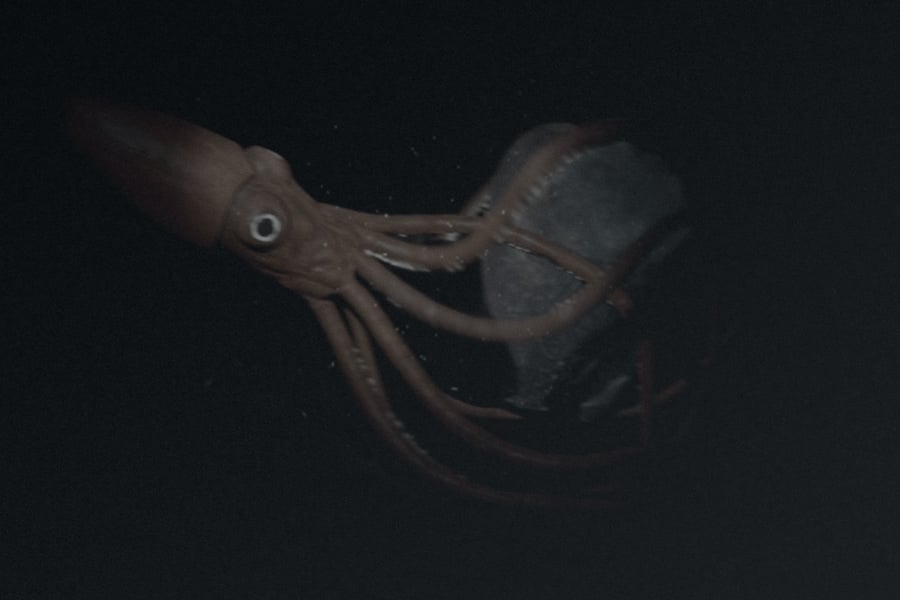
Sailors in the North Atlantic reported seeing massive tentacled monsters that could drag entire ships underwater. The kraken legend grew from actual encounters with giant squids, which can reach lengths of 40 feet or more.
When these deep-sea creatures surfaced near boats, their writhing arms and enormous eyes terrified crews who had never seen anything like them. Dead whales floating at the surface also contributed to the myth.
Their bloated bodies and strange movements in the waves made them look like hostile sea monsters ready to attack.
Elephants became cyclops in Greek stories
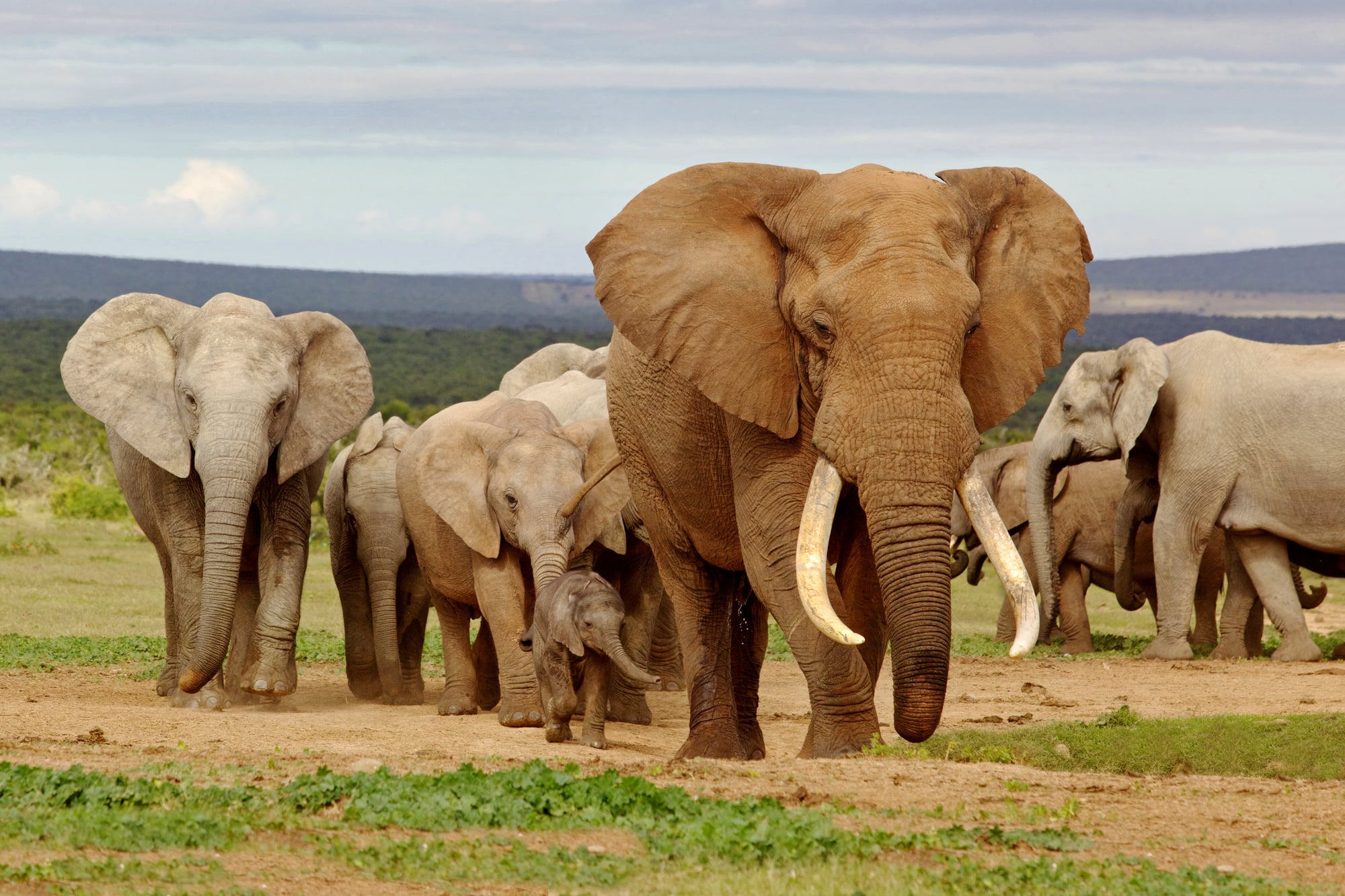
When ancient Greeks discovered elephant skulls in coastal caves, they had no context for what they were seeing. The large nasal cavity in the center of an elephant skull looks exactly like a single eye socket.
Without any knowledge of elephants, which didn’t live in Greece, people assumed these bones belonged to giant one-eyed humans. The cyclops myth was born from this misidentification.
Dwarf elephant species that lived on Mediterranean islands had even more pronounced central cavities, making the single-eye interpretation seem obvious to ancient observers.
Manatees fooled sailors into seeing mermaids
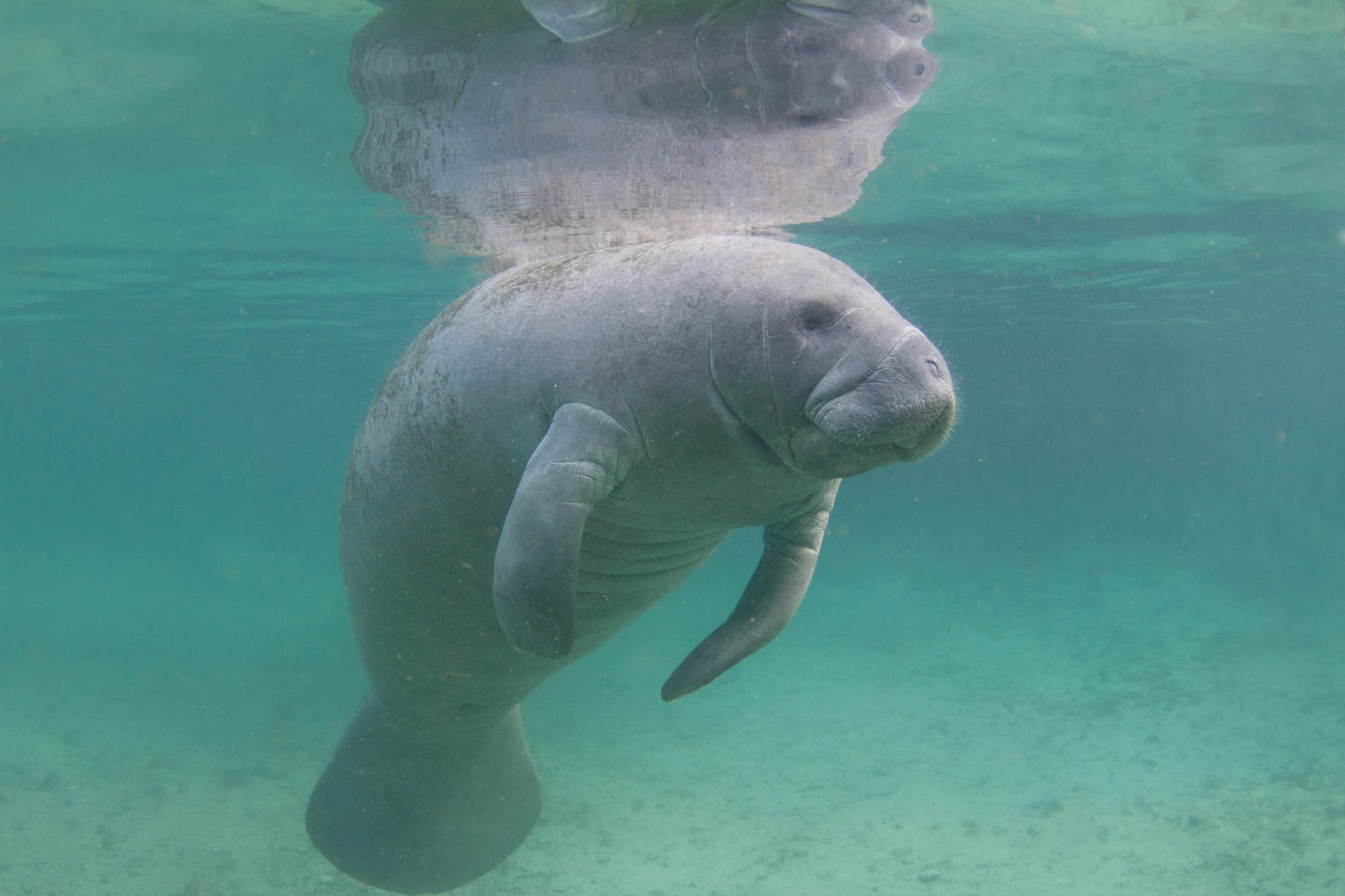
Christopher Columbus reported seeing mermaids off the coast of Haiti in 1493, though he noted they weren’t as beautiful as described. He was almost certainly looking at manatees.
These large marine mammals swim slowly near the surface, and from a distance, their rounded heads and flipper movements can resemble a human form. Sailors who had been at sea for months, desperate for any sign of civilization, saw what they wanted to see.
Manatees also nurse their young while holding them with their flippers, a behavior that looks remarkably human-like when glimpsed through ocean spray.
Rhinoceros horns led to unicorn legends
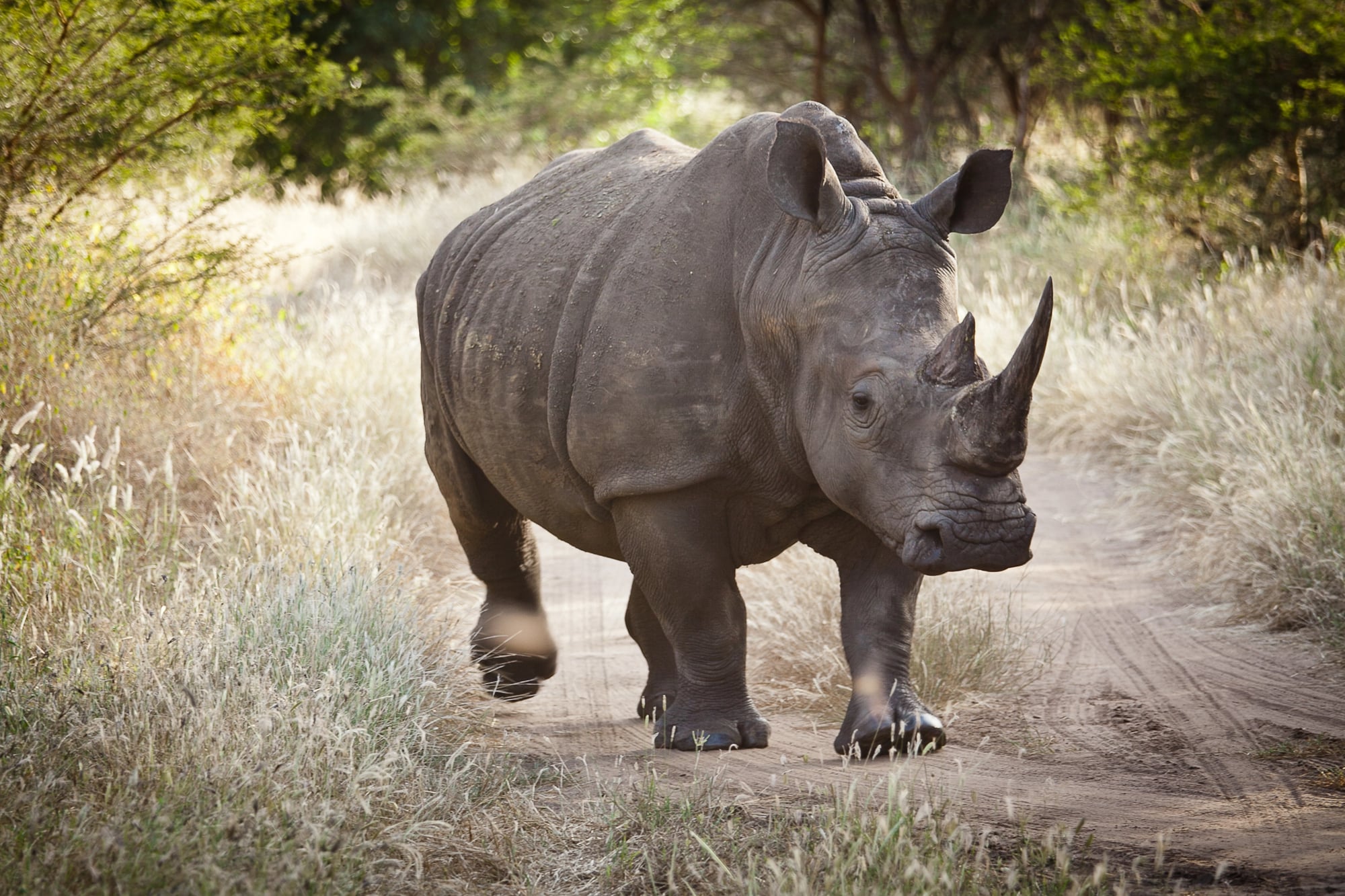
Medieval Europeans heard tales from Asia and Africa about creatures with single horns on their foreheads. These descriptions came from people who had seen rhinoceroses.
Traders brought rhinoceros horns back to Europe, selling them as unicorn horns with magical properties. The confusion persisted because most Europeans never saw a living rhino.
They imagined the creature as horse-like and pure white rather than the bulky, grey animal it actually was. The Indian rhinoceros, with its armor-like skin folds, probably also inspired some dragon legends in Asian cultures.
Ostriches sparked tales of the phoenix
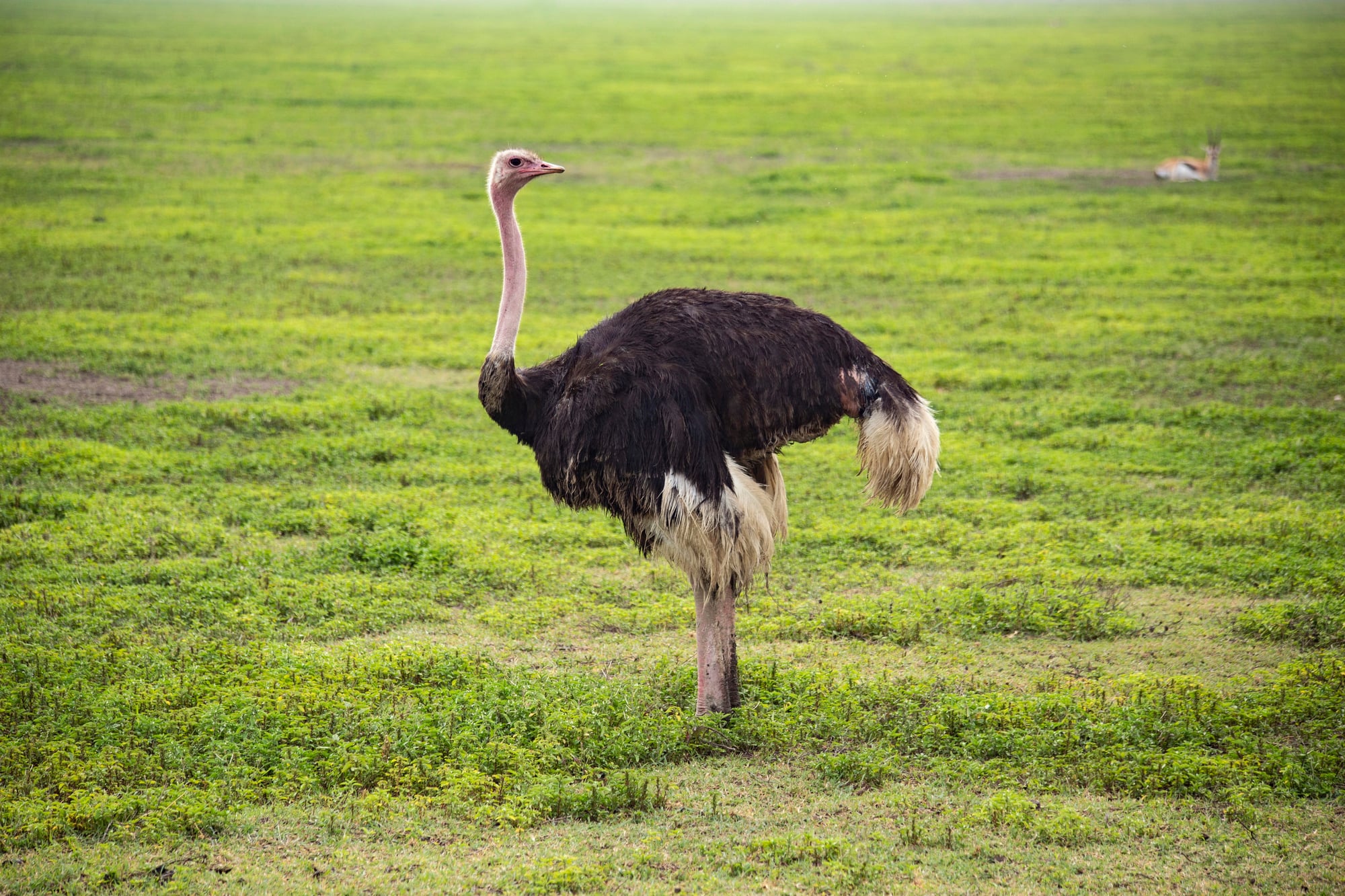
The phoenix supposedly burst into flames and was reborn from its own ashes every 500 years. This myth likely originated from observations of ostriches in the Arabian desert.
These massive birds create shallow nests in the sand and sit on them in ways that made ancient observers think they were burning. The shimmering heat waves rising from the desert floor added to the illusion of flames.
When adult ostriches left their nests and new chicks appeared days later, it seemed like the bird had been reborn. Their reddish-gold feathers also resembled fire when seen at sunset.
Dinosaur fossils became dragon bones
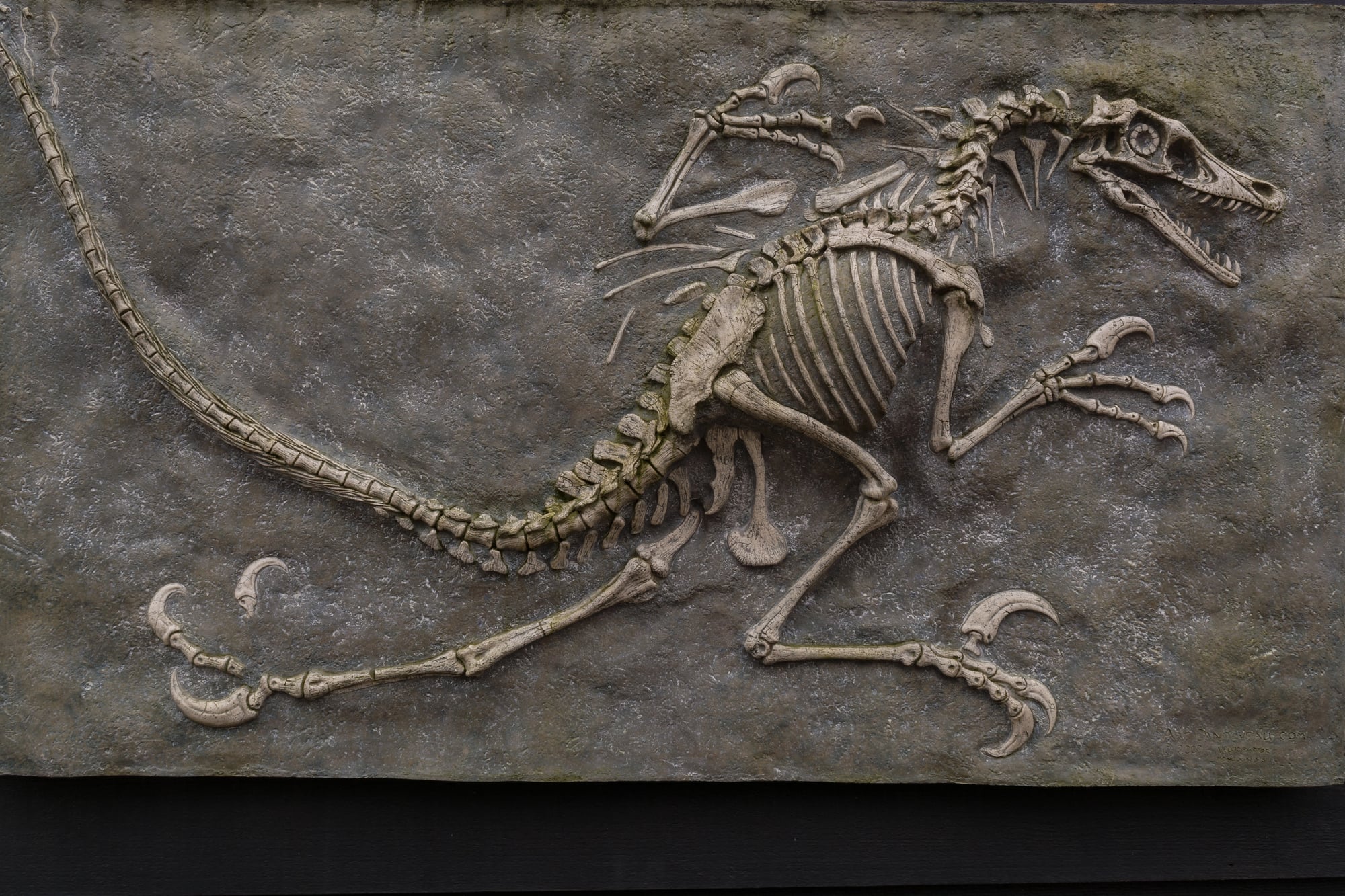
Long before anyone understood fossils, people across China, Europe, and other regions found massive bones embedded in rock. They had no framework for extinct species, so they assumed these remains belonged to giant reptiles that might still be alive somewhere.
The Chinese dragon myth gained credibility from actual dinosaur fossils, particularly the long-necked sauropods. In Europe, megafauna fossils from creatures like mammoths mixed with dinosaur remains to create composite dragon descriptions.
These bones seemed to prove that the legends were real.
Gorillas terrified explorers and became monsters
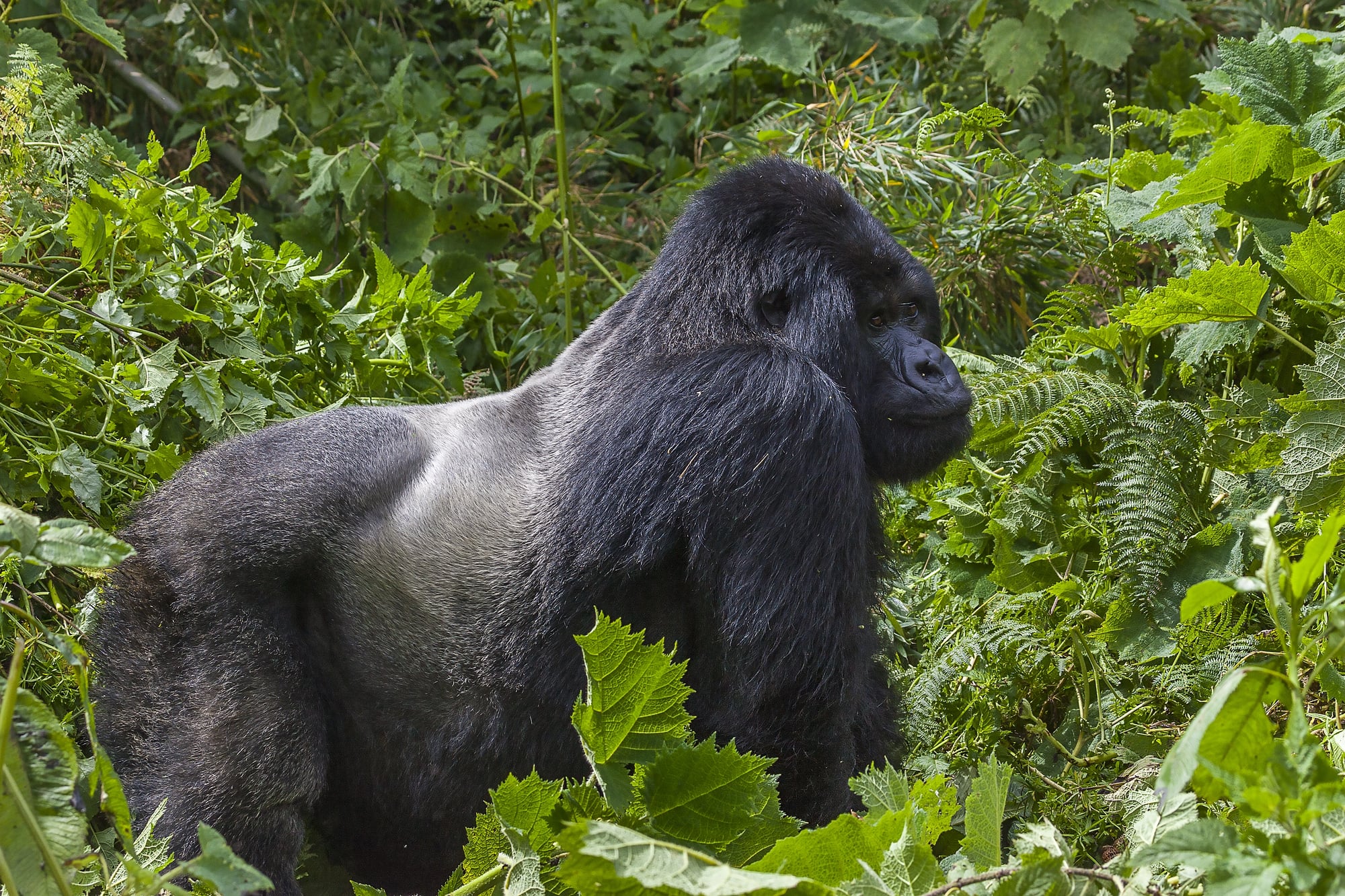
When European explorers first encountered gorillas in Africa during the 1800s, they sent back descriptions of violent, human-like beasts. These accounts weren’t entirely accurate, but they were based on real observations.
Male gorillas performing chest-beating displays and charging behaviors seemed monstrous to people unfamiliar with primate behavior. The word ‘gorilla’ itself comes from an ancient Carthaginian account of ‘wild, hairy people’ encountered on the West African coast.
These animals likely inspired various wild-man and ogre legends across different cultures.
Komodo dragons matched descriptions of smaller dragons
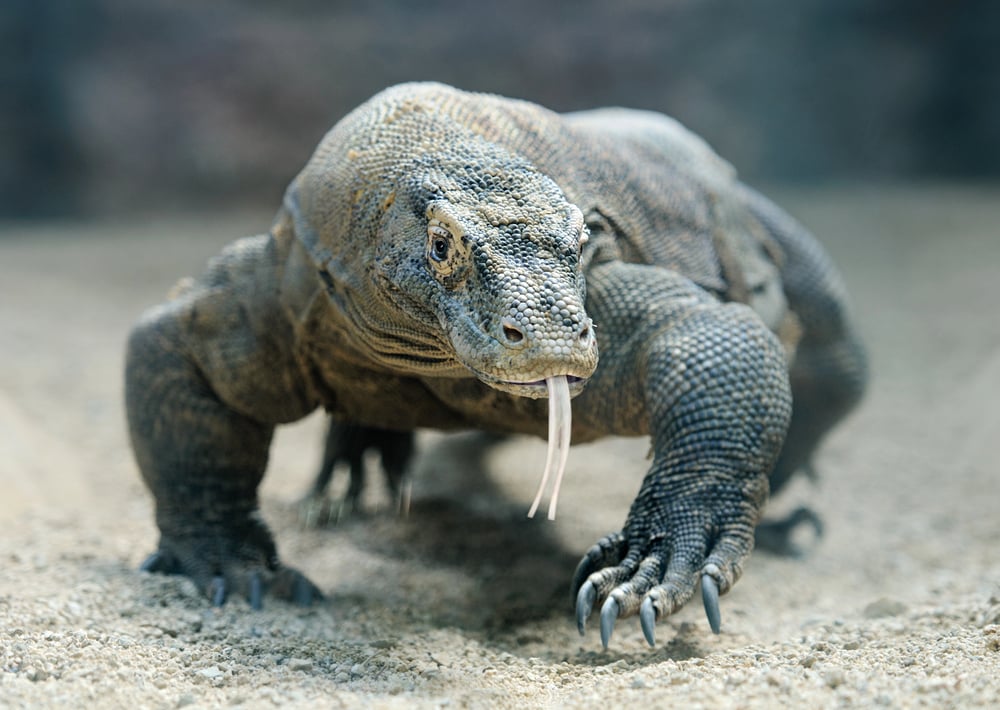
Indonesian legends tell of land crocodiles that were killed with poisonous breath. When scientists discovered Komodo dragons in 1910, they found a ten-foot lizard that matched many smaller dragon descriptions.
These reptiles have bacteria-filled saliva that causes deadly infections in their prey, which resembles a poison or venom. They also have long, forked tongues and can run surprisingly fast for short distances.
Local populations had been living alongside these creatures for thousands of years, and their stories spread through trade routes long before Western scientists documented the species.
Wolves inspired werewolf legends
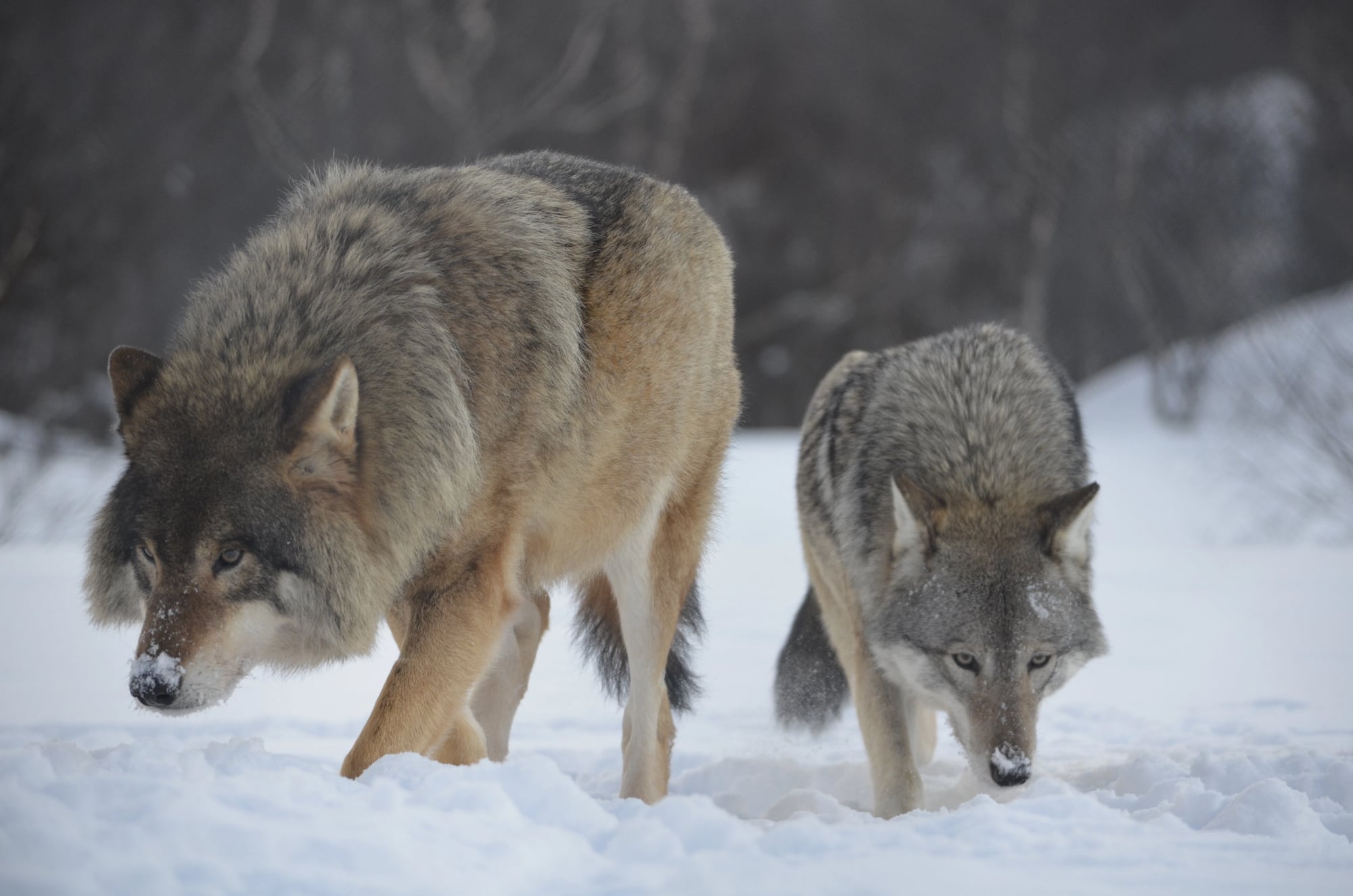
People suffering from rabies exhibit behaviors that ancient cultures attributed to werewolves. The disease causes aggression, sensitivity to light, foaming at the mouth, and a tendency to bite others.
Wolf attacks on humans were also much more common when human settlements bordered wilderness areas. Someone bitten by a rabid wolf would develop symptoms weeks later, creating a delayed connection between the wolf encounter and the strange behavior.
Clinical lycanthropy, a rare psychiatric condition where people believe they’re transforming into animals, probably contributed to the legends as well.
Giant salamanders created Japanese kappa myths
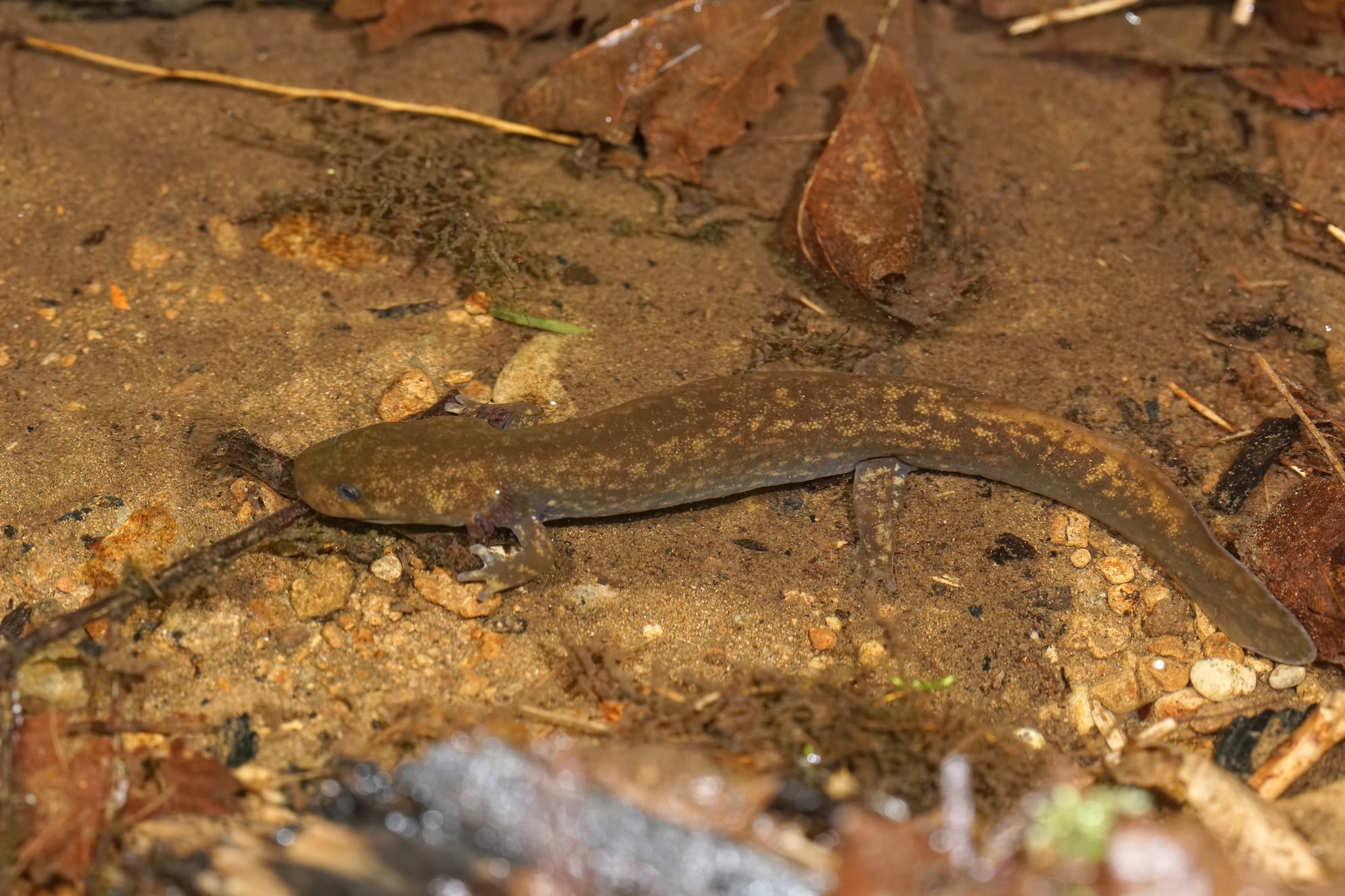
The Japanese kappa, a water creature said to drag people underwater, shares many characteristics with giant salamanders. These amphibians can grow up to five feet long and live in rivers and streams throughout Japan.
They produce a strong-smelling mucus when threatened, have surprisingly strong bites, and make child-like crying sounds. Ancient Japanese people encountering these creatures in murky water would have seen a large, fast-moving animal with humanoid proportions.
The salamanders’ habit of lurking near riverbanks waiting for prey matched perfectly with kappa behavior in folklore.
Okapi caused unicorn sightings in Africa
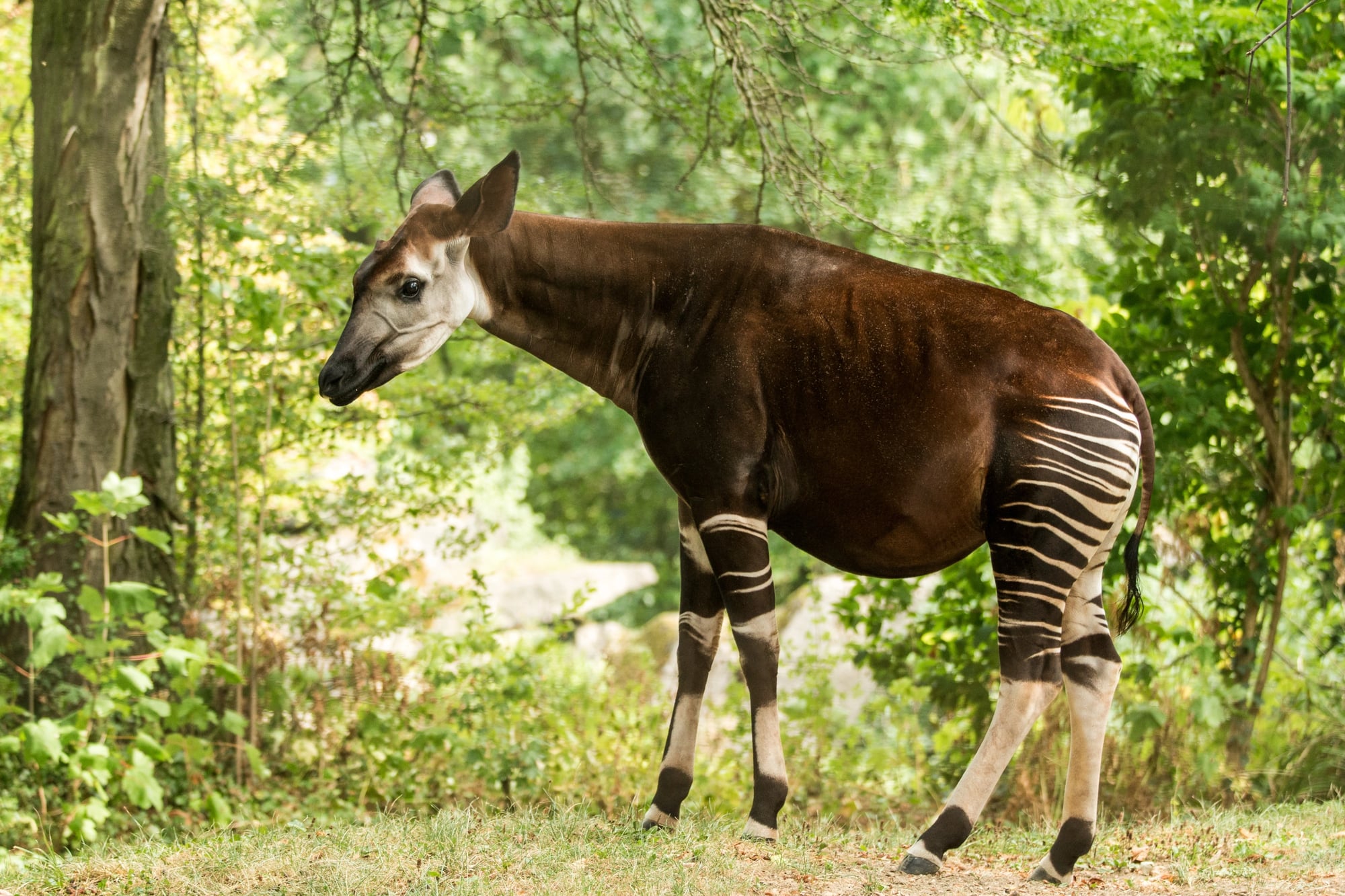
European explorers in the Congo region reported seeing horse-like animals with zebra stripes and mysterious horns. They were describing okapis, which weren’t scientifically documented until 1901.
These forest-dwelling relatives of giraffes have striped legs and brownish bodies. Male okapis have small, skin-covered horn-like structures called ossicones.
From a distance, especially in dense jungle where only parts of the animal were visible, explorers convinced themselves they’d found African unicorns. Local legends about the animal had circulated for centuries before European confirmation.
Hyenas inspired stories of witches and shape-shifters
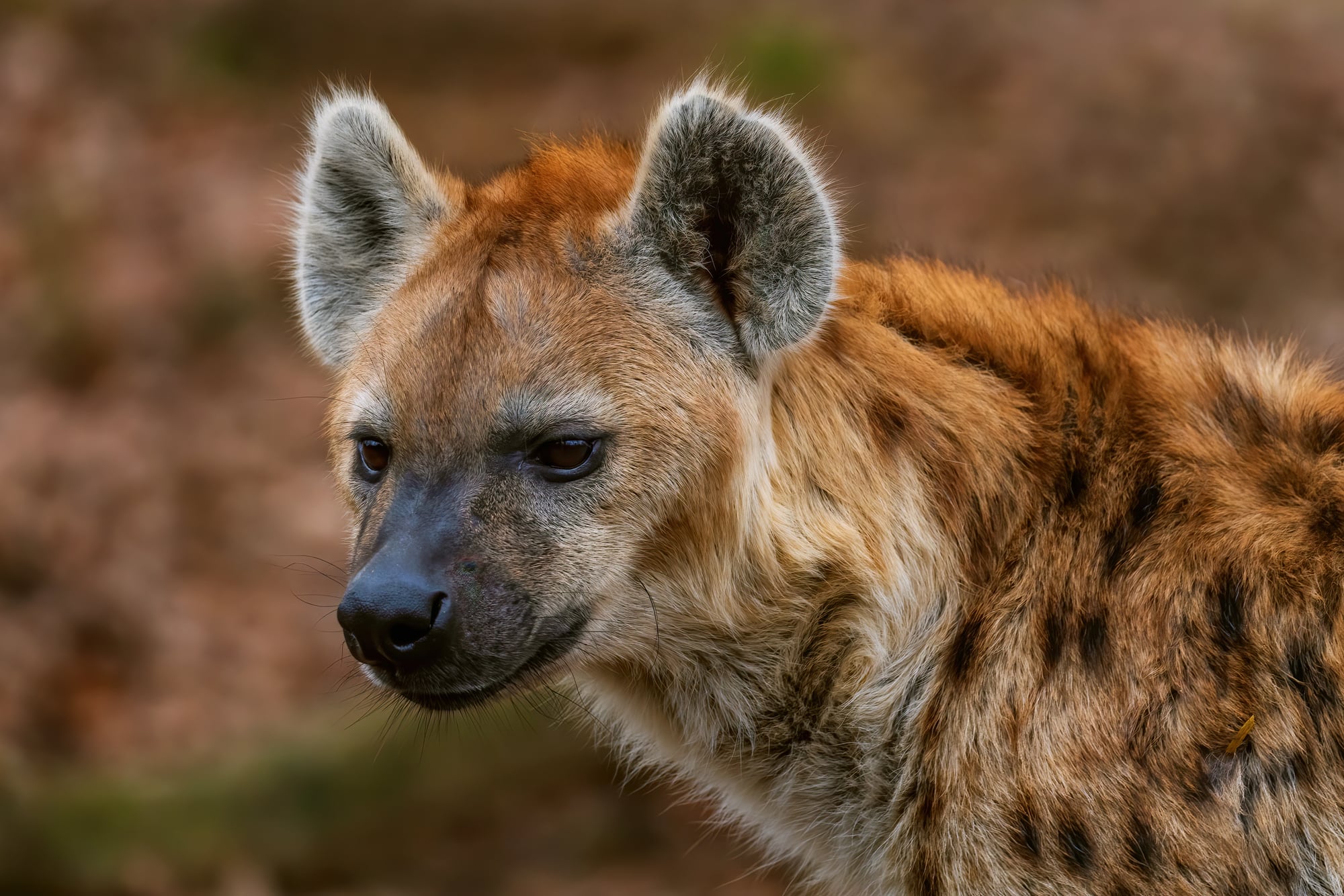
Hyenas make sounds that eerily resemble human laughter, and they’re active at night around human settlements. In many African and Middle Eastern cultures, people believed witches could transform into hyenas.
The animals’ habit of digging up graves to scavenge bones reinforced associations with death and dark magic. Spotted hyenas also have unusual anatomy, and ancient people who didn’t understand their biology created stories about hyenas changing between male and female forms.
Their intelligence and bold behavior around humans made them perfect candidates for supernatural explanations.
Monitor lizards were mistaken for baby dragons
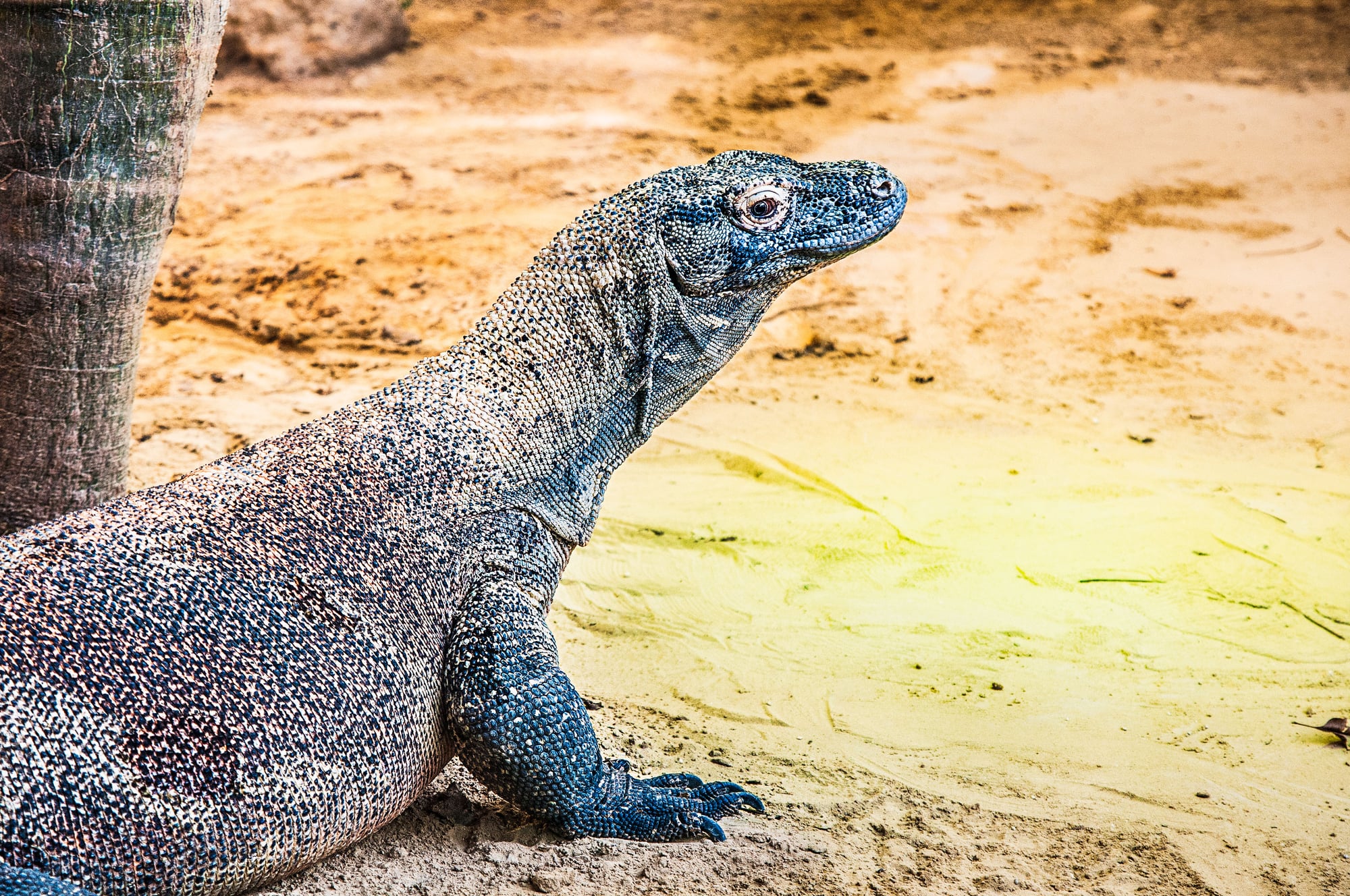
Large monitor lizards found across Africa, Asia, and Australia can reach lengths of eight feet or more. They have forked tongues, powerful claws, and some species can stand on their hind legs.
Ancient people who encountered these reptiles in the wild, especially the larger specimens, saw them as juvenile dragons. The Nile monitor was known to ancient Egyptians and may have influenced their serpent deities.
In Southeast Asia, water monitors swimming in rivers with just their heads above water looked like serpentine dragons from traditional artwork.
Walruses became sea monsters in Arctic tales
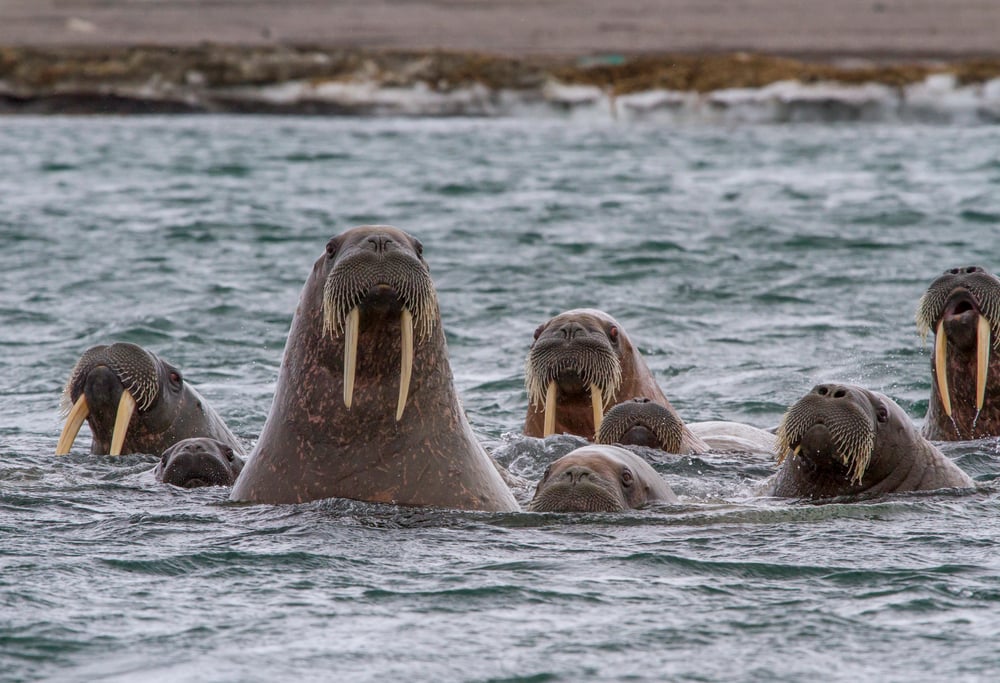
Norse sailors encountered walruses in northern waters and brought back descriptions of hostile sea beasts with massive tusks. These marine mammals can weigh over 3,000 pounds, and a walrus hauled out on an ice floe looks truly massive.
Their tusks, which can grow to three feet long, were sold in Europe as proof of strange Arctic monsters. When walruses dove beneath boats or surfaced unexpectedly near ships, their bulk and strange vocalizations terrified crews.
The rosmarus, a Norse sea monster, takes its name directly from the old Norse word for walrus.
Pythons and anacondas became giant serpents
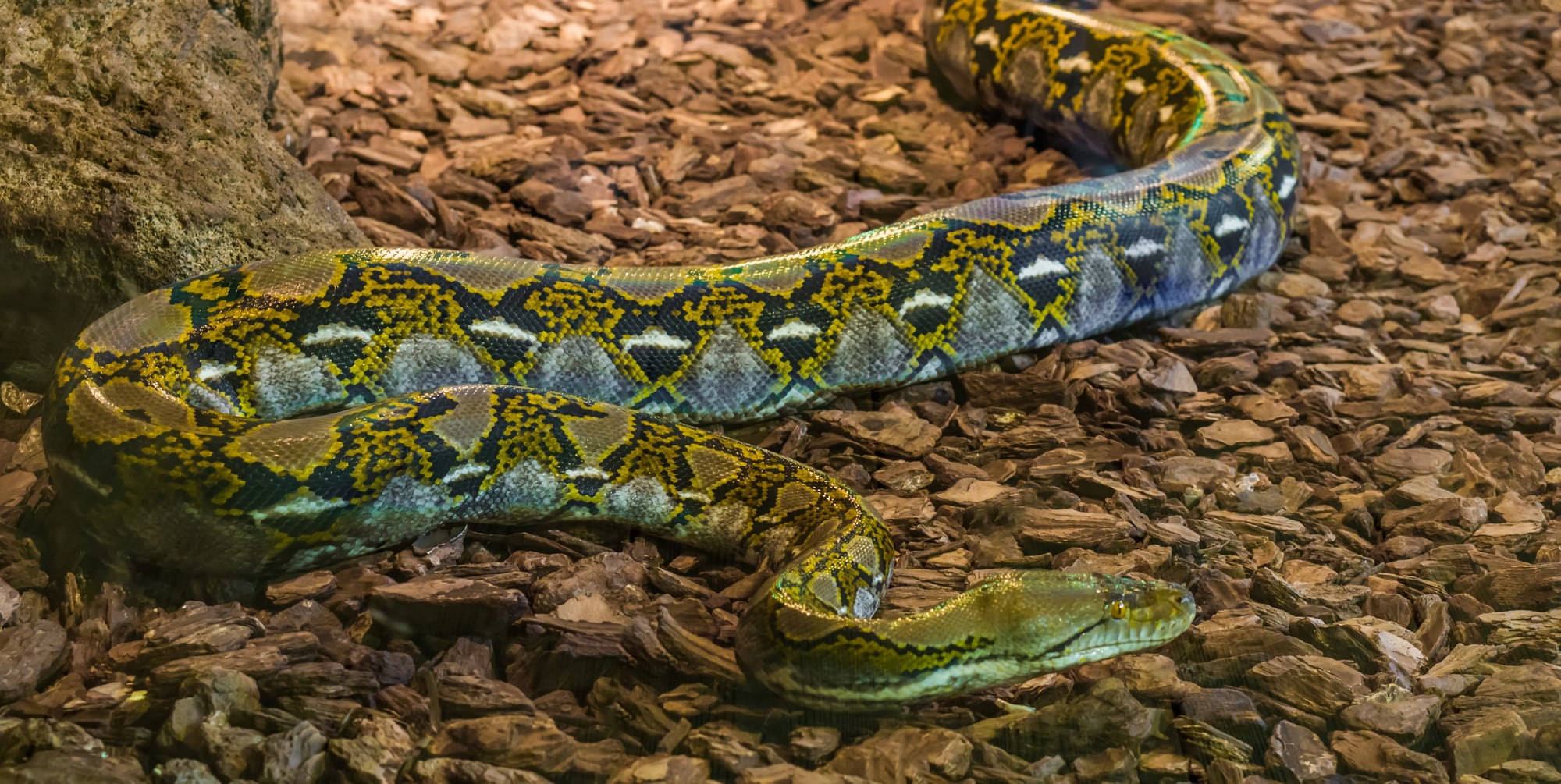
Cultures in Africa, Asia, and South America all developed myths about enormous snakes that could swallow people whole. These stories came from real encounters with pythons and anacondas.
Reticulated pythons can exceed 20 feet, and green anacondas can weigh over 500 pounds. These constrictors do occasionally attack humans, though such incidents are rare.
Exaggerated accounts of encounters, combined with finding shed skins that seemed impossibly large, led to tales of even more massive serpents. The rainbow serpent in Aboriginal Australian mythology likely originated from observations of large pythons in waterholes.
Coelacanths showed that old ocean beasts might’ve actually existed
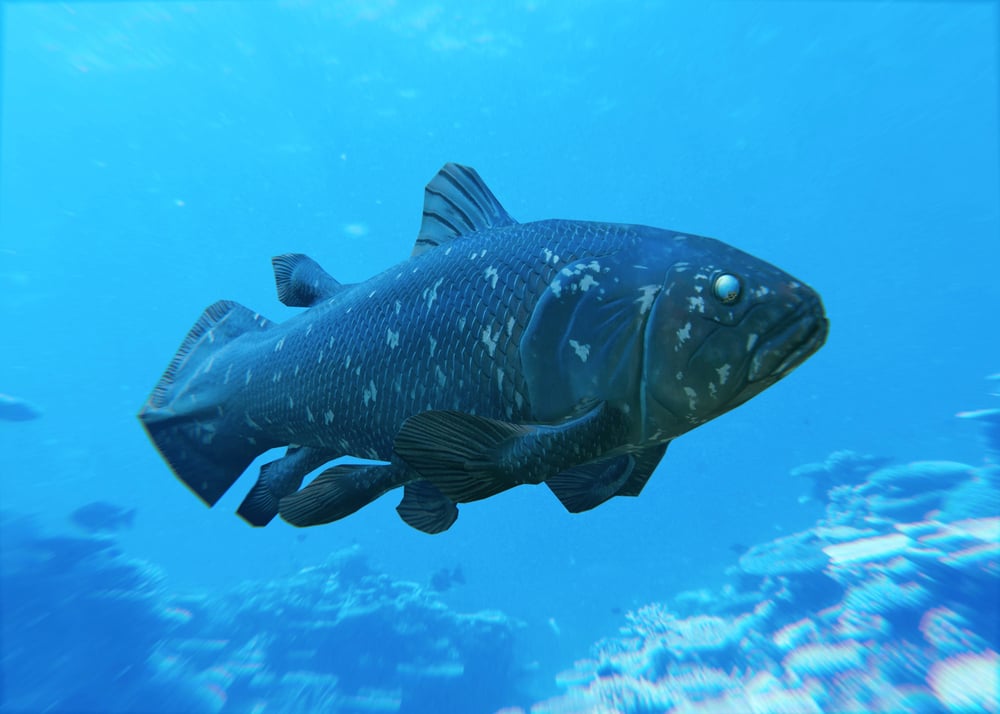
Scientists believed coelacanths vanished 66 million years back – till one turned up near South Africa in 1938. That find showed critters from ancient times might still swim in deep waters.
It’s got fleshy fins like limbs, tough scaly skin, and an old-school look. Finding it made people take sea mystery tales more seriously.
Over centuries, anglers pulled them up now and then; their odd shape fueled stories of deep-sea beasts.
Sloths hanging in trees became South American monsters
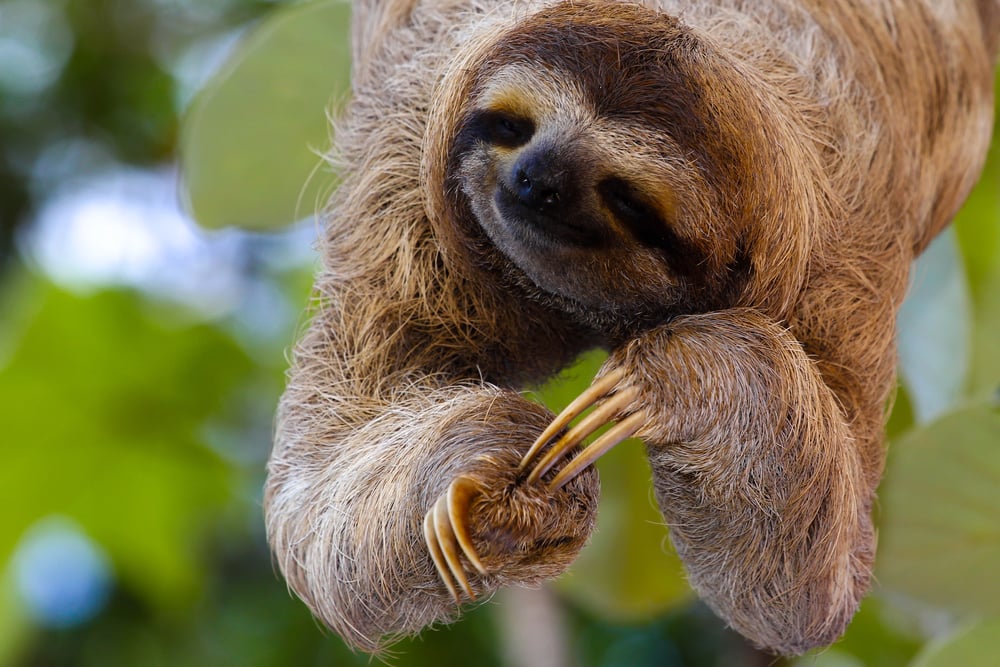
Native groups across South America shared tales of odd beasts dangling from branches, creeping so gradually they felt like spirits. Those slow tree-hangers?
Likely inspired by real ancient mammals – huge ground sloths that stretched up to 20 feet tall while upright. These colossal creatures roamed the continent till roughly ten thousand years back.
People who arrived early would’ve seen them around, no doubt. Once the big ones vanished, smaller three-toed relatives still struck awe in those meeting them for the first time.
They moved slowly, made creepy sounds, yet often stayed frozen for ages – almost like they weren’t fully alive. In Brazil’s old tales, the mapinguary looks oddly similar to real or gone sloth types, though no one’s sure which came first.
Narwhals showed pirates there really were unicorns
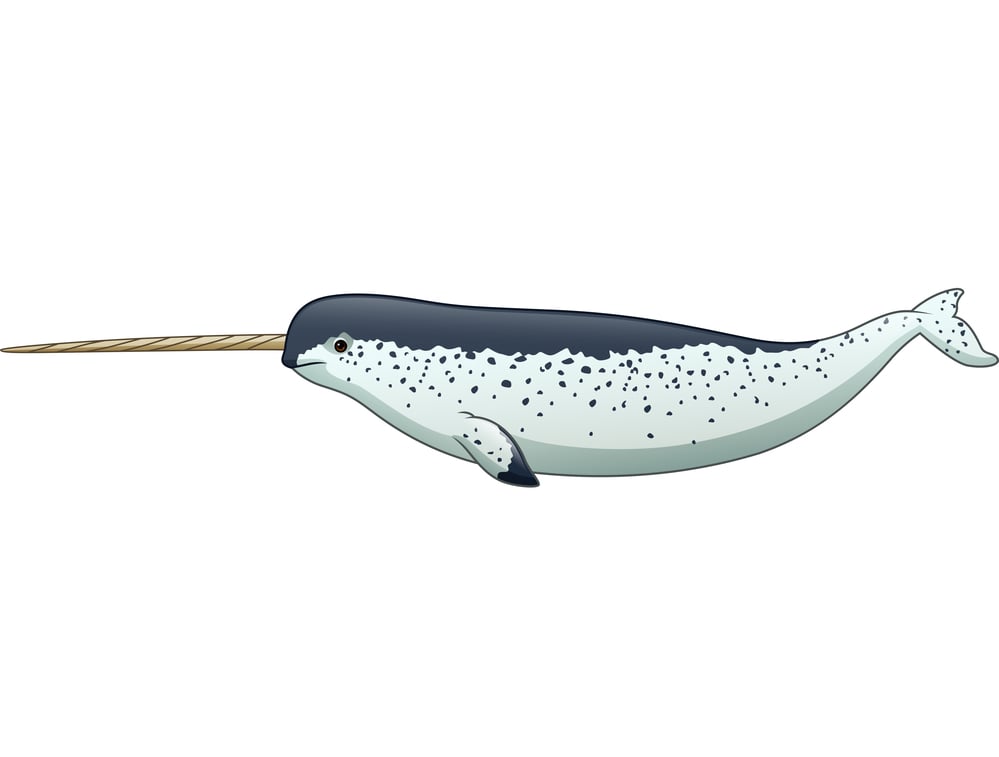
Medieval merchants moved narwhal tusks across Europe, saying they came from unicorns. Those twisted ivory pieces – really just stretched teeth – were pulled from whales in icy northern seas.
Norse sailors and others who sailed those coasts understood the truth behind the animal source, yet saw no need to ruin a good myth that brought real money. People paid more than gold’s worth for each tusk.
Danish rulers once crafted a royal seat using only narwhal teeth, thinking the so-called unicorn horn could shield them from toxins. This trick held up for ages since hardly anyone could reach the icy northern seas where these creatures swam.
Where ideas run into mystery
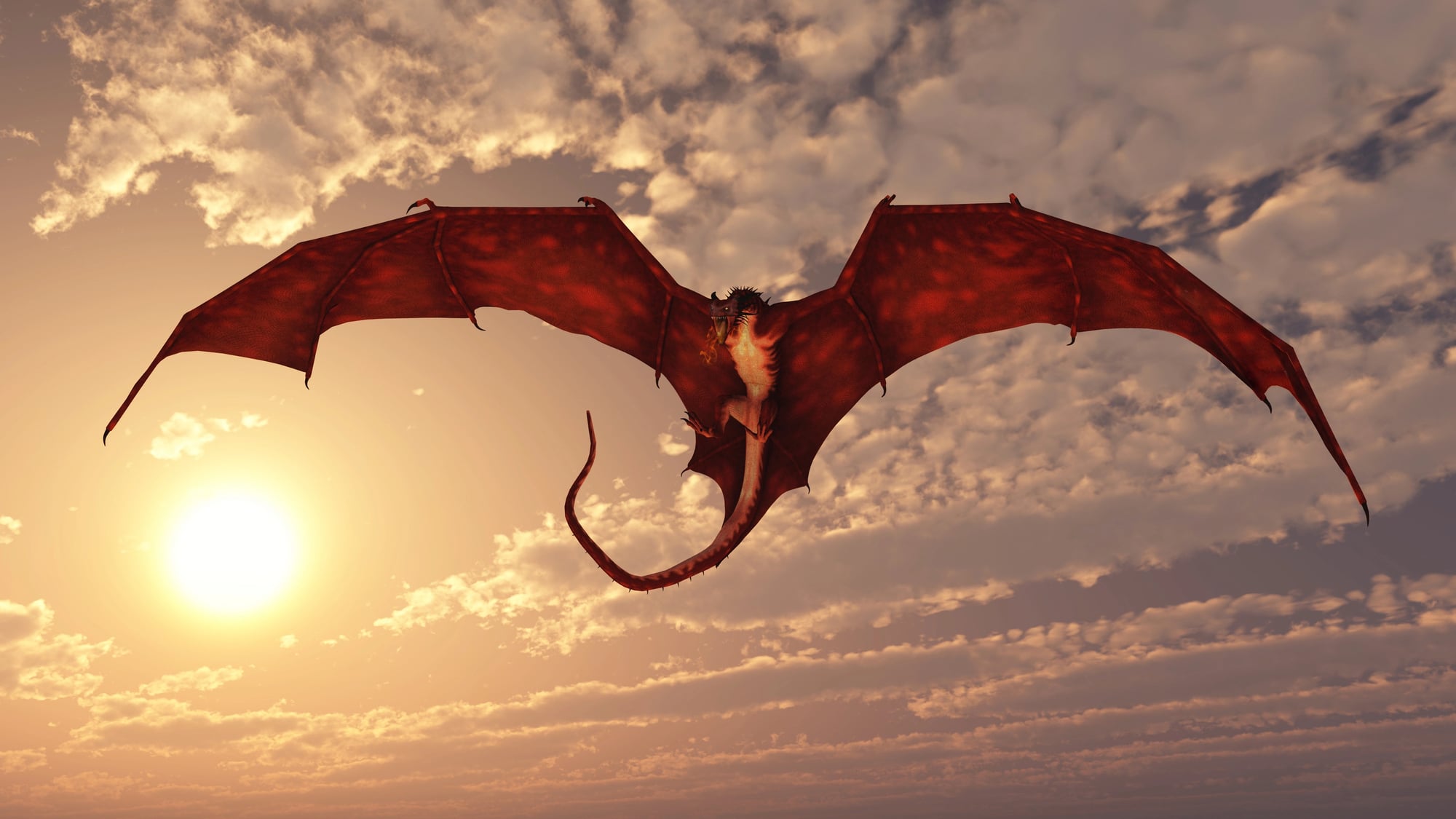
The next time somebody brushes off an old tale as just made-up stuff, think about weird creatures from the past nobody could figure out. When a seaman spotted a huge squid, a wanderer came across enormous skeletons, yet another person heard odd noises after dark – they used whatever info they had.
Those actual moments sparked tales passed down through ages. Today’s research cleared up many puzzles; still, those myths show how folks always attempted to grasp nature around them.
Each legendary beast began when someone saw something real – then told it in ways others got.
More from Go2Tutors!

- The Romanov Crown Jewels and Their Tragic Fate
- 13 Historical Mysteries That Science Still Can’t Solve
- Famous Hoaxes That Fooled the World for Years
- 15 Child Stars with Tragic Adult Lives
- 16 Famous Jewelry Pieces in History
Like Go2Tutors’s content? Follow us on MSN.



