18 Famous Crimes That Shaped Pop Culture
Crime has always fascinated society, yet certain cases transcend mere headlines to become cultural touchstones. These notorious incidents don’t just capture public attention — they reshape how we think about justice, celebrity, and human nature itself.
From courtroom dramas that grip entire nations to mysteries that spawn countless theories, some crimes become so embedded in our collective consciousness that they influence everything from movies to music. The most impactful criminal cases often reflect the anxieties and obsessions of their time, while simultaneously creating new forms of entertainment and media coverage.
Here’s a list of 18 famous crimes that shaped pop culture.
The O.J. Simpson Trial

The O.J. Simpson trial became the blueprint for modern media spectacle when it dominated television screens in 1995. The case transformed courtroom proceedings into must-see TV, with an estimated 150 million Americans watching the verdict announcement.
This trial didn’t just influence legal shows — it fundamentally changed how news networks cover major stories, leading to the rise of 24-hour crime coverage and expert commentary culture.
The Lindbergh Baby Kidnapping

The kidnapping of Charles Lindbergh’s infant son in 1932 created the template for modern true crime storytelling. Media coverage of the case was so intense that it led to new laws about press coverage of criminal proceedings, while the tragedy itself inspired countless books, films, and TV adaptations.
The case also popularized the concept of the ‘crime of the century’ — a phrase that would be recycled for decades to come.
Like Go2Tutors’s content? Follow us on MSN.
The Manson Family Murders
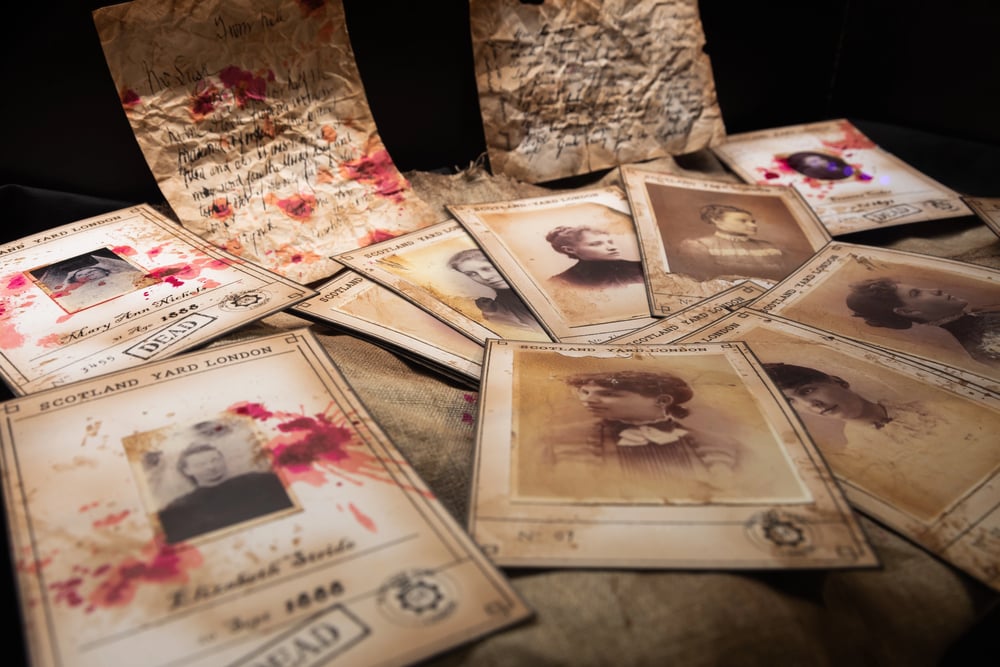
The Manson Family murders in 1969 shattered the idealism of the 1960s counterculture movement and became a defining moment in American pop culture. The case inspired hundreds of books, documentaries, and films, including recent projects like Quentin Tarantino’s ‘Once Upon a Time in Hollywood.’
The murders also fundamentally changed how Hollywood perceived its own vulnerability, leading to increased security measures that persist today.
The Zodiac Killer

The Zodiac Killer’s reign of terror in Northern California during the late 1960s and early 1970s created the modern template for serial killer fascination. The case’s enduring mystery — with its cryptic letters and unsolved ciphers — has spawned countless movies, TV shows, and amateur detective communities.
The Zodiac’s media-savvy approach to taunting police and press essentially created the playbook for how serial killers interact with popular culture.
The Black Dahlia Murder

Elizabeth Short’s brutal murder in 1947 Los Angeles became one of the most famous unsolved cases in American history. The case inspired James Ellroy’s novel ‘The Black Dahlia’ and numerous film adaptations, while also establishing the template for how unsolved murders can become cultural obsessions.
The media’s sensationalized coverage of Short’s death helped create the modern true crime genre’s focus on young, attractive victims.
Like Go2Tutors’s content? Follow us on MSN.
The Kennedy Assassination

The assassination of President John F. Kennedy in 1963 didn’t just change American politics — it revolutionized how traumatic events are consumed as media. The Zapruder film became one of the most analyzed pieces of footage in history, while conspiracy theories surrounding the event spawned an entire industry of books, documentaries, and films.
The case essentially created modern conspiracy culture and our obsession with alternative narratives.
The Watergate Scandal
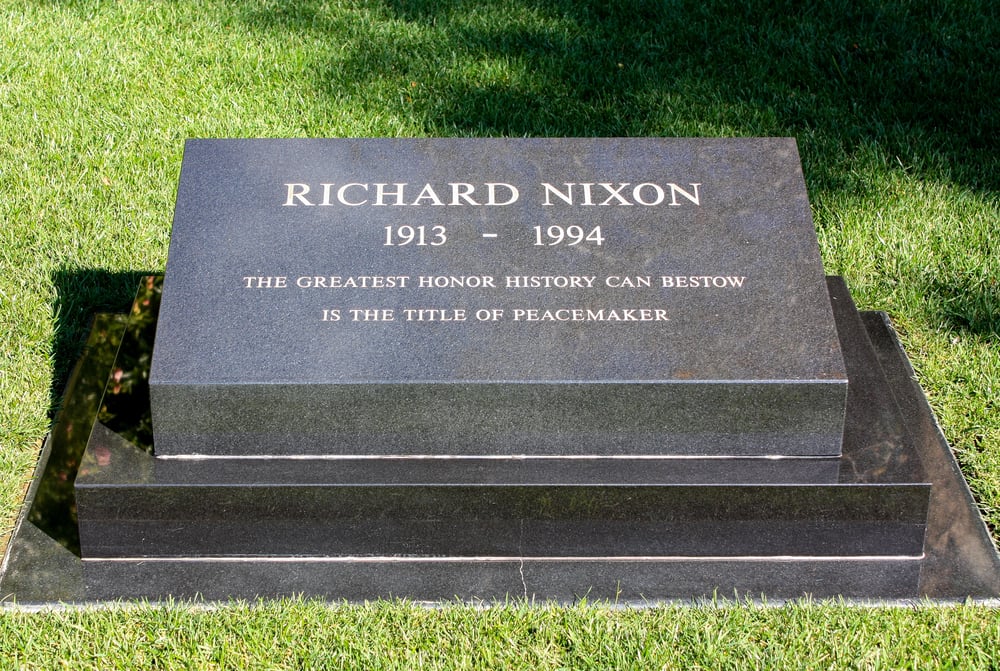
Though not a traditional crime story, the Watergate scandal transformed investigative journalism and political thrillers forever. The case inspired countless movies and TV shows about corruption, while ‘All the President’s Men’ became the gold standard for journalism films.
Watergate also created the template for how political scandals unfold in the media age, influencing everything from news coverage to entertainment storytelling.
The Ted Bundy Murders

Ted Bundy’s crimes in the 1970s fundamentally changed how America viewed serial killers and charming psychopaths. His case inspired the modern psychological thriller genre, influencing characters from Hannibal Lecter to Dexter Morgan.
Bundy’s media manipulation and courtroom antics also established the template for how charismatic killers can become cultural figures, leading to the controversial phenomenon of killer celebrity.
Like Go2Tutors’s content? Follow us on MSN.
The Bonnie and Clyde Crime Spree

Bonnie Parker and Clyde Barrow’s Depression-era crime spree became the foundation for the modern anti-hero narrative in popular culture. Their story inspired Arthur Penn’s revolutionary 1967 film ‘Bonnie and Clyde,’ which changed how violence was portrayed in cinema.
The romanticized outlaw couple became a template that’s been recycled countless times in films, music, and literature.
The Al Capone Era
Al Capone’s rise and fall during Prohibition created the archetypal American gangster narrative that still influences popular culture today. His story established the template for organized crime storytelling that would later influence everything from ‘The Godfather’ to ‘Goodfellas.’
Capone’s larger-than-life persona also demonstrated how criminals could become celebrities, paving the way for our modern fascination with charismatic villains.
The Scopes ‘Monkey’ Trial

The 1925 Scopes trial over teaching evolution in schools became a cultural battleground that still resonates today. The case inspired the play and film ‘Inherit the Wind,’ while also establishing the template for how scientific and religious debates play out in American media.
The trial’s circus-like atmosphere helped create the modern media trial format that influences courtroom coverage today.
Like Go2Tutors’s content? Follow us on MSN.
The Leopold and Loeb Case

The 1924 Leopold and Loeb murder case introduced America to the concept of the ‘thrill kill’ and influenced how we think about youth violence. The case inspired numerous works of fiction, including Alfred Hitchcock’s ‘Rope’ and the play ‘Never the Sinner.’
The defendants’ wealthy backgrounds and intellectual pretensions also established the template for how privilege and crime intersect in popular narratives.
The Patty Hearst Kidnapping
Patty Hearst’s 1974 kidnapping and subsequent transformation into a bank-robbing revolutionary created one of the most bizarre crime stories in American history. The case challenged traditional notions of victim and perpetrator, inspiring countless analyses of Stockholm syndrome and media manipulation.
Hearst’s story became a template for exploring how trauma and coercion can transform identity, influencing everything from psychological thrillers to social commentary.
The Hillside Strangler

The Hillside Strangler case in late 1970s Los Angeles helped establish the modern serial killer narrative in popular culture. The case’s media coverage created many of the tropes we now associate with serial killer stories, including the hunt for patterns and the psychological profiling of suspects.
The case also influenced how law enforcement approaches serial crimes, leading to changes that have been dramatized in countless police procedurals.
Like Go2Tutors’s content? Follow us on MSN.
The Jeffrey Dahmer Murders

Jeffrey Dahmer’s crimes in the 1980s and early 1990s pushed the boundaries of what American media would cover and how society processed extreme violence. The case influenced the development of criminal profiling as both a law enforcement tool and entertainment genre.
Dahmer’s story also raised questions about police competence and social responsibility that continue to influence crime narratives today.
The Menendez Brothers Trial
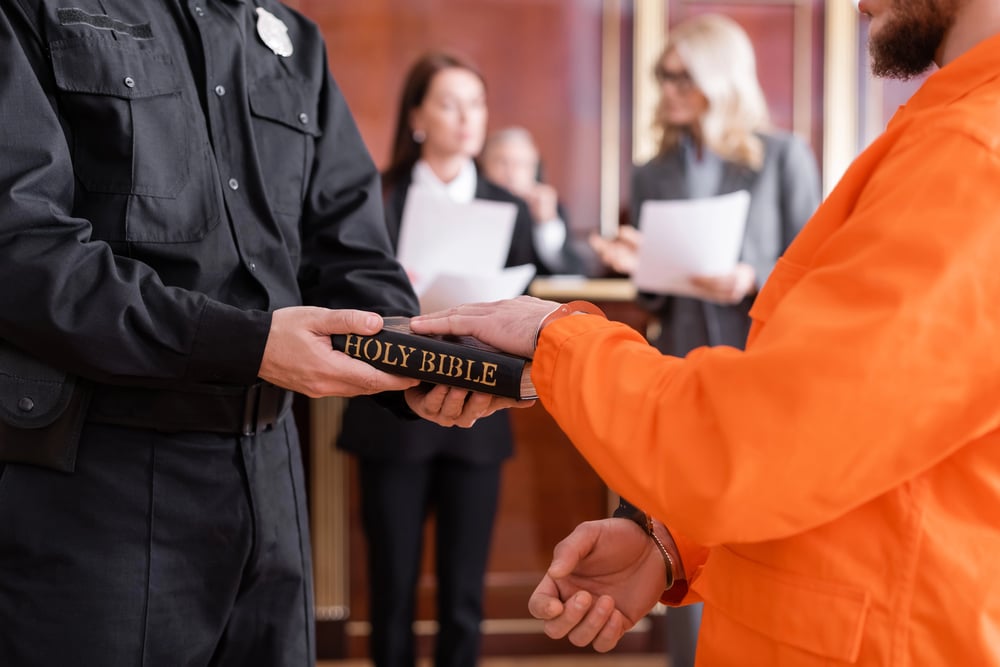
The Menendez Brothers trial in the 1990s became a cultural phenomenon that explored themes of family dysfunction, privilege, and victimization. The case’s extensive media coverage helped establish the template for how family crimes are covered and analyzed.
The trial also influenced how abuse allegations are handled in high-profile cases, creating a framework that continues to shape legal and media approaches to similar crimes.
The Unabomber Case

Ted Kaczynski’s 18-year bombing campaign and subsequent capture became a defining story of the technological age. The case influenced how we think about technology’s impact on society, while also creating the template for how domestic terrorism is covered in media.
Kaczynski’s manifesto and anti-technology stance have been referenced in countless works exploring the dark side of progress.
Like Go2Tutors’s content? Follow us on MSN.
The Jon Benet Ramsey Case

The JonBenet Ramsey murder case in 1996 became a cultural obsession that changed how child beauty pageants and parental behavior are scrutinized. The case’s extensive media coverage helped establish the template for how missing children cases are covered, though it also demonstrated the potential for media excess.
The unsolved nature of the case has kept it alive in popular culture, inspiring countless documentaries and amateur investigations.
When Crime Becomes Culture

These landmark cases demonstrate how criminal events can transcend their immediate circumstances to become lasting cultural phenomena. From the Lindbergh kidnapping’s influence on media coverage to the O.J. trial’s impact on court TV, each case has left an indelible mark on how society processes and entertainment crime.
The most enduring cases often reflect broader social anxieties — whether about celebrity, technology, or justice itself — while simultaneously creating new forms of storytelling and media consumption. Today’s true crime podcasts, Netflix documentaries, and social media investigations all trace their roots back to these foundational cases.
These stories persist because they tap into fundamental questions about human nature, justice, and the thin line between civilization and chaos.
More from Go2Tutors!

- 16 Historical Figures Who Were Nothing Like You Think
- 12 Things Sold in the 80s That Are Now Illegal
- 15 VHS Tapes That Could Be Worth Thousands
- 17 Historical “What Ifs” That Would Have Changed Everything
- 18 TV Shows That Vanished Without a Finale
Like Go2Tutors’s content? Follow us on MSN.