18 Strange Creatures Caught on Trail Cameras
Trail cameras have revolutionized wildlife monitoring, capturing candid moments when no human eyes are watching. These motion-activated devices reveal a hidden world where mysterious animals roam freely, often displaying behaviors that would make even seasoned biologists do a double-take.
Here is a list of 18 strange creatures that have been caught on trail cameras, proving that nature still holds plenty of surprises.
Binturong
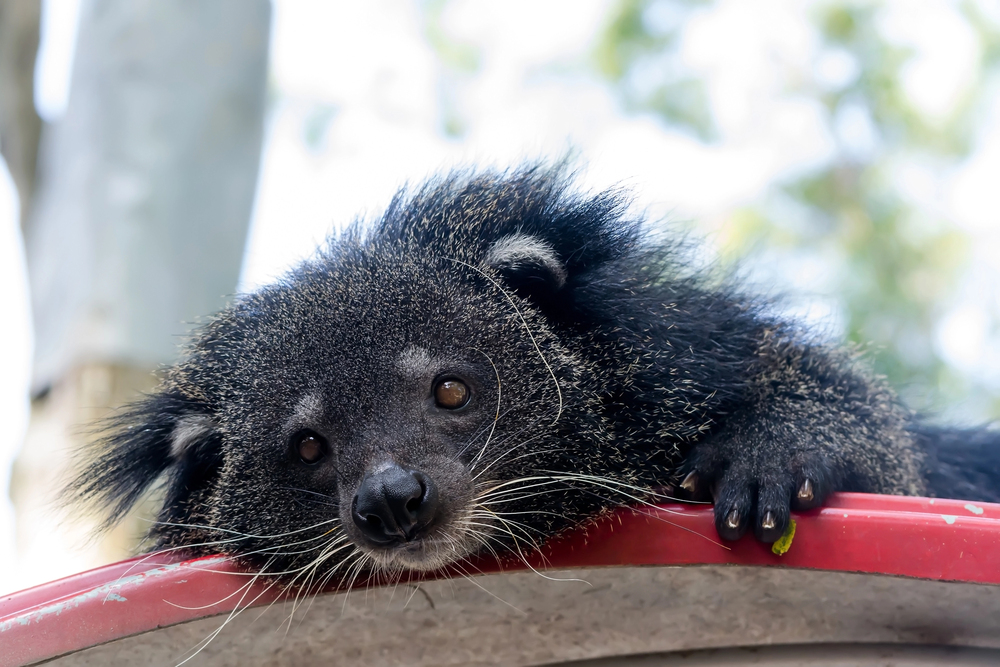
The binturong looks like someone mixed a bear with a cat and gave it a prehensile tail. This Southeast Asian mammal weighs up to 60 pounds and has the peculiar trait of smelling exactly like buttered popcorn due to a scent gland.
Trail cameras have captured these elusive creatures moving through trees with surprising grace — using their muscular tails as a fifth limb to navigate branches that would challenge most animals their size.
Pangolin

Pangolins appear to be walking pinecones that somehow gained legs and a serious attitude problem. These armored mammals are the only creatures on Earth covered entirely in keratin scales, the same material that makes up human fingernails.
Trail cameras frequently catch them performing their signature defensive move of rolling into a perfect sphere — transforming from an animal into what looks like a medieval shield that wandered off from a knight’s armory.
Aye-Aye
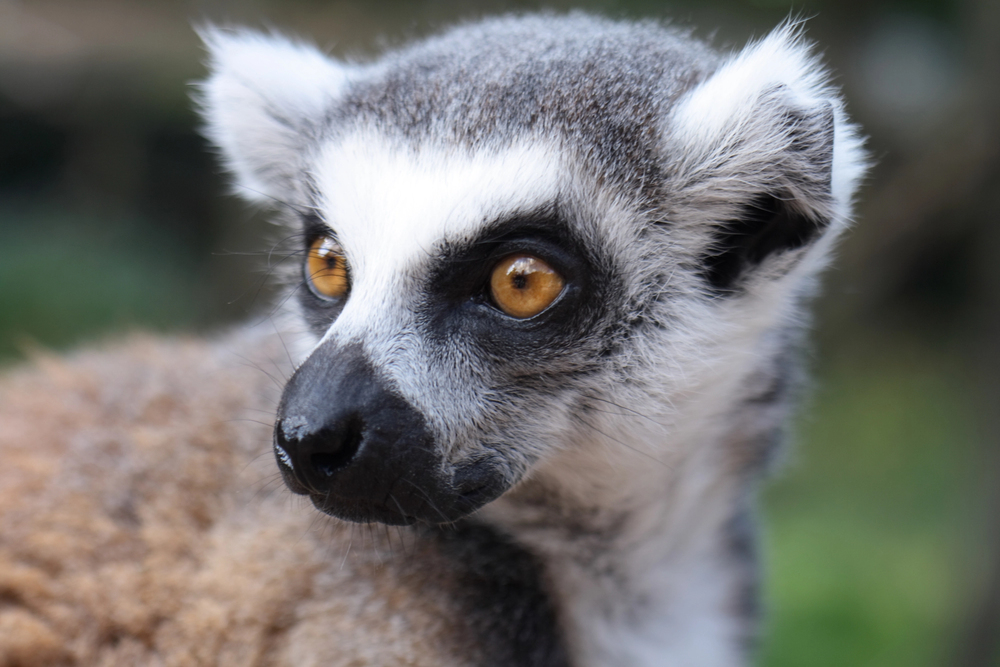
Madagascar’s aye-aye resembles what might happen if a bat, a rodent, and a small demon had a family reunion. This nocturnal primate has a skeletal middle finger that it uses to tap on tree bark, listening for hollow sounds that indicate insect larvae hiding inside.
Trail cameras have documented these bizarre creatures performing their tapping ritual — which locals once believed was a harbinger of death but is actually just an incredibly efficient way to find dinner.
Okapi

The okapi proves that nature sometimes creates animals that look like they were designed by committee. With the body of a horse, the stripes of a zebra (but only on the legs), and a face that belongs to a giraffe, this Congolese mammal confused scientists for decades.
Trail cameras in the Democratic Republic of Congo have captured these ‘forest giraffes’ displaying their remarkable ability to clean their own eyes with their 18-inch tongues.
Quetzal

Resplendent quetzals appear to be what happens when a bird decides to cosplay as a flying emerald. These Central American birds sport tail feathers that can grow up to three feet long, making them look like living jewels floating through cloud forests.
Trail cameras positioned near their nesting sites have recorded males performing elaborate courtship displays where they hover like hummingbirds — while their magnificent tail plumes flow behind them like silk scarves.
Proboscis Monkey
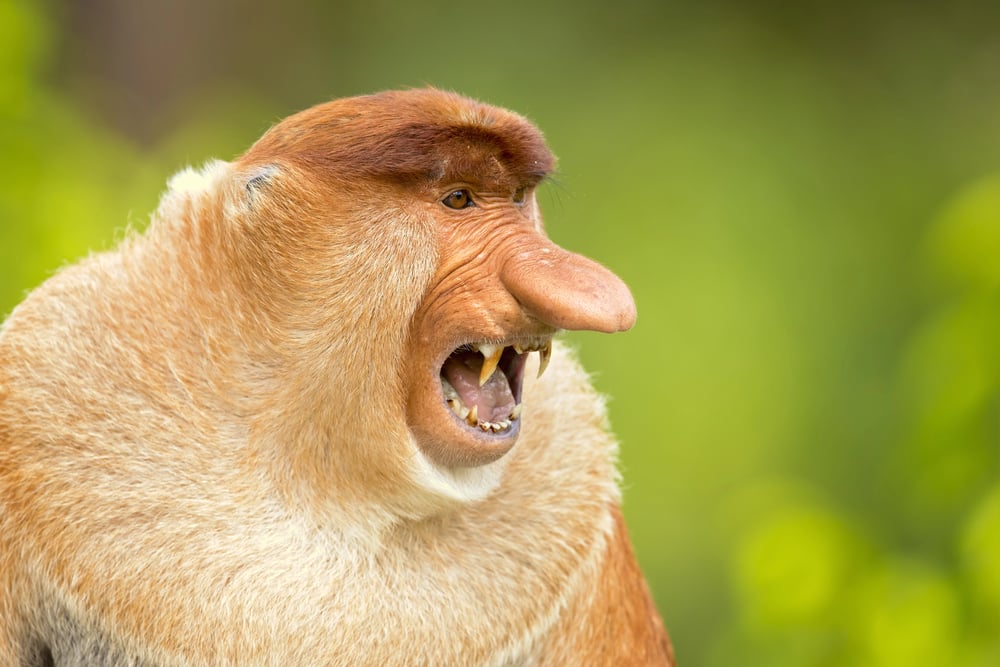
Proboscis monkeys look like nature’s attempt at creating a cartoon character that somehow came to life. The males develop enormous noses that can grow up to seven inches long, making them appear perpetually surprised by their own facial features.
Trail cameras in Borneo have captured these primates using their oversized noses as resonating chambers to produce loud honking calls that can be heard over half a mile away.
Fossa
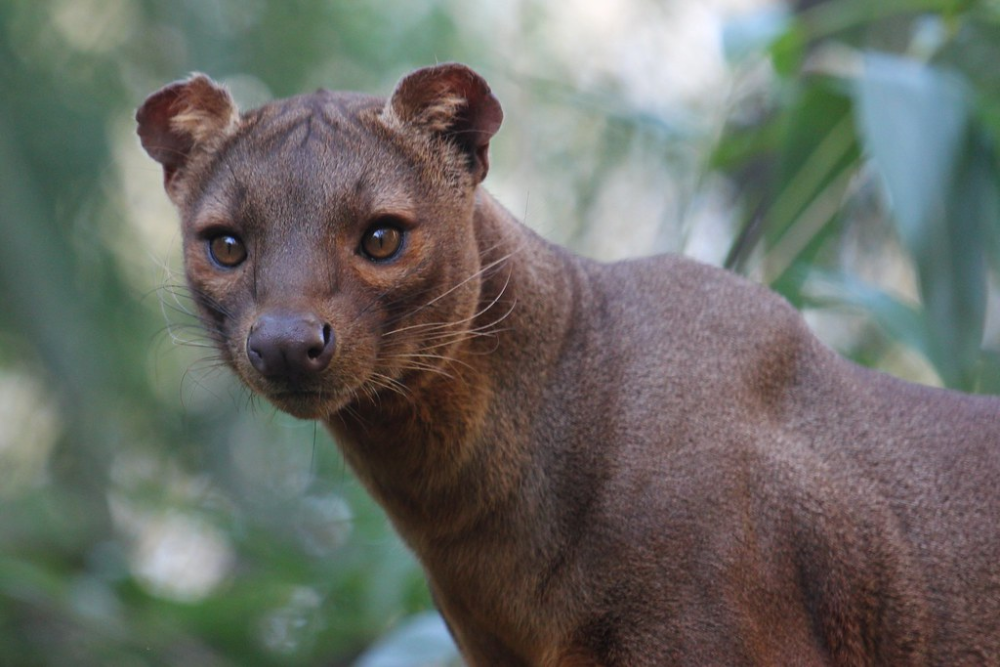
Madagascar’s fossa appears to be the result of crossing a cat with a mongoose and adding a dash of nightmare fuel. This carnivorous mammal is the island’s largest predator, capable of taking down lemurs twice its size with feline agility.
Trail cameras have documented fossas displaying their remarkable climbing abilities — moving through trees with the fluid grace of a cat but the fearless confidence of an apex predator.
Gharial
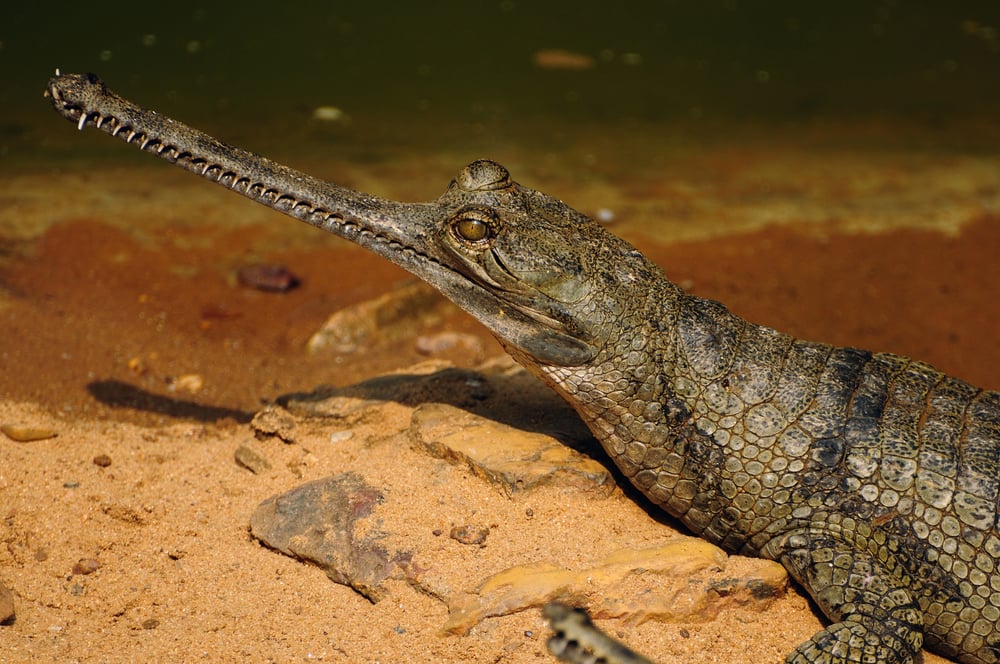
Gharials look like crocodiles that decided to specialize in a very particular type of fishing. These critically endangered reptiles have narrow snouts lined with over 100 sharp teeth, perfectly designed for catching fish in India’s river systems.
Trail cameras positioned along riverbanks have captured adult males with their distinctive bulbous nose growths — which they use to produce loud buzzing sounds during mating season.
Kakapo

The kakapo represents what happens when evolution decides to create a parrot that forgot how to fly. These moss-green birds from New Zealand can weigh up to nine pounds, making them the heaviest parrots in the world.
Trail cameras monitoring these critically endangered birds have recorded their peculiar habit of climbing trees and then gliding down like feathered parachutes.
Axolotl
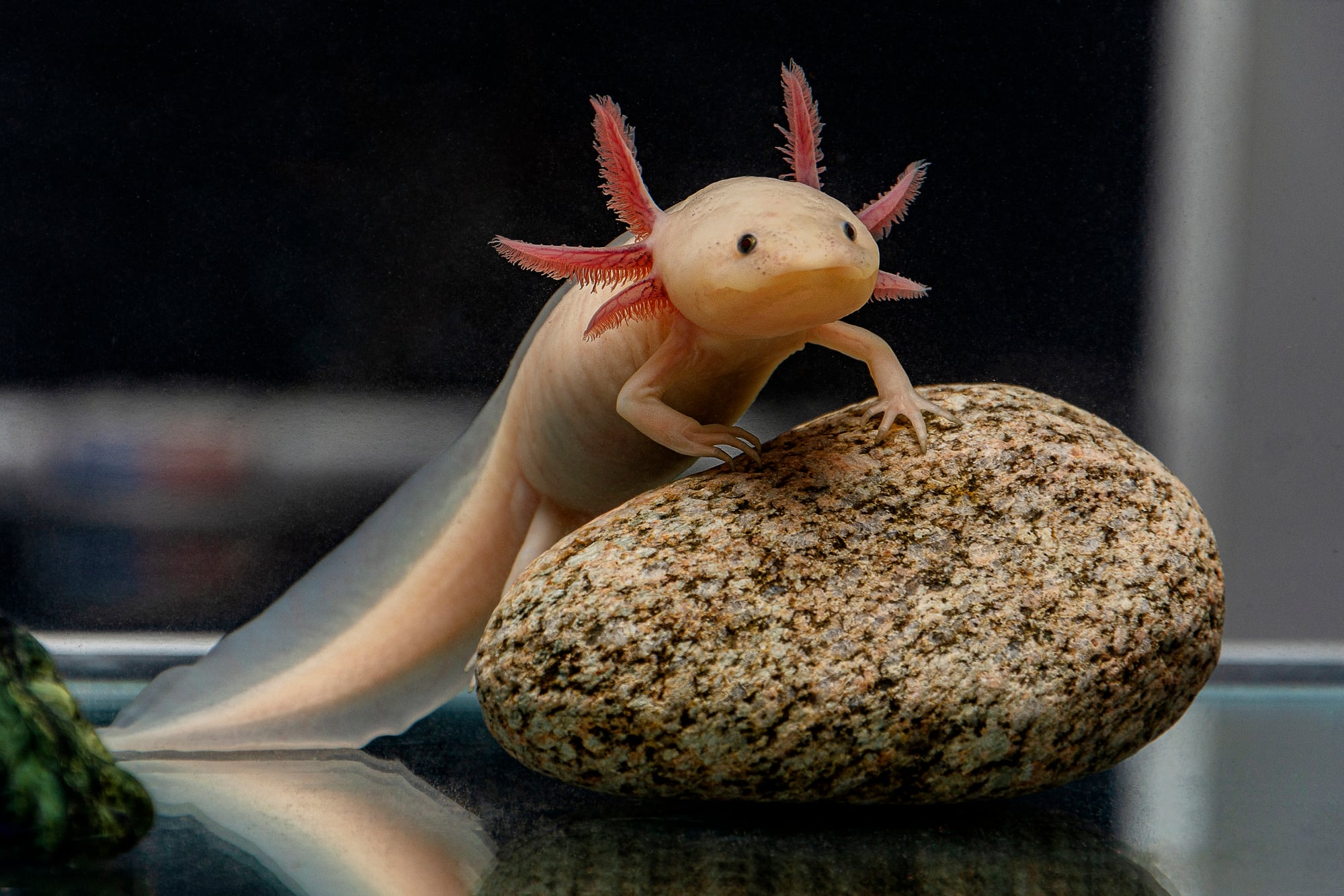
Wild axolotls look like underwater dragons that never quite grew up. These permanently aquatic salamanders retain their larval features throughout their lives — sporting external gills that wave like underwater feathers.
Underwater trail cameras in Mexico’s lake systems have captured these remarkable creatures regenerating entire limbs over the course of weeks, a superpower that makes them invaluable to medical research.
Vampire Bat

Vampire bats appear to be nature’s answer to gothic horror novels. These Central American mammals have evolved heat sensors on their noses that can detect blood vessels just beneath their prey’s skin.
Yet trail cameras have documented their surprisingly social behavior, showing them sharing blood meals with roost-mates who weren’t successful in their nightly hunts.
Blobfish

The blobfish looks like a gelatinous blob that someone accidentally brought to life. This deep-sea creature appears normal at crushing ocean depths though transforms into a pink, amorphous mass when brought to the surface due to decompression.
Underwater trail cameras have captured these fish in their natural habitat, where they actually look like regular fish rather than the internet meme they’ve become.
Leaf-Tailed Gecko

Leaf-tailed geckos have perfected the art of pretending to be dead plant matter. These Madagascar natives have evolved tails that look exactly like decaying leaves, complete with notches and brown spots.
Trail cameras with infrared capabilities have caught these masters of disguise breaking character at night, revealing their large eyes and incredible climbing abilities.
Shoebill Stork

The shoebill stork looks like a prehistoric bird that refused to get the memo about extinction. Standing five feet tall with a beak shaped like a wooden clog, these African birds appear more like dinosaurs than modern avians.
Trail cameras in Uganda’s swamps have captured their signature behavior of machine-gun-like bill clattering, which sounds like a broken motorboat trying to start.
Dumbo Octopus

Dumbo octopuses look like they swam straight out of a Disney movie. These deep-sea cephalopods have ear-like fins that flap as they swim, giving them an almost comical appearance as they navigate the ocean’s depths.
Deep-sea trail cameras have documented these creatures gracefully floating through the water column like underwater elephants, using their fins to propel themselves through the darkness.
Platypus

The platypus appears to be what happens when nature runs out of original ideas and starts mixing leftover parts. This Australian mammal has a duck’s bill, a beaver’s tail, webbed feet, and the ability to lay eggs despite being a mammal.
Trail cameras along Australian waterways have captured these peculiar creatures hunting underwater, using their bills to detect electrical fields generated by their prey’s muscle contractions.
Glaucus Atlanticus
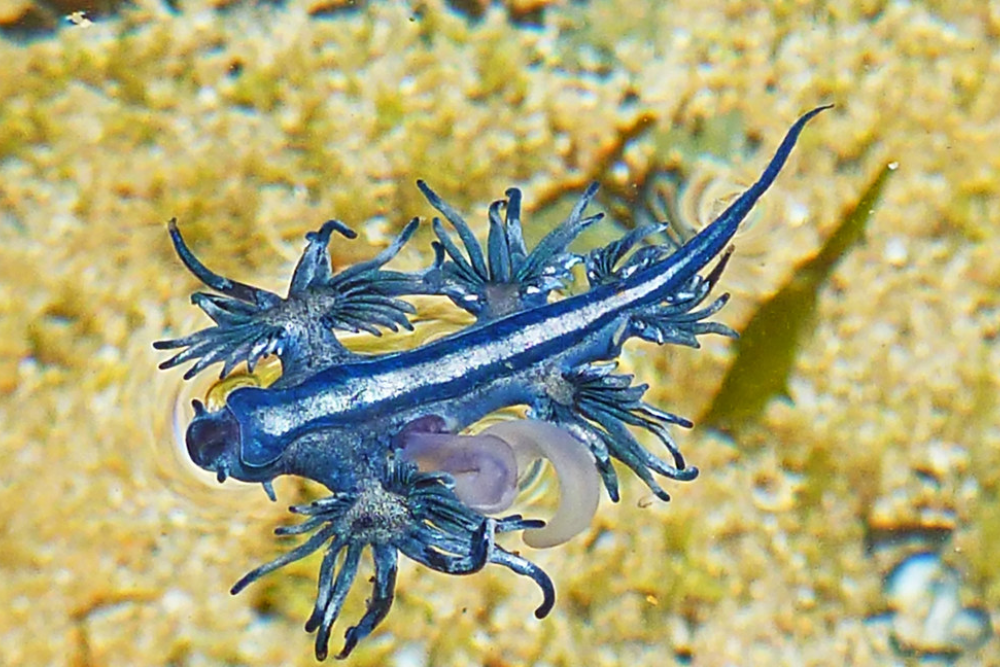
The blue glaucus looks like a tiny dragon that decided to become a sea slug. These inch-long creatures float upside down on the ocean’s surface, using their silvery undersides as camouflage from predators below.
Underwater trail cameras have recorded these seemingly delicate animals consuming Portuguese man o’ wars, stealing their prey’s stinging cells and incorporating them into their own defense system.
Goblin Shark
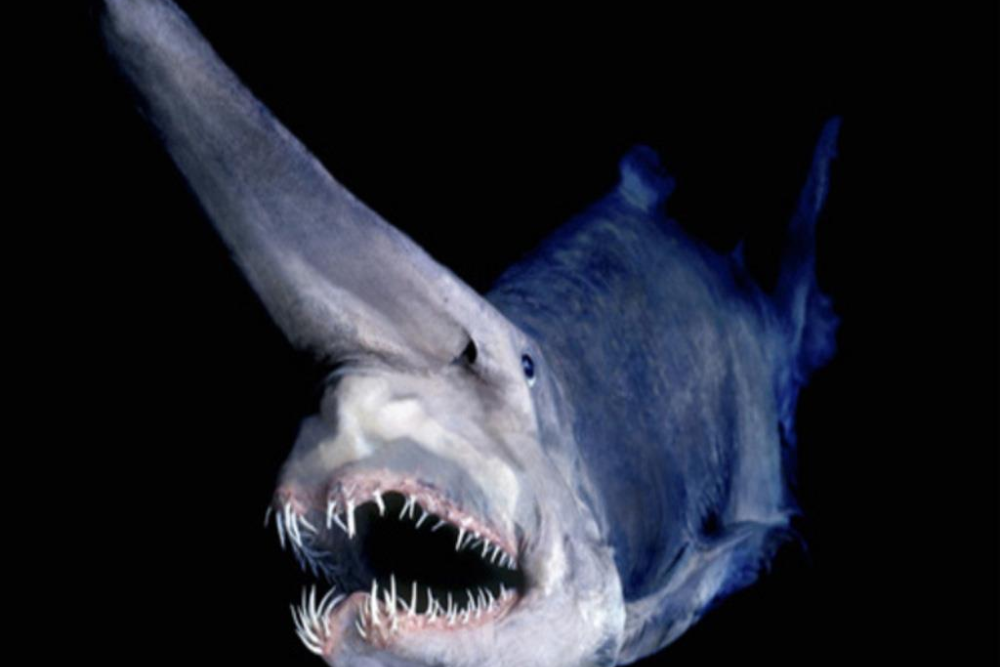
The goblin shark looks like it was designed by someone who’d never seen a shark before but had heard a vague description of one. This ‘living fossil’ has remained virtually unchanged for 125 million years, sporting an extendable jaw that shoots out to catch prey.
Deep-sea trail cameras have captured these prehistoric predators in their natural habitat, revealing their bizarre feeding mechanism in action.
When Reality Surpasses Fiction
These trail camera discoveries remind us that our planet still harbors creatures stranger than anything science fiction could imagine. Each bizarre adaptation represents millions of years of evolution solving specific survival challenges, creating a living museum of nature’s most creative solutions.
The next time you think you’ve seen everything the natural world has to offer, remember that somewhere out there, a trail camera is probably recording something that’ll make you question everything you thought you knew about life on Earth.
More from Go2Tutors!

- The Romanov Crown Jewels and Their Tragic Fate
- 13 Historical Mysteries That Science Still Can’t Solve
- Famous Hoaxes That Fooled the World for Years
- 15 Child Stars with Tragic Adult Lives
- 16 Famous Jewelry Pieces in History
Like Go2Tutors’s content? Follow us on MSN.