18 Times One Interview Destroyed a Career
We’ve all watched those cringe-worthy moments when someone completely bombs an interview, but some spectacular failures go way beyond just not getting the job. These career-ending disasters show how a single conversation can unravel years of hard work and reputation building.
From politicians making shocking admissions to celebrities revealing their true colors, these interview catastrophes remind us that sometimes it’s better to stay quiet. Here is a list of 18 times one interview completely destroyed a career.
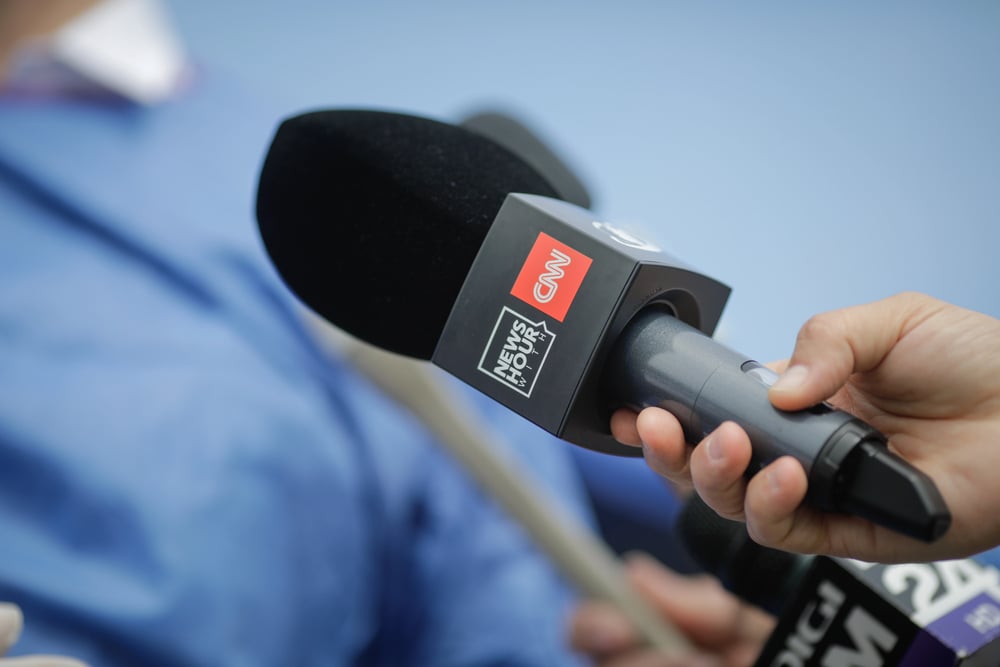
Anthony Weiner’s CNN Confession
— Photo by Mircea Moira
The former congressman’s 2013 CNN interview with Wolf Blitzer became a masterclass in political self-destruction. Weiner attempted damage control after his texting scandal resurfaced, but his defensive attitude and obvious lies made everything worse. The interview sealed his fate as a political pariah and ended any hope of a comeback.
Paula Deen’s Today Show Apology

— Photo by Jean_Nelson
When Paula Deen appeared on NBC’s Today Show in 2013 to address racial slur allegations, she thought she could salvage her cooking empire. Instead, her rambling, tear-filled apology felt manufactured and only highlighted her disconnect from the gravity of the situation. The Food Network dropped her immediately, and her restaurant empire crumbled within months.
Brian Williams’ Helicopter Story Unraveling

NBC’s star anchor thought he could quietly correct his Iraq War helicopter story during a 2015 broadcast, but the interview aftermath revealed a pattern of embellishment. When pressed by colleagues and media critics, Williams couldn’t provide convincing explanations for his conflicting accounts. His credibility as a trusted news source evaporated overnight.
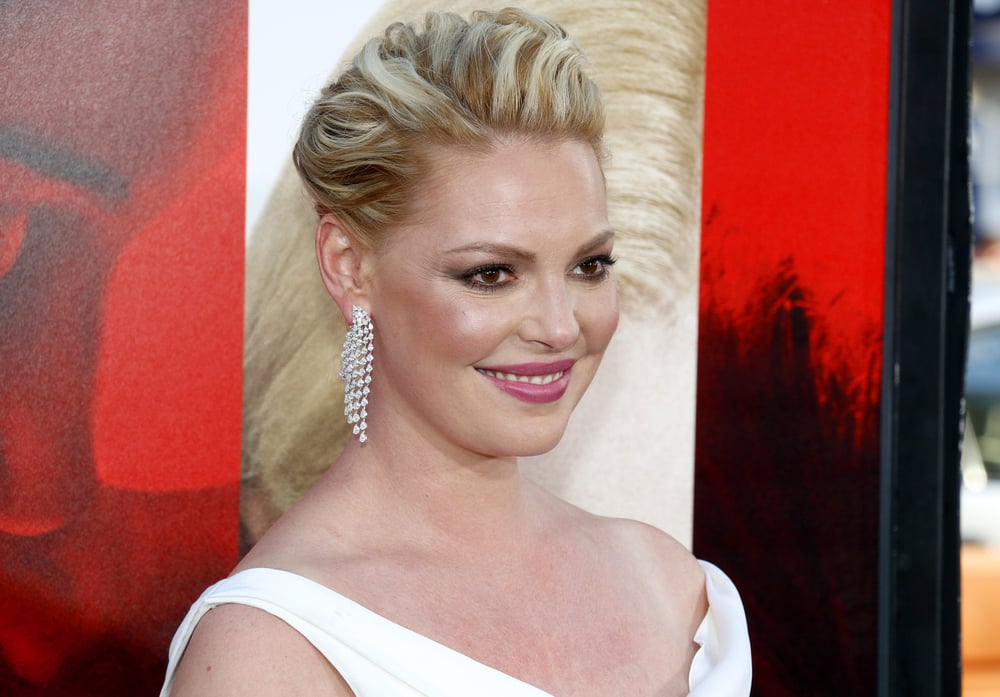
Katherine Heigl’s Vanity Fair Disaster
— Photo by PopularImages
The Grey’s Anatomy star’s 2008 Vanity Fair interview revealed her as difficult and ungrateful, particularly her comments about the show’s writing quality. Heigl’s complaints about her Emmy snub and general attitude toward her hit series painted her as someone impossible to work with. Hollywood producers took note, and major roles dried up almost immediately.
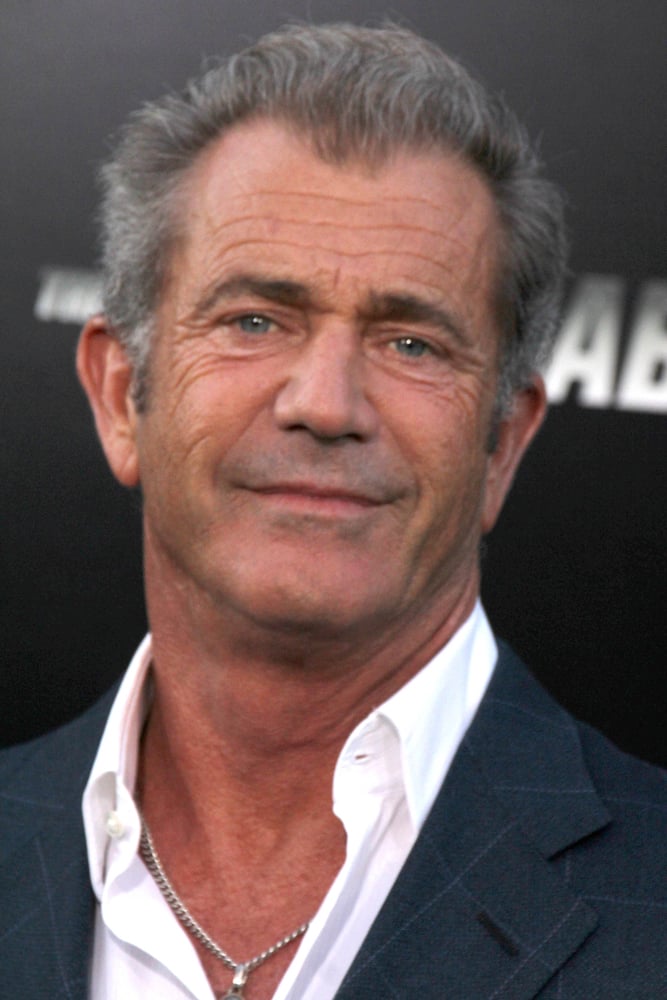
Mel Gibson’s DUI Arrest Recordings
— Photo by s_bukley
While not technically a traditional interview, Gibson’s recorded rants during his 2006 DUI arrest became public and destroyed his reputation. His anti-Semitic comments and belligerent behavior were captured on tape and played endlessly in media coverage. The recordings revealed a side of Gibson that Hollywood couldn’t ignore or forgive.
Tom Cruise’s Oprah Couch Jumping

Cruise’s infamous 2005 appearance on Oprah seemed like harmless enthusiasm about his relationship with Katie Holmes. However, his erratic behavior and bizarre couch-jumping antics made him appear unhinged to millions of viewers. The interview became a cultural punchline and marked the beginning of his decline as America’s golden boy.
Michael Richards’ Laugh Factory Meltdown
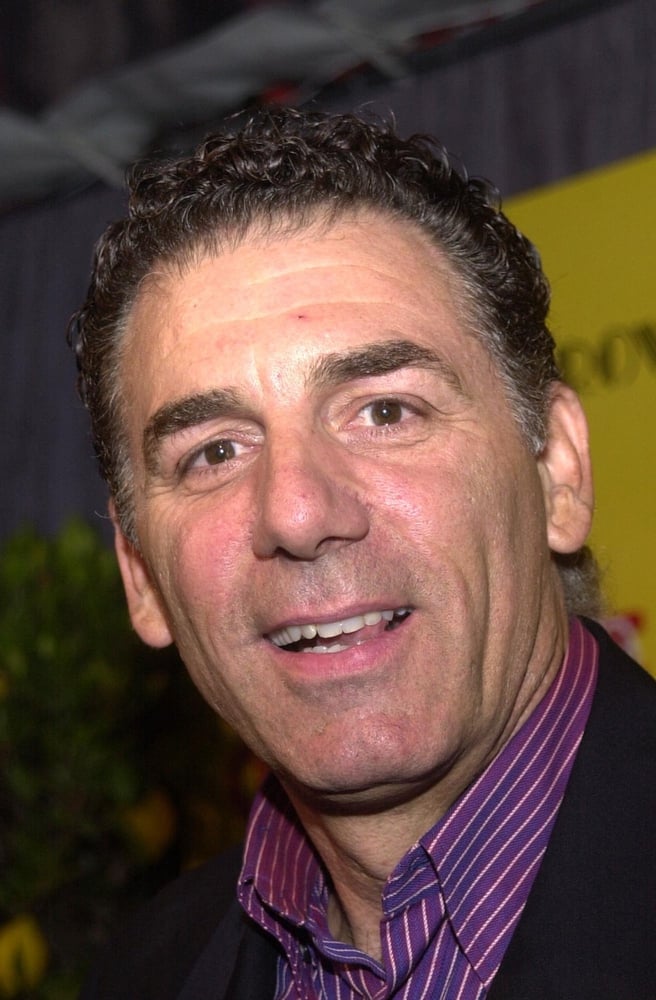
The Seinfeld star’s 2006 racist outburst at the Laugh Factory wasn’t an interview, but his subsequent damage control appearances made things infinitely worse. Richards’ awkward satellite interview on David Letterman’s show was painful to watch and failed to address the real issues. His comedy career never recovered from the combined impact of both incidents.
Isaiah Washington’s Post-Rehab Interview

— Photo by s_bukley
After his homophobic slur controversy on Grey’s Anatomy, Washington’s 2007 interview attempts to explain his behavior backfired spectacularly. He repeated the offensive term during a Golden Globes backstage interview, showing he hadn’t learned from his mistake. The interview sealed his firing from the hit medical drama.
Roseanne Barr’s Ambien Defense

— Photo by Jean_Nelson
Following her racist Twitter meltdown in 2018, Barr’s interview attempts to blame her behavior on sleep medication fell flat with audiences and executives. Her explanations seemed like desperate excuses rather than genuine accountability for her actions. ABC had already canceled her show’s reboot, but the interviews ensured no network would touch her again.
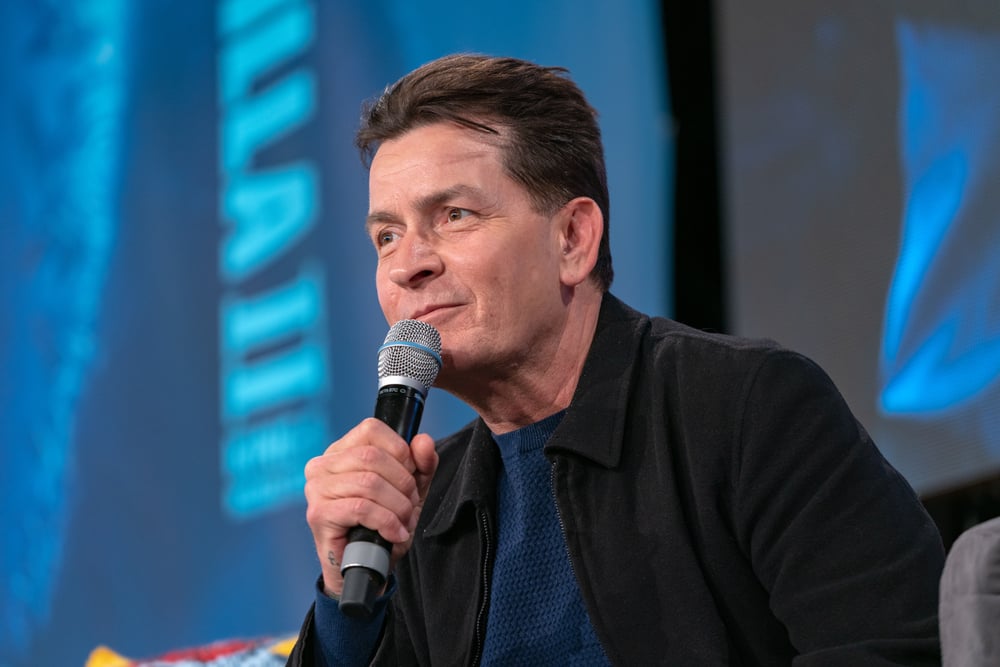
Charlie Sheen’s Winning Interviews
— Photo by mwissmann
Sheen’s 2011 media blitz during his Two and a Half Men meltdown became legendary for all the wrong reasons. His rambling interviews about ‘tiger blood’ and ‘winning’ revealed someone clearly struggling with substance abuse and mental health issues. The interviews provided endless material for late-night comedians but ended his sitcom career permanently.
Sinead O’Connor’s SNL Explanation

— Photo by lucidwaters
After tearing up the Pope’s photo on Saturday Night Live in 1992, O’Connor’s subsequent interviews defending her actions alienated both fans and industry professionals. Her uncompromising stance and refusal to apologize might have been principled, but it effectively ended her mainstream American career. Radio stations banned her music, and concert venues canceled her shows.
Dixie Chicks’ London Concert Comments
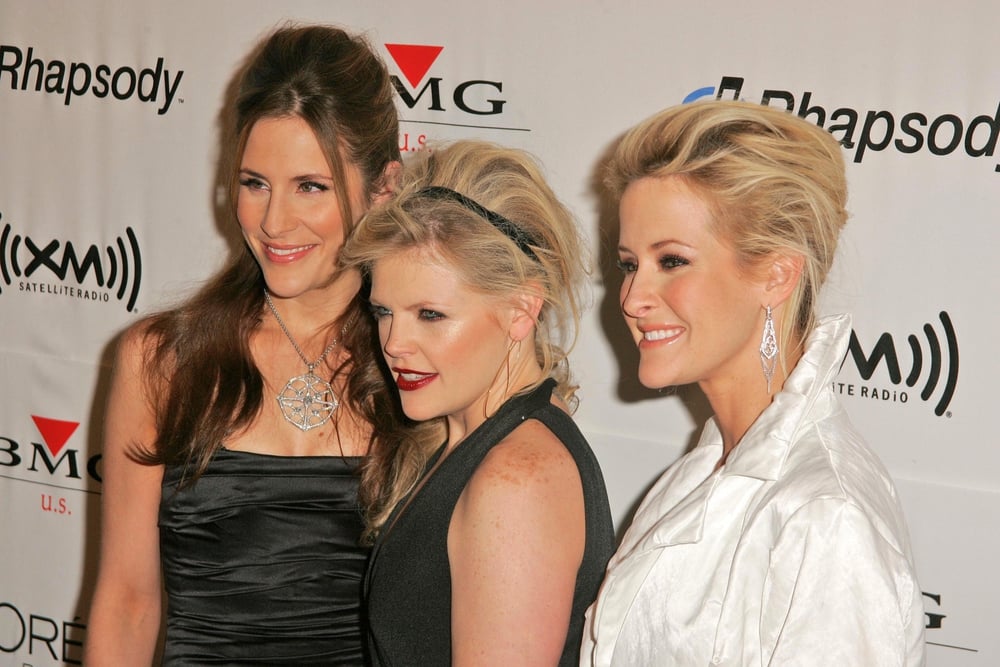
While their initial criticism of President Bush happened during a London concert in 2003, the group’s follow-up interviews doubled down on their political stance. Their defiant attitude in subsequent media appearances further inflamed their conservative country music fanbase. The interviews transformed a momentary comment into a career-altering political statement.
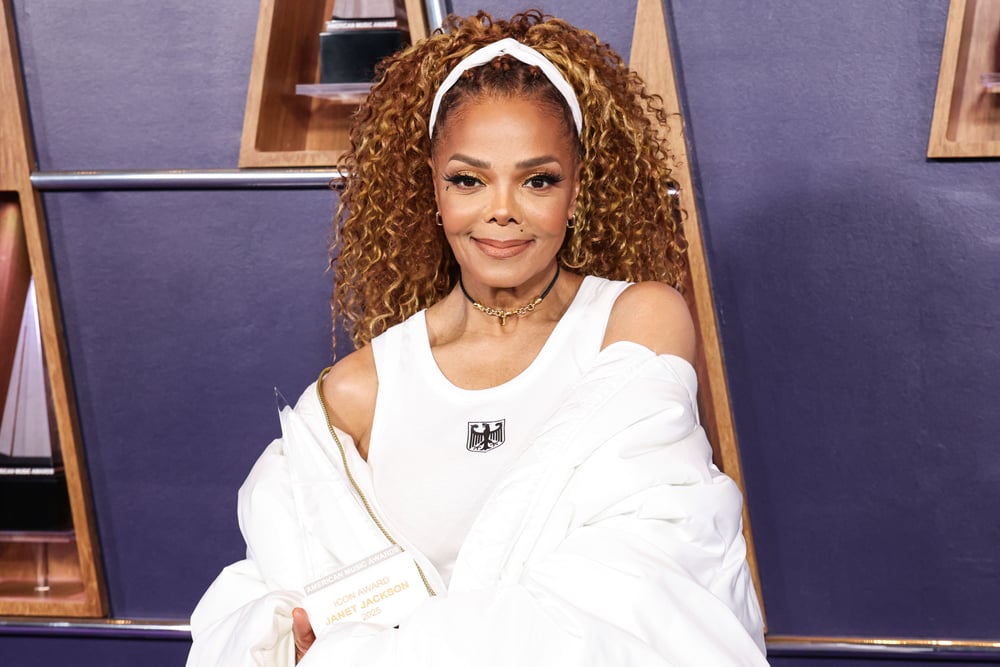
Janet Jackson’s Super Bowl Explanation
— Photo by Image Press Agency
Jackson’s attempts to explain the 2004 Super Bowl halftime show incident through various interviews never quite rang true with the public. Her shifting explanations about the ‘wardrobe malfunction’ seemed rehearsed and calculated rather than genuine. The inconsistent messaging prolonged the scandal and kept her in the spotlight for all the wrong reasons.
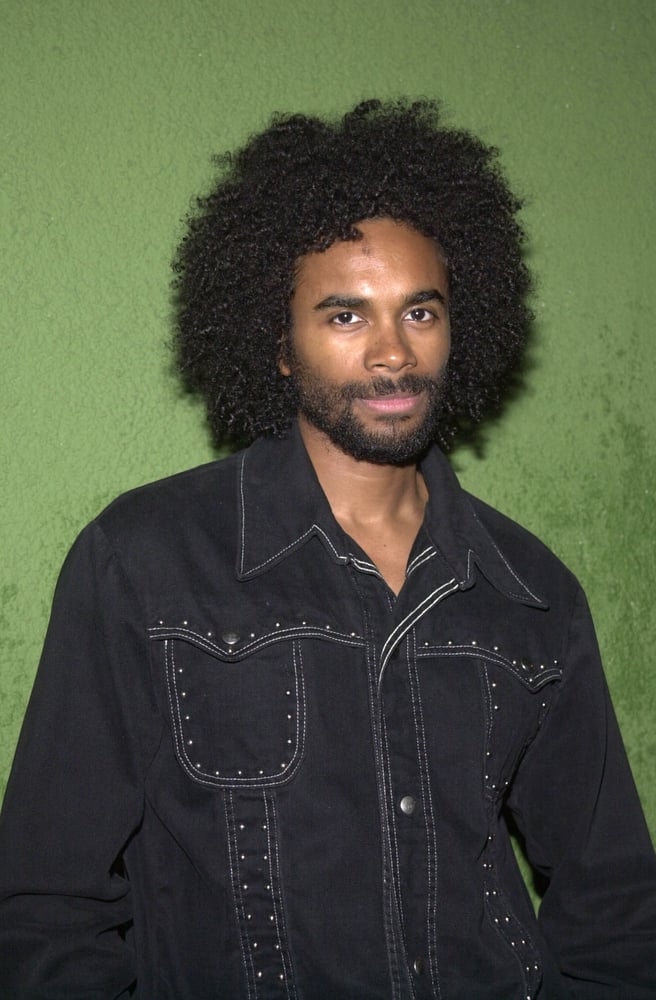
Milli Vanilli’s Lip-Syncing Admission
— Photo by s_bukley
When Rob Pilatus and Fab Morvan finally admitted in interviews that they never sang on their Grammy-winning album, the confession destroyed their music careers instantly. Their 1990 revelation about being front men for other vocalists shattered the illusion that made them stars. The interview honesty might have been refreshing, but it ended their pop culture relevance forever.
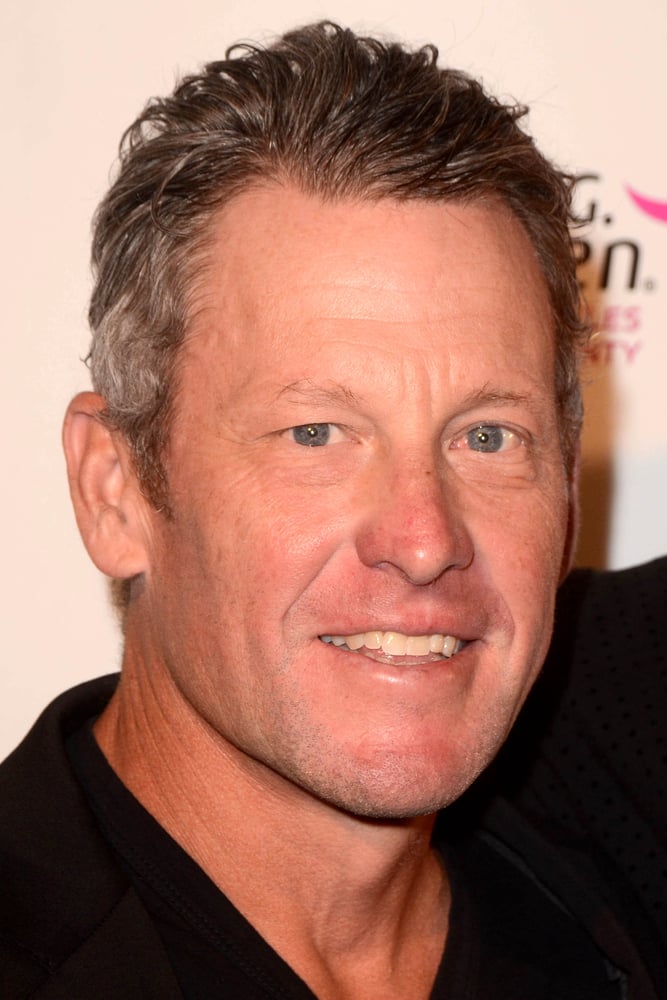
Lance Armstrong’s Oprah Confession
— Photo by Jean_Nelson
Armstrong’s 2013 sit-down with Oprah Winfrey was supposed to be his path to redemption after years of doping denials. Instead, his calculated admissions and lack of genuine remorse made him appear even more manipulative than before. The interview confirmed what many suspected about his character and eliminated any chance of a comeback.
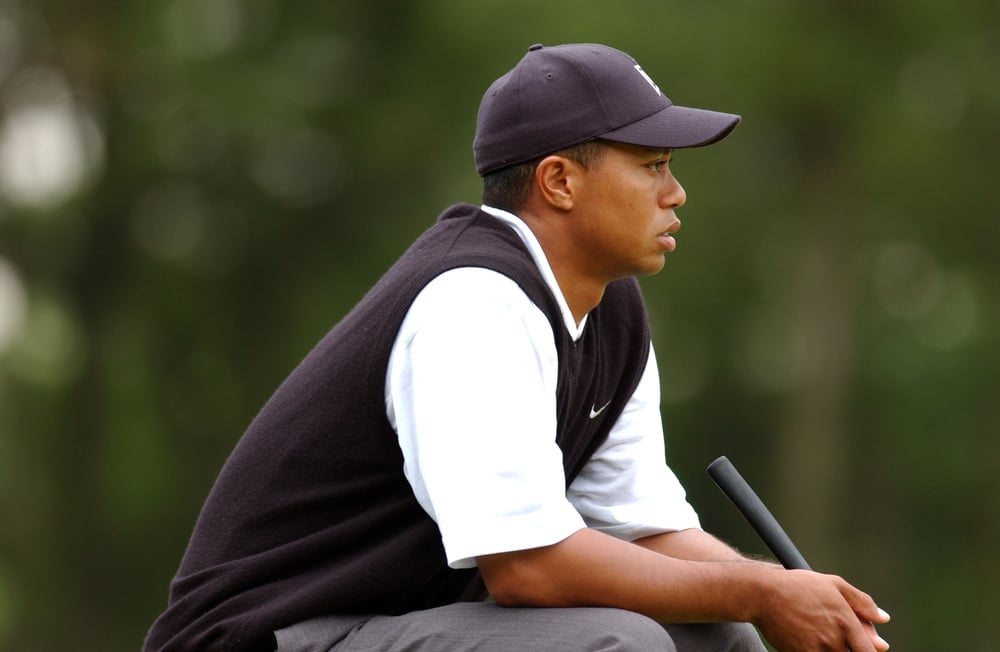
Tiger Woods’ First Public Statement
— Photo by ProShooter
Woods’ carefully scripted 2010 statement about his personal scandals felt robotic and insincere to most observers. His refusal to take questions and the formal setting made him appear disconnected from the gravity of his situation. While not technically an interview, this public appearance set the tone for his damaged public image.
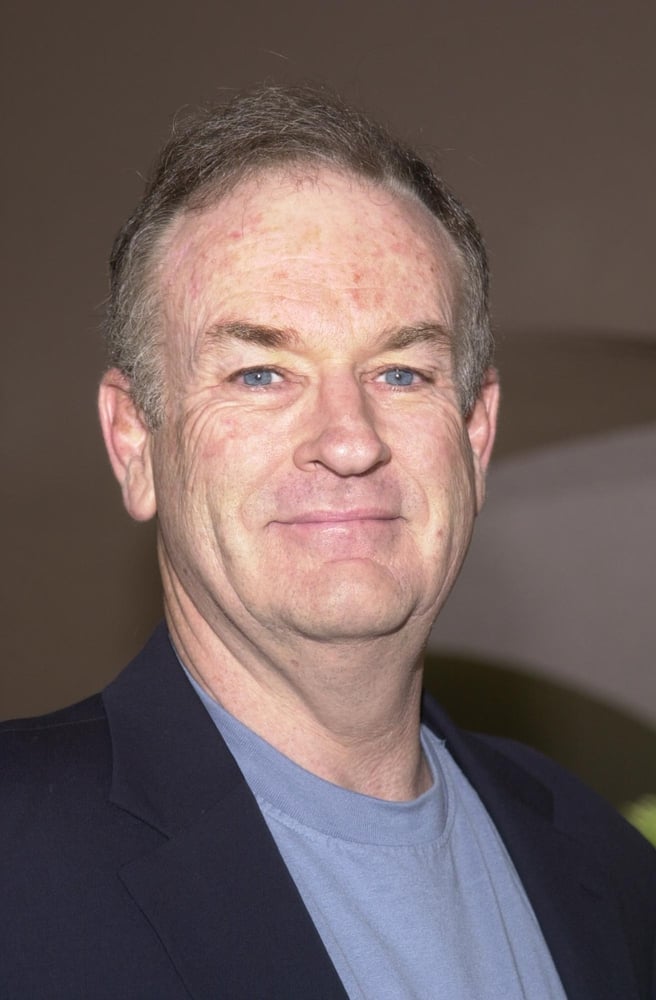
Bill O’Reilly’s Harassment Denials
— Photo by s_bukley
O’Reilly’s 2017 interviews defending himself against harassment allegations only drew more attention to the accusations against him. His combative responses and attempts to discredit his accusers backfired with both viewers and advertisers. The interviews accelerated his departure from Fox News rather than saving his career.
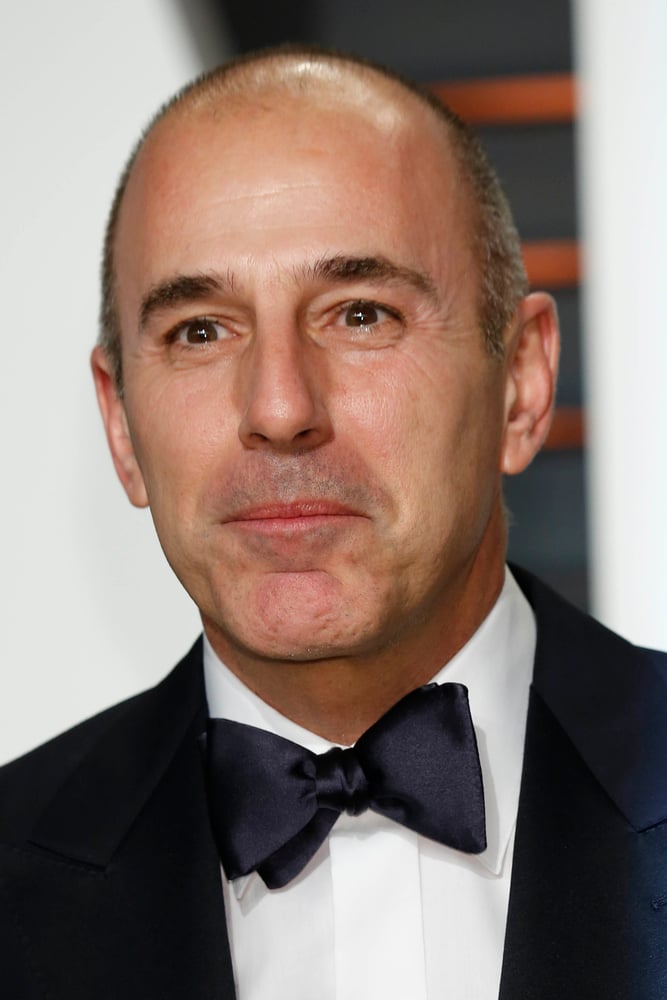
Matt Lauer’s Apology Statement
— Photo by Jean_Nelson
After his 2017 firing from NBC, Lauer’s written statement and rare interviews attempting to address the harassment allegations fell completely flat. His tone-deaf responses showed little understanding of how his behavior affected others. The statements confirmed why NBC moved so quickly to terminate their longtime morning show host.
From Golden Hour to Final Curtain
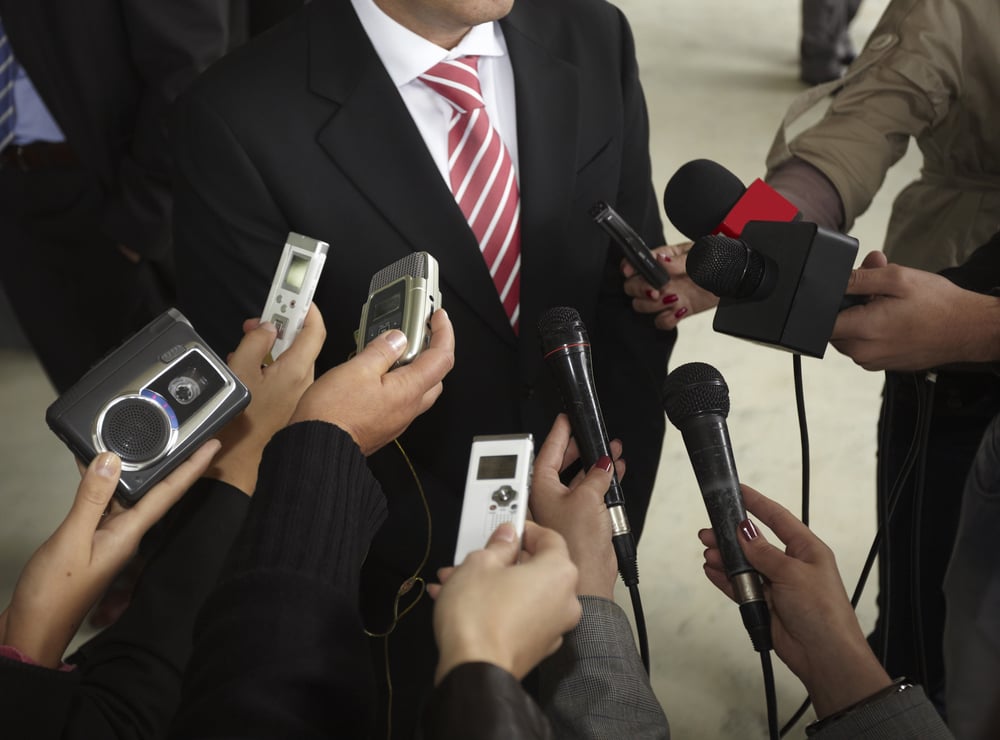
These interview disasters prove that reputation takes years to build but only minutes to destroy. Each person thought they could control the narrative or explain away their problems, but instead revealed character flaws that audiences couldn’t forgive. The most telling aspect isn’t just what they said, but how they said it—showing a disconnect between their self-perception and reality. In our social media age, these moments live on forever, serving as permanent reminders that sometimes the best interview strategy is knowing when to stay silent.
More from Go2Tutors!

- 16 Historical Figures Who Were Nothing Like You Think
- 12 Things Sold in the 80s That Are Now Illegal
- 15 VHS Tapes That Could Be Worth Thousands
- 17 Historical “What Ifs” That Would Have Changed Everything
- 18 TV Shows That Vanished Without a Finale
Like Go2Tutors’s content? Follow us on MSN.