Historic Gardens That Carried Secret Meanings
Gardens have always been more than just pretty outdoor spaces. Throughout history, people used flowers, plants, and garden layouts to communicate messages they couldn’t say out loud.
These hidden meanings turned simple gardens into powerful tools for expressing love, political resistance, and even dangerous secrets. So what made these gardens so special?
Let’s dig into the fascinating ways people turned petals and pathways into coded conversations.
The Persian paradise gardens

Ancient Persians created gardens that represented heaven on Earth, dividing them into four sections with water channels running through the center. These weren’t just beautiful spaces for relaxation.
The four parts symbolized the elements of earth, water, fire, and air, while the flowing water represented life itself. Rulers used these gardens to show their power and divine right to lead.
Visitors who understood the layout knew they were walking through a physical representation of cosmic order.
Tudor knot gardens and family loyalty

English Tudor families planted intricate knot gardens with hedges twisted into complex patterns that looked like Celtic knots from above. Each design carried the family’s heraldic symbols woven into the green maze.
These weren’t random decorations. They announced loyalty to the crown or signaled political alliances without saying a word.
Some families even hid their Catholic faith in the patterns during times when practicing their religion could get them killed.
Victorian flower language

Victorians took garden symbolism to a whole new level with their elaborate flower dictionaries. A bouquet could tell an entire story if you knew how to read it.
Red roses meant passionate love, while yellow roses suggested jealousy or a fading relationship. People sent messages through carefully arranged flowers when society’s strict rules made direct communication impossible.
A suitor could declare his intentions or a woman could reject an advance, all through a handful of blooms left on a doorstep.
Japanese tea gardens and spiritual purity

Traditional Japanese tea gardens guided visitors on a spiritual journey before they even entered the tea house. The winding stone path forced people to slow down and pay attention to each step.
A stone basin for washing hands symbolized cleansing the soul, not just the body. Every rock, every moss-covered lantern, every carefully pruned pine tree had meaning.
Garden designers created spaces that prepared visitors mentally and spiritually for the tea ceremony ahead.
Monastery cloister gardens

Medieval monks planted their enclosed cloister gardens with specific purposes that went beyond growing food or medicine. The square shape represented the four gospels, while a central fountain symbolized Christ as the source of eternal life.
Monks walked these gardens while praying and meditating. Different areas held plants mentioned in the Bible, turning the garden into a living text that reinforced religious teachings every single day.
French formal gardens and absolute power
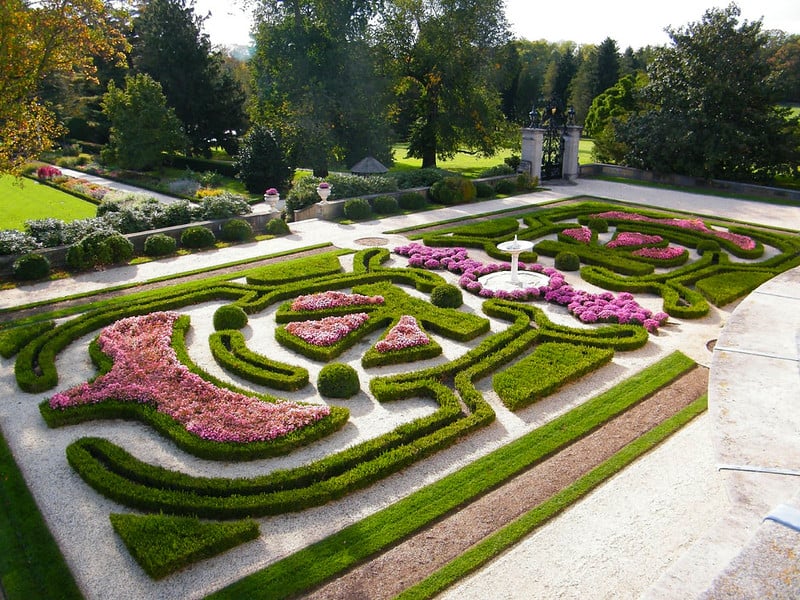
King Louis XIV transformed Versailles into a statement about royal authority through geometric garden designs. Every hedge trimmed into perfect lines, every fountain shooting water at calculated heights, every tree planted in precise rows declared one message clearly.
Nature itself bowed to the king’s will. Visitors walking through these gardens understood they were seeing royal power made visible in branches and blooms.
Chinese scholar gardens

Wealthy Chinese scholars built private gardens as retreats from public life, but these spaces carried deep philosophical meanings. Rocks represented mountains and steadfast character.
Water symbolized adaptability and the flow of time. Bamboo showed resilience because it bent in storms but never broke.
These gardens became three-dimensional poems where every element reflected Taoist and Confucian values about living a good life.
Colonial American kitchen gardens
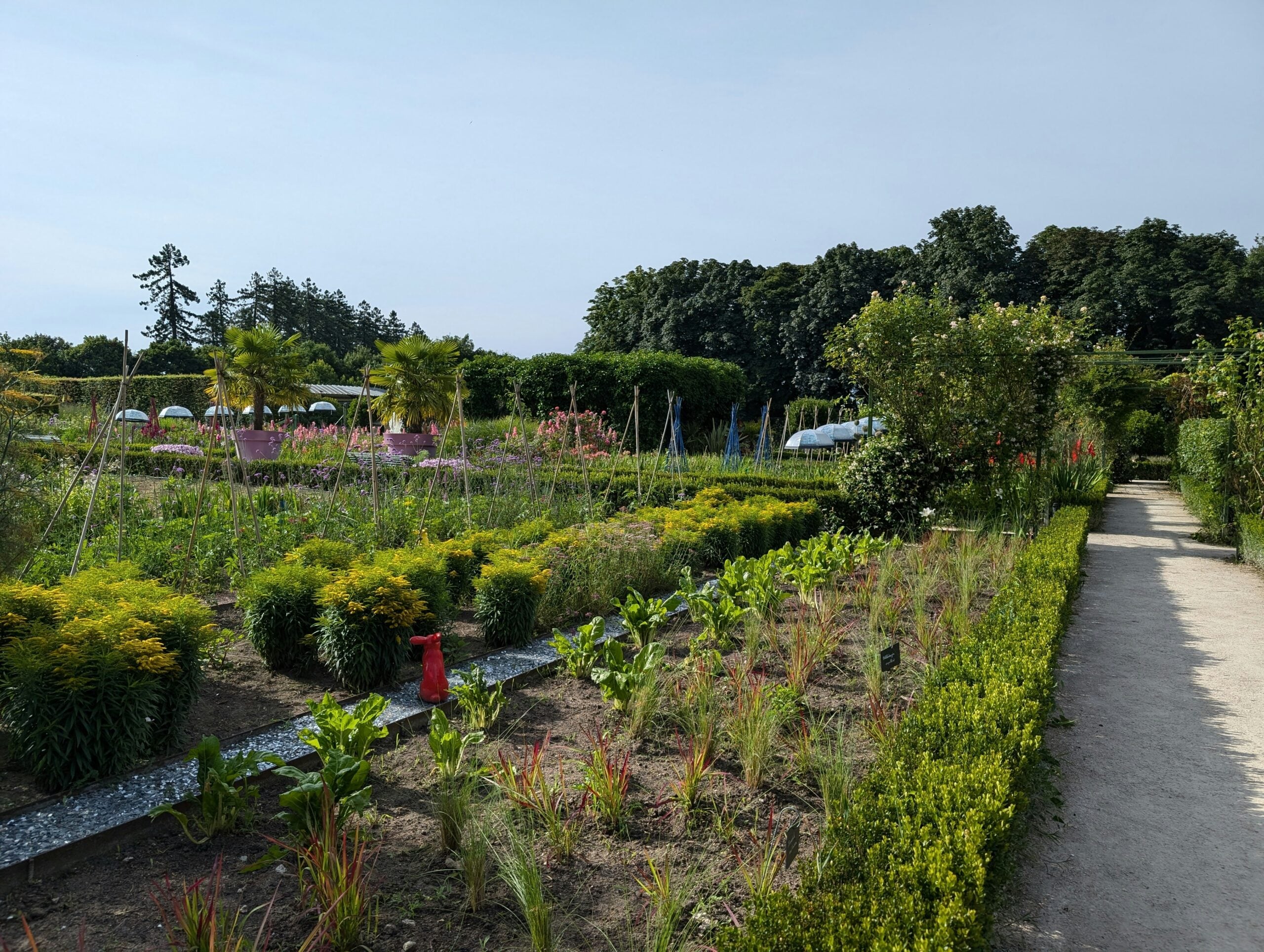
Early American settlers planted kitchen gardens that seemed practical on the surface but often hid political statements. Colonists grew specific herbs and flowers that reminded them of their homeland and their resistance to British rule.
Some plants carried meanings from European traditions that helped maintain cultural identity in a new land. These gardens kept connections to the past alive while families built new futures.
Islamic courtyard gardens

Islamic gardens created private paradises hidden behind walls, designed to reflect descriptions of heaven from the Quran. Fountains represented the rivers of paradise.
Fruit trees promised abundance and divine blessing. The gardens offered cool shade and flowing water in hot, dry climates, making them practical spaces that also carried spiritual significance.
Families gathered in these gardens knowing they sat in spaces that connected earthly life to promised eternal rewards.
Renaissance Italian villa gardens

Italian nobles during the Renaissance turned their villa gardens into displays of classical learning and humanist philosophy. Statues of Greek and Roman gods stood among the flowers, while water features recreated ancient engineering marvels.
These gardens announced that the owner valued education, art, and the rediscovery of classical wisdom. Walking through them was like strolling through an outdoor museum of cultural sophistication.
Mughal char bagh gardens

Mughal emperors in India perfected the char bagh style, dividing gardens into four parts that represented the four rivers of paradise described in Islamic texts. Water channels lined with cypress trees created cool pathways through the heat.
The gardens symbolized the ruler’s ability to create paradise on Earth and his role as God’s representative. The Taj Mahal’s gardens follow this pattern, turning grief over a lost wife into a promise of reunion in paradise.
Dutch tulip gardens and economic messages

During the 1600s, Dutch gardens filled with tulips sent clear signals about the owner’s wealth and social standing. Rare tulip varieties cost as much as houses during the famous tulip mania period.
A garden full of unusual tulips told neighbors that the family had serious money and connections to exotic trade networks. These flowers became living bank accounts on display for everyone to see.
English cottage gardens and resistance
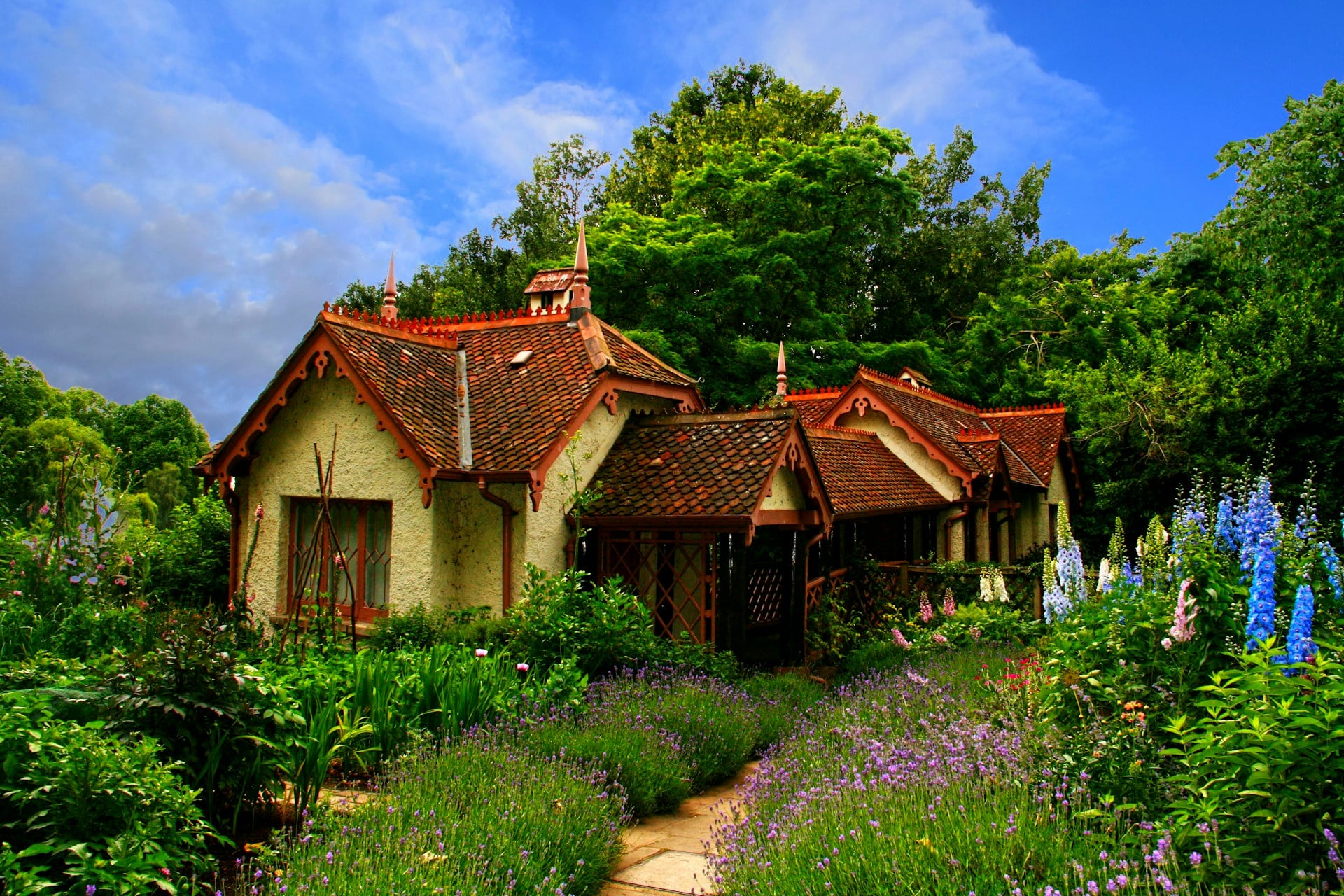
Working-class English families grew cottage gardens that looked charmingly chaotic but actually followed careful planning. These gardens mixed flowers, herbs, and vegetables in ways that maximized small spaces while appearing natural and unplanned.
During times of economic hardship, these gardens kept families fed while maintaining beauty that defied their poverty. They represented resilience and refusal to give up dignity despite difficult circumstances.
Shaker community gardens

Shaker folks grew veggies and herbs in neat rows, ’cause they liked things simple and fair. Paths split the plots clean, showing how much they cared about staying tidy and sharp.
Instead of flowers just for looks, they picked plants that helped out around the house – hands-on stuff beat showy stuff every time. Their yards looked like their lives: calm, honest, no mess, where good use meant real charm.
Poison gardens come with secret signs. Yet these spots whisper danger without words

Old estates sometimes grew toxic plants – deadly ones like belladonna or hemlock. Healers relied on these spots, using small amounts of such greenery to treat illness.
Still, they made clear which greens were off-limits. Nobility kept them around, not just for cures but to show mastery over danger itself.
Old plant gardens from colonial times mixed with power dreams
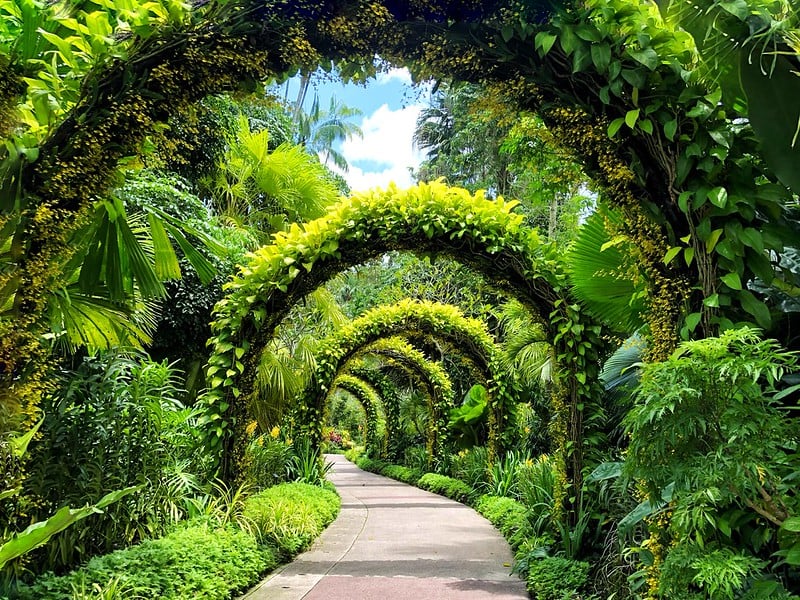
European rulers set up plant collections in far-off lands – places they controlled by force. Though these spots looked like research sites, their real aim was more about power than discovery.
Plants were taken from occupied regions, then checked for ways to make money. Each garden showed off how wide the empire stretched.
Just having such places proved access to both wealth and expertise. Nature became a trophy, proof of who ruled where.
Botanical displays weren’t just greenery – they stood for conquest masked as progress.
Quaker meeting house yards

Quaker folks grew basic plots near their worship spots – spaces showing fairness and humility. Each plant got the same care, while layouts skipped flashy features by design.
Instead of fancy patterns, they chose plain rows that quietly challenged rich estates’ ornate yards. By tending these patches, they said everyone matters equally, plus honest simplicity beats costly show-offs any day.
American victory gardens

In times of global conflict, households across the U.S. grew their own food – not just to eat, yet also to stand for something bigger. Raising veggies locally meant more supplies could go overseas for troops instead.
It wasn’t only about feeding people; it reflected loyalty and shared hardship during tough years. Folks nearby noticed who was pitching in – and who stayed on the sidelines.
A lush backyard plot signaled responsibility, showing you were part of the fight against opposing forces.
Where ideas begin

Back then, gardens quietly showed how people create when they’ve got something to say. When talking was risky – or against the rules – they used plants instead of speech.
Today’s green spaces don’t send secret signals, yet they mirror our hopes and choices just the same. Each one shares a tale, if you’re willing to look close at stems, roots, and petals.
More from Go2Tutors!

- The Romanov Crown Jewels and Their Tragic Fate
- 13 Historical Mysteries That Science Still Can’t Solve
- Famous Hoaxes That Fooled the World for Years
- 15 Child Stars with Tragic Adult Lives
- 16 Famous Jewelry Pieces in History
Like Go2Tutors’s content? Follow us on MSN.