Singers With the Most Number One Hits
Chart success tells you something about cultural impact. When a song hits number one, it means millions of people chose to listen, buy, or stream that track more than any other option available.
Some artists do this once or twice in a career. Others rack up chart-toppers like they’re collecting trading cards.
The numbers reveal patterns about longevity, adaptability, and what it takes to stay relevant across changing decades.
The Beatles: The Untouchable Record

The Beatles landed 20 number one hits on the Billboard Hot 100 during their active years from 1964 to 1970. That’s 20 chart-toppers in just six years of dominance.
Songs like “Hey Jude,” “I Want to Hold Your Hand,” and “Let It Be” didn’t just hit number one—they defined entire eras of music. What makes their achievement remarkable is the timeframe.
Modern artists have streaming numbers and digital downloads working in their favor. The Beatles did it with vinyl sales, radio play, and sheer cultural force.
No band before or since has matched their concentrated burst of chart success.
Mariah Carey: The Vocal Powerhouse

Mariah Carey has 19 number one hits, making her the solo artist with the most chart-toppers in history. Her run started with “Vision of Love” in 1990 and continued through different decades and musical styles.
She adapted from R&B ballads to hip-hop collaborations without losing her ability to dominate the charts. “We Belong Together” became her comeback single in 2005, proving she could still compete with younger artists.
Carey’s vocal range and songwriting ability kept her relevant when many ’90s stars faded away. She treated chart success like a science, studying what worked and adjusting her approach accordingly.
Rihanna: The Modern Era Dominator

Rihanna accumulated 14 number one hits between 2005 and 2016, showing how streaming changed the game. She released music constantly during her peak years, collaborating with producers and artists across genres.
Songs like “Umbrella,” “We Found Love,” and “Work” showed her ability to ride trends while maintaining a distinctive sound. Her approach differed from earlier chart champions.
Rihanna didn’t always write her songs or produce her tracks, but she had an instinct for choosing material that would connect. She understood that consistency and volume mattered in the streaming age where attention spans run short.
Michael Jackson: The King’s Crown

Michael Jackson scored 13 number one hits as a solo artist, separate from his success with the Jackson 5. “Billie Jean,” “Beat It,” and “Black or White” became more than songs—they were cultural events with groundbreaking music videos that changed MTV forever.
Jackson’s peak lasted from the late ’70s through the early ’90s. He combined technical vocal skill with showmanship that made every release feel important.
The gap between his albums created anticipation that modern artists struggle to replicate in an era of constant content.
The Supremes: Motown’s Queens
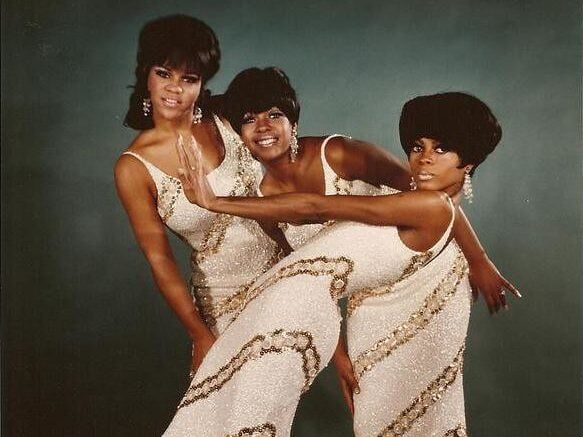
The Supremes earned 12 number one hits during the 1960s, making them the most successful American group of that decade. Diana Ross fronted most of their biggest songs, including “Stop! In the Name of Love” and “You Can’t Hurry Love.”
The Supremes proved that Black artists could dominate mainstream pop charts at a time when radio segregation still existed. Their success opened doors for other Motown acts and changed what record labels thought possible for girl groups.
The Supremes dressed elegantly, performed choreographed routines, and presented themselves as sophisticated entertainers rather than just singers.
Whitney Houston: The Voice That Ruled

Whitney Houston achieved 11 number one hits between 1985 and 1992, a remarkable run powered by one of the best voices in pop music history. “I Will Always Love You” spent 14 weeks at number one, becoming one of the best-selling singles ever released.
Houston combined gospel-trained vocals with pop production, creating a sound that crossed demographic boundaries. Radio stations that typically played different formats all programmed her music.
Her success came from technical skill that couldn’t be faked or manufactured.
Drake: The Streaming Champion

Drake has 11 number one hits and counting, with his success tied directly to how streaming changed music consumption. He releases music frequently, keeping his name in playlists and charts constantly.
Songs like “One Dance” and “God’s Plan” benefited from streaming numbers that earlier artists never had access to. His approach prioritizes volume and consistency over perfection.
Drake collaborates broadly, appears on other artists’ tracks, and maintains a presence that makes him unavoidable. This strategy works in an era where algorithms reward constant activity.
Janet Jackson: Following Her Own Path

Janet Jackson scored 10 number one hits between 1986 and 2001, establishing herself as more than just Michael’s sister. She worked with producers Jimmy Jam and Terry Lewis to create a distinctive sound that blended R&B, pop, and dance music.
Songs like “That’s the Way Love Goes” and “Together Again” showcased her ability to evolve with changing trends. Jackson addressed topics in her music that other pop stars avoided.
She talked about social issues, relationships, and personal growth in ways that resonated with audiences looking for substance alongside catchy hooks.
Stevie Wonder: The Prodigy’s Success

Stevie Wonder landed 10 number one hits between 1963 and 1987, an impressive span that covered multiple decades. He started as a child prodigy at Motown and evolved into one of music’s most respected artists.
“Superstition,” “I Just Called to Say I Love You,” and “Ebony and Ivory” showed his range from funk to pop to duets. Wonder played multiple instruments, wrote his own material, and produced his records.
This level of creative control was rare for Black artists in the ’60s and ’70s, making his commercial success even more significant.
Beyoncé: The Formation of Excellence

Beyoncé has achieved 8 solo number one hits, though this doesn’t include her success with Destiny’s Child. She approaches her career with precision, releasing music strategically and maintaining high standards for everything bearing her name.
“Crazy in Love” and “Single Ladies” became cultural phenomena beyond just chart success. Her influence extends past pure numbers.
Beyoncé changed how artists release albums, dropping projects without warning and treating music as events rather than products. She built a brand around excellence that translates into consistent chart performance.
Taylor Swift: The Crossover Expert

Taylor Swift accumulated 9 number one hits by crossing from country to pop and dominating both. She started as a teenage country artist and transformed into one of pop music’s biggest stars.
Songs like “Shake It Off” and “Blank Space” showed her understanding of pop songwriting fundamentals. Swift writes or co-writes everything she releases, giving her creative control that many pop stars lack.
She also cultivated a relationship with fans that extends beyond music, creating loyalty that translates into first-week sales and streaming numbers that send songs straight to number one.
Elton John: The Piano Man’s Reign

Elton John hit number one 9 times between 1970 and 1997, showing staying power across three decades. His partnership with lyricist Bernie Taupin produced songs that balanced artistic ambition with commercial appeal.
“Candle in the Wind 1997” became the best-selling single in history after Princess Diana’s death. John’s flamboyant performances and distinctive voice made him instantly recognizable.
He survived changing musical trends by focusing on quality songwriting rather than chasing whatever sound dominated radio at the moment.
Elvis Presley: The Original King

Elvis scored 17 number one hits between 1956 and 1969, though counting gets complicated because Billboard used different chart methodologies during his era. Songs like “Hound Dog,” “Don’t Be Cruel,” and “Suspicious Minds” made him the biggest star of the rock and roll era.
His cultural impact exceeded his chart numbers. Elvis changed how performers moved on stage, what they wore, and how they engaged with audiences.
He took music from Black artists and made it acceptable to white audiences, a complicated legacy that helped create modern pop music.
When Numbers Tell Stories

What lands a song high isn’t only quality. It’s when it drops, how it’s pushed, what people feel at that moment, sometimes even a chance.
Arriving right after a shift helped the Beatles catch a wave of hunger for change in the U.S. Drake? His steady flow of music fits perfectly into how today’s listeners stream nonstop.
Mariah didn’t stay big by standing still – she shifted her voice to match each era she moved through. Facts tie success to timing – no way around it. Hitting number one back when vinyl ruled meant battling a scene unlike today’s algorithm-shaped race for attention.
Gadgets rewired not just where tunes are found but even how wins get counted. Those who stayed relevant through shifts paid close attention to their surroundings, then worked every channel at hand to meet ears eager for their sound.
More from Go2Tutors!

- The Romanov Crown Jewels and Their Tragic Fate
- 13 Historical Mysteries That Science Still Can’t Solve
- Famous Hoaxes That Fooled the World for Years
- 15 Child Stars with Tragic Adult Lives
- 16 Famous Jewelry Pieces in History
Like Go2Tutors’s content? Follow us on MSN.