20 Ancient Sites Aligned With the Sun
Long before clocks or calendars existed in any familiar form, entire civilizations built monuments that tracked the sun’s path with startling precision. Stone by stone, these structures turned architecture into an instrument, marking solstices and equinoxes so communities would know when to plant, harvest, or gather for ceremony.
Newgrange
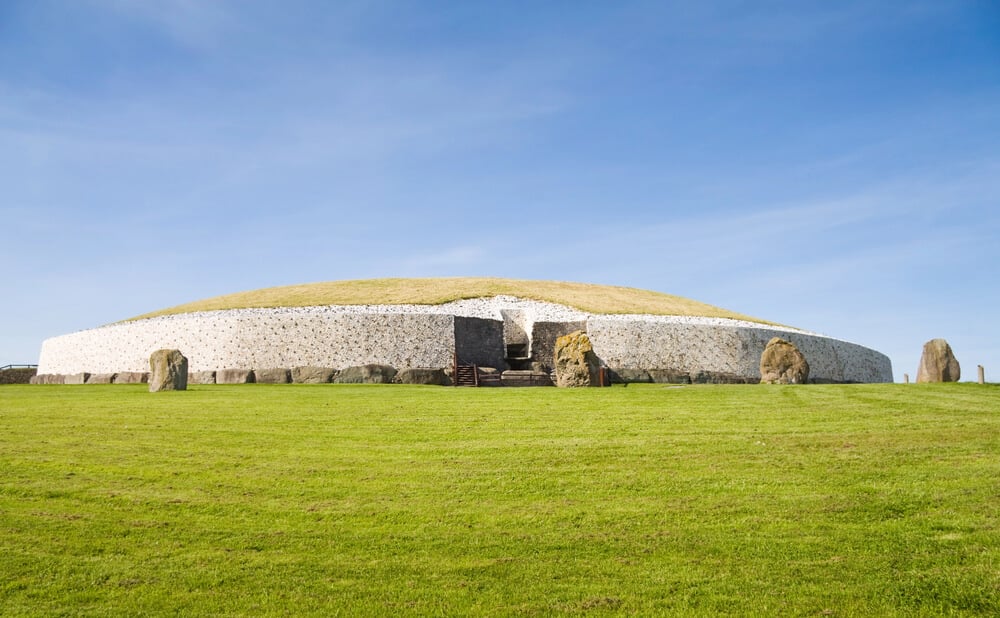
Built around 3200 BCE in Ireland’s Boyne Valley, Newgrange predates Stonehenge and the Egyptian pyramids by several centuries. A narrow roof-box above its entrance channels sunlight down a 19-meter passage only at winter solstice sunrise, illuminating the inner chamber for about seventeen minutes.
Archaeologists confirmed the alignment in 1967, and today a lottery decides which visitors get to stand inside during the event.
Stonehenge
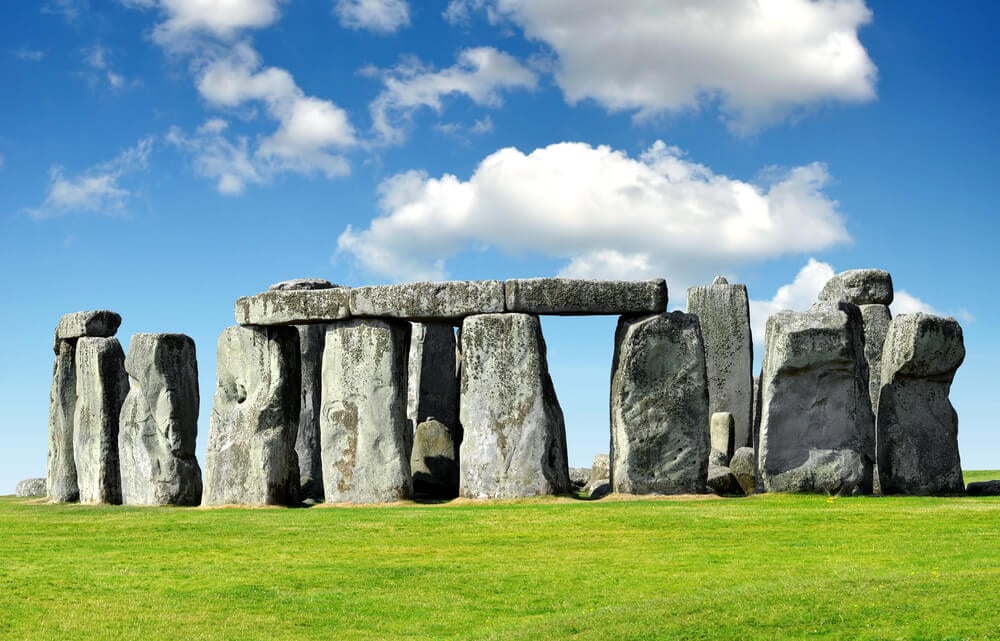
England’s most famous stone circle aligns its Heel Stone with the rising sun on the summer solstice and the setting sun on the winter solstice, a dual alignment that suggests both dates mattered to its Neolithic builders. Construction spanned roughly 1500 years, beginning around 3000 BCE, with the massive sarsen stones added later.
Tens of thousands still gather at the site each June to watch the sunrise align with the stones.
Chichen Itza’s El Castillo
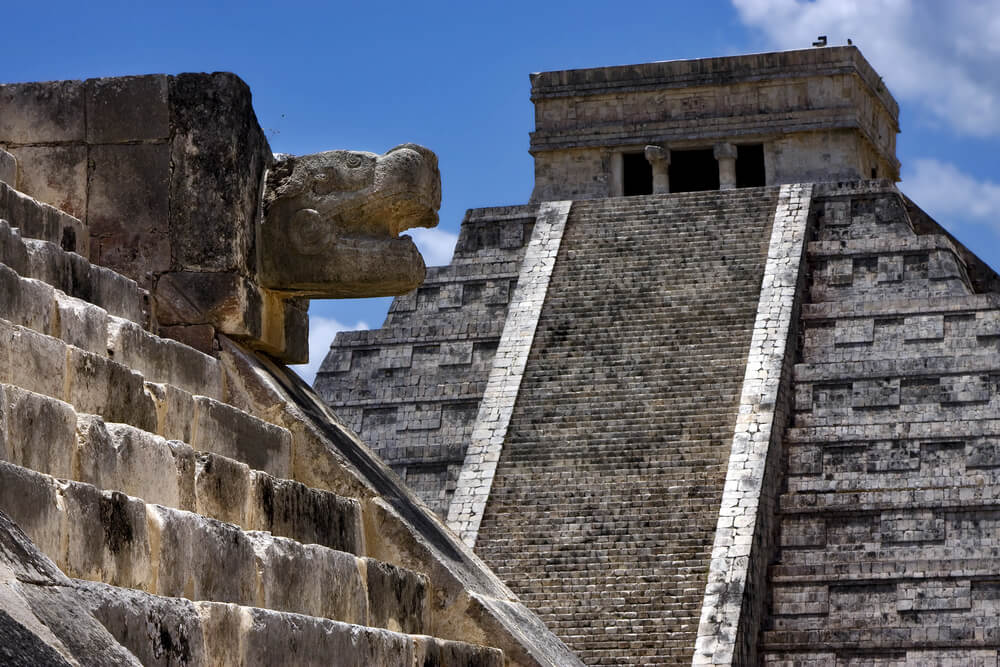
At the spring and autumn equinoxes, the stepped pyramid of Kukulcan at Chichen Itza casts a shadow along its northern staircase that appears to form a serpent slithering down toward a carved snake head at the base. The Maya built the effect into the pyramid’s 91 steps on each side, which together with the top platform total 365, matching the days of the solar year.
The phenomenon still draws large crowds to Yucatan every March and September.
Karnak Temple
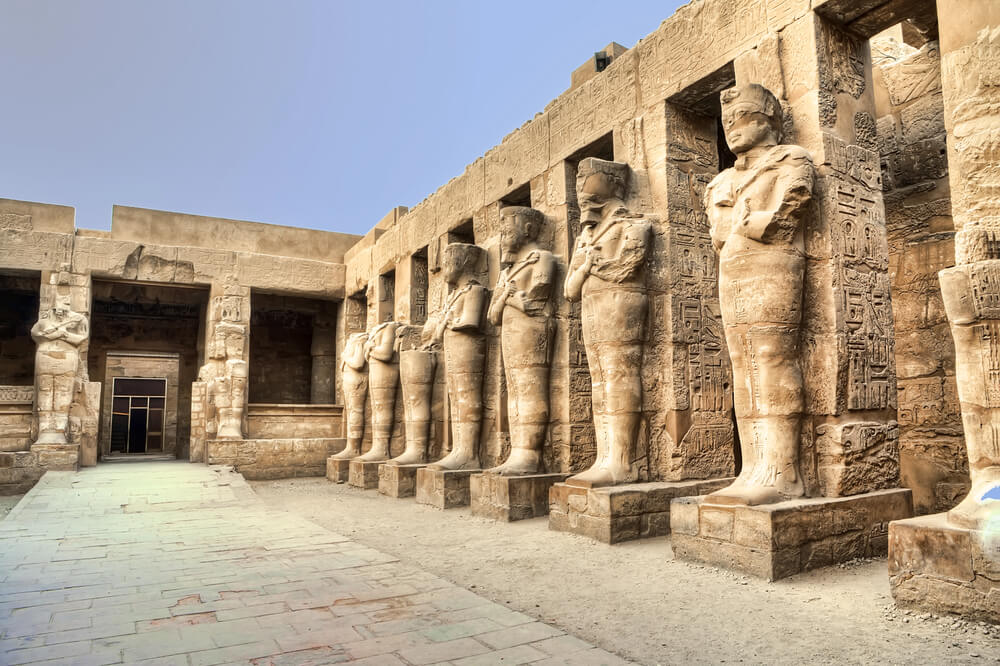
The main axis of Egypt’s Karnak Temple complex points toward the winter solstice sunset, aligning with the sanctuary dedicated to Amun-Ra. Construction continued across roughly two thousand years, with successive pharaohs adding halls and pylons along the same solar line.
The alignment was first documented in detail by the astronomer Norman Lockyer in the late nineteenth century.
Abu Simbel
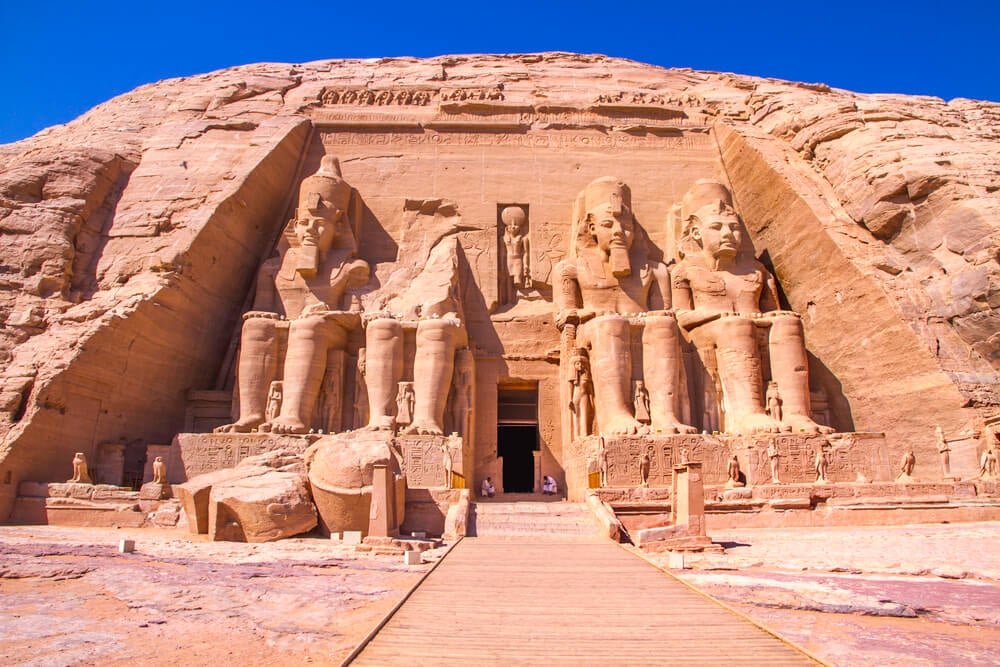
Ramesses II’s great temple at Abu Simbel is oriented so that sunlight penetrates 60 meters into the mountain twice a year, illuminating statues of the pharaoh and the gods Amun and Ra-Horakhty while leaving Ptah, god of the underworld, in shadow. The dates, around February 22 and October 22, are believed to mark Ramesses’ coronation and birthday.
When the temple was relocated in the 1960s to avoid flooding from the Aswan Dam, engineers preserved the alignment within a few days of the original.
Intihuatana Stone at Machu Picchu
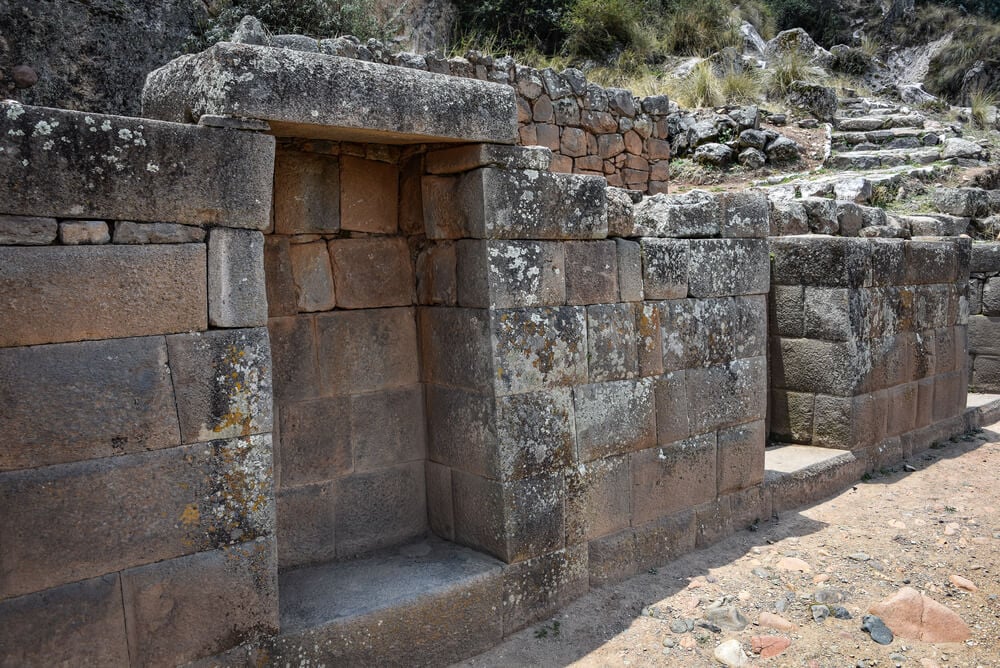
Carved directly from bedrock at the Inca citadel of Machu Picchu, the Intihuatana stone was shaped to cast shadows that mark solstices and equinoxes. Its name translates roughly to “hitching post of the sun,” reflecting the Inca belief that the stone symbolically tied the sun to the earth.
It survived the Spanish destruction of similar stones elsewhere in the empire because the site itself remained unknown to colonial forces.
Fajada Butte Sun Dagger
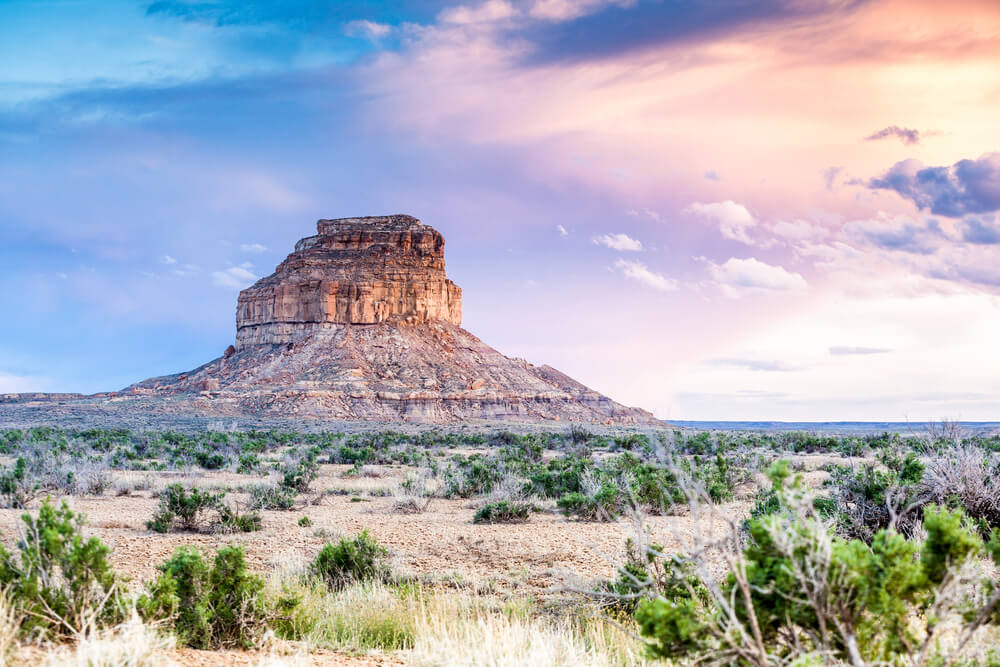
In New Mexico’s Chaco Canyon, three sandstone slabs on Fajada Butte cast dagger-shaped shadows across spiral petroglyphs, marking both solstices and equinoxes with different light patterns. Anna Sofaer discovered the effect in 1977 while documenting the site’s rock art.
Ironically, increased foot traffic after the discovery shifted the slabs slightly, and the precise effect no longer occurs exactly as it once did.
Pyramid of the Sun at Teotihuacan
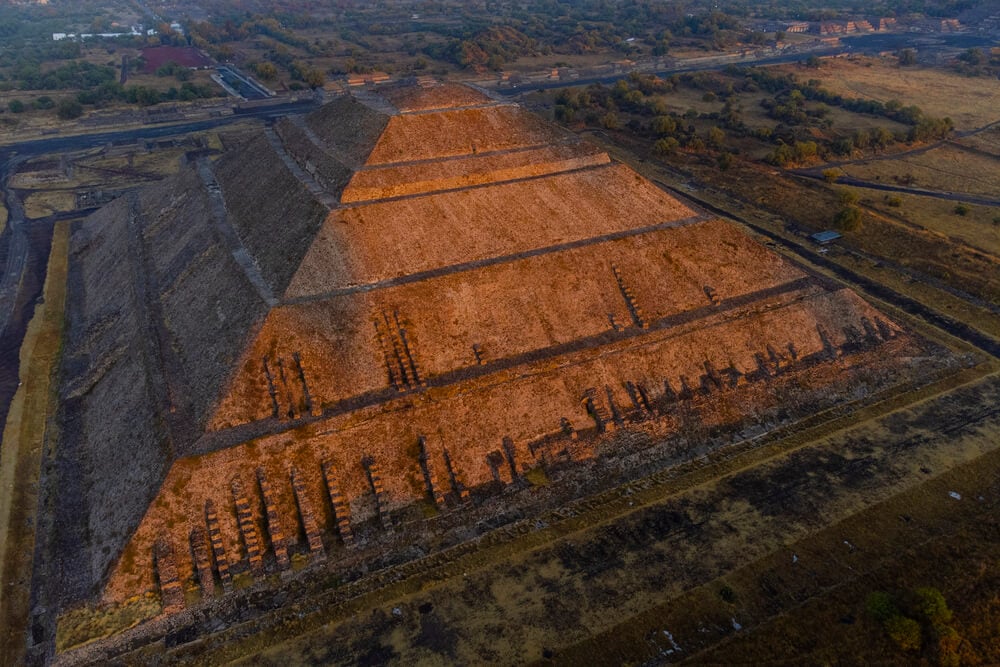
The massive Pyramid of the Sun outside Mexico City is aligned so that the sun sets directly behind it on the days it crosses the zenith, a alignment shared by the city’s broader grid layout. Built around 200 CE, the pyramid remains one of the largest structures in the pre-Columbian Americas.
Researchers still debate exactly how the Teotihuacanos, whose written language remains largely undeciphered, achieved such consistent solar orientation across the entire city plan.
Maeshowe
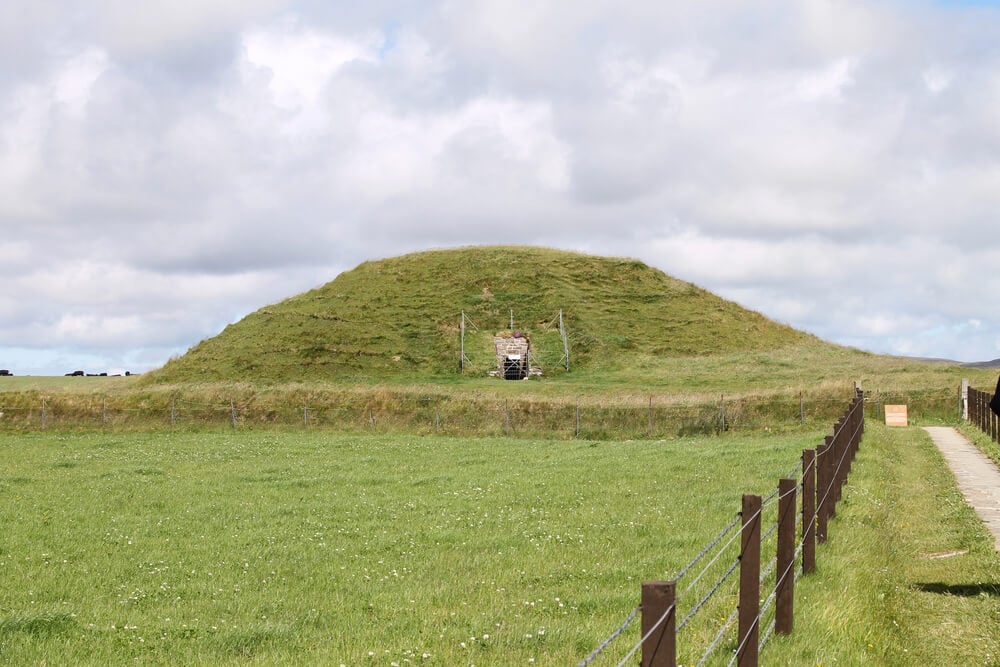
This Neolithic chambered cairn on Orkney, Scotland, built around 2800 BCE, is positioned so that the setting sun at winter solstice sends a beam of light down its entrance passage to illuminate the back wall of the central chamber. Cloud cover often obscures the effect, so Historic Environment Scotland livestreams it for those who cannot travel.
Viking graffiti carved into the tomb’s walls in the twelfth century adds a second layer of history to the site.
Cahokia Woodhenge
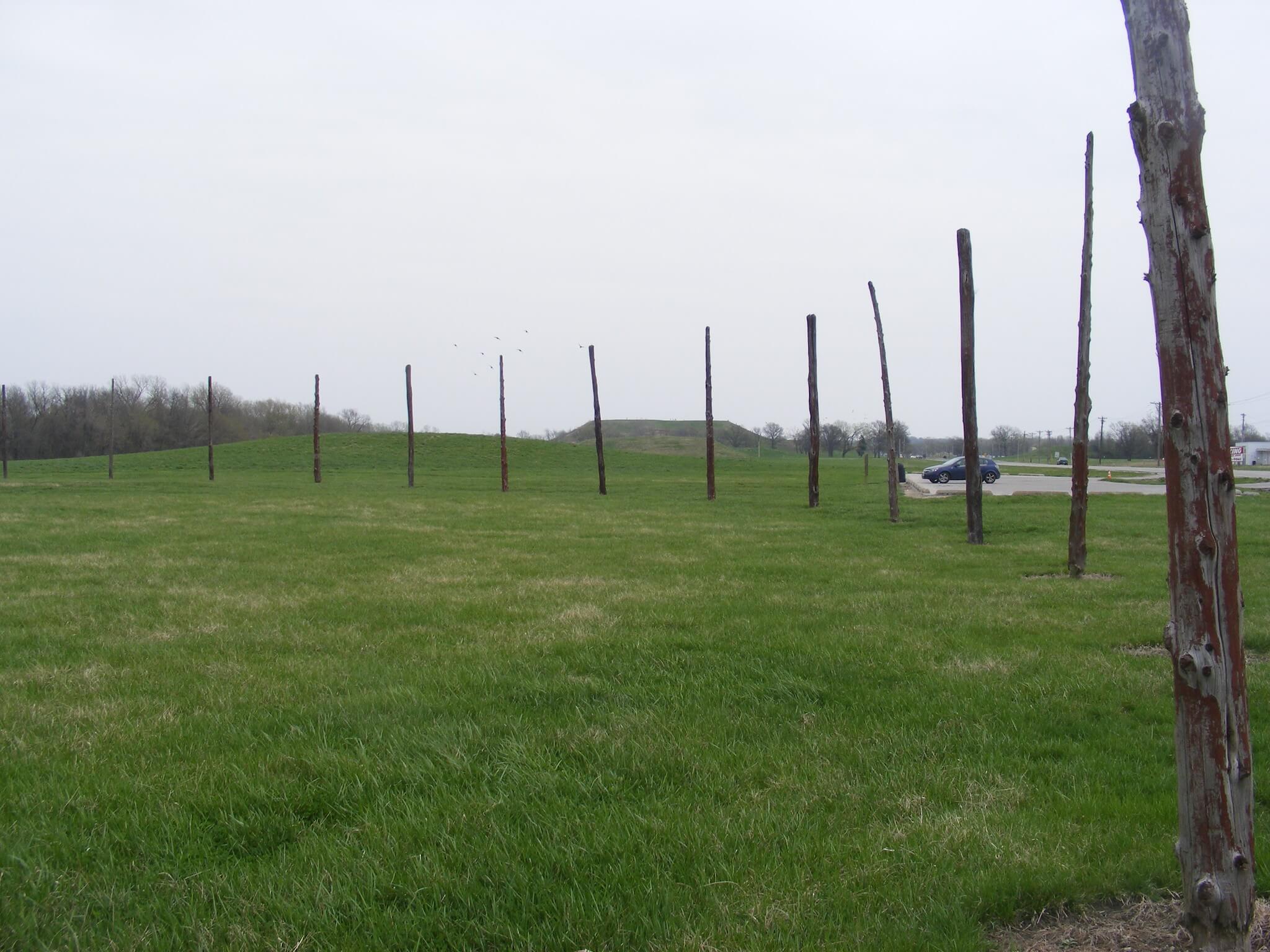
Near present-day Collinsville, Illinois, the Mississippian city of Cahokia built a series of massive wooden circles, now reconstructed, that tracked solstice and equinox sunrises against the skyline of nearby Monks Mound. Archaeologists identified at least five successive versions of the circle, rebuilt over time as the city grew around 1100 CE.
It remains one of the few confirmed astronomical structures built by Indigenous North Americans north of Mexico.
Mnajdra Temples
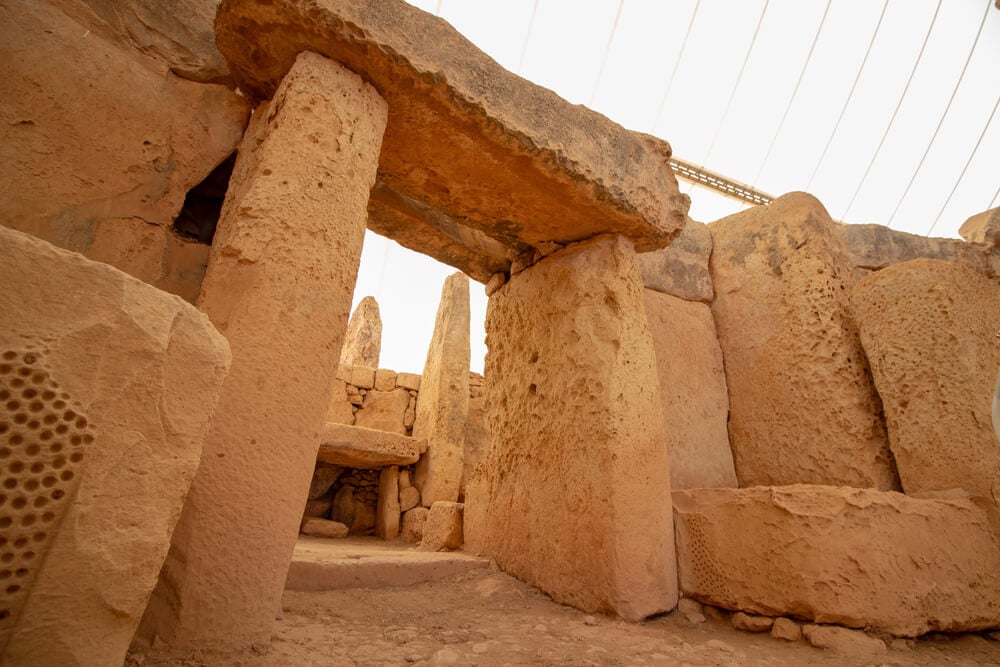
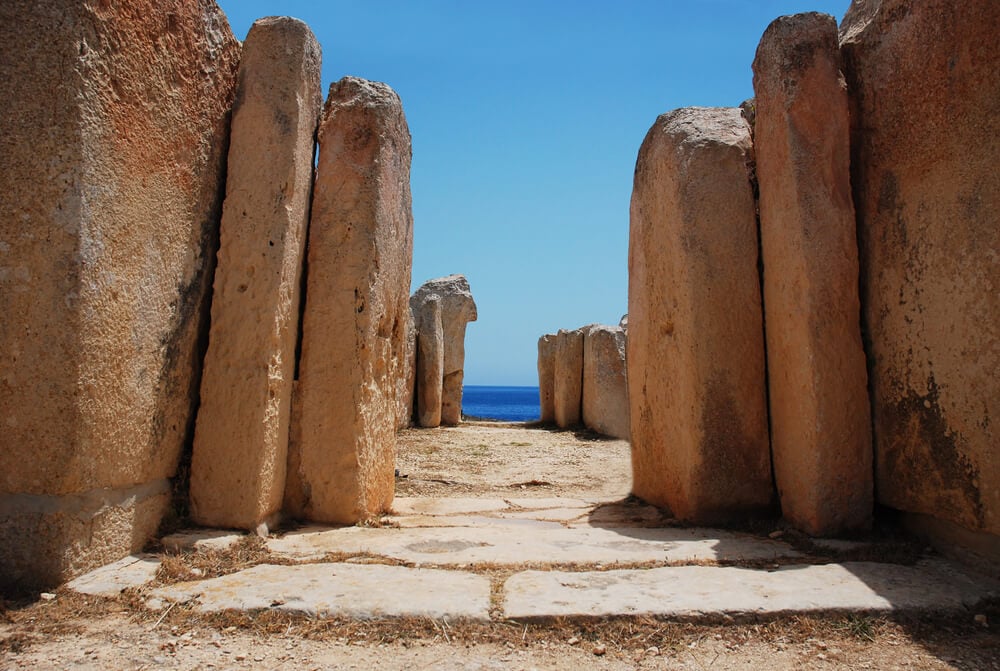
On the southern coast of Malta, the Mnajdra temple complex, dating to roughly 3600 BCE, channels sunlight through its main doorway to strike specific points inside on the solstices and equinoxes. The middle temple’s alignment with the equinox sunrise is considered one of the most precise of any surviving Neolithic structure.
Malta’s temples predate both Stonehenge and the Egyptian pyramids, making them among the oldest freestanding structures on Earth.
Goseck Circle
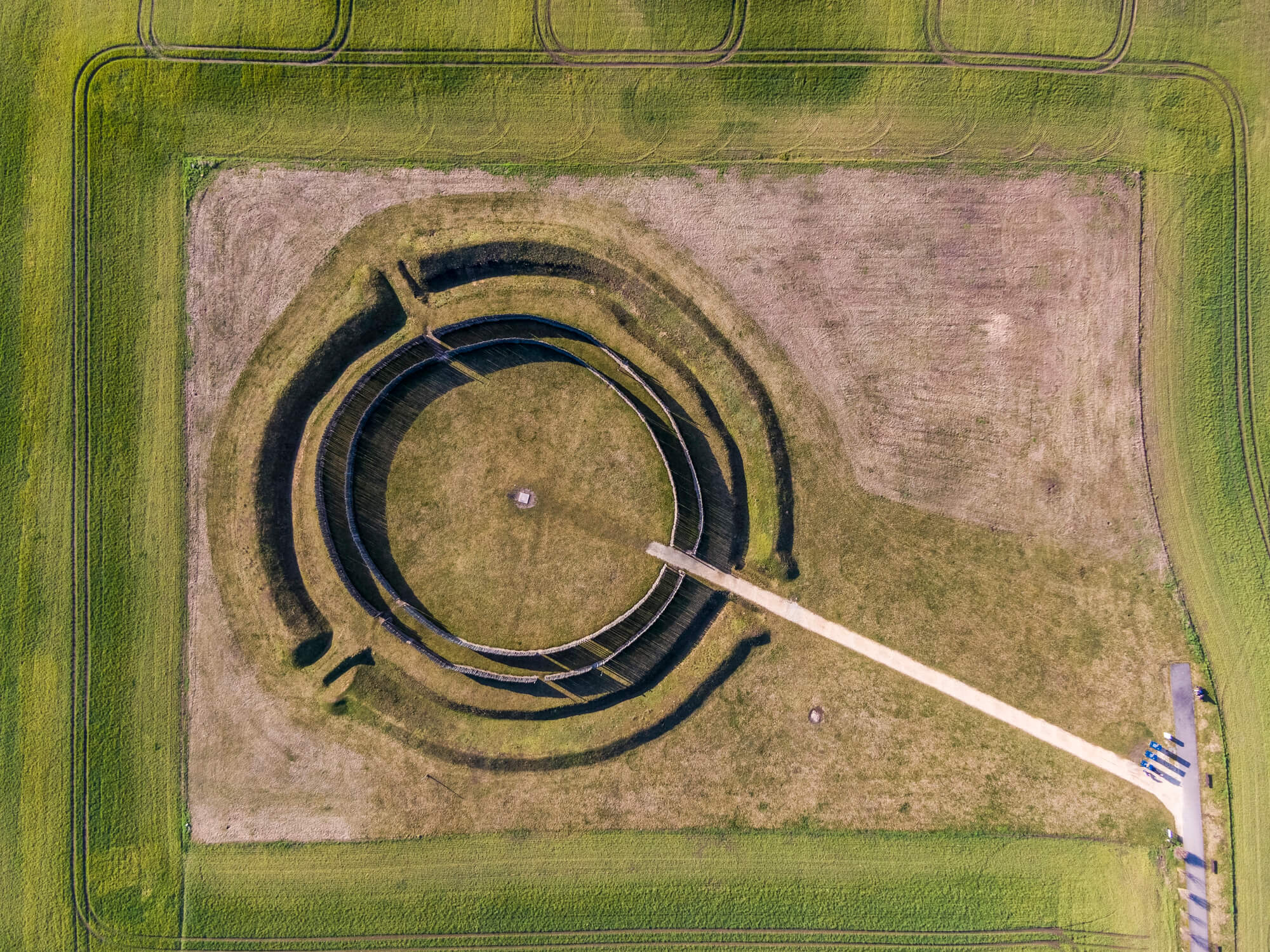
Rediscovered through aerial photography in the early 1990s and excavated in Germany’s Saxony-Anhalt region, the Goseck Circle consists of concentric ditches and palisades with gates aligned to sunrise and sunset on the winter solstice. Dated to around 4900 BCE, it is considered one of the oldest solar observatories yet found in Europe.
A reconstruction now stands on the original site and is open to visitors.
Casa Rinconada
Also in Chaco Canyon, the great kiva known as Casa Rinconada has a niche and doorway aligned so that sunlight at summer solstice sunrise strikes a specific niche on the opposite wall. Built around 1100 CE by Ancestral Puebloans, the structure measures nearly 20 meters across, making it one of the largest kivas in the region.
Its precise alignment has made it a frequent subject of archaeoastronomy studies since the 1970s.
Hovenweep Castle
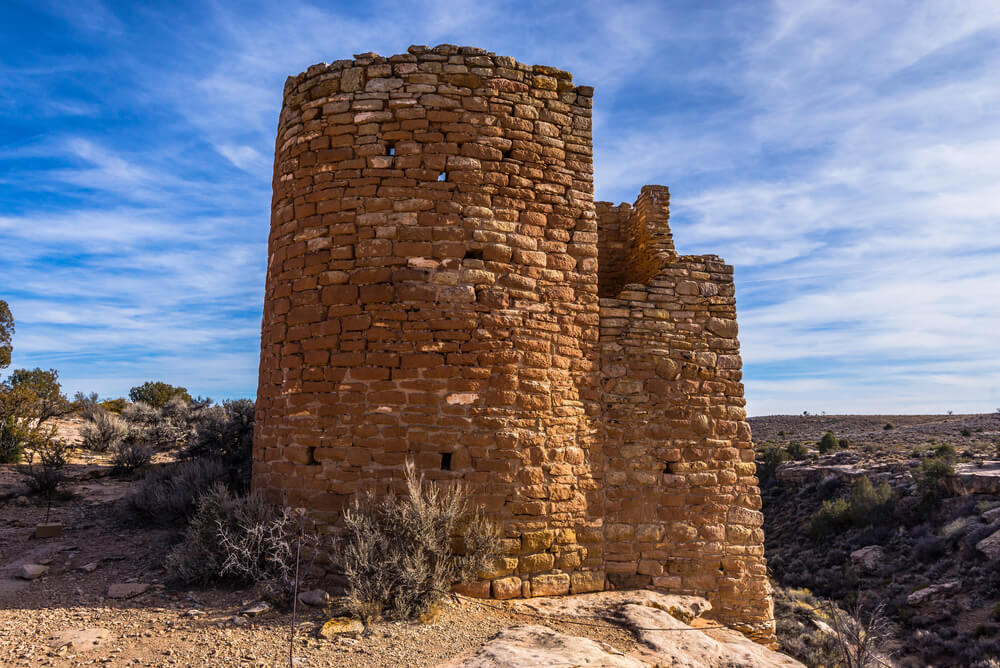
Straddling the Colorado-Utah border, Hovenweep Castle was built by Ancestral Puebloans around 1200 CE with small ports and doorways positioned to mark solstices through beams of light on interior walls. The surrounding cluster of towers suggests the site combined defensive, residential, and observational purposes.
The National Park Service now hosts solstice viewing events for the public each June.
Loughcrew Cairn T
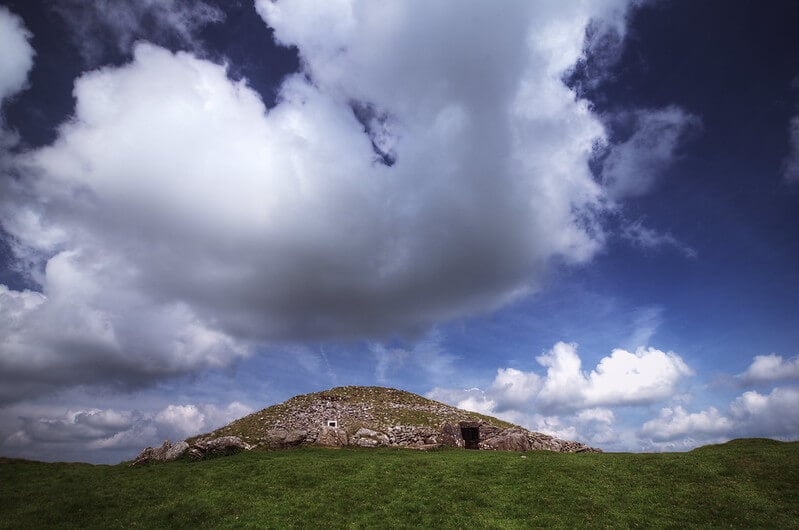
At the Loughcrew megalithic complex in County Meath, Ireland, Cairn T is aligned so that the rising sun at the spring and autumn equinoxes sends a shaft of light down its passage to illuminate carved spiral and sun-disc motifs. Built around 3300 BCE, it predates Newgrange by several generations.
Local guides still open the chamber each equinox for public viewing.
Knowth
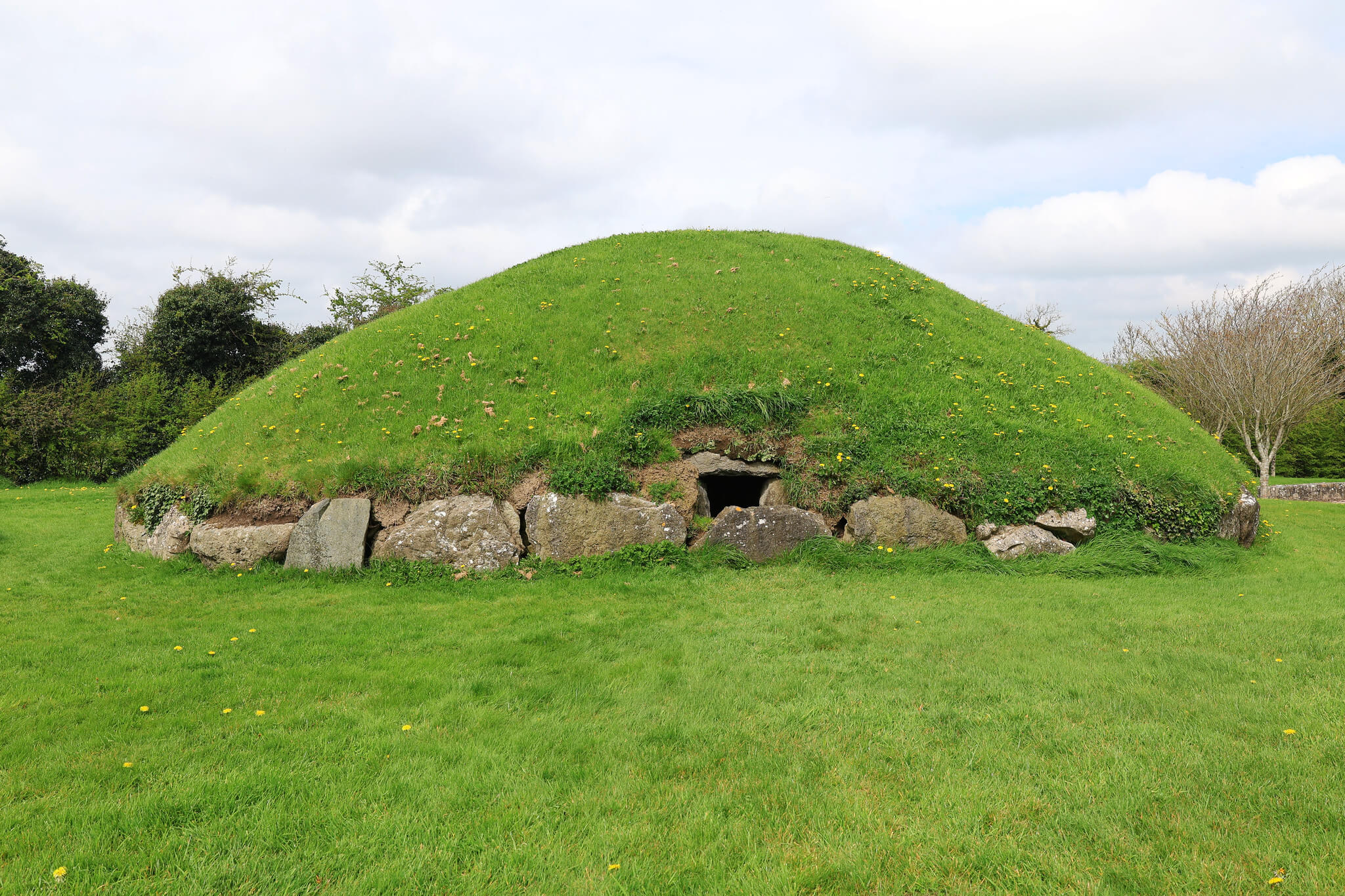
Part of the same Boyne Valley complex as Newgrange, the passage tomb at Knowth has two separate passages, one aligned to catch the equinox sunrise and the other the equinox sunset. The mound is ringed by 127 kerbstones, many carved with megalithic art, more than at any other Irish passage tomb.
Excavations begun in 1962 revealed that Knowth was reused and reshaped for millennia after its original construction around 3200 BCE.
Ales Stenar
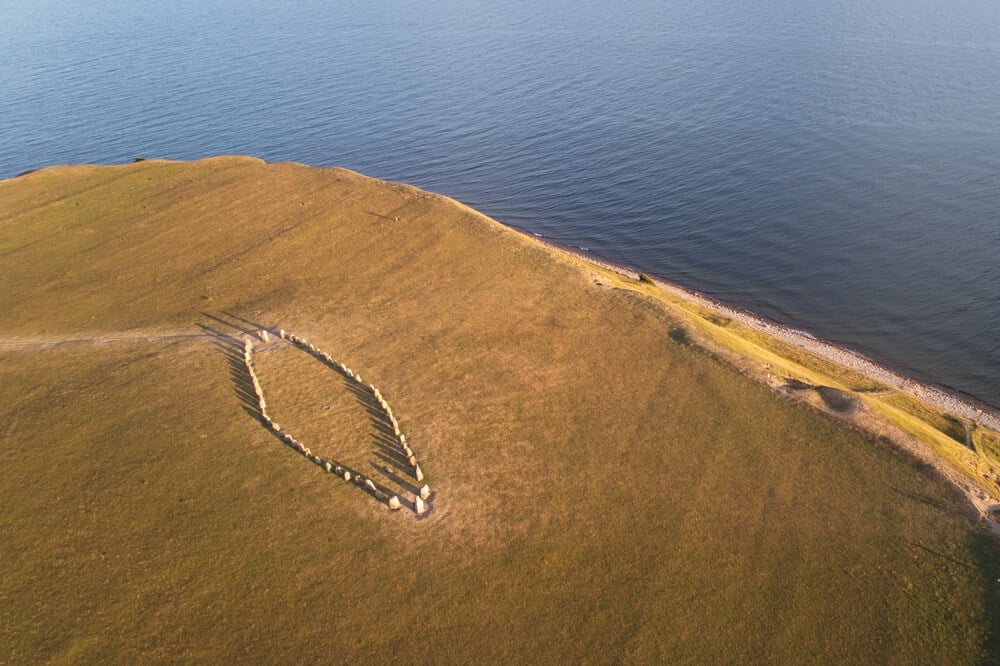
Also known as Ale’s Stones, this ship-shaped megalithic monument on Sweden’s southern coast is formed from 59 boulders and aligned along its long axis with sunset at the summer solstice and sunrise at the winter solstice. Dated to around 600 CE, its purpose remains debated between burial site, calendar, and ceremonial monument.
Its dramatic clifftop setting above the Baltic Sea has made it one of Sweden’s most visited ancient sites.
Konark Sun Temple
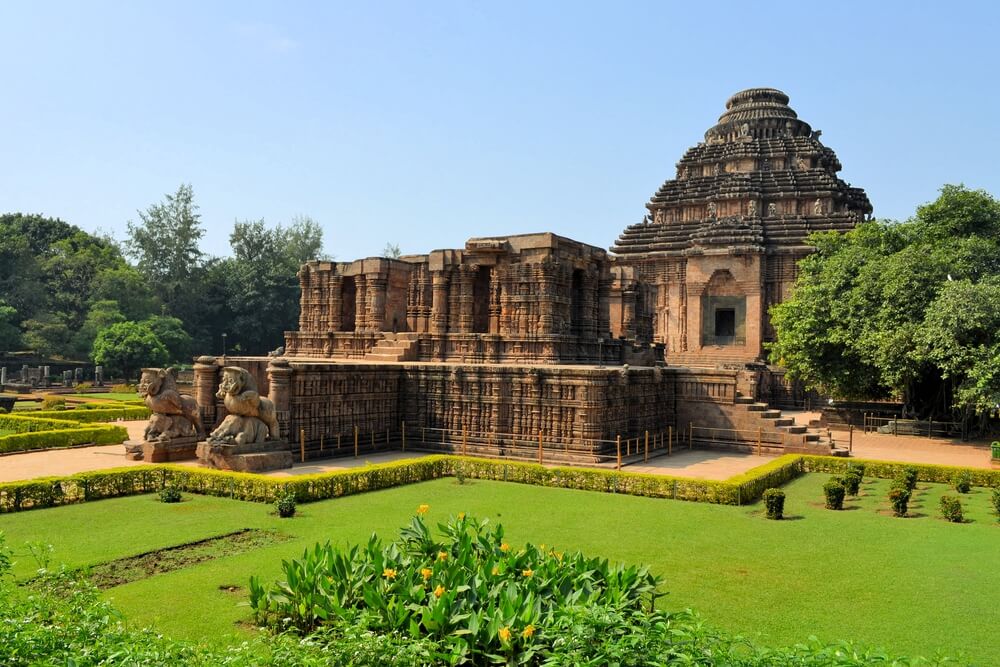
Dedicated to the Hindu sun god Surya, the thirteenth-century Konark Sun Temple in Odisha, India, was designed as a colossal stone chariot with 24 carved wheels that also functioned as sundials, accurate enough to tell time within a few minutes. The temple’s main sanctuary was oriented so that the first rays of sunrise would strike the entrance.
A UNESCO World Heritage Site since 1984, much of its original superstructure has since collapsed, though the base and hall remain.
Uxmal Governor’s Palace
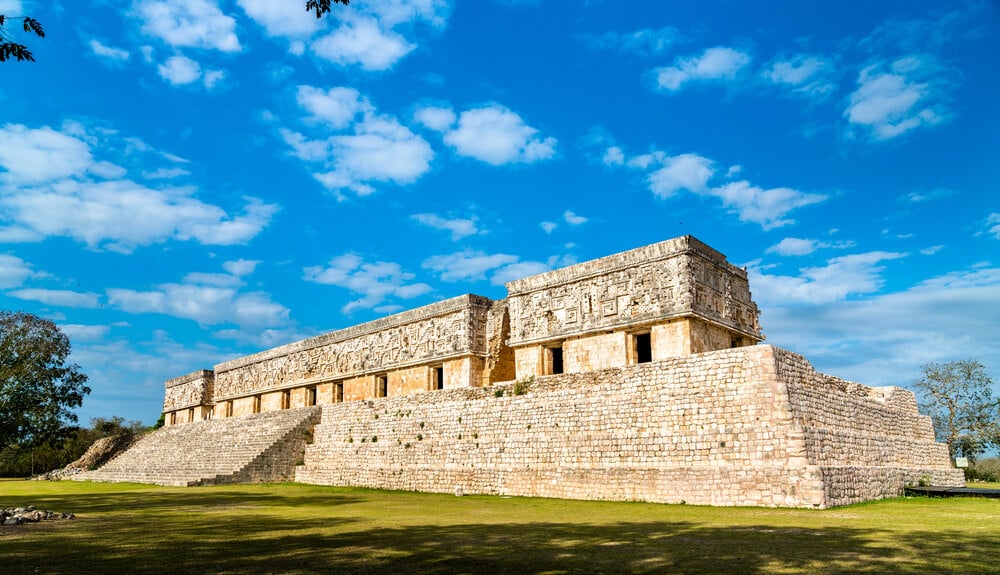
At the Maya city of Uxmal in Mexico’s Yucatan Peninsula, the Governor’s Palace was built on a raised platform and oriented so that Venus, rather than the sun alone, rises directly over a nearby pyramid on specific dates tied to the planet’s cycle. The building’s facade features thousands of carved stones forming a mosaic of Chaac, the rain god.
Its construction, dated to around 900 CE, reflects the sophisticated combined solar and planetary calendar systems of the late Classic Maya.
Nabta Playa
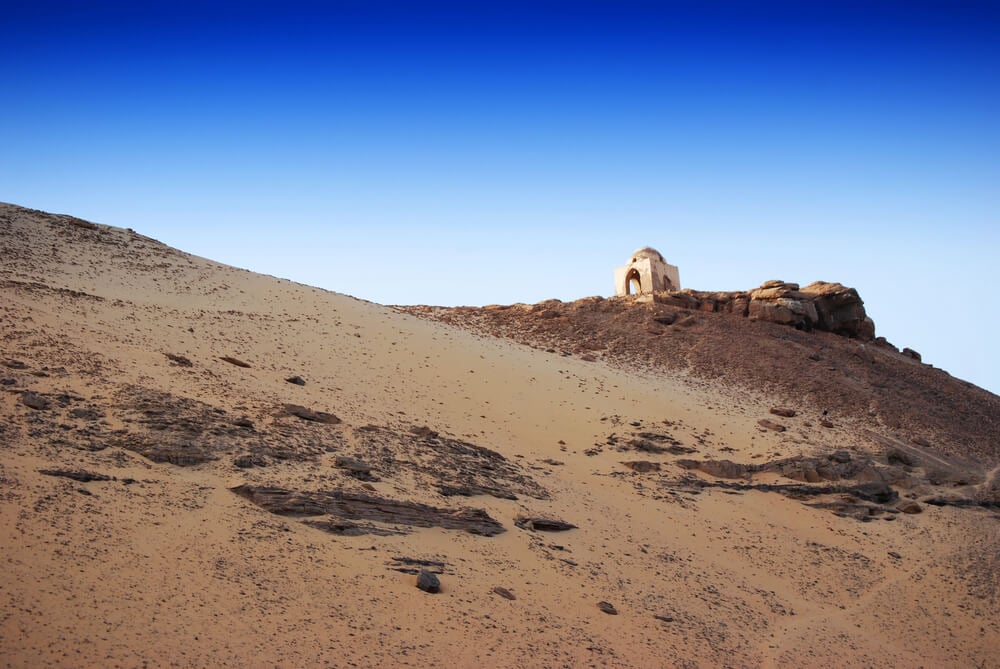
In the Nubian Desert of southern Egypt, the stone circle at Nabta Playa predates Stonehenge by roughly a thousand years, with upright slabs believed to mark the summer solstice and the annual return of monsoon rains that the surrounding cattle-herding people depended on. Discovered in the 1970s by a team led by archaeologist Fred Wendorf, it is considered one of the earliest known astronomical alignments built by humans.
The site sits in what is now one of the driest, most inhospitable parts of the Sahara.
The Sky as the First Calendar
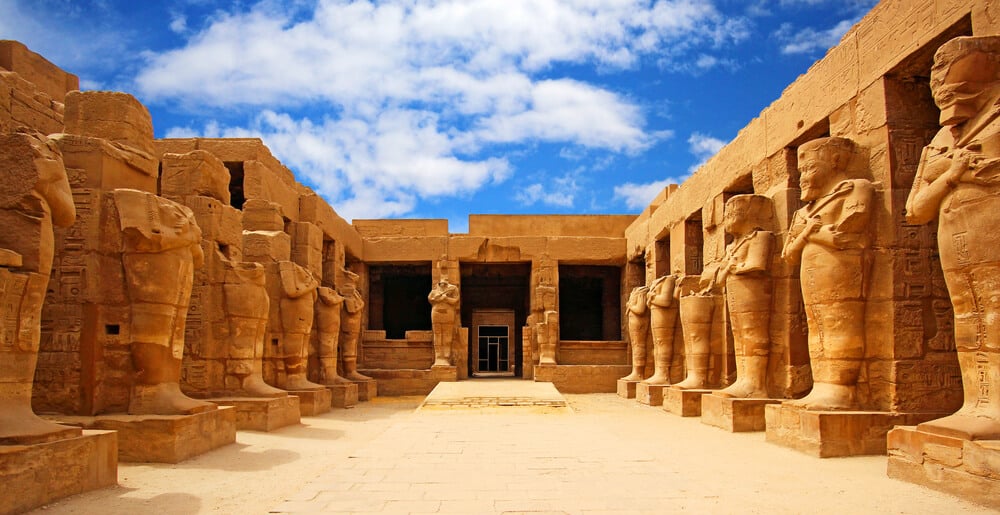
Long before writing, before metal tools, before permanent cities in some cases, people were already reading the sky with enough precision to build monuments that still work today. What these sites share is not religion or geography but a shared human insistence on knowing exactly when the year turns.
That insistence outlived the civilizations that built these monuments, and in many cases outlived their written languages and belief systems entirely. The stones remain accurate long after the reasons for their accuracy were forgotten, which may be the most quietly impressive part of the whole story.
More from Go2Tutors!

- The Romanov Crown Jewels and Their Tragic Fate
- 13 Historical Mysteries That Science Still Can’t Solve
- Famous Hoaxes That Fooled the World for Years
- 15 Child Stars with Tragic Adult Lives
- 16 Famous Jewelry Pieces in History
Like Go2Tutors’s content? Follow us on MSN.