20 Declassified Facts About Area 51 That Are Wild
Years passed with Area 51 floating somewhere near myth, half-hidden behind silence. Whispers followed it through TV reports, while supermarket magazines screamed versions of its story.
Official channels stayed quiet, saying nothing at all. A shift came in 2013 when files surfaced from the CIA – paper trails confirming what guesses had long suggested: the place truly stood.
Here’s a closer look at 20 declassified facts about Area 51 that are far stranger than fiction – and fully grounded in government records.
The CIA Did Not Officially Acknowledge It Until 2013

Although Area 51 had appeared on maps and in lawsuits for years, the CIA did not formally acknowledge its existence until August 2013. The admission came through a declassified history of the U-2 spy plane program obtained via a Freedom of Information Act request.
For nearly six decades, the government avoided even saying the name. The confirmation did not reveal everything, but it ended the long-standing official silence.
The secrecy itself helped fuel the mythology.
It Was Built for the U-2 Spy Plane
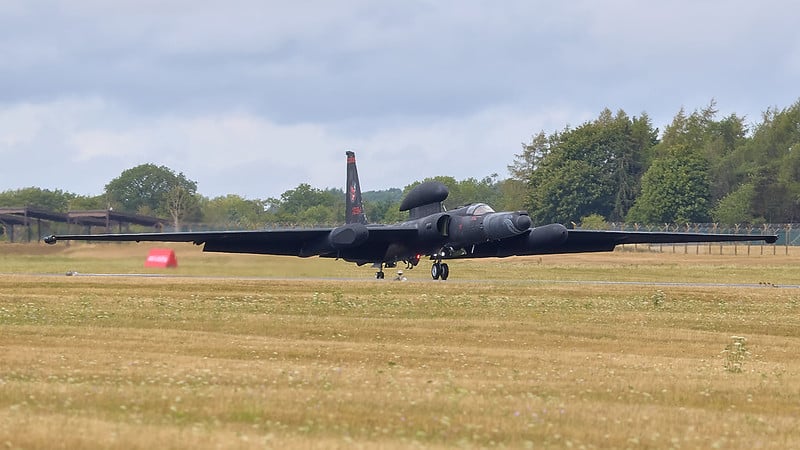
Area 51’s primary early mission was testing the U-2 reconnaissance aircraft during the Cold War. In the 1950s, the United States needed a plane capable of flying at extremely high altitudes to gather intelligence over the Soviet Union.
The remote dry lakebed at Groom Lake offered ideal conditions for long runways and discreet testing. The U-2 program shaped the base’s early identity.
Without it, Area 51 might never have existed.
Early Test Flights Sparked UFO Reports
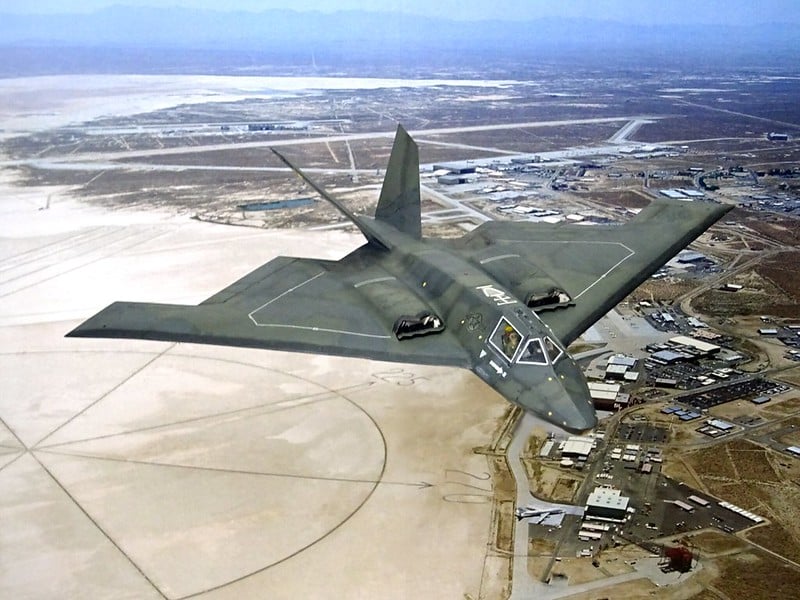
During the 1950s and 1960s, civilian airline pilots reported strange objects flying at extreme altitudes. Many of these sightings were later linked to U-2 and A-12 test flights.
At the time, commercial aircraft flew far lower than today’s jets. When a U-2 soared above 60,000 feet, it appeared otherworldly to observers.
Declassified documents show that some UFO reports were simply classified aircraft operating beyond public awareness.
It Was Originally Nicknamed ‘Paradise Ranch’
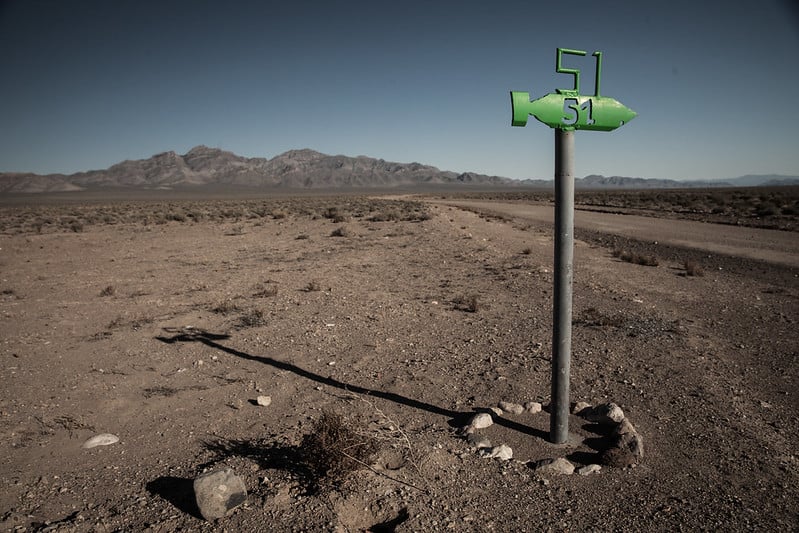
To make the remote desert location more appealing to workers, officials gave it the nickname ‘Paradise Ranch.’ The name suggested comfort rather than isolation.
In reality, the site sat in a harsh Nevada desert roughly 80 miles northwest of Las Vegas. Temperatures soared in summer and dropped sharply at night.
The nickname was more marketing than description.
Workers Were Flown in on Unmarked Planes
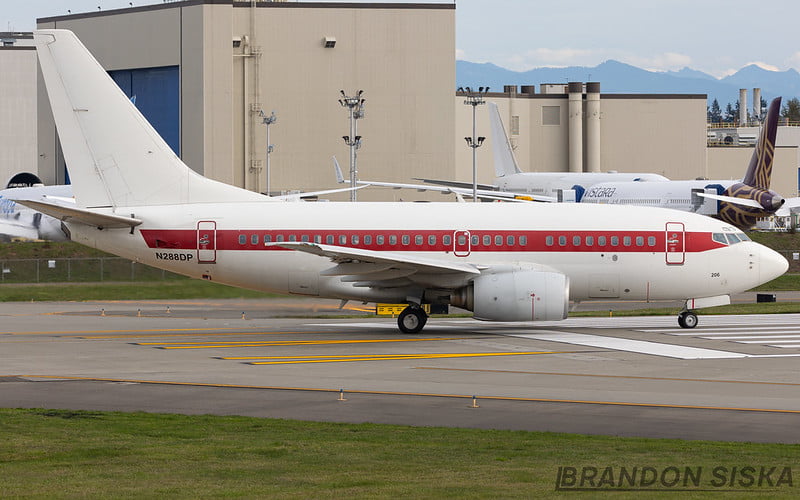
Area 51 employees did not commute by car. Declassified records confirm that workers were flown daily from Las Vegas on unmarked aircraft, often referred to as ‘Janet’ flights.
These planes operated from a private terminal at Harry Reid International Airport. Even today, white aircraft with a red stripe make the trip.
The air commute helped maintain secrecy and controlled access.
The Base Was Chosen for Its Isolation
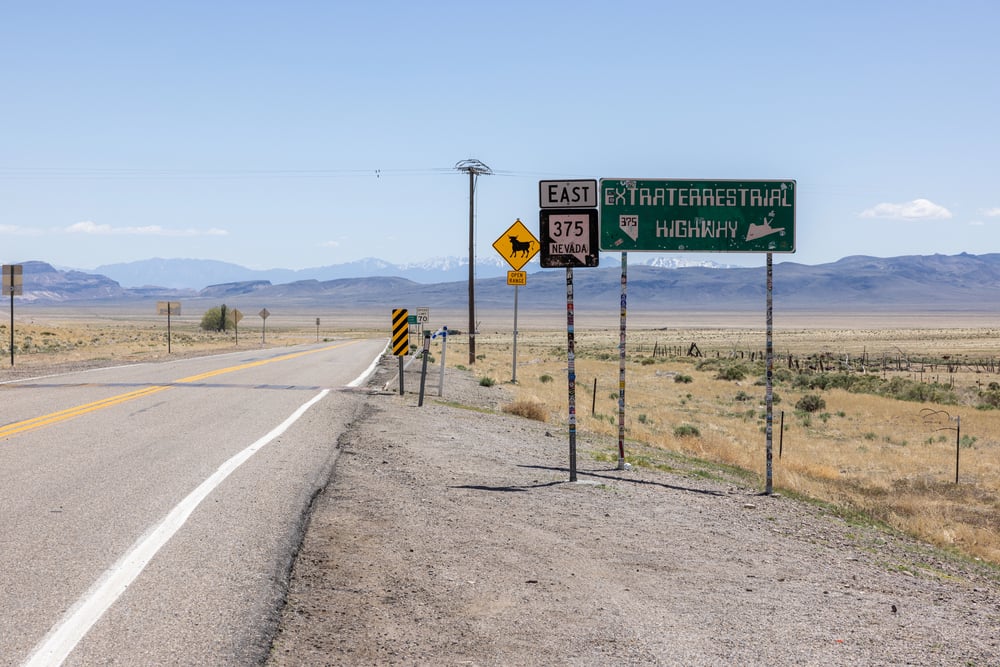
Far from busy areas, Groom Lake stood out. Hidden by peaks and government territory, sight lines were blocked without effort.
Quiet kept things unseen. Far from crowded places, the spot stayed hidden back then.
A flat expanse of cracked earth worked just fine for landings. Not machines, but location made the difference.
During that decade, eyes from above did not sweep the ground.
It Helped Develop the A-12 Oxcart
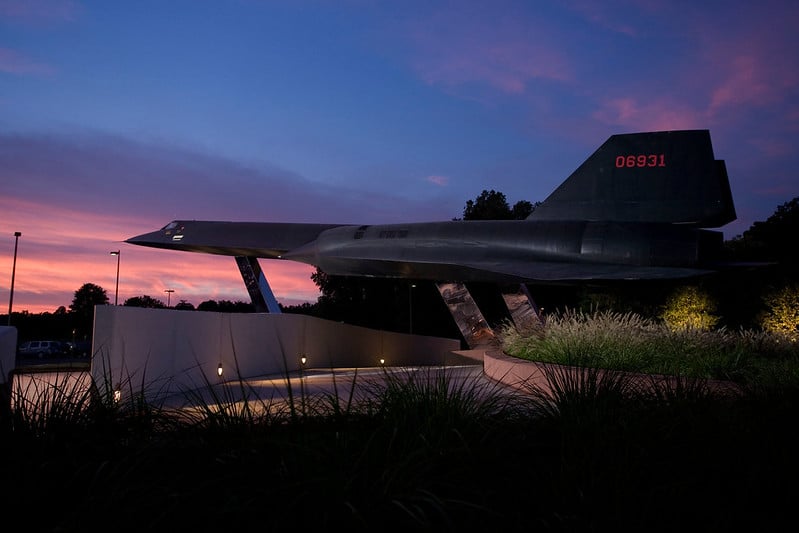
After the U-2, Area 51 became the testing ground for the A-12 Oxcart, a high-speed reconnaissance aircraft capable of exceeding Mach 3. The program required extensive secrecy due to its advanced design.
The A-12 pushed engineering limits in speed and altitude. Declassified histories reveal the intense challenges engineers faced, including managing extreme heat generated during flight.
The SR-71 Blackbird’s Roots Trace Back There
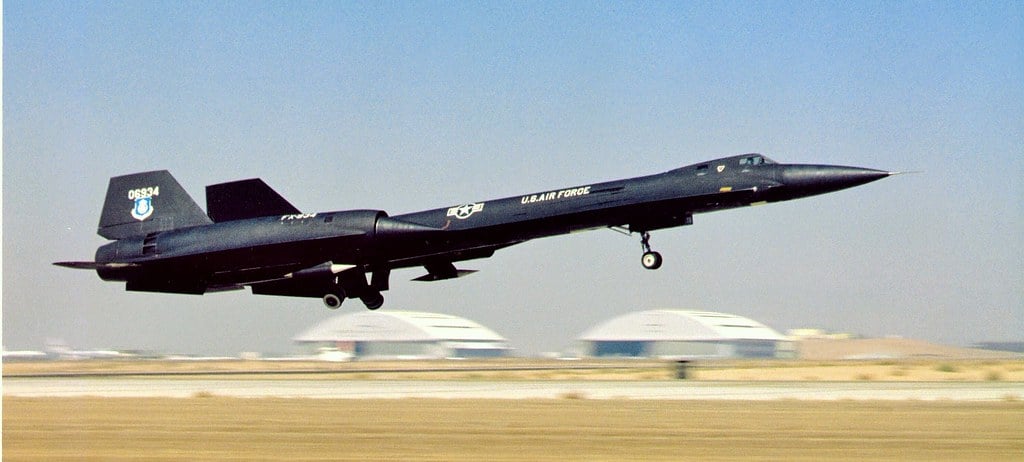
Few realize how quiet tests at Groom Lake shaped what came later. From those hidden runs emerged tools that pushed speed beyond past limits.
What flew in secret helped define a new era of flight. What stands out is how Area 51 was really just a test site for advanced planes, not mysteries.
Amazing machines filled the skies there – no strange events needed.
It Was Hidden on Maps for Decades
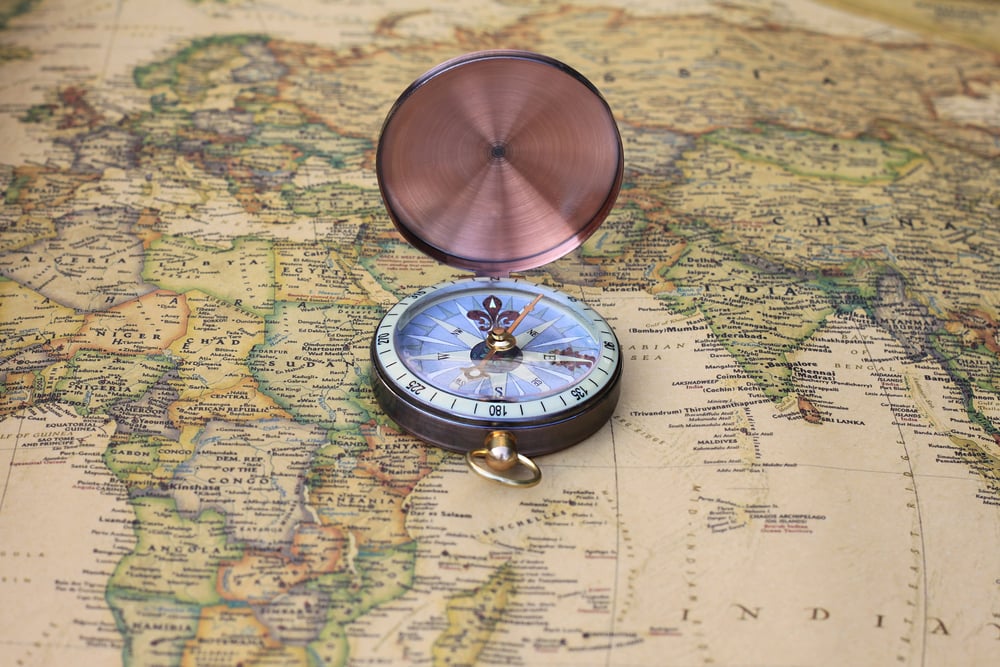
For years, official maps omitted detailed references to the facility. Even though satellite imagery eventually revealed the layout, formal documentation remained sparse.
The omission created an unusual situation where a large installation physically existed but remained administratively vague. The absence fed speculation, even as development continued.
It Expanded Significantly During the Cold War
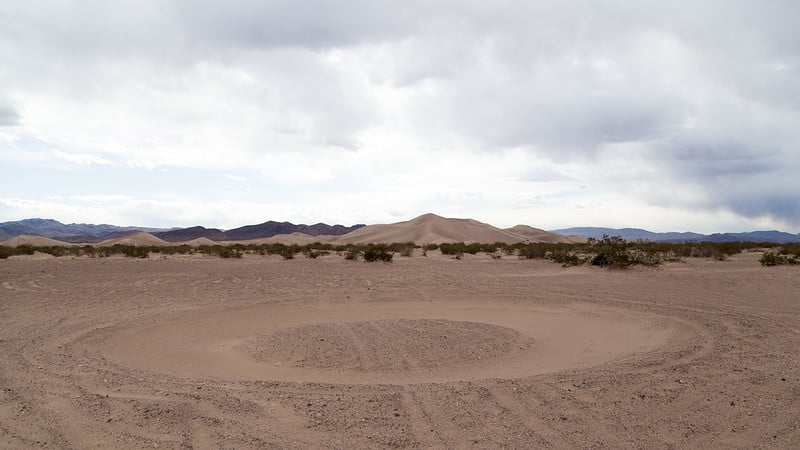
Declassified satellite imagery and government records show that Area 51 expanded multiple times throughout the Cold War. Runways were lengthened, hangars added, and infrastructure upgraded.
Each expansion reflected evolving aviation projects. The growth pattern mirrored escalating technological competition with the Soviet Union.
The Government Quietly Expanded Restricted Airspace
To protect classified test flights, the U.S. government expanded restricted airspace around Groom Lake. The area, known as R-4808N, became one of the most tightly controlled sections of sky in the country.
This measure prevented civilian aircraft from approaching too closely. It also reinforced the sense of mystery surrounding the base.
Environmental Lawsuits Revealed Operations

In the 1990s, former workers filed lawsuits claiming exposure to hazardous materials during classified projects. While details of the materials remained limited, court documents confirmed the existence of burn pits used to dispose of waste.
The lawsuits prompted presidential exemptions shielding certain operations from environmental disclosure requirements. Even legal disputes added layers to the story.
It Is Not Technically Called ‘Area 51’
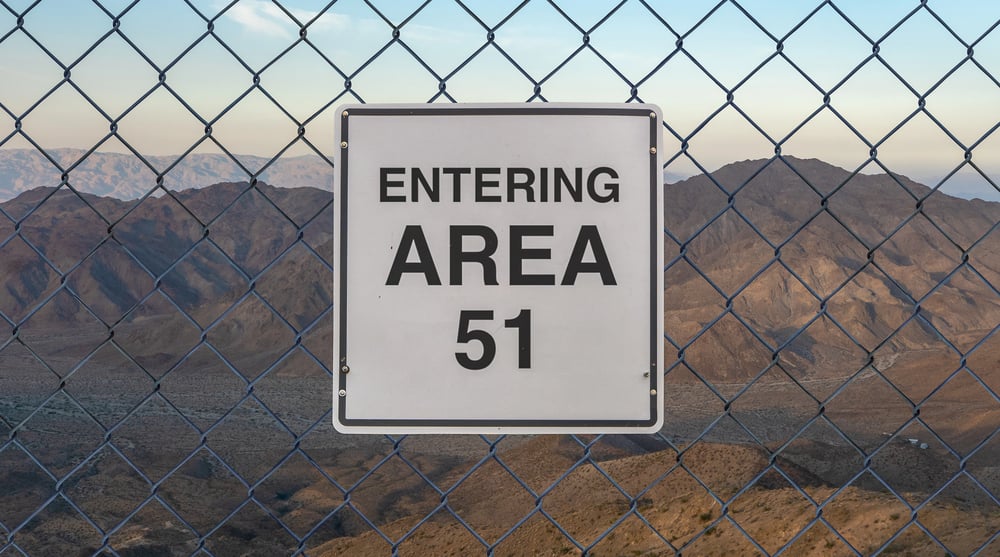
The name ‘Area 51’ originated from Atomic Energy Commission maps dividing the Nevada Test Site into numbered sections. Internally, the facility has gone by multiple designations.
The popular label stuck, but it was never the official operational name. The numbering system was bureaucratic rather than dramatic.
Soviet Satellites Likely Photographed It
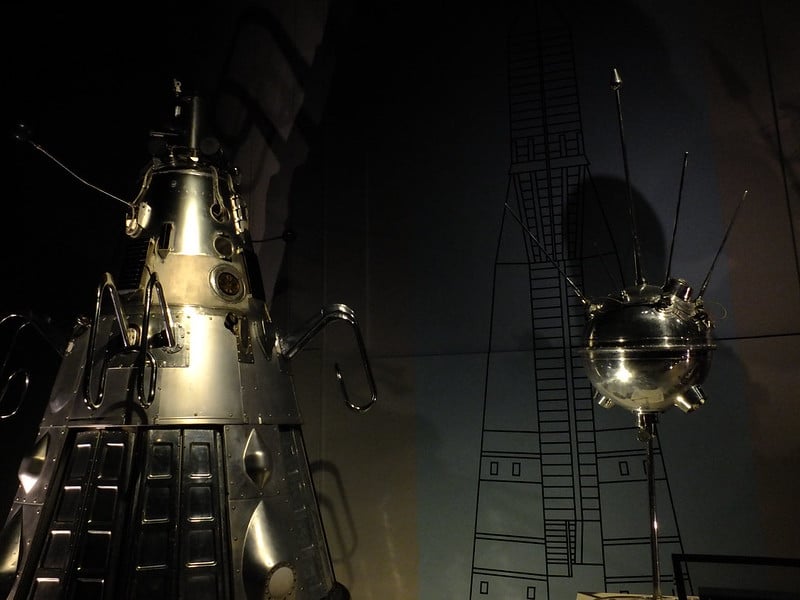
By the 1960s, Soviet reconnaissance satellites were capable of photographing portions of the American Southwest. Declassified intelligence histories suggest that the base was almost certainly observed from space.
The irony is striking. While Americans speculated wildly about the site, rival superpowers were studying it through orbital lenses.
It Was Critical to Stealth Technology Development
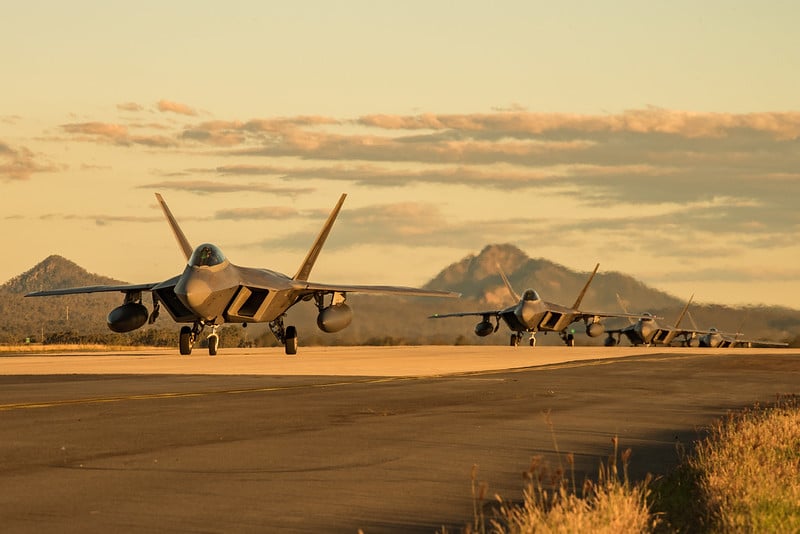
Though details remain limited, Area 51 played a role in testing early stealth aircraft prototypes, including precursors to the F-117 Nighthawk.
The concept of aircraft designed to evade radar detection represented a major strategic shift. The secrecy surrounding stealth programs added another layer to the base’s reputation.
The Base Has Its Own Fire Department
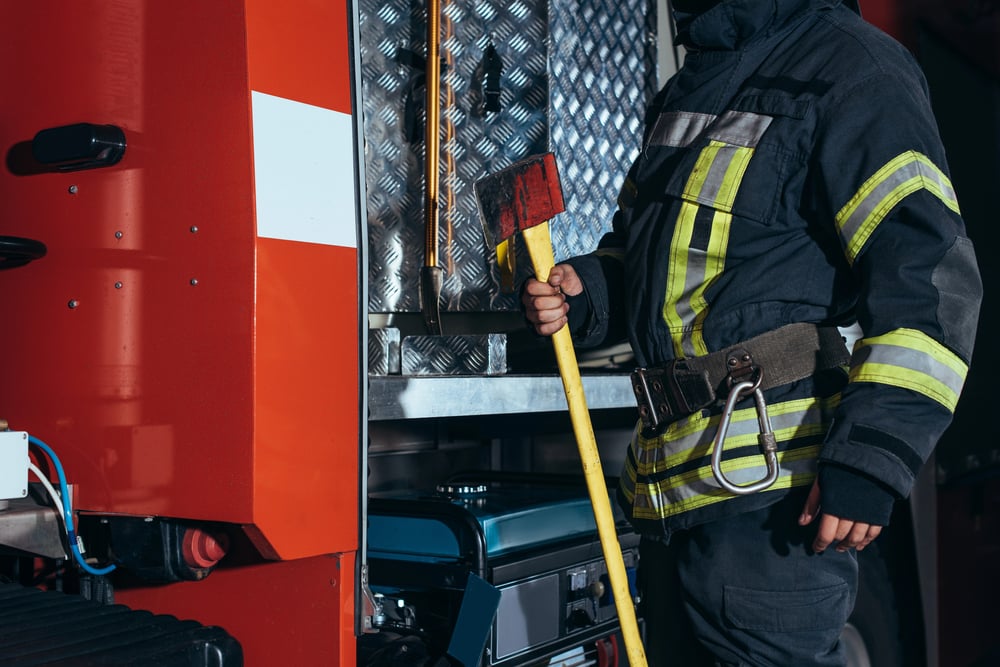
Declassified planning documents show that Area 51 maintains emergency services, including fire response units. Given the high-risk nature of experimental aircraft testing, this infrastructure was essential.
The presence of such services highlights how the base functions like a small, self-contained community despite its secrecy.
It Was Linked to the Nevada Test Site
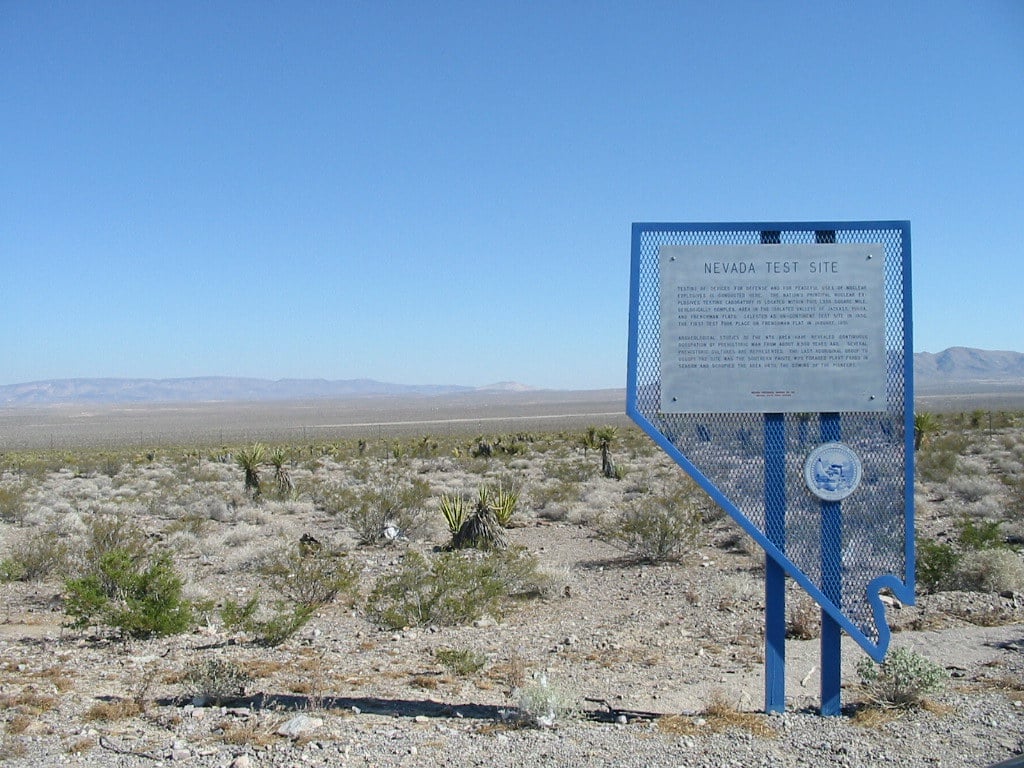
Area 51 sits adjacent to what was once the Nevada Test Site, where nuclear weapons were tested. While the missions were separate, proximity increased security and restricted access.
The broader region was already under tight federal control, making it easier to conceal additional operations.
Pilots Signed Strict Secrecy Agreements
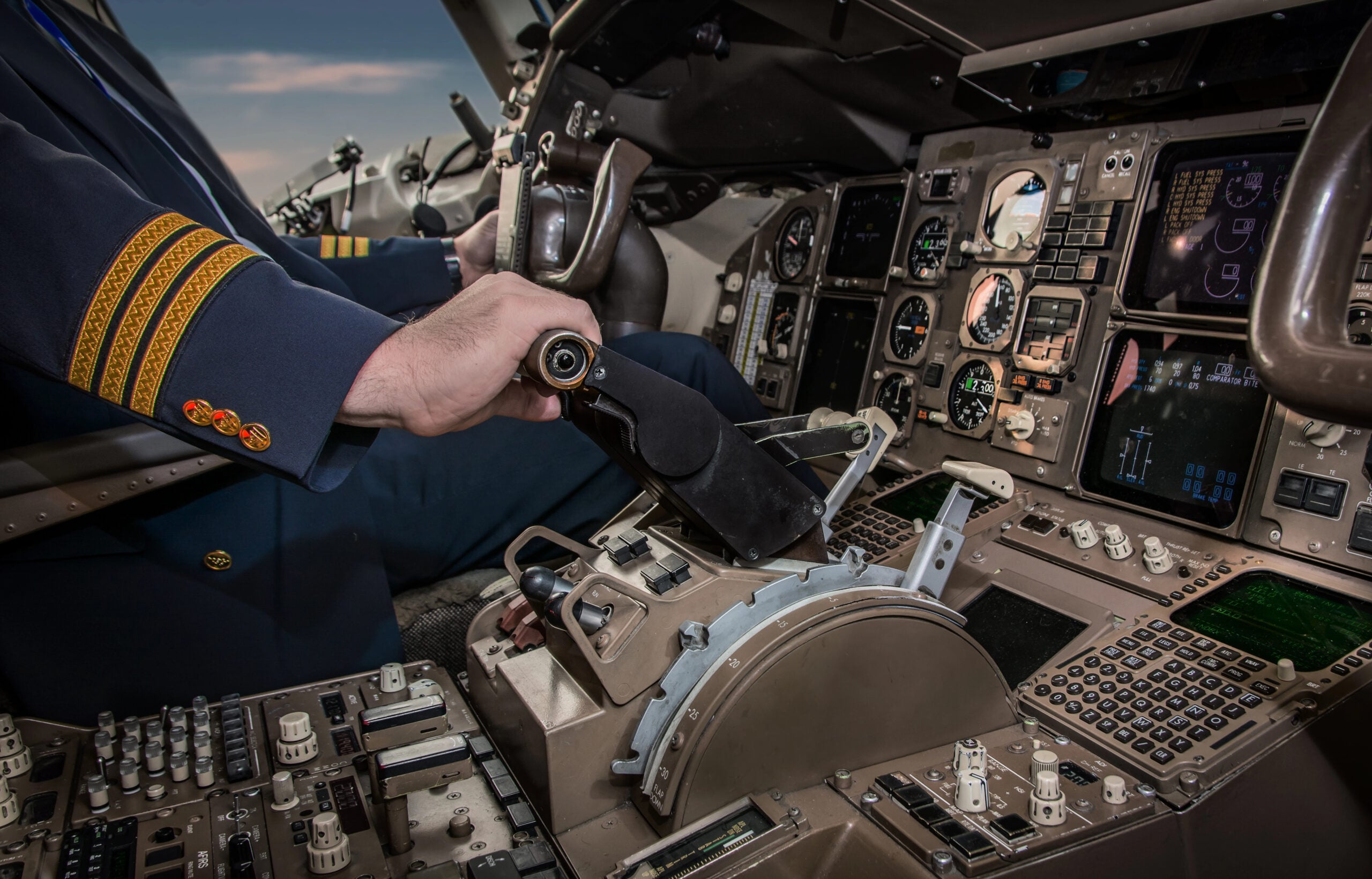
Test pilots working at Groom Lake signed extensive confidentiality agreements. Many did not publicly discuss their roles for decades.
The culture of silence extended beyond formal classification. Careers depended on discretion, reinforcing the mystique.
The Runway Is Exceptionally Long
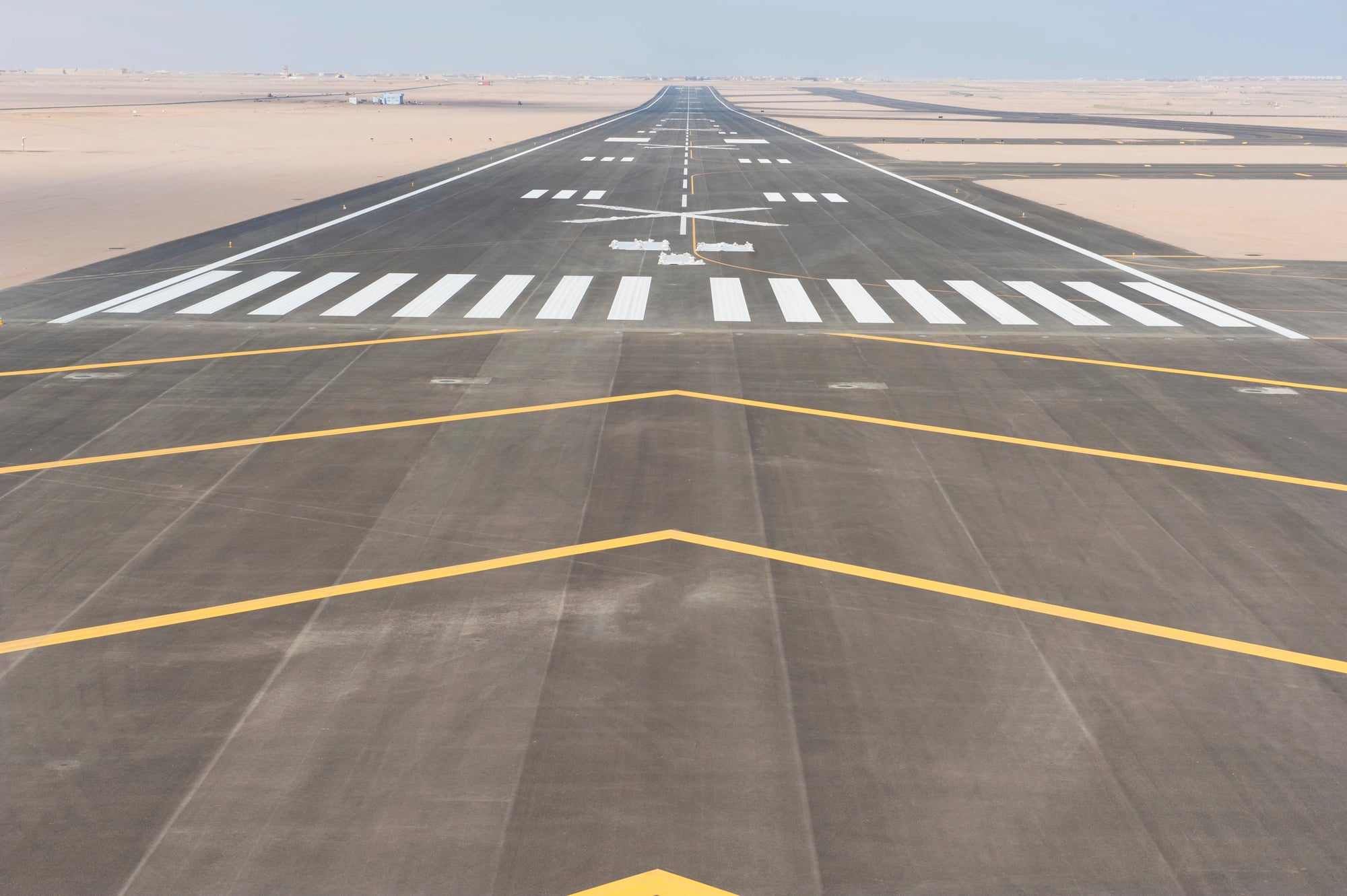
Running for miles across the desert floor, satellite data reveals the primary runway at Groom Lake built long enough to handle fast-moving test planes during liftoff and touchdown.
Out on the field, how big something looks ties back to what the plane must do. Up close, decisions that seem bold at a distance usually make plain sense.
The Mystery Was Amplified by Silence
Years went by without any word from officials about Area 51, so people made up their own stories. When secret papers finally came out, it turned out the place was used for testing high-tech aircraft.
Far from wild guesses, what really happened leaned heavily on complex machinery and intense pressure of its time. Instead of alien meetings, it unfolded through bold design choices made fast, driven by a world tense with rivalry.
When Secrecy Becomes Symbol
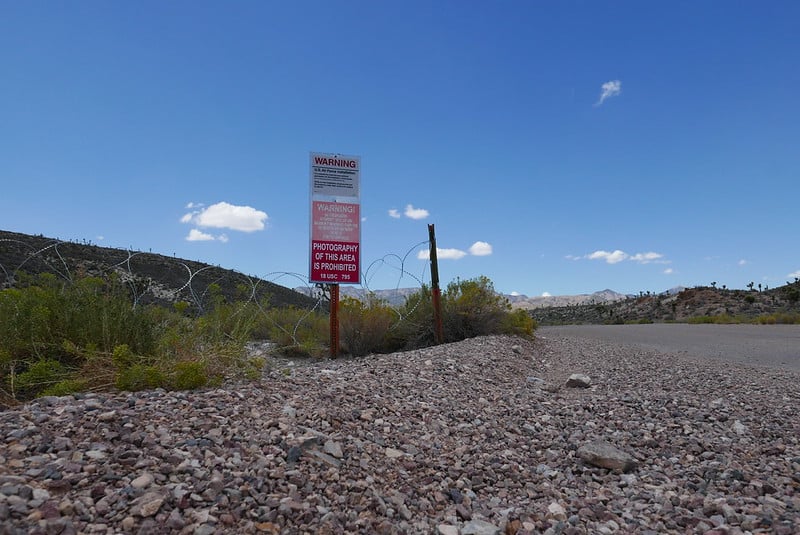
Fences surround it, yet nobody has left it behind – Area 51 operates now just as before, its truths leaking out slowly through old files set free long after events unfold. Far from sight, activity hums on, pushed forward not by noise but silence, guided always by the quiet aim of moving ahead while staying unseen.
A single sheet can shift your view of the whole region. Less about gossip, more a proving stretch where failure carries weight.
The myth around the remote outpost grows not from hidden caches below, but walls aboveground that turned folks away. Most memorable is the drive – sharp, never wavering – toward machines meant to beat time itself.
More from Go2Tutors!

- The Romanov Crown Jewels and Their Tragic Fate
- 13 Historical Mysteries That Science Still Can’t Solve
- Famous Hoaxes That Fooled the World for Years
- 15 Child Stars with Tragic Adult Lives
- 16 Famous Jewelry Pieces in History
Like Go2Tutors’s content? Follow us on MSN.