20 Items From the ’80s Now Rarely Seen
Do you recall the decade with the futuristic-looking technology, neon everything, and big hair? In addition to leaving us with enduring cultural landmarks, the 1980s generated a number of commonplace objects that are now all but extinct.
These artifacts, which range from fashion to entertainment to home appliances, demonstrate how swiftly our world is changing. Here is a list of 20 1980s items that are rarely seen now, each of which captures a little of nostalgic America that may never be seen by younger generations.
Cassette Tapes

Those rectangular plastic cases housing magnetic tape were once the primary way people enjoyed portable music. You’d spend hours carefully curating mixtapes for friends, using pencils to wind loose tape back into place, and accepting the inevitable sound degradation after repeated plays.
Today’s digital streaming makes the tactile experience of cassettes seem charmingly primitive yet oddly more personal.
Pay Phones
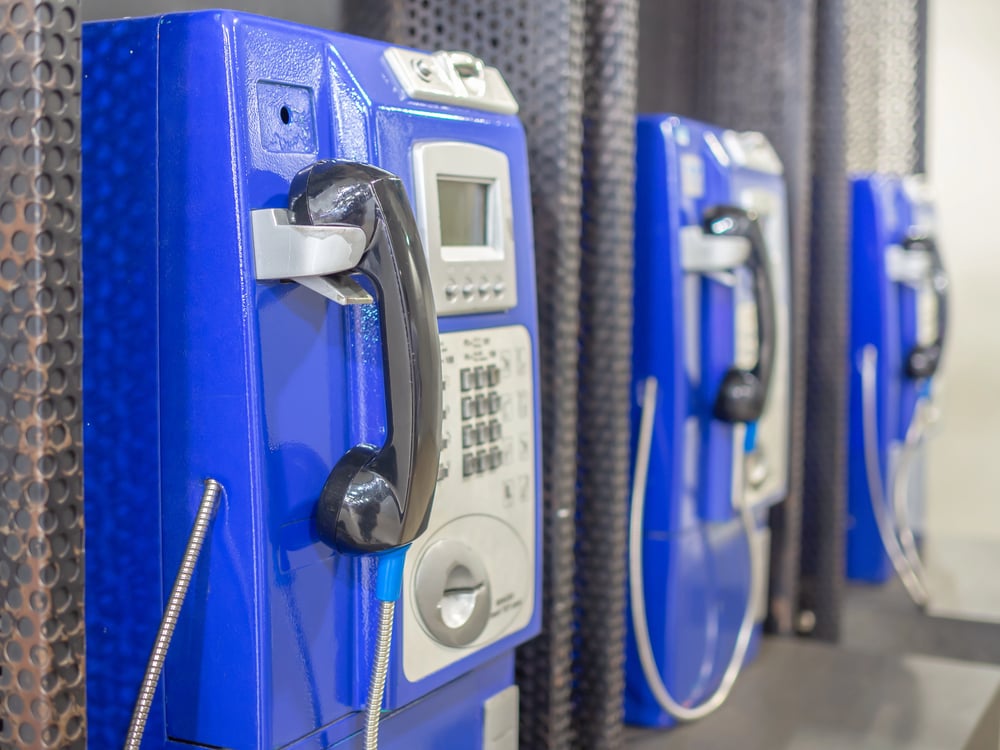
In the past, these communication stations were placed in every public building and on street corners as sentries. When people needed to make calls away from home, they would frantically look for a place to stay and frequently wait impatiently as strangers engaged in lengthy talks.
Cell phones have replaced the unique sound of coins dropping and the identifiable smell of the claustrophobic booths.
Like Go2Tutors’s content? Follow us on MSN.
VHS Tapes
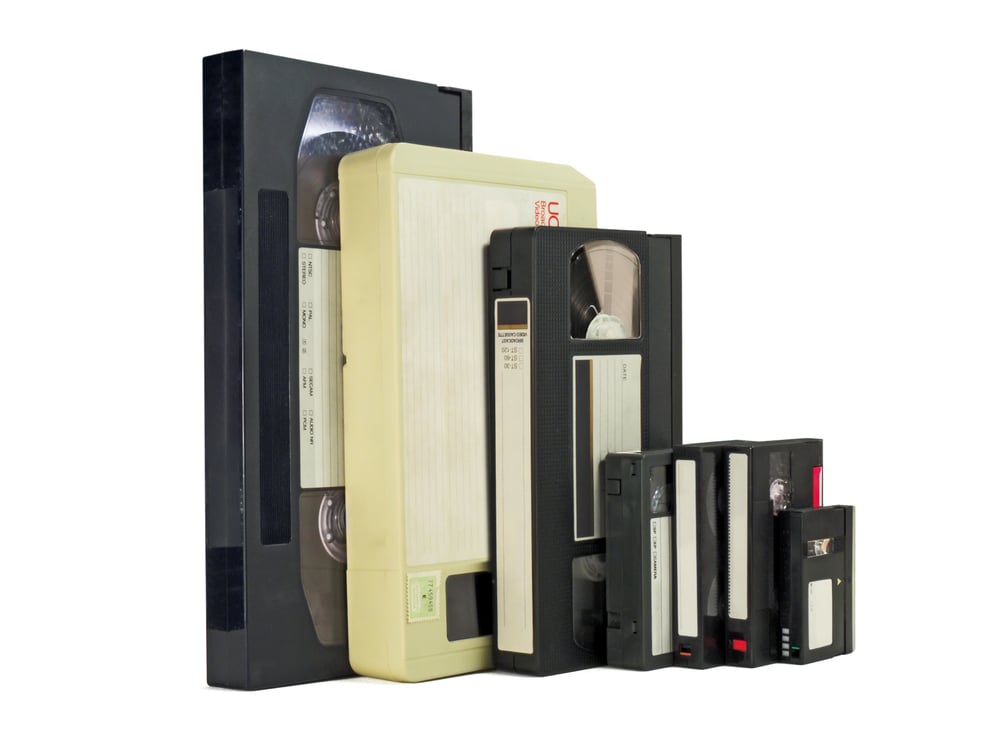
These bulky rectangles revolutionized home entertainment, allowing people to watch movies whenever they wanted or record television shows for later viewing. Families would make weekly pilgrimages to video rental stores, carefully selecting weekend entertainment while being reminded to ‘be kind, rewind.’
The grainy quality and tracking issues seem archaic compared to today’s crystal-clear streaming services.
Rolodex
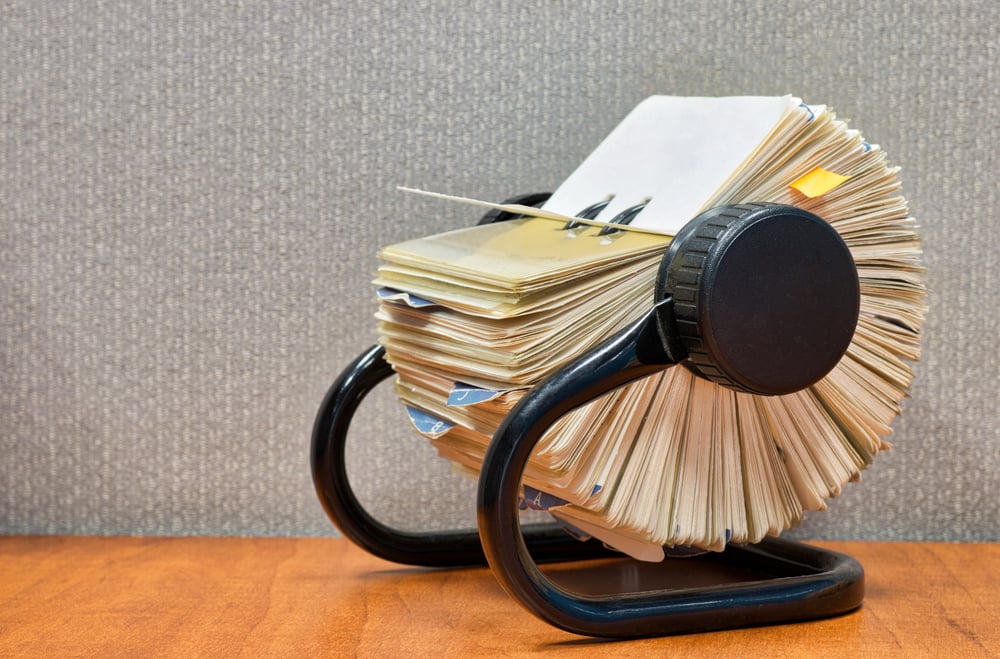
Before digital contact management, these rotating card files sat prominently on desks everywhere, containing handwritten names, addresses, and phone numbers. Business professionals would proudly display their expanding Rolodexes as evidence of their growing professional networks.
The physical act of flipping through cards to find contact information has been replaced by instantaneous digital searches.
Floppy Disks
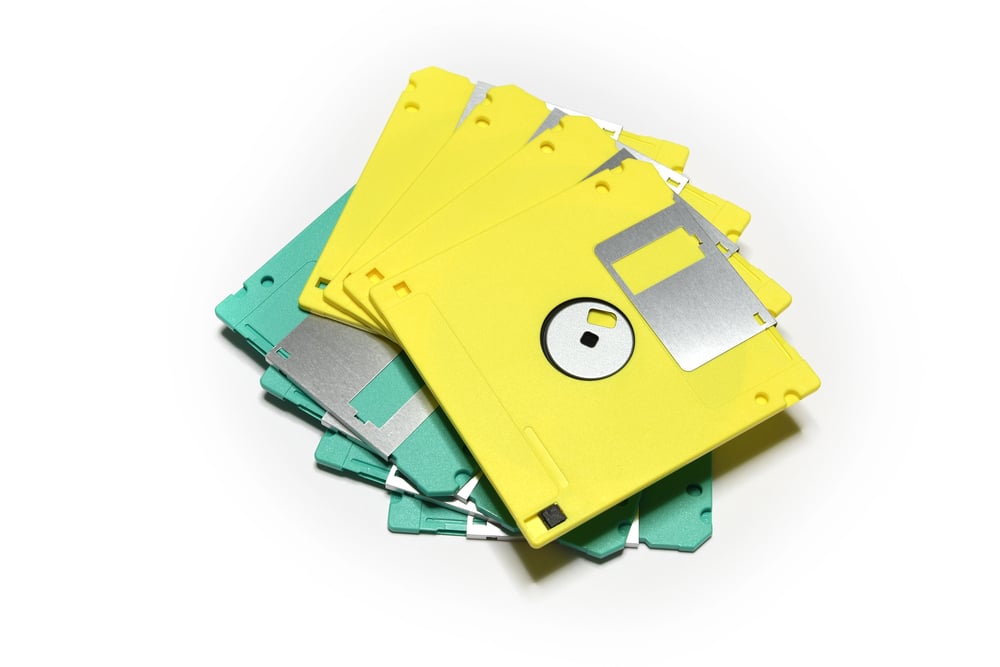
These square storage devices with their sliding metal covers were once cutting-edge technology for data storage. Computer users would carefully label and store collections of floppies containing precious documents and programs.
Their limited storage capacity—typically 1.44 megabytes—seems laughably small compared to today’s terabyte drives and cloud storage solutions.
Like Go2Tutors’s content? Follow us on MSN.
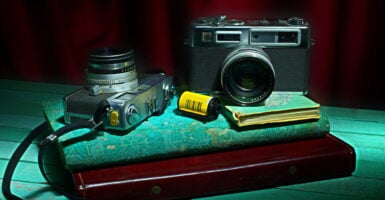
Film Cameras
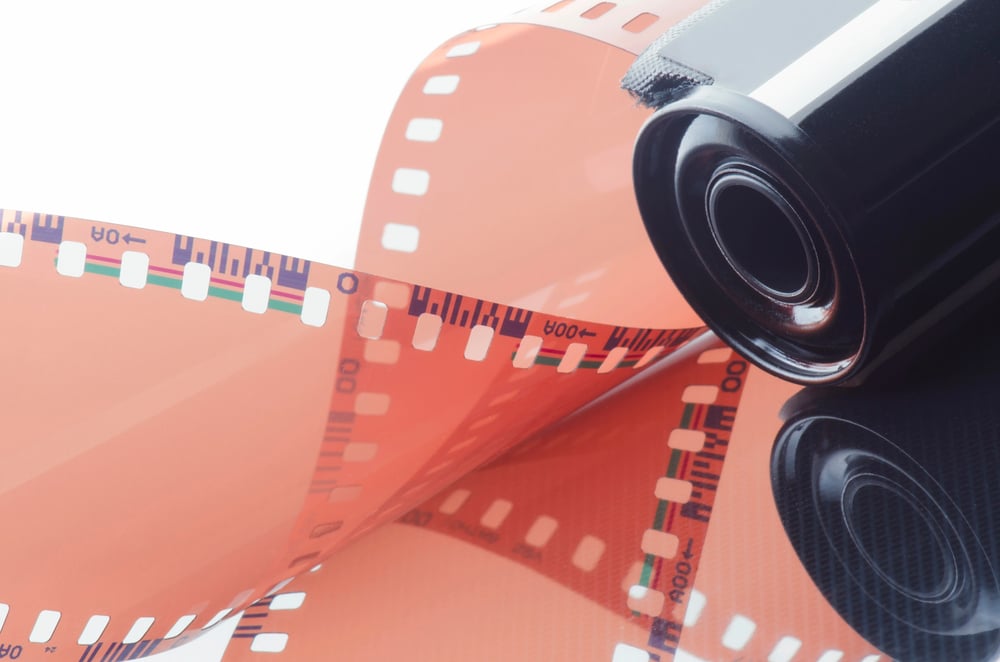
Before digital photography, these devices required genuine skill and patience. Photographers would carefully compose shots, knowing each frame cost money to develop and couldn’t be deleted if it turned out poorly.
The anticipation of waiting days to see your vacation photos created a sense of suspense that’s lost in today’s world of instant gratification and infinite retakes.
Answering Machines
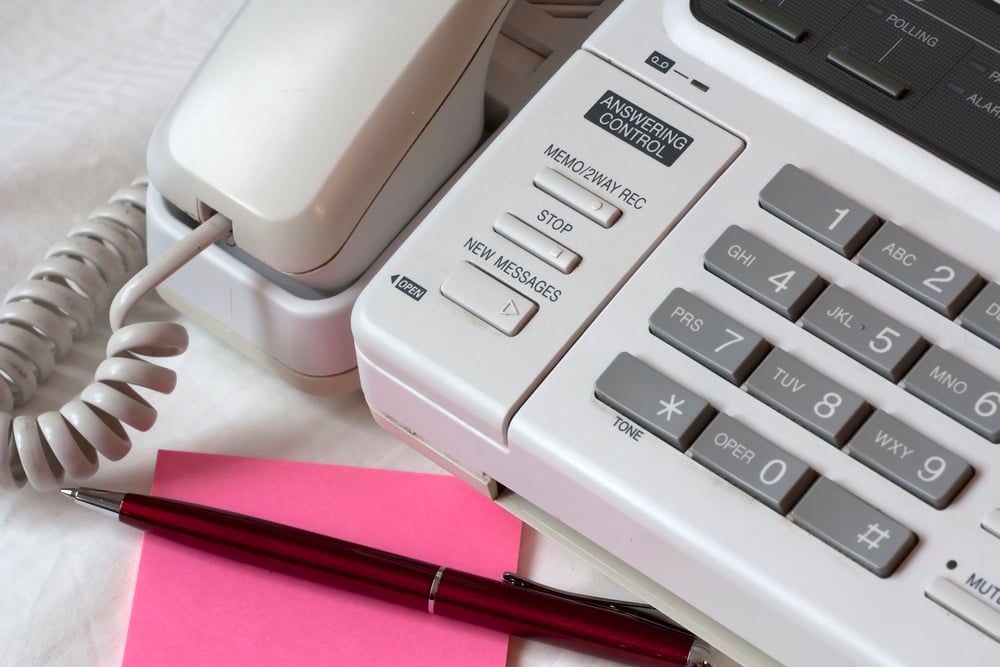
These dedicated devices would capture missed calls with their distinctive beep followed by callers leaving messages on actual tape. People would rush home to check their blinking red lights, sometimes playing messages aloud for everyone to hear.
The anxiety of public message-checking has evolved into the private experience of scrolling through texts and voicemails on personal devices.
Card Catalogs
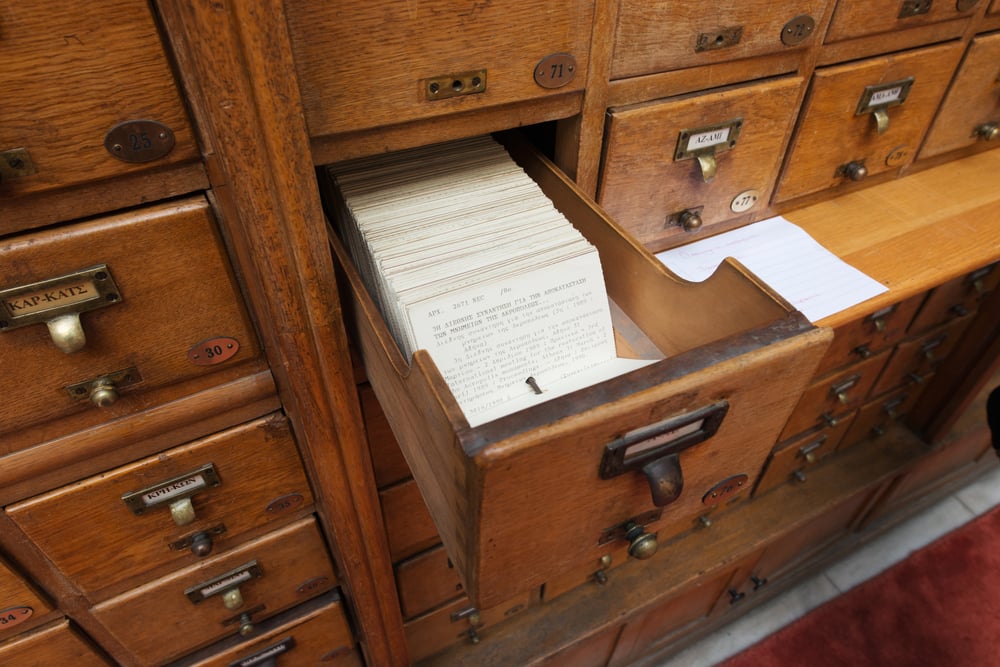
Libraries once housed massive wooden cabinets filled with thousands of meticulously organized index cards describing every book in their collection. Students and researchers would pull out small drawers and flip through cards to locate materials.
The satisfying tactile experience of browsing these catalogs has been replaced by digital search systems that, while more efficient, lack the same sense of discovery.
Like Go2Tutors’s content? Follow us on MSN.
Nintendo Game Cartridges

These plastic rectangles transformed home gaming, bringing arcade-quality entertainment into living rooms across America. Kids would blow into cartridges when games glitched, convinced this mysterious ritual would fix connection problems.
The physical ownership of games has largely given way to digital downloads, eliminating both the frustration of malfunctioning hardware and the joy of cartridge collecting.
Dot Matrix Printers
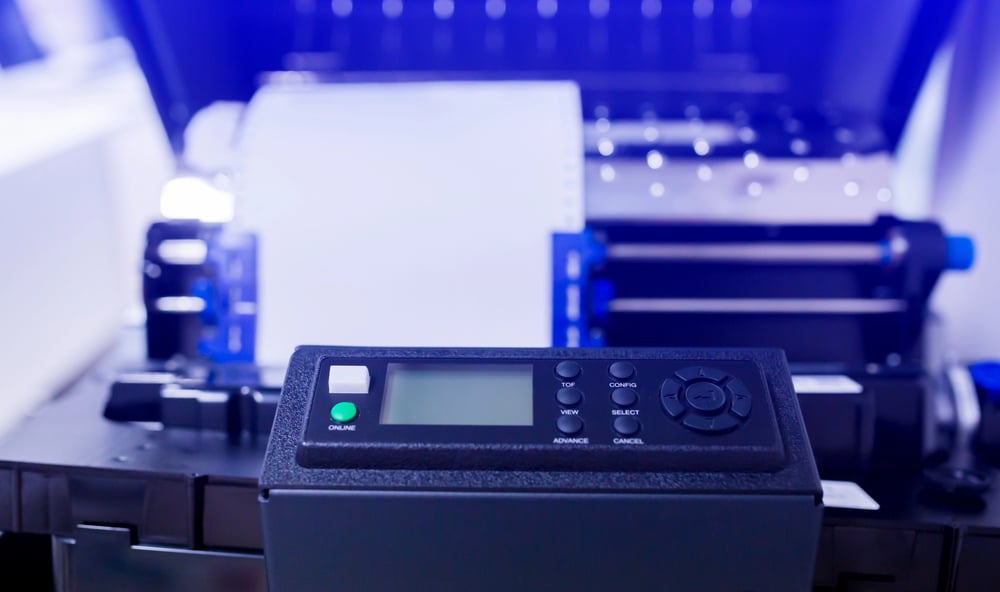
These noisy printing machines created documents by striking pins against an ink ribbon, producing distinctive perforated-edge paper with visible dots forming each character. Offices would reverberate with their characteristic whining and chattering sounds during busy periods.
The slow, methodical printing process seems almost meditative compared to today’s nearly silent, lightning-fast laser printers.
Pagers
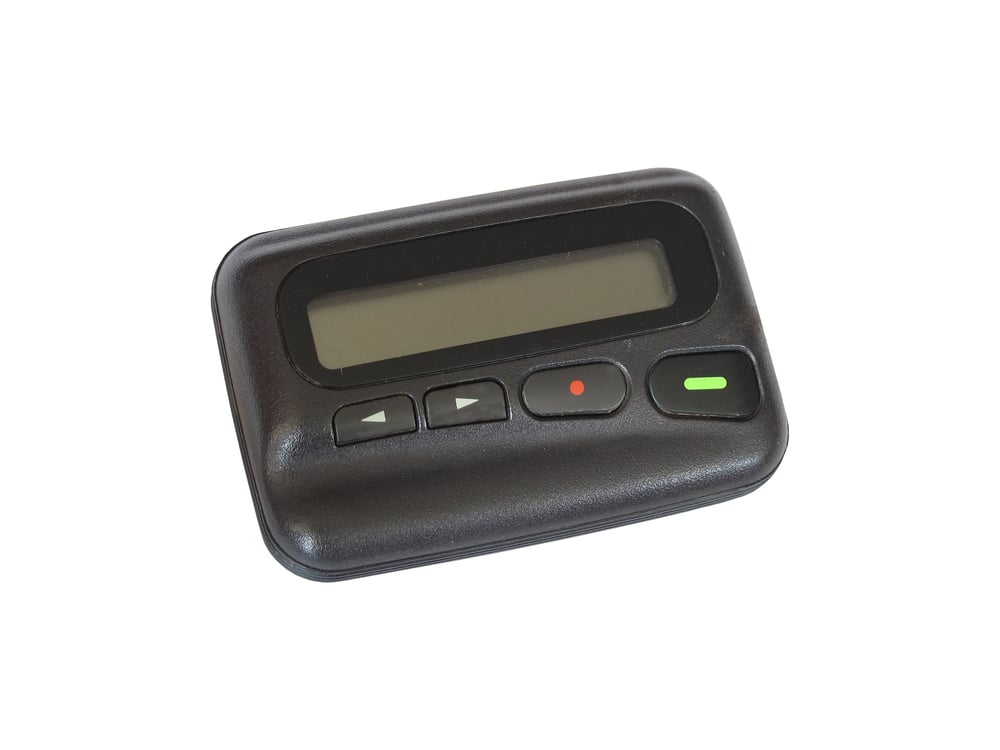
These small devices clipped to belts allowed people to receive simple numeric messages before cell phones became commonplace. Doctors, emergency workers, and eventually teenagers would feel important when their pagers beeped, requiring them to find the nearest phone to return calls.
The limited one-way communication they provided seems incredibly restrictive compared to today’s constant connectivity.
Like Go2Tutors’s content? Follow us on MSN.
Phone Books
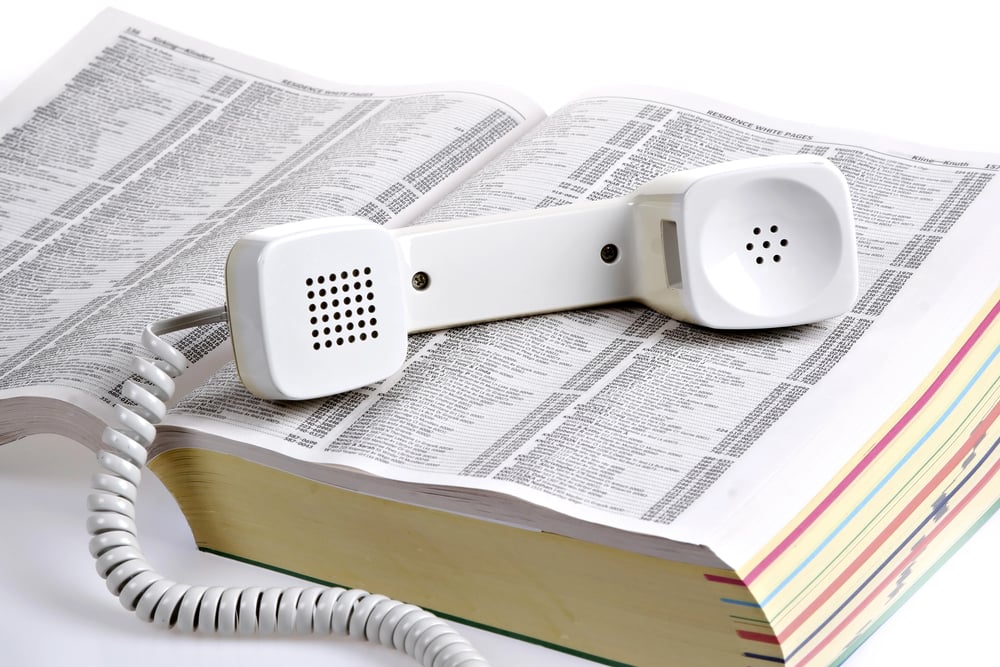
These massive paper directories delivered annually to every household contained listings of local residents and businesses. People would thumb through thin pages looking for numbers, often leaving them open to frequently referenced sections.
The sheer waste of paper these represented has thankfully been eliminated by searchable online directories and smartphones.
Overhead Projectors
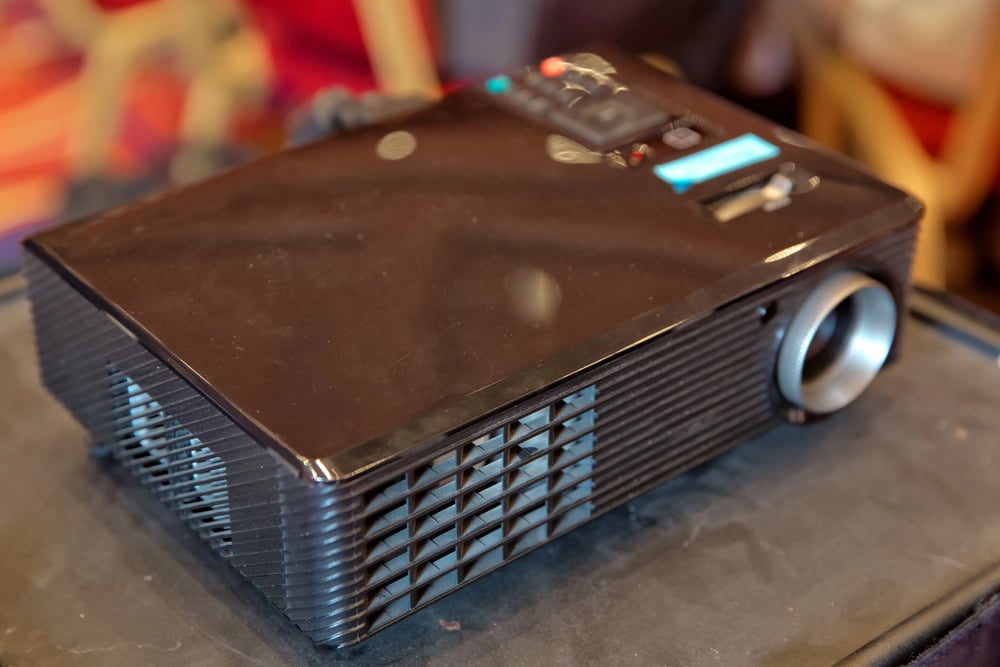
These classroom staples projected transparent sheets onto screens, allowing teachers to prepare material in advance or write notes during lessons. The distinct smell of dry-erase markers and the teacher’s silhouette moving across the projection created memorable classroom experiences.
Today’s digital presentation tools offer more capabilities but perhaps fewer endearing quirks and technical mishaps.
Typewriters

These mechanical writing machines produced distinctive, uniform text through the physical impact of keys striking paper. Writers would experience the satisfying clacking sound and the finality of each keystroke, with mistakes requiring correction fluid or starting over entirely.
The deliberate nature of typewriting forced a thoughtfulness about composition that word processing programs don’t necessarily encourage.
Like Go2Tutors’s content? Follow us on MSN.
Encyclopedia Sets

These comprehensive multi-volume reference collections represented significant household investments and status symbols. Families would purchase them on payment plans, proudly displaying the matching spines on bookshelves and consulting them for school projects.
The static nature of printed encyclopedias—requiring expensive updates—contrasts sharply with today’s constantly revised online information sources.
TV Antennas
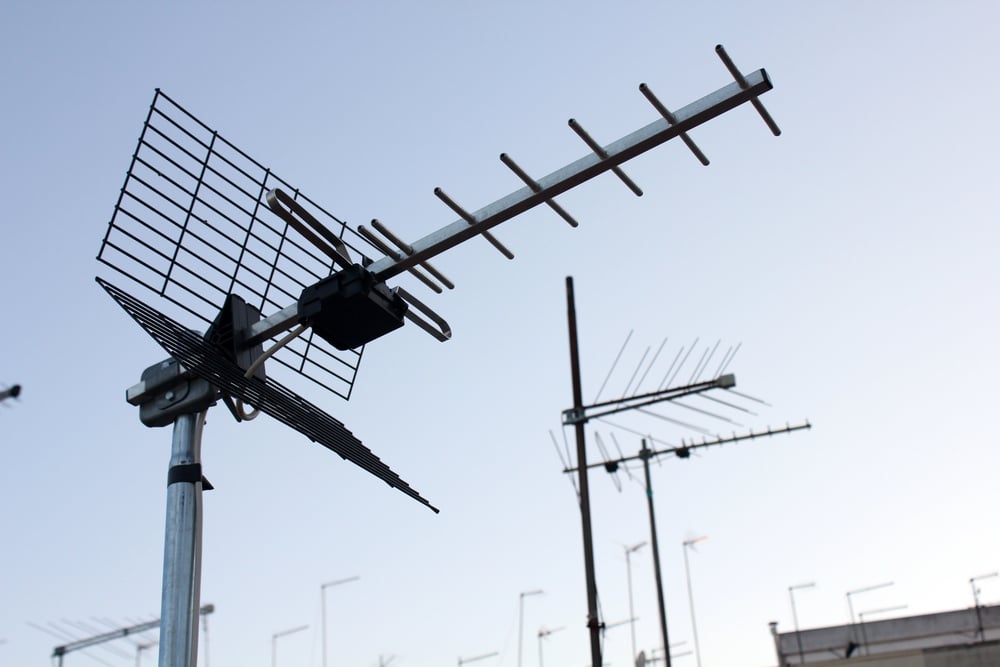
These metal appendages adorned rooftops everywhere, often requiring precise adjustment to receive clear signals for the handful of available channels. Family members might take turns holding ‘rabbit ears’ in exactly the right position during important programs.
The limited viewing options made television watching more of a shared cultural experience than today’s fragmented streaming landscape.
Calculator Watches
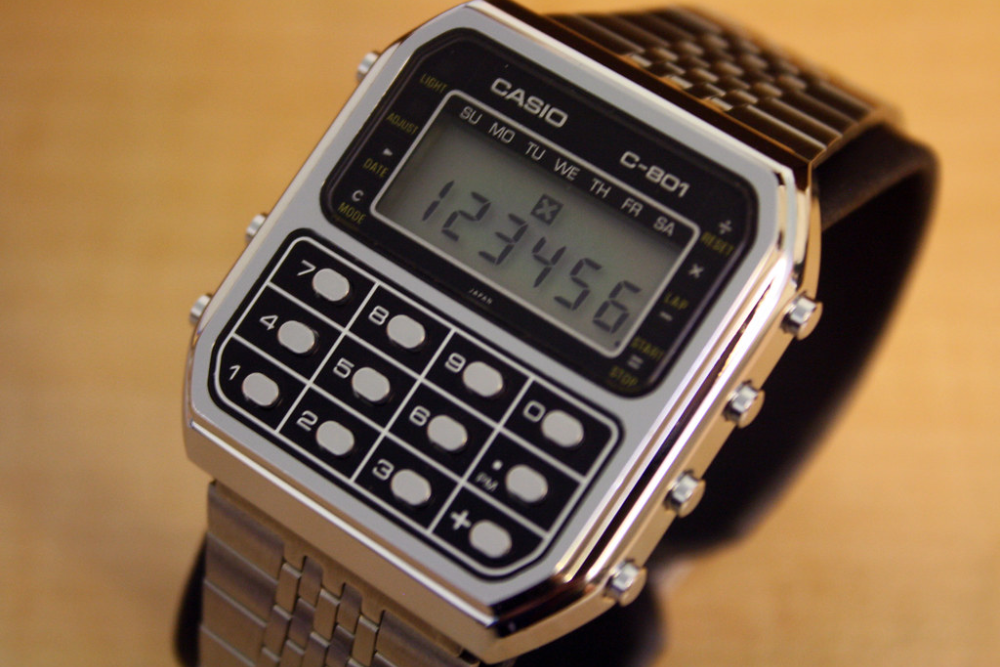
These marvels of miniaturization combined timekeeping with basic mathematical functions, making their wearers feel like secret agents or math wizards. Students would surreptitiously use them during exams until teachers became wise to their existence.
Their limited functionality seems quaint compared to today’s smartwatches that monitor health, display messages, and connect to the internet.
Like Go2Tutors’s content? Follow us on MSN.
Walkman
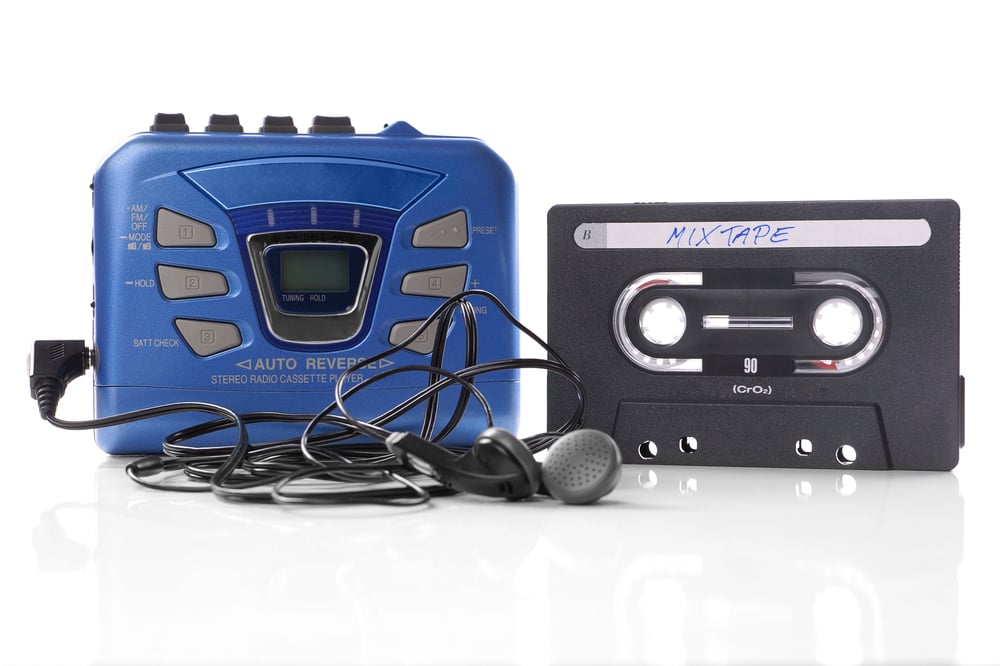
Sony’s portable cassette players revolutionized personal audio, allowing people to create private soundtracks for their daily lives. The distinctive orange foam headphones and the player’s satisfying mechanical buttons created a unique user experience.
While smartphones now handle music playback along with countless other functions, they lack the devoted single-purpose charm of the original Walkman.
Microfiche Readers

These specialized machines allowed users to view miniaturized documents and publications stored on transparent film. Researchers would sit for hours in library basements, slowly advancing frames and adjusting focus to read old newspapers or records.
The physical connection to historical documents provided by microfiche offered a tangible link to the past that digital archives sometimes fail to capture.
LaserDiscs

These massive shiny discs represented the height of home video technology before DVDs, offering superior picture quality to VHS. Movie enthusiasts would proudly display their bulky collections, often containing special editions and director’s cuts.
Their impractical size and the mechanical whirring of players created a distinctive viewing experience that emphasized movies as special events rather than casual entertainment.
Like Go2Tutors’s content? Follow us on MSN.
Digital Relics, Analog Memories
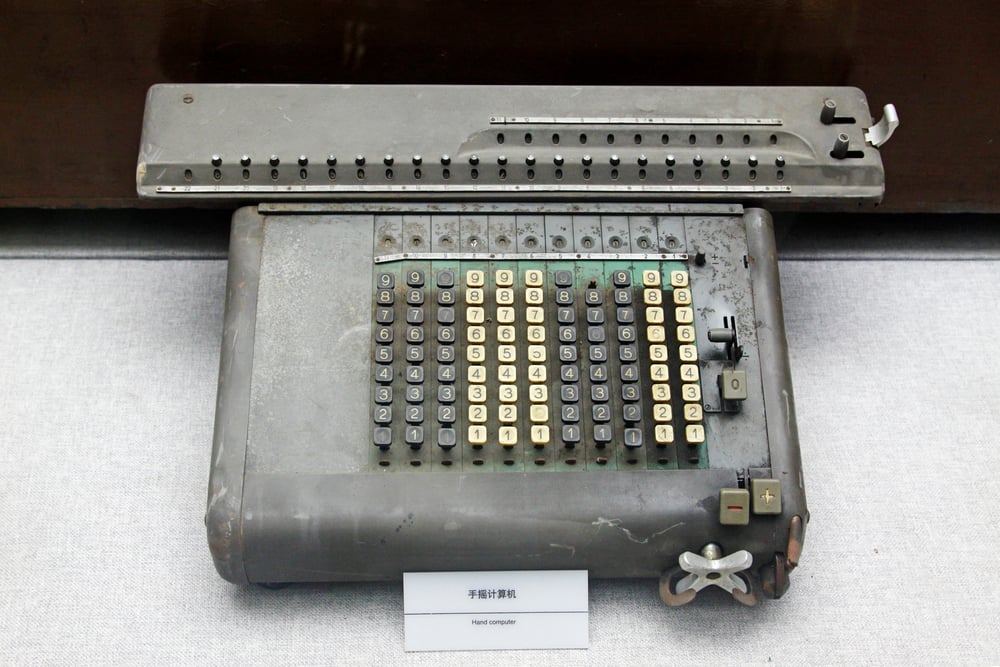
The disappearance of these ’80s items represents more than just technological evolution—it marks the transition from an analog world to our digital present. While we’ve gained convenience, accessibility, and capabilities beyond what ’80s sci-fi movies imagined, we’ve also lost some of the tactile satisfaction and intentionality these objects demanded.
Perhaps their absence helps explain why ’80s nostalgia remains so powerful—these physical items connected us to our entertainment, information, and each other in ways that feel increasingly distant in our virtual world.
More from Go2Tutors!

- 18 Unexpectedly Valuable Collectibles You Might Have Lying Around
- 15 Things Every Teenager in the ’70s Did That Teens Today Wouldn’t Understand
- 15 Strange Things People Have Tried to Ban (And Failed)
- 15 Inventions That Were Immediately Banned After Being Created
- 20 Actors Who Were Almost Cast in Iconic Roles
Like Go2Tutors’s content? Follow us on MSN.