16 Christmas Traditions Started as Marketing
Christmas feels like a holiday steeped in ancient tradition, but many of our most beloved customs actually started in corporate boardrooms rather than cozy homes. Companies have been shaping how we celebrate for over a century, turning marketing campaigns into cherished family rituals that we now consider essential to the season.
What we think of as timeless Christmas magic often began as clever advertising strategies designed to boost sales during the winter months. Here is a list of 16 Christmas traditions that started as marketing ploys.
Santa’s Red Suit

Coca-Cola didn’t invent Santa Claus, but they definitely gave him his iconic look. Before the 1930s, Santa appeared in various colors, including green, blue, and brown, in different illustrations.
Coca-Cola’s advertising campaigns featuring a jolly, red-suited Santa became so popular that this version became the standard image recognized today.
Diamond Engagement Rings at Christmas

De Beers transformed Christmas proposals from rare occasions into expected traditions through their brilliant marketing campaigns. The company promoted the idea that Christmas was the perfect time for engagements, linking their diamonds to holiday romance and family gatherings.
Their “A Diamond is Forever” slogan convinced generations that Christmas proposals were both romantic and traditional.
Christmas Cards

Hallmark turned holiday greetings into a massive industry by promoting the idea that cards were essential for maintaining relationships. The company’s marketing made sending Christmas cards feel like a social obligation rather than a simple courtesy.
They created guilt around not sending cards while positioning their products as the solution to holiday communication needs.
Elf on the Shelf

This relatively recent tradition started as a children’s book with an accompanying elf doll in 2005. The creators marketed it as a way to help parents manage children’s behavior during December while creating magical memories.
The tradition exploded through social media as parents shared elaborate elf scenarios, turning a commercial product into a widespread holiday custom.
Christmas Trees in Homes

While Christmas trees existed in Germany, bringing them indoors became popular in America largely through marketing efforts. Retailers promoted the idea that every family needed a tree in their living room, selling not just trees but all the ornaments, lights, and decorations to go with them.
Department stores created elaborate tree displays to inspire customers and drive sales.
Christmas Stockings Hung by Fireplaces

The tradition of hanging stockings evolved from European customs, but American retailers transformed it into a major marketing opportunity. Stores promoted special Christmas stockings, stocking stuffers, and the idea that every family member needed their own personalized stocking.
The practice became commercialized as companies created products specifically designed to fill stockings.
Christmas Morning Pajamas

Department stores and clothing retailers created this tradition by marketing special holiday pajamas as essential for Christmas morning photos. Companies promoted the idea that families should coordinate their sleepwear for the perfect holiday morning look.
Social media amplified this trend as families shared matching pajama photos, creating pressure to participate in this manufactured tradition.
Advent Calendars
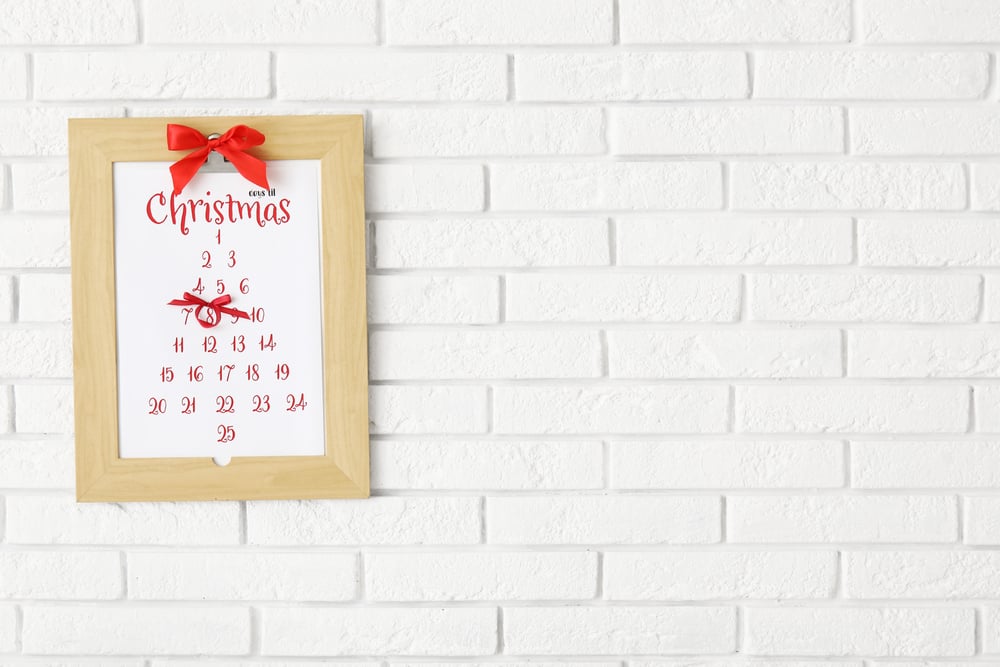
While advent calendars originated in Germany, mass-produced versions became popular through aggressive marketing to American families. Companies promoted them as essential countdown tools that made Christmas more exciting for children.
Retailers created elaborate calendars filled with chocolates, toys, and other products, turning a simple religious observance into a commercial opportunity.
Christmas Cookies for Santa

The tradition of leaving cookies for Santa became widespread through marketing campaigns by cookie and milk companies. Advertisers promoted the idea that children should leave treats for Santa, conveniently featuring their products in holiday advertisements.
This created a market for special Christmas cookies and established milk as Santa’s preferred beverage.
White Christmas Decorations

The concept of a “White Christmas” as the ideal holiday aesthetic came largely from marketing campaigns by decoration manufacturers. Companies promoted white and silver decorations as sophisticated alternatives to traditional red and green, creating entire product lines around this theme.
Irving Berlin’s song helped, but retailers capitalized on the imagery to sell coordinated white holiday decorations.
Christmas Lights on Houses

While electric Christmas lights existed, the tradition of elaborate home displays grew through utility company marketing and retail promotion. Companies sold increasingly complex lighting systems while promoting neighborhood light displays as community traditions.
The practice expanded as businesses competed to create the most impressive displays, turning simple decorations into major productions.
Christmas Breakfast Traditions

Food companies created the idea that Christmas morning required special breakfast foods different from regular meals. Retailers promoted items like cinnamon rolls, special coffee blends, and holiday-themed breakfast treats as essential for proper Christmas celebrations.
These companies turned ordinary morning meals into significant holiday traditions requiring specific products.
Christmas Eve Boxes

This recent tradition emerged from gift retailers looking to extend the Christmas shopping season. Companies marketed Christmas Eve boxes as a way to build excitement for Christmas morning while creating an additional gift-giving opportunity.
The boxes typically contain pajamas, books, and treats, representing a completely manufactured tradition that many families now consider essential.
Christmas Village Displays

Department stores like those behind Department 56 created the Christmas village tradition by marketing collectible holiday buildings and accessories. These companies promoted the idea that every family should build their own miniature Christmas town, complete with houses, people, and seasonal decorations.
The tradition became self-sustaining as families added to their villages each year.
Christmas Ornament Collections

Hallmark and other companies transformed Christmas ornaments from simple decorations into collectible items through clever marketing strategies. They created an annual ornament series, limited editions, and commemorative pieces that encouraged customers to purchase new ornaments every year.
This turned tree decorating from a one-time purchase into an ongoing collecting hobby.
Christmas Countdown Calendars
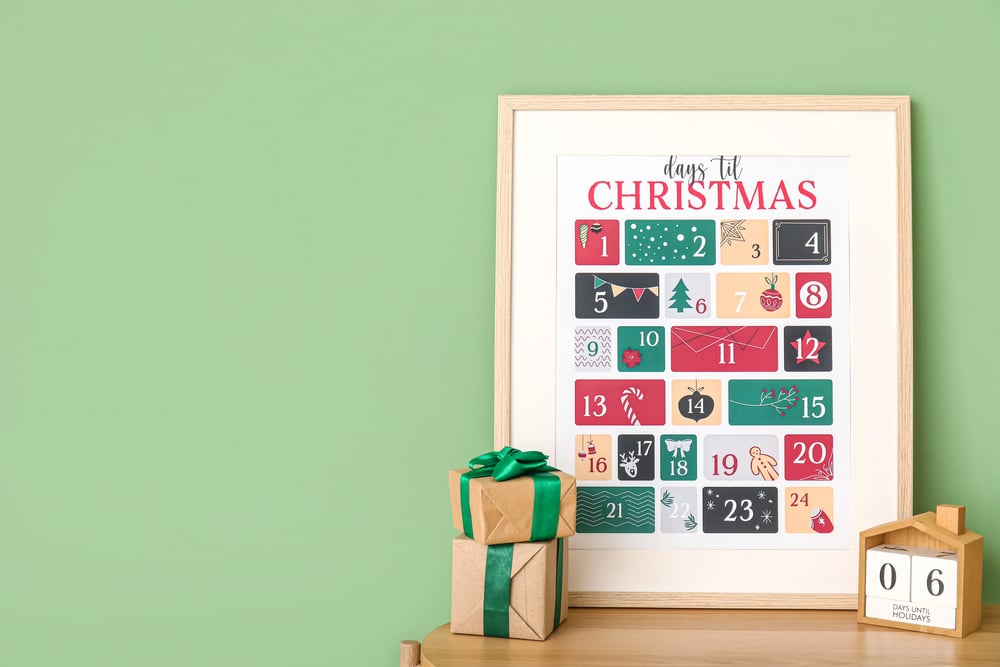
Beyond traditional advent calendars, companies created elaborate countdown systems featuring daily activities, treats, or gifts leading up to Christmas. Retailers marketed these calendars as ways to make the entire month of December special rather than just Christmas Day.
The tradition creates ongoing engagement and multiple purchase opportunities throughout the holiday season.
From Sales Pitch to Sacred Ritual

These marketing-created traditions demonstrate how successfully companies can embed themselves into our most personal celebrations. What started as sales strategies has become a genuine source of joy and connection for millions of families worldwide.
The fact that we can’t imagine Christmas without these commercially-created customs shows just how powerful good marketing can be when it taps into our deepest desires for tradition, family, and seasonal magic.
More from Go2Tutors!

- The Romanov Crown Jewels and Their Tragic Fate
- 13 Historical Mysteries That Science Still Can’t Solve
- Famous Hoaxes That Fooled the World for Years
- 15 Child Stars with Tragic Adult Lives
- 16 Famous Jewelry Pieces in History
Like Go2Tutors’s content? Follow us on MSN.