The Most Memorable Animated Movie Voices
Actors face a special challenge in animation.
Take away the costumes, body language, and facial expressions.
The voice is all that’s left.
Nonetheless, when done well, a strong vocal performance can produce characters that are more compelling and enduring than the majority of roles in real life.
These voices do more than simply breathe life into drawings.
They are inextricably linked to the characters they play and become ingrained in our cultural memory.
These performances demonstrated that voice acting is just as deserving of respect as other forms of acting.
Robin Williams as the Genie
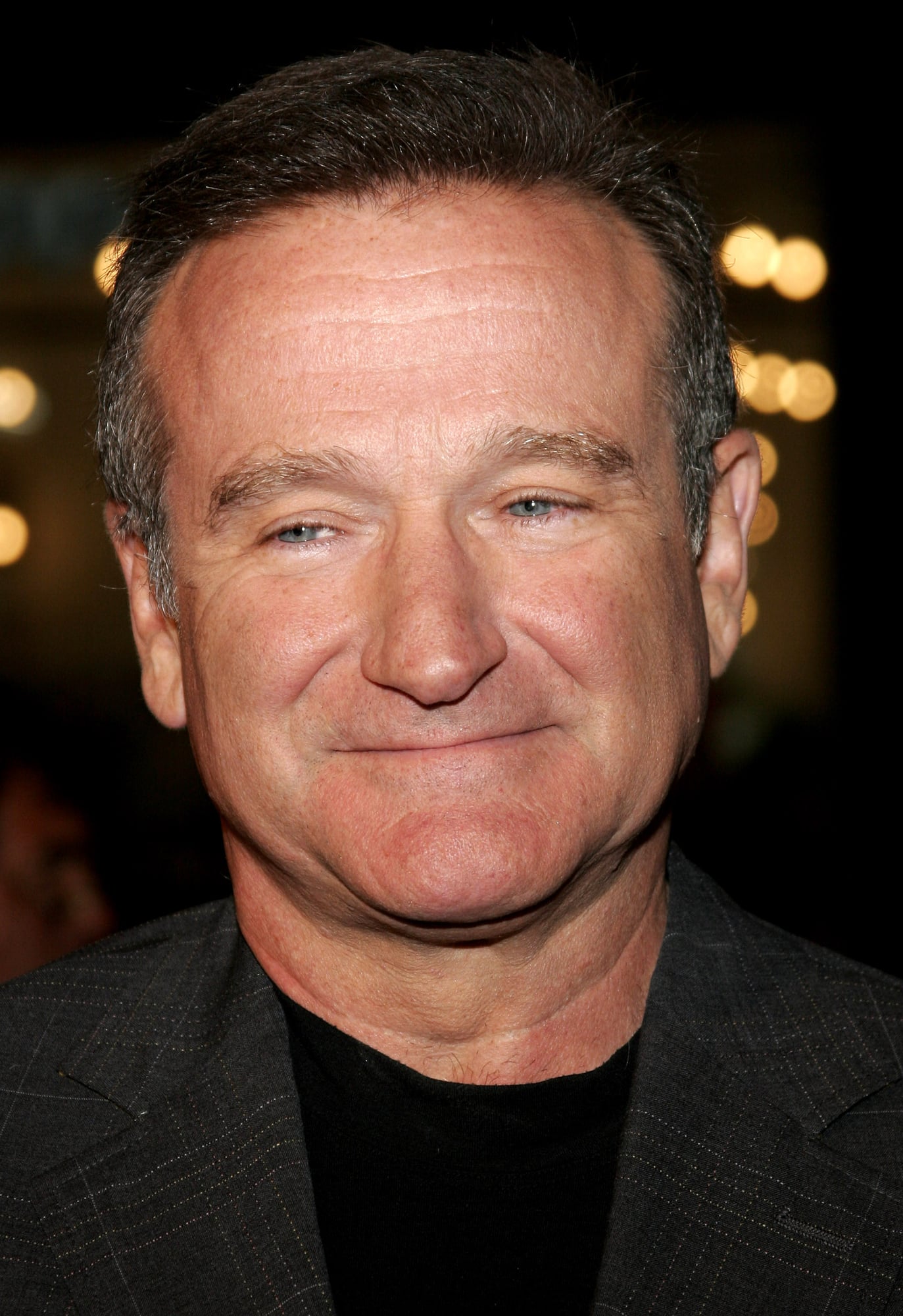
There’s before Robin Williams in Aladdin, and there’s after.
Williams didn’t just voice the Genie when Disney’s 1992 film hit theaters.
He revolutionized what voice acting could be.
The studio gave him something most voice actors never get: permission to go wild.
Williams improvised hours of material, riffing through celebrity impressions and pop culture references at a pace the animators struggled to match.
The result was pure chaos in the best possible way.
Williams brought his entire arsenal to the role.
He could shift from manic comedy to genuine tenderness within seconds, making the Genie hilarious and heartbreaking in equal measure.
When Aladdin finally frees him at the end, that moment lands because Williams made you believe this magical being actually cared about the kid.
The performance earned Williams a Special Golden Globe Award in recognition of his work, though it wasn’t a competitive acting category.
The Oscars still haven’t created a category for voice acting.
His work remains the gold standard, the one every animated voice performance gets measured against.
James Earl Jones as Mufasa
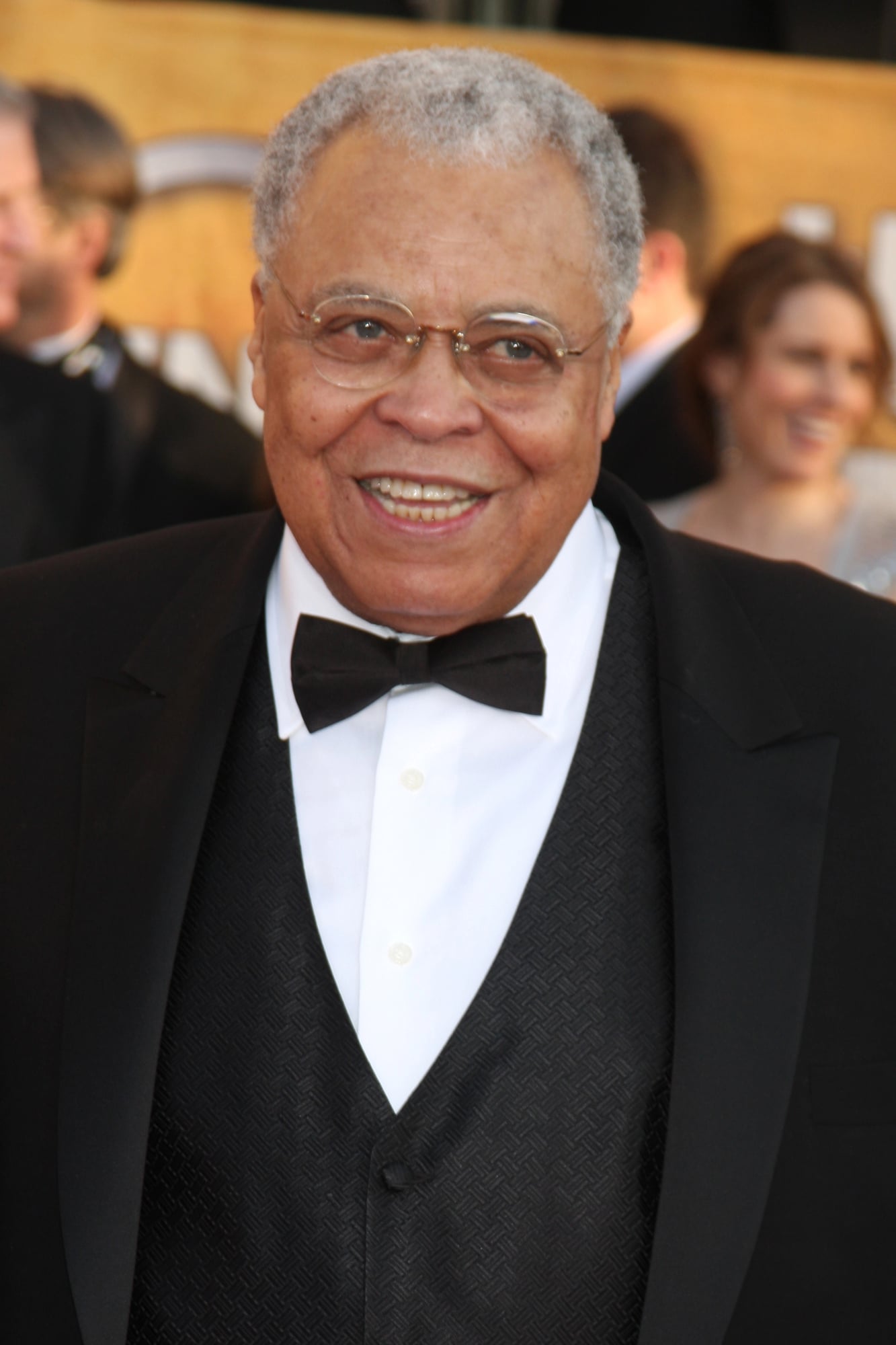
Some voices just command respect.
James Earl Jones possesses one of the most recognizable voices in cinema history, and Disney knew exactly what to do with it.
When Mufasa speaks in The Lion King, everyone listens.
Jones’s deep, resonant baritone doesn’t just sound like a king.
It sounds like wisdom itself, like the voice of fatherly authority that an entire generation absorbed and never forgot.
Jones was cast specifically because his voice resembled a lion’s roar in power and depth.
Every line he delivers feels weighted with importance.
When Mufasa tells Simba to remember who he is, Jones makes it feel like advice being delivered directly into your heart.
The tragedy of Mufasa’s death hits harder because Jones gave him such a presence.
Even after the character dies, his voice echoes through the rest of the film, a constant reminder of everything Simba lost.
Jones’s performance proved so definitive that he became one of the few original cast members to reprise the role in the 2019 CGI remake.
That’s not just good voice acting.
That’s creating a character so powerful he transcends his own screen time.
Tom Hanks as Woody

Tom Hanks was already a major star when Pixar came calling for Toy Story in 1995.
He could have phoned it in.
Instead, Hanks approached Woody with the same commitment he brought to his Oscar-winning live-action roles.
Director John Lasseter always wanted Hanks for the role, believing the actor had a unique ability to make emotions appealing even when characters weren’t particularly likable.
Hanks brings genuine depth to a character that could have been one-note.
Woody starts the first film as a jealous, insecure toy struggling with obsolescence.
By Toy Story 4, he’s evolved into something far more complex and human.
Hanks voiced Woody across all four theatrical films from 1995 to 2019, letting the character’s voice mature and change across nearly three decades.
The emotional weight of Toy Story 3, when Andy gives away his toys, works because Hanks makes Woody’s love for Andy feel absolutely real.
Hanks suggested his brother Jim take over Woody’s voice for video games, toys, and theme park attractions, understanding the character had become bigger than any single performance while keeping the theatrical films his own.
Ellen DeGeneres as Dory
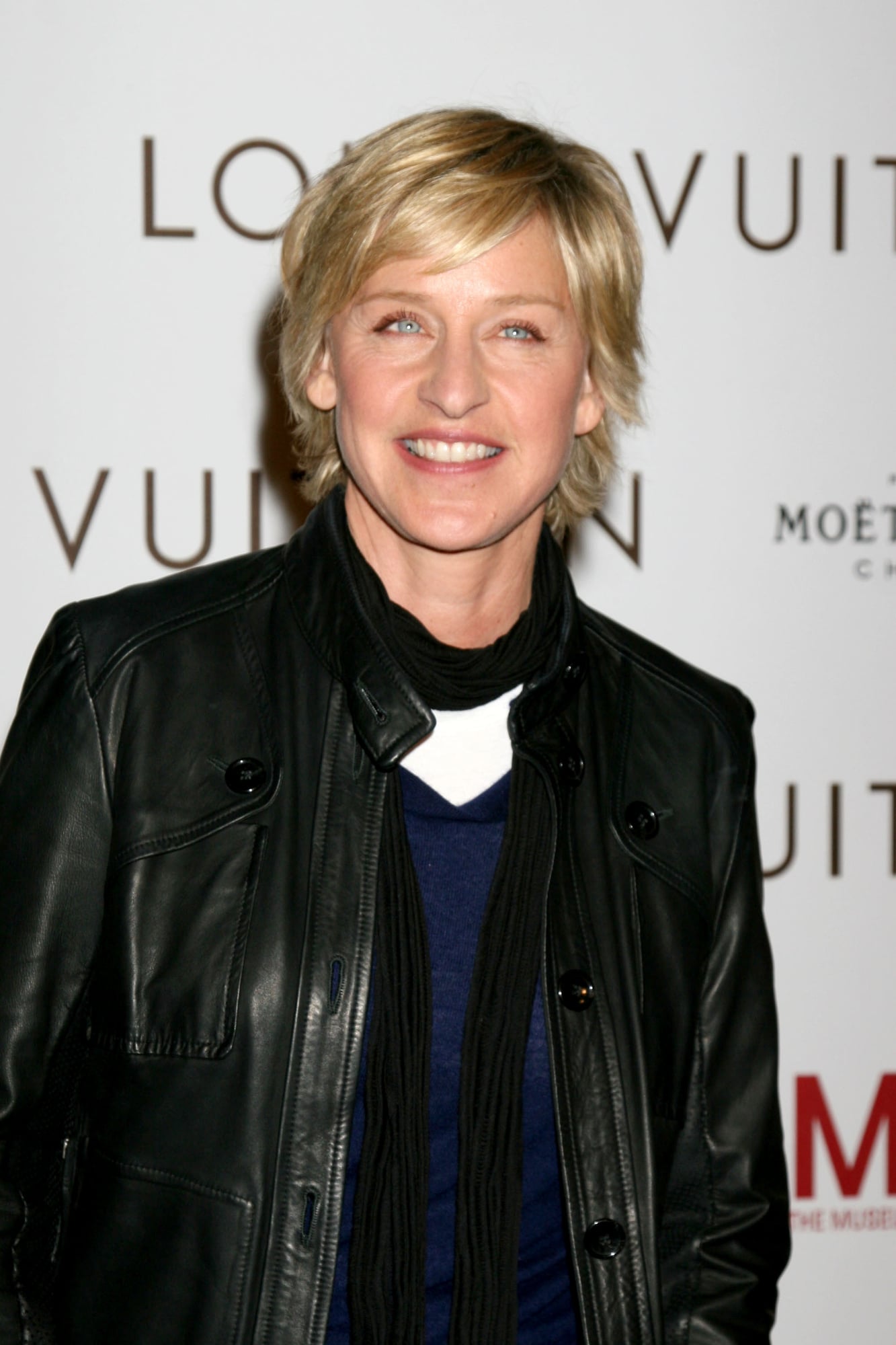
Sometimes a voice performance saves more than just a movie.
Ellen DeGeneres was at a low point in her career when Pixar’s Andrew Stanton heard her rambling, scatterbrained interview style and thought ‘that’s Dory.’
The Finding Nemo director wrote the forgetful blue tang specifically for DeGeneres, banking on her ability to make short-term memory loss both funny and touching.
DeGeneres nailed it.
She made Dory’s forgetfulness endearing rather than annoying, giving the character an optimistic spirit that turned phrases like ‘just keep swimming’ into genuine life advice.
The role required real emotional range.
DeGeneres had to cry, to convey fear and loss, all while maintaining Dory’s essential sweetness.
She admitted drawing on her own experiences of feeling lost to fuel the performance.
When Finding Nemo became a massive hit in 2003, it arrived the same year The Ellen DeGeneres Show launched, marking a complete professional comeback for the comedian.
The character became so beloved that Pixar eventually gave Dory her own movie thirteen years later, with DeGeneres worried her voice might have changed too much in the interim.
It hadn’t.
The performance remained just as warm and genuine.
Jeremy Irons as Scar
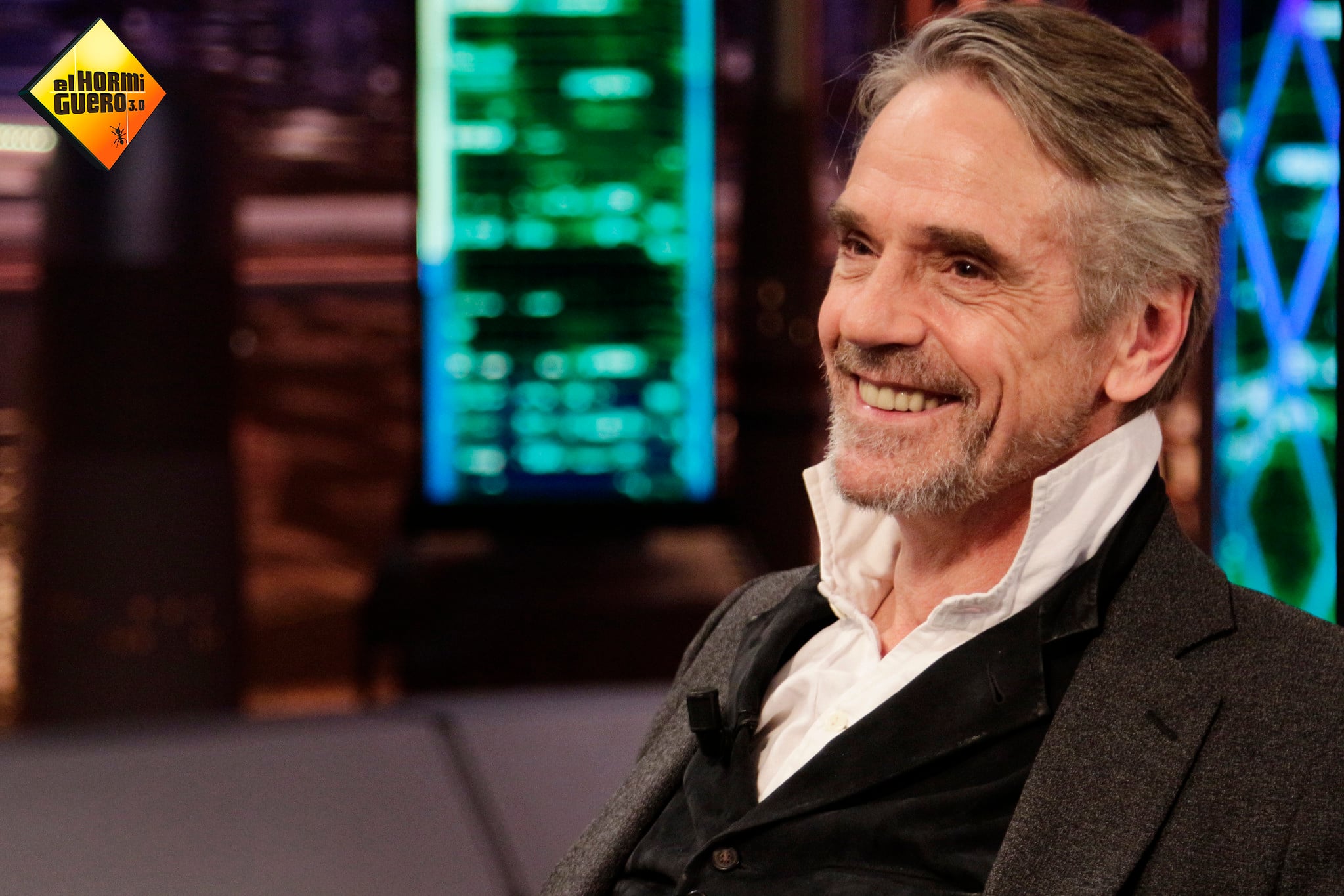
Villains need voices that make you want to keep watching them even as they do terrible things.
Jeremy Irons understood this perfectly when he took on Scar in The Lion King.
His rich, velvety baritone drips with menace and sophisticated cruelty.
Scar doesn’t just want power.
He savors his own villainy, and Irons delivers every line with theatrical relish.
The animators drew Scar to mimic Irons’s physical mannerisms from his role in Reversal of Fortune, creating visual synergy with the vocal performance.
Irons reportedly did things to his voice to achieve those threatening dark tones that added layers of danger to the character.
His rendition of the villain anthem ‘Be Prepared’ showcases his vocal range, moving from sinister whispers to full-throated menace, though voice actor Jim Cummings had to finish parts of the song after Irons strained his voice during recording.
Scar works because Irons makes him simultaneously terrifying and oddly charismatic.
You understand why the hyenas follow him even as you despise everything he represents.
Eddie Murphy as Donkey

Eddie Murphy was already one of the biggest comedians in the world when he signed on to voice Shrek’s hyperactive sidekick.
Murphy brings his larger-than-life persona directly into Donkey, infusing the character with infectious energy and rapid-fire wit.
The performance earned recognition from the animation community, including Annie Award and Saturn Award nominations.
Donkey could have been insufferable in lesser hands.
Murphy walks the line perfectly, making the character annoying to Shrek but endearing to audiences.
His improvisational skills shine through, giving Donkey’s dialogue a loose, spontaneous feel.
The chemistry between Murphy and Mike Myers’s Shrek drives the entire franchise.
Murphy makes Donkey loyal, funny, and surprisingly touching when the moments call for it.
The character became so popular that it’s impossible to imagine anyone else voicing him.
Pat Carroll as Ursula

Disney villains often steal their movies, and Pat Carroll’s Ursula in The Little Mermaid is no exception.
Carroll brought a deep, sultry tone to the sea witch that blends wickedness with dark charisma.
Her commanding vocal presence makes Ursula both threatening and oddly appealing, the kind of villain you love to watch even as she schemes.
Carroll’s interpretation of ‘Poor Unfortunate Souls’ remains one of the greatest villain performances in Disney history.
She delivers the song with perfect comic timing and sinister undertones, making Ursula’s false sympathy drip with malice.
The character works because Carroll understood that great villains believe they’re the heroes of their own stories.
Ursula doesn’t just want power.
She genuinely thinks she’s offering Ariel a fair deal.
Carroll’s performance made Ursula iconic enough that the character has endured for decades as one of Disney’s most beloved villains.
Carroll continued voicing Ursula in video games and Disney theme park attractions, cementing her place as the definitive voice of the sea witch.
Why These Voices Endure
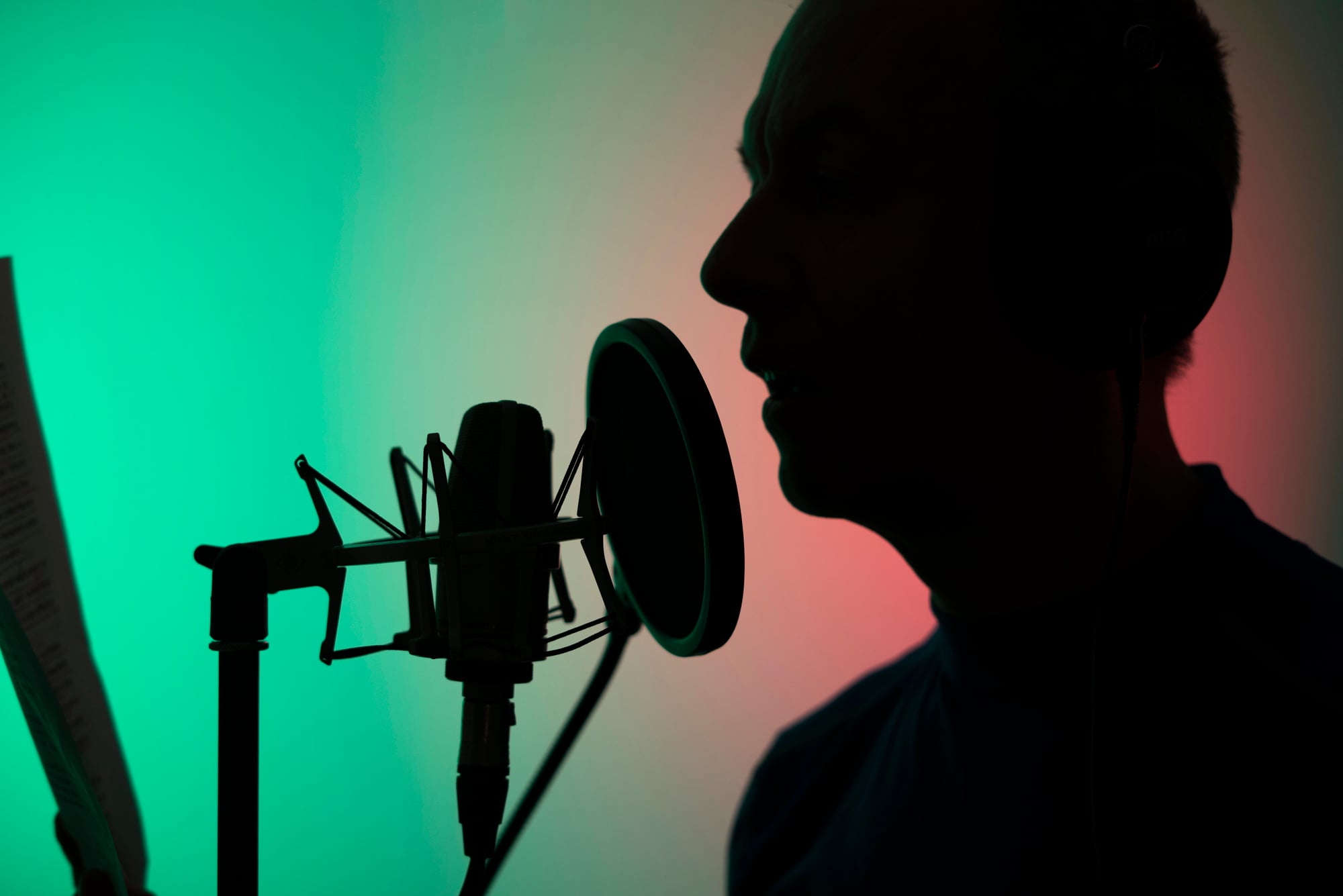
Each of these actors brought complete commitment to characters they never physically embodied.
Without faces or bodies to lean on, every emotional beat had to come through in tone, pacing, and delivery.
Williams made us believe in magic.
Jones made us believe in wisdom.
Hanks made us believe toys could have souls.
The Academy Awards still have no category for voice acting despite animation’s dominance in cinema.
The Annie Awards, established in 1972, do honor these performances, though they rarely receive mainstream attention.
Even so, these voices prove that great voice acting requires as much skill as traditional acting.
Maybe more, since the actor must create everything through sound alone.
That’s the real magic.
Long after you’ve forgotten the plot details, these voices remain.
Williams’s manic energy, Jones’s commanding authority, Hanks’s earnest warmth.
They’re not just performances.
They’re the sound of childhood memories, permanently embedded in the culture.
More from Go2Tutors!

- The Romanov Crown Jewels and Their Tragic Fate
- 17 Halloween Costumes Once Considered Taboo
- Famous Hoaxes That Fooled the World for Years
- 15 Child Stars with Tragic Adult Lives
- 16 Famous Jewelry Pieces in History
Like Go2Tutors’s content? Follow us on MSN.



