20 Retired Products People Still Miss (and Some That Came Back)
Remember those products you grew up with that suddenly disappeared from store shelves? The ones that left you scanning every aisle in every store, hoping they might magically reappear? Product discontinuation happens all the time as companies evolve, but some items leave a lasting impression on consumers who continue to pine for their return decades later.
Here is a list of 20 discontinued products that people still reminisce about, including a few that made triumphant comebacks thanks to persistent fan demand.
Dunkaroos
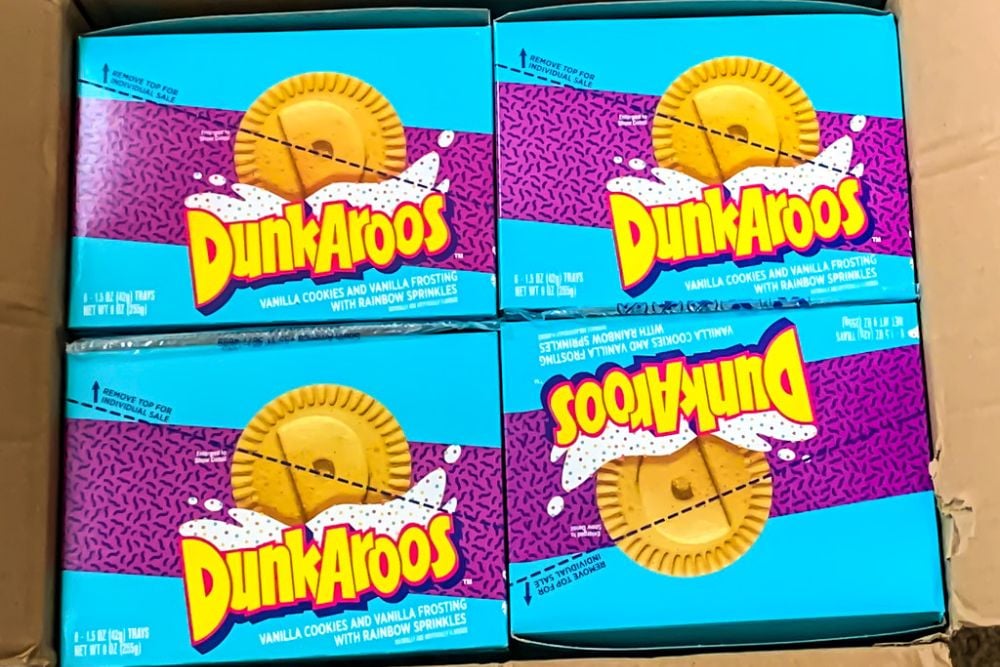
These cookie and frosting combinations were lunchbox royalty throughout the 1990s. Children would trade these treasured snacks for practically anything in the cafeteria.
After disappearing from American shelves in 2012, Dunkaroos maintained a cult following so passionate that some fans drove hundreds of miles to Canada where they remained available. General Mills finally brought them back in 2020, proving that consumer nostalgia can be a powerful force in marketing decisions.
Crystal Pepsi
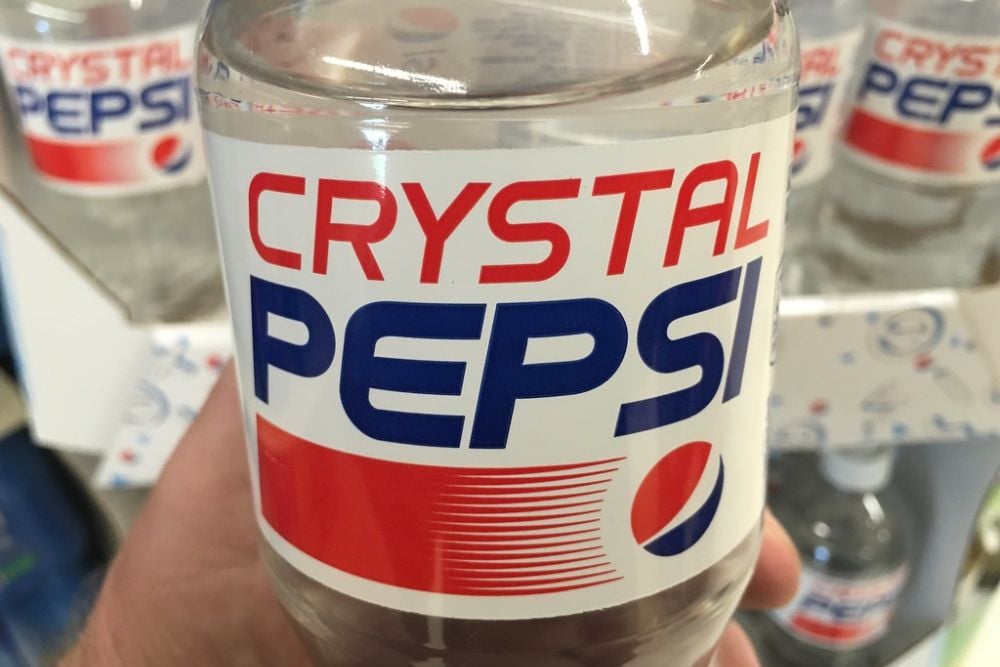
This caffeine-free, clear cola became an instant hit when it launched in 1992. The novelty of a transparent cola captivated consumers who were intrigued by its unusual appearance.
Despite initial popularity, Crystal Pepsi vanished by 1994. The product made a limited return in 2016 after years of fan campaigns, including a petition with thousands of signatures and even a billboard in Times Square demanding its comeback.
Altoids Sours
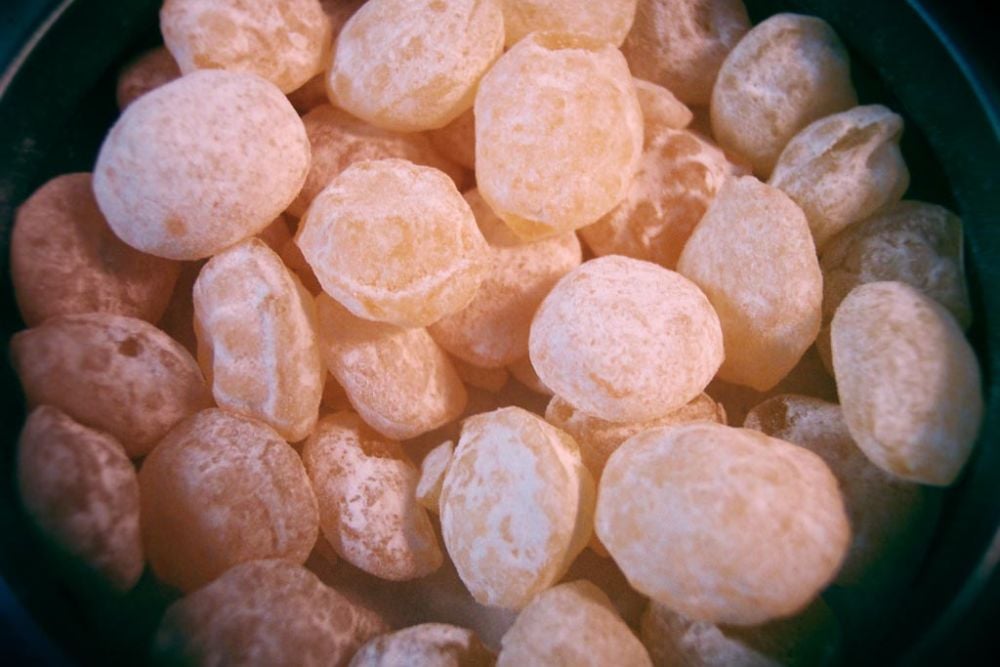
These tangy, tin-packaged candies disappeared in 2010 after a successful run in the early 2000s. The perfect balance of sweet and sour made these tiny treats addictively good and impossible to stop eating once you opened a tin.
Unopened containers now sell for astonishing prices online, sometimes fetching over $100 for a single tin, proving just how dedicated their fan base remains.
McDonald’s Arch Deluxe
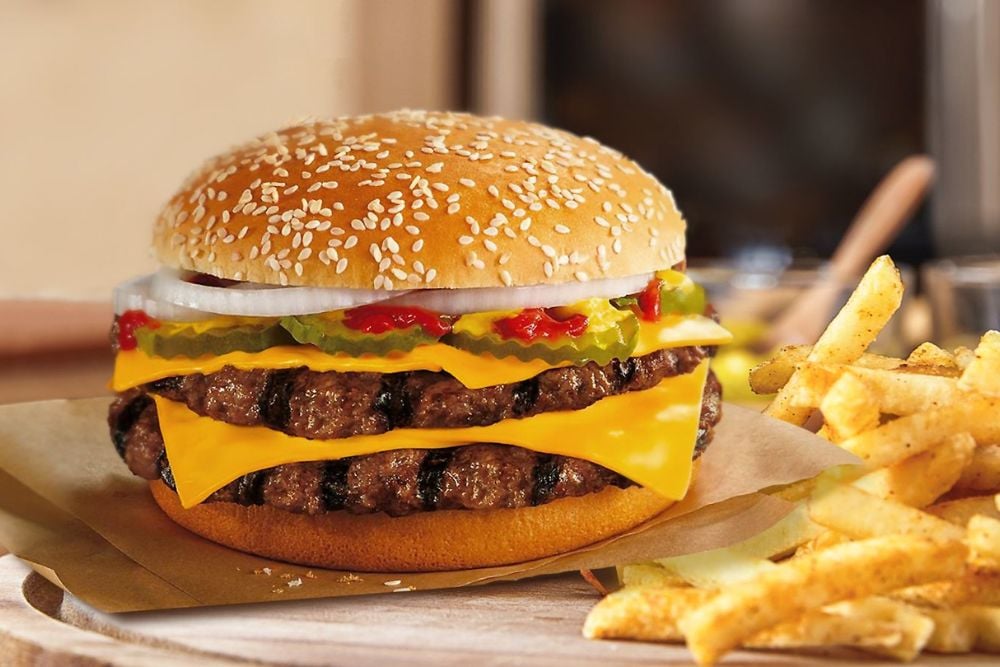
Marketed as a ‘burger with grown-up taste,’ this sandwich featured higher-quality ingredients and a mustard-mayo sauce on a bakery-style bun. McDonald’s spent an estimated $100 million promoting it in 1996, making it one of the most expensive fast-food failures in history.
Despite its commercial flop, many fast-food enthusiasts consider it ahead of its time and a precursor to today’s premium burger trend.
Jell-O Pudding Pops
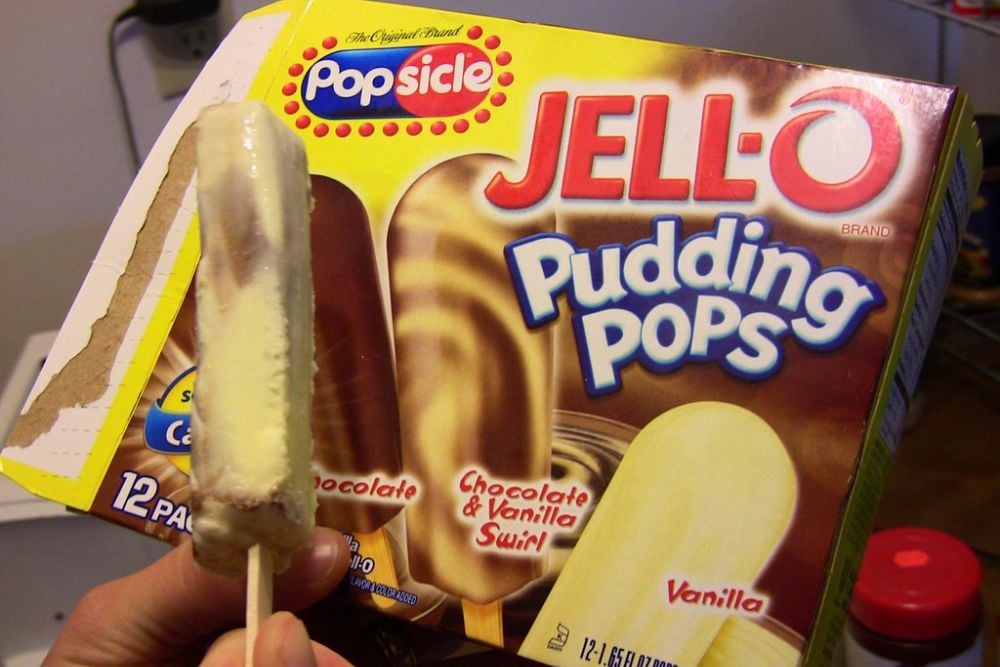
These frozen pudding treats on a stick were a staple in freezers throughout the 1980s and early 1990s. The creamy texture and rich flavor made them distinct from regular ice pops and incredibly popular among kids and adults alike.
Production ended in the early 2000s, leaving fans with nothing but memories of their unique texture that was somehow both creamy and icy at the same time.
Original Formulation Coca-Cola
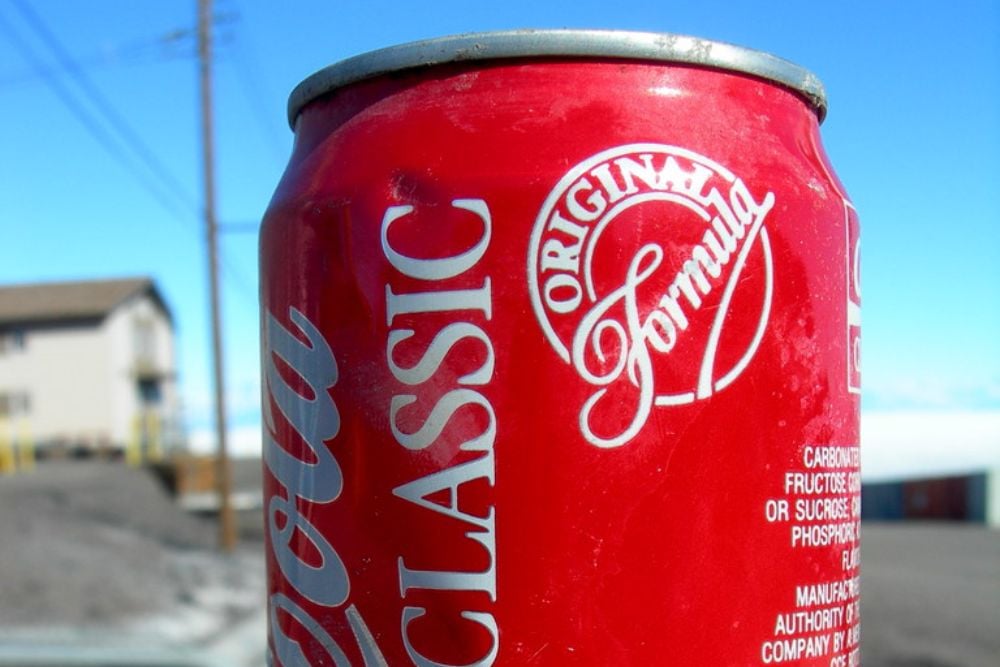
When Coca-Cola changed its formula in 1985, the public reaction was swift and severe. Loyal customers hoarded cases of the original formula and protested the change with surprising intensity.
The backlash was so strong that the company reintroduced the original formula as ‘Coca-Cola Classic’ just 79 days later, making it one of the fastest product reversals in marketing history.
Planters Cheez Balls
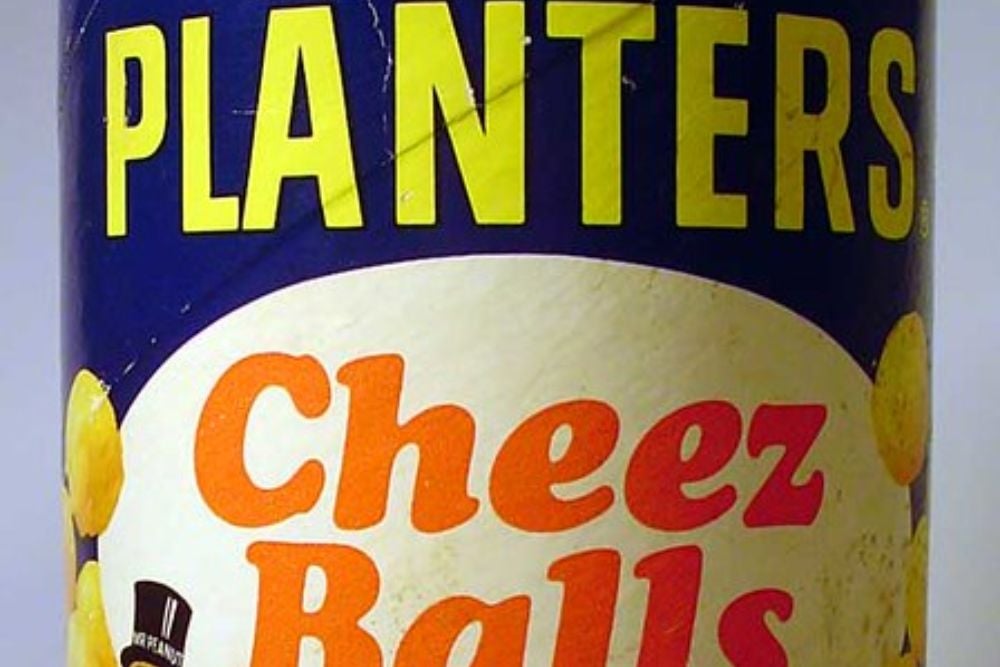
These crunchy, cheese-flavored spheres disappeared in 2006, leaving a void in the snack aisle. Fans created petitions and social media campaigns for their return for over a decade.
Planters finally listened and brought them back in 2018, though many connoisseurs claim the texture and flavor of the revived version doesn’t perfectly match their beloved original.
Microsoft Zune
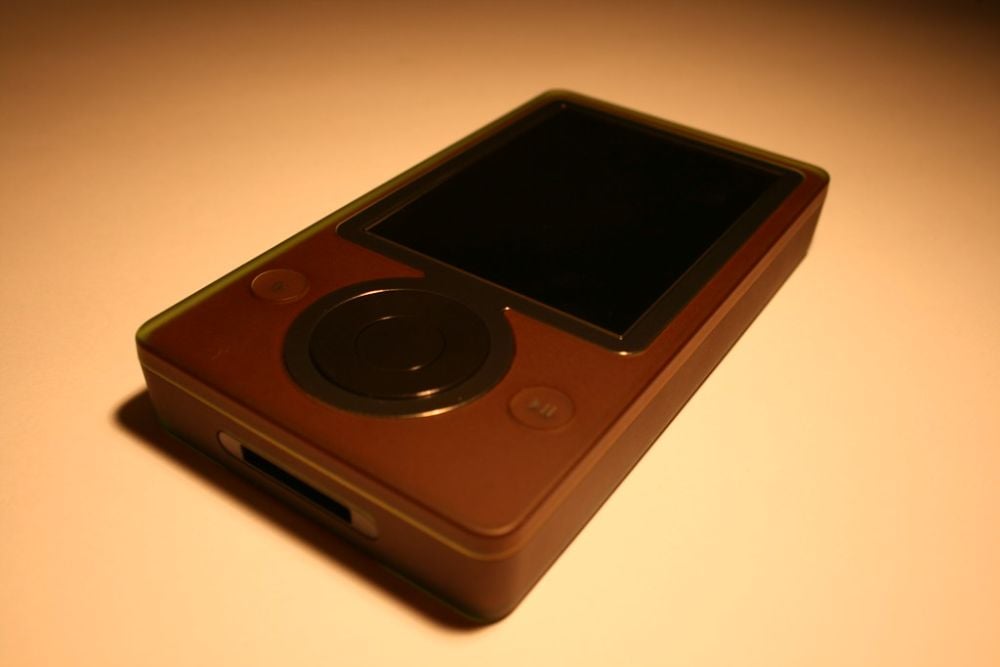
Apple’s iPod dominated the MP3 player market, but Microsoft’s Zune had devoted followers who praised its intuitive interface and superior sound quality. Despite positive reviews from tech enthusiasts, the Zune couldn’t compete with the iPod’s market dominance and was discontinued in 2011.
The device maintains a small but passionate fan base who still use their functioning units and lament what could have been.
Clearly Canadian
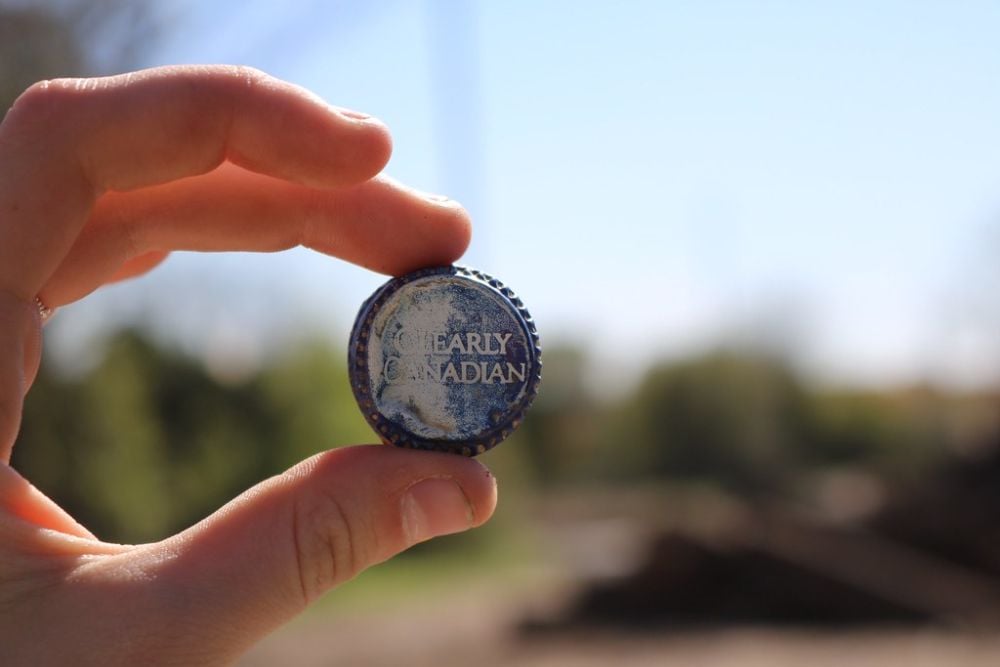
This sparkling flavored water in distinctive blue bottles was a refreshing alternative to sodas throughout the 1990s. The drink’s popularity declined in the early 2000s before disappearing entirely.
After a successful crowdfunding campaign raised over $200,000, Clearly Canadian made a comeback in 2017, delighting fans who had waited years to taste those familiar flavors again.
PB Max

This candy bar combined peanut butter, oats, and milk chocolate into a treat that many considered superior to Reese’s offerings. Mars discontinued it in the 1990s despite reported annual sales of $50 million.
Urban legend suggests a Mars family member disliked peanut butter, though the true reason was likely the labor-intensive production process that cut into profit margins.
Hi-C Ecto Cooler
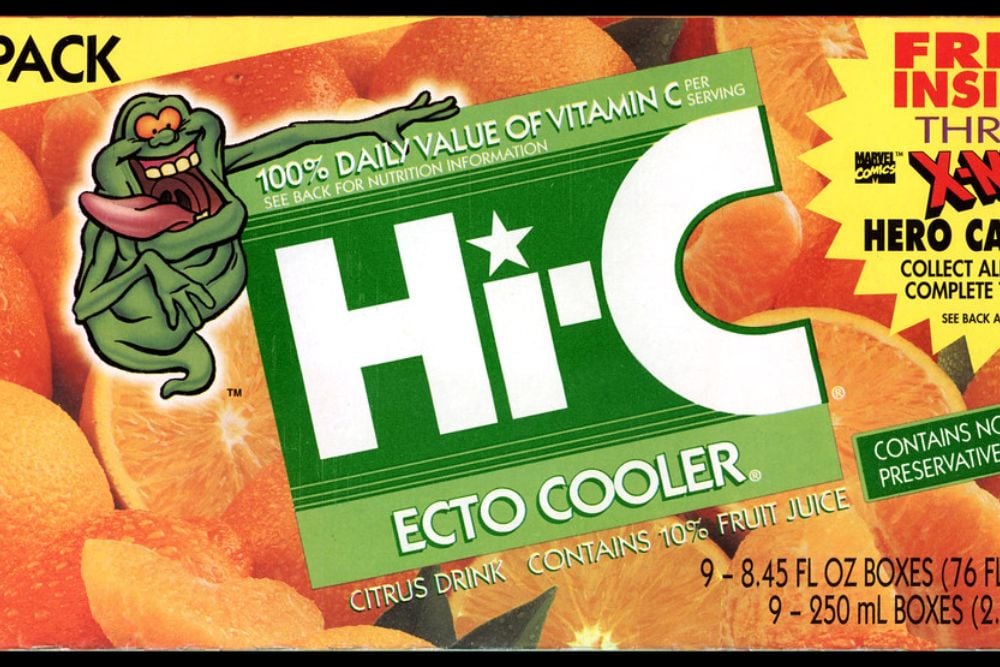
This Ghostbusters-themed citrus drink survived long after the movie promotion ended, becoming a childhood staple for an entire generation. The bright green beverage was discontinued in 2001 but returned briefly for the 2016 Ghostbusters reboot.
Fans describe the flavor as unlike any other orange drink, with a tangy sweetness that modern citrus beverages simply can’t replicate.
Oreo O’s Cereal
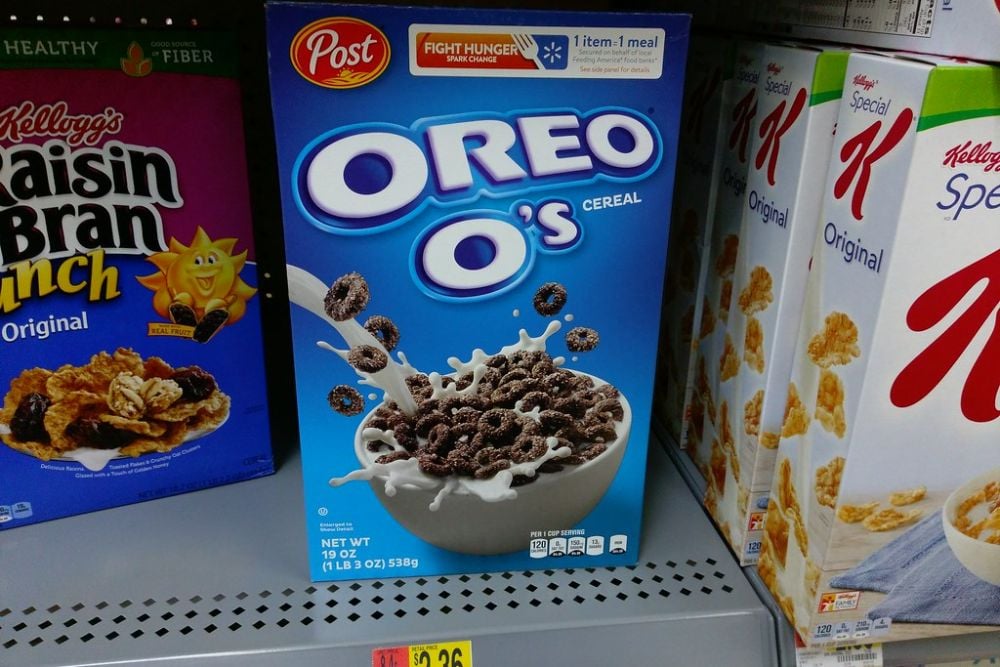
This cookie-inspired breakfast cereal launched in 1998 and disappeared from American shelves in 2007. The cereal continued production exclusively in South Korea, leading to an online market where Americans would pay premium prices for imported boxes.
After a decade of absence, Post brought the cereal back to U.S. stores in 2017, allowing fans to once again start their day with milk-soaked cookie pieces.
Butterfinger BB’s
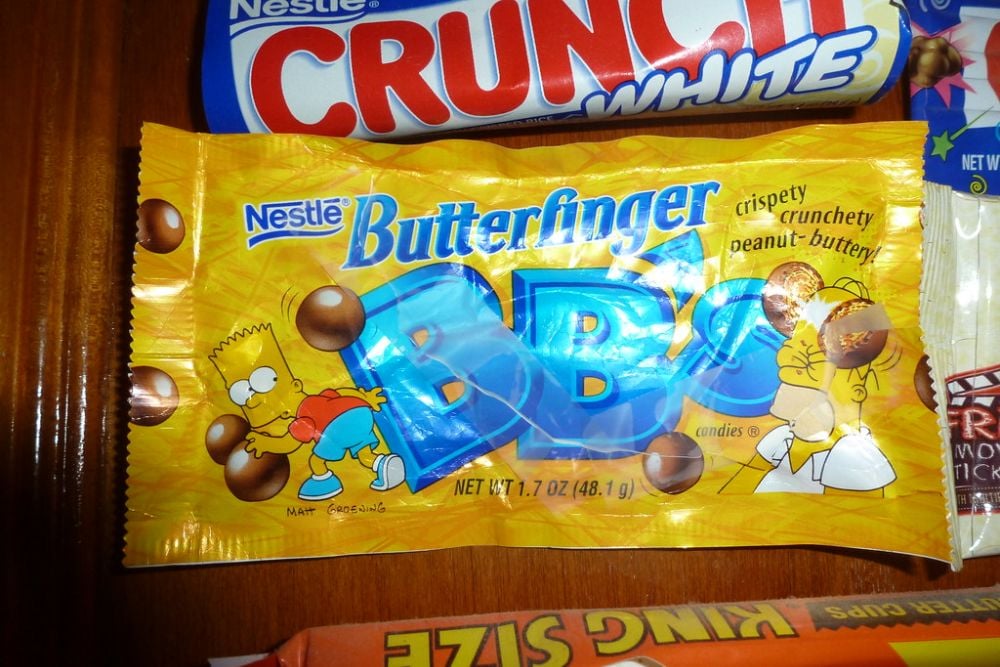
These bite-sized versions of the classic Butterfinger candy bar came in a convenient pop-top container perfect for snacking or sharing. Introduced in the 1990s and discontinued in 2006, they featured the same crispety, crunchety peanut butter taste as the original bar but with a superior chocolate-to-filling ratio according to enthusiasts.
Despite numerous petitions, Nestlé has yet to bring back this fan favorite.
Nintendo Power Magazine

This gaming magazine served as the definitive source for Nintendo news and game strategies for 24 years. The colorful pages filled with maps, tips, and exclusive previews became treasured possessions for young gamers in the pre-internet era.
Its 2012 discontinuation marked the end of an era in gaming journalism, with the final issue fittingly featuring a nostalgic tribute to the original Super Mario Bros.
Surge Soda

This highly caffeinated citrus soda was Coca-Cola’s answer to Mountain Dew in the 1990s. After its discontinuation in 2003, the ‘Surge Movement’ fan group campaigned relentlessly for its return, eventually succeeding when Coca-Cola reintroduced it in 2014.
The grassroots effort demonstrated how social media could resurrect discontinued products by proving ongoing demand to manufacturers.
Carnation Breakfast Bars
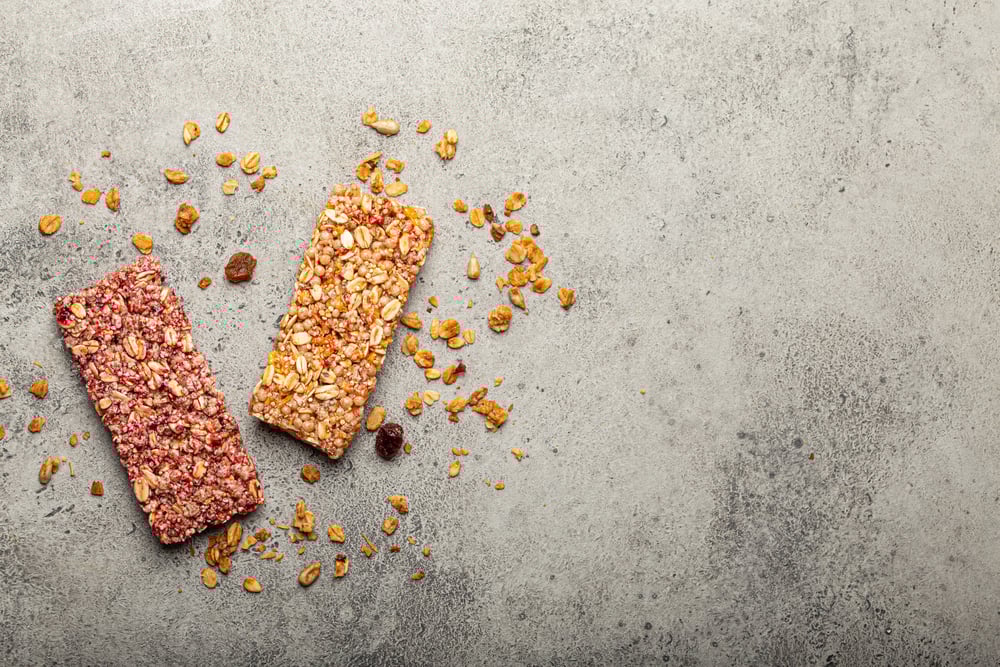
These chewy granola bars marketed as complete meal replacements had a devoted following from the 1970s through the early 2000s. Unlike modern protein or granola bars, these had a unique texture and flavor profile that fans still rave about decades later.
Numerous recipe blogs offer homemade approximations, but according to loyal customers, nothing quite matches the original.
Apple iPod Classic
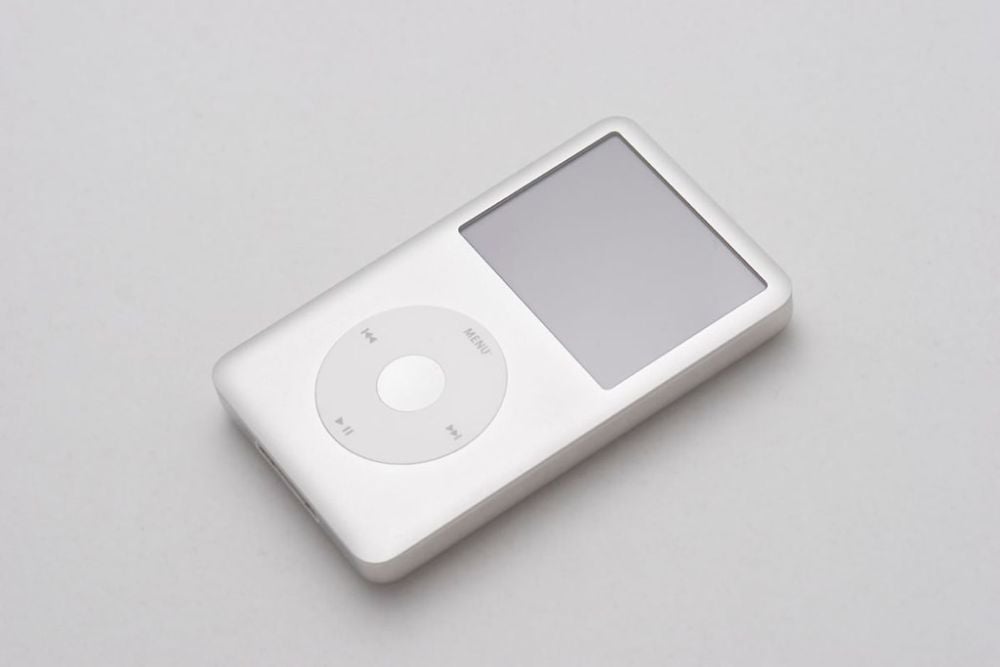
The device that revolutionized how we listen to music was discontinued in 2014, much to the dismay of audiophiles and music collectors. With storage capacity up to 160GB, the Classic could hold 40,000 songs, far more than most streaming-focused modern devices.
Working units now sell for several times their original retail price on secondary markets as music enthusiasts seek that massive storage capacity and iconic click wheel.
Josta Soda
Pepsi’s first energy drink hit shelves in 1995, featuring guarana and a unique berry flavor unlike anything else on the market. Despite developing a loyal following, Pepsi discontinued it just four years later.
Josta maintains one of the most active discontinued product fan communities, with ongoing petition efforts and even an annual “Josta Day” when enthusiasts gather to reminisce about their favorite beverage.
Taco Bell’s Mexican Pizza
This fan-favorite menu item featured two crispy tortillas layered with beans, beef, tomatoes and cheese. After 32 years on the menu, Taco Bell discontinued it in 2020, citing packaging waste concerns.
The backlash was immediate and intense, including a petition with over 170,000 signatures. Taco Bell listened to their customers and brought the item back permanently in 2022, acknowledging they had underestimated its cultural significance.
Wendy’s Spicy Chicken Nuggets
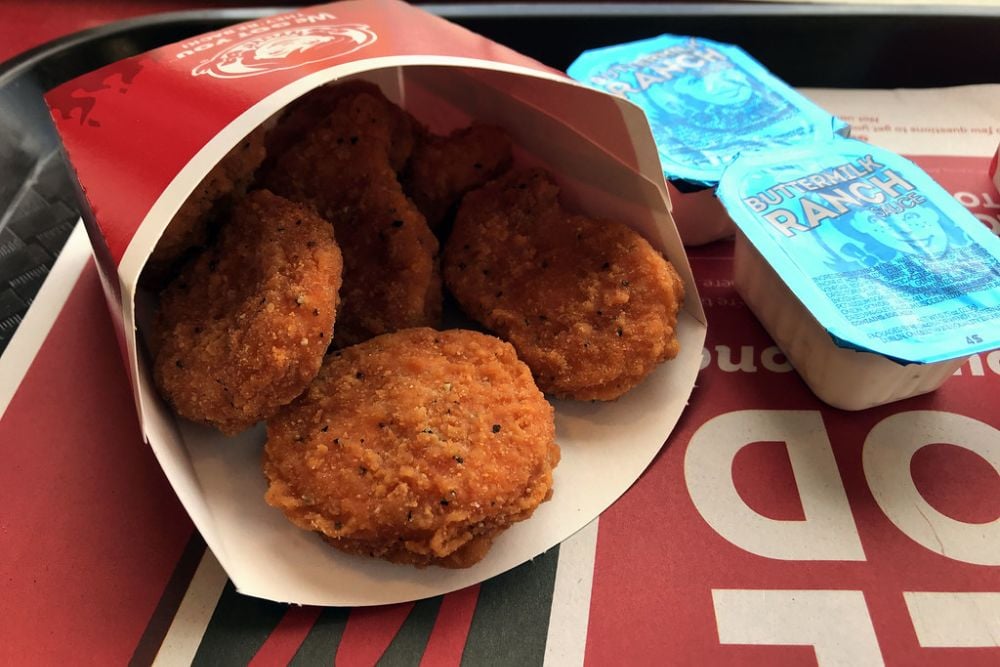
These kicked-up nuggets developed a passionate following before disappearing from the menu in 2017. The outcry included celebrity involvement, with Chance the Rapper tweeting a prayer for their return that received over 2 million likes.
Wendy’s promised to bring them back if the tweet reached 2 million likes, and they made good on that promise, reintroducing the spicy nuggets as a permanent menu item in 2019.
The Enduring Power of Product Nostalgia

The strong emotional connections we form with products often transcend their practical functions. Companies are increasingly recognizing the value of nostalgia marketing, reviving discontinued items to capitalize on generations of built-up demand.
These product resurrections satisfy more than just consumer cravings, they reconnect us with cherished memories and simpler times, proving that sometimes the most innovative product strategy is bringing back what worked before.
More from Go2Tutors!

- The Romanov Crown Jewels and Their Tragic Fate
- 13 Historical Mysteries That Science Still Can’t Solve
- Famous Hoaxes That Fooled the World for Years
- 15 Child Stars with Tragic Adult Lives
- 16 Famous Jewelry Pieces in History
Like Go2Tutors’s content? Follow us on MSN.



