21 Antique Pocket Calculators from the ’70s With Real Value
The 1970s brought something remarkable into everyday life: the pocket calculator. Before that decade, complex math meant reaching for a slide rule or heading to a desktop adding machine that weighed more than a small child.
These early electronic marvels changed everything, transforming briefcases and shirt pockets into portable math labs. What started as luxury items costing hundreds of dollars became the must-have gadgets of their era.
Today, those same calculators that revolutionized number-crunching have become coveted collectibles. The best examples command serious money from collectors who appreciate both their historical significance and their elegant engineering.
Finding one in good condition feels like discovering a piece of computing history that fits in your palm.
HP-35
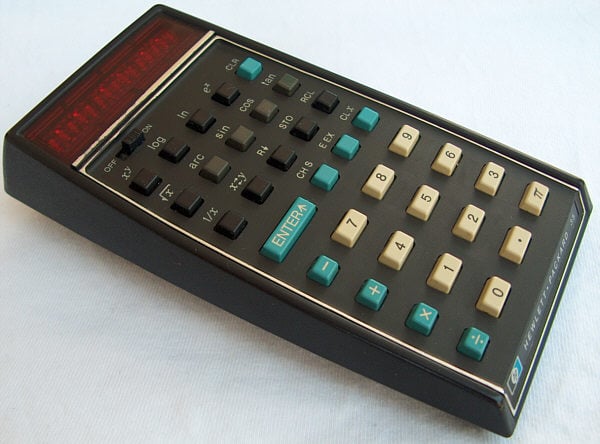
Hewlett-Packard’s first handheld scientific calculator doesn’t mess around. Released in 1972, it packed logarithms, trigonometry, and exponential functions into a device you could slip into your pocket.
Engineers and scientists lined up to buy them at $395 each — roughly $2,500 in today’s money.
Busicom LE-120A
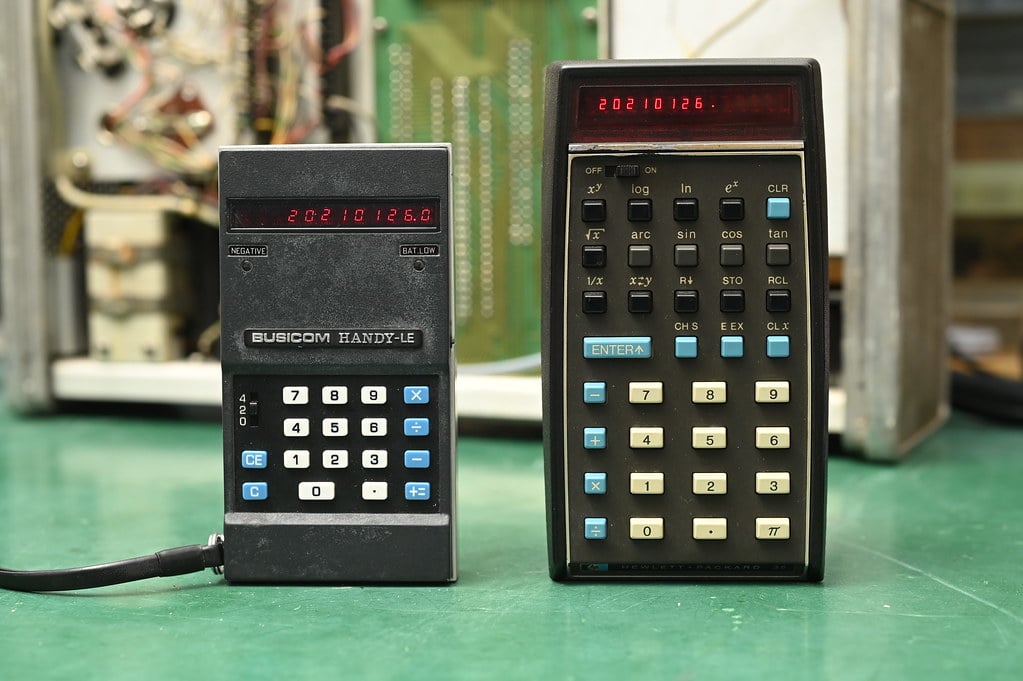
This Japanese calculator arrived before most people knew what a pocket calculator even was (which makes it fascinating in the way that all accidental pioneers are). The LE-120A came from the same company that helped Intel develop the 4004 microprocessor.
And yet finding one now requires patience and deep pockets.
Canon Pocketronic
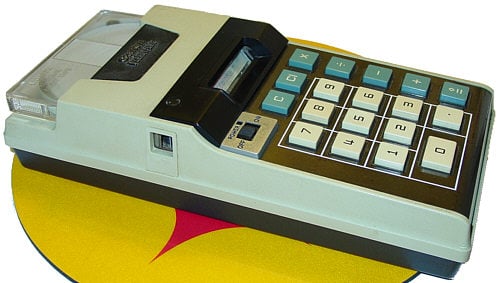
Canon’s 1971 entry deserves credit for making “pocket” calculators actually fit in pockets. The Pocketronic was small enough to carry anywhere, though it burned through batteries like a hungry teenager burns through cereal.
To be fair, most early calculators treated battery life as more of a suggestion than a specification.
Sharp EL-8
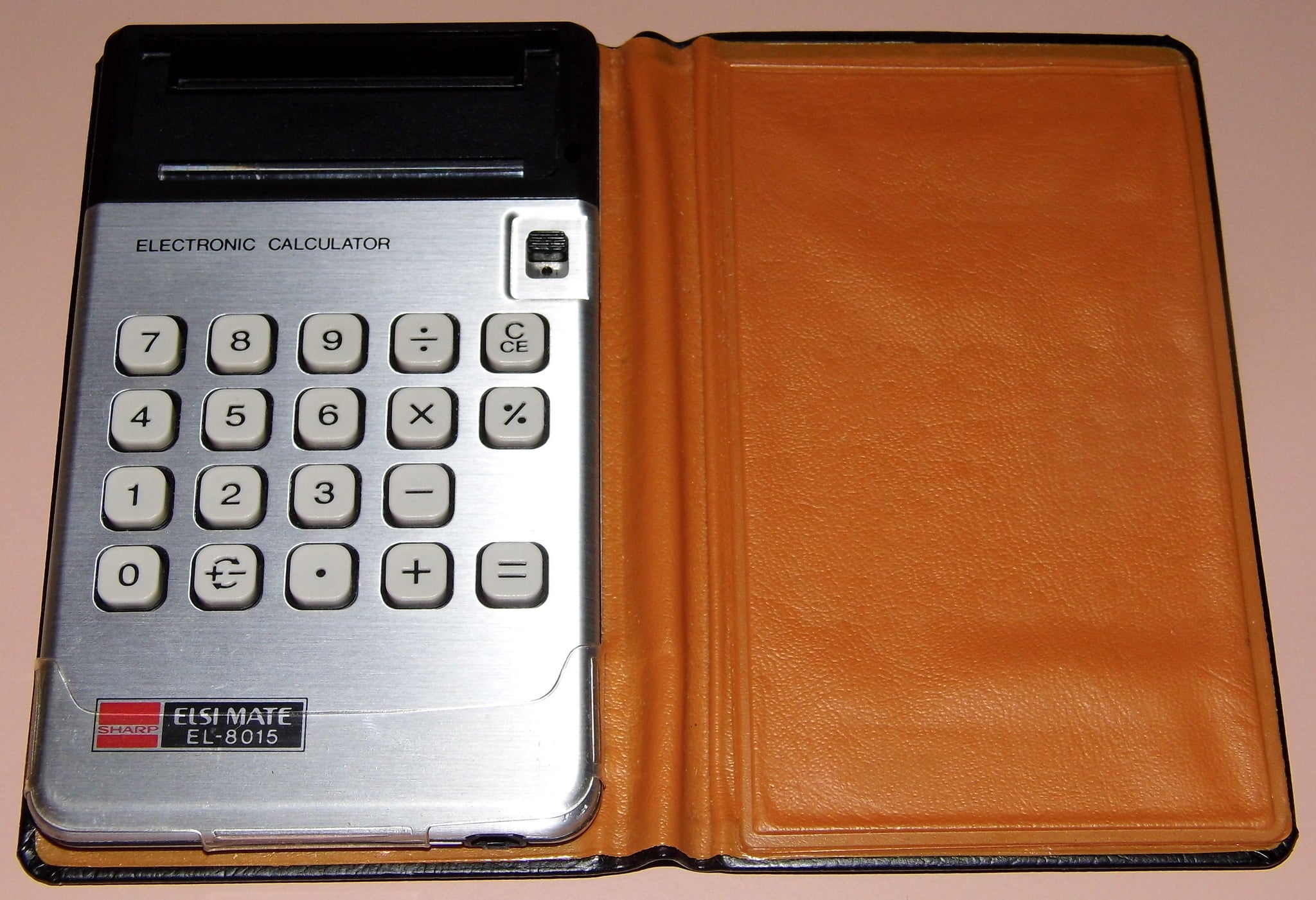
Sharp’s contribution to calculator history weighs almost nothing and costs almost everything (if you can find one). The EL-8 featured fluorescent display technology that made numbers appear to float in green light.
Finding one today feels like discovering a piece of the future that got lost in the past.
Commodore SR4148R
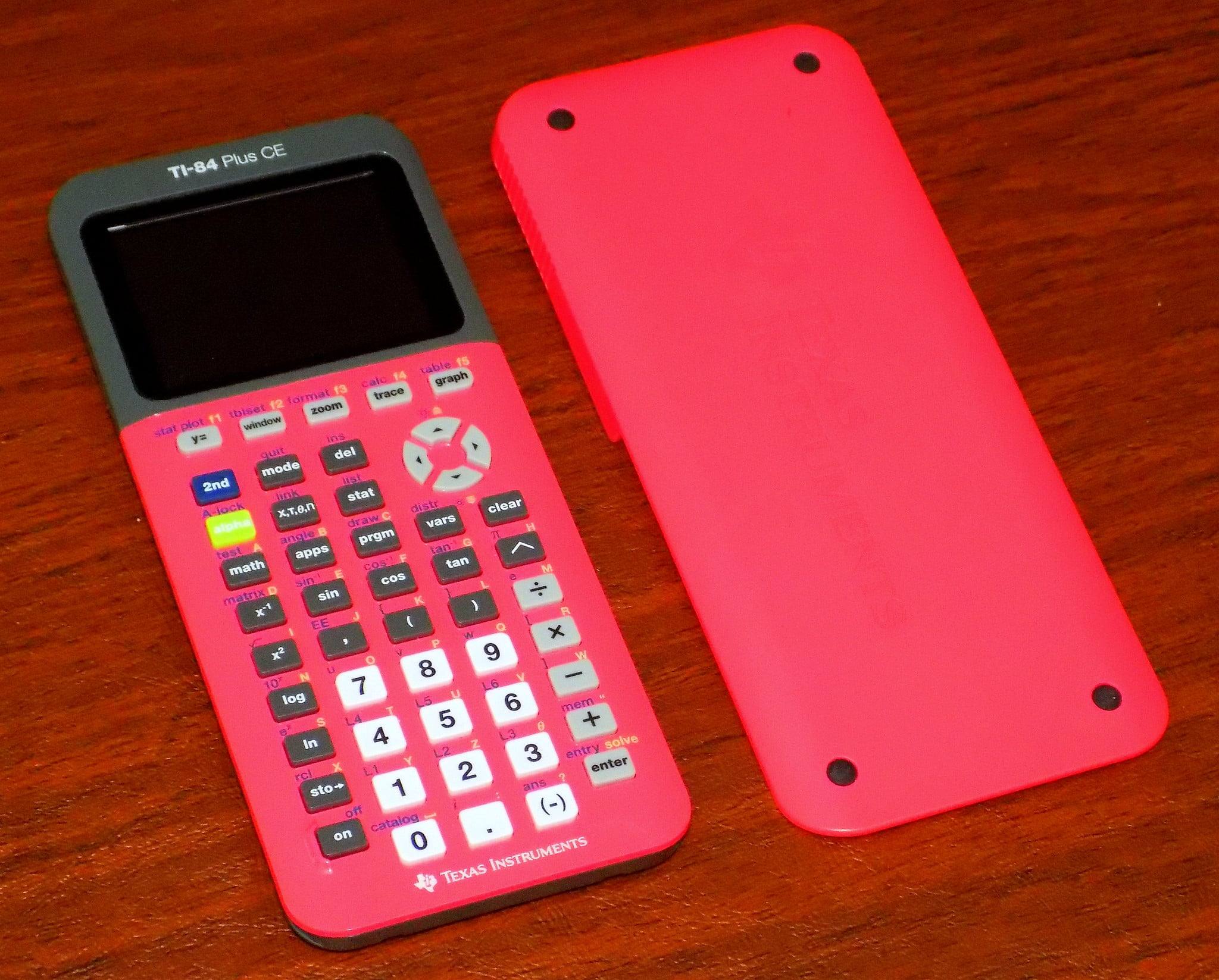
Commodore made computers, but before that they made calculators — and this particular model refuses to let anyone forget it. The SR4148R came with reverse Polish notation, which either made perfect sense or drove you slightly crazy, depending on your relationship with logic.
No middle ground existed.
Sinclair Cambridge
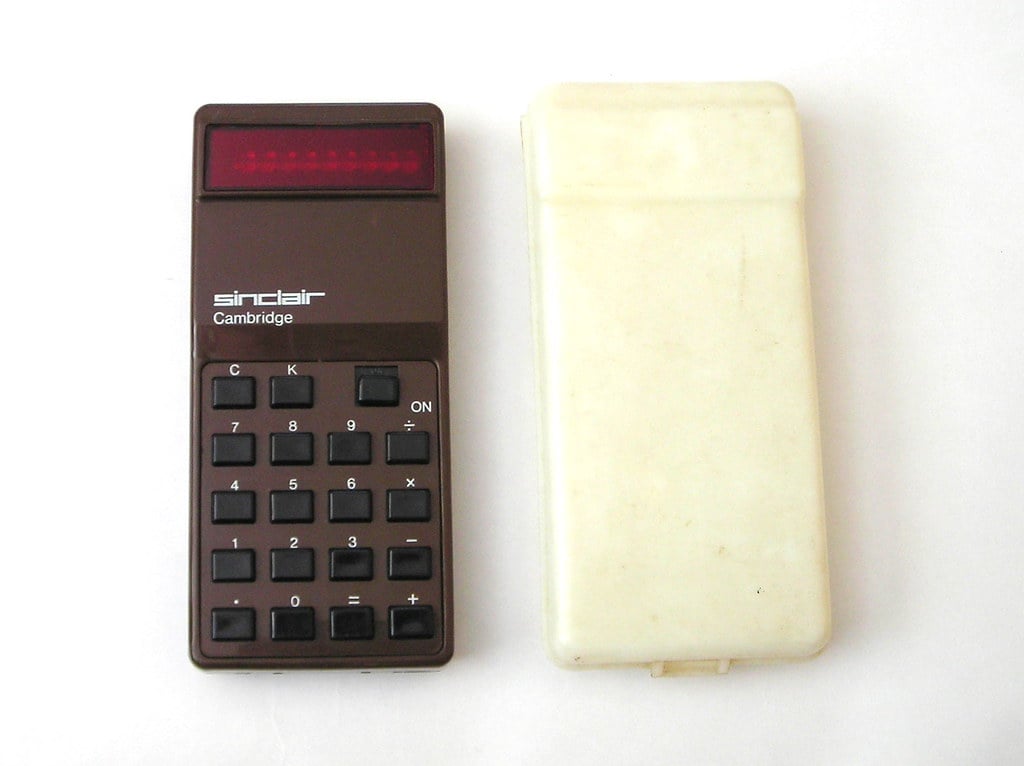
Clive Sinclair’s Cambridge calculator cost less than most of its competitors, which sounds generous until you discover how often the early models simply stopped working. The later versions redeemed the line, but those first Cambridge units taught buyers that “inexpensive” and “reliable” didn’t always travel together.
Even so, collectors chase them.
Hewlett-Packard HP-65
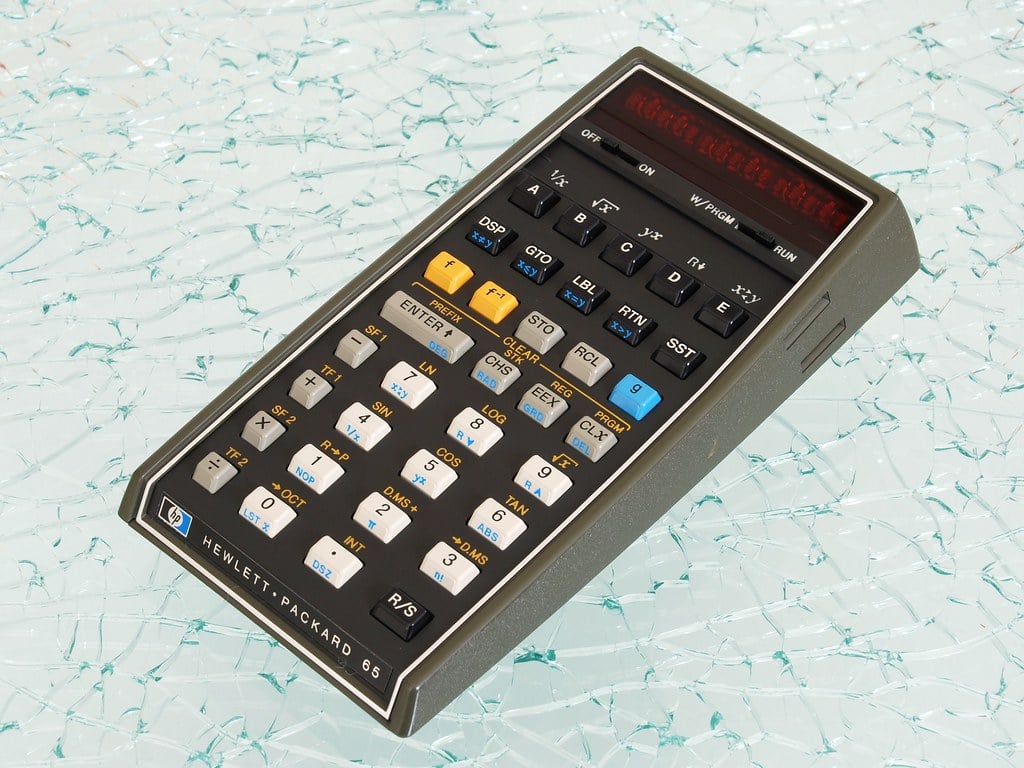
Programming a pocket calculator sounds impossible until you try the HP-65 (and then it sounds slightly less impossible, but still challenging enough to make you respect anyone who mastered it). This 1974 marvel could store programs on tiny magnetic cards.
The card reader alone makes finding a working unit feel like discovering buried treasure.
Casio Mini
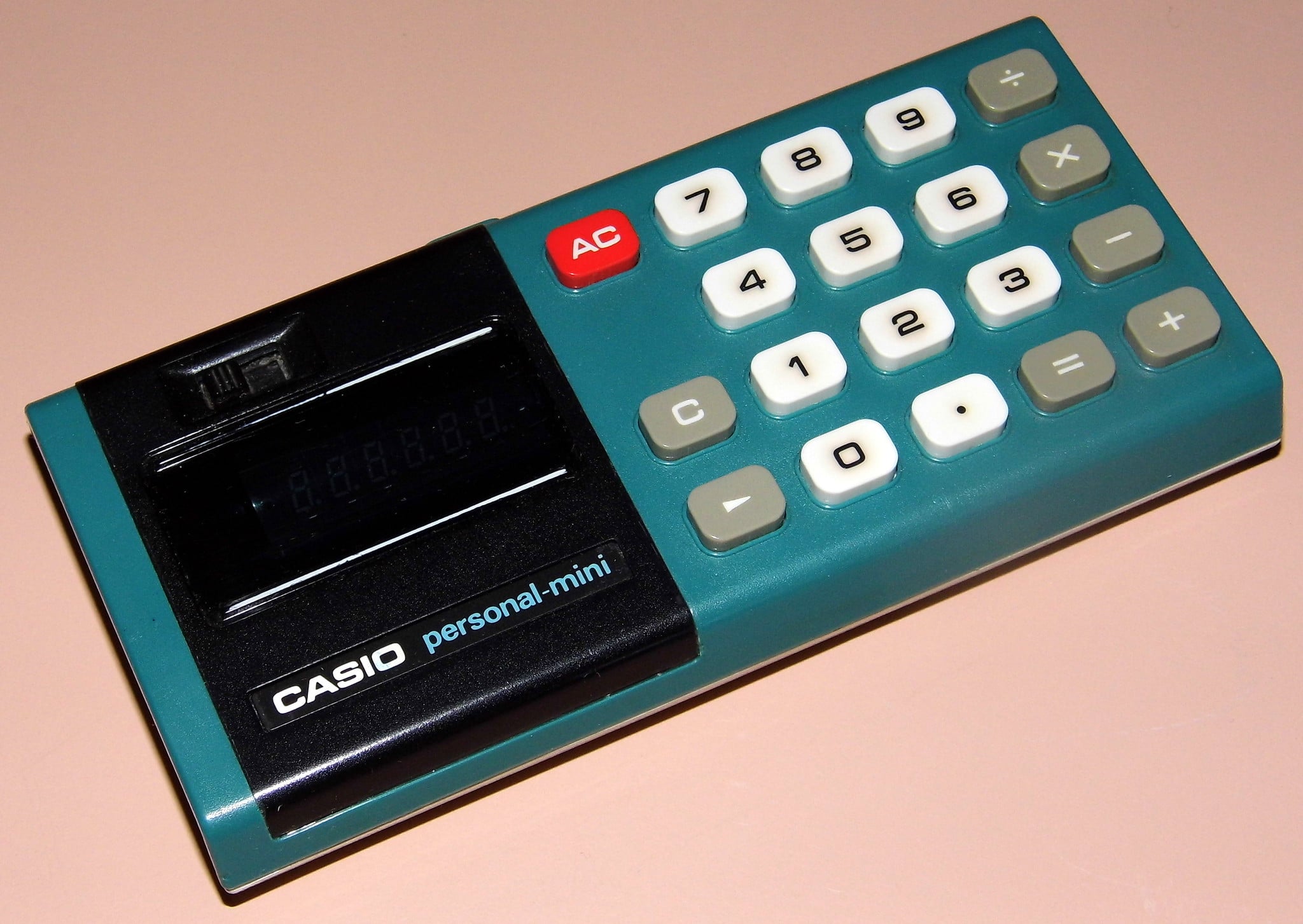
Casio’s Mini didn’t revolutionize mathematics or win design awards. It just worked, cost $69.95, and fit comfortably in your hand without requiring an engineering degree to operate.
Sometimes the most valuable antiques are the ones that simply did their job without making a fuss about it.
Bowmar 901B
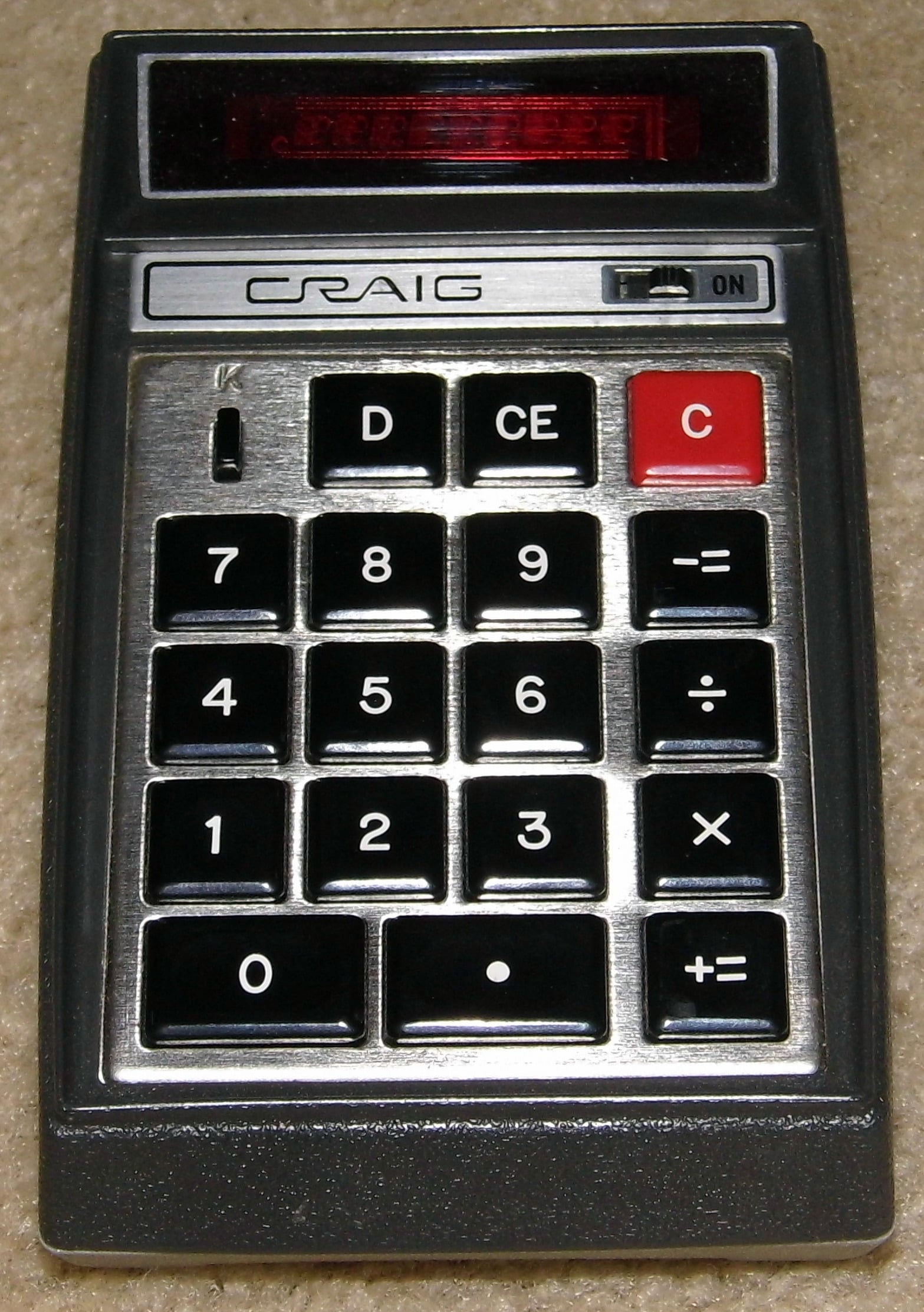
Bowmar entered the calculator market with enthusiasm and left it with bankruptcy, which tells you something about how quickly this industry moved in the 1970s. The 901B represented their best effort — a solid four-function calculator that worked exactly as advertised.
The company’s brief existence makes surviving units unexpectedly valuable.
Hewlett-Packard HP-45
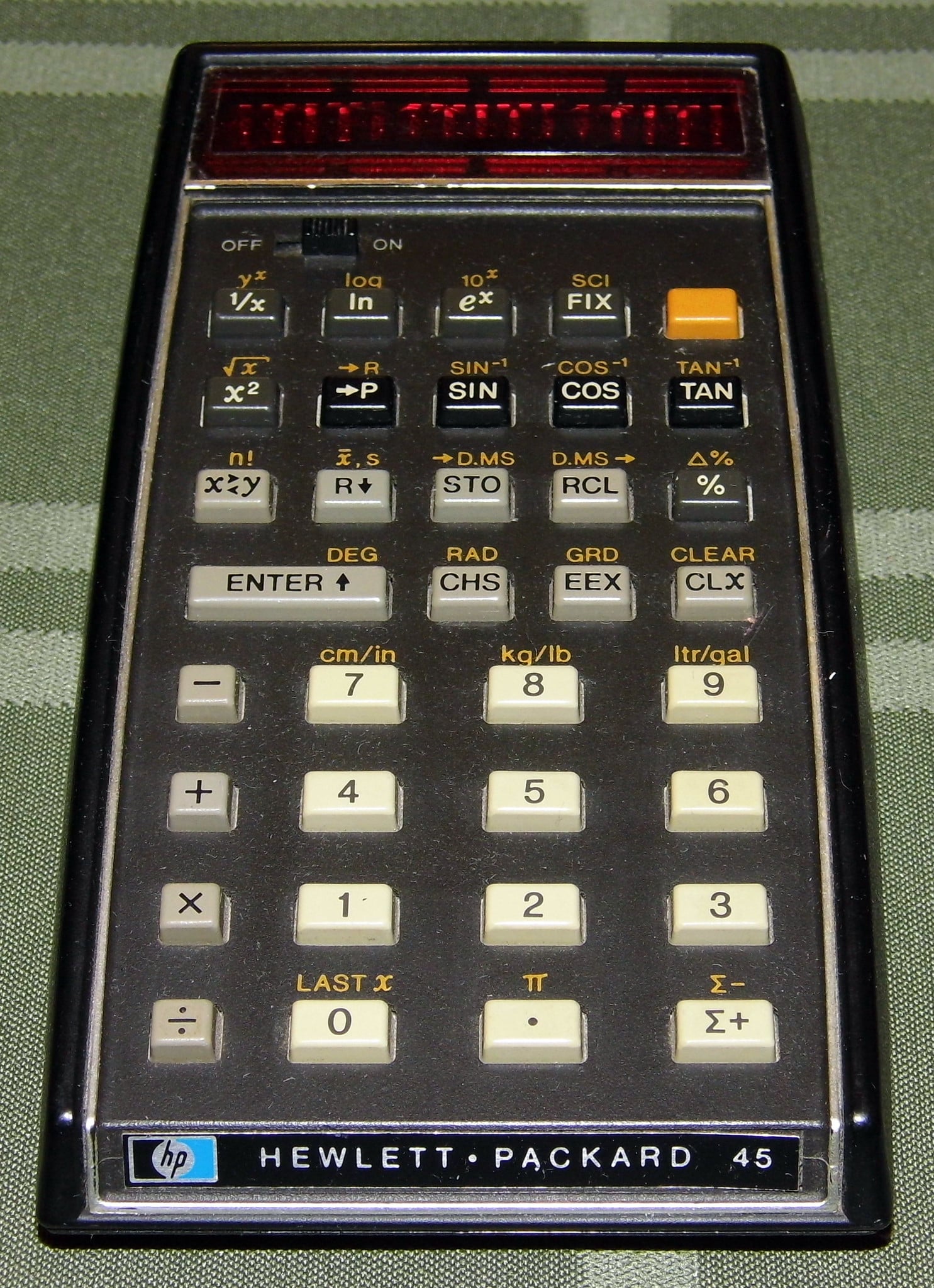
The HP-45 expanded on everything that made the HP-35 great and fixed most of what made it frustrating. More functions, better reliability, and a price that still required serious consideration but didn’t demand you sell your car.
Engineers who owned both models inevitably preferred the 45.
Texas Instruments TI-2500 Datamath
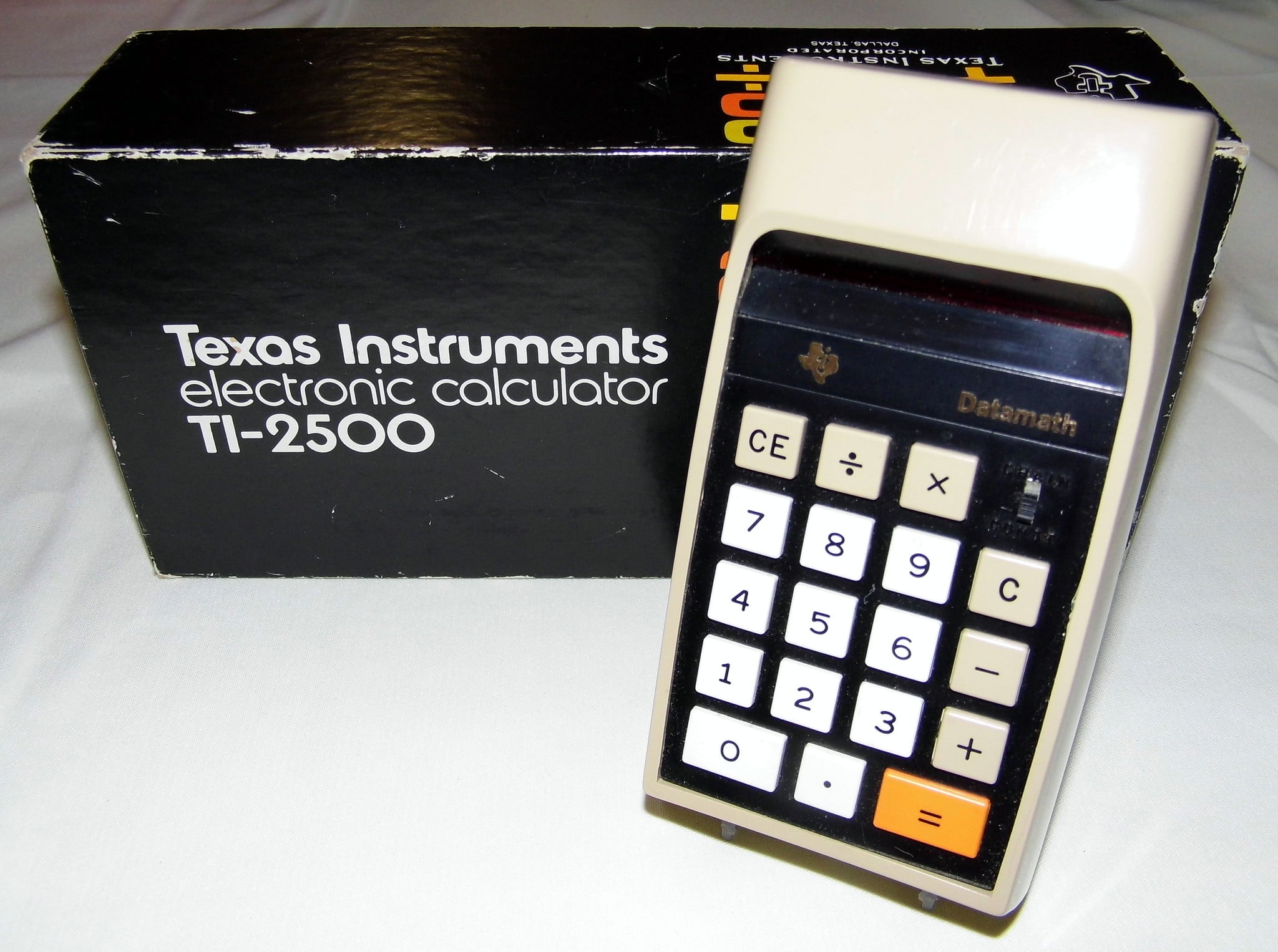
TI’s first handheld calculator earned its place in history by proving that pocket calculators could actually succeed in the marketplace. The red LED display and simple four-function operation made math accessible to anyone willing to pay $149.95.
That price dropped quickly, but early examples hold their value stubbornly.
APF Mark 55
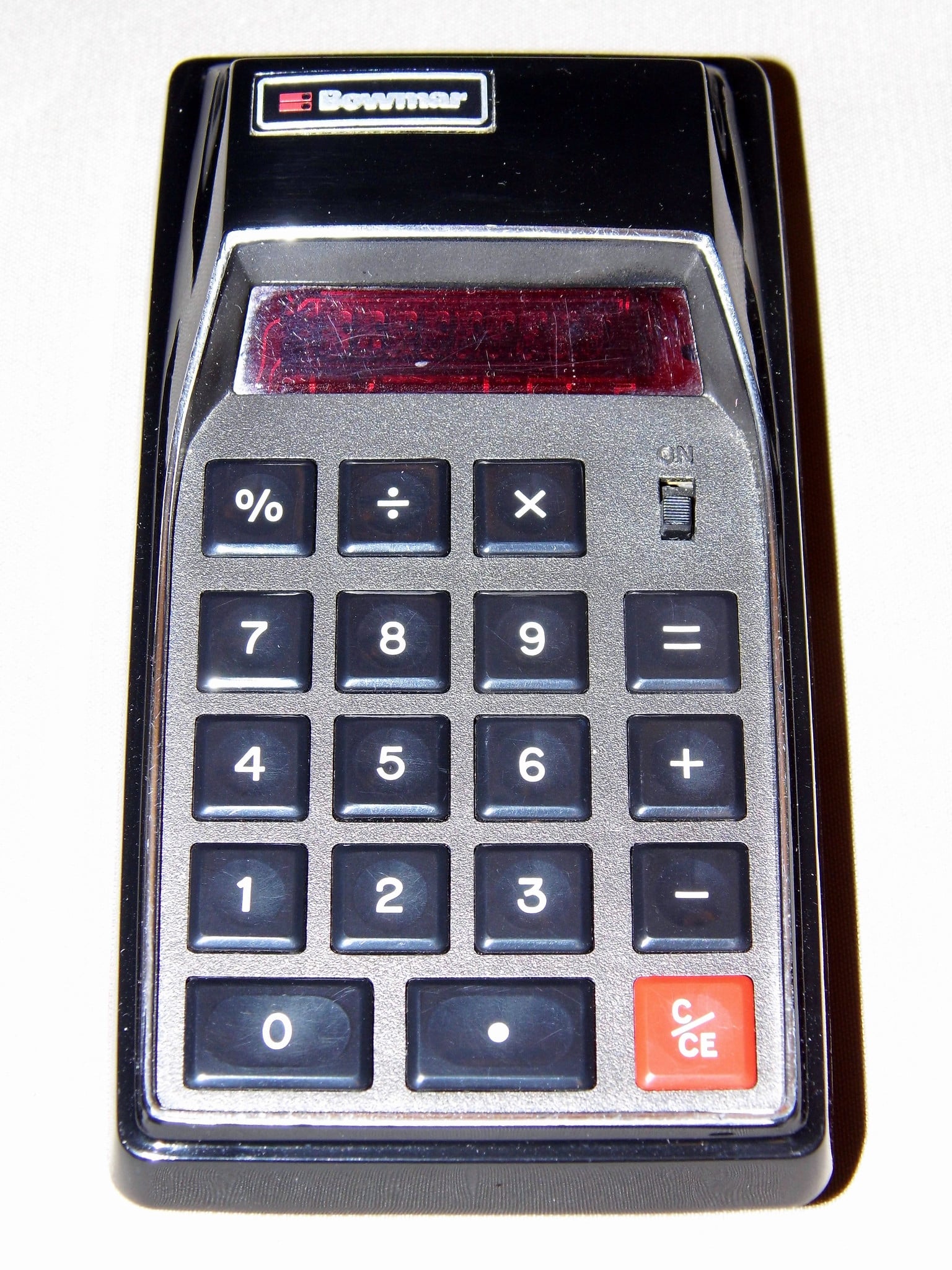
APF made calculators briefly and intensely, creating devices that worked well enough to build a reputation before the company moved on to other ventures (including some memorable video game systems that deserve their own article). The Mark 55 represents their calculator peak — competent, reliable, and increasingly rare.
Unitrex 60P
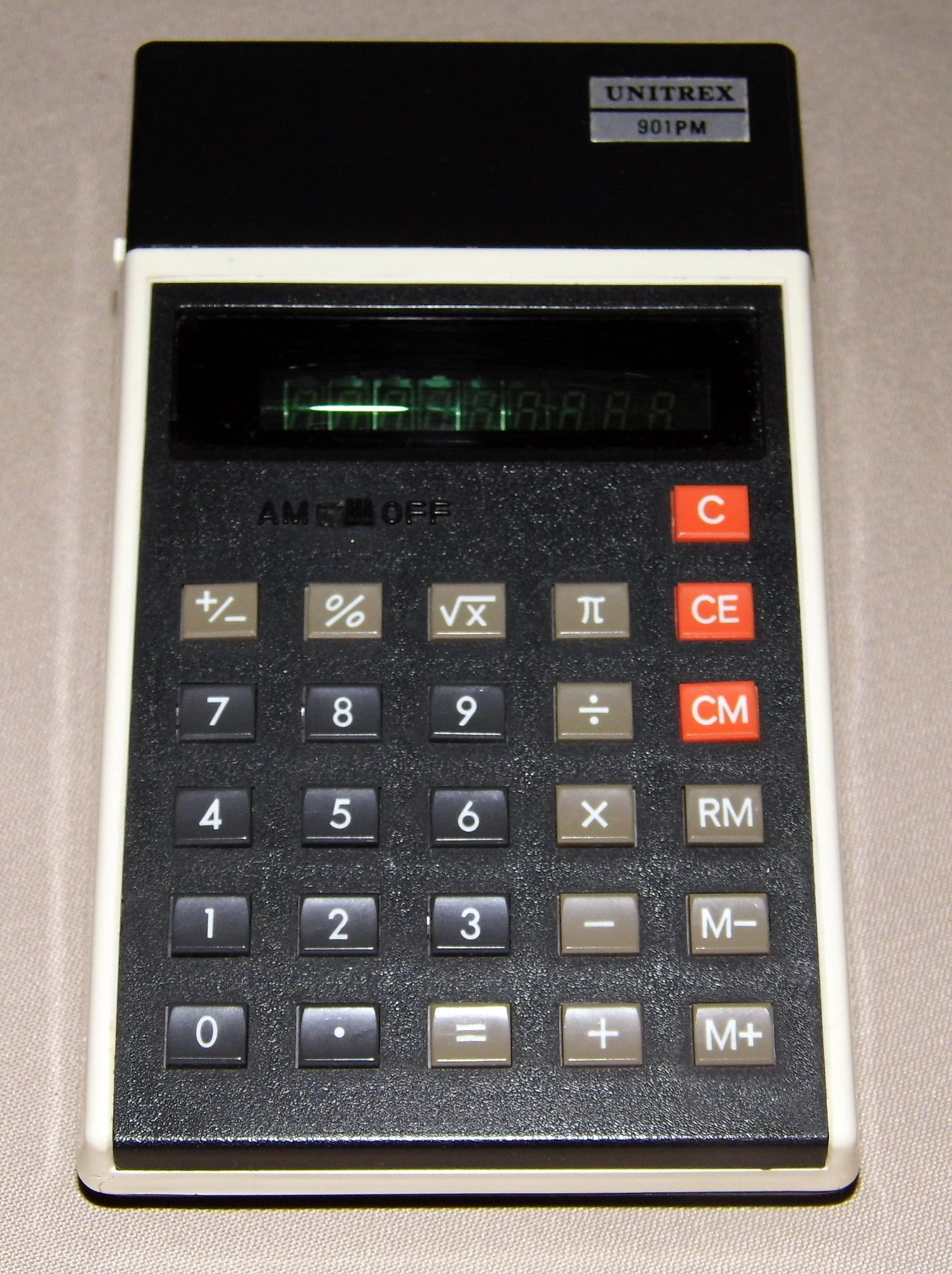
Unitrex calculators occupy a peculiar corner of collecting where scarcity drives value more than reputation or features. The 60P worked adequately but never achieved the fame of HP or TI models.
And yet finding one today proves more challenging than finding many supposedly superior alternatives.
Royal Digital III
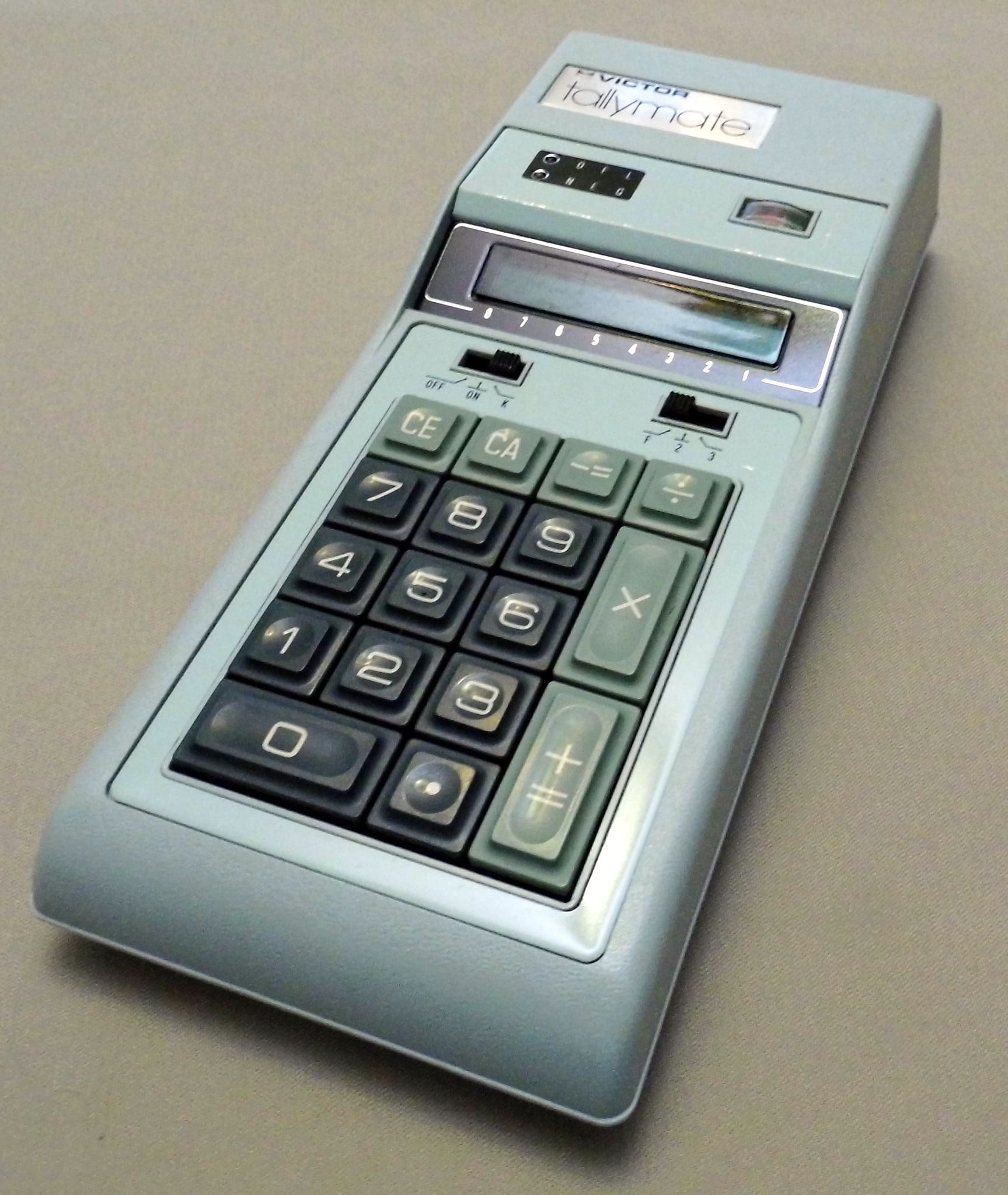
Royal’s entry into pocket calculators brought the company’s office machine expertise to bear on portable computation (though “portable” meant something different when calculators weighed more than modern smartphones and their chargers combined). The Digital III delivered reliable four-function math with the build quality Royal customers expected.
Even so, collectors value working examples highly.
Lloyd’s Accumatic 100
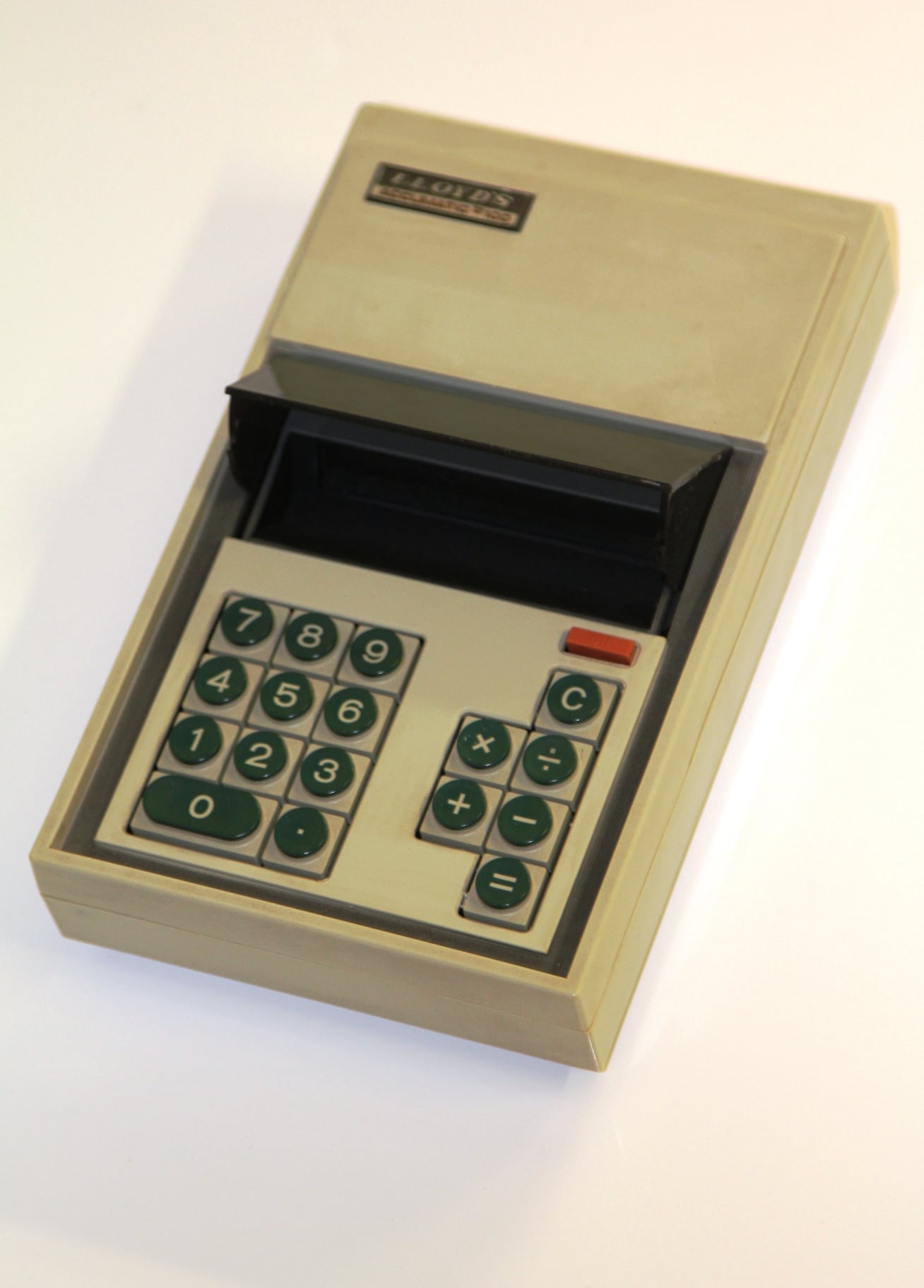
Lloyd’s made electronics that ranged from forgettable to surprisingly good, with the Accumatic 100 landing firmly in the “surprisingly good” category. This calculator featured clear labeling, logical button layout, and operation that rarely required consulting the manual.
Sometimes the most collectible items are the ones that simply worked without making you think about it.
Rapidman 800
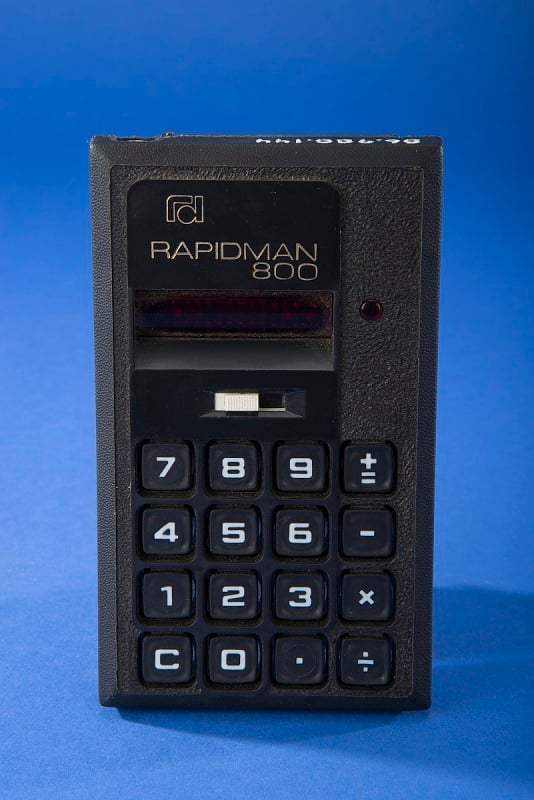
The story of 1970s calculator manufacturing reads like a gold rush where everyone arrived at the same time and most left disappointed. Rapidman’s brief calculator period produced the 800, a competent device that disappeared along with the company.
Scarcity makes working examples valuable, even when the original retail price suggested otherwise.
Elka 22
Eastern European calculator manufacturing followed different design principles than their Western counterparts, which makes the Bulgarian-made Elka 22 fascinating to examine and occasionally frustrating to use. The build quality impresses, but the interface requires adjustment if you learned math on American or Japanese calculators.
Collectors appreciate the alternative engineering approach.
Privilege 800
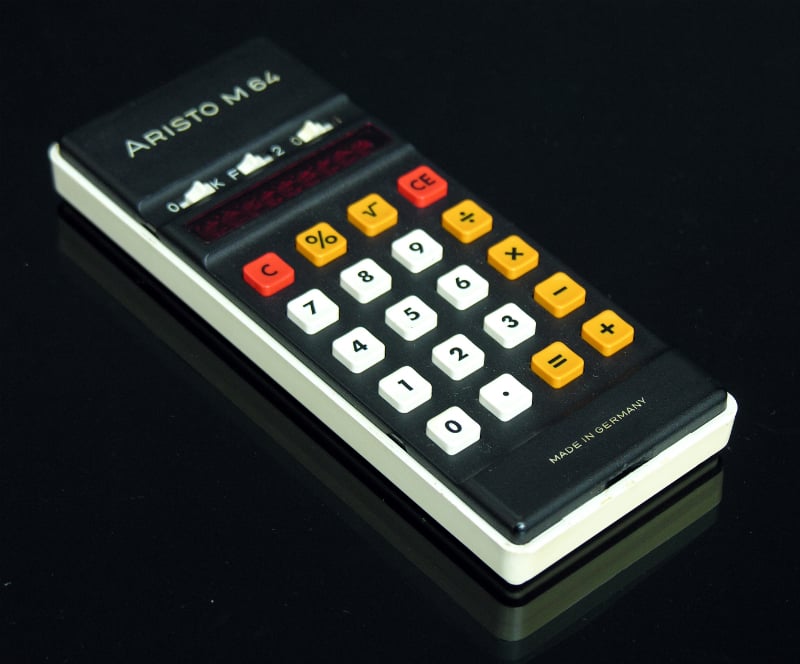
Some calculator companies chose names that suggested luxury and exclusivity, which worked until customers discovered that “privilege” didn’t automatically translate to “reliability” or “accuracy.” The Privilege 800 actually delivered on its upscale promise, but the company’s brief existence makes finding examples challenging.
Working units command respect from collectors.
MBO Sovereign
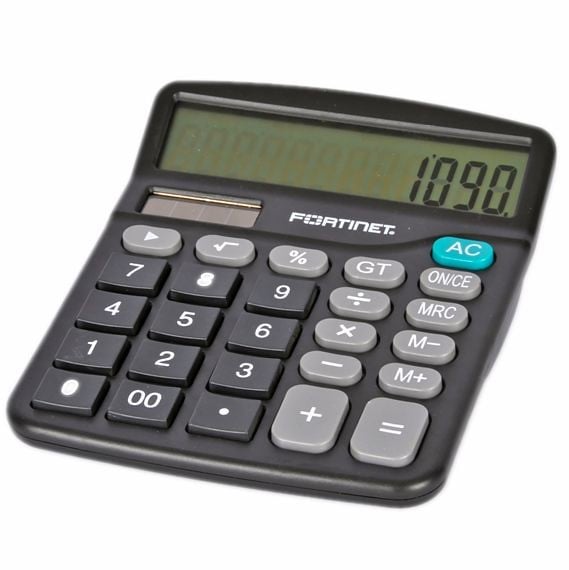
The final entries in any 1970s calculator lineup tend toward the obscure, which perfectly describes MBO’s Sovereign series. These calculators worked competently without achieving fame or widespread distribution.
Collectors value them precisely because most people have never heard of them, which creates scarcity that drives prices higher than the original specifications might justify.
Beyond the Numbers
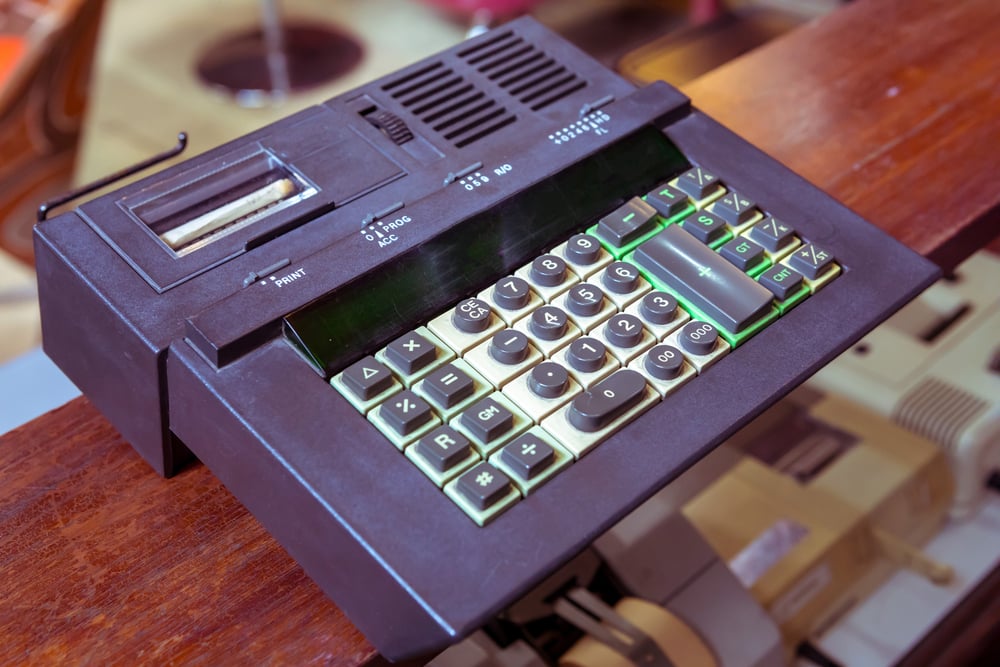
These early calculators remind us that innovation often comes in surprisingly small packages. Each model represents someone’s attempt to solve the universal problem of calculation, using the best technology available at the time.
The fact that we now carry more computing power in our phones doesn’t diminish what these devices accomplished — it just makes their achievement easier to appreciate from a distance. Collecting them connects us to that moment when the future first fit in your palm.
More from Go2Tutors!

- The Romanov Crown Jewels and Their Tragic Fate
- 13 Historical Mysteries That Science Still Can’t Solve
- Famous Hoaxes That Fooled the World for Years
- 15 Child Stars with Tragic Adult Lives
- 16 Famous Jewelry Pieces in History
Like Go2Tutors’s content? Follow us on MSN.



