22 Buildings That Outlived the Empires That Built Them
Empires collapse for all sorts of reasons: invasion, debt, succession crises, slow administrative rot. Their buildings tend to be more stubborn.
Stone does not care who is in charge, and the structures on this list have outlasted the governments, religions, and ruling dynasties that commissioned them, sometimes by a thousand years or more.
The Colosseum

Completed around 80 CE under the Flavian dynasty, Rome’s great amphitheater hosted gladiatorial contests and public spectacles for roughly four centuries before the Western Roman Empire itself collapsed in 476 CE. The building survived earthquakes, stone-robbing for other construction projects, and centuries of neglect, eventually being repurposed as housing, workshops, and even a Christian shrine.
It now draws millions of visitors annually to a city whose empire vanished more than fifteen centuries ago.
The Pantheon

Built under Emperor Hadrian around 126 CE on the site of an earlier temple, the Pantheon features the largest unreinforced concrete dome ever constructed, an engineering feat modern architects still study. Its survival owes much to its conversion into a Christian church in 609 CE, which spared it from the demolition and stone-scavenging that destroyed many other Roman structures after the empire fell.
The dome remains structurally intact and in continuous use nearly two thousand years after it was poured.
Hagia Sophia
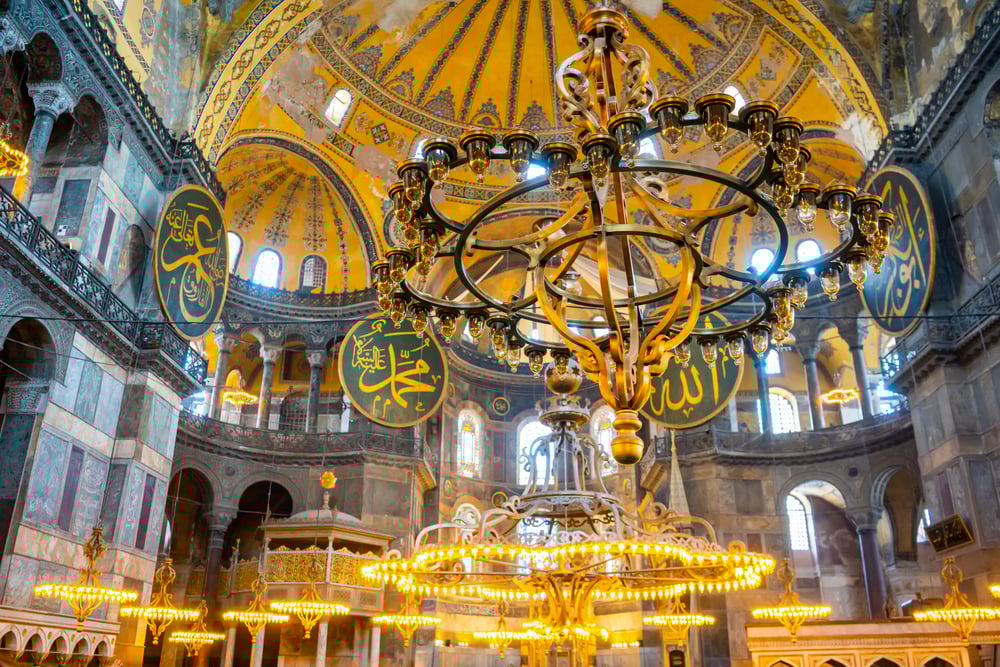
Constructed under Byzantine Emperor Justinian I in 537 CE, Hagia Sophia served as the cathedral of Constantinople and the seat of Eastern Christianity for roughly nine centuries. When the Ottoman Empire conquered Constantinople in 1453, the building was converted into a mosque rather than destroyed, its Christian mosaics plastered over instead of removed.
The Byzantine Empire that built it disappeared entirely, the Ottoman Empire that repurposed it followed roughly 470 years later, and the building still stands in modern Istanbul, now serving once again as an active mosque.
The Great Wall of China
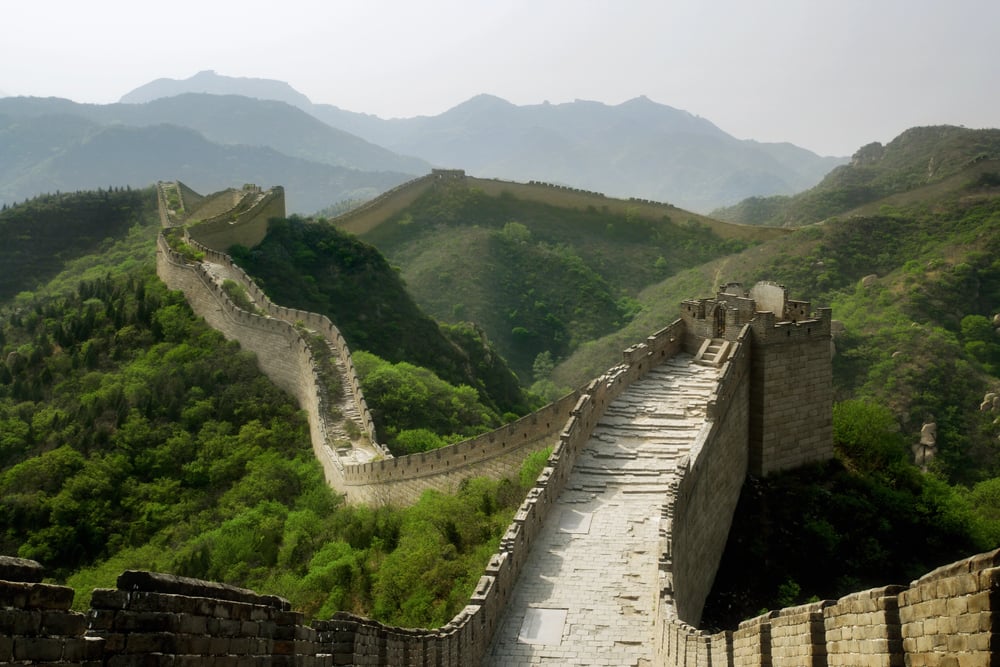
Sections of wall fortification date back to the Qin dynasty in the third century BCE, though most of what tourists visit today was built or rebuilt under the Ming dynasty between the fourteenth and seventeenth centuries. The wall was constructed and repeatedly rebuilt by a succession of dynasties that have all since fallen, from the Qin through the Han to the Ming, each adding sections meant to secure borders against threats that no longer exist.
It now stretches across thousands of miles as one of the most recognized structures in the world.
The Forbidden City
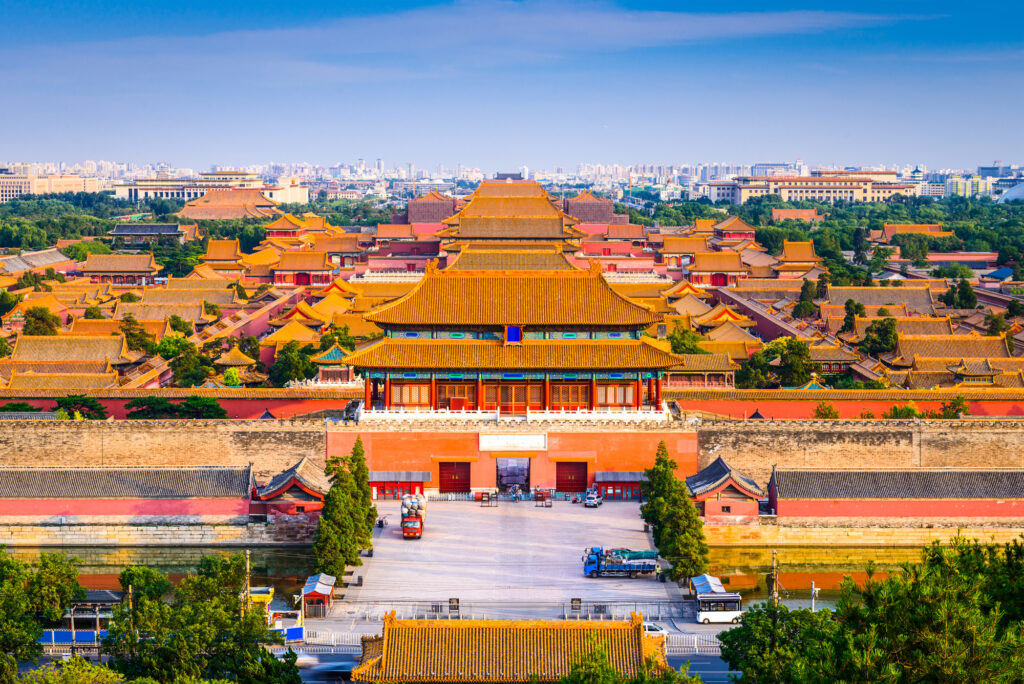
Built starting in 1406 as the imperial palace complex for the Ming dynasty, the Forbidden City housed 24 emperors across both the Ming and the succeeding Qing dynasty until China’s last emperor, Puyi, was expelled from the palace in 1924. The Qing dynasty, and imperial China itself, ended in 1912, yet the sprawling complex of nearly a thousand buildings survived the transition to a republic and later to Communist rule.
It now operates as the Palace Museum, one of the most visited museums in the world.
Angkor Wat
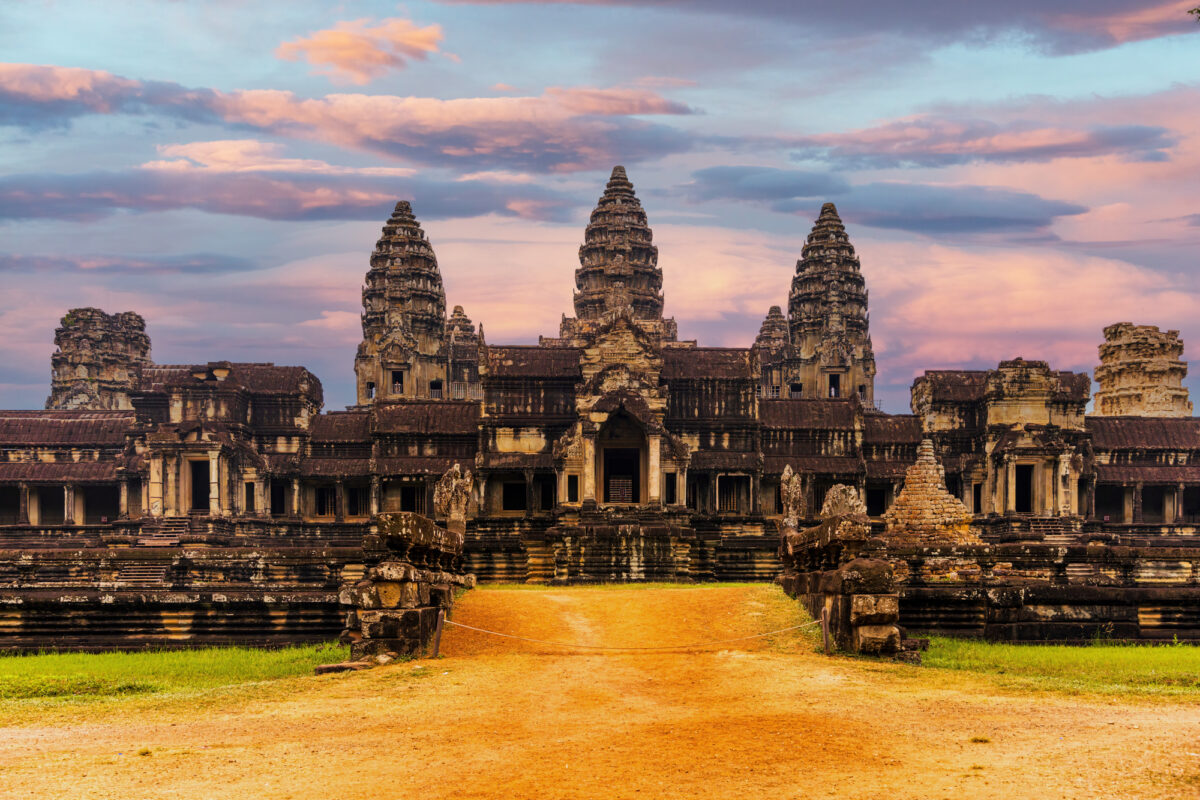
Built in the early twelfth century as a Hindu temple dedicated to Vishnu under King Suryavarman II, Angkor Wat served as the spiritual center of the Khmer Empire at the height of its power across Southeast Asia. The Khmer Empire gradually declined and largely abandoned the site by the fifteenth century, and the surrounding jungle grew over much of the complex for centuries.
French colonial explorers rediscovered the ruins in the nineteenth century, and the temple, later converted for Buddhist worship, remains a functioning religious site and Cambodia’s most recognizable landmark.
Persepolis
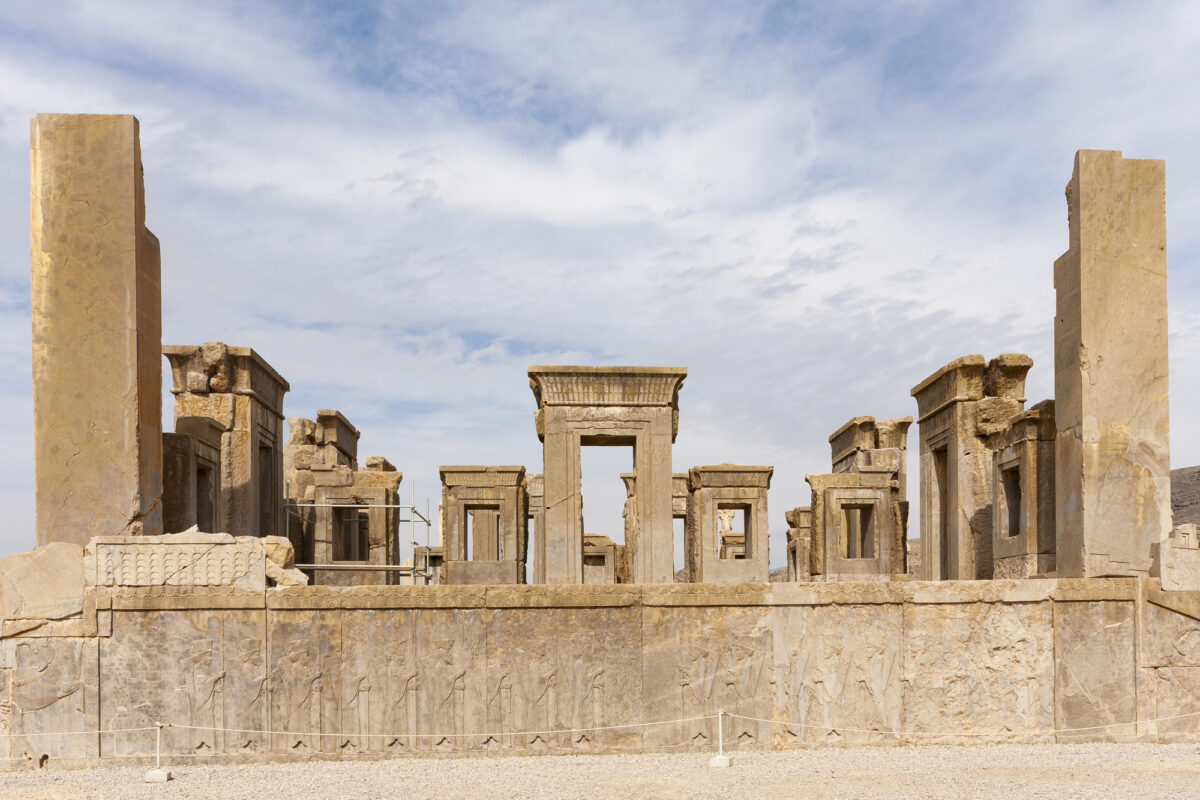
Founded around 518 BCE under Darius I as the ceremonial capital of the Achaemenid Persian Empire, Persepolis showcased the empire’s wealth through elaborate stone reliefs and monumental columned halls. Alexander the Great burned much of the complex in 330 BCE after conquering the empire, yet substantial ruins survived the fire and centuries of subsequent abandonment.
The site remains one of the most significant archaeological locations in Iran, outlasting both the empire that built it and the conqueror who destroyed its capital.
Petra
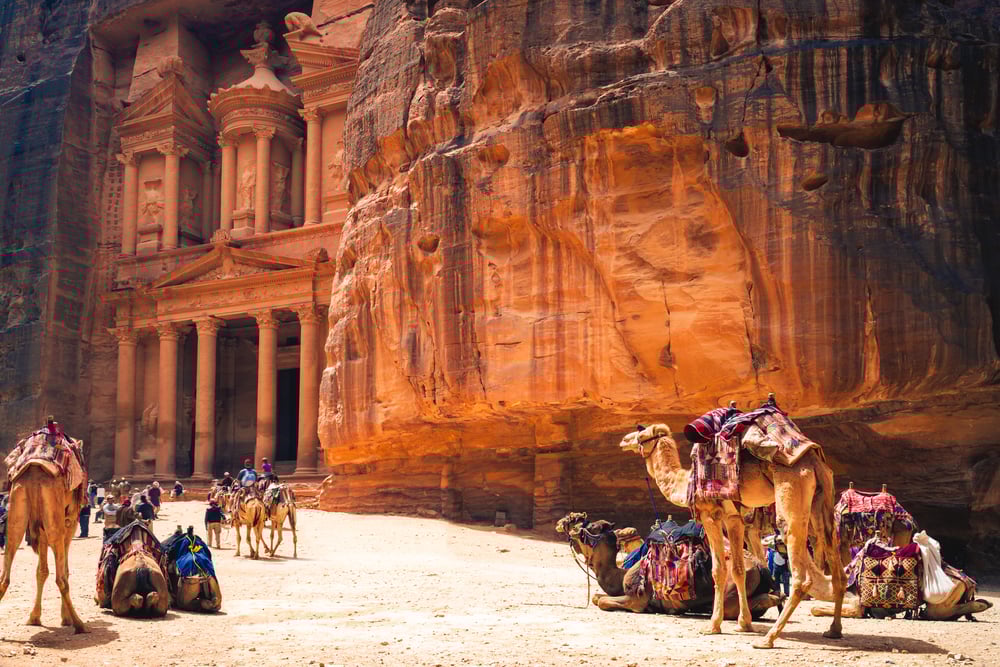
Carved directly into rose-colored sandstone cliffs starting around the fourth century BCE, Petra served as the capital of the Nabataean Kingdom, a trading civilization that controlled valuable caravan routes across the Arabian desert. The Nabataean Kingdom was annexed by Rome in 106 CE, and the city gradually declined further after a major earthquake in 363 CE and shifting trade routes.
The city faded from Western knowledge until a Swiss explorer rediscovered it in 1812, disguised as a local traveler to gain access to a site still sacred to the Bedouin who lived there.
The Great Pyramid of Giza
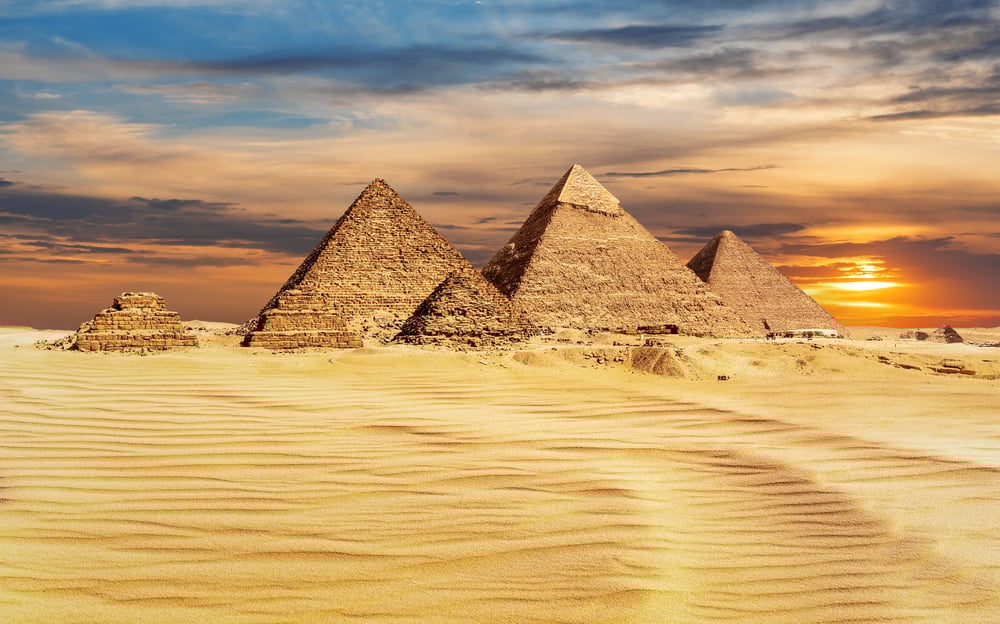
Built around 2560 BCE as a tomb for the pharaoh Khufu, the Great Pyramid remained the tallest human-made structure on Earth for roughly 3,800 years, a record unmatched by any other building in history. The Old Kingdom of Egypt that built it collapsed centuries later, followed by the Middle Kingdom, the New Kingdom, and every subsequent Egyptian dynasty, along with the Persian, Greek, Roman, and Ottoman powers that later ruled the region.
The pyramid remains standing today, the only surviving structure among the ancient world’s traditional Seven Wonders.
Machu Picchu
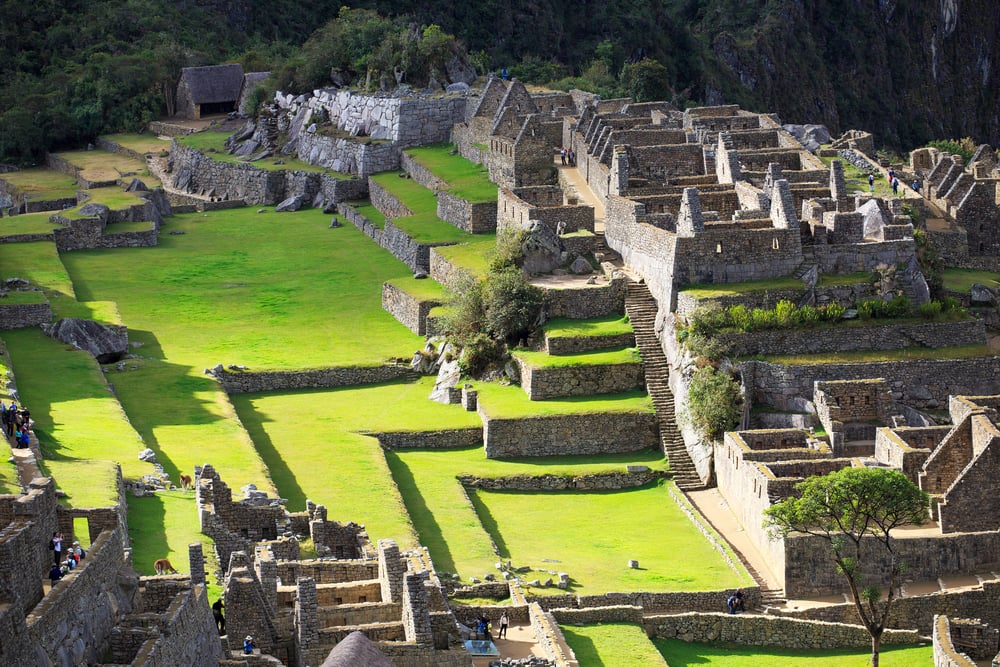
Built around 1450 as a royal estate for the Inca emperor Pachacuti, Machu Picchu sits high in the Peruvian Andes and was likely abandoned within a century, possibly due to the Spanish conquest that destroyed the Inca Empire by 1572. The site’s remote mountain location kept it hidden from Spanish colonizers entirely, and it remained largely unknown outside the local population until American historian Hiram Bingham brought international attention to it in 1911.
The empire that built it disappeared roughly 450 years before archaeologists began seriously studying the site.
The Alhambra
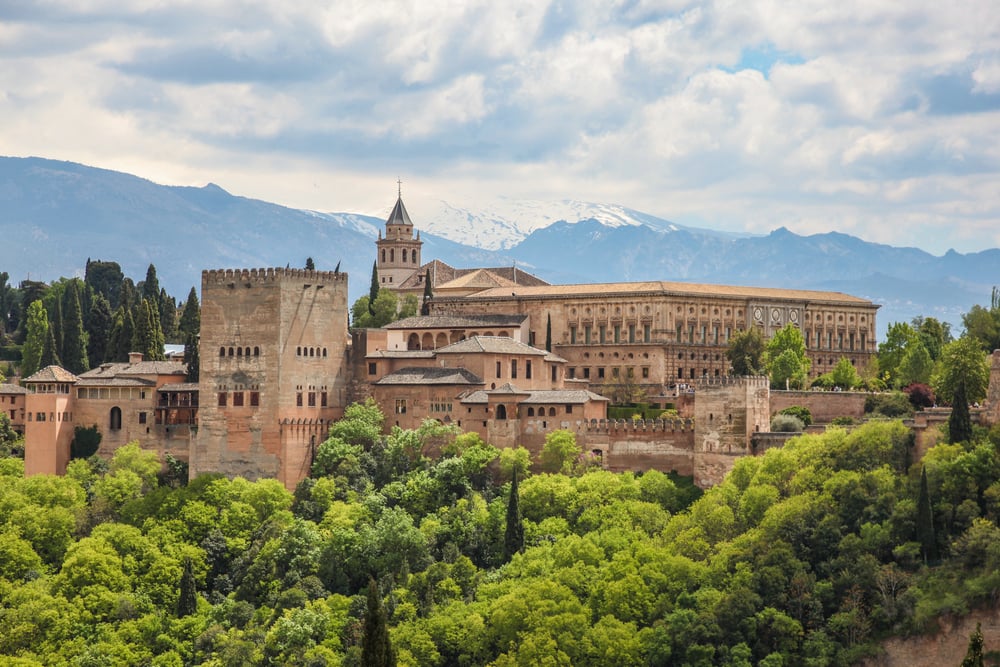
Constructed primarily during the thirteenth and fourteenth centuries as the fortress and palace complex of the Nasrid dynasty, the Alhambra served as the last stronghold of Muslim rule in Spain, a kingdom known as Granada that survived nearly 250 years after other Islamic territories on the peninsula had fallen to Christian forces. Granada finally surrendered to the Catholic Monarchs Ferdinand and Isabella in 1492, ending nearly 800 years of Islamic rule in Iberia.
The complex survived the transition largely intact, later incorporating a Renaissance palace built by Emperor Charles V, and remains one of Spain’s most visited monuments.
Topkapi Palace

Built starting in the 1460s as the primary residence of Ottoman sultans following the conquest of Constantinople, Topkapi Palace served as the administrative and ceremonial heart of the Ottoman Empire for roughly four centuries. The Ottoman Empire dissolved in 1922 after more than 600 years of rule, and Turkey became a secular republic the following year under Mustafa Kemal Atatürk.
The palace was converted into a museum in 1924, preserving its treasury, harem quarters, and audience chambers for a state that no longer exists.
Borobudur
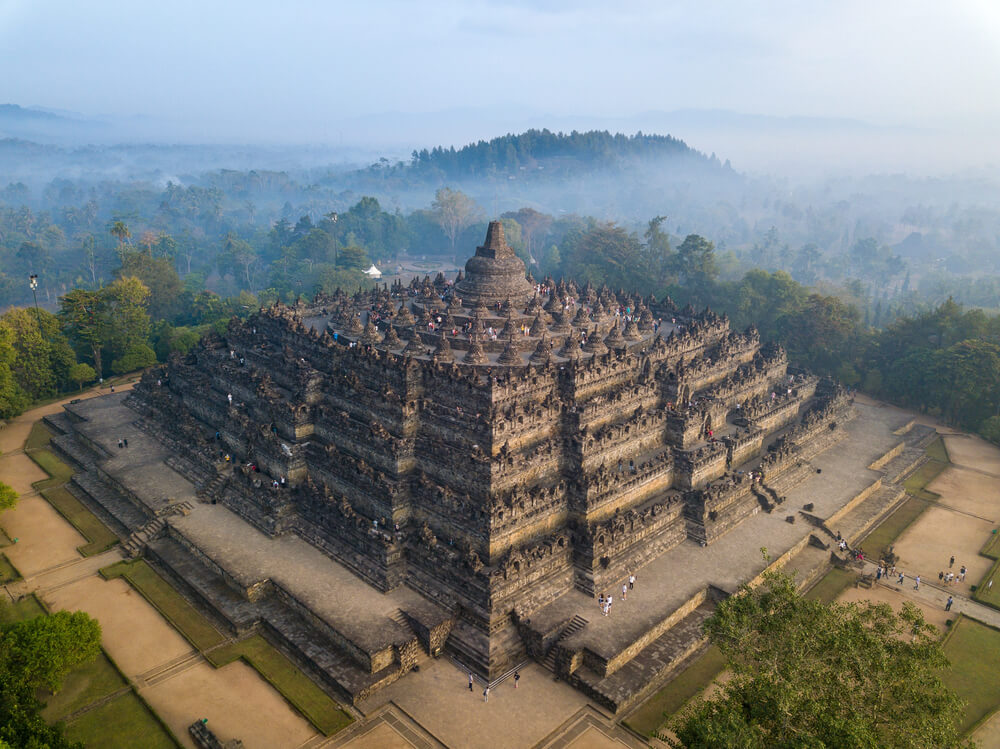
Built around 800 CE under the Sailendra dynasty on the island of Java, Borobudur is the largest Buddhist temple complex in the world, constructed as an enormous stepped monument representing the path to enlightenment. The dynasty that built it faded from historical record by the tenth century, and volcanic ash eruptions along with the spread of Islam across Java led to the temple’s abandonment and burial under jungle growth for centuries.
British colonial administrator Thomas Stamford Raffles rediscovered the site in 1814, and it has since been restored as one of Indonesia’s most significant cultural landmarks.
Chichen Itza
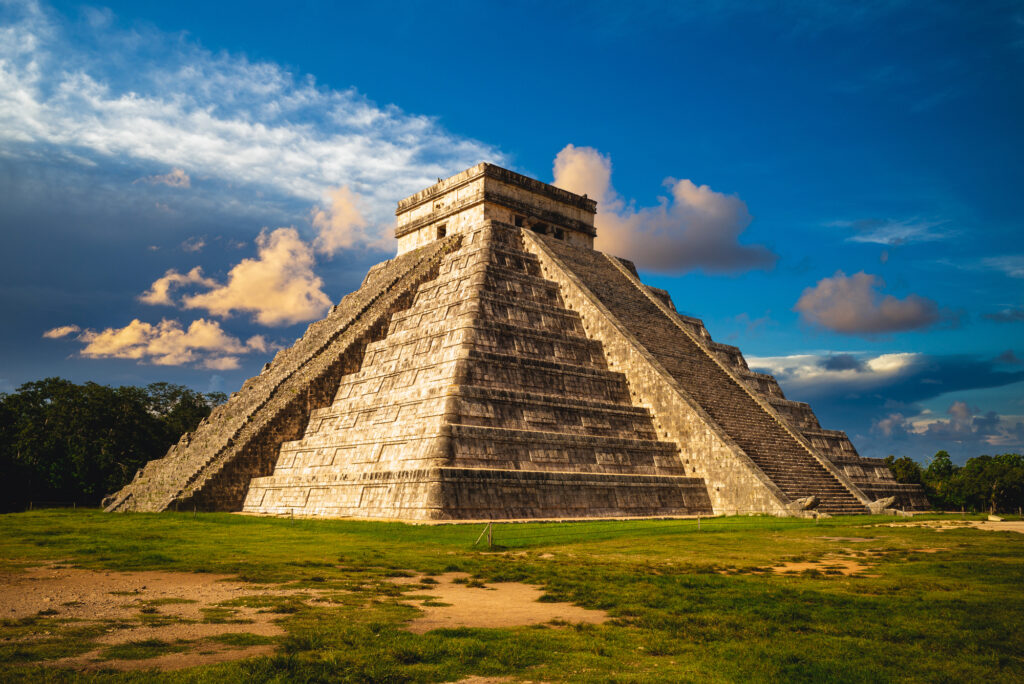
Built primarily between the ninth and twelfth centuries CE, Chichen Itza served as a major political and religious center for the Maya civilization, with its stepped pyramid El Castillo designed to align precisely with the sun during the spring and autumn equinoxes. Maya civilization in the region declined sharply before Spanish conquistadors arrived in the sixteenth century, for reasons scholars still debate, ranging from drought to internal conflict.
The site remained known to local Maya communities throughout, and it now stands as one of the most visited archaeological sites in the world.
Great Zimbabwe
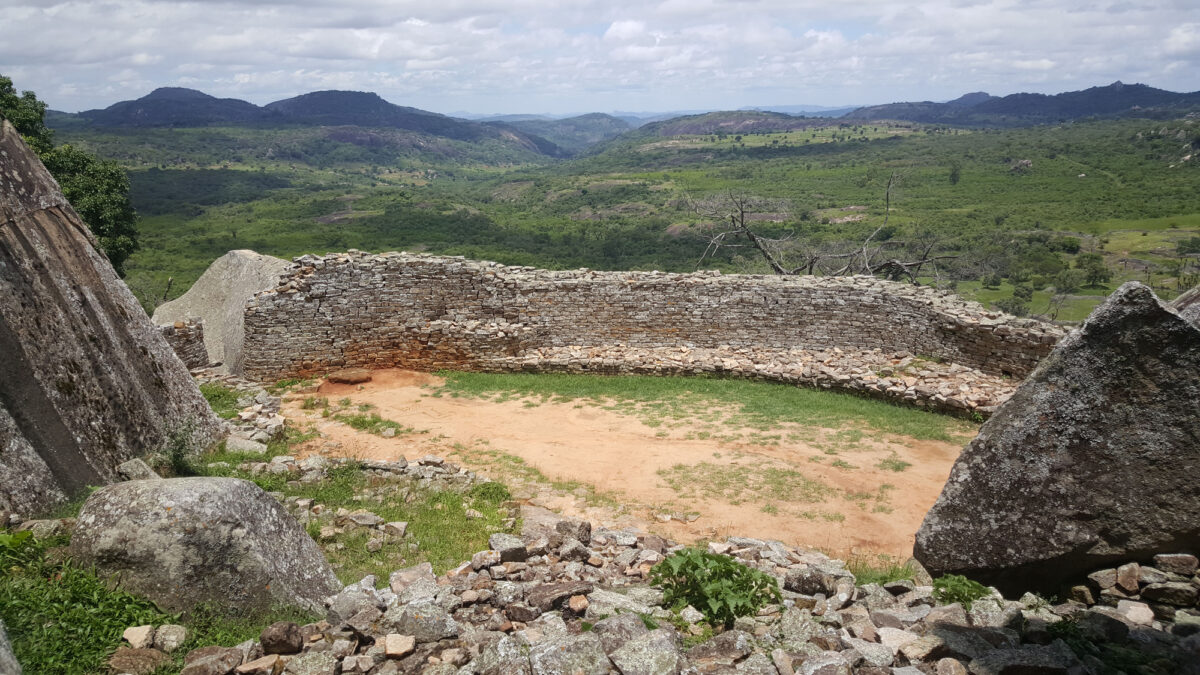
Built between the eleventh and fifteenth centuries by ancestors of the Shona people, Great Zimbabwe’s massive dry-stone walls, constructed without mortar, once anchored a powerful trading kingdom that controlled gold routes across southern Africa. The kingdom declined by the mid-fifteenth century, likely due to resource depletion and shifting trade patterns, and the site was abandoned centuries before European colonizers arrived.
Colonial authorities controversially and incorrectly attributed the ruins to foreign builders for decades before scholarship confirmed their African origin, and the site later gave the modern nation of Zimbabwe its name.
Palmyra
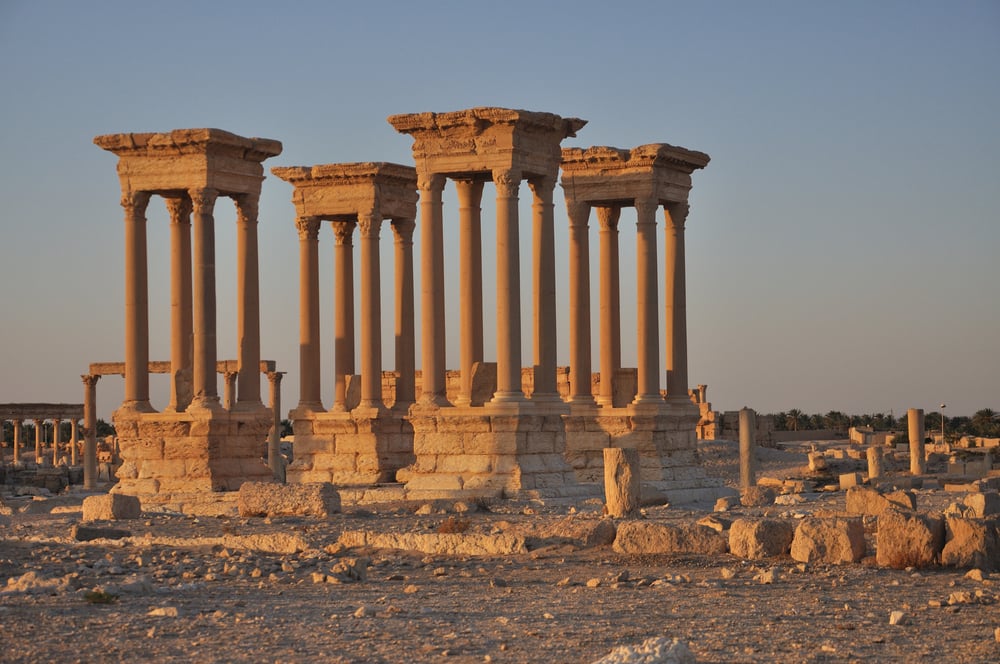
An ancient caravan city in the Syrian desert, Palmyra flourished as a wealthy trading hub under Roman administration before briefly breaking away as an independent empire under Queen Zenobia in the third century CE, only to be crushed by Rome shortly afterward. The city continued for centuries afterward under successive rulers before gradually declining in importance as trade routes shifted.
Its monumental colonnades and temples survived roughly 1,700 years of changing rule until parts of the site were deliberately destroyed during the Syrian civil war in the 2010s, though significant ruins remain.
The Arch of Ctesiphon
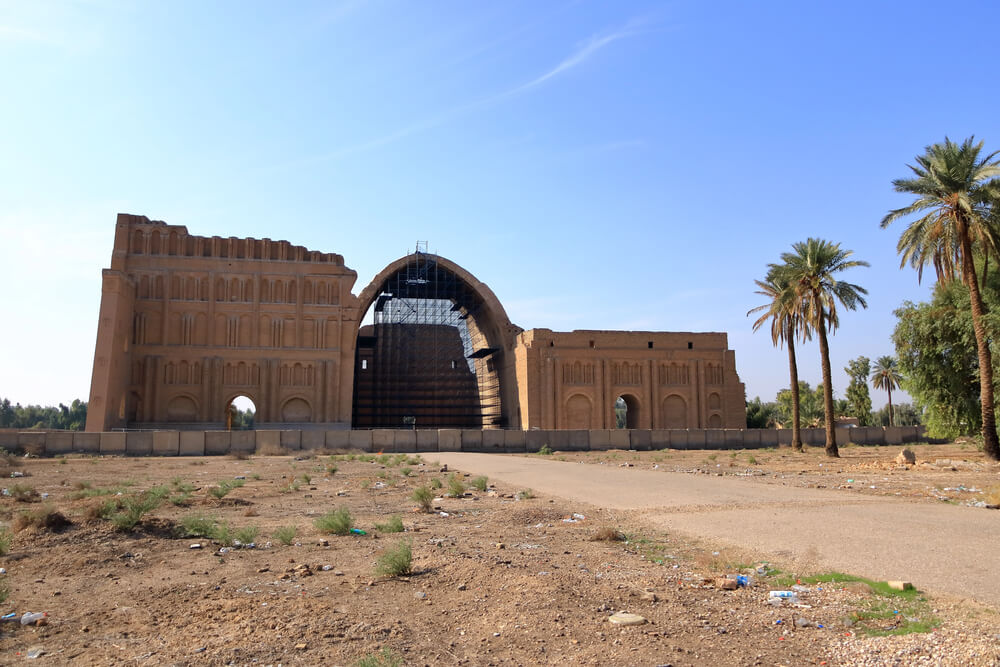
Built in the sixth century CE under the Sassanid Persian Empire near modern-day Baghdad, the Taq Kasra features the largest surviving single-span brick vault from the ancient world, once part of an enormous imperial palace. The Sassanid Empire, the last pre-Islamic Persian empire, fell to Arab Muslim conquest in 651 CE, and much of the surrounding palace complex was dismantled for building materials over subsequent centuries.
The arch itself endured despite partial collapses over the years and remains standing in Iraq today, nearly 1,400 years after the empire that built it disappeared.
The Great Stupa at Sanchi
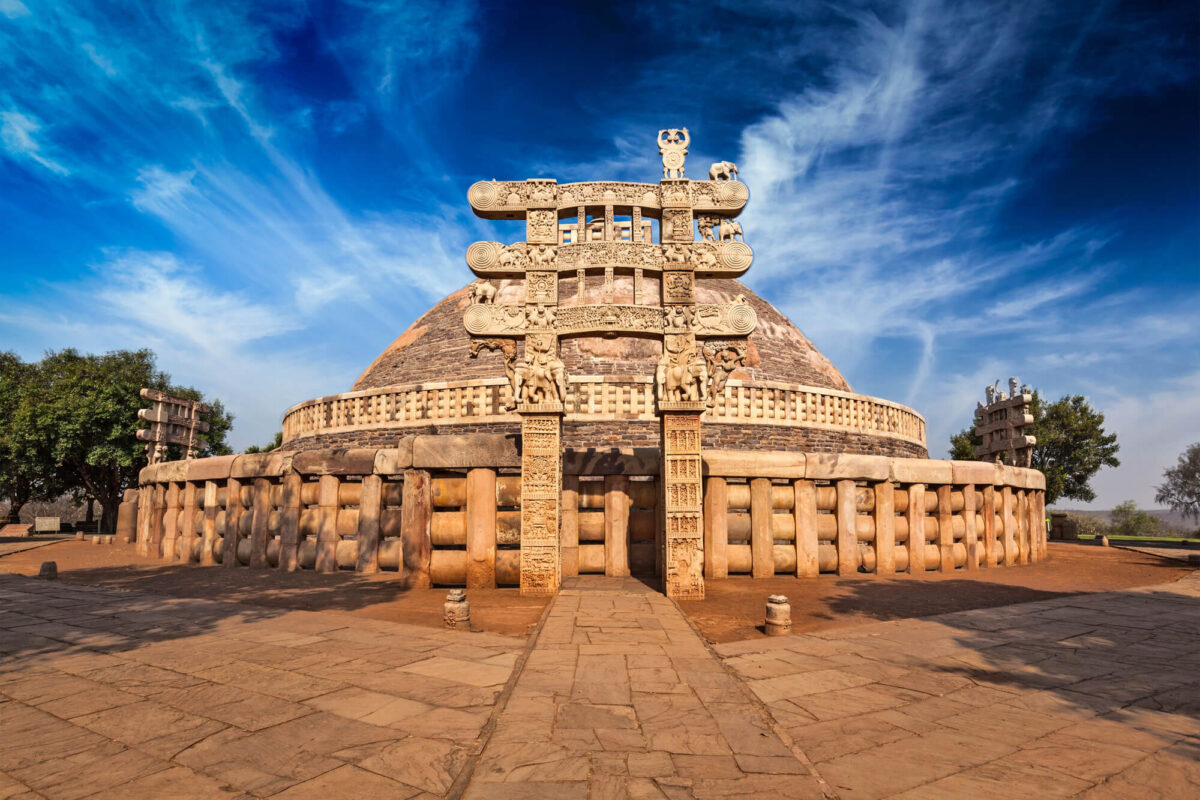
Commissioned around the third century BCE under Emperor Ashoka of the Mauryan Empire, the Great Stupa at Sanchi is among the oldest surviving stone structures in India, built to house Buddhist relics following Ashoka’s conversion to Buddhism. The Mauryan Empire, once the largest empire on the Indian subcontinent, fragmented and collapsed within decades of Ashoka’s death.
The stupa was expanded by later dynasties and survived periods of neglect, including centuries when it was largely forgotten, before British archaeologists documented and restored it in the nineteenth century.
Diocletian’s Palace
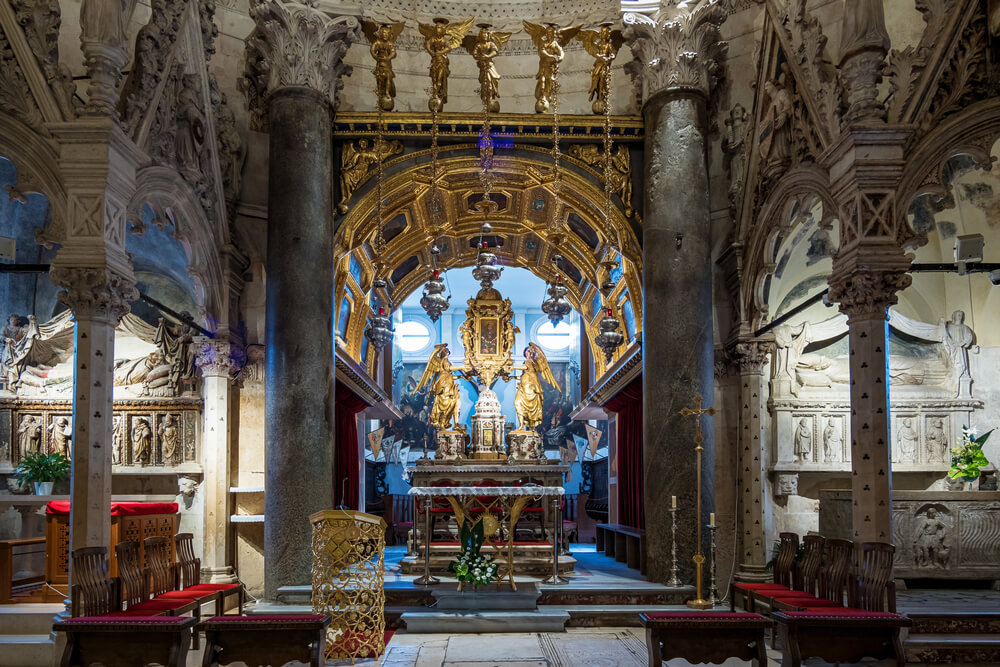
Built around 305 CE as a retirement residence for the Roman emperor Diocletian on the Adriatic coast, this fortress-like palace was constructed on a scale usually reserved for military installations rather than private homes. After the Western Roman Empire collapsed, local residents gradually moved into the abandoned palace complex, and an entire medieval town grew up literally within its walls.
The modern city of Split, Croatia, still occupies much of the original palace footprint, making Diocletian’s retirement home one of the rare ancient structures still inhabited as a living neighborhood today.
Hadrian’s Wall
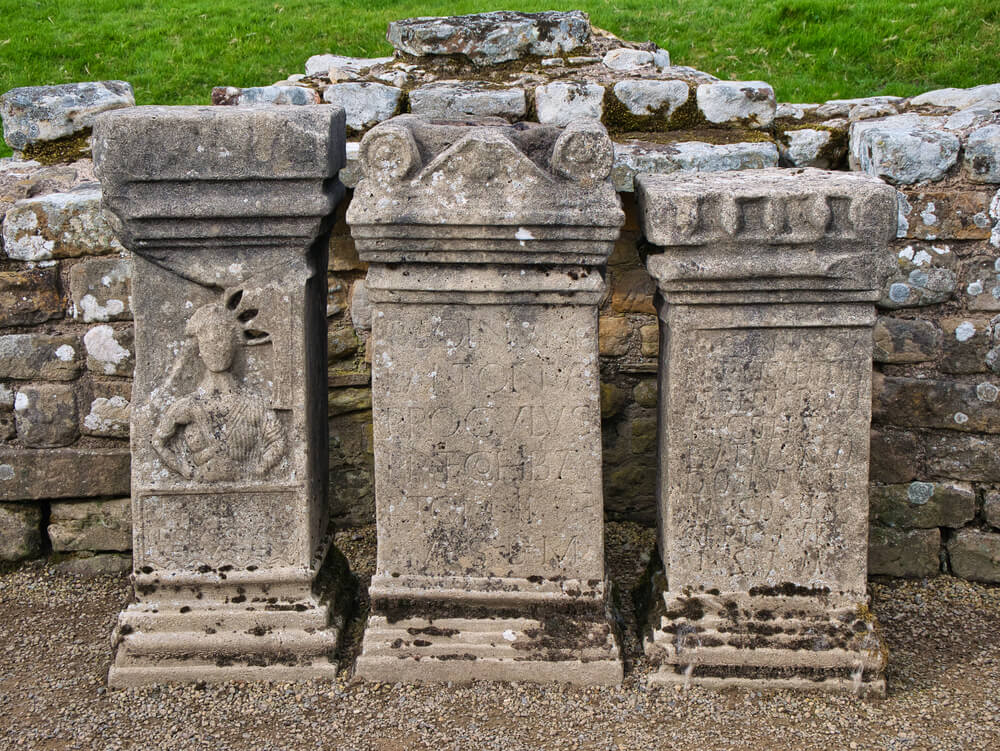
Built starting in 122 CE under Emperor Hadrian to mark the northern frontier of Roman Britain, the wall stretched more than 70 miles across northern England, manned by thousands of Roman soldiers for roughly three centuries. Rome withdrew its legions from Britain entirely around 410 CE as the Western Empire crumbled under pressure elsewhere, leaving the wall to fall into disrepair and become a source of stone for local farmers and builders for centuries afterward.
Substantial sections still stand today, and the wall remains one of the best-preserved frontier monuments from the entire Roman world.
The Parthenon
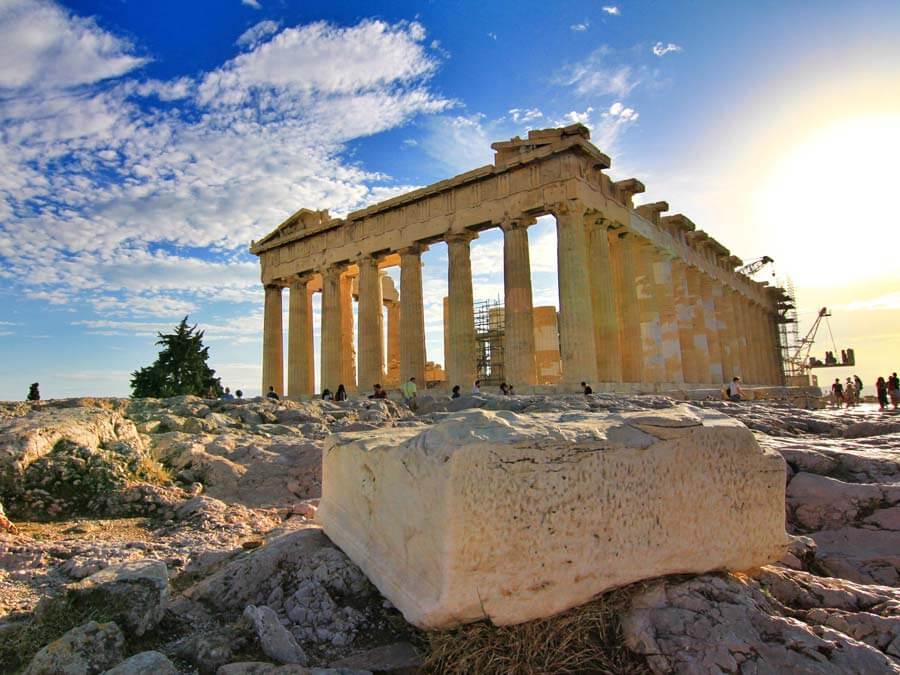
Built between 447 and 432 BCE under the statesman Pericles at the height of Athenian power, the Parthenon served as a temple to Athena and a monument to the wealth Athens had accumulated through its maritime empire. That empire collapsed following Athens’s defeat in the Peloponnesian War just decades after the temple’s completion, and the city itself was later absorbed into Macedonian, Roman, Byzantine, and Ottoman rule in turn.
The building survived conversion into a church, then a mosque, and even used as an Ottoman ammunition depot, which led to serious damage during a 1687 explosion, yet its ruins remain standing on the Acropolis today.
The Potala Palace
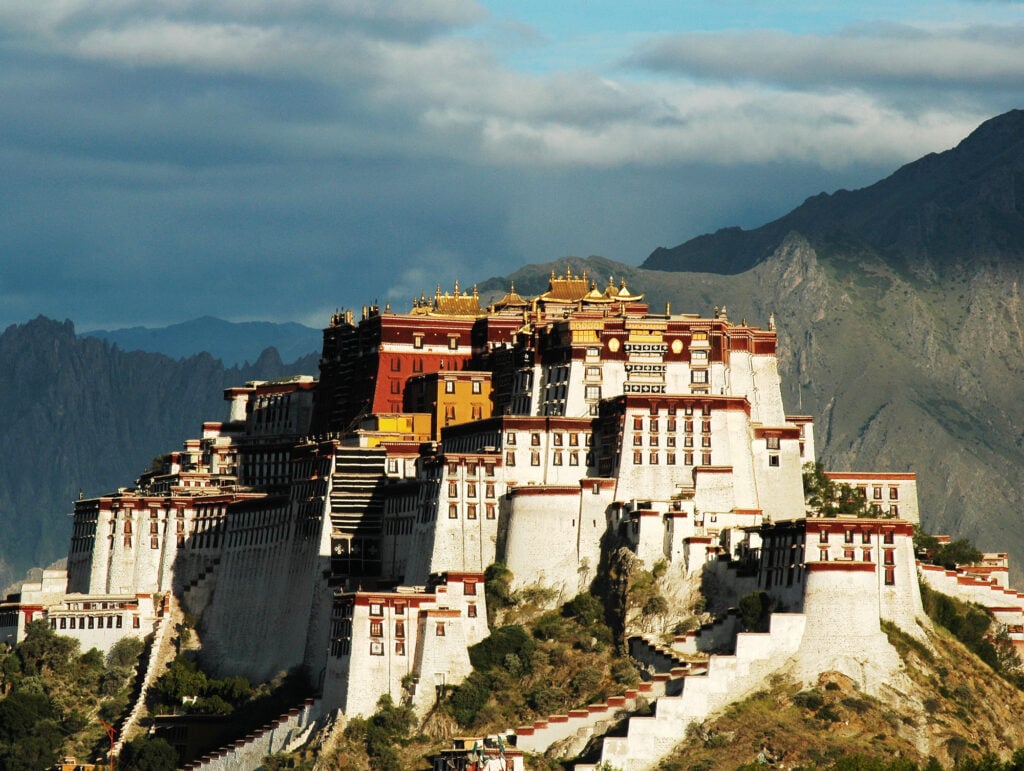
Built primarily in the seventeenth century under the fifth Dalai Lama, the Potala Palace served as the winter residence of successive Dalai Lamas and the political center of Tibetan Buddhist governance for roughly three centuries. That system of governance effectively ended after the Chinese government asserted control over Tibet in 1959, prompting the fourteenth Dalai Lama to flee into exile in India.
The palace, built by and for a government that no longer administers the region, still stands over Lhasa and now operates as a museum and UNESCO World Heritage site.
Stone Outlasts Its Purpose
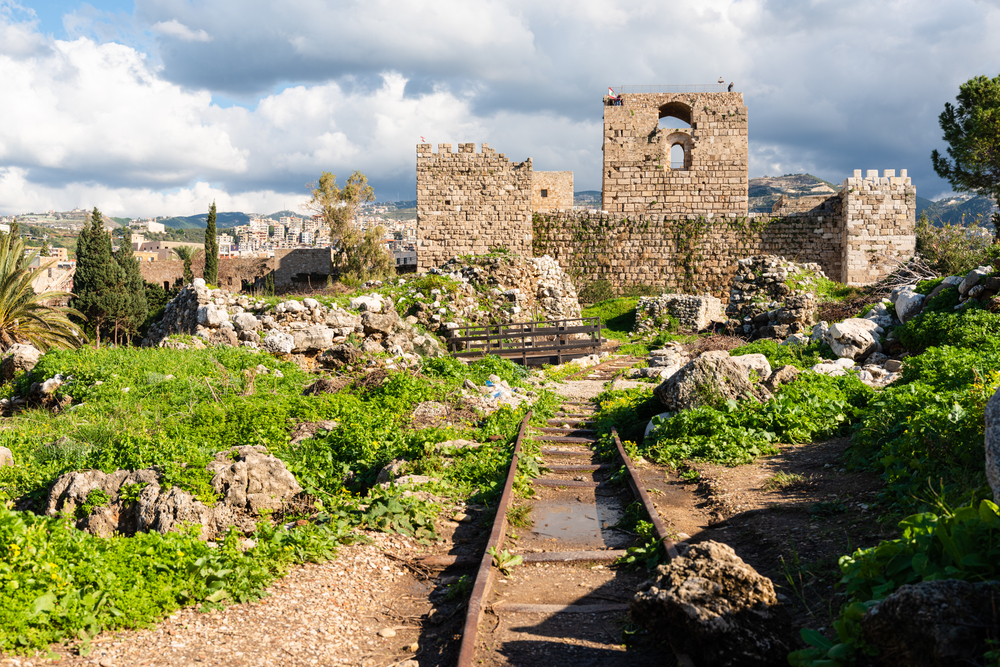
None of these buildings were designed with the idea that they might one day belong to a completely different civilization, religion, or political system than the one that built them. Their architects were solving immediate problems, projecting power, worshipping a specific god, or housing a specific court, without much thought for what would happen once that particular arrangement of power had run its course.
What they prove, collectively, is that permanence and political stability are not actually the same thing. A wall, a dome, or a stepped pyramid can be engineered to survive for millennia using nothing more than good materials and sound geometry, while the empire that ordered it built might not make it past a single unlucky succession crisis.
The buildings simply kept standing, waiting for whoever came next to decide what to do with them.
More from Go2Tutors!

- The Romanov Crown Jewels and Their Tragic Fate
- 13 Historical Mysteries That Science Still Can’t Solve
- Famous Hoaxes That Fooled the World for Years
- 15 Child Stars with Tragic Adult Lives
- 16 Famous Jewelry Pieces in History
Like Go2Tutors’s content? Follow us on MSN.