23 Battles Lost or Won Because of the Weather
Generals plan. Weather doesn’t care.
The greatest military minds in history — Caesar, Napoleon, Wellington, Eisenhower — all understood that weather wasn’t just an inconvenience to be managed but a force that could render strategy irrelevant, turn a confident advance into a catastrophe, or hand an outnumbered defender a victory they had no right to expect. What follows are 23 battles and campaigns where the weather did more work than any commander on the field.
Some of these are famous. A few are less well-known.
All of them are real, documented, and worth understanding — because the pattern repeats with a consistency that should embarrass every strategist who ever ignored the forecast.
The Battle of Salamis, 480 BCE
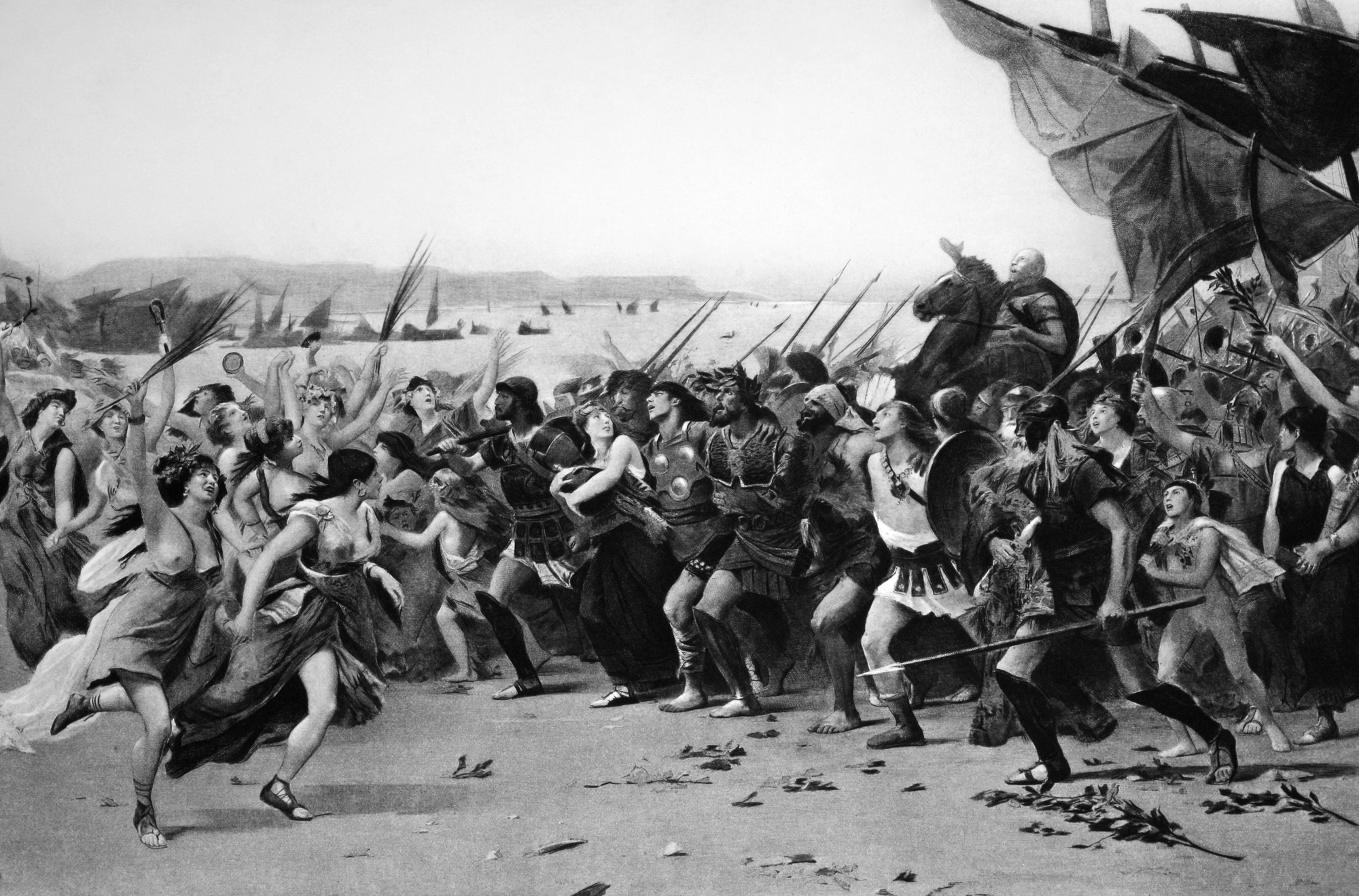
The Persian fleet vastly outnumbered the Greek ships when the two forces met in the narrow straits of Salamis in September 480 BCE. What the Persians hadn’t accounted for was how badly those narrow straits would suit a large fleet in deteriorating weather.
Strong winds and choppy seas turned their numerical advantage into a liability — their ships couldn’t maneuver, collided with each other, and presented easier targets to the more agile Greek triremes. Themistocles had deliberately chosen to fight in those straits knowing what the confined space would do to the Persian formation.
The wind did the rest. Greece survived.
Western civilization — for better or worse — continued on the course it took.
The Battle of Trebia, 218 BCE
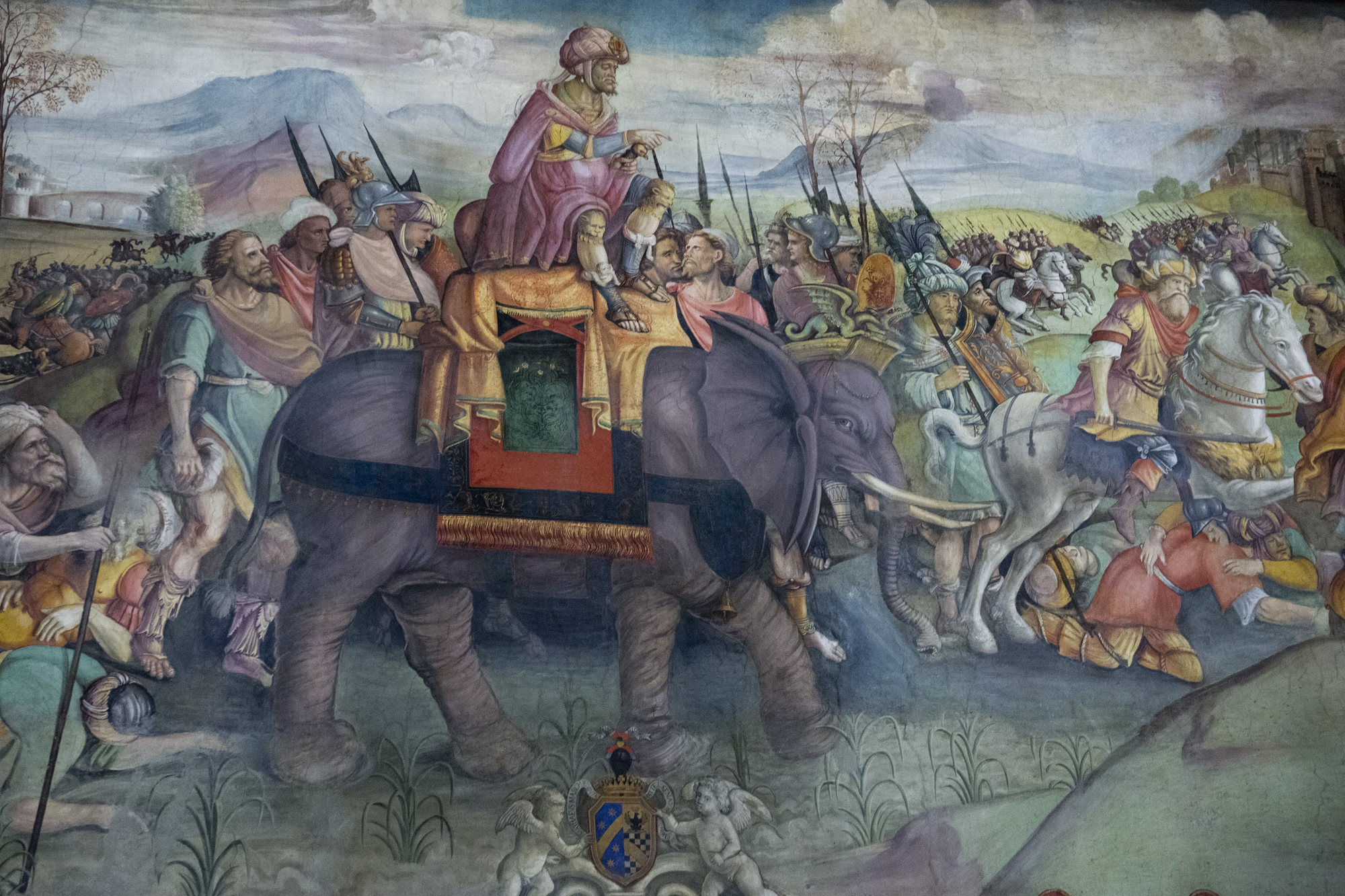
Hannibal provoked the Romans into attacking across the icy Trebia river on the winter solstice by sending cavalry to harass their camp in the early morning. The Roman consul Sempronius, eager to prove himself, ordered his legions across immediately — without breakfast, without preparation, wading chest-deep through freezing water in December.
By the time the Romans reached Hannibal’s lines, their hands were too cold to grip their weapons properly. Hannibal’s troops had eaten a full meal and warmed themselves at fires.
The result was predictable. The Romans lost somewhere between 15,000 and 30,000 men, and Hannibal’s path into central Italy lay open.
The Spanish Armada, 1588
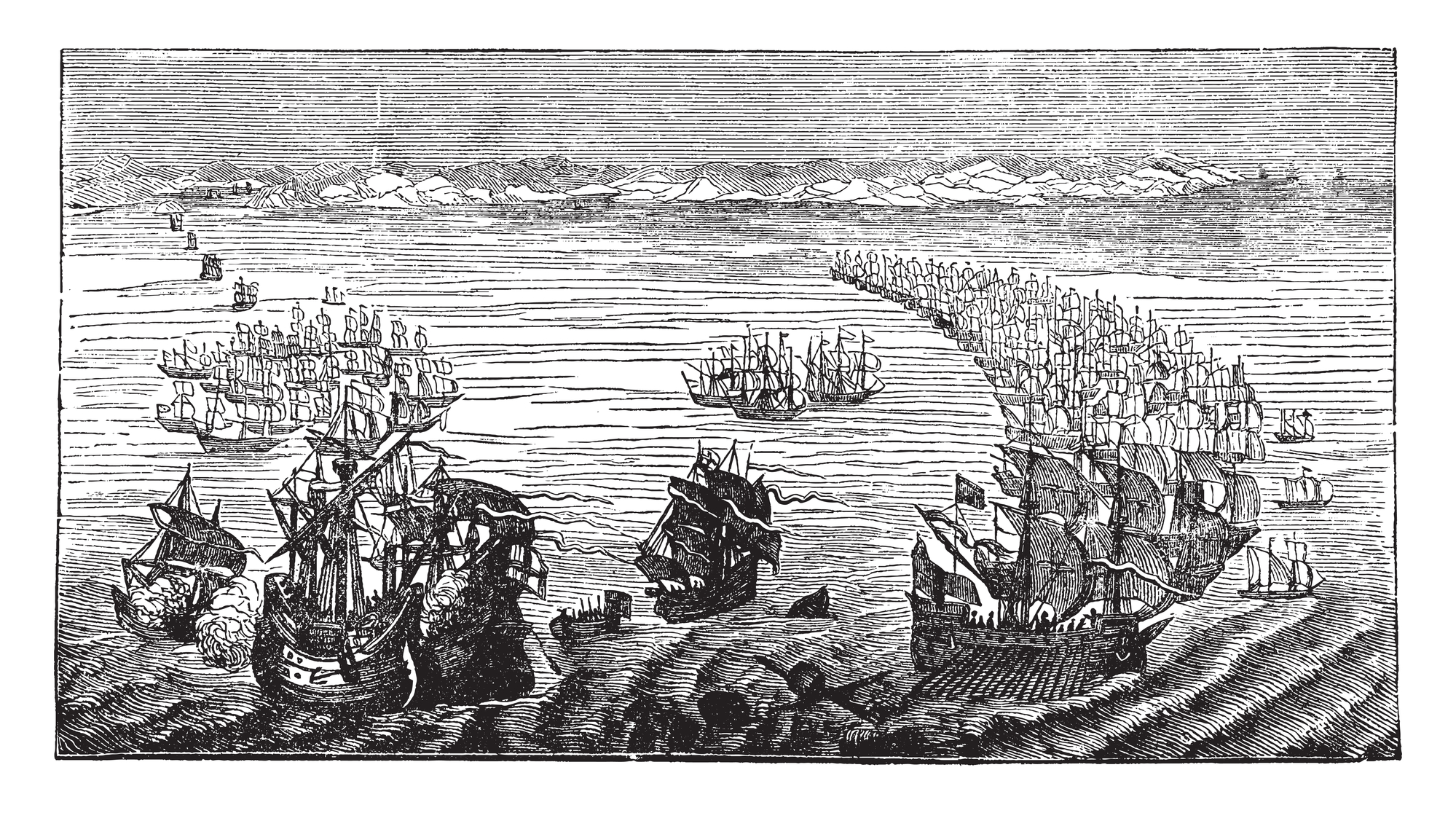
England’s navy played its part, but the Spanish Armada was ultimately destroyed by Atlantic storms. The Spanish fleet had failed to link up with Parma’s army in the Spanish Netherlands, and the English attacks had forced them north around Scotland.
The storms that swept through the North Atlantic and Irish Sea in August and September 1588 scattered, damaged, and sank between 50 and 64 Spanish ships. Around 13,500 men died — more than in any combat engagement of the campaign.
England had been lucky in its generals, but it had been luckier still in its weather.
The Battle of Long Island and the Fog That Saved Washington, 1776
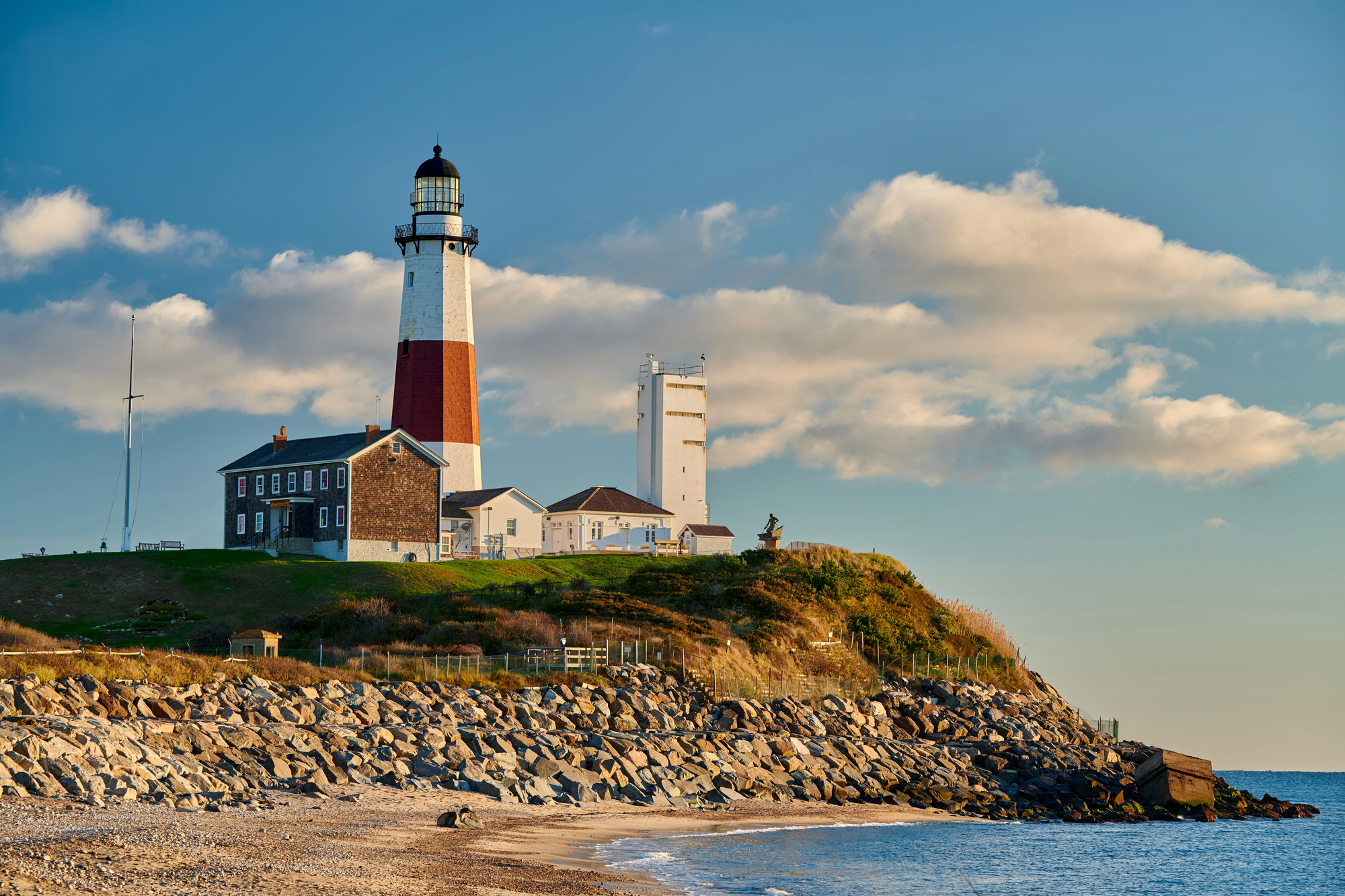
After the disastrous Battle of Long Island in August 1776, Washington’s Continental Army was trapped on Brooklyn Heights with the East River at their backs and a British force that could have destroyed the revolution entirely. A remarkable fog descended during the night of August 29 to 30, thick enough to conceal the evacuation of 9,000 troops across the river to Manhattan.
The fog lingered past dawn — past the point when the crossing should have been visible. The last boats pushed off just as it lifted.
Washington wrote that Providence must have been working in their favor. What Providence sent was the right fog at the right time, and without it the American Revolution almost certainly ends in Brooklyn.
The Battle of Trenton, 1776
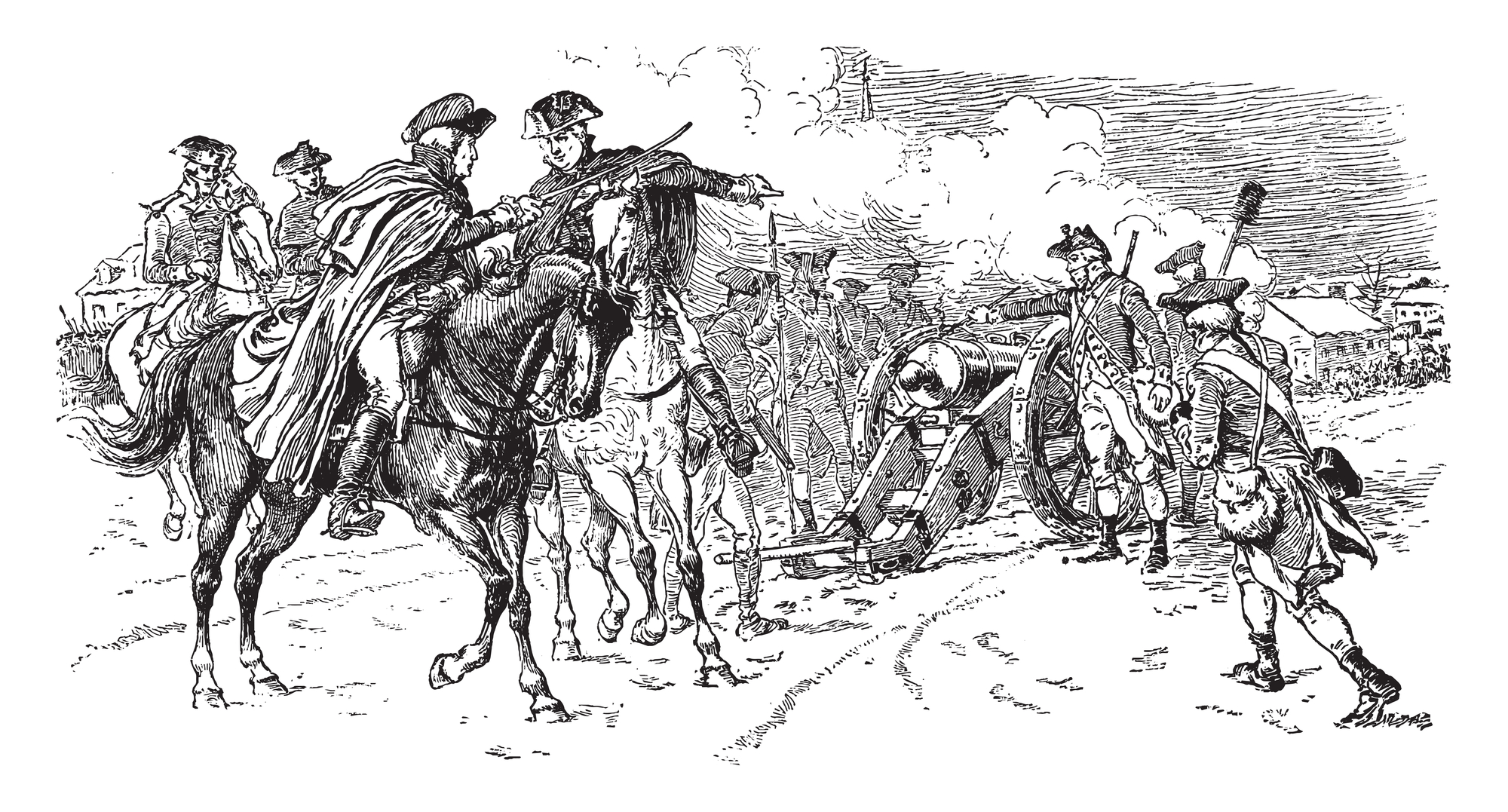
Washington’s crossing of the Delaware on Christmas night 1776 — the one in the famous painting — was conducted through a brutal nor’easter of sleet, snow, and ice. The conditions were so severe that two other planned crossings that night were called off entirely.
Washington pushed through because the storm gave him something valuable: the Hessian garrison at Trenton had stood down for Christmas, confident that no rational army would move in such weather. They were right about rationality and wrong about Washington.
The Americans attacked at dawn through the blizzard and captured nearly 900 Hessian soldiers in under two hours. The victory stabilized the Continental Army at its most precarious moment.
Napoleon’s Russian Campaign, 1812
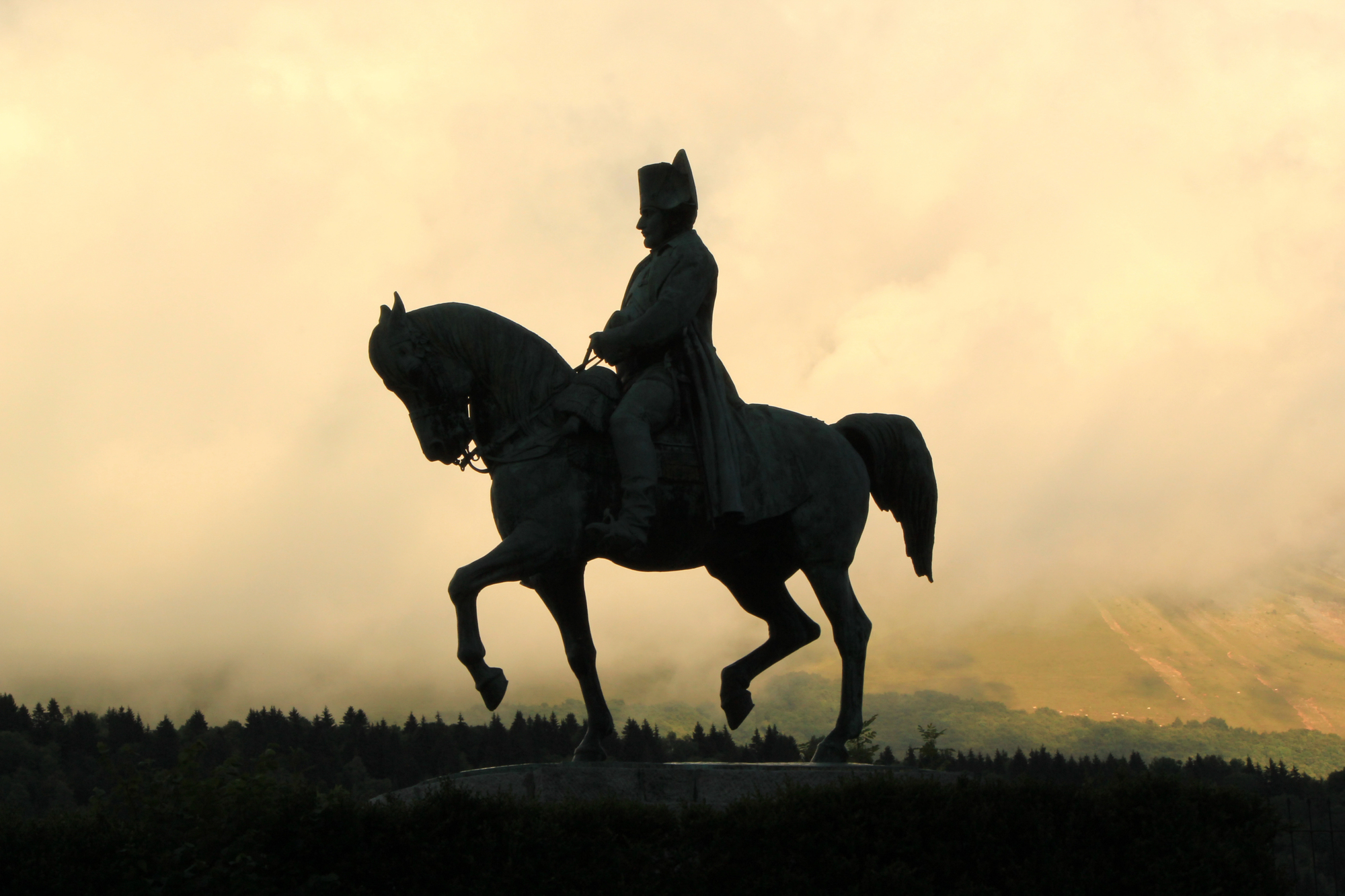
Napoleon invaded Russia in June 1812 with roughly 450,000 men. By December, fewer than 100,000 crossed back out of Russia.
The defeat is sometimes attributed entirely to the Russian winter, which is an oversimplification — the army was already badly depleted before the cold set in, and the scorched-earth Russian retreat strategy denied it the supplies needed to survive the campaign. But the winter was real and catastrophic.
Temperatures dropped to minus 30 degrees Celsius. Horses died by the thousands.
Men froze where they stopped. The weapons of the era — muskets, artillery — became unreliable in extreme cold.
Napoleon had planned to finish the campaign before winter arrived. He was wrong about how long the Russians would fight.
The Battle of Waterloo, 1815
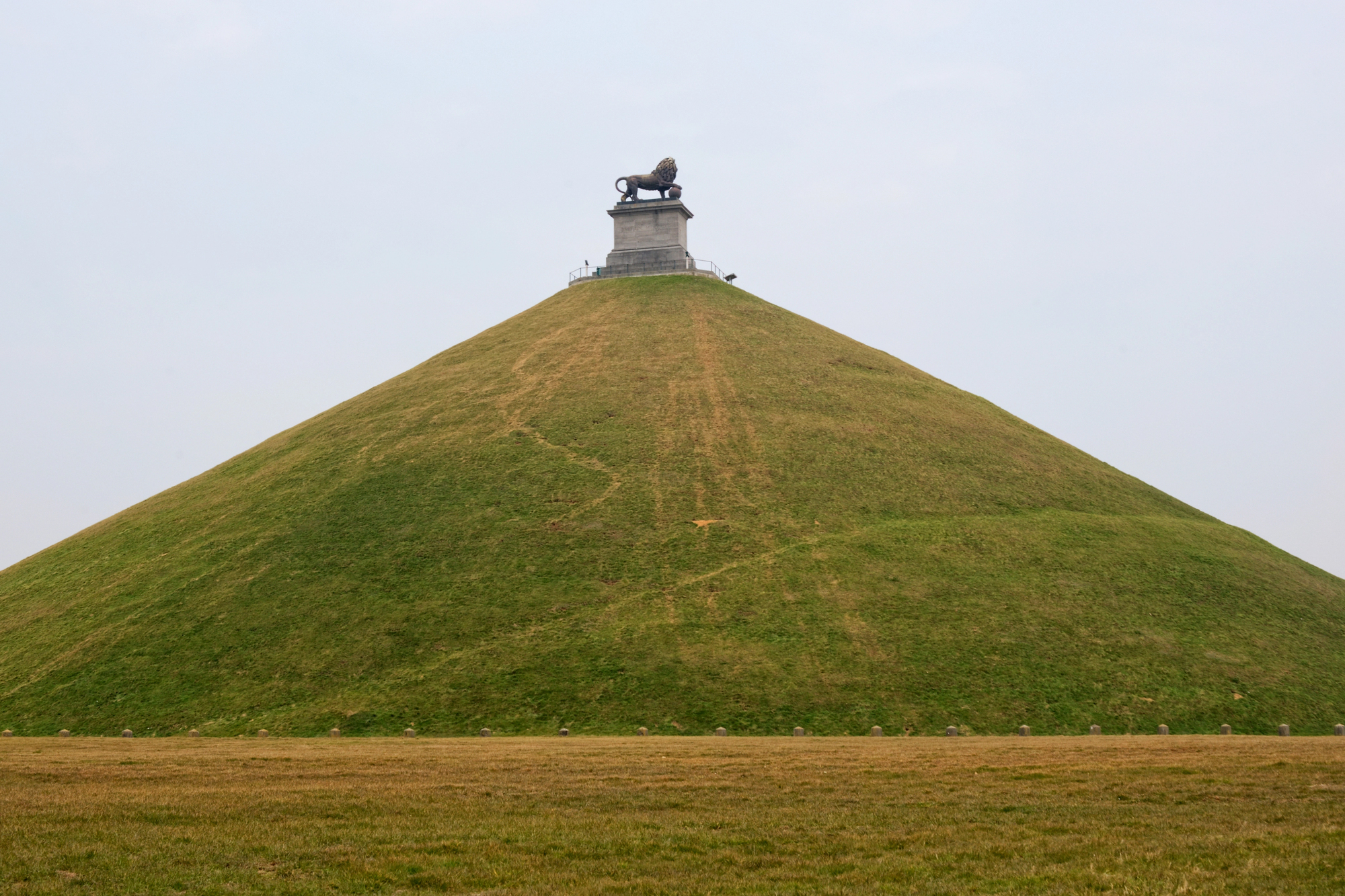
Heavy rain fell on the battlefield the night before Waterloo, and Napoleon’s decision to delay the opening attack on June 18, 1815 is one of the most debated choices in military history. The clay-rich ground around the battlefield absorbed the rain and became a clinging mud that made artillery movement punishing — cannons sank, wheels dragged, and cannonballs that might have skipped through ranks buried themselves harmlessly.
Napoleon waited for the ground to dry. That delay gave Wellington time to hold his defensive position and gave the Prussian forces time to arrive.
When Blücher’s army appeared on Napoleon’s flank in the afternoon, the battle became unwinnable. Four hours earlier, before the mud had dried enough to move, it might have looked different.
The Battle of Chancellorsville, 1863
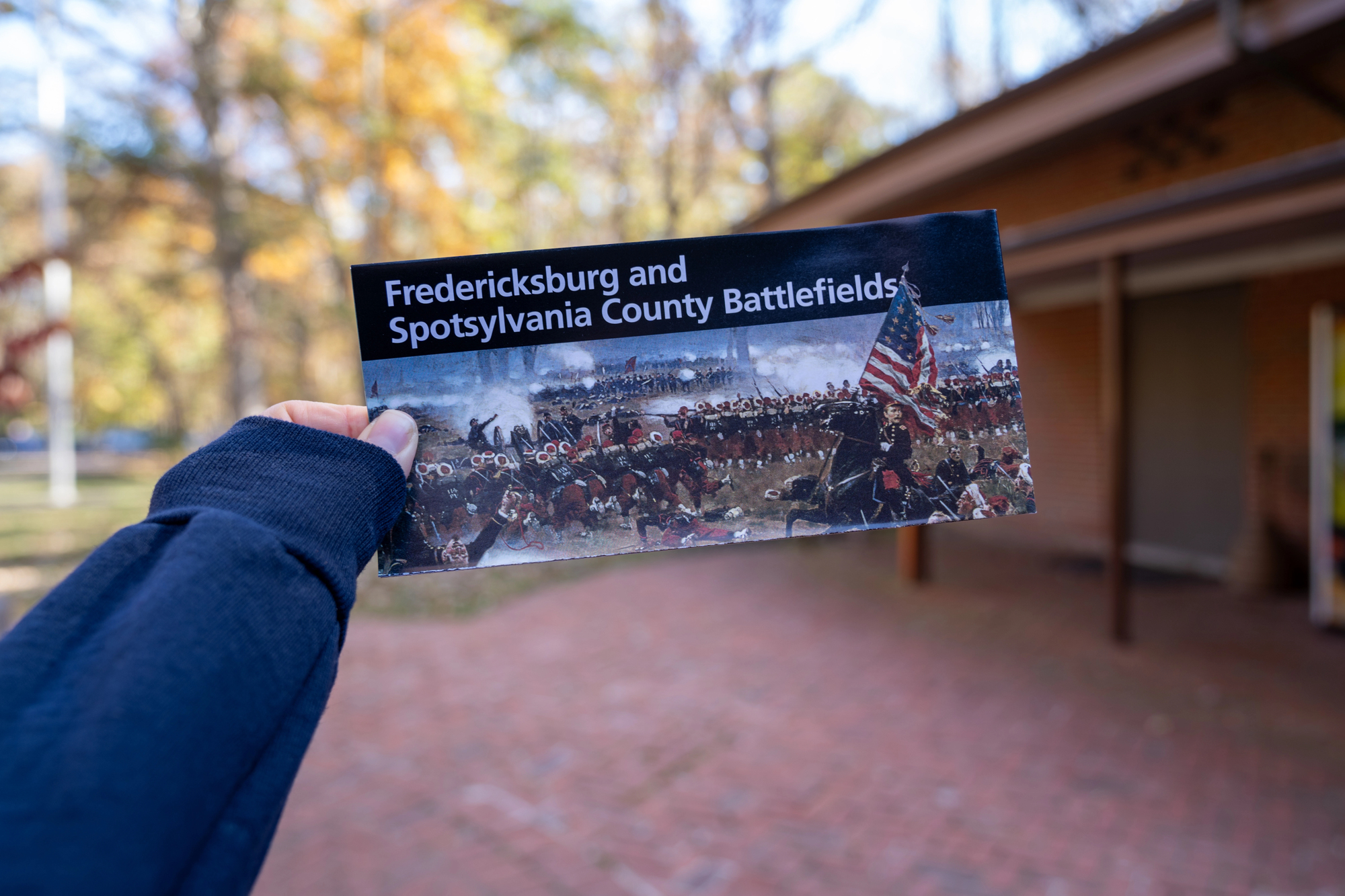
The Union Army under Hooker had a superior force and a good plan at Chancellorsville in May 1863, and Lee’s subsequent victory is rightly celebrated as tactical brilliance. Less noted is what happened after the battle: Lee was positioned to potentially destroy Hooker’s retreating army, but two days of torrential rain on May 5–6 raised the Rappahannock River dramatically and allowed Hooker’s forces to cross to safety.
The Confederate commander who might have turned a tactical victory into a complete destruction of the Army of the Potomac was stopped by a river in flood. Lee would never have another opportunity comparable to that fortnight.
The Battle of Honey Springs, 1863
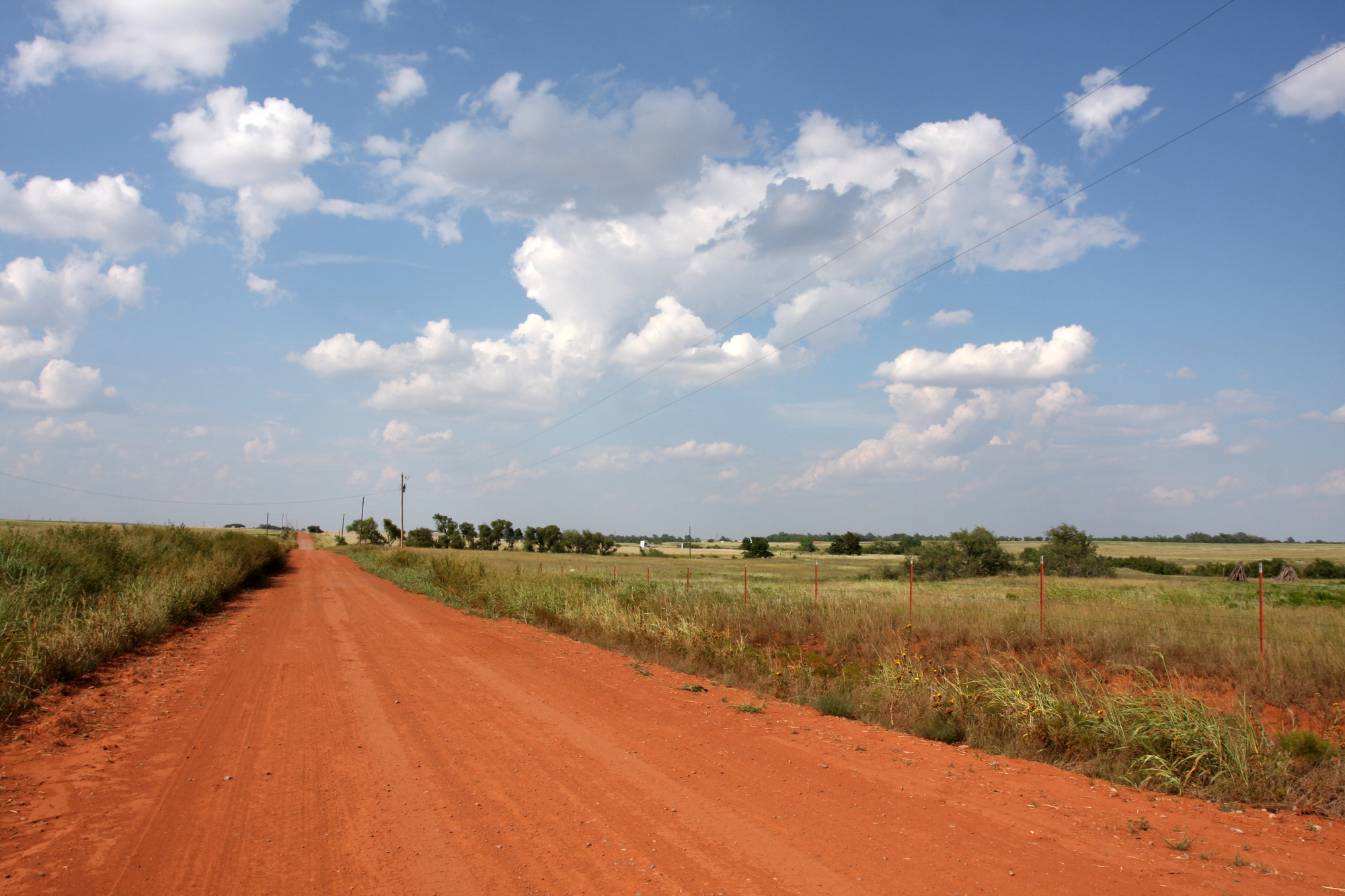
Heavy rain during the July 1863 Battle of Honey Springs in present-day Oklahoma made the outcome almost comically uneven. Both sides had equivalent numbers, but Confederate forces had received a batch of inferior powder that soaked through in the downpour and rendered their weapons effectively useless.
Union forces under General James Blunt realized almost immediately that the Confederate lines couldn’t return fire. He ordered a direct assault.
More than 600 Confederate soldiers were killed. The battle gave the Union control of the Indian Territory.
The difference between the two sides that day wasn’t training or tactics — it was the quality of powder in a rainstorm.
Gallipoli, 1915
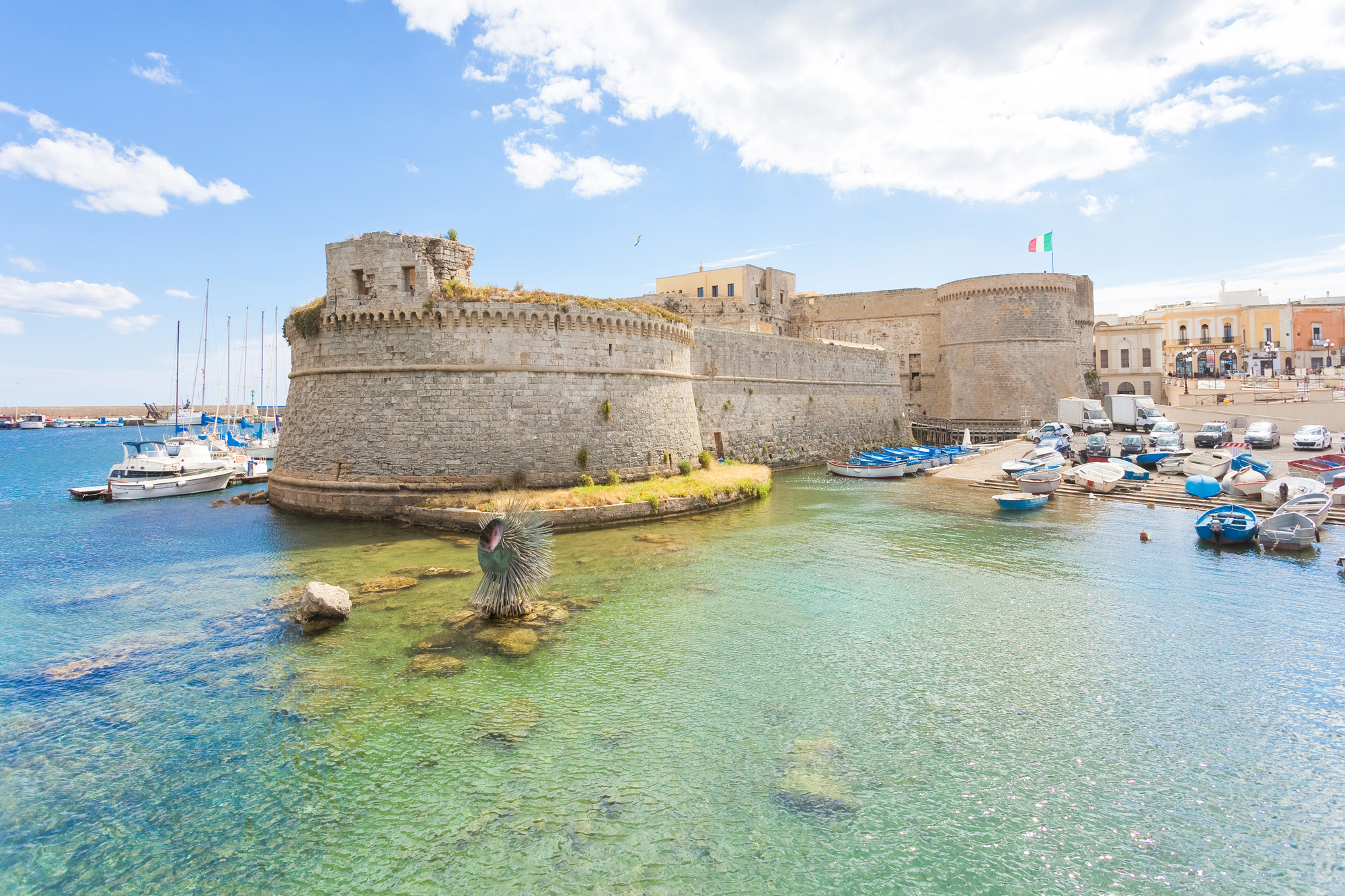
The Gallipoli campaign is remembered for the catastrophic planning failures, the entrenched Ottoman defenses, and the extraordinary casualty rates. Less commonly noted is the August storm of 1915 — one of the worst to hit the Gallipoli peninsula in decades — which struck during a critical Allied offensive and turned the battlefield into mud, flooding trenches and disrupting supply lines at the moment when the campaign most needed momentum.
The storm didn’t cause the Allied failure, but it arrived at exactly the point when any remaining chance of breakthrough existed. By the time conditions improved, the opportunity was gone and evacuation planning had begun.
The Second Battle of the Masurian Lakes, 1915
In February 1915, German forces launched a winter offensive against Russian positions in the Masurian Lakes region of eastern Prussia. Heavy snowstorms reduced visibility to near zero, turned roads into obstacle courses of drifted snow, and caused column after column to lose contact with each other in the white-out conditions.
The Germans accepted the conditions as a tactical tool — their better-equipped troops could move when the Russians couldn’t. The Russians lost around 90,000 men captured, many not from combat but from cold and exhaustion in the storm.
The offensive was one of the more successful uses of winter conditions as a deliberate strategic element.
The Battle of the Marne, 1914
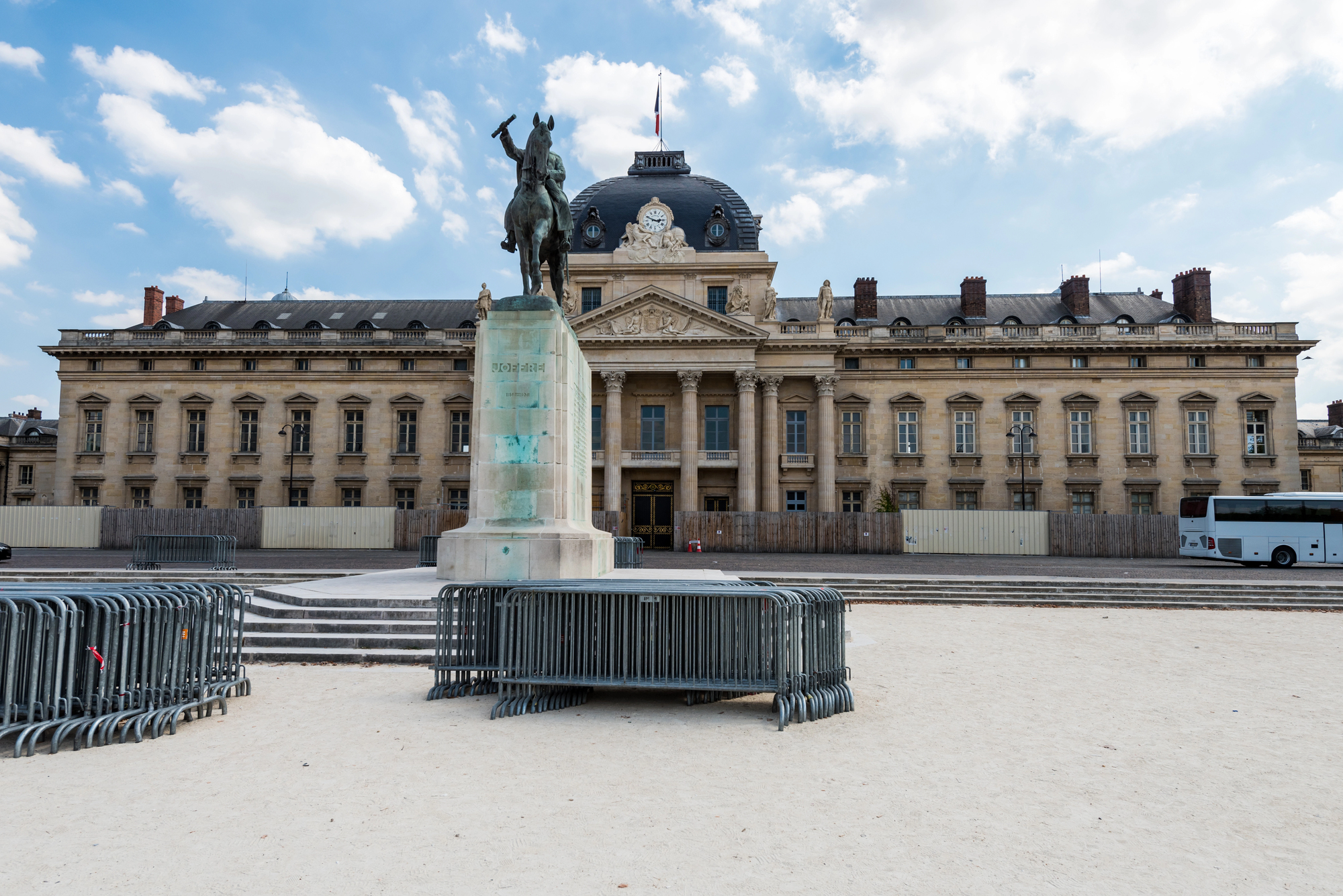
The German advance toward Paris in September 1914 — which had been going almost entirely according to the Schlieffen Plan — ground to a halt at the Marne partly because of an exceptionally hot, dry late summer that exhausted troops marching at maximum speed through France. The German First Army, commanded by von Kluck, had been pushing men at a pace that left columns straggling behind, units unable to maintain cohesion, and soldiers too fatigued to fight effectively when the Allies counterattacked.
The heat didn’t cause the German defeat, but it contributed materially to the inability of exhausted units to hold the line when the Allied offensive hit. The war that was supposed to end in six weeks settled into four years of trenches.
The Battle of Britain, 1940
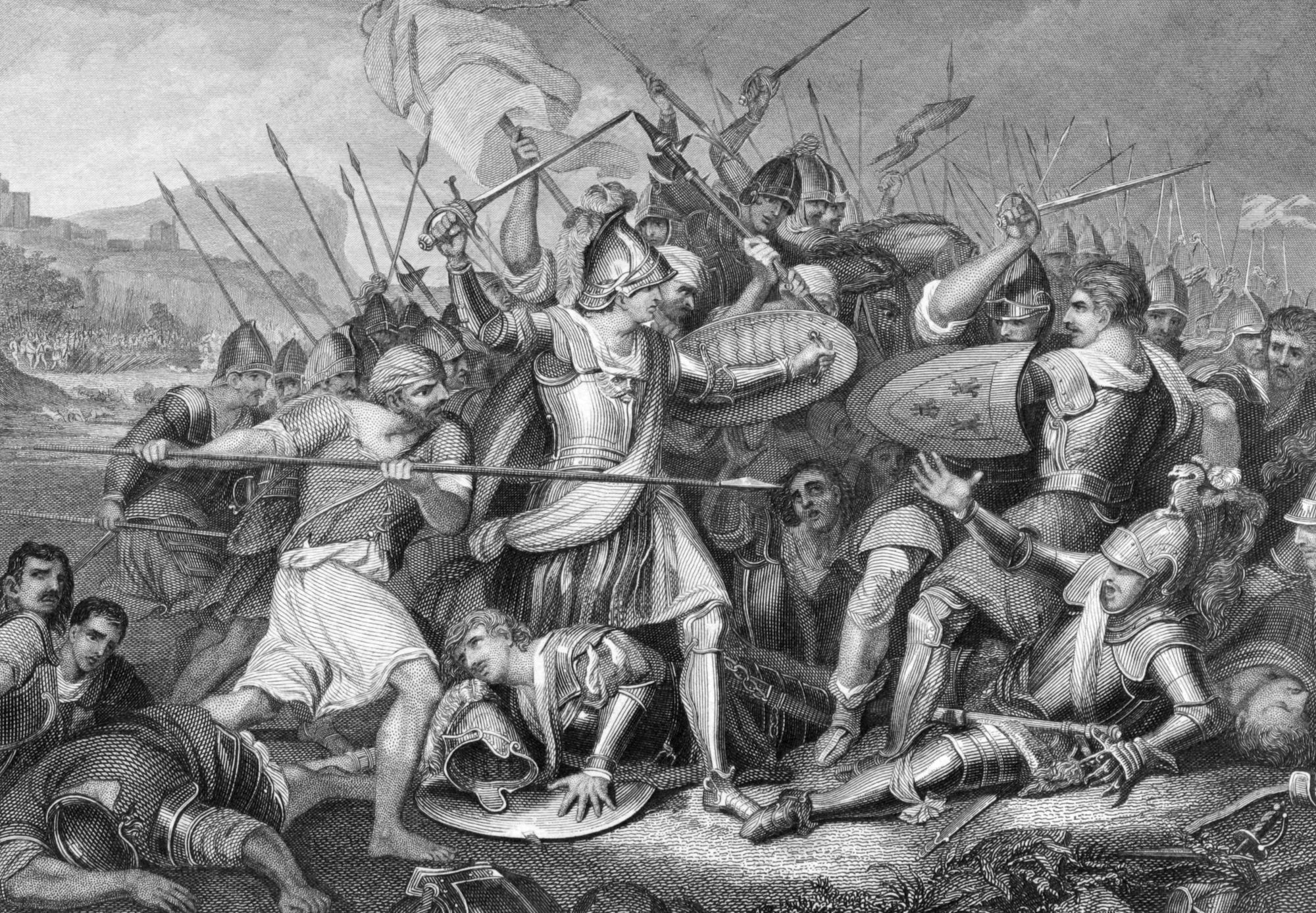
The Luftwaffe’s air campaign against Britain in the summer and autumn of 1940 was significantly affected by cloud cover, fog, and the unpredictable weather of the English Channel and southeastern England. On multiple occasions, planned mass raids were reduced, redirected, or called off because of weather that grounded German aircraft while RAF fighters operated more locally and could take off in conditions the Germans couldn’t.
The extended cloud cover in late August and September — which broke German attack patterns — gave RAF Fighter Command critical days to rest and repair. Weather didn’t win the Battle of Britain.
But it repeatedly handed the RAF windows that wouldn’t otherwise have existed.
Operation Barbarossa’s Mud Season, 1941
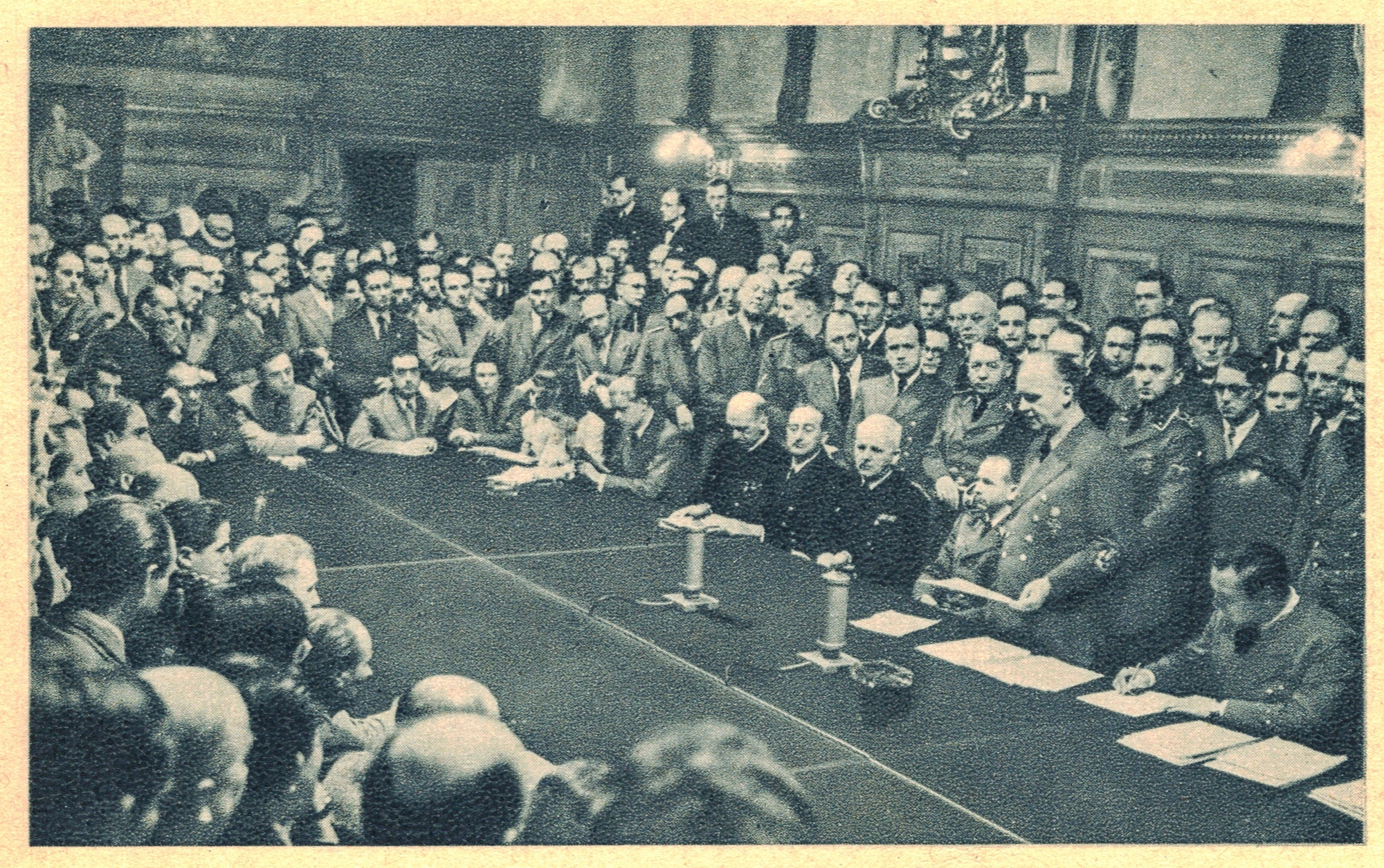
The German invasion of the Soviet Union in 1941 was predicated on finishing the campaign before winter. The autumn rains produced what Russians call rasputitsa — “mud season” — and the German advance bogged down in a sea of mud that immobilized vehicles, horses, and men weeks before the first snow fell.
The mud season came earlier and more severely than German planners had anticipated, and by the time the ground froze solid enough to support the armor again, the window for taking Moscow before winter had closed. The Wehrmacht arrived in the suburbs of Moscow in December — within sight of the city’s buildings — in temperatures of minus 40 degrees, with summer uniforms and weapons lubricants that froze solid at minus 20.
The Battle of Moscow, 1941–42
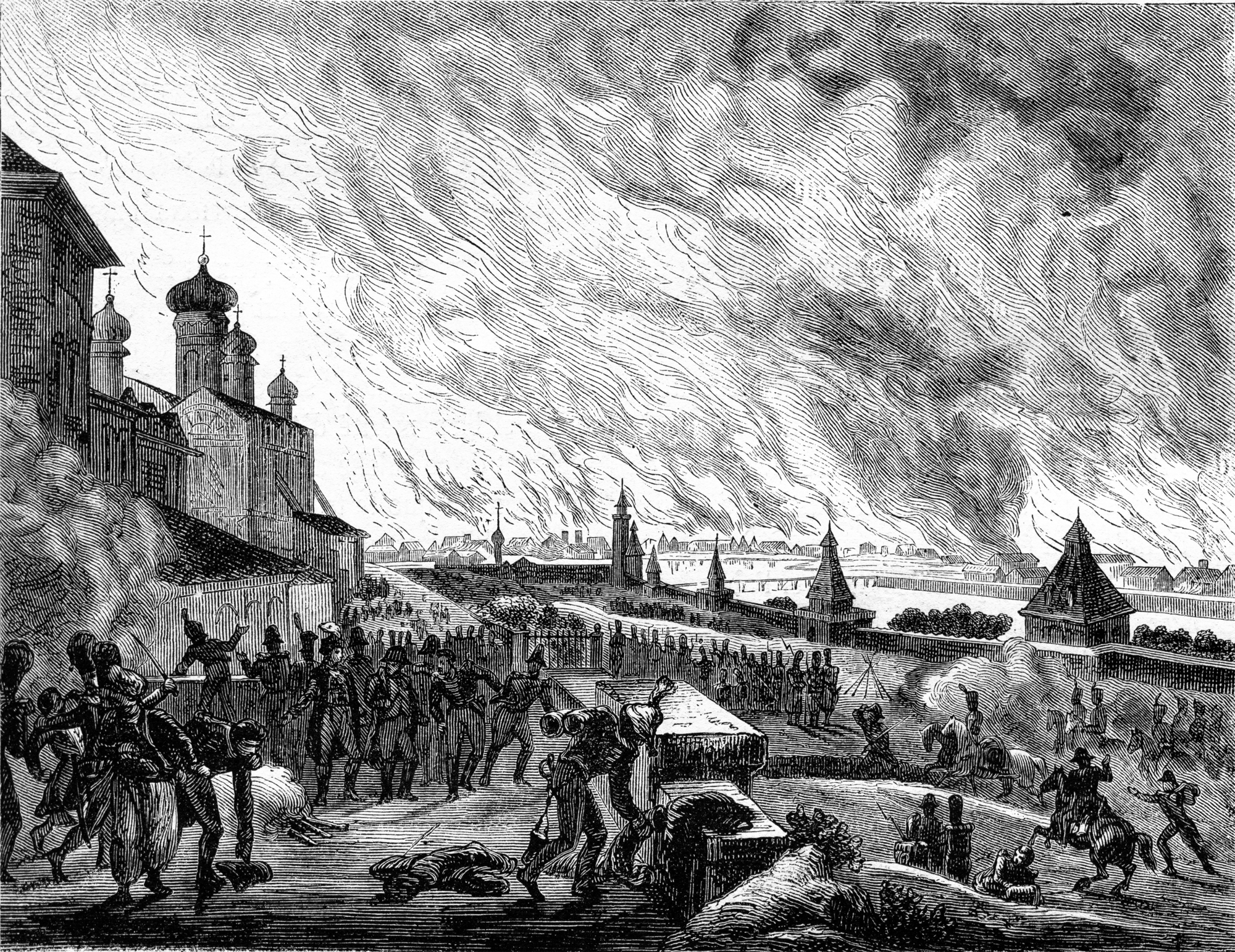
When the German advance on Moscow stalled in December 1941, the Soviet counteroffensive found a German army fighting in temperatures it was entirely unprepared for. Rifles misfired, engine oil turned solid, frostbite became one of the leading causes of casualties, and troops who had been issued summer equipment died from cold exposure before they reached any fighting.
The Soviets, equipped and trained for their own winter, attacked when German resistance was at its lowest. It was the first significant German reversal of the war.
The cold had done more damage to the German operational capacity than any Soviet division.
The Finnish Winter War, 1939–40
The Soviet Union invaded Finland in November 1939 expecting a quick victory against a much smaller nation. What they got instead was one of the most effective defensive campaigns in winter conditions ever conducted.
Finnish troops, operating on skis in forests and temperatures that regularly reached minus 40 degrees, devastated Soviet columns that were road-bound, untrained for winter movement, and inadequately equipped. The Soviets eventually prevailed through sheer numbers, but the campaign cost them an estimated 125,000 killed versus roughly 25,000 Finnish dead — a ratio that shocked outside observers.
The cold had worked almost entirely for the defenders, who knew how to operate in it.
The Battle of the Bulge, 1944
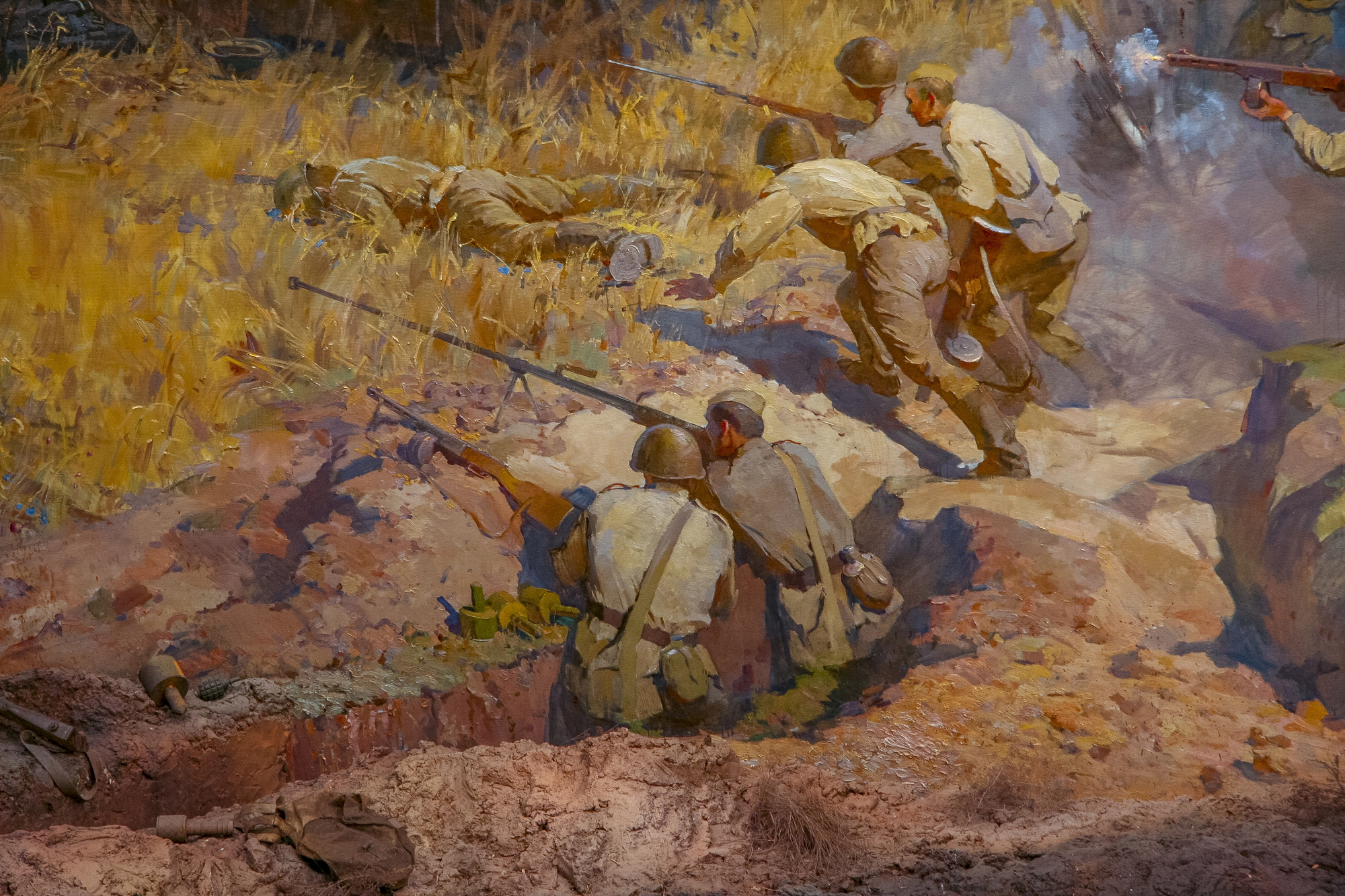
The German Ardennes Offensive launched in December 1944 depended on one specific weather condition: overcast skies that grounded Allied air power. Hitler had specifically planned the offensive for a period of poor flying weather, knowing that without air superiority, the Allies’ material advantages were partially neutralized.
The fog and cloud cover held for nearly two weeks, during which the German advance made significant progress. Then, on December 23, the skies cleared.
Allied aircraft flew 15,000 sorties in the following days, destroying German armor and supply lines. The weather had given the Germans their best opportunity.
When it changed, the offensive collapsed.
The Battle of Amiens, 1918
On August 8, 1918 — what Ludendorff called “the black day of the German Army” — a thick morning fog settled over the battlefield and allowed the Allied assault force, including 600 tanks, to move into position and launch without the usual preliminary bombardment that normally warned defenders of an attack. The Germans had no warning.
The attack penetrated up to eight miles in a single day, capturing 17,000 prisoners and breaking the operational coherence of several German divisions. The fog hadn’t been planned for in quite the way the attack’s timing exploited it, but the commanders on the ground recognized what it gave them and used it.
The Hundred Days Offensive that followed ultimately ended the war.
D-Day, June 6, 1944
The Normandy invasion was originally planned for June 5, 1944. A storm over the English Channel forced a 24-hour postponement.
Group Captain James Stagg, Eisenhower’s chief meteorologist, identified a narrow window of acceptable weather on June 6 — not ideal, but workable. German meteorologists, using fewer Atlantic weather stations, didn’t see the window coming.
Rommel had gone home to Germany for his wife’s birthday, confident the weather made Allied invasion impossible for weeks. German panzer reserves weren’t moved to forward positions.
The weather window that Stagg identified, and Eisenhower gambled on, was the margin between a landing that succeeded and one that might not have.
The Battle of Coral Sea, 1942
The Battle of the Coral Sea in May 1942 — the first naval battle in history where the opposing ships never came within visual range of each other — was significantly shaped by cloud cover and squalls. On multiple occasions during the engagement, Japanese aircraft searching for American carriers lost contact because of cloud cover, and vice versa.
The light carrier Shoho was found and sunk by American aircraft that caught her in a clear patch. The larger carriers Shokaku and Zuikaku survived partly because Zuikaku moved into a rain squall and vanished from American aircraft precisely when they had found the Japanese fleet’s position.
Weather didn’t decide the Coral Sea, but it decided which ships were found and which weren’t.
The Battle of the Chesapeake, 1781
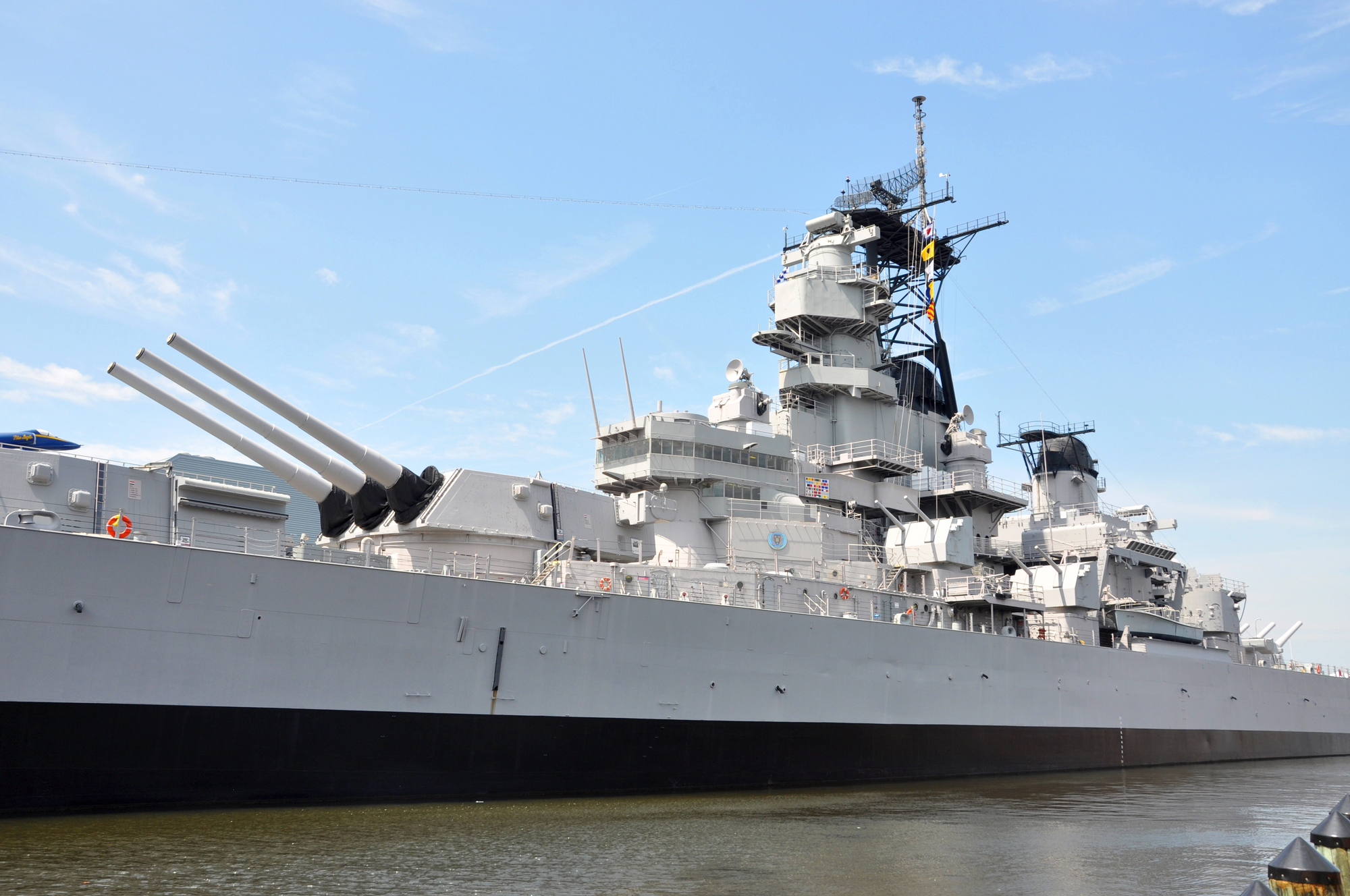
The naval engagement that sealed the fate of Cornwallis at Yorktown isn’t well-known, but the weather that accompanied it deserves mention. The French fleet under de Grasse met the British fleet under Graves in September 1781 in the mouth of the Chesapeake Bay.
The battle itself was inconclusive in terms of ships sunk, but the British fleet was unable to re-enter the bay and relieve Cornwallis because of wind conditions that consistently favored the French position. De Grasse maintained control of the bay entrance.
Cornwallis surrendered on October 19. The American Revolution was won partly because the wind direction off the Virginia coast kept the British fleet out at the critical moment.
The Mongol Invasions of Japan, 1274 and 1281
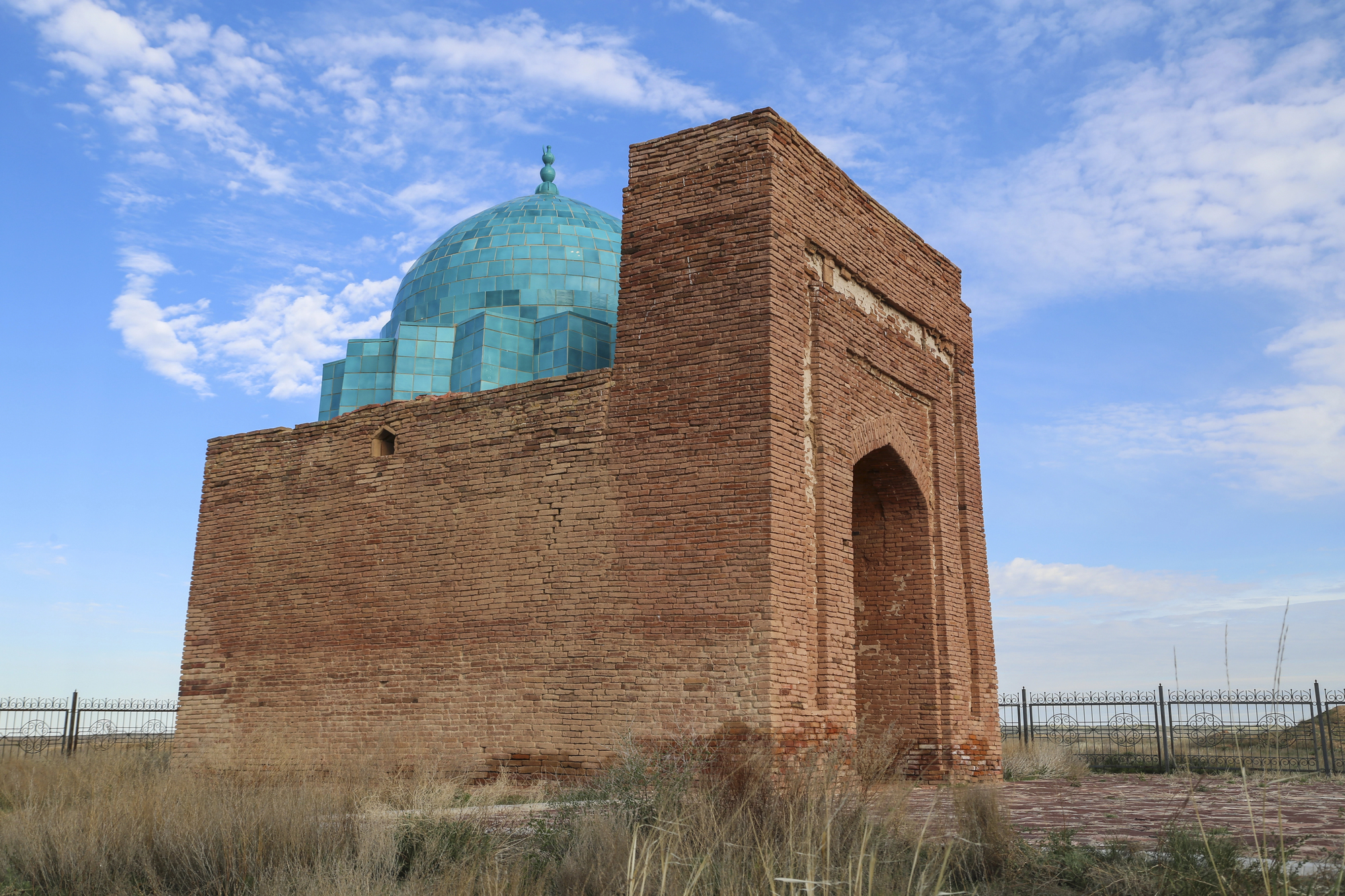
Kublai Khan launched two massive naval invasions of Japan — in 1274 and 1281 — and both were destroyed by typhoons. The first fleet was damaged enough that it withdrew.
The second, in 1281, was the larger of the two: an estimated 4,400 ships and 140,000 men. A typhoon struck while the fleet was at anchor and destroyed or badly damaged a substantial portion of it.
The surviving forces were defeated on shore. The Japanese called the storms kamikaze — divine wind — and the name stuck, eventually applied centuries later to a very different kind of desperate defense.
Whether the invasions would have succeeded without the storms is debated, but both times the weather ended the campaign before a decisive land battle could be fought.
Operation Market Garden, 1944
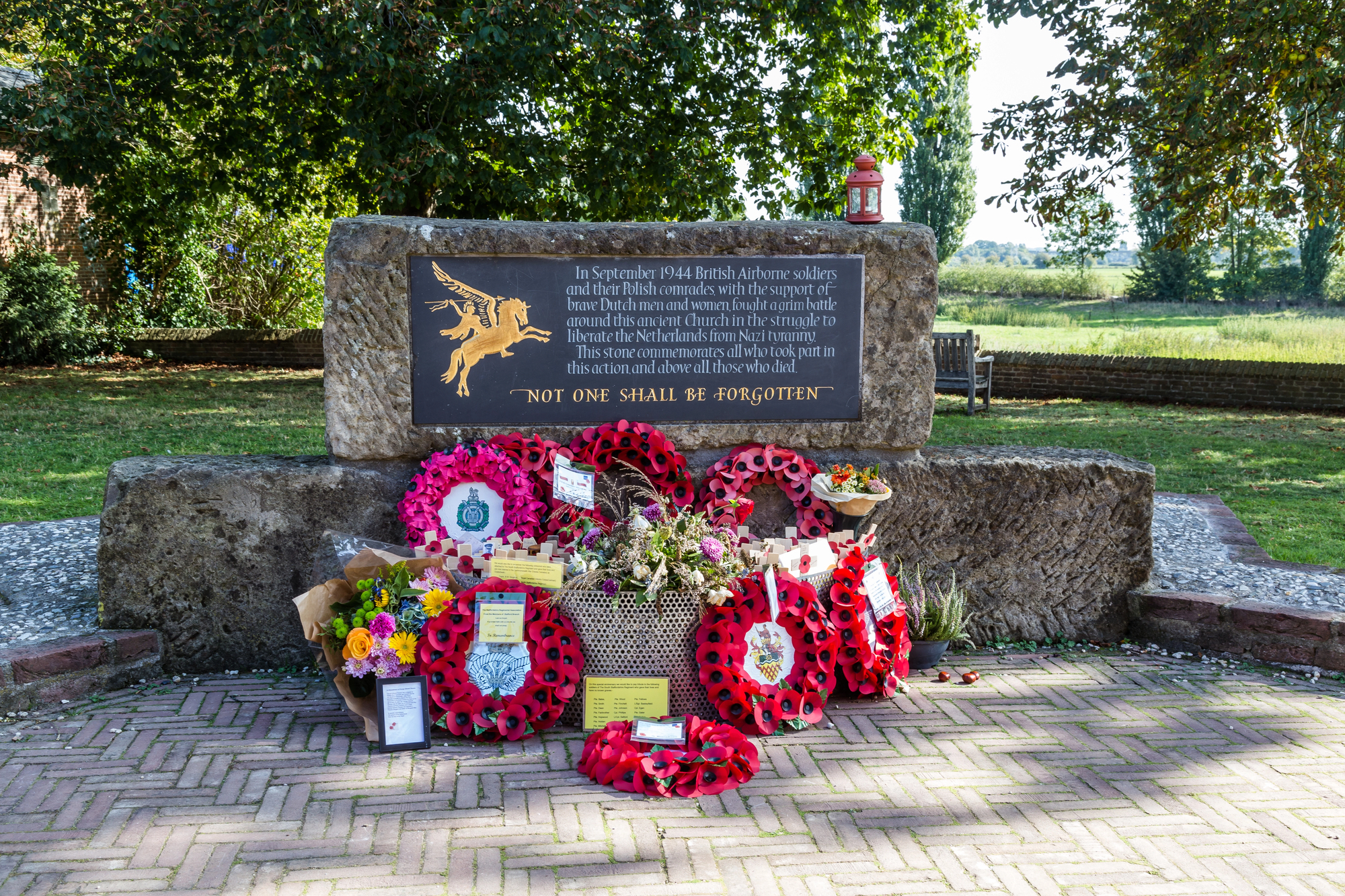
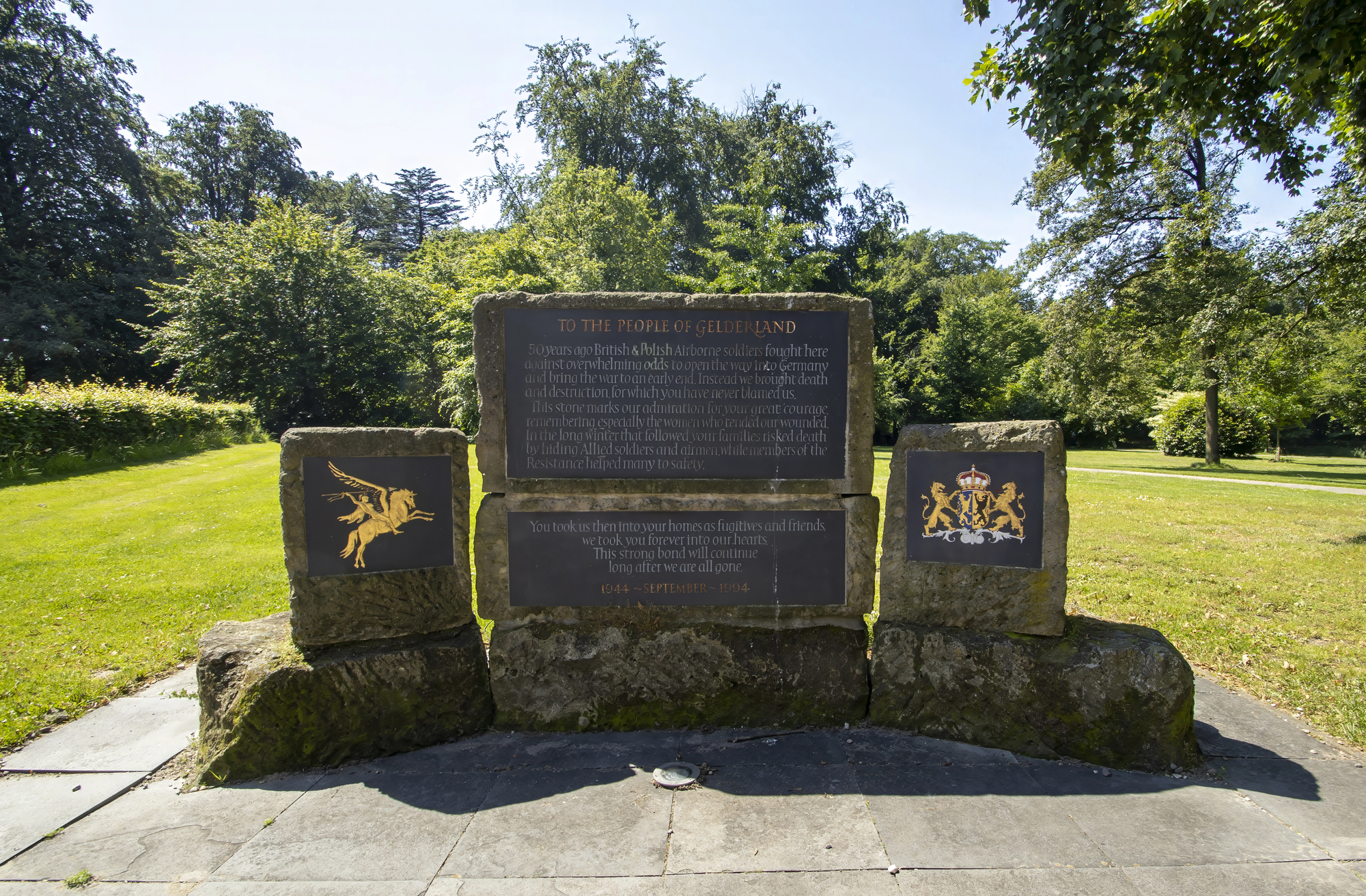
The Allied airborne operation in the Netherlands in September 1944 — intended to capture bridges across the Rhine and end the war by Christmas — was hampered from the outset by fog that delayed air resupply missions and reinforcement drops at critical moments. The 1st British Airborne Division at Arnhem was dropped too far from its objective partly to avoid anti-aircraft defenses, and the resupply drops that were supposed to sustain it were repeatedly delayed or misdirected because of poor visibility.
The division fought for nine days rather than the two it was supposed to hold before relief arrived. The weather wasn’t the main reason Market Garden failed — German resistance was stronger than expected and the plan had fundamental flaws — but the fog that delayed resupply at Arnhem was the difference between a desperate situation and a catastrophic one.
What the Generals Never Fully Learned
No military force in history has been immune to weather. Not the Romans at Trebia, not Napoleon in Russia, not the Germans in the Soviet Union, not the most technologically sophisticated army in the world at Normandy — every one of them had to make decisions based on weather that was uncertain, imperfectly predicted, and entirely indifferent to their plans.
The consistent lesson is not that weather is unpredictable — it’s that the side that plans for weather’s uncertainty tends to do better than the side that plans around its absence. Washington crossed a frozen river because the storm gave him cover his enemy couldn’t imagine.
Eisenhower gambled on a three-day window because Stagg had built a monitoring system capable of seeing it. The Finns trained for the winter they lived in.
The generals who won in bad weather weren’t lucky — they were prepared to use conditions that the other side had decided to wait out.
More from Go2Tutors!

- The Romanov Crown Jewels and Their Tragic Fate
- 13 Historical Mysteries That Science Still Can’t Solve
- Famous Hoaxes That Fooled the World for Years
- 15 Child Stars with Tragic Adult Lives
- 16 Famous Jewelry Pieces in History
Like Go2Tutors’s content? Follow us on MSN.



