24 Lunchbox Items From the ’90s That Nobody Sees Anymore
The 1990s represented the golden age of processed convenience foods engineered specifically to appeal to children’s taste preferences and parents’ demands for grab-and-go lunches. Bright colors, interactive packaging, and flavor combinations that would never pass modern nutrition standards filled lunch tables across America with a sense of adventure and novelty that made school lunch feel like a small celebration.
What made these lunchbox staples so special wasn’t just their taste—it was the ritual of unpacking them, trading them with friends, and boasting about which cool snacks your parents had packed for you that day.
Lunchables
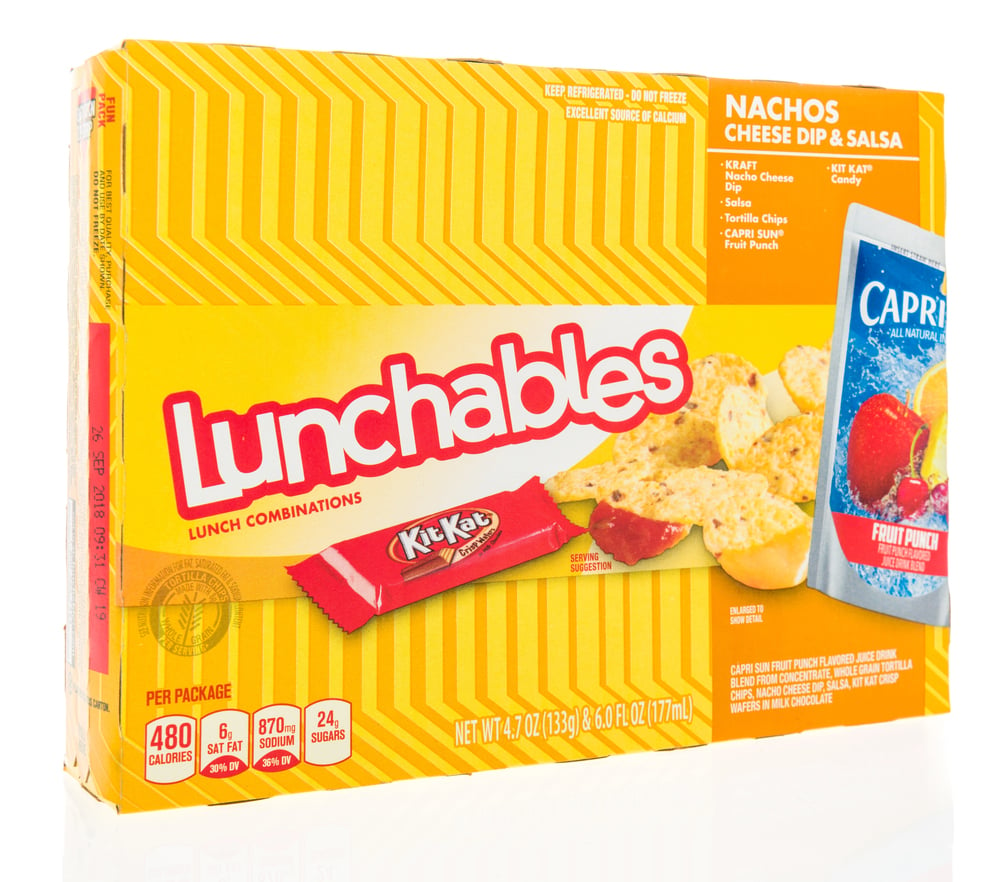
Introduced in the late 1980s and exploding in popularity throughout the 1990s, Lunchables transformed school lunch into a build-it-yourself experience with pre-packaged cracker, meat, and cheese combinations. Pizza Lunchables, Nacho Lunchables, and Taco Lunchables gave kids the chance to assemble their own mini meals, making lunch feel more like a game than a necessity.
These pre-packaged kits became such status symbols that kids debated the ranking of which variety was best, and Lunchables were fiercely traded at lunch tables nationwide. By 2024, however, Lunchables were officially removed from the National School Lunch Program due to concerns about high sodium and lead levels that had become apparent only after years of consumption.
Capri Sun
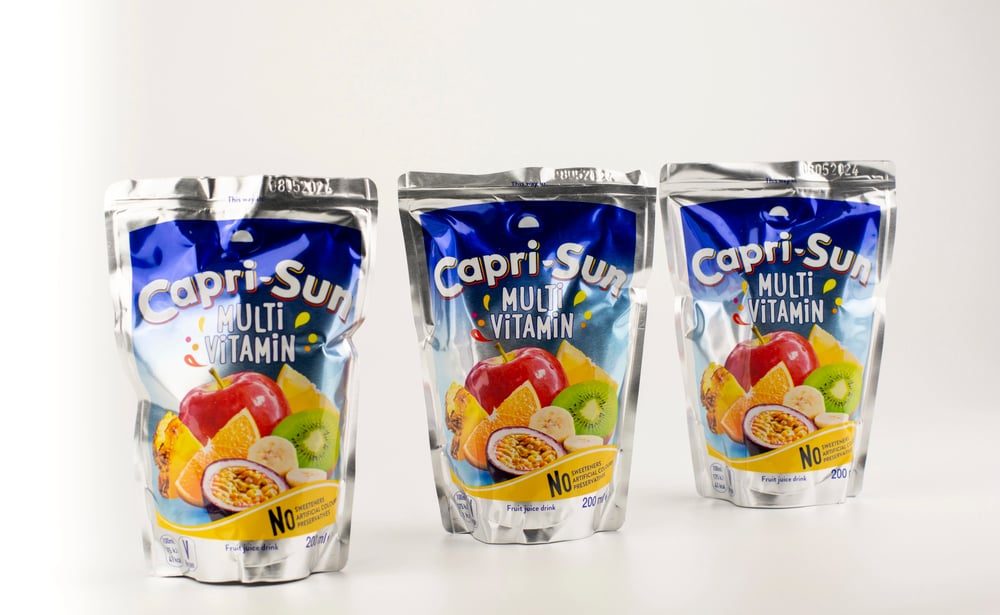
The revolutionary lightweight pouch with an attached straw that could stand freely on a lunch table made Capri Sun the most sophisticated drink option available to school kids. The challenge of accurately poking the straw through the foil without creating a projectile of juice became a lunch table competition, and kids who could open one without spillage earned bragging rights.
Pacific Cooler, Fruit Punch, and various tropical flavors offered exotic taste profiles that regular bottled juice couldn’t match. The compact, space-saving pouch made these drinks perfect for backpacks, and the free-standing design meant you could set it down without worrying about it tipping over in your lunch bag.
Dunkaroos
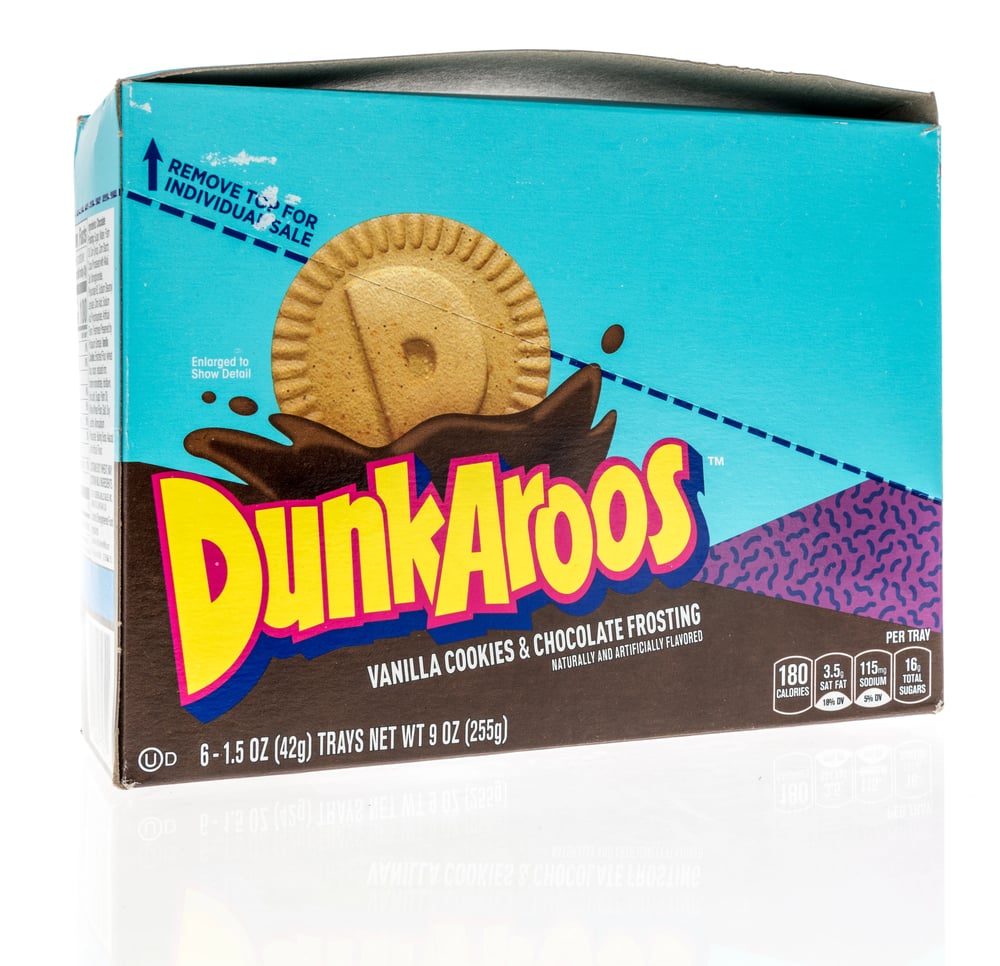
Rolling out in the early 1990s with a kangaroo mascot named Sydney, Dunkaroos transformed cookie-and-frosting into a dunking experience that felt like a tiny celebration inside a lunch box. The ritual of dunking small cookies into frosting made them feel like more than just candy—they were an interactive snack that engaged kids in actual participation.
Dunkaroos dominated elementary school lunch tables before mysteriously disappearing, only to stage a surprising comeback in 2020 that was treated like breaking news by nostalgic adults. No other snack managed to combine cookies, frosting, and fun with quite the same chemistry that made Dunkaroos the ultimate cool-kid snack.
Gushers
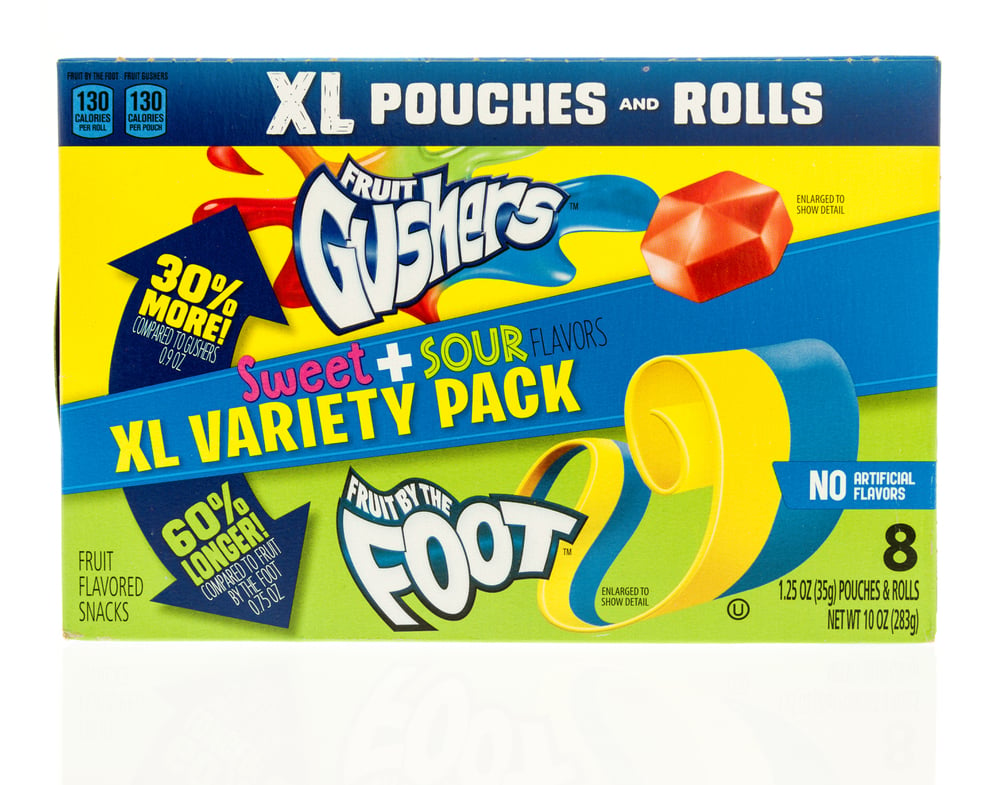
Engineered for dramatic effect when bitten into, Gushers fruit snacks arrived in 1991 under the Betty Crocker banner with a mysterious center that would burst with liquid flavor. Kids loved the element of surprise—you never quite knew how intense the filling would be or whether the liquid would squirt out the side.
The fruit-flavored gummies with their unexpected gooey centers became instantly addictive and generated passionate collecting behavior as kids tracked down all available flavors. Gushers weren’t just a snack; they were a small adventure tucked into your lunch box that provided genuine excitement during the mundane school day.
Fruit Roll-Ups
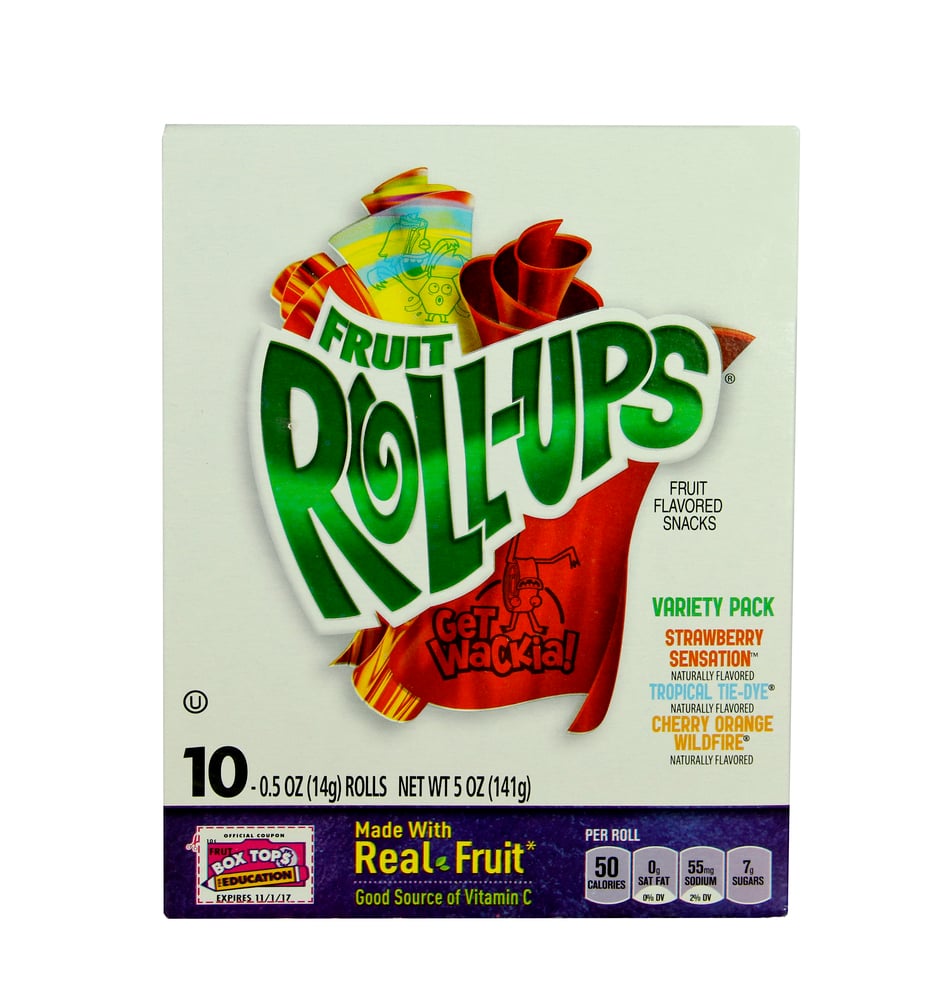
These long, chewy fruit-flavored rolls became the most prized commodity at lunch tables, and kids simply refused to trade them away no matter what was offered in exchange. Rolling them up around your finger, unrolling them on your tongue, or eating them in strips—kids developed elaborate rituals around these portable fruit sheets.
The various fruit flavors and occasional special varieties made collecting different types a legitimate hobby that kids approached with surprising seriousness. Fruit Roll-Ups weren’t just candy—they represented a specific texture and preparation style that copycat products could never quite replicate.
Bubble Tape
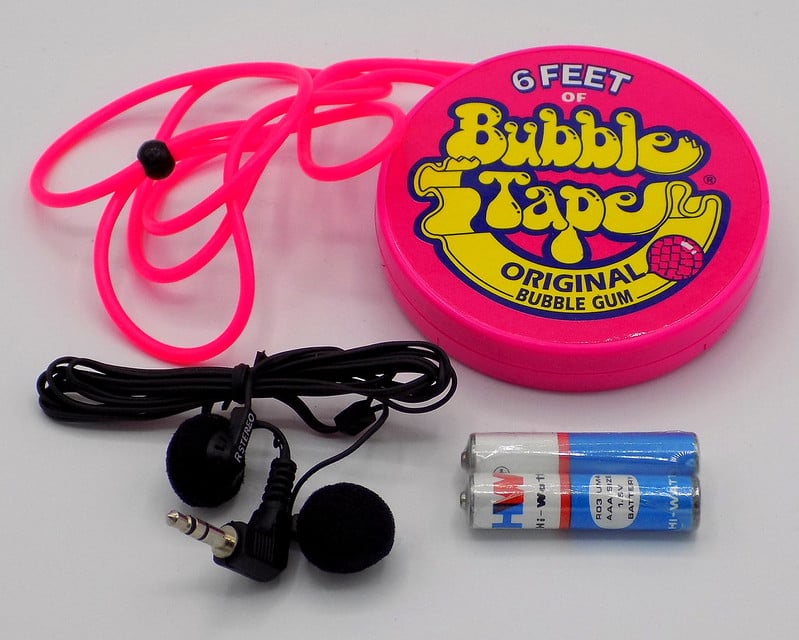
This six-foot-long roll of bubble gum arrived in a compact dispenser that let you decide exactly how much gum you wanted to chew at any given moment. The extended tape format allowed for continuous chewing that far outlasted standard gum, and the novelty of dispensing gum from a little plastic wheel made the experience feel more sophisticated.
Early 1990s Bubble Tape craze reached fever pitch before gradually cooling off as kids moved on to other novelties. Kids would compare how long they could chew a single dispensed section and compete over who could blow the biggest bubble.
Fruit By the Foot
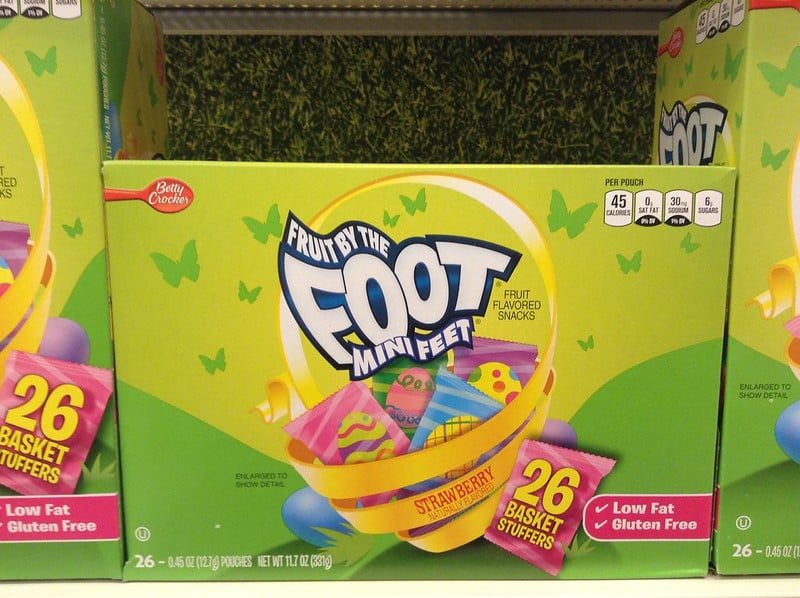
The one-foot-long rolled fruit candy strip offered similar appeal to Fruit Roll-Ups but with slightly different texture and a product name that made sense proportionally. Kids would measure out these strips along rulers and other measuring tools, confirming that they actually did stretch to exactly one foot.
The portability and shelf-stable nature made these perfect for lunch boxes that might not have refrigeration access. While Fruit By the Foot still exists today, the cultural phenomenon of 1990s kids trading and collecting various flavors has essentially disappeared.
Squeeze-It Bottles
These brightly colored plastic bottles with attached straws containing extremely sugary fruit punch, cherry, or tropical flavors were designed specifically for kids to squeeze directly into their mouths. The viscous liquid that emerged from these bottles was absolutely loaded with artificial ingredients and sugar, making them more candy than beverage.
Kids loved the hands-on experience of squeezing the bottle and getting a burst of intense flavor, and the bright neon colors of the liquid looked radioactive. While the basic bottle concept still exists, the original Squeeze-It formula and the specific marketing push toward kids essentially evaporated by the 2000s.
Little Hug Juice Barrels

These cylindrical drink containers smaller than standard juice boxes offered concentrated, extremely sweet juice in flavors like orange and red punch that stained fingers and shirt cuffs permanently. The little barrel aesthetic was charming and made kids feel like they were drinking something special rather than the basic juice beverage it actually was.
Limited refrigeration requirements and durable packaging made these perfect for lunch bags, and kids appreciated the no-straw design that let them drink directly from the opening. These have largely disappeared from store shelves despite their earlier ubiquity in school lunchboxes.
Pizza Chips by Keebler (Pizzarias)
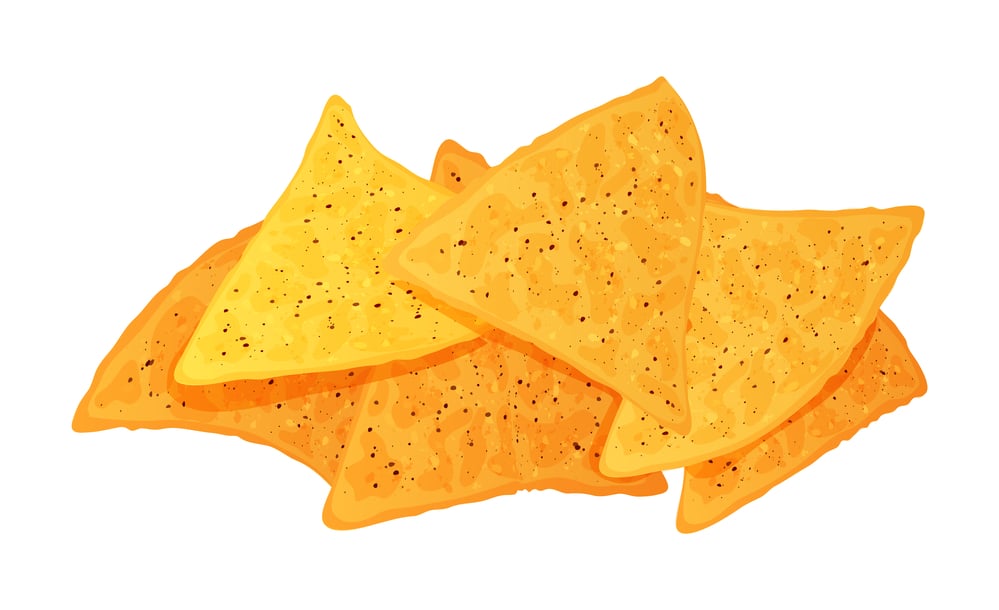
Keebler expanded beyond cookies in the 1990s to produce pizza-flavored chips called Pizzarias that became a coveted lunch box alternative to actual pizza. These weren’t quite as intense as Doritos but occupied a distinct flavor space that made them instantly recognizable.
Kids who got Pizzarias in their lunch box had access to a snack that felt more sophisticated than simple potato chips because of the specific pizza flavoring. The product eventually disappeared as Keebler refocused on core cookie products, leaving a gap in the pizza-flavored chip market that nothing has ever quite filled.
Nutella Sandwiches
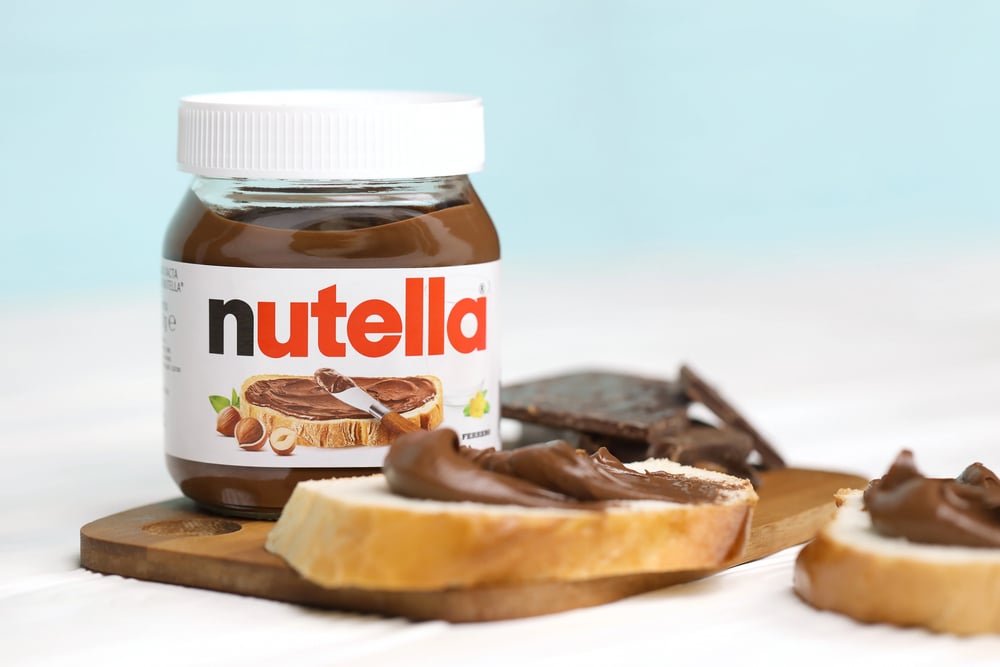
This European hazelnut-chocolate spread gained significant popularity in American lunchboxes during the 1990s as families discovered that Nutella could transform simple white bread into something feeling almost decadent. Spreading the chocolate-hazelnut combination on soft bread created a dessert-adjacent sandwich that made lunch feel like a special occasion rather than daily nutrition.
The richness and luxury of Nutella made these sandwiches highly tradeable at lunch tables, and kids would sometimes negotiate complex trades specifically to score a Nutella sandwich. While Nutella still exists and remains popular, the specific cultural moment of 1990s Nutella sandwiches being a status food has passed.
Sunny Delight
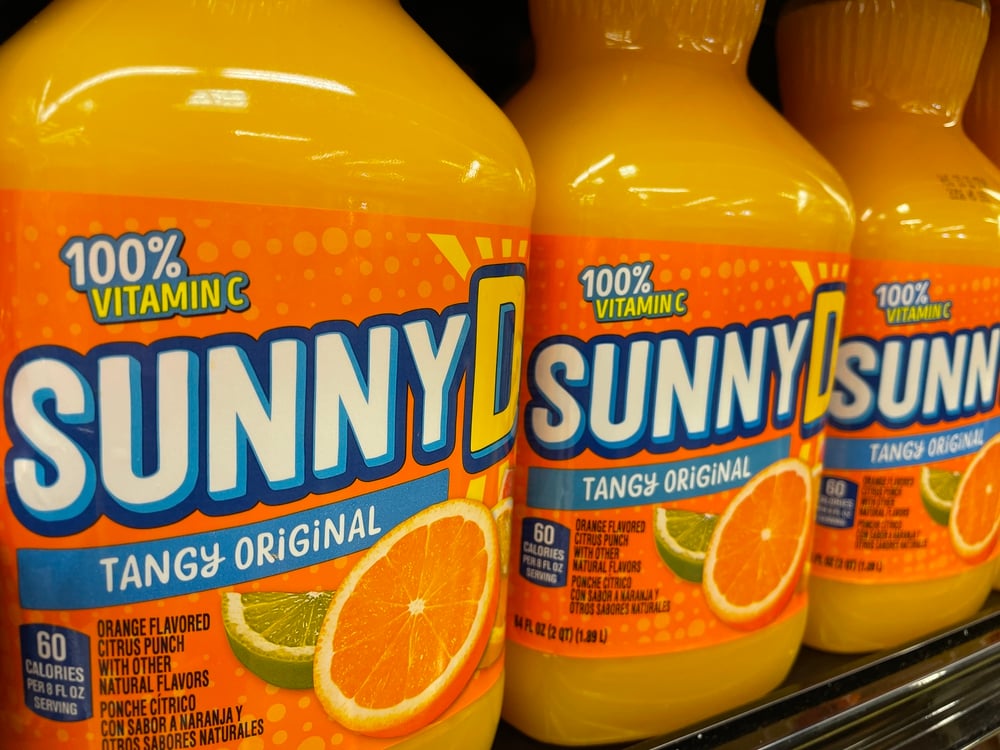
This controversial orange-colored beverage marketed as juice but containing minimal juice concentrate became a polarizing lunch box item in the early 1990s. Some parents enthusiastically included Sunny Delight as an alternative to soda, while others refused to pack it due to concerns about artificial ingredients and coloring.
The bright orange hue and the vaguely citrus flavor made it instantly recognizable, and kids who received it felt like they’d won a small lottery. Sunny Delight eventually became the subject of serious nutritional criticism that transformed it from trendy beverage to cautionary tale.
Kudos Bars
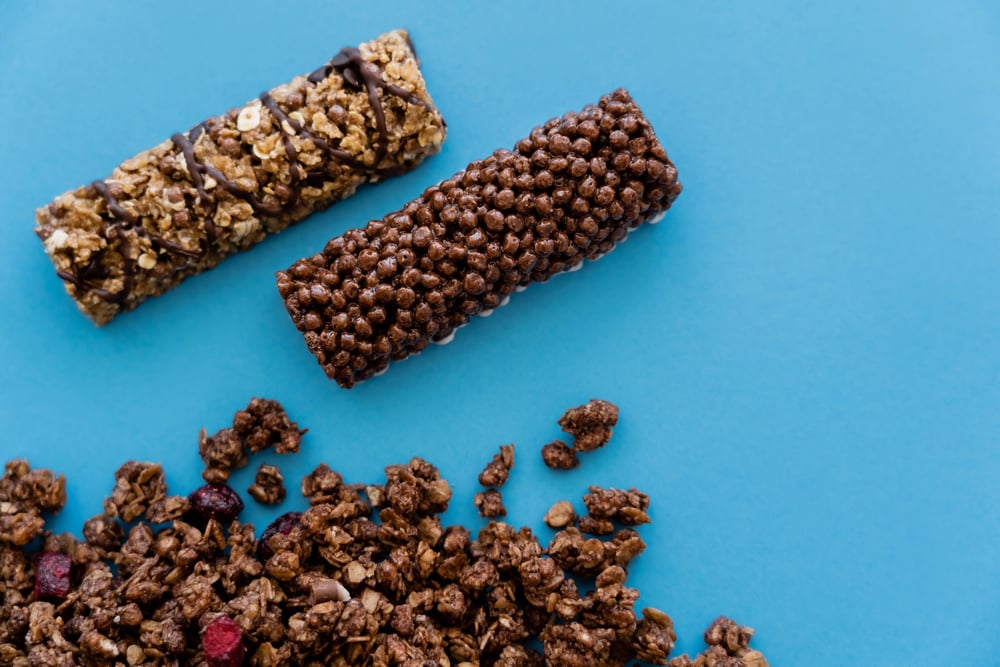
For parents attempting to sneak nutrition into lunchboxes while still providing something approaching candy, Kudos granola bars offered a compromise snack that kids would tolerate if not actually celebrate. These cereal-based bars with chocolate coating came in various flavors and contained actual whole grain elements that made parents feel virtuous.
Kids didn’t begrudge getting Kudos when more coveted snacks were unavailable, treating them as acceptable backup options rather than true prizes. These bars have largely disappeared as healthier snacking options and more appealing competitors emerged.
Squeezable Applesauce Pouches
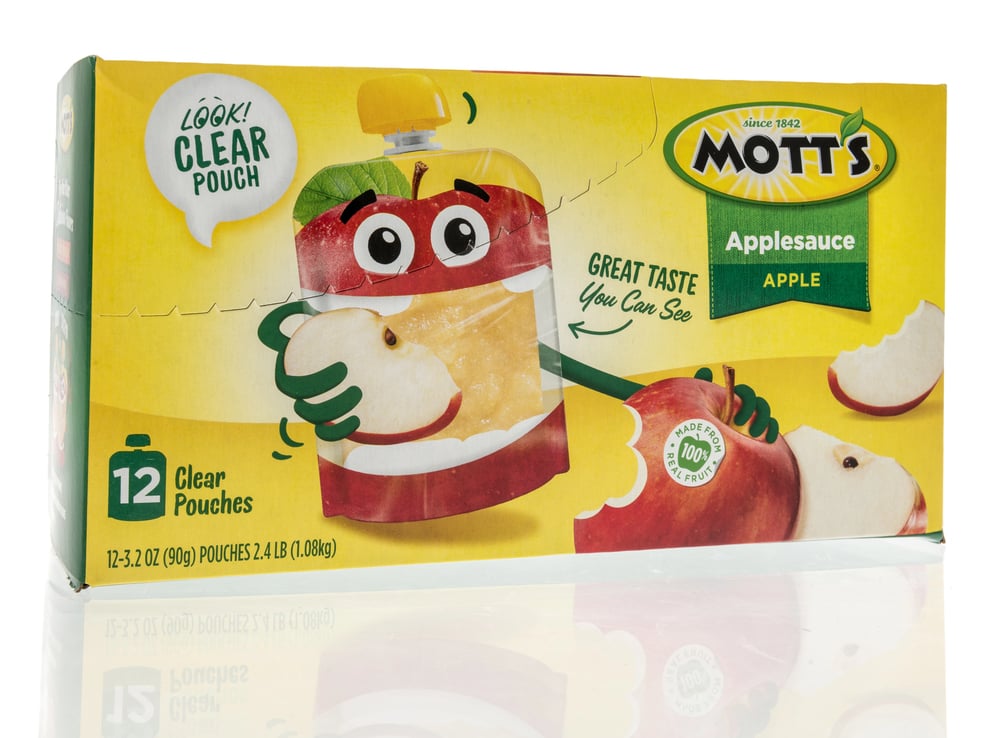
Before Capri Sun dominated the convenient pouch market, applesauce manufacturers created squeezable pouches that let kids consume fruit in a semi-sauce form. The brown, slightly gritty applesauce emerging from a small opening in the pouch created a messier eating experience than juice but provided fruit in a fun, interactive format.
Parents appreciated that applesauce provided actual fruit and therefore legitimate nutrition, even if the preparation method was entirely about entertainment. These pouches largely disappeared as nutrition standards shifted and parents sought out whole fruits instead.
Soda Crackers with Cheese
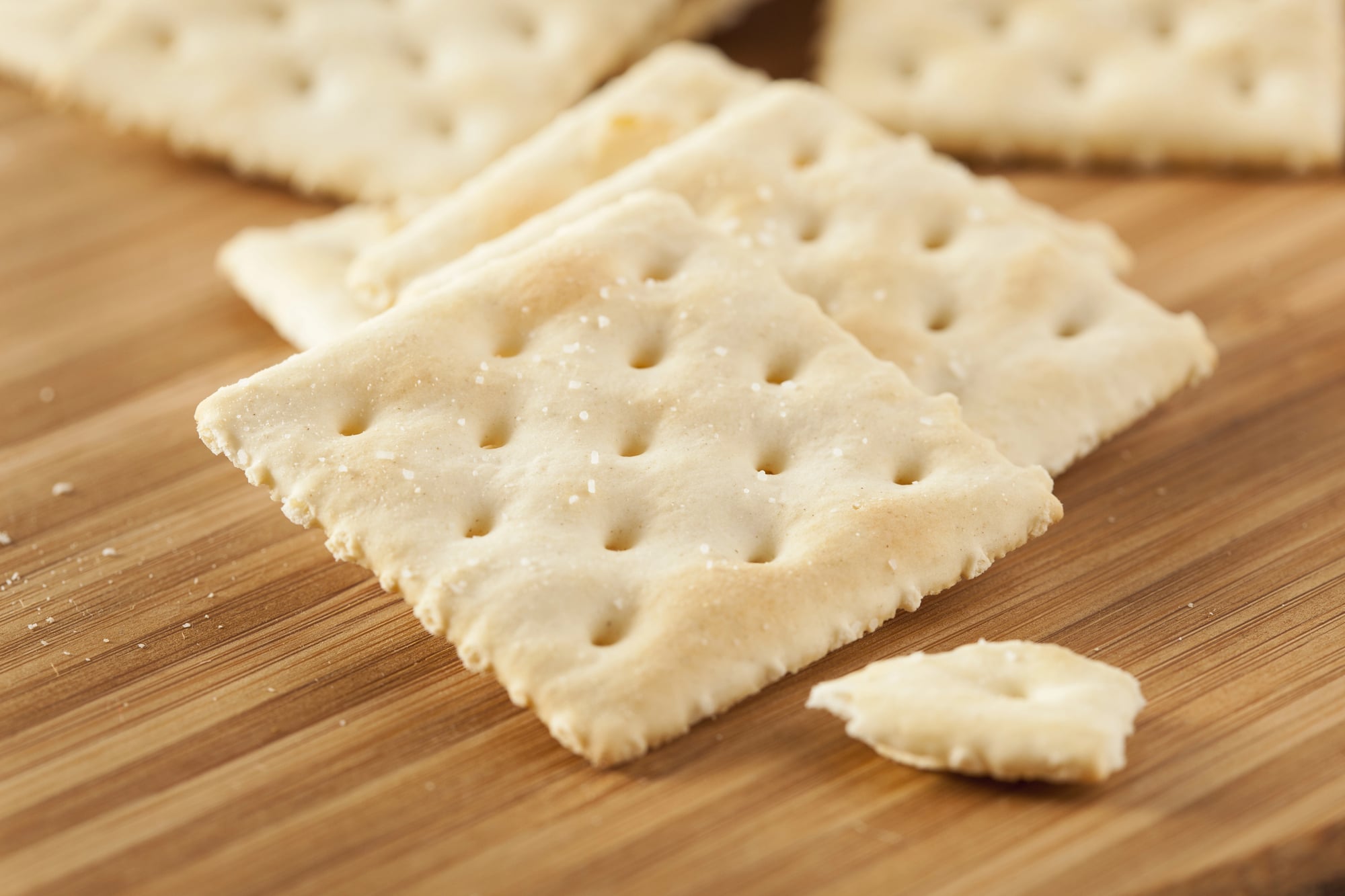
Individual packages containing eight or so plain soda crackers paired with a small compartment of processed cheese spread became a lunch box staple. Kids would methodically spread the bright orange cheese product onto each cracker while working through their lunch, creating an interactive snack experience.
The entire package was designed to be consumed at school, with everything sized appropriately for child-scale consumption. Modern parents have largely moved away from these ultra-processed combinations in favor of whole grain crackers and real cheese, making this particular product combination nearly extinct.
Pop-Tarts
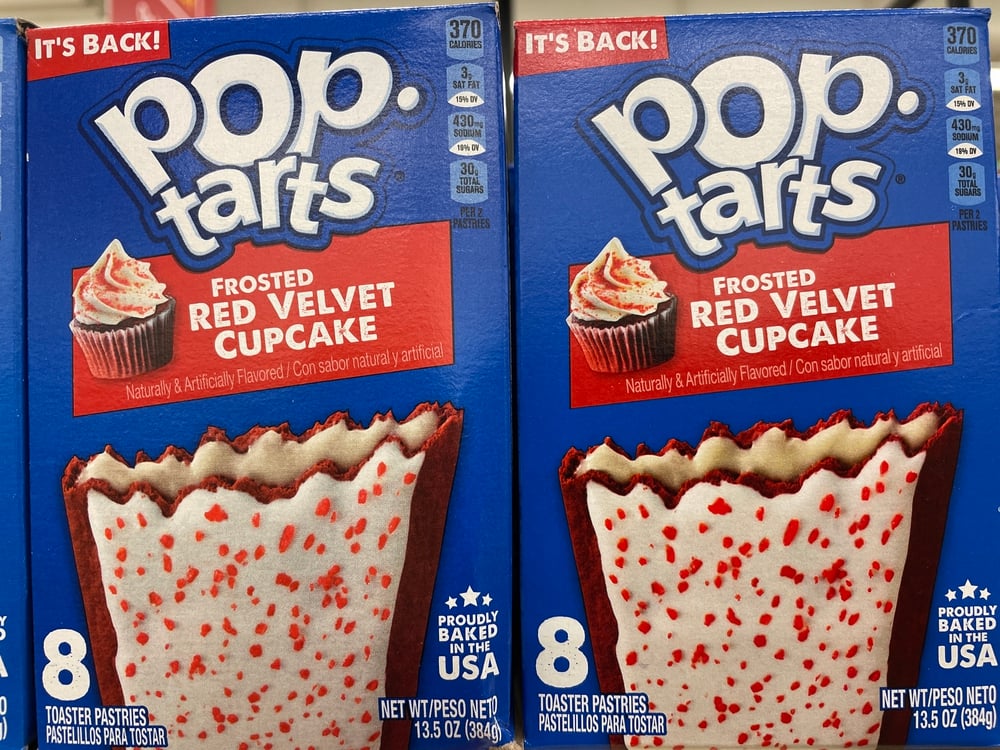
These frosted pastries filled with fruity or chocolate filling became breakfast and snack favorites that showed up regularly in 1990s lunchboxes. Kids loved the combination of sweet filling inside a crispy pastry exterior, and the variety of flavors meant there was something for everyone’s taste preference.
Some kids ate them cold directly from the box, while others reheated them in the morning. While Pop-Tarts still exist and remain in stores, their presence in lunchboxes has declined significantly as parents shifted toward healthier breakfast and snack options.
Bagel Bites
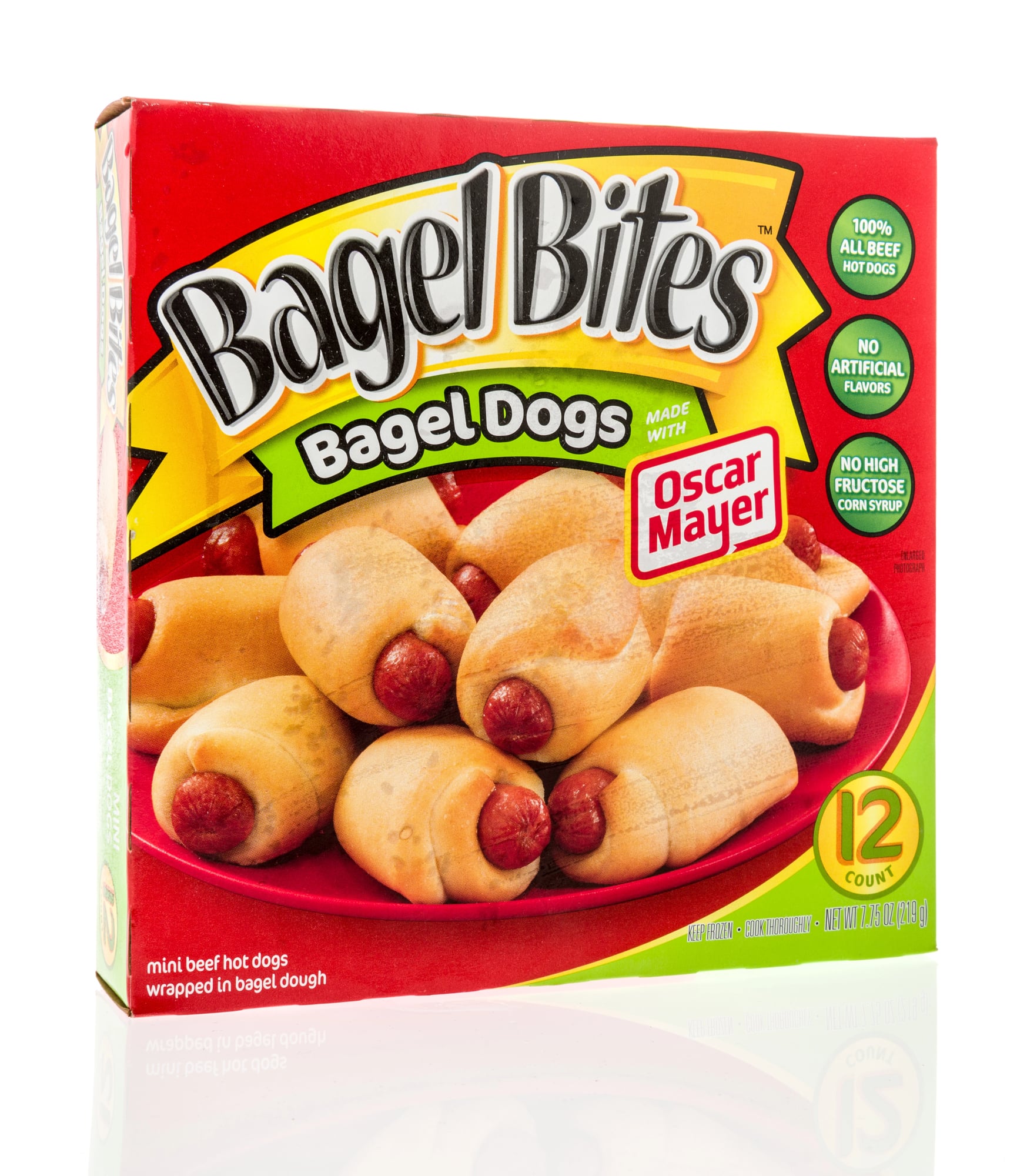
These mini bagels with pizza toppings were either packed frozen to thaw by lunchtime or heated before packing, representing an attempt to make school lunch feel more upscale. The combination of bread and cheese and toppings in a single-bite format appealed to kids who appreciated interactive eating experiences.
Parents appreciated that Bagel Bites could be prepared ahead in bulk and still taste decent cold. The product never achieved the ubiquity of Lunchables but carved out a loyal following among kids who wanted something more sophisticated than standard sandwiches.
Chex Mix
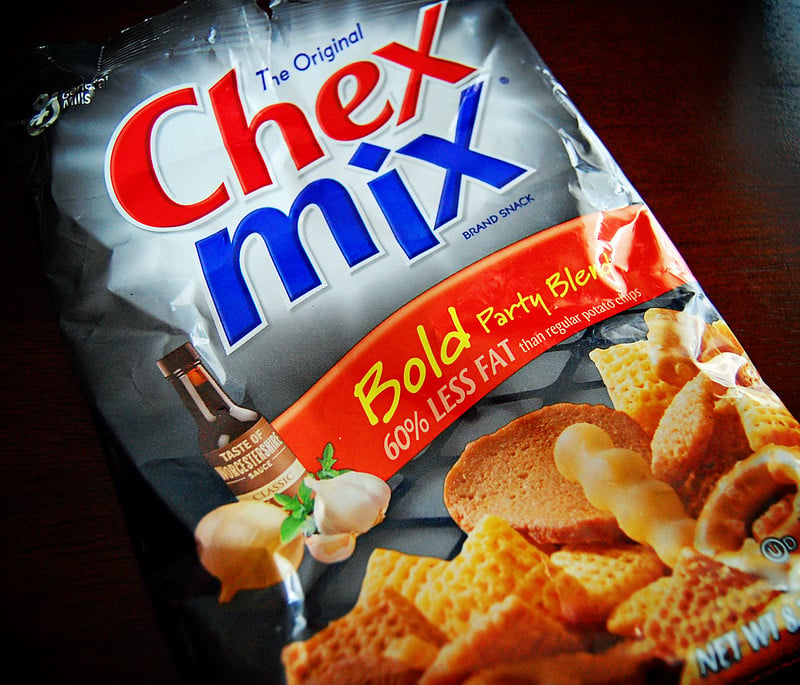
Homemade or store-bought Chex Mix appeared in lunch boxes as a semi-healthy crunchy snack option that parents felt better about including. The combination of cereal, nuts, and various mix-ins created interesting texture variety that kept kids engaged while eating.
Parents would often make batches at home, adding their own proportions of ingredients, making Chex Mix feel like a more personal, thoughtful snack. While Chex Mix still exists and families still make it, the specific era of Chex Mix as a standard lunchbox item has largely passed.
Bologna Sandwiches
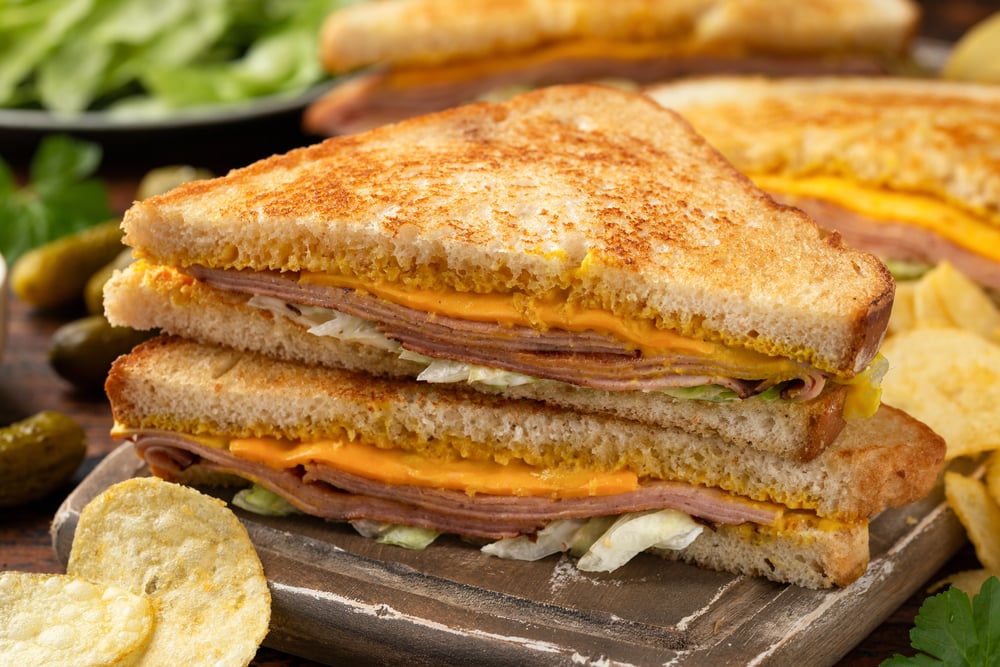
This humble sandwich of sliced bologna and cheese between white bread became shorthand for basic, affordable American school lunch. Served with mustard or mayonnaise, the bologna sandwich was inexpensive, predictable, and almost universally consumed without significant complaint.
Kids recognized bologna sandwiches as evidence of parents who valued practical nutrition over culinary sophistication. While bologna sandwiches are making a gourmet comeback among adults, the specific cultural moment of them being everyday lunchbox fare has changed dramatically as food culture shifted.
Pudding Cups
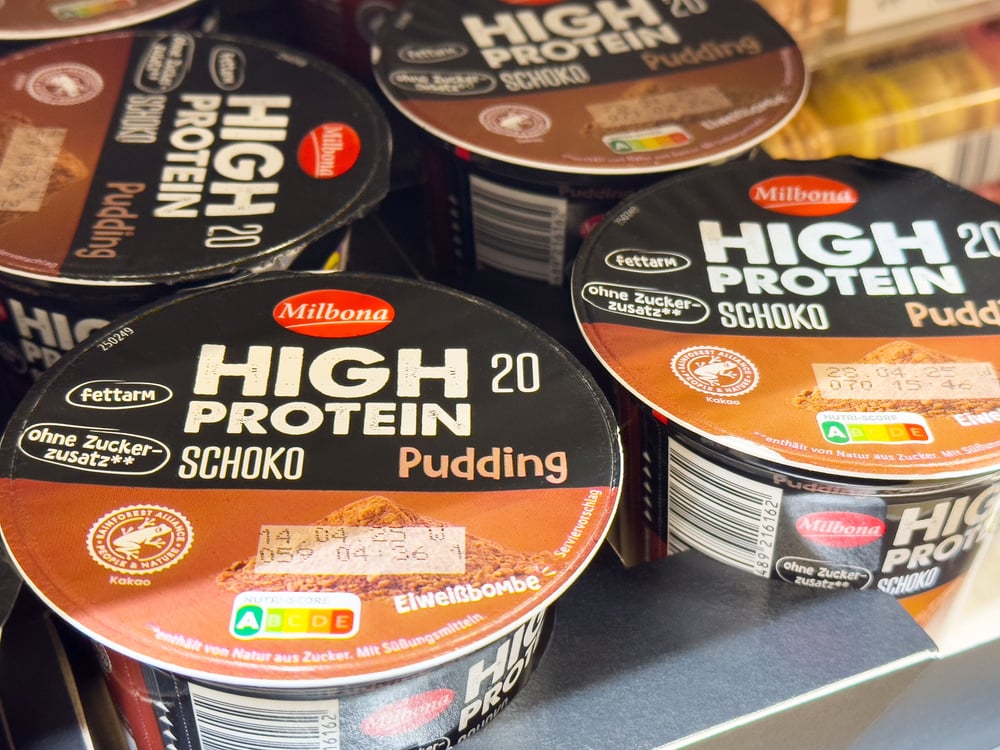
Individual cups of chocolate or vanilla pudding with pull-back foil lids provided a cold, creamy dessert option that required no preparation. The thick, smooth texture of the pudding and the simplicity of the single-serve format made these appealing closer to lunch.
Kids appreciated the ease of consumption and the self-contained nature of the product. While similar pudding cups still exist, the specific prevalence of these in school lunchboxes has declined as parents considered nutritional content more carefully.
Jello Cups
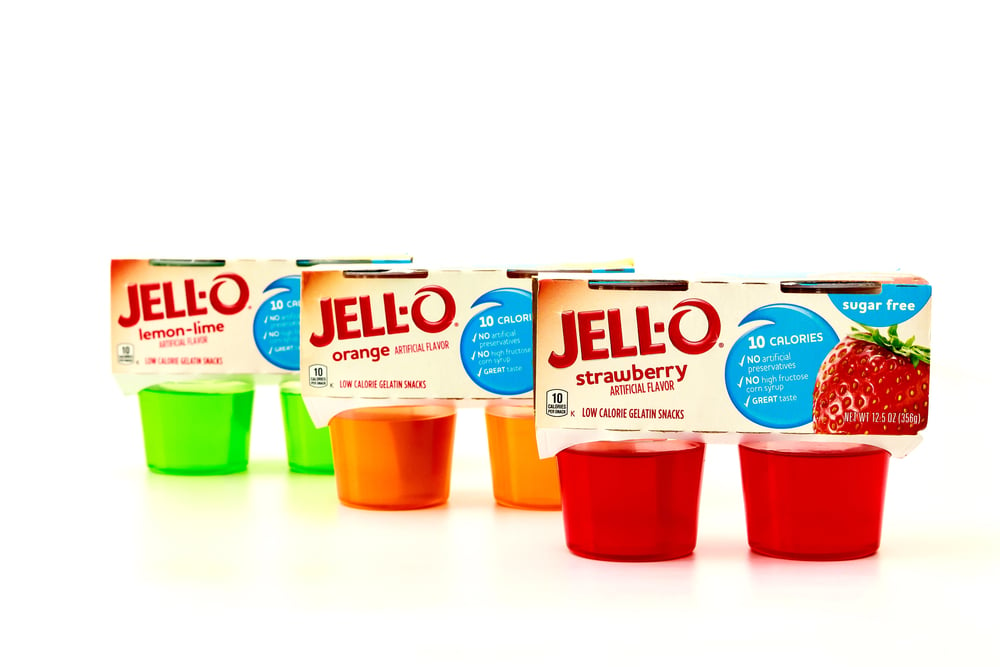
Wiggly, jiggly, brightly colored gelatin cups in flavors like cherry red and lime green brought an element of whimsy to lunch boxes. The novelty of eating something that wobbled and moved made these more interesting than they had any right to be.
Individual serving sizes meant kids didn’t have to worry about scooping or sharing, and the clear plastic cups let you see exactly what you were getting. These have largely disappeared from lunchboxes as parents shifted toward foods with more nutritional value.
Oreo Cookies
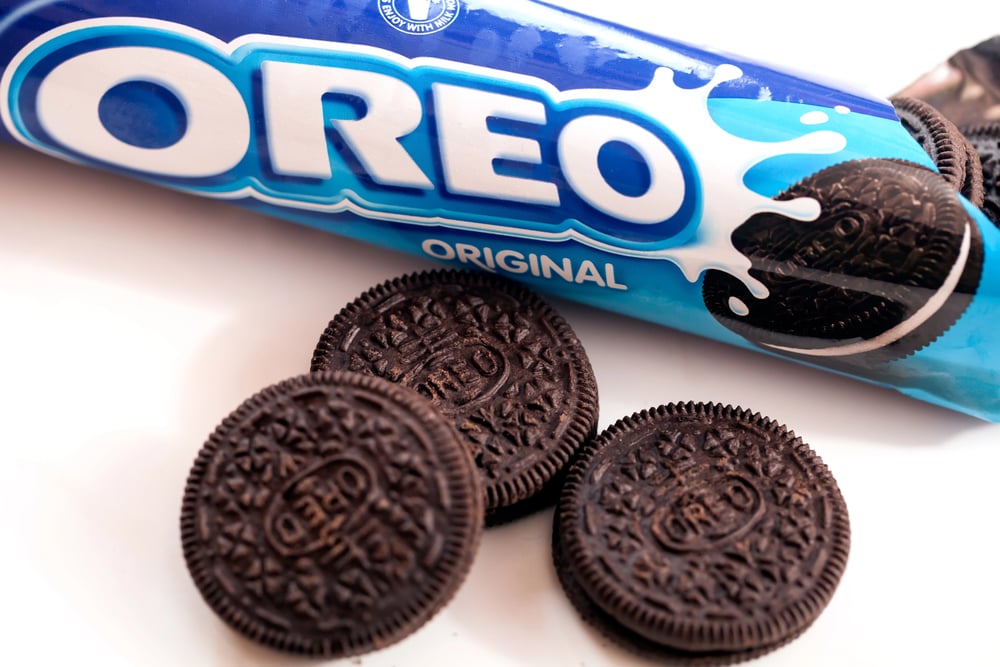
Individually wrapped Oreo cookies appeared regularly in 1990s lunchboxes as an uncomplicated dessert option that every kid loved. The twist-apart consumption method gave kids a ritual around eating them, and sharing was sometimes possible but rarely happened willingly.
Store brands attempted similar cookies, but nothing matched the cultural cachet of actual Oreos. While Oreos remain incredibly popular, their specific role as the default lunchbox cookie has been somewhat diminished by the proliferation of snack options.
String Cheese
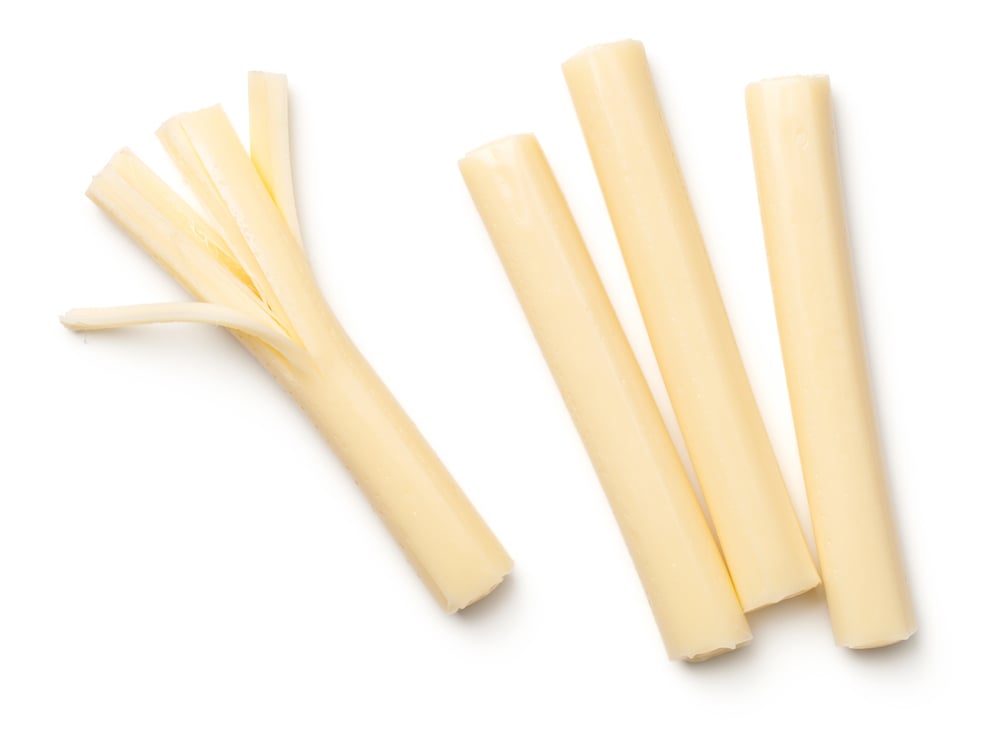
This individually wrapped mozzarella cheese that could be pulled apart in strings represented a bridge between nutrition and entertainment. Kids appreciated the textural experience of separating the cheese into strands and eating them individually rather than consuming a block of cheese.
Dairy farmers and nutrition advocates promoted string cheese as a healthy protein option, and parents embraced it as a snack that didn’t feel like candy. While string cheese remains popular, it’s consumed in a different cultural context now, often selected as a conscious healthy choice rather than a fun lunchbox novelty.
Sugar-Free Gum
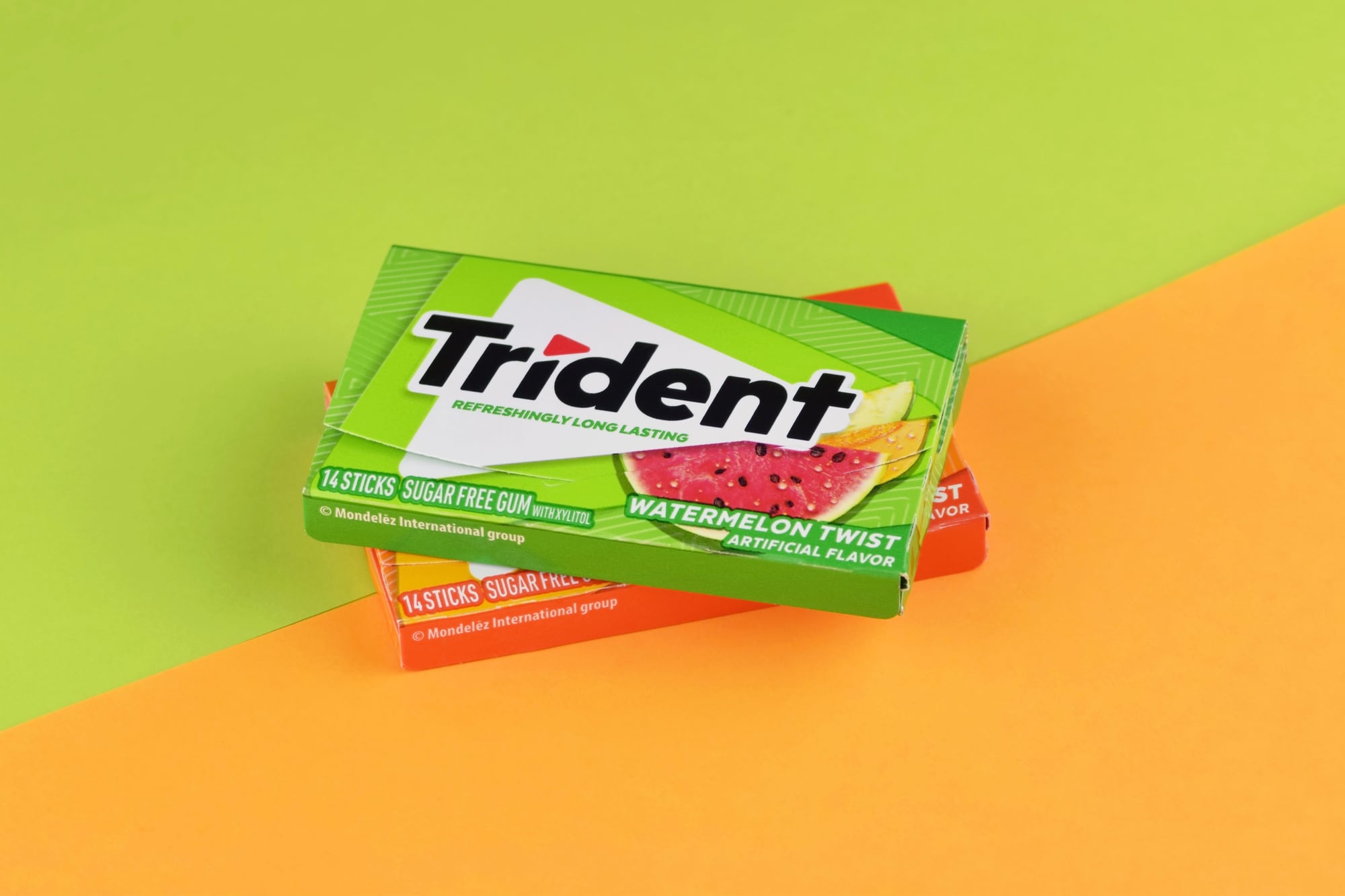
Brands like Trident and Orbit sugar-free gum appeared in lunchboxes with the promise that they wouldn’t cause cavities or massive sugar rushes. Kids appreciated having gum as a lunchbox option because it felt like a treat while still being acceptable to parents concerned about nutrition.
The various flavors and minty freshness made these more interesting than plain bubble gum but less dramatic than novelty gums. While sugar-free gum certainly still exists, it’s no longer marketed primarily to kids as a lunchbox item the way it was in the 1990s.
The Disappearance of Processed Innocence
The 1990s represented a unique moment in American food culture when processed convenience foods marketed specifically to children flourished without significant nutritional accountability or parental pushback. Today’s parents armed with nutrition information, allergy awareness, and social media platforms to share concerns have transformed lunchbox culture into something far more health-conscious and whole-food-focused.
The bright colors, interactive packaging, and sugar-loaded treats that once seemed like harmless fun are now viewed with suspicion and concern, creating an enormous gap between what 1990s kids considered normal lunch fare and what today’s parents consider acceptable.
Looking back, these lunchbox items represented a specific historical moment when artificial ingredients and processed foods were exciting innovations rather than cautionary tales. Modern kids will never experience the pure joy of Gushers bursting in their mouths, the challenge of poking a Capri Sun straw through the foil without creating a juice disaster, or the elaborate lunch table negotiations over who got the Fruit Roll-Up.
In their absence, something has been lost—not necessarily in terms of nutrition, but in terms of the small daily adventures and negotiated hierarchies that made school lunch feel like an event rather than an obligation.
More from Go2Tutors!

- The Romanov Crown Jewels and Their Tragic Fate
- 13 Historical Mysteries That Science Still Can’t Solve
- Famous Hoaxes That Fooled the World for Years
- 15 Child Stars with Tragic Adult Lives
- 16 Famous Jewelry Pieces in History
Like Go2Tutors’s content? Follow us on MSN.



