24 Tunnels Sealed and Later Reopened
Some tunnels get closed for a season of repairs and reopen without anyone outside the engineering department noticing. Others get bricked up, forgotten, fought over, or turned into a political border for decades before the public sees the inside again.
The following passages were all sealed, in one form or another, and all eventually reopened, sometimes for the exact purpose they were built for and sometimes for something their builders never imagined.
Baker–Barry Tunnel
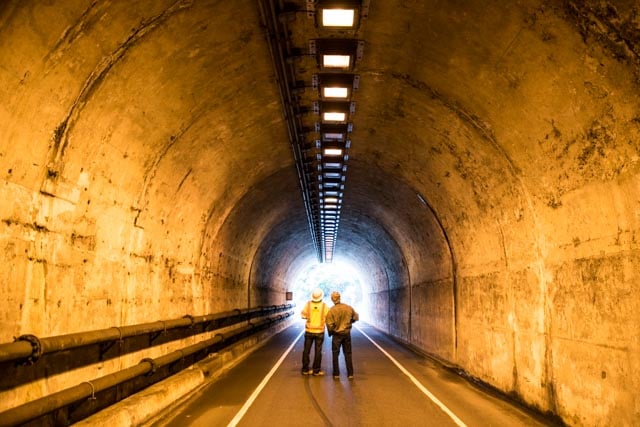
This narrow single-lane tunnel carries Bunker Road through the Marin Headlands north of San Francisco, connecting Fort Baker to Fort Barry. Surveys as early as the 1960s had found long cracks in the concrete lining, and by February 1989 chunks of concrete were spalling off the ceiling and falling onto the roadway, so the tunnel was closed as a safety hazard.
It stayed shut through a full rebuild and did not reopen until 1995, and it was closed again for seven months in 2017 so crews could seal cracks, repave, and swap in energy-efficient lighting.
Snow Hill Tunnel
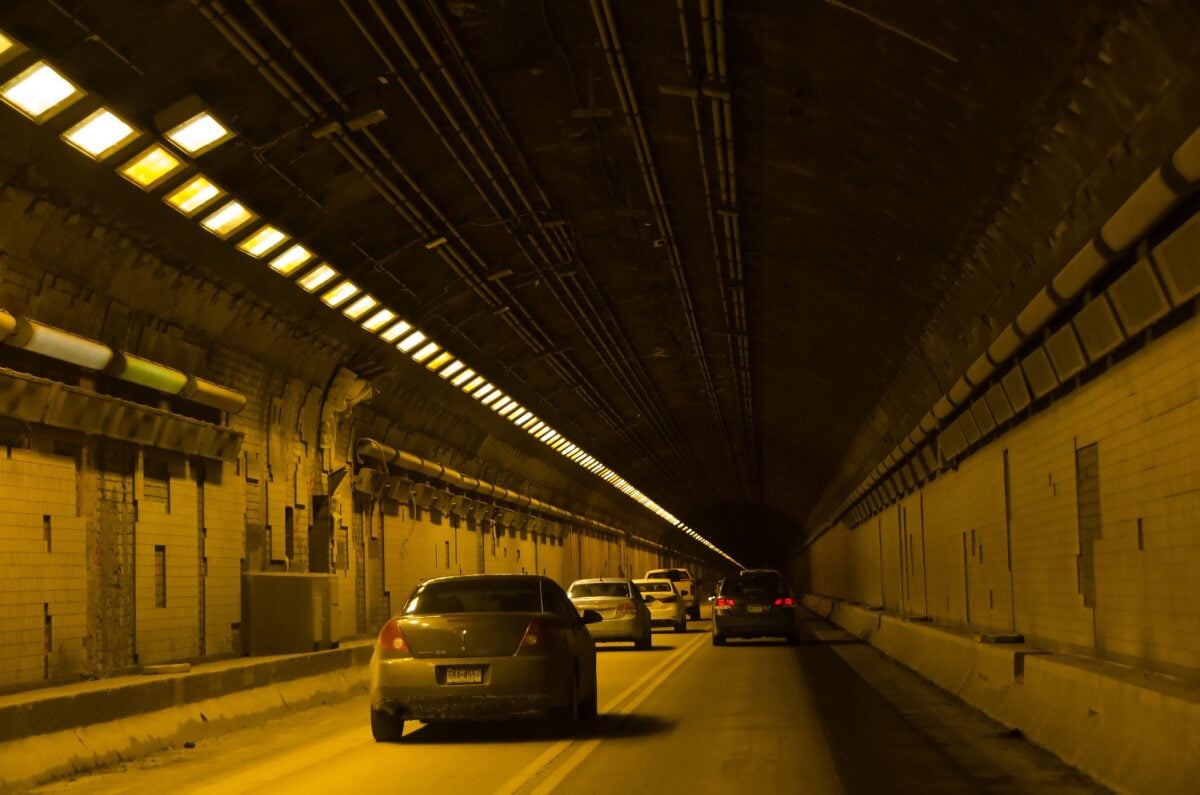
Snow Hill station closed in 1972 and the tunnel sat derelict for fifteen years, unused and effectively sealed off from regular traffic. It reopened on 5 October 1987 alongside a rebuilt Snow Hill station, and shortly before the official reopening the public was invited to walk the length of the dark tunnel in a charity fundraiser.
Carrickfergus Castle Tunnel
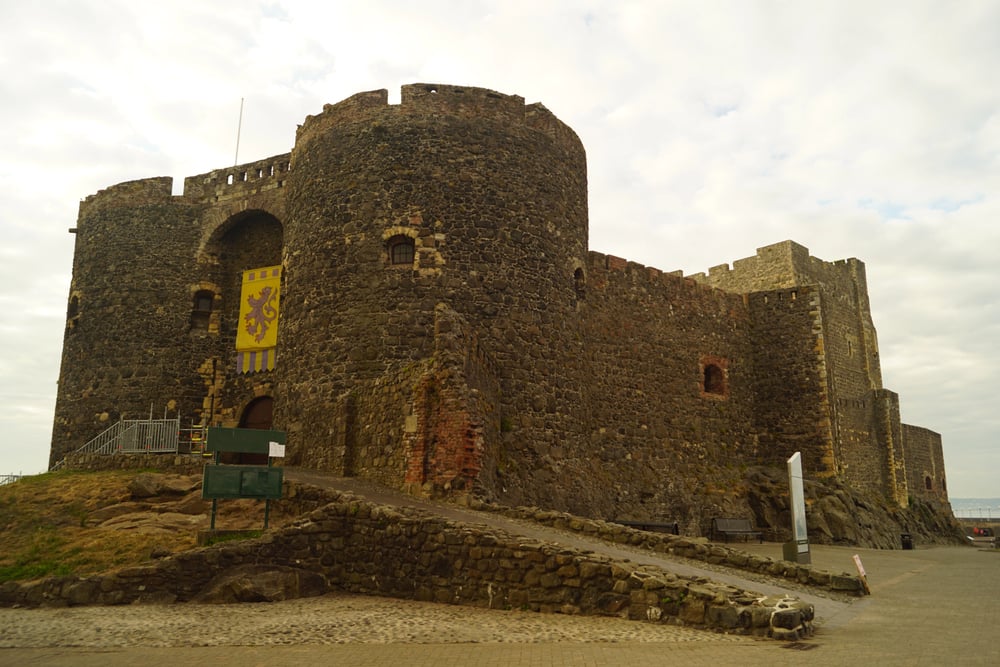
A munitions tunnel was carved beneath Carrickfergus Castle in Northern Ireland around 1889 to move mines and other ordnance from the harbor up to the castle’s gun batteries. It saw only brief use before the castle passed into state care in 1928, after which the passage was sealed and largely forgotten.
Archaeologists reopened one end of it roughly ninety years later to give roofing crews a second route onto the castle’s keep, a project that also promised to turn up artifacts nobody had catalogued in nearly a century.
Adra Tunnel
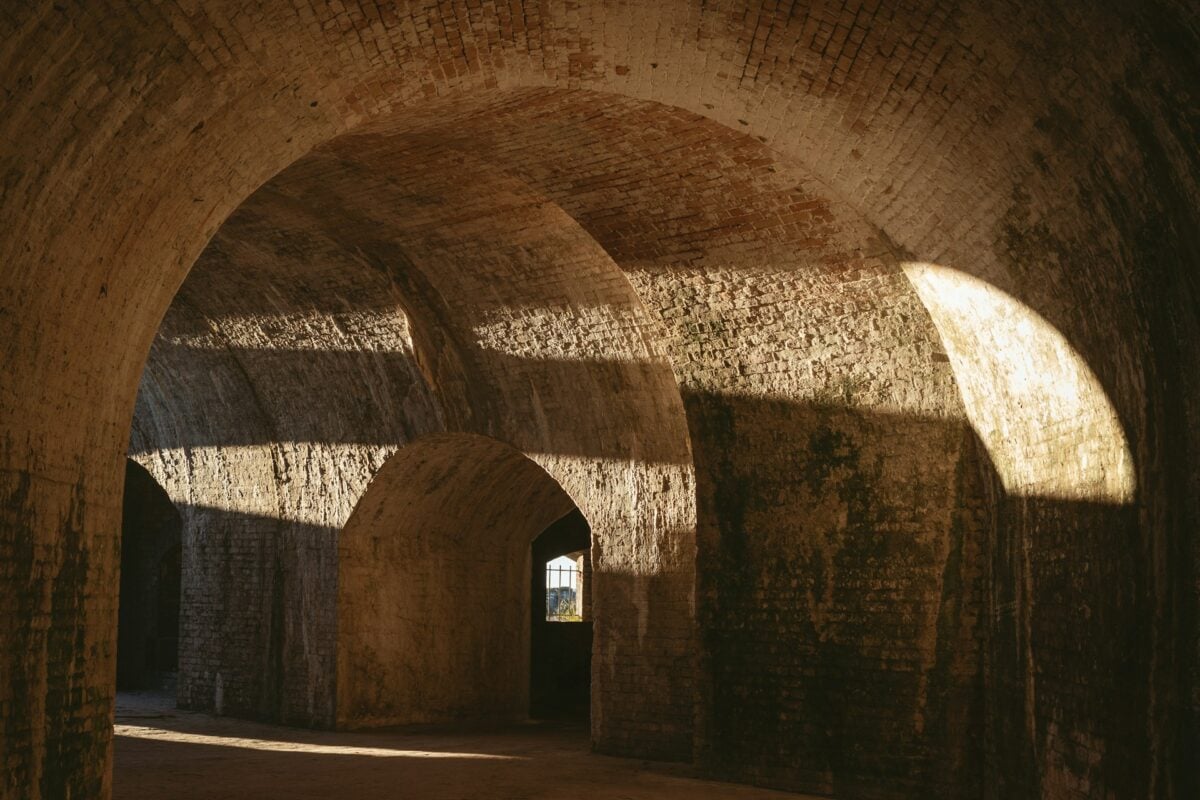
Cut through rock above Naramata, British Columbia, in 1913 for the Kettle Valley Railway, this horseshoe-shaped tunnel outlived its trains by decades. It was closed entirely in the early 1990s over unstable conditions, and matters got worse when fires were deliberately set inside in 2010 and 2012, destroying the last of its timber supports.
A volunteer group calling themselves the Woodwackers spent roughly five years clearing debris and stabilizing the rock before the tunnel reopened to hikers and cyclists in 2023.
Swan View Tunnel
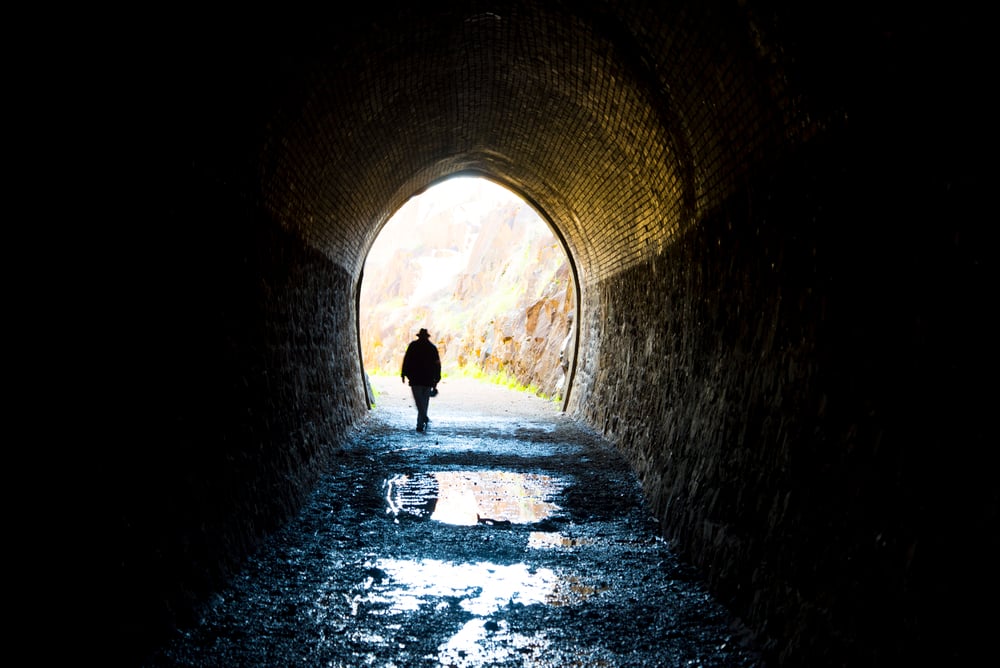
Opened in 1896 east of Perth, Australia, this 340-meter tunnel was considered an engineering feat for its time, with a roof reportedly sealed using more than 330,000 stone bricks. Its narrow bore trapped exhaust so badly that it caused repeated cases of asphyxiation, and when a diverted route opened through the Avon Valley in February 1966 the tunnel was closed for good as a working line.
It reopened in 1990 for foot traffic only, now part of the John Forrest Heritage Trail.
Ironton Tunnel
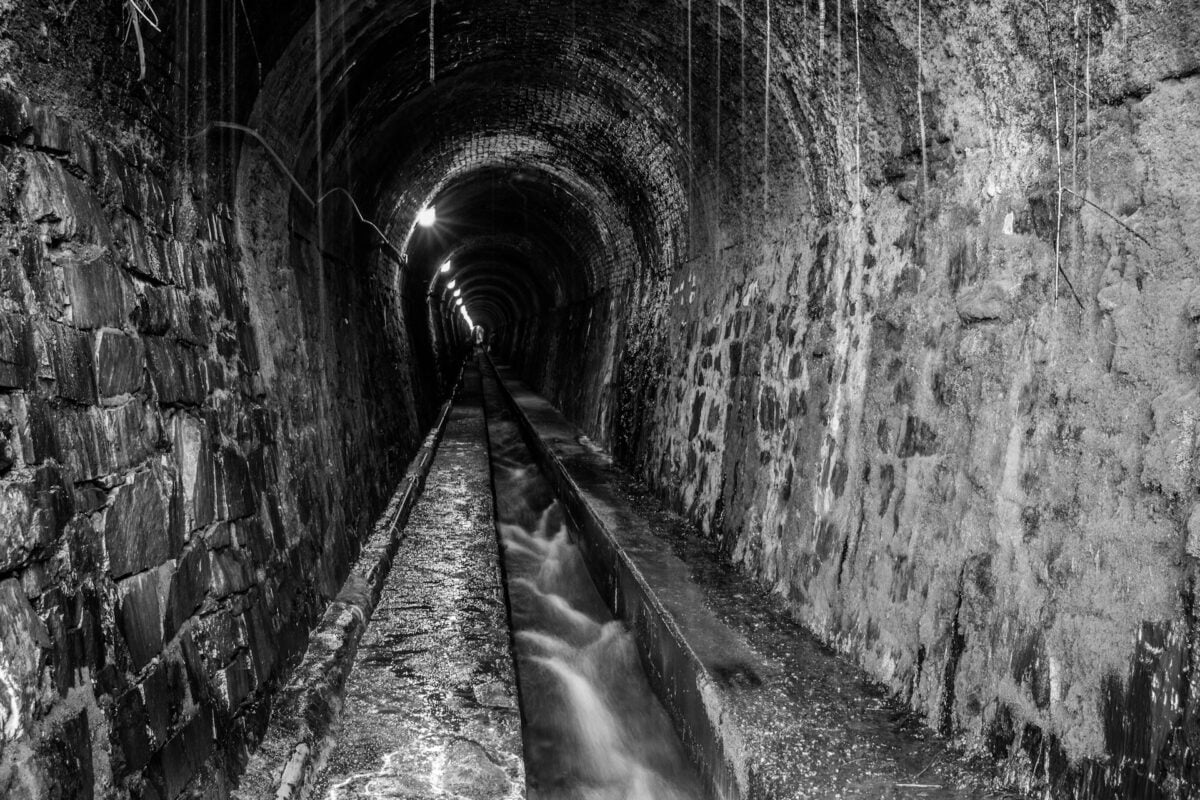
Dug by hand through sandstone and limestone in southern Ohio between 1859 and 1866, this roadway tunnel was widened in 1915 so two cars could pass at once. A new four-lane bypass made it obsolete, and the tunnel was closed and sealed in 1960.
Local volunteers with the Ironton Lions Club cleaned it out and reopened it in 1989 with permission from the state.
Cal Park Tunnel
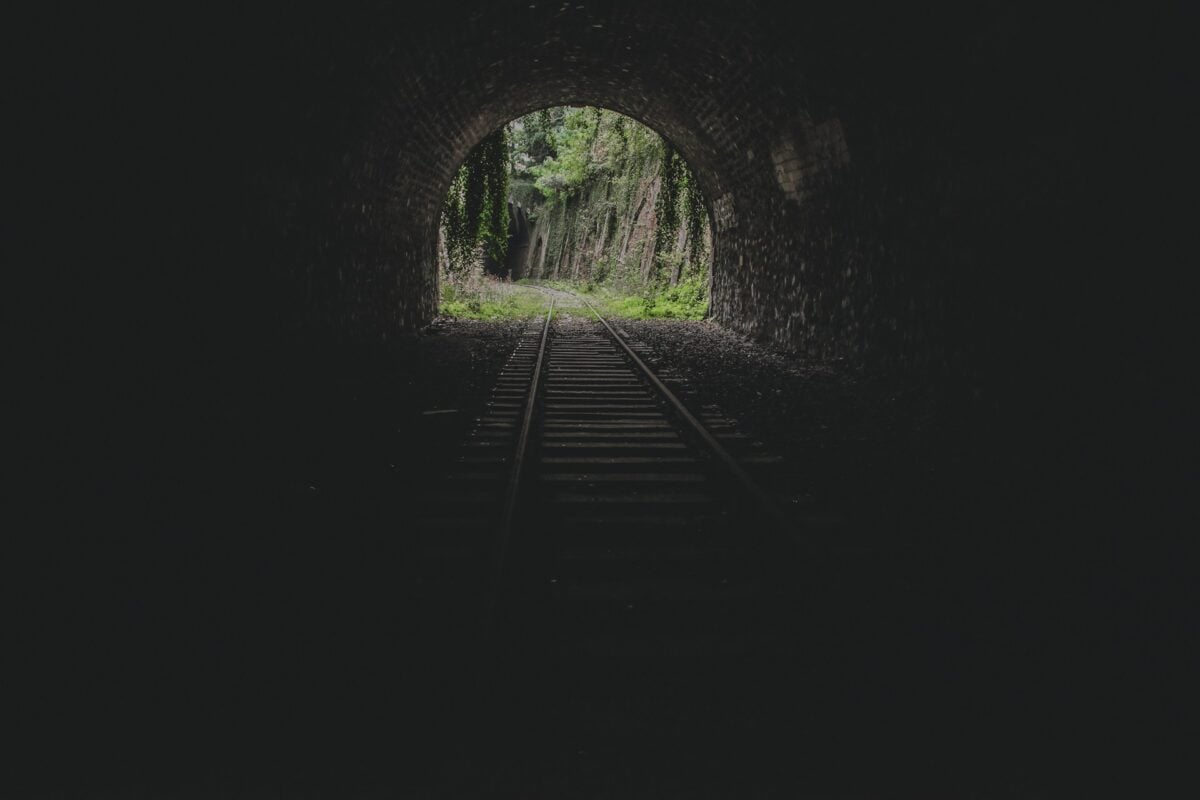
Built in 1884 to haul lumber and later passengers between Larkspur and San Rafael, California, this tunnel was sealed shut in 1978 after a series of fires and structural collapses made it unsafe. A local bicycle advocacy group spent more than a decade pushing for its restoration, and the tunnel finally reopened in December 2010 as a path for cyclists and pedestrians, with a future rail station planned just behind it.
Combe Down Tunnel
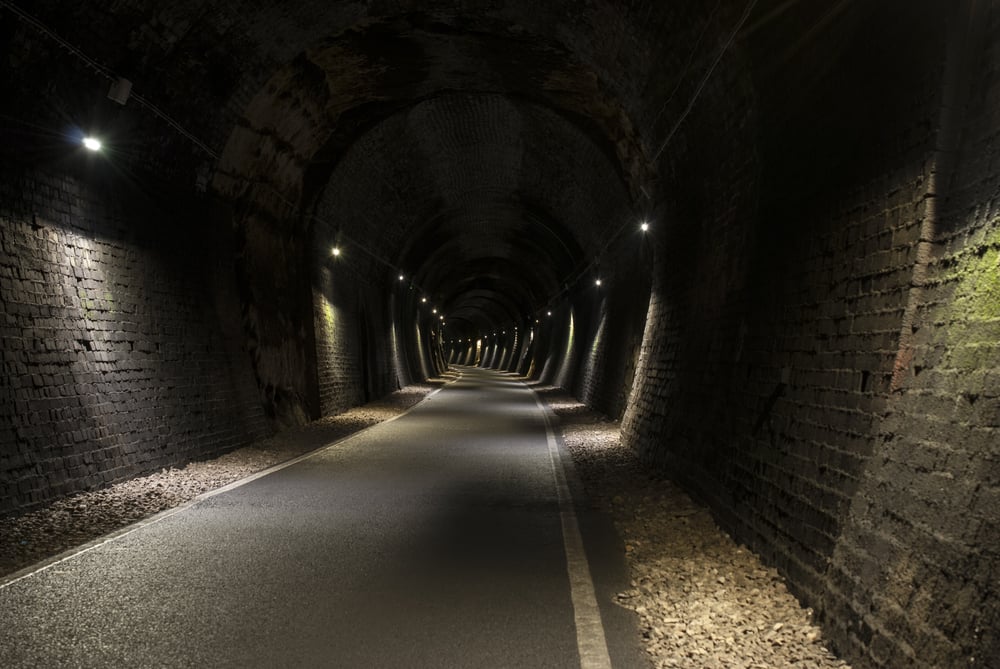
At 1,672 meters, this former railway tunnel south of Bath, England, was once the United Kingdom’s longest without intermediate ventilation. It closed along with the rest of the Somerset and Dorset line in 1966 and sat unused for nearly half a century. In April 2013 it reopened as the centerpiece of the Two Tunnels Greenway, now billed as the longest cycling tunnel in Britain, complete with a light and sound installation partway through.
Devonshire Tunnel
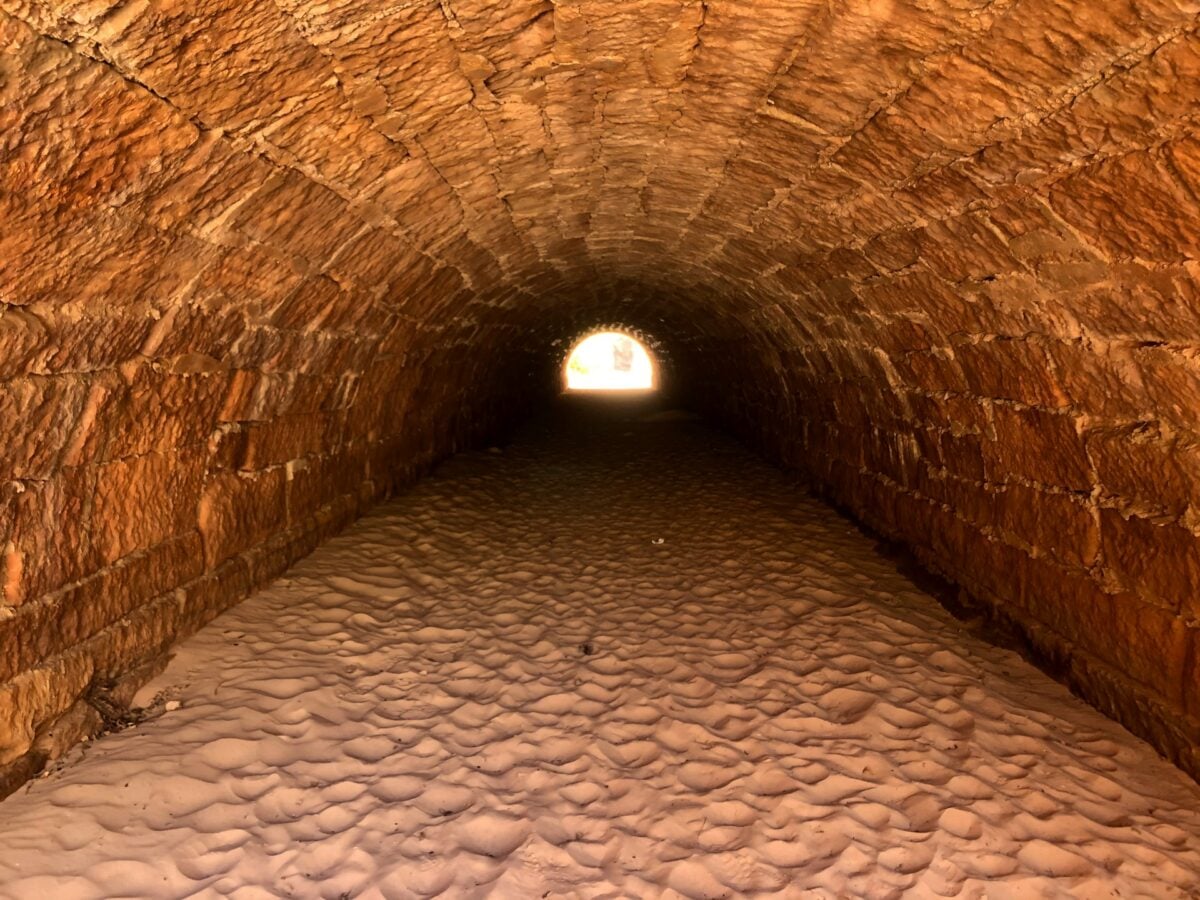
The shorter partner to Combe Down on the same abandoned Bath line, this 400-meter tunnel closed in 1966 when the Somerset and Dorset railway shut down. It reopened on the same day in April 2013 as Combe Down, forming the western end of the Two Tunnels Greenway, a route that took three years and roughly 1.8 million pounds to build.
Berlin’s Nord-Süd Tunnel
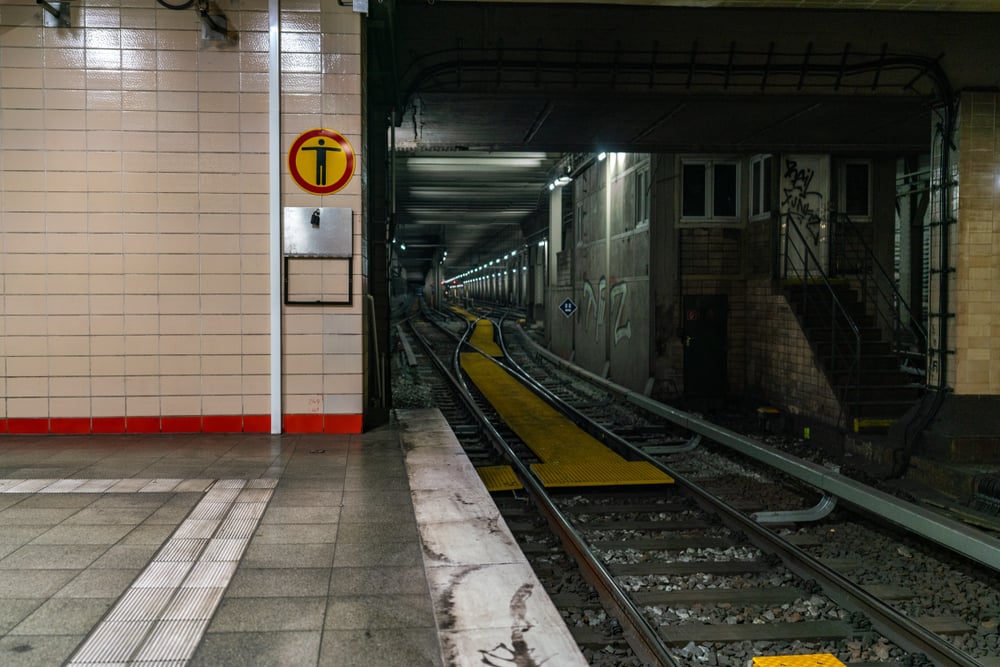
When the Berlin Wall went up on 13 August 1961, the underground rail line running north to south through the city center suddenly crossed hostile territory. Stations inside East Berlin were sealed at street level and staffed by armed guards, while trains from the West rolled through without stopping, past platforms frozen in 1961.
The first of these so-called ghost stations reopened within days of the Wall’s fall in November 1989, and the last one, Potsdamer Platz, did not reopen until March 1992, more than three decades after it went dark.
Staple Bend Tunnel
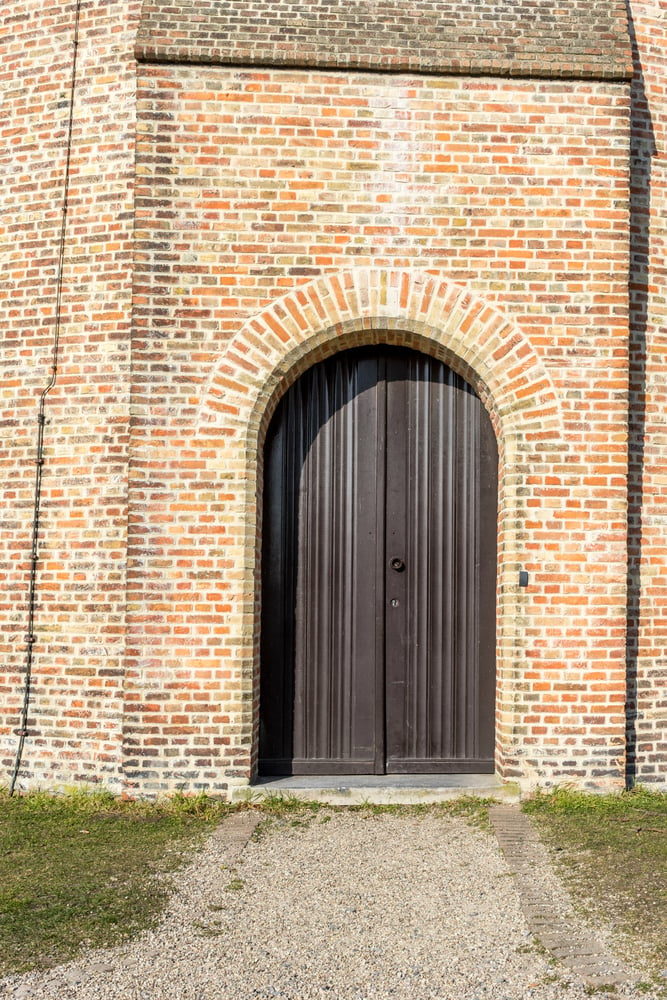
Finished in 1833 near Johnstown, Pennsylvania, this was the first railroad tunnel built in the United States, dug by crews working from both ends who met in the middle without losing a single worker in the process. It stayed in informal use as a carriage route for decades after the railroad itself was abandoned, but in the 1940s a water company closed it to the public and lined one end with concrete for industrial water lines.
Restored by the National Park Service, it reopened to hikers and cyclists in 2001, nearly sixty years after it was shut.
Mont Blanc Tunnel
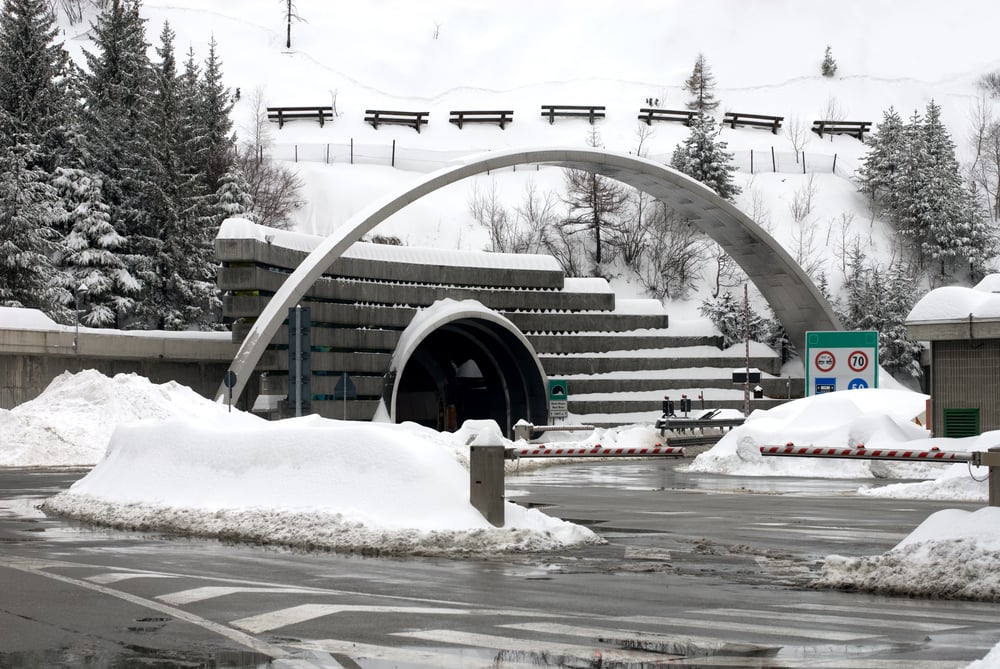
This road tunnel linking France and Italy beneath the Alps was the scene of one of Europe’s deadliest tunnel disasters when a truck caught fire inside it on 24 March 1999, killing 39 people. The tunnel was closed for nearly three years while engineers rebuilt its ventilation and safety systems from the ground up.
It reopened to traffic in March 2002 with new fire refuges built directly into the tunnel walls.
Gotthard Road Tunnel
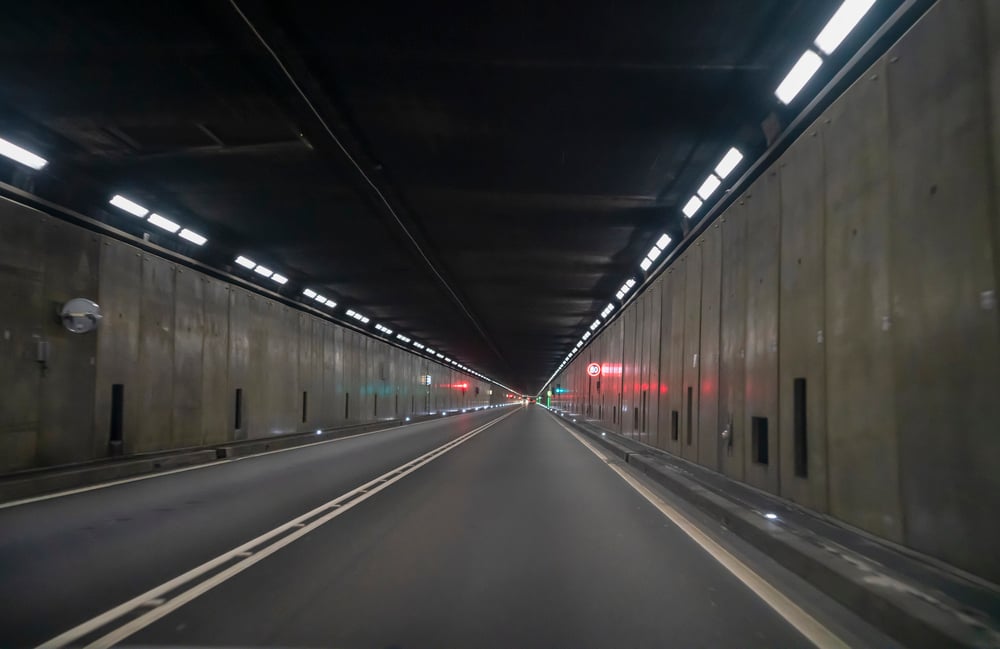
A collision between two trucks inside this Swiss Alpine tunnel on 24 October 2001 sparked a fire that burned for roughly twenty-four hours and killed eleven people. The tunnel, a critical north-south route through Switzerland, was closed for repairs for about two months.
It reopened in December 2001, though debate over its long-term safety helped drive the later construction of a second Gotthard tunnel through the mountain.
Channel Tunnel
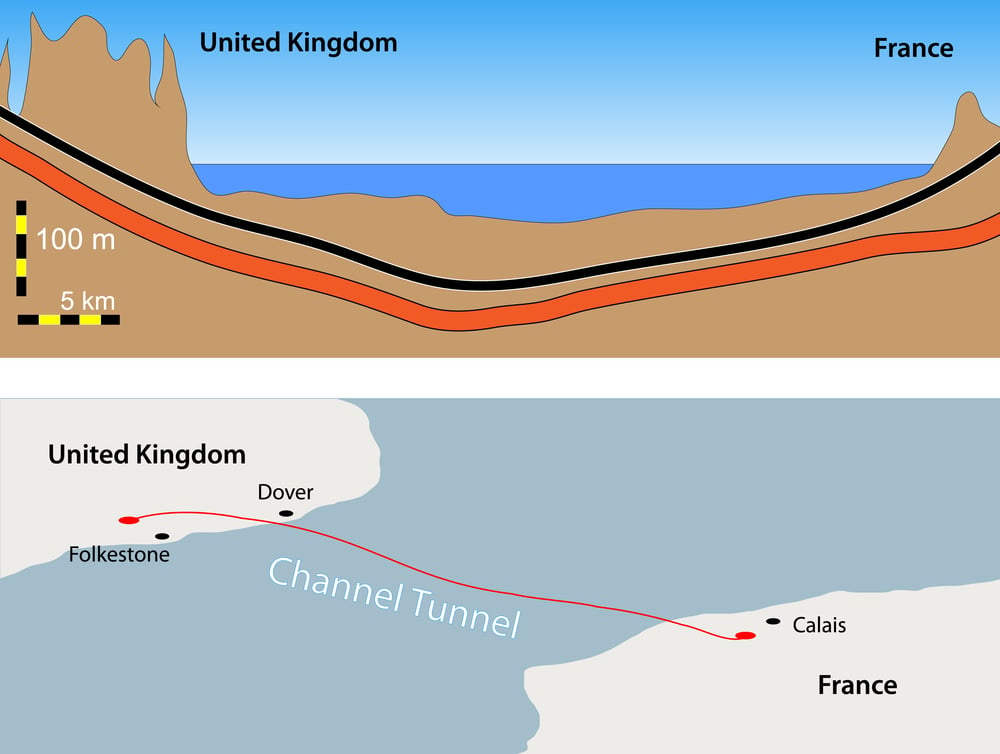
A fire broke out aboard a freight shuttle inside the tunnel linking England and France on 18 November 1996, filling one of the twin bores with smoke and heat damage severe enough to shut it down. Passenger service resumed within weeks using the undamaged tunnel, but full three-tunnel operation did not return until repairs were complete months later.
The tunnel has since caught fire twice more, in 2008 and 2012, each time closing sections for weeks before service resumed.
Howard Street Tunnel
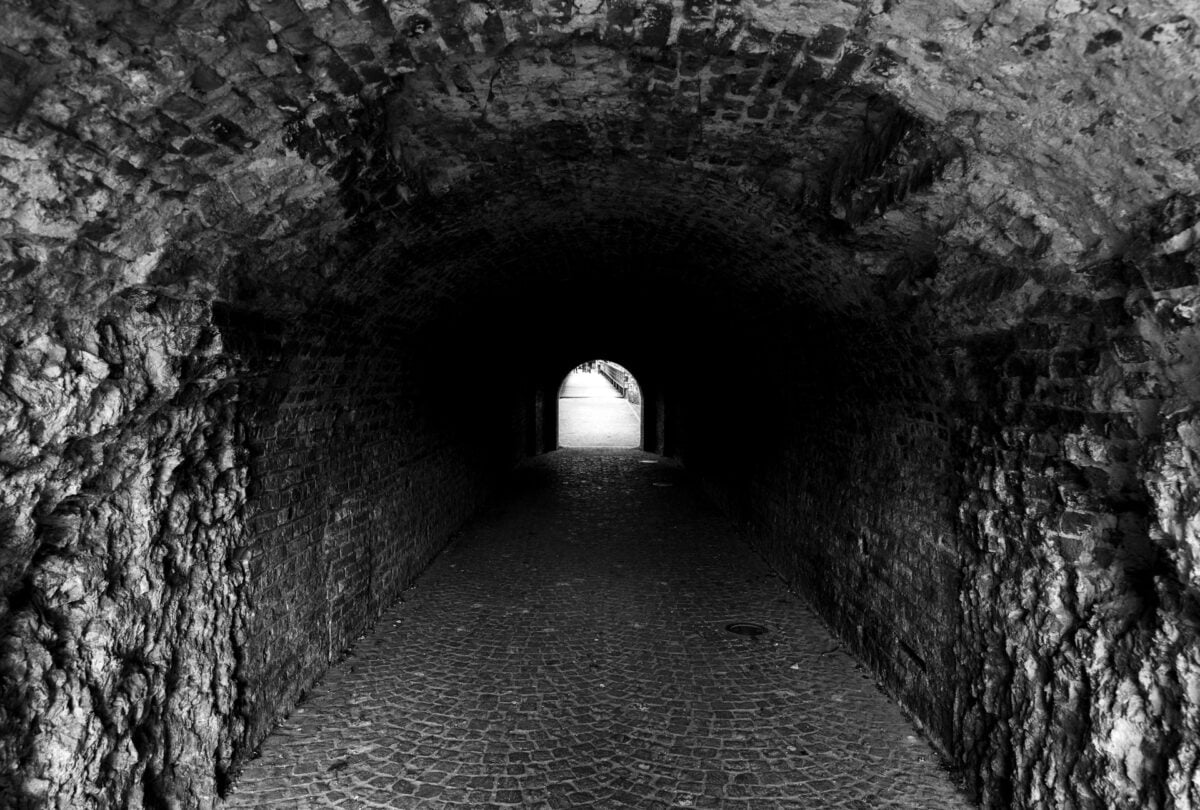
A CSX freight train derailed inside this tunnel beneath downtown Baltimore in July 2001, and the resulting fire burned for days, buckling rails and damaging a water main above ground. The tunnel, a major freight corridor along the East Coast, was closed for weeks during cleanup and repair.
It reopened later that summer, though the incident renewed long-running debate over rail safety through dense urban centers.
Big Dig Connector Tunnel
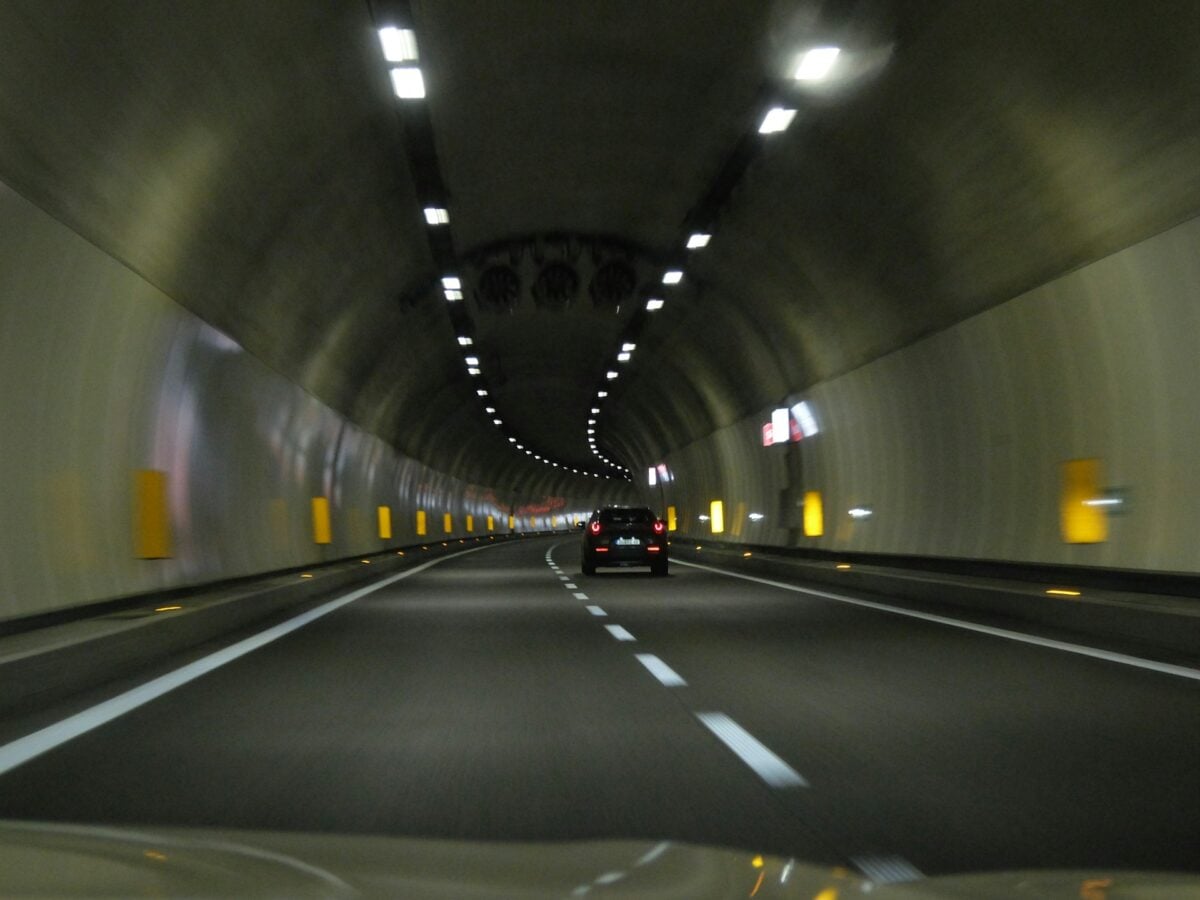
A concrete ceiling panel weighing several tons broke loose inside a connector tunnel of Boston’s Big Dig highway project in July 2006, crushing a car and killing a passenger. Inspectors found the epoxy bolts holding hundreds of similar panels were failing throughout the system, forcing an extended closure while every anchor was checked and reinforced.
The tunnel reopened in 2007 after a full re-hanging of its ceiling system.
Hugh L. Carey Tunnel
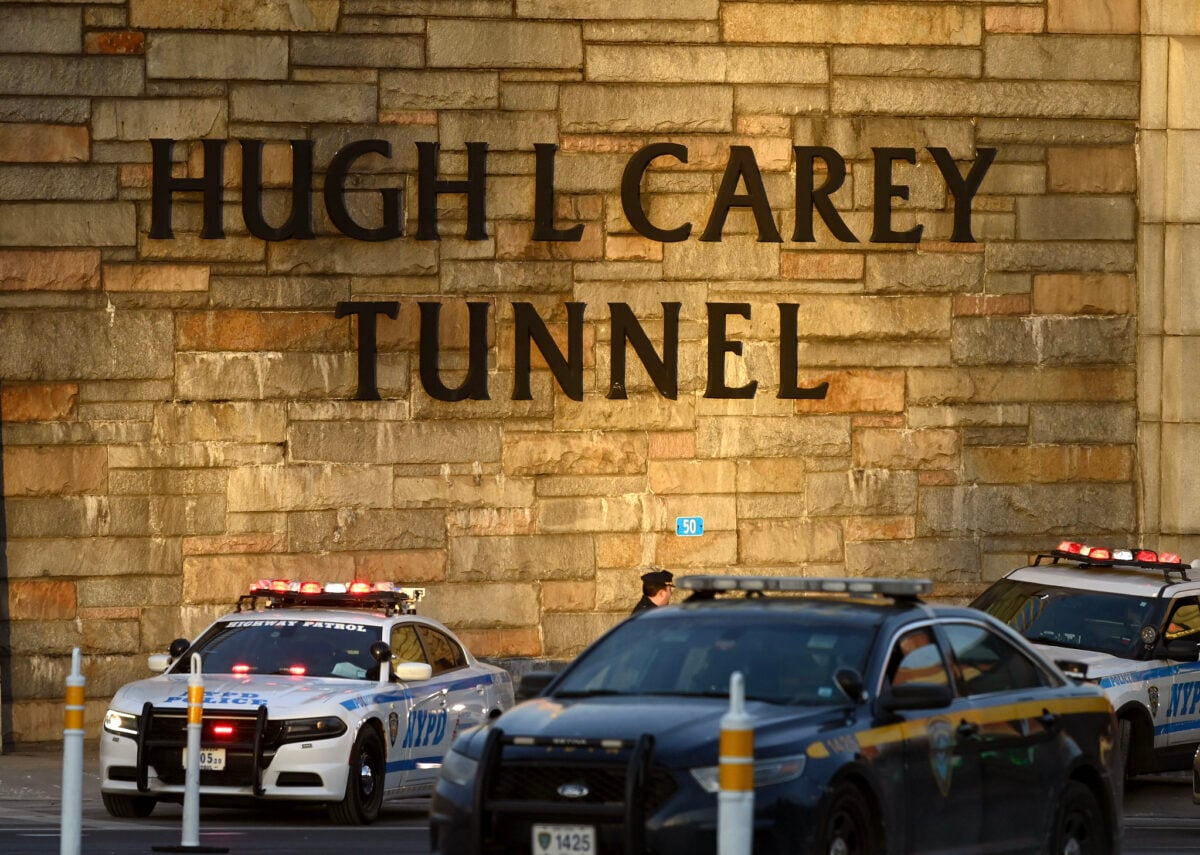
Photo by Metropolitan Transportation Authority, via Flickr. Licensed under CC BY 2.0
Better known for years as the Brooklyn-Battery Tunnel, this crossing beneath New York Harbor flooded almost completely during Hurricane Sandy in October 2012, filling with tens of millions of gallons of seawater. Crews pumped it dry and repaired its electrical systems over several weeks.
It reopened that November, though full restoration of some equipment took considerably longer.
Detroit–Windsor Tunnel
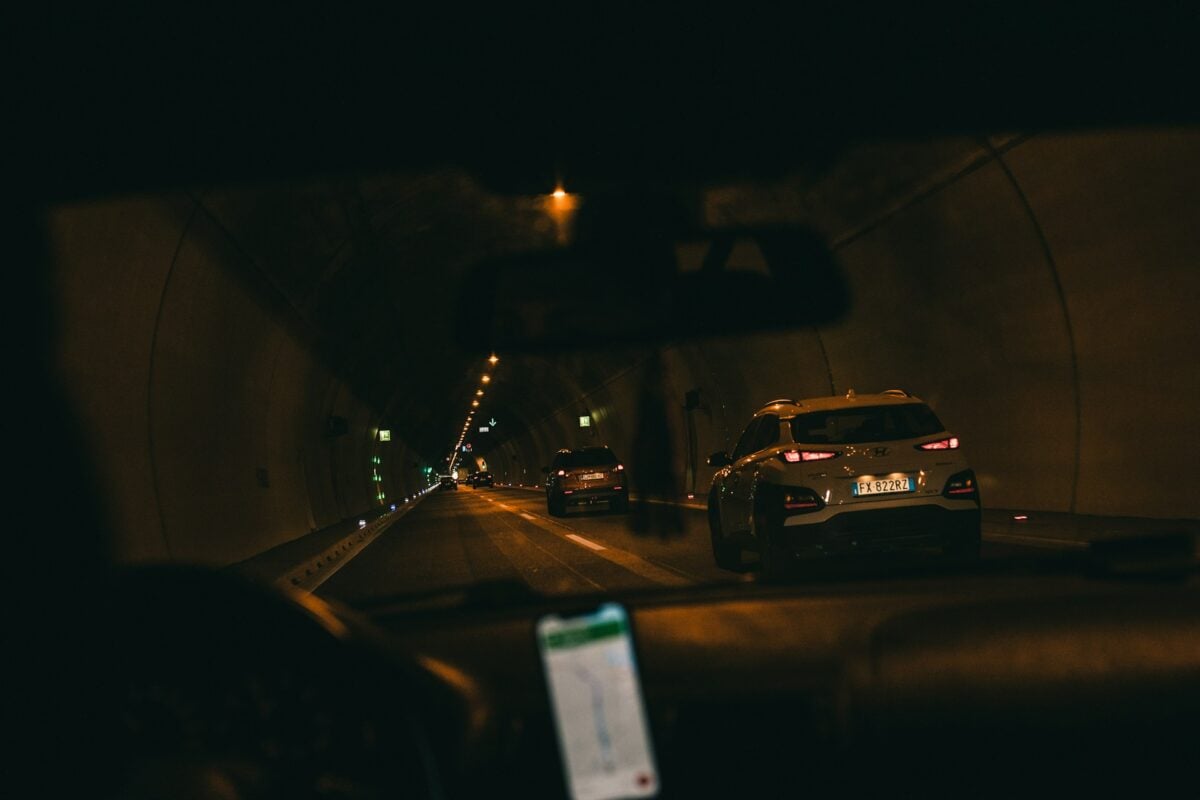
This underwater tunnel connecting Michigan and Ontario closed to noncommercial traffic in March 2020 as pandemic border restrictions took hold, an unusually long shutdown for a crossing that had stayed open through wars and economic downturns.
It remained closed to regular travelers for more than a year and a half. The tunnel reopened to noncommercial vehicles in November 2021.
Cross-Harbour Tunnel
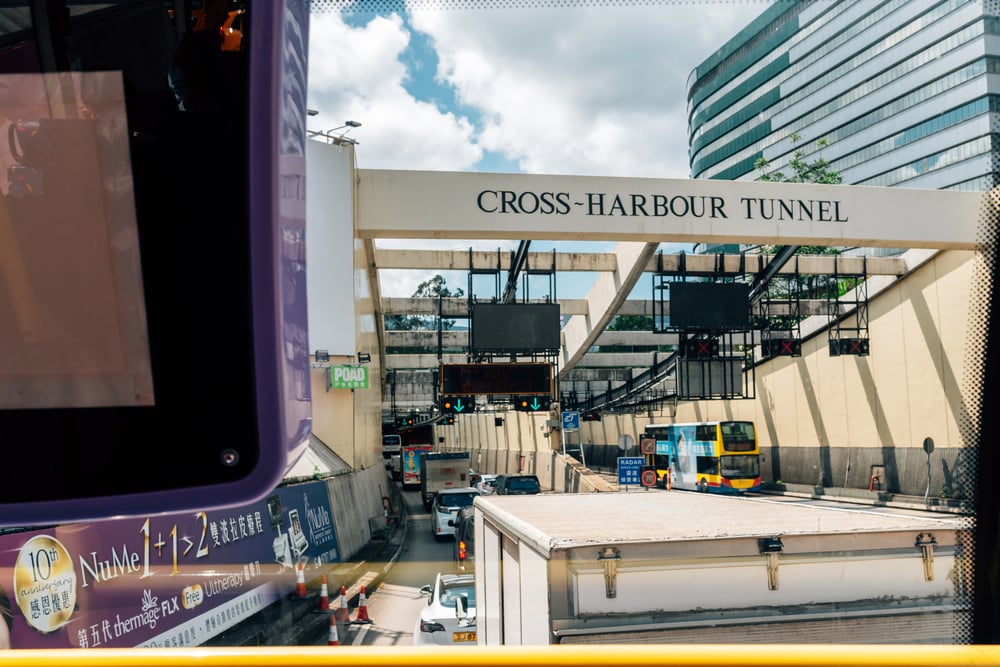
Toll plazas at this tunnel beneath Victoria Harbour in Hong Kong were set ablaze during clashes in November 2019, forcing its closure for repairs. Crews rebuilt the damaged booths and reopened the crossing within weeks.
It remains one of three vehicle tunnels connecting Hong Kong Island to Kowloon.
Fréjus Road Tunnel
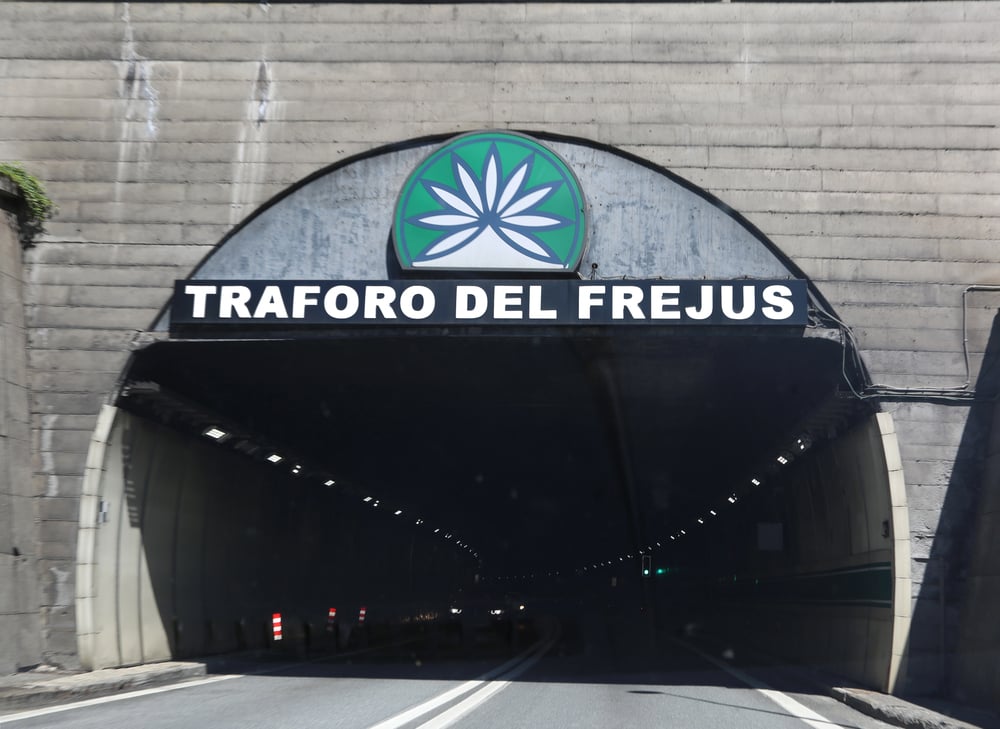
A truck loaded with flour caught fire inside this Alpine tunnel between France and Italy in June 2005, and the resulting blaze took hours to bring under control. The tunnel was closed for roughly three months while safety systems were overhauled.
It reopened later that year with upgraded fire detection built into its length.
Tauern Tunnel
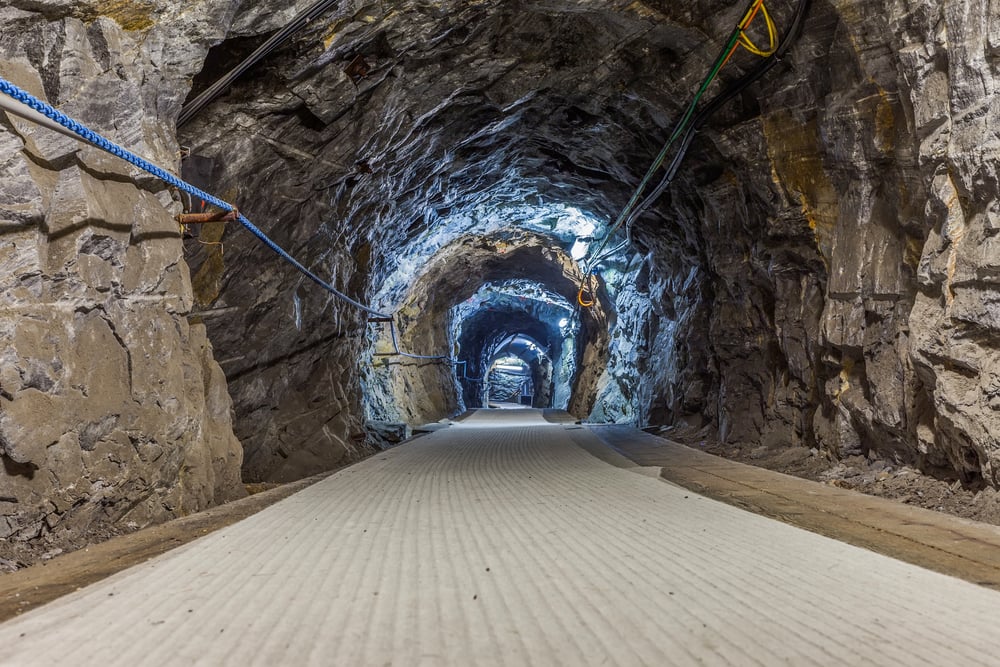
A multi-vehicle collision inside this Austrian Alpine tunnel in May 1999 triggered a fire that killed twelve people and burned for hours before crews could reach it. The tunnel was closed for weeks during the investigation and repair work.
It reopened later that year with new emergency exits added along its length.
Kingsway Tram Subway
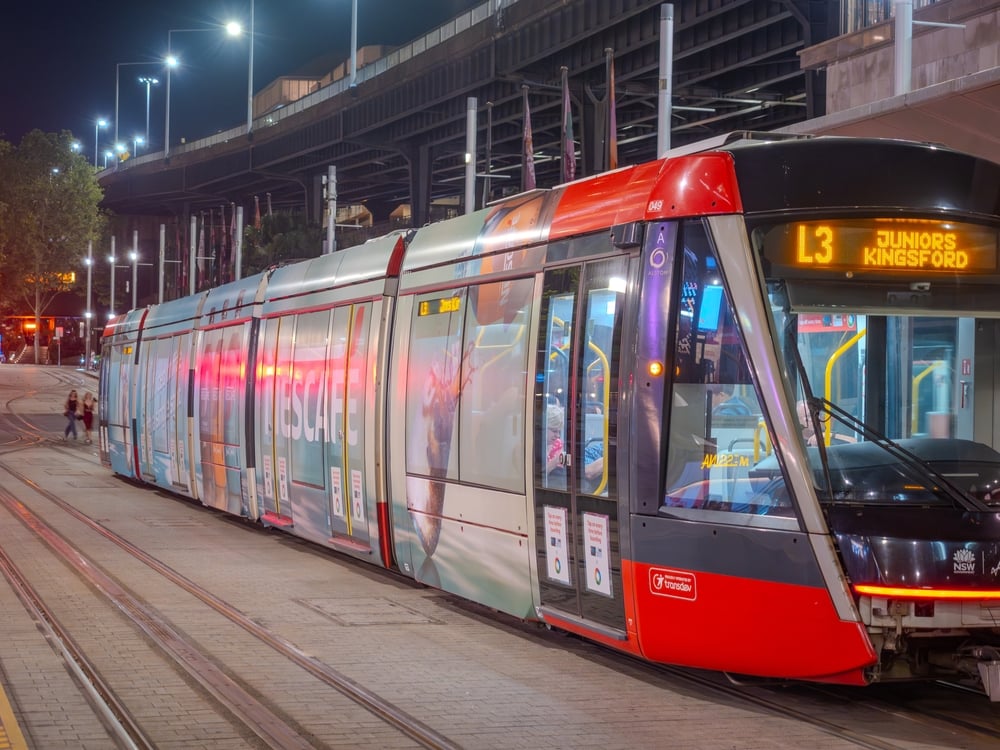
Built to carry streetcars beneath the Strand in central London, this subway closed to trams in 1952 when the city phased out its tram network entirely. Part of the tunnel sat unused for over a decade before engineers converted it into a road underpass.
It reopened to motor traffic in 1964 and still carries cars beneath Aldwych today.
Tyne Pedestrian and Cyclist Tunnel
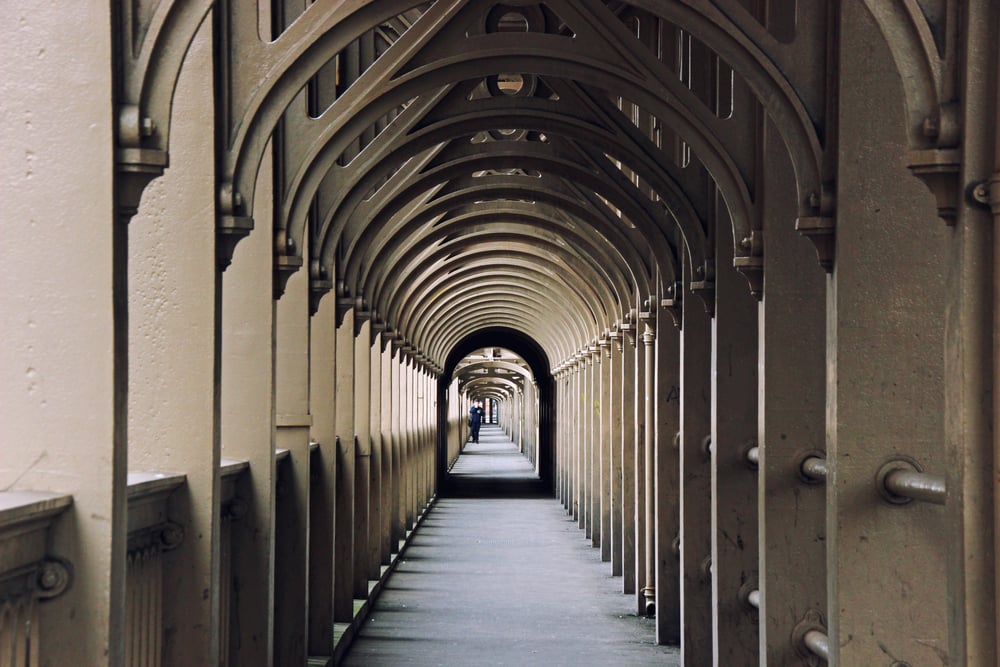
Opened in 1951 beneath the River Tyne in Newcastle, England, this tunnel and its original wooden escalators had fallen into serious disrepair by the 2010s. It closed in 2014 for a top-to-bottom refurbishment that replaced the aging machinery while preserving the tunnel’s historic tiled walls.
It reopened in 2021, seven years after closing, with new escalators and lighting throughout.
Snoqualmie Tunnel
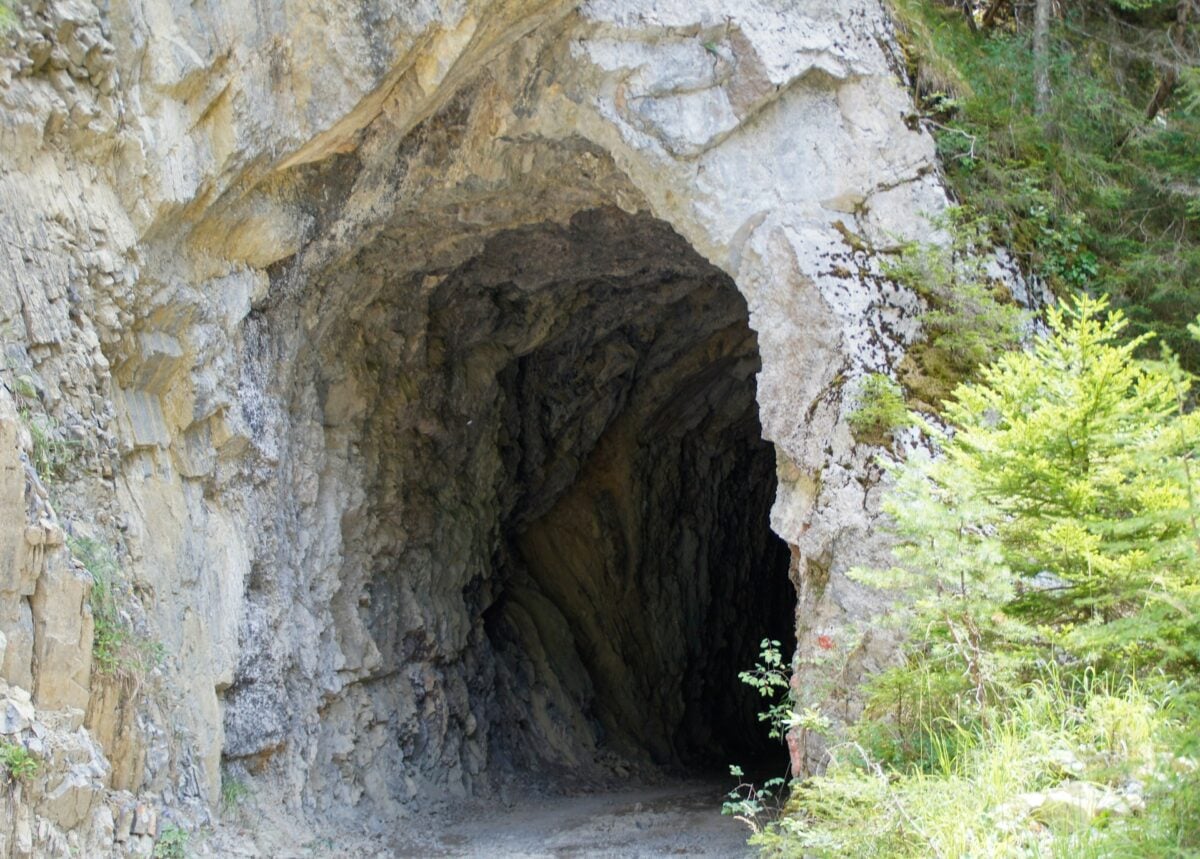
Carved through the Cascade Mountains of Washington State for the Milwaukee Road railway, this tunnel closed in 1980 when the railroad abandoned the line entirely. It sat sealed and dark for over a decade before the state converted the corridor into a trail.
It reopened in 1994 as part of what is now the Palouse to Cascades State Park Trail, and at nearly two and a half miles long it remains one of the longest tunnels open to walkers and cyclists in the country.
Second Lives Underground
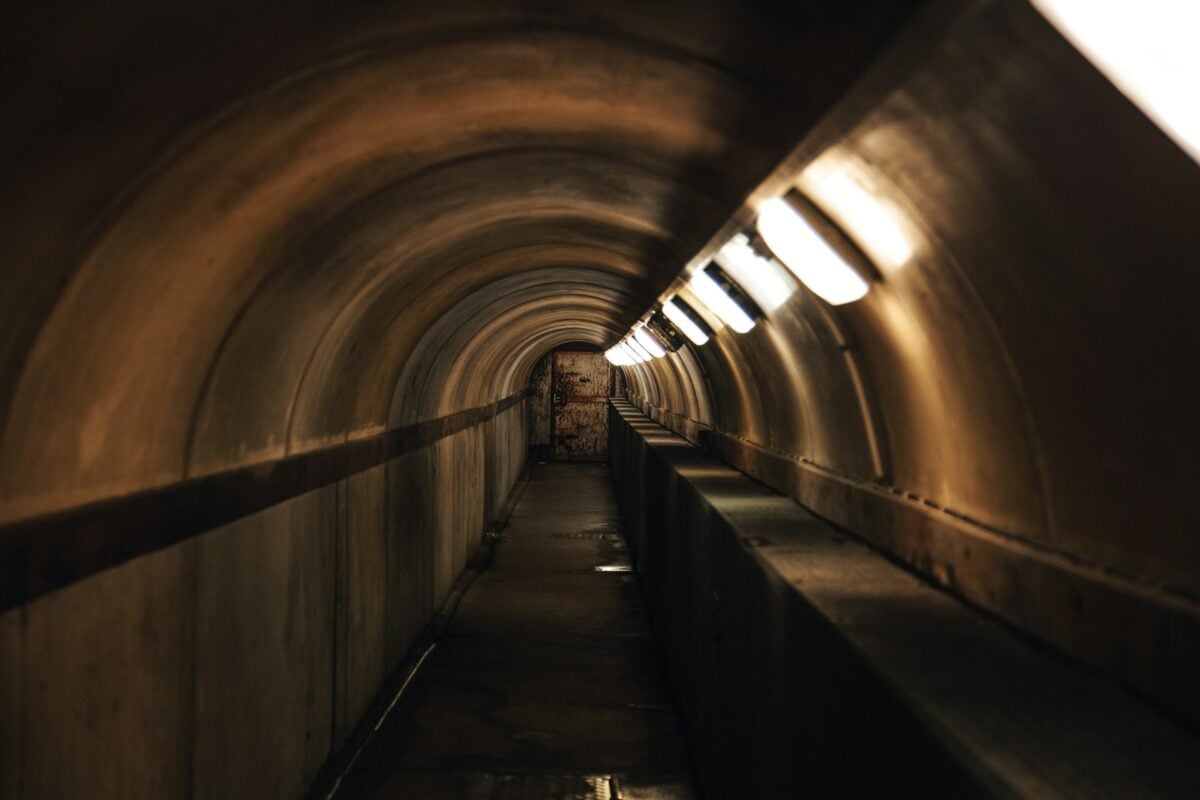
None of these tunnels reopened for the same reason twice. Some came back because a fire forced engineers to rebuild what fire could not be trusted with again.
Others came back because a wall fell, or a railroad died, or a handful of volunteers with headlamps decided that a forgotten passage was worth the years it took to clear. What they share is less about tunnels than about the stubbornness of the people who refused to let a sealed door be the end of the story.
A tunnel, once closed, tends to look permanent. The rock does not care whether trains, trams, or hurricanes decide its fate, and neither does the dark on the other side of a bricked-up portal.
But every entry on this list is proof that permanent is a word tunnels rarely keep. Somewhere, right now, another one is waiting for its turn.
More from Go2Tutors!

- The Romanov Crown Jewels and Their Tragic Fate
- 13 Historical Mysteries That Science Still Can’t Solve
- Famous Hoaxes That Fooled the World for Years
- 15 Child Stars with Tragic Adult Lives
- 16 Famous Jewelry Pieces in History
Like Go2Tutors’s content? Follow us on MSN.



