24 Wartime Photos Released Long After the Fighting Ended
When armed conflict ends, the documentation of war does not instantly become public. Military organizations, intelligence agencies, and government institutions classify wartime photographs for security reasons, strategic advantage, or political calculation.
Decades after soldiers returned home and battlefields fell silent, many of the most important visual records of warfare finally emerged from restricted archives. These images, withheld from public view for half a century or more, changed how historians understood the conflicts they documented and revealed truths that official accounts had delayed or minimized.
Finland’s 1940s Soviet War Photographs
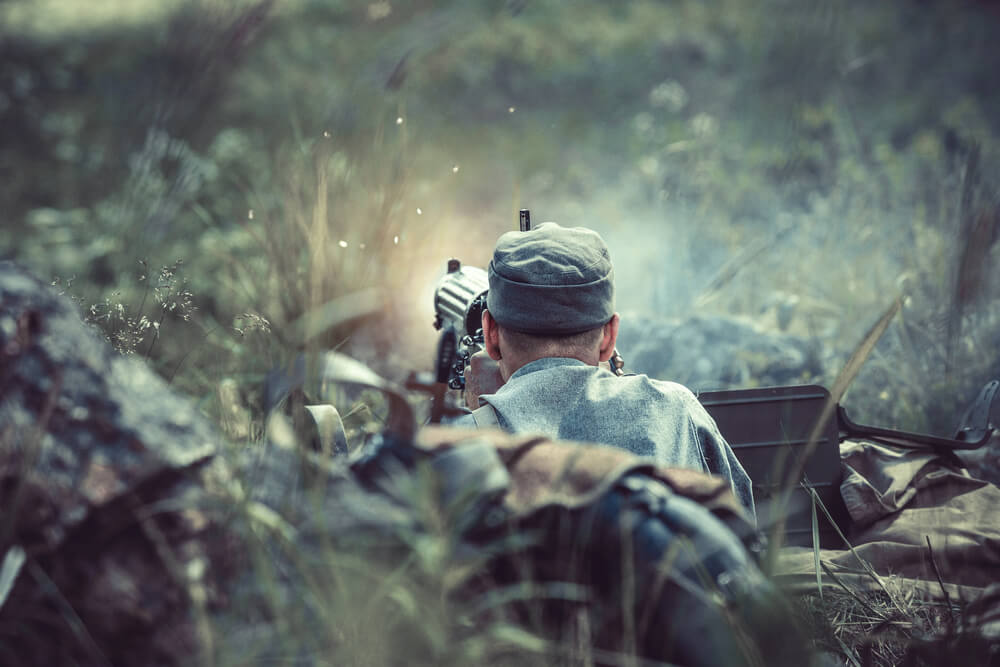
Finland declassified three hundred graphic photographs from its wars against the Soviet Union in November 2006, over sixty years after the 1940s conflicts concluded, releasing images depicting executions, civilian massacres, and brutal battlefield realities officially hidden for decades due to Cold War sensitivities and fears of Soviet retaliation.
Many photographs showed casualties so severe and tactics so controversial that Finnish authorities judged them too volatile for public knowledge, especially given geographic proximity to the Soviet Union and ongoing Cold War tensions in the region.
The National Geographic Rediscovered WWII Archive
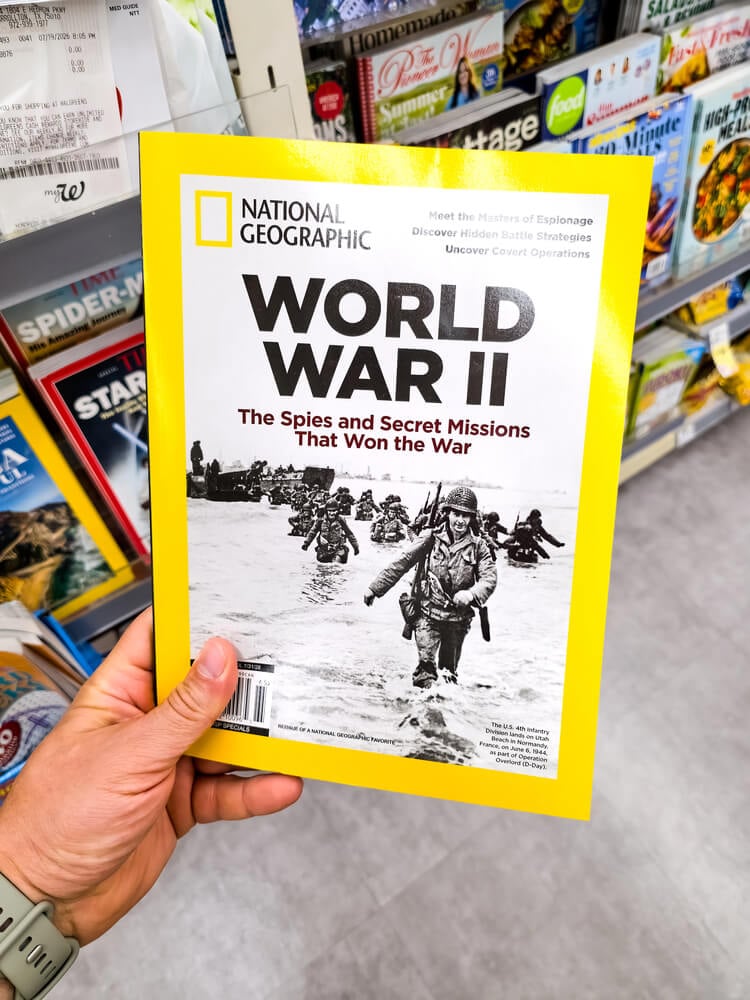
National Geographic’s World War II photograph collection, culled in the early 1960s due to physical space constraints, had its remaining prints deliberately scattered into files unrelated to the war, effectively hiding them from researchers and the public until recent decades. Photographer Bonner’s systematic research uncovered photographs of soldiers crossing the Rhine, personnel swimming in Pacific lagoons days after combat, and other intimate moments of warfare that provided crucial context to official military histories.
These images had been taken by military photographers with authorization but were effectively quarantined from historical circulation.
Hiroo Onoda’s 1974 Jungle Emergence
The March 1974 photograph of Japanese Army officer Hiroo Onoda finally exiting the jungle of Lubang Island, Philippines—nearly thirty years after World War II’s official end—circulated only after international media attention brought attention to his extraordinary refusal to acknowledge Japan’s surrender. Military and government organizations in both Japan and the Philippines initially downplayed the incident, meaning the photograph’s full historical significance was not widely understood when first released.
The image became pivotal documentation of Japanese soldiers’ isolation and denial regarding the war’s outcome.
Unit 731’s Preserved Wartime Photographs
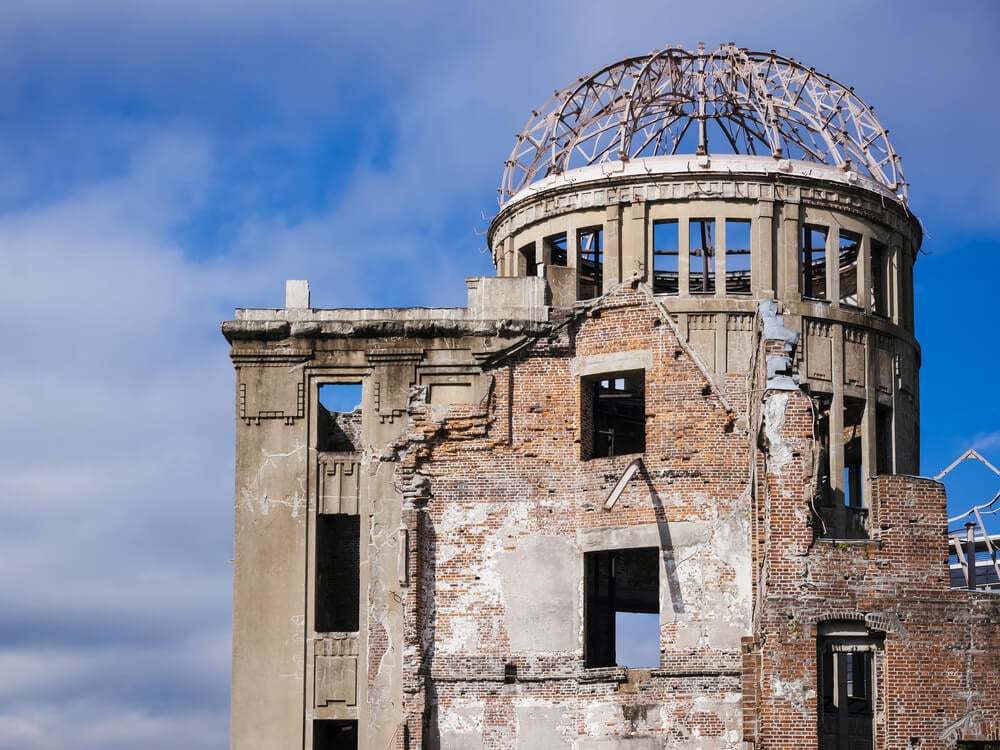
Photographs of Japan’s covert biological warfare unit, Unit 731, were preserved for over eighty years through smuggling by former members and remained largely classified by Japanese government authorities long after the war ended. Only through recent NHK documentary research and cross-verification with military rosters and historical archives did these photographs emerge as direct visual evidence of Japanese wartime atrocities in biological and chemical experimentation.
The suppression of these images represented one of history’s most extensive attempts to bury visual documentation of wartime war crimes.
Soviet Archives Wartime Photographs Released
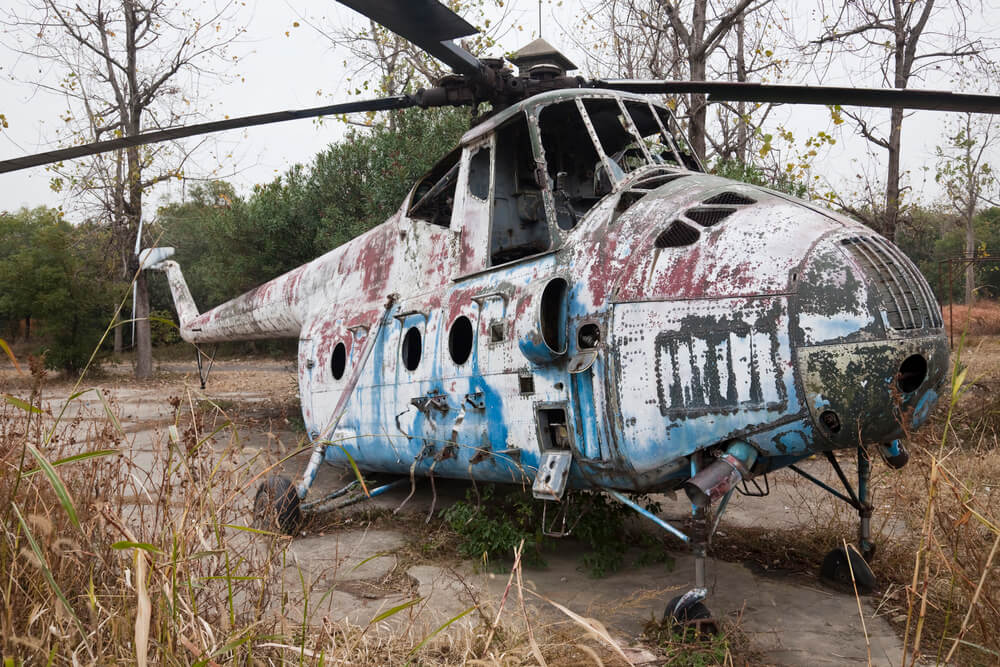
Soviet Union wartime photographs remained heavily controlled by successive Soviet governments throughout the Cold War, with releases carefully curated to match official propaganda narratives about Soviet sacrifice and victory.
As Soviet archives opened following the USSR’s collapse in the 1990s, researchers discovered vast quantities of war photographs depicting the Eastern Front’s devastation with an honesty that contradicted decades of official Soviet historical accounts, showing the war’s human cost more frankly than propaganda had permitted.
The German Wehrmacht General’s Execution Photograph
A December 1945 photograph of German Wehrmacht General Anton Dostler tied to a stake before execution by American firing squad in Aversa, Italy, circulated only after official military trials concluded, restricted from public release during immediate postwar proceedings.
The photograph documented the execution of Dostler for ordering the shooting of fifteen unarmed American prisoners of war, but its delayed circulation meant most contemporary audiences did not see direct documentation of wartime justice being executed.
Operation Paperclip Photograph Archives
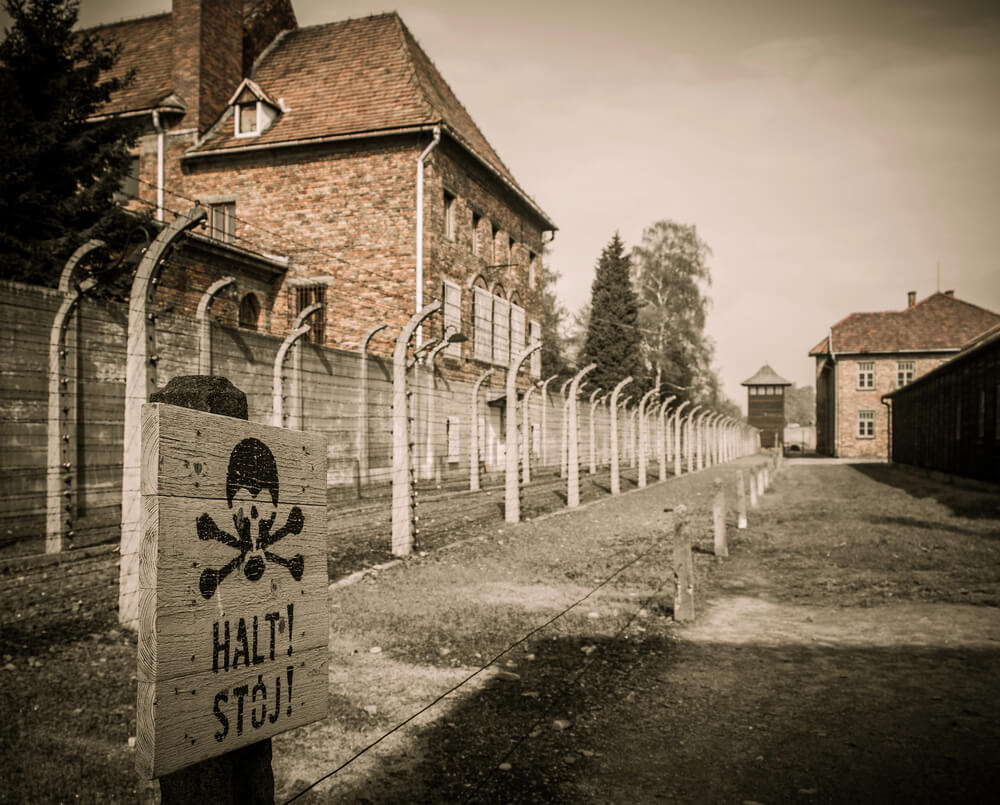
Photographs related to Operation Paperclip—the postwar recruitment of German scientists by the United States—remained classified for decades, with images of Nazi scientists, laboratories, and research facilities kept from public view during the Cold War.
These photographs were withheld partly to avoid public controversy over America’s recruitment of German scientists and partly for security reasons regarding the research programs being transferred to American institutions and military projects.
RAF Bombing Campaign Photographs
Photographs documenting the Royal Air Force’s bombing campaigns against German industrial cities and infrastructure, including some showing civilian casualties alongside military targets, were restricted from wide circulation during and after the war, released only gradually to official historical organizations and researchers.
British authorities worried that graphic images of bombing campaigns might complicate postwar narratives about moral military conduct and justified warfare.
Pacific Island Campaign Photographs
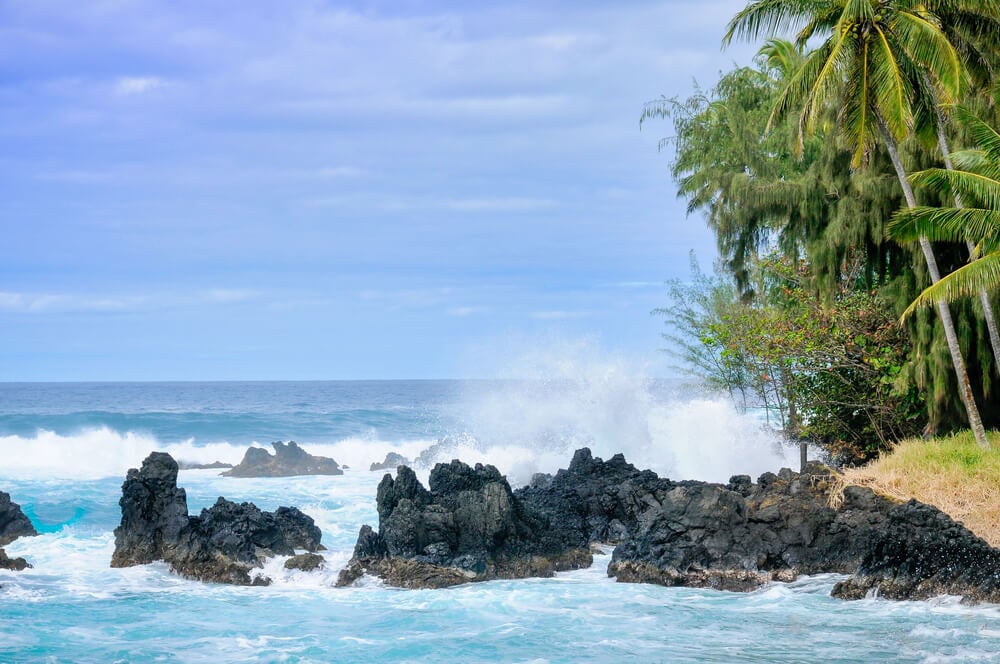
Photographs from the Pacific campaign documenting American island-hopping warfare against Japan, including images of combat casualties, Japanese prisoners, and destruction of island infrastructure, remained heavily compartmentalized within military archives during the Cold War.
Many photographs were classified not for direct military security reasons but to manage historical narratives about American conduct in the Pacific War and treatment of prisoners and civilians.
Iwo Jima Combat Photographs
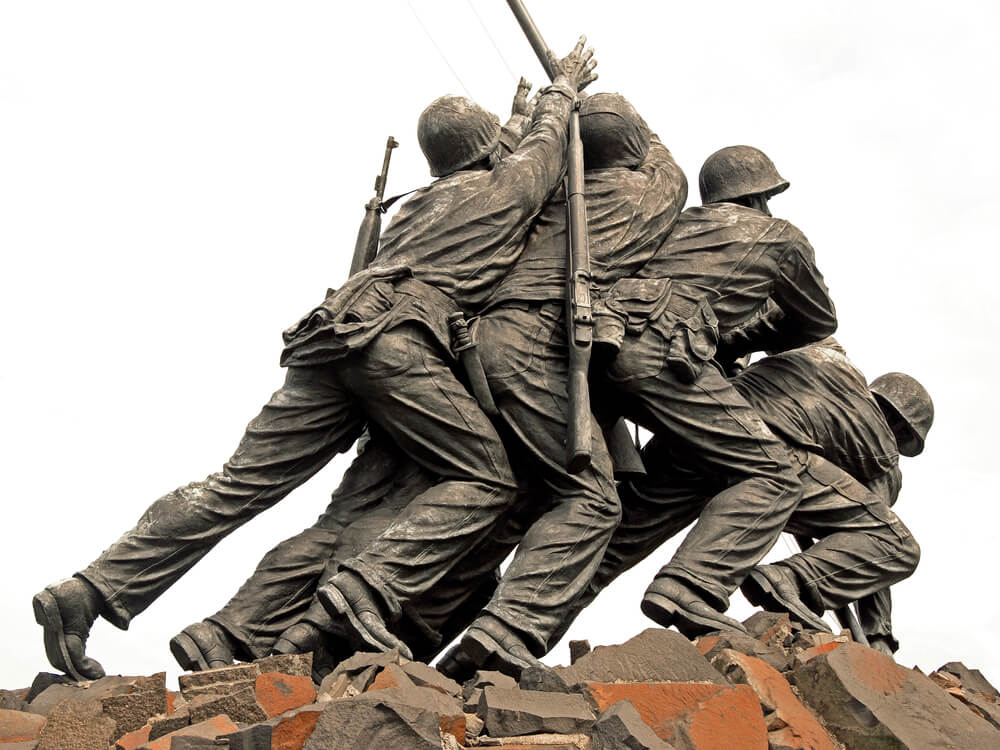
While Joe Rosenthal’s iconic flag-raising photograph became the war’s most famous image, other authentic combat photographs from the brutal Iwo Jima battle remained far less known, restricted within military archives and not widely circulated until decades later when historians gained better access to unexpurgated battlefield documentation.
These lesser-known images showed the battle’s actual devastation and casualty rates with less sanitized perspective than the heroic flag-raising imagery.
Italian Campaign Wartime Documentation
Photographs of the Italian campaign, documenting Allied advances through Sicily and up the Italian peninsula, included images of civilian displacement, destroyed towns, and controversial military decisions that were kept from general circulation for years after the war concluded.
Military historical organizations maintained controlled access to these photographs, restricting their availability until changing attitudes toward military history made them more available to researchers.
Eastern European Liberation Photographs
Photographs taken by Soviet forces during liberation of Eastern European territories occupied by Nazi Germany documented both genuine liberation moments and subsequent Soviet military conduct, creating images uncomfortable for both Western and Soviet narratives of the war.
These photographs circulated with significant delay and restriction, kept from public view partly to avoid complications in postwar alliance management.
German Civilian Casualties Documentation
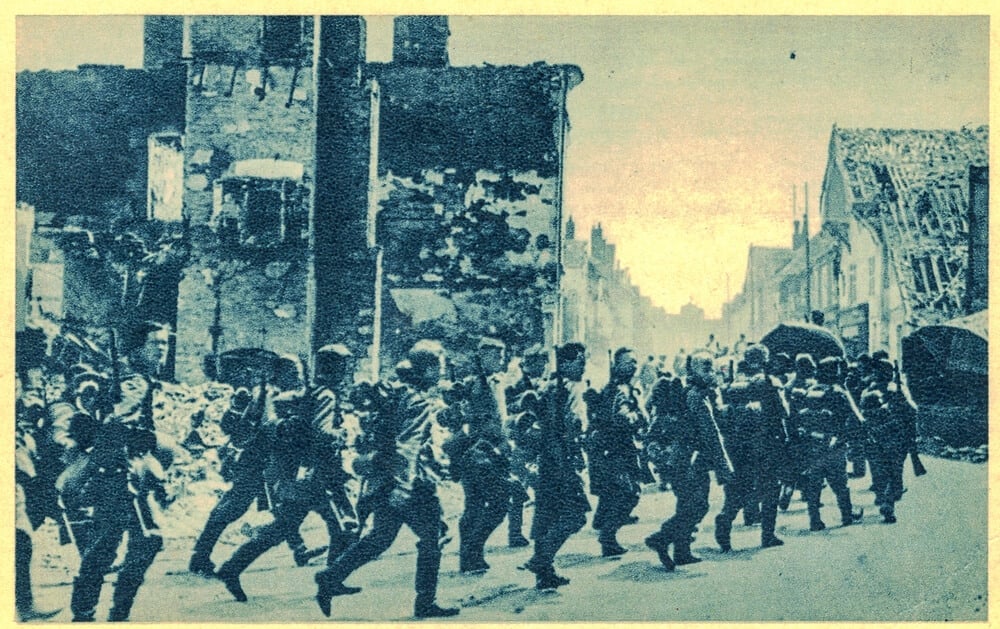
Allied bombing campaigns against German cities created casualties among civilian populations, and photographs documenting these casualties were carefully controlled by military organizations and later governments, withheld from public circulation during the immediate postwar period.
Some of these photographs only became widely available decades later as historical distance and changing sensibilities allowed more frank documentation of war’s human cost on enemy civilian populations.
Japanese Surrender Ceremony Photographs
While the USS Missouri surrender ceremony photographs became official documentation, other photographs taken during Japan’s surrender process, including images of Japanese officials and military personnel, remained with restricted circulation for years, managed by occupying forces and later Japanese governments.
These secondary photographs were often unavailable to civilians and most historical accounts, filtered through official military channels.
Korean War Photographs Initially Restricted
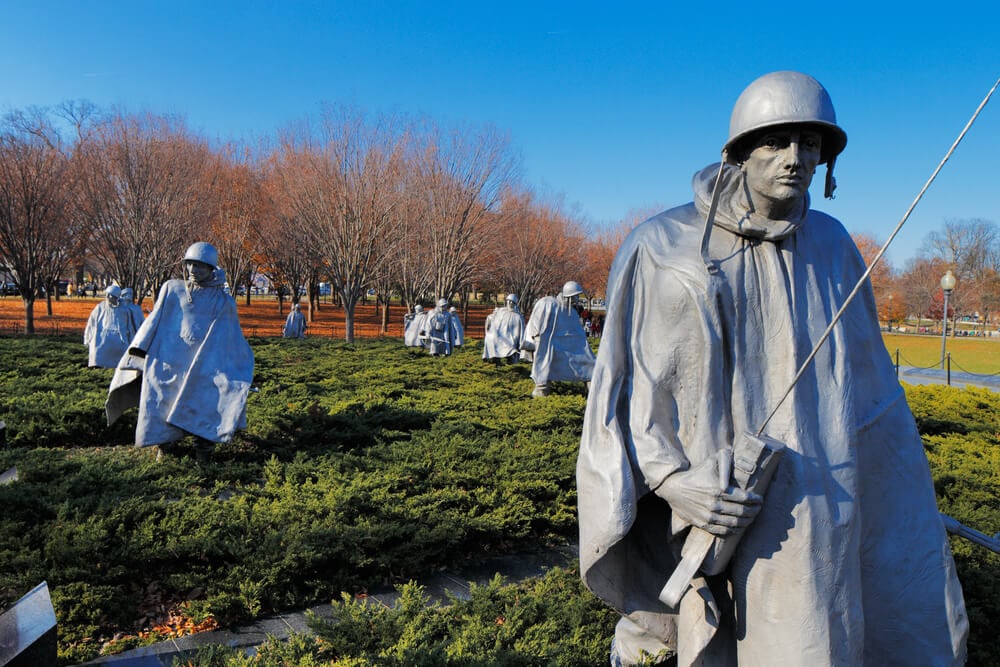
American and United Nations forces’ Korean War photographs, including combat images and photographs documenting military operations, remained heavily classified or restricted during the immediate postwar period and throughout much of the Cold War.
The photographs were gradually declassified decades after the armistice, providing researchers with visual documentation that had been unavailable during the war’s immediate aftermath.
Atomic Bomb Aftermath Photographs
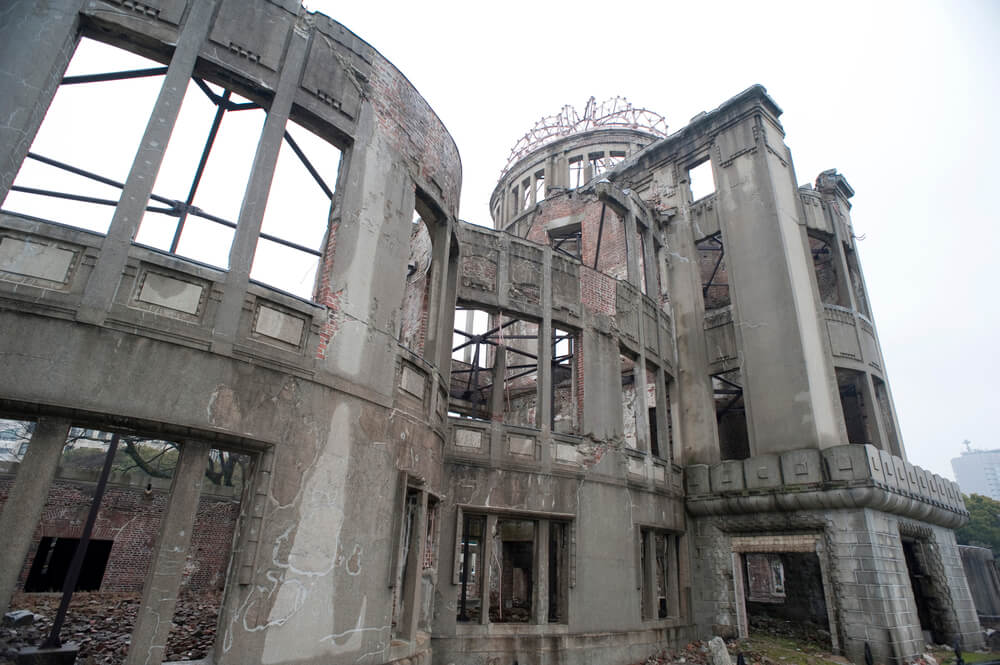
Japanese photographers and cameramen who documented Hiroshima and Nagasaki’s devastation in the immediate aftermath of the atomic bombings were initially censored by occupying American forces, with photographs controlled and restricted from public circulation for extended periods.
Some of these crucial photographs documenting nuclear weapons’ effects remained restricted or minimally available to the public for years, with official release carefully managed for political and strategic reasons.
Soviet Prisoner of War Camp Photographs
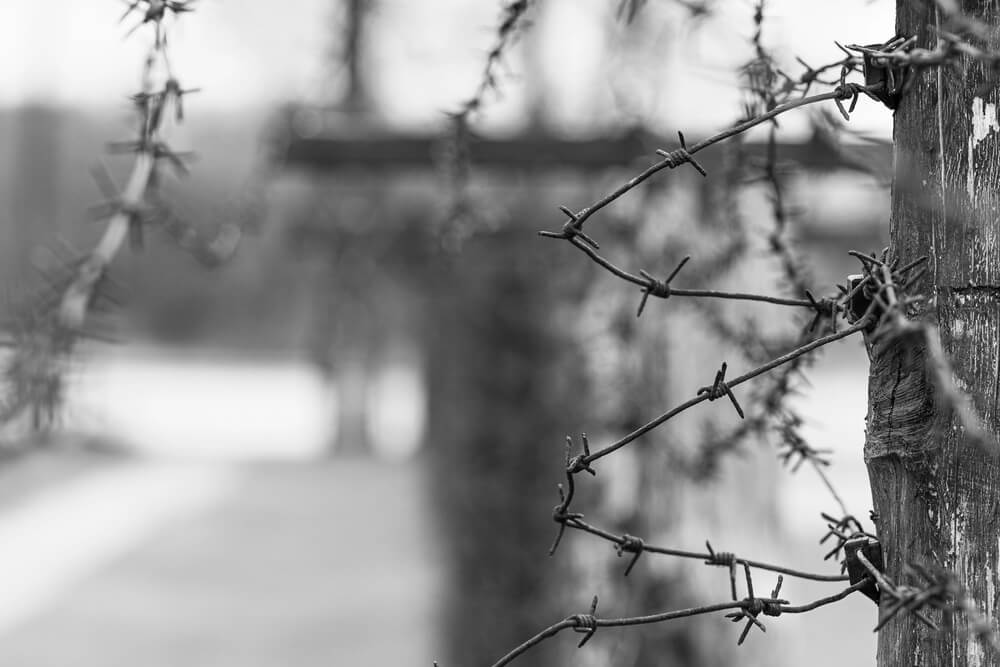
Photographs documenting Soviet prisoner of war camps and the fate of German soldiers captured by Soviet forces, showing conditions and casualties, remained largely inaccessible during the Cold War, kept within Soviet archives or scattered among captured German military documentation.
These photographs only emerged as Soviet archives opened, revealing the scale of German prisoners suffering under Soviet captivity.
Intelligence Officer Interrogation Photographs
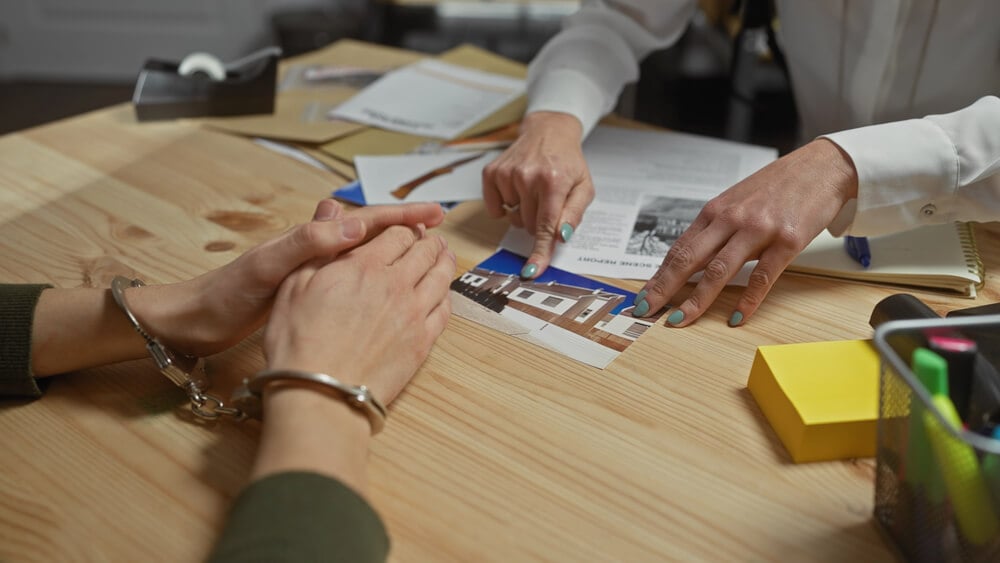
Photographs allegedly documenting interrogation procedures, intelligence gathering methods, and prisoner handling by various military and intelligence organizations remained classified throughout the Cold War, restricted from public view for security reasons and to avoid political complications.
Decades later, some of these photographs emerged through declassification processes, revealing practices that official narratives had obscured or denied.
Resistance Fighter and Underground Fighter Photographs
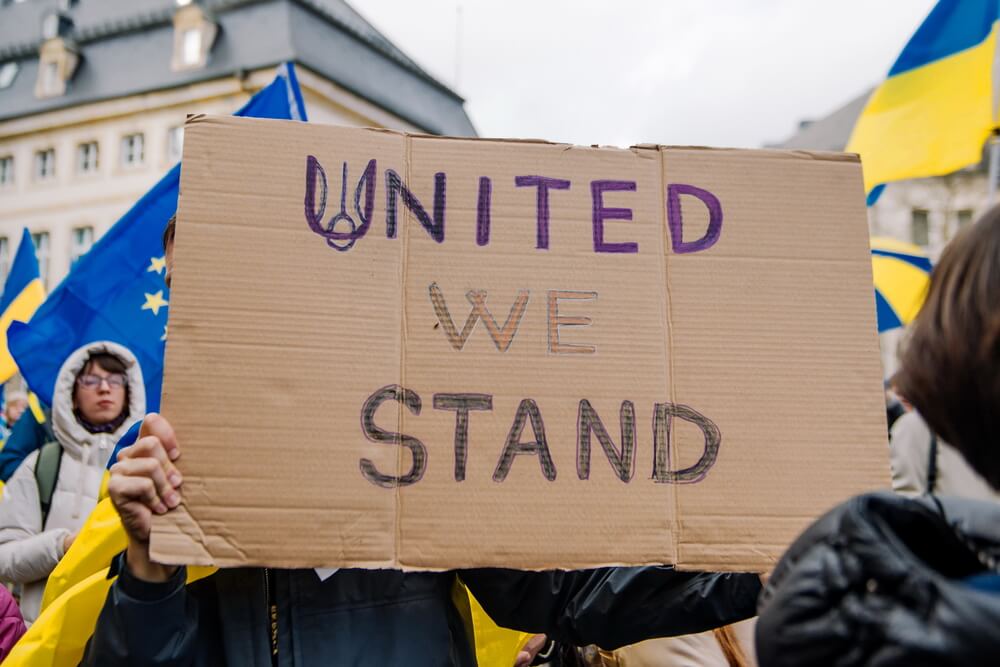
Photographs of various European resistance movements and underground fighters, taken during Nazi occupation, were sometimes suppressed by postwar governments uncertain how to integrate resistance narratives into official histories.
These photographs circulated with delay and restriction, managed by military historians and intelligence organizations before becoming more freely available.
Hitler’s Bunker Photographs
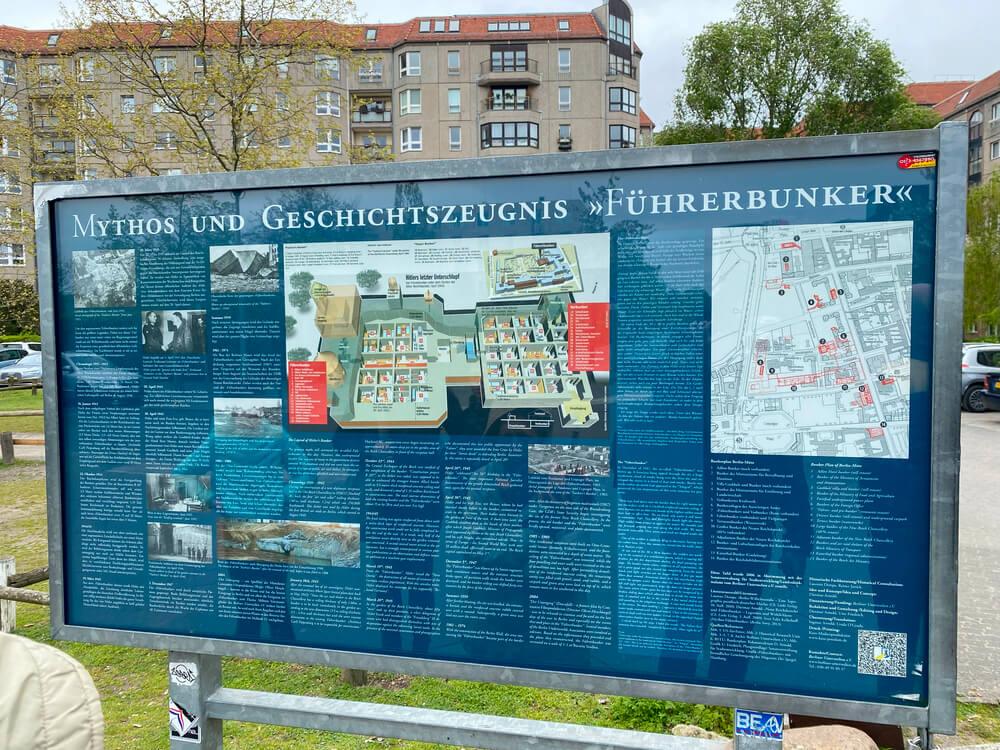
Photographs taken inside Hitler’s bunker (the Führerbunker) in Berlin during the final days of the war remained restricted and were rarely circulated to general audiences, kept within military archives and intelligence organizations.
Complete documentation of the bunker and its occupants only gradually became available to historians and the public decades after the war’s conclusion.
Nuremberg Trial Photographs
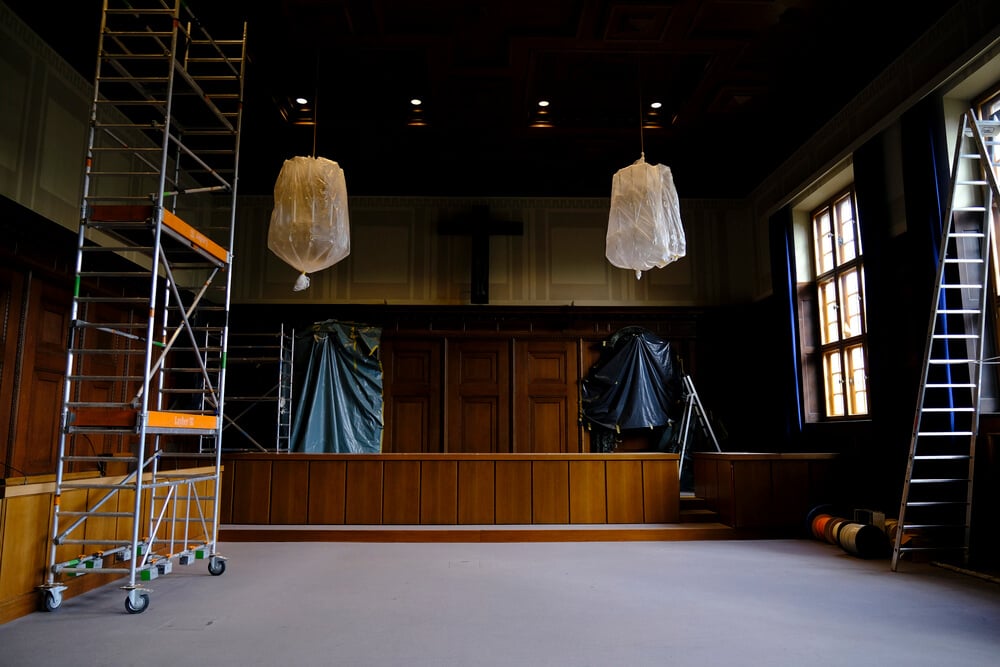
While some Nuremberg war crimes trial photographs circulated during and after the trials, complete photographic documentation of the trial proceedings remained with restricted access for years, managed by the International Military Tribunal and successor organizations.
Many trial photographs documenting defendants, proceedings, and evidence presentation only became broadly accessible to researchers decades later.
Soviet Winter Counteroffensive Photographs
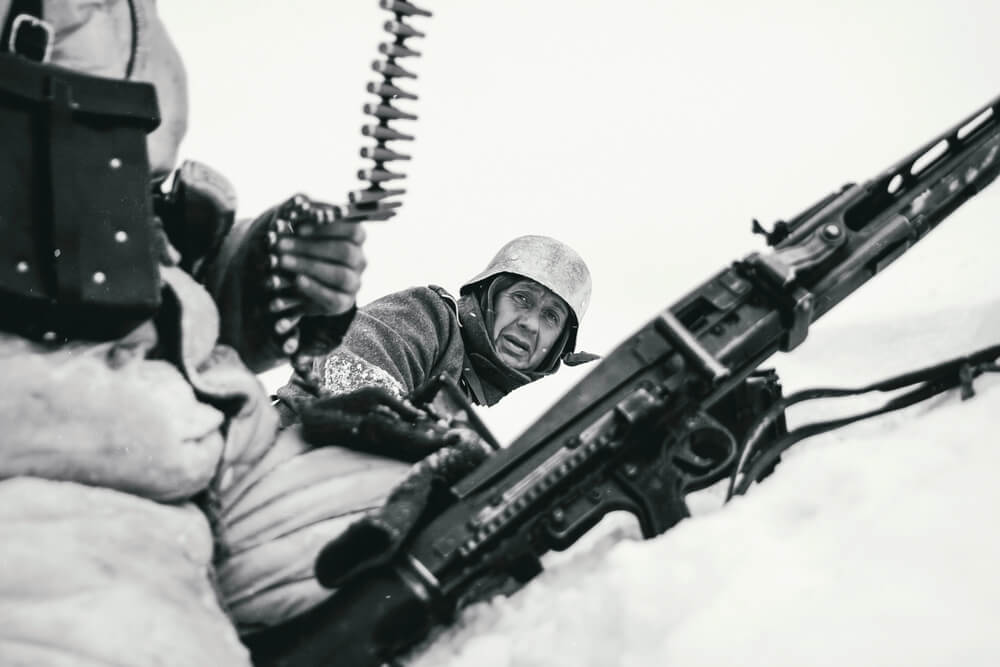
Photographs of the Soviet Red Army’s massive winter counteroffensive against German forces on the Eastern Front, showing the scale of Soviet mobilization and the ferocity of combat, were carefully controlled by Soviet authorities and restricted in their circulation for decades.
These photographs conflicted with some Western historical narratives and were managed by Soviet organizations to support official propaganda accounts.
Merchant Marine and Convoy Battle Photographs
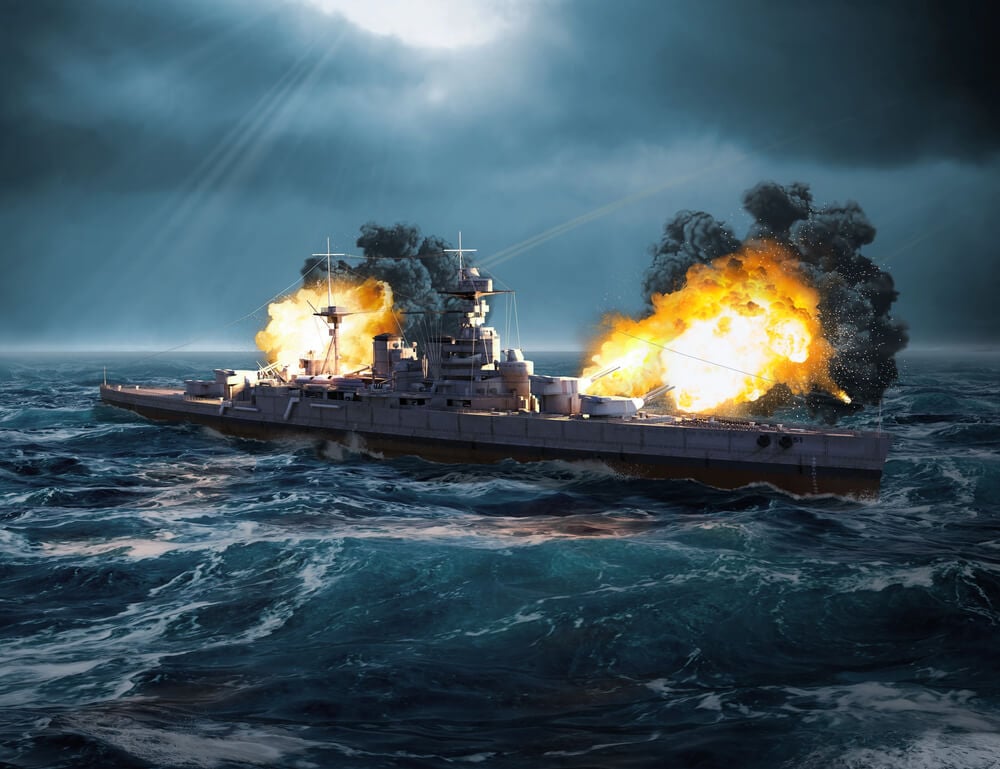
Photographs of the Battle of the Atlantic, documenting merchant convoys, ship sinkings, and convoy protection operations, were often restricted from circulation during and well after the war, withheld from public view despite their documentary importance. Military organizations managing these photographs released them gradually and selectively, controlling the historical narrative around the Atlantic campaign.
Desert Campaign Photographs from North Africa
Photographs from the North African campaign, showing British and American forces opposing German and Italian armies, were maintained in separate classified archives for years after the war concluded.
Release of these photographs to historians and public archives occurred gradually, with some images remaining relatively obscure compared to European and Pacific campaign documentation.
The Delayed Disclosure of Military Conduct
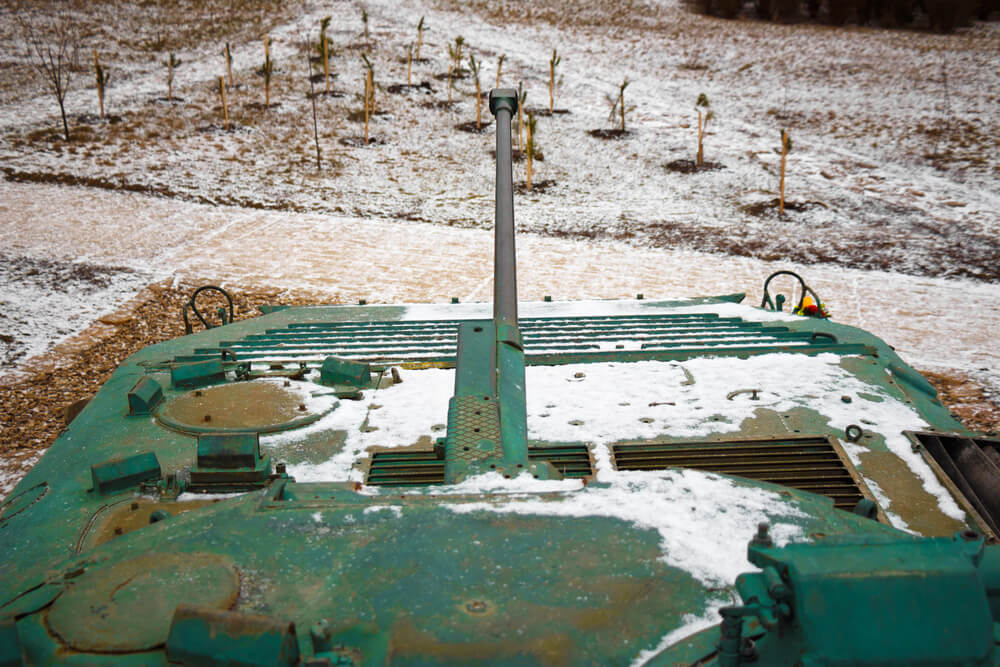
The extended classification and restriction of wartime photographs reveals how thoroughly military organizations and governments sought to control historical narrative in the postwar period. Decades would pass before many crucial images became accessible to researchers, journalists, and general audiences, shaping what people knew about the war and how they understood the conflict.
The gradual release of these photographs transformed historical understanding, as each wave of declassification provided more complete visual documentation of warfare’s complexity, tragedy, and consequences. Today, the photographs released long after fighting ended serve as reminders that history is continuously written and revised as suppressed documentation emerges, offering perspectives that official accounts had been delayed or suppressed for reasons both strategic and political.
More from Go2Tutors!

- 16 Historical Figures Who Were Nothing Like You Think
- 12 Things Sold in the 80s That Are Now Illegal
- 15 VHS Tapes That Could Be Worth Thousands
- 17 Historical “What Ifs” That Would Have Changed Everything
- 18 TV Shows That Vanished Without a Finale
Like Go2Tutors’s content? Follow us on MSN.