Rarest Coins in Circulation
Most folks hardly notice coins. Tough, standard-looking, always around – they just blend into daily life.
Yet that commonness is why finding a rare one feels strange. Buried in everyday money are bits of the past.
These made it through by being ignored, not saved. Out in the wild, rare coins usually did not start out meant to be scarce.
A few slipped through because choices at the mint lasted just days, errors went unnoticed, or pressure favored quick output over care. These bits of metal entered pockets, passed hands, got scratched, dented, slowly fading from daily life.
Yet some dodged the grind – still legal money on paper, though you will almost never find one buying coffee or bus fare.
Take a step into the world of uncommon currency, where everyday handling led to surprising rarity. Some coins now hard to find stayed legal tender by chance.
Normal use wore them down – or hid them away – over time. A few slipped through decades untouched.
Others survived because they were overlooked. Quiet moments in history made space for these oddities.
Simple routines built up unusual gaps in supply. What seemed ordinary turned out to be uncommon.
1943 Copper Lincoln Cent

In 1943, the United States shifted penny production away from copper to conserve metal for wartime use. Steel coated with zinc became the new standard, and millions of these lighter-colored cents entered circulation.
Amid that transition, a few copper blanks from the previous year were accidentally left behind and struck with the new date. These pennies looked normal enough to go unnoticed.
At the time, people were adjusting to many wartime changes, and few were inspecting their pocket change closely. As a result, several of these coins were spent, saved casually, or lost.
Their rarity today is tied to a brief manufacturing overlap that was never meant to happen.
1955 Doubled Die Lincoln Cent

This coin stands out once you know what to look for. The date and lettering appear distinctly doubled, giving the impression that the design was stamped twice.
The cause was a misalignment during the creation of the die, meaning every coin struck from it carried the same flaw. Thousands entered circulation before the issue was identified.
Pennies were so common that most people paid them little attention, and many were worn down through normal use. What remains today is only a fraction of what once circulated freely, preserved largely through chance rather than foresight.
1969-S Doubled Die Lincoln Cent

The 1969-S doubled die penny shares visual similarities with the 1955 version but is far rarer. The doubling is sharp and obvious, yet early discoveries were met with skepticism.
At the time, officials believed the coins were altered rather than genuine, leading to seizures and destruction. Only a small number escaped that initial response.
Those that did often continued circulating quietly, mixed in with ordinary change. Their scarcity today reflects not just a minting error, but how close they came to being eliminated entirely.
1970-S Small Date Lincoln Cent
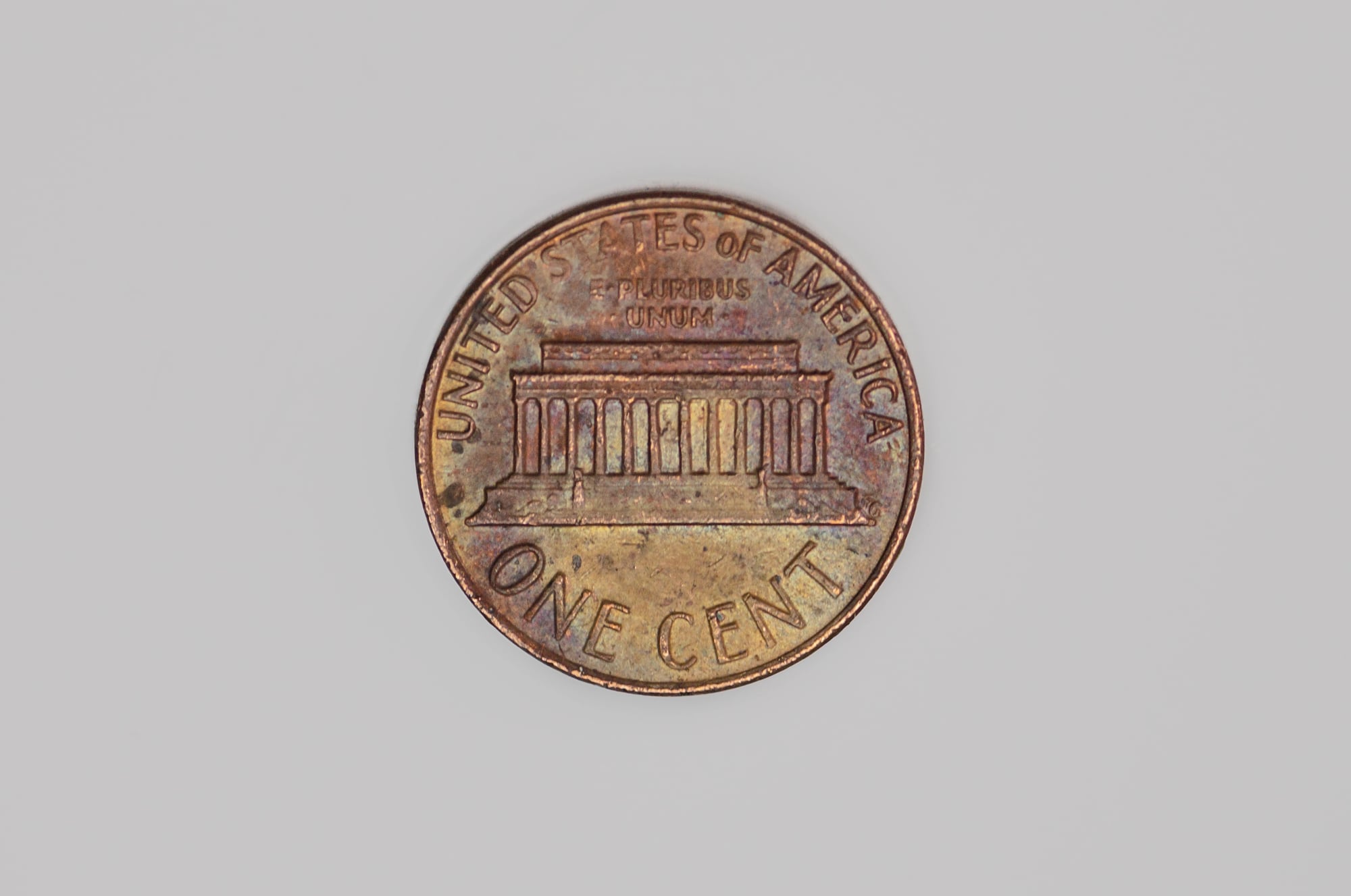
At first glance, this penny looks no different from other coins of the same year. The distinction lies in subtle details of the date, particularly the shape and placement of the numerals.
These differences were too minor to attract attention when the coins were released. Because the variation required careful inspection, the coins were spent like any other cent.
They moved through circulation unnoticed, often ending up in jars or rolls. Their rarity today is the result of blending in too well for too long.
1982 No Mint Mark Roosevelt Dime
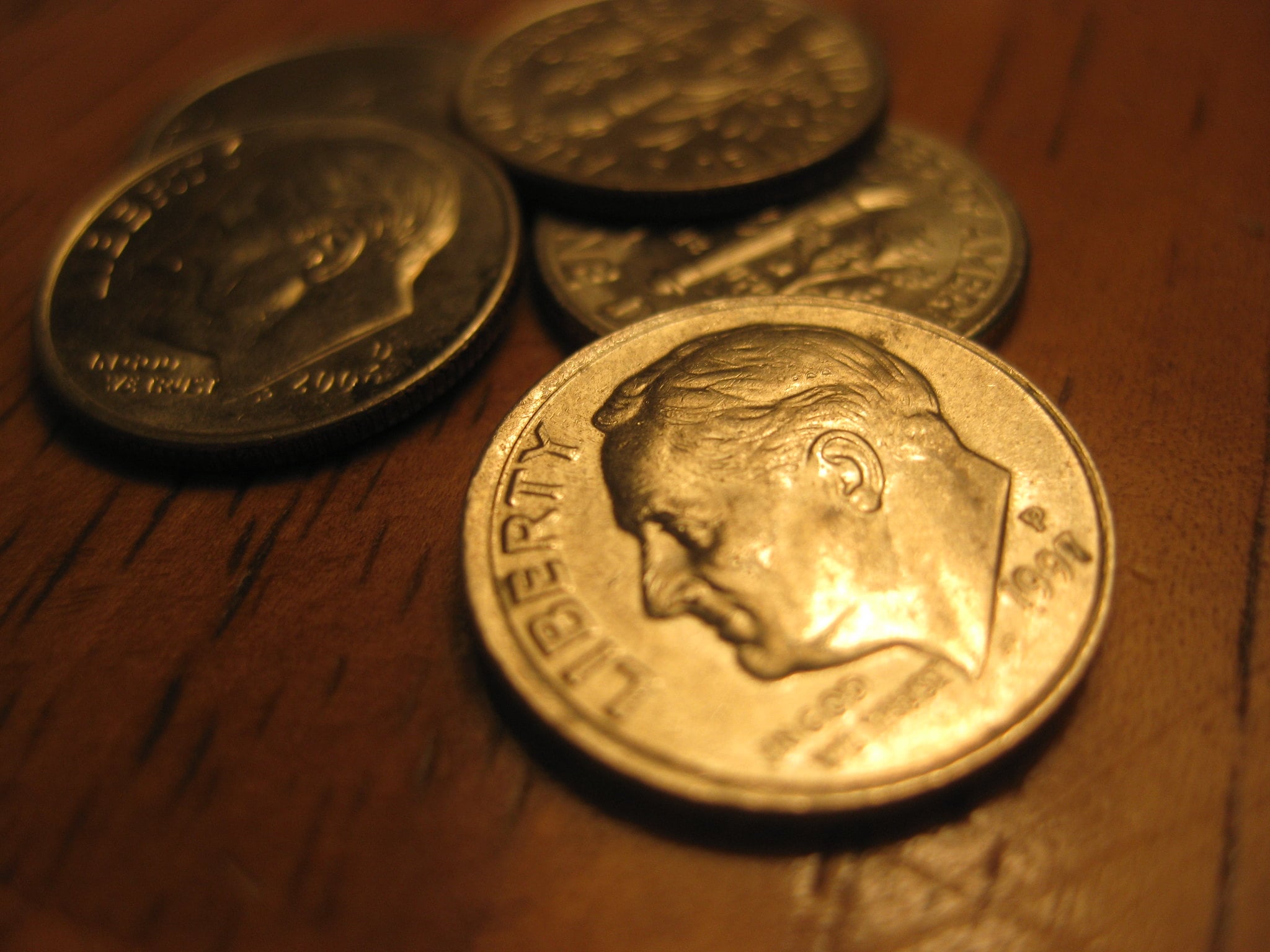
Mint marks are a small detail most people never think about. In 1982, that lack of attention mattered.
Dimes produced that year were supposed to include a mint mark, yet a small batch left the mint without one due to an oversight. These dimes entered circulation normally and looked legitimate in every other respect.
They passed through countless transactions before collectors began identifying the mistake. Many were likely worn down or misplaced long before anyone realized they were unusual.
2004-D Wisconsin Quarter (Extra Leaf)

This quarter attracted attention years after it was released. On the reverse side, the corn stalk features an extra leaf that should not be there.
Some versions show the leaf pointing upward, others downward. The exact cause remains debated, adding to the coin’s mystique.
What is clear is that these quarters were distributed through normal circulation channels. They were spent at face value, mixed with ordinary quarters, and rarely examined.
Some are still believed to be sitting unnoticed in household coin collections.
1975 No S Roosevelt Dime
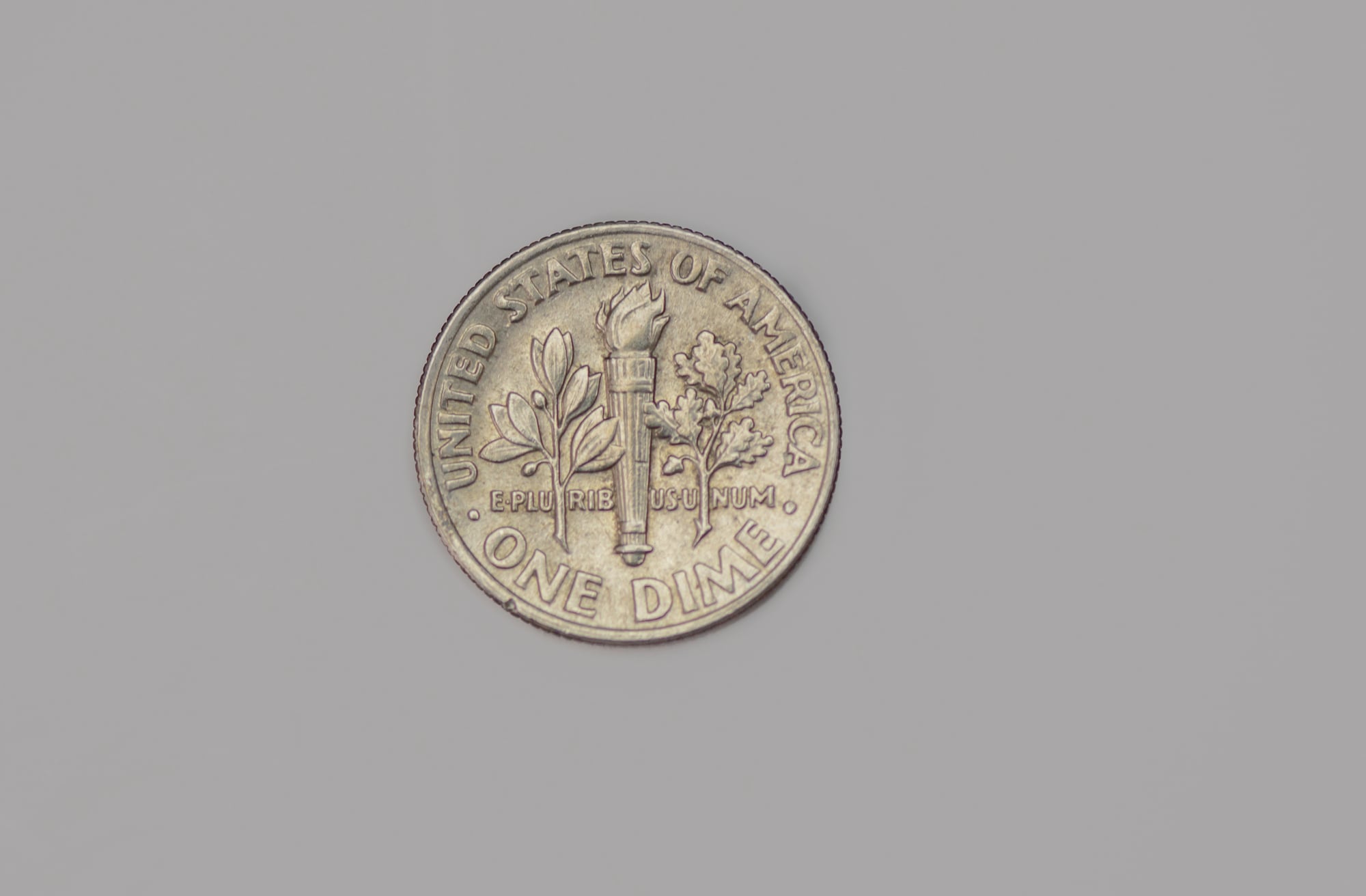
This coin was never intended to reach the public. Proof dimes produced in San Francisco were meant to carry an ‘S’ mint mark, yet a very small number were struck without it.
Proof sets were sold directly to collectors, but the error slipped through early checks. Most surviving examples were identified years later.
Despite their rarity, these coins remain legal tender. Their scarcity comes from the improbability of the mistake rather than age or wear.
1916-D Mercury Dime

The Mercury dime series is well known, but the 1916-D stands apart. Produced in Denver for only a short period, its mintage was significantly lower than other years.
Despite this, the coins were released into circulation and used heavily. At the time, there was little reason to save them.
Over decades, most were worn smooth or lost entirely. The few that remain today often surface from old family collections where they sat untouched for years.
1932-D Washington Quarter
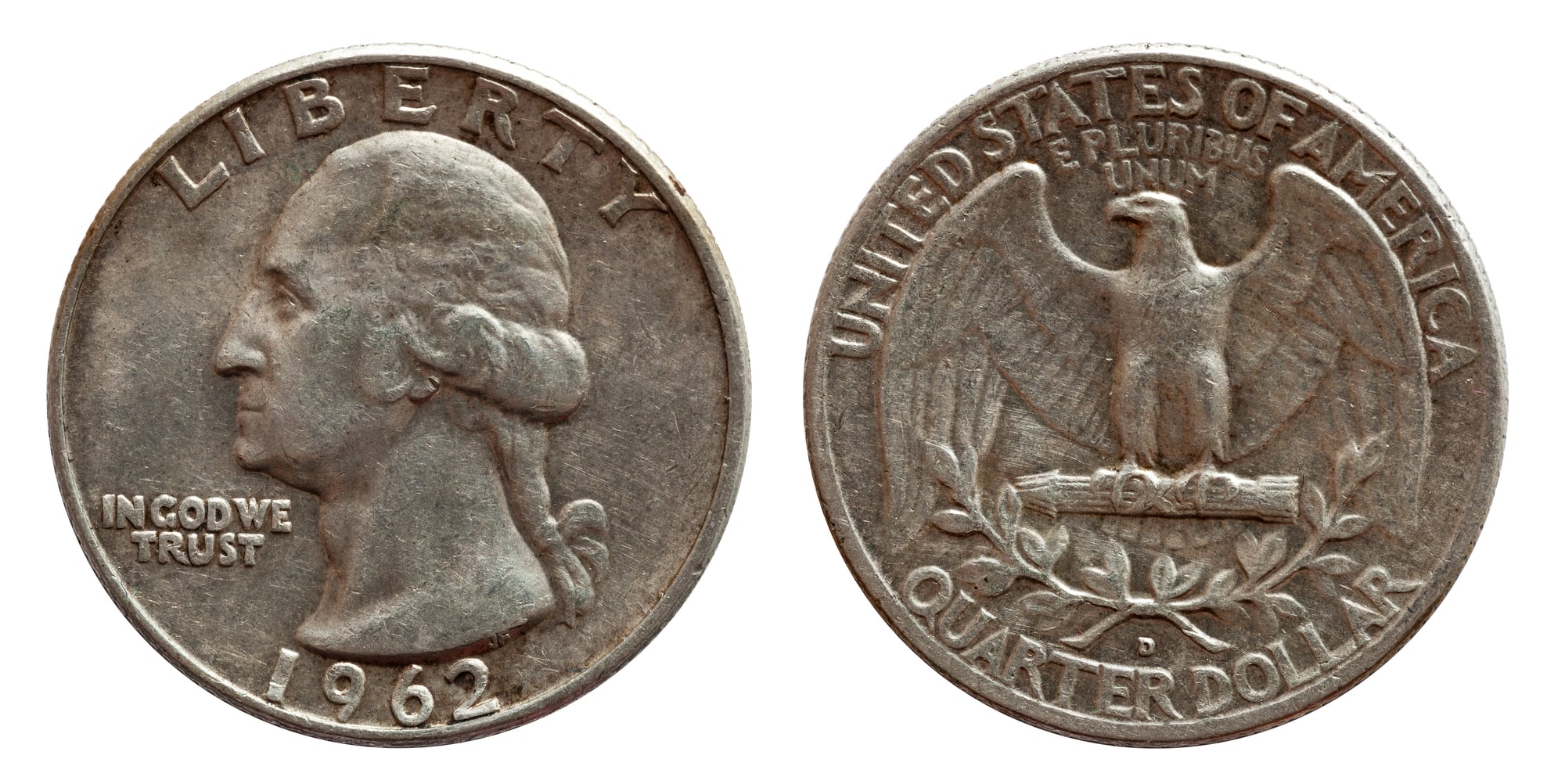
The Washington quarter debuted during a difficult economic period. Production at the Denver mint was limited, but the coins that were made circulated widely.
Preservation was not a priority during the early 1930s. Because the design closely resembles later quarters, many were spent repeatedly without notice.
Their rarity is a product of long-term use rather than deliberate scarcity.
Why Rarity Often Goes Unnoticed
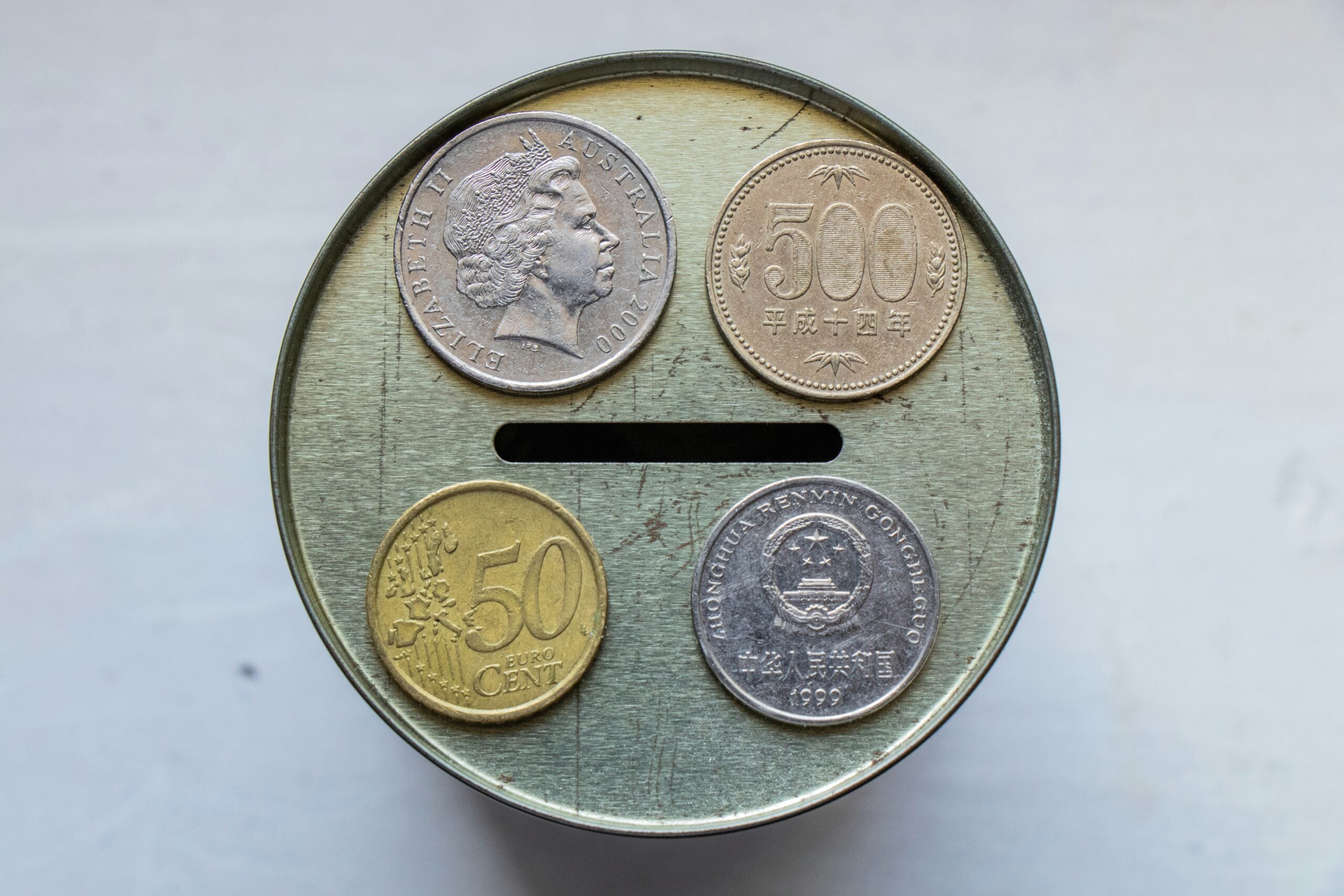
Part of what keeps rare coins in circulation is expectation. Modern currency is designed to be consistent, which trains people not to look closely.
When something slightly unusual appears, it is often dismissed as wear or age rather than questioned. Even so, rarity is not always tied to dramatic mistakes.
Sometimes it comes down to timing. A short production run, a policy change, or a moment of distraction inside a busy mint can shape what survives decades later.
Small decisions can leave lasting marks. On the other hand, not every rare coin survived through ignorance alone.
Some were kept for personal reasons, set aside because they felt different or were tied to a memory. Those quiet choices preserved pieces of history without any intention of collecting.
Why These Coins Still Matter

History often slips by without fanfare. Some rare coins passed hand to hand for years before anyone noticed.
Decades went by, tucked into everyday exchanges. It took time for their true nature to surface.
Only much later did people understand what they had held. Every day, coins move between people without a sound.
This constant flow holds open the chance – slim but real – that one might be more than just pocket change. Some have lasted far longer than intended, slipping through time unnoticed.
Though common in look, they carry pieces of older days forward, often unseen.
More from Go2Tutors!

- The Romanov Crown Jewels and Their Tragic Fate
- 13 Historical Mysteries That Science Still Can’t Solve
- Famous Hoaxes That Fooled the World for Years
- 15 Child Stars with Tragic Adult Lives
- 16 Famous Jewelry Pieces in History
Like Go2Tutors’s content? Follow us on MSN.



