25 Creepy Abandoned Places You Can Actually Visit in Person
Abandoned locations possess a particular power to fascinate and unsettle, preserving moments in time and leaving tangible records of human activity frozen mid-life. These places—factories, hospitals, theme parks, and towns—once thrummed with human activity and purpose.
Now they sit empty and decaying, accessible to curious visitors willing to venture into spaces that time and circumstance have left behind. Many locations welcome visitors through official tours; others remain accessible to explorers willing to navigate legal and physical hazards.
Pripyat, Ukraine
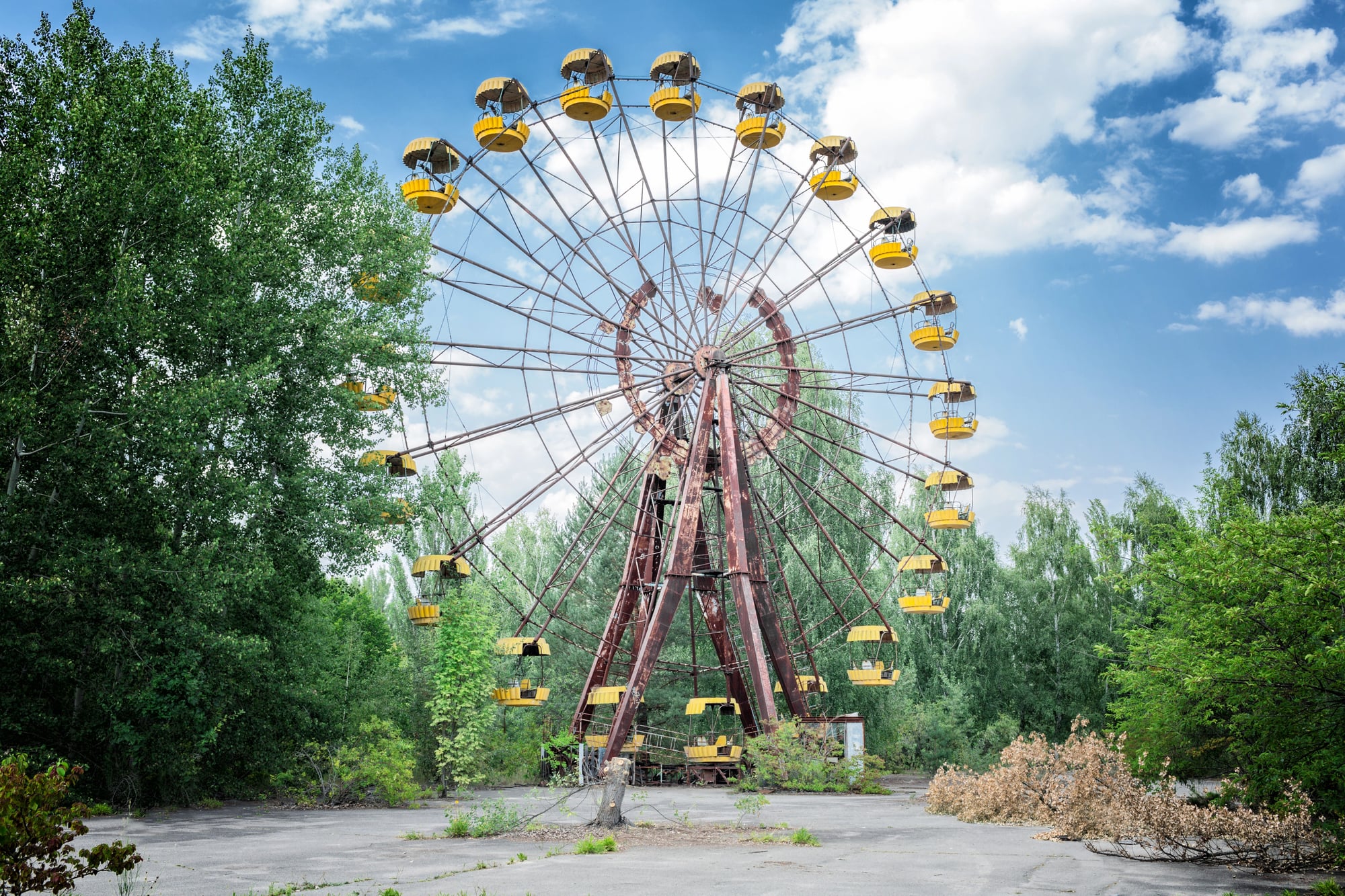
The city evacuated following the Chernobyl nuclear disaster in 1986 sits frozen in time, its apartment buildings, schools, and amusement park abandoned and deteriorating. The site is now accessible through official tours, allowing visitors to witness how quickly nature reclaims human infrastructure and how comprehensively disaster can empty a city.
The iconic scene of an unopened amusement park, scheduled to debut days after the evacuation, captures the eerie juxtaposition of human optimism and catastrophe.
Hashima Island, Japan
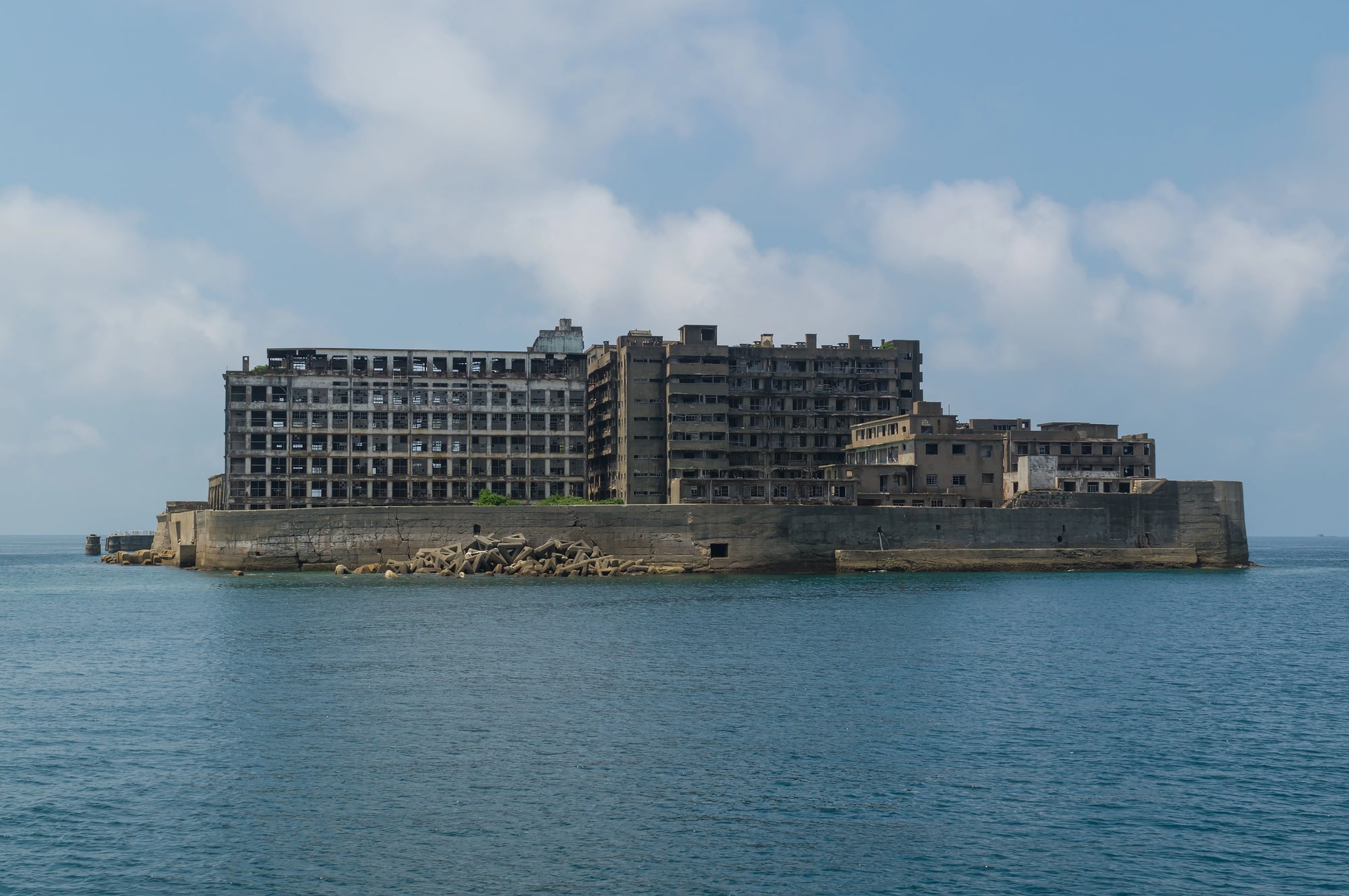
Once a bustling mining community housing thousands, this island off Nagasaki was abandoned when coal mining became economically unviable. The concrete apartment buildings now stand empty and crumbling, creating a ghost city preserved in decay.
Official tours allow limited access to the island, where nature and architecture merge into unsettling compositions.
Nara Dreamland, Japan
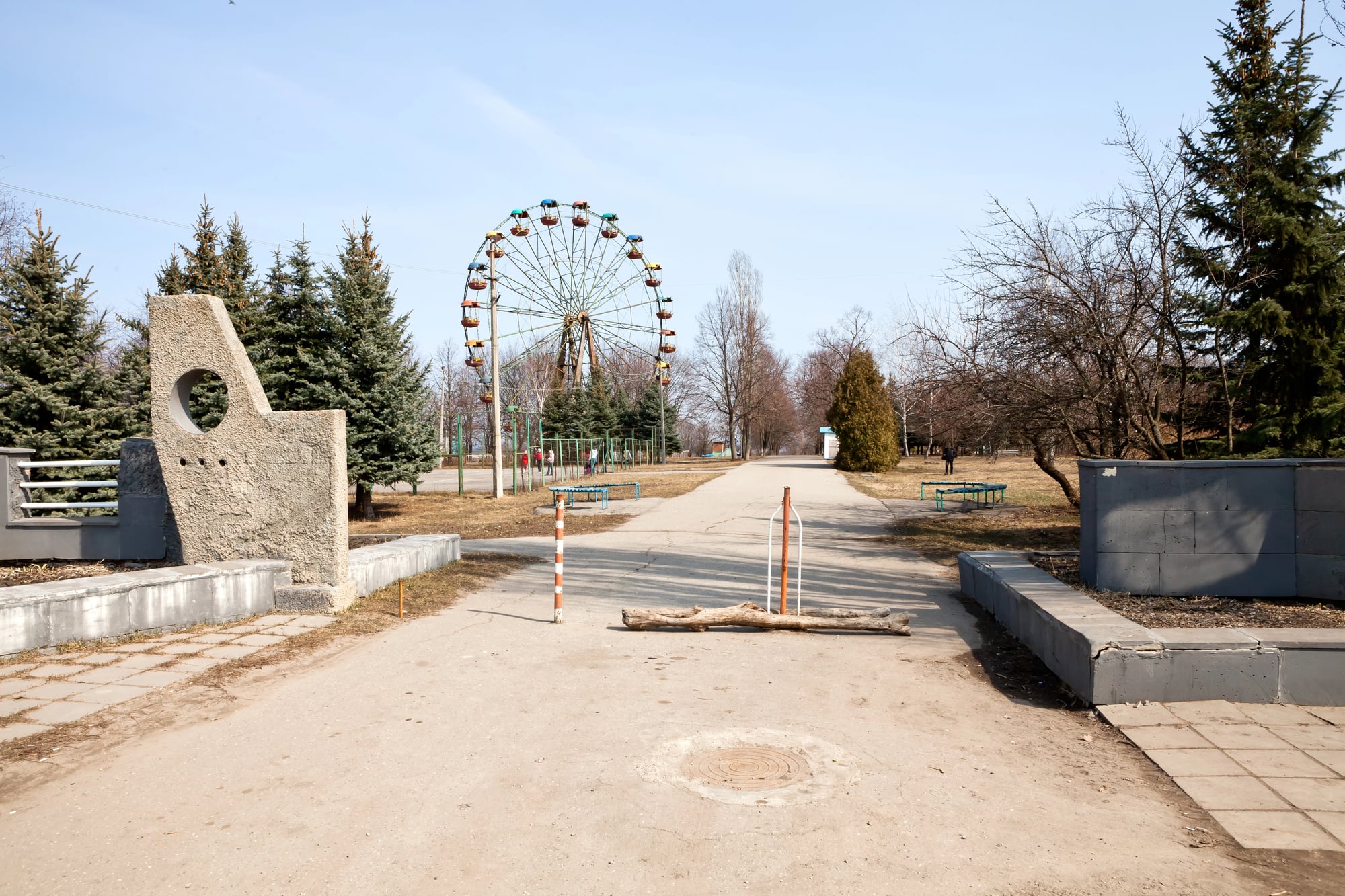
This theme park built in 1976 remained open for decades before closing in 2010, sitting abandoned until its demolition in 2016. For years, the park’s rusted rides, faded paint, and empty storefronts created one of the world’s most melancholy urban exploration destinations.
The site captured the peculiar sadness of abandoned entertainment spaces.
Oradour-sur-Glane, France
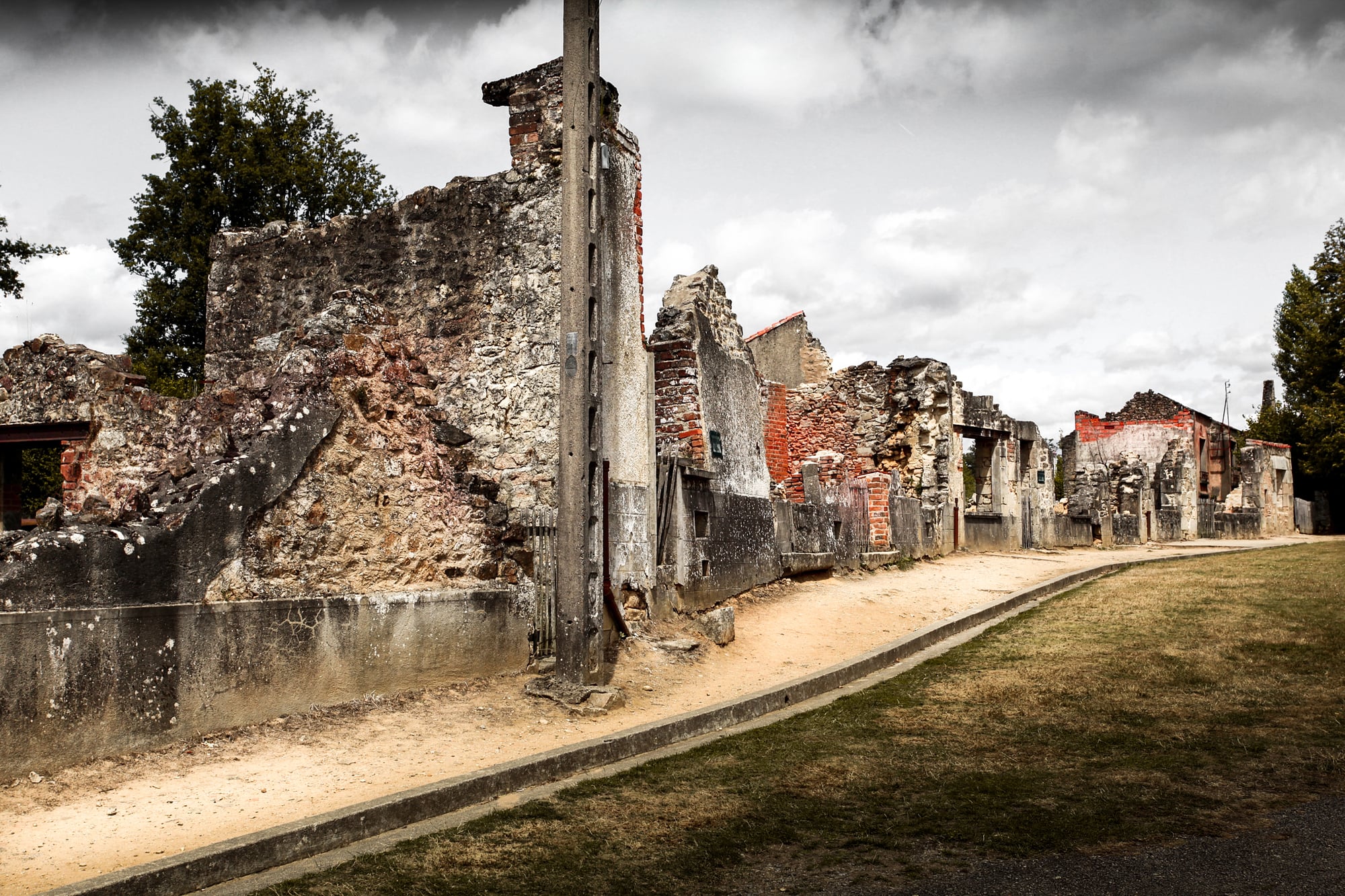
This town was destroyed by Nazi SS troops in 1944, with most of its residents killed. The French government preserved the ruins as a memorial rather than rebuild, creating a haunting monument to massacre.
Visitors can walk through the abandoned streets and destroyed buildings, confronted by the physical evidence of atrocity.
Eastern State Penitentiary, Philadelphia
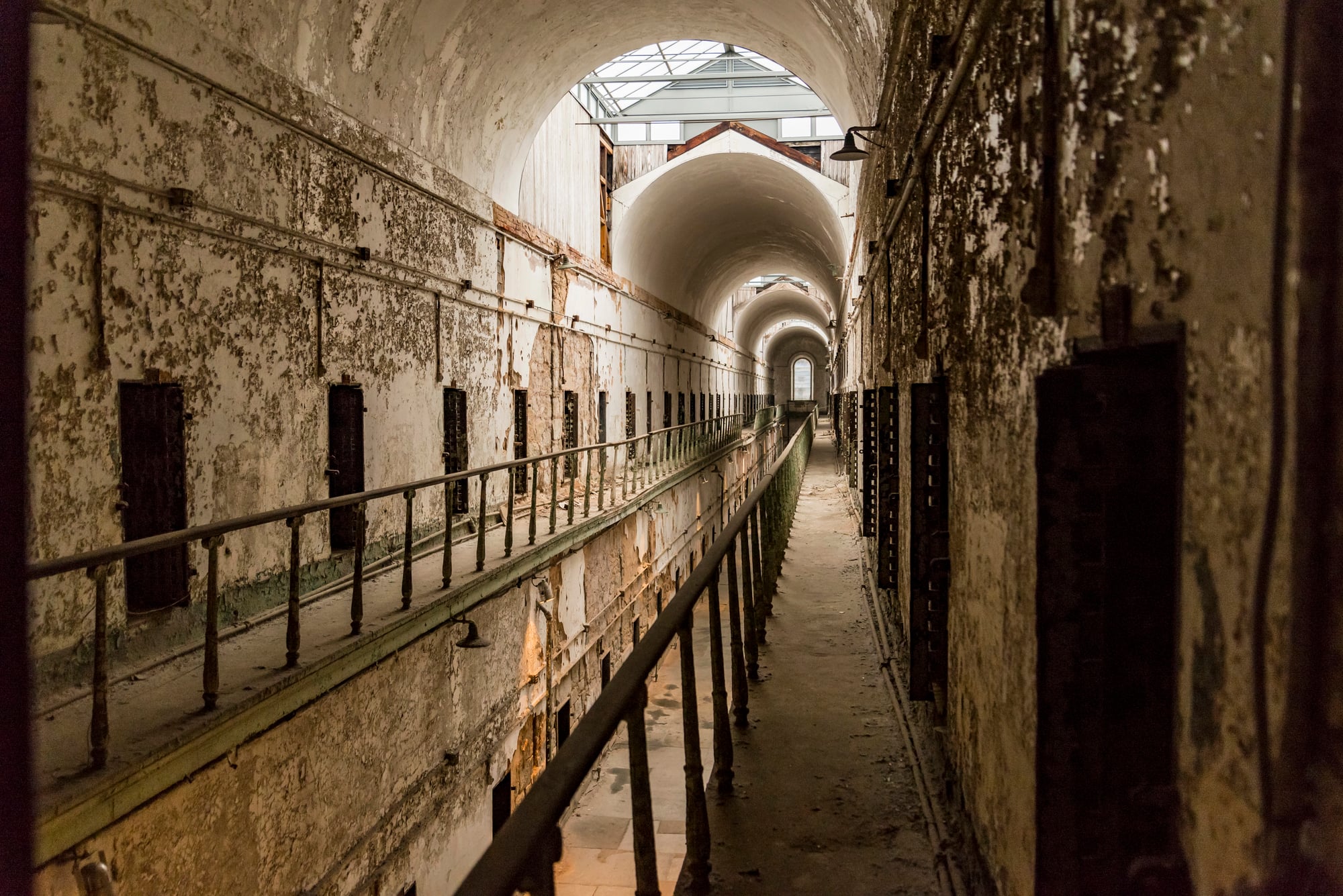
This abandoned prison operated for over a century before closing in 1971. Now accessible for tours, the empty cellblocks, execution chambers, and solitary confinement cells preserve the physical conditions of incarceration.
The building’s decay adds to its unsettling atmosphere while its architectural innovations remain visible.
Centralia, Pennsylvania
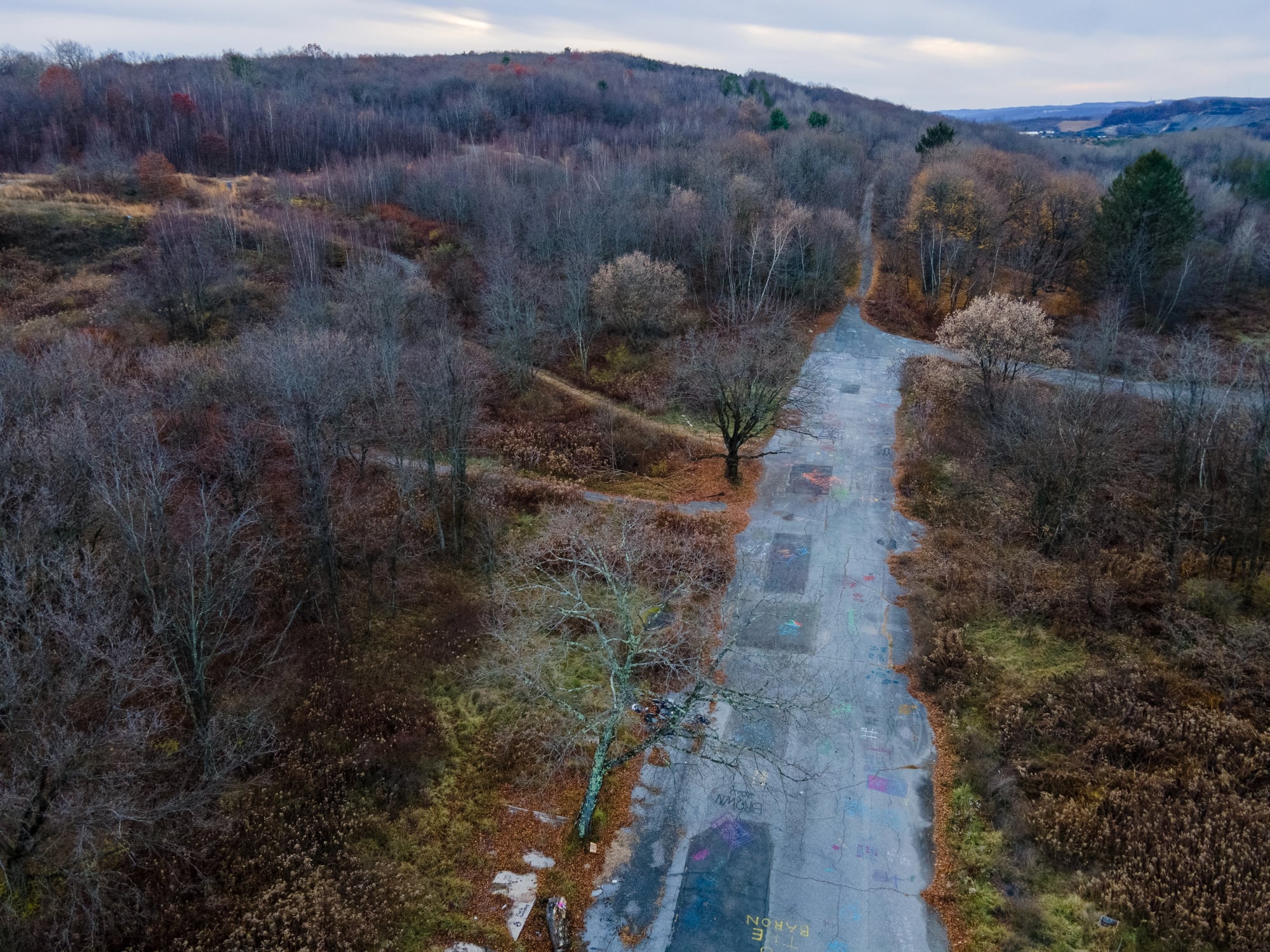
An underground coal mine fire that started in the 1960s continues burning today, making the town uninhabitable. The abandoned streets, cracked asphalt revealing steam vents, and empty buildings create a landscape that seems post-apocalyptic.
The town is technically not accessible, but intrepid explorers navigate its decaying infrastructure.
Pompeii, Italy
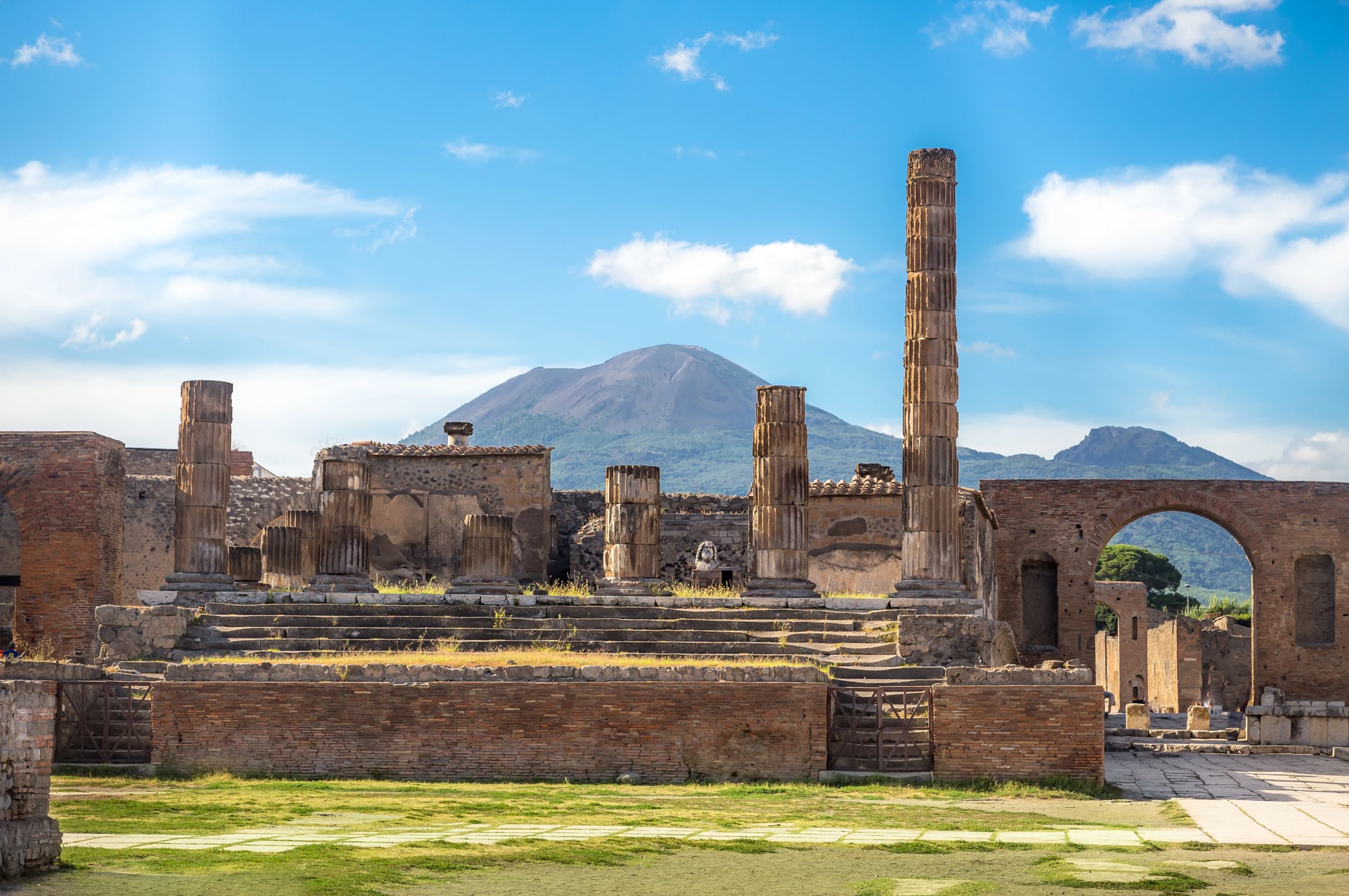
The ash fallout from Mount Vesuvius’s eruption in 79 AD preserved this Roman city in extraordinary detail. Visitors can tour the excavated streets, buildings, and the haunting casts of people frozen in their final moments.
The site blends archaeological significance with deeply unsettling human drama.
Fort Jefferson, Florida
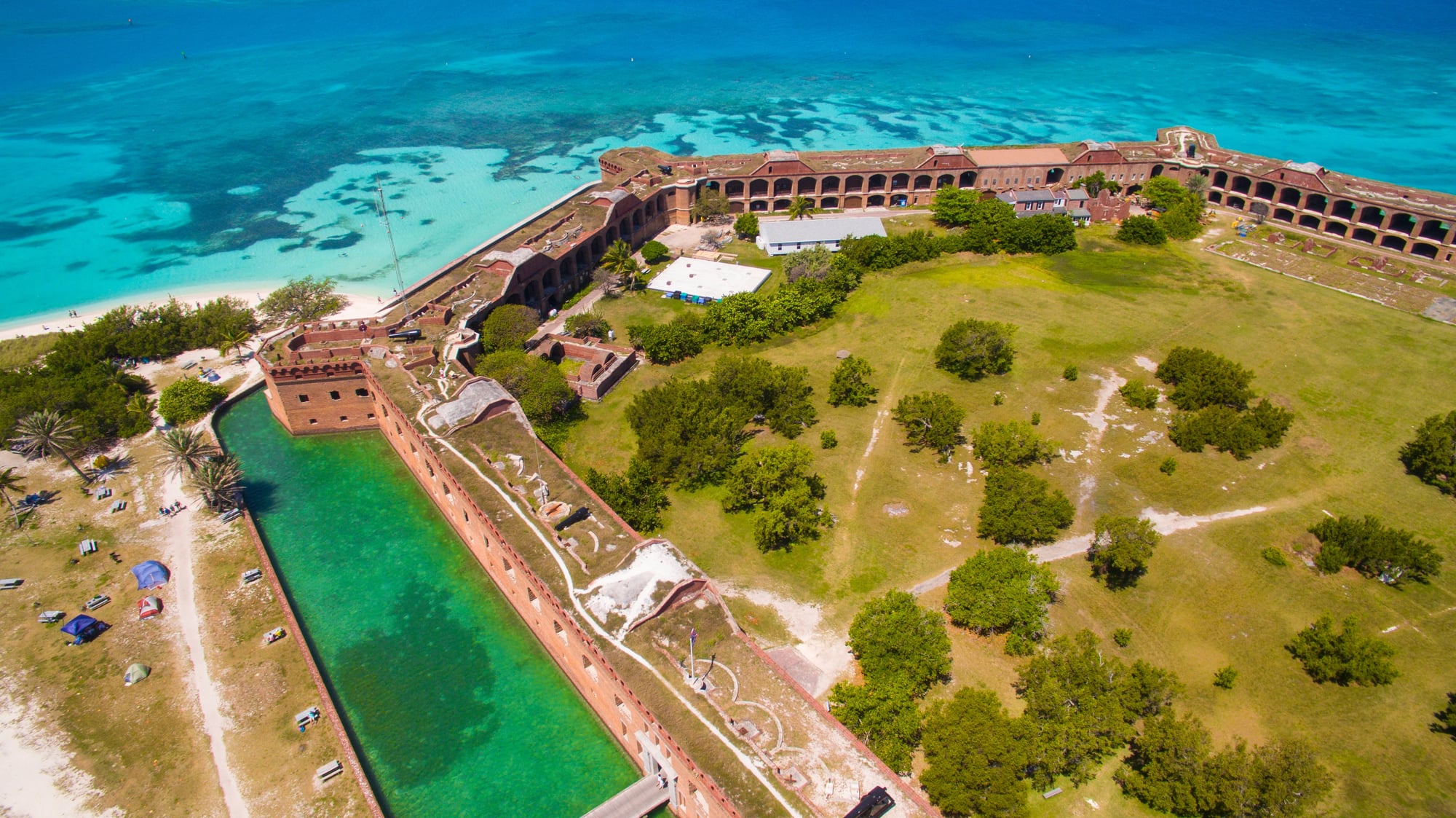
This massive masonry fortification in the Gulf of Mexico was never fully completed and eventually abandoned. The decaying fort, surrounded by ocean, creates an isolated and eerie atmosphere.
Visitors can access it by boat and explore its crumbling brick structures and empty chambers.
St. Marks Sanitarium, Florida
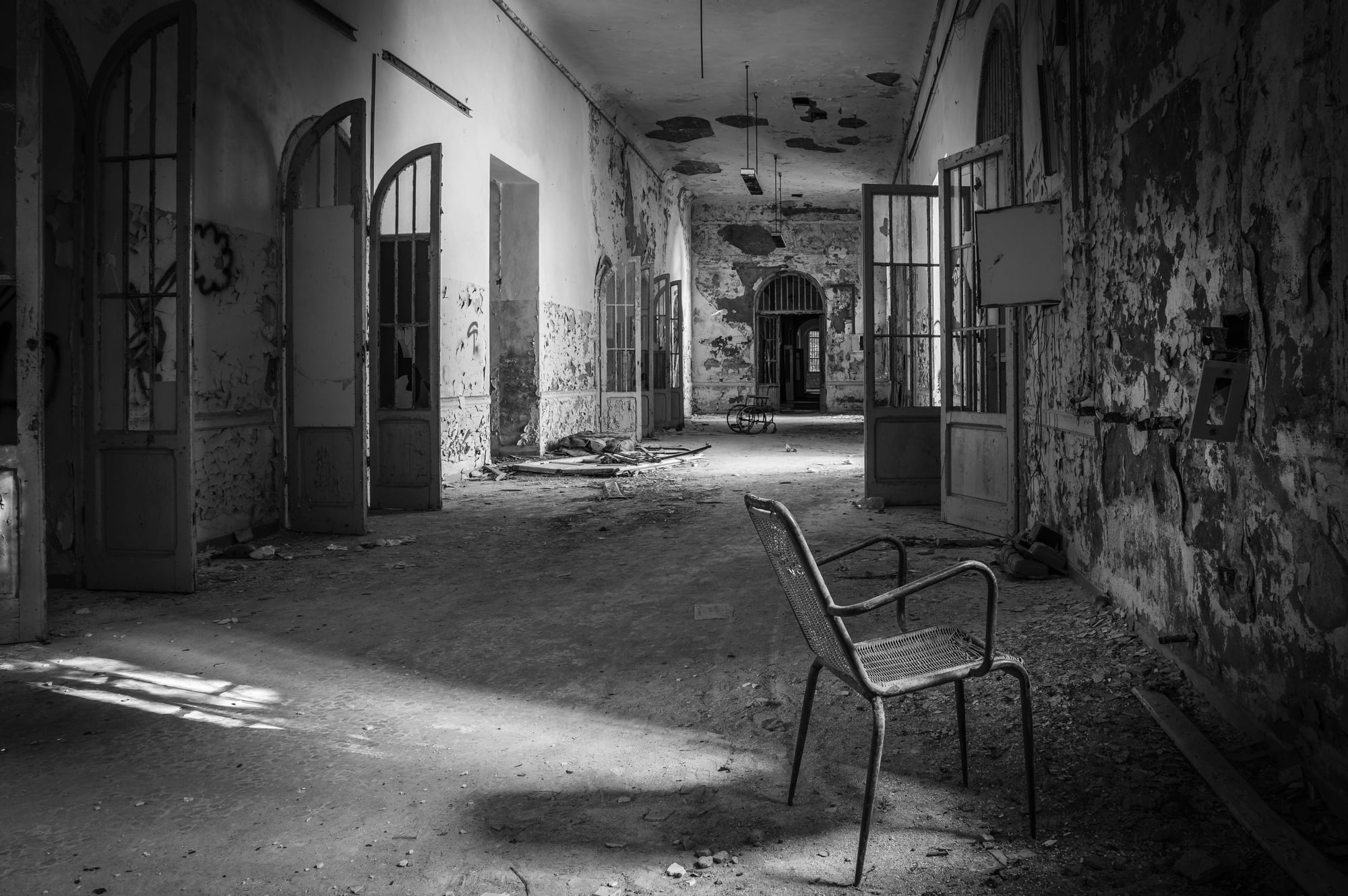
This former tuberculosis hospital sat abandoned for decades, its patient records and medical equipment left behind. The building’s Art Deco design now functions as an uncanny time capsule, with decaying medical facilities suggesting the building’s former purpose.
The site has become a popular urban exploration destination.
Maunsell Sea Forts, England
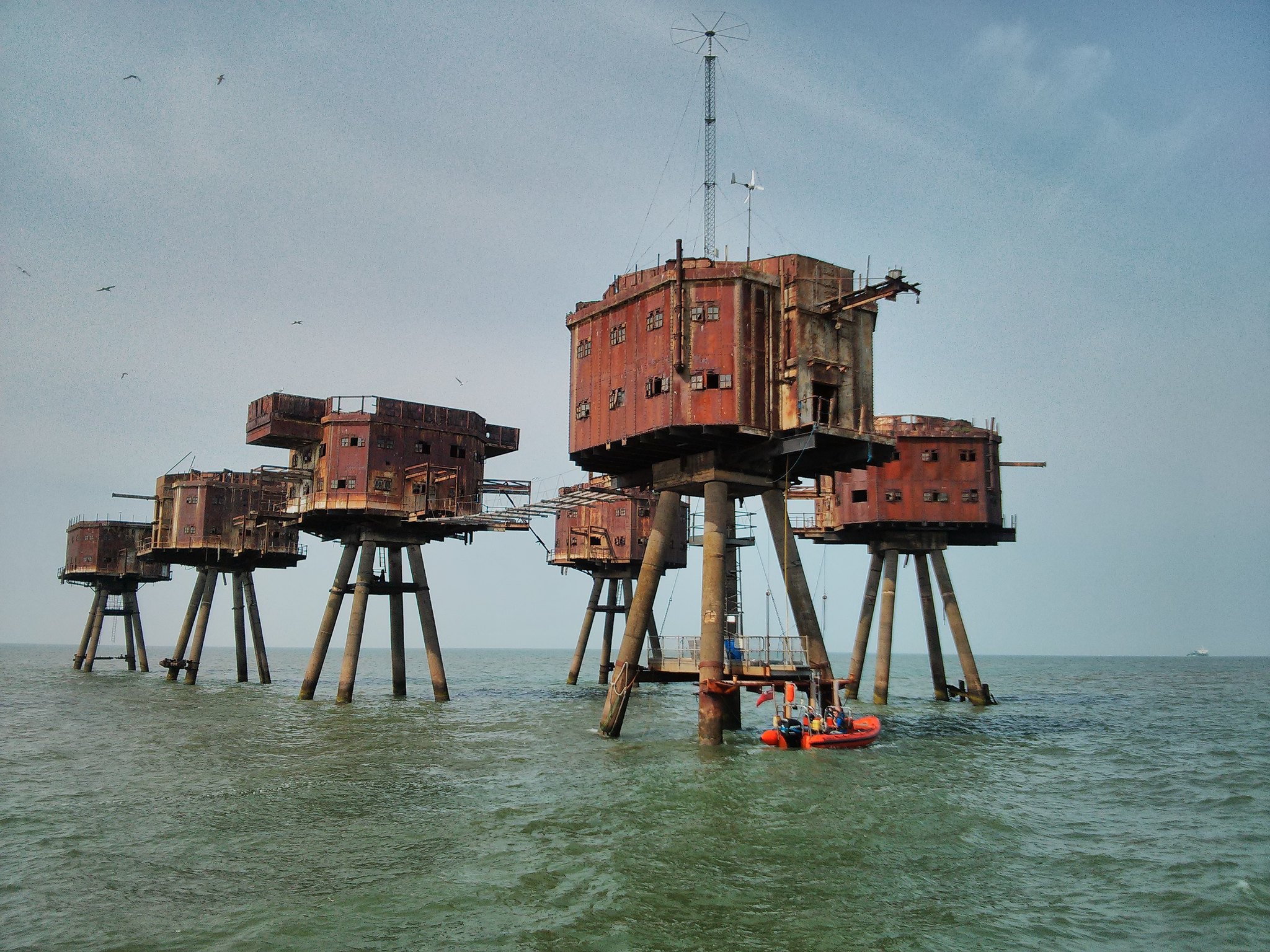
These military installations built in the Thames Estuary during World War II were abandoned after the war. The structures, resembling offshore platforms, now sit eroding in the sea, creating eerie monuments to military necessity.
Some forts remain accessible to intrepid visitors willing to navigate sea conditions.
Spreepark, Berlin

This amusement park built in East Berlin operated for decades before closing in 2002. The abandoned rides, crumbling structures, and overgrown gardens create a melancholic atmosphere.
Before recent renovation began, the park stood as a haunting record of leisure and entertainment decay.
Battery Park, New York
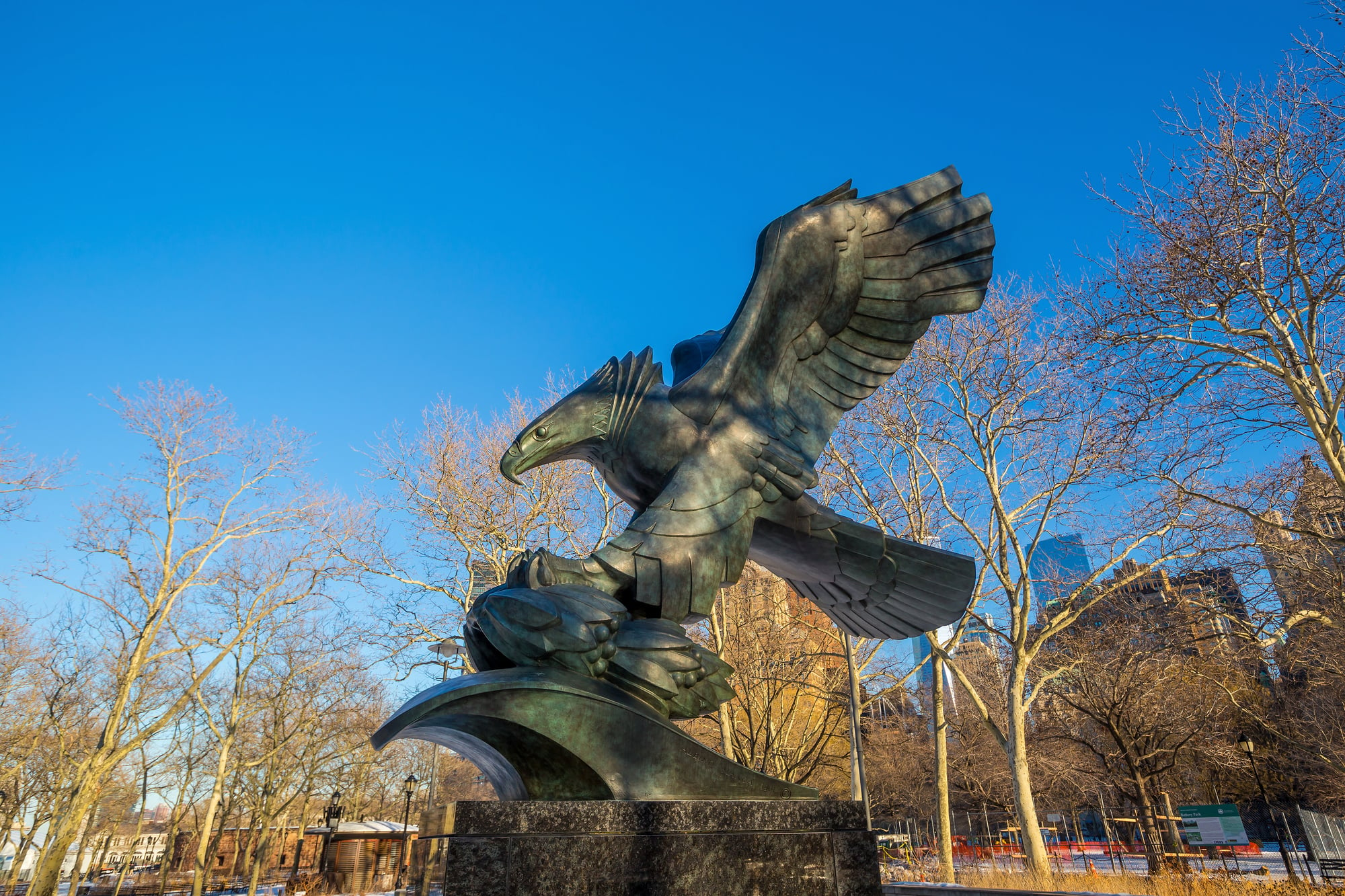
Before its redevelopment, portions of Battery Park contained derelict piers and abandoned waterfront structures creating atmospheric urban decay. The structures captured industrial history and post-industrial abandonment visible within the most famous city in America.
Trans-Allegheny Lunatic Asylum, West Virginia
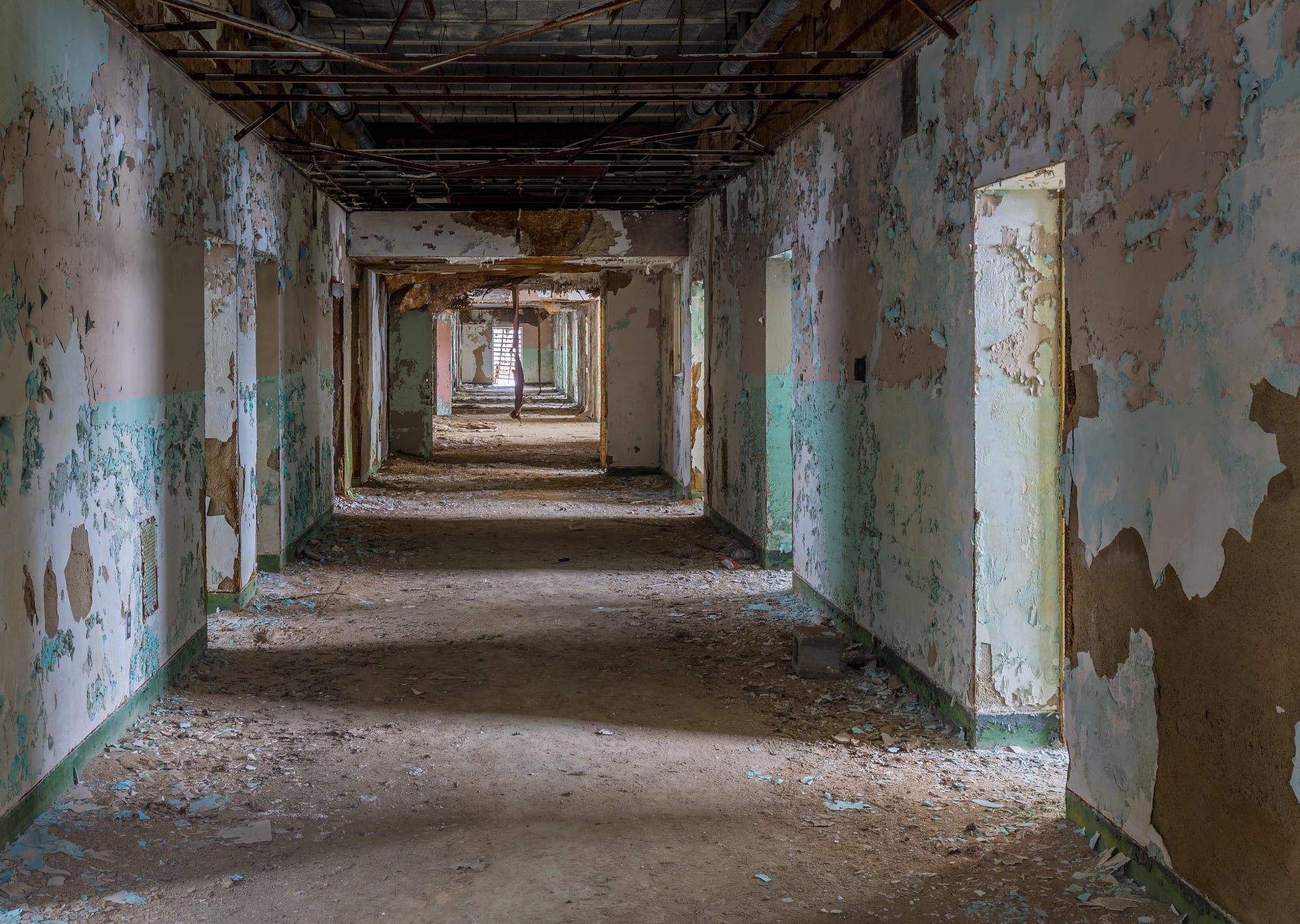
This massive Gothic Revival asylum operated from 1864 until 1994, housing thousands of patients under conditions that deteriorated as funding diminished. The building remains accessible for tours, with its Victorian architecture and extensive grounds preserving the asylum’s history.
The structure’s grandeur and scale contrast sharply with knowledge of patient suffering within.
Gulliver’s Kingdom, Japan

A Gulliver’s Travels themed amusement park operated near Tokyo before abandonment. The oversized Gulliver figure, ride structures, and park infrastructure deteriorated significantly, creating a deeply unsettling abandoned amusement zone.
The site captured the peculiar sadness of failed entertainment aspirations.
Nadzab Airport, Papua New Guinea
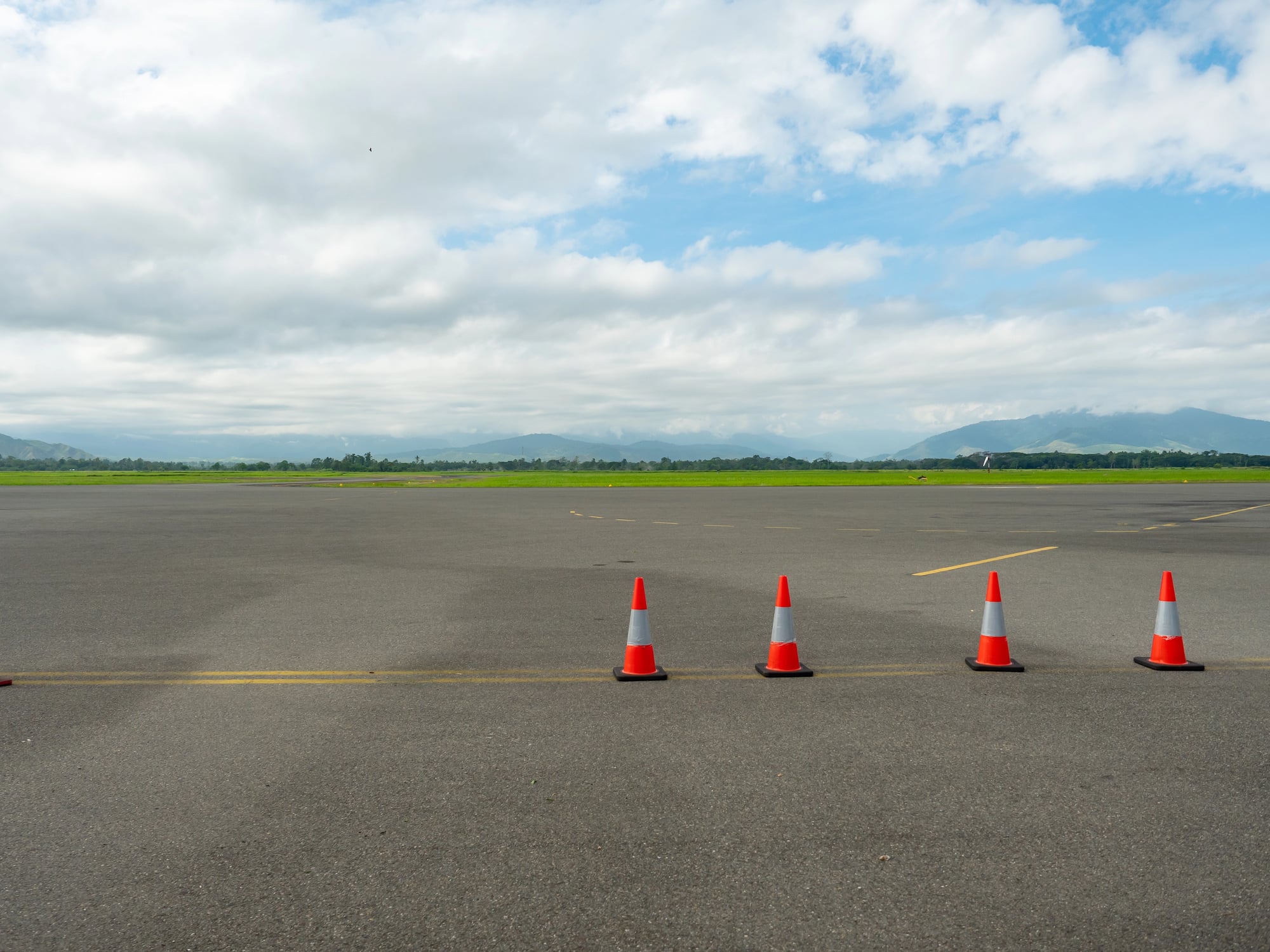
This World War II airfield was abandoned and reclaimed by jungle, leaving military infrastructure deteriorating under tropical conditions. The runways, hangars, and military structures represent the collision of modern warfare machinery with primal nature.
The site remains accessible but dangerous and remote.
Sloss Furnace, Birmingham
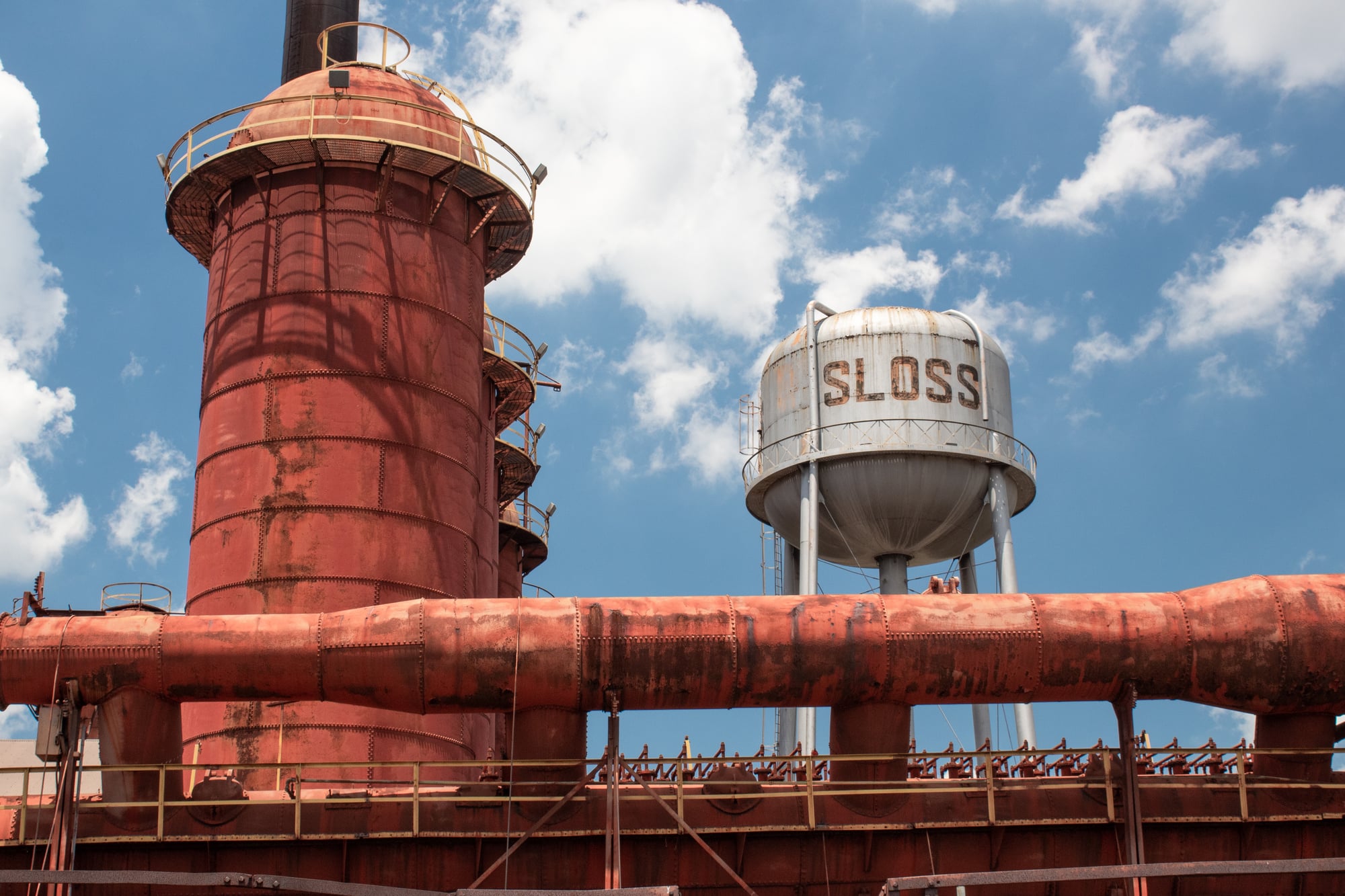
This massive iron foundry operated from 1881 until 1970. The industrial structure’s size and decay create an atmospheric monument to industrial history.
Now a cultural site, visitors can tour the furnace and surrounding structures, which preserve the visual record of heavy industry.
Wonderland Amusement Park, China
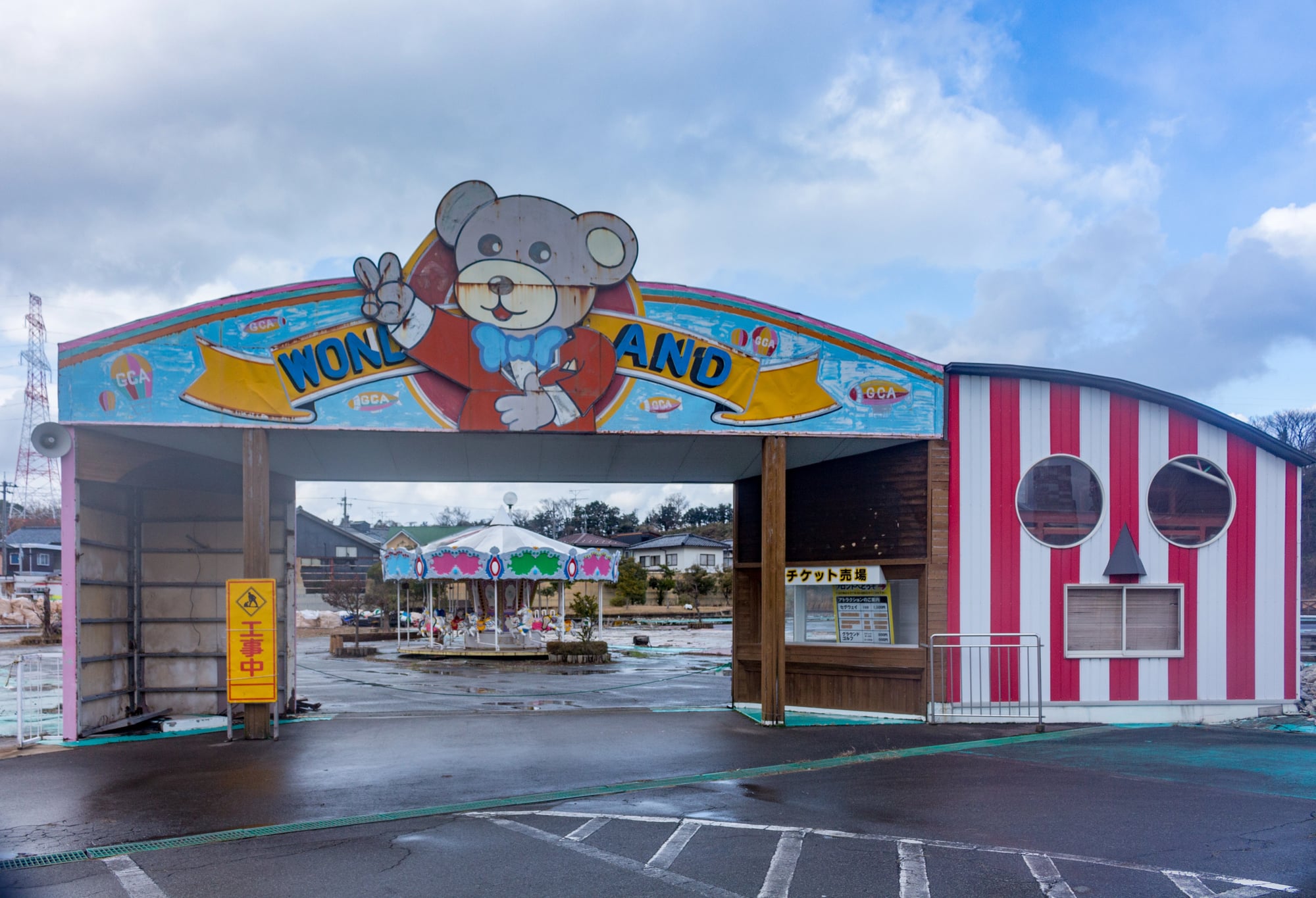
This theme park abandoned mid-construction in the 1990s sits half-finished and deteriorating, its incomplete attractions creating a haunting monument to failed development. The site captures the strangeness of architectural ambition meeting economic collapse.
Patarei Prison, Estonia
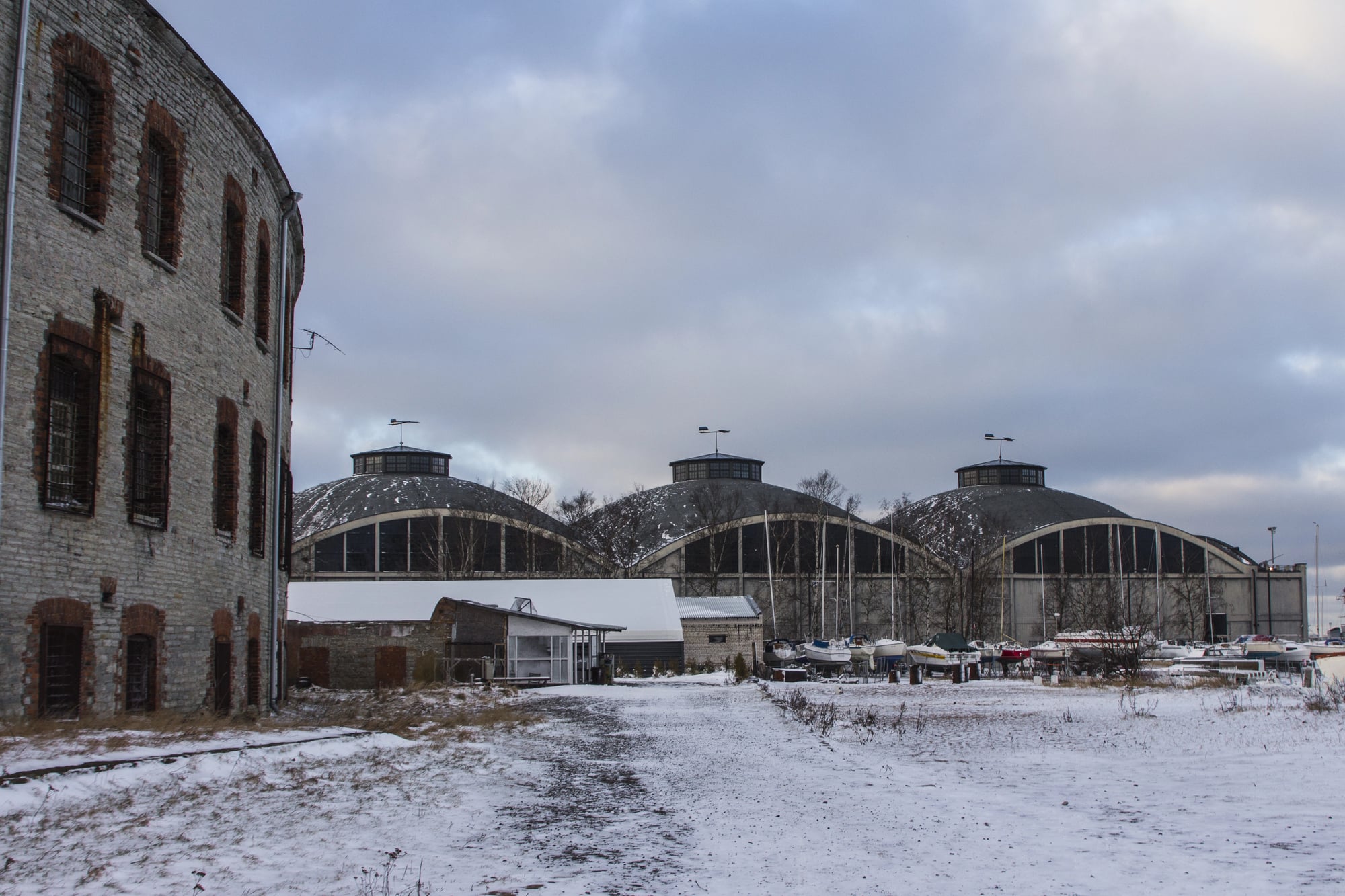
This Soviet-era prison remained operational until 1991 and was subsequently abandoned. The facility’s sparse Soviet design and prison equipment remain preserved, creating an eerie record of Cold War incarceration.
Official tours provide access to the cells and interrogation rooms.
Whittier Mansion, Michigan
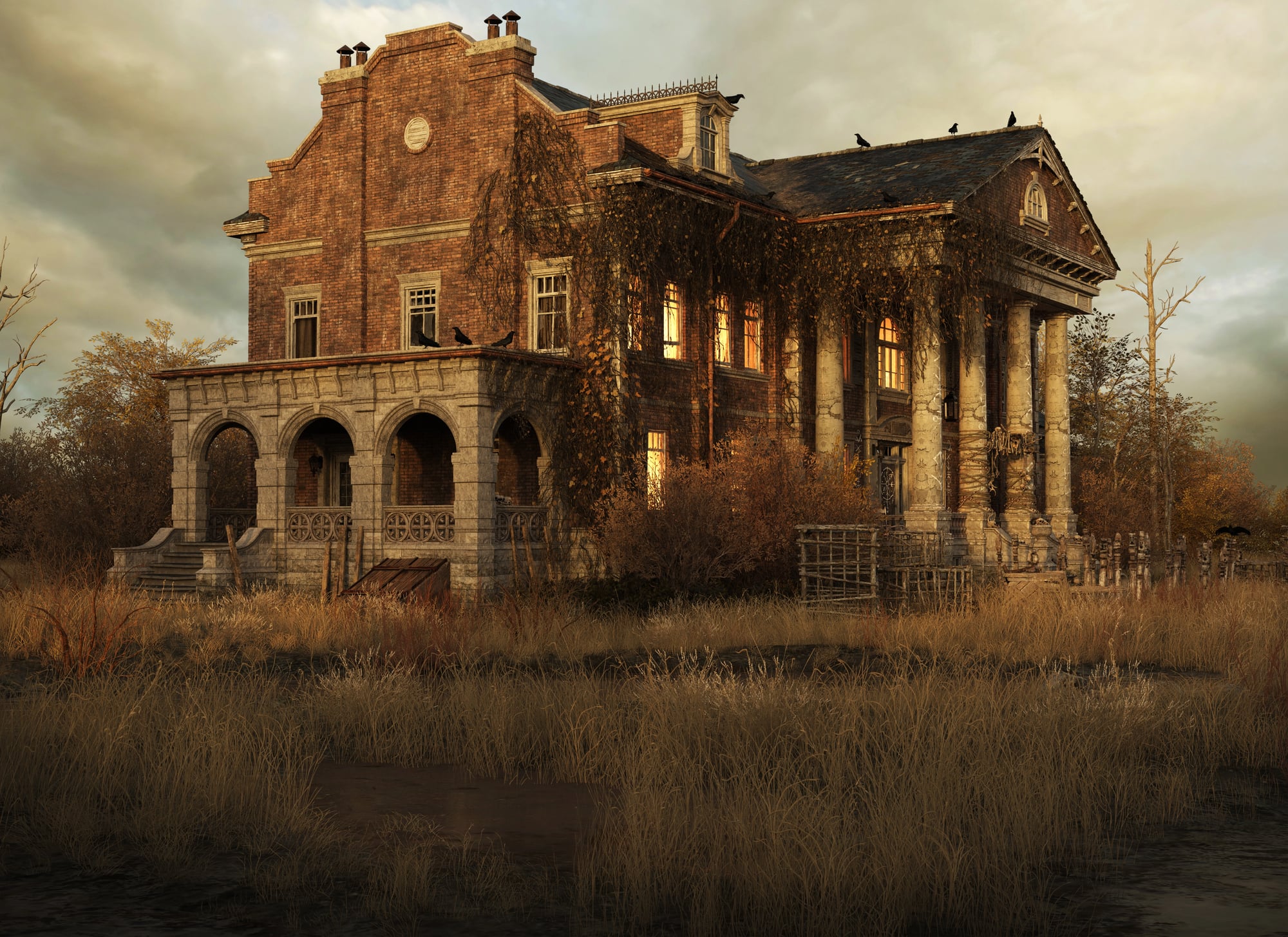
Once an opulent mansion, this structure sat abandoned and decaying for decades before eventual preservation efforts. The deterioration of grand Victorian architecture creates unsettling contrast between past grandeur and present decay.
The mansion’s emptiness emphasizes the passage of wealth and time.
Takakanonuma Greens Golf Club, Japan
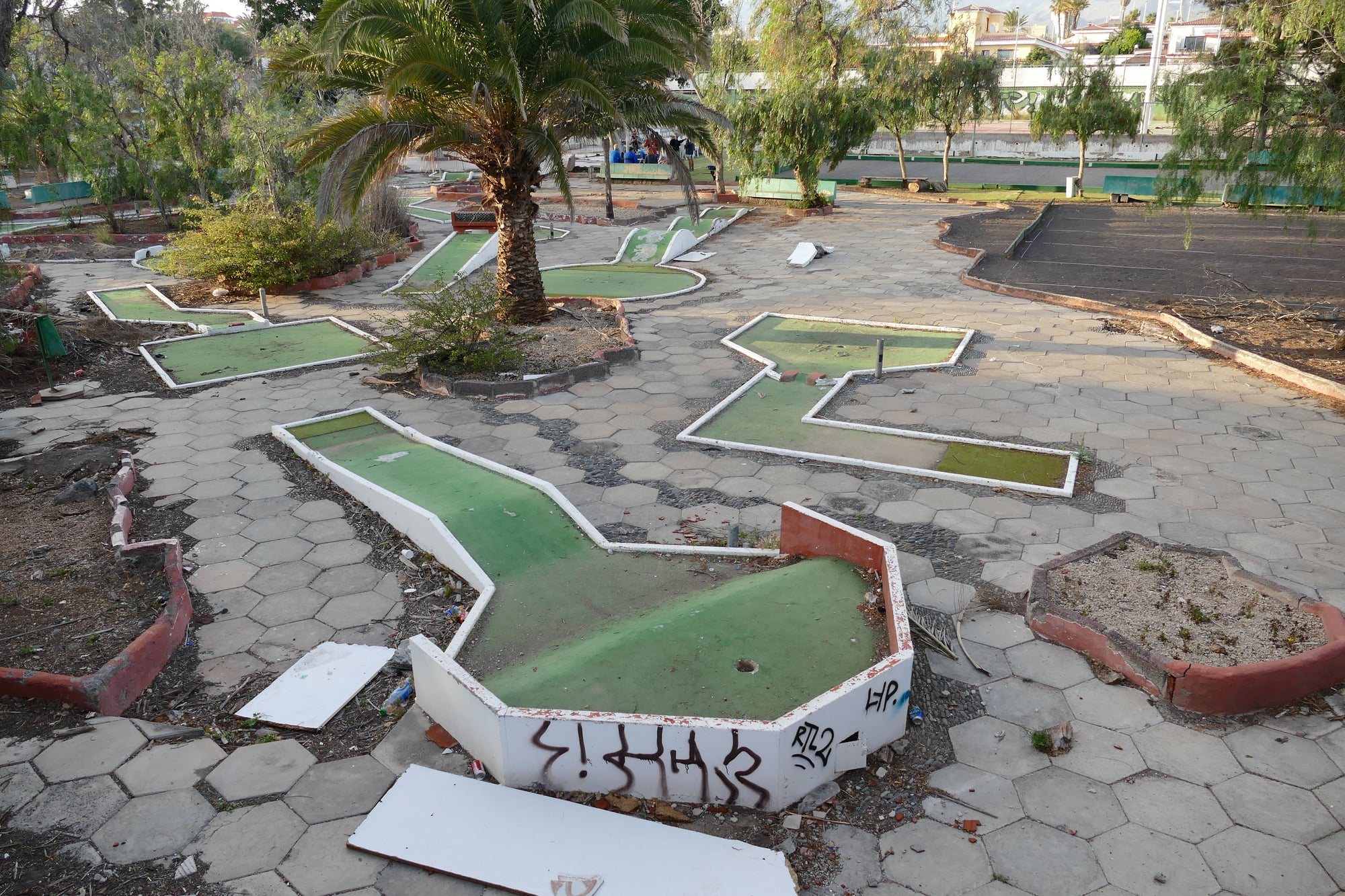
This golf club sat abandoned and deteriorating for years, its clubhouse and fairways gradually reclaimed by vegetation. The site captured the peculiar melancholy of abandoned recreation and leisure spaces.
Golf courses represent aspirational communities, making their abandonment particularly poignant.
Beelitz Heilstätten, Germany
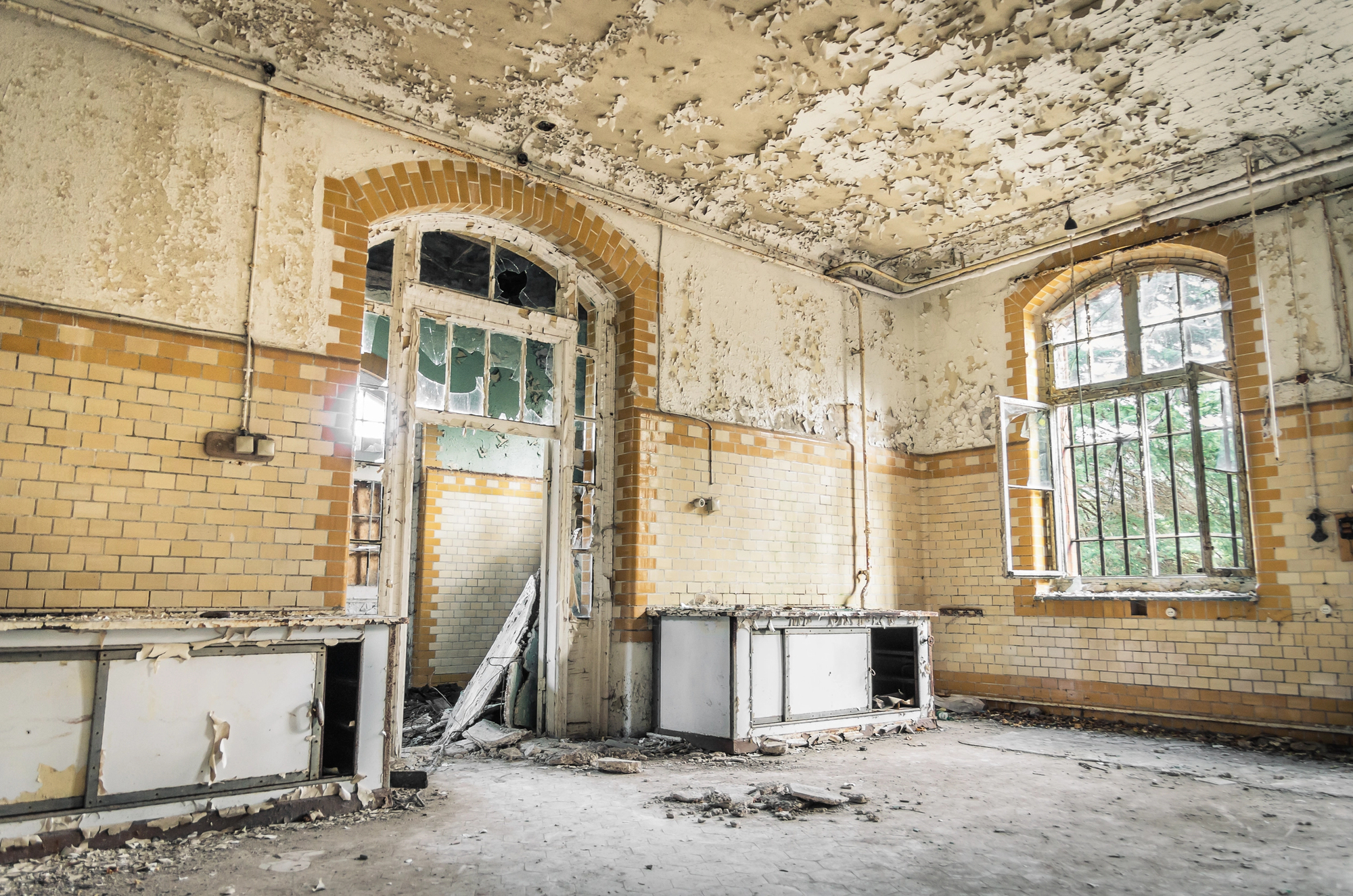
This sprawling World War I military hospital and subsequent asylum sat abandoned after the Cold War ended. The extensive grounds contain dozens of deteriorating buildings, creating a vast landscape of medical abandonment.
The site remains accessible to explorers documenting industrial decay.
Juarez, Mexico (Specific Neighborhoods)

Certain neighborhoods in Juárez became ghost towns due to drug violence and economic collapse. The abandoned homes, storefronts, and infrastructure represent abandonment through active violence rather than economic obsolescence.
The sites remain dangerous but represent extreme examples of population flight.
Buffalo Central Terminal, New York
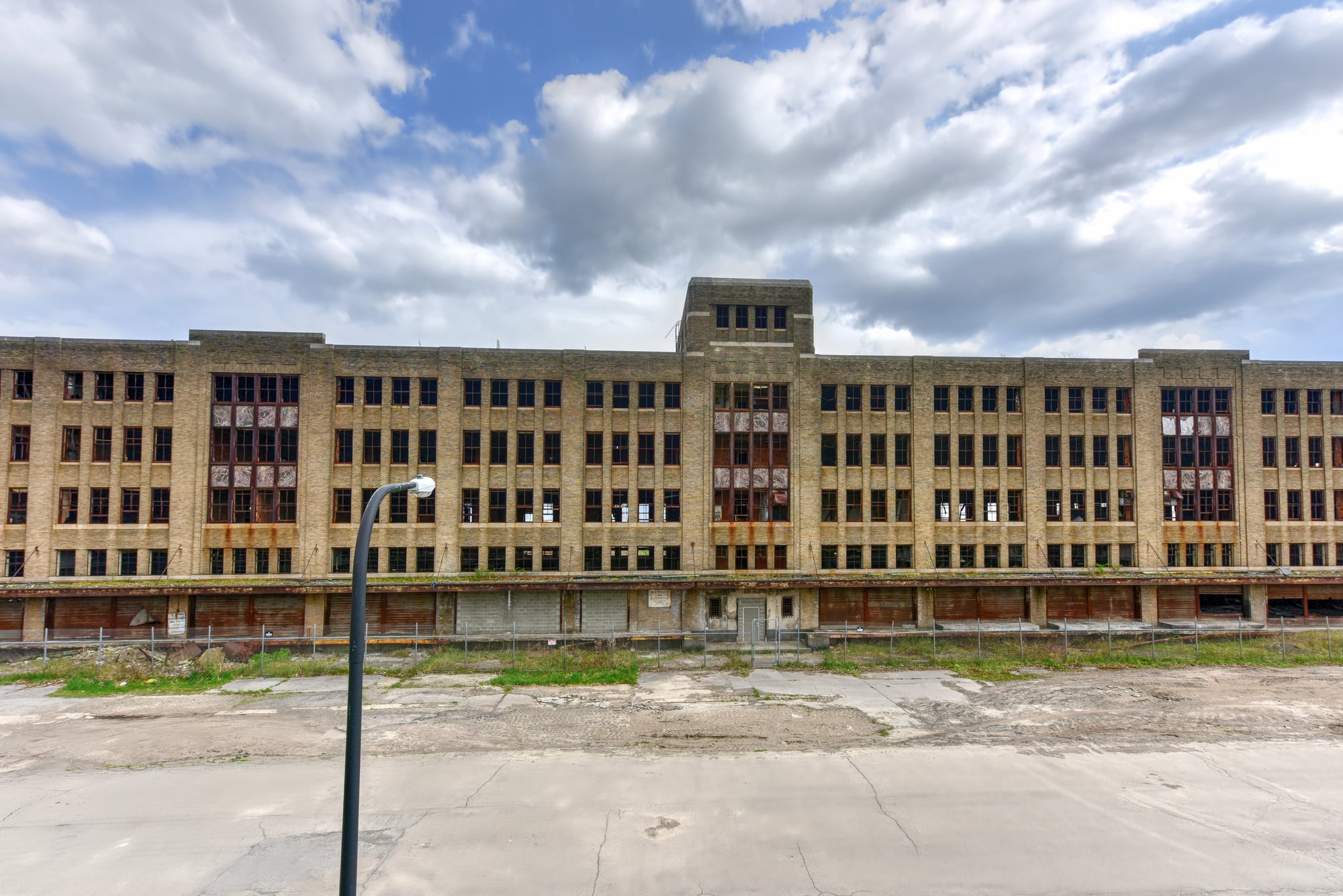
This Beaux-Arts train station operated for decades before closure in 1979. The abandoned building preserved Art Deco design and architectural grandeur alongside urban decay.
The structure now stands partially accessible, preserved as a record of transportation history and urban decline.
Shichirin Ghost Town, Japan
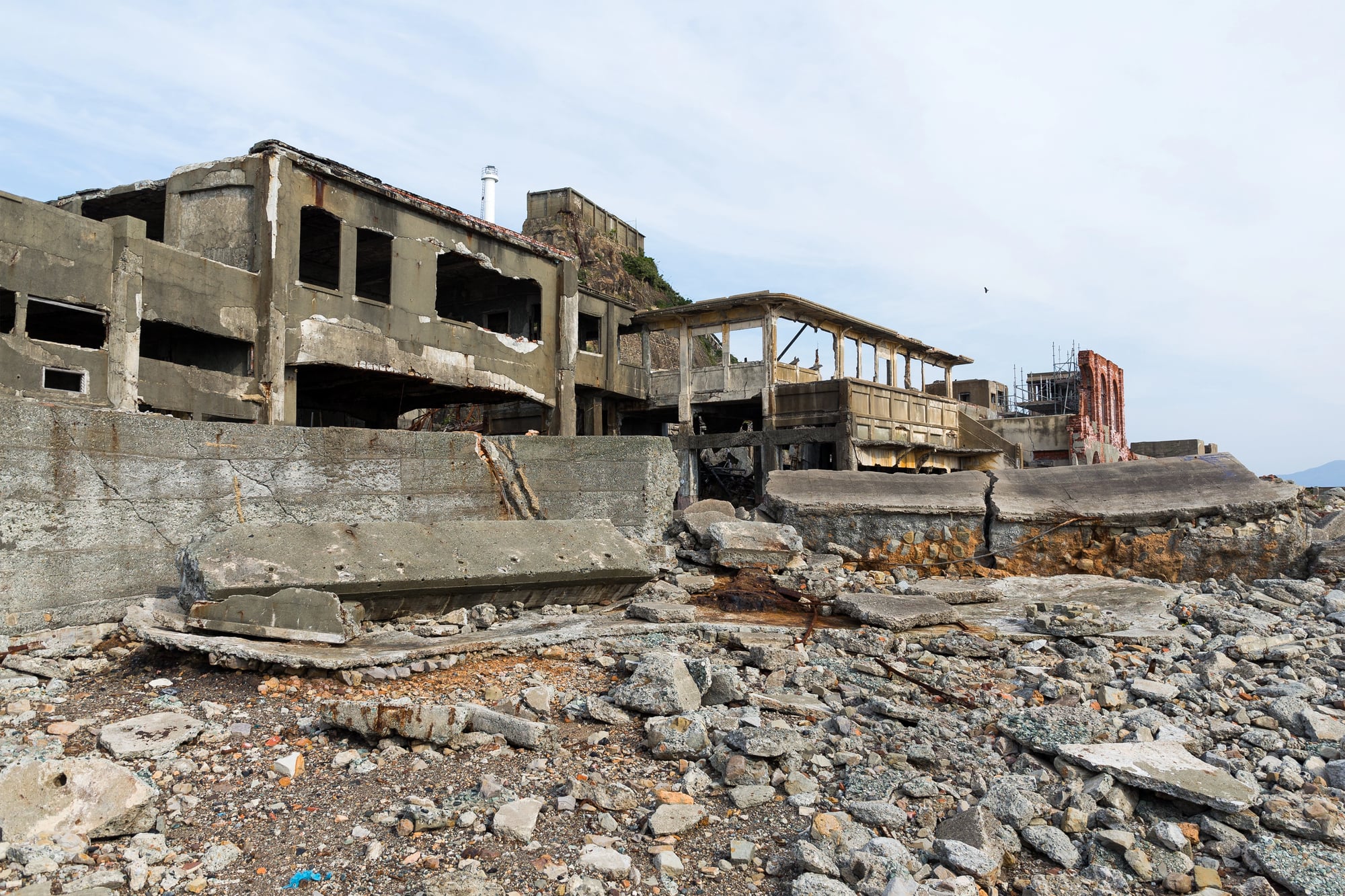
This mining town was completely abandoned and left to decay, creating a landscape of wooden houses and structures slowly consumed by vegetation. The site captures the intersection of nature and human abandonment in Japanese context, accessible to tourists navigating deteriorating infrastructure.
Fort D’Auvergne, Channel Islands
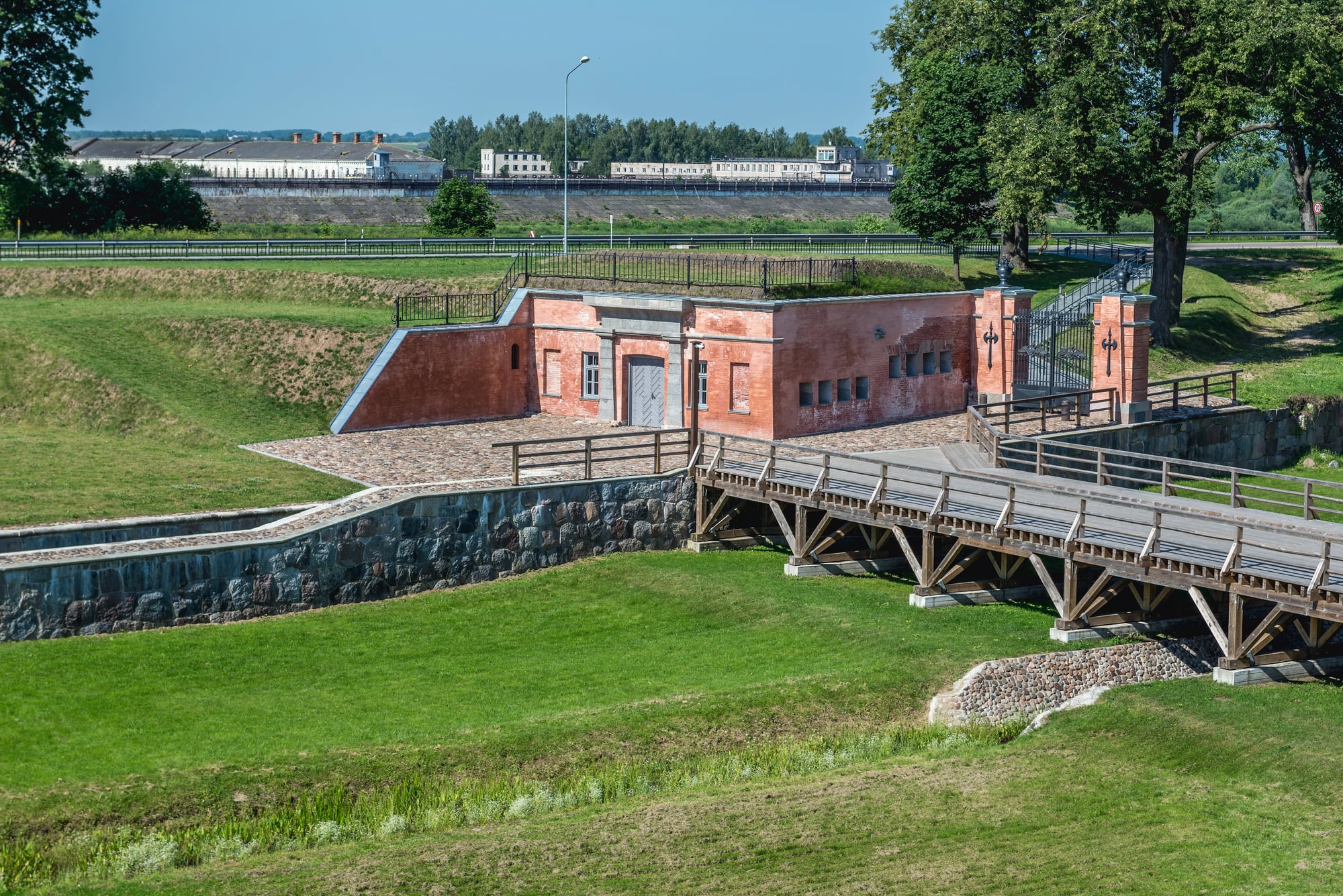
This military fortification was abandoned and left to decay, its massive structure now partially reclaimed by nature. The fort’s scale and decay create an impressive monument to military engineering and abandonment, accessible during specific seasons.
The Compulsion to Visit
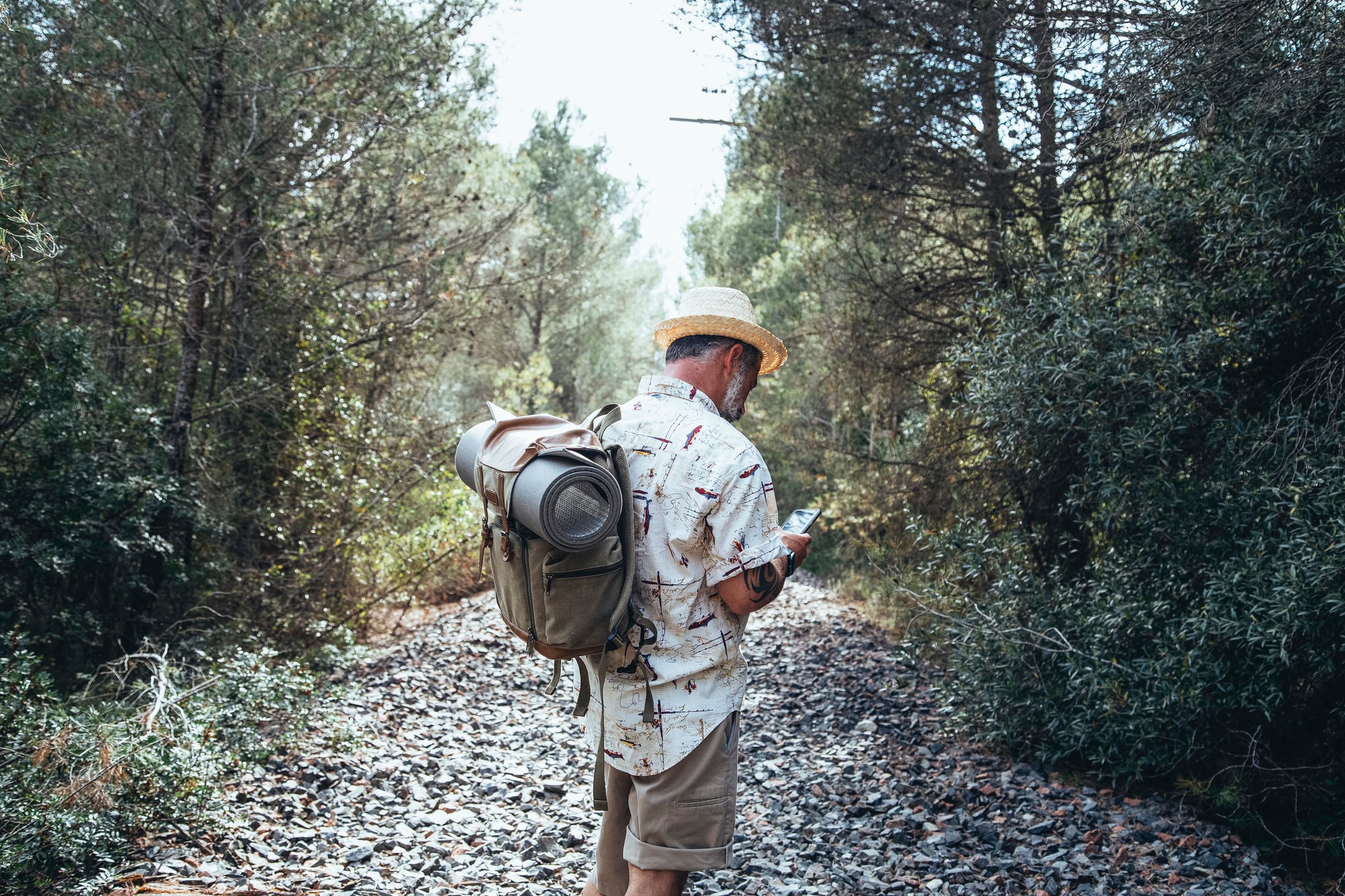
These places attract explorers not from morbid fascination alone but from recognition that abandoned spaces preserve history physically. They exist as tangible records of economic activity, human aspiration, disaster, and time’s inevitable erosion of human projects.
The power of these locations lies not in danger or spookiness but in their capacity to make history and change visible in material form, allowing visitors to confront directly the impermanence of human enterprise and the constant transformation of landscapes.
More from Go2Tutors!

- The Romanov Crown Jewels and Their Tragic Fate
- 13 Historical Mysteries That Science Still Can’t Solve
- Famous Hoaxes That Fooled the World for Years
- 15 Child Stars with Tragic Adult Lives
- 16 Famous Jewelry Pieces in History
Like Go2Tutors’s content? Follow us on MSN.



