25 Disco Era Habits from the ’70s That Younger Generations Will Never Fully Understand
The 1970s weren’t just about platform shoes and polyester suits. Behind the glitter and groove was an entire way of living that feels foreign to anyone who grew up with smartphones and streaming services.
These habits shaped daily life in ways that went far beyond the dance floor, creating rituals and routines that made perfect sense then but seem almost mystical now.
Memorizing Phone Numbers by Heart

People carried dozens of phone numbers in their heads like a mental rolodex. Seven digits per person, sometimes with area codes, all stored in the space where your brain now keeps WiFi passwords and Netflix login credentials.
Calling Movie Theaters for Showtimes
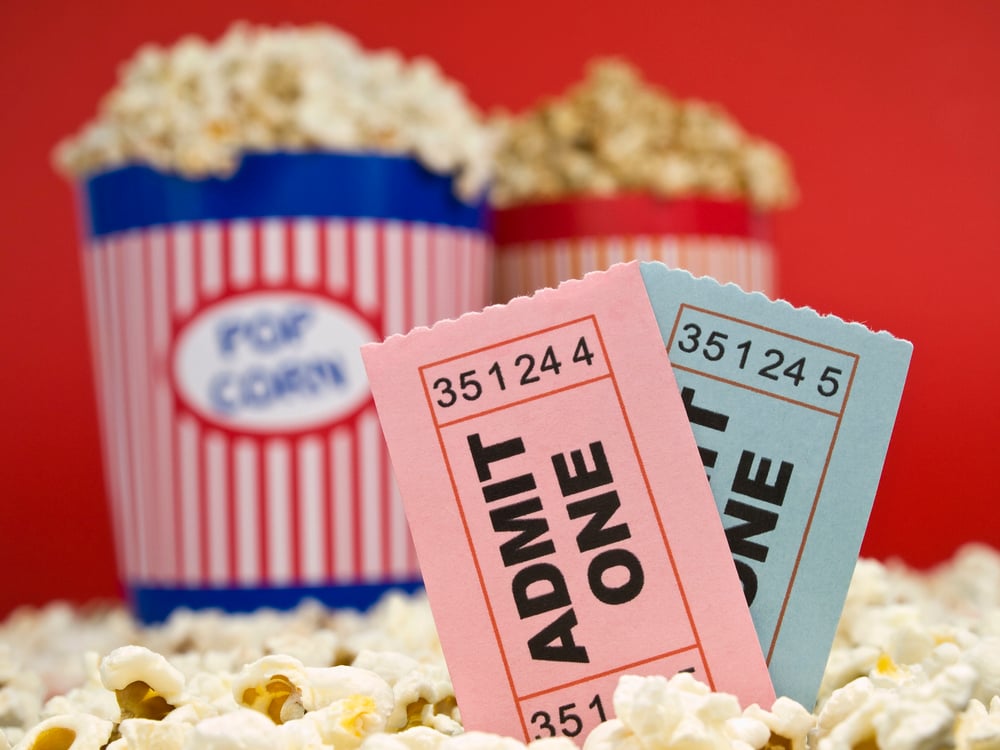
Every Friday night started with the same ritual: dialing the theater and listening to a recorded voice recite showtimes for every movie. The recording never seemed to start with the film you wanted, so you’d hang up and call back, hoping to catch it from the beginning.
Recording Songs Off the Radio
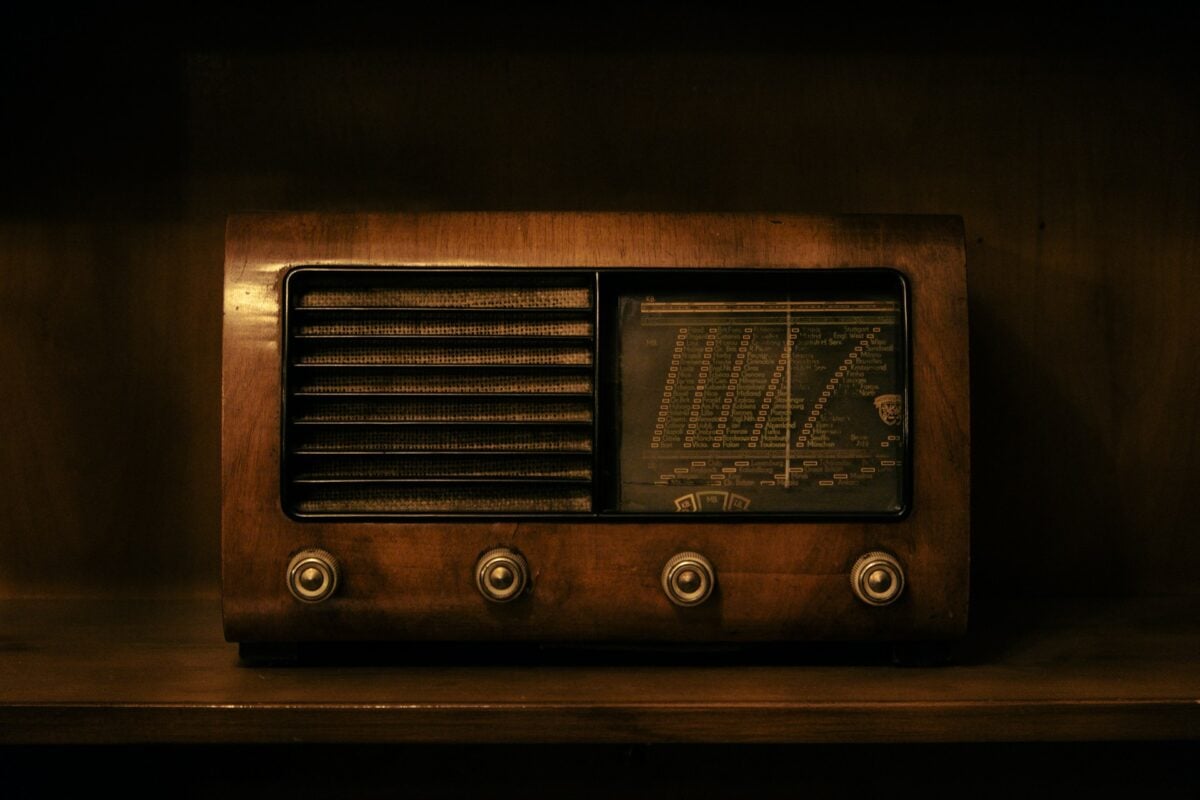
Timing was everything here — and it required the patience of a bomb defuser paired with the reflexes of a cat. You’d sit by the radio for hours, finger hovering over the record button, waiting for that one song to play (which the DJ inevitably talked over the intro, ruining your perfect mixtape).
But when you caught it clean, without interruption, it felt like catching lightning in a bottle. So you’d rewind and play it back immediately, just to make sure the magic was real.
Using TV Guide to Plan Your Week
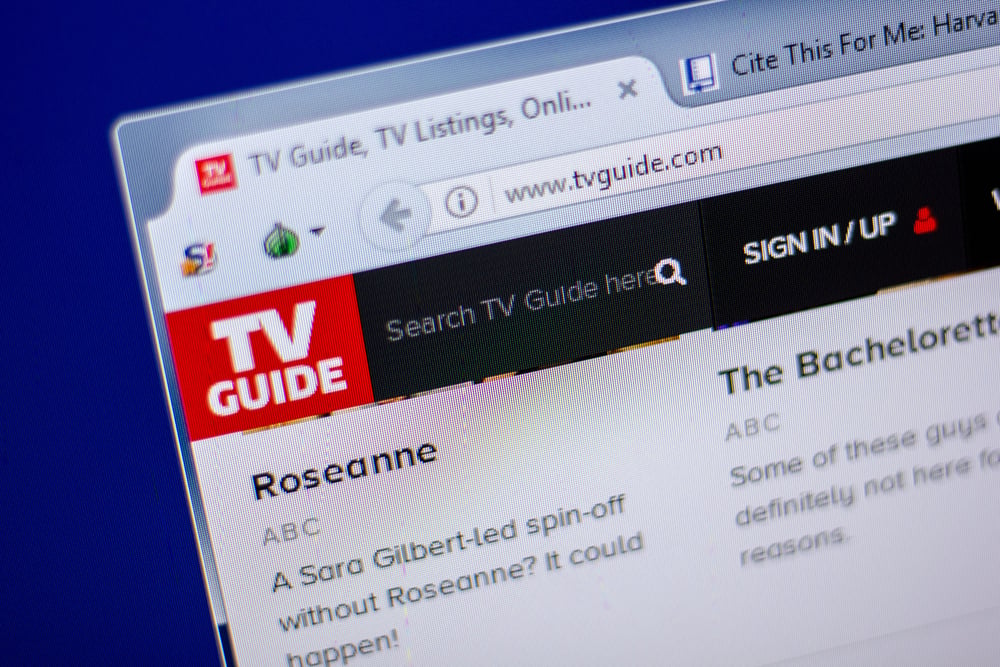
Television scheduling was an art form that required advance planning. People would sit down with TV Guide every Sunday, pen in hand, mapping out their viewing week like generals planning a campaign.
Missing your show meant missing it entirely.
Waiting for Film to Be Developed

You took 24 or 36 photos, then waited days to see if any of them turned out. Half the roll might be overexposed disasters, but you’d still pay to develop every single frame because you had no choice.
Making Elaborate Mixed Tapes
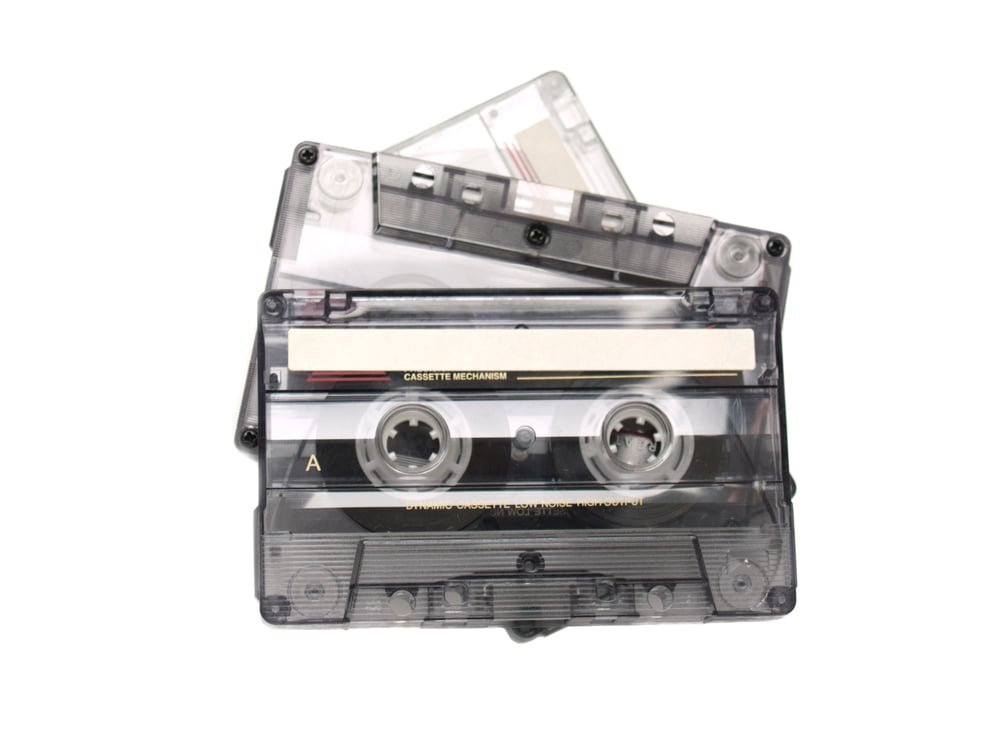
Creating the perfect mixtape was like composing a symphony — each song had to flow into the next, the energy had to build and release at just the right moments, and you had to account for the exact length of each side so nothing got cut off mid-chorus. The pause button became your most valuable tool, allowing you to create seamless transitions between tracks.
And the dedication was real: people would spend entire afternoons crafting a single 90-minute tape, treating each selection like it was going to be preserved in the Library of Congress.
Adjusting TV Antennas for Better Reception
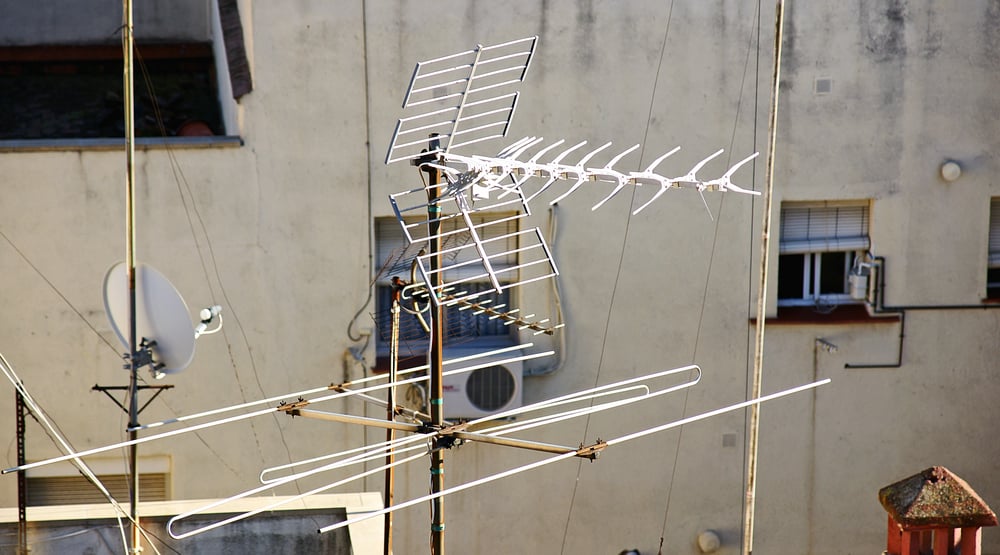
Television watching was an interactive sport. Someone always got designated as the antenna adjuster, standing by the TV with rabbit ears, slowly rotating and tilting until the picture cleared up.
“Hold it right there!” became the most common phrase in American living rooms.
Keeping Address Books

These little leather-bound books contained the complete social network of your life. Addresses got crossed out and rewritten as people moved, phone numbers were updated in different colored ink, and losing your address book was like losing your entire social world.
Planning Around TV Schedules

Your social life revolved around television programming in ways that seem almost primitive now. Dinner had to be finished before your show started at 8 PM, and making plans on certain nights required careful negotiation because missing an episode meant missing it forever — there was no rewinding, no recording unless you owned a VCR, and certainly no watching it online later.
People would actually say things like “I can’t go out Thursday nights because that’s when my show is on,” and everyone understood this was a perfectly reasonable social boundary.
Using Phone Booths for Privacy
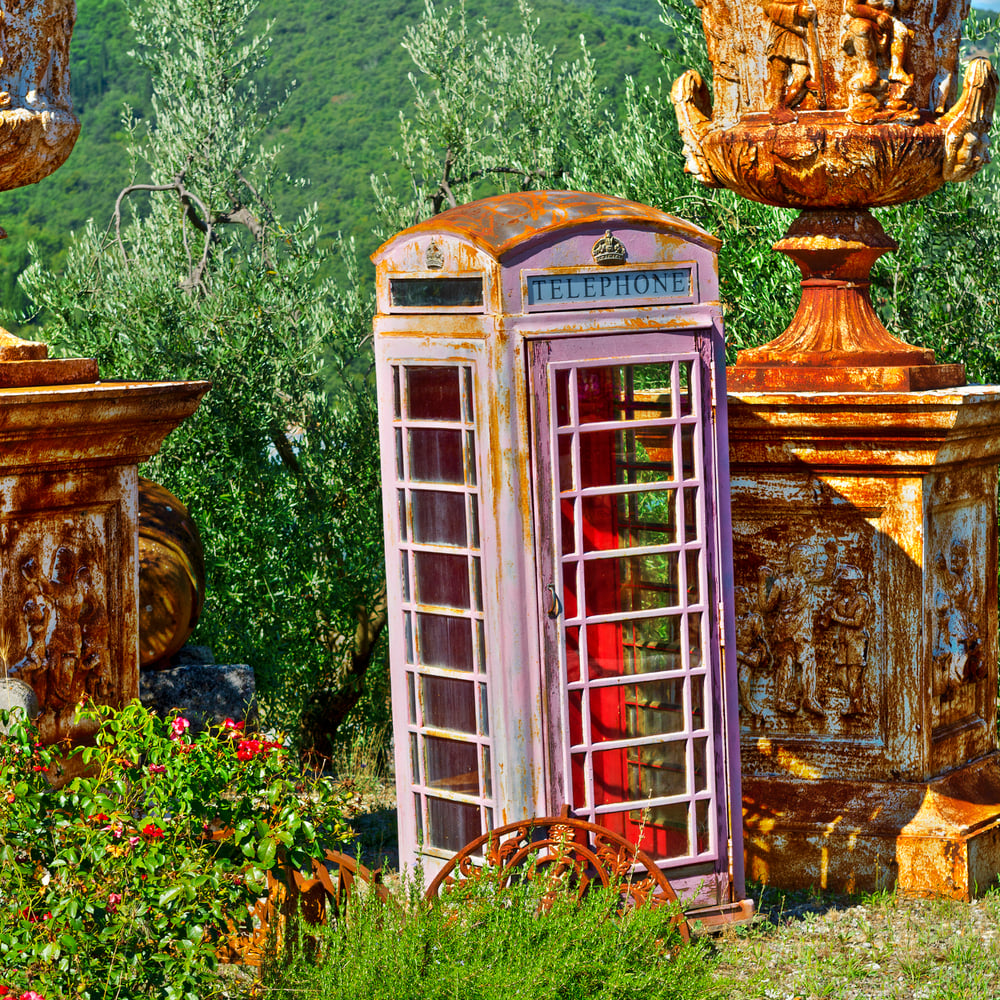
Phone booths served as personal confession booths scattered across the city. When you needed to have a conversation away from family or roommates, you’d walk to the nearest booth, close that heavy glass door, and suddenly have complete privacy in the middle of a busy street.
Buying Albums Based on One Hit Song

You’d hear a song on the radio, love it enough to buy the entire album, then discover the rest of the songs ranged from mediocre to unlistenable. But you were stuck with all twelve tracks whether you liked them or not.
Reading Newspapers for Movie Reviews

Finding out whether a movie was worth seeing required waiting for the weekend paper and reading actual film critics. You’d plan your entire movie-going strategy around what the newspaper reviewer thought, and their opinion carried serious weight in your entertainment decisions.
Memorizing TV Commercial Jingles

Advertising jingles burrowed into people’s brains and set up permanent residence there — and this was before anyone understood this as a marketing strategy worth billions. Every product had a musical hook that people could sing word-for-word decades later, from “I’d like to buy the world a Coke” to “Hot dogs, Armour hot dogs, what kind of kids eat Armour hot dogs?” These weren’t just commercials; they were the unofficial soundtrack of daily life.
And the strangest part was that people genuinely enjoyed them, gathering around the TV for certain ads the way families now gather around YouTube videos.
Using Payphones as Meeting Coordinates
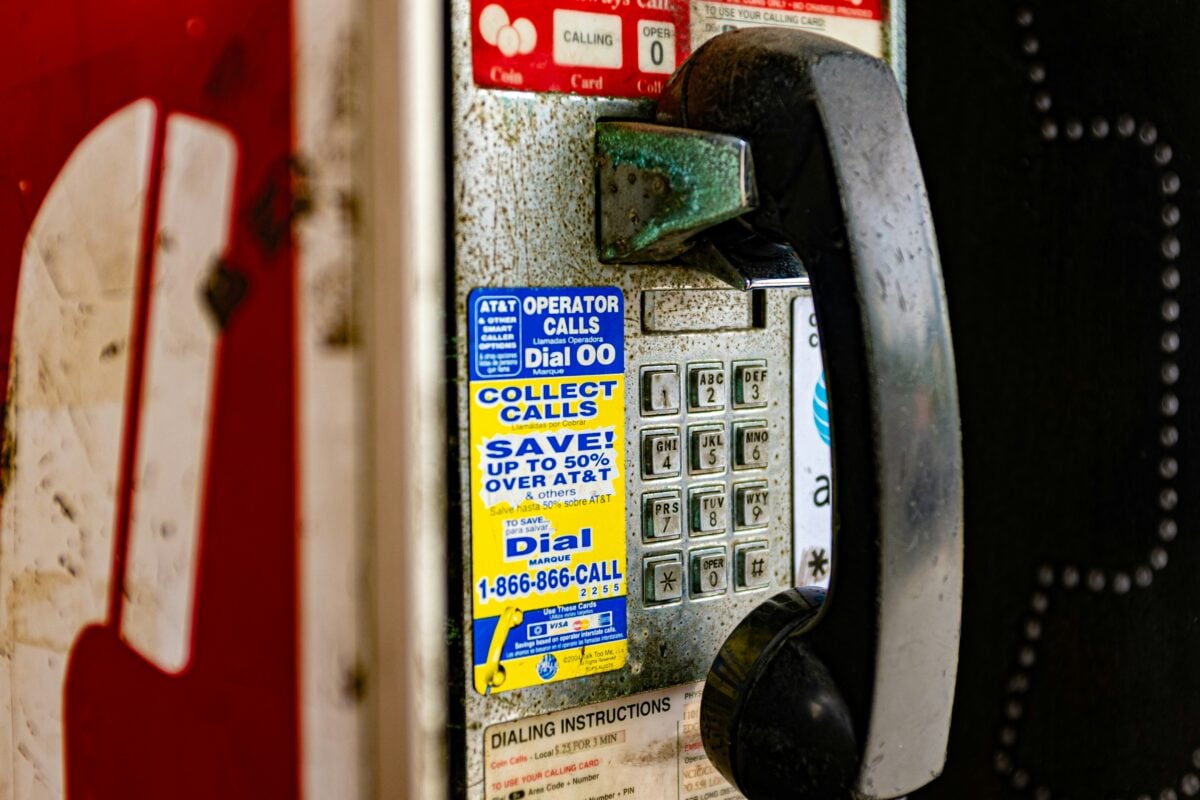
“Meet me at the payphone outside the drugstore” was a perfectly valid set of directions. Payphones served as landmark navigation points throughout every neighborhood, and people used them as reliable meeting spots because they never moved.
Calling Time and Temperature Services

Every city had a phone number you could call to hear the current time and temperature. This service got called constantly — not just for the information, but because the recording was always accurate and somehow comforting in its reliability.
Watching Movies Years After Their Theater Release

Movies disappeared from theaters and vanished into thin air until they showed up on television years later. Catching a film you missed in theaters required patience and luck — you’d have to wait for it to cycle through TV programming, and when it finally appeared, it came with commercial interruptions every ten minutes.
Planning Shopping Trips Around Store Hours

Shopping required strategy because stores actually closed — and not just late at night, but often by 6 PM on weekdays and 5 PM on Saturdays. Sunday shopping was impossible in many places due to blue laws, so you had to plan your errands around these limited windows or go without whatever you needed until Monday.
Using Maps and Asking for Directions

Getting lost was a normal part of driving anywhere unfamiliar — and getting un-lost required either unfolding a massive paper map while pulled over on the side of the road, or stopping at gas stations to ask strangers for directions. People kept atlas books in their glove compartments like survival gear, and the person in the passenger seat automatically became the navigator, responsible for reading tiny street names and calculating distances.
Wrong turns meant genuine adventures, sometimes adding hours to simple trips, but everyone accepted this as the natural cost of going places.
Writing Letters by Hand
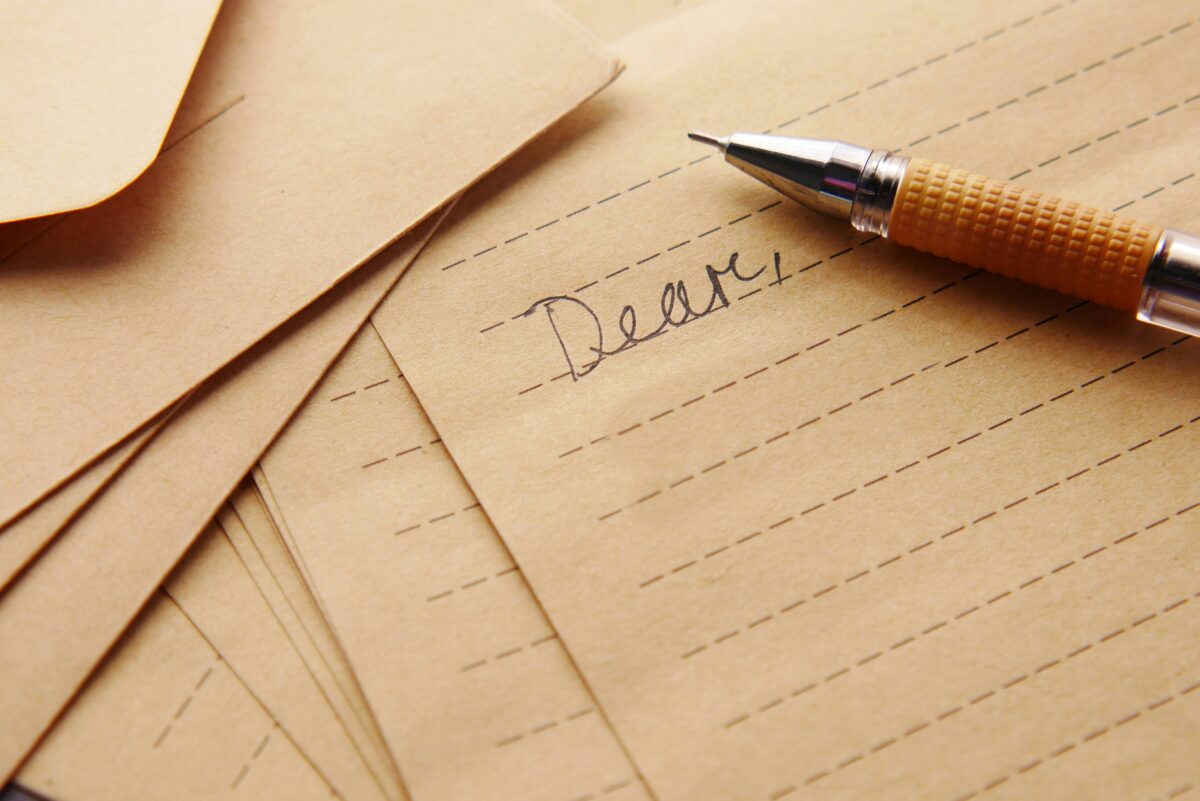
Correspondence meant sitting down with pen and paper, thinking through your thoughts before writing them down, because starting over meant starting completely over. Letters carried weight because they required effort, and people saved them in shoeboxes for decades.
Remembering Birthdays Without Digital Reminders

People kept birthday calendars and actually remembered important dates through mental effort alone. Missing someone’s birthday was considered a serious social failure because you had no technological excuse for forgetting.
Going to the Bank During Banking Hours

Banks closed at 3 PM and stayed closed until Monday morning, so managing your money required planning ahead. Running out of cash on Friday night meant you were broke until Monday, and depositing a check was a task that had to fit into your weekday lunch break.
Using Encyclopedia Sets for Research

Research meant getting up from your desk and walking to a bookshelf lined with 24 volumes of encyclopedias. You’d pull out the appropriate letter, flip through pages until you found your topic, and accept whatever information was printed there as complete and final.
Watching Saturday Morning Cartoons as Events

Saturday mornings belonged entirely to children’s programming, creating a weekly ritual that felt like a national holiday for kids. The cartoons started at a specific time, followed a carefully curated lineup, and ended when they ended — usually around noon, when adult programming took over and childhood officially paused until the following week.
Agreeing on One TV Channel for the Whole Family

Television was a shared experience that required negotiation and compromise because most homes had exactly one TV set. Families had to reach consensus on what to watch, or someone had to pull rank and make the decision for everyone else.
Channel surfing was limited by the fact that changing channels meant getting up and turning a dial, so once you settled on something, you usually stayed there for the duration.
Accepting That Some Information Was Simply Unavailable

The most foreign concept of all might be this: when you wanted to know something and couldn’t find the answer easily, you just lived without knowing. That actor’s name from that movie you saw five years ago, the exact temperature in Paris right now, whether that restaurant down the street was still open — these questions would pop into your head and then fade away, unanswered.
People developed a comfortable relationship with uncertainty that seems almost zen-like now, accepting that some curiosities would remain mysteries unless you were willing to invest serious effort in solving them.
When Everything Moved a Little Slower

These habits formed the rhythm of an era that moved at human speed rather than digital speed. Each required patience, planning, and an acceptance that some things simply took time. There was no instant gratification, no immediate answers, and no ability to fast-forward through the boring parts.
What younger generations might see as inconvenience, the disco era simply called life — and somehow, people not only survived it but found ways to make it feel like the most exciting time in the world.
More from Go2Tutors!

- The Romanov Crown Jewels and Their Tragic Fate
- 13 Historical Mysteries That Science Still Can’t Solve
- Famous Hoaxes That Fooled the World for Years
- 15 Child Stars with Tragic Adult Lives
- 16 Famous Jewelry Pieces in History
Like Go2Tutors’s content? Follow us on MSN.