25 Old Music Magazines and Fanzines from the ’70s and ’80s That Collectors Actually Want
The smell hits you first in a record store that knows what it’s doing: paper and ink, decades of dust, cardboard sleeves, and the weight of obsession. That’s where you’ll find them, tucked between the vinyl crates — stacks of old music magazines with covers that promised to tell you everything about bands you’d never heard of but desperately wanted to understand.
Before the internet, these magazines and fanzines were how you discovered your next favorite album and found out your heroes were as strange and human as you suspected. The writers had opinions, the photography was raw, and the interviews went places PR handlers today would never allow.
One word on prices before the list: magazine values swing enormously with condition, cover subject, and whether an issue has become iconic, so the figures below are rough ranges for clean copies, not guarantees. Newsprint was made to be thrown away, so well-preserved copies are scarcer than the print runs suggest. Get anything special appraised.
Rolling Stone
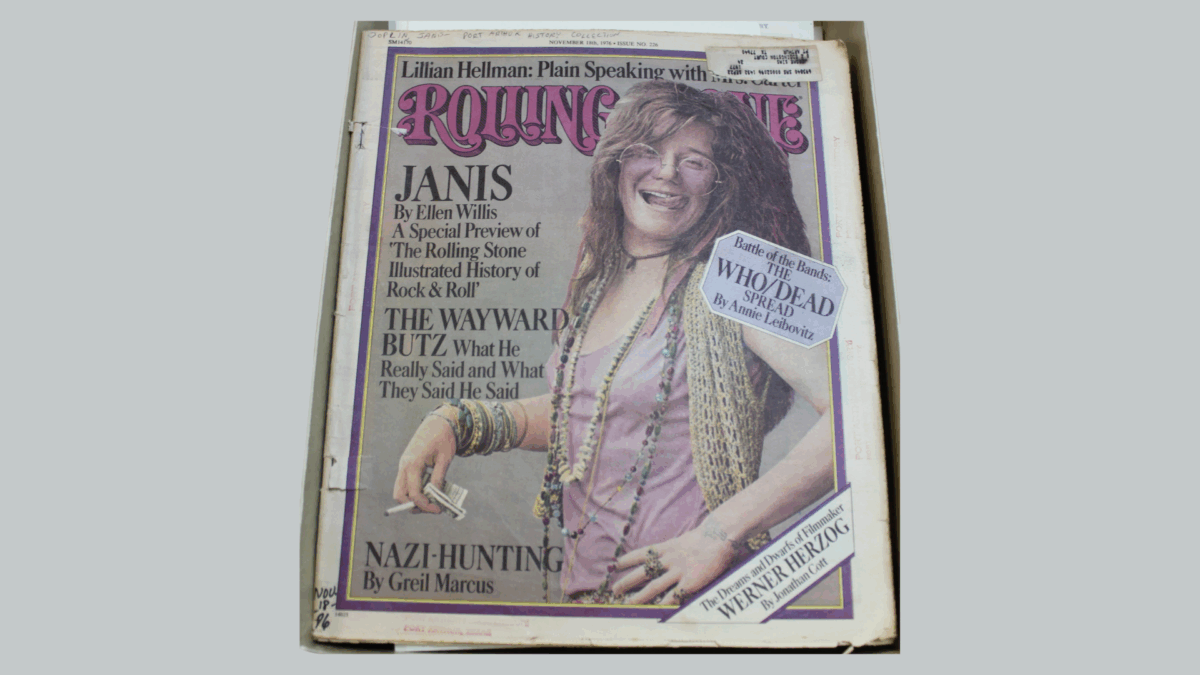
Rolling Stone from the early ’70s moves differently than the magazine it became. Issues from roughly 1970 to 1975 carry weight — literally and figuratively.
The paper stock was heavier, the articles longer, the cultural moment more urgent. The genuinely collectible issues tend to be tied to specific moments and writers.
The Janis Joplin memorial issue (No. 69, October 29, 1970, published a few weeks after her death) is a frequently sought example, though clean copies are more affordable than people assume, often in the low tens of dollars rather than the hundreds. Collectors also chase Hunter S. Thompson’s gonzo dispatches, early Led Zeppelin coverage, and a young Cameron Crowe’s bylines before he was famous for writing about being a young writer.
Condition and the specific cover drive the price far more than age alone.
Creem
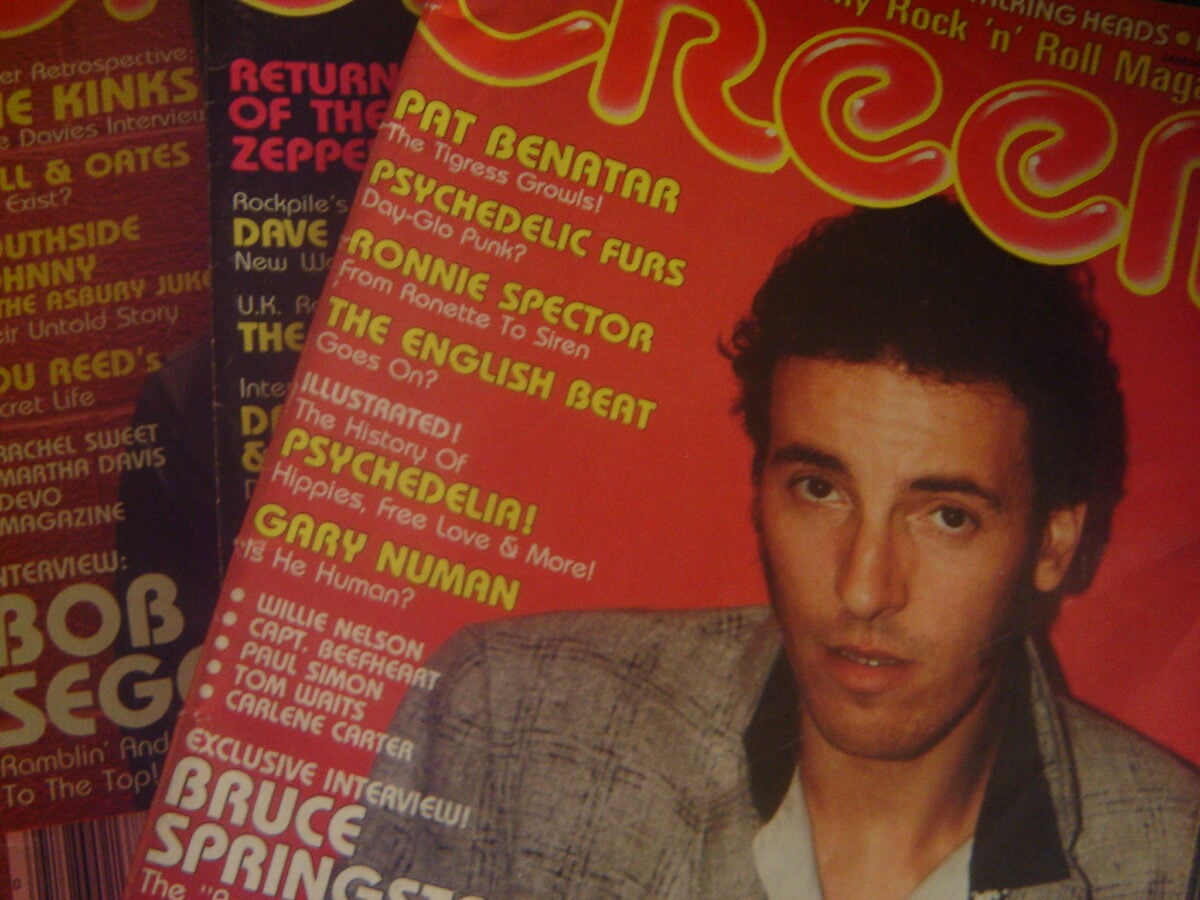
The magazine that billed itself as “America’s Only Rock ‘n’ Roll Magazine” earned the swagger. Detroit-based Creem ran from 1969 into the late ’80s, but its golden years were the mid-’70s, when Lester Bangs was dismantling rock mythology one brilliant, unhinged review at a time.
Issues carrying a Bangs byline draw particular attention — his Lou Reed sparring matches, his reviews, his rambling meditations on what rock meant to Midwestern kids read like letters from someone who cared too much to be polite. Mid-’70s issues in good shape tend to sell in the tens of dollars, climbing higher for marquee cover stars or especially sought-after issues.
Punk Magazine
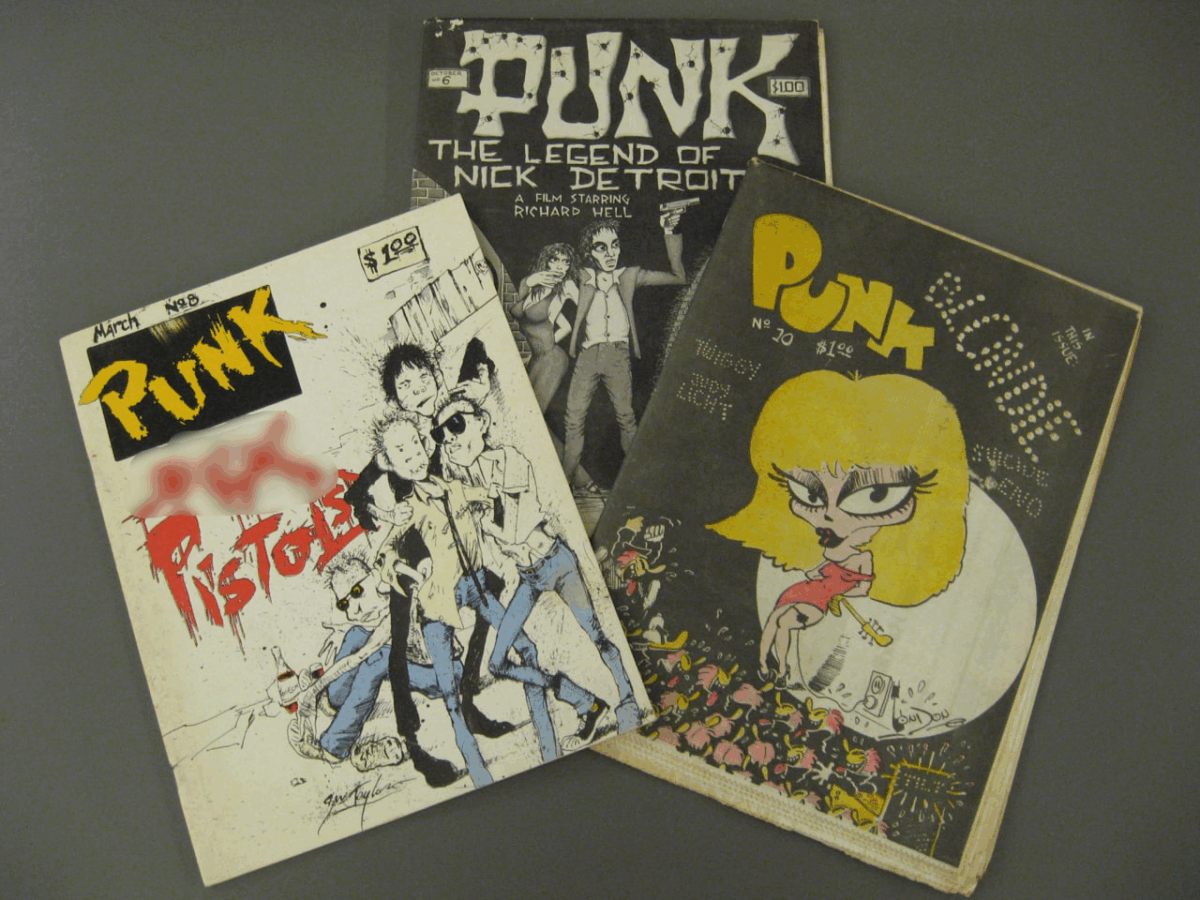
John Holmstrom, Legs McNeil, and Ged Dunn launched Punk in 1975–76 (the famous origin story involves not much money and a lot of nerve, and in the world of fanzines the story matters as much as the budget). It ran only a few years, but those years coincided exactly with the explosion of American punk.
The first issue, dated January 1976 — featuring a Lou Reed interview and Holmstrom’s own cartoon artwork — is a genuine grail of punk collecting, and clean copies command serious money, often well into the hundreds. Later issues hold value too, because Punk documented the Ramones, Blondie, and Talking Heads in real time, before anyone knew they’d define a generation.
The deliberately amateur style was the point; it felt more honest than the slick rock press of the era.
New Musical Express (NME)
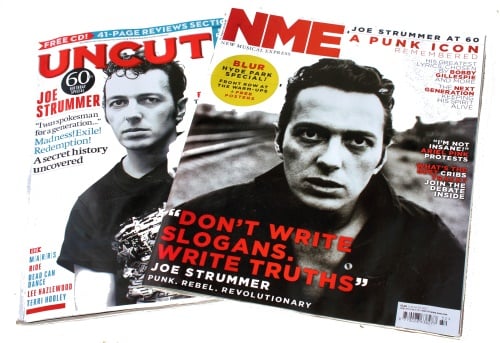
NME was British, weekly, and ruthless. Through the late ’70s and early ’80s it functioned as the unofficial bible of post-punk and new wave, tracking whatever strange hybrids were crawling out of Manchester, Sheffield, and London squats.
Issues from roughly 1977 to 1982 are especially collectible — the era when writers like Nick Kent, Julie Burchill, and Tony Parsons treated criticism like combat journalism, capable of launching or knifing a career. A strong cover (The Clash, Joy Division) in good condition can fetch a meaningful premium, but seasoned collectors often prize the back pages just as much: terse early reviews of bands that became legends, or yet another three-page argument about why punk was already dead.
Melody Maker
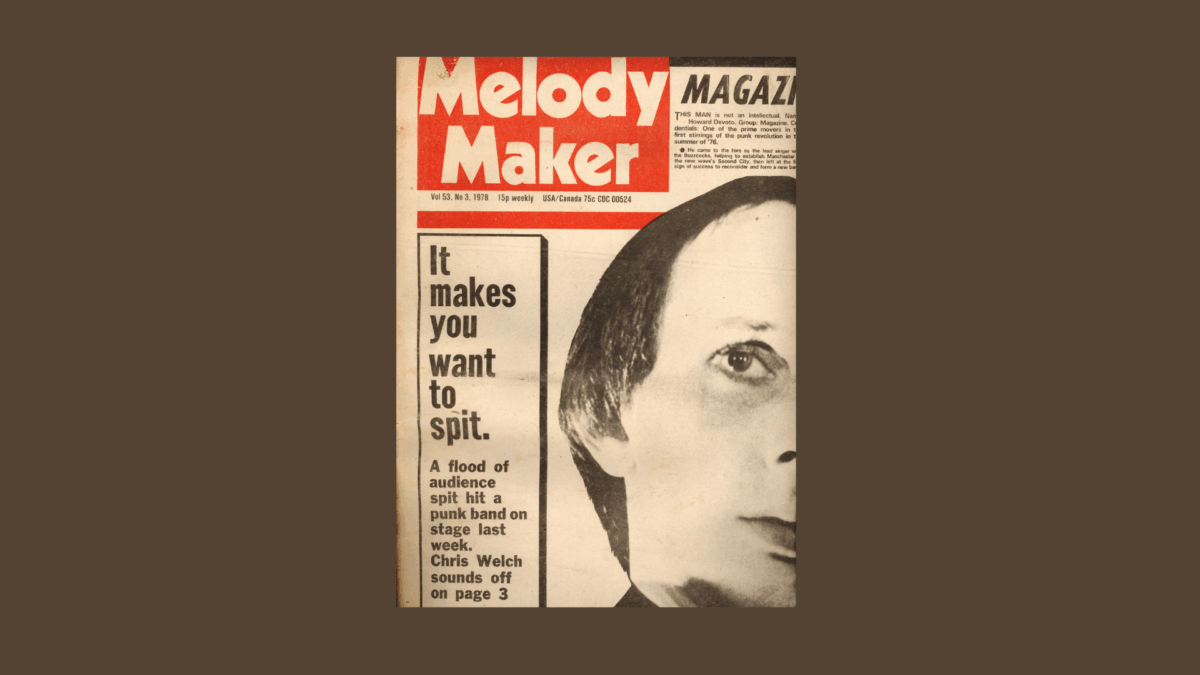
Melody Maker styled itself as NME’s more serious older sibling, leaning toward musicianship and craft over fashion and attitude. It ran from 1926 all the way to 2000, but its collector reputation rests on its ’70s coverage of progressive rock, hard rock, and the more ambitious end of the decade.
Issues with major Led Zeppelin, Pink Floyd, or Yes features are favorites, generally selling in the tens of dollars depending on cover and condition. Melody Maker’s real distinction was taking complicated music seriously — its writers actually engaged with what Robert Fripp was up to in King Crimson — which makes its early-to-mid-’70s issues read like careful archaeology today.
Slash
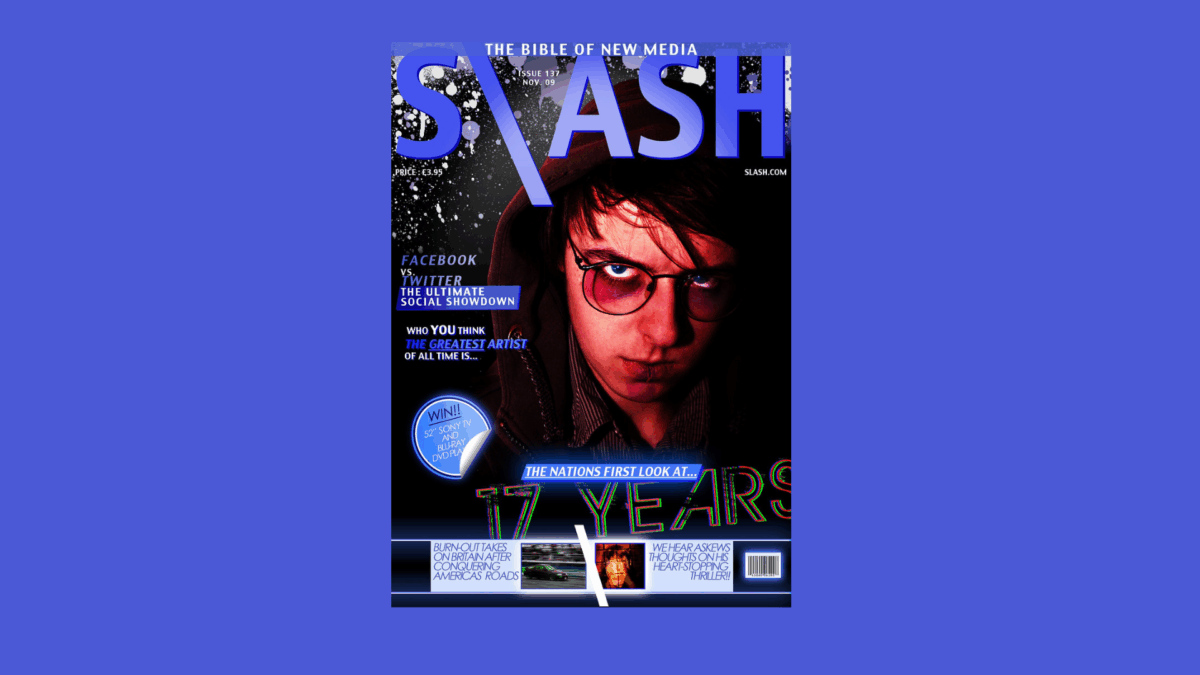
Slash launched in Los Angeles in 1977, founded by Steve Samiof and Melanie Nissen with a simple goal: cover punk the way punk deserved — cheaply, passionately, without apology. The design looked like ransom notes assembled by art-school dropouts, which is roughly what it was.
Its value to collectors lies both in what it documented — X, Black Flag, The Germs, the whole L.A. scene — and how, with interviews that read like conversations between friends and stark black-and-white photography. Clean issues from its 1977–1980 run can command strong prices, with the earliest issues the most prized of all.
Search and Destroy
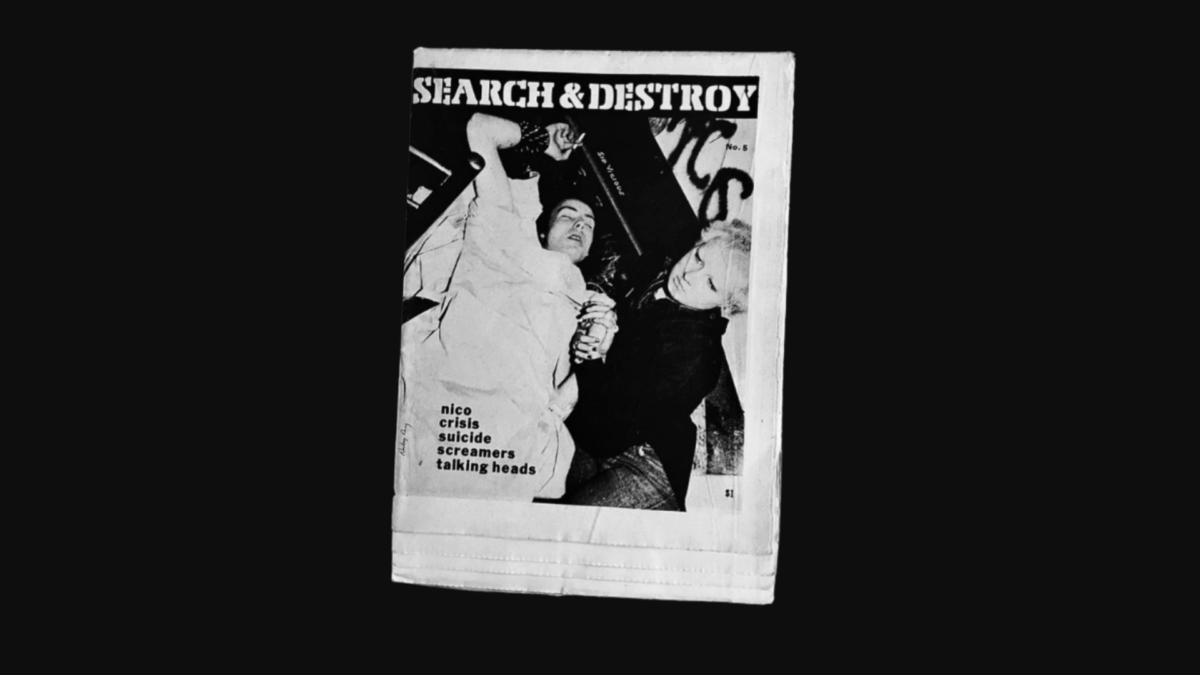
San Francisco’s answer to Slash, Search and Destroy ran from 1977 to 1979 and caught the West Coast scene right as it detonated. Founded by V. Vale (with early encouragement from poets Lawrence Ferlinghetti and Allen Ginsberg), it took its name from a Stooges song and seemed to share that song’s ethos.
Its interviews with the Dead Kennedys, Devo, and Crime read like primary-source documents from a revolution that moved too fast for most people to notice, and its politics cut sharper than most punk publications — these writers were rejecting mainstream everything. Complete runs are scarce enough that collectors pay real money for clean individual issues, and more for the set.
Trouser Press
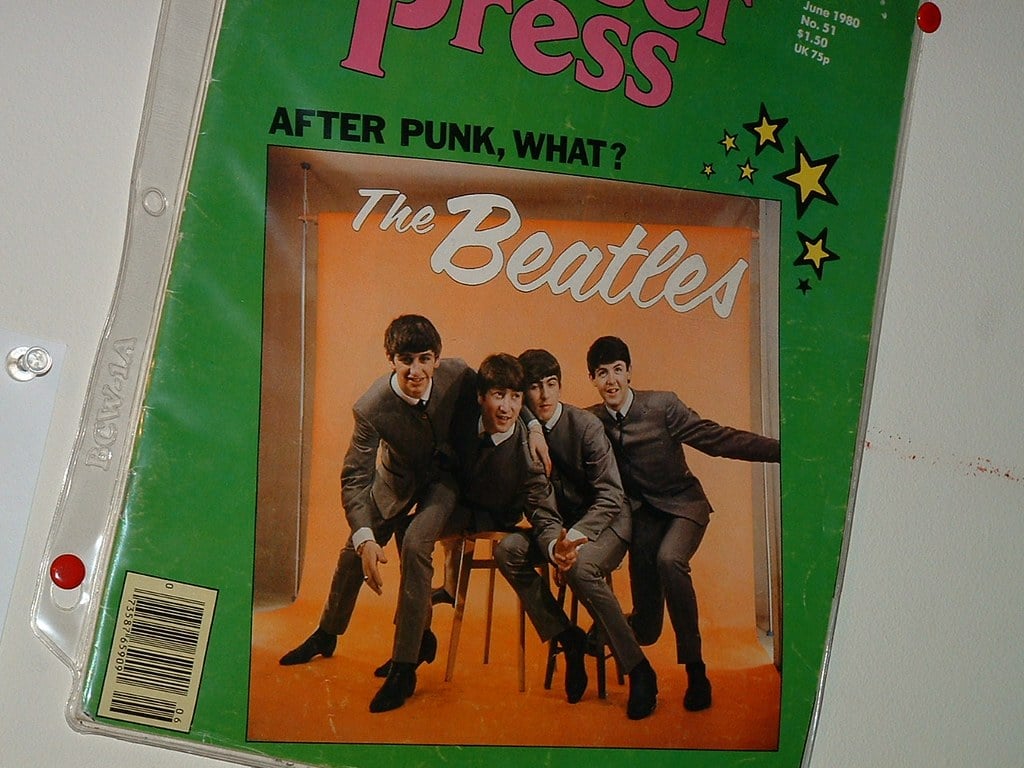
Trouser Press began in 1974 as an American fanzine devoted to British acts the U.S. rock press ignored — prog, art rock, and eventually new wave and post-punk. Founded by Ira Robbins and named after a Bonzo Dog Band song, it set itself apart with genuine enthusiasm for discovery and a willingness to dig into album credits and side projects the way obsessive fans craved.
Its coverage of Roxy Music, Bowie, and early Talking Heads reads like love letters from people who understood pop could be both brainy and emotional. Collectors particularly value issues from the late ’70s into the early ’80s, documenting the art-rock-to-new-wave shift as it happened, with most issues selling in the modest tens of dollars and rarer covers more.
Maximum Rocknroll
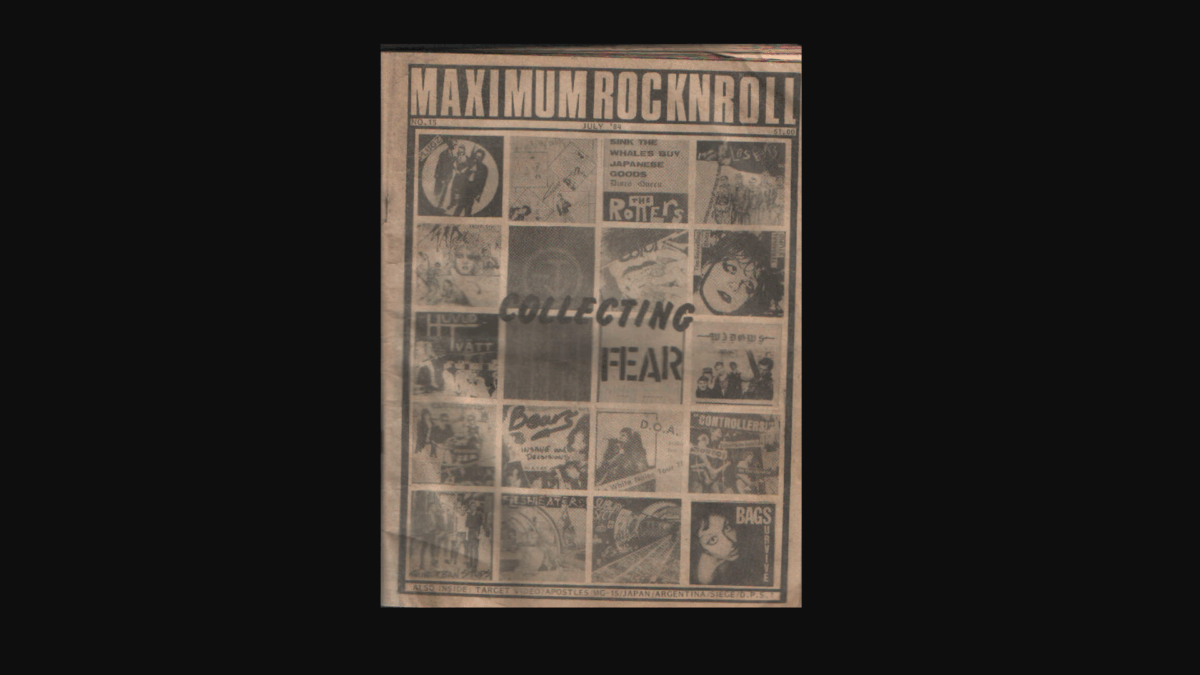
Tim Yohannan started Maximum Rocknroll as a radio show in 1977, then launched the magazine in 1982 to build a global network of punk communication. What resulted looked more like a phone book than a magazine — hundreds of newsprint pages of interviews, scene reports, reviews, and manifestos in defiantly DIY layouts.
MRR’s coverage was encyclopedic and democratic, giving a hardcore band from small-town Ohio the same ink as an established New York or L.A. act, and its politics were uncompromisingly leftist. Early issues from the first few years are the most collectible, typically selling in the tens of dollars, more for the earliest and the landmark ones.
Flipside
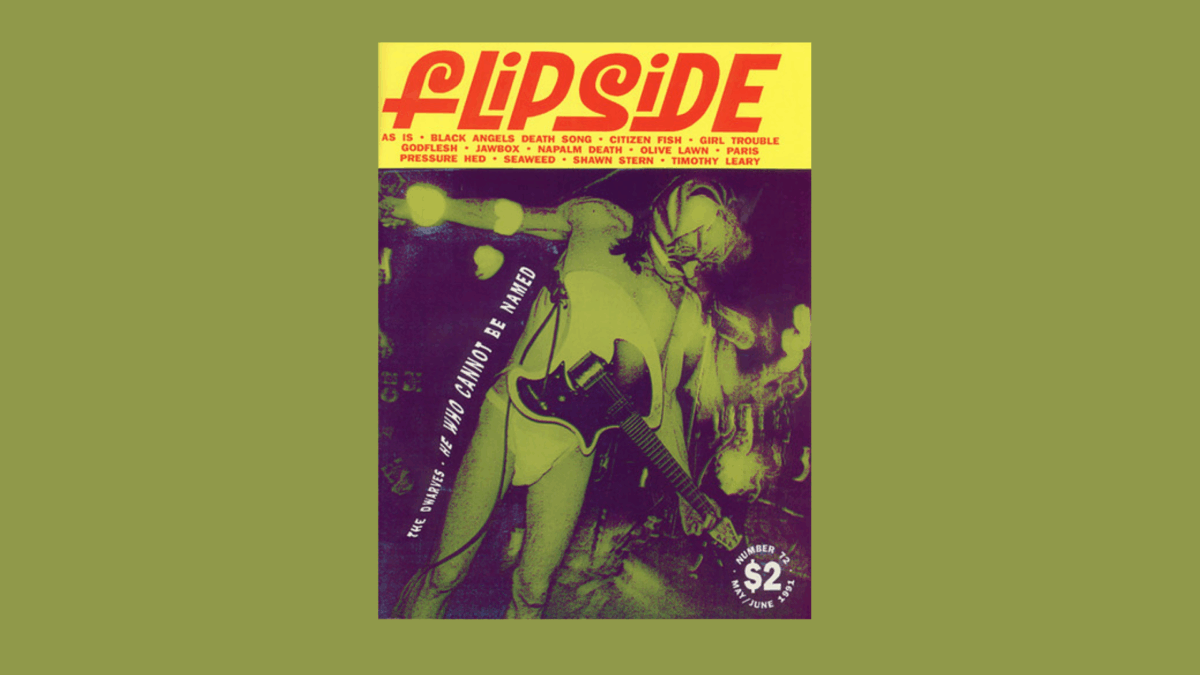
Flipside started in Los Angeles in 1977 as a photocopied fanzine and grew into one of the longest-running punk publications in America, lasting until 2000. It never fully shed its fanzine roots — the layouts stayed rough, the photography black and white, the writing enthusiastic and proudly amateur.
Collectors value it for documenting punk’s evolution from a small scene to a global movement, covering hardcore, crossover thrash, and alternative rock without losing its original spirit. Early-’80s issues featuring Black Flag, Minor Threat, or Hüsker Dü tend to sell in the tens of dollars, with its real worth lying in sheer consistency — it was there for the long haul.
Sounds
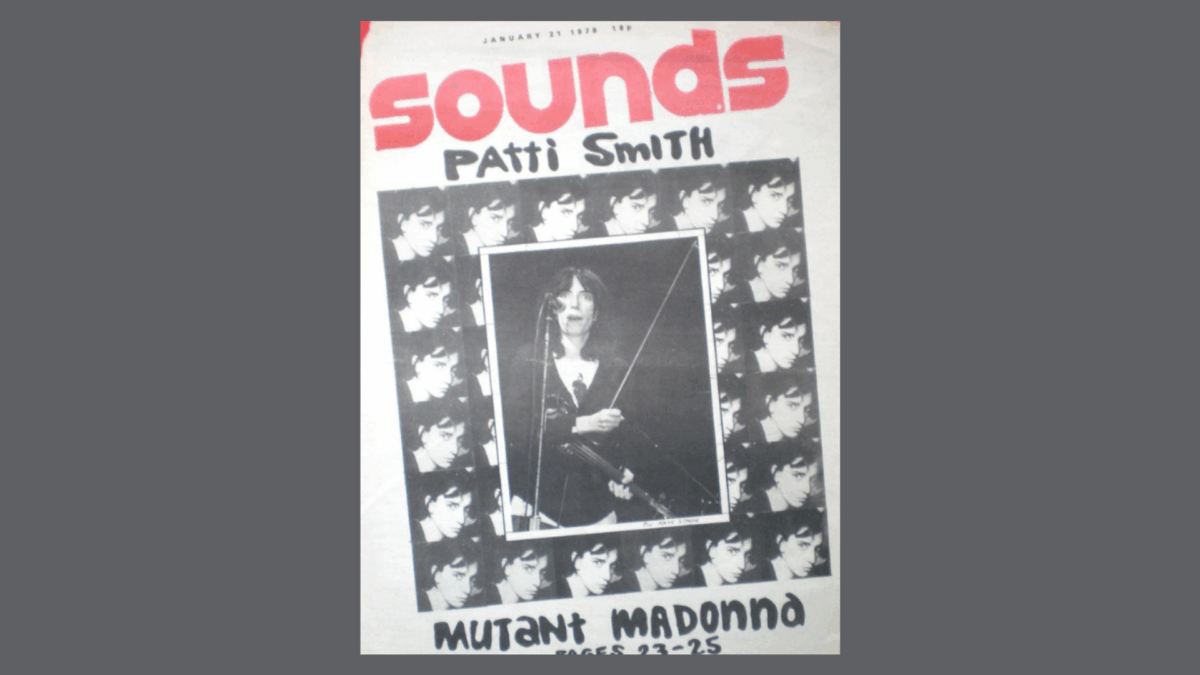
Sounds was the third of the big British weeklies, alongside NME and Melody Maker, and it staked out its identity through heavy metal and hard rock. While NME chased art rock and Melody Maker parsed prog, Sounds was covering Black Sabbath, Judas Priest, and the emerging New Wave of British Heavy Metal — a scene it helped name and champion.
Its metal coverage was serious and thorough, treating the genre as a real tradition rather than just loud noise. Issues from the late ’70s and early ’80s with major metal acts on the cover sell in the tens of dollars and up, and for collectors tracing metal’s history, Sounds is an essential contemporary record.
Hit Parader
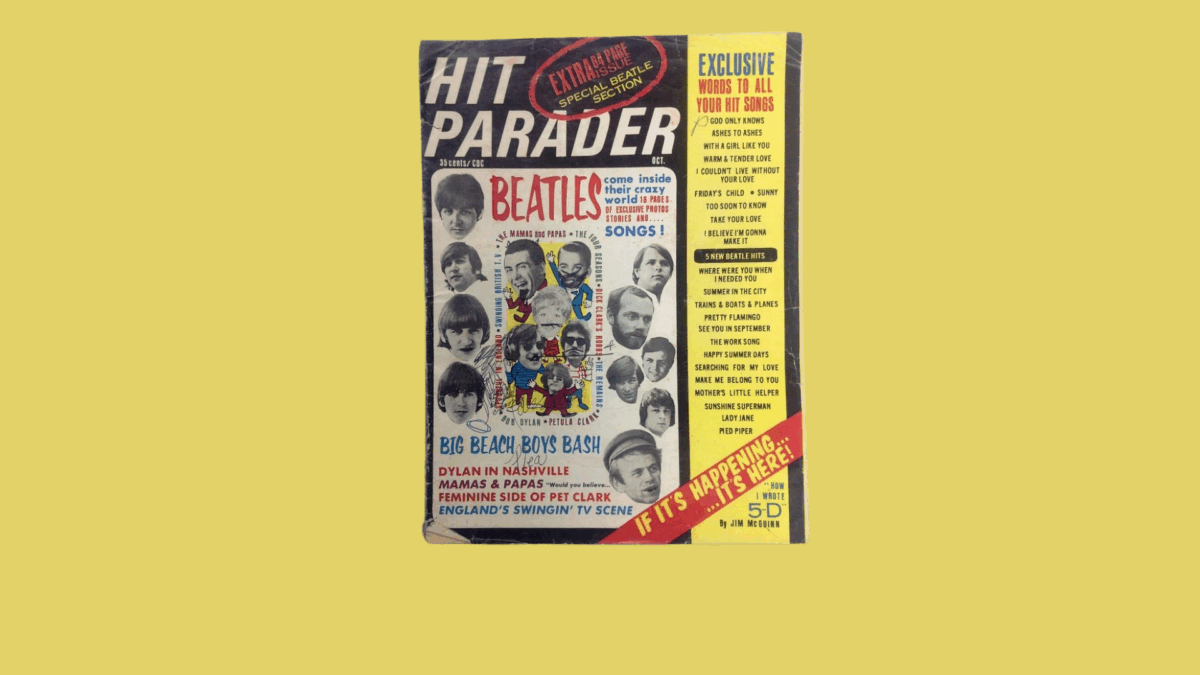
Hit Parader began in the 1940s as a song-lyrics magazine, then reinvented itself through the ’70s as a hard rock and heavy metal publication that took the music seriously when the mainstream press dismissed it. Its approach was fan-focused rather than critical — it wanted to celebrate metal, not autopsy it.
That stance produced features that captured the personality and humor of metal bands in ways stuffier outlets missed, with coverage of Kiss, Aerosmith, and later Ozzy Osbourne and Iron Maiden that read like friends talking. Issues from the late ’70s and early ’80s generally sell in the modest tens of dollars, more for prized covers.
Rock Scene
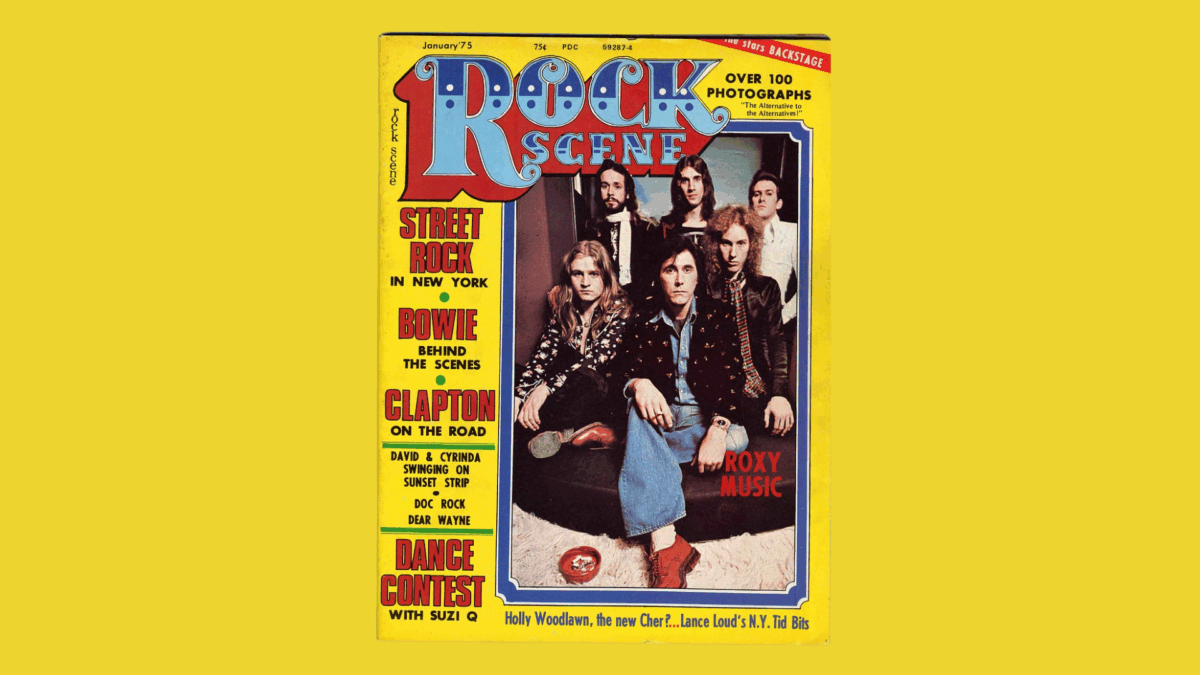
Rock Scene aimed to look the way rock and roll felt: chaotic, glamorous, slightly dangerous. Running through the ’70s and into the early ’80s, it favored photography and visual punch over long articles or heavy criticism.
Its collector value comes from documenting glam, early punk, and the mid-’70s New York scene, with photographers including Bob Gruen capturing artists in candid, revealing moments. Issues featuring David Bowie, Lou Reed, or the New York Dolls tend to command higher prices, but the magazine is also valued for covering smaller acts the bigger titles ignored.
Bomp! (Who Put the Bomp)
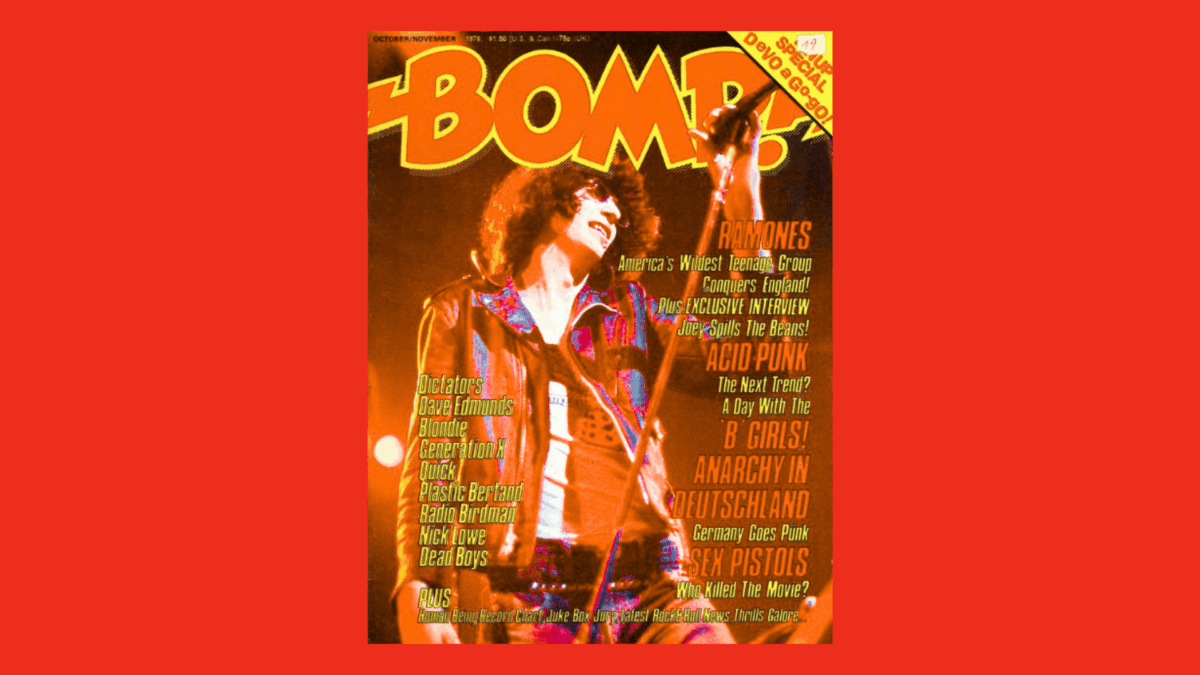
Greg Shaw founded this beloved fanzine in 1970 as Who Put the Bomp — named after the Barry Mann doo-wop hit — and shortened the title to Bomp! partway through its run before it ended in 1979. (Because it’s a single publication under two names, it’s worth treating as one rather than two, even if you’ll see both titles in the wild.) It began with ’60s garage and surf obsessions and grew to embrace power pop, punk, and new wave.
Shaw’s love of musical archaeology, and a contributor list that included Lester Bangs, Greil Marcus, and Richard Meltzer, made it essential reading for collectors and obsessives. Its features on Big Star, the Flamin’ Groovies, and the power-pop underground helped define how that music got written about. Issues generally sell in the tens of dollars, with the early Who Put the Bomp fanzine issues and key punk-era issues fetching more.
The Face
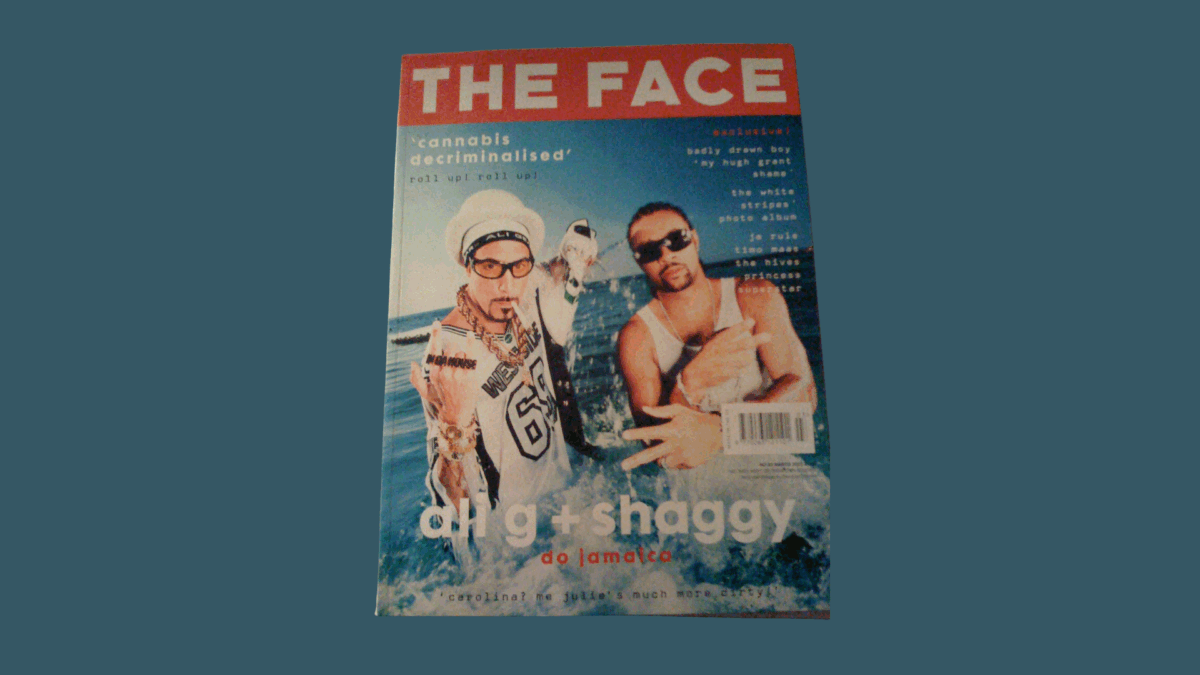
Nick Logan founded The Face in 1980, and Neville Brody’s art direction soon made it one of the most visually influential magazines of its era — but its impact went well beyond typography. It covered music, fashion, and youth culture as a single interconnected movement.
Its take on new wave and post-punk was visual and conceptual, treating Duran Duran, Culture Club, and Depeche Mode as cultural phenomena rather than just bands. For collectors, The Face marks the moment music magazines became art objects in their own right, and early issues from the first few years sell in the tens of dollars, with landmark covers and designs commanding more.
Forced Exposure

Byron Coley’s Forced Exposure ran through the 1980s into the early ’90s and became one of the most important underground music magazines of the decade. Its coverage of indie rock, noise, and experimental music was dense, informed, and utterly indifferent to commercial appeal.
Its interviews with Sonic Youth, Dinosaur Jr., and Butthole Surfers caught those bands in their formative years, developing the sounds that would shape ’90s alternative rock. The writing assumed readers who cared about innovation over sales.
Issues typically sell in the tens of dollars, with early and special issues higher.
Bucketfull of Brains
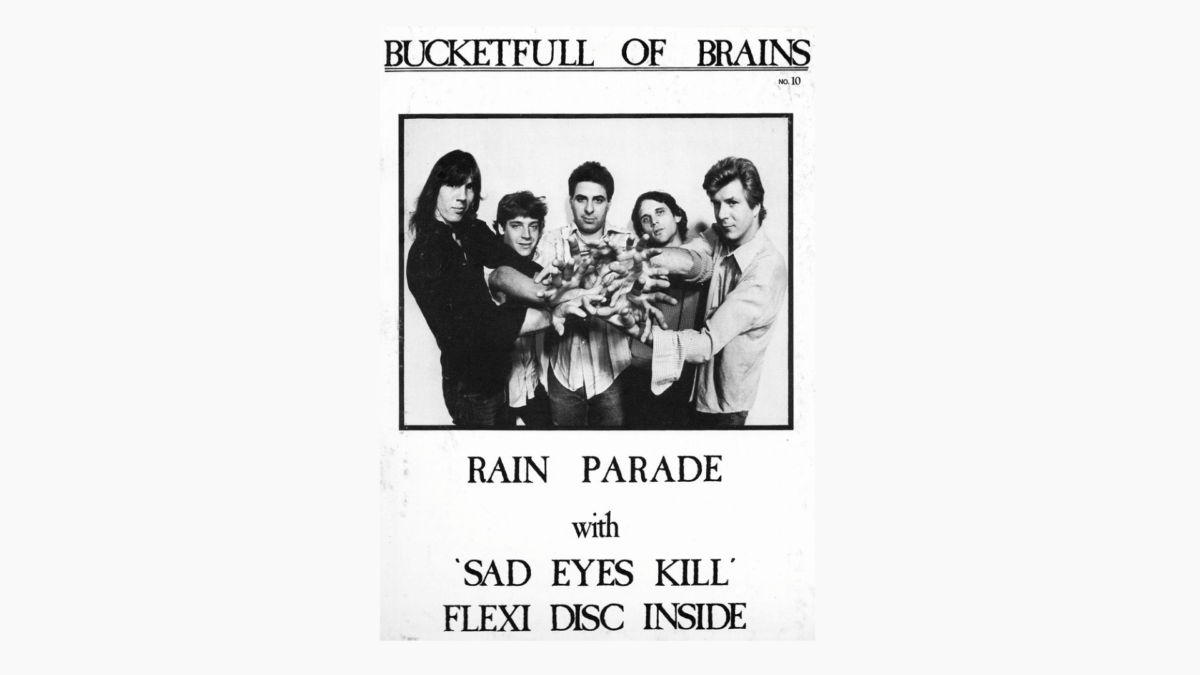
This long-running British fanzine, published from 1979 onward, focused on garage rock, punk, and what would come to be called alternative rock. Its approach was obsessively detailed and unabashedly fan-driven — it wrote about music it loved without pretending to be critical distance.
Its coverage of bands like The Cramps and The Gun Club helped bridge punk’s first wave and the alternative explosion that followed, with lengthy interviews and passionate reviews treating rock as a continuous tradition worth preserving. Issues generally sell in the modest tens of dollars among collectors of garage and punk history.
Goldmine
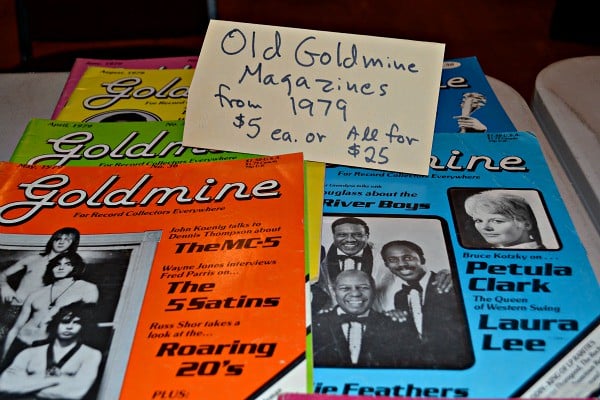
Goldmine launched in 1974 as a record-collecting publication and expanded into deep coverage of rock history, reissues, and vintage music. Its approach was archival and comprehensive — it set out to document rock’s whole history, not just the latest releases.
For collectors, the value lies in its detailed discographies, price guides, and historical features that treated records as a collectible art form, with coverage of ’50s rock, ’60s garage, and ’70s rarities that simply wasn’t available elsewhere. Most back issues are inexpensive, though those with sought-after discographies or rare cover subjects can run higher.
Option
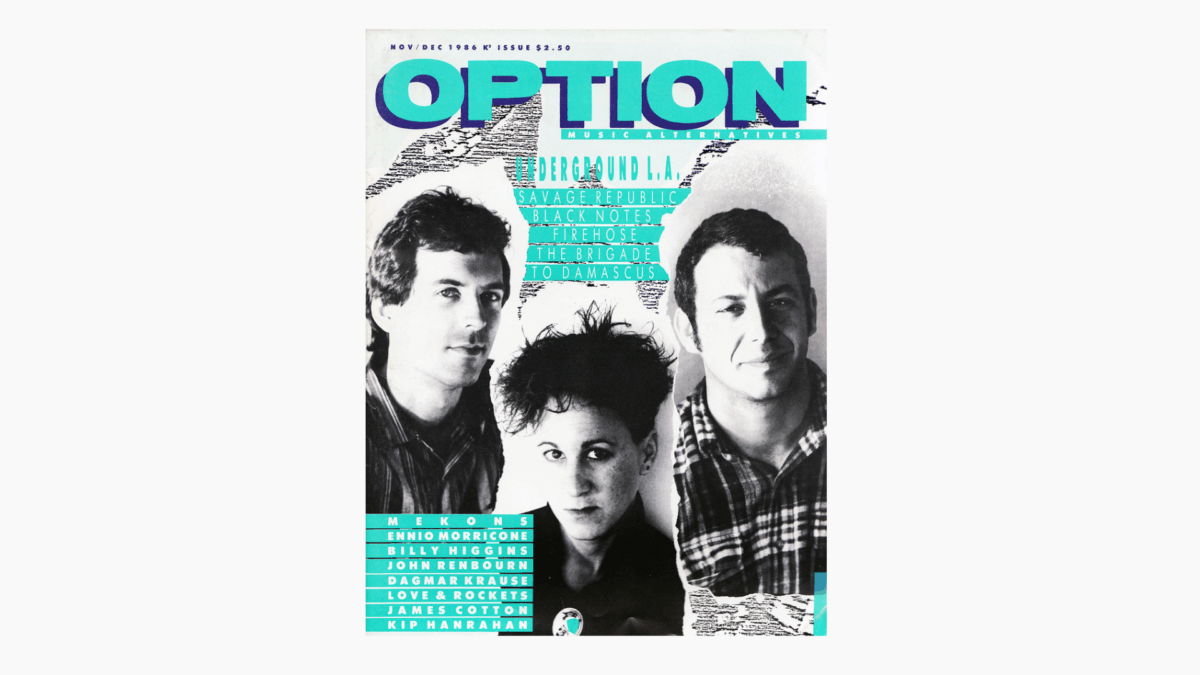
Option ran from 1985 to 1998 as the magazine for serious alternative-music fans, spanning indie rock, experimental, world, and electronic music — essentially anything that bucked conventional rock and pop. Its criticism was intellectual without tipping into pretension.
Its writers understood that alternative music called for alternative criticism, and its coverage of bands like the Pixies and Throwing Muses helped build the vocabulary for discussing indie rock. Issues typically sell in modest ranges among collectors of alternative-music history, valued more for the writing than for rarity.
Crawdaddy!
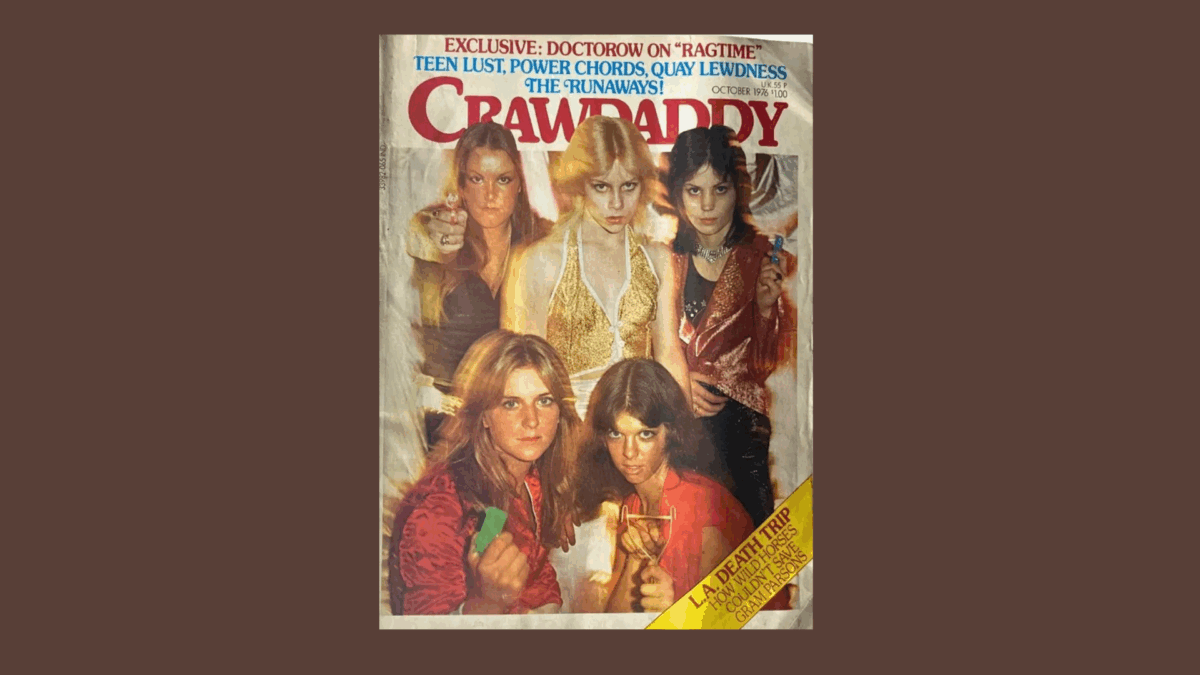
Often credited as the first serious American rock magazine, Crawdaddy! was founded in 1966 by college student Paul Williams — predating Rolling Stone — to write about rock as music worth taking seriously rather than as teen-idol fodder. That pioneering status is exactly what makes it collectible.
Its early issues, treating the new rock of the late ’60s with the seriousness once reserved for jazz or literature, are genuine artifacts of the moment rock criticism was invented. Original 1960s and early-’70s issues in good condition are the prizes here, and as foundational documents they can command higher prices than their humble newsprint origins suggest.
Sniffin’ Glue
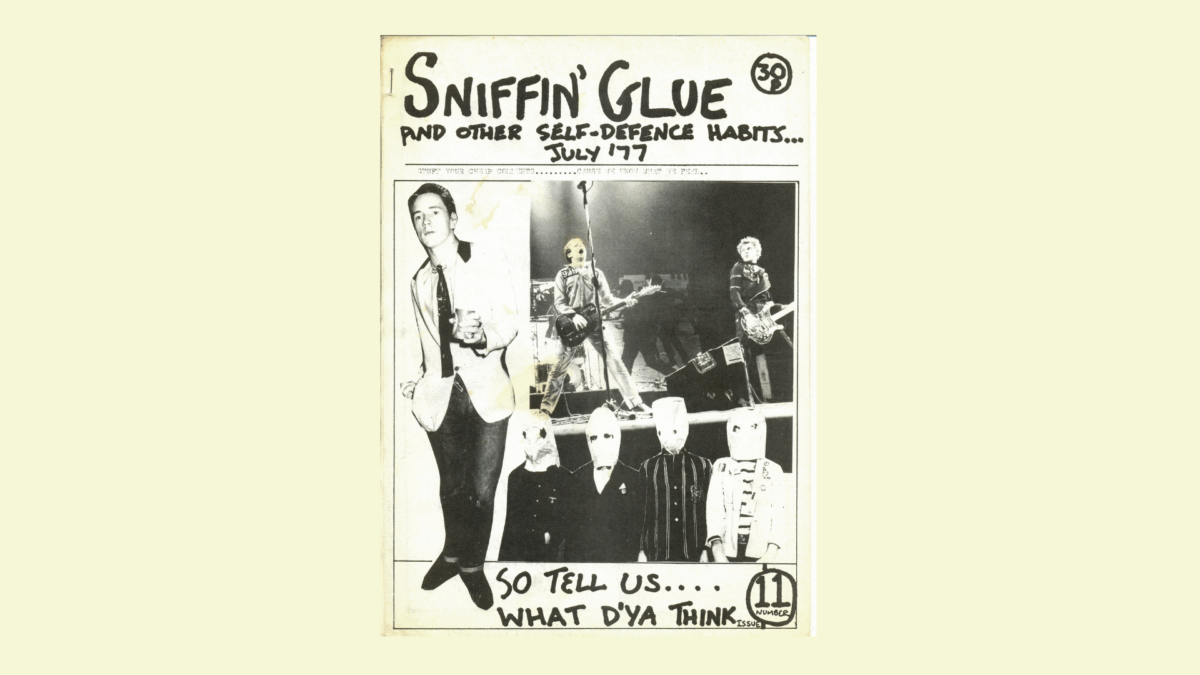
Mark Perry’s Sniffin’ Glue is the most famous punk fanzine of them all — a crude, photocopied, handwritten London zine launched in 1976 that practically defined the form. It ran for only about a year and a dozen issues, but its DIY ethos (“here’s three chords, now form a band” being the spirit if not the exact words) became punk shorthand.
Because it was so cheaply made and so disposable, surviving original issues in good condition are genuinely scarce and highly prized by collectors of punk history — among the most sought-after fanzines of the entire era, with originals commanding well beyond what a few photocopied pages might suggest.
ZigZag
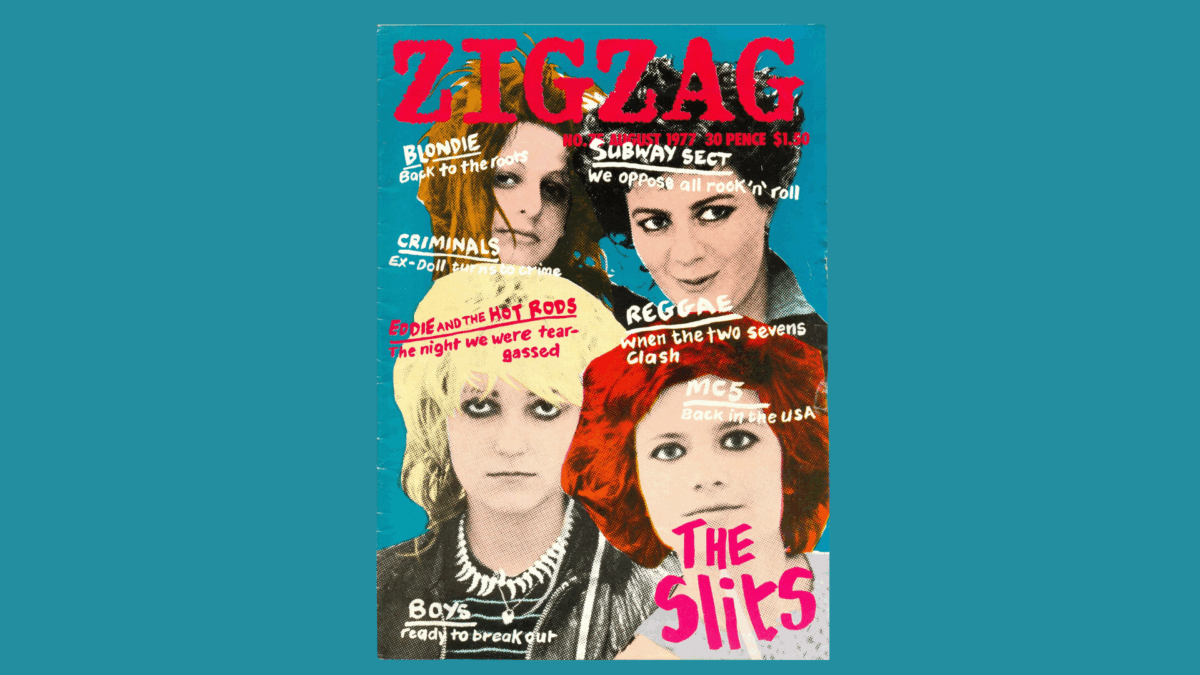
Founded in 1969 by Pete Frame, the British magazine ZigZag started out covering the era’s album-oriented and West Coast rock before evolving with the times into punk and new wave. Frame became famous for his meticulous hand-drawn “Rock Family Trees,” charting the tangled lineages of bands.
Its long run across two very different musical eras makes it interesting to collectors, who value both its early progressive- and roots-rock coverage and its later punk-era issues. Prices sit in the modest range, with desirable covers and the issues featuring Frame’s family trees among the more wanted.
New York Rocker
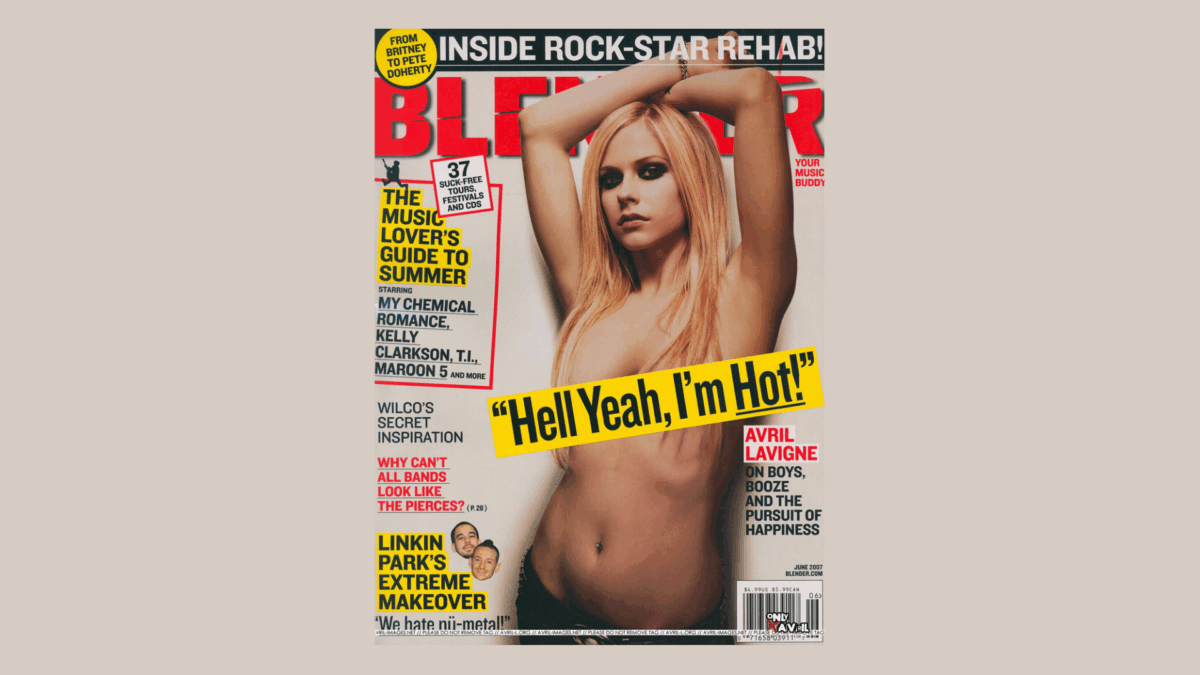
Founded in 1976 by Alan Betrock, New York Rocker chronicled the CBGB-era explosion of punk and new wave from the inside, covering Television, Talking Heads, Blondie, and the wider downtown scene as it happened. It became one of the key documents of New York’s late-’70s music ferment.
For collectors of that scene, it’s a primary source, capturing bands at the precise moment before they broke (or didn’t). Original issues from its late-’70s heyday in clean condition are the ones to find, generally selling in the tens of dollars, more for the most iconic covers.
Kerrang!
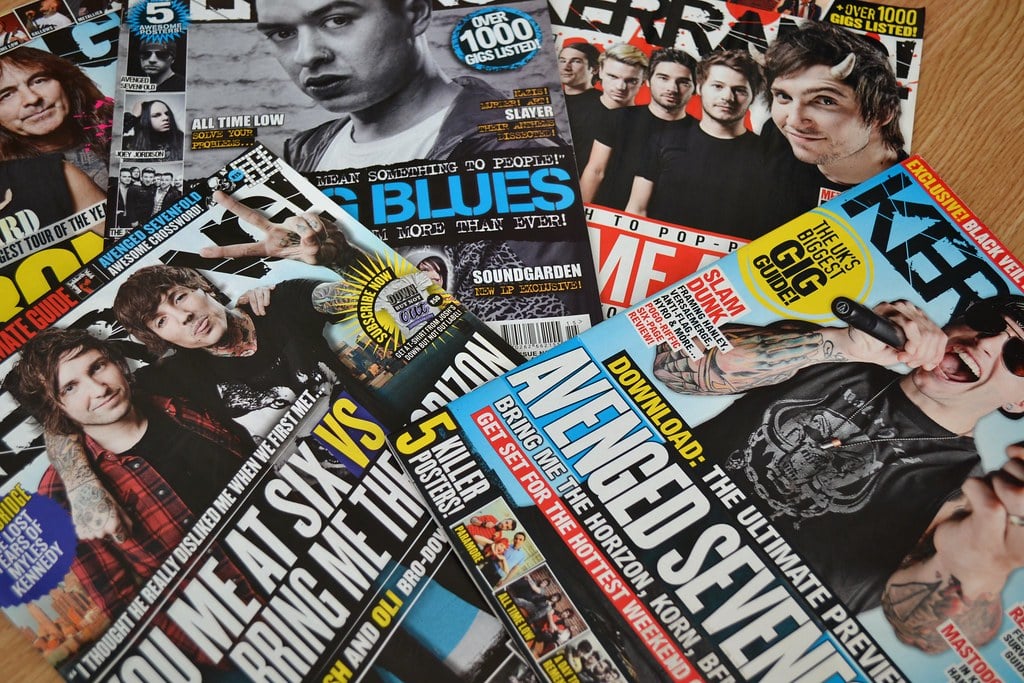
Launched in 1981 as a heavy metal offshoot of Sounds, Kerrang! quickly became the definitive magazine of metal and hard rock, its name an onomatopoeia for a power chord. It rode and chronicled the New Wave of British Heavy Metal and everything that followed.
Early issues from the 1980s are the collectible ones, especially those with landmark covers from metal’s commercial peak. As the magazine that took metal entirely on its own terms, its first-decade issues hold real appeal for genre collectors, typically in the modest tens of dollars depending on cover and condition.
How the Paper Survived

Look back over this list and a quiet irony emerges: almost none of these were built to last. They were printed on cheap newsprint or run off on photocopiers, meant to be read on a bus and thrown away — which is precisely why clean survivors are worth anything now.
Scarcity here is a side effect of how little anyone valued them at the time. But the deeper reason collectors chase them isn’t money.
These captured music journalism at its most alive — opinionated, partisan, occasionally unhinged, written by people close enough to the scene to get it wrong in interesting ways. A Lester Bangs review, a hand-stapled Sniffin’ Glue, a Search and Destroy interview from while the scene was still being invented: documents from inside the moment, before history tidied everything up.
So if you find a box of these in an attic, handle them gently. Most are worth more in memory than in cash — and that’s the thing collectors are really after, not the paper but the proof that it mattered.
More from Go2Tutors!

- The Romanov Crown Jewels and Their Tragic Fate
- 13 Historical Mysteries That Science Still Can’t Solve
- Famous Hoaxes That Fooled the World for Years
- 15 Child Stars with Tragic Adult Lives
- 16 Famous Jewelry Pieces in History
Like Go2Tutors’s content? Follow us on MSN.