25 Predictions About Space That Proved Right
Long before satellites, probes, or even reliable telescopes, thinkers occasionally reasoned their way to conclusions about the universe that observation would only later confirm. Some predictions came from careful mathematics, others from little more than a hunch grounded in pattern recognition.
What unites them is how often the universe, once finally observed closely enough, turned out to match what someone had guessed decades or centuries earlier.
Einstein’s Prediction of Gravitational Waves
In 1916, Albert Einstein’s general theory of relativity predicted that massive accelerating objects, like colliding black orbs, should send ripples through spacetime itself. Einstein himself was skeptical these waves would ever be detectable, given how faint the effect would be by the time it reached Earth. Nearly a century later, in 2015, the LIGO detector confirmed the prediction by directly measuring a gravitational wave from two merging black orbs.
Le Verrier’s Prediction of Neptune
French astronomer Urbain Le Verrier calculated in 1846 that an unseen planet must be affecting the orbit of Uranus through its gravitational pull, and specified almost exactly where in the sky such a planet should be found. Astronomer Johann Galle pointed his telescope at that location and discovered Neptune within about one degree of Le Verrier’s predicted position. It remains one of the most precise predictive discoveries in the history of astronomy.
Einstein’s Prediction of Gravitational Lensing

General relativity also predicted that massive objects like stars should bend light passing near them, effectively acting as a lens. The prediction was tested during a 1919 solar eclipse, when astronomer Arthur Eddington measured the apparent shift in star positions near the sun’s darkened disk and found it matched Einstein’s calculations. The confirmation made Einstein an international celebrity almost overnight.
The Big Bang‘s Predicted Background Radiation
Physicists Ralph Alpher and Robert Herman predicted in 1948 that if the universe began in an extremely hot, dense state, it should have left behind a faint, uniform glow of radiation still detectable today. The prediction was largely forgotten until 1964, when Arno Penzias and Robert Wilson accidentally detected exactly this radiation while troubleshooting unrelated equipment. The cosmic microwave background remains one of the strongest pieces of evidence for the Big Bang theory.
Percival Lowell’s Prediction of a Ninth Planet
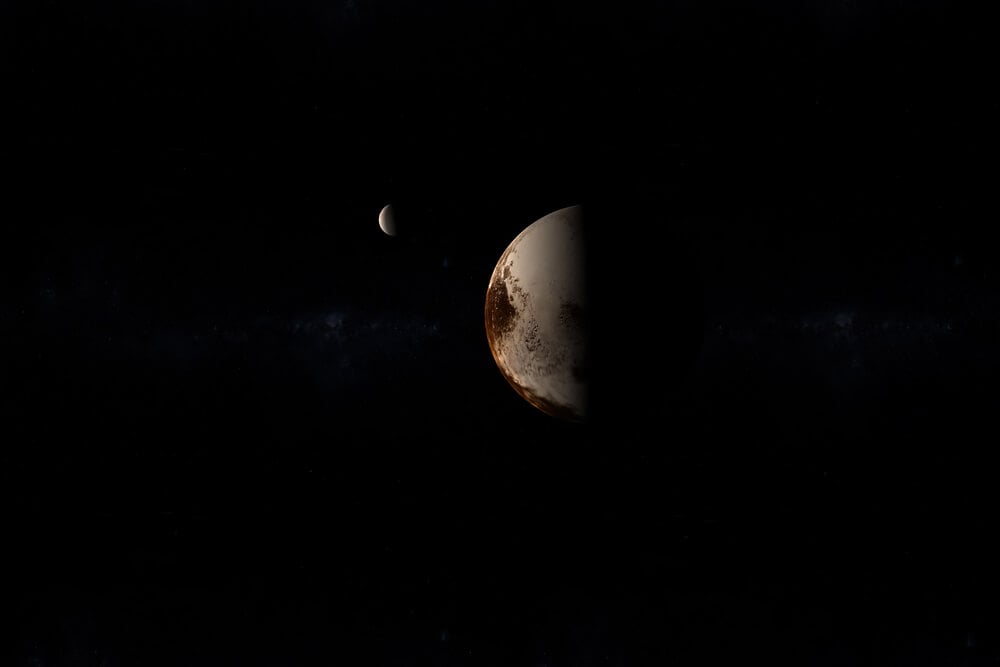
Astronomer Percival Lowell predicted in the early 20th century that an unseen planet must exist beyond Neptune based on perceived irregularities in the orbits of Uranus and Neptune, which he called “Planet X.” Pluto was discovered in 1930, near where Lowell’s calculations had pointed, and initially assumed to be his predicted planet. Later measurements revealed Pluto was far too small to explain the original orbital discrepancies, which turned out to be measurement errors rather than evidence of a large planet.
The Prediction of Black Orbs
Physicist John Michell proposed in 1783 that a star could theoretically be massive and dense enough that its gravity would prevent even light from escaping, an idea he called a “dark star.” The concept lay largely dormant until Einstein’s general relativity provided the mathematical framework to describe such objects properly. The first strong observational evidence for a black orb, in the X-ray source Cygnus X-1, did not arrive until the 1970s, nearly two centuries after Michell’s original proposal.
Fritz Zwicky’s Prediction of Dark Matter
Astronomer Fritz Zwicky calculated in 1933 that galaxy clusters contained far more mass than could be accounted for by visible stars alone, proposing the existence of unseen “dark matter” holding the clusters together gravitationally. His idea was largely dismissed for decades due to his reputation for abrasive, unconventional claims. Vera Rubin’s more systematic observations in the 1970s of individual galaxy rotation eventually validated the broader concept.
The Prediction of Exoplanets
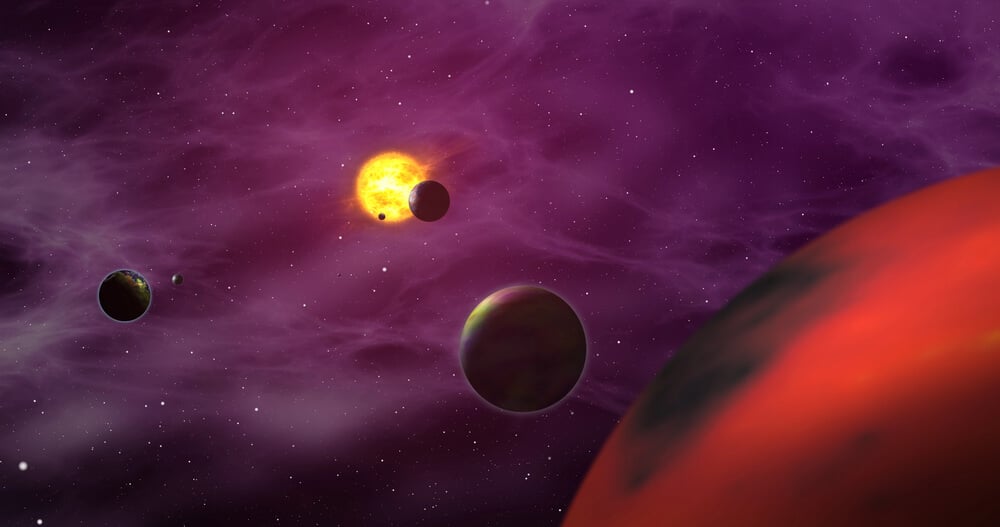
Long before any were confirmed, astronomers including Otto Struve proposed in the 1950s that planets should commonly exist around other stars, and even suggested methods, such as detecting the tiny wobble a planet’s gravity induces in its star, that could one day confirm them. It took until 1995 for the first exoplanet around a sun-like star, 51 Pegasi b, to be confirmed using almost exactly this technique. Thousands of exoplanets have since been cataloged using variations of the method Struve outlined decades earlier.
Halley’s Prediction of His Comet’s Return
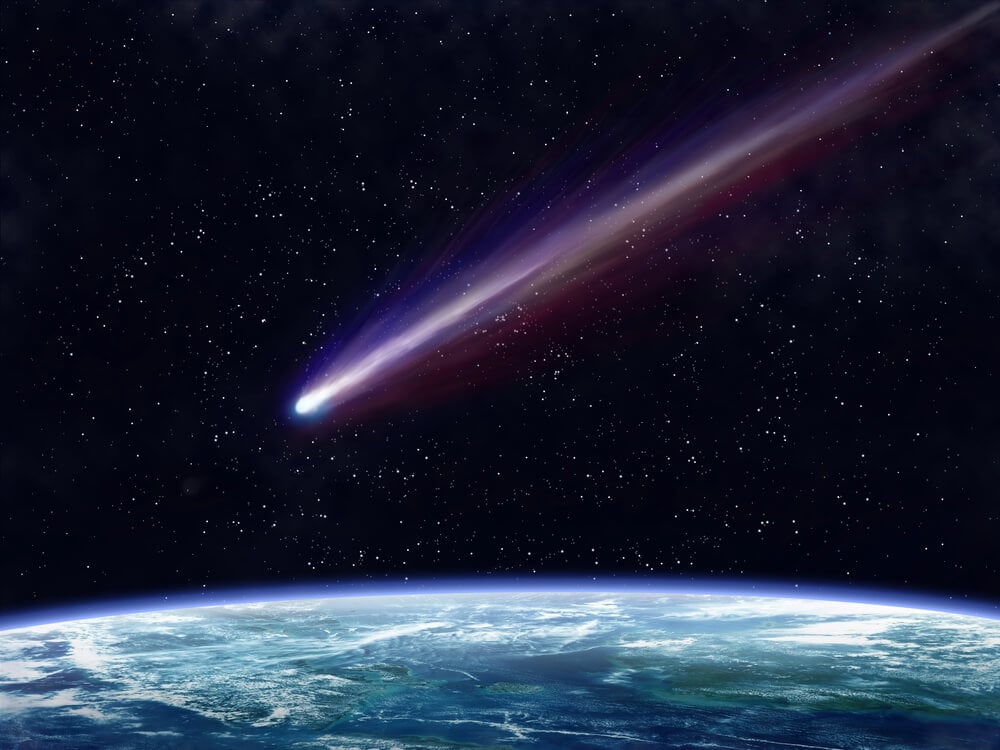
Edmond Halley calculated in 1705 that a comet observed in 1682 followed the same orbital path as comets recorded in 1531 and 1607, concluding it was a single object that would return roughly every 76 years. He predicted its reappearance in 1758, correctly, though he did not live to see the prediction confirmed, having died in 1742. The comet was subsequently named in his honor.
The Prediction of Neutron Stars
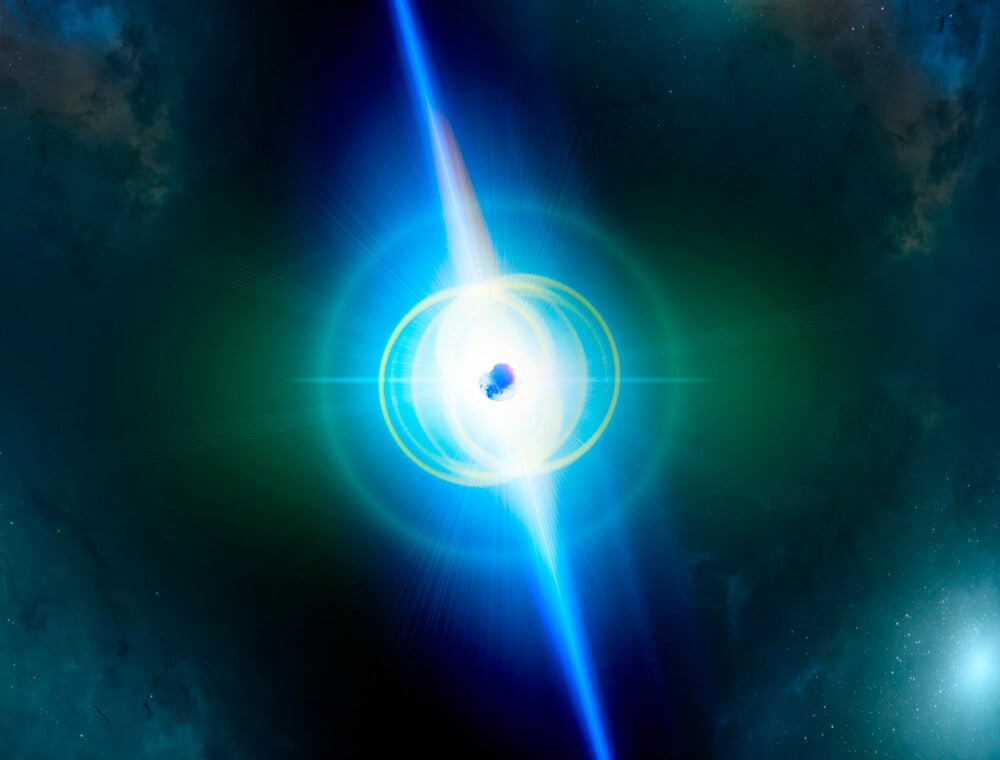
Physicists Walter Baade and Fritz Zwicky proposed in 1934 that a supernova explosion could compress a star’s core into an ultra-dense object composed almost entirely of neutrons. The idea remained largely theoretical for over three decades until Jocelyn Bell Burnell’s 1967 discovery of pulsars provided direct observational evidence that such objects actually existed. Neutron stars are now understood to be among the densest objects in the universe short of black orbs.
The Prediction of Water on the Moon
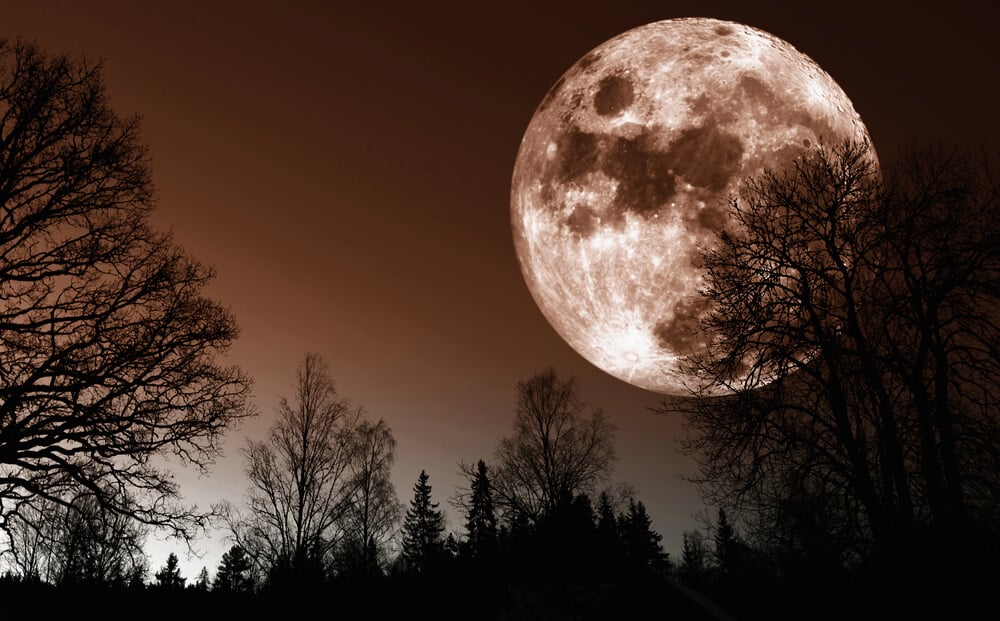
Scientists speculated for decades that permanently shadowed craters near the moon’s poles, which never receive direct sunlight, could trap water ice for billions of years. The theory remained unconfirmed until NASA’s 2009 LCROSS mission deliberately crashed a probe into one such crater and detected a substantial water vapor plume in the resulting debris. The finding has since reshaped plans for potential lunar bases.
The Prediction of the Habitable Zone
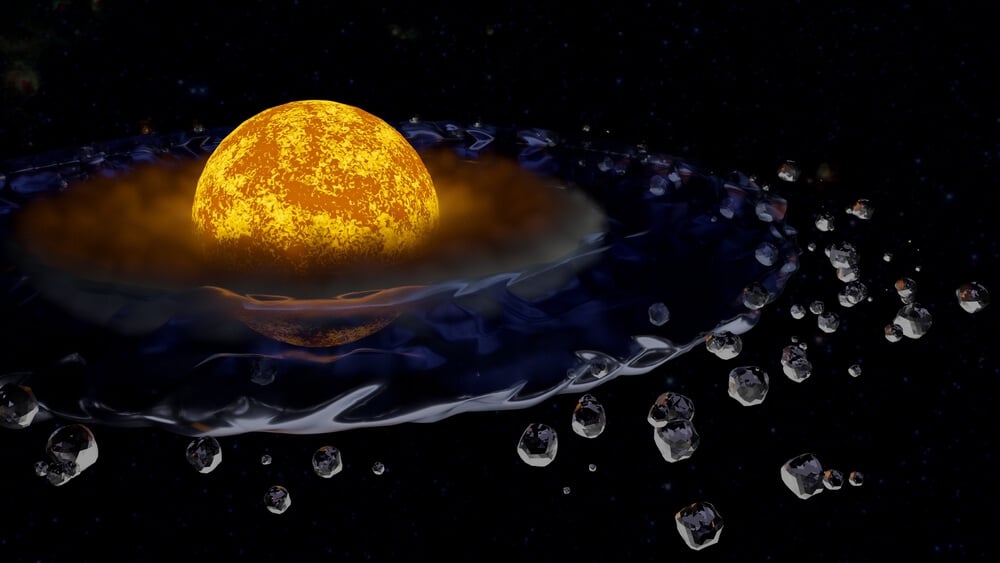
Astronomers in the mid-20th century, including Su-Shu Huang, proposed the concept of a “habitable zone,” a range of distances from a star where conditions could allow liquid water to exist on a planet’s surface. The concept was largely theoretical until the discovery of thousands of exoplanets made it possible to identify actual candidates within such zones. Several planets in the TRAPPIST-1 system, discovered in 2017, fall within their star’s calculated habitable zone.
The Prediction of Titan’s Atmosphere
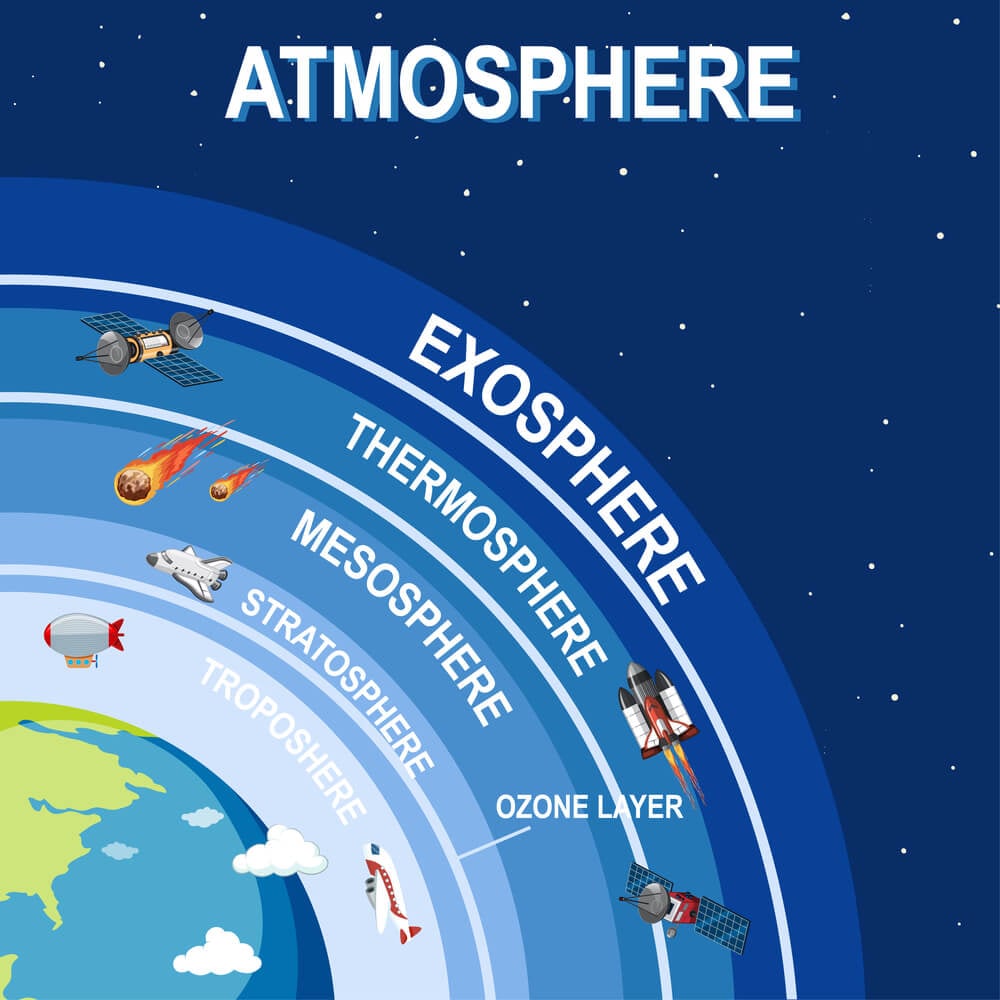
Spanish astronomer Josep Comas i Solà noted subtle dimming at Titan’s edges in 1907 and proposed the moon had a substantial atmosphere, an unusual claim for a body of its size at the time. The prediction was confirmed decades later through spectroscopic analysis, and NASA’s Cassini-Huygens mission ultimately landed a probe on Titan’s surface in 2005, confirming a thick, nitrogen-rich atmosphere denser than Earth’s own.
Chandrasekhar’s Prediction of Stellar Collapse Limits
Physicist Subrahmanyan Chandrasekhar calculated in the 1930s that there exists a specific mass limit beyond which a white dwarf star cannot remain stable and must collapse further, into a neutron star or black orb. The claim was dismissed by prominent contemporaries, including physicist Arthur Eddington, who publicly ridiculed the idea. Chandrasekhar’s calculations were later fully vindicated and now form a foundational concept in stellar physics, earning him the Nobel Prize in Physics in 1983.
The Prediction of Pluto’s Companion World
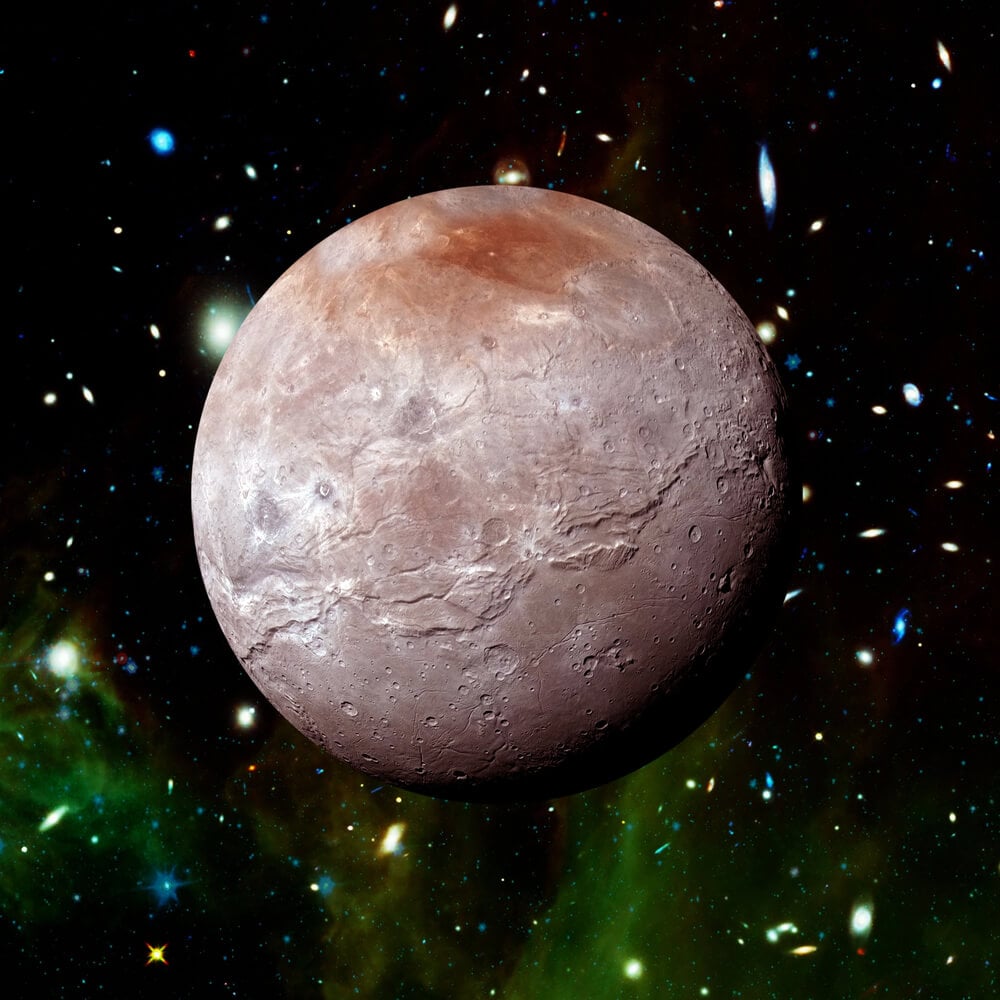
Astronomers speculated for decades that Pluto might not be alone, given its unusually large size relative to its orbit companions. James Christy’s 1978 discovery of Charon confirmed this, and subsequent observations revealed four additional smaller moons in the following decades. Pluto’s system turned out to be more complex than nearly any prediction had anticipated.
The Prediction of Interstellar Objects
Astronomers had long theorized that objects from other star systems should occasionally pass through the solar system, ejected from their home systems by gravitational interactions during planet formation. The prediction went unconfirmed until 2017, when ‘Oumuamua became the first object definitively traced to an origin outside the solar system. A second, Comet Borisov, followed just two years later in 2019.
The Prediction of the Accelerating Universe
Cosmologists had assumed for decades that the universe’s expansion, confirmed by Edwin Hubble in the 1920s, should be gradually slowing due to the gravitational pull of all its matter. Two independent research teams studying distant supernovae in 1998 instead found the expansion was accelerating, a result so unexpected that it initially faced significant skepticism. The finding led to the concept of dark energy and earned the lead researchers the Nobel Prize in Physics in 2011.
The Prediction of Rings Around Uranus
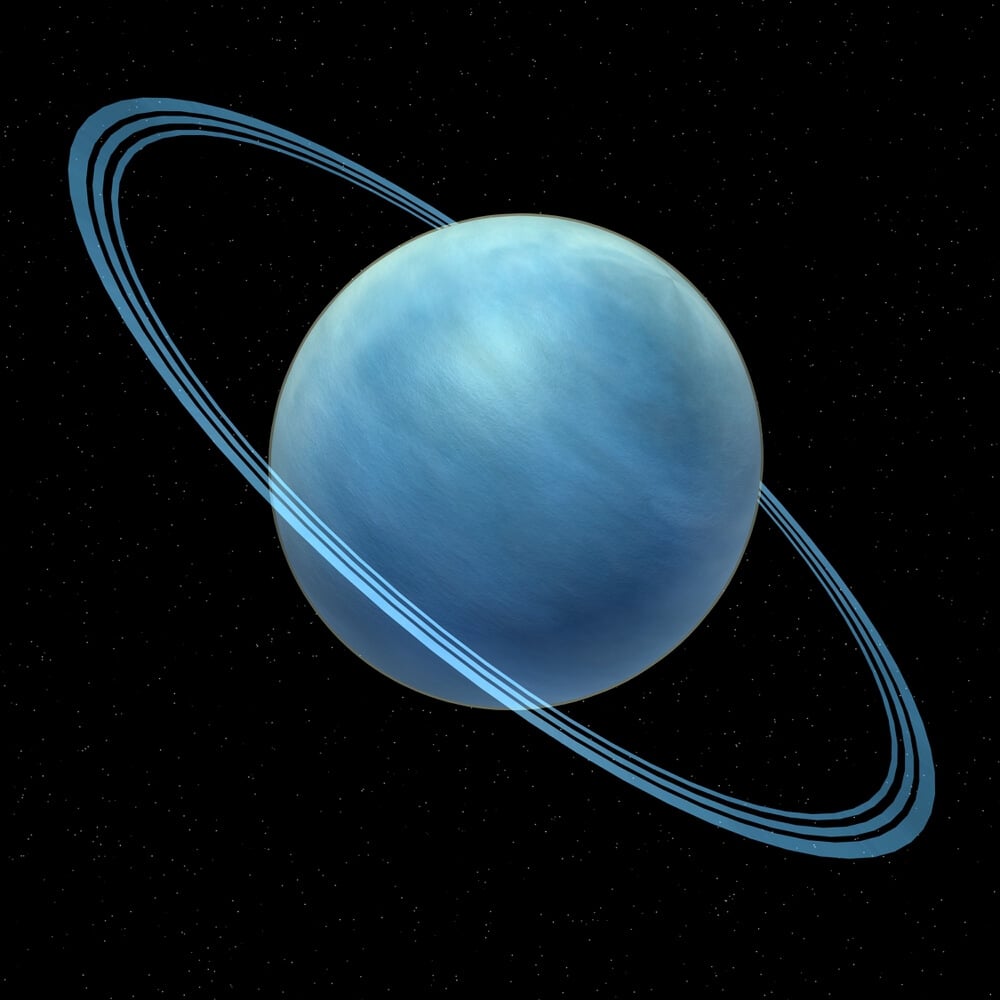
Astronomers did not expect Uranus to have a ring system, given how faint and difficult to observe such a system would be at that distance. In 1977, researchers observing a star as it passed behind Uranus noticed the star’s light flickered slightly before and after the planet itself blocked it, revealing a previously unknown set of rings. The unplanned discovery came from an observation designed for an entirely different purpose, studying Uranus’s atmosphere.
The Prediction of Europa’s Ocean

Scientists speculated as early as the Voyager missions of the late 1970s that Jupiter’s moon Europa might harbor a liquid water ocean beneath its icy shell, based on the smooth, young-looking surface with relatively few impact craters. The Galileo spacecraft’s more detailed measurements in the 1990s, detecting a magnetic field disturbance consistent with a salty subsurface ocean, provided much stronger supporting evidence. Europa remains one of the top targets in the search for life beyond Earth.
Kepler’s Prediction of Elliptical Orbits
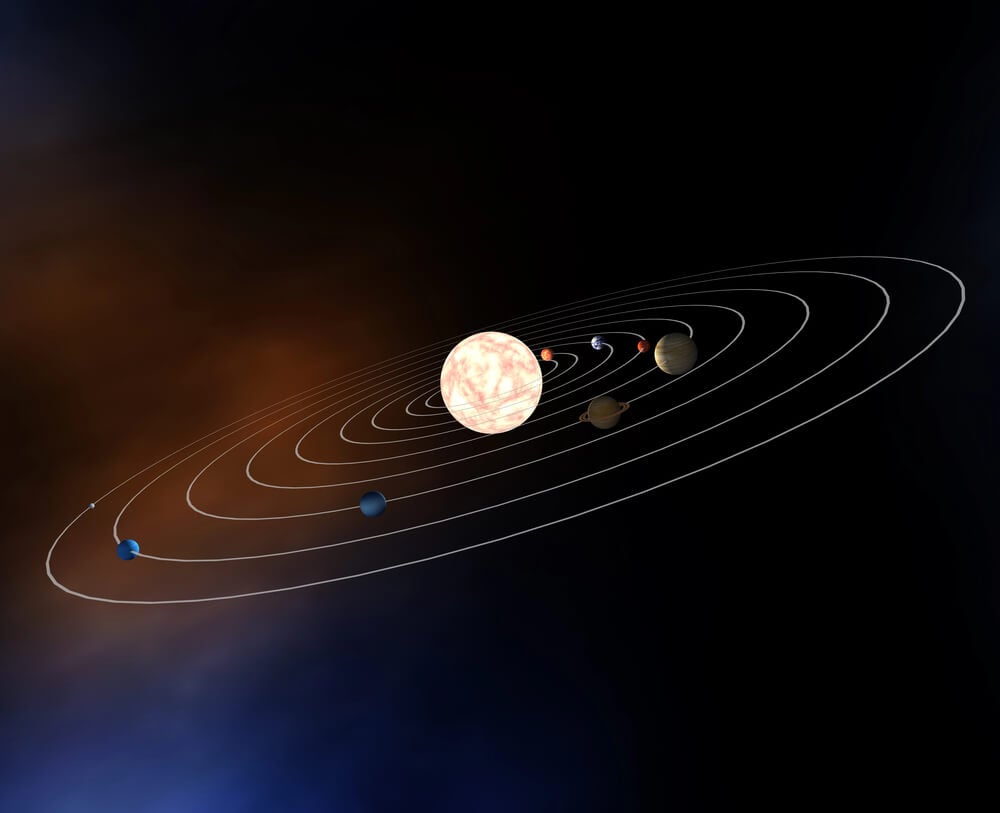
Johannes Kepler proposed in the early 1600s that planets move in elliptical, not perfectly circular, orbits around the sun, a significant break from the assumptions of earlier astronomers, including Copernicus. His three laws of planetary motion, derived from painstaking analysis of observational data, were later shown by Isaac Newton to follow directly from the law of universal gravitation. Kepler’s laws remain fundamentally accurate for describing orbital mechanics even today.
The Prediction of Solar Wind

Physicist Eugene Parker proposed in 1958 that the sun continuously emits a stream of charged particles into space, a claim initially met with considerable skepticism from the scientific community. Spacecraft measurements within just a few years confirmed the existence of this solar wind exactly as Parker had described. NASA later named the Parker Solar Probe in his honor, the first spacecraft named after a living scientist.
The Prediction of Multiple Star Systems Being Common
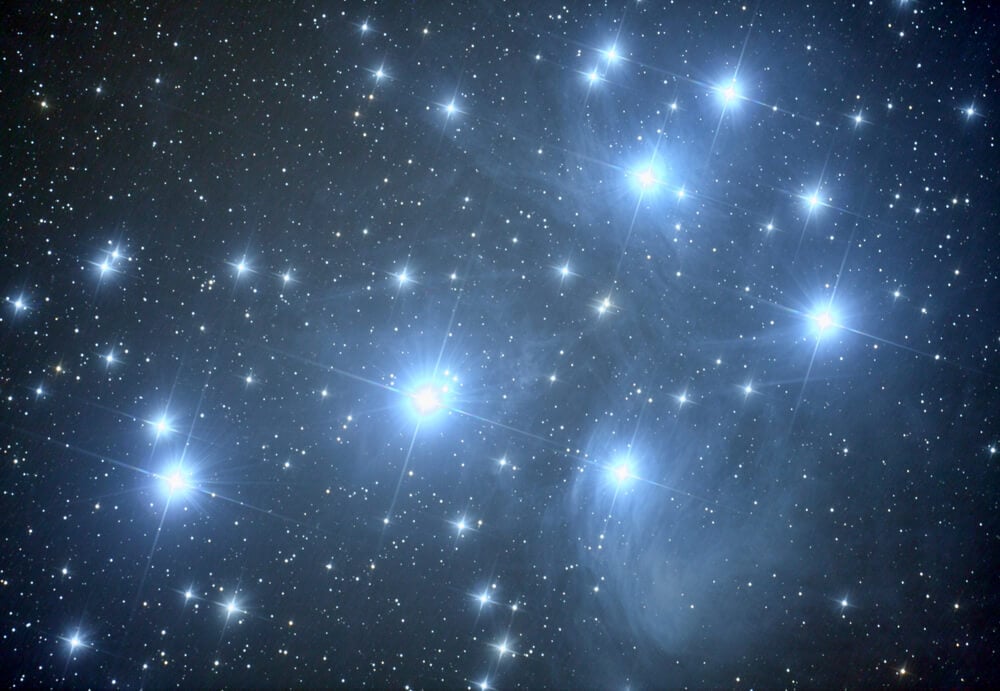
Early astronomers who catalogued stars often assumed that most resembled the sun, a single, isolated star. Later systematic surveys revealed that binary and multiple star systems, where two or more stars orbit a common center, are actually more common throughout the galaxy than single stars like the sun. The prediction that our own solar arrangement might be the exception rather than the rule proved correct.
The Prediction of Diamond Rain on Gas Giants

Scientists proposed decades ago that the immense pressure and temperature deep within the atmospheres of Uranus and Neptune could compress carbon into diamonds, which would then fall like rain toward the planets’ cores. Laboratory experiments recreating similar pressure and temperature conditions eventually produced small diamond samples, lending strong support to the theoretical prediction. Direct observation of the phenomenon remains impossible given the planets’ thick, opaque atmospheres.
The Prediction of a Planet Nine
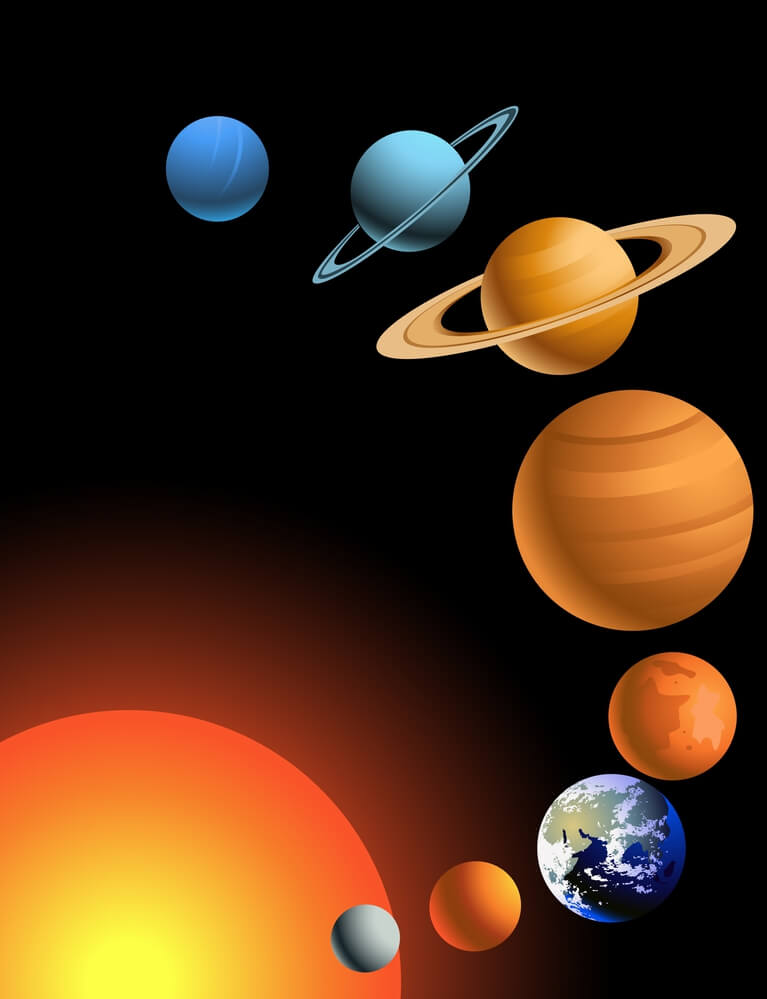
Astronomers Konstantin Batygin and Mike Brown proposed in 2016 that an unseen planet may exist far beyond Neptune, based on the unusual clustering of orbits among several distant icy objects that seemed difficult to explain otherwise. Unlike most predictions on this list, this one remains unconfirmed, though the underlying orbital data continues to hold up under scrutiny years later. Ongoing sky surveys continue searching for direct evidence of the proposed planet.
The Prediction of Black Orb Mergers
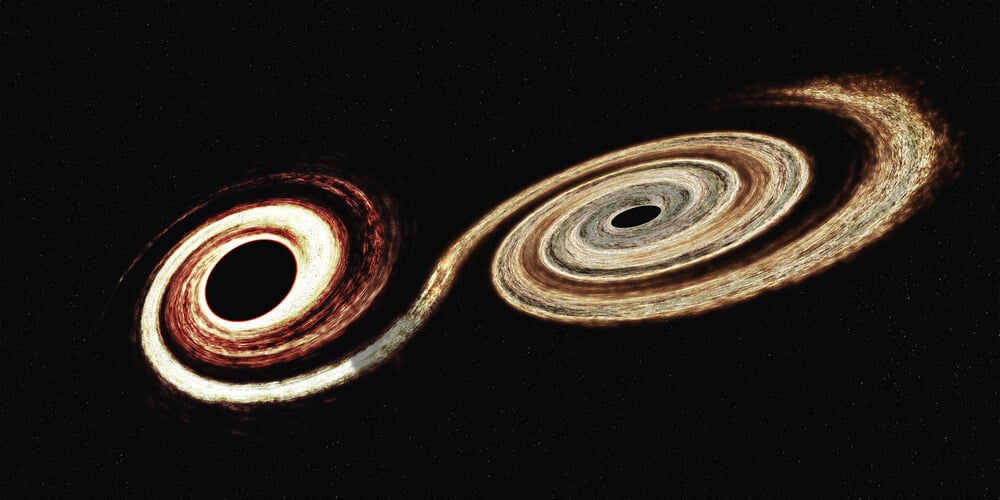
Physicists predicted for decades that black orbs should occasionally merge, producing an enormous, brief burst of gravitational waves detectable if instruments were sensitive enough. The 2015 LIGO detection confirmed not just that gravitational waves exist but that black orb mergers actually occur, an event calculated to have briefly released more energy than all the stars in the observable universe combined. It marked the beginning of an entirely new method for observing the universe.
Reasoning Ahead of Proof

None of these predictions were guesses in the casual sense. Each rested on mathematics, patterns, or theoretical frameworks solid enough that their authors staked real reputations on being right, sometimes facing open ridicule for decades before vindication arrived.
What the list ultimately reveals is less about foresight and more about the reliability of physical law itself. Reality, it turns out, tends to behave the way the equations say it should. Someone just has to be patient enough, and equipped enough, eventually to check.
More from Go2Tutors!

- The Romanov Crown Jewels and Their Tragic Fate
- 13 Historical Mysteries That Science Still Can’t Solve
- Famous Hoaxes That Fooled the World for Years
- 15 Child Stars with Tragic Adult Lives
- 16 Famous Jewelry Pieces in History
Like Go2Tutors’s content? Follow us on MSN.