25 Products That Were Totally Useless
Out of nowhere, odd gadgets appear when life changes direction. As meals started shifting, certain helpers made things smoother.
Costly wishes quietly take the place of basic wants. With smarter builds, moving across distances became less trouble.
Something practical might seem dull right away. Some tweaks solve problems people didn’t notice until now.
Over time, strange gadgets disappear into closets. Daily tasks changed, little by little, thanks to particular tools.
Out in the open, simple things last longer than flashy copies. Trial after trial shaped how we share thoughts.
Old gadgets pile up, ignored, as new ones take their place. Promises with loud voices sometimes deliver nothing at all.
Shiny errors from past years sit unused, left behind by time.
A look back at 25 things people tried, after seeing them praised online. Most crumbled under real use, despite bold claims.
Some broke right away. Others just sat unused, forgotten fast.
Each promised more than it could ever deliver. Reality hit hard once unpacked and tested.
Hype vanished quickly upon first try.
The Self-Stirring Mug

A small gadget might seem handy at the start – just tap once, then watch liquid circle around on its own. Without much effort, warmth spreads through your cup while gears hidden inside do the work.
Still, most times it brings more weight than value, needs charging too often, plus leaves gunk hard to reach when washing. Though clever in theory, real life tends to weigh heavier.
For most folks, a spoon wasn’t new – it was already sitting in their drawers. This machine-style twist made an easy thing harder instead.
Seemed less about solving problems, more about chasing newness without reason.
The Butter Cutter Stick

Heavy on promise, light on results – that’s what happened here. Inside its plastic shell went a whole stick, meant to emerge as neat little squares.
One press was supposed to do it all, slicing through like magic. What actually came out?
Pieces close enough, maybe, if you didn’t look too hard. The idea skipped the knife entirely, aiming for clean breaks with just pressure.
Pushing down did something, at least – just not always what was shown.
A clean idea on paper – yet brushed past the fact that few ever need perfectly sliced butter. Storage space shrank because of it, cleanup became unavoidable; what should take seconds now dragged through extra steps.
Google Glass
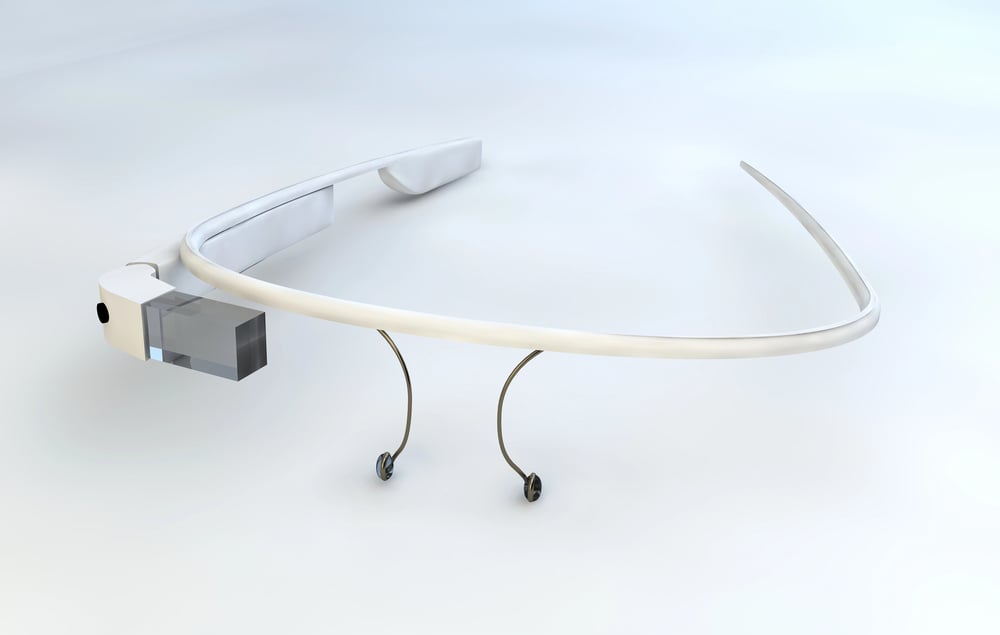
When Google Glass launched in 2013, it was framed as the future of wearable technology. The device projected information into the user’s field of vision and allowed hands-free communication.
Despite its futuristic appeal, it struggled with privacy concerns and social acceptance. Wearing a visible camera on your face made many people uncomfortable.
The product never found widespread consumer adoption, proving that cutting-edge does not always mean practical.
The Juicero

Juicero was marketed as a high-end juicing machine that required proprietary juice packs. The machine pressed the packs to extract juice.
Later demonstrations revealed the packs could be squeezed by hand with similar results. The device’s high price and unnecessary design quickly became symbolic of overengineered convenience.
It offered little beyond what basic effort could accomplish.
The Pet Rock

In the 1970s, the pet rock became a brief cultural phenomenon. It was, quite literally, a rock packaged in a box with air openings and an instruction manual.
Its success relied entirely on humor and novelty. While it was intentionally tongue-in-cheek, the product demonstrated how marketing can transform almost anything into a trend.
Its usefulness was never the point.
The USB-Powered Heated Butter Knife
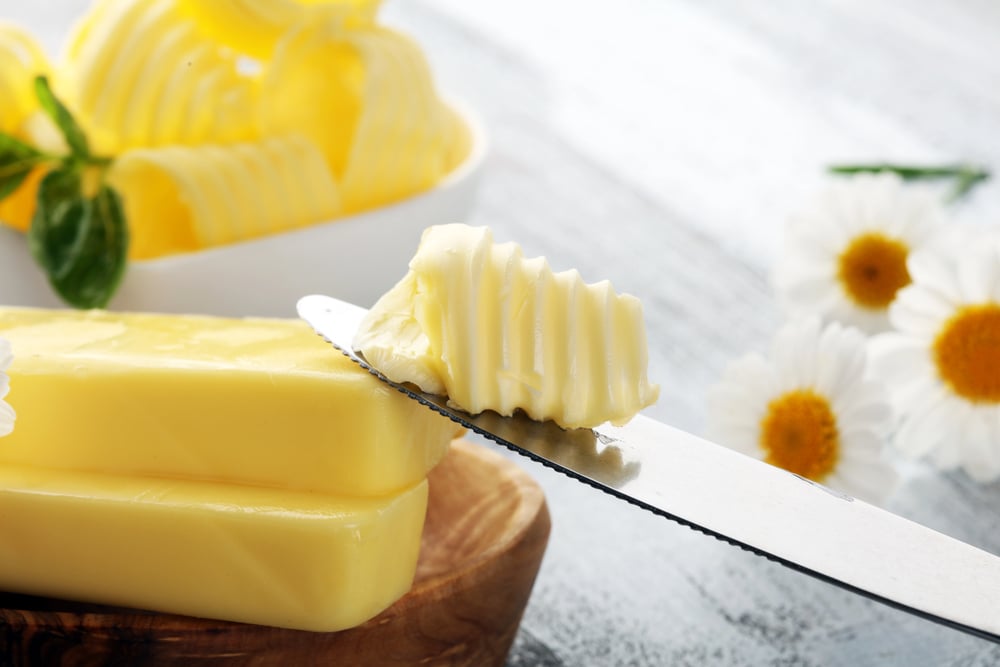
Designed to keep butter spreadable, this gadget plugged into a USB port to gently warm the blade. While clever in theory, it required proximity to a power source and added unnecessary complication to breakfast.
Room temperature and a standard knife generally solved the same issue. The heated version felt like a tech solution searching for a problem.
The Twitter Peek Device

Before smartphones dominated, the Twitter Peek allowed users to send and receive tweets from a standalone device. It did little else.
As multifunctional smartphones rapidly improved, single-purpose devices like this became obsolete almost immediately. Its lifespan was short, and its usefulness was limited.
The Electric Banana Slicer
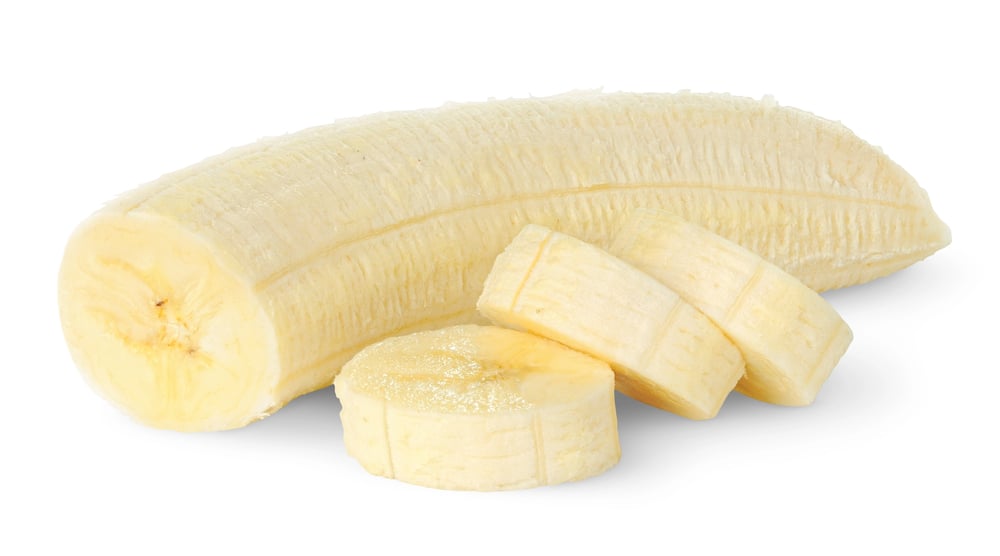
Bananas come out uneven no matter what the box says. Seconds is all it takes using a blade you already own.
That motorized gadget brings extra pieces plus cleanup work. Less help than hassle in the end.
What once felt easy now seemed tangled in confusion. Soon, the excitement wore off.
Segway Personal Transporter
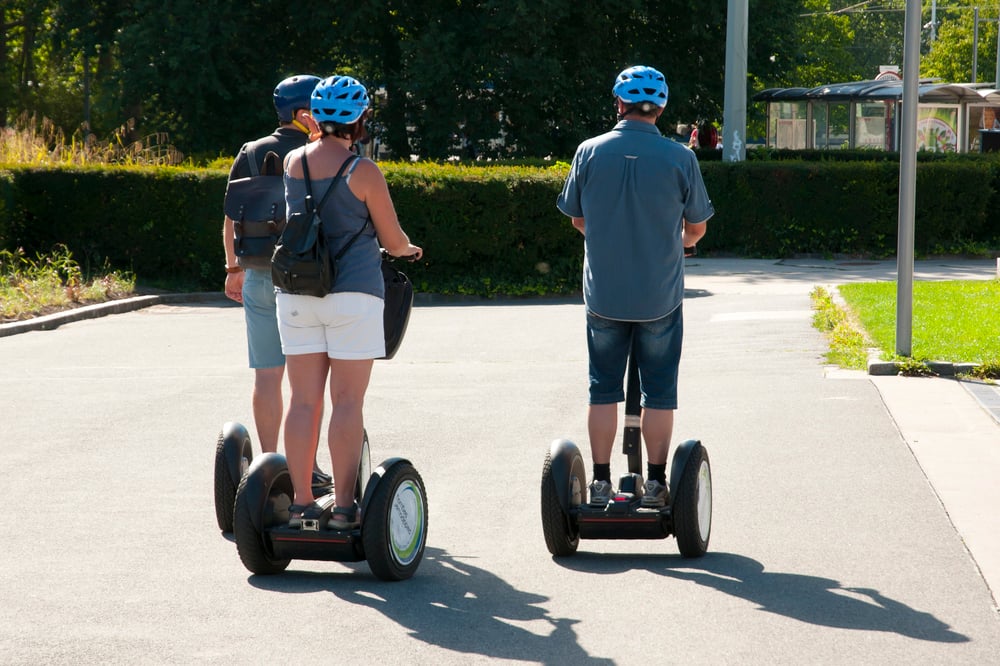
Folks thought city travel would change forever once the Segway showed up. Cool gadget, sure – rides on its own balance – but getting around town every day?
Not so much worked out that way. Few people used it widely because it was too expensive, didn’t go far, and got in the way on paths.
Still, some small groups stuck with it, though it never took over like walking or cycling did.
The Clapper

Lights came alive with a clap, thanks to The Clapper. Back then, that notion felt like tomorrow.
Still, everyday sounds sometimes fooled it into acting without warning. It did not always work as expected.
A fresh idea stood out, yet old-style buttons worked better when tested. This moment offered just a peek at what smart homes might become – though they did not grow much past that.
The Selfie Toaster

This device burned a custom image onto slices of bread. While humorous, it did not meaningfully improve breakfast.
It existed largely for novelty and social media appeal. Once the novelty wore off, it became another appliance occupying cabinet space without regular use.
The Inflatable Dartboard

A soft, inflatable dartboard sounded safer than traditional versions. However, the lightweight surface often prevented darts from sticking properly.
The compromise between safety and functionality left both goals half-met. The product struggled to deliver on its promise.
The Smart Egg Tray

Some versions of smart egg trays connected to apps to track expiration dates. While technologically possible, the solution overcomplicated a simple visual check.
Most people rely on smell or packaging dates. The digital upgrade felt excessive.
The Pizza Scissors With Serving Spatula

Combining scissors and a spatula into one tool promised clean pizza slices. However, regular pizza cutters already handled the task effectively.
The hybrid tool added another utensil to wash and store. Its innovation did not clearly outperform what existed.
The DVD Rewinder

DVD rewinders existed despite DVDs not requiring rewinding. The product mimicked the behavior of VHS accessories without technical necessity.
It capitalized on habit rather than function. Its usefulness was essentially nonexistent.
The Motorized Ice Cream Cone

This gadget rotated your ice cream cone automatically while you held it. The idea was to prevent drips and ensure even licking.
The concept added complexity to something already manageable. Most people did not require mechanical assistance to enjoy dessert.
The Electronic Cookie Dunker

Designed to lower cookies into milk automatically, this device eliminated the need to use your fingers. It introduced batteries and moving parts to a task that takes seconds by hand.
The problem it solved was minor at best. The gadget’s lifespan reflected that.
The Bluetooth-Enabled Fork
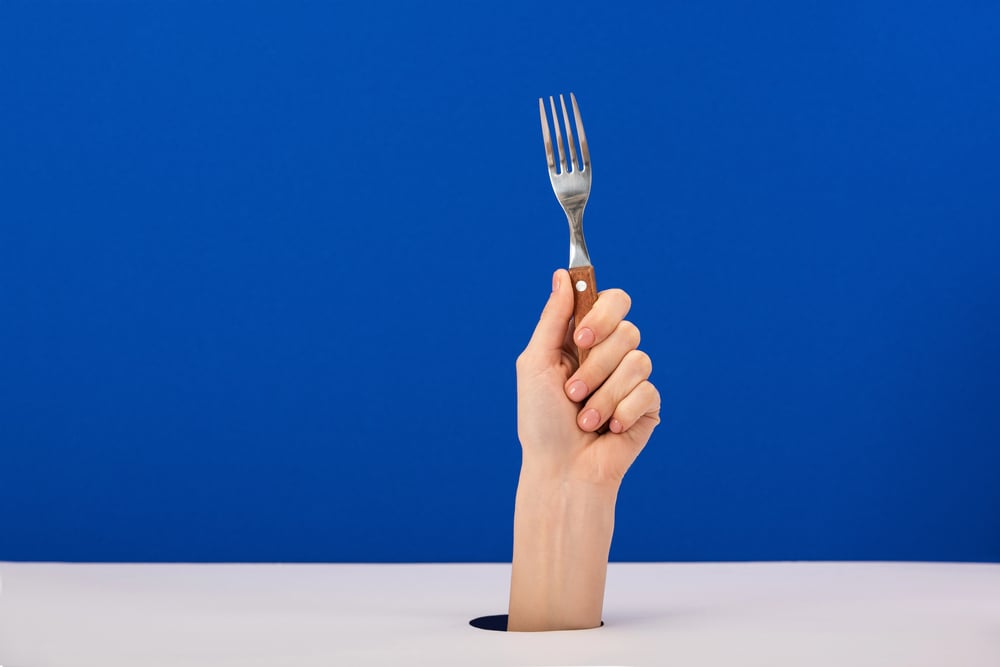
A fork that tracked eating speed and vibrated if you ate too quickly entered the market with health claims. While mindfulness tools can be helpful, attaching Bluetooth to cutlery felt excessive.
The novelty overshadowed the practicality. Many users found it intrusive rather than beneficial.
The IPod Socks
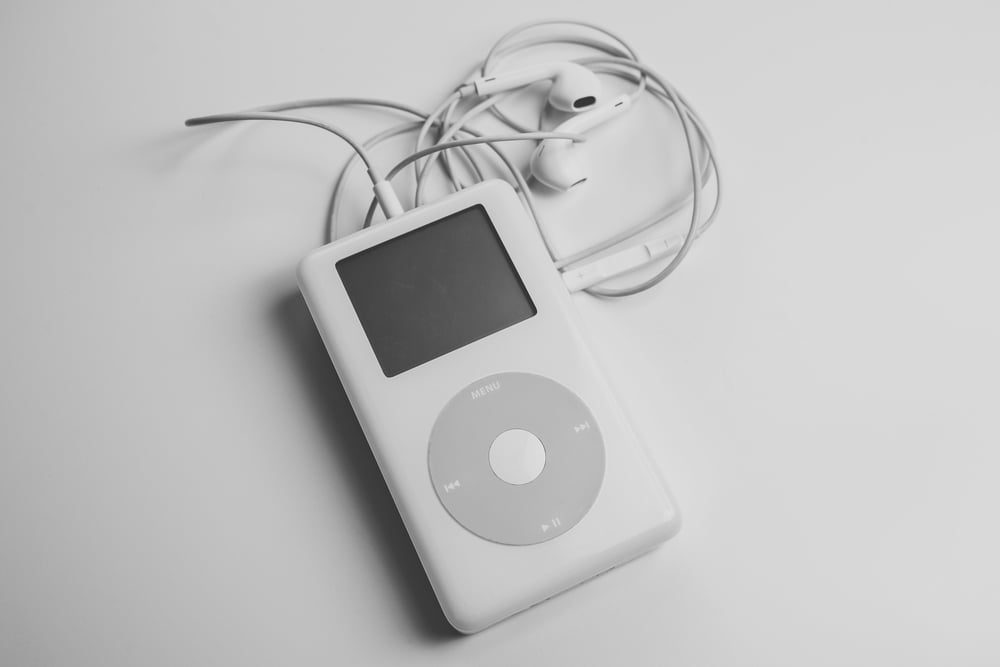
These small knit sleeves were designed to protect early iPods. While harmless, they provided minimal functional advantage over basic cases.
They became more fashion accessory than protective necessity. The idea was charming but hardly essential.
The Automatic Pancake Batter Dispenser

Promising perfect portions, this dispenser aimed to simplify breakfast. Yet pouring batter from a bowl was already straightforward.
Cleaning the device often required more effort than it saved. The simplicity of traditional methods remained appealing.
The LED Shoe Umbrellas

Tiny umbrellas attached to shoes to protect them from rain. While creative, they offered limited coverage and awkward mobility.
Standard waterproof footwear proved far more effective. The umbrella solution felt theatrical rather than practical.
The USB Pet Rock Charger

A humorous nod to tech culture, this product charged nothing because the rock required no power. It existed purely as a joke.
Its uselessness was intentional. Still, it reflected how novelty can drive sales.
The Desktop Punching Bag
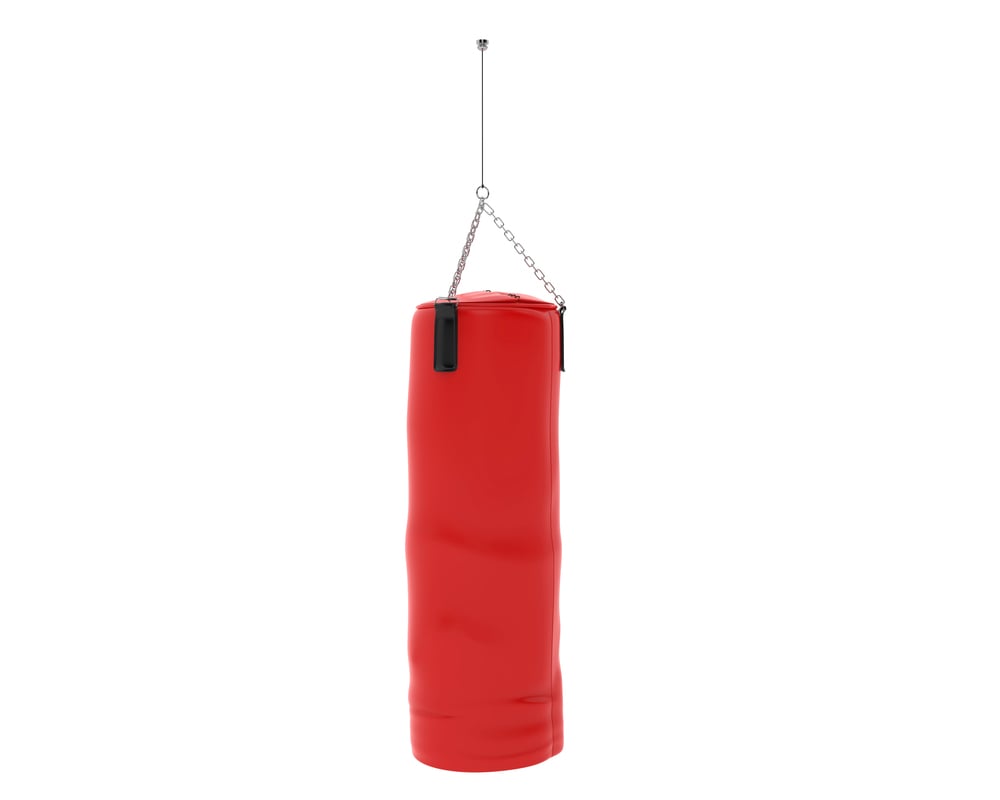
This suction-cup punching bag promised stress relief at work. While briefly satisfying, it rarely stayed upright long enough to justify its presence.
Traditional stress management techniques proved more reliable. The novelty quickly wore thin.
The Roll-Up Keyboard

Foldable rubbery keypads showed up everywhere, promising neat travel sizes plus resistance to coffee floods. Yet fingers struggled – each tap landed clumsy, never quite hitting the mark.
Comfort gave way to new designs. Most people still liked regular keyboards better.
The Hands-Free Umbrella Hat

A shape perched above the head – like a sunshade pretending to be headwear – hands left free. When tried out, folks slowed down, eyes locked on it, then blinked back surprise.
Few people stayed fully dry under classic umbrellas, though they looked normal enough. Odd shapes meant comfort took a backseat.
Using one tends to feel awkward, no matter how careful you are.
When Innovation Outpaces Necessity

A single idea doesn’t guarantee it will last. Driven by wonder, some creations appear – others surface because they’re new or loudly promoted.
Cleverness without need tends to land flat when progress moves faster than purpose ever asked. Result?
A tool people notice, then ignore. Usefulness rarely hides in complicated designs.
Often it’s the quiet, simple thing that lasts. Glancing again at these creations shows how shopping habits keep trying new ideas – some just don’t stick around.
More from Go2Tutors!

- The Romanov Crown Jewels and Their Tragic Fate
- 13 Historical Mysteries That Science Still Can’t Solve
- Famous Hoaxes That Fooled the World for Years
- 15 Child Stars with Tragic Adult Lives
- 16 Famous Jewelry Pieces in History
Like Go2Tutors’s content? Follow us on MSN.



