Biggest Box Office Flops Of All Time
Hollywood loves to brag about blockbusters that make billions, but for every massive hit, there’s a movie that crashed and burned so badly it made studio executives cry into their spreadsheets. These aren’t just films that did poorly at the box office.
These are the ones that lost so much money they became legendary disasters, the kind that get brought up in business school as examples of what not to do. Some had huge stars, others had massive budgets, but they all shared one thing in common: they bombed spectacularly.
Here are the films that proved throwing money at a project doesn’t guarantee success.
John Carter

Disney spent about $350 million making this science fiction adventure in 2012, and that doesn’t even include the marketing costs. The film was based on a series of books from the early 1900s about a Civil War veteran who gets transported to Mars, but audiences had no idea what the movie was about based on the trailers.
Disney lost somewhere between $200 million and $255 million on this project, making it one of the most expensive failures in film history. The director, Andrew Stanton, had made brilliant animated films like Finding Nemo and WALL-E, but this live-action debut turned into a cautionary tale about adapting old properties that modern audiences don’t care about.
The Lone Ranger

Johnny Depp and Disney teamed up again in 2013 for this Western that was supposed to recapture the success of the Pirates of the Caribbean franchise. The budget ballooned to around $250 million, and the film tried to mix action, comedy, and a talking horse into something that nobody really wanted to see.
The movie made only $260 million worldwide, which sounds good until you remember that studios typically need to make two to three times the production budget just to break even after marketing and theater cuts. Disney lost approximately $190 million, and the failure basically killed any plans for big-budget Westerns for the next decade.
The 13th Warrior

This 1999 Viking adventure starring Antonio Banderas started as a $60 million project but spiraled out of control during production. The studio brought in a different director to reshoot large portions of the film, which pushed costs up to $160 million, an absolutely massive budget for the late 1990s.
The movie made only $61 million worldwide and lost the studio around $130 million. Author Michael Crichton, who wrote the book it was based on, even stepped in to direct some of the reshoots himself, but nothing could save this mess from becoming one of the biggest flops of its era.
Cutthroat Island

This 1995 pirate adventure holds a special place in flop history because it literally bankrupted the studio that made it. Carolco Pictures spent $98 million on production, which was enormous for the mid-1990s, and the film made only $10 million worldwide.
The movie was meant to launch Geena Davis as an action star, but the script was rewritten constantly during filming, and the production was so troubled that the original director quit. Carolco filed for bankruptcy shortly after the film’s release, and Hollywood avoided pirate movies for years until Pirates of the Caribbean proved the genre could work.
Mars Needs Moms

Disney made this animated film using motion-capture technology in 2011, spending $150 million on a story about a boy who has to rescue his mother from Martians. The technology gave all the characters a creepy, lifeless look that made audiences uncomfortable, especially kids who were supposed to be the target demographic.
The film made only $39 million worldwide, losing Disney approximately $130 million to $145 million. The title itself was part of the problem since research showed that young boys didn’t want to see movies with ‘mom’ in the title, and the studio ignored all the warning signs.
Sinbad: Legend of the Seven Seas

DreamWorks spent $60 million making this hand-drawn animated adventure in 2003, plus another $60 million on marketing. The film made only $68 million worldwide, losing the studio around $125 million.
This disaster convinced DreamWorks to abandon traditional animation entirely and focus only on computer-animated films like Shrek. The movie featured the voices of Brad Pitt and Catherine Zeta-Jones, but it came out right when audiences were falling in love with CGI animation and losing interest in the classic hand-drawn style.
Stealth

This 2005 action film about a fighter jet with artificial intelligence that goes rogue cost $135 million to make. The movie earned only $76 million worldwide and lost Sony somewhere between $96 million and $115 million.
Jamie Foxx, Jessica Biel, and Josh Lucas starred in this mess, which came out the same year Foxx won an Oscar for Ray. The film’s special effects looked expensive but couldn’t hide the fact that the script was basically a video game without any of the fun parts.
The Adventures of Pluto Nash
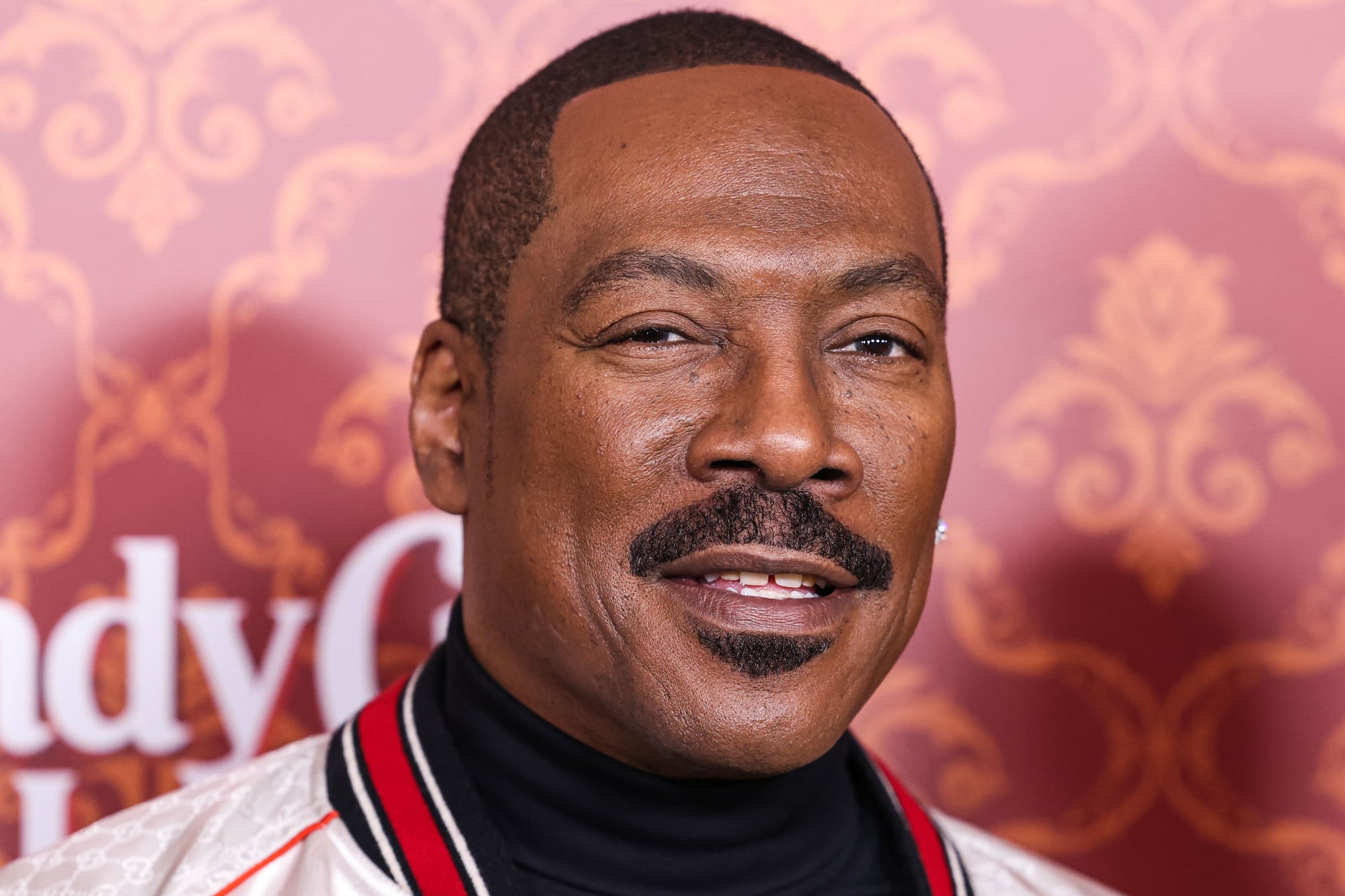
Eddie Murphy starred in this 2002 science fiction comedy set on the Moon, and it became one of the most notorious bombs in Hollywood history. The budget was around $100 million, but the film sat on a shelf for two years before the studio finally released it and hoped for the best.
Pluto Nash made only $7 million worldwide, which means it lost approximately $96 million. Murphy’s career took a serious hit from this disaster, and the film is still used as shorthand for terrible sci-fi comedies that nobody asked for.
Sahara
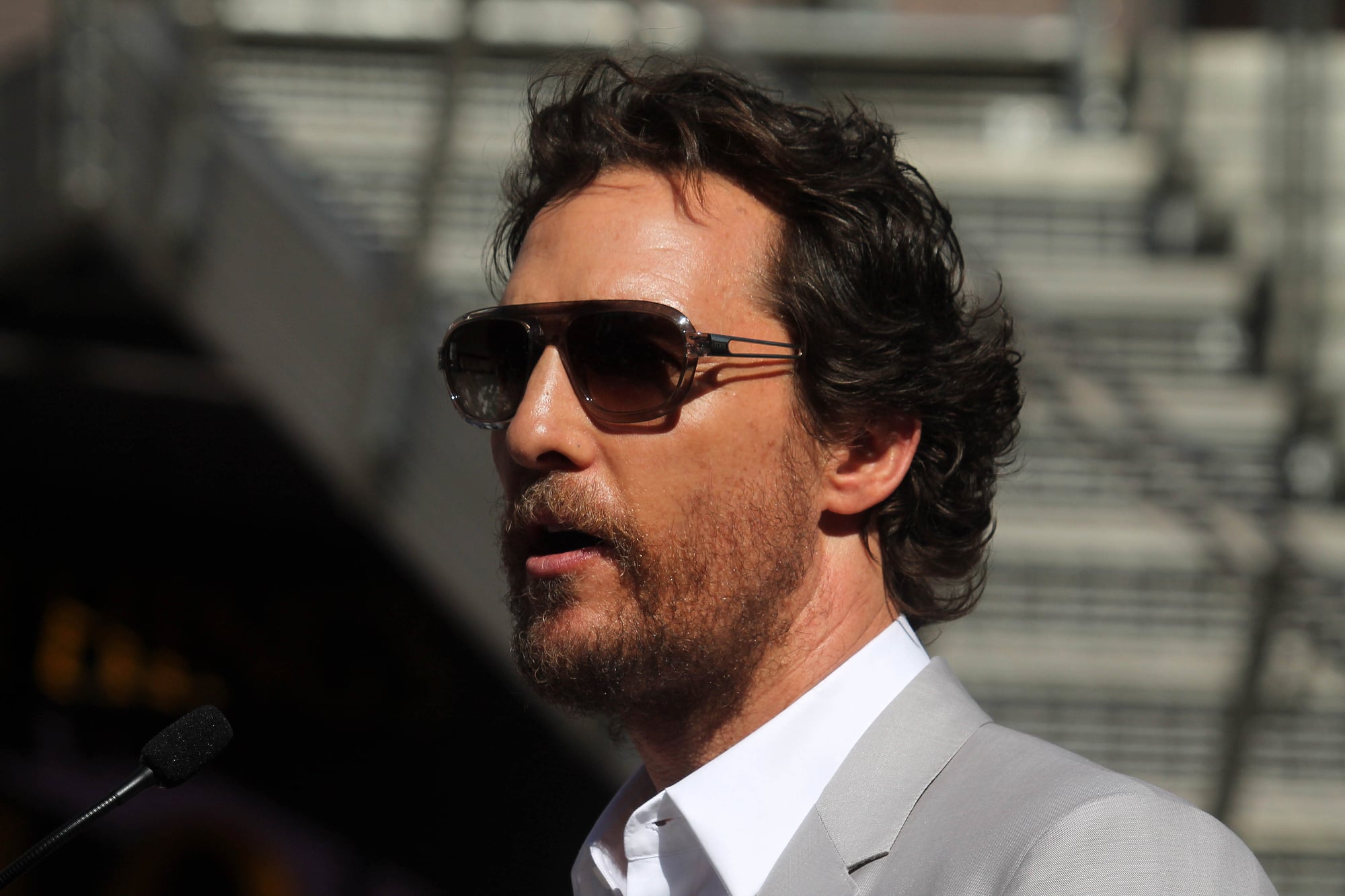
Matthew McConaughey and Penélope Cruz teamed up for this 2005 adventure film based on a popular series of novels by Clive Cussler. The production cost around $160 million, but legal disputes between the author and the studio revealed that the actual cost might have been closer to $241 million when you include all the reshoots and marketing.
The film made $119 million worldwide, losing the studio at least $78 million and possibly much more. The legal battle that followed was almost as entertaining as the movie should have been, with accusations flying about who was responsible for the financial disaster.
The Fall of the Roman Empire

This 1964 epic was one of the most expensive films ever made at the time, with a budget of $19 million (about $190 million in today’s money). The movie took years to make and featured enormous sets that recreated ancient Rome in Spain, including a full-scale replica of the Roman Forum.
Despite the spectacle, audiences didn’t show up, and the film made only $4.75 million in North America. The losses were so catastrophic that producer Samuel Bronston’s career never recovered, and the film’s failure helped kill the sword-and-sandals genre for decades.
Town & Country

Warren Beatty, Diane Keaton, and Goldie Hawn starred in this comedy that spent years in production hell before finally limping into theaters in 2001. The budget started at $44 million but grew to $105 million as the script kept getting rewritten and scenes were shot over and over.
The film made only $10 million worldwide, losing New Line Cinema around $100 million. Beatty didn’t make another film for 15 years after this disaster, and the movie is barely remembered today except as a punchline about runaway productions.
A Wrinkle in Time
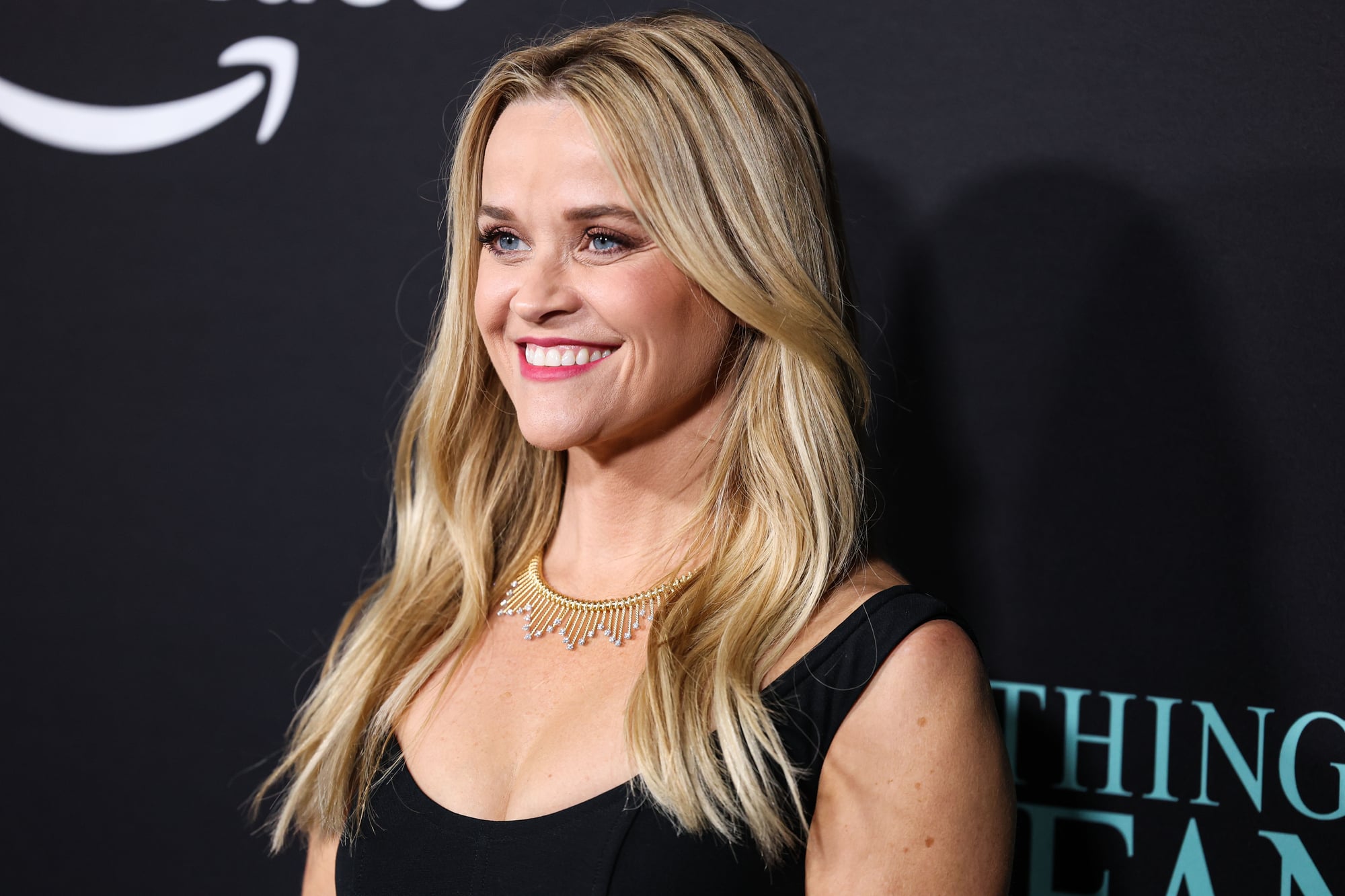
Disney spent $103 million making this 2018 adaptation of the beloved children’s book, plus around $150 million on marketing and distribution. The film featured Oprah Winfrey, Reese Witherspoon, and Mindy Kaling, and was directed by Ava DuVernay, but it made only $133 million worldwide.
The studio lost between $86 million and $186 million depending on whose accounting you believe. The movie tried to capture the book’s weird, trippy vision but ended up feeling confusing and overstuffed with CGI that didn’t quite work.
King Arthur: Legend of the Sword

Guy Ritchie directed this 2017 attempt to reimagine the King Arthur legend as a gritty action franchise, and Warner Bros. spent $175 million making it. The studio had plans for six movies in the series, but the first one made only $148 million worldwide and lost them between $150 million and $153 million.
Charlie Hunnam played Arthur like a street-smart hustler instead of a noble king, and the film’s modern editing style clashed with the medieval setting. All plans for sequels were immediately canceled after the opening weekend numbers came in.
The Alamo

This 2004 historical epic about the famous 1836 battle cost $107 million to make, a huge budget for a film without big stars or special effects. Dennis Quaid and Billy Bob Thornton starred, but the movie tried to tell a more historically accurate version of the story, which meant fewer heroics and more political complexity than audiences wanted.
The film made only $25 million worldwide, losing the studio approximately $94 million. The movie was supposed to come out in 2003 but got delayed multiple times, which only made things worse by building expectations it couldn’t meet.
How Do You Know

Director James L. Brooks made this romantic comedy in 2010 starring Reese Witherspoon, Owen Wilson, Paul Rudd, and Jack Nicholson. The production cost $120 million, which is absurdly high for a small romantic comedy with no special effects or action sequences.
The money apparently went to the massive salaries of the stars and the director’s habit of shooting scenes dozens of times to get them perfect. The film made only $49 million worldwide, losing Sony around $90 million and proving that even beloved stars can’t save a movie if the story doesn’t connect with audiences.
Treasure Planet

Spending $140 million brought this 2002 animated take on Treasure Island into deep space. Instead of just one method, artists mixed classic drawing by hand with digital settings and visuals – this pushed both price and difficulty higher.
Around the globe, ticket sales reached only $110 million, leaving Disney short by roughly three quarters of a hundred million dollars. Though reviews weren’t bad, and fans slowly grew fond of it, timing played against it; the studio’s cartoon efforts were faltering then, while excitement leaned heavily toward what Pixar released.
Final Fantasy The Spirits Within

A budget of 137 million dollars shaped this 2001 animated feature, drawn from a well-known gaming franchise – though little beyond the title carried over. Instead of matching player memories, the creators chased lifelike humans on screen; results felt stiff, unsettling even.
What unfolded was less epic quest, more quiet musing on existence and unseen forces. Viewers stayed away, global returns topping just 85 million against those high costs.
Losses neared 94 million, shaking the studio behind it – Square’s movie arm never recovered. Sure, tech pushed boundaries back then, yet audiences had zero interest sitting through two hours of digital faces pondering souls and cosmic flow.
Facing huge issues despite having plenty of money

Funny how some flops later find love online, even if they wrecked careers when first released. Not every pricey film hits its mark, yet studios keep trying despite past stumbles.
What stands out is how fear of loss now shapes decisions behind closed doors. Certain movies gain fans years later, seen differently through fresh eyes.
Big price tags once meant blind faith; today there’s hesitation where boldness used to rule. Losses piled up until caution became the new script in boardrooms.
People lost work overnight because bets went sour on grand visions. Streaming platforms gave failed projects breathing room nobody expected.
Hollywood still chases scale, though tighter reins guide which dreams get funded. Success isn’t guaranteed by cash – sometimes it slips away fast.
More from Go2Tutors!

- The Romanov Crown Jewels and Their Tragic Fate
- 13 Historical Mysteries That Science Still Can’t Solve
- Famous Hoaxes That Fooled the World for Years
- 15 Child Stars with Tragic Adult Lives
- 16 Famous Jewelry Pieces in History
Like Go2Tutors’s content? Follow us on MSN.



