Stars You Probably Didn’t Realize Have Incredibly Famous Parents
Hollywood loves a good origin story, but some of the most surprising ones happen to belong to stars who’ve built their own empires while quietly carrying legendary last names. These aren’t the obvious cases where nepotism discussions dominate social media feeds.
These are the performers who’ve worked so hard to establish their own identities that their famous lineage gets buried beneath their personal achievements. The family connections exist in plain sight, yet somehow manage to surprise even dedicated entertainment followers when they surface.
Dakota Johnson
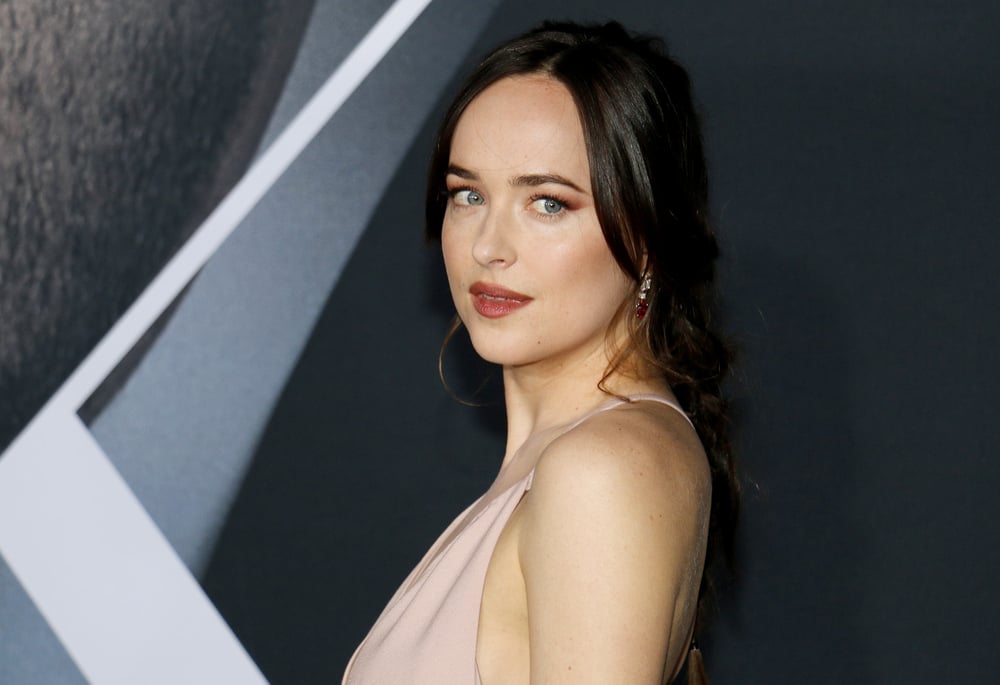
Dakota Johnson spent years being known primarily as “the girl from Fifty Shades,” which (if you think about it) makes for a peculiar kind of professional camouflage when your mother happens to be Melanie Griffith and your grandmother is Tippi Hedren, the blonde muse of Alfred Hitchcock’s later career. And then there’s the small matter of her stepfather being Antonio Banderas, who met her when she was five years old—so family dinners presumably involved discussions of Desperado and The Mask of Zorro alongside whatever homework drama childhood was serving up.
The strange thing about Dakota’s career trajectory is how completely it divorced her from the Hedren-Griffith acting lineage (at least in public perception) while she spent nearly a decade doing television work before the Fifty Shades phenomenon turned her into a household name. Her childhood was split between her mother’s Hollywood world and her father Don Johnson’s Miami Vice fame, but somehow the entertainment press managed to treat her early career as though she’d emerged from nowhere.
Even now, when people discuss her performances in films like The Lost Daughter or Cha Cha Real Smooth, the focus stays on her acting choices rather than her genetic lottery win—which is probably exactly how she prefers it.
Rumer Willis
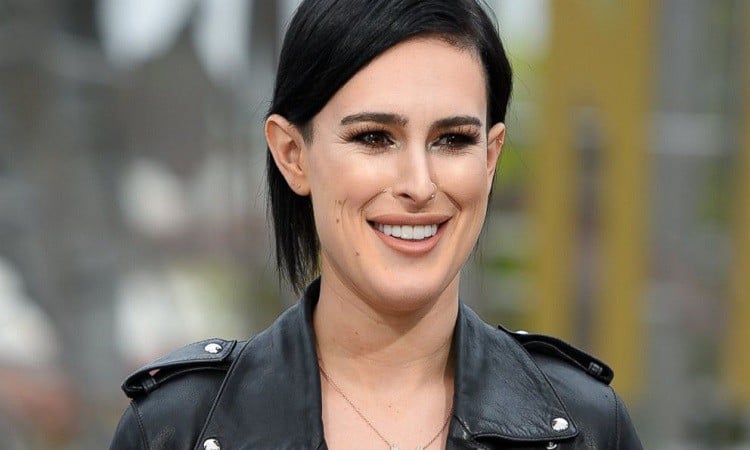
Picture this: you’re born to two of the biggest movie stars of the 1990s, your childhood plays out against the backdrop of Die Hard sequels and Ghost’s cultural dominance, and somehow you still have to carve out space for your own artistic identity. That’s the particular challenge Rumer Willis faced, being the eldest daughter of Bruce Willis and Demi Moore—a pairing that dominated tabloid covers throughout the decade when celebrity culture was shifting into its modern, more intrusive form.
What’s fascinating about Rumer’s path is how deliberately she seemed to step sideways from her parents’ action-movie and dramatic-thriller wheelhouse. She won Dancing with the Stars in 2015, showcasing a physicality and rhythm that had nothing to do with her father’s stoic screen presence or her mother’s intensity.
Her Broadway debut in Chicago leaned into musical theater skills that neither parent had particularly emphasized in their own careers. It’s as though she looked at the Willis-Moore legacy and decided the most rebellious thing she could do was become a song-and-dance performer who happened to share their DNA.
Maya Hawke
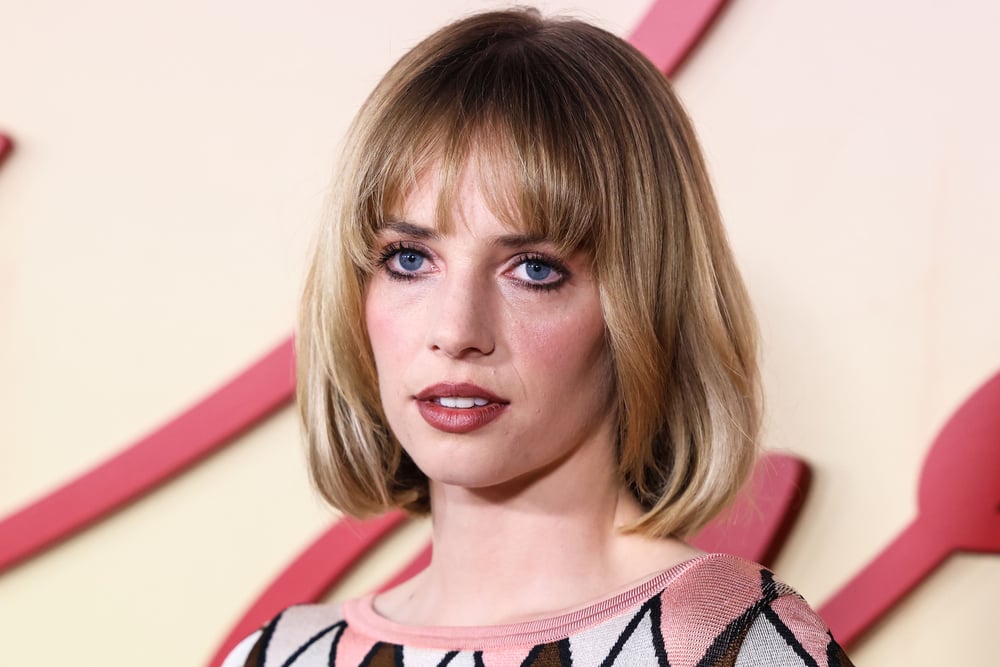
The math on Maya Hawke’s parentage is almost absurdly literary. Ethan Hawke and Uma Thurman—the thoughtful, intense actor known for Before Sunrise and Dead Poets Society paired with the statuesque star of Pulp Fiction and Kill Bill.
Their daughter inherited a kind of dreamy, intellectual screen presence that feels like it was genetically engineered in some art-house laboratory, and yet her breakout role as Robin in Stranger Things existed in a completely different universe from either parent’s most famous work. Maya’s music career adds another layer to this genetic lottery situation.
She writes and performs indie folk songs that carry the kind of introspective weight you’d expect from the child of two actors who’ve spent their careers choosing projects based on artistic merit rather than box office potential. But here’s the thing—her Stranger Things performance was so distinctly her own creation, so removed from the Hawke-Thurman acting styles, that viewers connected with Robin as a character long before they made the family connection.
That’s a particular kind of artistic success: when your work stands independent of your lineage, even when that lineage is as impressive as hers happens to be.
John David Washington
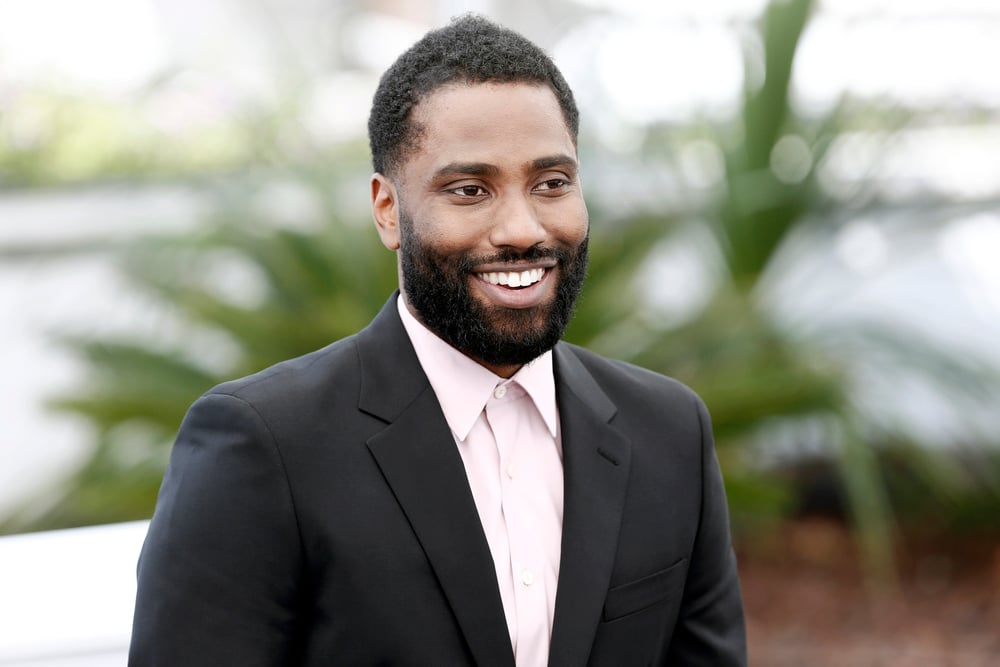
John David Washington has the most successful actor of his generation as a father, and somehow that fact gets forgotten in discussions of his performances in BlacKkKlansman, Tenet, and Malcolm & Marie. Denzel Washington is cinematic royalty—two Academy Awards, countless iconic roles, a screen presence that defined serious dramatic acting for multiple decades.
His son spent his twenties playing professional football before transitioning to acting, which is possibly the only career path that could make people temporarily forget about the family connection. The football detour was a brilliant strategy, whether intentional or not.
By the time John David appeared in BlacKkKlansman, he’d established himself as a former athlete turning to acting rather than another legacy case riding family connections into Hollywood. Spike Lee cast him based on audition merit, and audiences responded to his performance without the immediate nepotism questions that dog other famous offspring.
Even now, his career choices feel like deliberate attempts to establish territory separate from his father’s dramatic wheelhouse—action films, experimental Christopher Nolan projects, intimate relationship dramas that showcase different aspects of his range.
Mamie Gummer
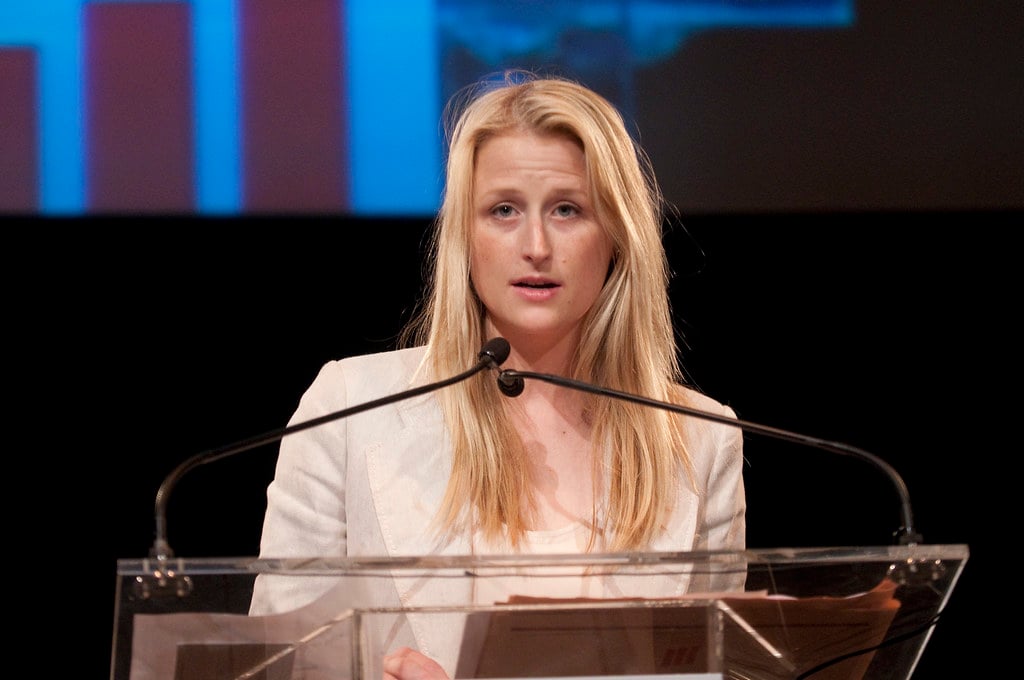
Streep’s daughters face an impossible comparison situation, but Mamie Gummer has managed to build a respectable television career while staying largely out of the shadow-casting spotlight that follows Meryl everywhere. She’s appeared in The Good Wife, Emily Owens M.D., and The Good Fight—solid, professional work that doesn’t invite constant measurement against one of the greatest actresses in film history.
The family resemblance is unmistakable when you know to look for it, but Mamie’s screen presence carries a warmth and directness that feels distinct from her mother’s chameleonic transformations. Where Meryl disappears completely into characters, Mamie maintains a more consistent persona across roles.
It’s a different approach to the craft, one that’s allowed her to work steadily without constant comparisons to The Devil Wears Prada or Sophie’s Choice. Smart career management, considering the alternative would be having every performance measured against three decades of Oscar nominations.
Margaret Qualley
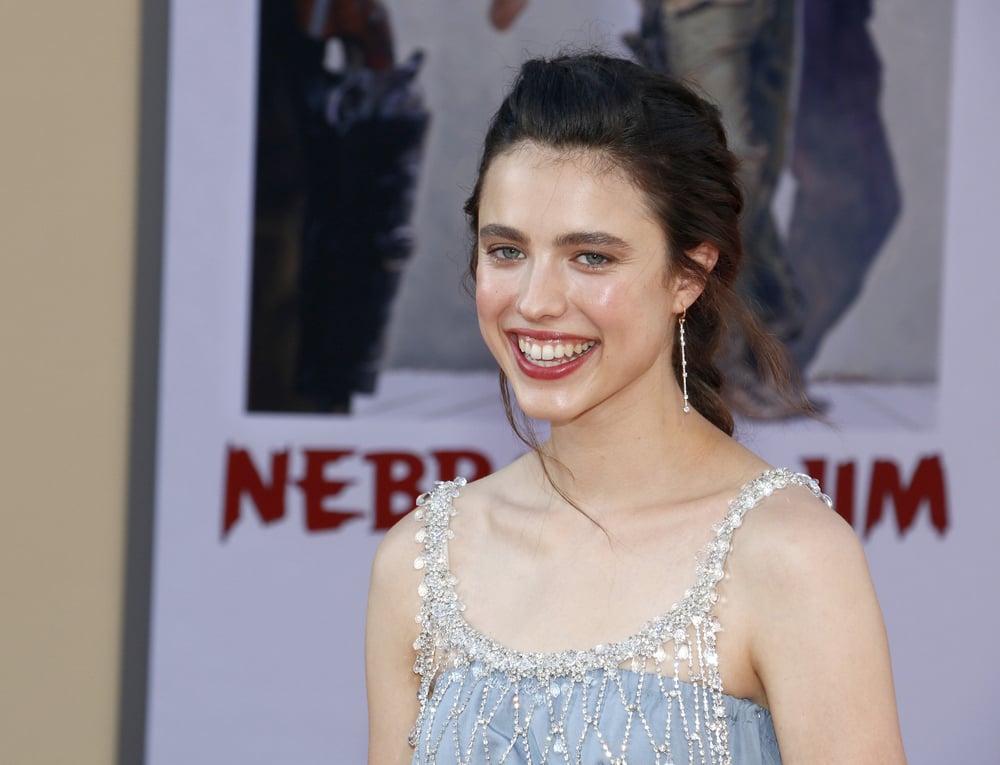
Dancing gave Margaret Qualley her first identity separate from her mother Andie MacDowell’s rom-com fame. She trained as a ballerina, which created a completely different artistic foundation before she transitioned into acting.
When she appeared in The Leftovers and later in Once Upon a Time in Hollywood, the physicality and grace from her dance background became part of her screen presence in ways that had nothing to do with Four Weddings and a Funeral. The MacDowell connection becomes obvious when you see them together—the bone structure is nearly identical—but Margaret’s acting choices lean toward darker, more complex material than her mother’s crowd-pleasing romantic comedies.
Maid, the Netflix limited series where she played a domestic abuse survivor, showcased dramatic range that established her as a serious actress rather than another legacy case trading on family name recognition. The fact that Andie played her character’s mother in that series created an interesting full-circle moment, but by then Margaret had already proven herself independently.
Colin Hanks
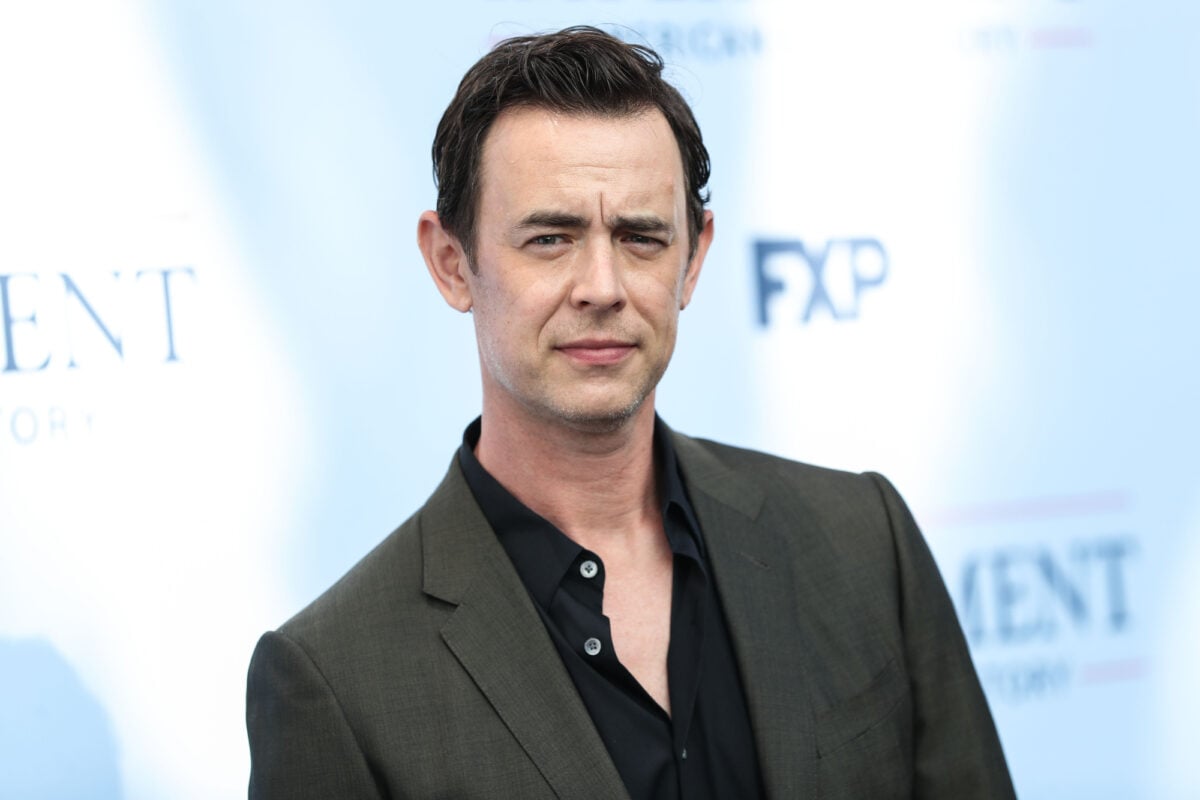
Growing up as Tom Hanks’s son means living in the shadow of America’s most beloved movie star—the guy who voiced Woody, saved Private Ryan, and made everyone cry in Philadelphia (which, when you think about it, is a rather specific form of childhood pressure that most people can’t even begin to imagine). Colin has spent his career deliberately choosing projects that exist nowhere near his father’s wheelhouse: independent films, television comedies, documentaries about subjects like Tower Records and the Grateful Dead that appeal to niche audiences rather than mainstream crowds.
His work in Fargo, The Good Guys, and Life in Pieces established him as a character actor comfortable with supporting roles and ensemble pieces. There’s something refreshingly unpretentious about his career choices—he’s not trying to become the next Tom Hanks because that position is already filled by Tom Hanks.
Instead, he’s built a resume of solid, professional work that stands on its own merit. The family connection adds interest when it’s mentioned, but it doesn’t define his performances, which is probably the best possible outcome for someone carrying that particular last name.
Billie Lourd
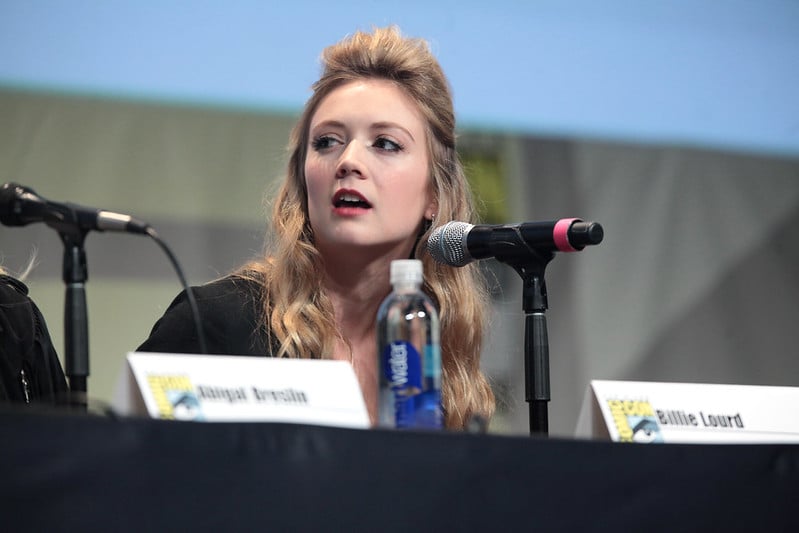
Carrie Fisher’s daughter inherited a complicated legacy. Princess Leia is a cultural icon, but Carrie’s later career was defined by her brilliant, brutal honesty about mental health and addiction—heavy subjects for anyone’s child to carry forward. Billie appeared in the final Star Wars trilogy as a minor character, which created an obvious connection, but her real breakout work happened in Ryan Murphy’s television universe with American Horror Story and The Politician.
The Fisher family tragedy—losing both Carrie and Debbie Reynolds within a day of each other in 2016—thrust Billie into public mourning for two generations of Hollywood royalty while she was still establishing her own career. Her social media presence during that period showed remarkable grace under impossible circumstances.
Her acting work since then has shown range and commitment that suggests she’s inherited her mother’s fearlessness without the accompanying demons. That’s a particular kind of strength that can’t be taught or faked.
Scott Eastwood
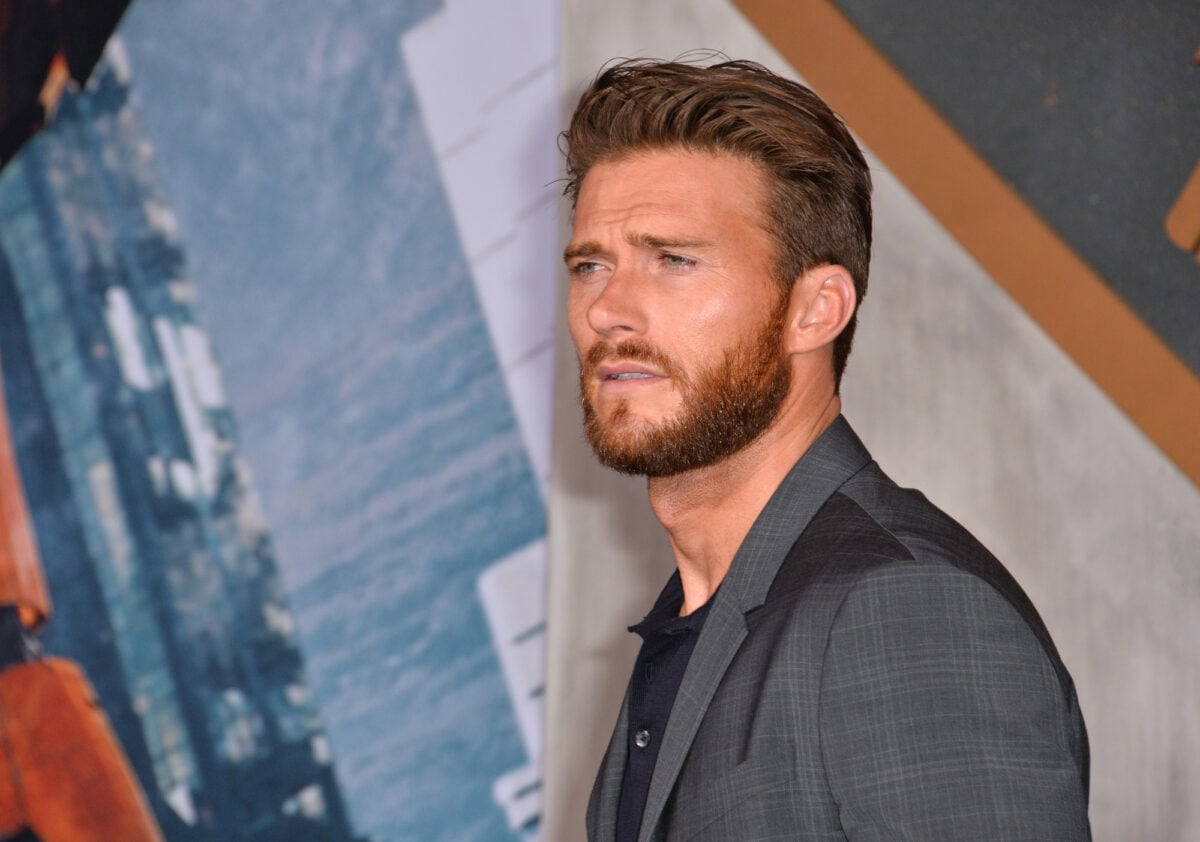
Clint Eastwood has been a movie star since before his children were born, which creates a very specific kind of pressure for any offspring who choose acting careers. Scott inherited the square jaw and steely gaze, but he’s spent his career taking roles in action films and romantic dramas that exist in completely different territory from his father’s westerns and crime thrillers.
The Pacific Rim and Fast & Furious franchises provided him with blockbuster credentials separate from the Eastwood legacy. His screen presence carries echoes of his father’s intensity, but Scott’s performances tend to be more conventionally leading-man attractive rather than the weathered, morally complex characters that defined Clint’s career.
It’s a different approach to movie stardom—more straightforward, less interested in the psychological complexity that made Unforgiven and Million Dollar Baby so compelling. Whether that’s a conscious choice to avoid comparisons or simply a reflection of different acting instincts, it’s allowed him to work steadily without constant measurements against one of cinema’s most distinctive screen presences.
Ava Phillippe
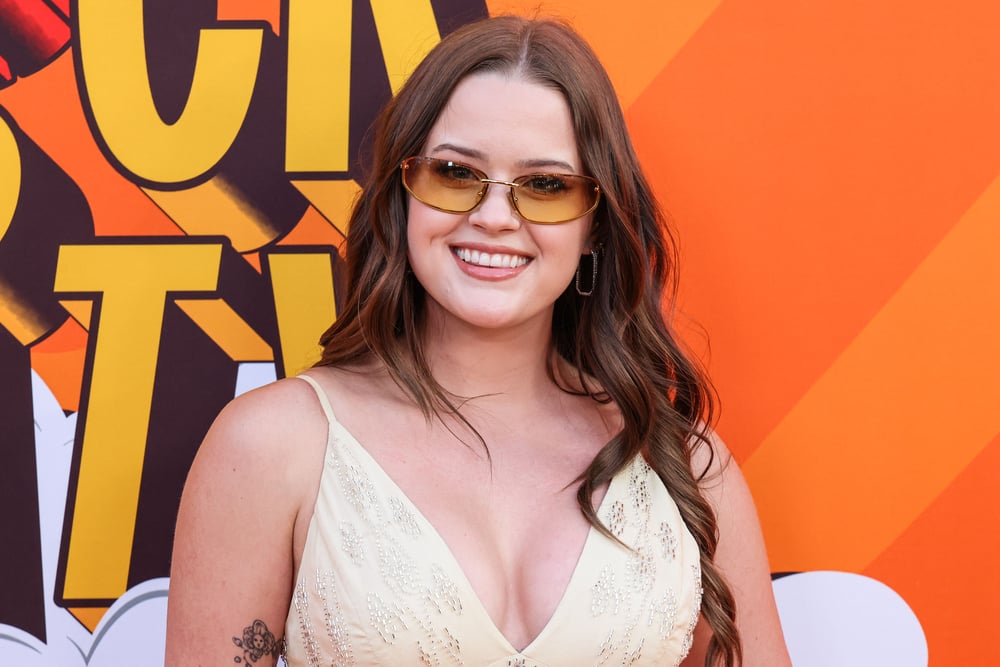
Reese Witherspoon’s daughter is still early in her career, but the resemblance is so striking that Ava’s Instagram posts regularly generate comments about how she looks exactly like her mother at the same age. She’s studying at UC Berkeley and hasn’t committed fully to entertainment industry work yet, but her social media presence suggests someone comfortable with public attention while maintaining boundaries around privacy.
The Witherspoon comparison is inevitable, but Ava seems more interested in activism and social causes than in replicating her mother’s romantic comedy success. Her posts about environmental issues and social justice suggest someone who grew up in a politically aware household and intends to use whatever platform she develops for advocacy work.
It’s an interesting evolution from Legally Blonde fame—the next generation using celebrity privilege for different purposes than entertainment.
Grace Gummer
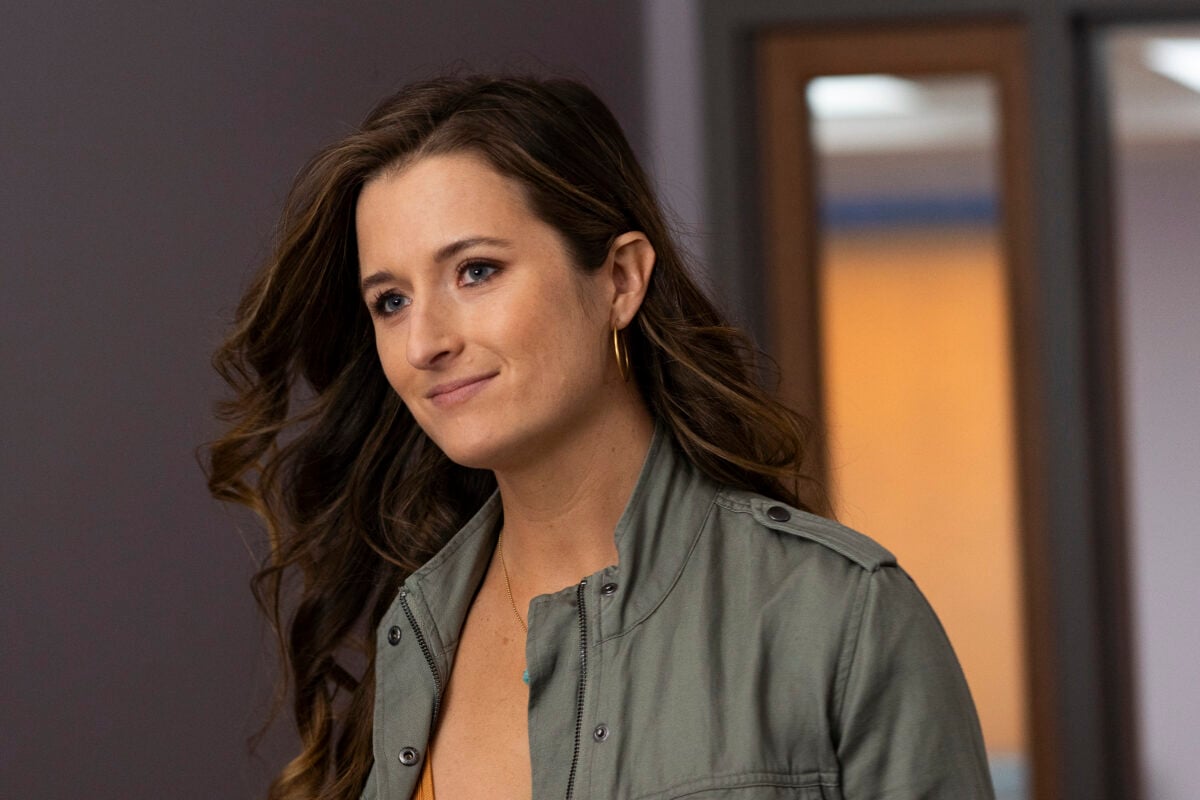
Meryl Streep’s other daughter took a different path from Mamie, focusing on television work that showcased dramatic range rather than staying in supporting roles. Her performance in Mr. Robot as FBI agent Dominique DiPierro was particularly strong—a complex character dealing with paranoia and isolation that had nothing to do with her mother’s filmography.
The role required emotional intensity and physical commitment that established Grace as a serious actress independent of family connections. The Gummer sisters represent an interesting case study in how to handle famous parentage.
Both chose television over film, both avoided romantic comedy territory that might invite direct comparisons to their mother’s range, and both built respectable careers without trading heavily on the Streep name. That’s strategic thinking applied to career development—understanding that following too closely in Meryl’s footsteps would guarantee unfavorable comparisons, so instead creating separate artistic identities.
Jack Quaid
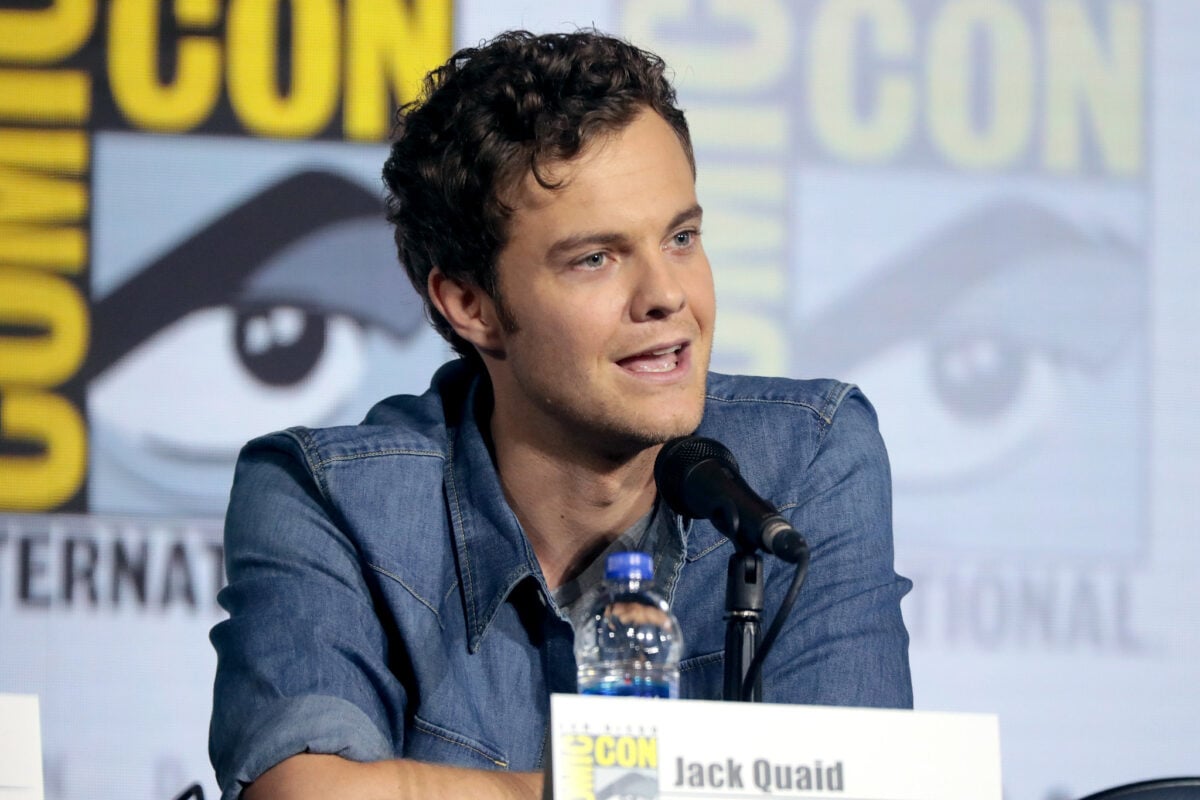
Dennis Quaid and Meg Ryan were one of Hollywood’s golden couples during the 1990s, which makes their son Jack another example of legacy offspring who’ve had to establish independent careers while carrying recognizable DNA. His breakout role in The Boys as Hughie Campbell showed comedic timing and dramatic range that felt completely separate from his parents’ romantic comedy fame.
What’s interesting about Jack’s career trajectory is how completely he’s avoided the territory where his parents made their names. The Boys is violent, satirical superhero television that exists nowhere near the crowd-pleasing romantic comedies and action-adventure films that defined the Quaid-Ryan era.
His voice work in Star Trek: Lower Decks adds another dimension to his resume—animation work that showcases different skills entirely. It’s as though he looked at his parents’ careers and decided the best strategy was to work in completely different genres where comparisons would be impossible.
Louisa Jacobson
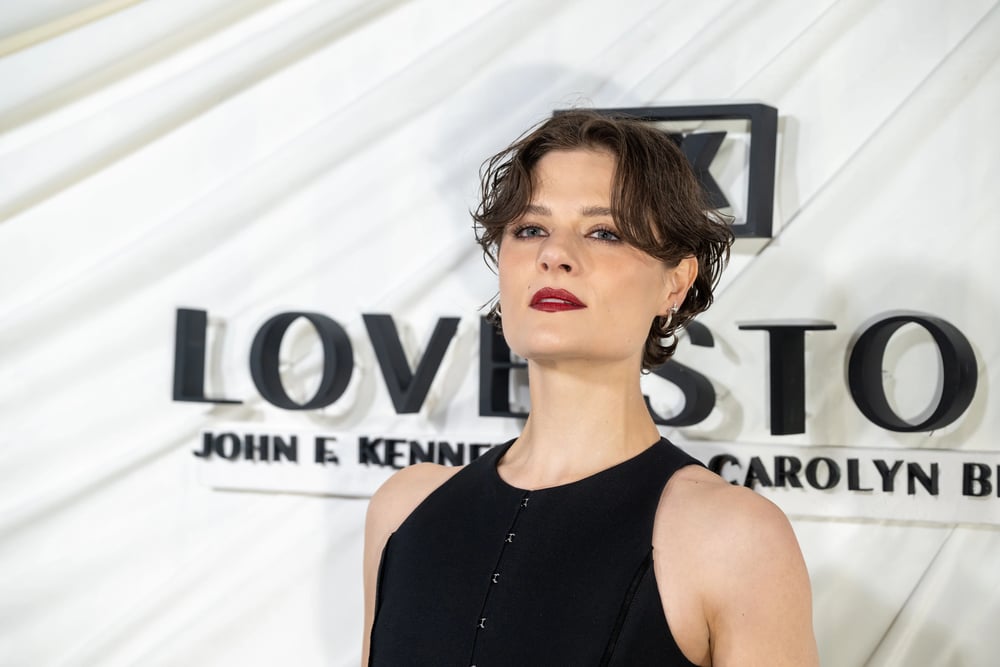
Meryl Streep has three daughters in the entertainment industry, which creates an interesting situation where the family name recognition gets distributed across multiple careers. Louisa, the youngest, made her television debut in The Gilded Age, Julian Fellowes’s follow-up to Downton Abbey.
The period drama setting allowed her to showcase classical acting training while working in prestige television that carries different expectations from her mother’s film career. The Jacobson last name provides some professional distance from immediate Streep comparisons, though the resemblance becomes obvious once you know the connection.
Her performance in The Gilded Age demonstrated comfort with period dialogue and costume drama requirements that suggest classical theater training. Like her sisters, she’s chosen television over film and dramatic roles over comedy, which seems to be the family strategy for avoiding direct competition with one of cinema’s most accomplished actresses.
The Quiet Revolution

There’s something almost rebellious about succeeding in entertainment while your famous parentage fades into background trivia. These performers have managed to reverse the usual celebrity equation—instead of family connections launching careers, their individual achievements eventually overshadow their genetic lottery wins.
It’s a particular kind of artistic integrity that deserves recognition, especially in an industry where nepotism discussions dominate social media discourse. The most successful legacy performers share certain strategies: they choose projects in different genres from their parents’ famous work, they establish their own artistic identities before acknowledging family connections, and they’re comfortable with supporting roles and ensemble work rather than demanding leading parts based on their last names.
That approach requires genuine talent and professional humility, qualities that can’t be inherited or manufactured.
More from Go2Tutors!

- The Romanov Crown Jewels and Their Tragic Fate
- 13 Historical Mysteries That Science Still Can’t Solve
- Famous Hoaxes That Fooled the World for Years
- 15 Child Stars with Tragic Adult Lives
- 16 Famous Jewelry Pieces in History
Like Go2Tutors’s content? Follow us on MSN.