25 Sports Cards Families Store the Wrong Way
Grading services can tell within seconds whether a card spent decades in a shoebox, a bicycle spoke, or a plastic sleeve, because each storage method leaves a distinct kind of damage. The cards below are specific, real examples where poor storage has repeatedly turned what should have been a life-changing find into a card worth a fraction of its potential value.
T206 Honus Wagner
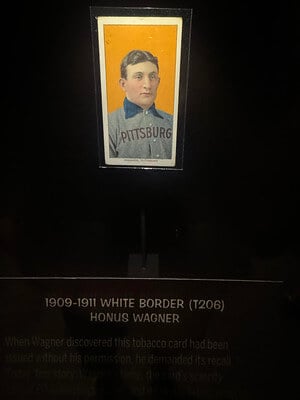
Produced by a major consumer goods manufacturer between 1909 and 1911, the Wagner card was pulled from production early, leaving only an estimated 50 to 75 known surviving copies today. Even in poor condition these cards have sold for over a million dollars, but decades of storage loose in wallets and desk drawers, where corners bend and surfaces scuff against loose change, have left most surviving copies far from the pristine condition that would unlock their full value.
1952 Topps Mickey Mantle
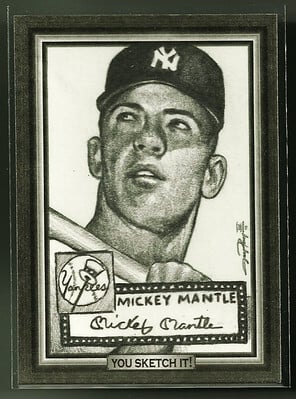
Mantle’s high-number 1952 Topps card sold for $12.6 million in 2022, making it the most expensive baseball card ever sold at the time, and its value comes partly from a story about surplus cases being dumped into a river rather than sold. Families who kept these cards loose in cardboard boxes rather than protective sleeves commonly find corner wear and edge fraying that can drop a card several grading tiers and cut its resale value dramatically.
Babe Ruth’s Baltimore Rookie Card

Ruth’s earliest known card, issued while he still played for the minor league Baltimore Orioles, sold for $7.25 million in 2022 and remains one of the most historically significant cards in the hobby. Cards from this era were often trimmed by previous owners to fit into photo albums, an alteration that grading services can detect and that permanently caps a card’s value regardless of how well it was otherwise preserved.
1979 O-Pee-Chee Wayne Gretzky Rookie Card

Gretzky’s Canadian-issued rookie card from the O-Pee-Chee set is considered the definitive rookie card of hockey’s most celebrated player. Because the set was printed on noticeably thinner stock than its American Topps counterpart, cards stored with heavy items stacked on top routinely show creasing that would not have damaged a sturdier card.
1986 Fleer Michael Jordan Rookie Card
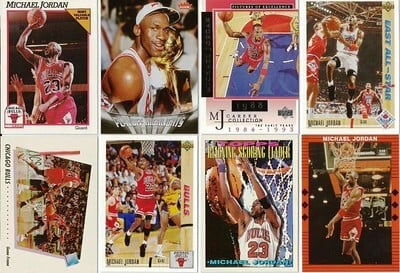
Jordan’s rookie card from Fleer’s 1986 set has become one of the most recognized cards across any sport, driven by the crossover appeal of both basketball and sneaker collecting communities. Families who displayed these cards clipped to a corkboard or taped into scrapbooks during the 1980s frequently damaged the card’s corners and surface in ways that are now impossible to reverse.
1955 Topps Roberto Clemente Rookie Card
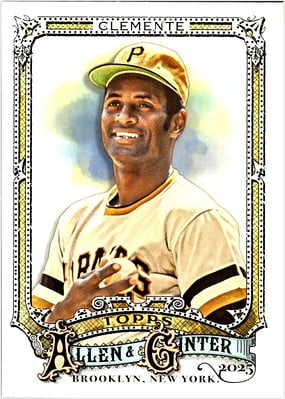
Clemente’s rookie card gained additional significance after his death delivering earthquake relief supplies in 1972, transforming the card into a tribute as much as a collectible. Cards from this era commonly show centering issues from the original printing process, but improper storage in humid basements has compounded the problem by causing additional warping that grading services penalize heavily.
T206 Sherry Magee Error Card
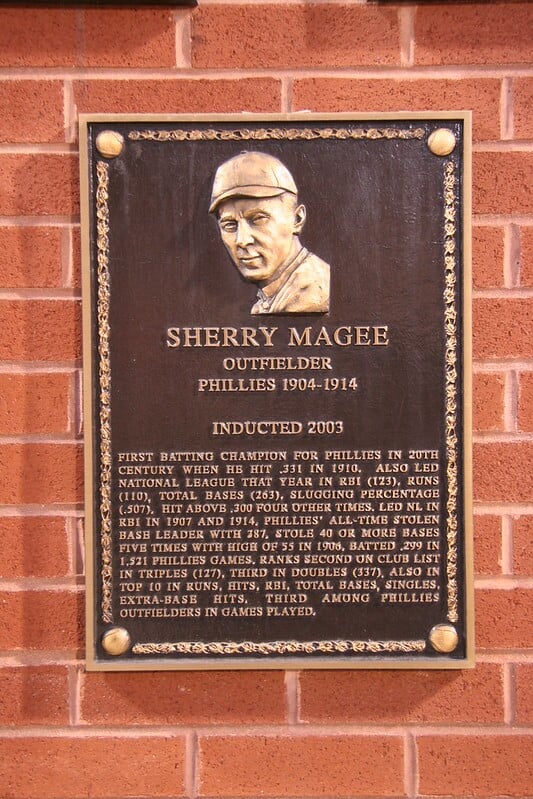
A printing mistake misspelled Magee’s name as “Magie” on his T206 card, and the resulting scarcity has pushed sale prices as high as $660,000 for surviving examples. Because collectors specifically prize the visible printing error, any additional damage from improper handling, such as fingerprints pressed into the surface from bare-hand handling, reduces value more severely than it would on a more common card.
Shoeless Joe Jackson 1909 American Caramel Card
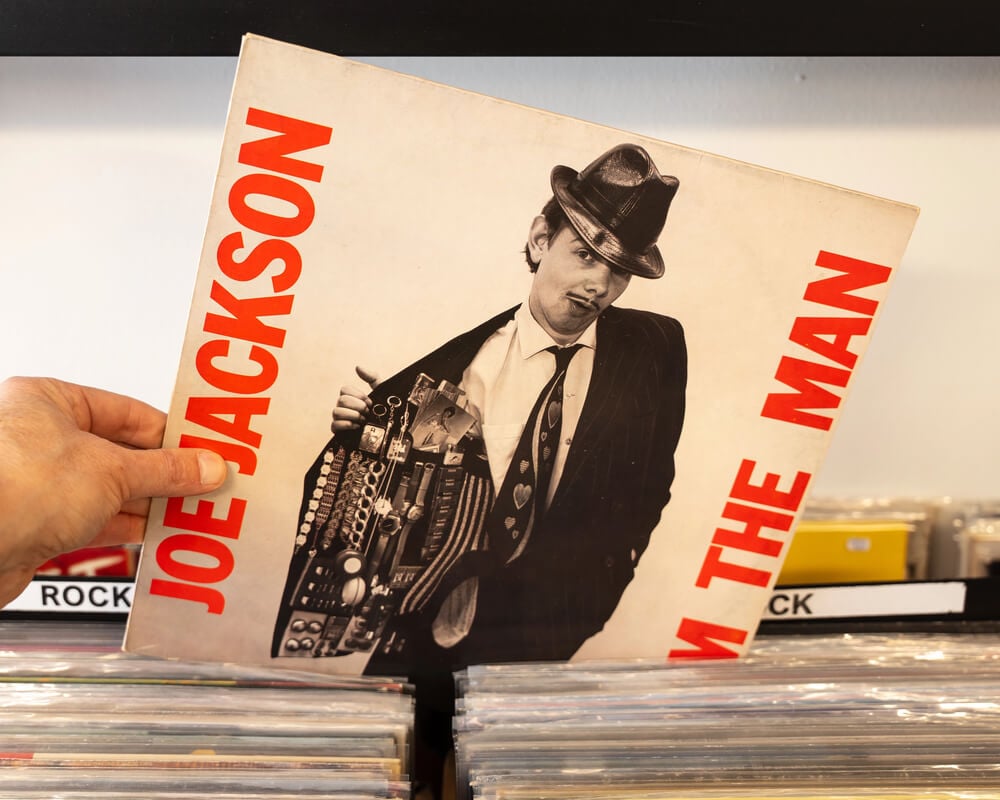
Issued before the scandal that ended Jackson’s career, this early card has sold for over $667,000 and remains one of the most sought-after Deadball Era cards in existence. Cards from this period were commonly included in the candy packaging itself, and residue or staining from the original product, left uncleaned for over a century, continues to affect grading outcomes on surviving examples today.
1989 Upper Deck Ken Griffey Jr. Rookie Card
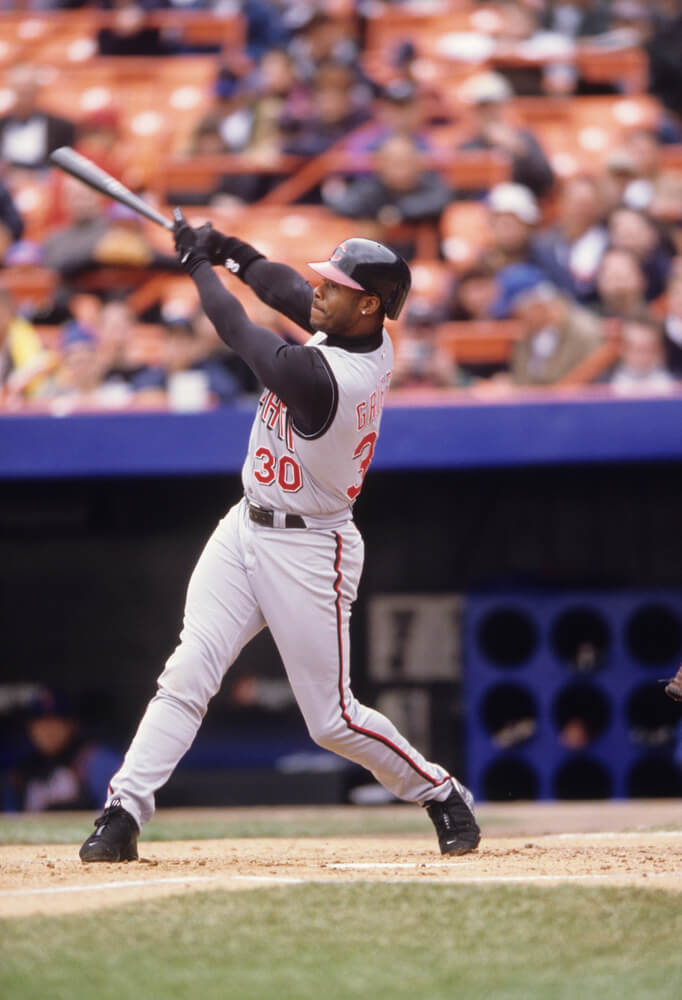
Griffey’s rookie card helped establish Upper Deck as a premium card manufacturer thanks to its then-innovative anti-counterfeiting hologram and higher production quality. Despite being a more modern and sturdier card than many older entries on this list, examples stored in magnetic-style plastic pages for extended periods have shown surface scratching where the card rubs against the page material during handling.
1951 Bowman Mickey Mantle
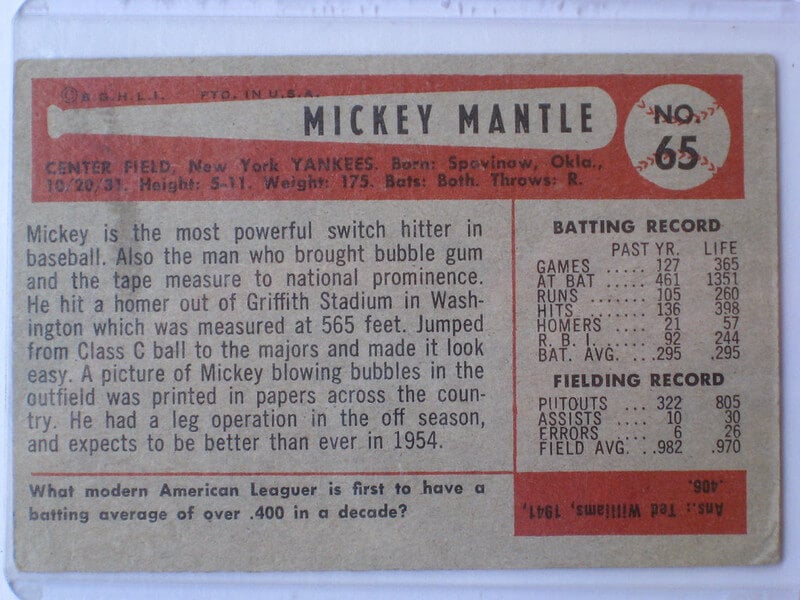
Predating his more famous 1952 Topps card by a year, Mantle’s 1951 Bowman rookie card is considered by many collectors to be his true rookie card and carries significant value in its own right. Bowman cards from this era have noticeably softer corners than Topps issues of the same period, making them especially vulnerable to the fraying that occurs when cards are stored loose in a drawer rather than individually sleeved.
1933 Goudey Babe Ruth
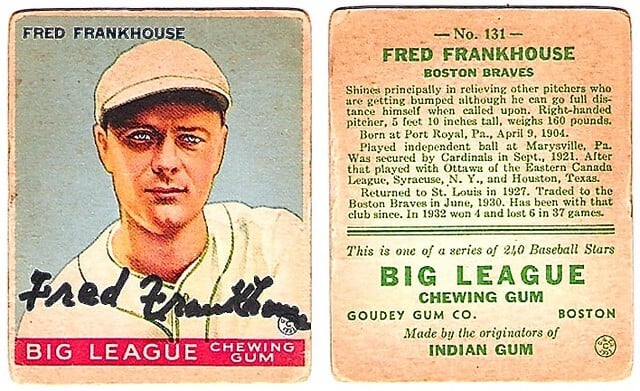
The Goudey Gum Company’s 1933 set featured several different Babe Ruth cards, produced using a comic-strip-style color illustration process distinct from the photographic cards that became standard later. The thick, brittle cardboard stock used for Goudey cards is prone to chipping along the edges, a form of damage that shoebox storage accelerates as cards shift and rub against each other over time.
1954 Topps Hank Aaron Rookie Card

Aaron’s rookie card arrived the same year he broke into the Milwaukee Braves’ starting lineup, and it remains one of the cornerstone cards of any serious vintage collection. Sunlight exposure, common when cards were displayed on a windowsill or pinned to a wall, causes a gradual fading and yellowing that grading services can identify even decades after the damage occurred.
1951 Bowman Willie Mays Rookie Card
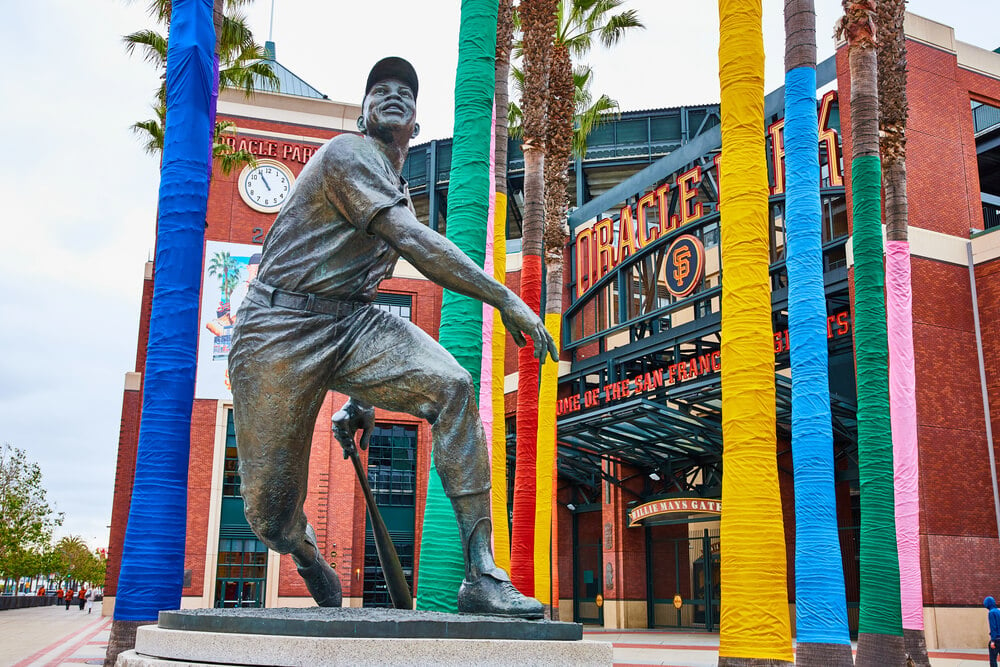
Mays’s rookie card captures him during his first full season with the New York Giants, before he became one of the most celebrated outfielders in baseball history. Cards from this set were frequently used in childhood games involving flipping or tossing cards against a wall, a practice that leaves distinctive edge and corner damage still visible on many surviving examples.
1957 Topps Jim Brown Rookie Card

Brown’s rookie card documents the beginning of a football career widely regarded as one of the greatest in the sport’s history, adding lasting significance to an already scarce vintage football issue. Football cards from this era were produced in smaller print runs than their baseball counterparts, so even minor storage damage has an outsized effect on the number of well-preserved examples available today.
1961 Fleer Wilt Chamberlain Rookie Card

Chamberlain’s rookie card comes from a short-lived Fleer basketball set produced before the company lost its license to compete with Topps, making the entire set scarce regardless of condition. Basketball cards from this era were often stored standing upright in shoeboxes rather than laid flat, a practice that causes a subtle but permanent warping along the card’s length.
1969 Topps Reggie Jackson Rookie Card
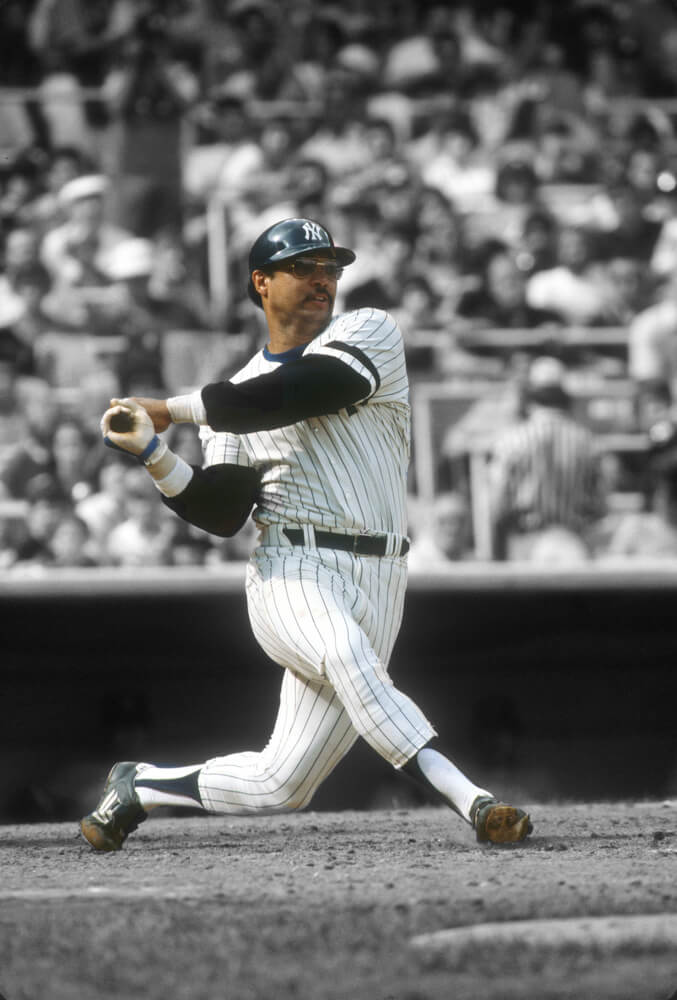
Jackson’s rookie card is frequently found with centering issues stemming from the original printing process, a flaw that predates any storage damage but is often made worse by it. Cards taped into scrapbooks during this era, a common practice for organizing a growing childhood collection, frequently show adhesive residue or torn paper backing that permanently damages the card when removed.
1954 Topps Ted Williams
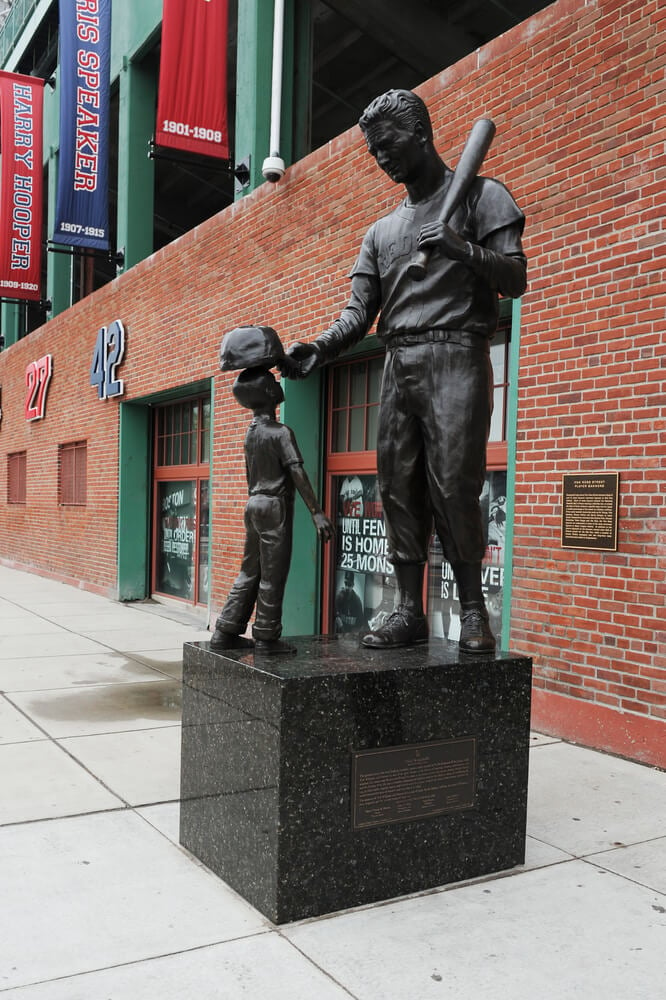
Williams appears on two different cards within the 1954 Topps set due to a contract dispute that was resolved partway through production, making both versions collected separately by set builders. Cards from this set have a glossier finish than later Topps issues, which shows fingerprint smudging more readily, particularly on cards handled without gloves during casual family viewing over the years.
1963 Topps Pete Rose Rookie Card
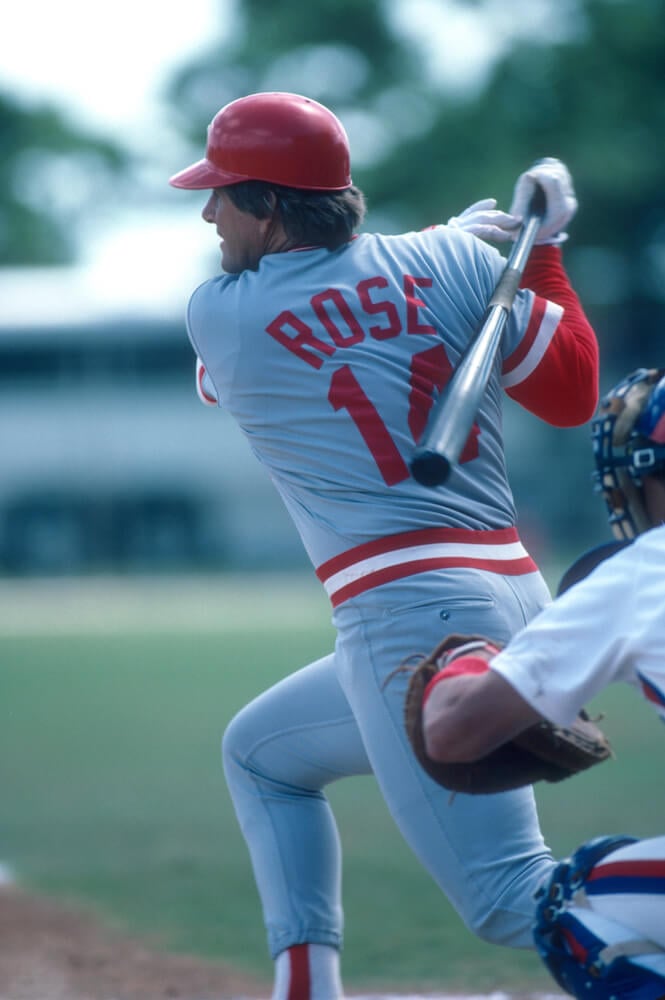
Rose’s rookie card features a now-famous four-player rookie panel design shared with three other players debuting that season. Because the card was part of a multi-player format, it was frequently cut apart by hand from card sheets or panels in ways that damaged the edges, a common practice among younger collectors decades ago that grading services now penalize heavily.
1957 Topps Sandy Koufax
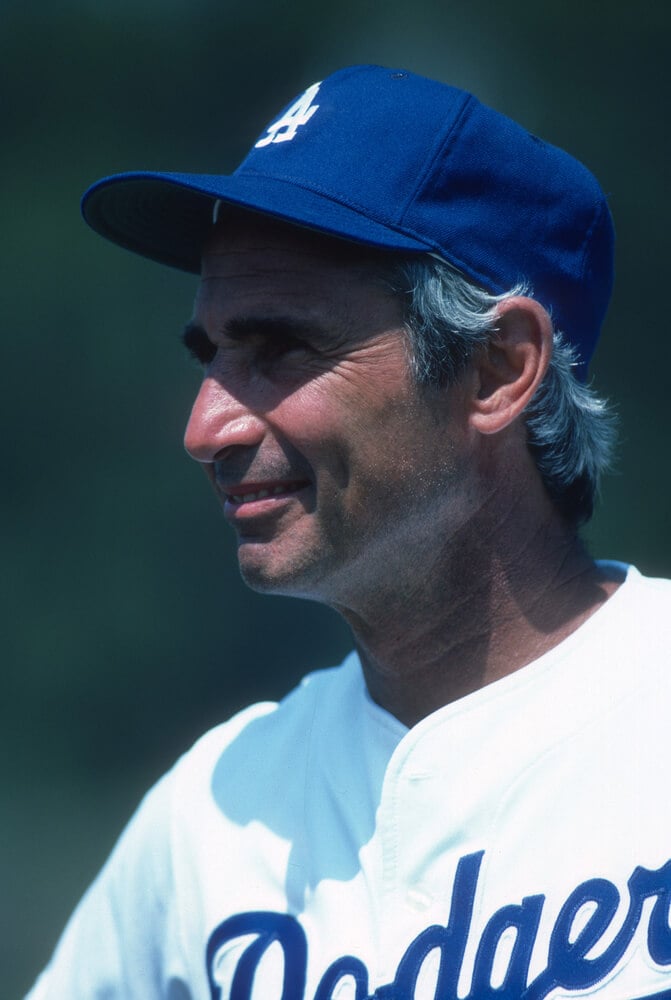
Koufax’s early Topps card predates the dominant stretch of his career with the Los Angeles Dodgers, giving it significance as an origin point for one of baseball’s most celebrated pitching careers. Cards from this era are commonly found with visible crimping from paper clips, once a popular way for families to keep a player’s cards grouped together within a larger collection.
1957 Topps Johnny Unitas Rookie Card
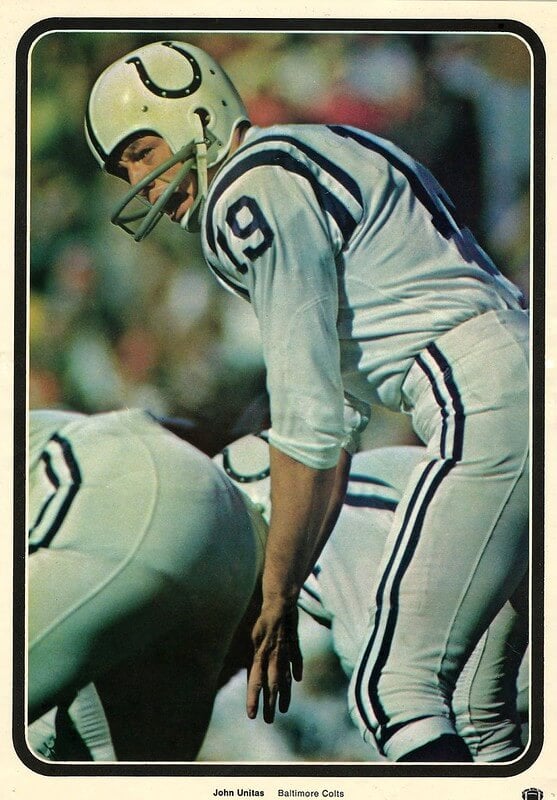
Unitas’s rookie card documents the start of a career that helped popularize professional football on television during the following decade. Vintage football cards from this era are frequently found with small puncture marks near the corners, a result of families tacking cards directly to a bedroom wall or bulletin board for display.
1965 Topps Joe Namath Rookie Card
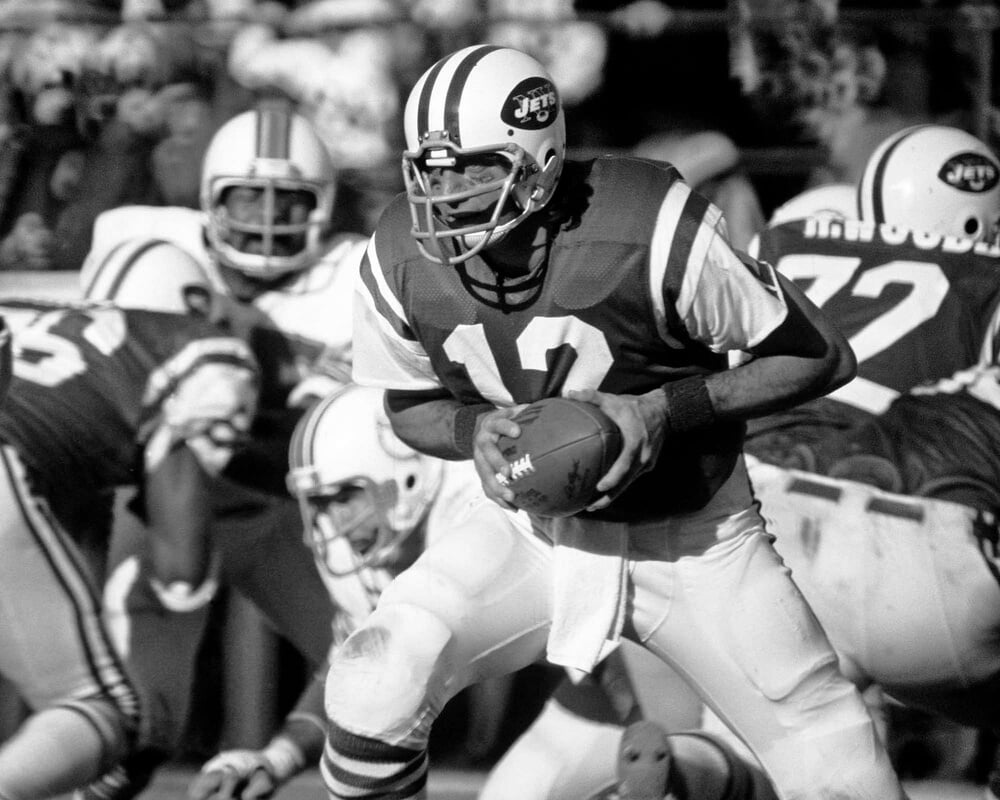
Namath’s rookie card arrived as his flamboyant public persona was beginning to reshape how professional football athletes were marketed. Cards from this set were commonly laminated by well-meaning family members trying to preserve them, a process that seals in existing damage and permanently disqualifies the card from professional grading.
1980 Topps Rickey Henderson Rookie Card
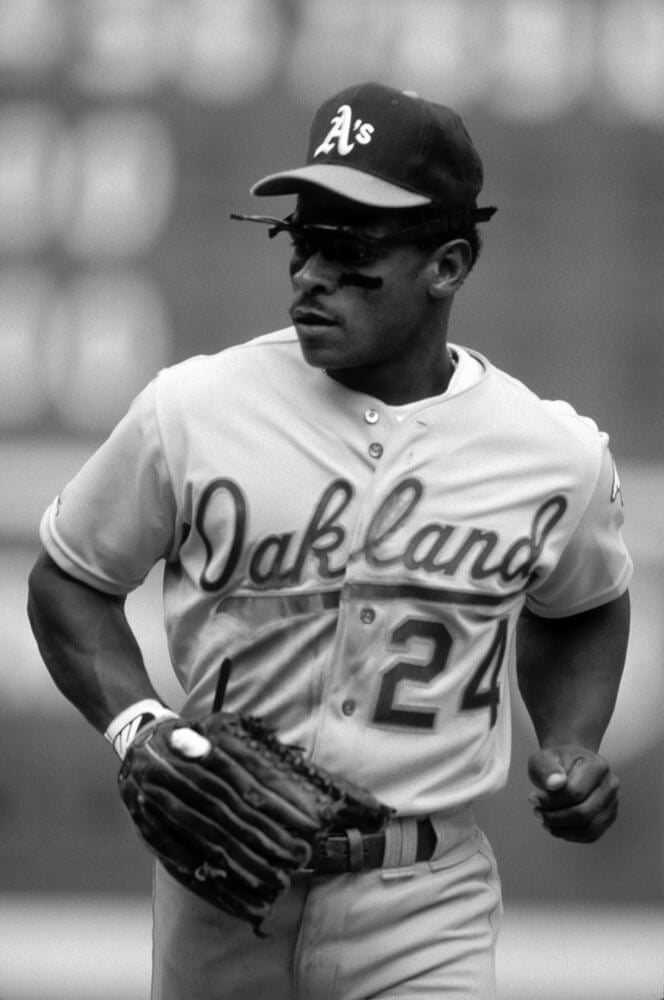
Henderson’s rookie card documents the start of a career built around a stolen base record that still stands today, giving it lasting significance beyond typical rookie card interest. Cards from the early 1980s were frequently stored in magnetic photo albums with adhesive pages, and removing a card from that adhesive backing decades later often strips ink and gloss directly off the card’s surface.
1968 Topps Nolan Ryan Rookie Card

Ryan’s rookie card, shared with a fellow pitcher on a two-player format, is among the most heavily counterfeited vintage cards in the hobby due to sustained collector demand. Genuine examples stored loosely with rubber-banded stacks of other cards commonly show a distinctive curved warping along the card’s edge that professional graders specifically look for.
The Damage That Never Shows Up Until It’s Too Late
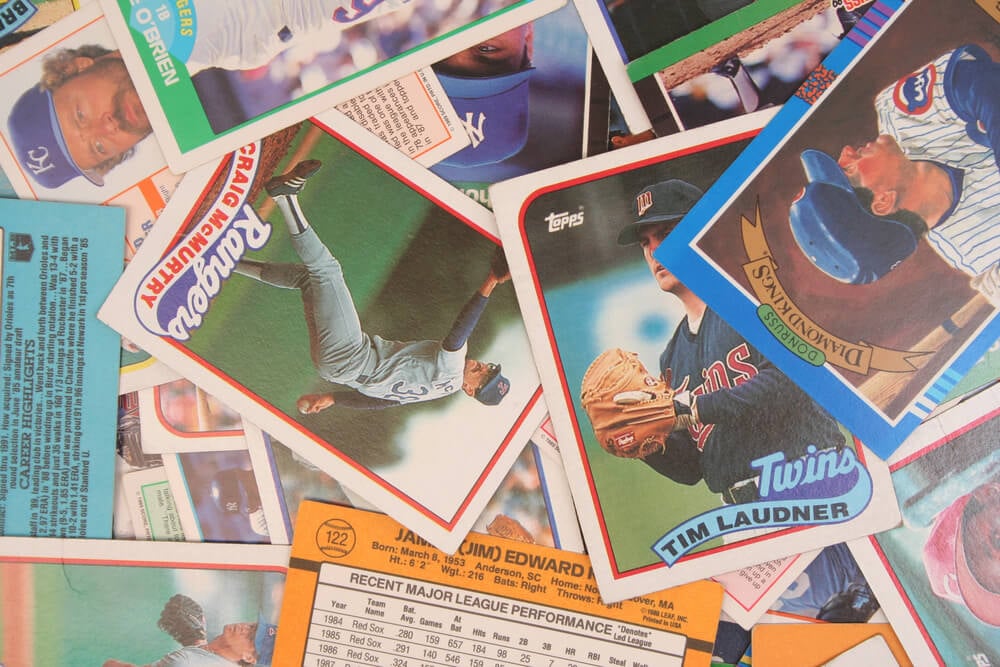
None of the storage habits described above seemed careless at the time. Rubber bands, scrapbooks, and bedroom corkboards were simply how earlier generations organized a growing pile of cardboard that nobody assumed would ever be worth serious money.
The damage those methods caused was slow enough that it went unnoticed for decades, right up until a grading service pointed out exactly why a seemingly pristine card only qualified for a middling grade.
The cards that escaped this fate mostly did so by accident, forgotten in an envelope or a drawer rather than actively displayed and handled. That is the quiet irony sitting underneath most valuable card stories: the collections that turned out to be worth the most were usually the ones nobody thought to show off.
More from Go2Tutors!

- The Romanov Crown Jewels and Their Tragic Fate
- 13 Historical Mysteries That Science Still Can’t Solve
- Famous Hoaxes That Fooled the World for Years
- 15 Child Stars with Tragic Adult Lives
- 16 Famous Jewelry Pieces in History
Like Go2Tutors’s content? Follow us on MSN.



