26 Historic Buildings Rebuilt After Being Destroyed
Fire, war, earthquake, and neglect have leveled some of the world’s most significant buildings, and in many cases the story did not end with the rubble. Communities chose to raise the same walls again, sometimes using original materials pulled from the wreckage, sometimes rebuilding from drawings and photographs alone.
The results range from near-exact replicas to entirely new structures built alongside the ruins of what came before, each one a decision that a place mattered enough to bring back.
Notre-Dame de Paris
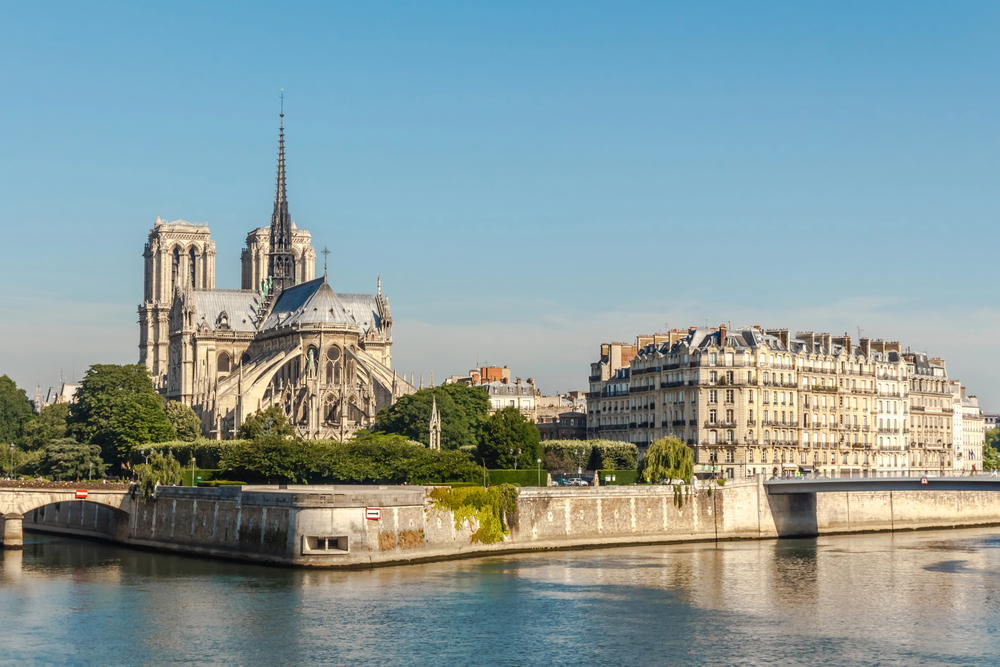
A fire tore through the roof and spire of Notre-Dame de Paris in April 2019, collapsing the medieval timber structure known as “the forest” and threatening the cathedral’s stone vaults. French authorities pledged to rebuild it to its pre-fire appearance rather than pursue a modern redesign, using traditional oak framing techniques.
The cathedral reopened to the public in December 2024, roughly five and a half years after the fire.
Warsaw’s Old Town
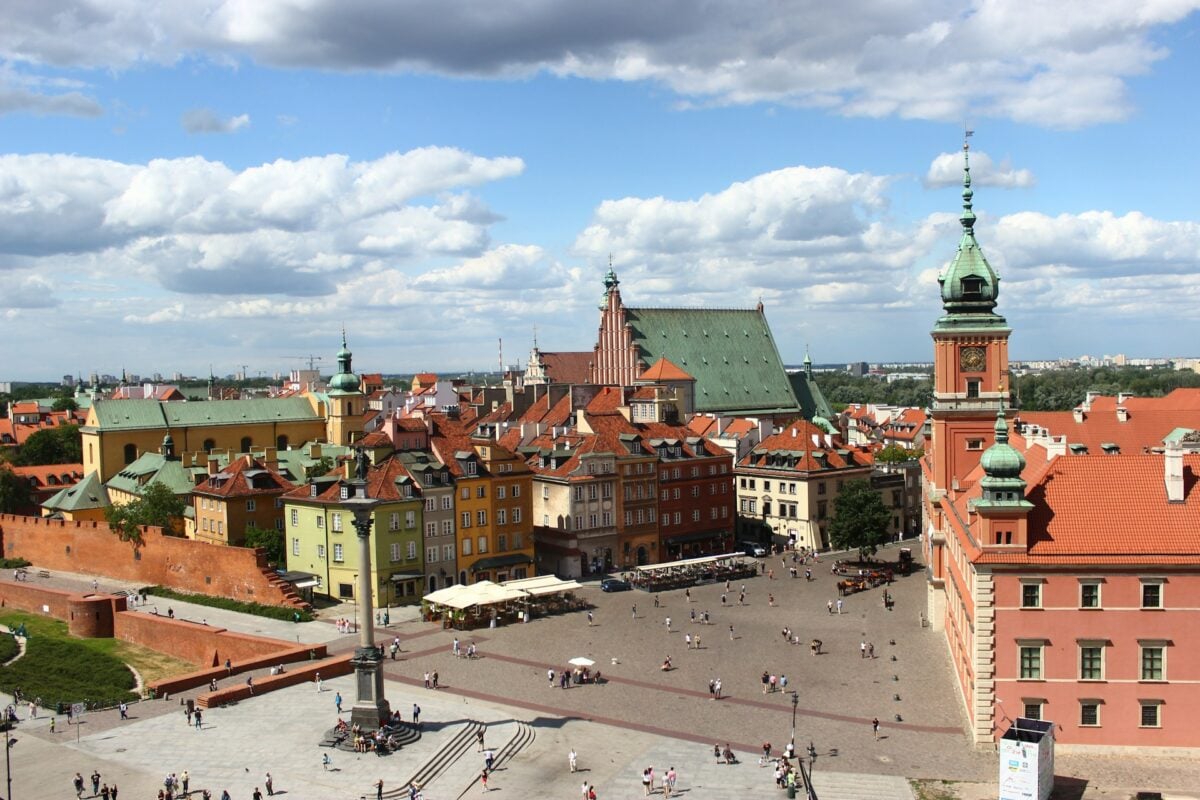
German forces deliberately demolished as much as 85 percent of Warsaw’s historic center after the 1944 Warsaw Uprising, reducing the medieval Old Town to rubble as a calculated act of destruction. Polish architects and citizens rebuilt it in the years after the war using pre-war paintings, photographs, and architectural surveys as their guide.
The reconstruction was completed with such historical precision that UNESCO designated it a World Heritage Site in 1980, an unusual honor for a building complex less than half a century old at the time.
Frauenkirche in Dresden
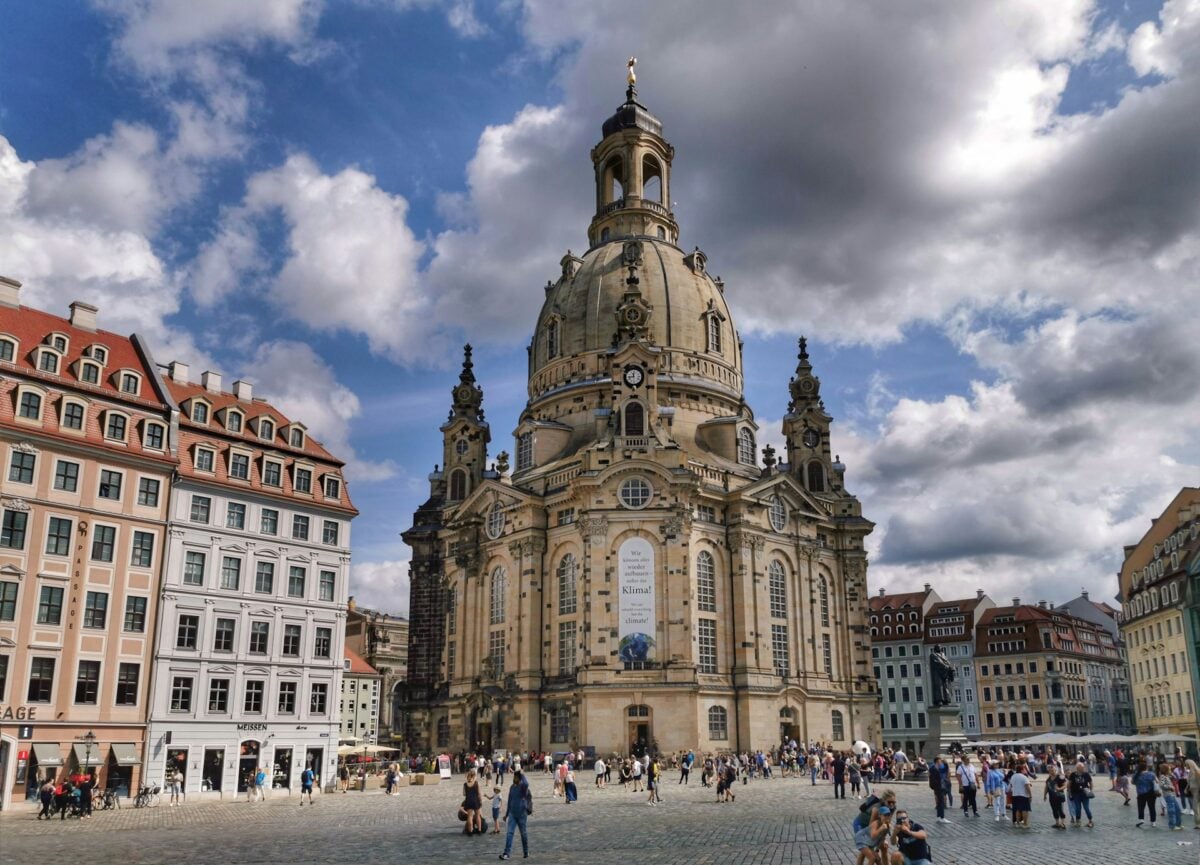
The Lutheran Frauenkirche in Dresden collapsed two days after Allied firebombing in February 1945, its dome giving way under the heat. East German authorities left the ruins standing for decades as a war memorial rather than rebuilding.
After German reunification, an international rebuilding effort used roughly 3,800 salvaged original stones, cataloged and set back into their original positions, completing the reconstruction in 2005.
The Globe Theatre in London
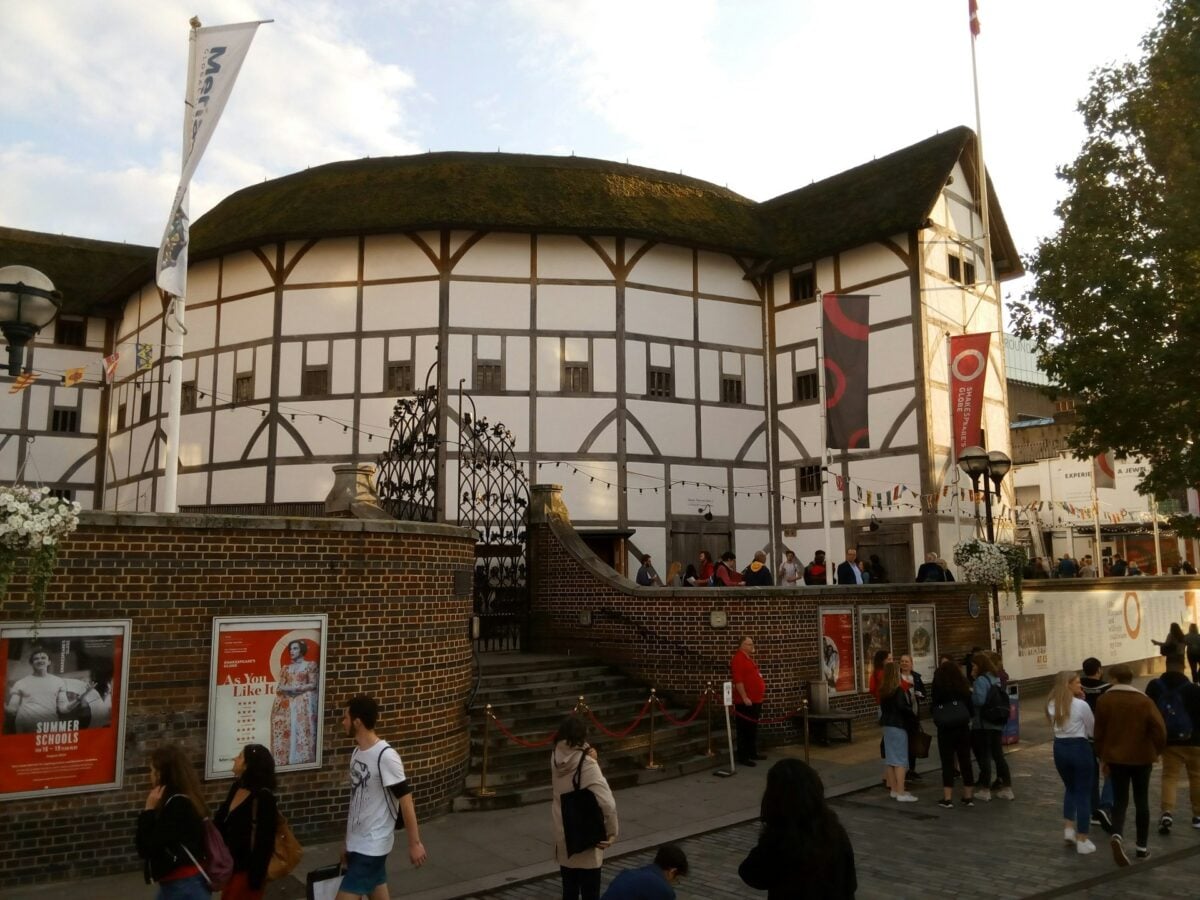
The original Globe Theatre, where many of Shakespeare’s plays premiered, burned down in 1613 after a cannon fired during a performance of Henry VIII ignited the thatched roof. It was rebuilt within a year with a tiled roof to prevent a repeat, only to be demolished decades later by Puritan authorities.
A modern reconstruction, Shakespeare’s Globe, opened roughly 200 meters from the original site in 1997, built using period-accurate materials and construction methods.
Windsor Castle’s State Apartments
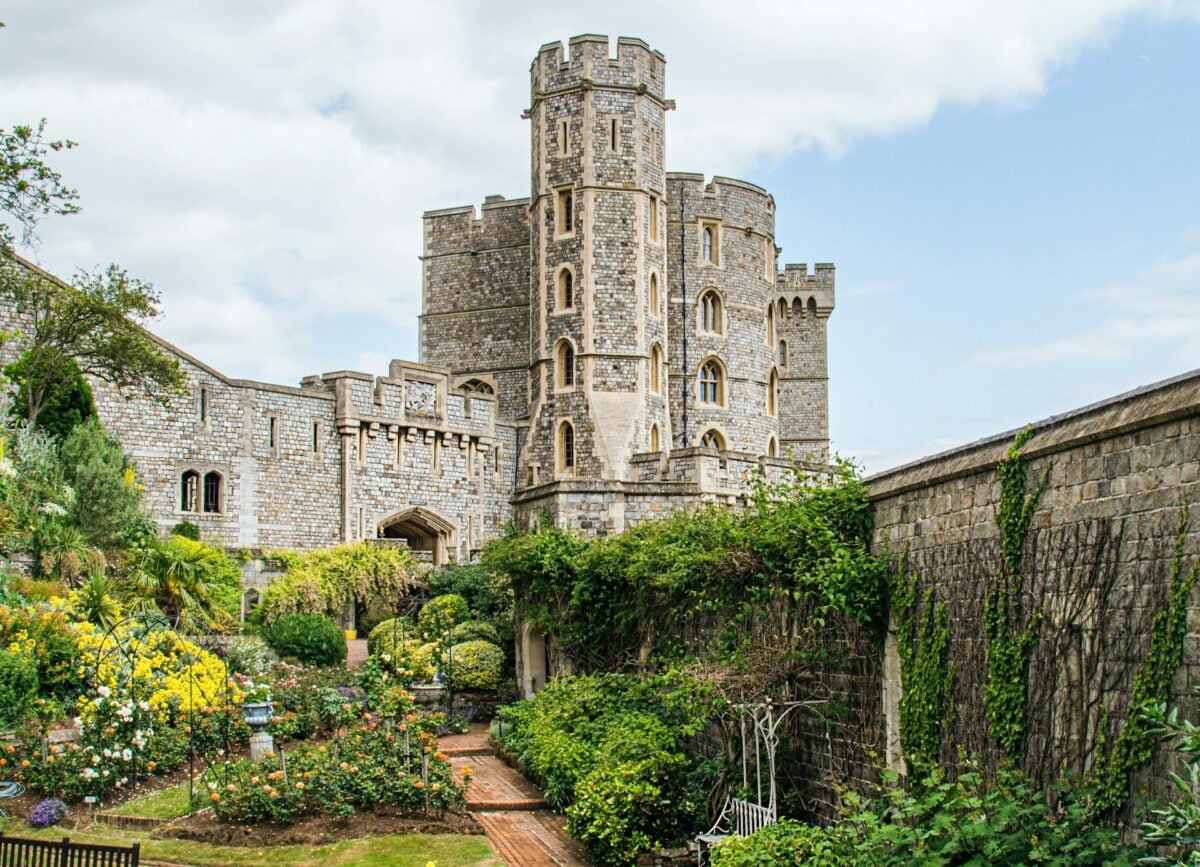
A fire broke out in Windsor Castle’s private chapel in November 1992 and spread through more than 100 rooms, gutting several state apartments used by the British royal family. The restoration project took five years and cost tens of millions of pounds, much of it raised by opening Buckingham Palace to paying visitors for the first time.
The apartments reopened in 1997, largely restored to their original historic appearance.
Reims Cathedral
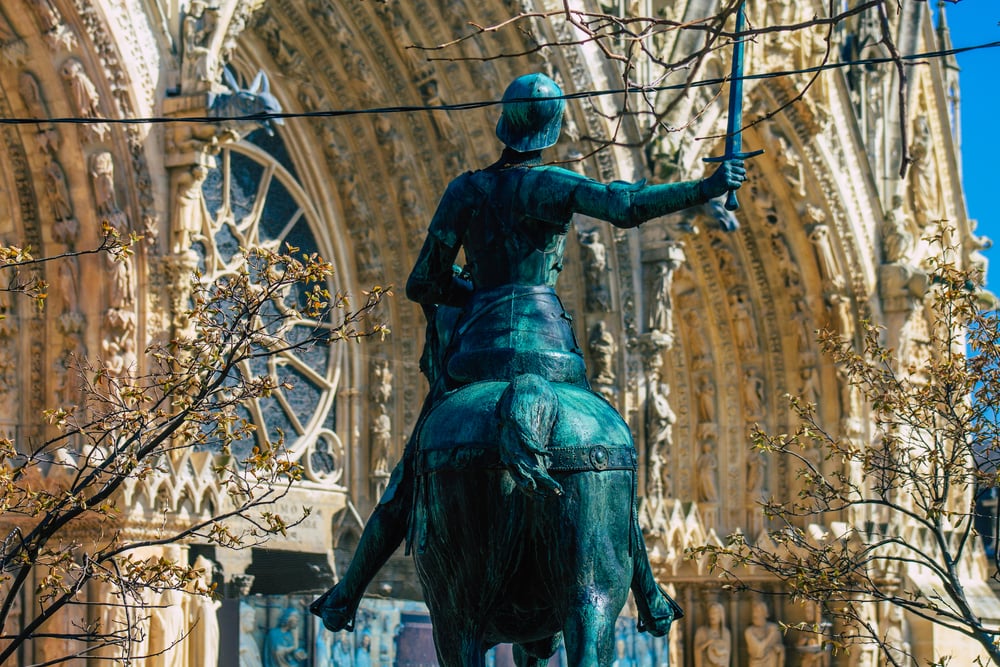
German artillery bombardment during the First World War severely damaged Reims Cathedral in France, a building where French kings had been crowned for centuries, destroying stained glass and burning the roof.
Restoration funded partly by the Rockefeller family took place through the 1920s, and the cathedral was formally reconsecrated in 1938, though repairs and refinements continued for years afterward.
The Ise Grand Shrine
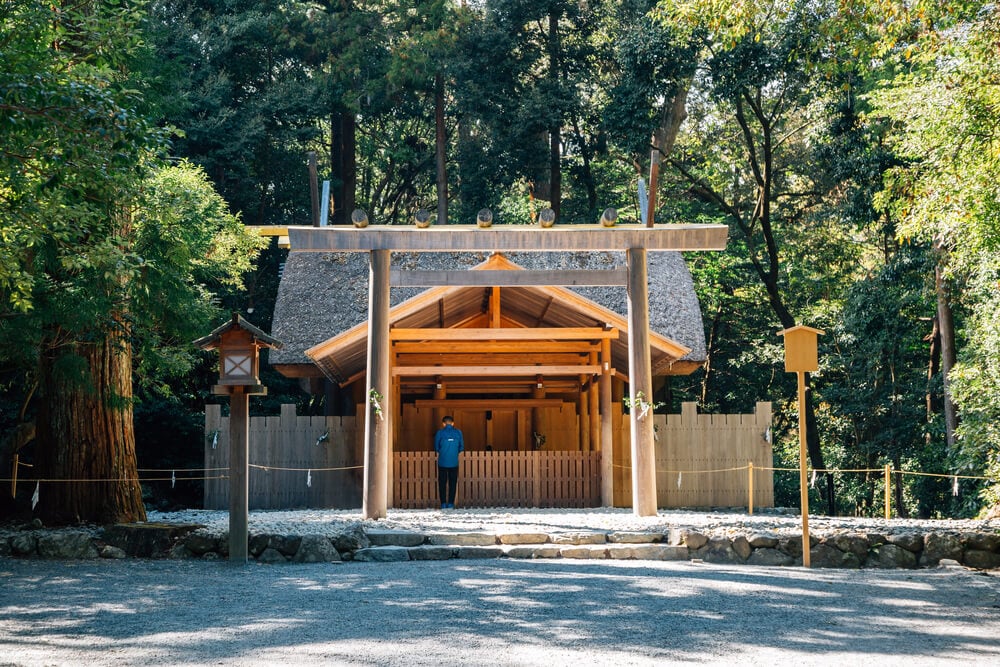
Japan’s Ise Grand Shrine follows a tradition called shikinen sengu, under which its main buildings are ritually dismantled and rebuilt from scratch roughly every 20 years, using fresh cypress wood and traditional joinery techniques.
The practice, documented as far back as the 7th century, is not a response to damage but a deliberate act of renewal, and the most recent rebuilding was completed in 2013.
Uppark House
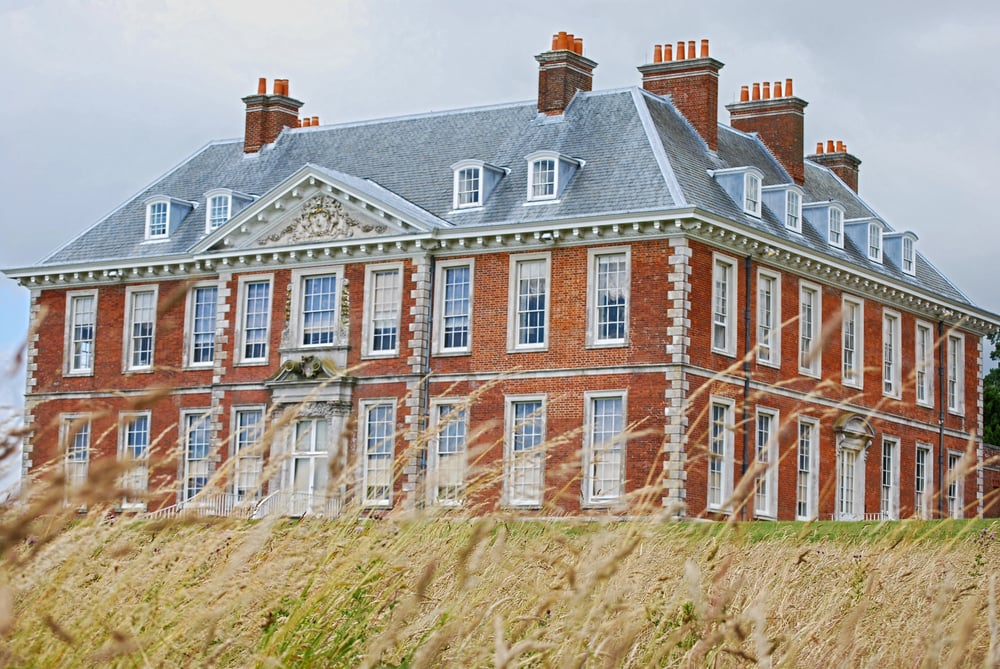
A fire broke out during roof repairs at Uppark House in southern England in 1989, gutting the 17th-century mansion and destroying much of its interior. The National Trust undertook a six-year restoration, training craftspeople in historic techniques like scagliola and gilding specifically for the project.
The house reopened in 1995 with its principal rooms rebuilt to match their pre-fire appearance.
Rome After the Great Fire of 64 AD
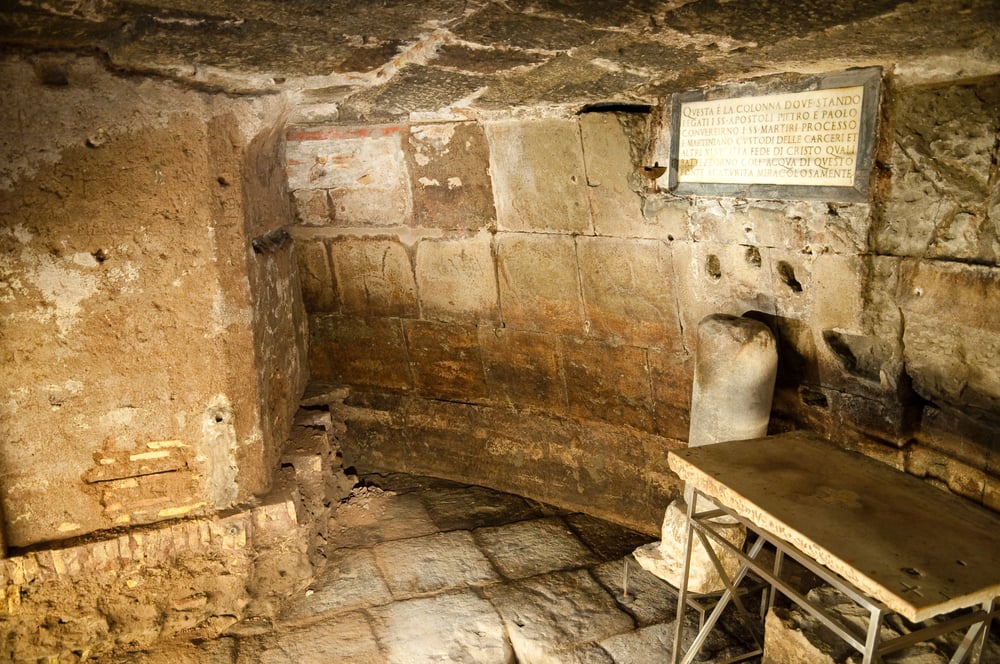
The Great Fire of Rome in 64 AD burned through much of the city over six days, destroying or damaging ten of its fourteen districts. Emperor Nero directed a rebuilding program that widened streets, mandated fire-resistant materials, and required buildings to include balconies for firefighting access, an early example of building codes written in direct response to disaster.
Much of the rebuilt city’s layout shaped Rome’s urban structure for centuries afterward.
The White House

British forces set fire to the White House in August 1814 during the War of 1812, gutting the interior and leaving only the exterior stone walls standing. Architect James Hoban, who had designed the original building, oversaw its reconstruction using much of the same charred sandstone shell, and President James Monroe moved back in by 1817.
San Francisco City Hall
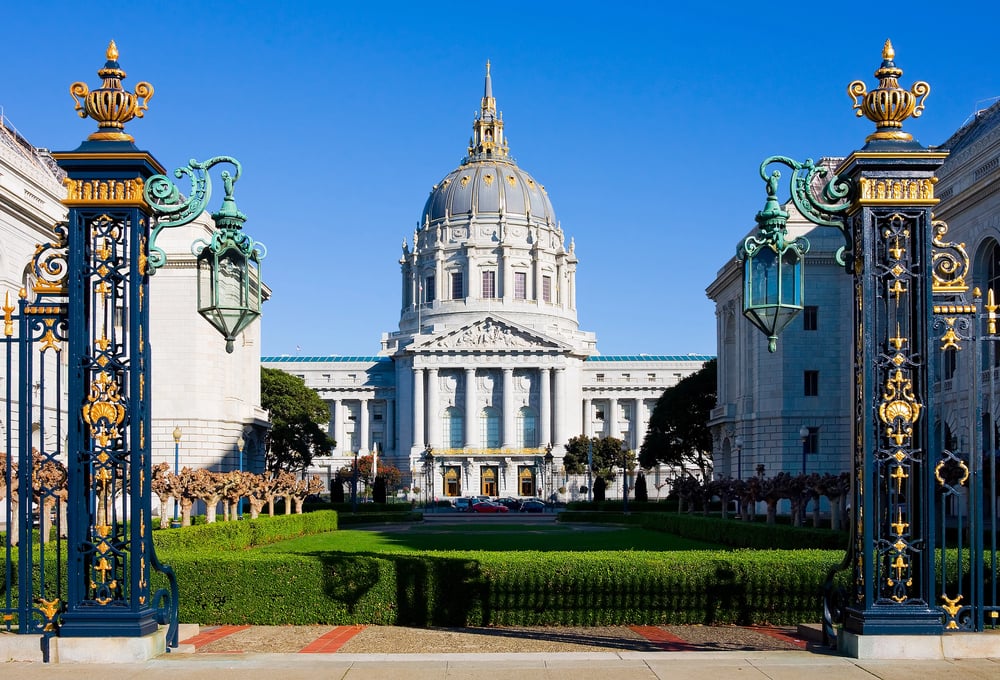
The 1906 San Francisco earthquake and the fires that followed destroyed the city’s original city hall, a building that had taken decades and enormous cost to complete only years earlier. A new, more earthquake-resistant City Hall, designed with a dome modeled partly on St. Peter’s Basilica, was completed in 1915 as part of a broader civic rebuilding effort following the disaster.
The Reichstag Building

Germany’s Reichstag building suffered a suspicious fire in 1933 that Adolf Hitler’s government used as a pretext to suspend civil liberties, and it was further damaged during the Battle of Berlin in 1945. The building sat largely unused and partially ruined for decades during the Cold War. Following German reunification, architect Norman Foster led a renovation completed in 1999 that added a distinctive glass dome symbolizing government transparency.
Coventry Cathedral
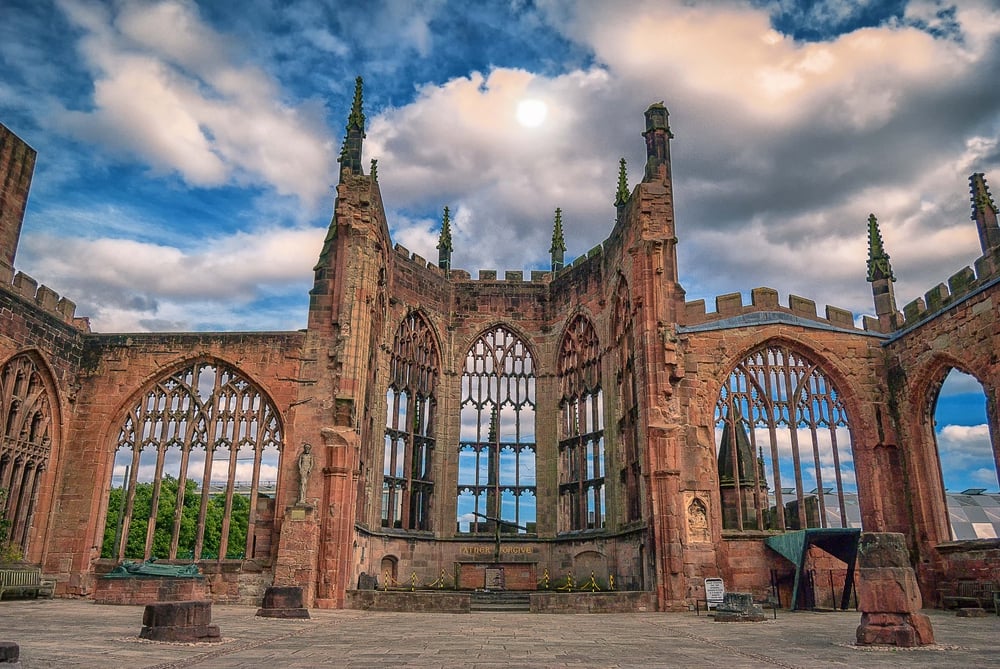
German bombing destroyed most of Coventry Cathedral in England during a single night raid in November 1940, leaving only the outer walls and spire standing. Rather than fully rebuild on the same footprint, architects constructed an entirely new cathedral directly alongside the preserved ruins, consecrated in 1962, so the bombed shell remains visible as a permanent memorial next to the new structure.
Old St. Paul’s Cathedral
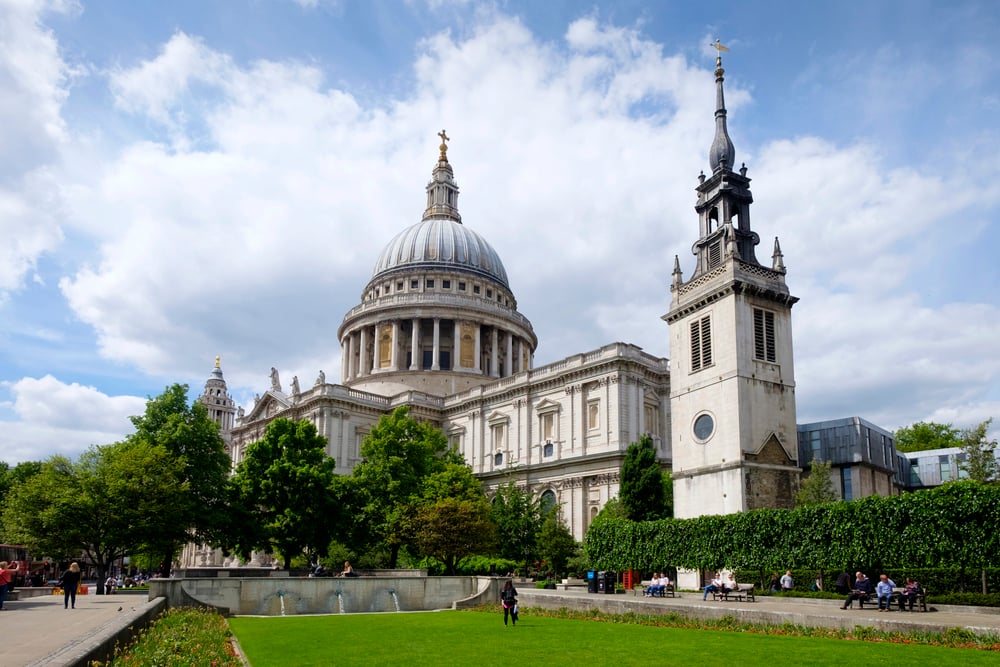
The medieval St. Paul’s Cathedral in London was already in decline when the Great Fire of London in 1666 destroyed what remained of it. Architect Christopher Wren designed an entirely new cathedral on the site, working within a fresh Baroque style rather than replicating the Gothic original, completing construction of the current St. Paul’s in 1710.
Kinkaku-ji, the Golden Pavilion
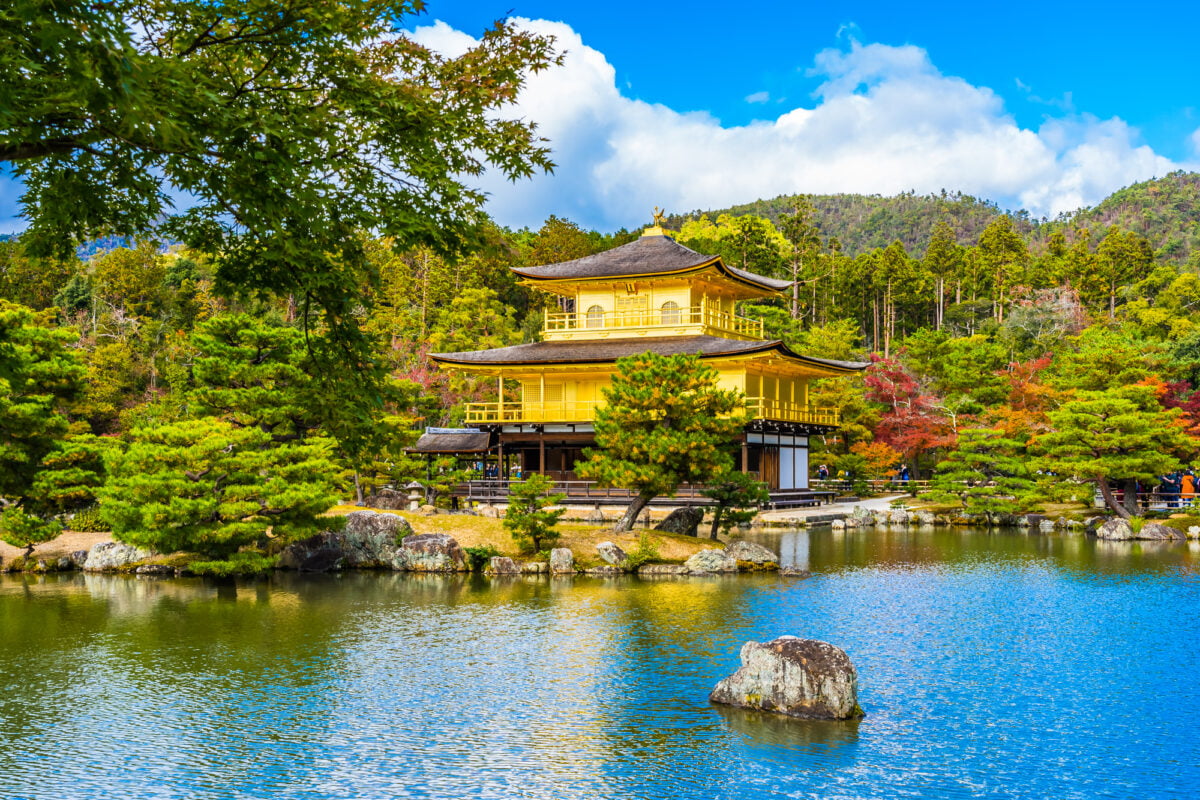
A novice monk deliberately burned down Kyoto’s Kinkaku-ji, the Golden Pavilion, in 1950, destroying a structure that had stood since the 14th century and inspired later literary works about the arson itself. Japanese authorities rebuilt an exact replica by 1955, and the gold leaf covering was substantially thickened during a further restoration completed in 1987.
Urakami Cathedral
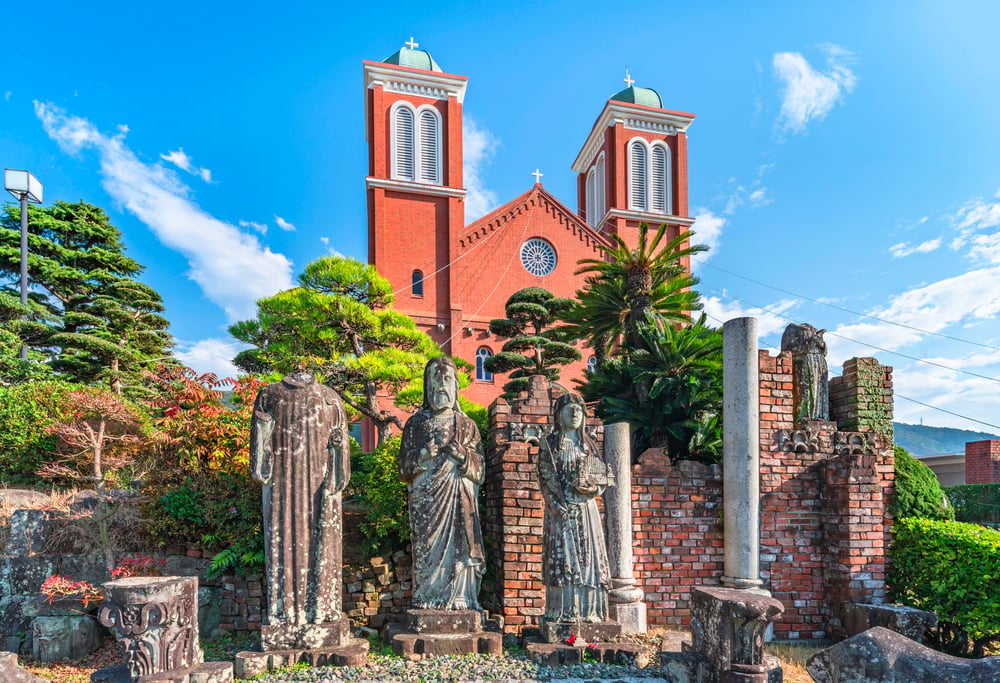
The atomic bomb dropped on Nagasaki in August 1945 detonated near Urakami Cathedral, then the largest Catholic church in East Asia, reducing it to rubble and killing many of the worshippers inside. The local Catholic community rebuilt the cathedral on the same site, completing the reconstruction in 1959, with a further renovation in the 1980s that restored elements of its original design.
Chartres Cathedral
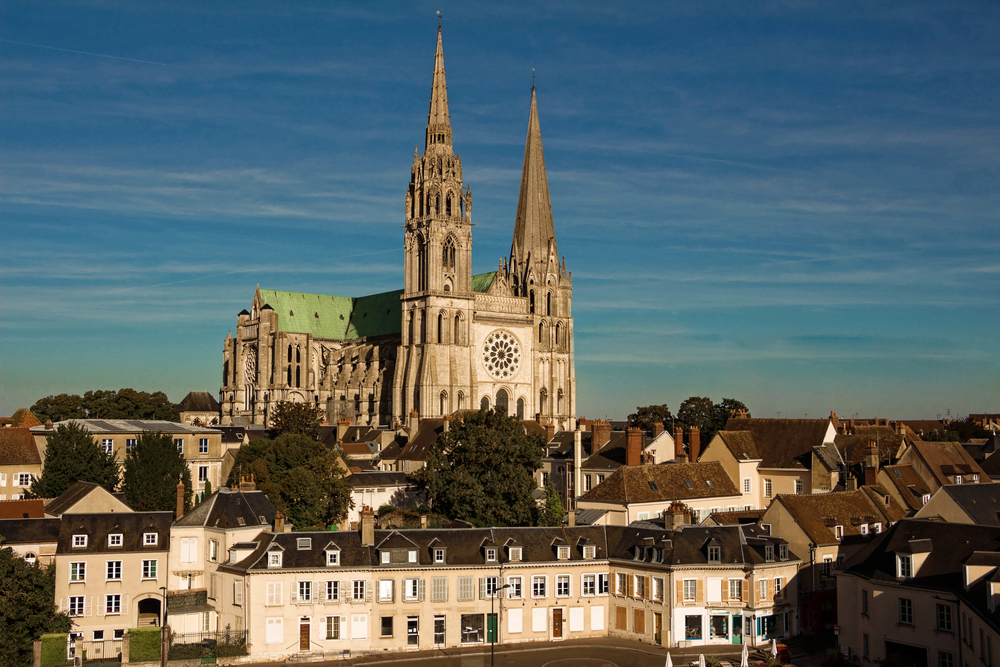
Chartres Cathedral in France has burned and been rebuilt multiple times across its history, most significantly after a catastrophic fire in 1194 destroyed most of the earlier Romanesque church. The rebuilding that followed, completed in an unusually short span of roughly 26 years for the era, produced the Gothic cathedral that stands today and is considered one of the finest examples of French Gothic architecture.
La Fenice Opera House
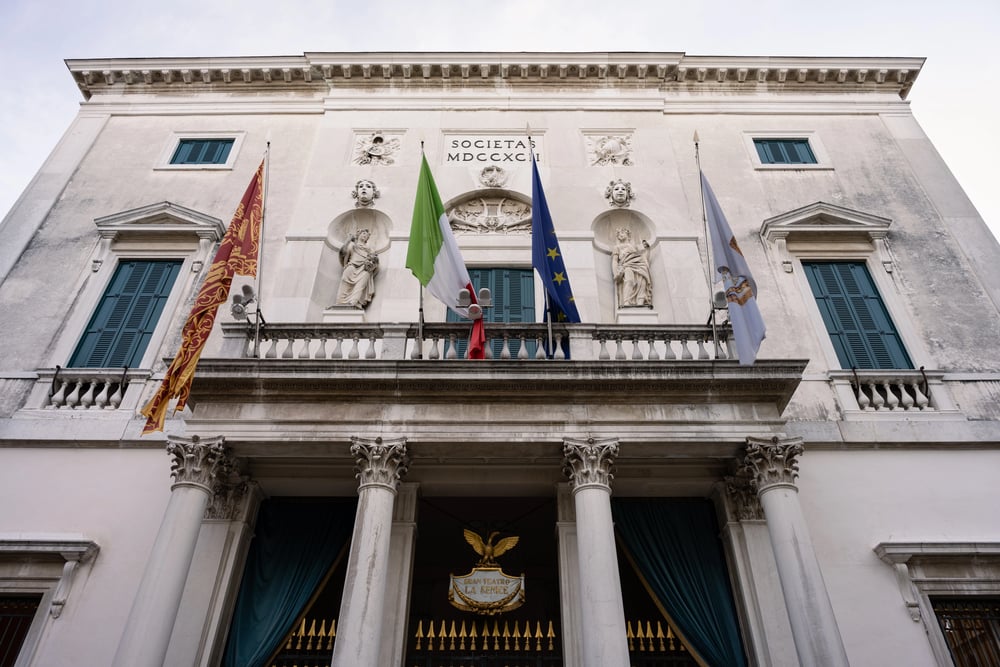
Venice’s La Fenice opera house has burned down and been rebuilt twice, first after an 1836 fire and again after a 1996 arson attack that gutted the building. Italian authorities committed to rebuilding it “as it was, where it was,” reconstructing the ornate 19th-century interior in exacting detail. The opera house reopened in 2003, seven years after the fire.
The Liceu Opera House
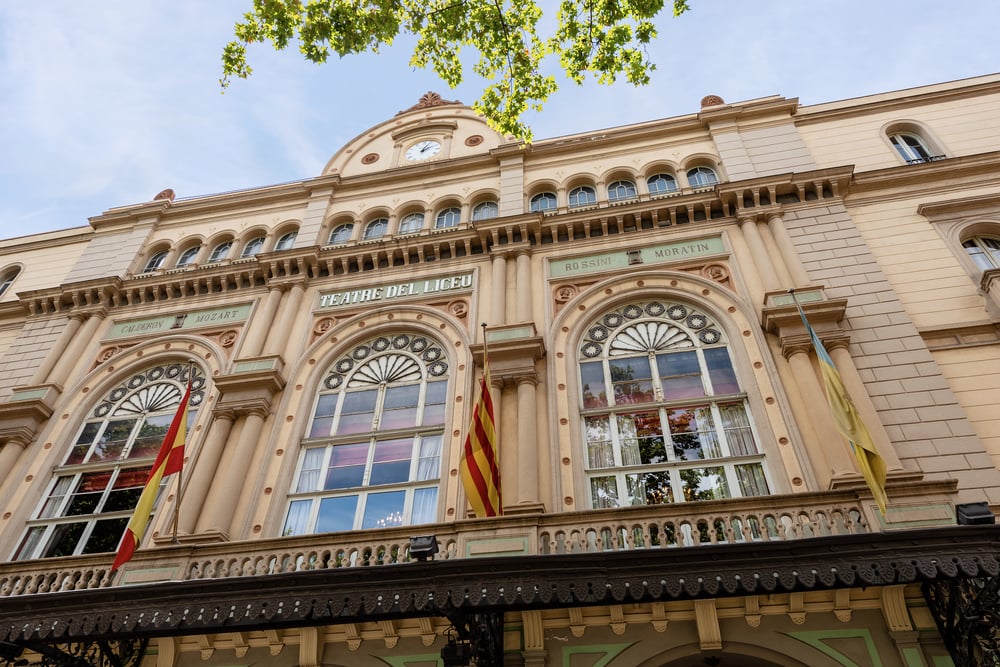
A fire destroyed Barcelona’s Gran Teatre del Liceu in January 1994, gutting the auditorium of a theater that had already been rebuilt once before after an earlier 19th-century fire. City and cultural authorities rebuilt the opera house using the original 19th-century plans as a guide, reopening it in 1999.
The Cutty Sark
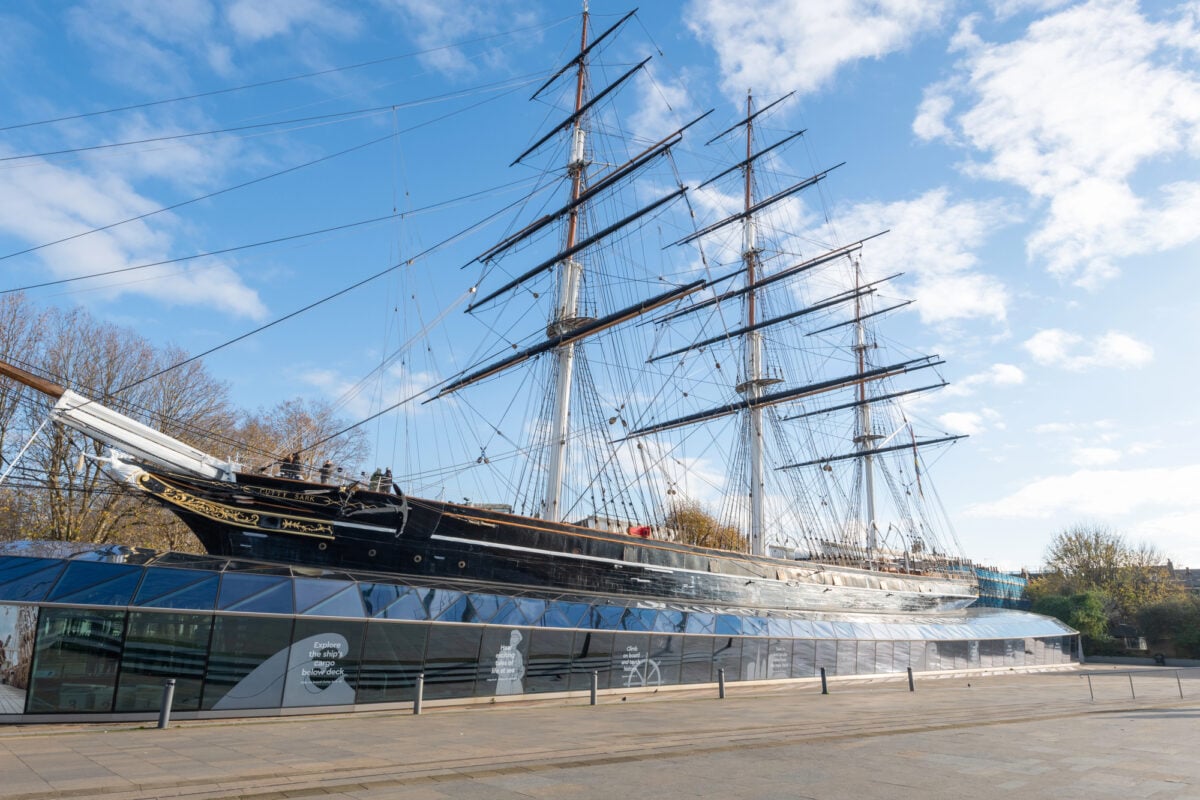
A fire broke out aboard the historic clipper ship Cutty Sark in May 2007 while it was undergoing conservation work in Greenwich, England, destroying a significant portion of its structure, though roughly half the ship’s original material had fortunately been removed for the ongoing restoration and survived. Conservators completed the rebuild and reopened the ship to the public in 2012.
Hampton Court Palace’s Apartments
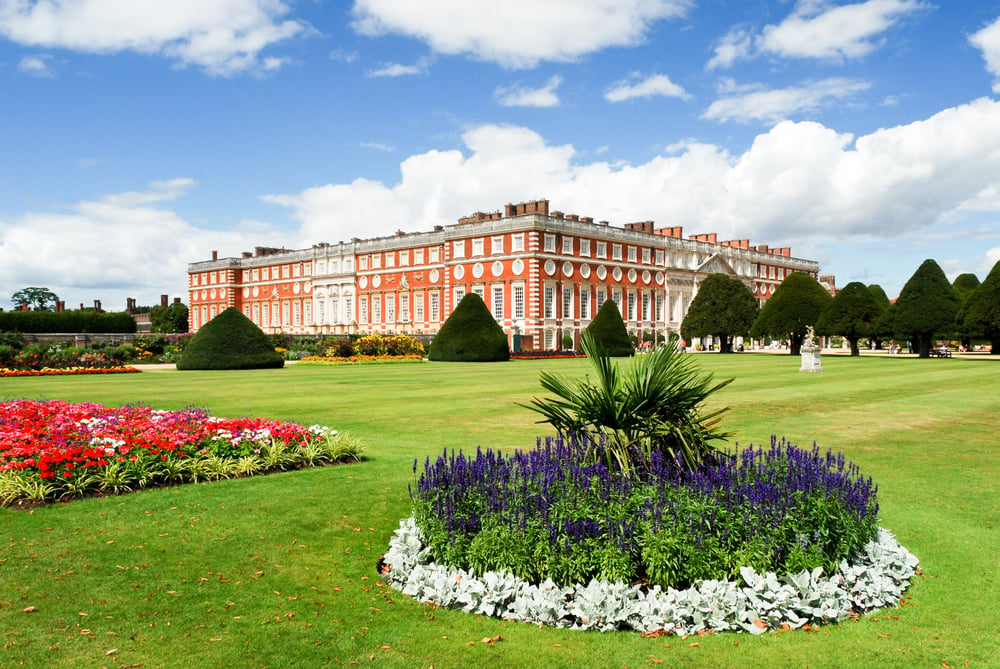
A fire broke out in private apartments at Hampton Court Palace outside London in 1986, killing one resident and severely damaging historic rooms within the Tudor and Baroque palace complex. Historic Royal Palaces led a lengthy restoration using traditional materials and techniques, completing the work by the early 1990s and reopening the affected apartments to visitors.
St. Mark’s Campanile
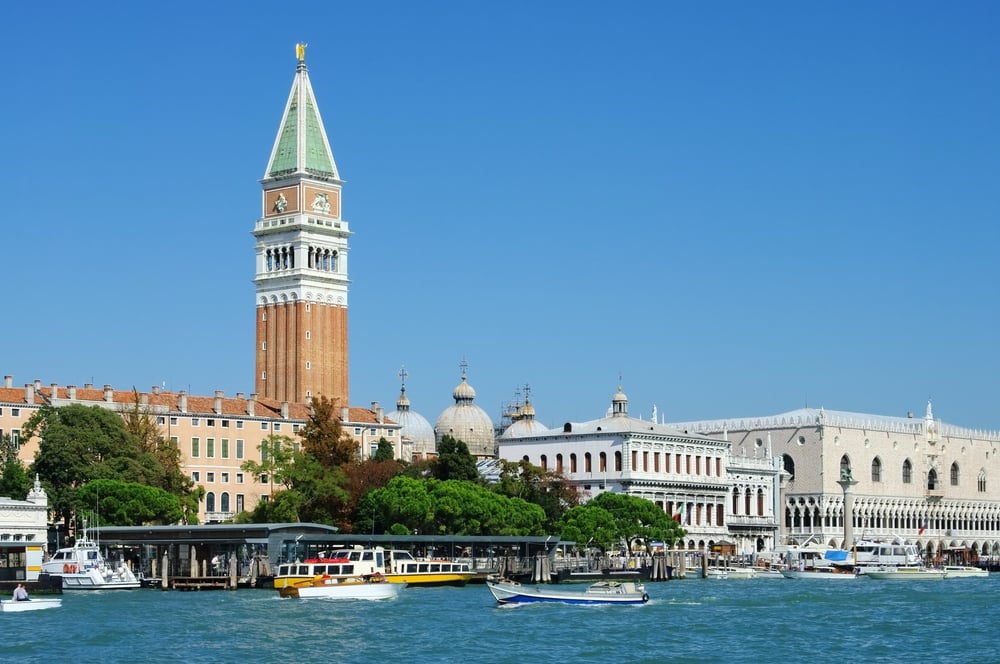
The bell tower of St. Mark’s Basilica in Venice collapsed without warning in July 1902, crumbling into a pile of rubble in the piazza below but causing no deaths. City authorities voted to rebuild it “as it was, where it was,” using the same phrase later echoed for La Fenice. The reconstructed campanile was completed and reopened in 1912, exactly a thousand years after the original tower’s first construction.
The Amber Room
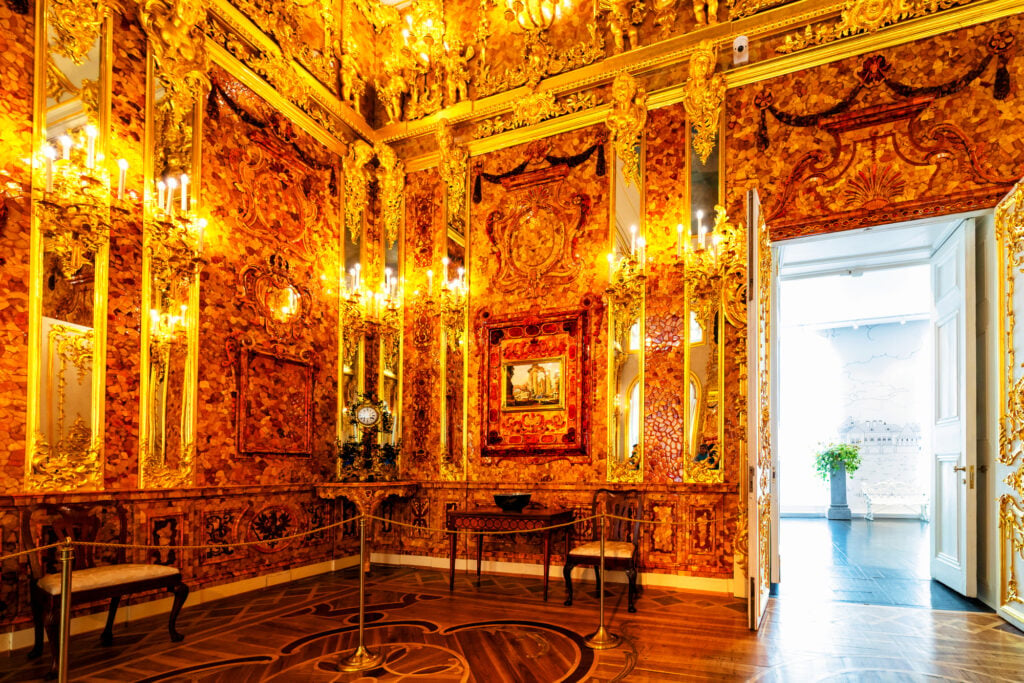
An entire chamber paneled in amber, gifted to Russia by Prussia in 1716, was looted by German forces from a palace near St. Petersburg during the Second World War and disappeared, its ultimate fate never confirmed. Russian craftsmen began recreating the room from historical photographs in 1979, a project that took roughly 24 years and was completed in 2003, restoring the chamber to the same palace it had been taken from.
The Governor’s Palace at Williamsburg
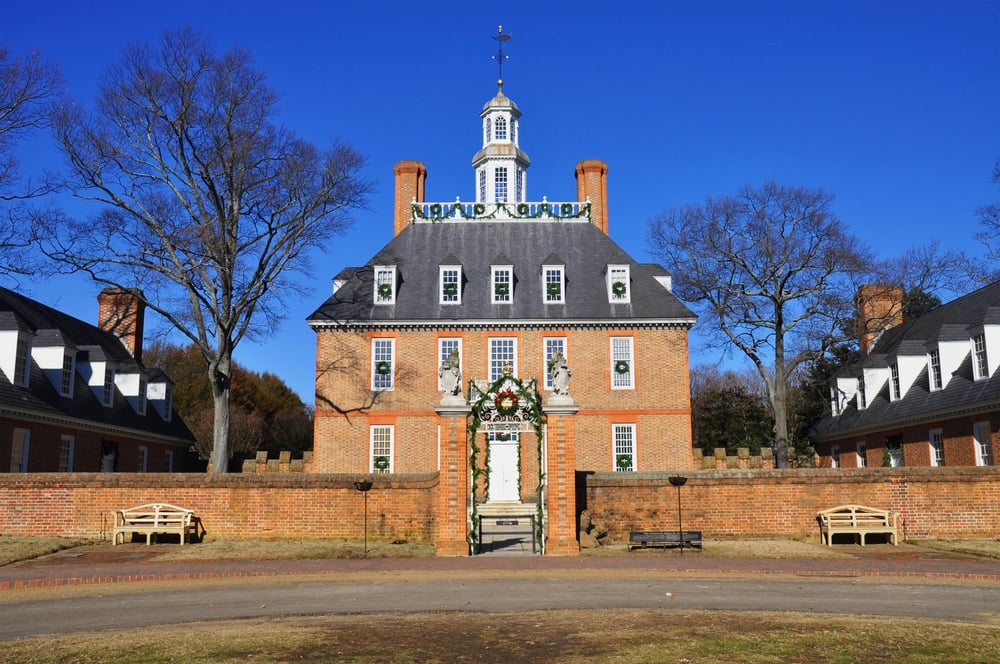
The original Governor’s Palace in Williamsburg, Virginia, seat of colonial power in Virginia, burned down in 1781 and was never rebuilt at the time, leaving only its foundations. As part of the 20th-century restoration of Colonial Williamsburg, funded largely by John D. Rockefeller Jr., the palace was reconstructed on its original foundations using archaeological findings and historical records, reopening in 1934.
The Mostar Bridge
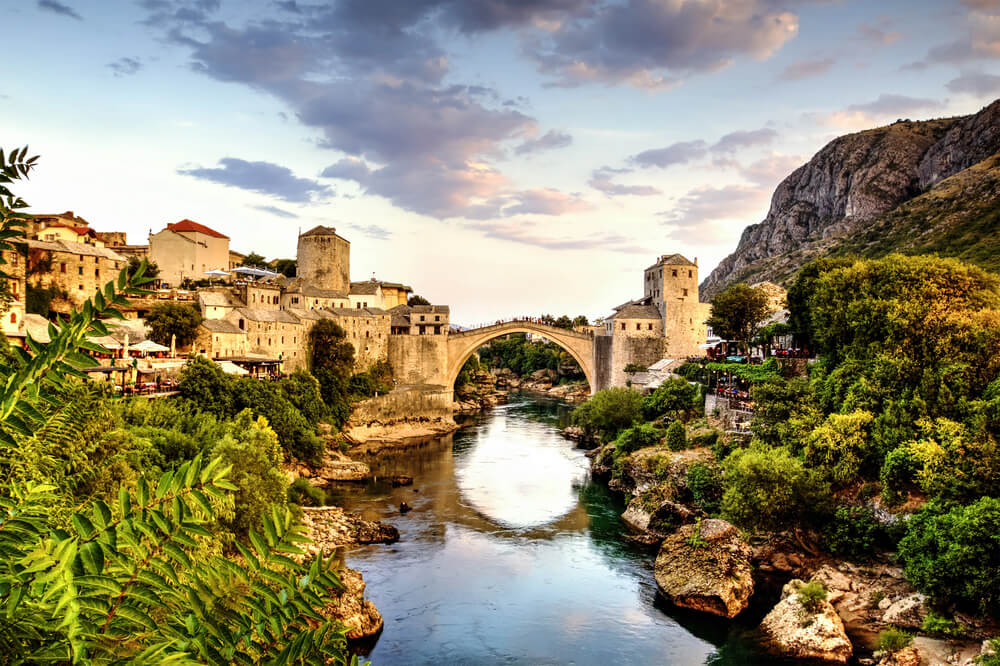
The 16th-century Stari Most bridge in Mostar, Bosnia and Herzegovina, a structure that had stood for over 400 years, was destroyed by shelling during the Bosnian War in 1993. An international reconstruction effort used stone quarried from the same source as the original and traditional building techniques, completing the rebuilt bridge in 2004, and UNESCO added it to the World Heritage list the following year.
The Palace of Westminster
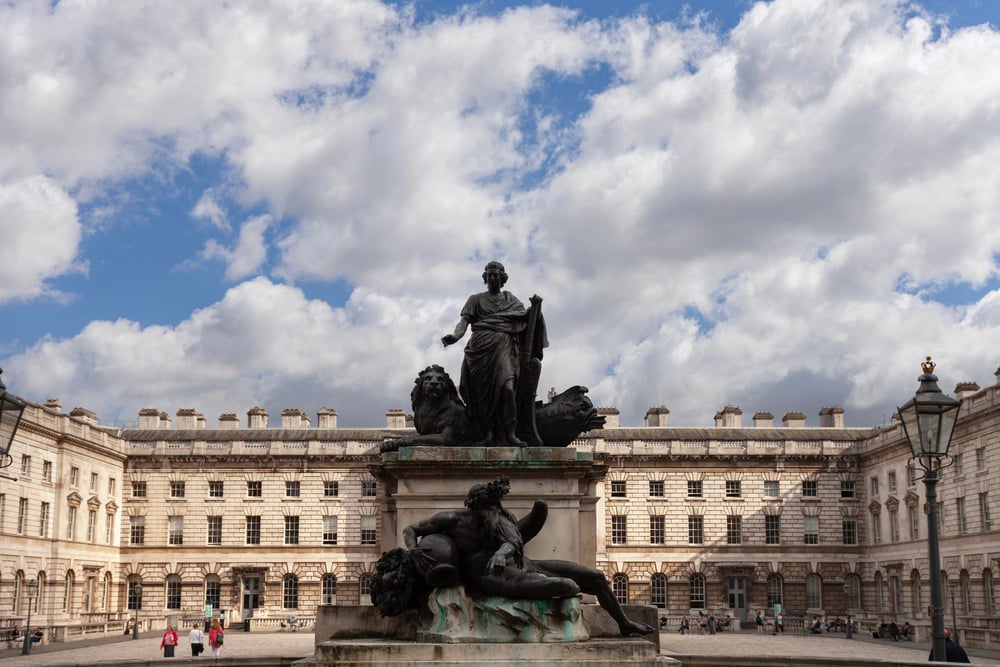
A fire swept through the old Palace of Westminster in London in 1834 after overheated chimney flues ignited wooden tally sticks being burned in the basement, destroying most of the medieval complex that had housed Parliament for centuries. Architects Charles Barry and Augustus Pugin designed the current Gothic Revival building, including the clock tower housing Big Ben, with construction largely complete by 1870.
What Survives the Fire
The buildings on this list share a detail easy to miss: none of them were rebuilt because it was practical. It would almost always have been cheaper and faster to build something new on cleared ground, and in several cases that option was seriously considered before being rejected. Communities chose reconstruction instead because the building itself, not just its function, carried meaning that a replacement could not replicate.
That choice says something about how people relate to their own history. A cathedral or a bridge, once destroyed, could be replaced with something equally functional and entirely forgettable, and instead people spent years, sometimes decades, insisting on getting it back closer to what it was. The rebuilding, more than the original construction, tends to be the clearer measure of how much a place was actually valued.
More from Go2Tutors!

- The Romanov Crown Jewels and Their Tragic Fate
- 13 Historical Mysteries That Science Still Can’t Solve
- Famous Hoaxes That Fooled the World for Years
- 15 Child Stars with Tragic Adult Lives
- 16 Famous Jewelry Pieces in History
Like Go2Tutors’s content? Follow us on MSN.