26 Historical Figures Whose Real Names Were Changed in Records
Some of history’s most recognizable names were never the ones written on a birth certificate. Revolutionaries adopted noms de guerre to protect their families or manufacture a legend, performers were rebranded by studios chasing something more marketable, and writers hid behind pseudonyms to publish work society wasn’t ready to credit to them honestly.
The gap between the name on the record and the name in the textbook is often where the real story lives.
Joseph Stalin

Born Ioseb Besarionis dze Jughashvili in Gori, Georgia, the future Soviet dictator adopted the name “Stalin,” derived from the Russian word for steel, as a revolutionary pseudonym years before he took power. The Georgian surname Jughashvili all but disappeared from public reference during his rule, replaced entirely by the manufactured identity built around strength and industrial imagery.
Vladimir Lenin
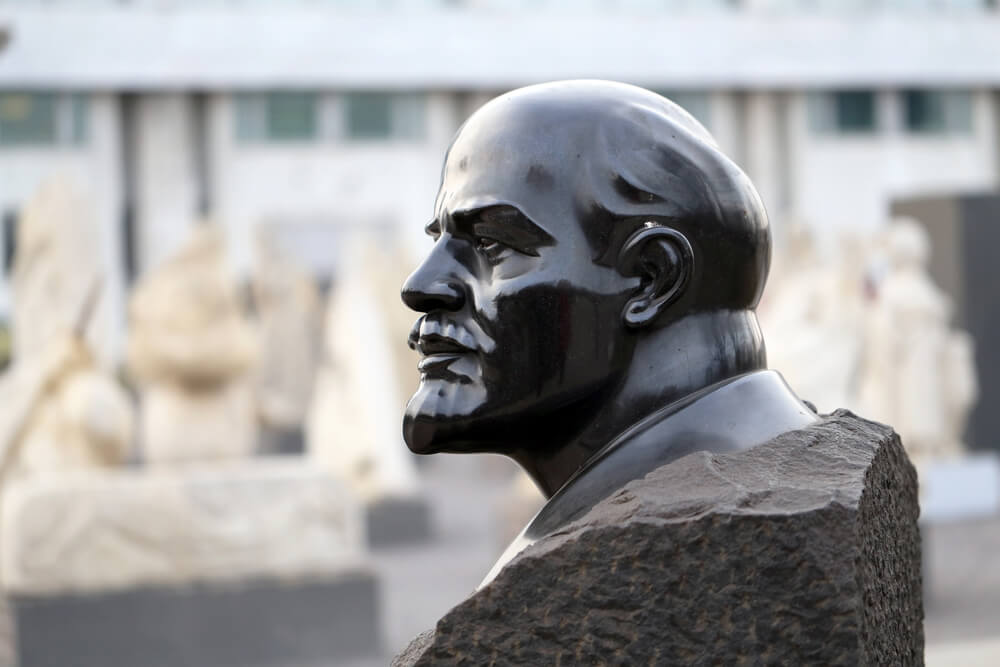
Born Vladimir Ilyich Ulyanov, the founder of the Soviet state adopted “Lenin” as a revolutionary alias likely derived from the Lena River in Siberia, where he had been exiled. The pseudonym stuck so thoroughly that Ulyanov’s actual surname is now largely unknown outside of specialized historical study.
Leon Trotsky
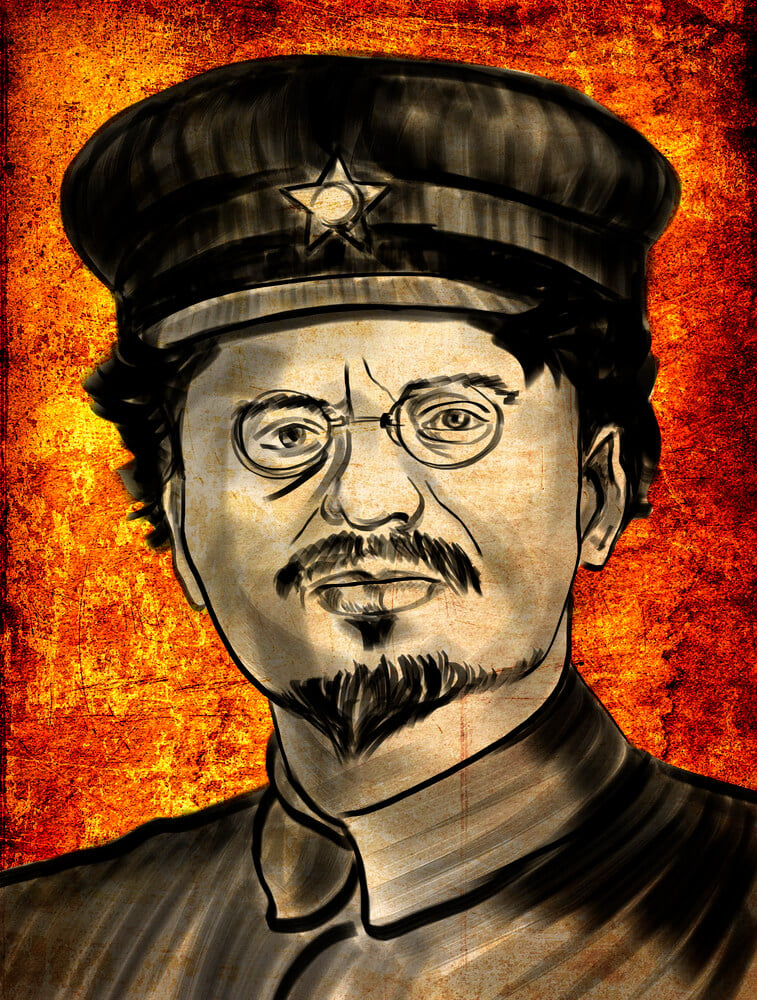
Born Lev Davidovich Bronstein, the Soviet revolutionary took the surname “Trotsky” from a former prison guard’s identity papers he used to escape Siberian exile in 1902. The borrowed name became permanent and eclipsed his birth name so completely that most records of the era list him only as Trotsky.
Ho Chi Minh
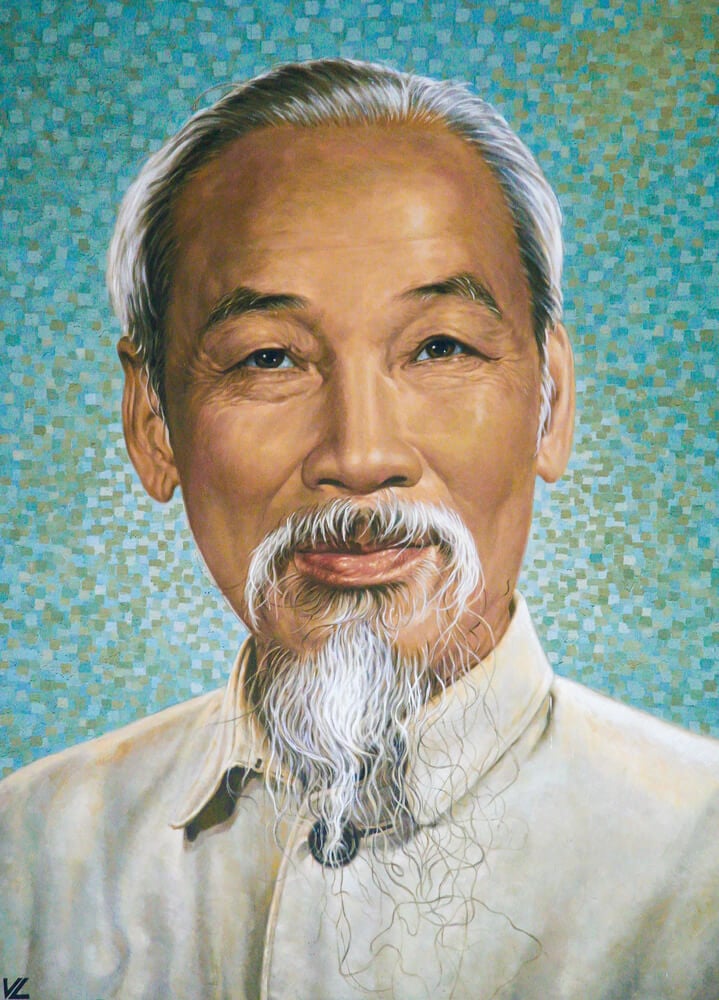
Born Nguyen Sinh Cung, the Vietnamese revolutionary and eventual president used dozens of aliases throughout his decades in exile and underground political organizing, with “Ho Chi Minh,” meaning roughly “Bringer of Light,” becoming his permanent public identity only in the 1940s. Vietnamese state records and international diplomacy subsequently referred to him exclusively by this adopted name.
Malcolm X
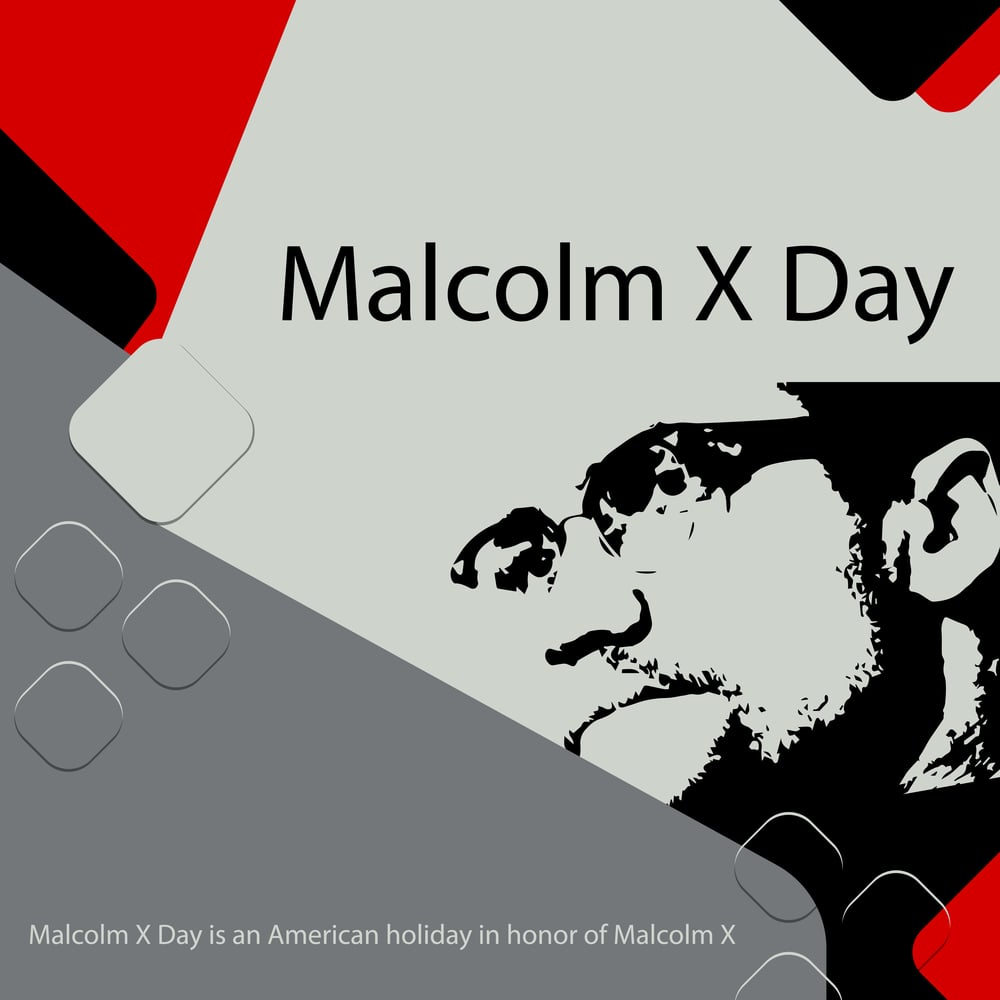
Born Malcolm Little, the civil rights leader replaced his surname with an X while incarcerated in the 1940s, rejecting what he considered a name imposed on his family line by slaveholders. He later took the name El-Hajj Malik El-Shabazz after converting to Sunni Islam and completing the Hajj pilgrimage in 1964, meaning his identity changed twice in official and public record within a single lifetime.
Muhammad Ali

Born Cassius Marcellus Clay Jr., the boxer changed his name after joining the Nation of Islam in 1964, first to Cassius X and then to Muhammad Ali under the guidance of Elijah Muhammad. Several boxing commissions and news organizations continued using his birth name for years afterward, creating a documented dispute in period records over which name was legally correct.
Mark Twain
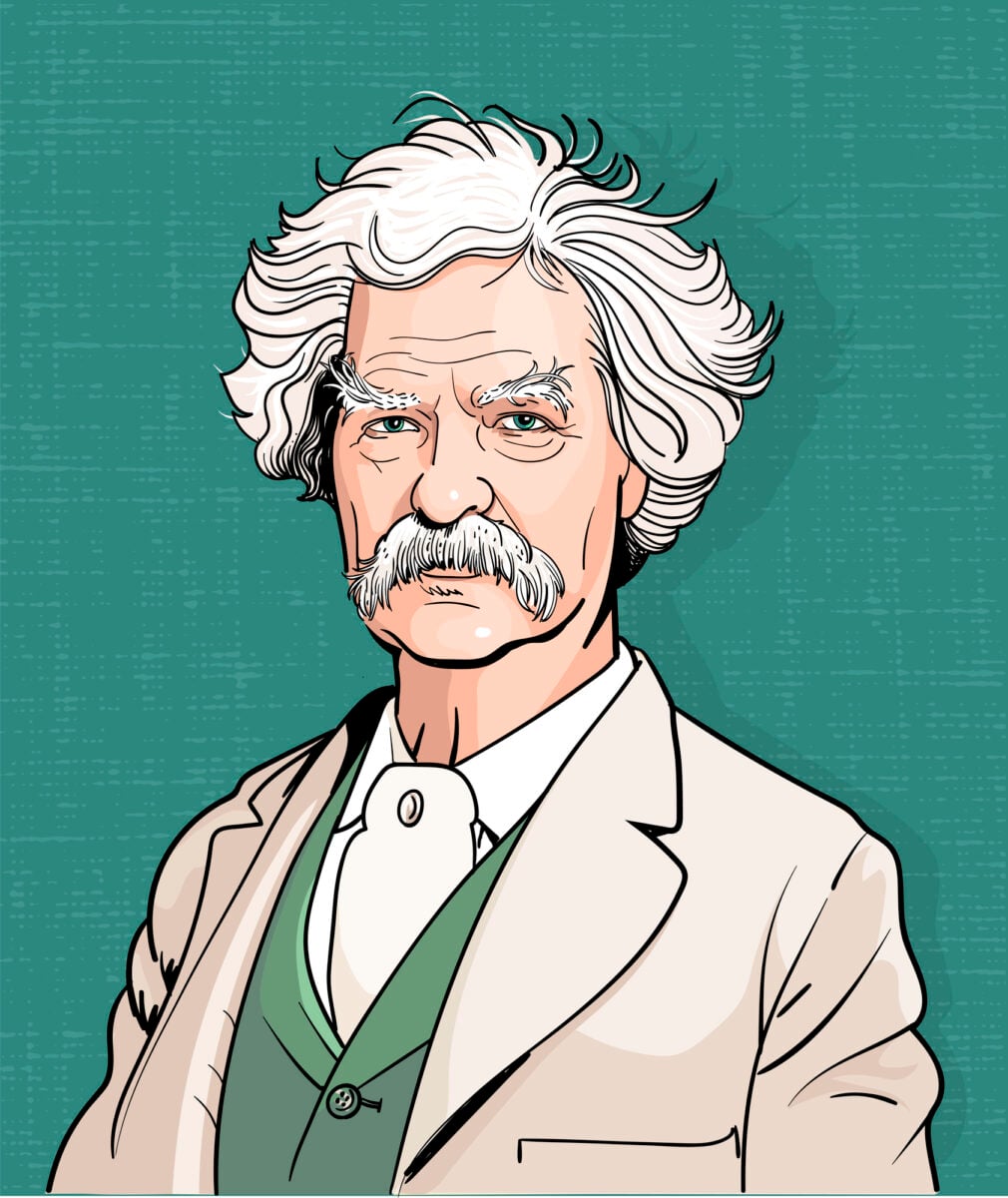
Born Samuel Langhorne Clemens, the author adopted his famous pen name from a riverboat term meaning two fathoms of water depth, a phrase he would have heard called out constantly during his years working as a Mississippi steamboat pilot. Clemens used the pseudonym so consistently in publishing contracts and correspondence that some of his own later legal documents listed both names side by side.
Lewis Carroll
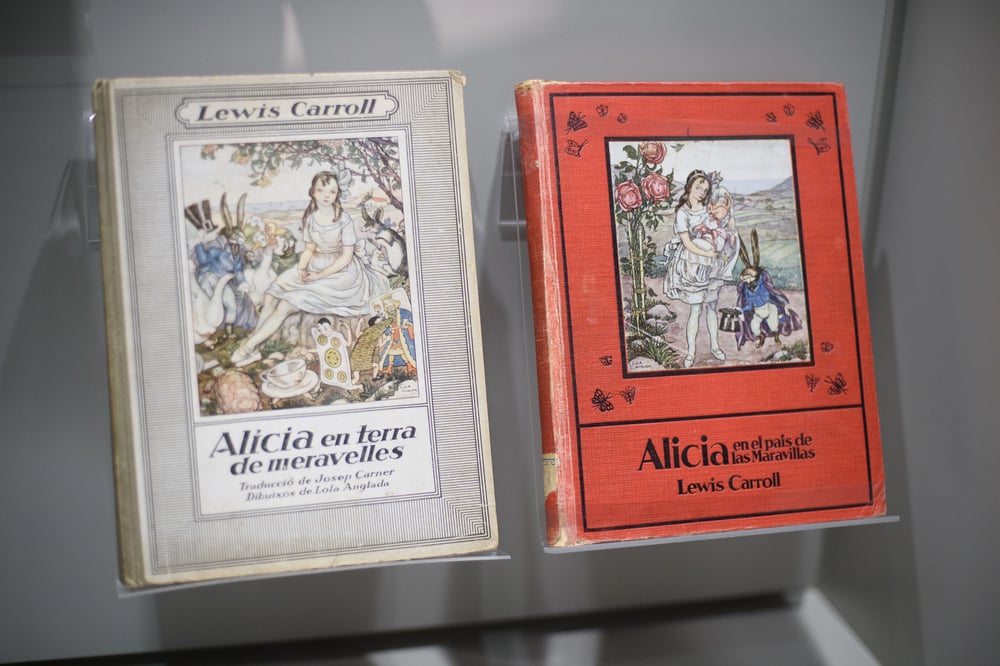
Born Charles Lutwidge Dodgson, the Oxford mathematician published his children’s fiction under a pen name partly formed by translating his first and middle names into Latin and back into English, while continuing to publish serious mathematical papers under his real name. The dual identity was deliberate, keeping his academic reputation separate from his fiction in official university records.
Voltaire

Born François-Marie Arouet, the French philosopher adopted “Voltaire” as a pen name around 1718, likely an anagram-like rearrangement of a Latinized version of his surname combined with a nod to his hometown. French police and court records from his periods of exile and imprisonment continued to use his birth name even after “Voltaire” had become his public identity across Europe.
Molière
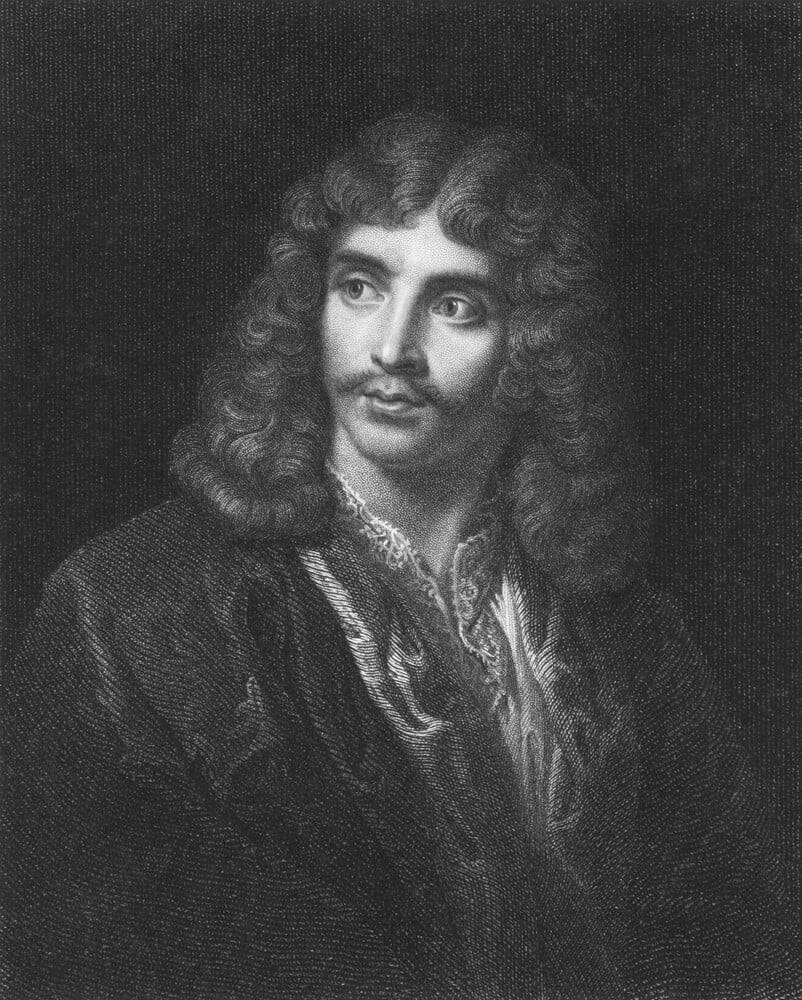
Born Jean-Baptiste Poquelin, the French playwright took the stage name Molière upon becoming a professional actor in 1644, partly to spare his family, who ran a respectable furniture business, the social stigma then attached to the theater. Parish and legal records in Paris continued to register him under Poquelin even as “Molière” became the name under which all his plays were published.
Cary Grant
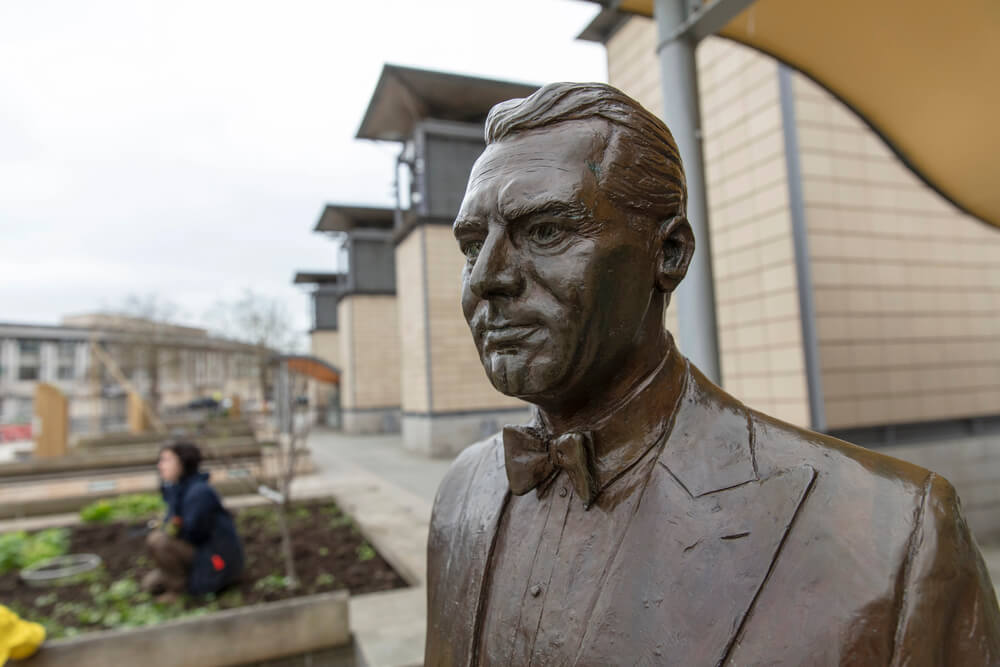
Born Archibald Alec Leach in Bristol, England, the actor adopted his screen name after signing with Paramount Pictures in 1931, part of a broader studio practice of renaming contract talent to sound more suited to leading roles. Grant later said in interviews that he sometimes felt he had invented “Cary Grant” as a persona distinct from himself.
Marilyn Monroe
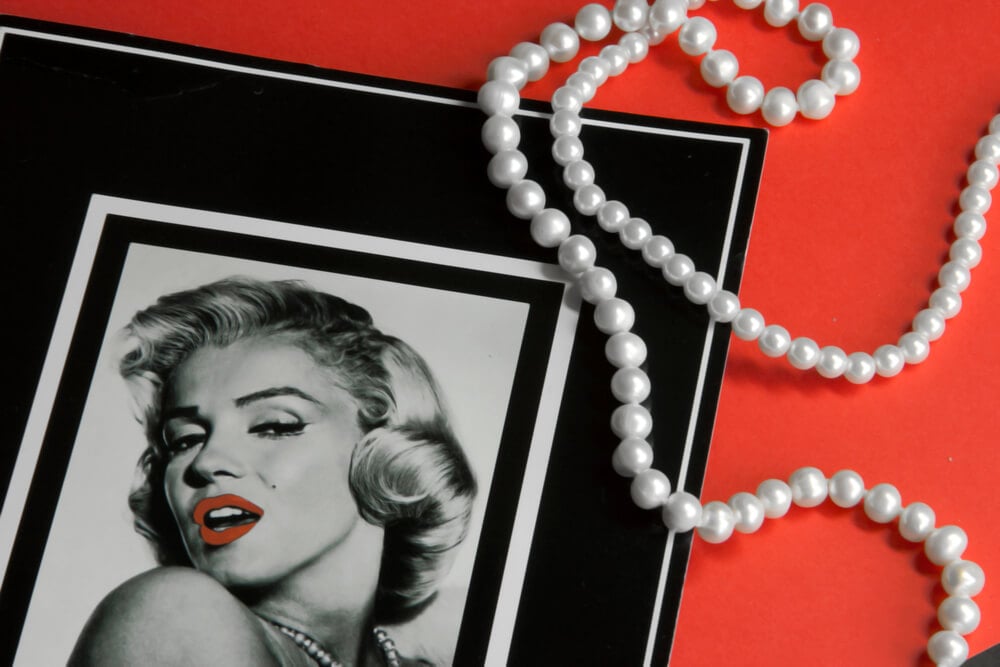
Born Norma Jeane Mortenson, later baptized Norma Jeane Baker, the actress had her name legally changed to Marilyn Monroe in 1956 after years of using it only professionally, meaning her identification documents and screen name were formally mismatched for the earlier part of her film career.
John Wayne
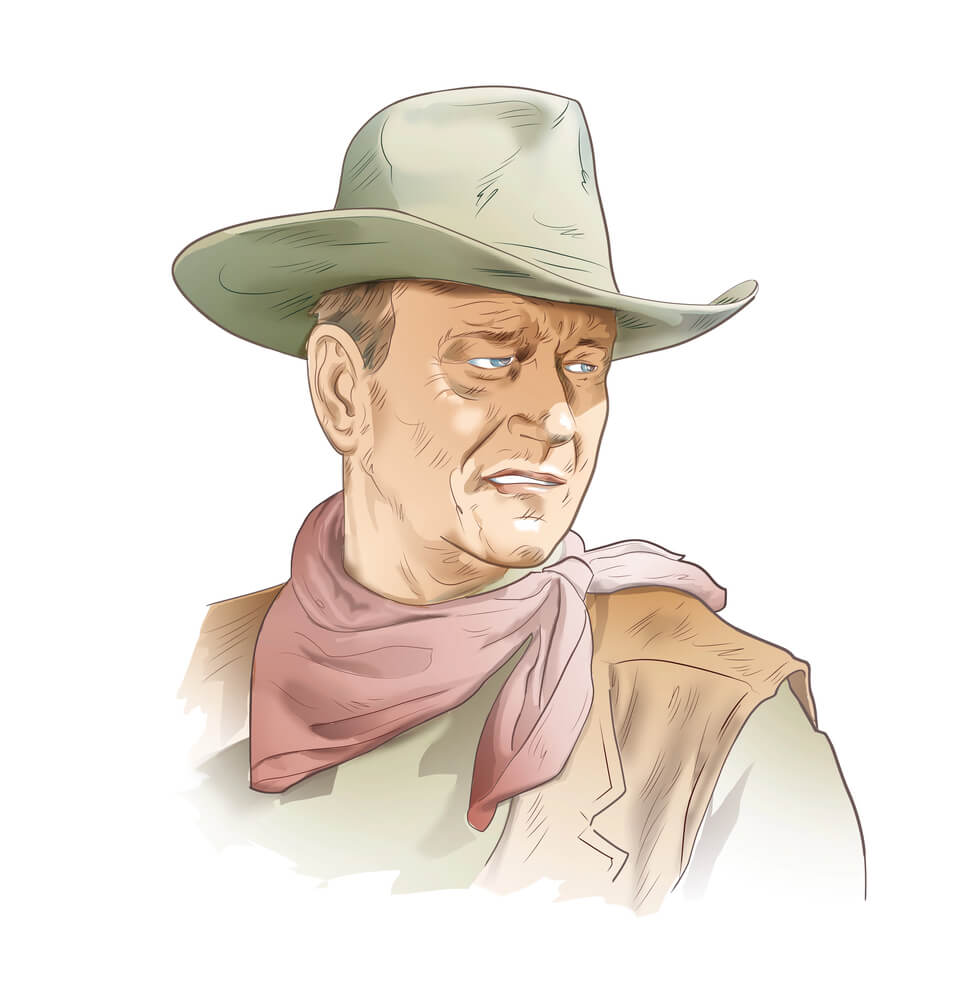
Born Marion Robert Morrison, the actor was given the nickname “Duke” as a child and later assigned the stage name John Wayne by Fox Studios executives in 1930 without his direct input, reportedly learning of the change from a poster.
Judy Garland
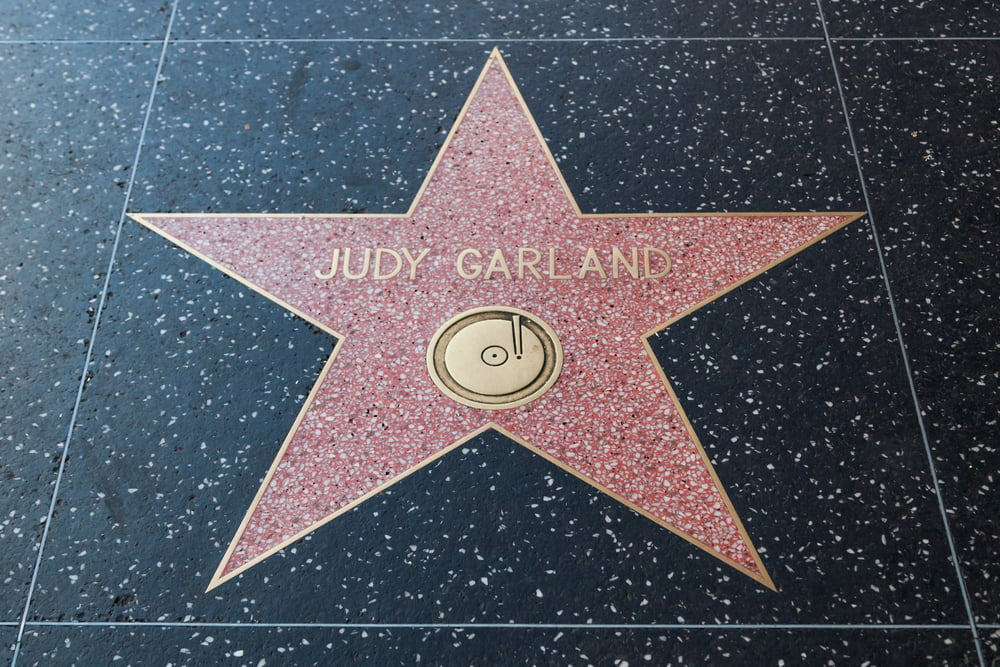
Born Frances Ethel Gumm, the performer changed her name in 1934 at around age twelve as part of a family vaudeville act rebranding, several years before her breakout role in The Wizard of Oz cemented the new identity permanently in public record.
Doris Day
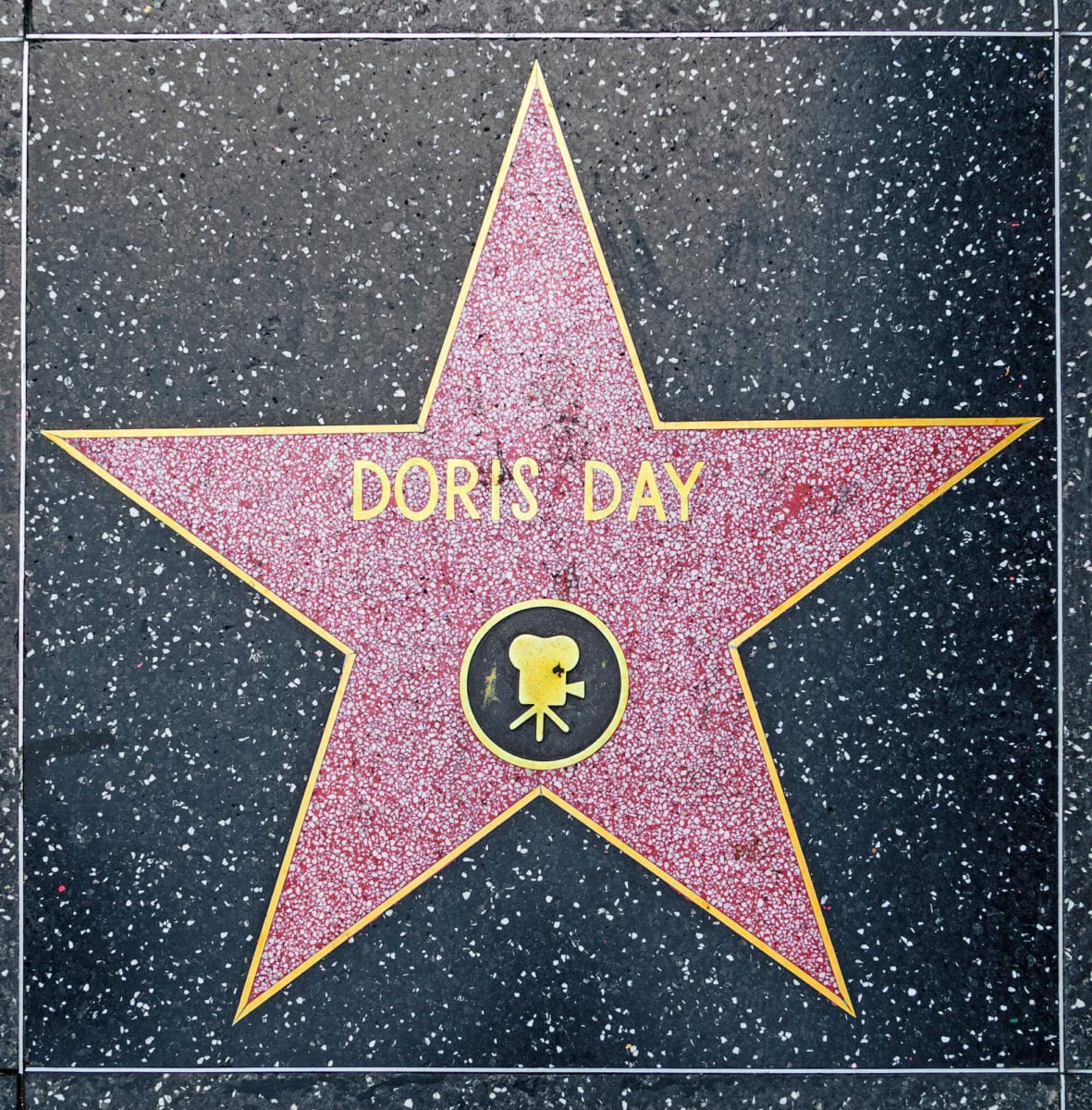
Born Doris Mary Ann Kappelhoff, the actress and singer adopted her stage surname from a 1930s bandleader’s suggestion after a song she performed, “Day After Day,” reportedly stuck as a nickname before becoming her professional name.
Michael Caine
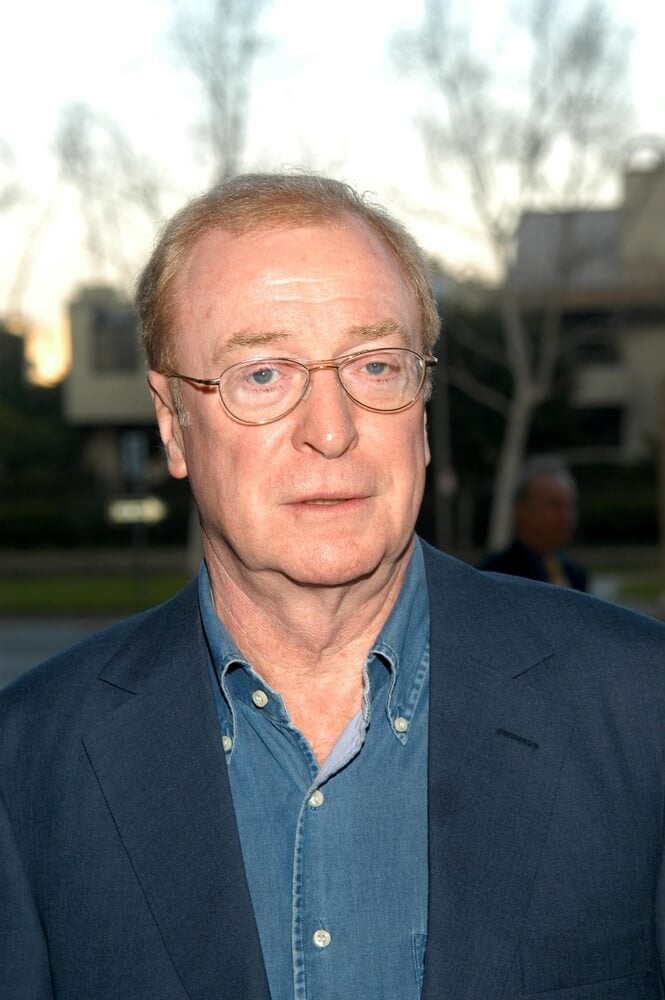
Born Maurice Joseph Micklewhite, the actor took his stage name from the 1954 film The Caine Mutiny, which happened to be playing on a cinema marquee near the phone booth he was using to call his agent with a name suggestion.
Freddie Mercury
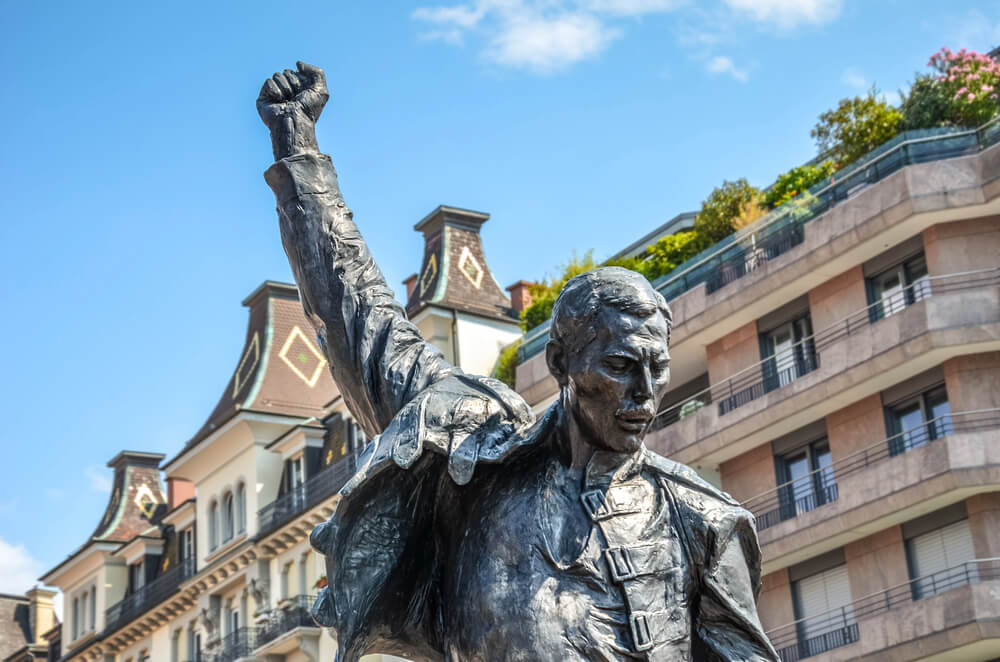
Born Farrokh Bulsara in Zanzibar, the Queen frontman adopted the name Freddie during his school years in India and legally changed his surname to Mercury in the early 1970s as his music career developed, formally separating his stage identity from his Parsi family name in official British records.
Elton John
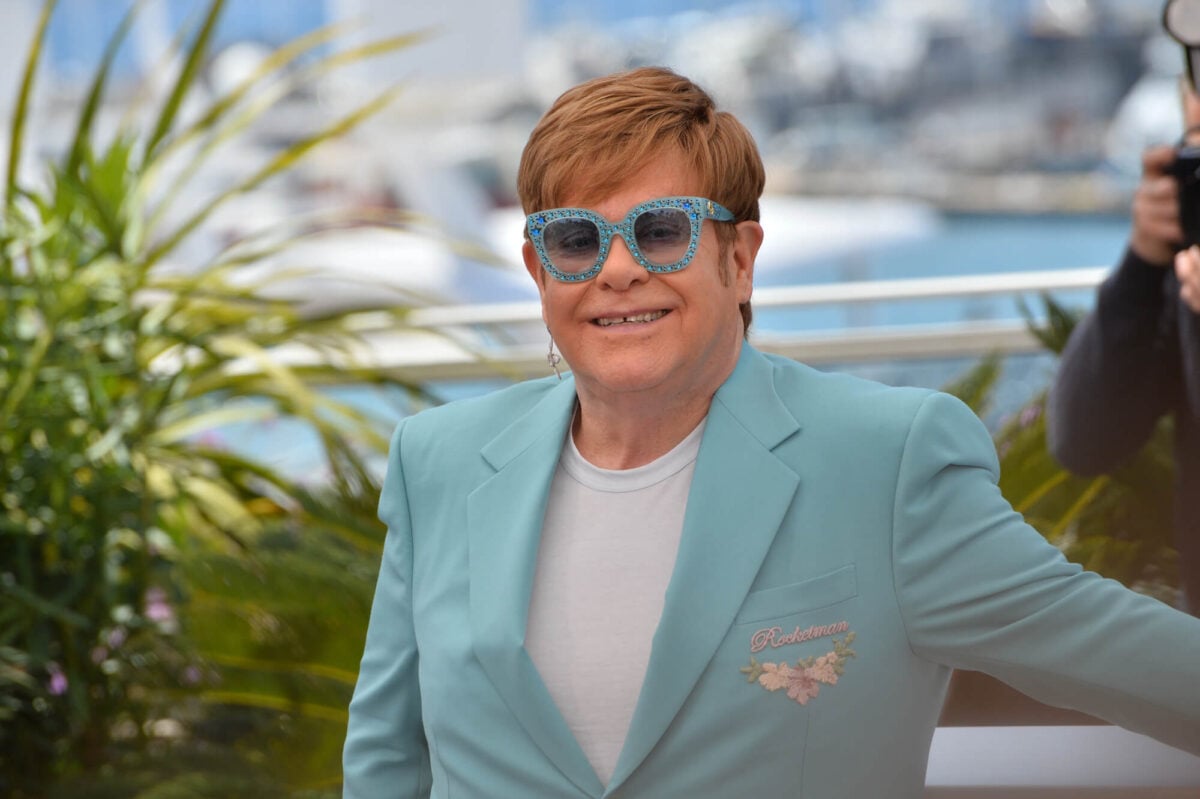
Born Reginald Kenneth Dwight, the musician legally changed his name in 1972, combining the first names of two bandmates from an earlier group, Elton Dean and Long John Baldry, into the new identity under which all his subsequent recordings and legal contracts were filed.
Josephine Baker
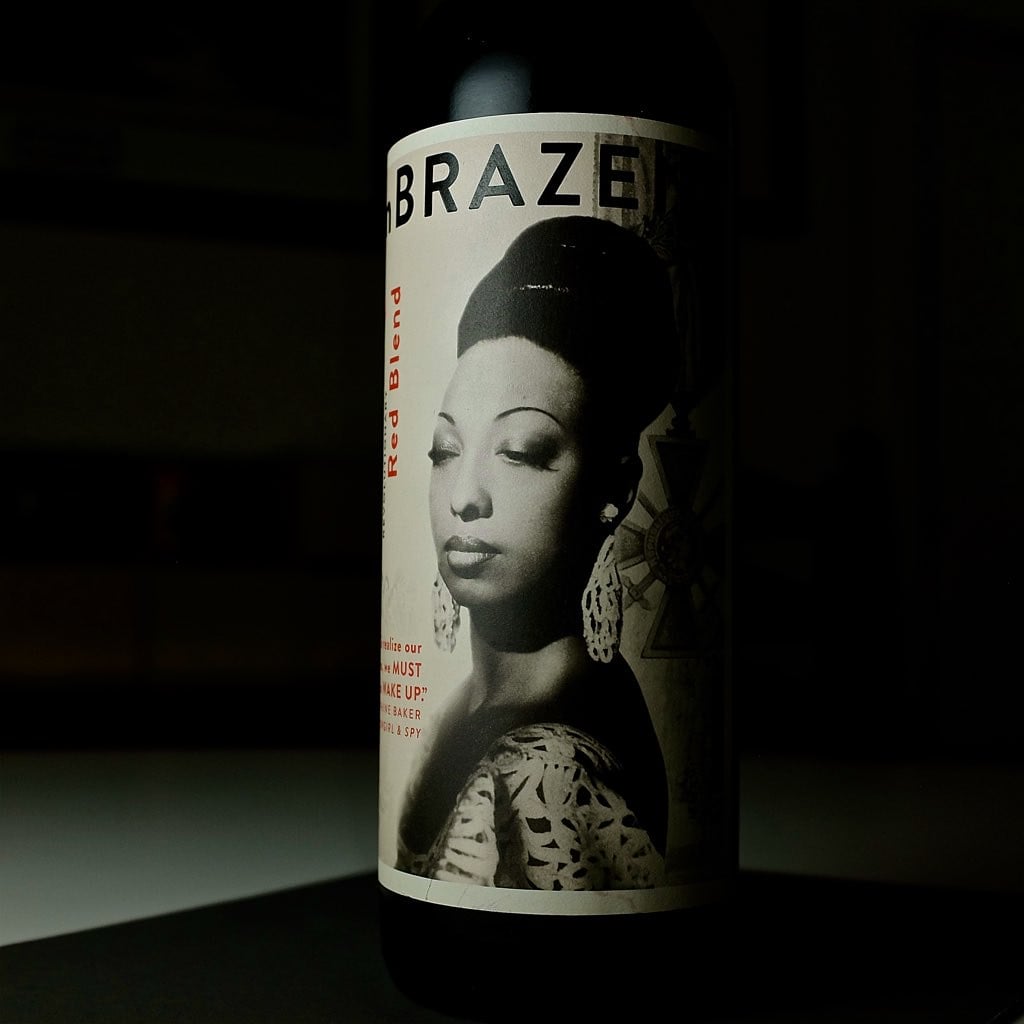
Born Freda Josephine McDonald in St. Louis, Missouri, the entertainer adopted her stage surname from a brief marriage to Willie Baker and kept it permanently after moving to Paris in 1925, where French records and later her French citizenship documents listed her exclusively under the adopted name.
Whoopi Goldberg
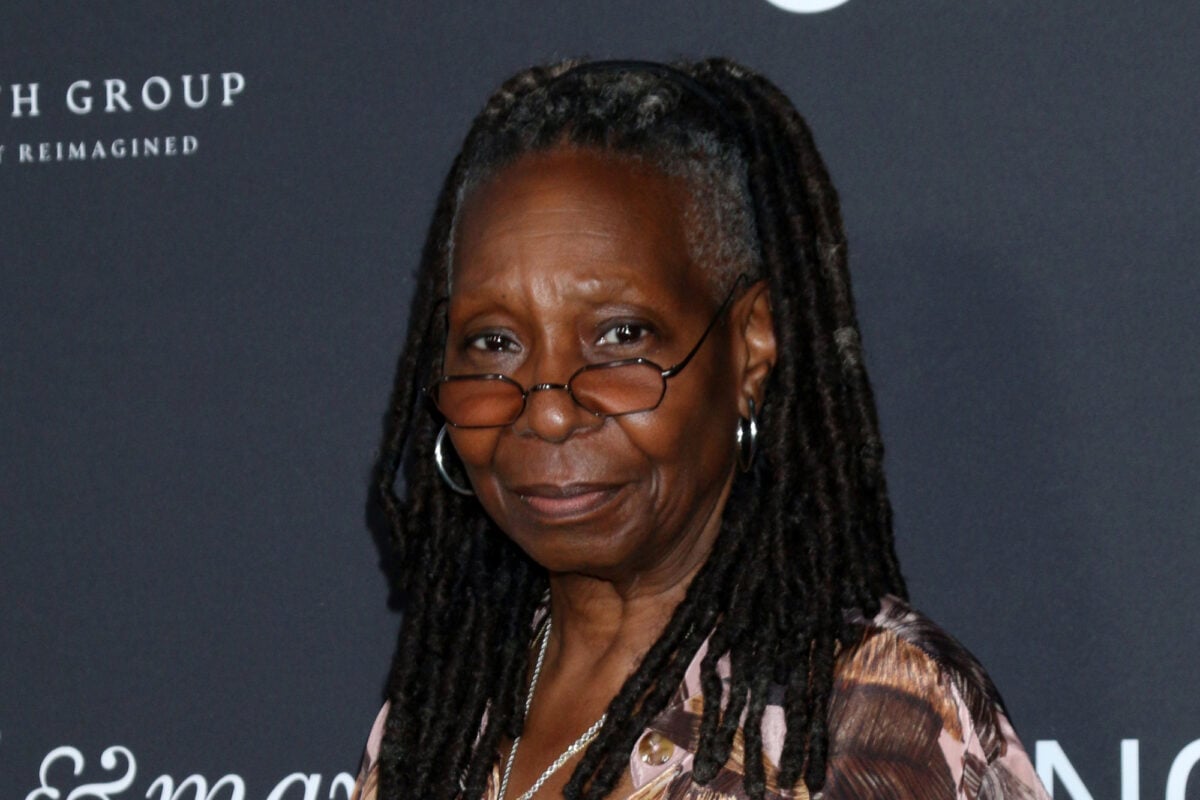
Born Caryn Elaine Johnson, the actress and comedian adopted her stage name in the late 1970s, with “Goldberg” reportedly chosen in part to reflect a family surname on her mother’s side, formally replacing Johnson in her professional record from that point forward.
Nicolas Cage
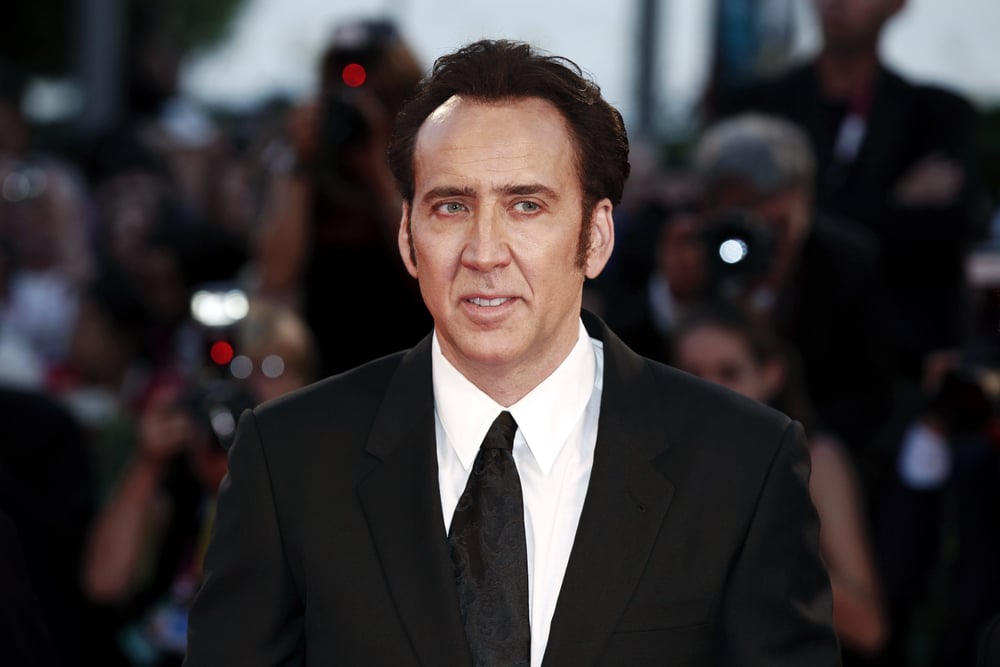
Born Nicolas Kim Coppola, the actor legally adopted the surname Cage early in his career specifically to build a career independent of his uncle, director Francis Ford Coppola, and avoid accusations of nepotism appearing in casting and industry records.
Natalie Portman
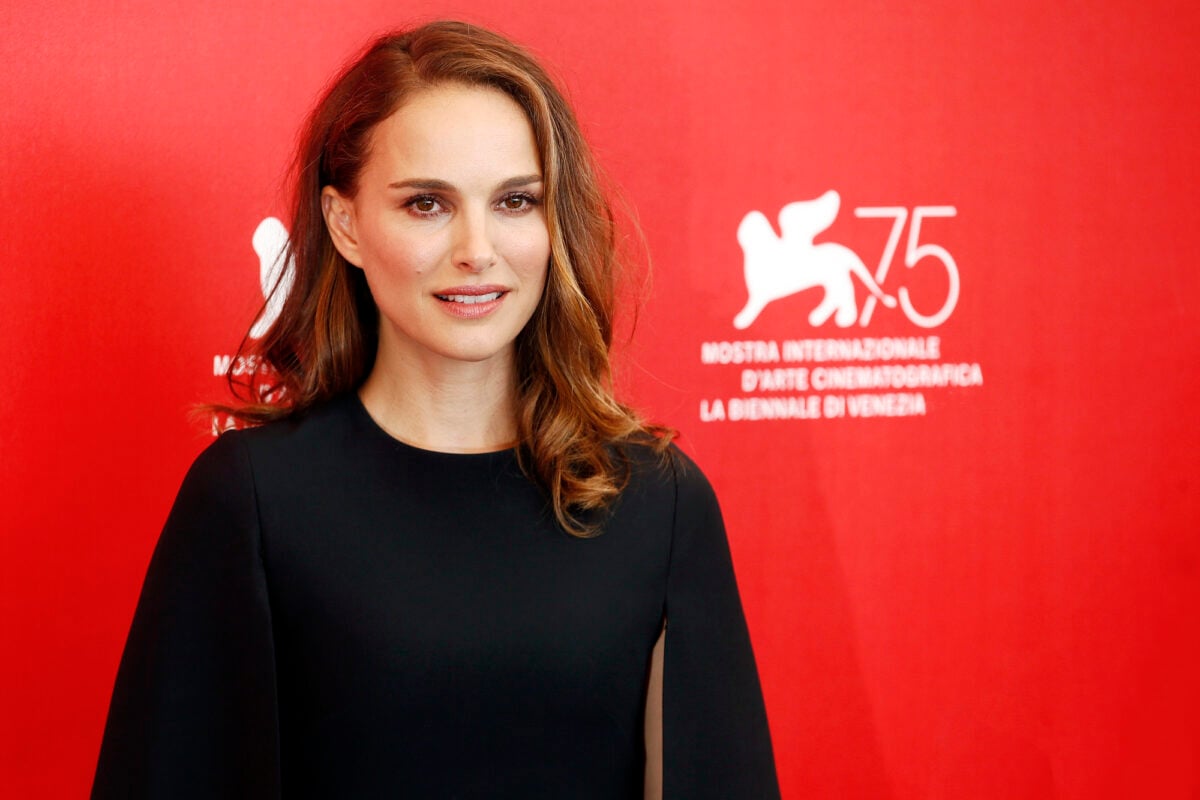
Born Natalie Hershlag, the actress began using her maternal grandmother’s maiden name, Portman, professionally as a teenager to protect her family’s privacy, while her legal identification documents continued to list Hershlag for years into her acting career.
Pope John Paul II
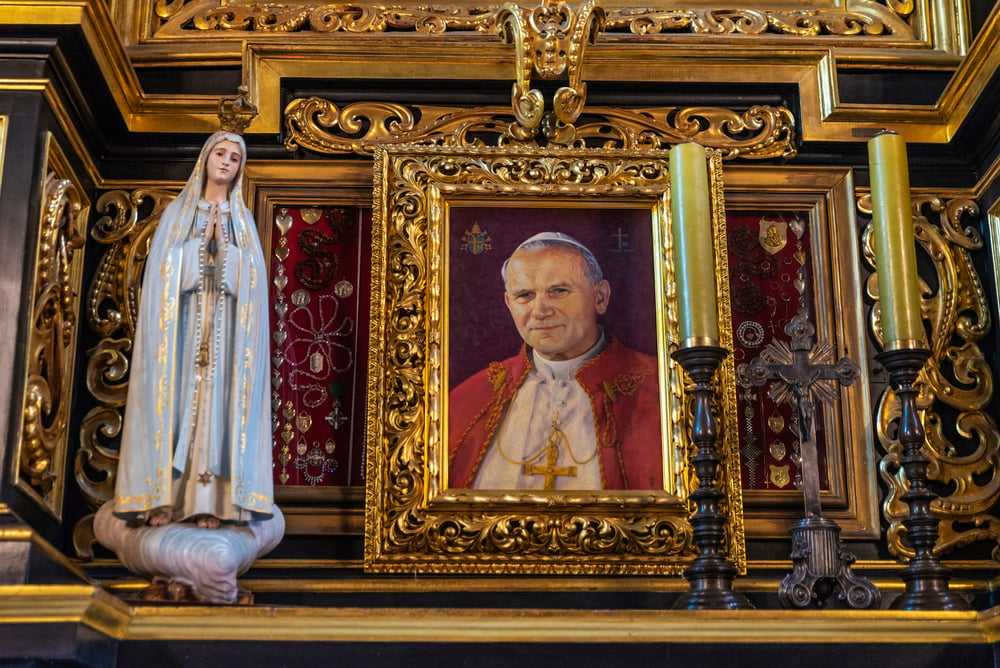
Born Karol Józef Wojtyła in Wadowice, Poland, the future pope took the regnal name John Paul II upon his election in 1978, a practice common to the papacy in which the birth name is retained in Vatican biographical record but formally superseded in every papal document and proclamation issued during the reign.
O. Henry
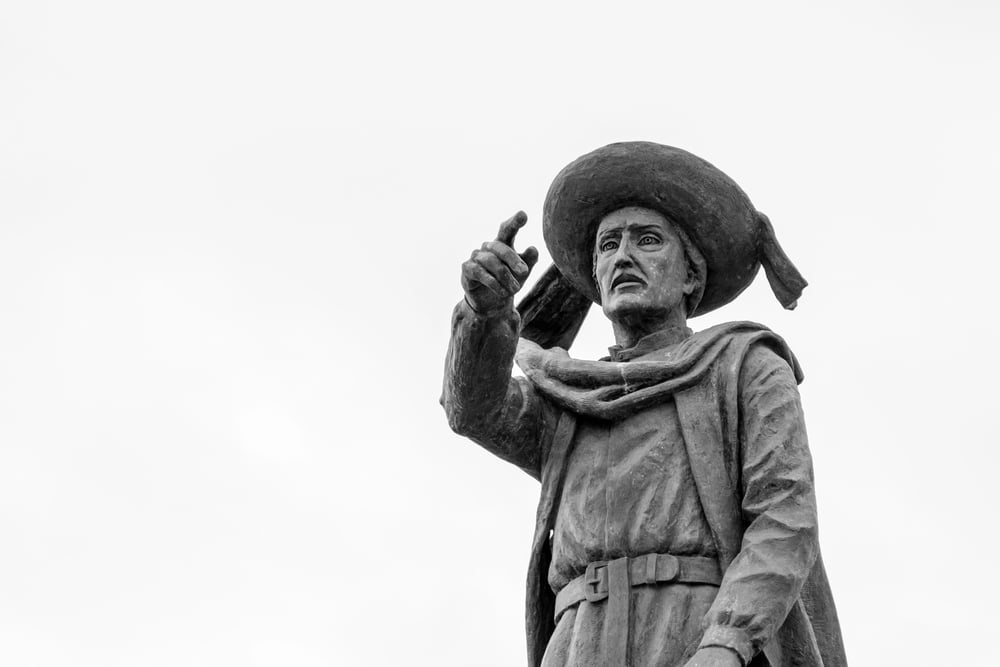
Born William Sydney Porter, the short-story writer adopted the pen name while serving a prison sentence for embezzlement in the Ohio Penitentiary in the 1890s, using the pseudonym partly to shield his young daughter from the stigma of his conviction as his literary reputation grew under the invented name.
George Eliot
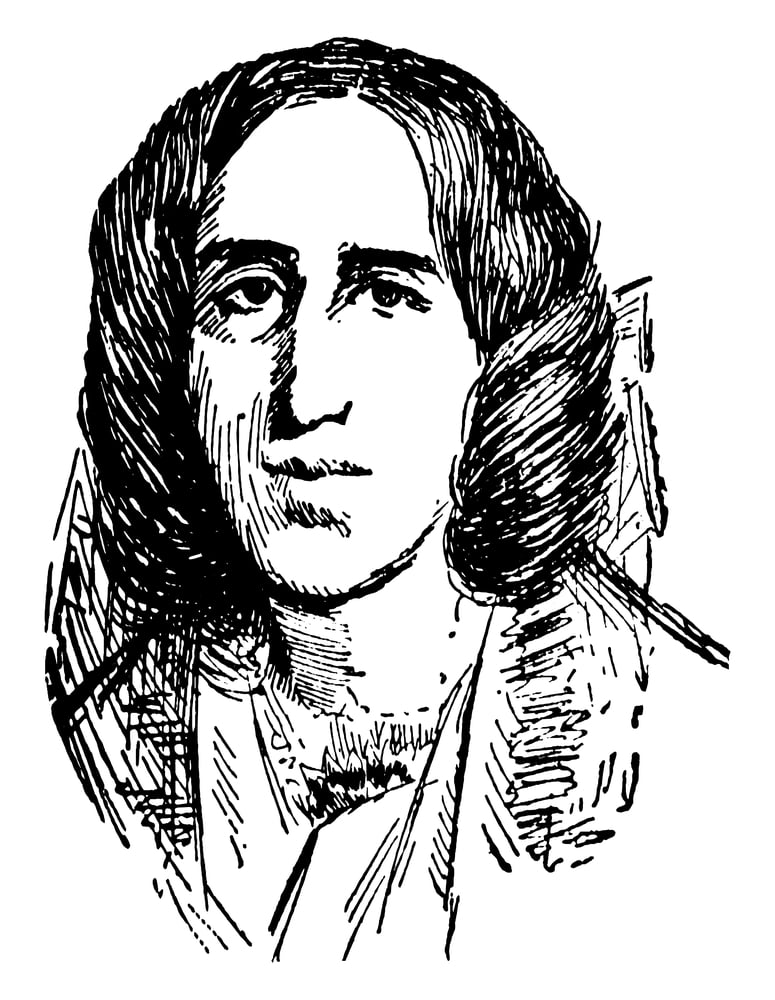
Born Mary Ann Evans, the English novelist published under a male pen name starting in 1857 specifically to ensure her work would be taken seriously and reviewed on its literary merits rather than dismissed as sentimental “women’s fiction,” a common bias in Victorian publishing records and criticism of the era.
Kareem Abdul-Jabbar
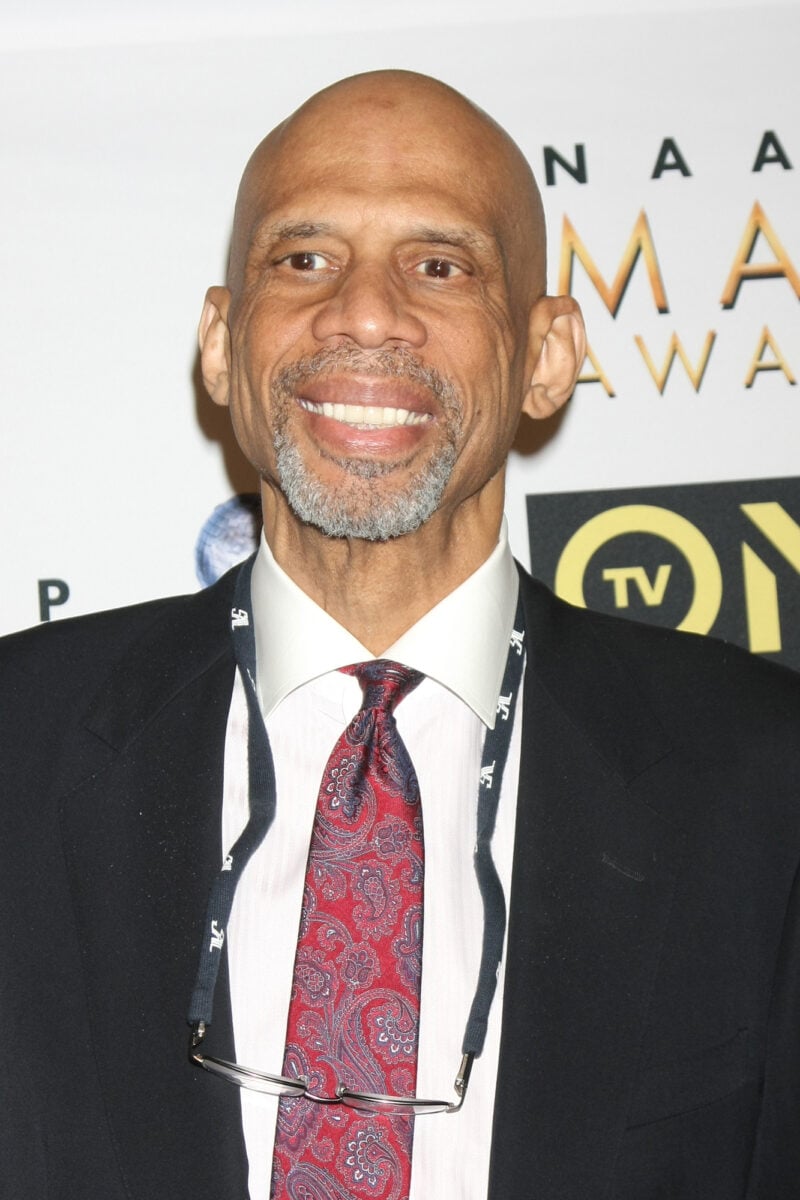
Born Ferdinand Lewis Alcindor Jr., the basketball player changed his name in 1971 after converting to Islam, adopting a name that translates roughly to “generous, powerful servant of Allah.” NBA and college basketball record books from before 1971 continue to list his statistics and achievements under his birth name, creating a formal split in the historical sports record.
What the Record Never Quite Erases
A changed name rarely erases the one that came before it; it just buries it under enough usage that people stop asking. Court filings, prison rosters, parish registries, and old box scores keep the discarded names alive in the margins, waiting for a biographer or a genealogist to notice the discrepancy.
What is striking about this list is how rarely the change was cosmetic. Most of these figures were shedding a name that no longer fit who they had decided to become, whether that meant escaping a family’s shadow, a colonial identity, or a society unwilling to publish a woman’s fiction under her own name.
The new name was never really the point. The reinvention was.
More from Go2Tutors!

- The Romanov Crown Jewels and Their Tragic Fate
- 13 Historical Mysteries That Science Still Can’t Solve
- Famous Hoaxes That Fooled the World for Years
- 15 Child Stars with Tragic Adult Lives
- 16 Famous Jewelry Pieces in History
Like Go2Tutors’s content? Follow us on MSN.



