26 Inventions Erased from Company Records After the Patents Failed
Throughout industrial history, corporations have quietly disposed of patent applications, prototypes, and research records whenever an invention proved unable to turn a profit or threatened existing business models. The erasure was rarely deliberate destruction but rather the simple practice of discarding documents that no longer served corporate interests.
Inventions that failed to generate revenue disappeared from archives, destroyed in moves, lost to water damage, or simply buried in storage facilities that were abandoned. What follows are inventions that vanished from company records precisely because they did not succeed commercially, taking with them the possibility of future development by others.
The practice of suppressing or forgetting failed innovations remains deeply embedded in corporate culture. When a patent does not deliver expected returns, the project is terminated, funding stops, prototypes are dismantled, and records are allowed to decay.
No conspiracy is required—merely indifference to history.
Phoebus Light Bulb Cartel Innovations (1924-1939)

General Electric, Philips, and other cartel members intentionally developed light bulbs with reduced lifespans, capping durability at around 1,000 hours instead of the 2,500 hours achievable with existing technology. These specifications were recorded in cartel documents but were never disclosed to consumers.
When the cartel dissolved after World War II, the research into manufacturing bulbs with deliberately shortened lifespans was archived and largely forgotten, existing now only in historical documents maintained by governments and universities rather than companies.
Edison’s Extended-Life Bulb Research
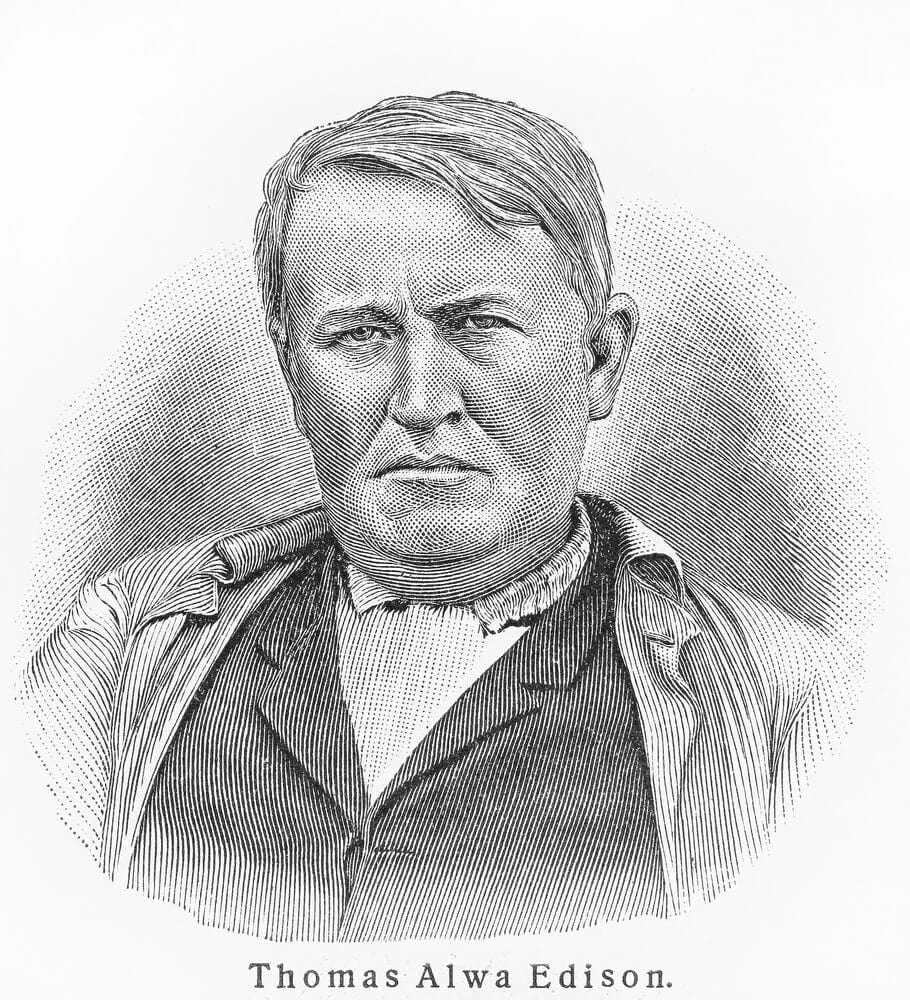
Parallel to the cartel’s work, Edison researchers developed filament technology capable of producing bulbs lasting 150,000 hours. The Centennial Bulb, installed in a Livermore fire station in 1901, burned continuously for over a century with minimal interruption.
Edison’s records on how this extreme longevity was achieved remain scattered and incomplete, as the company transitioned away from lighting manufacturing and allowed documentation to deteriorate.
Early Electric Vehicles Developed by Ford and Edison

Henry Ford and Thomas Edison collaborated on an electric vehicle around 1914, designing a model with improved battery technology that could compete with gasoline vehicles. When Ford’s Model T gasoline dominance became clear and petroleum interests influenced market development, the electric car project was abandoned.
Company records on the collaboration were not systematically preserved, and later researchers found only fragmentary references to the work.
The Pogue Carburetor Efficiency Data

Charles Nelson Pogue claimed to have developed a carburetor that he asserted could achieve efficiency rates of over 200 miles per gallon, though these claims were never independently verified or substantiated through credible testing. After selling his patent to oil industry interests, detailed technical specifications and performance data supposedly disappeared from corporate records.
Modern researchers can only piece together the carburetor’s specifications from patent applications and scattered historical accounts rather than from comprehensive company documentation.
Nikola Tesla’s Wireless Power Transmission Documents

Tesla’s research on wireless electrical transmission was housed at various facilities during his lifetime. After his death, the FBI seized his papers, many of which were lost, destroyed, or remain classified.
While Tesla’s own notes survive in archives, the corporate records and specifications from companies that briefly explored his technologies were largely discarded when projects proved impractical with early 20th century technology.
Stanley Meyer’s Water-Fueled Engine Development

Stanley Meyer claimed to have developed a water-fueled engine in the late 1970s, but his company records and technical specifications disappeared from corporate archives after his death in 1998. A 1996 court ruling found his claims fraudulent, and after the legal decision, his company dissolved and its records were dispersed.
Most documentation was lost or abandoned in storage facilities.
The Evapolar Cooling Device Early Prototypes

Before commercial development, Evapolar’s early cooling device prototypes underwent numerous iterations that did not reach market viability. Records of these failed iterations were not archived by the company, and prototype units were dismantled and discarded rather than preserved for historical reference.
Tootsie Roll Company’s Non-Stick Wrapper Development

During the 1980s, Tootsie Roll Industries invested in developing non-stick wrapper technology for its candies. When the innovation proved cost-prohibitive and did not gain consumer preference, the research records were archived and eventually lost as the company reorganized its storage facilities over subsequent decades.
Kodak’s Digital Camera Patent Research Prior to Commercial Release
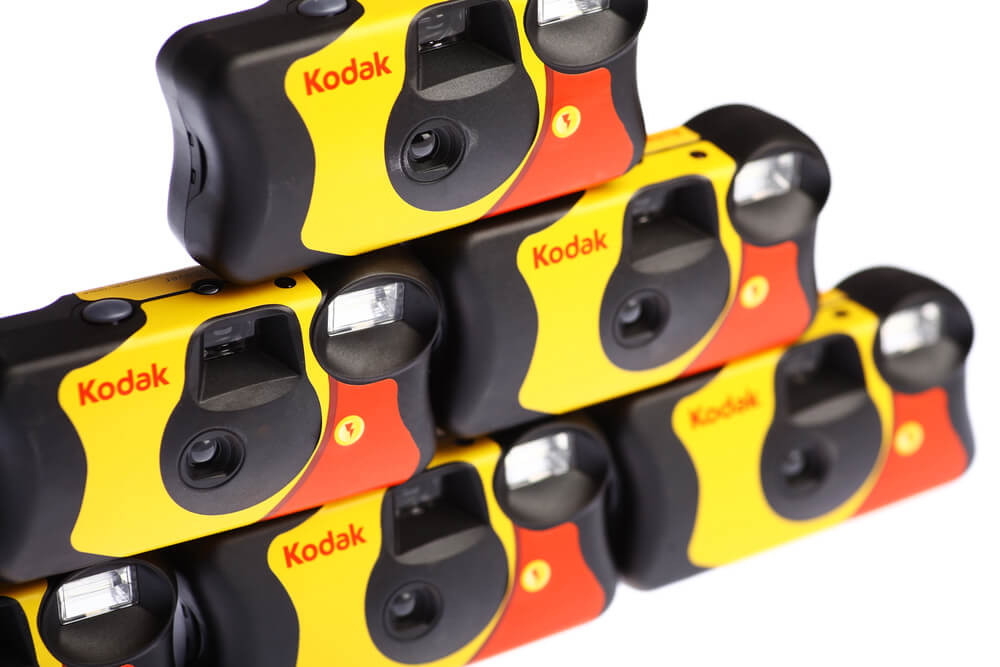
Kodak pioneered digital photography but largely erased its internal research documentation on early unsuccessful digital camera designs from company records. When film photography remained more profitable, development records on early digital prototypes were deprioritized and eventually discarded during corporate restructuring in the 1990s and 2000s.
Microsoft’s Tablet PC Initiative Pre-Research

Before the iPad era, Microsoft funded extensive research into tablet computing. Company records on failed prototypes and technical approaches were purged during the company’s periodic archive cleanups, leaving limited documentation of the extensive development work conducted in the 1990s.
AT&T’s Video Telephone Technology Records

AT&T conducted videophone development work across multiple decades. Records on unsuccessful technical approaches and rejected designs were permitted to deteriorate or were destroyed during office relocations and facility consolidations, leaving only successful late-stage development documented.
General Motors’ Early Electric Vehicle Program Data

Before modern electric vehicles became commercially viable, GM conducted electric car research in the 1970s and 1980s. Extensive technical documentation on these failed early prototypes was archived but later discarded during corporate reorganization, leaving modern researchers with incomplete information about what was attempted.
Polaroid’s Failed Instant Film Variations

Polaroid developed numerous instant film variants that failed commercially or never reached market. Records on these failed formulations were not systematically preserved, as the company focused resources on successful product lines.
After Polaroid’s bankruptcy, much remaining documentation was lost during asset liquidation.
Xerox’s Alto Computer Research Continuation
After the Alto computer project, Xerox pursued numerous follow-up research initiatives in personal computing that did not result in commercial products. Records on these research directions were archived but eventually discarded as the company shifted focus away from computing hardware.
RCA’s Failed Color Television Variations

During the transition to color television, RCA developed numerous technical standards and manufacturing approaches that were abandoned. Records on these unsuccessful initiatives were archived but not systematically preserved, leading to significant gaps in the historical record.
Bell Labs’ Early Semiconductor Development Directions
Before the transistor achieved full commercial development, Bell Labs pursued numerous semiconductor research directions that proved dead ends. Records on these failed research initiatives were archived and later lost during facility changes and corporate reorganization.
Wang Laboratories’ Early Word Processor Versions
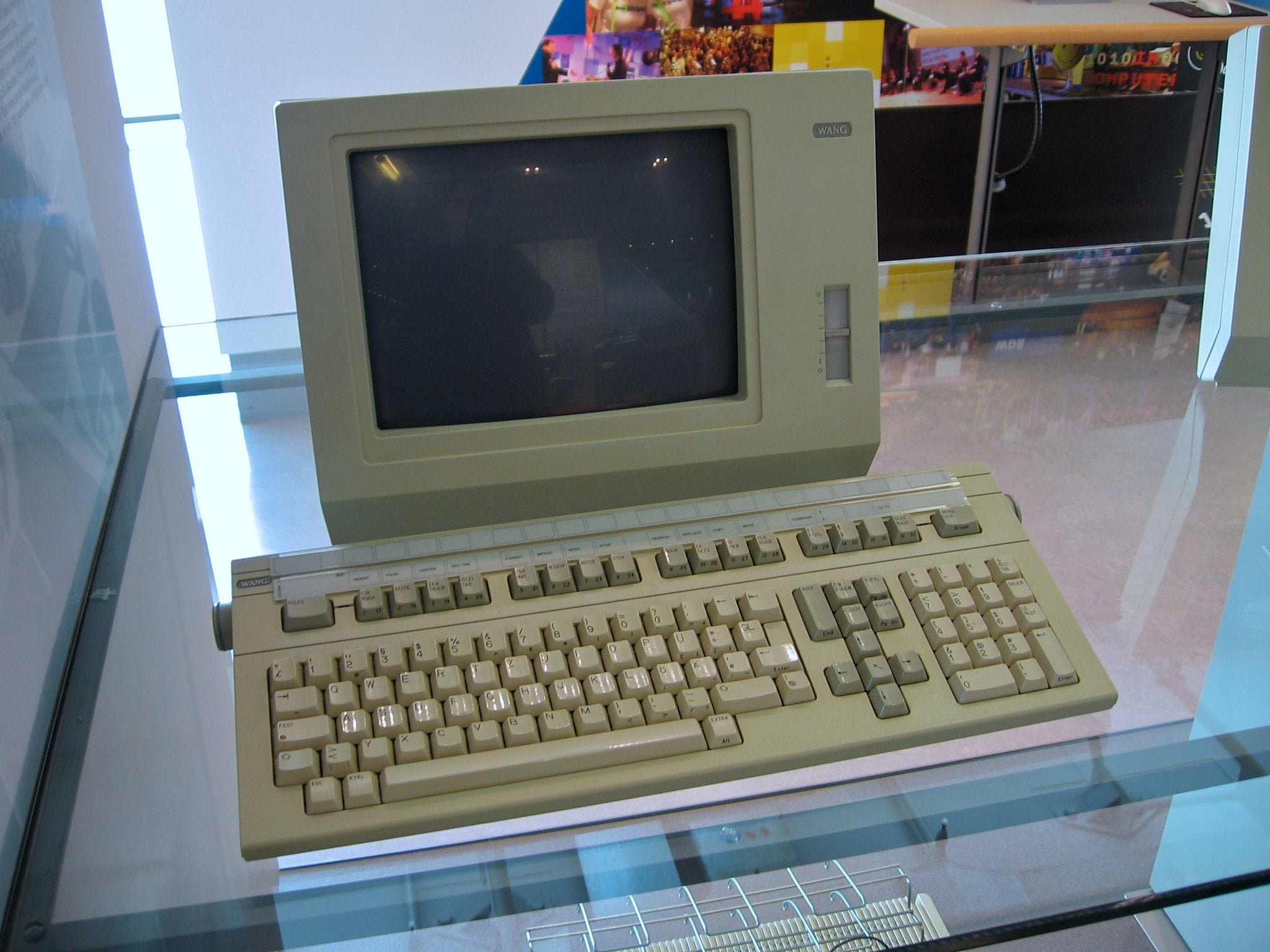
Wang developed numerous generations of word processing systems before commercial success. Records on early unsuccessful iterations and technical approaches were archived but eventually discarded during the company’s bankruptcy in the 1990s.
Sinclair Research’s Failed Computer Models
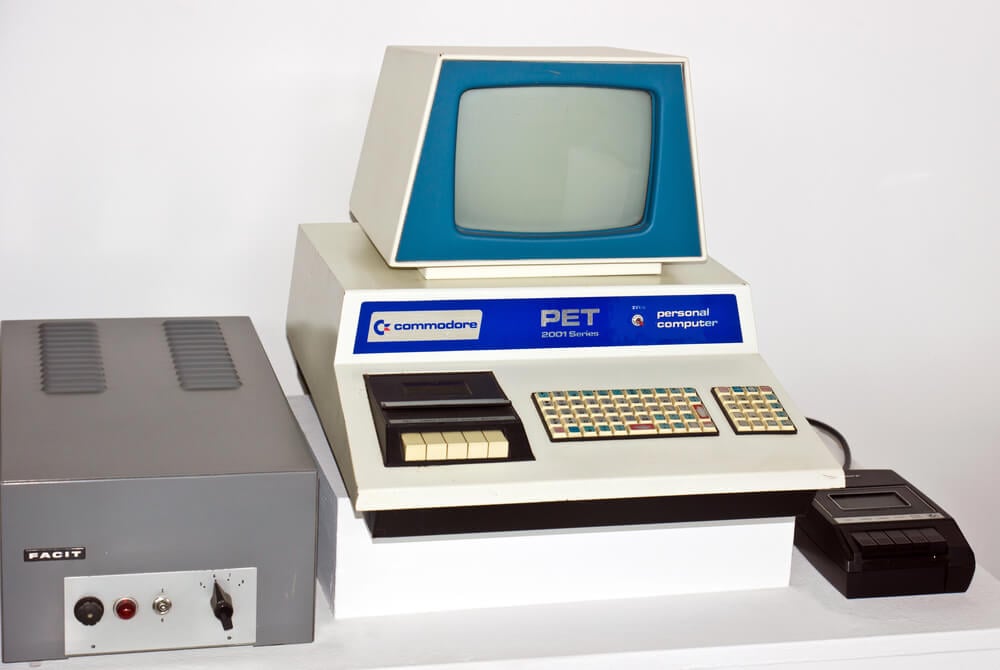
Sir Clive Sinclair developed numerous computer models and consumer electronics that failed commercially. Records on these unsuccessful projects were archived but not systematically preserved by the company, leaving incomplete technical documentation.
Commodore Computer’s Rejected System Architectures
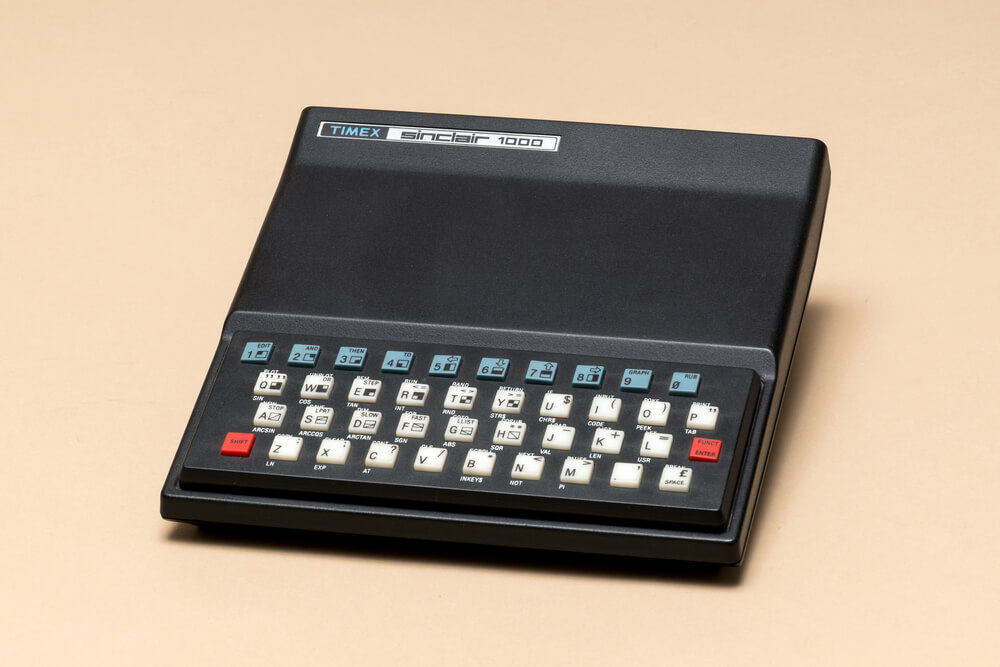
Commodore conducted research on numerous computing architectures and systems that were rejected during development. Records on these failed initiatives were archived but later lost during the company’s bankruptcy and asset liquidation.
Apple’s Newton MessagePad Successor Research
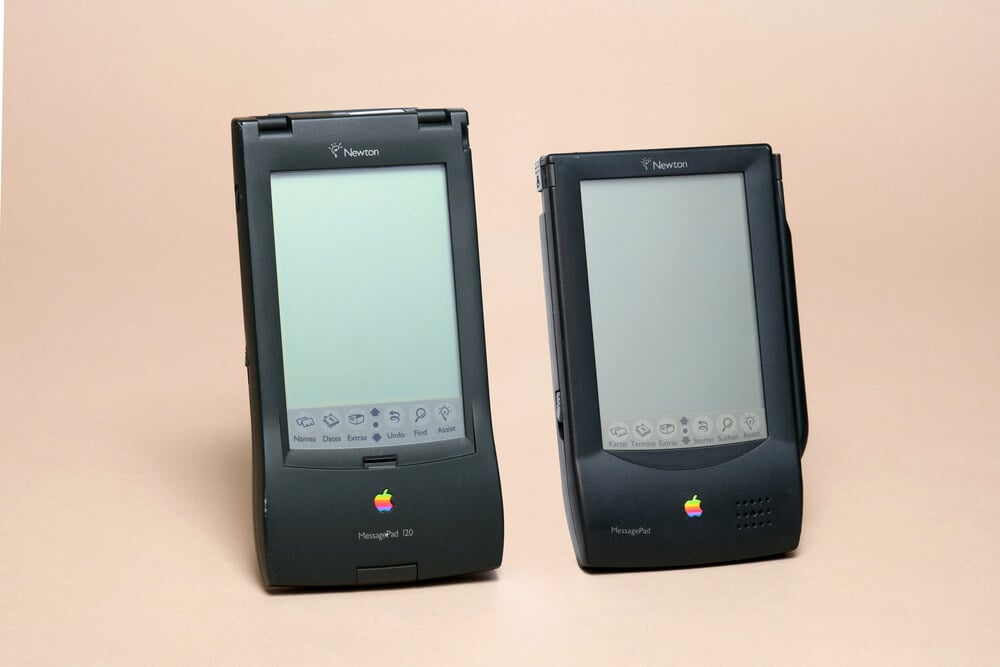
After the Newton MessagePad proved unsuccessful, Apple conducted research on successor mobile devices that were abandoned. Detailed records on this research direction were archived but not extensively documented in company records available to the public.
IBM’s POWER Architecture Development Directions

IBM pursued numerous POWER processor architecture directions that were abandoned as commercial viability proved limited. Records on these technical dead ends were archived but not systematically preserved in accessible company documentation.
Motorola’s Failed Mobile Phone Generations

Before smartphones achieved dominance, Motorola researched numerous mobile phone form factors and technologies that never reached market. Records on these failed initiatives were archived and later lost during corporate downsizing and reorganization.
Radio Shack’s Failed Computer Initiatives
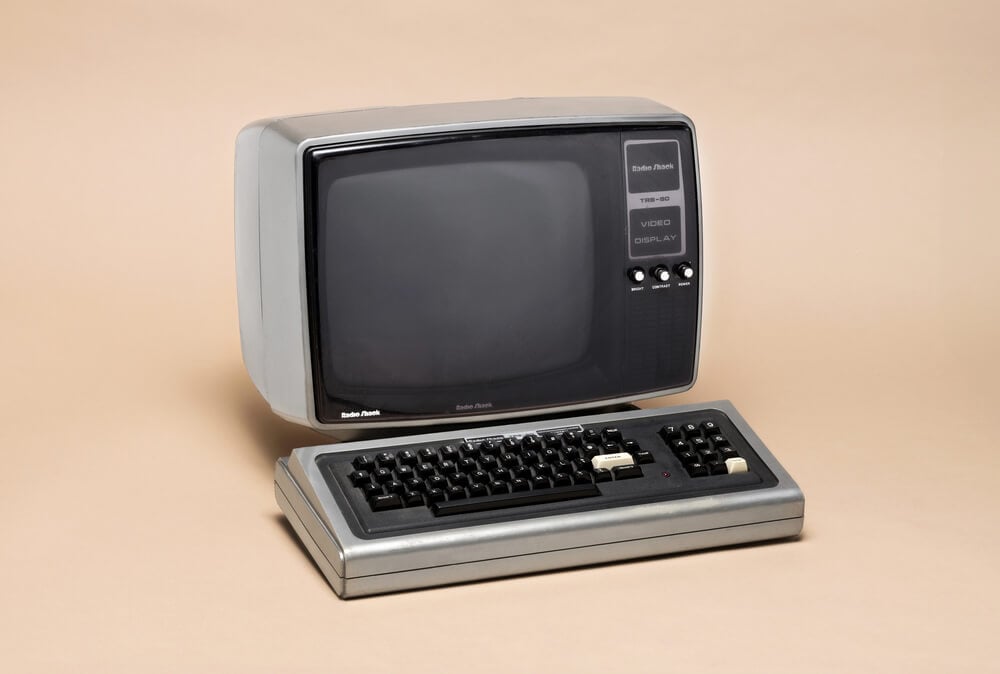
Radio Shack developed numerous computer systems and consumer electronics that failed commercially. Records on these unsuccessful products were archived but not systematically preserved through the company’s bankruptcy and eventual closure.
Compaq Computer’s Failed Product Lines
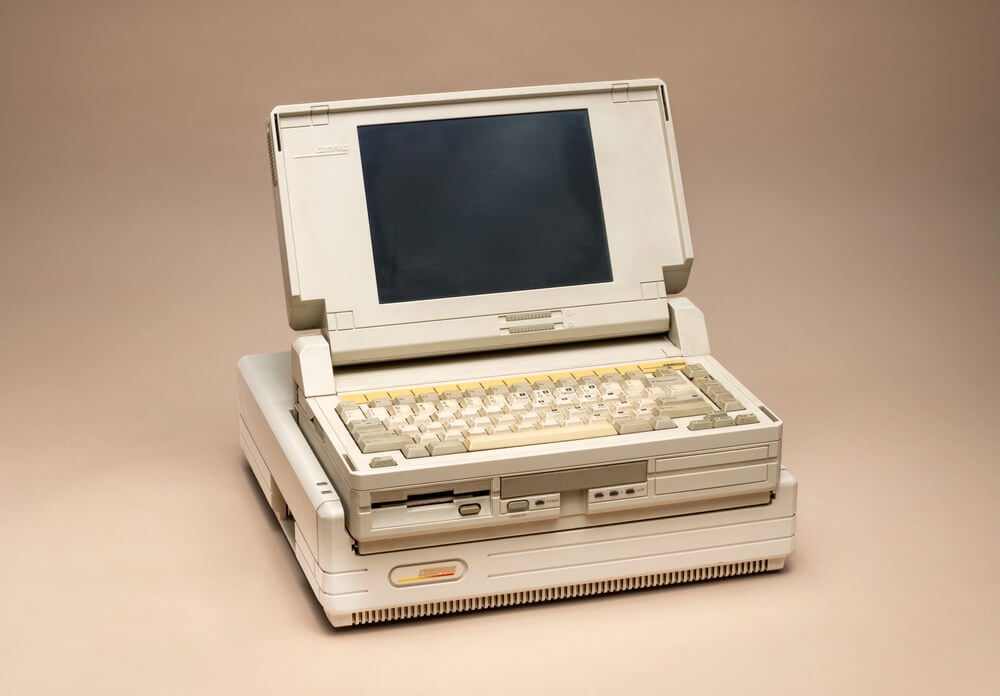
Compaq developed numerous computer products that proved commercially unsuccessful. Records on these failed initiatives were archived but eventually discarded during the company’s decline and acquisition by HP, leading to significant documentation loss.
Palm Inc.’s Failed Successor Platforms

After the PalmPilot achieved success, Palm pursued numerous successor platform initiatives that were abandoned. Records on these failed research directions were archived but later lost during the company’s multiple corporate restructurings.
Netscape Communications’ Failed Technology Initiatives

Netscape conducted research on numerous technologies beyond the web browser that proved commercially unviable. Records on these failed initiatives were archived but eventually discarded during the company’s decline and acquisition by AOL.
When Failures Disappear Entirely

The history of failed inventions is significantly incomplete not because companies conspired to hide them but because failure carries no business incentive for preservation. A patent that does not generate revenue becomes a liability rather than an asset—an expense that generates no return.
Documentation gathering dust in archives represents space, climate control, and organizational cost. When corporate offices reorganize, storage facilities consolidate, and systems migrate to digital formats, the records of failed projects are the first to be abandoned.
Thus the historical record becomes paradoxically distorted: we know most about the inventions that succeeded, know far less about those that nearly succeeded, and know almost nothing about the thousands that failed quietly in company labs and were then forgotten entirely.
More from Go2Tutors!

- The Romanov Crown Jewels and Their Tragic Fate
- 13 Historical Mysteries That Science Still Can’t Solve
- Famous Hoaxes That Fooled the World for Years
- 15 Child Stars with Tragic Adult Lives
- 16 Famous Jewelry Pieces in History
Like Go2Tutors’s content? Follow us on MSN.