26 Inventions Kids Can’t Imagine Living Without
Ask a ten-year-old how anyone found a friend’s house before map apps, and the answer is usually a blank stare. Plenty of things that feel like permanent features of daily life are younger than the parents who use them.
Some of these inventions arrived only a few years before today’s kids did. Others are a century old but changed everyday routines so completely that nobody remembers life before them.
Either way, each one had a moment when it was brand new and a little strange.
World Wide Web From a Proposal at CERN
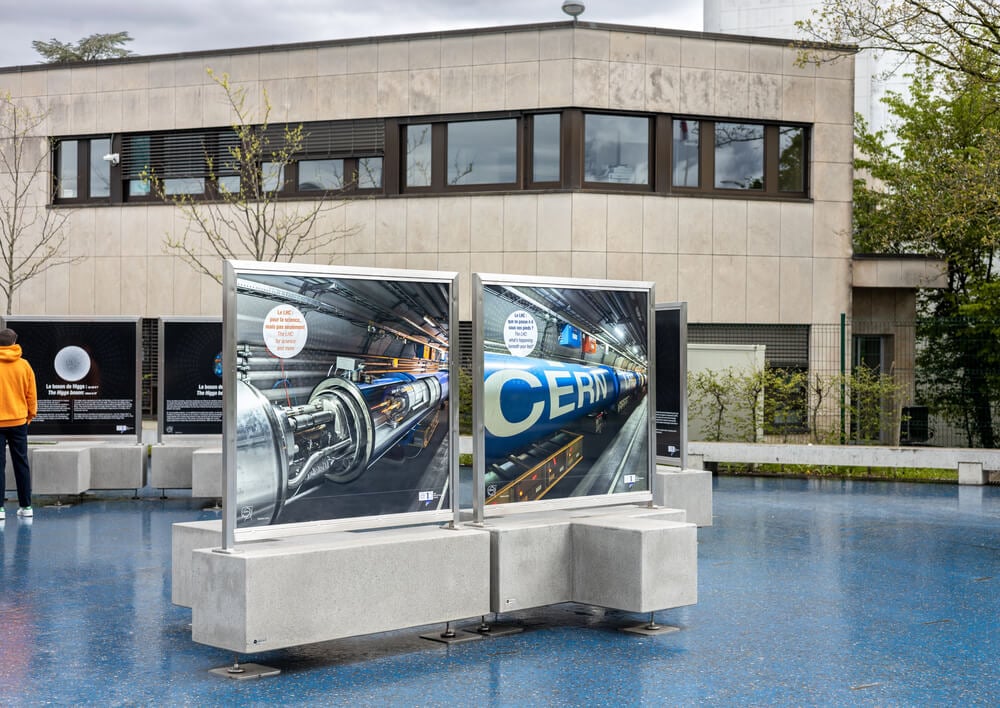
Tim Berners-Lee, a British computer scientist working at the CERN physics laboratory near Geneva, wrote a proposal in 1989 for a system that would link documents across computers using hypertext. His supervisor reportedly scribbled vague but exciting on the cover.
Berners-Lee built the first web browser and server, and the first website went live in 1991. In 1993, CERN released the technology royalty free, a decision that let the web spread without licensing fees.
The internet itself already existed, but the web turned it into something ordinary people, and eventually kids doing homework, could use with a few clicks.
Wi-Fi and a Radio Astronomy Detour
The wireless standard behind Wi-Fi was published by the Institute of Electrical and Electronics Engineers in 1997 as 802.11, and the catchier Wi-Fi name arrived a couple of years later. A key piece of the technology came from Australia, where a team at the government science agency CSIRO, led by John O’Sullivan, had worked on techniques connected to radio astronomy research.
Their patent helped solve the problem of signals bouncing around indoors. Early home routers were slow and pricey.
Today, kids treat a missing Wi-Fi password at a friend’s house as a genuine emergency, which says plenty about how fast the technology settled in.
Smartphones Before and After the iPhone
IBM’s Simon Personal Communicator, released in 1994, combined a cellphone with a touchscreen, email, a calendar and a few apps, which is why many historians call it the first smartphone. It cost about 900 dollars with a contract and its battery lasted roughly an hour of talk time.
Apple’s iPhone, unveiled by Steve Jobs in January 2007, changed the category with a full multitouch screen and, a year later, the App Store. Many kids now receive their first phone around middle school.
For them, a phone that only made calls sounds about as useful as a toaster that only warms bread on one side.
Touchscreens From a British Radar Lab
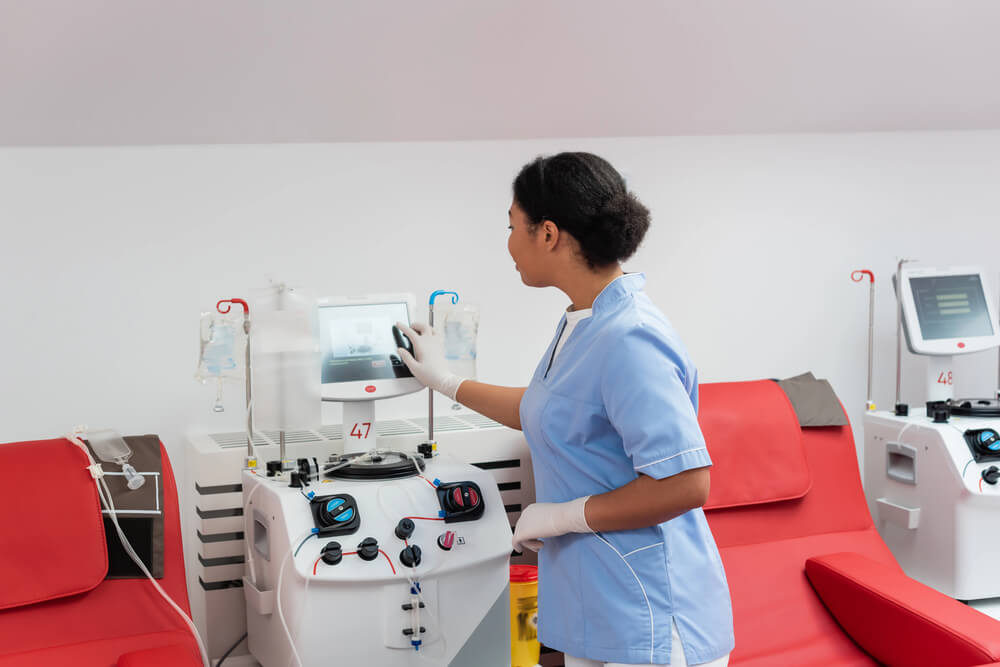
E.A. Johnson, an engineer at the Royal Radar Establishment in Malvern, England, described a capacitive touchscreen in 1965, intended to help air traffic controllers work faster. The idea of touching a screen directly took decades to reach ordinary devices, passing through ATMs, kiosks and stylus-driven handhelds along the way.
Multitouch screens that respond to several fingers at once, made famous by the iPhone in 2007, finally made the technology feel natural. Toddlers now swipe at television screens and paper magazines expecting them to respond.
That reflex, learned before many kids can read, may be the clearest sign of how completely the invention took hold.
GPS Navigation on Every Phone
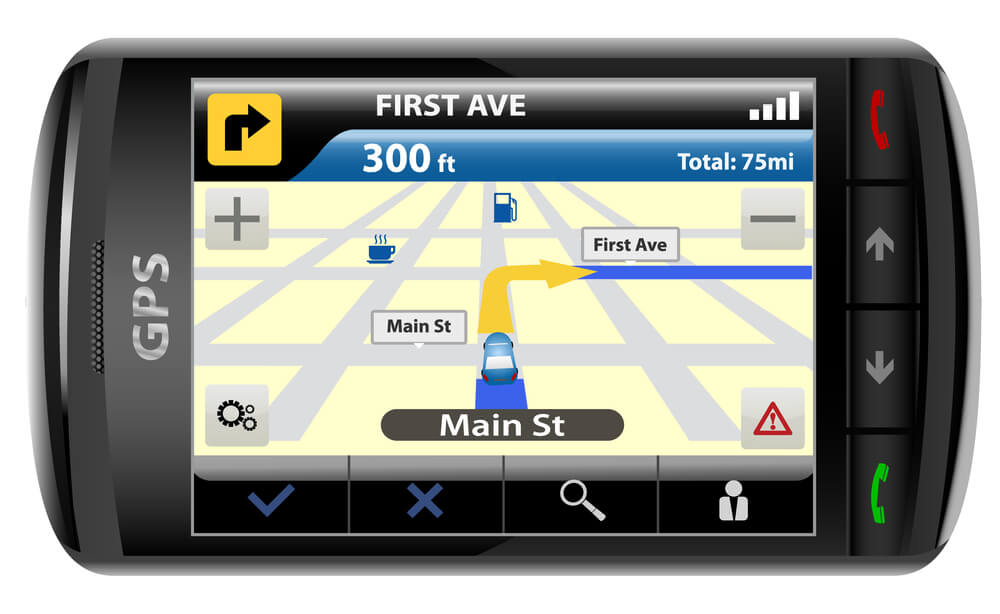
The U.S. Department of Defense built the Global Positioning System for military use, launching satellites from the late 1970s and declaring the system fully operational in 1995. Civilian accuracy was deliberately degraded until May 2000, when President Bill Clinton ordered the scrambling, known as Selective Availability, switched off.
Overnight, consumer devices became precise enough to guide drivers turn by turn. Dashboard units came first, and phone maps followed.
Kids who grew up with a blue dot showing exactly where they stand have never wrestled with a folded road map, and many have never needed to ask a stranger for directions.
YouTube and a Trip to the Zoo
Chad Hurley, Steve Chen and Jawed Karim, three former PayPal employees, launched YouTube in 2005. The first video, uploaded by Karim that April, is an 18-second clip of him standing in front of the elephants at the San Diego Zoo.
Google bought the company in 2006 for 1.65 billion dollars, a price that looked enormous at the time. YouTube now functions as a television network, a homework helper and a music library for many kids.
Some of them would rather watch someone else play a video game than play it themselves, a habit no earlier generation could have predicted.
Netflix Streaming and the End of Waiting
Netflix began as a DVD-by-mail rental service in 1997, sending discs in red envelopes. In January 2007, it introduced streaming with a modest catalog of titles that subscribers could watch instantly on a computer.
Within a few years, streaming spread to game consoles, smart TVs and phones, and the company began producing its own shows. The change reshaped how families watch television.
Kids today pick episodes on demand and binge entire seasons in a weekend. The idea of waiting a full week for the next episode, or catching a show only when it aired, feels like an odd rule from another century.
Spotify and Music in Every Pocket
Spotify launched in Sweden in 2008, founded by Daniel Ek and Martin Lorentzon, and arrived in the United States in 2011. It offered millions of songs on demand for a monthly fee or free with ads, a model that reshaped the music business after years of piracy.
Earlier generations bought albums, recorded songs off the radio onto cassettes or waited for a request line to play a favorite. Kids now build playlists from a catalog bigger than any record store ever stocked.
The notion of owning a song, rather than renting access to all of them, is increasingly foreign to younger listeners.
Video Calls From Skype to FaceTime
Skype launched in 2003, offering free voice calls over the internet, and video calling followed a few years later. Apple introduced FaceTime with the iPhone 4 in 2010, putting a front-facing camera and one-tap video calls into millions of pockets.
Science fiction had promised video phones for decades, and the Bell System showed off a Picturephone at the 1964 World’s Fair in New York, but it never caught on. During the pandemic years of 2020 and 2021, video calls became the way many kids attended school, saw grandparents and celebrated birthdays.
Talking to a face across the world now feels completely routine.
Google Search From a Stanford Dorm
Larry Page and Sergey Brin, graduate students at Stanford, built a search engine called BackRub that ranked web pages by how many other pages linked to them. They renamed it Google, a play on googol, the number 1 followed by 100 zeros, and incorporated the company in 1998.
Earlier search engines existed, but Google’s results were noticeably better, and the name became a verb. Kids now settle arguments, check facts and find recipes in seconds.
A trip to the library to look something up in an encyclopedia, or simply never finding out, was the old alternative.
Digital Cameras From a Kodak Lab
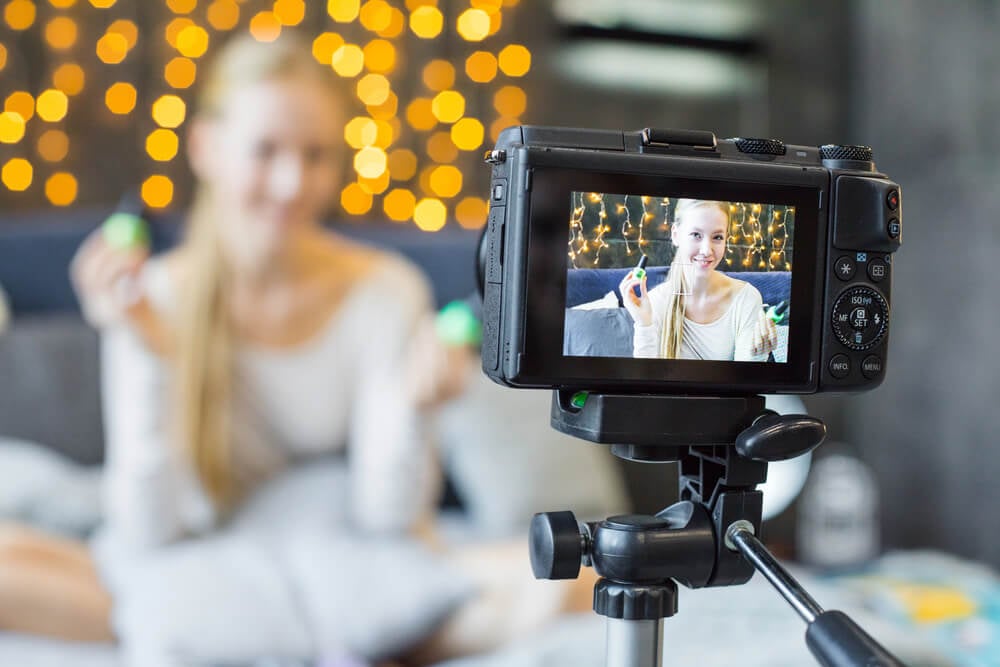
Steven Sasson, a young engineer at Eastman Kodak, built the first self-contained digital camera in 1975. It weighed about eight pounds, captured black-and-white images of just 0.01 megapixels and took 23 seconds to record a single picture onto a cassette tape.
Kodak’s leadership was not eager to undermine its film business, and the company later struggled as digital photography took over. Cameras built into phones made the change complete.
Kids today snap hundreds of photos a week and delete the bad ones instantly. Waiting days for film to be developed, only to find blurry pictures, sounds almost comic.
Emoji From a Japanese Phone Company
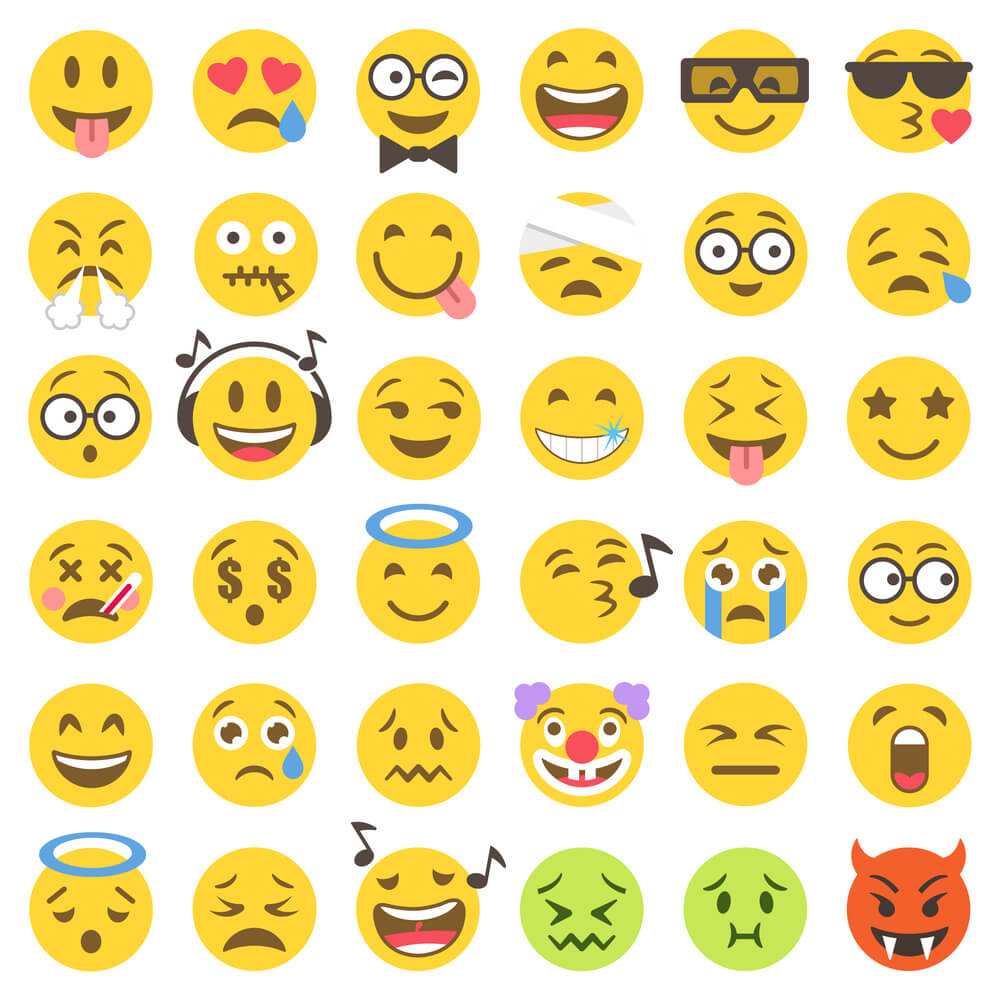
Shigetaka Kurita designed a set of 176 small pictograms in 1999 for NTT Docomo’s i-mode mobile internet service in Japan. The 12-by-12-pixel symbols, including hearts, weather icons and faces, were meant to add tone to short messages.
Emoji spread internationally after being added to the Unicode standard in 2010 and to iPhone keyboards soon after. In 2016, the Museum of Modern Art in New York acquired Kurita’s original set for its collection.
Kids now communicate entire moods with a single symbol, and a message without any can read as cold or even angry.
Text Messaging and a Christmas Greeting
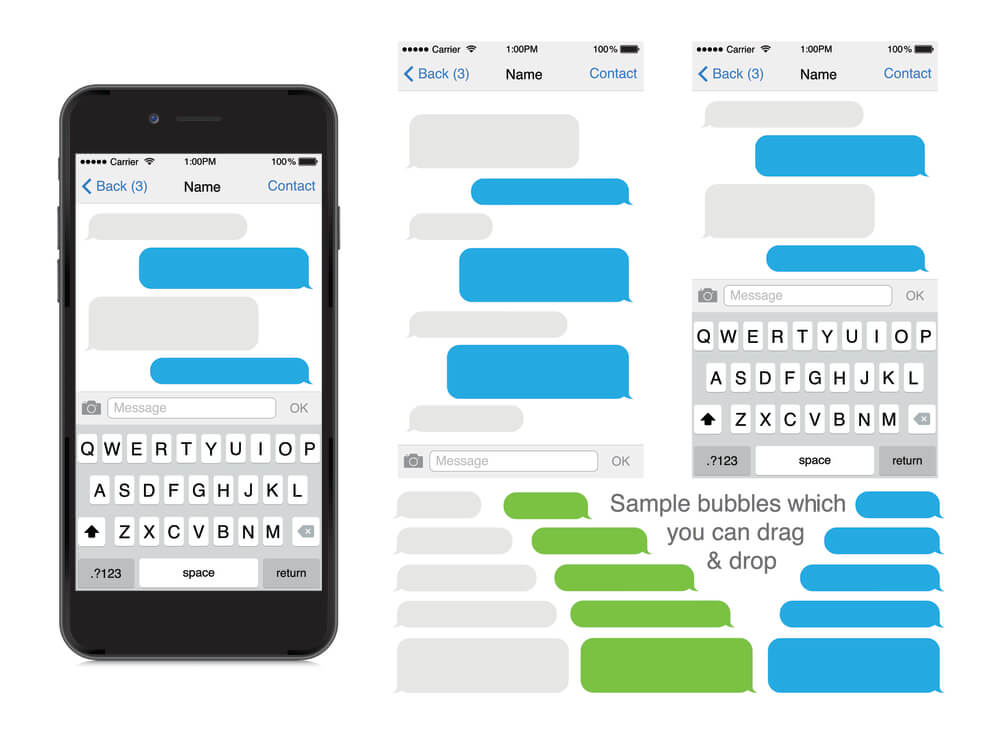
Neil Papworth, a British engineer, sent the first text message in December 1992, typing Merry Christmas on a computer and sending it to a Vodafone executive’s phone. Early phones could not easily type messages, and texting took years to catch on, especially in the United States.
The arrival of full keyboards and unlimited plans made it the dominant way young people communicate. Many kids now consider a phone call intrusive and prefer texting even with people in the same house.
The idea of calling a friend’s landline and asking a parent if they could come to the phone feels strange.
Bluetooth and a Viking King
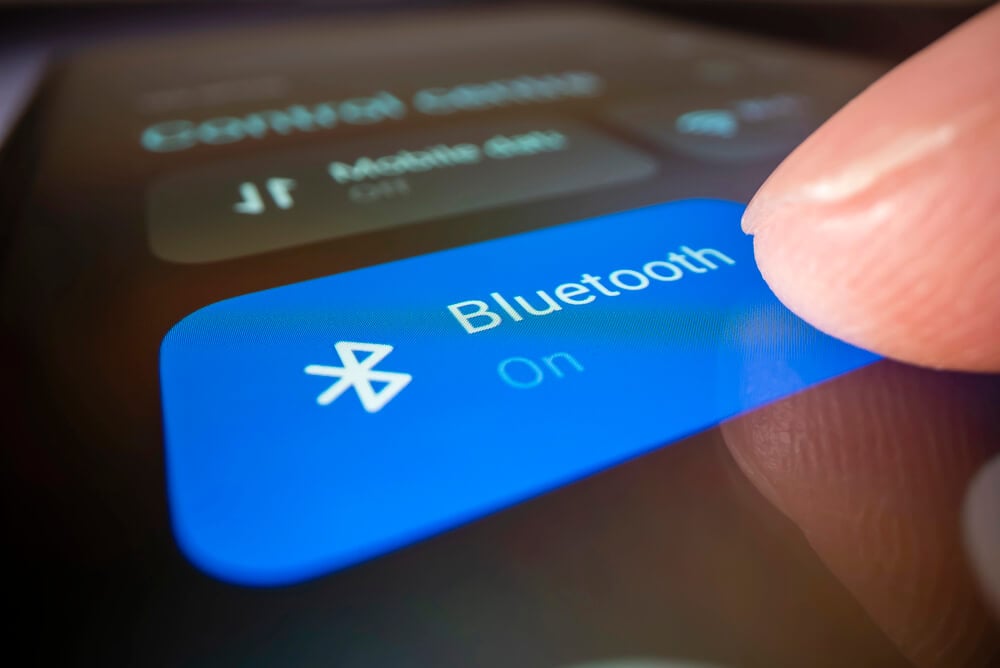
Bluetooth was developed as a short-range wireless standard by a group of companies including Ericsson, IBM, Intel, Nokia and Toshiba, which formed the Bluetooth Special Interest Group in 1998. The name came from Harald Bluetooth, a 10th-century Danish king known for uniting Danish tribes, since the technology was meant to unite devices.
The logo combines runes for his initials. Bluetooth now connects wireless earbuds, speakers, game controllers and cars.
Kids often have no idea that headphones once required a cord that tangled in a pocket, and that switching devices meant unplugging and plugging back in.
Home Video Game Consoles
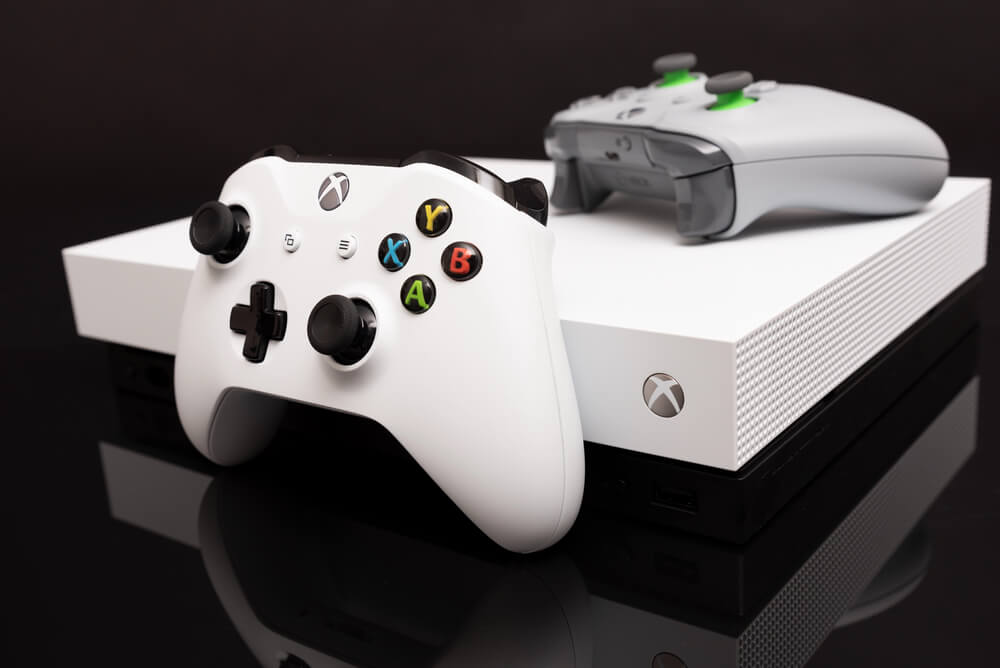
Ralph Baer, an engineer at Sanders Associates, developed a prototype called the Brown Box that let people play games on a television. Magnavox released it as the Odyssey in 1972, with plastic overlays taped to the screen to create game boards.
Atari’s home version of Pong followed, and later Nintendo, Sega, Sony and Microsoft built a massive industry. Video games now rival movies and music in revenue.
Kids today play with friends online across continents. The thought of a family television with no games at all, or games limited to a few blocky pixels, is hard for them to picture.
TV Remote Controls
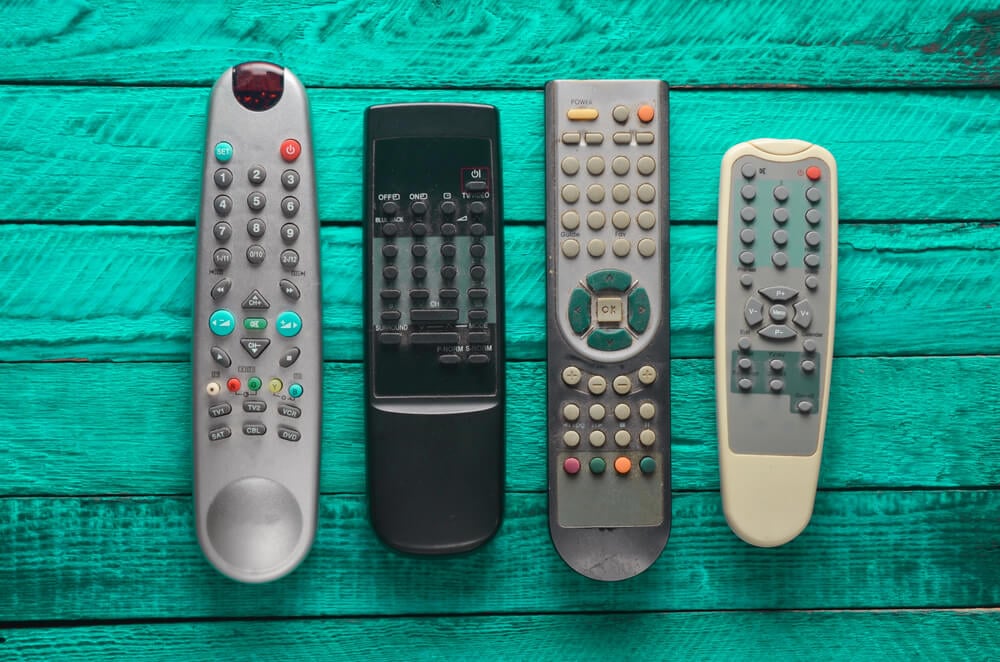
Zenith introduced a wired remote called Lazy Bones in 1950, but people tripped over the cord. Eugene Polley designed the Flash-Matic in 1955, a wireless remote using light, and Robert Adler followed with the Space Command in 1956, which used ultrasonic sound.
Remote controls became standard over the following decades, and they now often live inside phones or voice assistants. Kids have never had to walk across the room to change a channel or adjust the volume.
In many homes before remotes, the youngest child simply served as the channel changer, a job no kid misses.
Air Conditioning in a Brooklyn Print Shop

Willis Carrier, a young engineer, designed a system in 1902 to control humidity at the Sackett-Wilhelms printing company in Brooklyn, New York, where damp air was warping paper and smearing ink. The machine cooled the air as it removed moisture, and Carrier soon realized it could make people more comfortable too.
Movie theaters adopted air conditioning in the 1920s, helping make summer blockbusters a tradition. Home units spread after World War II.
Kids now expect cool classrooms, cars and bedrooms during heat waves. Earlier generations slept on porches, fire escapes and damp sheets to survive hot nights.
Electric Refrigerators in Every Kitchen
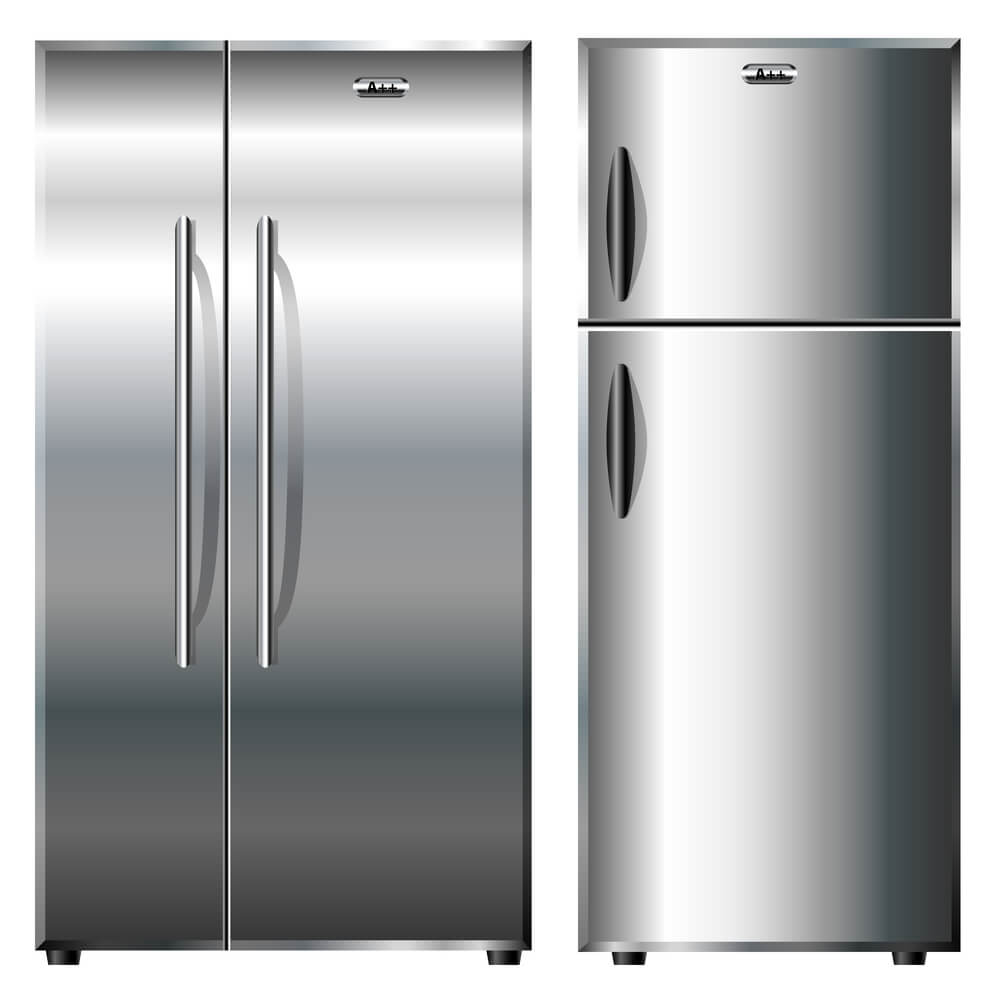
General Electric introduced the Monitor-Top refrigerator in 1927, named for the round compressor on top that resembled the gun turret of a Civil War ironclad warship. Before electric refrigerators, families kept food in iceboxes cooled by blocks of ice delivered by the iceman, and many foods had to be eaten quickly or preserved by salting, drying and canning.
Refrigerators became common in American homes by the 1950s, along with freezers for ice cream and frozen dinners. Kids now open the fridge looking for snacks dozens of times a day, without ever wondering how anyone kept milk cold before.
Sliced Bread From Chillicothe, Missouri
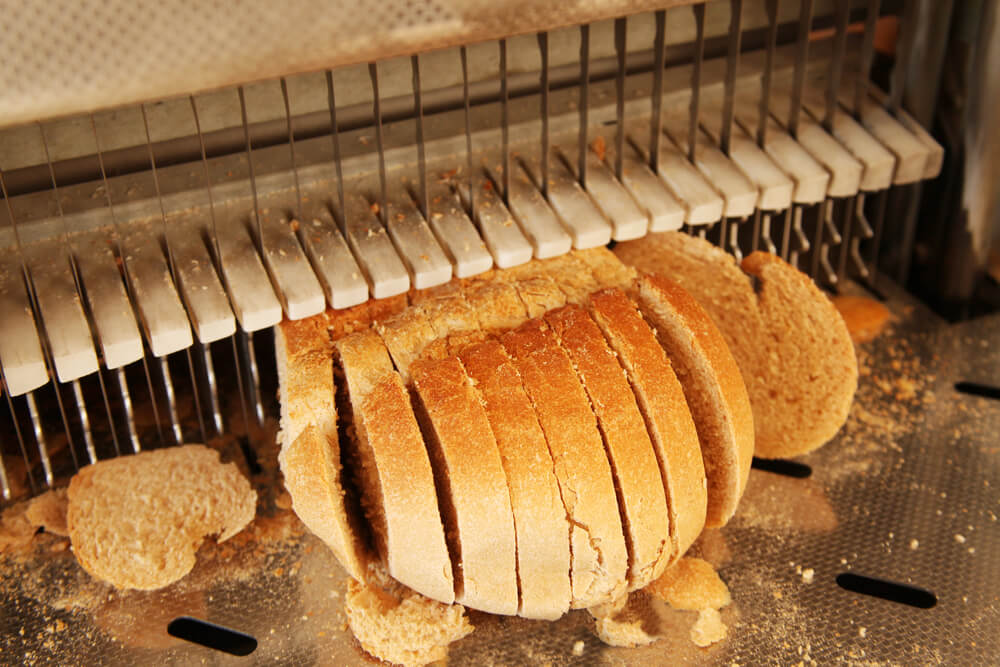
Otto Rohwedder, a jeweler from Iowa, spent years developing a machine that could slice bread and wrap it to keep it fresh. The Chillicothe Baking Company in Missouri became the first to sell machine-sliced bread in 1928.
It caught on quickly, especially as automatic toasters became popular. In 1943, the U.S. government briefly banned sliced bread as a wartime conservation measure, and the backlash was swift enough that the ban was lifted within a couple of months.
Kids now expect bread to come presliced. The phrase best thing since sliced bread shows how revolutionary it once seemed.
Zippers and the Hookless Fastener
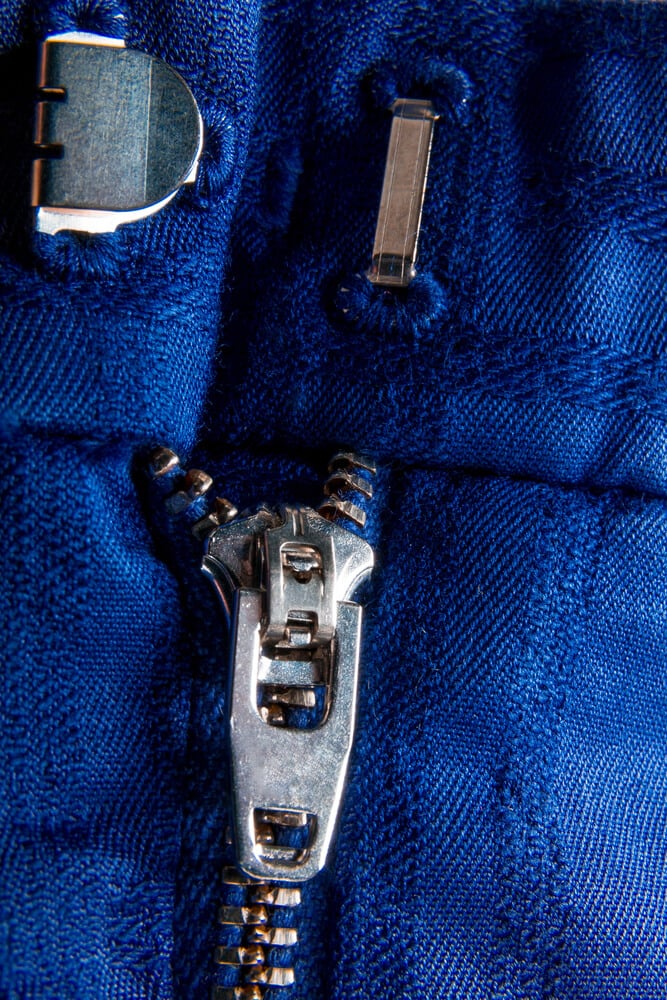
Whitcomb Judson showed a clasp locker for shoes at the 1893 World’s Columbian Exposition in Chicago, but it was unreliable and often popped open. Gideon Sundback, a Swedish-American engineer, redesigned the idea in 1913 with interlocking teeth that worked far better, calling it the Hookless Fastener.
The B.F. Goodrich Company gave it the name zipper in the 1920s for a line of rubber boots. Zippers spread to clothing, bags and tents.
Kids zip coats and backpacks dozens of times a week without a second thought, while earlier generations fumbled with rows of buttons and hooks.
Adhesive Bandages From a Kitchen Problem
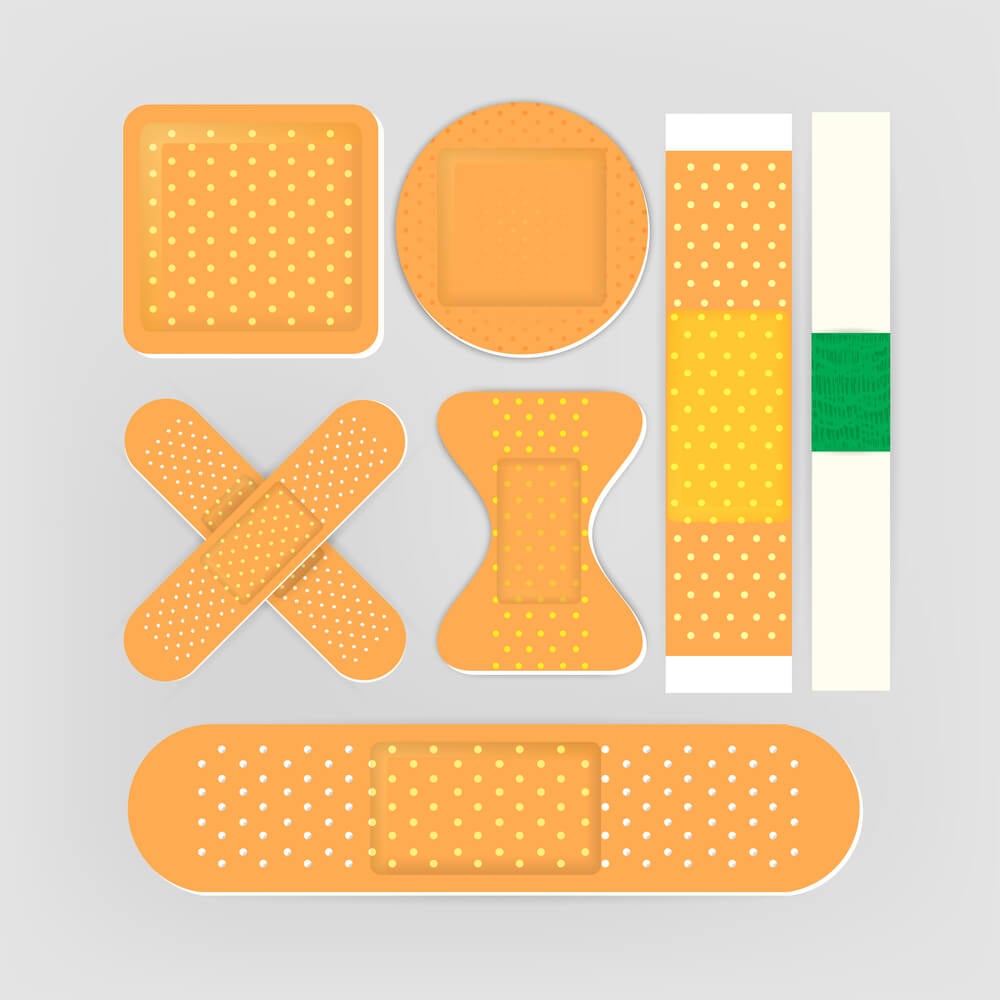
A Johnson and Johnson employee came up with the adhesive bandage in 1920 after his wife kept cutting and burning herself while cooking. He placed small pads of gauze on strips of surgical tape and covered them with crinoline so they would stay clean until needed.
Johnson and Johnson began selling them as Band-Aids in the early 1920s, and sales took off after the company handed them out to Boy Scout troops. Kids now expect a bandage, often printed with cartoon characters, for every scrape.
Earlier generations made do with torn cloth and tape for minor wounds.
Disposable Diapers From a Shower Curtain

Marion Donovan, a mother in Westport, Connecticut, cut a shower curtain in the 1940s to create a waterproof diaper cover she called the Boater, and she received patents for the design in 1951. Her invention sold well, but manufacturers rejected her idea for a fully disposable diaper.
Victor Mills, a Procter and Gamble engineer, developed Pampers, which went to test markets in 1961. Disposable diapers became the norm in the following decades.
Parents of earlier generations washed cloth diapers daily, often by hand, a chore today’s kids would be shocked to learn about.
LED Lights From a General Electric Lab
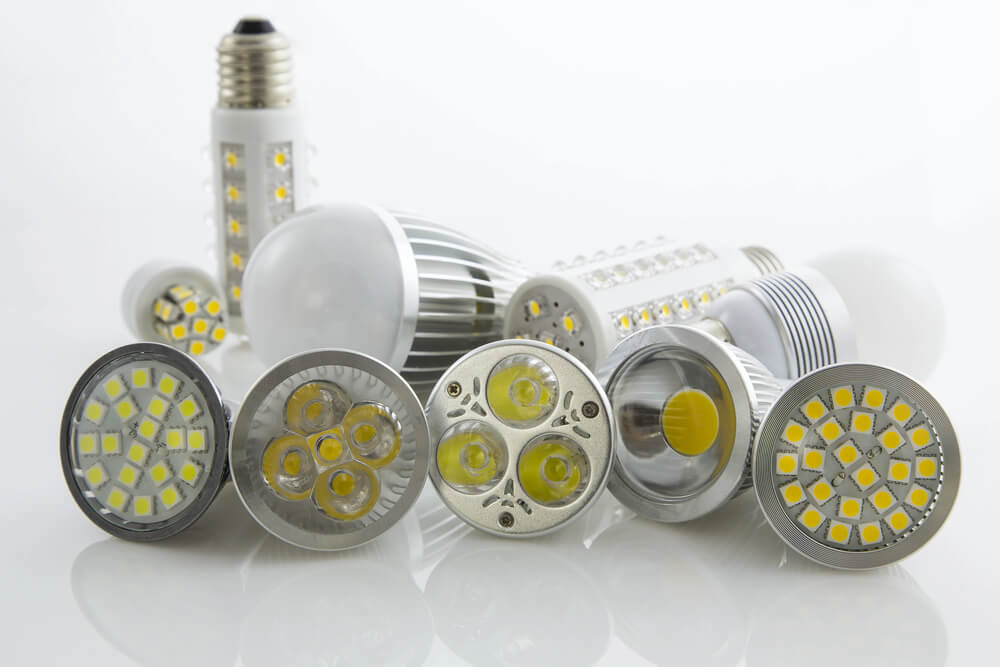
Nick Holonyak Jr., a scientist at General Electric in Syracuse, New York, created the first practical visible light-emitting diode in 1962, a red LED. Blue LEDs, needed to make white light, took decades longer, and three researchers won the 2014 Nobel Prize in Physics for that work.
LEDs now light homes, phones, cars and TV screens, using far less energy than incandescent bulbs. Kids decorate bedrooms with color-changing LED strips controlled by apps.
The idea of bulbs that burned hot and burned out often feels like a strange relic to them.
Tablets Like the iPad
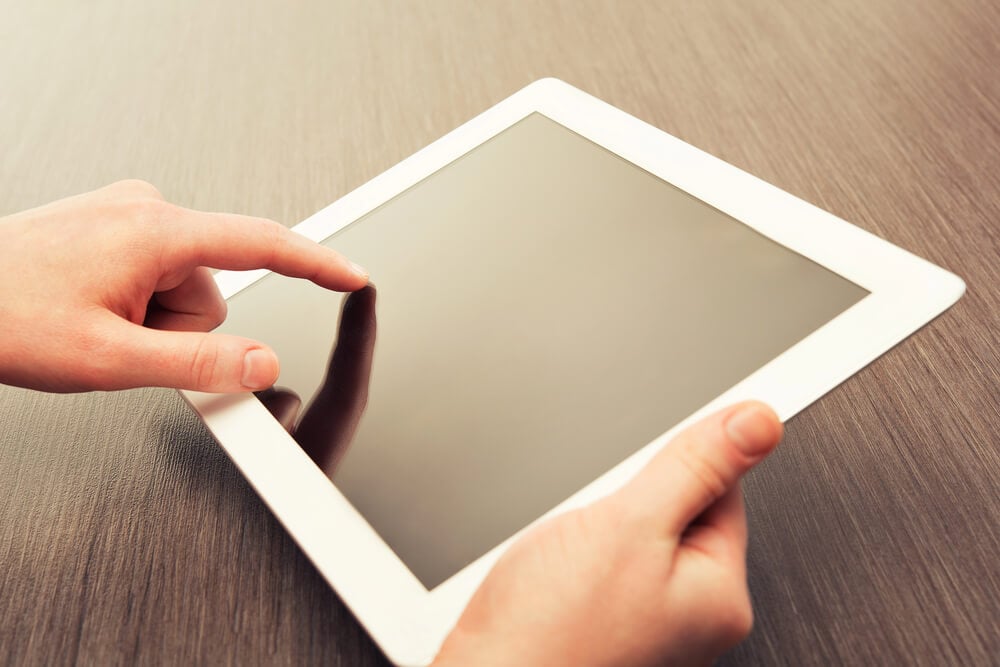
Apple introduced the iPad in January 2010, and it went on sale that April. Earlier tablet computers existed, but the iPad’s touchscreen and app store made it easy for nearly anyone to use, including small children.
Apple sold about 300,000 on the first day in the United States, and tablets quickly became fixtures in classrooms, cars and kitchens. Many kids now learn to read, draw and play games on tablets before they use a computer.
A long car ride with nothing but a book and a window view is a scenario many of them have never experienced.
Smart Speakers and Voice Assistants
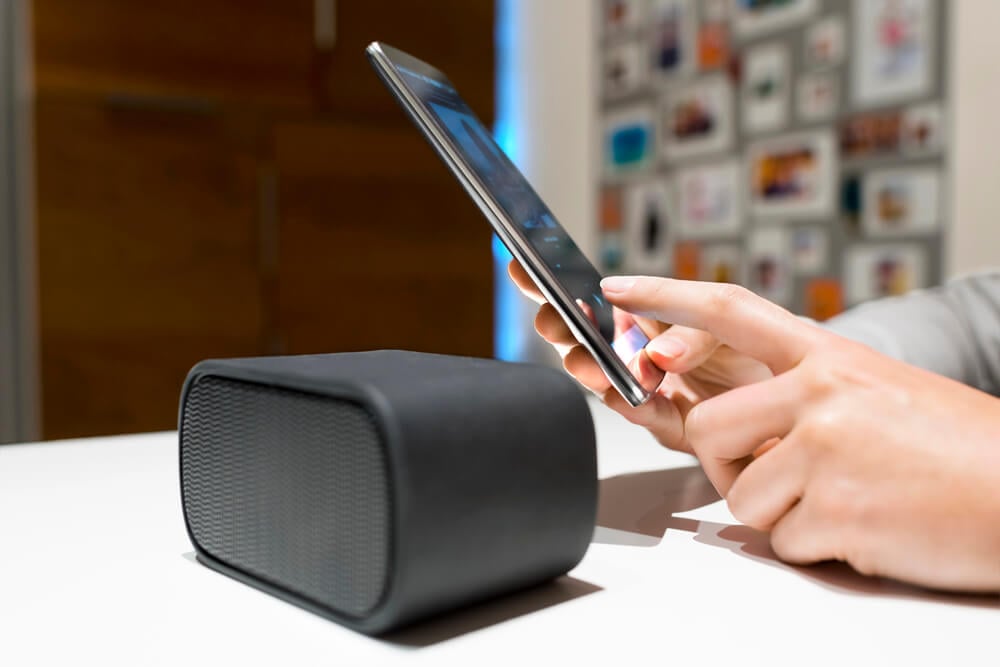
Amazon introduced the Echo speaker with its Alexa voice assistant in 2014, and Google and Apple followed with their own versions. The speakers listen for a wake word, then play music, answer questions, set timers and control lights, all without a screen or keyboard.
They brought voice computing, long a science fiction staple, into ordinary living rooms and kitchens. Kids now ask a speaker for jokes, weather reports and homework help.
Some parents have noted that children speak to these assistants with commands rather than polite requests. A house where nobody can answer a question instantly, or play any song on request, is hard for many kids to picture.
Online Shopping and Doorstep Delivery
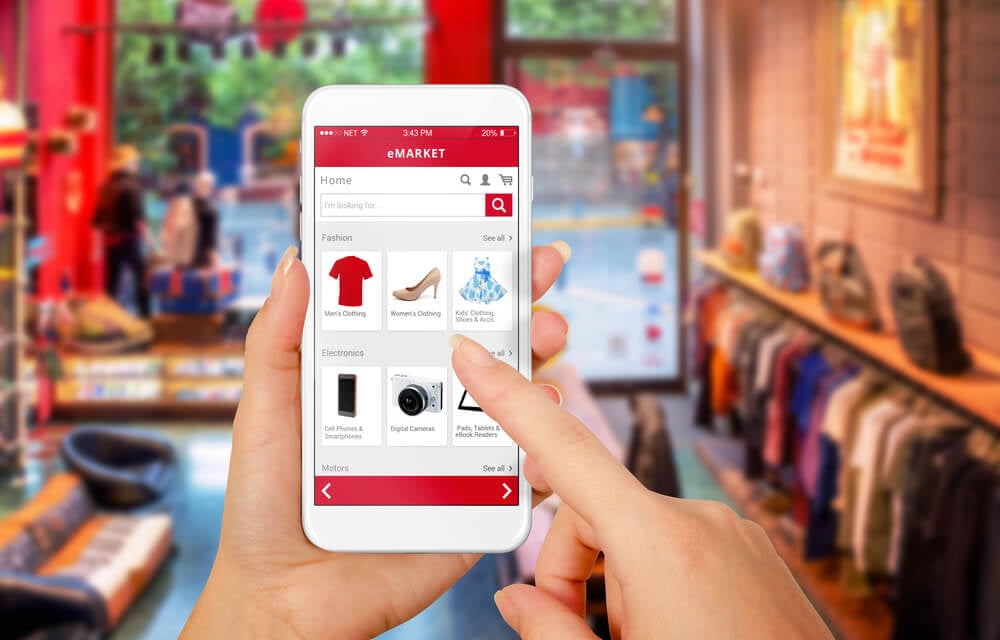
Jeff Bezos founded Amazon in 1994 and began selling books online in July 1995 from a garage in Bellevue, Washington. The first book it sold was a dense title on computer models of human thought, an unglamorous beginning for a company that later expanded into almost every product category and made fast home delivery a standard expectation.
Kids now see packages arrive at the door several times a week. Earlier generations waited weeks for mail-order catalog purchases or drove to stores for nearly everything.
The idea that something ordered in the morning might arrive that evening still surprises many adults.
Ordinary Miracles in Small Hands
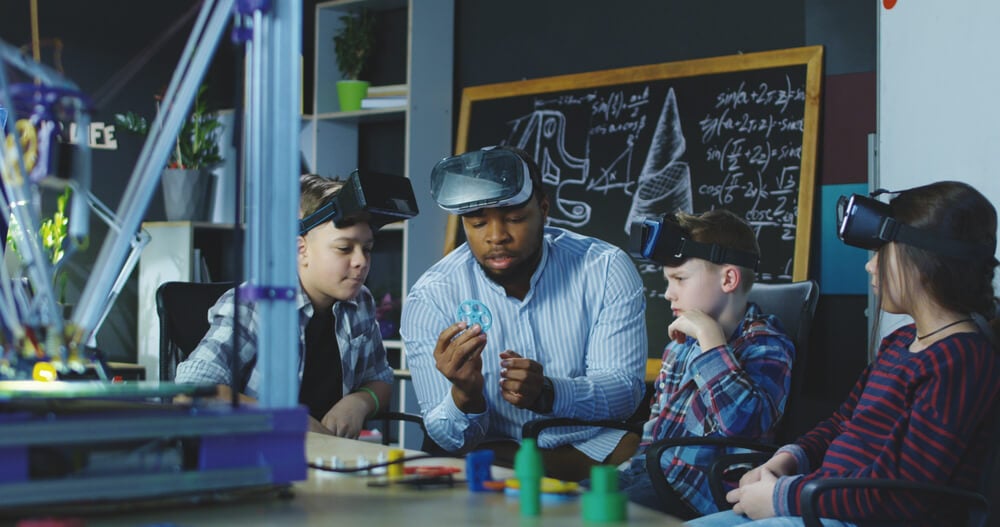
Every invention on this list was once a novelty that some people distrusted. Air conditioning, sliced bread and the web all faced skeptics who wondered why anyone would need them.
Those doubts now sound quaint.
Kids today will one day watch their own children shrug at technologies that have not been invented yet. The cycle repeats with every generation, as yesterday’s marvel becomes tomorrow’s background noise.
Remembering where these things came from is one small way to appreciate them.
More from Go2Tutors!

- The Romanov Crown Jewels and Their Tragic Fate
- 13 Historical Mysteries That Science Still Can’t Solve
- Famous Hoaxes That Fooled the World for Years
- 15 Child Stars with Tragic Adult Lives
- 16 Famous Jewelry Pieces in History
Like Go2Tutors’s content? Follow us on MSN.