26 Items Cleared from Grandparents’ Homes That Became Auction Wins
There’s a particular kind of guilt that comes with clearing out a grandparent’s home. You’re sorting through decades of accumulated living — things that meant something to someone, even if you’re not entirely sure what.
Most of it looks like clutter. Some of it gets donated.
A lot ends up in trash bags. But every so often, something that was sitting on a shelf collecting dust turns out to be worth more than the house itself.
These are the stories of 26 items that were almost discarded, and what happened when someone brought them to auction instead.
Depression Glass Dishes

Depression glass is exactly what the name suggests — glassware produced during the Great Depression, when manufacturers gave it away free or sold it for pennies to keep people buying flour and oats. Pale pink, green, or amber sets have been quietly sitting in kitchen cabinets for generations, wrapped in dish towels, entirely indifferent to their own value.
Complete sets in rare patterns like “Royal Lace” or “Cameo” have cleared $1,000 at auction — sometimes more, depending on color and condition.
First-Edition Books
A first edition doesn’t announce itself. It sits on a shelf between a Reader’s Digest condensed novel and a travel guide for a country that no longer exists, looking entirely ordinary.
But a first edition of John Steinbeck’s East of Eden in good condition — or a first printing of The Catcher in the Rye — can fetch thousands at the right auction house, and the difference between a first and a later printing often comes down to a single line of text on the copyright page. So it’s worth checking before the box goes to Goodwill.
Vintage Cast Iron Skillets

Cast iron is stubborn. It outlasts the people who cook with it, the stoves it sat on, and the houses it lived in.
A skillet stamped with “Griswold” or “Wagner” on the bottom — two American foundries that stopped production decades ago — regularly sells for $150 to $400 at auction, with rare sizes and designs pushing well past that. Most families used them without a second thought, which is exactly why so many ended up shoved to the back of a cabinet.
Wristwatches
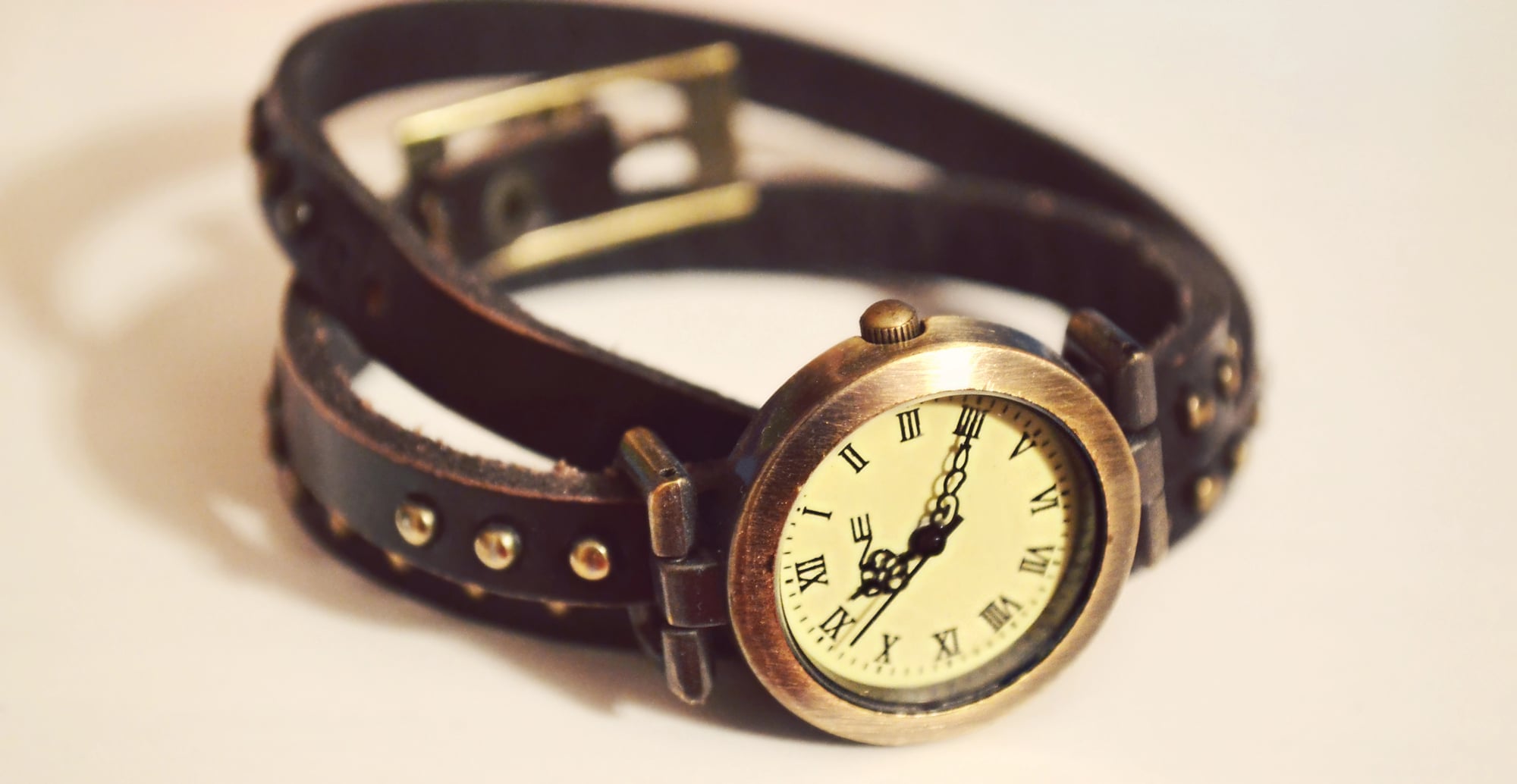
The watch on a grandfather’s dresser is easy to overlook, mostly because it looks like a watch on a dresser. What it might also be is a vintage Rolex Submariner from the 1960s, a Patek Philippe with a provenance story, or a Longines military-issue piece with a caseback engraving that doubles its value to collectors.
Watches — particularly those worn daily, wound by hand, and kept running for forty years — sometimes tell a more interesting story at auction than they ever did on a wrist.
Carnival Glass Bowls
Carnival glass has a particular look: iridescent, slightly gaudy, the kind of thing that catches afternoon light in a way that feels almost theatrical. It was originally produced as the affordable answer to expensive art glass, given away at carnivals as prizes (hence the name), and yet — somehow — that origin story didn’t kill its collector value.
Pieces made by Northwood, Millersburg, or Fenton in rare patterns and deep amethyst or red colorways have sold for several thousand dollars, which is a remarkable return on a prize won for knocking over milk bottles.
American Brilliant Cut Glass

This is the category where “heavy and ornate” translates directly into money. American Brilliant Period cut glass — produced roughly between 1876 and 1917 — involved a labor-intensive cutting process that left patterns so sharp they’d catch light from across a room.
Pieces in pristine condition, particularly large punch bowls, decanters, or vases from notable makers, have cleared $2,000 to $5,000 at specialist auctions. The danger is that chips and repairs destroy value almost entirely, so condition is everything.
Vintage Tin Toy Cars
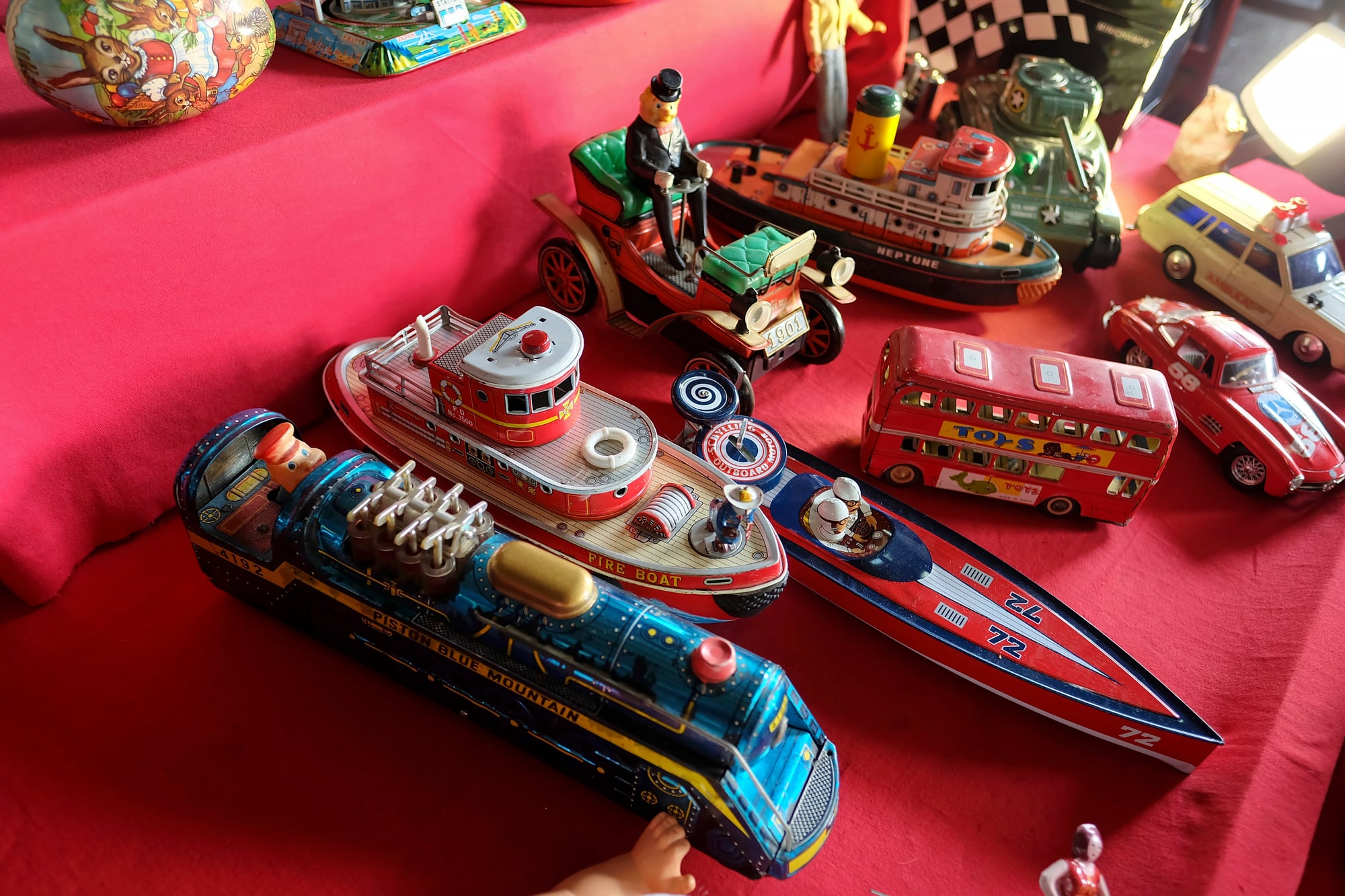
Old tin toys occupy a strange space in the collector world — they’re delightful, they’re fragile, and they’re worth alarming amounts of money when they’ve survived intact. A Japanese tin toy car from the 1950s in its original box, with working friction mechanics and intact lithography, can sell for $500 to several thousand depending on the model.
The box is often worth as much as the toy. Naturally, most boxes were thrown away immediately, which is why the ones that survived command such a premium.
Painted Furniture Hiding Earlier Finishes
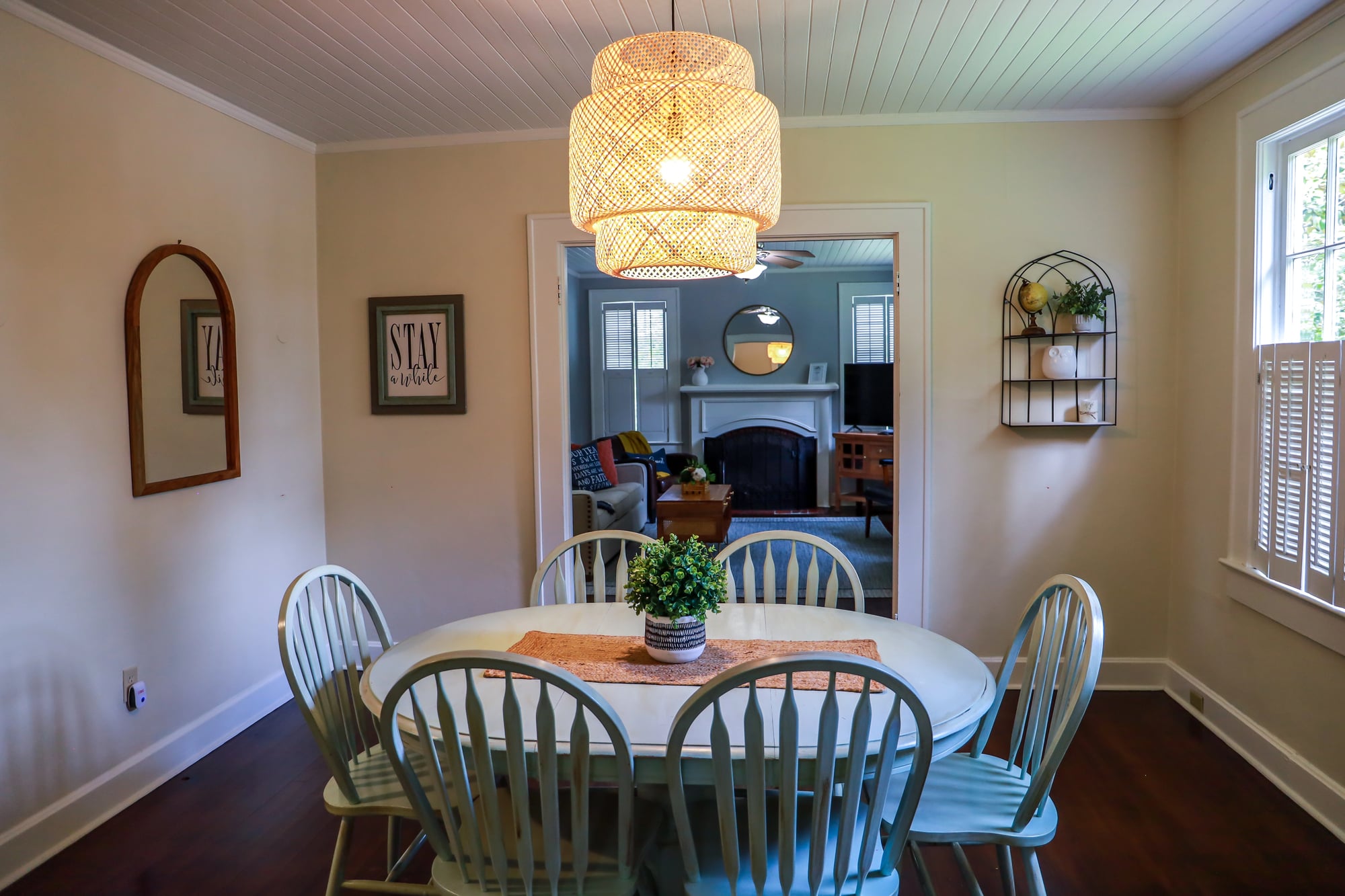
Painted furniture is a gamble — sometimes it’s painted because it was always meant to be painted, and sometimes it’s painted because someone in 1975 decided brown was out. Stripping back layers of paint on an old chest of drawers or a corner cupboard occasionally reveals original milk paint, tiger maple, or hand-painted grain decoration underneath, and a piece that looked like a $40 garage sale find becomes a legitimate early American antique.
Auction results for well-preserved early painted furniture in original surfaces regularly run into the thousands.
Old Postcards and Ephemera
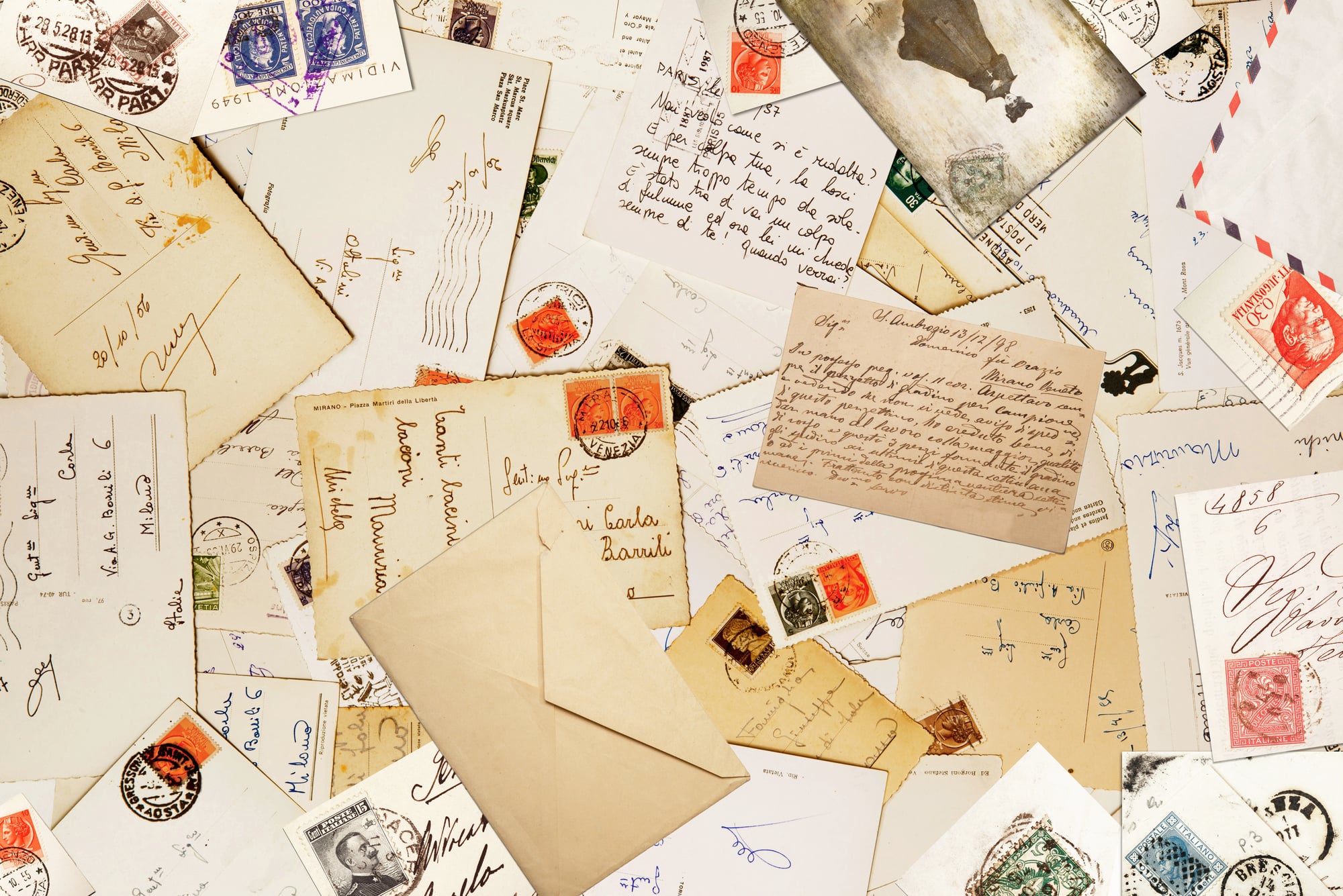
Paper is fragile, and most of it didn’t survive — which is why the paper that did survive is worth something. A shoebox of old postcards from the 1900s through the 1930s might contain real-photo postcards (actual photographs printed on postcard stock), holiday greetings with unusual imagery, or correspondence that documents something historically notable.
Rare topical postcards — disaster scenes, early aviation, specific towns before they changed — sell for $50 to several hundred dollars apiece at paper ephemera auctions.
Art Pottery
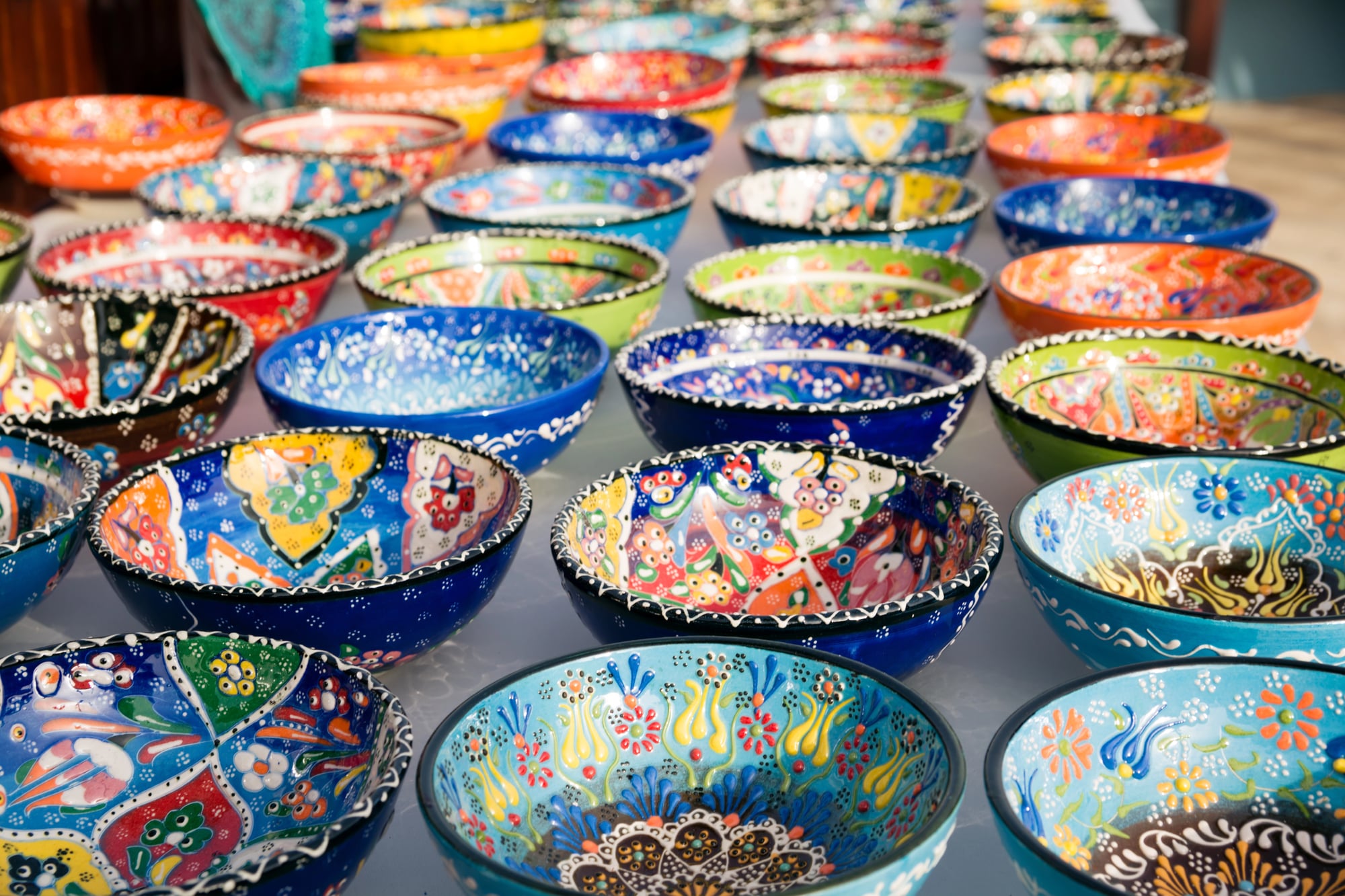
The name Rookwood on the bottom of a vase is the kind of thing that stops an estate sale in its tracks. American art pottery from the late 19th and early 20th centuries — Rookwood, Roseville, Weller, Grueby — was produced in relatively limited quantities, and pieces with exceptional glaze colors or artist signatures command serious auction prices.
A large Rookwood vase with a portrait decoration has sold for over $10,000; even modest pieces in clean condition tend to perform well. Most of them spent decades holding dried flowers on a mantelpiece.
Lithographed Advertising Tins
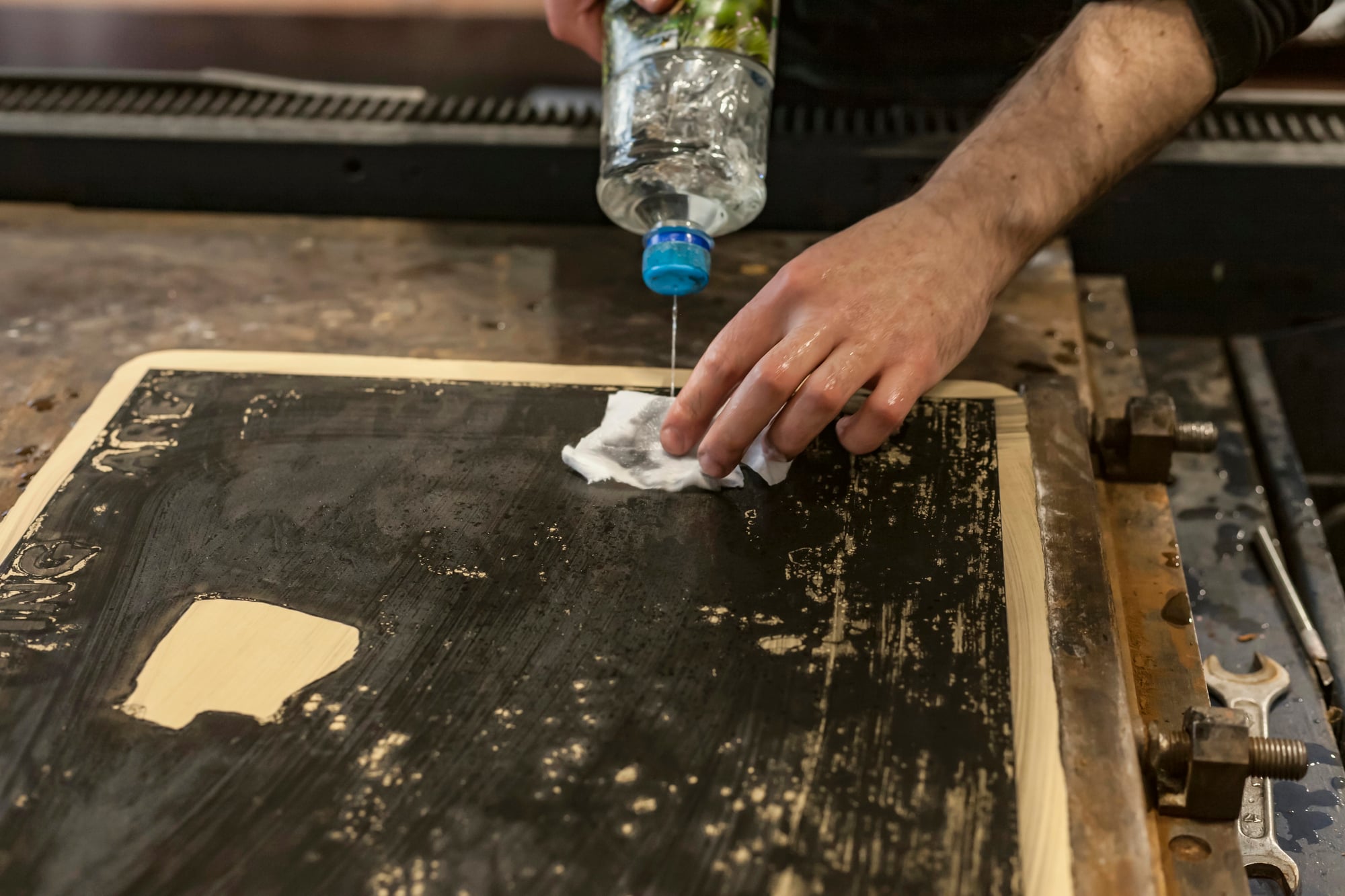
There’s something almost stubborn about a tin that holds its color for a century. Early 20th-century lithographed advertising tins — biscuit tins, cig tins, spice tins, peanut butter pails — were made to be used and discarded, and most were.
The survivors, particularly those with vivid graphics, unusual shapes, or advertising for defunct companies, have developed a collector market that regularly produces $200 to $1,500 results at auction. The more obscure the brand, counterintuitively, the more the collectors want it.
Sterling Silver Flatware Sets
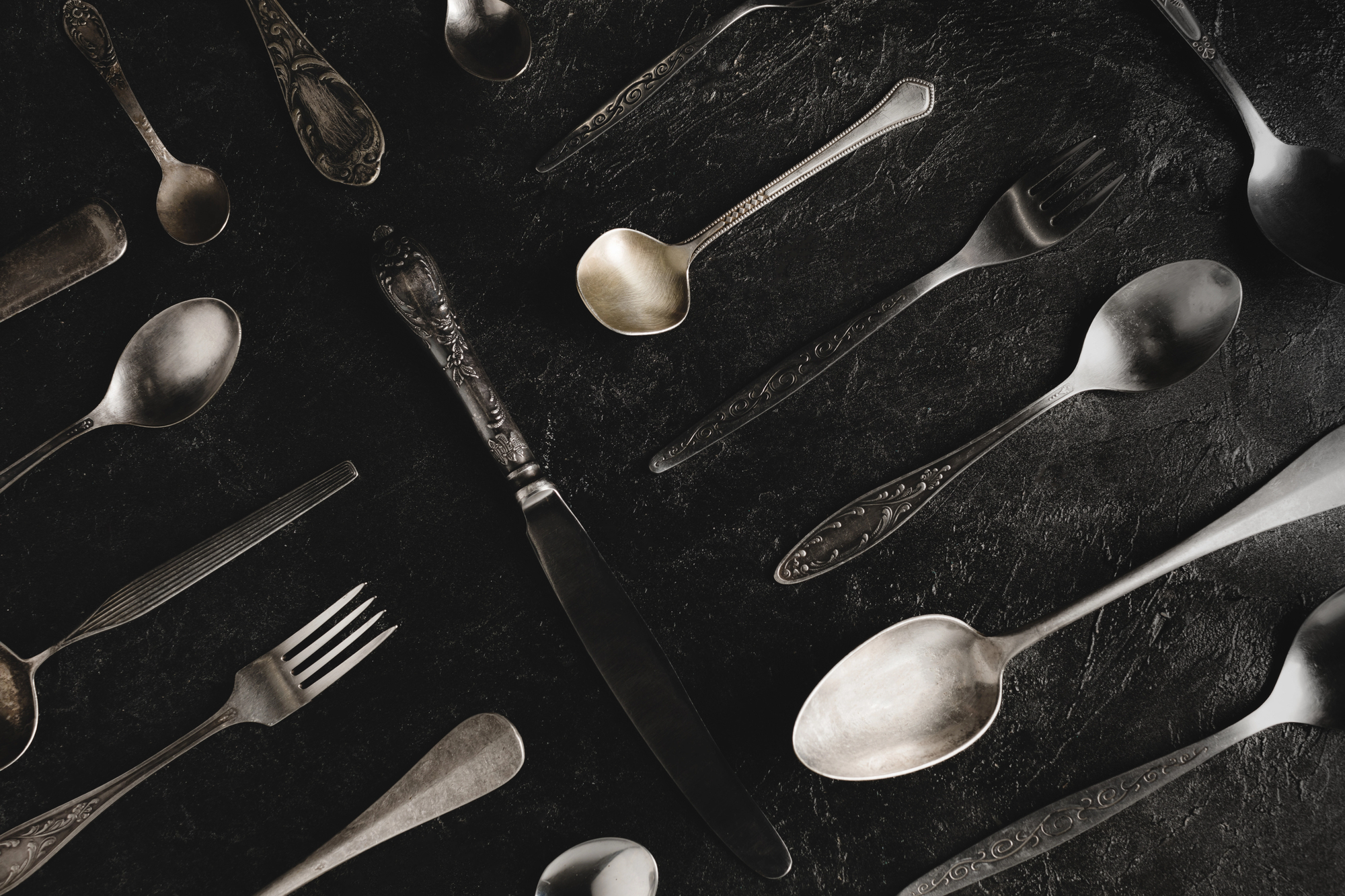
Sterling silver flatware is the kind of inheritance that gets stored in a velvet-lined wooden chest in the bottom of a china cabinet and never used because it “needs polishing.” Complete sets — service for twelve, all matching, from a recognizable maker like Gorham, Reed & Barton, or Tiffany & Co. — carry both melt value and collector value, and the combination pushes auction results well above what a pawnshop would offer.
Turns out the silver that felt like a burden was carrying its own weight the whole time.
Old Maps
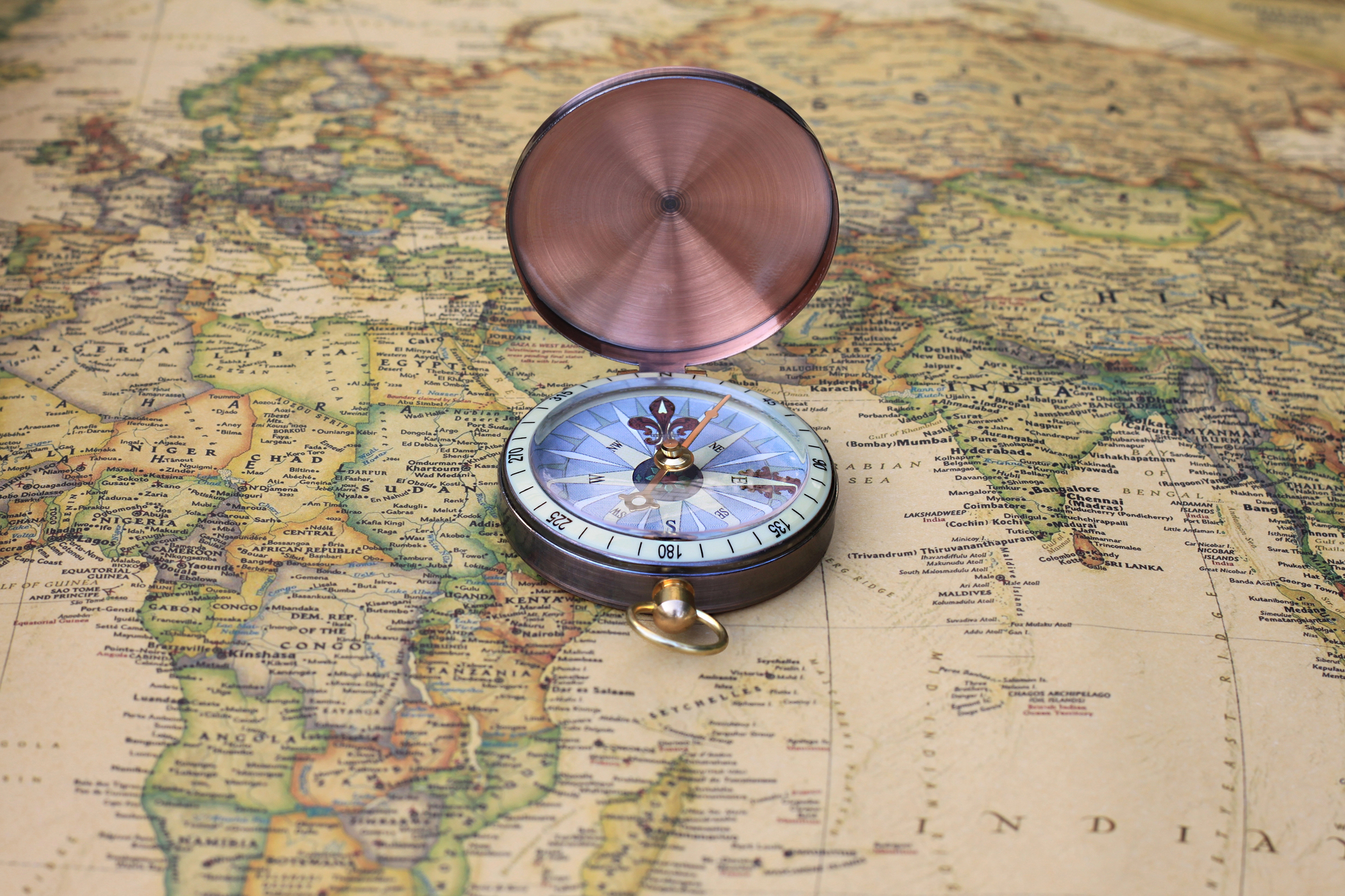
An old map folded into a drawer is easy to dismiss as a curiosity, but cartographic history has a devoted collector base that pays real money for the right examples. A 17th or 18th-century printed map of the Americas, a Civil War-era military map, or a hand-colored atlas plate from a notable cartographer can sell for hundreds to thousands at auction depending on rarity, condition, and subject.
The folds and toning that make old maps look worn are part of the record — most collectors expect them.
Vintage Fishing Lures

Fishing lures are not obviously collectible until you look at the prices. Early American lures made by companies like Heddon, Creek Chub, or South Bend — particularly those in glass-eyed versions, rare colors, or original cardboard boxes — have sold for $500 to several thousand dollars at specialty auctions.
The collectors are deeply serious about condition, original hooks, and provenance, and the difference between a lure worth $40 and one worth $400 often comes down to whether someone replaced the treble hooks. Most grandparents replaced the treble hooks.
Hand-Stitched Quilts
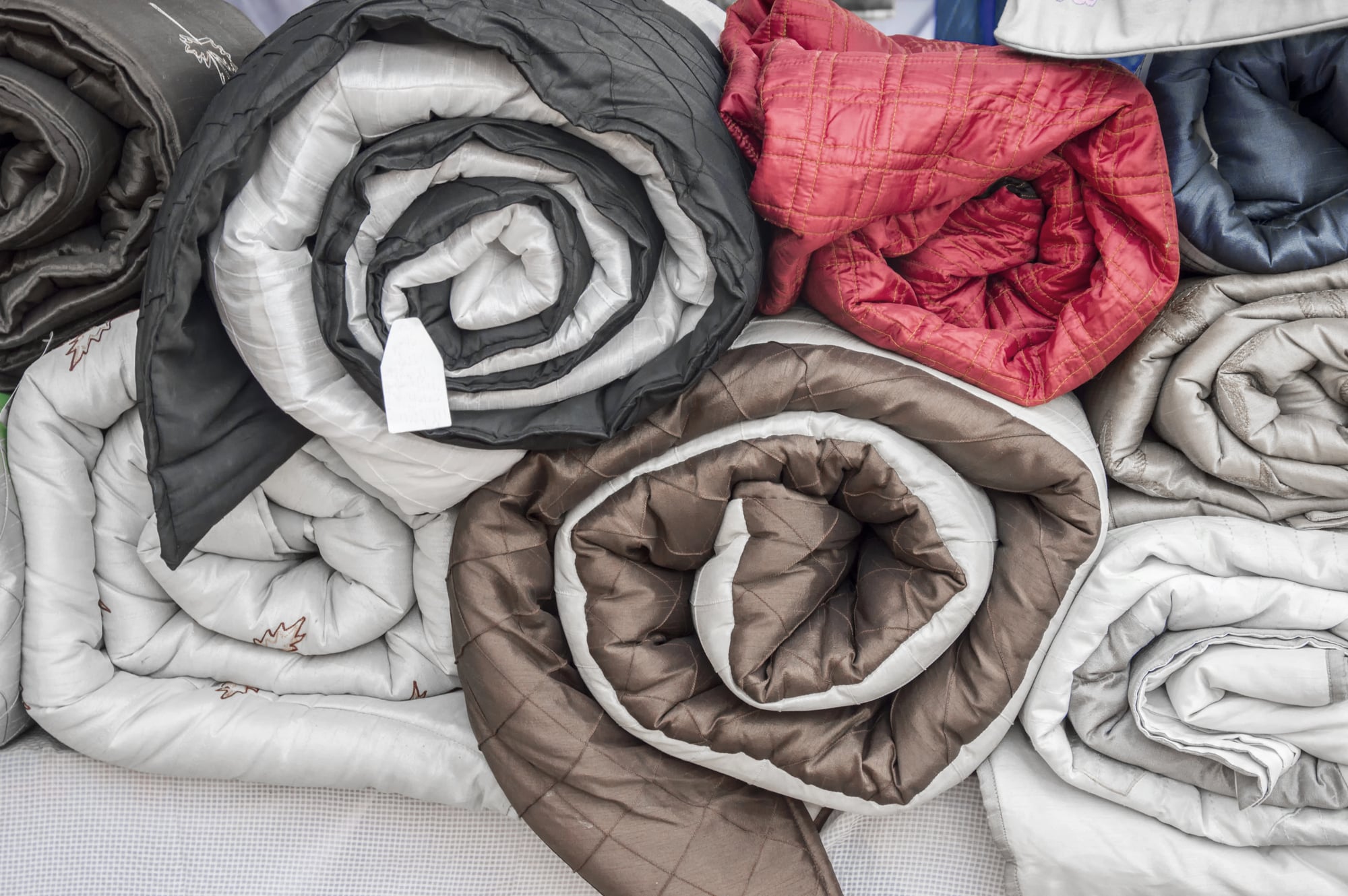
A quilt carries the hours someone spent making it in a way that’s impossible to fake and difficult to replicate — the uneven stitches, the repurposed fabric, the particular arrangement of blocks that reveals something about the maker’s taste. 19th-century American quilts in documented patterns like Double Wedding Ring, Log Cabin, or Baltimore Album style, particularly those with dated or initialed blocks, have performed strongly at folk art auctions.
The folk art market rewards authenticity, and hand-stitched quilts have that in abundance.
Vintage Cameras
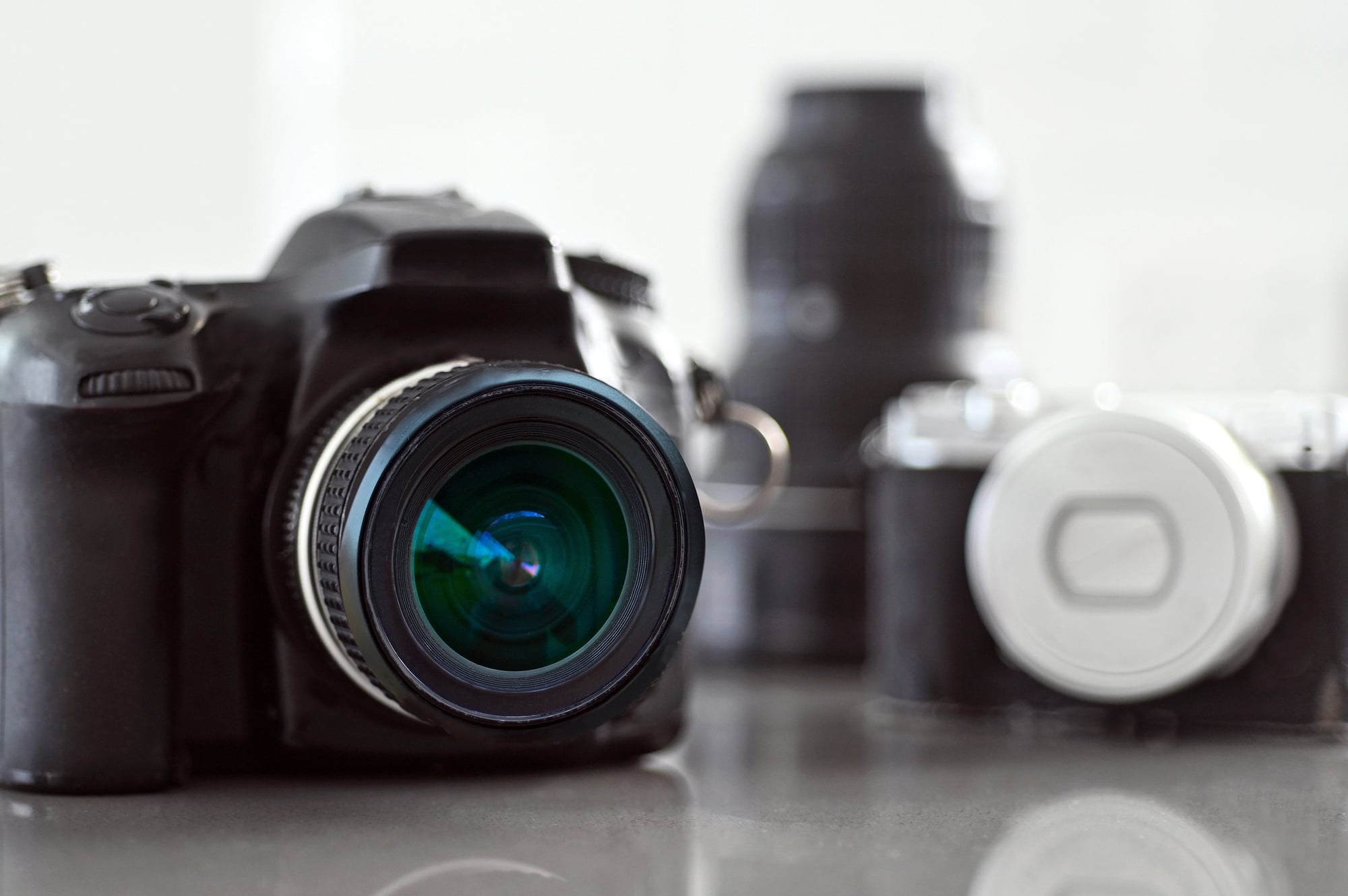
Camera collecting is a serious hobby with a well-organized secondary market, and the cameras most likely to turn up in grandparents’ homes — Leica rangefinders, early Rolleiflex twin-lens models, Argus C3s in original leather cases — are exactly the ones that perform at auction. A Leica IIIf in good working condition can clear $500 to $1,500 depending on lens and accessories.
The cameras that get genuinely exciting results tend to be the ones where the original owner bought the best equipment available and took good care of it, which is a very grandparent thing to do.
Native American Pottery and Baskets
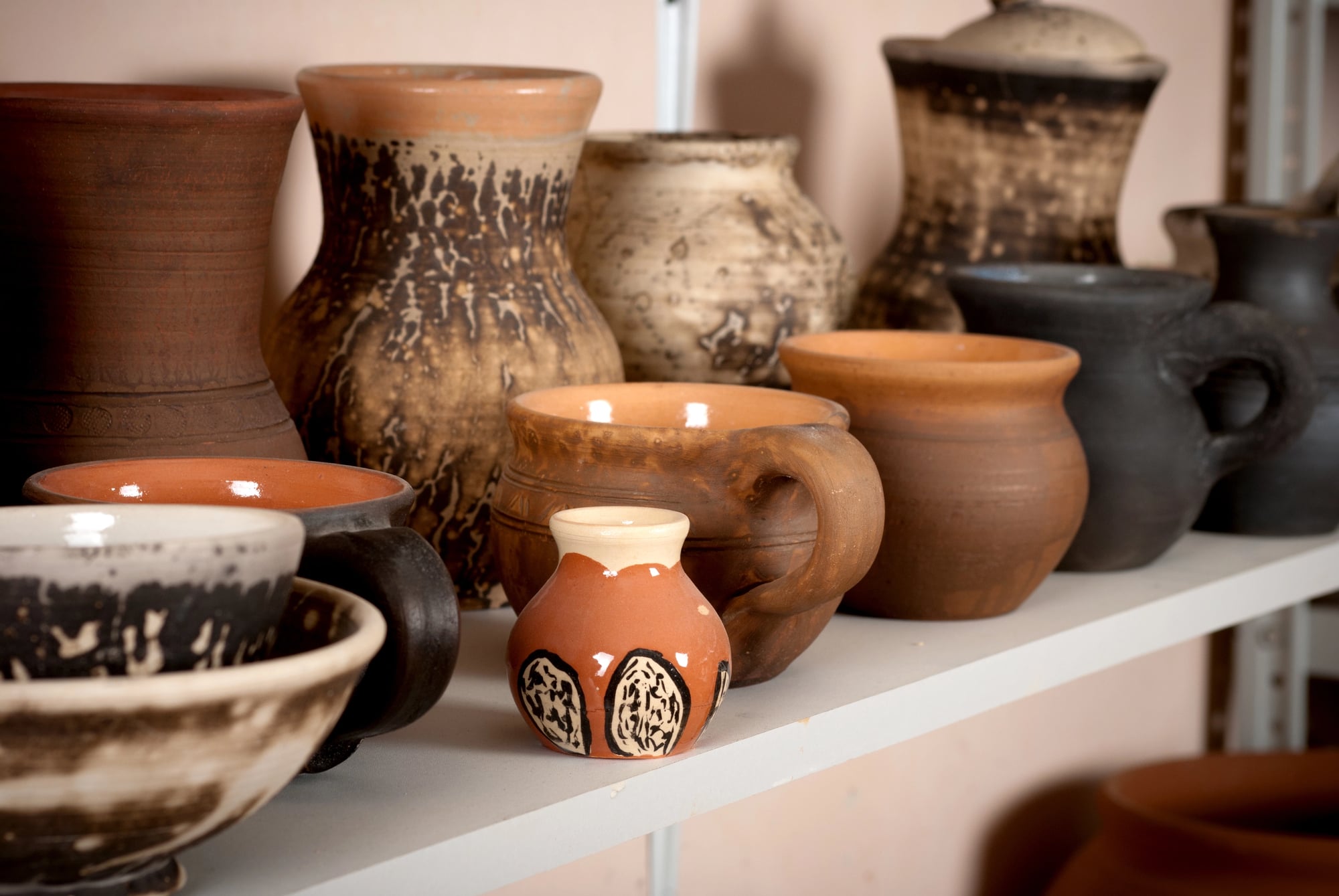
Authentic, signed pieces by known Native American artists carry both cultural significance and substantial market value — a Maria Martinez black-on-black pot from San Ildefonso Pueblo has sold for tens of thousands of dollars at major auction houses. Older, unsigned pieces from documented tribal traditions also perform well in the right room.
The critical factors are authenticity, provenance, and condition; the collector market for Native American art is sophisticated, and misrepresentation is taken seriously. If a piece came with a story, that story matters.
Vintage Fountain Pens
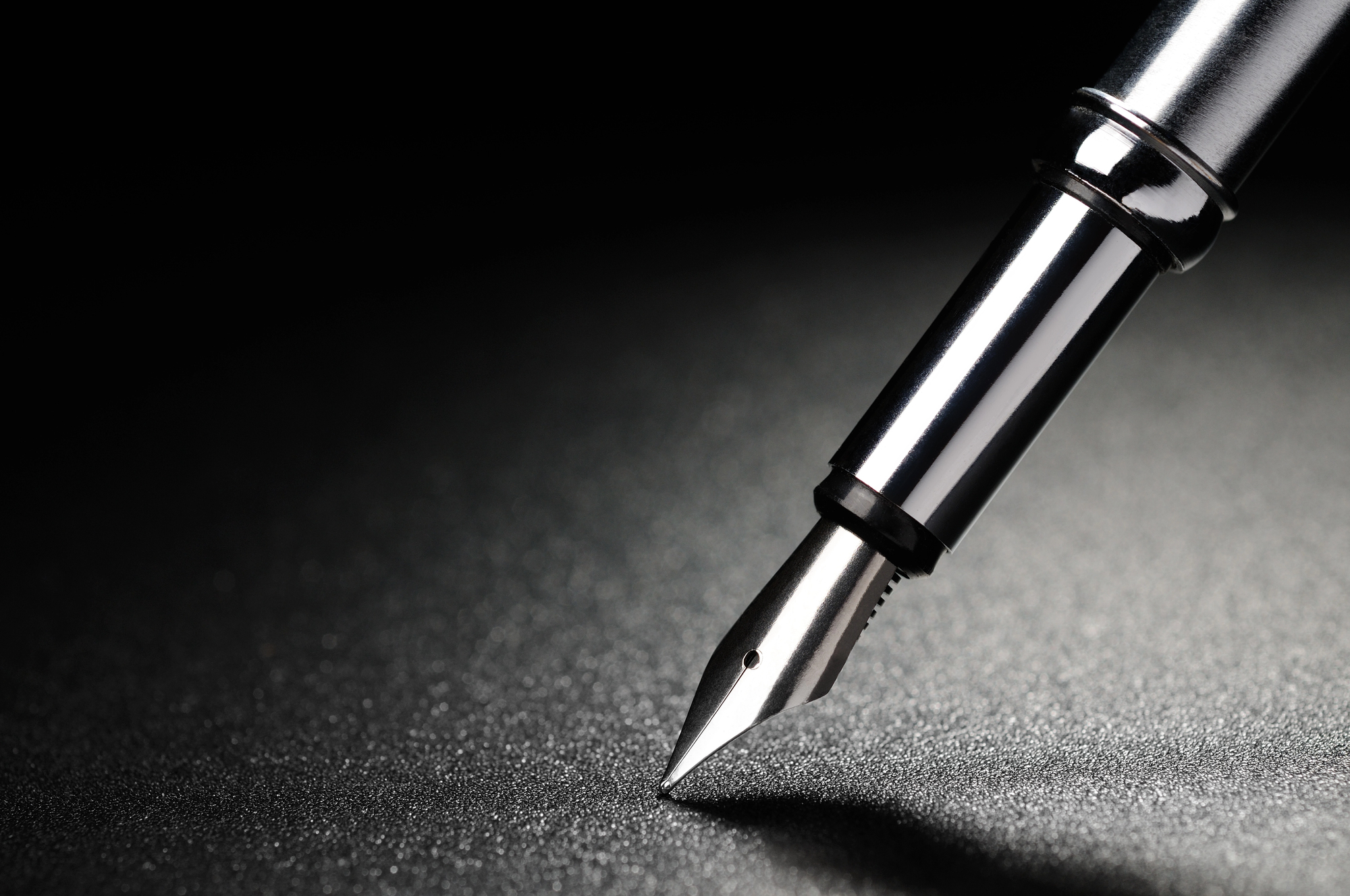
A fountain pen in a desk drawer is easy to ignore — it’s small, it looks like a writing instrument, it gives no outward sign of what it might be worth. But a Montblanc 149 in working condition, or a rare Waterman Patrician in coral or onyx, or a Parker Vacumatic in a scarce color, can sell for hundreds to several thousand dollars at pen auction.
The vintage pen community is meticulous about condition — cracks in the barrel, missing clips, and dried ink all affect value — and yet somehow these pens survived tucked into drawers for decades.
Political Campaign Memorabilia

Early American political campaign items — particularly from the 19th century — have a collector base that feels almost defiant in its enthusiasm. Ferrotype buttons from the 1860 Lincoln campaign, mechanical ribbon badges, and early celluloid buttons in unusual sizes or with running mate portraits can sell for $500 to several thousand dollars at political memorabilia auctions.
The rarity scales sharply with age; a button from an 1896 McKinley campaign in pristine condition is worth far more than most people expect to find in a biscuit tin.
Japanese Woodblock Prints

A Japanese woodblock print in a grandmother’s hallway is the kind of thing that gets taken down when someone redecorates. Originals from the Edo and Meiji periods by notable artists including Hiroshige, Kuniyoshi, and Kunisada — in clean condition with strong color and minimal foxing can sell for $500 to $10,000 at the right auction.
The market distinguishes sharply between original impressions and later reprints, and the difference is detectable in paper quality, ink depth, and specific printing details that specialist auction houses assess carefully.
Old Clocks
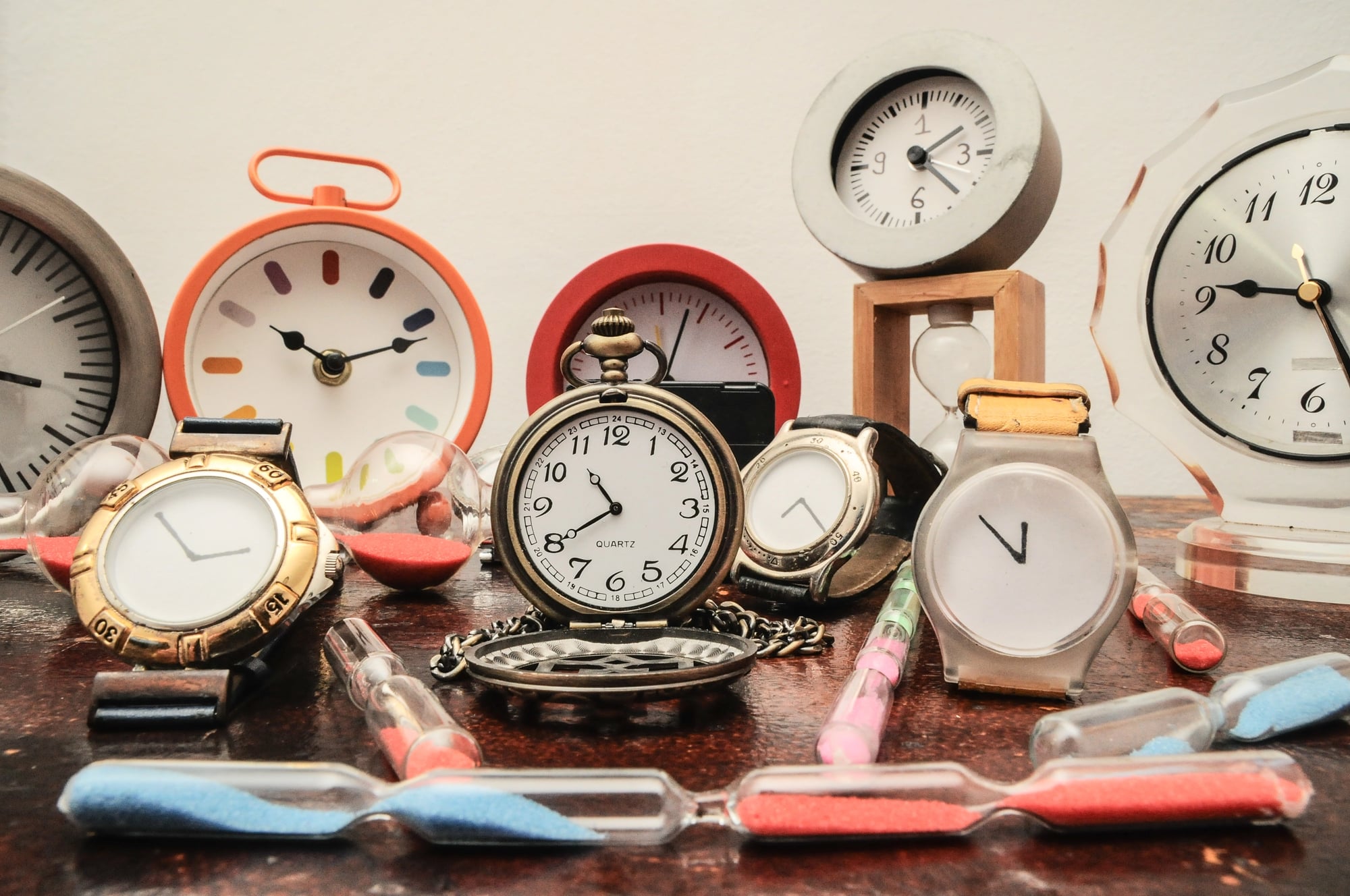
A mantel clock is not glamorous. It sits there, ticking or not ticking, accumulating a general sense of weight and age — but the name on the dial changes everything.
A Seth Thomas or Ansonia marble mantel clock in working condition with original movement can fetch $200 to $600; a Vienna regulator with documented provenance pushes higher. The condition of the movement matters as much as the case, and an untouched, original mechanism with intact finishes is worth substantially more than one that’s been “serviced” by an enthusiastic amateur.
Vintage Board Games
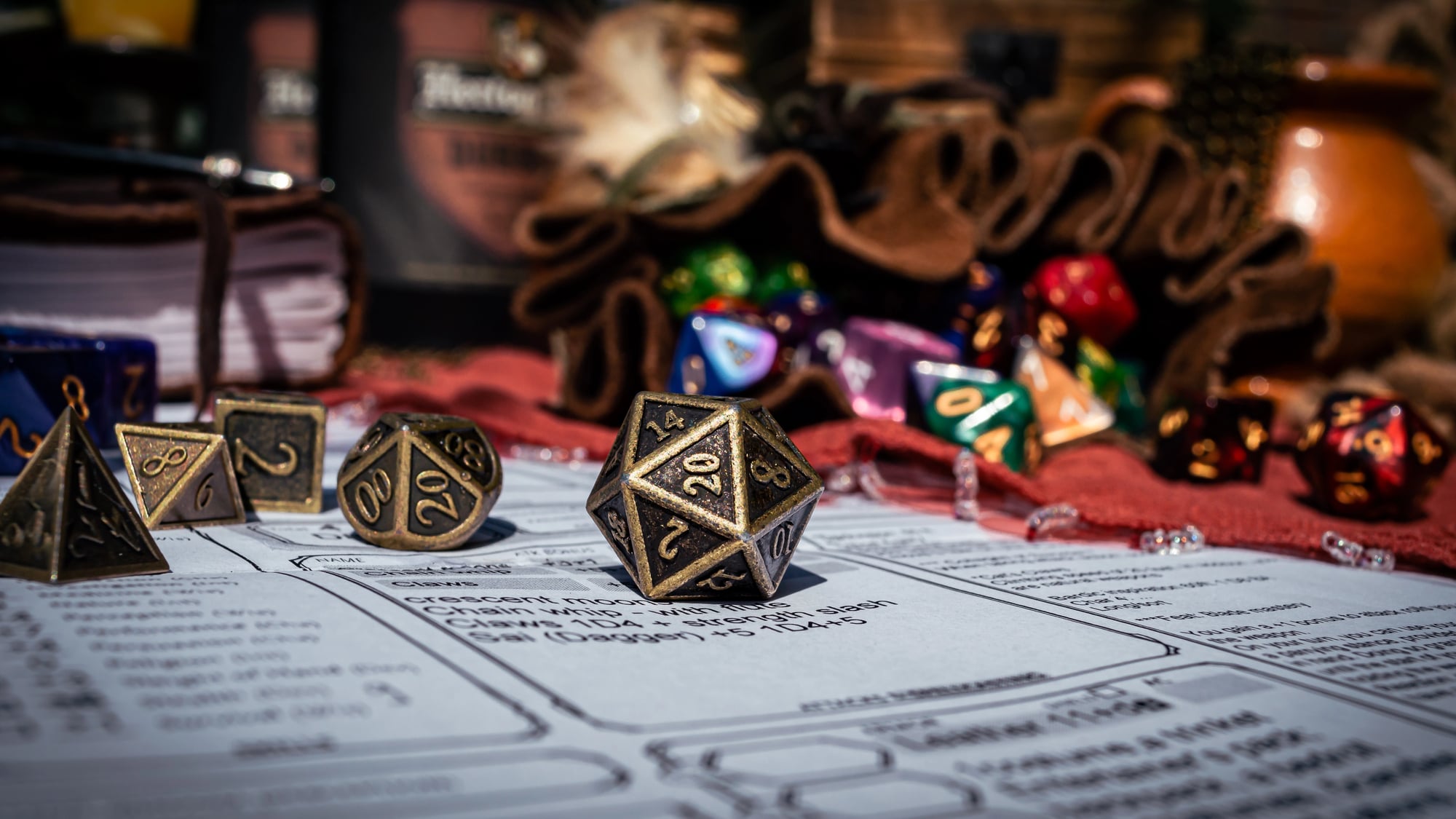
A complete pre-war board game in its original box is rarer than it sounds — the boxes deteriorated, the pieces got lost, and the games got thrown out when they stopped being played. Early editions of Monopoly, Parcheesi, or McLoughlin Brothers lithographed games in genuinely complete condition have cleared $200 to $2,000 at toy and game auctions.
Completeness is everything here. A game missing one token or a single Community Chest card drops in value in a way that feels almost punitive.
Hand-Colored Botanical Prints

Botanical prints were produced in large quantities during the 18th and 19th centuries as illustrations for scientific and horticultural publications, then broken apart and sold individually — a common practice that preserved individual plates while destroying the original books. Hand-colored examples from noted publications like Curtis’s Botanical Magazine or Thornton’s Temple of Flora sell for $150 to several hundred dollars apiece, with particularly striking specimens pushing higher.
The ones that spent decades behind glass in a spare bedroom often have the best color.
Vintage Jewelry With Gemstones
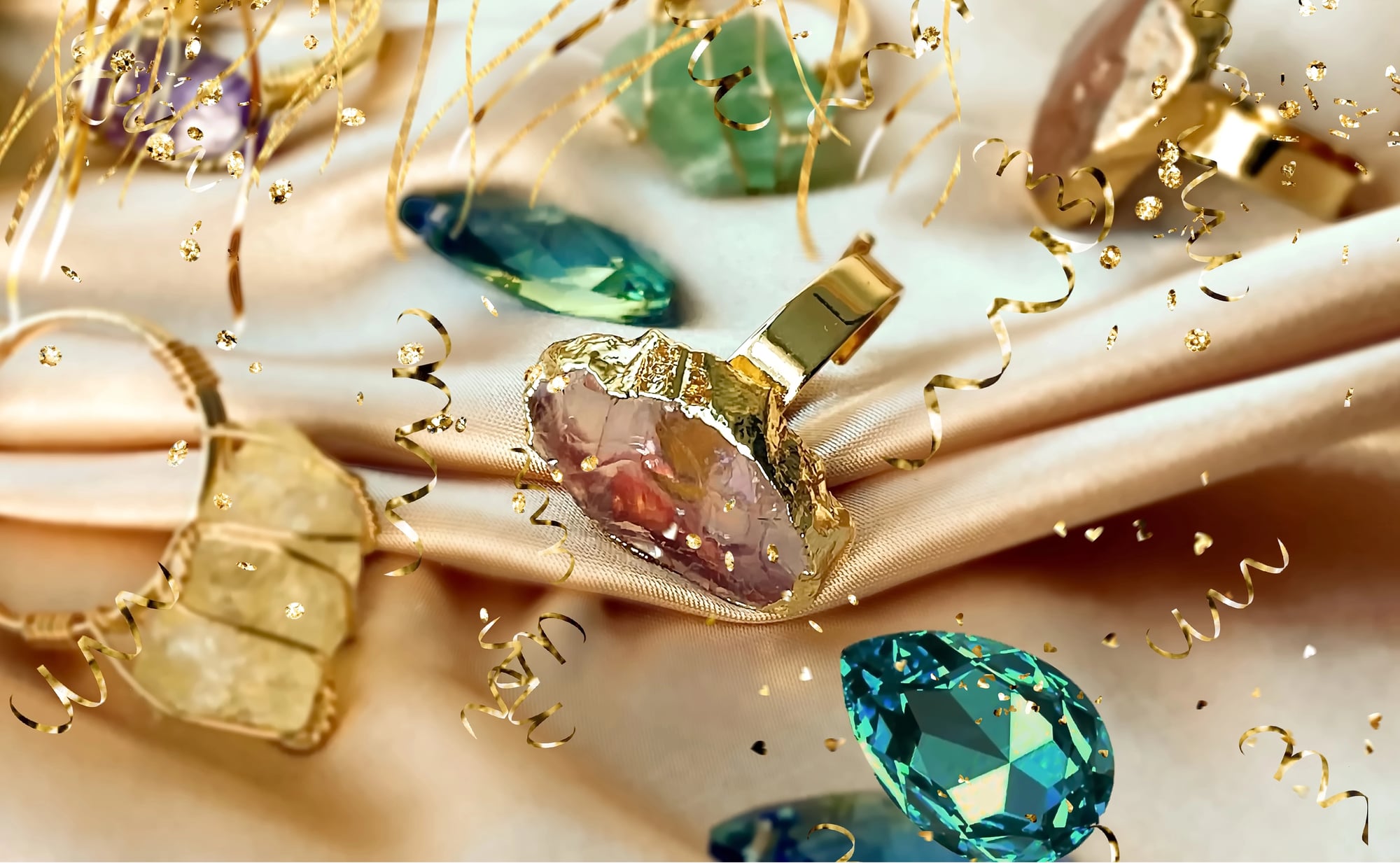
Estate jewelry is the category that produces the most genuine surprise, because people wore diamonds and rubies without thinking of themselves as people who wore diamonds and rubies. A natural necklace from before the 1920s (when cultured pearls became commercially available) can be worth substantially more than its cultured equivalent; a Victorian gold brooch with old-mine-cut diamonds is both historically significant and materially valuable.
The auction results for unexamined estate jewelry are frequently the ones that stop a room.
Signed Sports Memorabilia
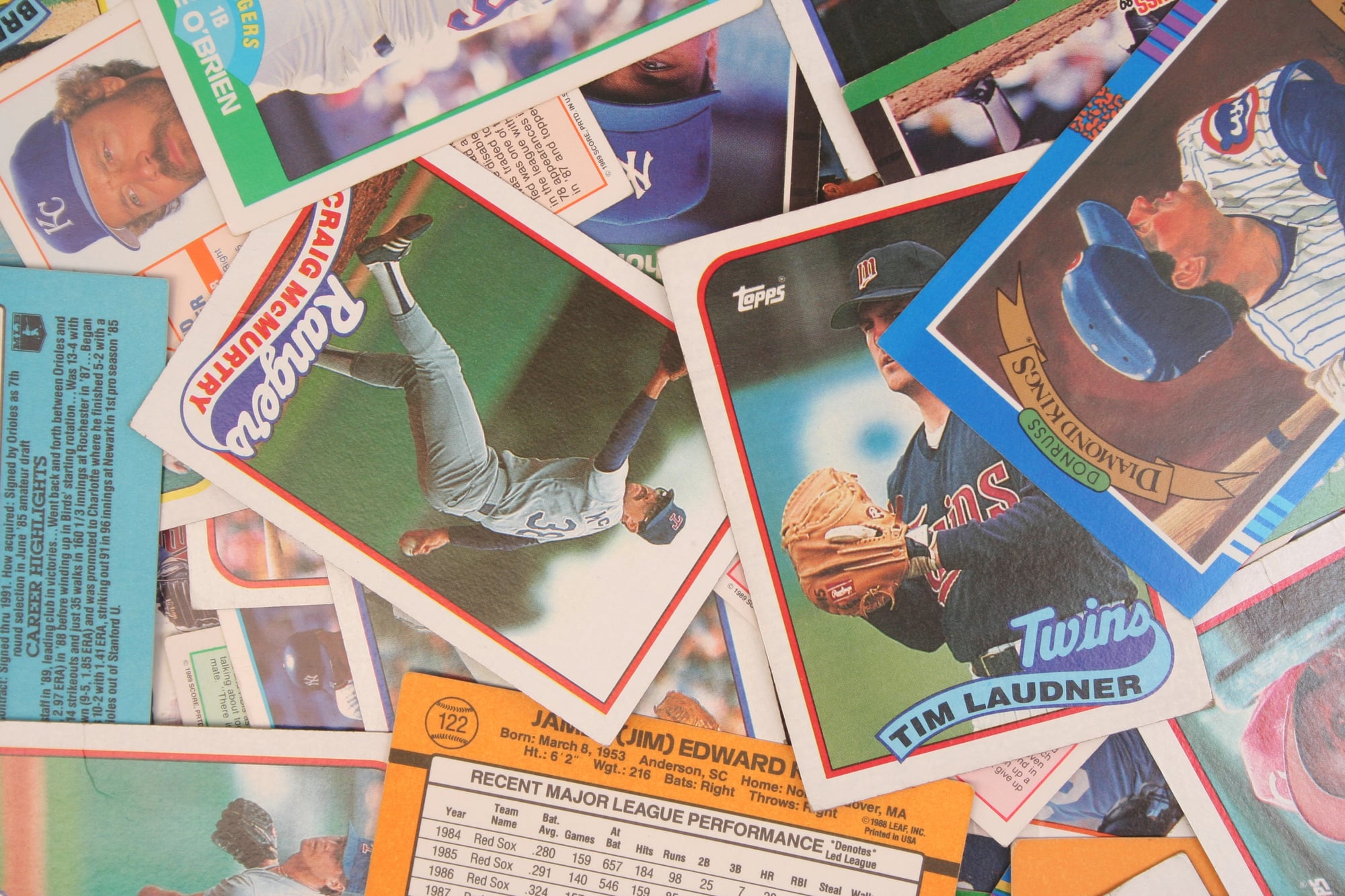
A signed baseball in a display case is easy to walk past, but the signature determines everything. An orb signed by Babe Ruth — authenticated, provenance documented — is worth tens of thousands of dollars; a signed photograph from a 1927 World Series game is not far behind.
The sports memorabilia auction market is meticulous about authentication, and the presence of a letter of provenance (even an informal family note explaining where the item came from) adds measurable value. So that orb sitting on the shelf in the den deserves a second look.
Oil Paintings With Unknown Attribution
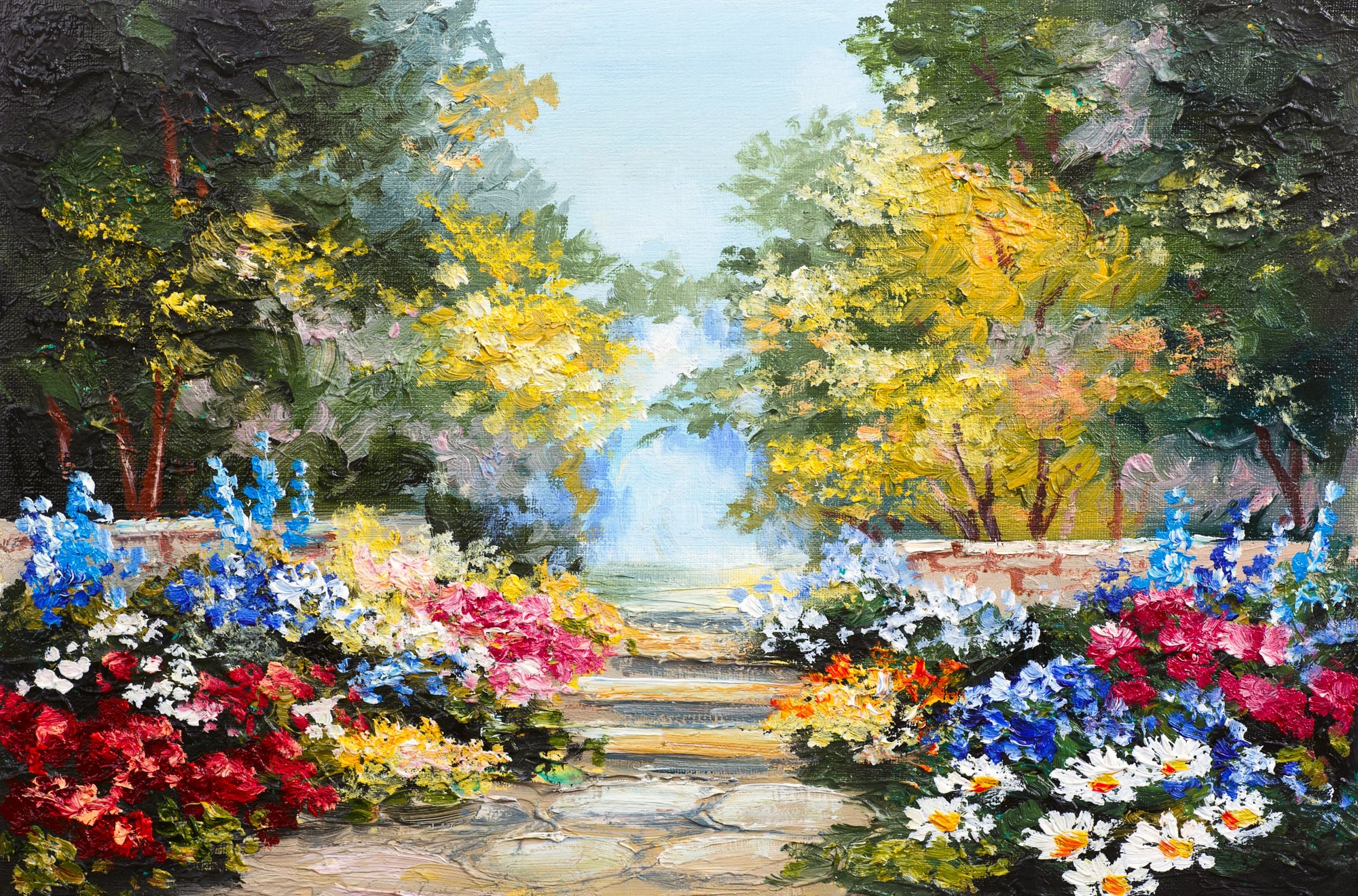
An oil painting in a heavy gilt frame, hanging in a dining room for sixty years, is often assumed to be a reproduction or a minor decorative piece — and often it is. But attribution in the art market is fluid, and paintings that were acquired as “circle of” or “school of” a known artist occasionally get upgraded through research and technical analysis.
A landscape that came through an estate sale with no paperwork has, more than once, turned out to be a genuine minor master. The ones worth investigating are those with old stretcher bar stamps, gallery labels on the back, or unusual craquelure patterns.
What the Clutter Was Really Saying
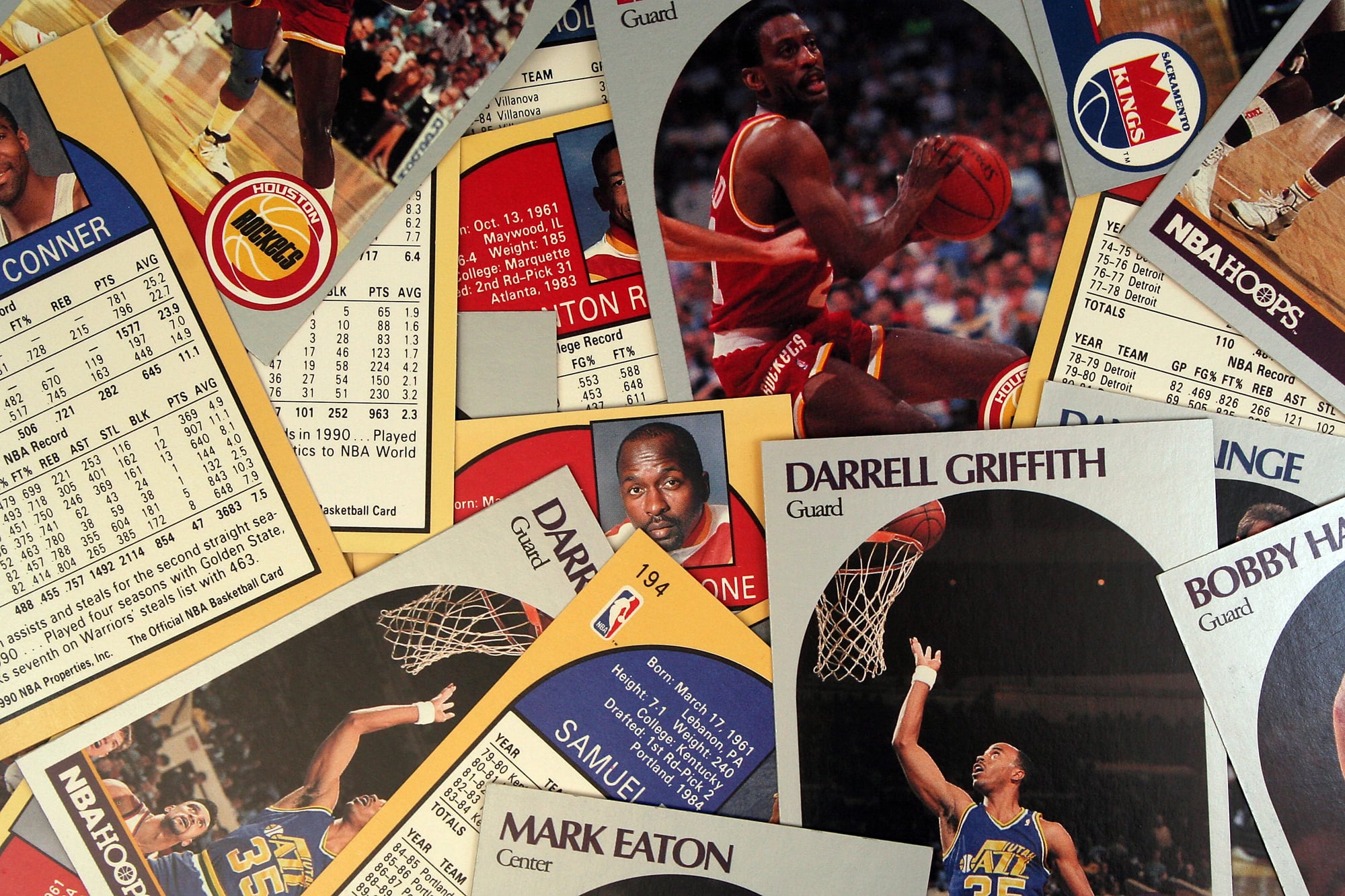
The things grandparents held onto were not random. The glass, the tools, the papers, the objects — they accumulated around a life being lived, and most of it was kept because it was useful or loved, not because someone suspected it might one day sell for three thousand dollars in a room full of people holding numbered paddles.
The auction win is the headline, but the real story is the decades those objects spent doing their quiet work: holding flowers, telling time, lighting a room, feeding a family. The money is interesting.
The survival is the remarkable part.
More from Go2Tutors!

- The Romanov Crown Jewels and Their Tragic Fate
- 13 Historical Mysteries That Science Still Can’t Solve
- Famous Hoaxes That Fooled the World for Years
- 15 Child Stars with Tragic Adult Lives
- 16 Famous Jewelry Pieces in History
Like Go2Tutors’s content? Follow us on MSN.