26 License Plate Runs from Specific States Collectors Chase Down
There’s something about an empty slot in a collection that gets under your skin in a way that’s hard to explain to someone who doesn’t collect. It’s not just the missing piece — it’s the knowledge that the piece exists somewhere, bolted to the front of a truck in a state you’ve never visited, sitting in a barn two thousand miles away, or buried in a box at an estate sale that happened last weekend without you.
License plate collecting has that quality in abundance. Every state has produced dozens of distinct issues over the decades, and some of those issues are genuinely rare, genuinely beautiful, or genuinely strange in ways that make them worth chasing.
These are the runs that collectors talk about at swap meets, argue about in online forums, and quietly spend years tracking down.
Alaska
Alaska’s pre-statehood territorial plates are among the most historically loaded pieces of American license plate history. Issued before 1959, these plates carry a weight that the standard-issue state plates simply can’t match — they document a period when Alaska wasn’t yet part of the union, and that fact alone makes them artifacts rather than collector items.
Condition is brutal to find; the climate up there is not kind to metal.
Arizona
Arizona’s copper-colored issues from the early 1970s are the ones that serious collectors actually want. The state leaned into its copper-mining identity with a plate that used embossed lettering on a field that oxidizes in genuinely interesting ways over time — which means no two aged examples look quite alike.
To be fair, that unpredictability is half the appeal.
California
California’s black-and-yellow plates from the late 1950s and early 1960s have achieved a kind of mythological status in West Coast collecting, partly because they evoke a specific era of California culture — the freeways, the optimism, the chrome bumpers — and partly because low-number examples in clean condition almost never surface anymore. The state reissued a version of that design in 2016, but collectors treat the originals and the reissues the way record collectors treat pressings: the reproduction is fine, and the original is the point.
So the chase continues, quietly, at swap meets from Fresno to Sacramento.
Colorado
Colorado’s mountain graphic plates are not the rarest thing a collector can own, but the early runs — particularly the hand-screened versions from the 1970s before the process was fully mechanized — show variation that makes them genuinely interesting to study side by side. The mountains themselves were rendered slightly differently depending on production batch, a small inconsistency that turns out to matter enormously to the people who care.
And those people care a lot.
Connecticut

Connecticut’s early porcelain plates, issued in the first decade of the twentieth century, are as close as American plate collecting gets to fine ceramics — fragile, irreplaceable, and startlingly beautiful when the glaze has survived intact. They age like old pottery rather than old metal, which sets them apart from nearly everything else in the hobby.
Finding one without crazing or chips is the kind of thing collectors remember for years.
Florida
Florida’s pre-1940 plates tell a story about a state that was still figuring out what it wanted to be — tourism economy, agricultural economy, something else entirely — and the shifting graphic language across those early issues reflects that uncertainty in ways that feel almost poetic when you line them up chronologically. The Sunshine State branding hadn’t locked in yet, and the plates from that era have a restless, experimental quality (not unlike the state itself) that makes them compelling to collect as a group rather than as individual pieces.
But finding them in non-coastal-corroded condition is the real obstacle.
Hawaii

Hawaii’s territorial-era plates, issued before statehood in 1959, are the Pacific counterpart to Alaska’s territorial issues — and they’re arguably harder to find in good shape because island humidity is merciless on painted metal. The graphic design of the territorial series is also quietly distinctive, with a spare, almost utilitarian aesthetic that contrasts sharply with the lush imagery Hawaii would later lean into.
Collectors who complete a run of Hawaiian territorial issues have accomplished something genuinely uncommon.
Idaho
Idaho’s famous potato slogan plates from the 1920s are the kind of thing that becomes a collector’s white whale without warning — you see one once, in a grainy photograph on an old forum post, and suddenly nothing else will do. The state began promoting its potato industry directly on license plates earlier than most people realize, and the surviving examples from those first runs are scarce enough that authenticated pieces command serious prices.
Go figure.
Illinois
Illinois produced some of the most visually striking graphic plates of the 1970s and 1980s, and the Land of Lincoln series in its earliest pressings — before the reflective sheeting technology changed the look of the lettering — has a flat, almost painted quality that later issues lack. The difference is subtle and requires seeing them side by side to appreciate, which is exactly the kind of detail that separates casual interest from genuine obsession.
Turns out subtlety is what most collectors are actually chasing.
Kansas
Kansas plates are underestimated, which is a mistake. The state’s centennial issue from 1961 is a genuinely handsome piece of mid-century graphic design, and the wheat motif — understated rather than overworked — gives it a dignity that flashier plates from the same era lack.
Collectors who overlook Kansas because it sounds unglamorous tend to regret it later.
Louisiana

Louisiana’s pelican plates from the early issues — before the bird was rendered in the increasingly cartoonish style of later decades — have a graphic restraint that makes them age well in a way the later versions simply don’t. There’s something about the way the early pelican was drawn: angular, slightly severe, more like an emblem than an illustration, which gives those plates a heraldic quality that sits differently on a shelf than almost anything produced by neighboring states.
The color combinations from the 1950s runs in particular are worth hunting specifically.
Maine

Maine’s lobster plates are beloved and well-known, but the versions that collectors actually pursue are the earliest graphic lobster issues from the 1980s before the design was refined — rough around the edges in ways that feel less like errors and more like character. The lobster itself in those first pressings was rendered with an almost folk-art quality, slightly asymmetrical, clearly hand-derived rather than computer-generated.
And that handmade imprecision is exactly the point.
Maryland
Maryland’s black-and-orange plates — drawing on the state’s heraldic colors — have a visual identity so specific that even people who aren’t collectors tend to remember them. The early runs from the 1950s, when the color contrast was at its sharpest before formulation changes softened the orange, are what collectors are actually after; the later versions are common enough to be unremarkable.
To be fair, unremarkable isn’t usually why anyone starts a collection.
Michigan
Michigan’s early automotive history gives its pre-1920 plates an almost industrial gravity — these were issued at the dawn of the automobile era, in the state that arguably did more than any other to make the automobile ordinary, and holding one of those plates is holding something from the very beginning of a culture that reshaped the continent. Low-number examples, which were often assigned to dealers or prominent citizens, surface occasionally at Michigan estate sales and tend to disappear quickly.
The hobby has a long memory for where the good stuff last showed up.
Minnesota
Minnesota’s 10,000 Lakes slogan plates from the mid-twentieth century have a cheerful regionalism that wears well over time — not trying too hard, not indifferent, just quietly confident in what the state has going for it. The earliest issues with that slogan, before it became ubiquitous, have a freshness that later versions lost simply through repetition.
Collectors who build a chronological run of the slogan’s evolution across decades end up with something that functions almost like a timeline.
Montana
Montana’s Big Sky graphic plates from the 1980s runs are the ones that serious collectors treat with the most respect, partly because the horizontal landscape format gave designers room to work that most states’ vertical plates never allowed. The early color separations on those plates — the way the sky gradient was achieved before modern printing methods — varies enough between production years to make year-to-year comparison genuinely interesting.
Some collectors have built runs of nothing but Montana plates spanning four decades just to watch that gradient evolve.
Nevada
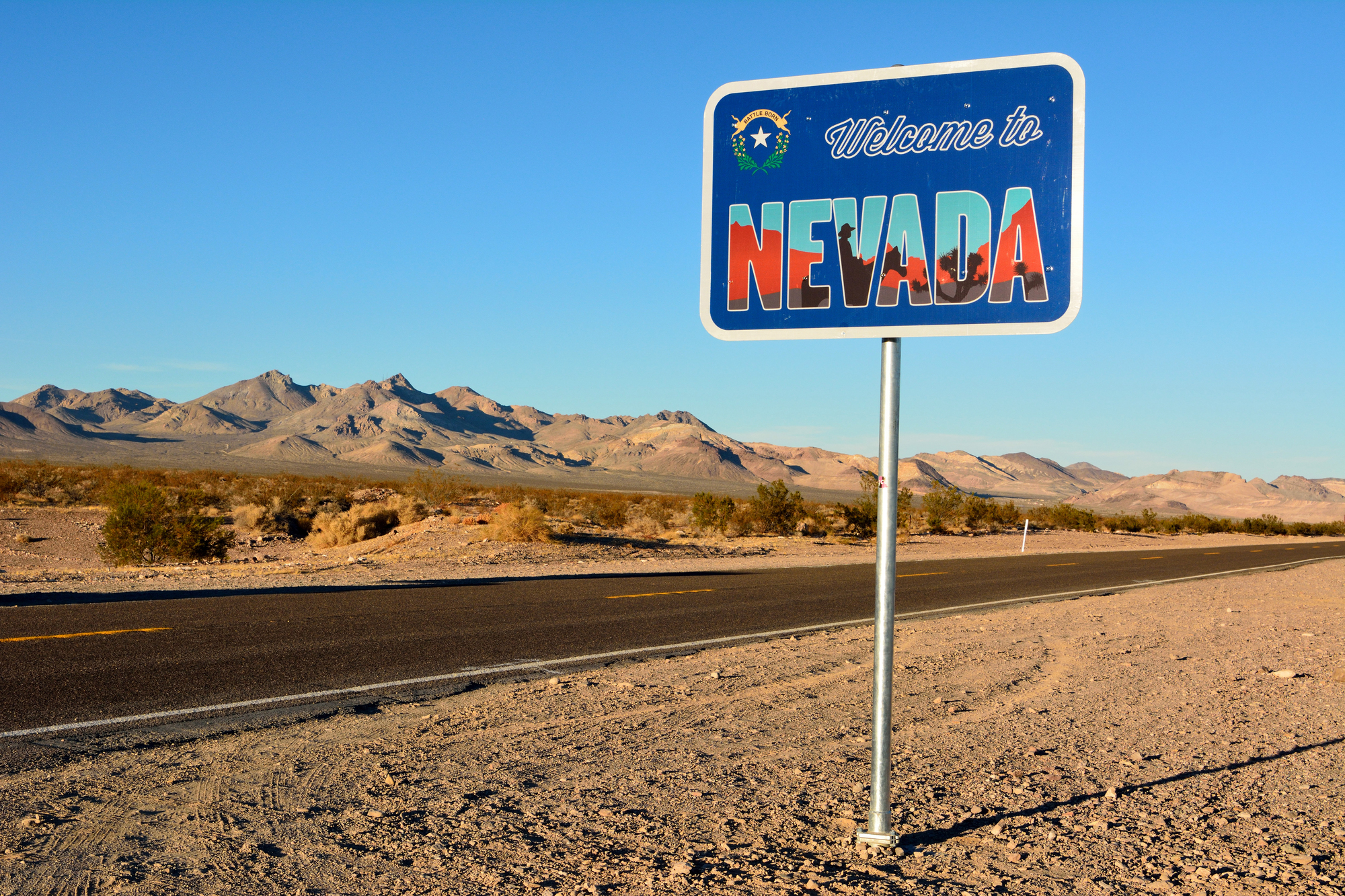
Nevada’s plates are a collector category unto themselves, largely because the state’s gambling and tourism economy meant plates were seen by an enormous number of out-of-state visitors, creating demand for souvenirs that eventually fed a secondary market. But the plates collectors actually prioritize are the pre-casino-boom issues from the 1930s and 1940s, when Nevada was still primarily a ranching and mining state and the plates reflected that identity with a plainness that’s almost startling compared to what came later.
The contrast between those plates and a modern Nevada issue is basically a short history of the American West.
New Hampshire
New Hampshire’s Live Free or Die plates are arguably the most philosophically loaded license plates in American history, and the first issues bearing that slogan — adopted in 1971 — are what collectors want. The state has faced legal challenges over the slogan, which somehow makes the plates feel even more significant as objects.
Turns out a motto with a legal history is more interesting than one without.
New Mexico
New Mexico’s Zia symbol plates are among the most graphically distinctive in the country, and the earliest versions — issued before the symbol was standardized and rendered with slightly more variation between individual plates — are the ones that command attention in the collector market. The Zia itself is ancient, predating New Mexico’s statehood by centuries, which gives those plates a layered significance that most state graphics simply can’t claim.
Finding an early run example with strong, unfaded color is the challenge.
New York

New York’s low-number plates from the early twentieth century — single and double digit issues assigned to the state’s first registered automobiles — are genuinely historic artifacts, and the ones that can be traced back to their original registrants carry provenance that pushes prices into territory that surprises people outside the hobby. The state’s long automotive registration history means there are runs within runs: early porcelain, early painted metal, mid-century aluminum, each with its own collector subculture.
Which is saying something, given how crowded the New York plate market already is.
Ohio

Ohio’s bicentennial plates from 1976, produced as part of the national celebration, are pleasant enough as objects — but what collectors actually pursue is the pre-1950 run of Ohio plates, which used a numbering system that allows collectors to sequence them in ways that tell a story about the state’s population growth across decades. There’s a quiet satisfaction in lining up thirty Ohio plates in order and watching the county system evolve.
It’s the kind of thing that sounds dry until you’re standing in front of it.
Oregon
Oregon’s beaver graphic plates have gone through enough design iterations since the 1980s that building a complete run is a legitimate multi-year project, and the differences between adjacent years are sometimes so subtle that attribution requires reference guides. The earliest beaver issues, when the animal was rendered in a more naturalistic style before later versions simplified it into something approaching a logo, are the ones worth finding.
And finding them in Pacific Northwest condition — which means finding them without the rust that coastal humidity encourages — is the real obstacle.
Pennsylvania
Pennsylvania’s Keystone State plates from the mid-twentieth century carry a graphic weight that fits the state’s industrial identity — solid, unflashy, built to last. The early runs using riveted construction rather than embossing have a structural quality that makes them feel closer to hardware than to decoration, which is not a criticism.
Collectors who specialize in Pennsylvania plates tend to use words like “honest” when describing the best examples, and that’s exactly right.
Tennessee
Tennessee’s Volunteer State plates from the 1940s and 1950s have a graphic austerity that makes them easy to undervalue — plain colors, plain lettering, no scenic imagery — but the early issues in particular used a paint formulation that aged into surprisingly complex tones that later plates, with their more standardized finishes, simply don’t replicate. The patina on a well-preserved 1940s Tennessee plate is something that has to be seen rather than described.
Photographs don’t do it justice.
Texas
Texas produces license plates the way it does most things: at scale, with confidence, and with more variation across its history than most collectors initially expect. The Lone Star graphic plates from the early 1990s — the first major departure from the plain white-and-blue format that had defined Texas plates for decades — are already being treated as collectibles despite being less than forty years old, which tells you something about how quickly the collector market can identify a turning point.
Low-number examples from the first production run of that redesign are the ones worth tracking down specifically.
Wyoming

Wyoming’s bucking bronco silhouette is one of the most recognized state symbols in the country, and the earliest plates bearing that image — introduced in the 1930s — are among the most sought-after pieces in Western plate collecting. The bronco itself has been redrawn multiple times over the decades, and each version carries its own small community of devoted collectors who will argue at length about which rendering is the definitive one.
To be fair, that argument is part of what makes the hobby worth being in.
Where the Empty Slots Live
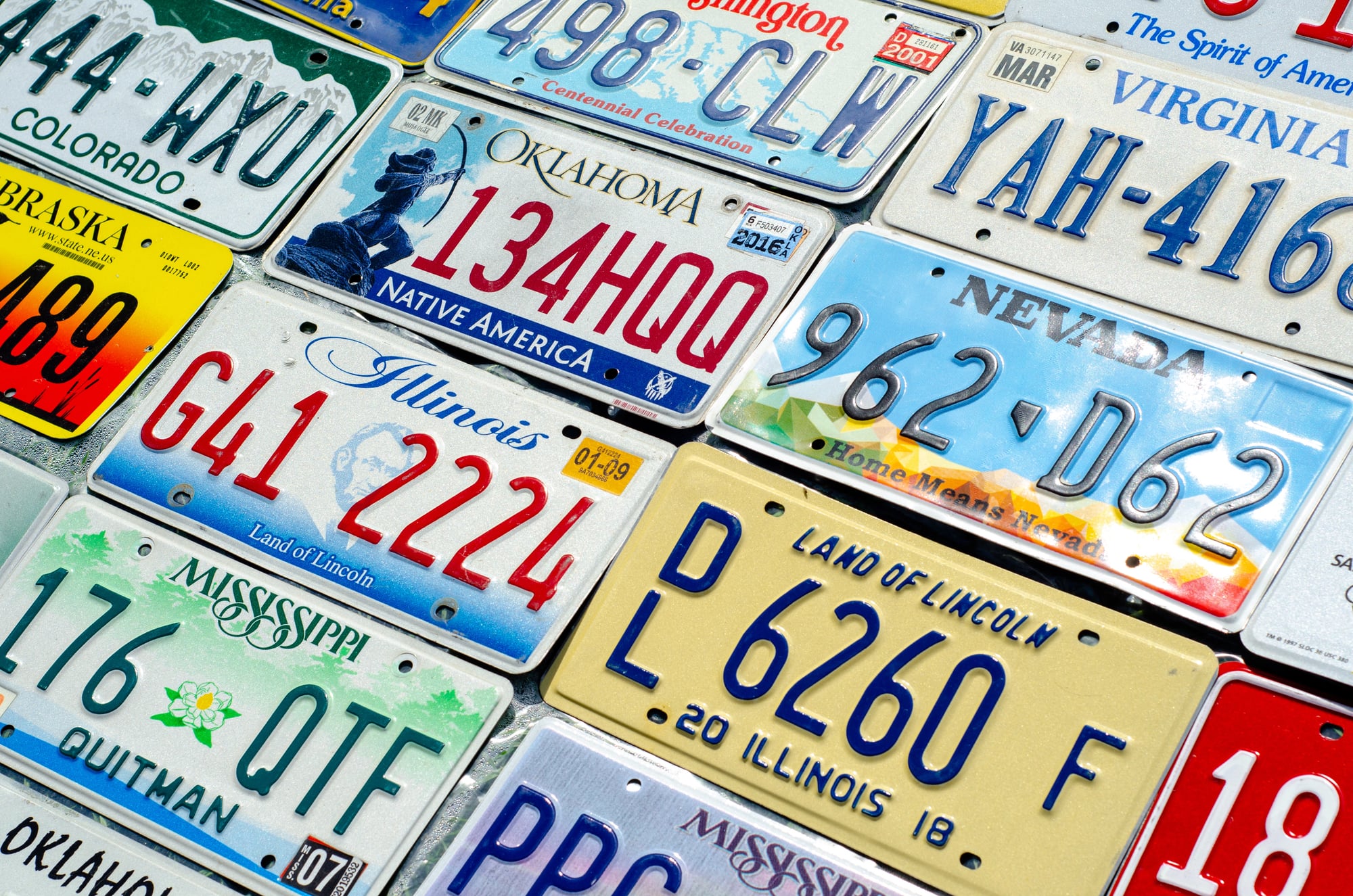
A collection without gaps isn’t a collection — it’s a finished project, which is a different thing entirely, and maybe a lesser one. The plates on this list are the ones that make the hobby feel alive: specific, stubborn, geographically rooted, and stubbornly resistant to being acquired on a schedule.
You find them when you find them, at an estate sale two states over, in a box someone’s grandmother kept in a garage for sixty years, or in a trade with a collector who finally let something go. The empty slot stays interesting as long as the plate stays missing.
So most collectors, if they’re honest, are in no particular hurry.
More from Go2Tutors!

- The Romanov Crown Jewels and Their Tragic Fate
- 13 Historical Mysteries That Science Still Can’t Solve
- Famous Hoaxes That Fooled the World for Years
- 15 Child Stars with Tragic Adult Lives
- 16 Famous Jewelry Pieces in History
Like Go2Tutors’s content? Follow us on MSN.



