26 Musical Instruments Used for Generations
Some instruments get reinvented every few decades. These are not those instruments.
Each one below has been built, played, and taught in something close to its current form for generations, sometimes for thousands of years, and each still shapes the music of the culture that made it.
Longevity alone does not make an instrument interesting. What makes this list worth reading is how each one earned its staying power.
Violin
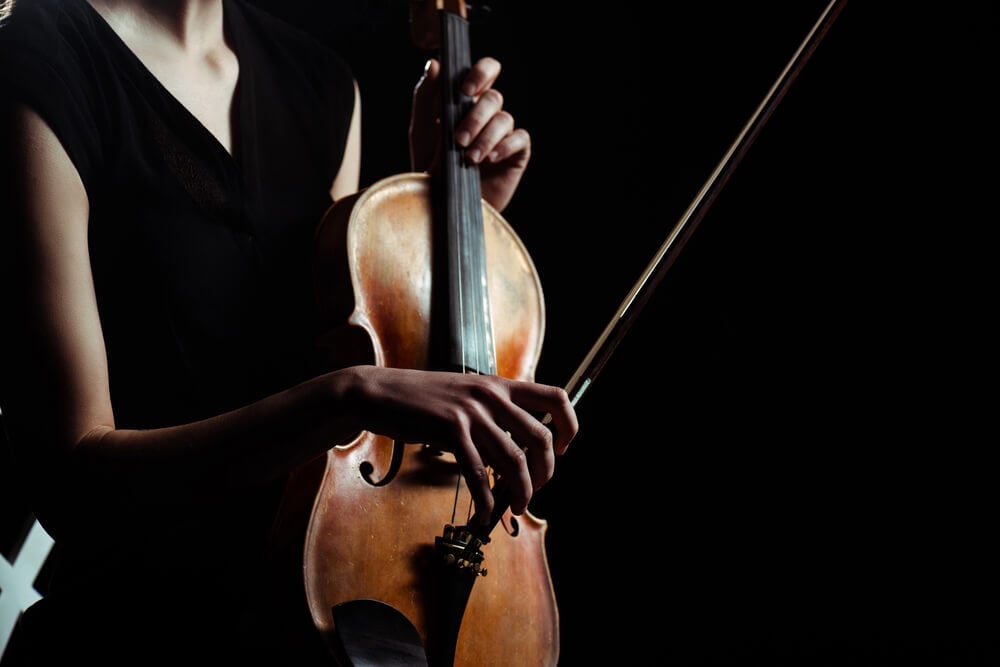
The violin took its modern shape in sixteenth-century Italy, and the instruments built by Antonio Stradivari and Giuseppe Guarneri in the following century remain, by wide consensus, the finest ever made. Scientists have spent decades trying to identify exactly what makes those instruments sound the way they do, testing everything from the wood’s density to the varnish’s chemical makeup, without settling the question definitively.
A well-preserved Stradivarius today can sell for tens of millions of dollars. The basic four-string design has remained essentially unchanged for over four hundred years.
Piano
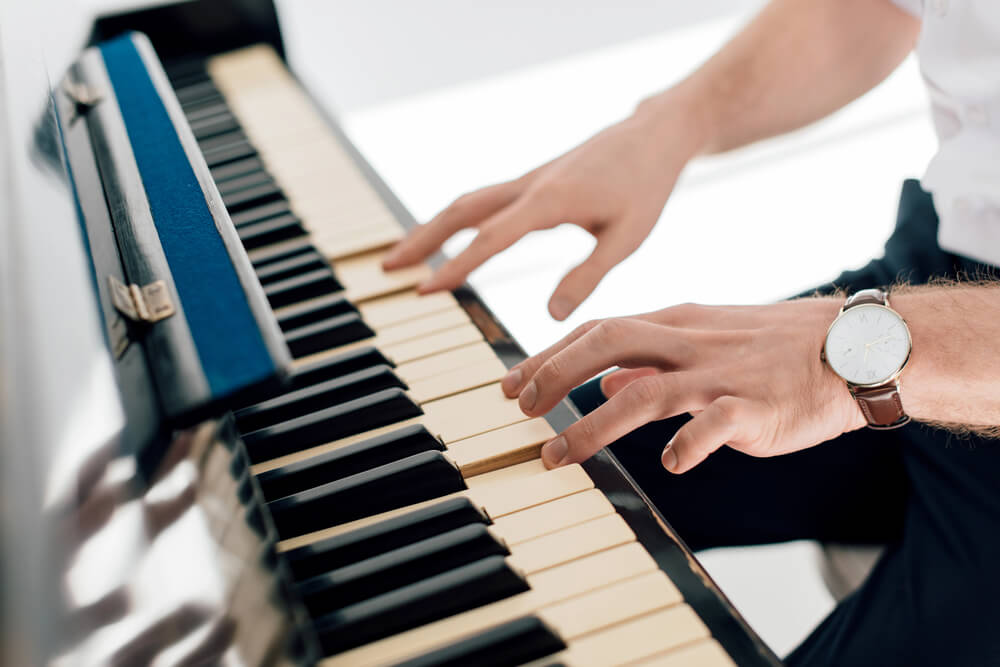
The piano was invented around 1700 by Bartolomeo Cristofori, an Italian instrument maker working for the Medici court, who built it specifically to allow dynamic control that the harpsichord could not offer. Its name comes from its original Italian title, which translates roughly to “soft-loud,” describing the volume range that made it revolutionary.
A modern concert grand piano contains over ten thousand individual parts and roughly two hundred strings under enormous tension. Despite centuries of refinement, its core mechanism, hammers striking strings, remains fundamentally what Cristofori designed.
Sitar
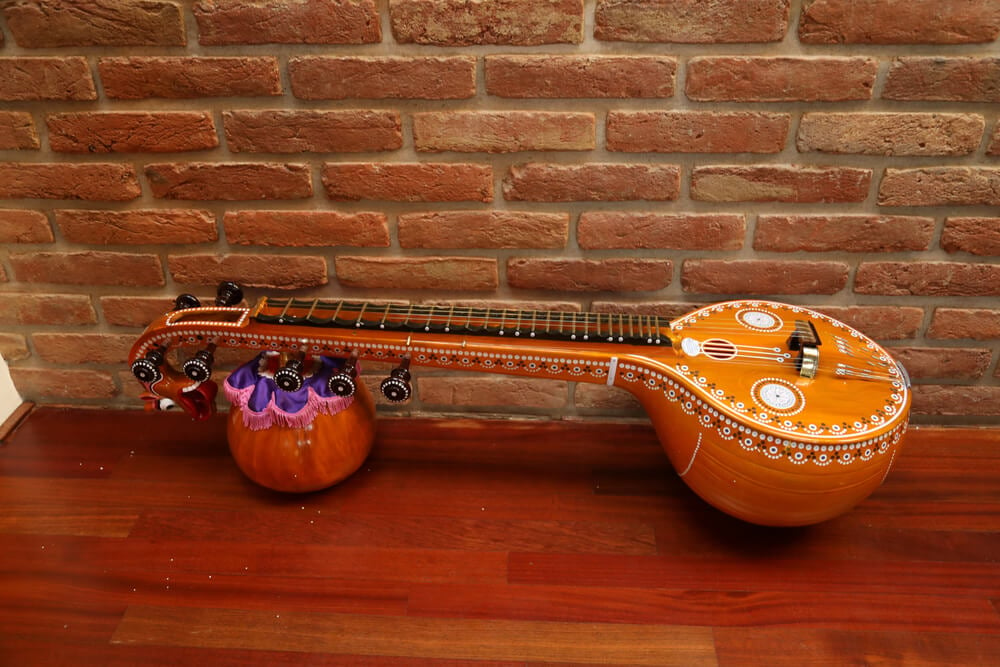
The sitar developed in the Indian subcontinent by around the thirteenth century, evolving over subsequent generations into the elaborate instrument recognized today, with sympathetic strings that vibrate on their own to create its distinctive resonant drone. A skilled sitar has as many as twenty strings, only a handful of which the player actually plucks.
Its adoption by Western rock musicians in the 1960s introduced it to global audiences, but the instrument’s deep tradition in Hindustani classical music long predates that crossover moment.
Djembe
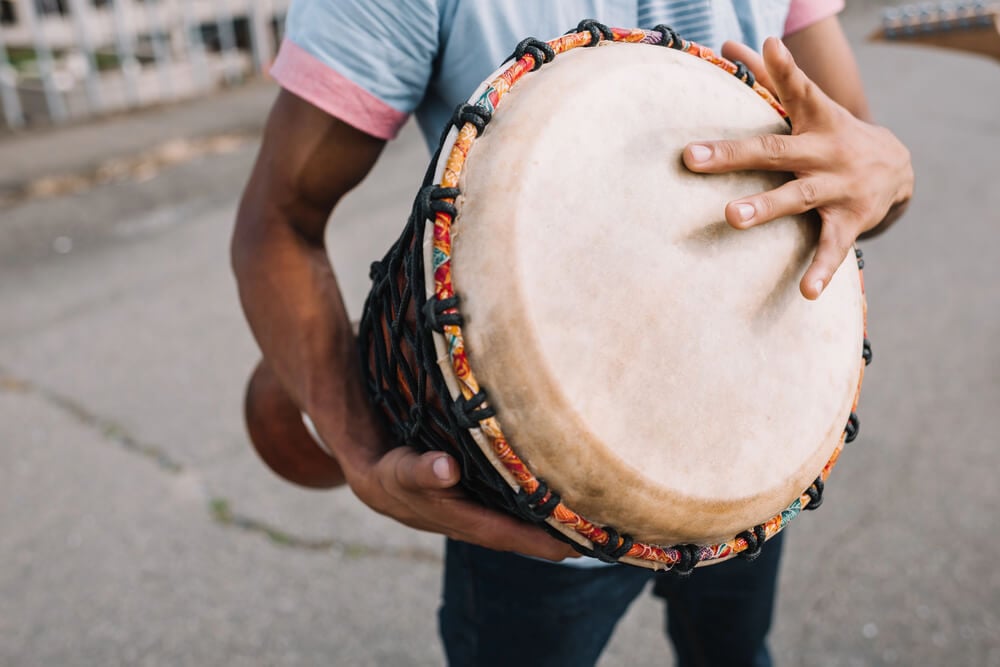
The djembe originated with the Mandinka people of West Africa, with oral tradition tracing its history back roughly eight hundred years to the founding of the Mali Empire. Traditionally carved from a single piece of hardwood and topped with goat skin, the drum is designed to produce three distinct tones depending on where and how it is struck.
It was historically played at specific community events, including harvests and naming ceremonies, rather than treated as a general-purpose instrument. Its global popularity as a workshop and classroom drum is a relatively recent development layered onto a much older tradition.
Bagpipes

Depictions of bag-and-pipe instruments appear in sources from ancient Rome and the Middle East, though the specific Great Highland Bagpipe associated with Scotland took its recognizable form by the sixteenth century. The instrument requires the player to maintain continuous air pressure in the bag using arm pressure while breathing separately through a blowpipe, a coordination skill that typically takes years to master.
Bagpipes were historically used to rally troops in battle, loud enough to be heard over the noise of combat. Regional bagpipe traditions exist across Europe, the Middle East, and North Africa, each with distinct construction and tuning.
Didgeridoo

The didgeridoo is used by Aboriginal peoples in northern Australia and is considered one of the oldest wind instruments still played in its original form, with some estimates placing its use at over a thousand years, drawing on termite-hollowed eucalyptus branches. Players use a technique called circular breathing, exhaling through the mouth while simultaneously inhaling through the nose, to produce the instrument’s unbroken drone.
Traditional instruments were often decorated with designs specific to the maker’s community and were not treated as interchangeable objects. Its use remains tied to ceremonial and storytelling contexts in many Aboriginal communities today.
Koto
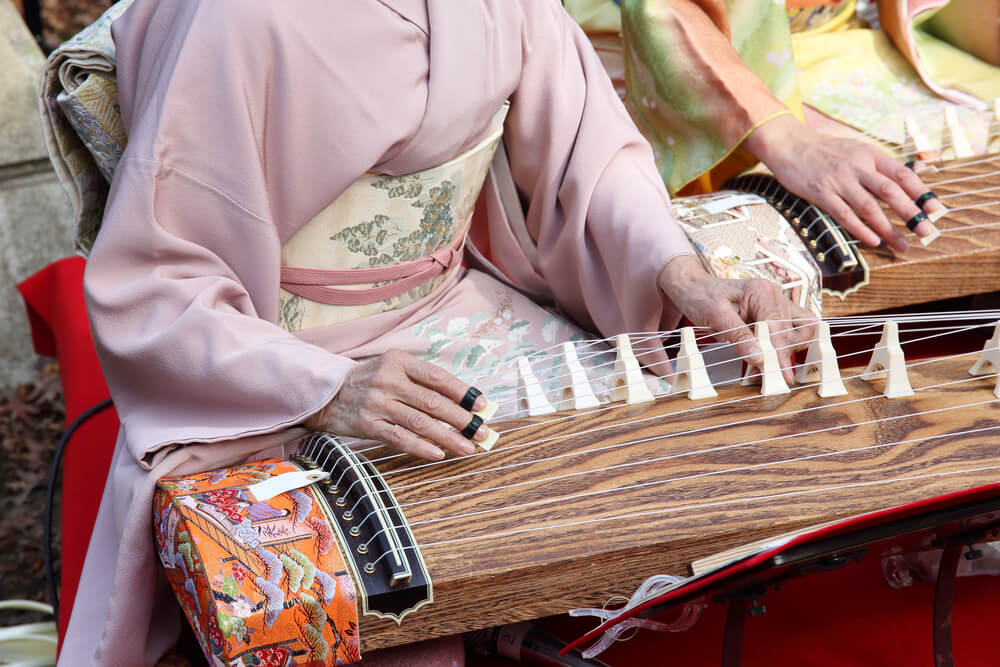
The koto arrived in Japan from China around the seventh century and was gradually adapted into a distinctly Japanese instrument over the following centuries, eventually settling into its standard thirteen-string form. Players use ivory or plastic picks worn on three fingers to pluck the strings, which rest over movable bridges that allow retuning between pieces.
It was historically associated with court and later merchant-class music, and became a common instrument for young women of certain social classes to learn during the Edo period. The koto remains a core instrument in traditional Japanese ensemble music today.
Erhu
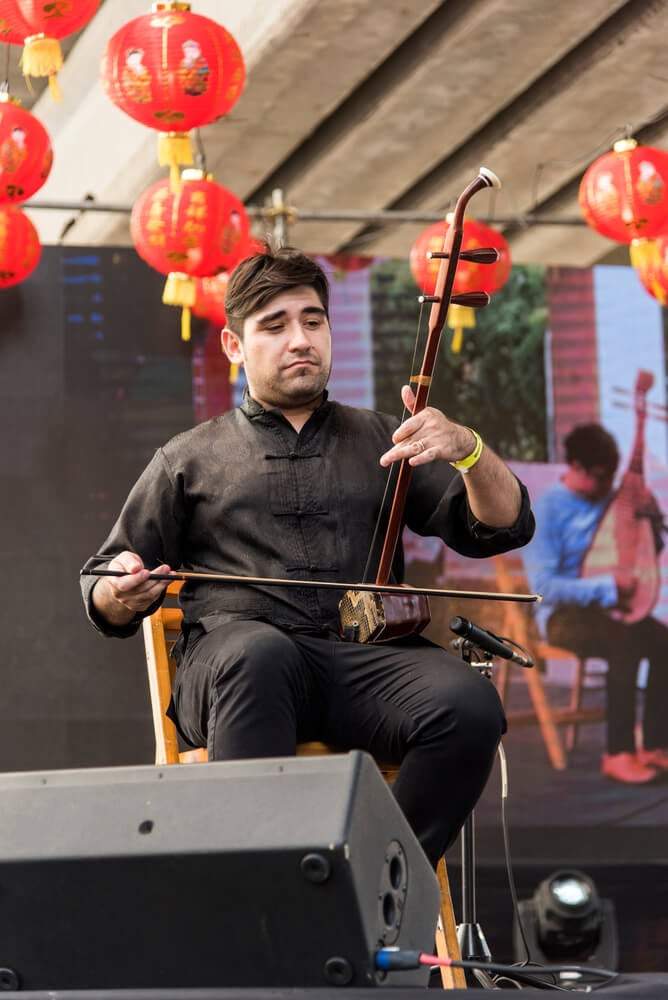
The erhu is a two-stringed bowed instrument that developed in China by around the tenth century, likely introduced from Central Asian nomadic cultures before being adapted into Chinese musical tradition. Unlike a violin, its bow hair passes between the two strings rather than above them, meaning the bow cannot be removed from the instrument without disassembly.
Its sound is often described as closely resembling the human voice, which has made it a favored instrument for expressive solo melodies in Chinese opera and folk music. It remains one of the most widely taught traditional instruments in China today.
Shamisen
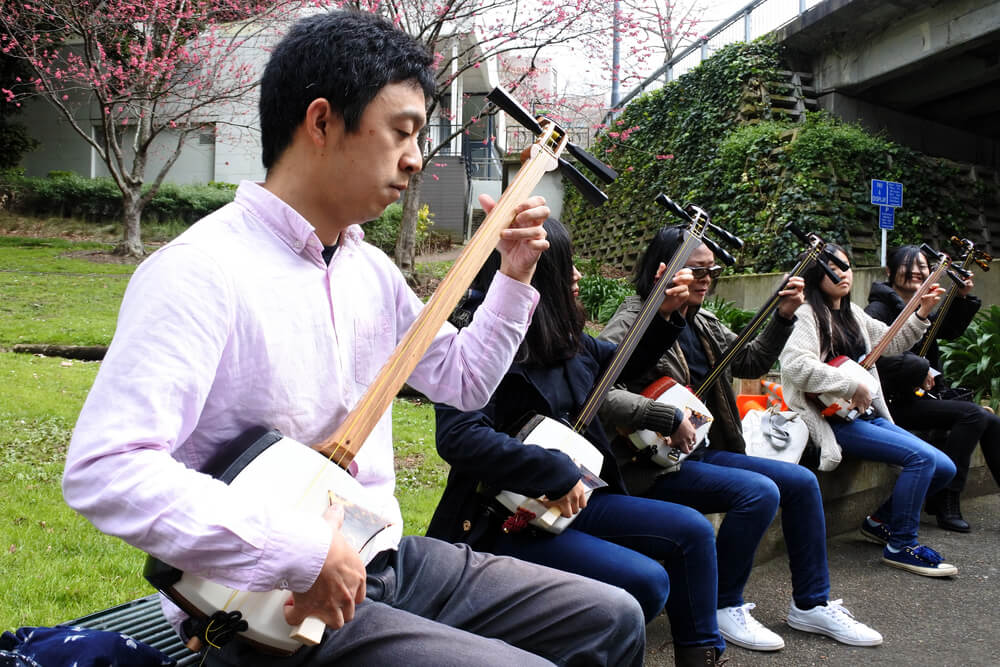
The shamisen arrived in Japan in the sixteenth century, adapted from a Chinese instrument that had itself passed through the Ryukyu Islands before reaching the mainland. Its body is traditionally covered with stretched animal skin, and it is played with a large plectrum called a bachi rather than fingers.
The instrument became closely associated with kabuki theater and geisha entertainment during the Edo period, and blind musicians historically played a significant role in developing and preserving its repertoire. It remains central to several traditional Japanese performing arts today.
Oud
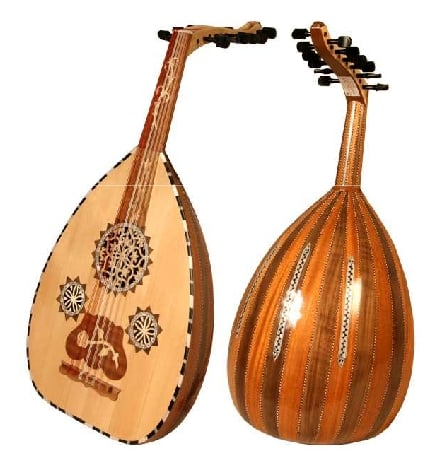
The oud is a pear-shaped, fretless stringed instrument with roots across the Middle East and North Africa extending back well over a thousand years, and it is widely considered an ancestor of the European lute. Its lack of frets allows players to produce the subtle microtonal slides central to Arabic maqam music, a level of pitch control fretted instruments cannot easily replicate.
The instrument’s name is the likely source of the word “lute” itself, borrowed into European languages through Arabic. It remains a foundational instrument across classical and popular music throughout the Arab world.
Balalaika
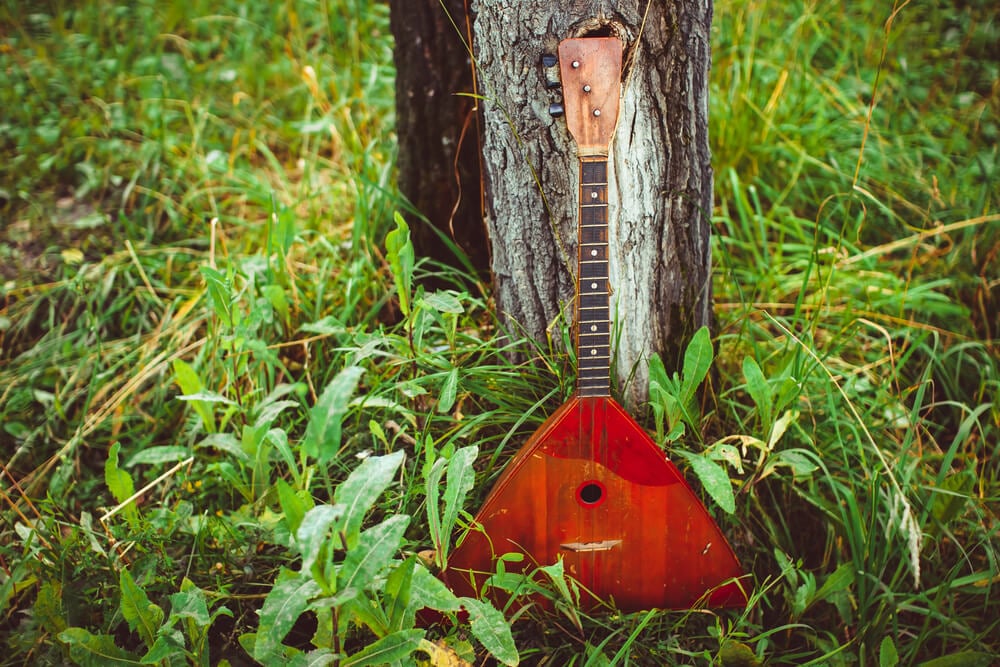
The balalaika, with its distinctive triangular body, has been documented in Russia since at least the seventeenth century, though its exact origins are debated among instrument historians. It comes in several sizes, from a small treble instrument to a large contrabass version played resting on the floor.
Tsarist authorities reportedly banned the instrument at points in its history over concerns it was used in performances mocking the nobility. It remains closely associated with Russian folk ensembles and is often taught alongside traditional Russian folk dance.
Accordion
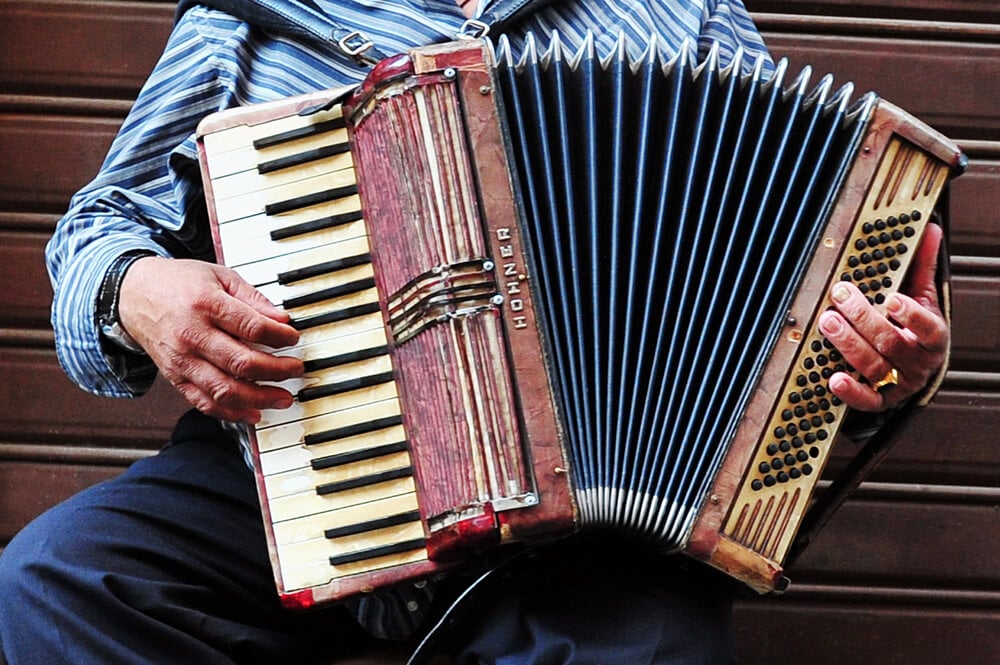
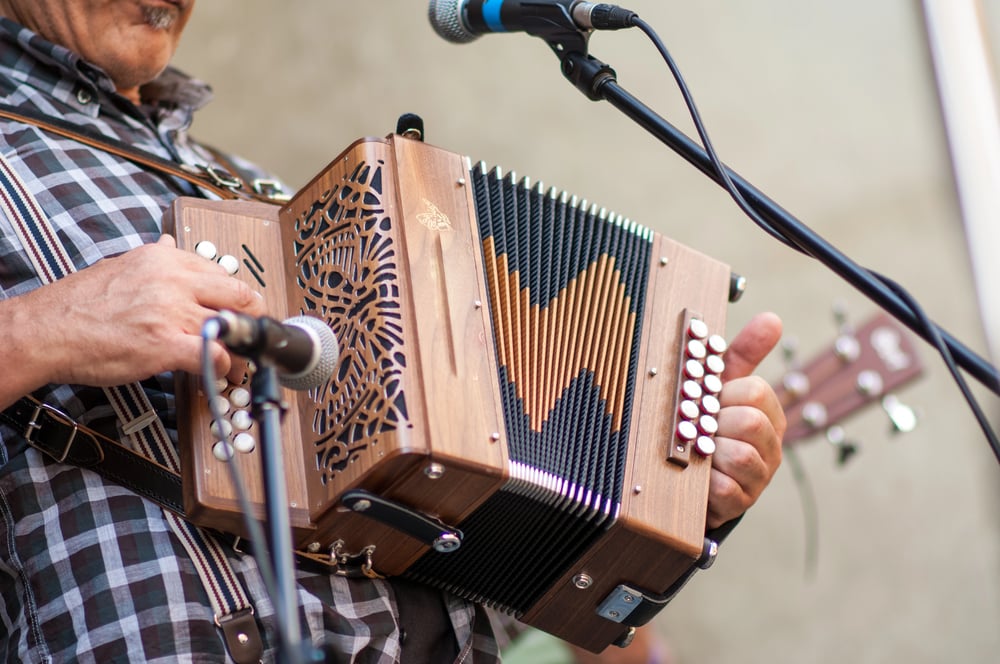
The modern accordion was patented in Vienna in 1829, though its bellows-and-reed mechanism drew on earlier free-reed instruments developed in Asia centuries before. Its portability made it a favorite instrument for traveling musicians across Europe, and it was later carried by immigrant communities into distinct regional traditions in Louisiana, Texas, and Latin America.
Each of those traditions developed its own playing style and repertoire largely independent of the others. The instrument remains central to genres as different as French musette, Tejano conjunto, and Argentine tango.
Banjo
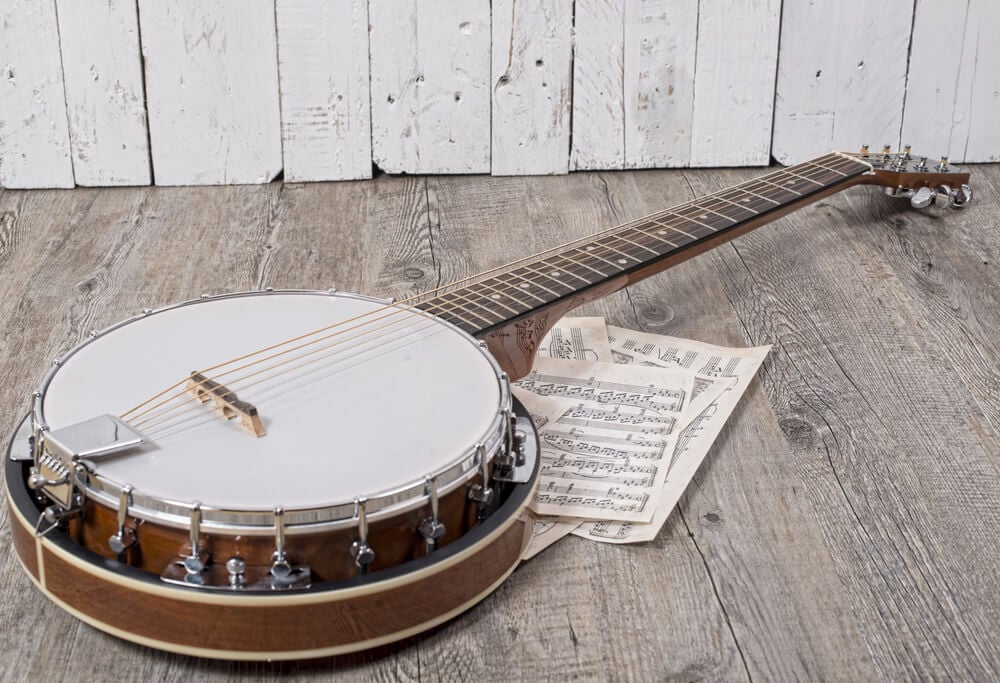
The banjo’s origins trace to instruments built by enslaved Africans in the American colonies, adapting West African stringed instrument designs using gourds and animal skin. It became closely associated with American minstrel shows in the nineteenth century, a painful chapter of its history that the instrument’s own historians have worked to document honestly.
By the twentieth century it had become central to bluegrass and old-time Appalachian music, genres shaped substantially by its distinctive rolling picking style. Its five-string design, with a short extra string tuned higher than the others, remains one of its most recognizable features.
Harmonica
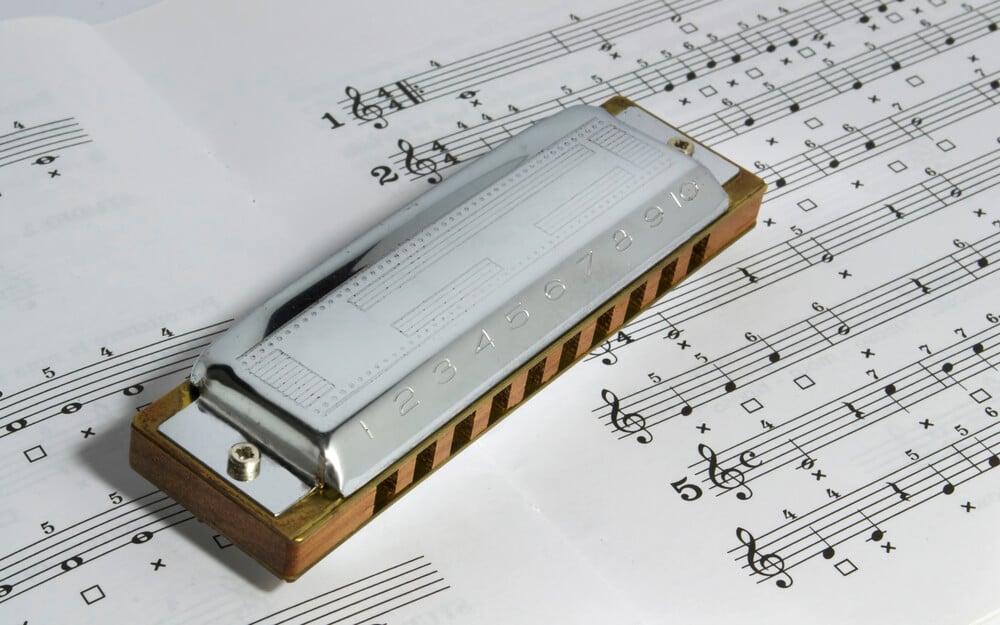
The harmonica was developed in Germany in the early nineteenth century, building on free-reed principles similar to those behind the accordion. Its compact size made it one of the most widely distributed instruments in history, cheap enough to be issued to soldiers during both World Wars as a morale-boosting item.
It became foundational to American blues music, where players developed techniques to bend individual notes far outside the instrument’s basic tuning. Despite having no keys or valves, a skilled player can produce a remarkably wide range of expressive tone.
Pan Flute
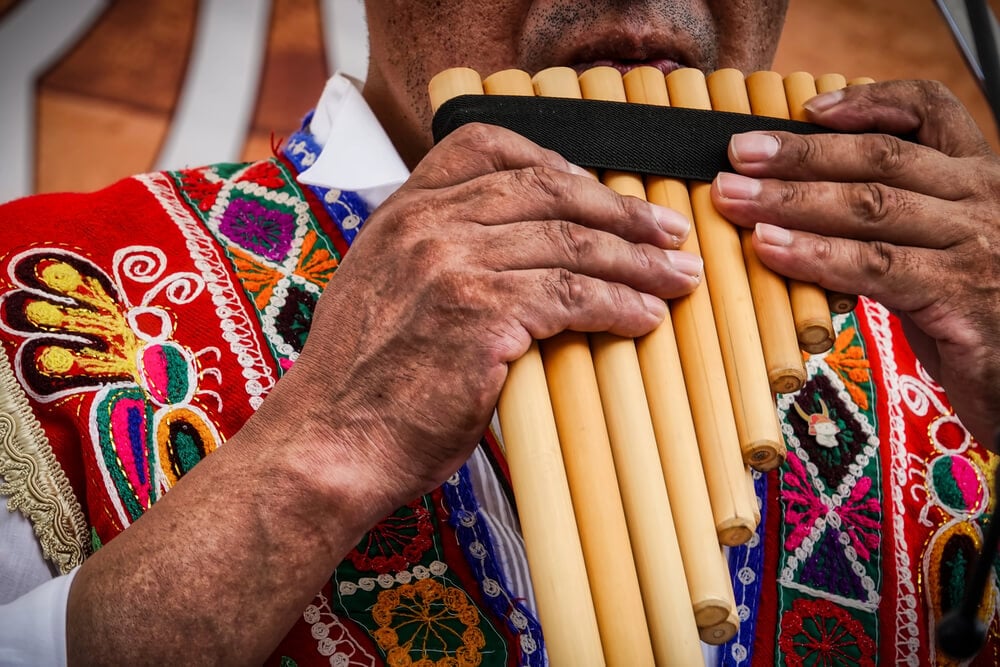
Pan flutes, made from bundles of tuned pipes closed at one end, have been found at archaeological sites across the Andes dating back well over two thousand years, long predating European contact with the region. Traditional Andean panpipe ensembles often split a single melody across two interlocking sets of pipes played by different musicians, a technique requiring tight coordination between players.
Similar instruments developed independently in ancient Greece, China, and parts of Africa, suggesting the basic design was discovered repeatedly across unconnected cultures. Andean panpipe traditions remain actively performed at festivals throughout South America today.
Steelpan
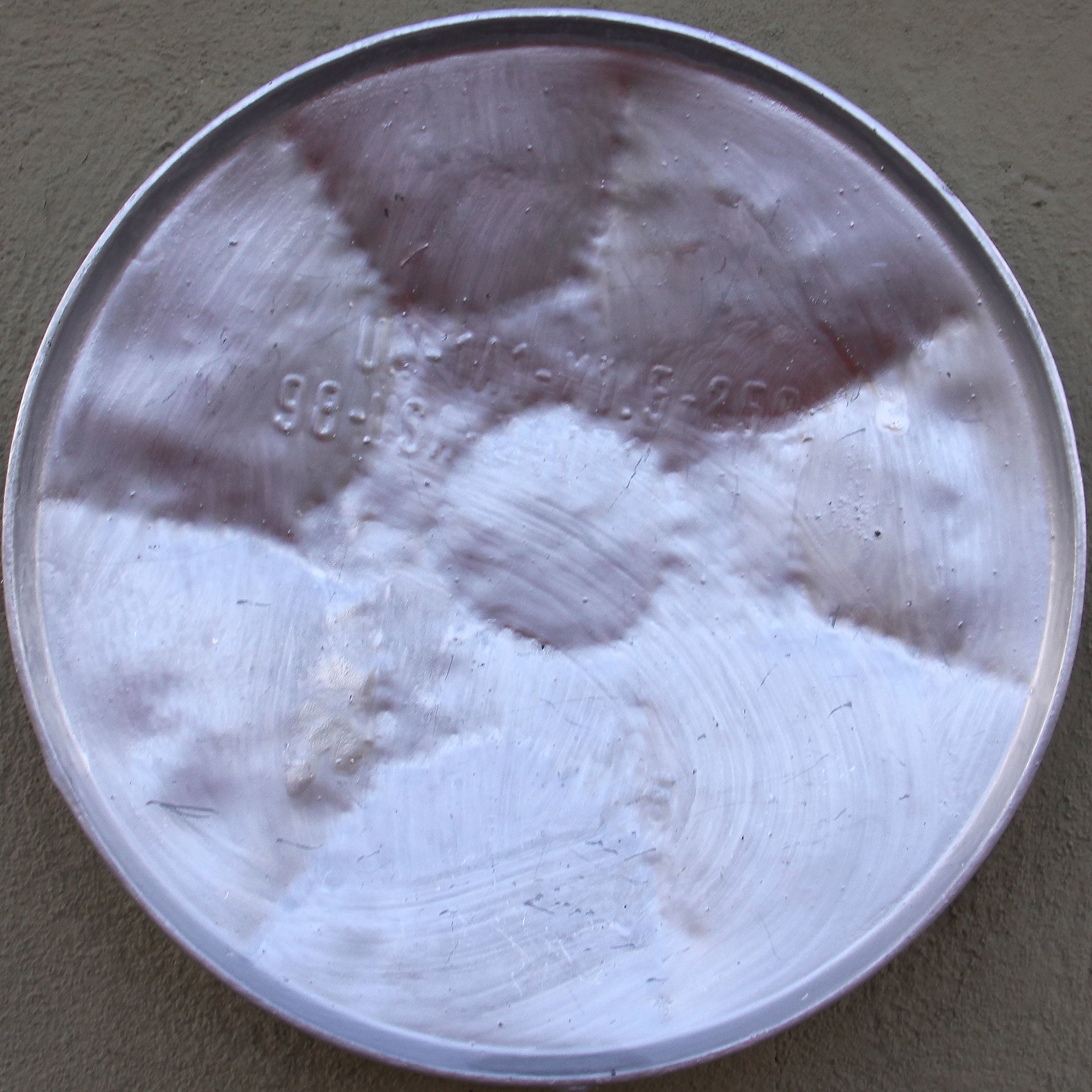
The steelpan was developed in Trinidad and Tobago in the 1930s and 1940s, built by musicians who reshaped discarded oil drums after colonial authorities banned traditional drumming following unrest. What began as an improvised, even illegal, instrument became a source of enormous national pride within a couple of generations.
Tuning a steelpan by hand requires hammering the metal surface into precisely shaped sections, a skill passed down through apprenticeship rather than formal instruction. It remains the only widely used acoustic instrument invented in the twentieth century to become a national instrument.
Guqin
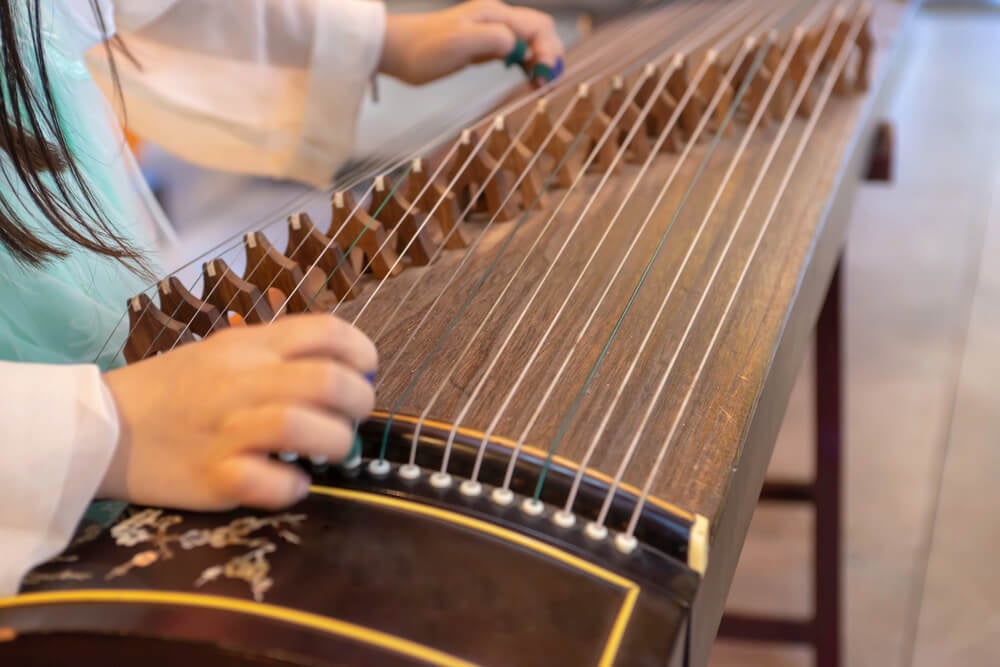
The guqin is a seven-string plucked instrument with a documented history in China stretching back roughly three thousand years, making it one of the oldest continuously played instruments in the world. It was historically considered an instrument for scholars and philosophers rather than professional entertainers, closely tied to Confucian ideals of self-cultivation.
Its playing technique involves an elaborate system of sliding and harmonic notes that produces a quiet, introspective sound meant for intimate settings rather than large audiences. UNESCO recognized guqin music as Intangible Cultural Heritage in 2003.
Tabla
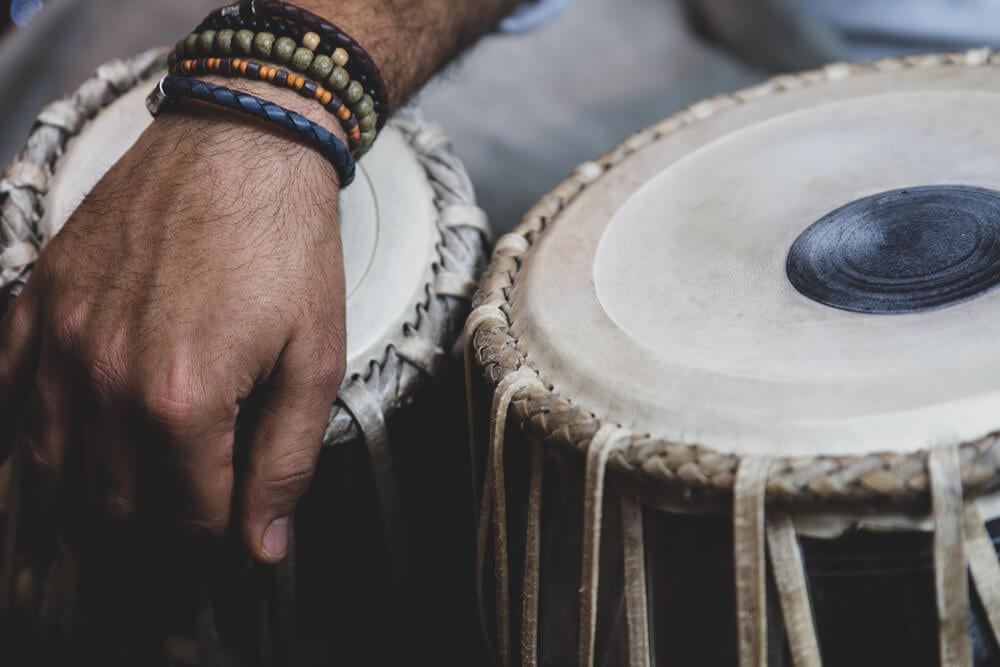
The tabla, a pair of hand drums central to Hindustani classical music, took its current paired form by around the eighteenth century, though drumming traditions in the Indian subcontinent extend much further back. Each of the two drums produces a different pitch range, and players use a complex vocabulary of spoken syllables, called bol, to memorize and teach specific rhythmic patterns before ever touching the drum.
Learning to speak a rhythm accurately is traditionally considered a prerequisite to playing it correctly. The instrument remains central to both classical performance and popular Indian film music today.
Bodhrán
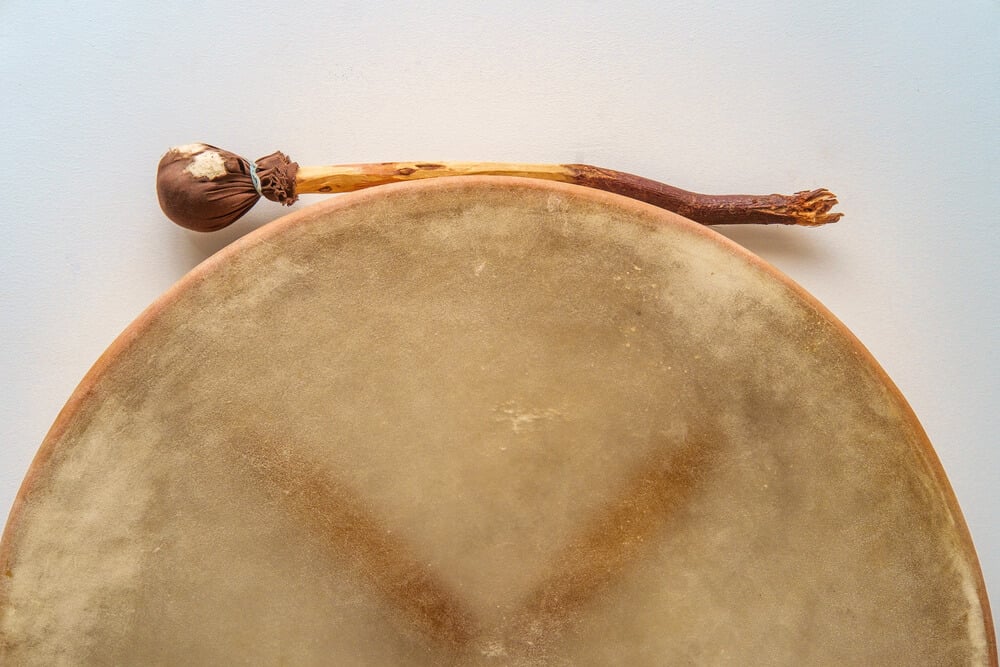
The bodhrán, a frame drum central to Irish traditional music, has folk origins that likely extend back centuries, though its standardized modern form and widespread use in performance dates mostly to the twentieth century. It is played with a double-headed stick called a tipper or cipín, and skilled players use their free hand against the drumhead to control pitch and tone while playing.
Its relatively recent rise to prominence in Irish sessions has made it something of a debated addition among traditionalists, even as it has become one of the most recognizable instruments in Irish folk music worldwide.
Hurdy-Gurdy
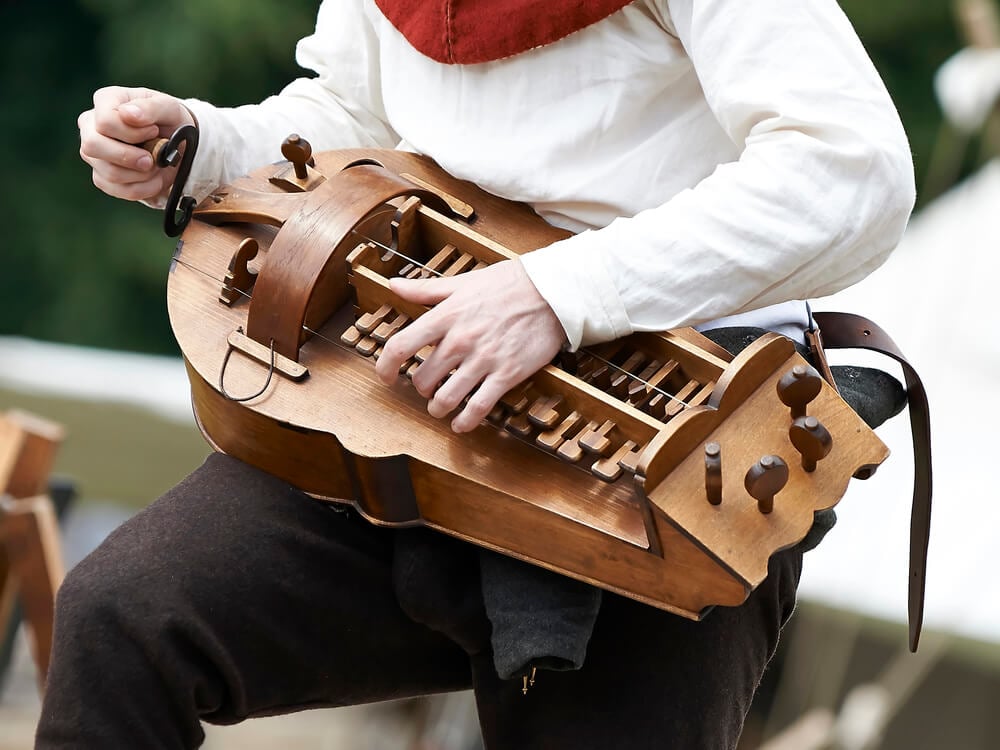
The hurdy-gurdy has been documented in Europe since at least the eleventh century, originally built large enough to require two players before evolving into a smaller solo instrument by the late medieval period. It produces sound through a hand-cranked wheel that acts like a continuous violin bow across its strings, while a keyboard mechanism stops the strings to change pitch.
The instrument fell in and out of fashion repeatedly over the centuries, moving between courtly favor and folk obscurity multiple times. It remains actively played in French and other European folk traditions today.
Kora
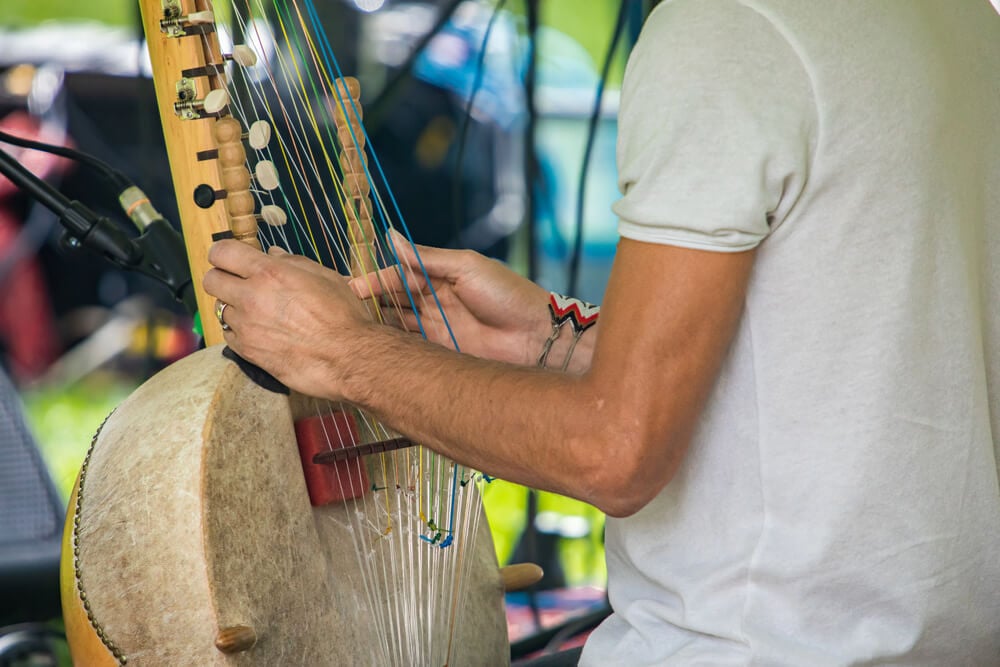
The kora developed among the Mandinka people of West Africa, with oral tradition placing its origins several centuries ago, built from a large calabash gourd covered in cowhide with twenty-one strings running along a tall wooden neck. It is traditionally played only by members of specific hereditary musician families, known as griots or jalis, who also serve as oral historians for their communities.
A griot’s role historically combined musician, genealogist, and advisor to local leaders into a single position passed down within families. The kora remains central to West African griot tradition today.
Mbira
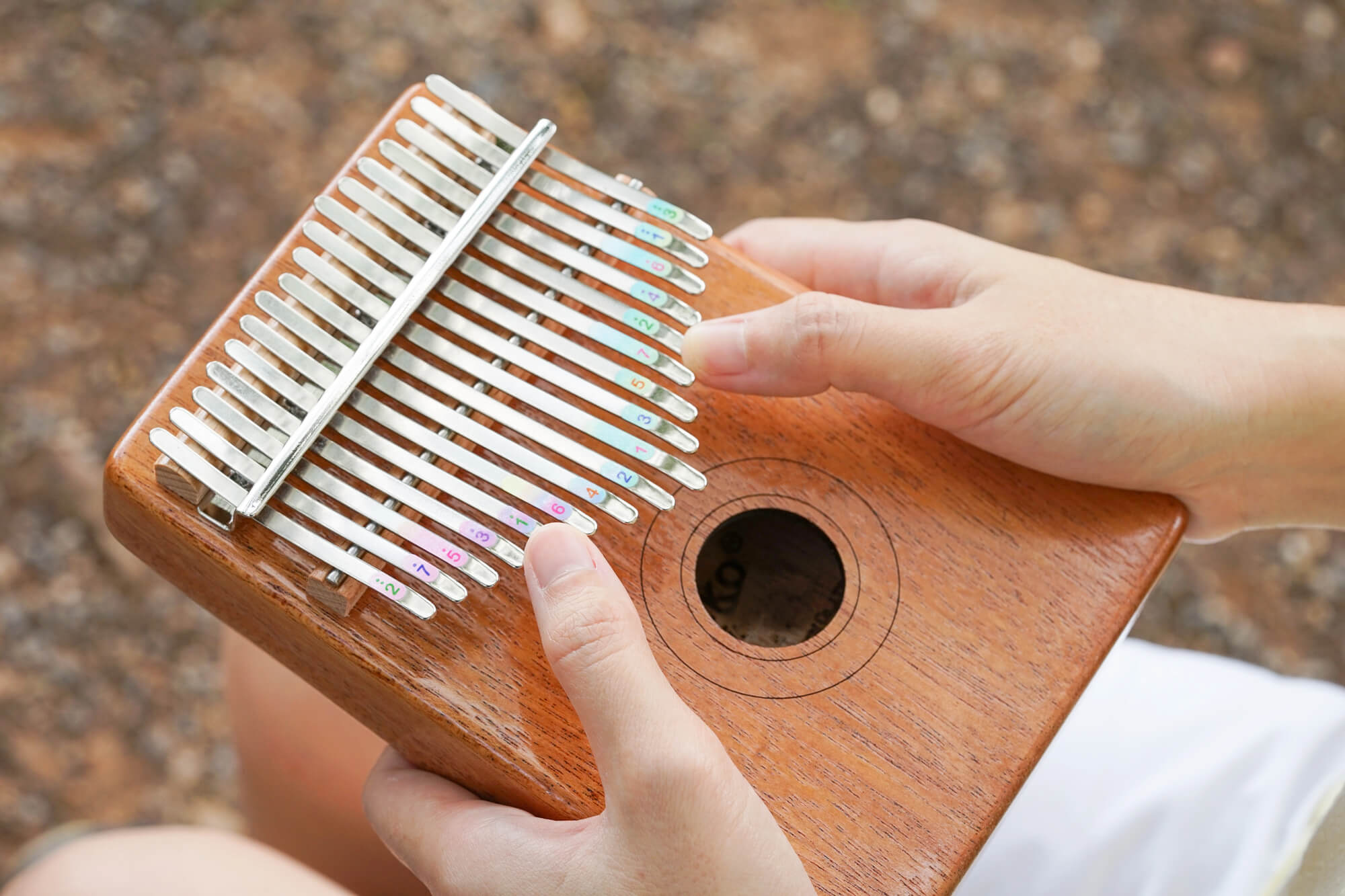
The mbira, a thumb piano built from metal tines mounted on a wooden board, has been played by the Shona people of Zimbabwe for well over a thousand years, often inside a resonating gourd to amplify its sound. It is traditionally used in ceremonies intended to communicate with ancestral spirits, and specific repertoire pieces are considered sacred rather than casual entertainment.
Small metal rings or bottle caps are often attached to the instrument’s resonator specifically to add a buzzing overtone considered essential to its proper sound. It remains central to Shona spiritual and cultural practice today.
Bandoneon
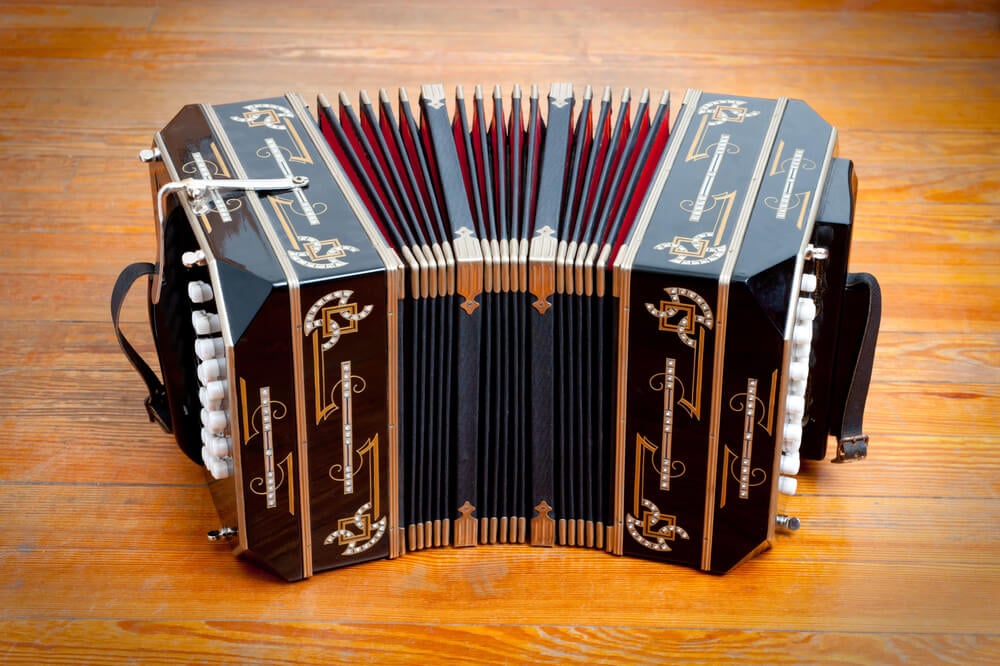
The bandoneon was developed in Germany in the mid-nineteenth century as a portable substitute for the church organ in small congregations that could not afford one. German sailors and immigrants carried it to Argentina and Uruguay, where it was adopted almost entirely by tango musicians and became the genre’s defining instrument within a few decades.
Its buttons produce different notes depending on whether the bellows are being pushed or pulled, a system that makes it notoriously difficult to master. Ironically, the instrument is now more strongly associated with Argentina than with the country where it was invented.
Ukulele

The ukulele developed in Hawaii in the 1880s, adapted by local craftsmen from small guitar-like instruments brought by Portuguese immigrants working in the islands’ sugar plantations. Hawaiian royalty, including King Kalākaua, embraced the instrument and helped popularize it as a symbol of Hawaiian musical identity.
Its small size and simple four-string tuning made it one of the easiest stringed instruments for beginners to learn, contributing to periodic waves of mainland popularity across the twentieth century. It remains central to Hawaiian music while also serving as an entry-level instrument for beginning musicians worldwide.
Cello
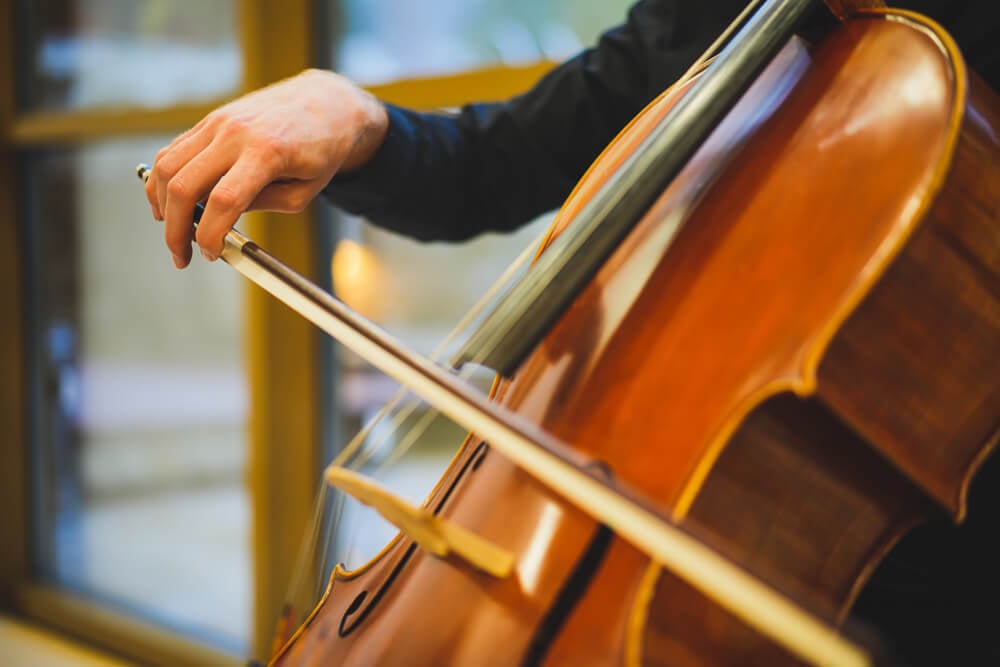
The cello emerged in Italy in the early sixteenth century as part of the same family of instruments that produced the violin, developed specifically to cover the bass and tenor range that the smaller instrument could not reach. Its size required players to develop an entirely different bowing and fingering technique from violin players, treating it as a distinct discipline rather than simply a larger version of the same instrument.
Bach’s six suites for solo cello, written in the early eighteenth century, remain a central test of technical and interpretive skill for professional cellists. The instrument’s warm tonal range has kept it central to orchestral, chamber, and solo repertoire for centuries.
Ney
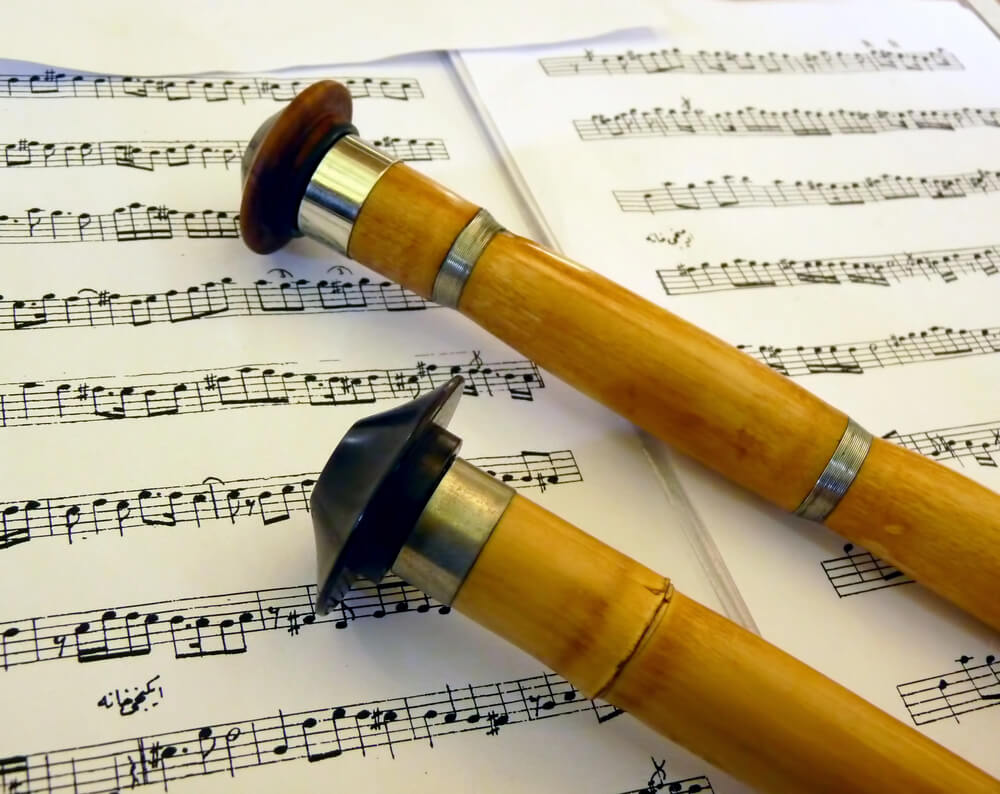
The ney, an end-blown reed flute, has been documented across the Middle East and Central Asia for several thousand years, with depictions appearing in ancient Egyptian tomb paintings among the earliest known evidence of any wind instrument. It has no mouthpiece, requiring players to shape their lips precisely against the open end of the reed to produce sound, a technique that can take years to master fully.
The thirteenth-century Sufi poet Rumi opened his major work with an extended metaphor comparing the ney’s mournful tone to a soul separated from its origin. The instrument remains central to both classical Ottoman and Sufi devotional music today.
What Outlasts the Trend
None of these instruments survived by staying easy. Several of them take years just to produce a clean, controlled sound, and most demand a kind of patient apprenticeship that has little in common with how people learn music today.
What kept them alive was necessity: a community that needed this exact sound for this exact occasion, generation after generation.
That is also why so many of them resist easy modernization. A synthesizer can approximate a koto or a ney, but it cannot replace the years of embodied technique that made the original instrument mean something to the people who kept playing it.
More from Go2Tutors!

- The Romanov Crown Jewels and Their Tragic Fate
- 13 Historical Mysteries That Science Still Can’t Solve
- Famous Hoaxes That Fooled the World for Years
- 15 Child Stars with Tragic Adult Lives
- 16 Famous Jewelry Pieces in History
Like Go2Tutors’s content? Follow us on MSN.



