26 Nocturnal Animals Most People Know Nothing About
The world transforms after dark—not into emptiness, but into a thriving parallel existence where creatures most humans never encounter hunt, forage, and communicate. Nocturnal animals represent roughly 30 percent of all vertebrate species, yet most people know only a handful of names.
The night shift of the animal kingdom operates with remarkable sophistication and diversity, using specialized senses and behaviors that defy daylight conventions.
Bats: Echolocation Masters of the Sky
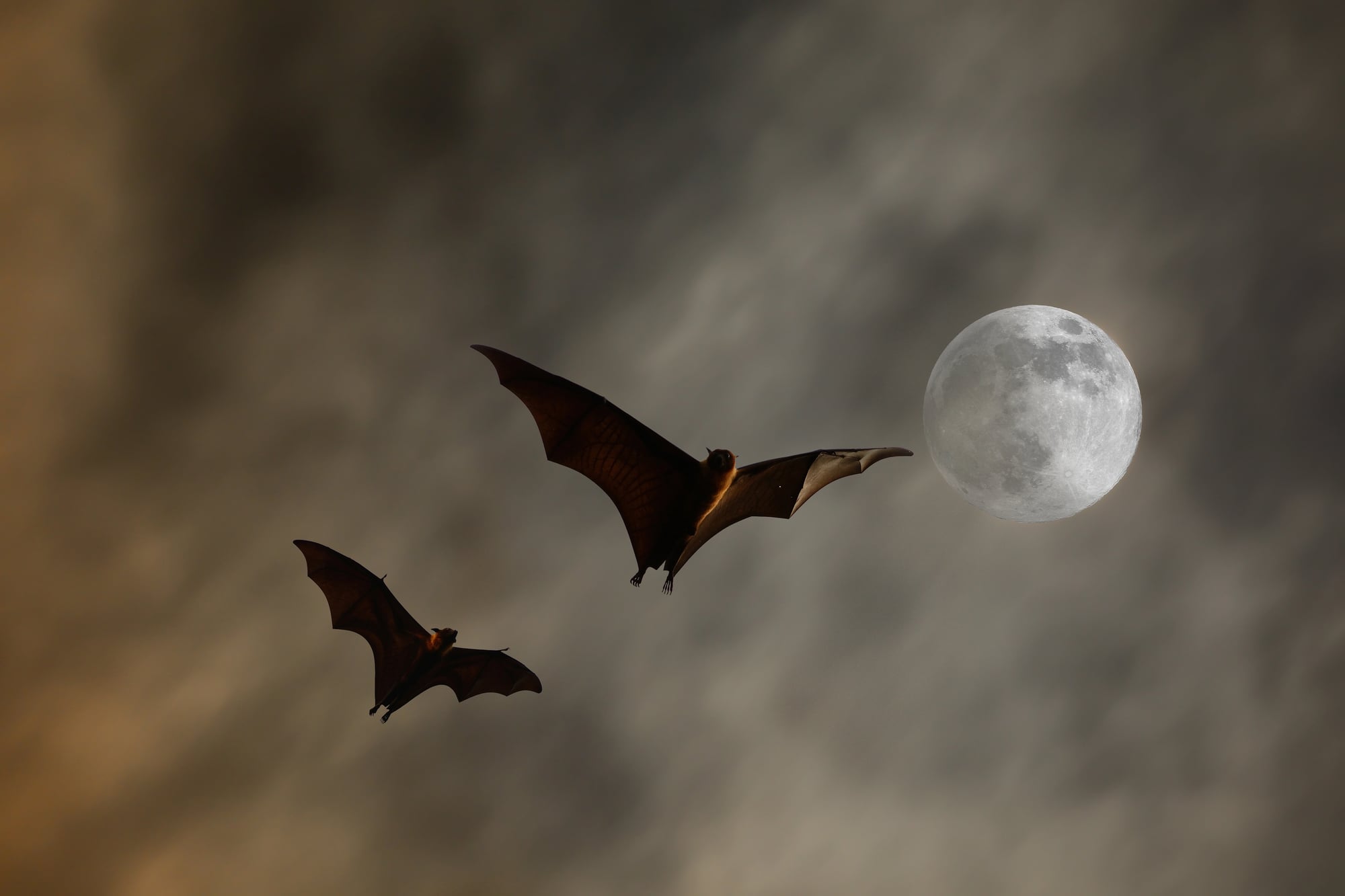
Bats comprise over 1,200 species representing nearly 20 percent of all mammal species on Earth, yet most humans never witness one in detail. These are the only mammals capable of true flight, and they navigate pitch-black caves and forests using echolocation—emitting ultrasonic calls and listening to echoes to detect objects smaller than a human hair.
Most bats are beneficial insect-eaters, with a single bat consuming hundreds of mosquitoes in a night, while others pollinate flowers and disperse seeds essential to tropical ecosystems.
Tarsiers: The Enormous-Eyed Hunters
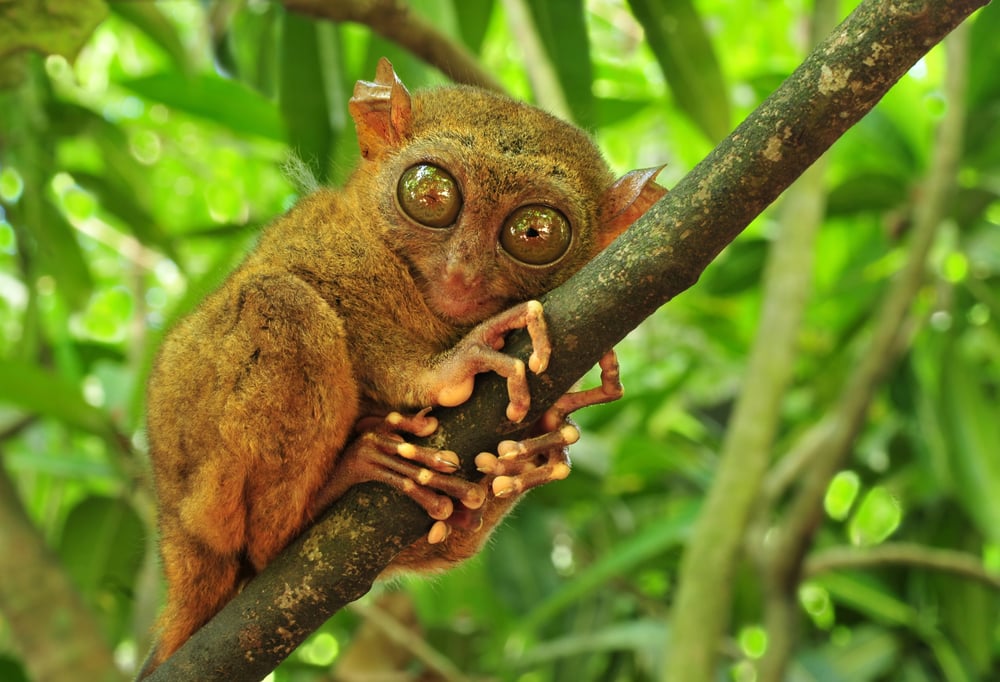
Among the world’s most unusual primates, tarsiers possess eyes larger than their brains, perfectly adapted for detecting insects in Southeast Asian forests. These tiny mammals, weighing less than two pounds, are exceptional jumpers capable of leaping distances up to 16 feet to capture prey.
Their eyes cannot move within their sockets, forcing them to rotate their heads 180 degrees to scan their surroundings, a feature that gives them an owl-like appearance despite being primates.
Galagos: The Misnamed Bush Babies
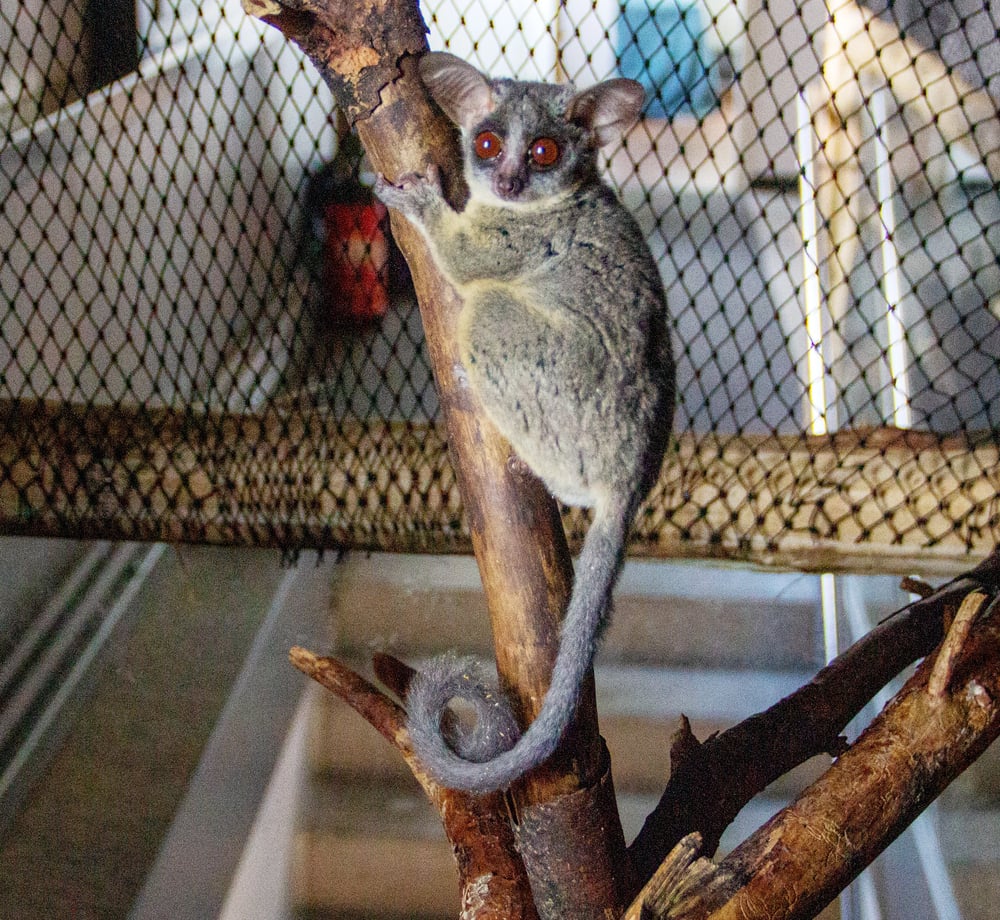
Despite their cute name derived from their child-like cries, galagos (bush babies) are fierce nocturnal primates found across sub-Saharan Africa. Equipped with large bat-like ears and enormous eyes, these small animals hunt insects with remarkable precision, navigating tree canopies using their exceptional hearing and acute night vision.
Nearly 19 distinct galago species exist, each with its own distinctive vocalization that researchers use to identify species in the field.
Aardvarks: The Termite Engineers
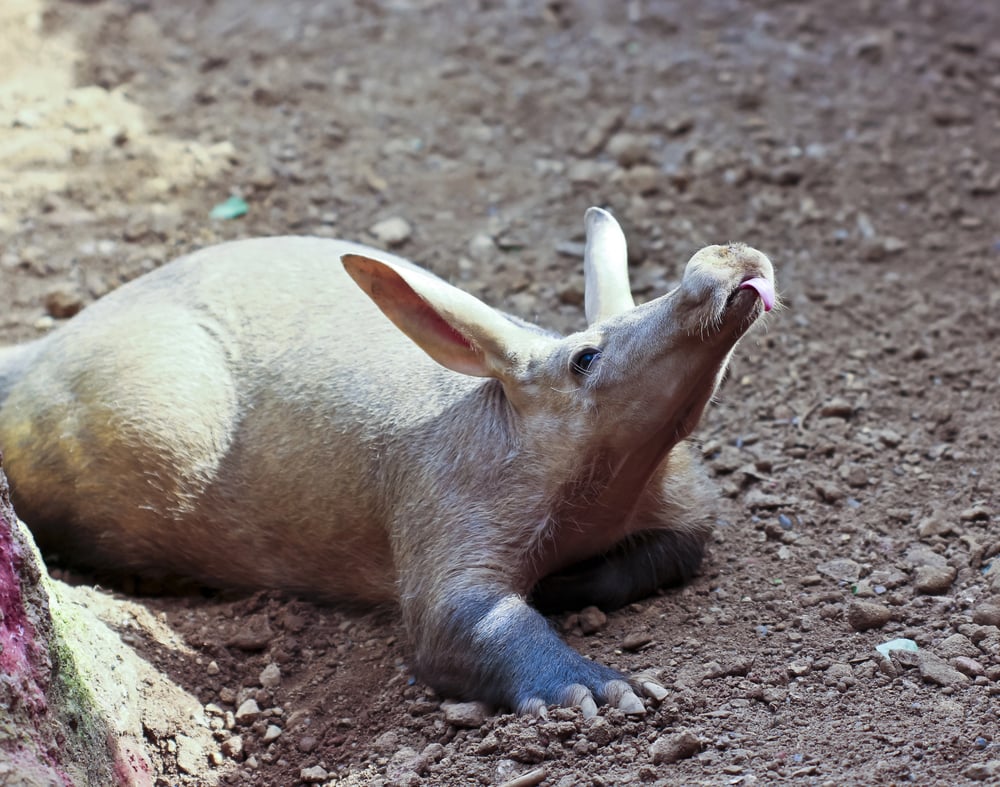
Aardvarks are among Africa’s most elusive nocturnal animals despite their large size and distinctive appearance. These mammal insect-specialists consume up to 50,000 termites and ants in a single night, using their elongated snout to locate prey by smell and their 12-inch sticky tongue to extract them from deep within nests.
Despite their pig-like appearance, aardvarks are more closely related to elephants and manatees—a reminder that taxonomy often defies appearance.
Kinkajous: The Rainforest Honey Bears

Despite their cute appearance and misleading nickname, kinkajous are often called “honey bears” for their skill at raiding beehives, though they primarily eat fruit in Central and South American rainforests. Their prehensile tails serve as a fifth limb for balance while moving through trees, and their 5-inch tongue can extend into flowers and tree cavities to access nectar and insects.
Kinkajous rarely descend to the ground and are highly social, unlike most nocturnal mammals, often foraging and sleeping in groups.
Pangolins: The Scaly Ghosts
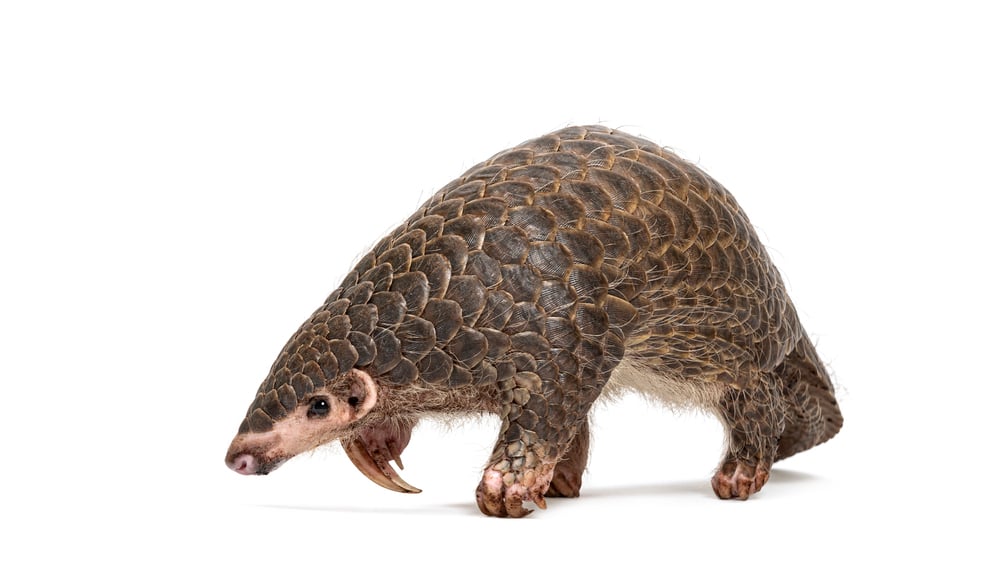
Pangolins are the world’s only mammals covered entirely in keratin scales, making them look like living pinecones as they forage through African and Asian forests at night. These solitary, shy creatures use their extremely long tongues to extract ants and termites from deep within nests, with the tongue potentially exceeding the body length.
Tragically, pangolins are the most trafficked mammals in the world, hunted for their scales and meat, making them critically endangered despite their ecological importance.
Slow Lorises: The Venomous Primates
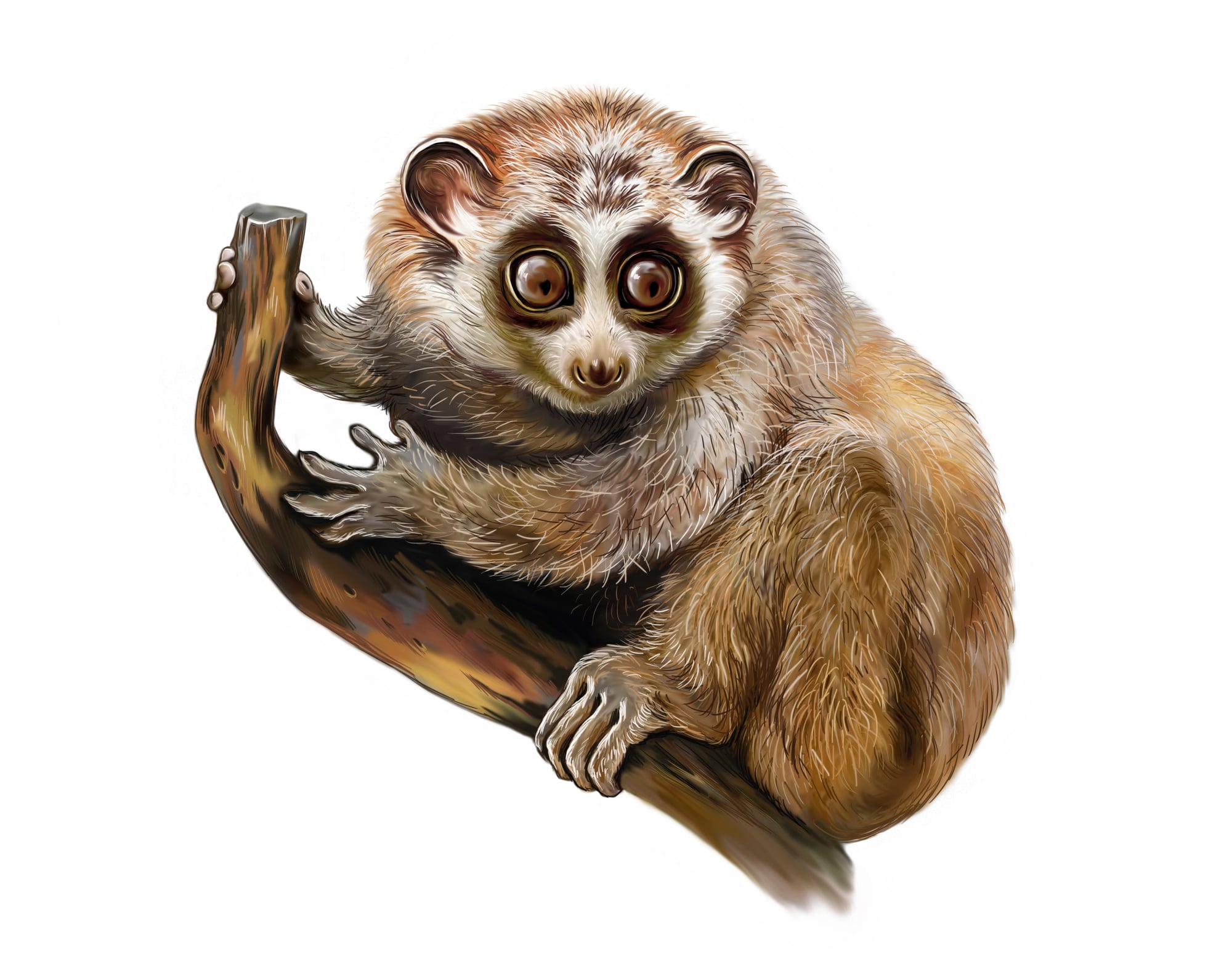
Slow lorises are among nature’s rarest nocturnal creatures—small primates with large, soulful eyes that inhabit the rainforests of Southeast Asia. These deliberate, slow-moving animals possess an extraordinary adaptation unique among primates: a venomous bite delivered through specialized glands near their elbows.
They lick these glands to mix the toxin with their saliva, creating a defense potent enough to cause anaphylactic shock in humans, yet they remain gentle, elusive creatures rarely encountered in the wild.
Aye-Ayes: Madagascar’s Phantom Foragers
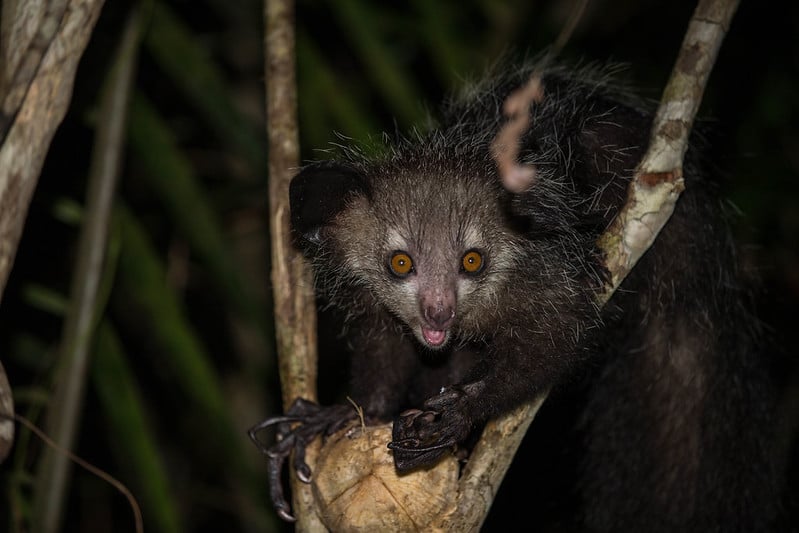
Aye-ayes are among the strangest-looking primates on Earth, with disproportionately large ears, skeletal fingers, and eyes adapted for the dark. Native only to Madagascar, these nocturnal creatures spend 80 percent of the night searching for food, using specialized claws to tap on tree bark and listen for wood-boring insects within.
Local legends branded them as harbingers of bad luck, but science reveals them as masterpieces of evolution perfectly adapted for their ecological niche.
Flying Squirrels: The Gliding Gymnasts

Flying squirrels are not technically capable of powered flight but rather glide between trees using a membrane called a patagium stretched between their front and back legs. These small, nocturnal rodents found across North America, Europe, and Asia navigate forests with remarkable precision, using their bushy tails as rudders and brakes.
The silent glide of a flying squirrel represents one of nature’s most efficient nocturnal movement strategies, allowing predator avoidance while covering significant distances between trees.
Night Monkeys: The Only Nocturnal Monkeys
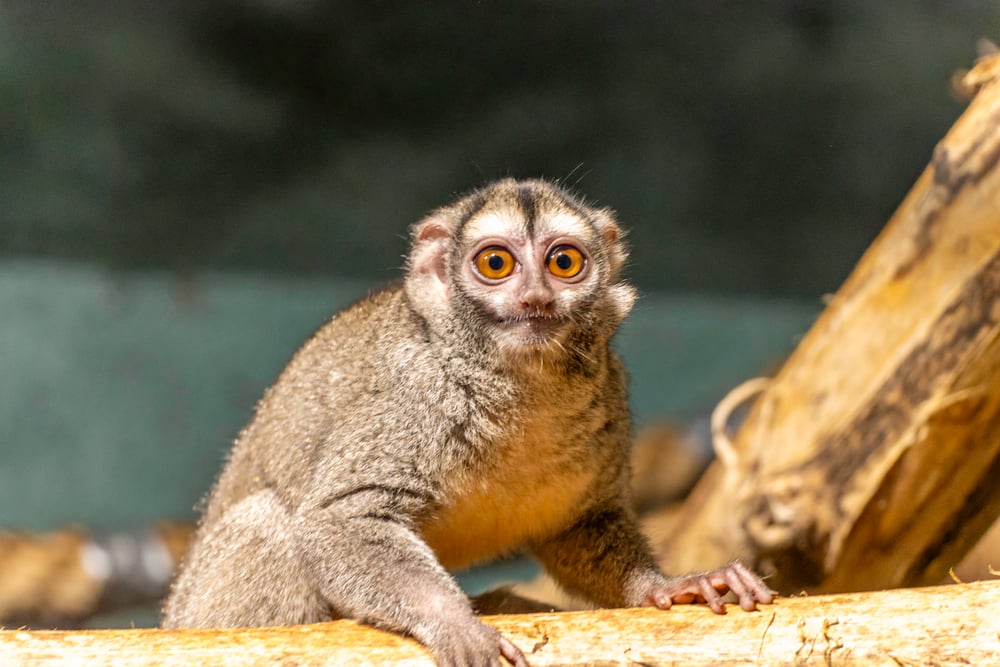
Also called owl monkeys, night monkeys are the only truly nocturnal monkeys in the world, native to Central and South American rainforests. These primates have evolved exceptionally large eyes adapted for low-light vision, giving them an unmistakable appearance resembling their namesake.
Night monkeys are highly vocal, using complex vocalizations and scent marking to navigate their environment and maintain social bonds with group members after sunset.
Jaguars: The Silent South American Predators
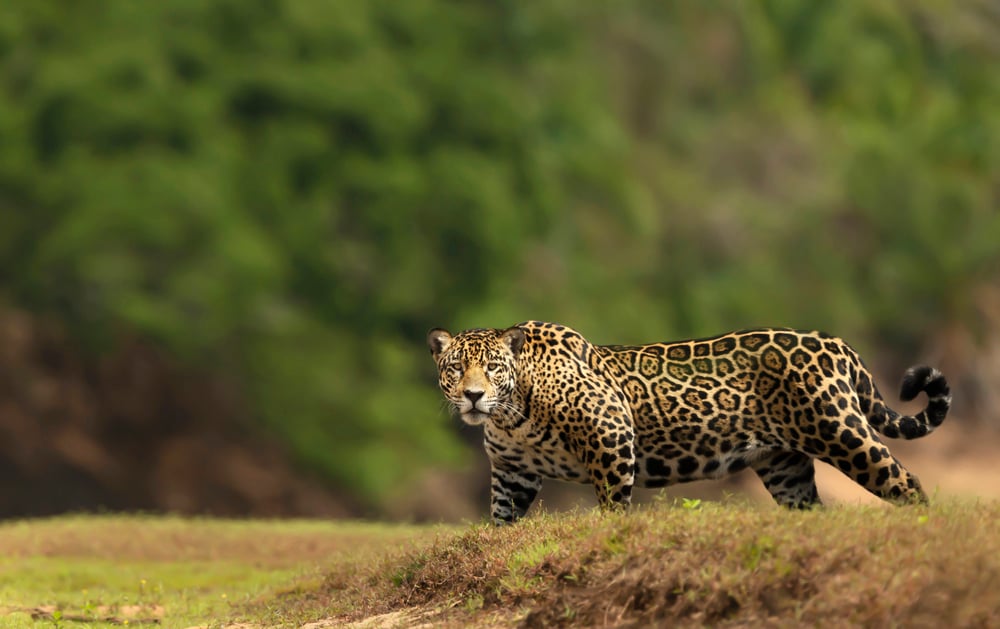
Jaguars are the largest cats in the Americas and are primarily nocturnal hunters, using darkness to stalk prey with remarkable stealth. Unlike most cats, jaguars are powerful swimmers that hunt around wetlands and rivers, with their dark spotted coat providing camouflage in moonlit shadows.
The jaguar’s bite force exceeds that of lions and tigers, yet their nocturnal nature means most humans living throughout their range never encounter one.
Leopards: The African Masters of Darkness
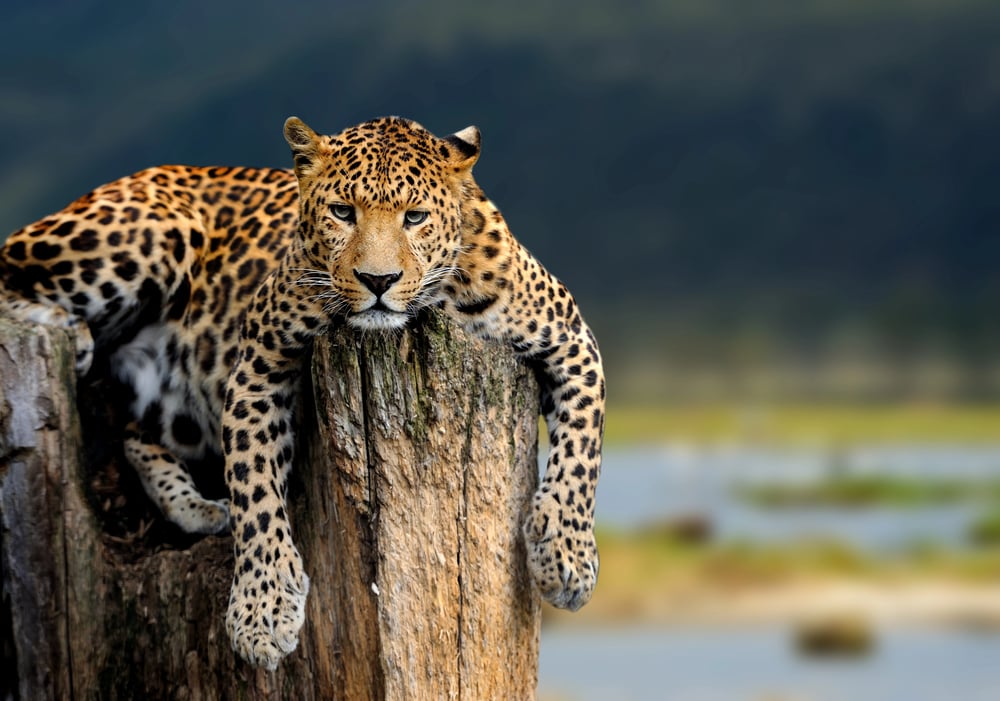
Leopards represent the most widespread wild cat species, ranging across Africa and Asia while maintaining a primarily nocturnal lifestyle. Their spotted coat, known as rosettes, provides perfect camouflage in night darkness, while specialized eye structures containing a reflective layer called a tapetum lucidum enhance their night vision.
Leopards are solitary, elusive hunters so successful at avoiding human detection that many populations remain relatively unstudied.
Tasmanian Devils: Australia’s Night Scavengers
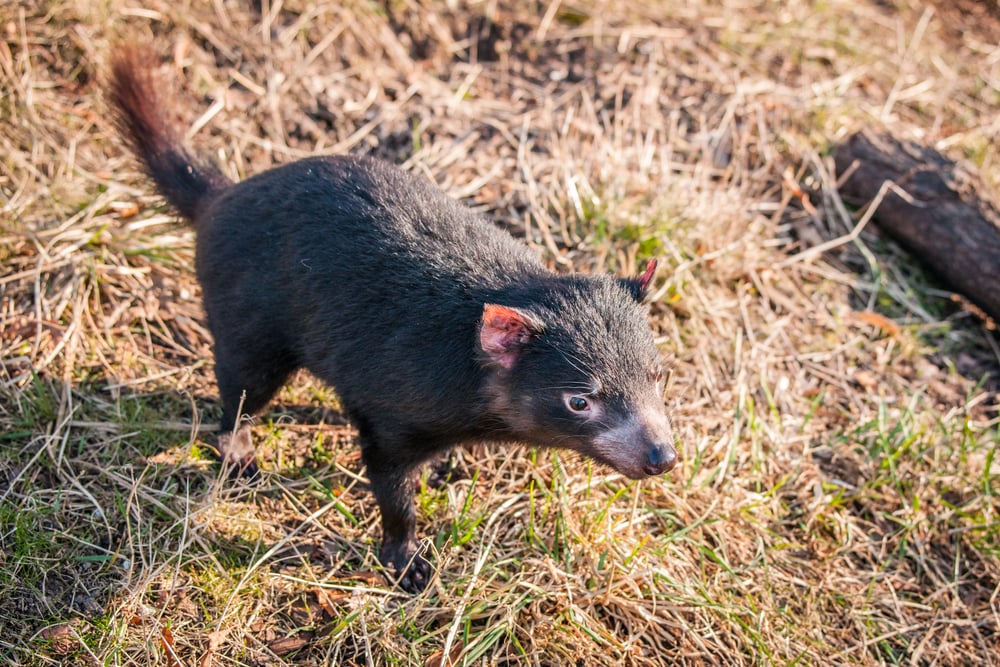
Tasmanian devils are powerful marsupials endemic to Tasmania known for their fierce nocturnal feeding behavior and distinctive growls audible for nearly a half-mile. These stocky animals are primarily scavengers with jaws strong enough to crack bone, making them nature’s cleanup crew in Australian ecosystems.
Despite their fearsome appearance and sounds, they are actually opportunistic feeders that hunt small prey and consume available carrion throughout the night.
North American Porcupines: The Spiky Foragers
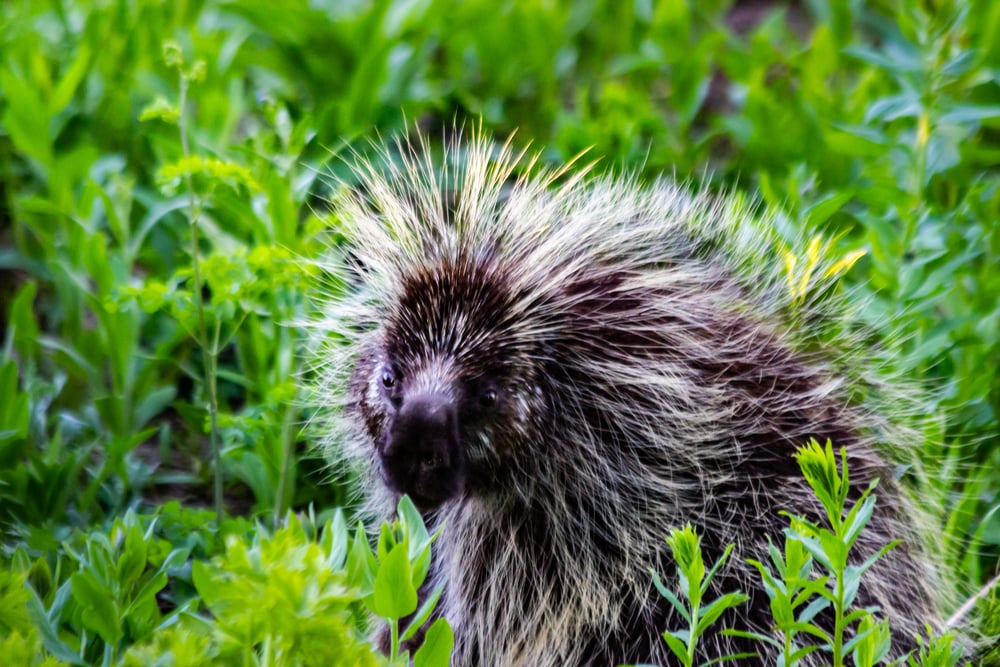
Porcupines are nocturnal rodents covered in tens of thousands of quills, each one a modified hair that detaches when touched to embed in predator skin. Contrary to popular myth, porcupines do not shoot their quills but lose them easily when attacked.
These vegetarian foragers are surprisingly arboreal, climbing trees at night to feed on bark, leaves, and twigs, making them important consumers in forest ecosystems.
Opossums: North America’s Marsupial Scavengers
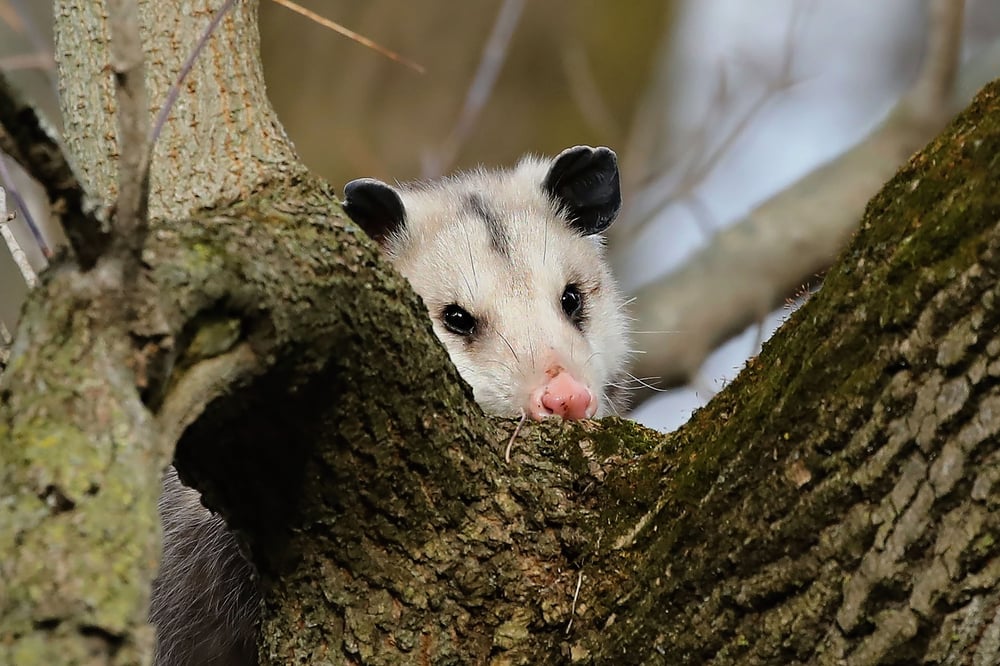
Opossums are North America’s only marsupials and are primarily nocturnal scavengers, playing a vital ecological role by consuming thousands of ticks and insects nightly. Their famous defense mechanism—playing dead or “playing possum”—involves entering a catatonic state with their mouth open, appearing dead to potential predators.
This evolved strategy, combined with their ability to survive on varied diets, has allowed opossums to thrive in diverse environments from forests to urban backyards.
Fennec Foxes: The Desert’s Tiny Night Hunters
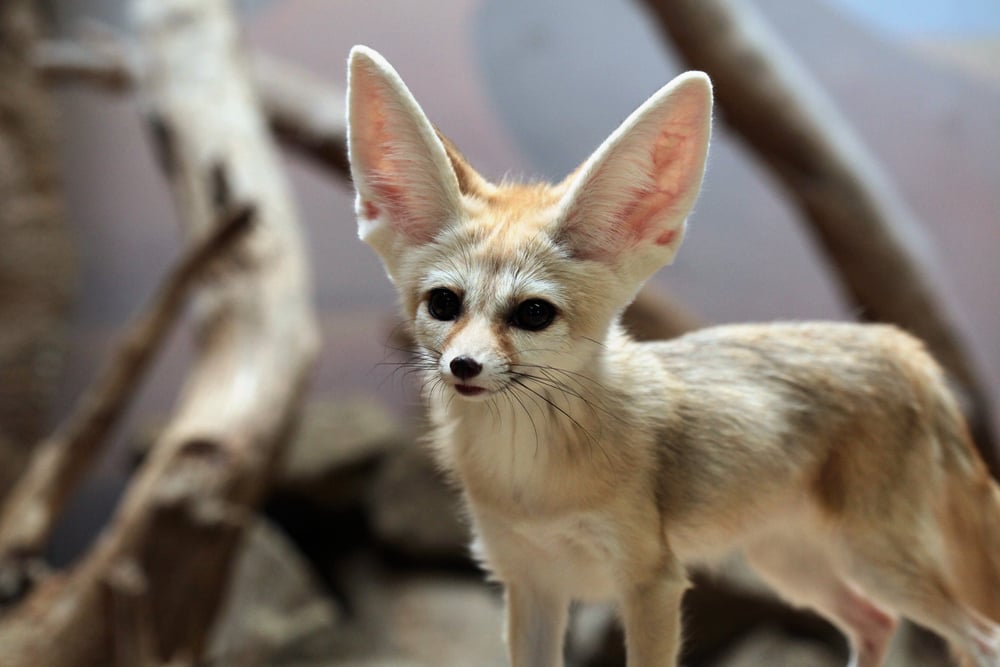
Fennec foxes are the smallest fox species with disproportionately enormous ears that serve dual purposes—dissipating heat in desert environments and detecting prey sounds from considerable distances. These North African desert dwellers are strictly nocturnal, emerging after sunset to hunt insects, small lizards, and other prey across sand dunes.
Their nocturnal behavior helps them avoid the extreme daytime heat while their large ears detect movement nearly 20 feet away.
Hyenas: Africa’s Misunderstood Night Hunters
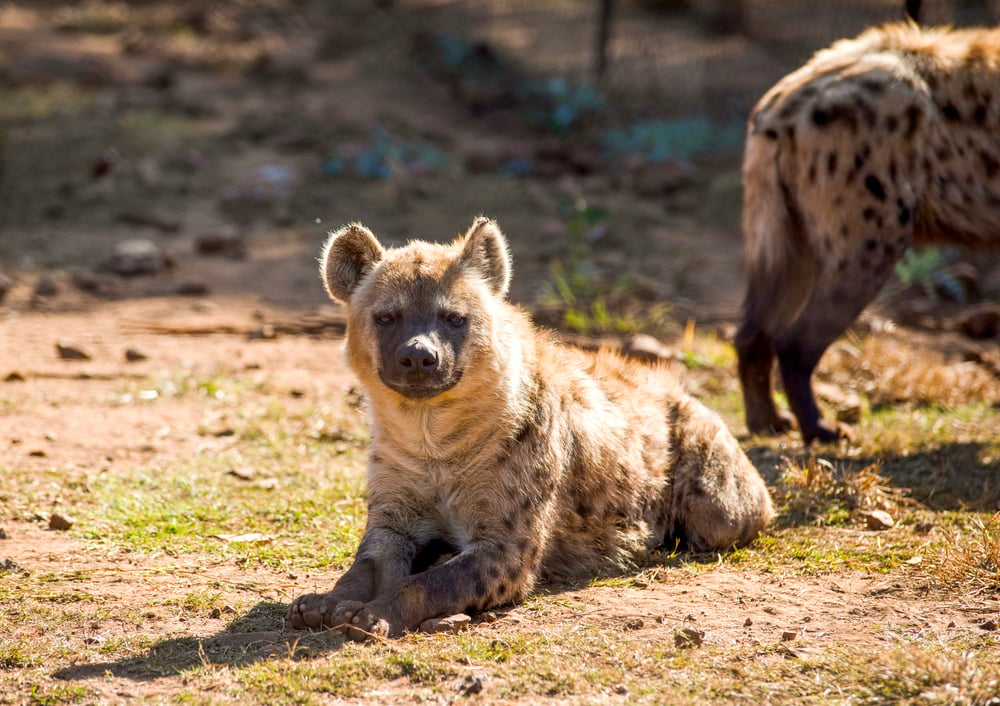
Hyenas are far more efficient hunters than their scavenger reputation suggests, actively hunting prey at night while also consuming carrion. Their powerful jaws contain bite force exceeding 1,100 pounds per square inch, enabling them to crack bones of large animals.
These highly social animals hunt cooperatively in clans with complex hierarchies and vocalizations, including their famous laugh-like sound made during feeding frenzies.
Fishing Cats: Southeast Asia’s Wetland Specialists
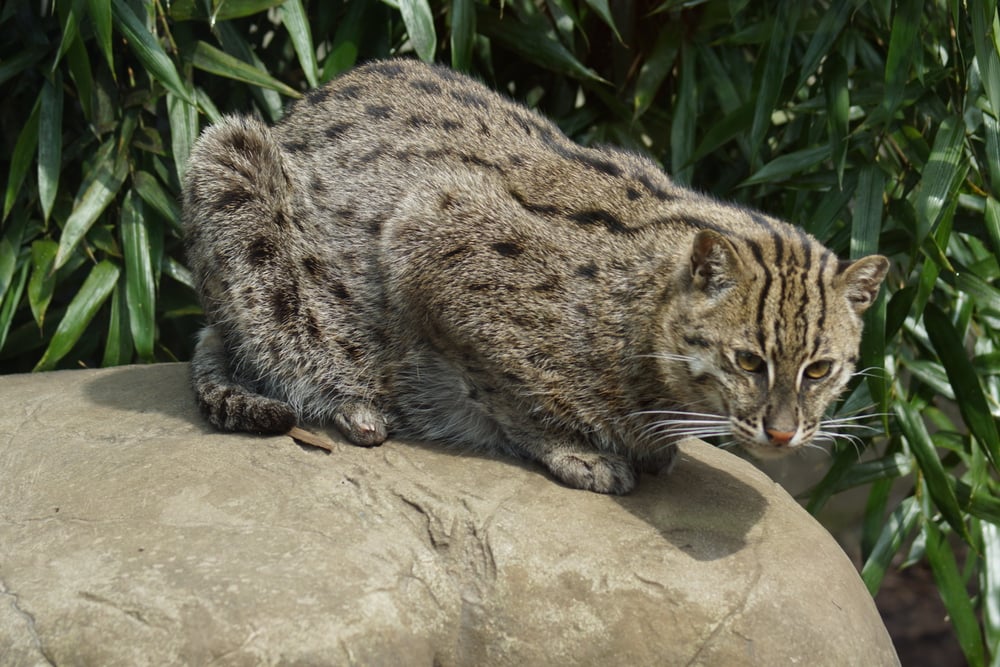
Fishing cats are medium-sized wild cats native to South and Southeast Asia that have evolved extraordinary adaptations for nocturnal hunting in wetland environments. Unlike most cats, they possess partially webbed paws and have been documented diving into water to catch fish.
These solitary hunters patrol river edges and marshes at night, representing one of the few cat species that have truly specialized in water hunting rather than terrestrial predation.
Badgers: The Underground Excavators
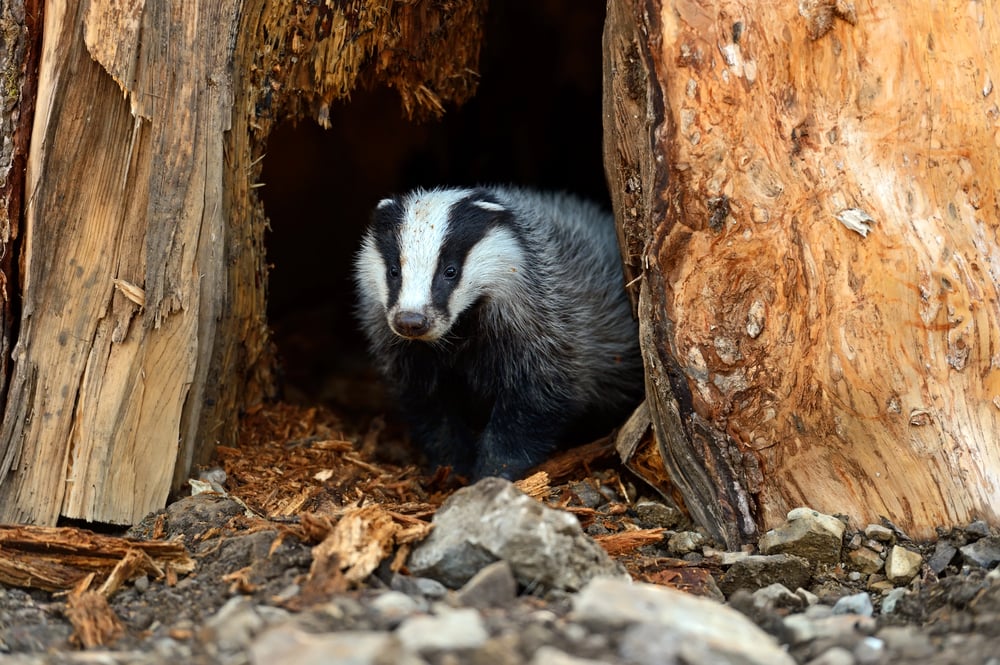
Badgers are nocturnal mammals found across the Northern Hemisphere and Africa, spending days in burrows called setts and emerging after sunset to hunt and forage. Despite their stocky build and short legs, badgers are powerful diggers and swift runners capable of pursuing small mammals through undergrowth.
Some badger species, like honey badgers, have become legendary for their fierce temperament and willingness to attack animals many times their size.
Armadillos: Nature’s Armored Diggers
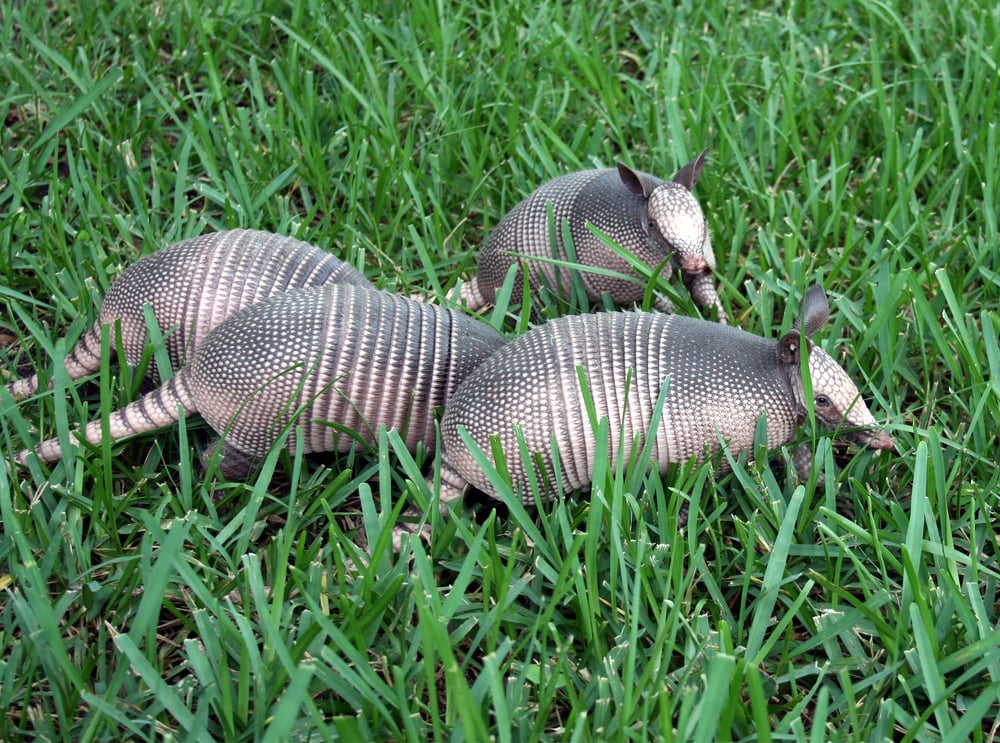
Armadillos are the only living mammals with external bone armor, consisting of a bony carapace covered in scaled skin. These nocturnal insectivores emerge after dark to dig through soil searching for beetles, termites, and larvae using their powerful claws and keen sense of smell.
The nine-banded armadillo, native to Central and South America, is expanding its range northward and represents an unusual example of a mammal successfully colonizing new territories.
Nightjars: The Cryptic Insect Hunters

Nightjars are nocturnal birds with cryptically colored plumage that blends seamlessly with forest floors and tree branches, making them nearly invisible during daylight. These aerial insect hunters possess wide mouths bordered with specialized bristle-like feathers that function like insect nets, enabling them to catch flying insects mid-flight.
Their haunting calls echoing through forests at dusk sound otherworldly, contributing to their mysterious reputation in many cultures.
Civets: The Musky Night Foragers
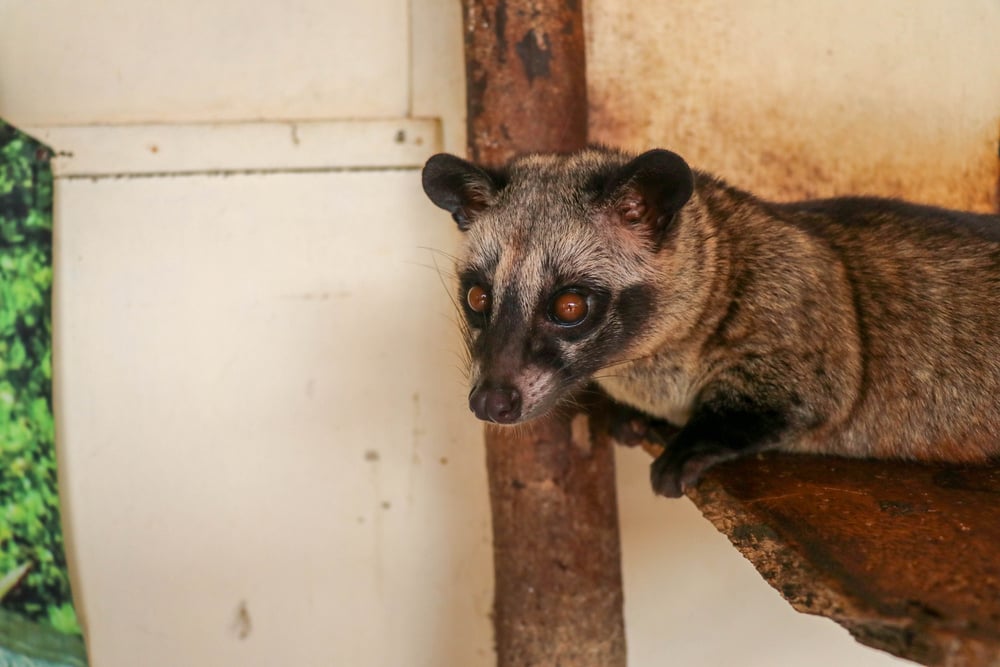
Civets are small, cat-like carnivores found across Asia and Africa that are primarily nocturnal, arboreal foragers hunting insects, small mammals, and fruits. These animals produce an intensely musky secretion from glands near their hindquarters, once valued in perfume production and still used in some traditional practices.
Civets play important ecological roles as seed dispersers and pest controllers while remaining largely invisible to humans due to their nocturnal, solitary habits.
Frogmouths: The Bird World’s Perfect Camouflage Artists
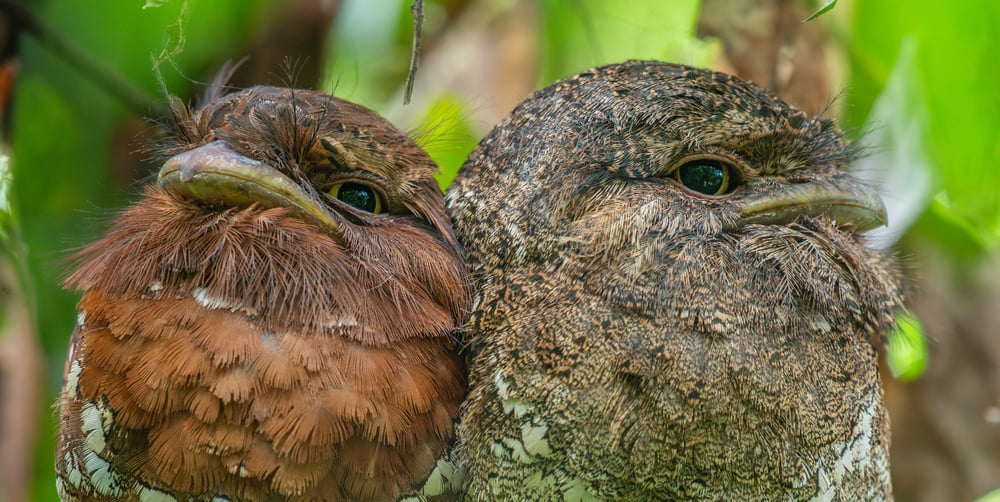
Frogmouths are nocturnal birds with large frog-like mouths perfectly adapted for catching flying insects after dark. Found across Southeast Asia and Australia, these remarkable birds have evolved camouflage so effective they appear as part of tree branches when stationary during daylight.
Their ability to blend into their surroundings is complemented by their largely sedentary daytime behavior, making them nearly impossible to spot.
Wombats: Australia’s Sturdy Burrowers
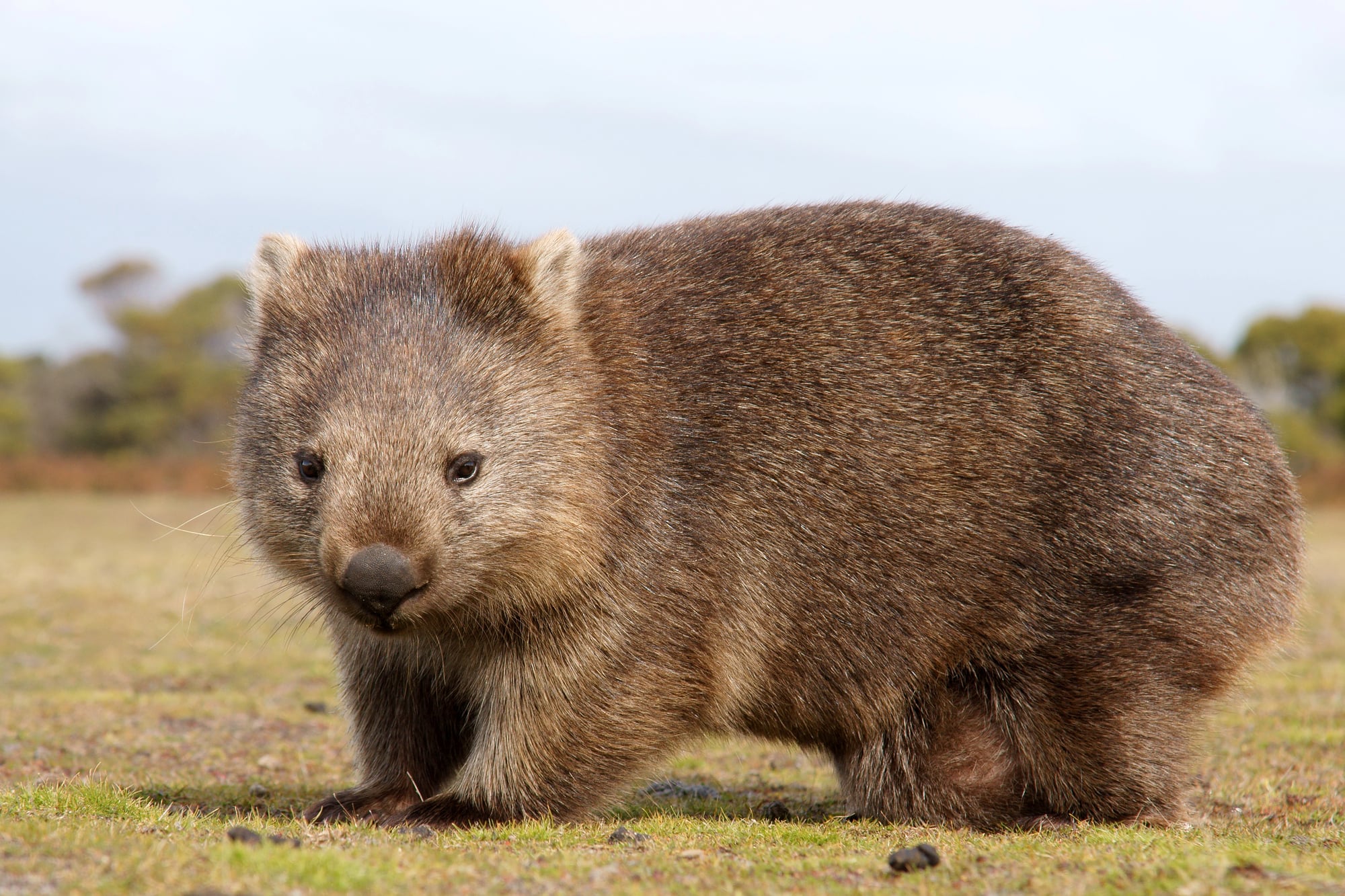
Wombats are stocky Australian marsupials that emerge from extensive burrow systems at dusk to graze on grasses and herbaceous plants throughout the night. These powerful diggers can construct burrows up to 30 meters long with multiple entrances, providing shelter for many other nocturnal animals.
Wombats are surprisingly fast runners capable of reaching speeds up to 40 kilometers per hour despite their compact build.
Hedgehogs: Europe’s Spiny Night Foragers

Hedgehogs are small, spiny mammals native to Europe, Africa, and Asia that are exclusively nocturnal, emerging after sunset to hunt insects, worms, and small invertebrates. These solitary foragers consume thousands of insects nightly, making them beneficial garden residents where present.
Hedgehogs living in cold regions hibernate during winter, undergoing dramatic physiological changes to survive months without food.
Foxes: The Adaptable Nocturnal Hunters

Multiple fox species across the Northern Hemisphere are primarily nocturnal, using darkness to hunt small mammals, insects, and birds while avoiding larger predators. Red foxes have successfully colonized urban environments, hunting at night and scavenging in garbage areas where human populations provide abundant food sources.
Foxes possess keen hearing, detecting rodent movements beneath snow and soil layers from considerable distances.
The Nocturnal Advantage
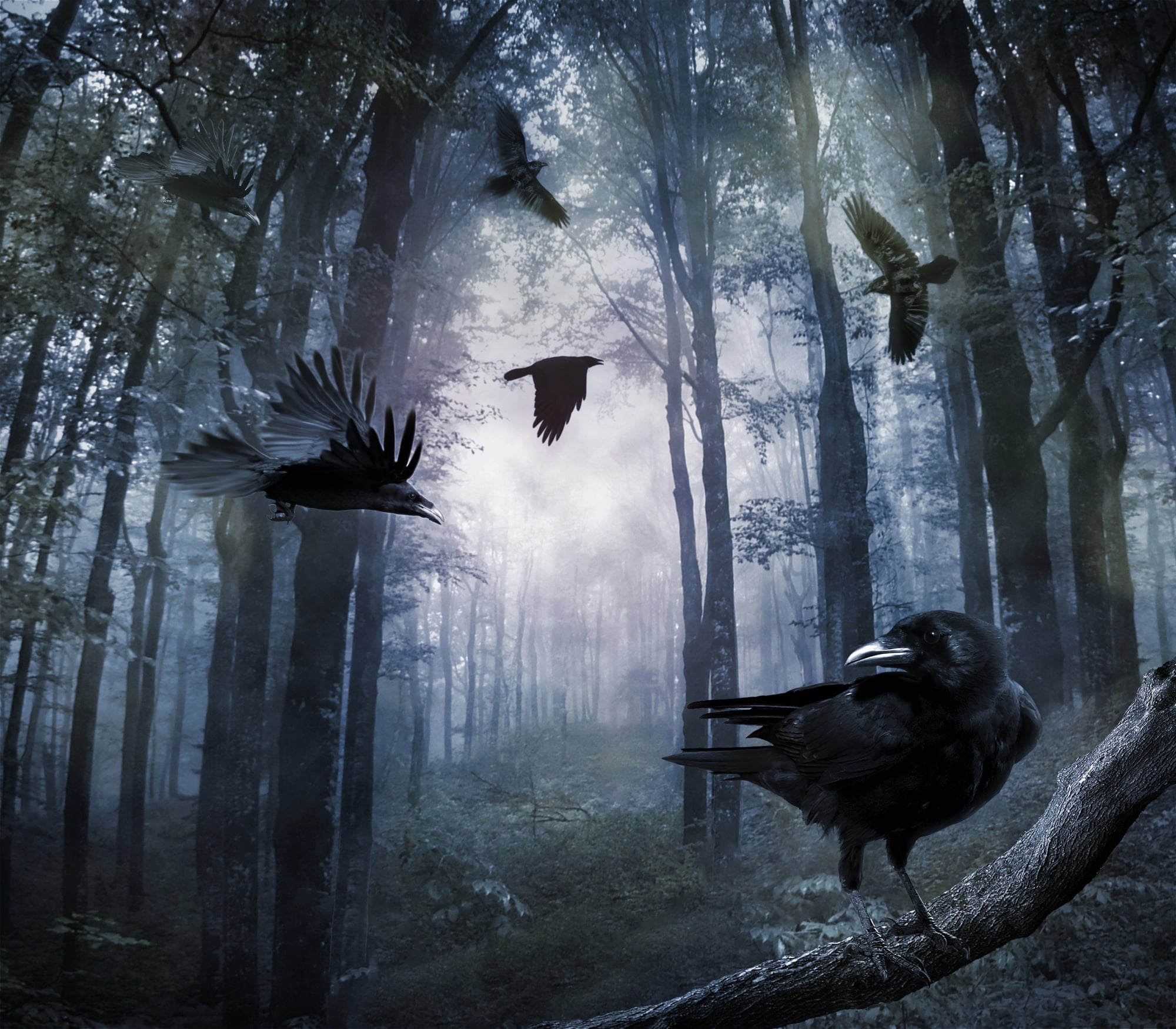
The choice to be nocturnal provides numerous survival advantages in competitive animal kingdoms—access to different food sources, predator avoidance through reduced visibility, and thermoregulation in extreme climates. From the ultrasonic world of bats to the venomous primates of Southeast Asian rainforests, nocturnal animals have evolved specialized adaptations that make them perfectly suited for life after dark.
These creatures represent an entire parallel kingdom operating when humans sleep, a testament to nature’s incredible diversity and evolution’s endless creative solutions to survival challenges.
More from Go2Tutors!

- The Romanov Crown Jewels and Their Tragic Fate
- 13 Historical Mysteries That Science Still Can’t Solve
- Famous Hoaxes That Fooled the World for Years
- 15 Child Stars with Tragic Adult Lives
- 16 Famous Jewelry Pieces in History
Like Go2Tutors’s content? Follow us on MSN.