Cities Built Entirely Underground
When people think about cities, towering skyscrapers and busy streets usually come to mind. But scattered across the world, there are places where entire communities exist beneath the surface, hidden from the sun and sheltered by layers of rock and earth.
These underground cities weren’t built for fun or novelty. Most emerged from necessity, whether people needed protection from invaders, extreme weather, or simply couldn’t survive above ground.
Some are ancient marvels carved by hand over centuries, while others are modern creations designed with technology and careful planning. Let’s explore some of these fascinating places where life happens entirely below your feet.
Derinkuyu

Deep in the Cappadocia region of Turkey, Derinkuyu stretches down 18 stories beneath the surface. This ancient city could house around 20,000 people along with their livestock and food supplies.
Early Christians carved out this massive network of tunnels and chambers to hide from Roman persecution and later from Arab raids. The city had ventilation shafts that reached all the way down to the lowest levels, ensuring fresh air circulated throughout.
Enormous stone doors weighing up to 1,100 pounds could be rolled into place to seal off sections from invaders. Walking through Derinkuyu today feels like stepping into another world, where entire families lived, worshiped, and survived completely cut off from the sky.
Coober Pedy

Australia’s outback gets brutally hot, with summer temperatures climbing past 113 degrees Fahrenheit. That’s why more than half of Coober Pedy’s residents live in “dugouts,” homes carved directly into the hillsides.
The town calls itself the opal capital of the world, and miners discovered that living underground kept them cool without needing air conditioning. These aren’t cramped caves either.
Underground homes in Coober Pedy feature full kitchens, bedrooms, living rooms, and even swimming pools. The constant underground temperature stays around 75 degrees year-round, making it more comfortable than any house on the surface.
Churches, hotels, and shops also operate below ground, creating a proper underground community.
Kaymakli

Just a few miles from Derinkuyu sits another Turkish underground city called Kaymakli. This one reaches down about eight levels, though only four are currently open to visitors.
The narrow tunnels connecting rooms were designed specifically to slow down attackers, forcing them to move single file and crouch low. Kaymakli’s residents carved out stables for animals, wineries for making wine, and storage rooms for food that could last through long sieges.
Small openings in the floors allowed people on different levels to communicate with each other. The entire complex shows remarkable engineering, especially considering it was dug out with simple hand tools.
Archaeologists believe around 3,500 people lived here during emergencies.
Beijing Underground City
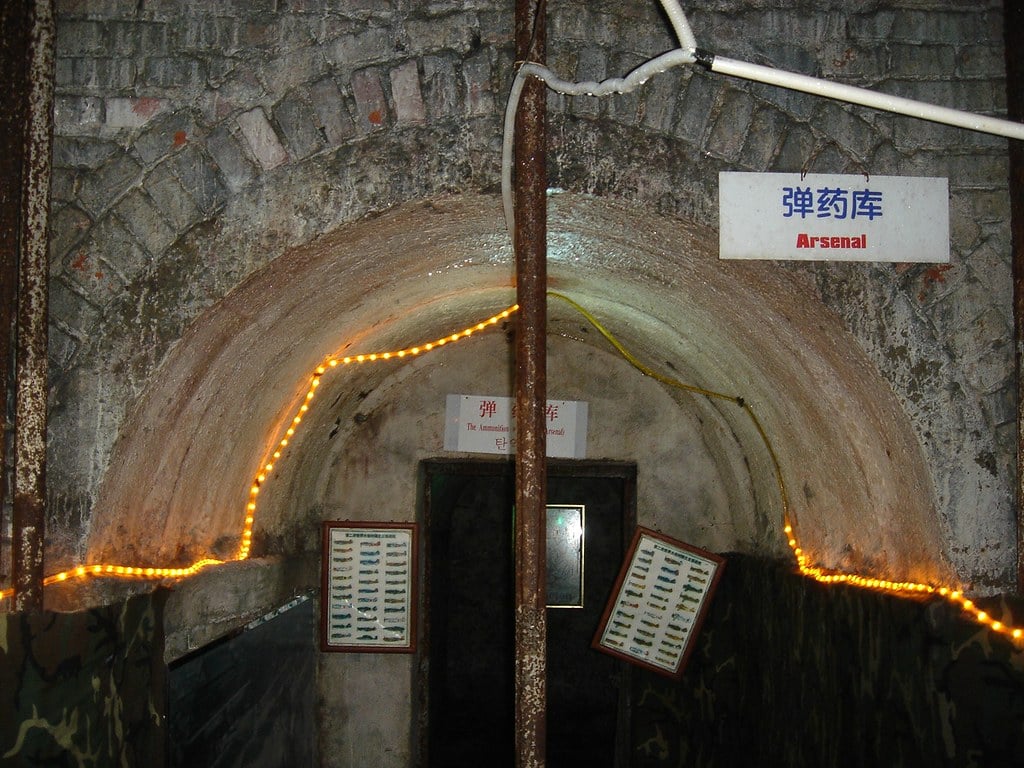
During the Cold War, China built a massive network of tunnels beneath Beijing to protect citizens from potential nuclear attacks. Construction started in 1969 and involved thousands of workers digging by hand.
The tunnels stretched for roughly 18 miles and included everything from schools and hospitals to factories and even a movie theater. At its peak, this underground city could supposedly shelter hundreds of thousands of people.
The Chinese government opened parts of it to tourists in 2000, letting people walk through the eerie corridors and empty rooms. Today, most of it remains closed and sealed off, a ghostly reminder of Cold War fears.
Montreal’s Underground City

Canada’s harsh winters pushed Montreal to build something different: a climate-controlled underground network connecting the city’s core. This isn’t a city where people live full-time, but rather a massive complex of shopping centers, restaurants, hotels, and metro stations all linked by tunnels.
Known locally as RESO, it covers roughly 20 miles and connects 120 exterior access points. On freezing winter days, thousands of people navigate their daily routines without ever stepping outside.
Office workers can commute from home to work, grab lunch, and run errands all while staying warm and dry. It ranks as one of the world’s largest underground complexes.
Matmata
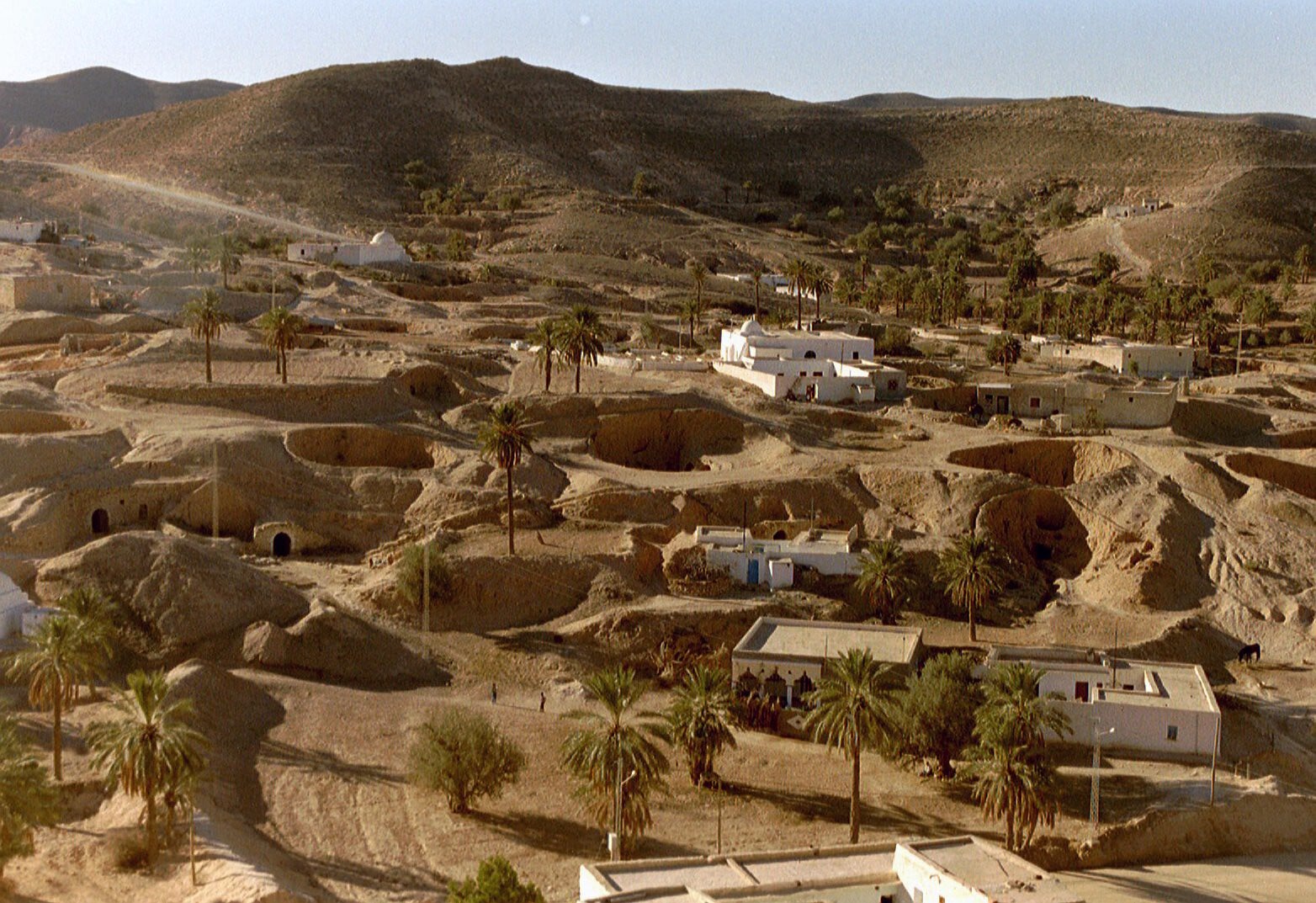
Tunisia’s Berber people dug pit dwellings into the ground to escape the scorching desert heat. These homes in Matmata look like craters from above, with rooms carved into the circular walls surrounding a central courtyard.
Families have lived in these underground structures for centuries, and many still do today. The thick earth walls provide natural insulation, keeping homes cool in summer and warm during chilly desert nights.
Some of these dwellings gained fame when George Lucas filmed scenes for Star Wars there, using them as Luke Skywalker’s home planet. Tourists now visit to see where ancient architecture met science fiction.
Wieliczka Salt Mine

Poland’s Wieliczka Salt Mine operated continuously for over 700 years, and miners carved out an entire underground world while extracting salt. Located near Krakow, the mine reaches depths of 1,073 feet and contains chapels, statues, and even chandeliers all carved from rock salt.
Miners created these elaborate spaces during their off hours, transforming functional tunnels into works of art. The Chapel of St. Kinga sits 330 feet underground and features intricate salt sculptures and crystal chandeliers.
Thousands of people visit annually, and the mine even hosts concerts in its underground chambers. UNESCO designated it a World Heritage Site because of its cultural and historical importance.
Dixia Cheng

Beijing actually has two major underground complexes, and Dixia Cheng (which means Underground City) rivals the other in size. This network was also built during the 1970s as a bomb shelter.
The tunnels connect beneath residential areas and include sleeping quarters, weapon storage, and supply depots. Some sections featured barbershops and restaurants to serve people during extended stays underground.
Chinese officials claimed the complex could hold the entire city’s population, though that number was likely exaggerated. Parts of Dixia Cheng became retail spaces and even a hostel for a while, but authorities closed most of it due to safety concerns.
Guoliang Tunnel
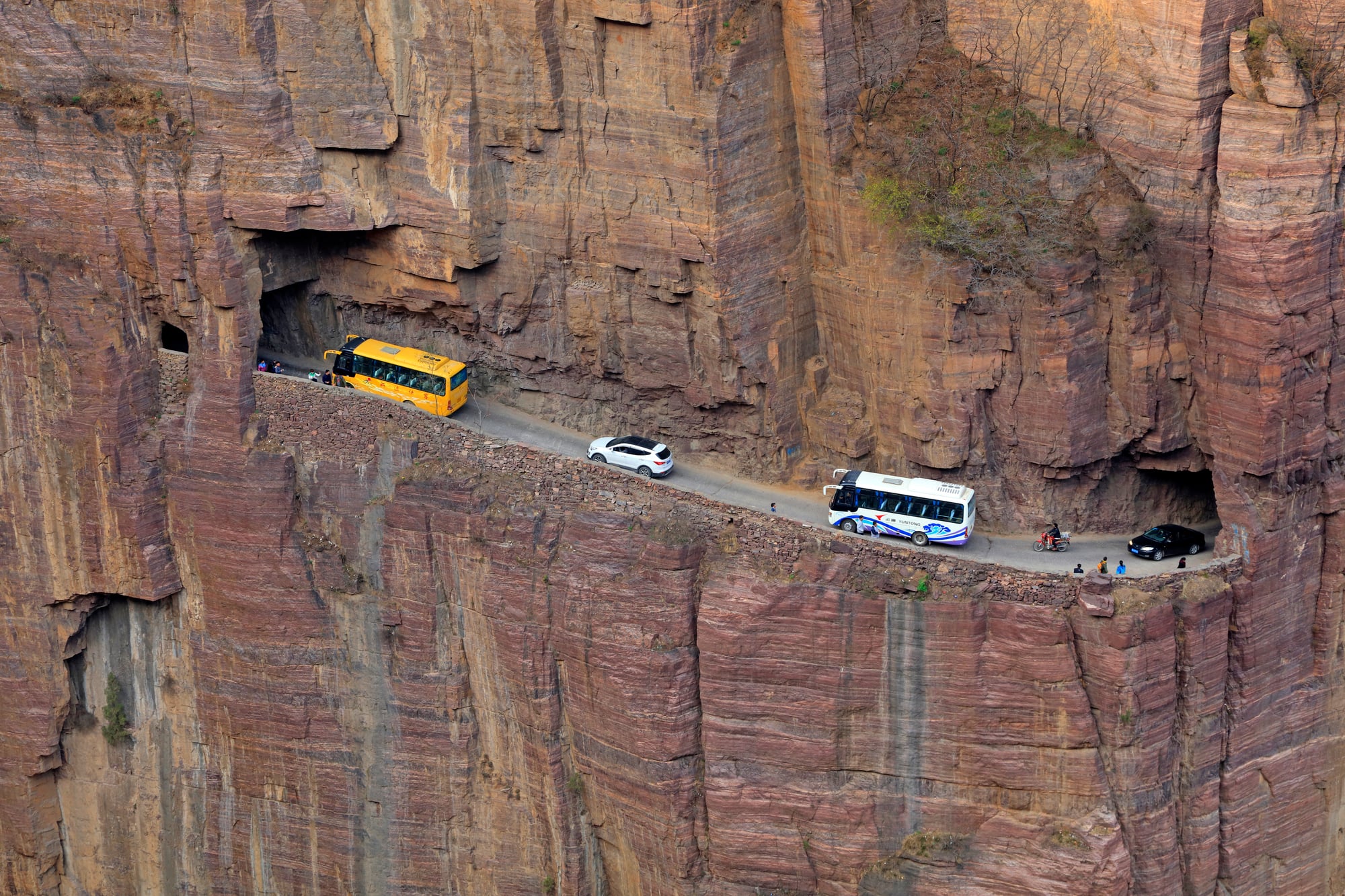
China’s Guoliang village sits atop a mountain that was nearly impossible to reach for centuries. In the 1970s, villagers decided to carve their own road through the mountain rather than remain isolated.
Thirteen local residents spent five years using only hammers and chisels to create a tunnel through solid rock. The result is a winding passage with window-like openings looking out over steep cliffs.
While not a full underground city, Guoliang’s tunnel represents the same determination that built many subterranean communities. The village itself remains small, but the tunnel draws adventurous tourists who want to drive through this hand-carved marvel.
SubTropolis
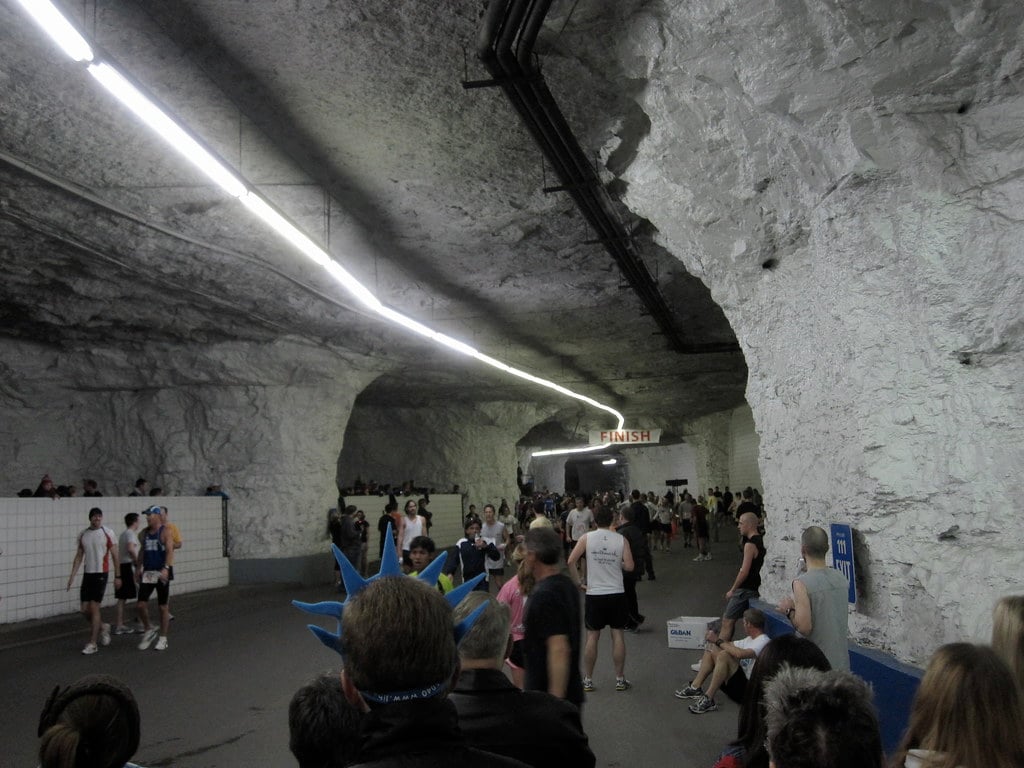
Underneath Kansas City, Missouri, an old limestone mine was converted into a massive underground business complex called SubTropolis. The space spans 55 million square feet, making it one of the world’s largest underground facilities.
Companies rent space here for storage, manufacturing, and distribution because the constant 65-degree temperature reduces climate control costs. The limestone ceiling sits about 40 feet high, allowing forklifts and trucks to move around freely.
Over 50 businesses operate inside, employing around 1,000 people who work entirely underground. The space even has its own zip code and street names.
Lalibela

Ethiopia’s town of Lalibela features 11 medieval churches carved entirely from solid rock. Craftsmen didn’t build these structures by stacking stones.
Instead, they excavated downward, removing rock to create buildings that emerge from the ground like sculptures. Each church sits in a trench carved into the earth, connected by tunnels and passages.
King Lalibela commissioned these churches in the 12th century, intending to create a “New Jerusalem” after Muslims captured the holy land. The largest church, Bete Medhane Alem, measures 109 feet by 77 feet and is considered the biggest rock-hewn church in the world.
Thousands of pilgrims still visit these underground houses of worship.
Petra’s Treasury
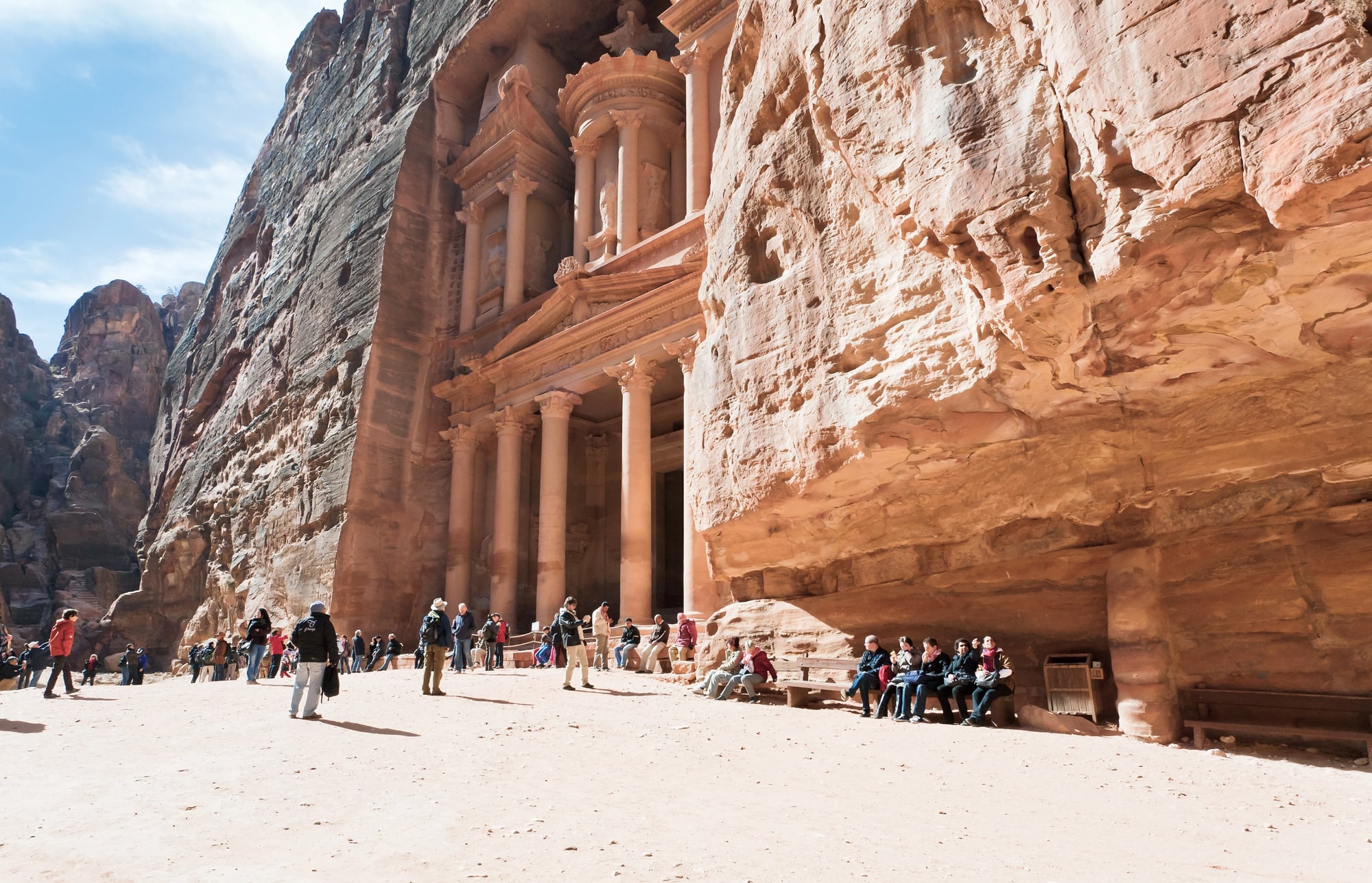
Jordan’s ancient city of Petra is famous for buildings carved into rose-colored cliffs. While not entirely underground, much of Petra extends into the rock itself, with tombs, temples, and dwellings cut deep into the mountainside.
The Treasury, Petra’s most famous structure, presents an elaborate facade carved into a cliff face, but behind it lies a large chamber extending into solid rock. The Nabataean people who built Petra around 300 BC created a sophisticated water management system with channels and cisterns carved throughout the city.
Beyond the main tourist areas, hundreds of rock-cut structures remain, many still unexplored or closed to visitors.
Setenil de las Bodegas
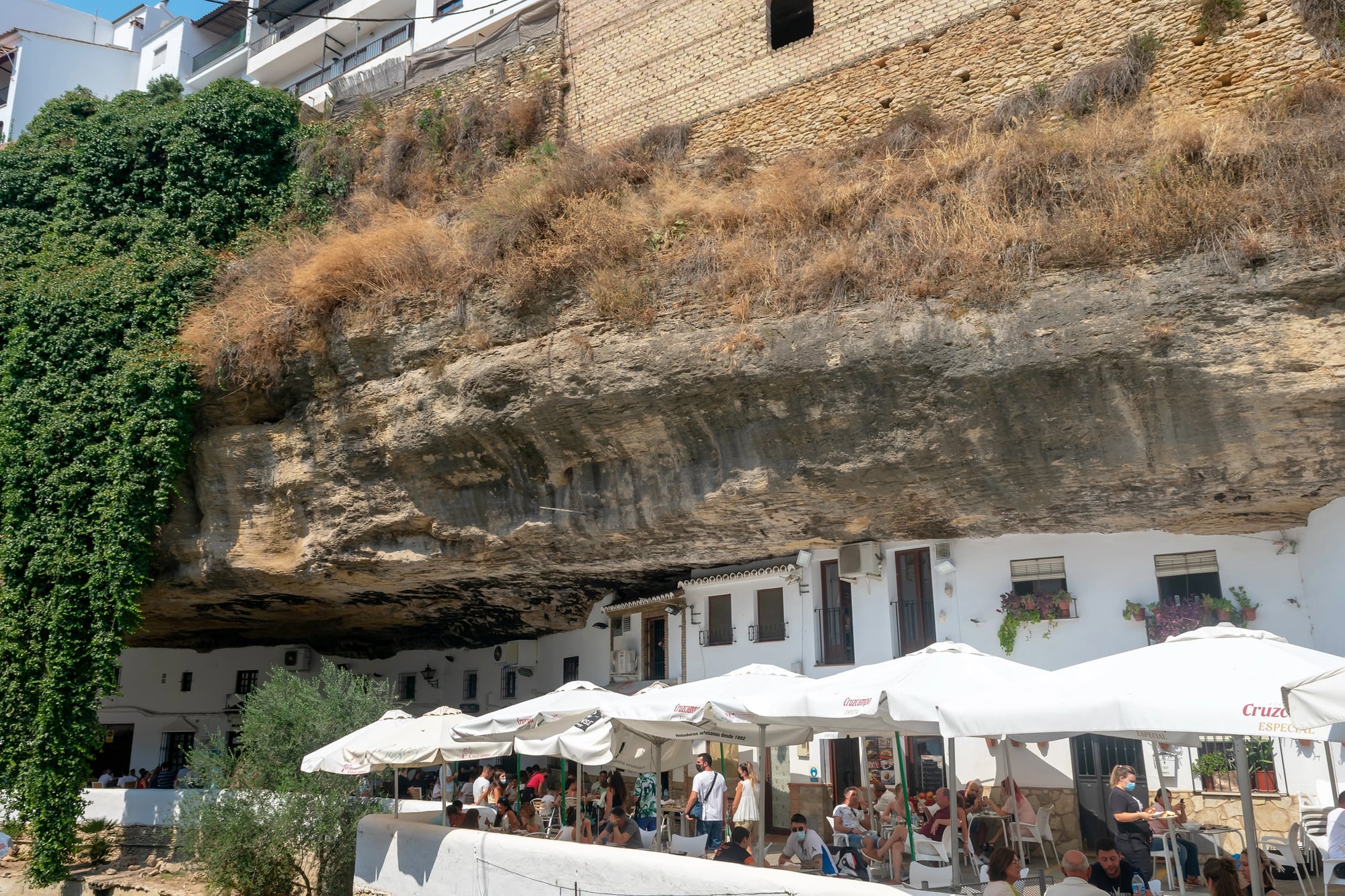
This Spanish town takes a unique approach to underground living. Instead of digging down, residents of Setenil de las Bodegas built their homes into the overhanging rock cliffs.
Massive rock formations serve as roofs and walls for houses, bars, and restaurants. Walking down the narrow streets, you see entire blocks where buildings seem to disappear into the stone.
The town’s name comes from its history as a wine-producing area, and the natural rock cellars provided perfect conditions for storing wine. Around 3,000 people live here today, enjoying homes that need minimal heating or cooling thanks to the thick rock insulation.
The Mines of Paris

Beneath Paris, a labyrinth of tunnels and quarries stretches for about 180 miles. These mines provided the limestone used to build much of the city above.
Over centuries, parts of these tunnels became catacombs holding the remains of roughly six million people, moved there when Paris’s cemeteries overflowed. Other sections remain empty and unmarked, creating a vast underground maze.
Urban explorers known as cataphiles illegally explore these forbidden tunnels, though police actively patrol to keep people out. Some sections have been converted into wine cellars, mushroom farms, and even secret nightclubs over the years.
Burlington Bunker

During the Cold War, Britain built a massive underground city beneath Corsham, meant to house the government if nuclear war broke out. Code-named Burlington, this facility covered 35 acres and could support 4,000 people for up to three months.
The complex included a hospital, kitchens, a BBC studio, and even a pub for off-duty personnel. A 12-mile underground railway connected different sections.
The government finally admitted Burlington’s existence in 2004, decades after construction. While it’s not open to the public, its existence reminds us that many governments built secret underground cities during the nuclear age.
Orvieto’s Underground

The Italian village of Orvieto stands on old volcano stone – soft stuff, good for cutting. For over two and a half thousand years, locals dug out well over a thousand hidden rooms below the streets.
Some pits held wine, others kept oil or pigeons; some were used to pull rock for construction. When attackers came, people went under, drinking from deep water pits and eating what was stashed.
Some caves link up with nearby ones – forming routes under most of the ancient city. These days, tour groups walk parts of it, revealing how people lived and worked beneath the surface for ages.
Matmata’s Hotel Sidi Driss

Though Matmata stands out, the Hotel Sidi Driss shows how old cave life fits today’s world. Once a typical Berber dugout, it got turned into lodging – famous later as young Luke Skywalker’s house in Star Wars.
People rest in spaces chipped straight into rock around a core opening, getting real subterranean vibes plus current comforts. It remains under control of the kin who’ve lived there for ages.
A night here gives you honest insight into below-ground setups; think steady cool air or voices bouncing across linked tunnels.
Shanghai Tunnels

Portland’s got hidden tunnels known as the Shanghai Tunnels – no one really agrees on what they were for. Locals say crews snatched people off the street, dragging them through underground paths before dumping them onto boats bound for Asia.
But chances are, they just moved crates from docks down into store basements. However it went, you can still find miles of those old passageways under the city today.
Some firms keep stuff there, whereas guided tours offer creepy history trips in reachable parts. These passageways show what hidden urban areas can actually do.
Life under the water these days

Underground cities are more than old oddities. When weather gets wild above ground and crowded towns run out of room, builders start thinking below instead – cities like Tokyo or Singapore keep growing beneath, adding malls, transit spots, or indoor farms along the way.
New tools help make subterranean life easier – smart airflow setups, sun-like lights, machines drilling hard stone without a hitch. Old caves or high-tech tunnels both show one thing: people figure out ways to survive wherever they need to.
More from Go2Tutors!

- The Romanov Crown Jewels and Their Tragic Fate
- 13 Historical Mysteries That Science Still Can’t Solve
- Famous Hoaxes That Fooled the World for Years
- 15 Child Stars with Tragic Adult Lives
- 16 Famous Jewelry Pieces in History
Like Go2Tutors’s content? Follow us on MSN.