26 Old Cameras Worth More Than the Shelf Price
A dusty camera at an estate sale often gets priced by weight and age rather than by what it actually is. Buyers who know the models look past the sticker completely, because a handful of decades-old bodies and lenses are worth many times what any thrift store or yard sale typically asks.
Leica M3
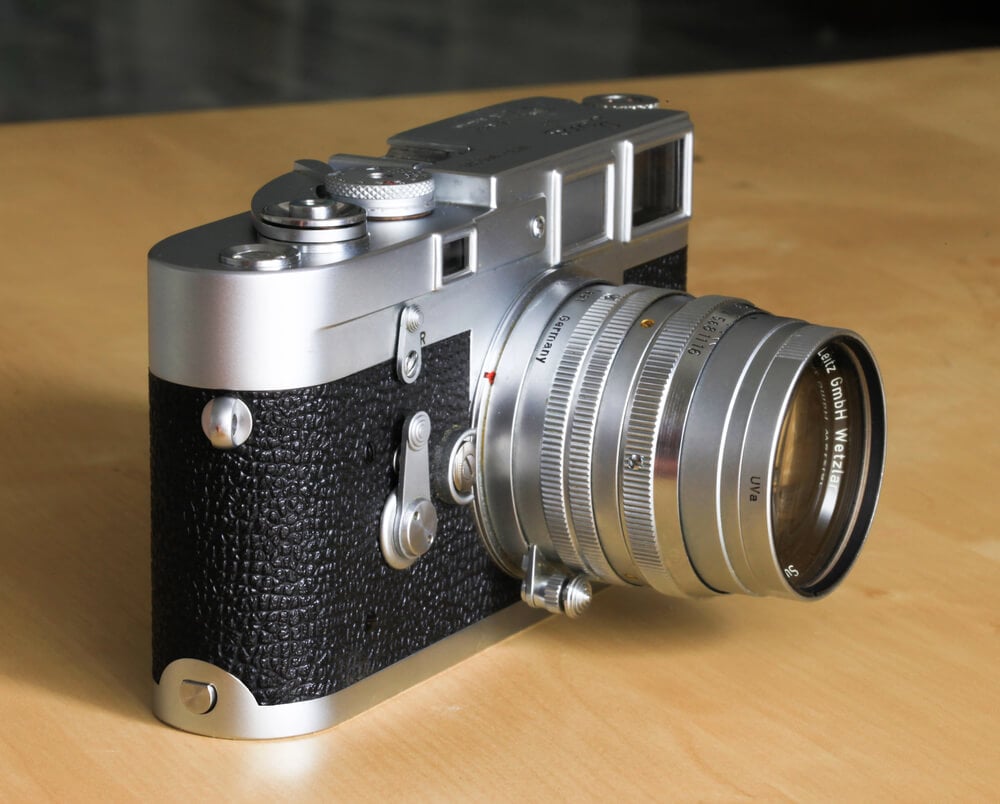
The Leica M3, introduced in 1954, established the rangefinder standard that competitors spent decades trying to match, and working examples with intact rangefinder patches still draw strong bids from collectors and working photographers alike. Bodies with a double-stroke film advance, from the earliest production years, are especially sought after.
Rolleiflex Twin-Lens Reflex
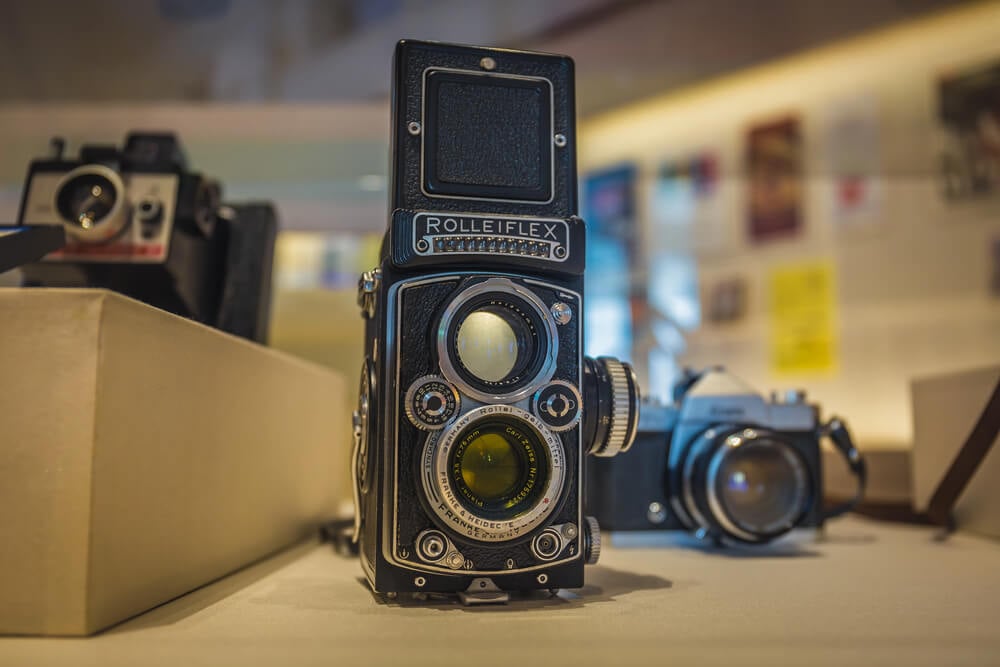
The German-made Rolleiflex TLR cameras, produced from the 1920s onward, remain functional medium-format shooters decades later, and their waist-level viewfinders give a distinctive look that current photographers still chase for portrait work. A clean example with an uncracked ground-glass screen and working shutter speeds sells for a substantial multiple of a typical thrift-store camera.
Nikon F
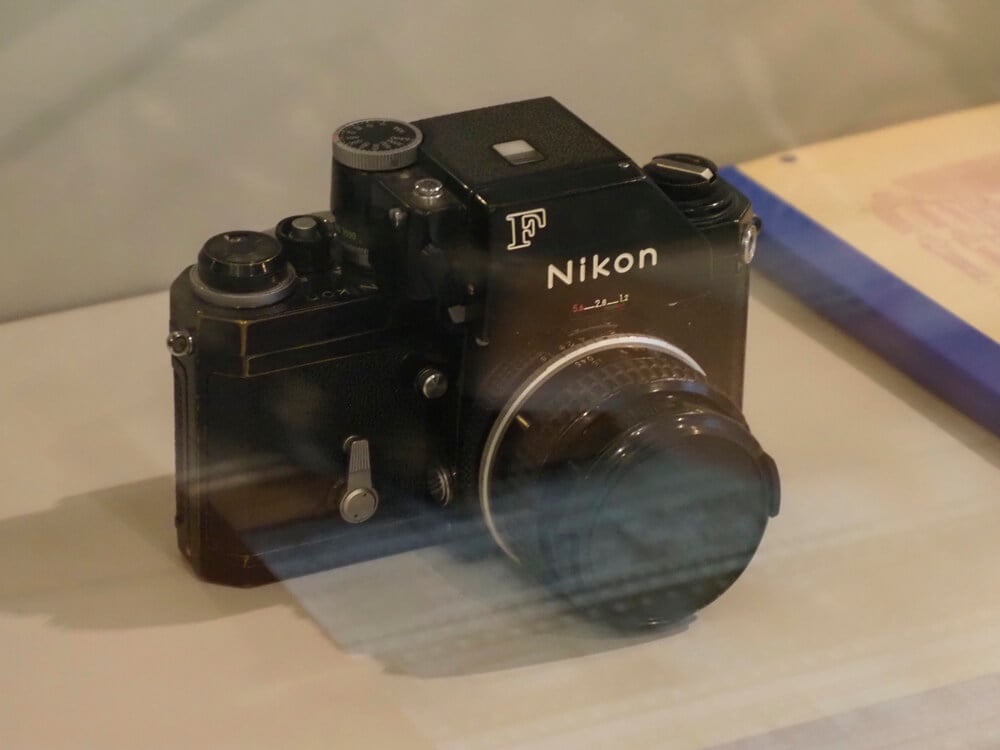
The original Nikon F, released in 1959, is credited with establishing Nikon as a serious professional system, and its interchangeable prism finders and near-total mechanical durability keep well-maintained examples in active use today. Bodies paired with an original Nikkor lens in matching condition command the highest prices.
Hasselblad 500C
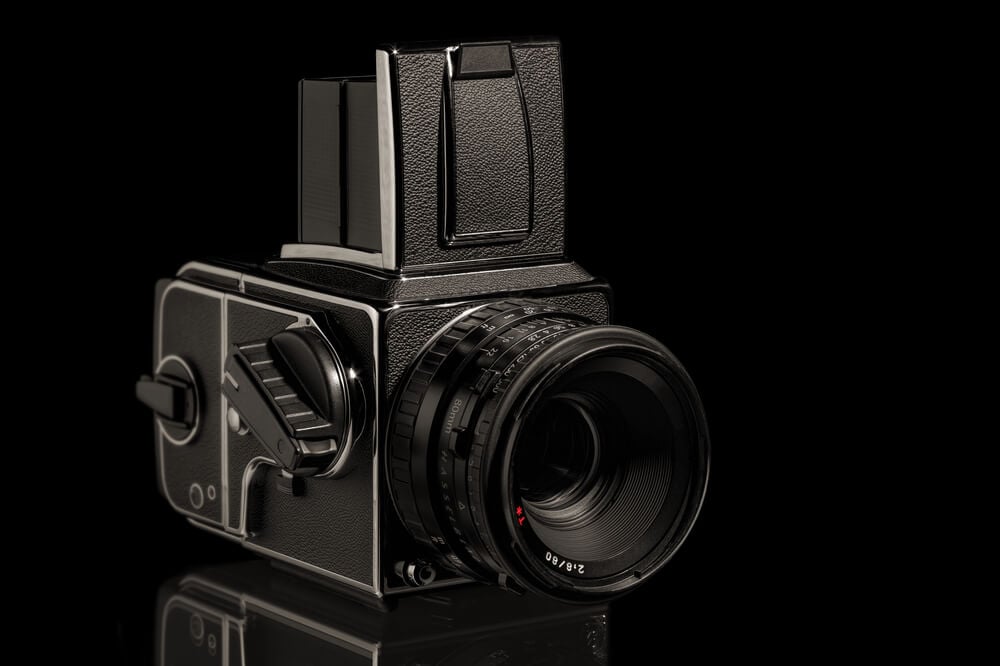
The medium-format Hasselblad 500C, famously adapted for NASA’s early space missions, remains a favorite of fine-art and fashion photographers for its modular design and exceptional lens sharpness. A complete kit with a functioning back, lens, and waist-level finder sells for far more than the body alone.
Polaroid SX-70
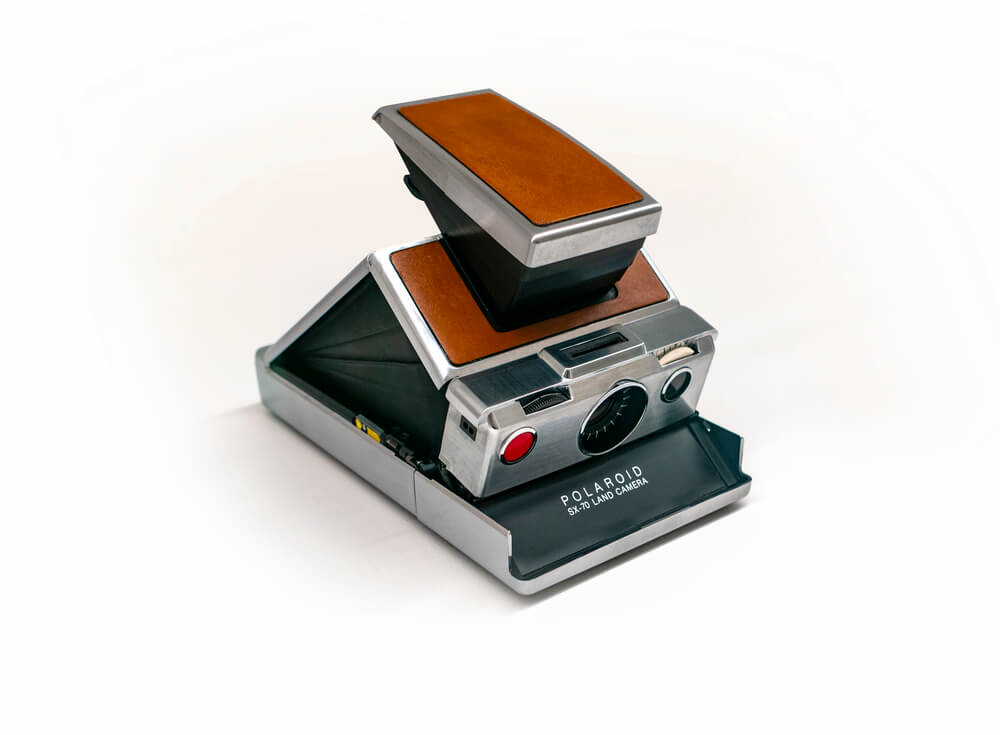
The folding Polaroid SX-70, launched in 1972, combined a single-lens reflex viewfinder with instant film in a design so compact it still surprises people who have only seen later plastic instant cameras. Chrome and leather examples in full working order, particularly ones that still eject film properly, are actively collected.
Kodak Brownie
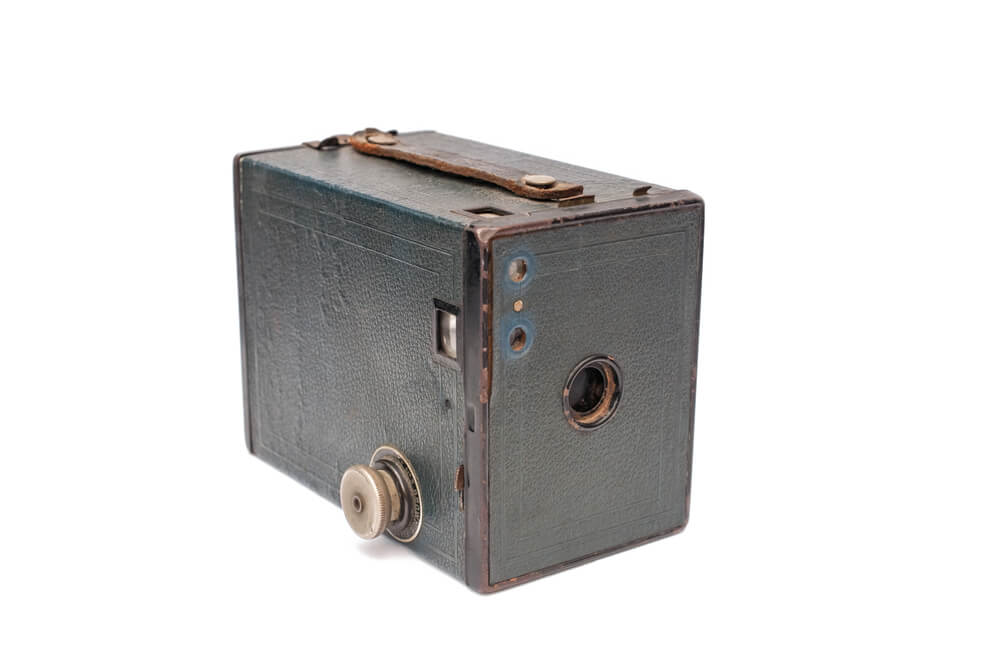
The Kodak Brownie, first sold in 1900, put photography within reach of ordinary households for the first time, and while common cardboard models are inexpensive, early bakelite and art deco variants from the 1930s draw real collector interest. Boxed examples with the original strap and instruction booklet sell for considerably more than a loose camera alone.
Contax II
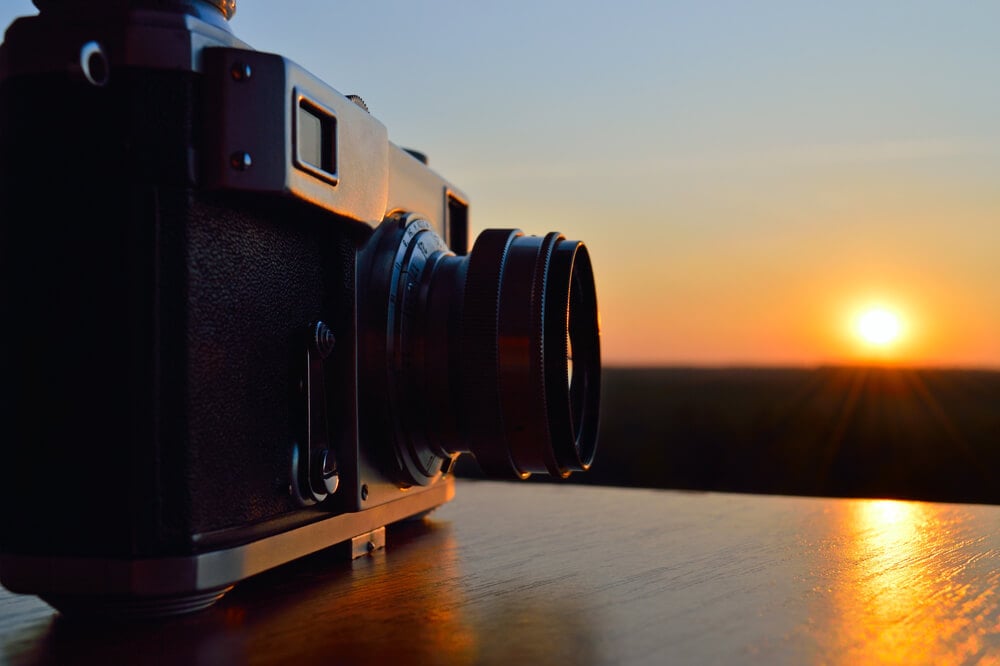
Zeiss Ikon’s Contax II, introduced in the 1930s, pushed rangefinder engineering forward with a combined viewfinder and rangefinder window years before Leica adopted the same approach. Functioning examples with an intact rangefinder mechanism are increasingly hard to find and priced accordingly.
Canon AE-1
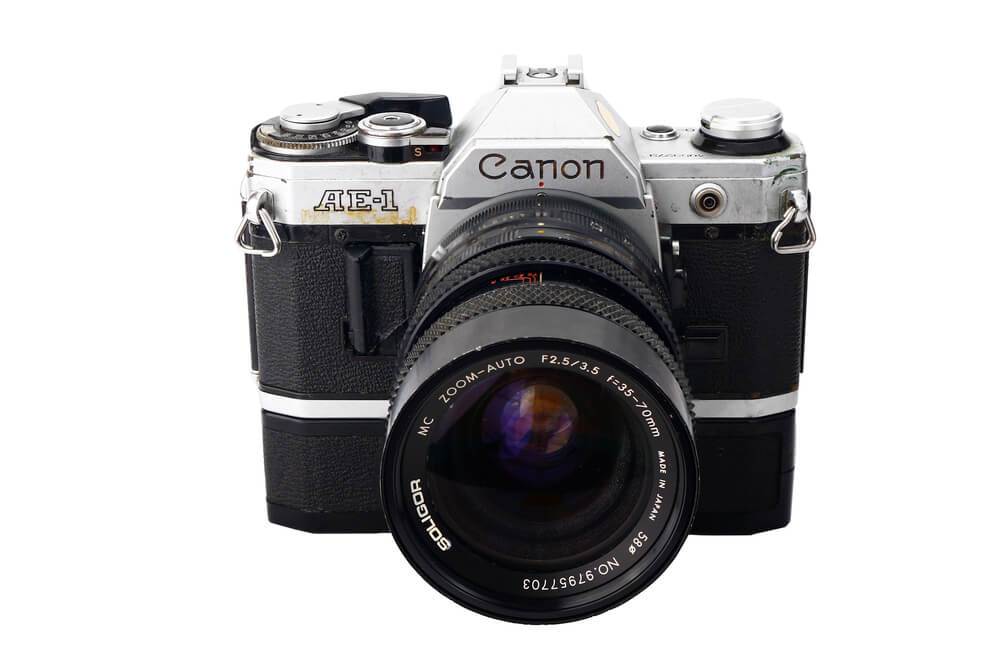
The Canon AE-1, released in 1976, was one of the first cameras to include a built-in microprocessor, and its combination of affordability and durability made it one of the best-selling SLRs ever produced. Working bodies with an intact light meter and no shutter capacitor issues remain popular with film photography newcomers.
Voigtländer Bessa
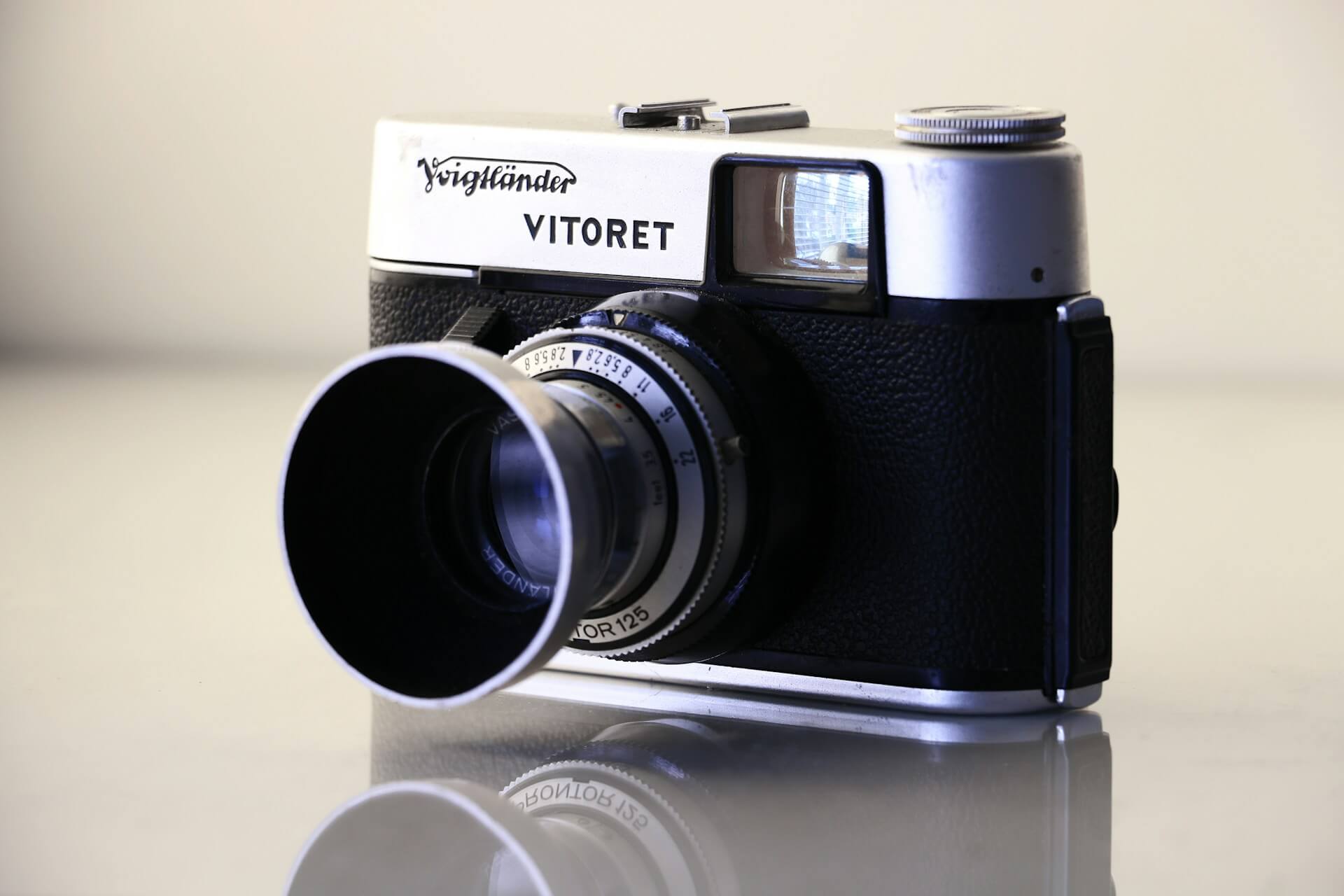
The folding Voigtländer Bessa cameras from the 1930s and 1940s produced sharp medium-format negatives from a body that folded flat enough to fit in a coat pocket, an unusual combination for the era. Examples with an uncracked bellows and functioning rangefinder coupling are the most desirable to working collectors.
Speed Graphic
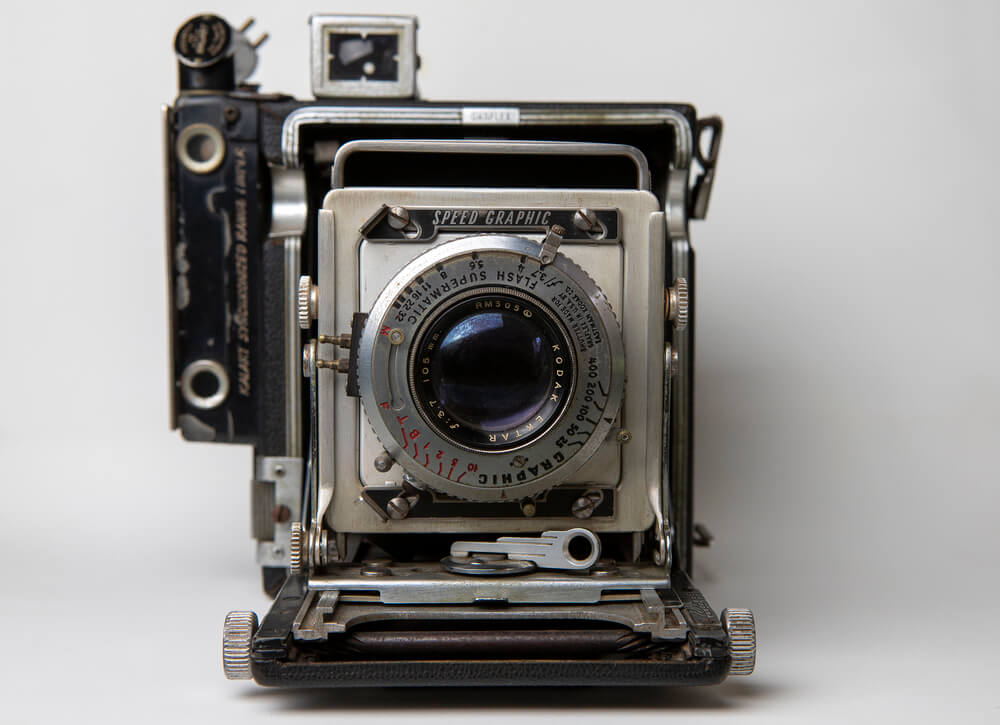
The Speed Graphic press camera, standard equipment for newspaper photographers from the 1920s through the 1960s, is instantly recognizable from countless period films and photographs of reporters at crime scenes and press conferences. Complete examples with a working focal-plane shutter and original flash bracket sell well above cameras missing those components.
Minox Subminiature
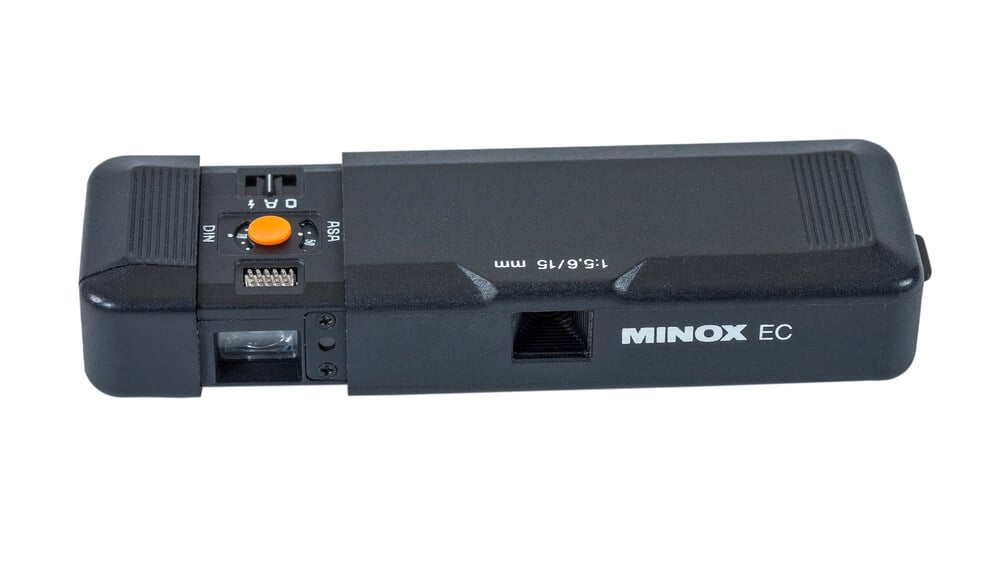
The Minox subminiature camera, developed in Latvia in the 1930s, became closely associated with espionage due to its pocket-sized dimensions, though it was originally marketed as a novelty for ordinary consumers. Complete sets including the original chain measuring device and case bring significantly more than the camera body alone.
Argus C3
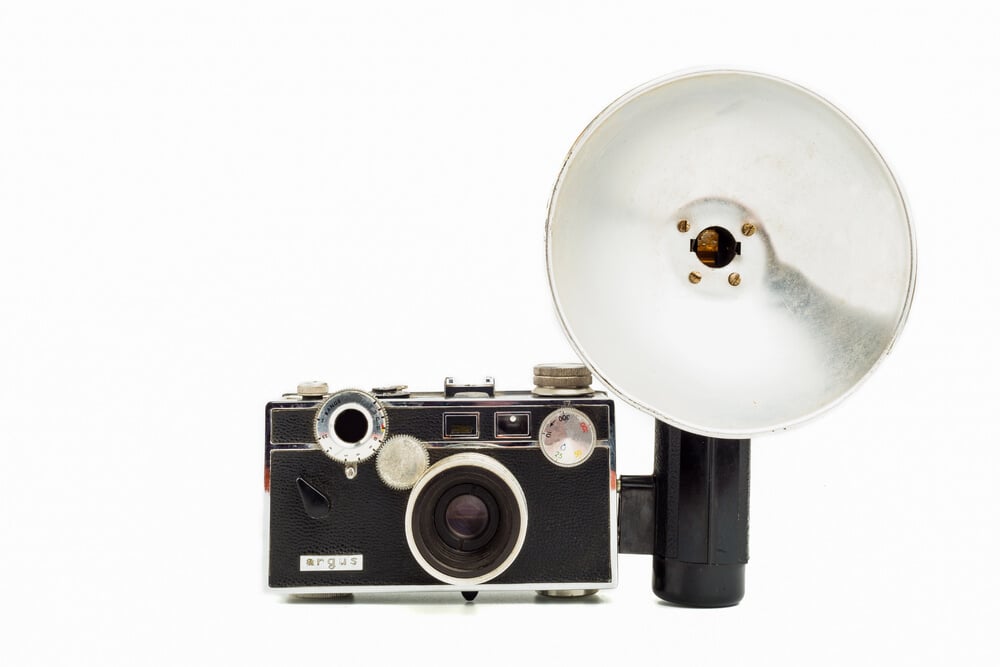
Nicknamed “the brick” for its rectangular bakelite body, the Argus C3 sold in enormous numbers from 1939 through the 1960s and remains one of the most recognizable American-made cameras of the era. Working examples with the coupled rangefinder still functioning are common enough to be affordable but consistently outsell unmarked bins of loose cameras.
Yashica Mat-124G
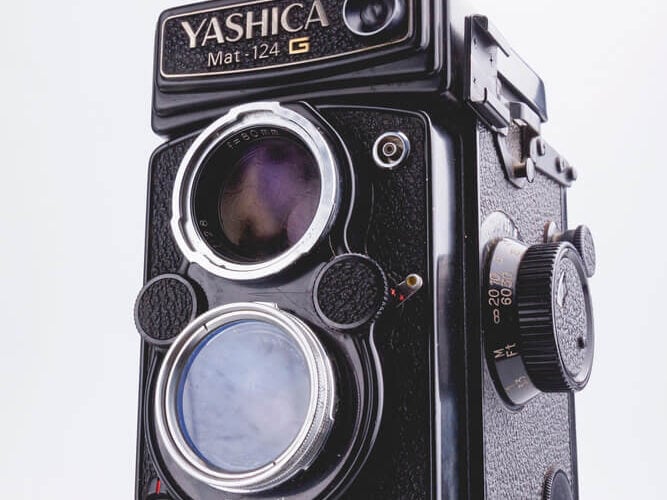
The Yashica Mat-124G twin-lens reflex offered many of the same medium-format advantages as costlier European models at a fraction of the price, making it a favorite entry point for film photographers today. Examples with clean lenses and a working light meter sell steadily on secondhand camera markets.
Zeiss Ikon Contarex
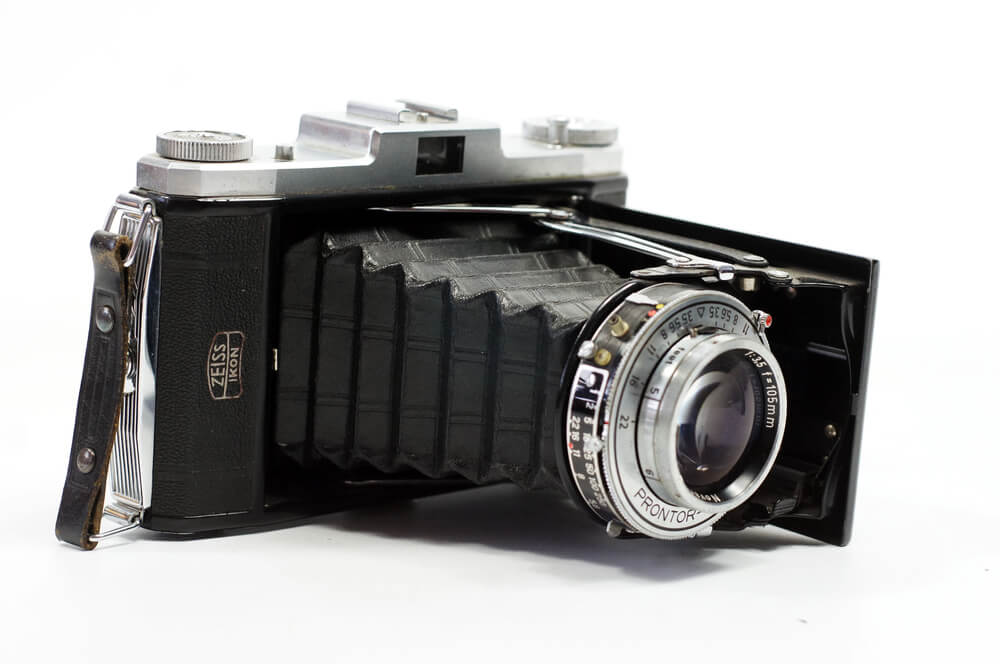
Nicknamed the “Cyclops” for its distinctive round meter housing above the lens, the Zeiss Ikon Contarex was among the most mechanically complex 35mm cameras ever built, which also makes fully functional examples relatively scarce today. Collectors specifically seek bodies where the selenium meter still responds accurately.
Kodak Retina
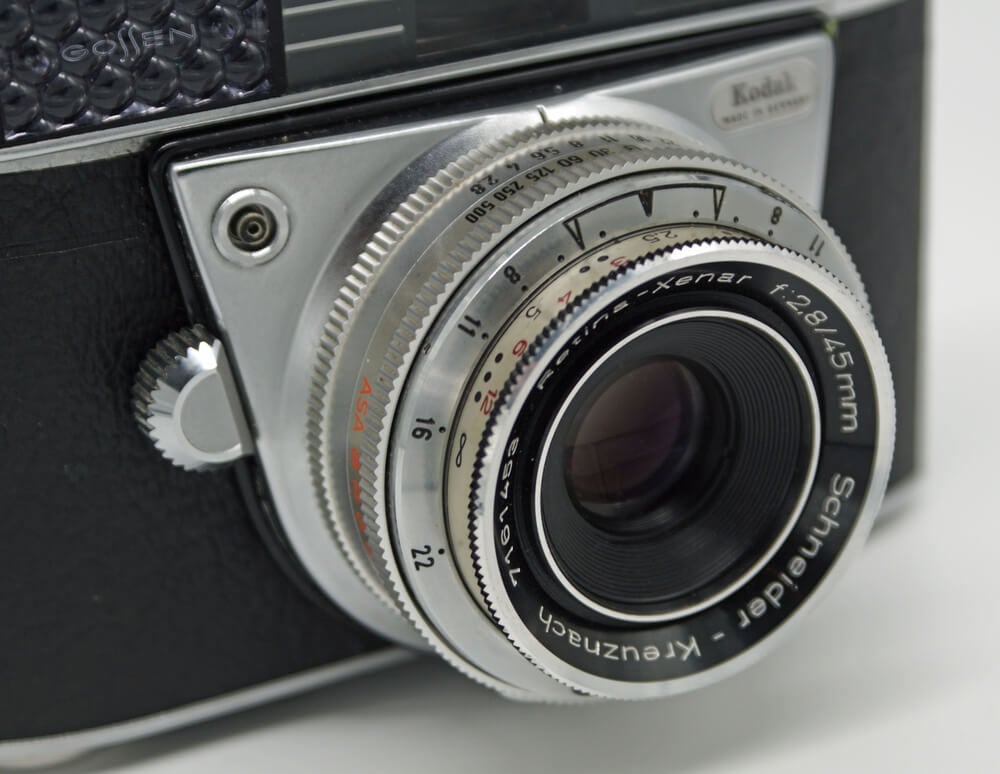
The folding Kodak Retina series, built in Germany for the American market from the 1930s onward, combined precision Schneider lenses with a compact folding body that most amateur cameras of the period could not match. Later Retina IIIC models with an uncracked light meter window are the most consistently sought after.
Olympus Pen F
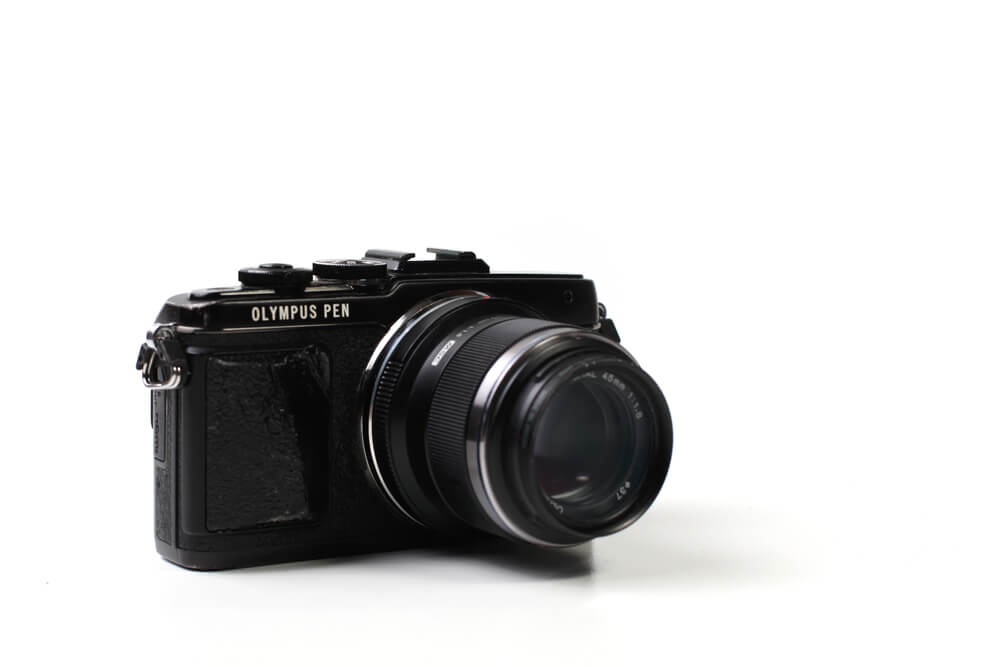
The Olympus Pen F, introduced in 1963, used a half-frame format that doubled the number of exposures on a standard roll of film, an approach that has found new appreciation among photographers experimenting with the format again. Clean bodies with a functioning rotary shutter mechanism command strong prices among current film shooters.
Graflex Speed Graphic Press Camera
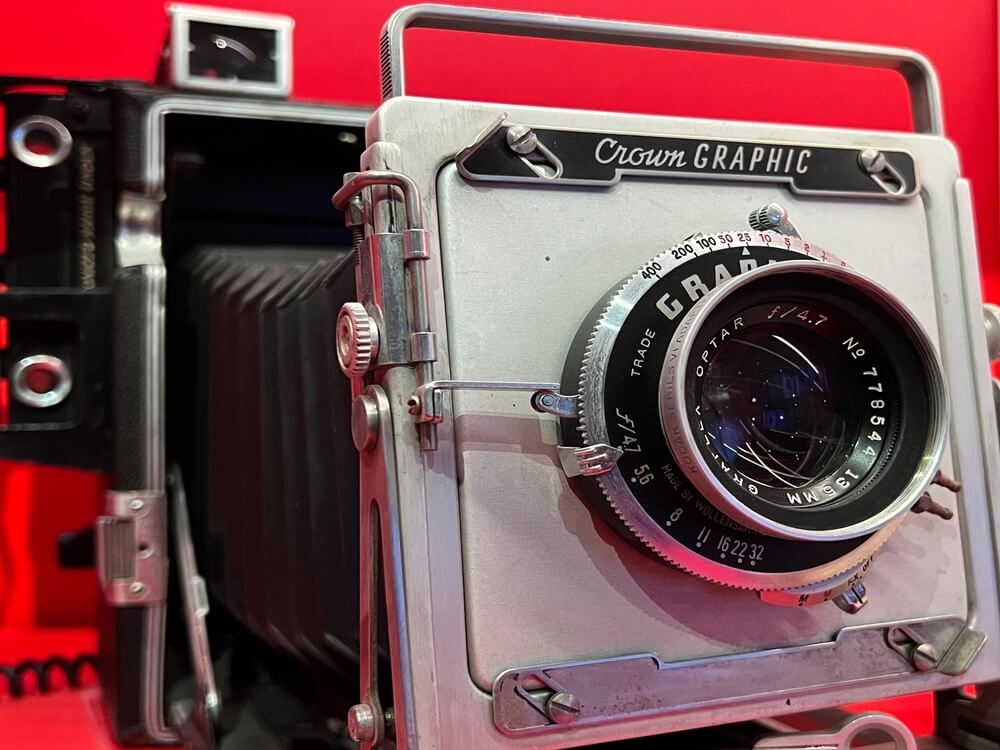
Distinct from the standard Speed Graphic in its larger format options, the Graflex press cameras were used for decades of professional newspaper and studio photography, and complete kits with original film holders are prized by both collectors and large-format photographers. Bodies missing their ground glass or bellows sell for considerably less than complete examples.
Leica IIIc
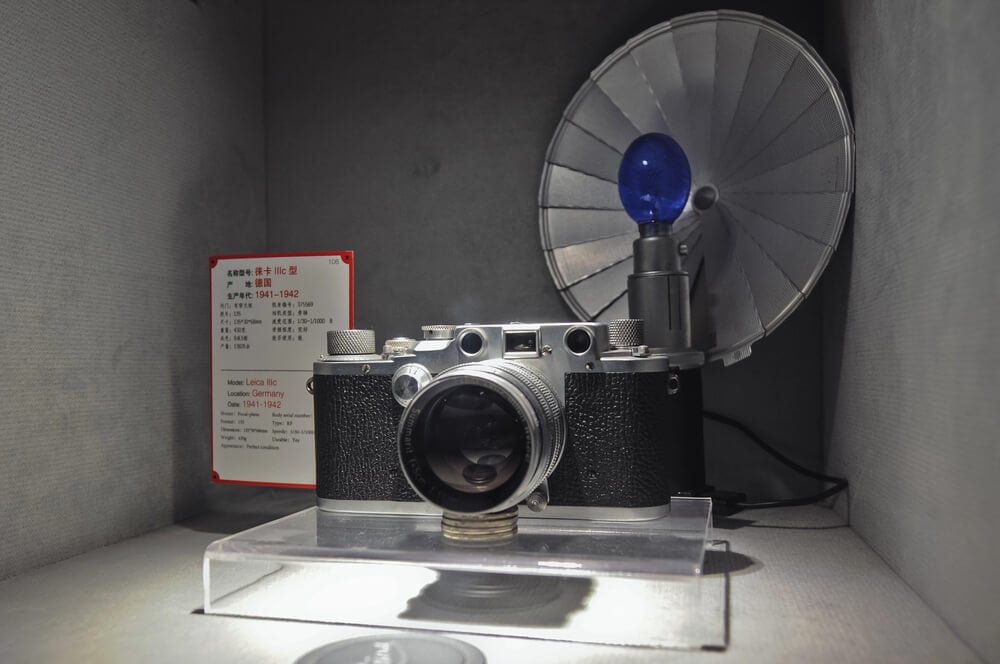
The Leica IIIc, produced through the 1940s, represents an earlier and mechanically simpler chapter of the Leica rangefinder story than the later M-series, and its screw-mount lenses remain compatible with adapters used on modern mirrorless cameras. This crossover demand from digital photographers has kept prices for clean examples climbing steadily.
Kodak Instamatic 100
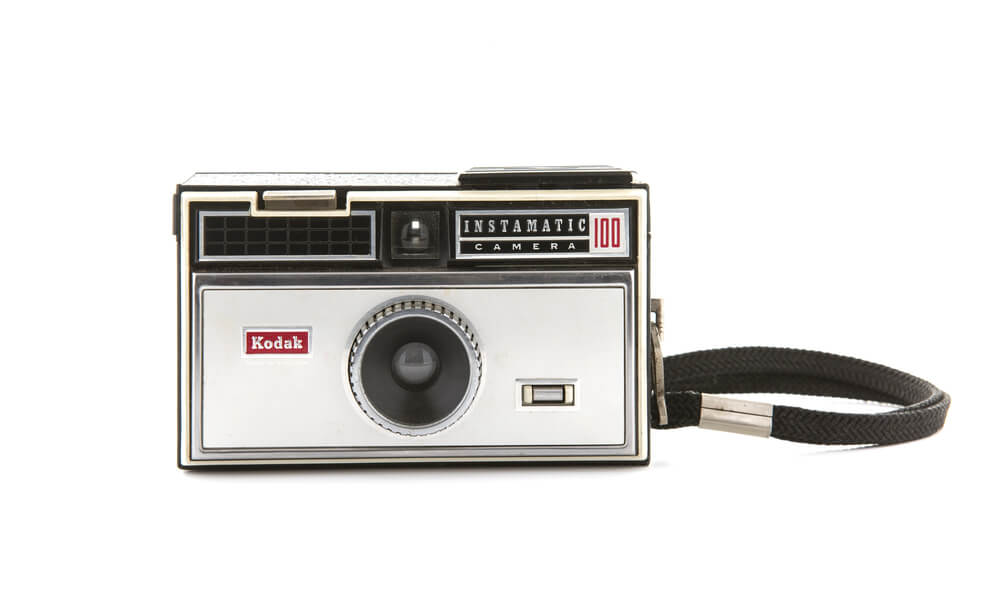
The Kodak Instamatic, launched in 1963, introduced the drop-in film cartridge that eliminated manual film loading for casual photographers, and it became one of the best-selling camera lines in American history. While common versions are inexpensive, the original 1963 Instamatic 100 in working order with its box draws attention from collectors tracking the line’s earliest releases.
Bolex H16
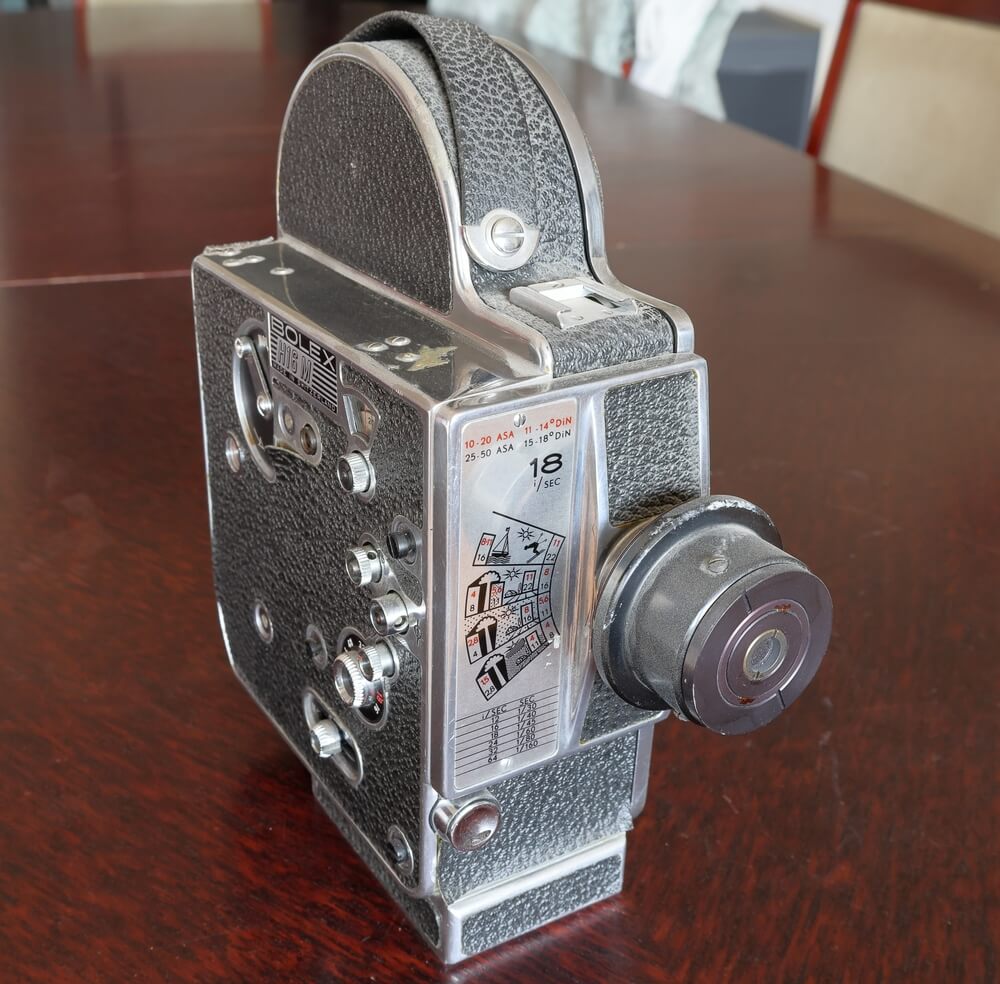
The Swiss-made Bolex H16, a 16mm film camera used by independent filmmakers for decades, remains functional and sought after among filmmakers who still shoot on film for its distinctive image quality. Complete kits with multiple lenses and a working spring-wound motor sell for a considerable premium over a body alone.
Sinar Large Format View Camera
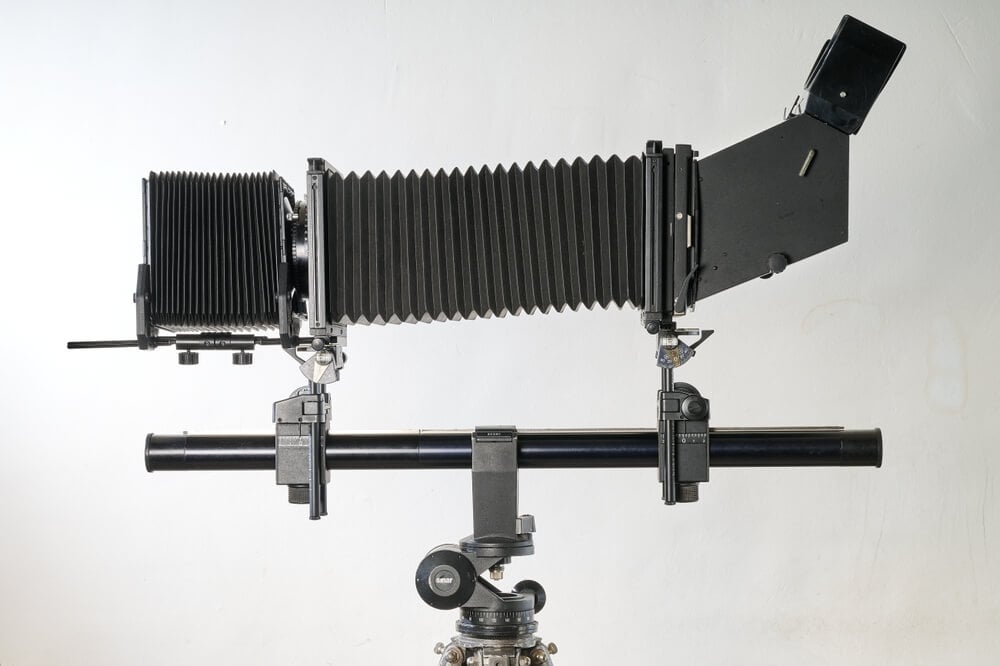
Sinar’s modular large-format view cameras, built in Switzerland from the 1940s onward, remain in active professional use for architectural and product photography where extreme image detail matters more than portability. A complete system with matching standards and bellows sells for far more than any single component purchased alone.
Kodak Duaflex
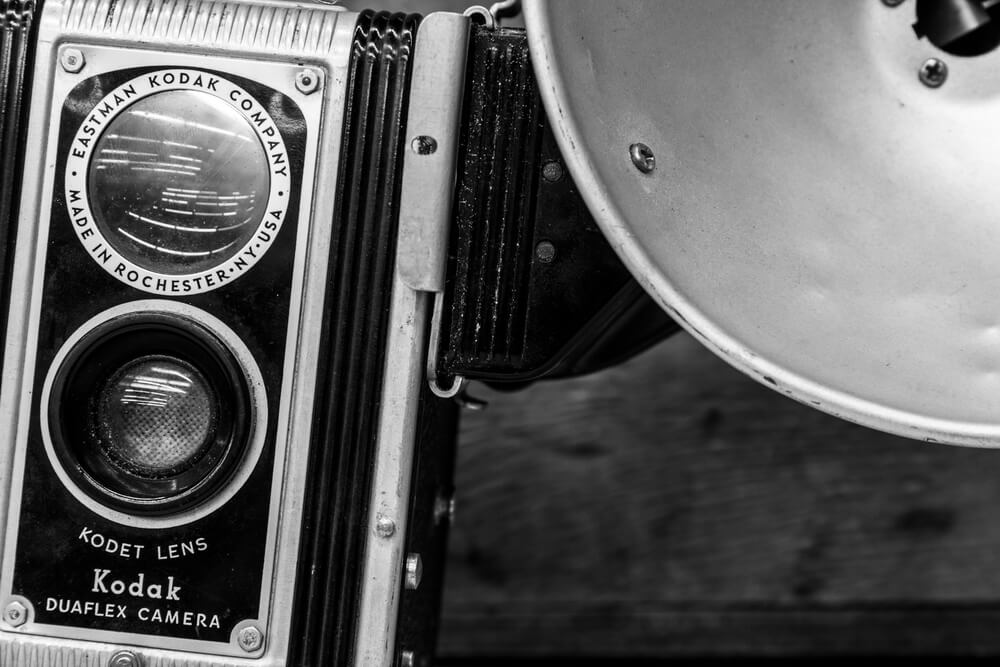
The plastic-bodied Kodak Duaflex twin-lens camera, sold through the 1950s, was designed as an affordable alternative to costlier medium-format cameras and remains common at estate sales, though examples in original boxes with undamaged viewfinder hoods still attract collectors of mid-century design objects. Its simple construction makes it one of the more approachable vintage cameras for a first-time collector.
Pentax Spotmatic
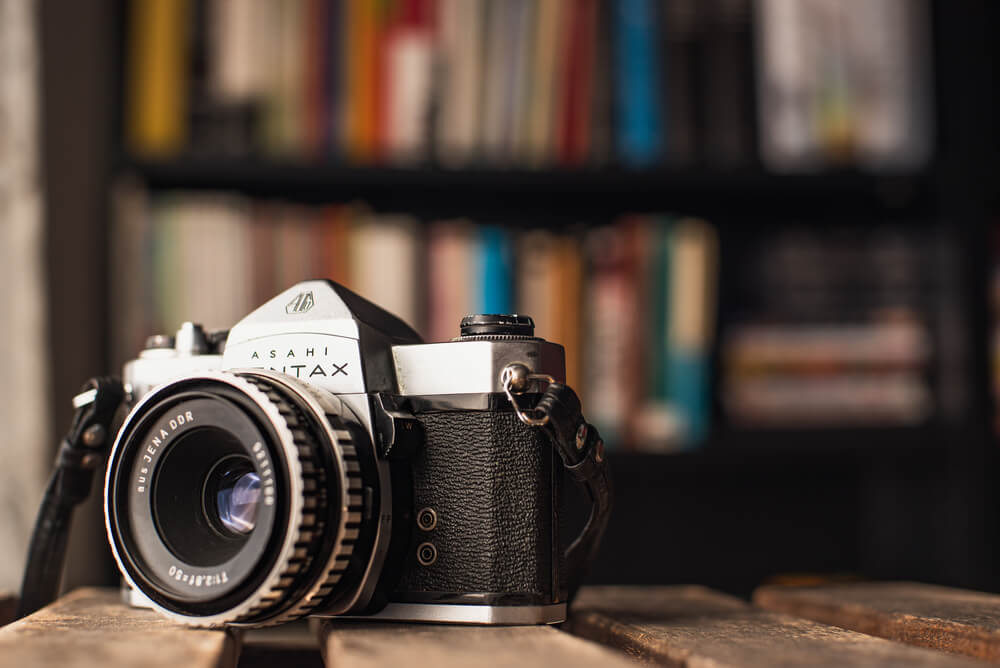
The Pentax Spotmatic, introduced in 1964, was among the first SLR cameras to popularize through-the-lens metering, a feature that became standard across the industry within a decade. Working examples paired with the original Takumar lenses, known for their distinctive rendering, remain popular with film photographers today.
Polaroid Land Camera Model 95
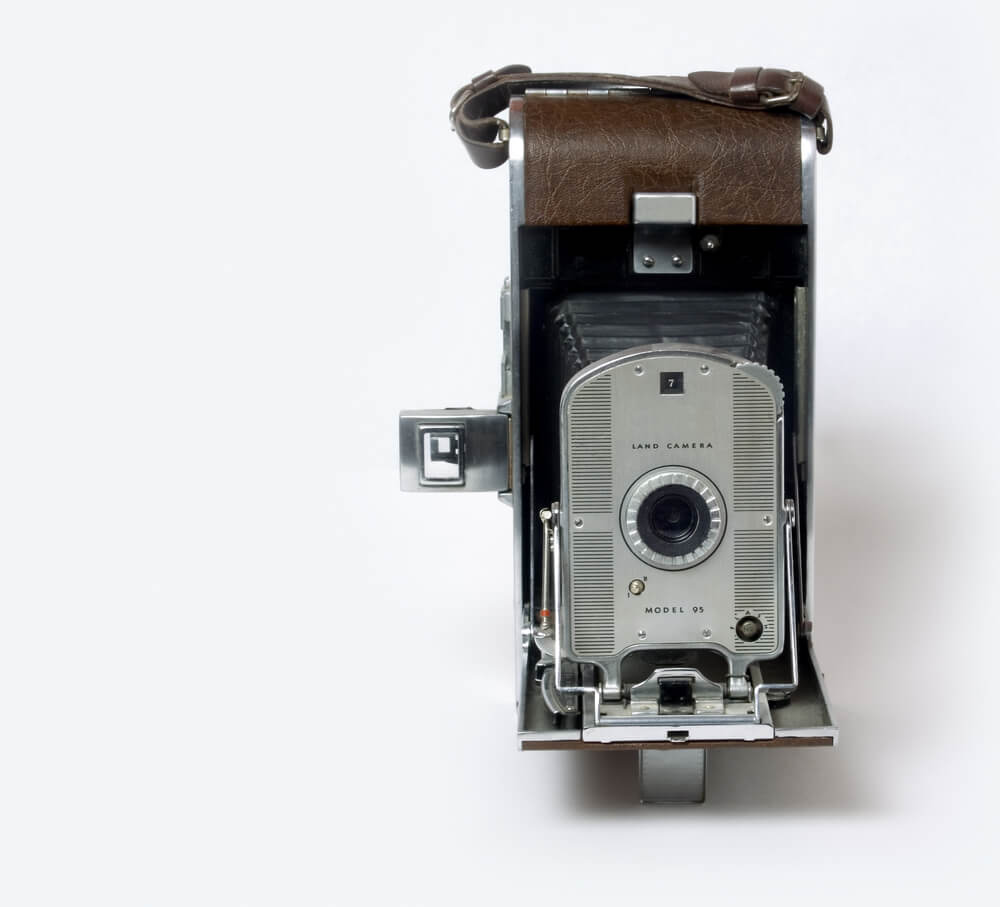
The Polaroid Land Camera Model 95, released in 1948, was the first instant camera ever sold to the public and set off the format that Polaroid built its entire business around for decades afterward. Functioning examples in good cosmetic condition are prized specifically for their place at the very beginning of instant photography history.
Rollei 35
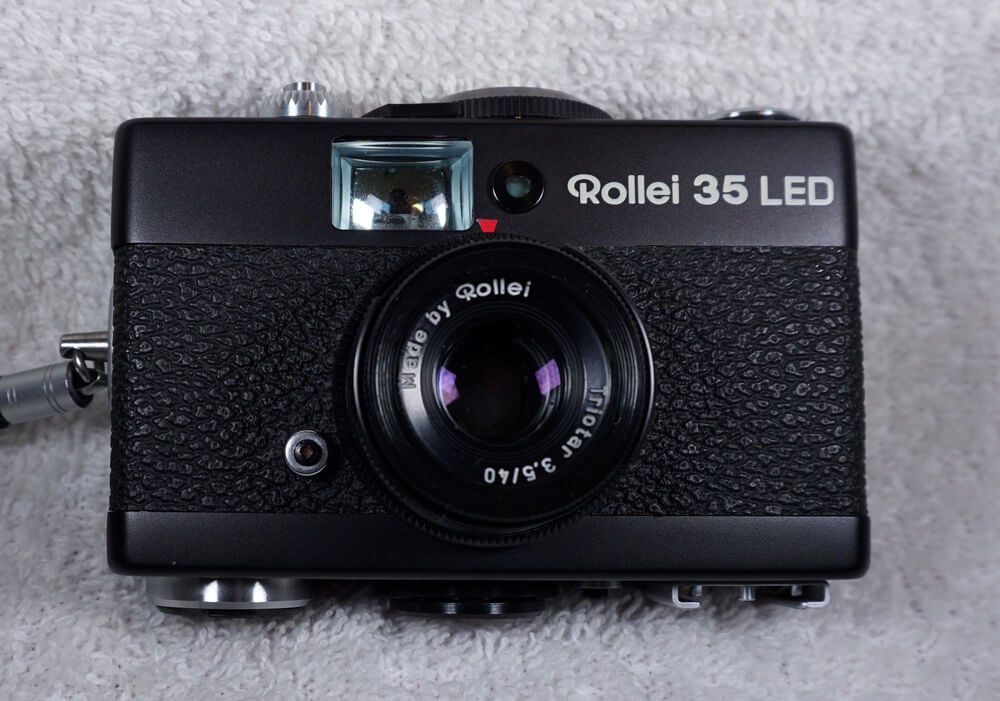
The Rollei 35, once marketed as the smallest full-frame 35mm camera in the world, packed a genuine coupled light meter and quality lens into a body that folds down small enough to disappear into a coat pocket. Clean examples with an accurate meter reading continue to draw strong interest from collectors of compact cameras.
Graflex Crown Graphic
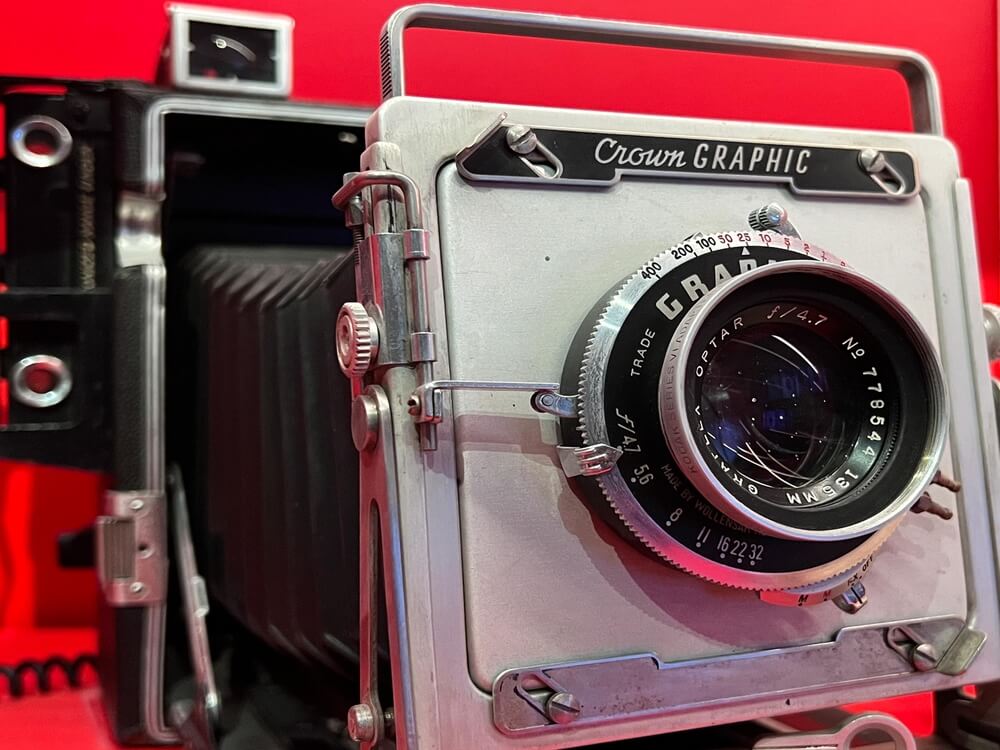
A lighter alternative to the Speed Graphic within the same product family, the Graflex Crown Graphic was widely used by amateur and semi-professional photographers working in large format through the mid-twentieth century. Complete examples with intact bellows and a functioning rangefinder sell for meaningfully more than bodies requiring repair.
What the Lens Actually Remembers
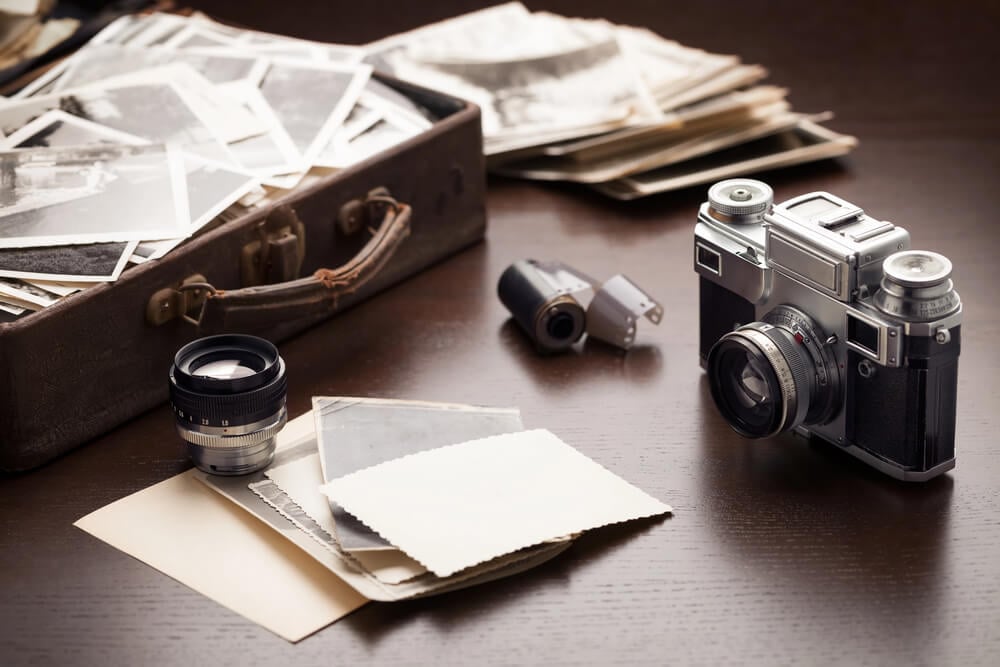
A camera outlives its original owner by design, built from metal and glass meant to survive decades of use long before anyone worried about planned obsolescence. What separates a valuable example from a shelf decoration is rarely the brand name alone but whether the mechanism still does the job it was built for.
That is the quiet appeal driving demand for these older systems: photographers are not just buying nostalgia, they are buying tools that still function as intended. A camera that still fires its shutter correctly after seventy years earns its price in a way a modern disposable device never will.
More from Go2Tutors!

- The Romanov Crown Jewels and Their Tragic Fate
- 13 Historical Mysteries That Science Still Can’t Solve
- Famous Hoaxes That Fooled the World for Years
- 15 Child Stars with Tragic Adult Lives
- 16 Famous Jewelry Pieces in History
Like Go2Tutors’s content? Follow us on MSN.