26 Old Photographs That Changed How People Saw an Event
Before photography, history was narrated by those with power to write. The camera changed that equation by providing evidence—images that seemed to prove truth itself.
Yet certain photographs proved so compelling, so emotionally powerful, that they reshaped collective memory and public understanding. A single photograph could convince millions to see an event differently than official accounts suggested.
These are photographs that didn’t just document events; they transformed them, making viewers question narratives they had accepted as gospel truth.
Dorothea Lange’s Migrant Mother: The Face of Depression
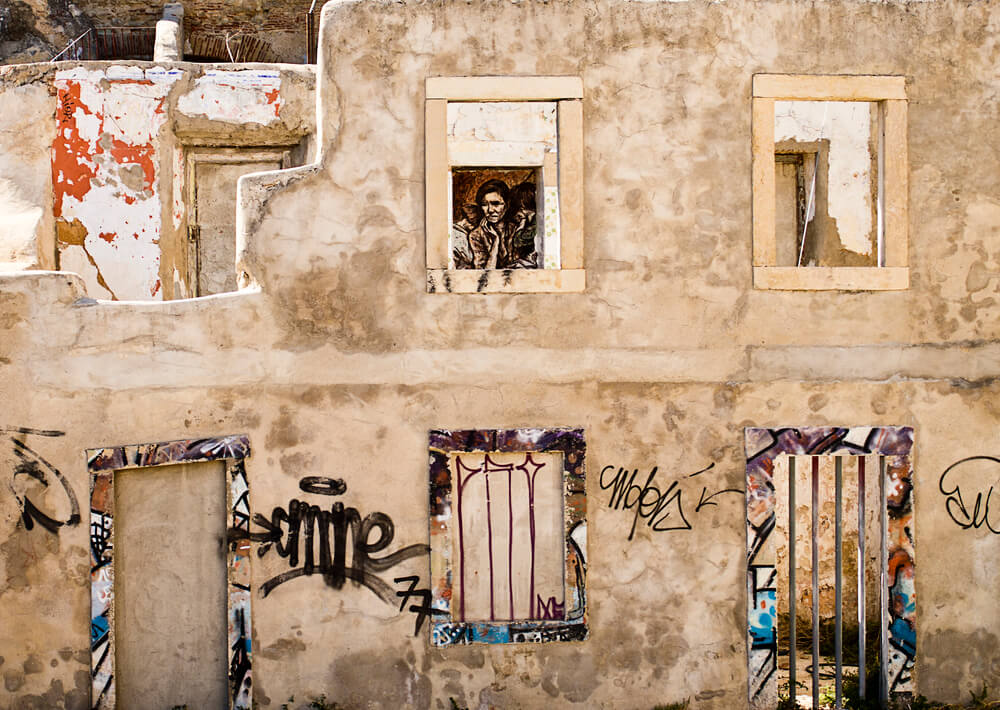
Dorothea Lange’s 1936 photograph of Florence Owens Thompson became the iconic image of the Great Depression. The photograph’s emotional intensity transformed abstract economic suffering into human desperation.
Before this photograph, poverty had remained somewhat conceptual; after, it was undeniable.
Eddie Adams’s Saigon Execution: The Vietnam War’s Turning Point
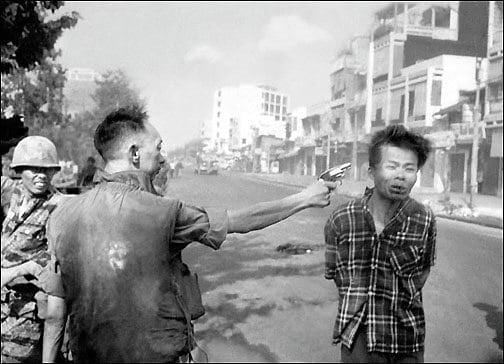
On February 1, 1968, photographer Eddie Adams captured the exact moment a South Vietnamese general executed a Viet Cong prisoner with a pistol shot. The photograph appeared worldwide and shifted American public opinion against the Vietnam War more than any speech or statistic could have achieved.
Napalm Girl: The Horror of War Made Visible
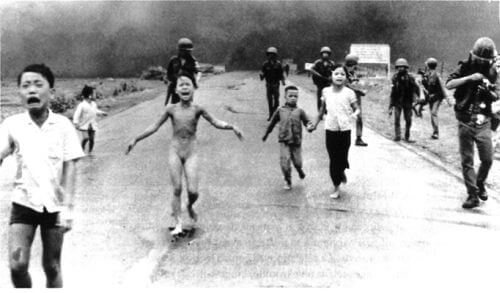
Nick Ut’s 1972 photograph of a nine-year-old girl fleeing a napalm attack in Vietnam became the symbol of war’s indiscriminate cruelty. The image was so powerful that it won the Pulitzer Prize and fundamentally altered how Americans perceived the Vietnam War.
The Tank Man of Tiananmen Square: Defiance Against Darkness
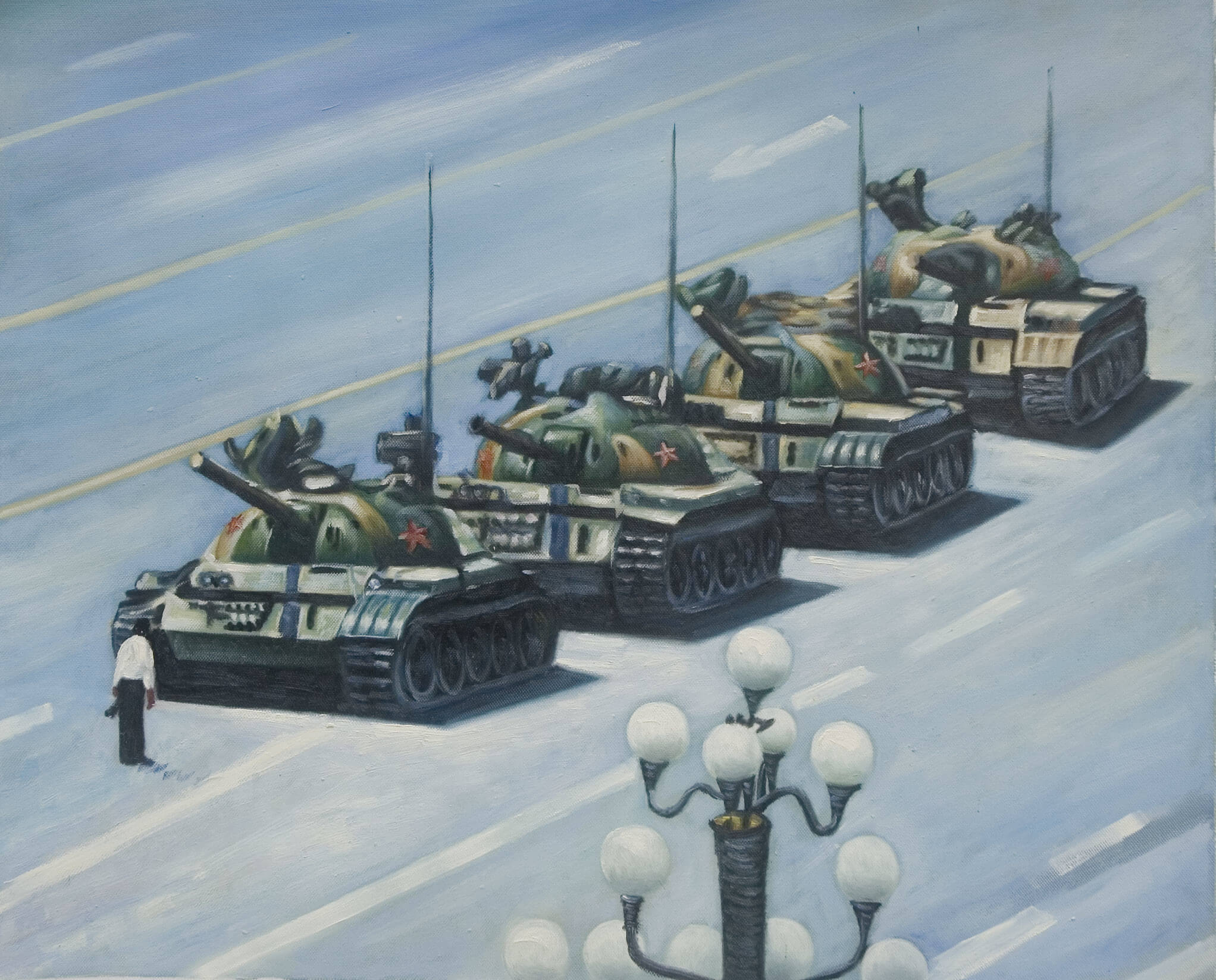
On June 5, 1989, photographer Jeff Widener captured an unknown man standing in front of a line of tanks at Tiananmen Square during China’s military crackdown. The photograph became an icon of individual defiance against authoritarian power, even though the man’s ultimate fate remained unknown.
The Falling Man: 9/11’s Unspeakable Moment

On September 11, 2001, photographer Jonathan Toker captured a man falling from the World Trade Center. The photograph was so emotionally devastating that many publications refused to run it, yet it raised crucial questions about suffering and heroism during that day.
James Nachtwey’s Rwanda Genocide Images: Bearing Witness
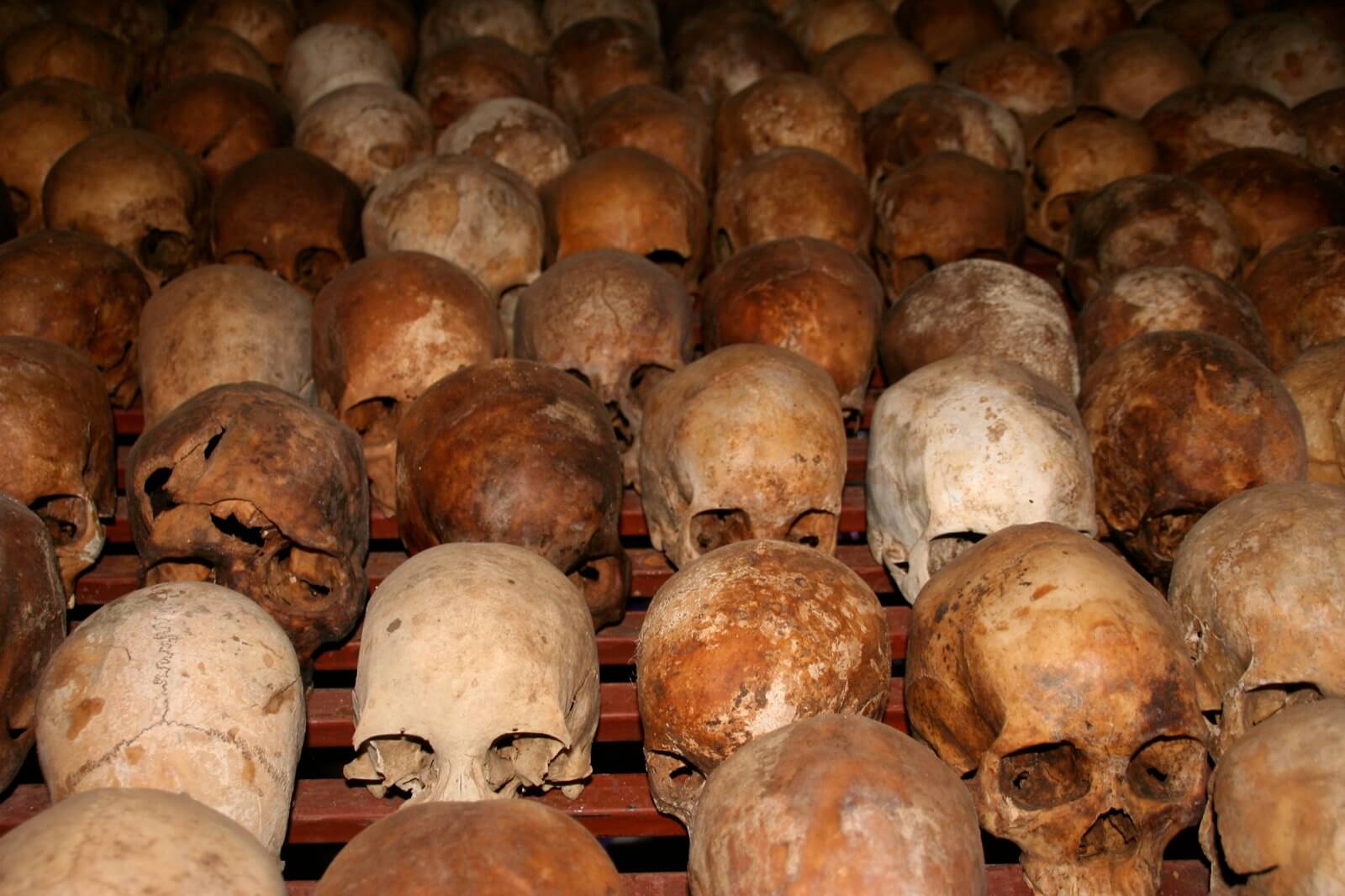
Photojournalist James Nachtwey’s images from the 1994 Rwandan genocide documented systematic mass murder in ways that text could not convey. His photographs forced the world to confront a genocide that was happening in real time while governments debated whether it was genocide.
The Afghan Girl: National Geographic’s Haunting Identity
Steve McCurry’s 1984 photograph of a young Afghan refugee girl became National Geographic’s most iconic cover image. Decades later, the girl was identified, and her life story revealed the complexity hidden behind the photograph’s beauty and pathos.
Civil Rights Era Photographs: Visual Evidence of Injustice
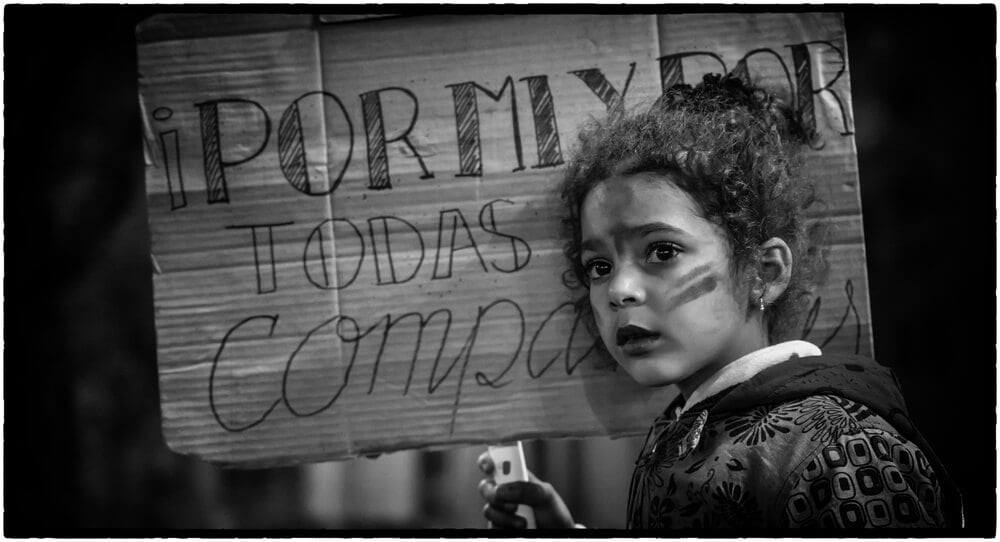
Photographs from sit-ins, marches, and police violence during the Civil Rights movement provided visual evidence of racial injustice that Southern politicians had denied. Images of peaceful protesters being beaten by police shocked the nation and transformed public opinion.
The Soviet Space Program Concealed: Cold War Photography
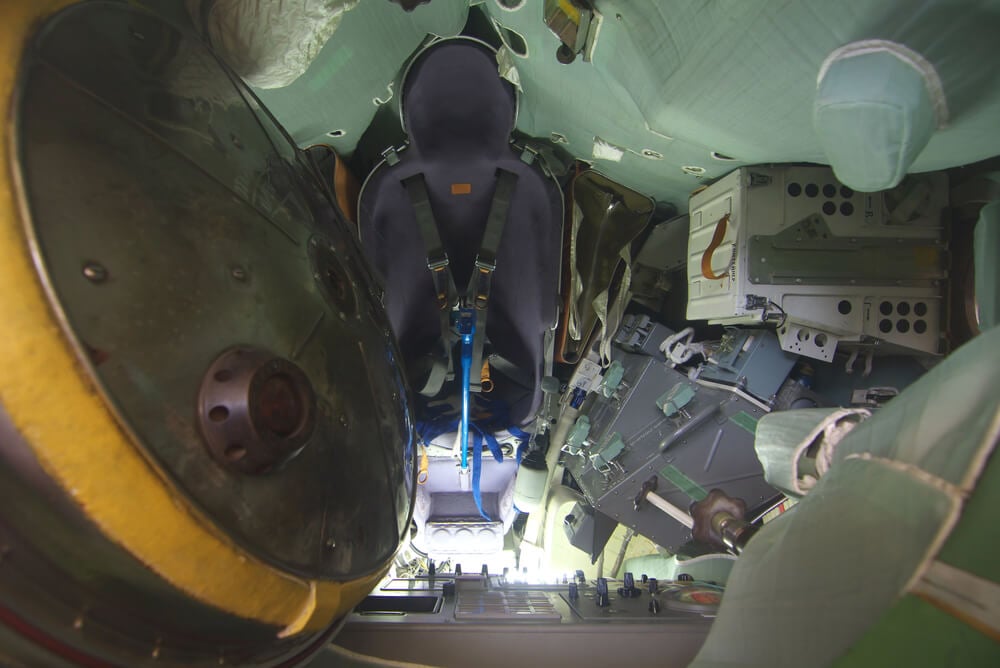
NASA’s Orbiter 5 satellite photography revealing Soviet space installations during the Cold War changed how Americans understood Soviet capabilities and intentions. Previously classified photographs later revealed strategic realities that had shaped foreign policy.
The Challenger Disaster: O-Ring Failure Made Visible
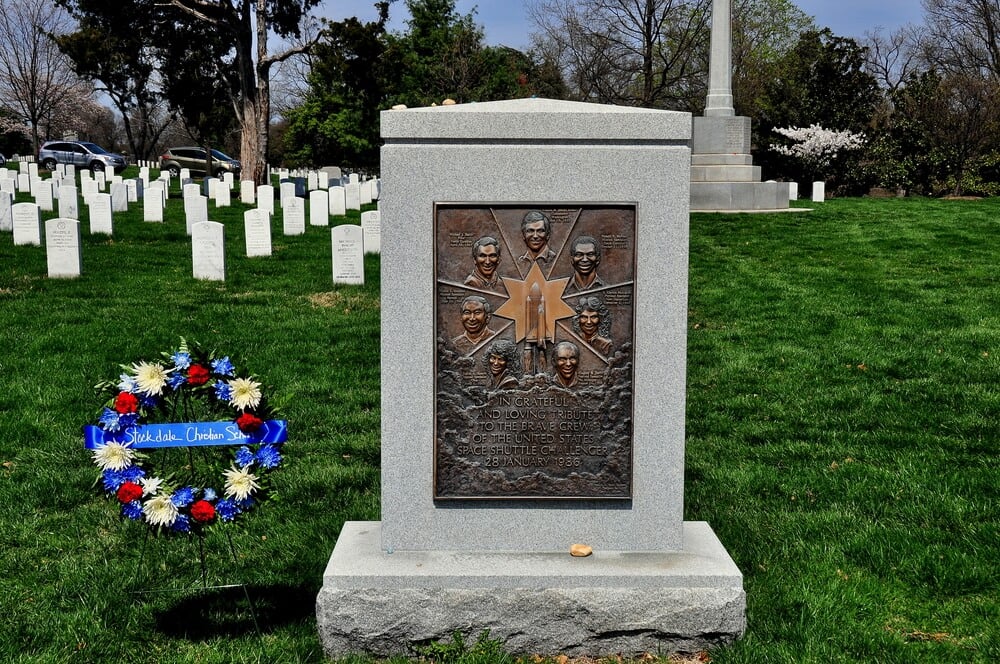
The Challenger disaster could not be documented by internal photography. Post-flight investigation analysis revealed the O-ring failure through debris reconstruction and engineering analysis, not from photographs or footage from inside the shuttle during or at the moment of disintegration.
These images shifted public understanding of the shuttle’s vulnerability and NASA’s risk management failures.
Baby Jessica in the Well: Media Event Photography

Photographs of eighteen-month-old Jessica McClure being rescued from a well in Texas in 1987 captivated the nation and changed how Americans consumed disaster news. The photographs transformed a local incident into a national drama.
The Burning Monk: Self-Immolation’s Visceral Reality

Thich Quang Duc’s self-immolation in Saigon on June 11, 1963, was photographed by Malcolm Browne. The image of the burning monk became the defining symbol of Buddhist protest against the South Vietnamese government and shifted American media coverage of the Vietnam War.
Robert Capa’s D-Day Photographs: Combat Reality
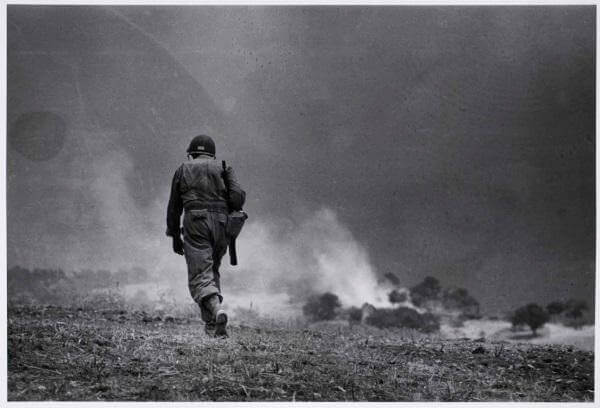
Robert Capa’s blurry, visceral photographs from the D-Day landings in 1944 conveyed the chaos and fear of combat in ways that previous war photography had sanitized. His images changed how the war was perceived and elevated war photography to an art form.
The Unclothed Vietnamese Girl: War’s Innocence Lost
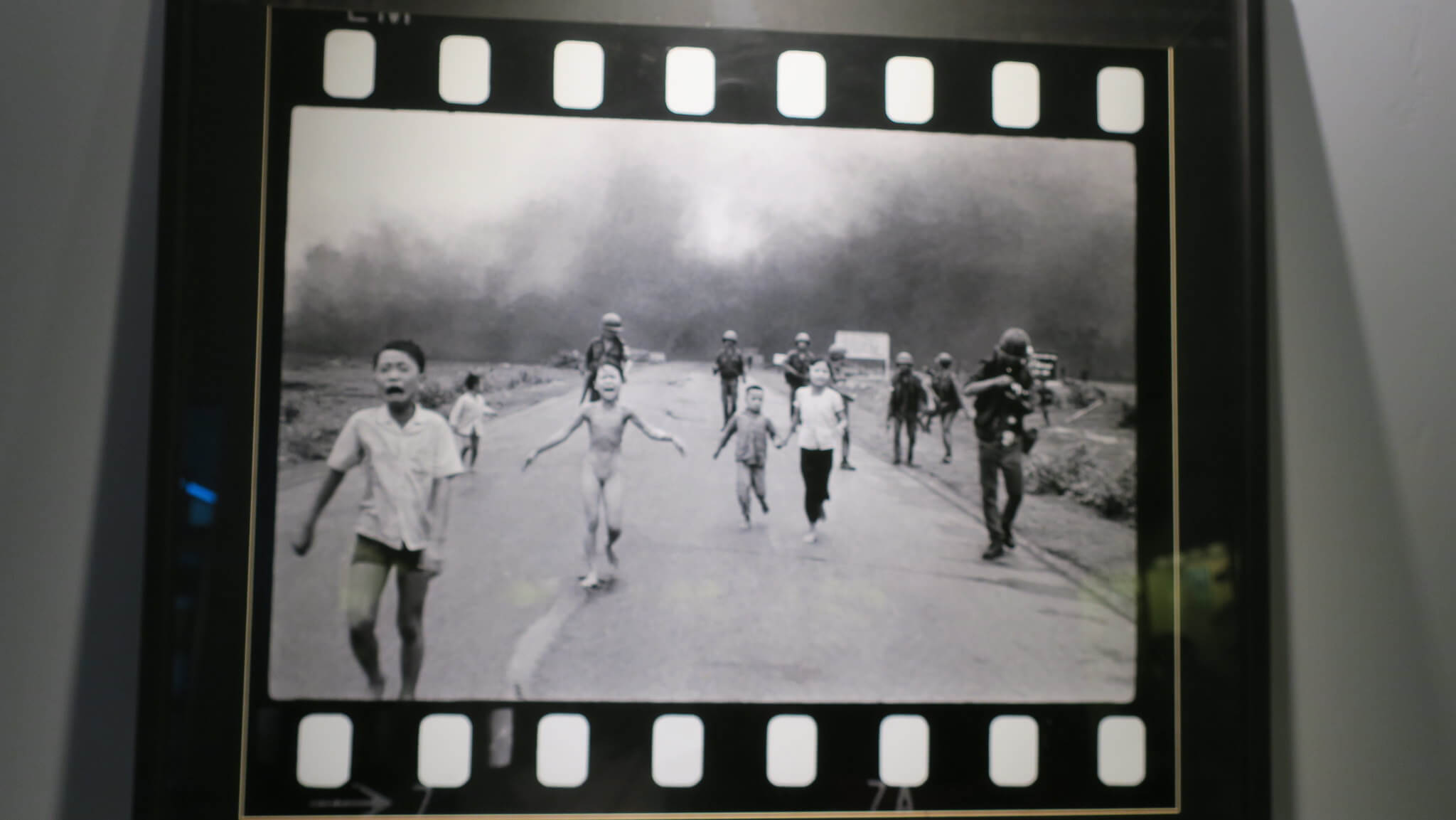
A simpler photograph than sophisticated photojournalism, the image of an unclothed girl running from bombs became more powerful than any analyzed combat image. Simplicity conveyed overwhelming truth.
Sudanese Mother and Vulture: Famine Visibility

Kevin Carter’s 1993 photograph of a starving Sudanese child shadowed by a vulture became a symbol of African famine. The image’s emotional power transcended compassion to raise ethical questions about the photographer’s role as witness versus participant.
The Hindenburg Disaster: Photography of Catastrophe

Sam Shere’s photographs of the Hindenburg disaster in 1937 were among the first images of major catastrophe captured in real time. These photographs transformed how America understood disaster and safety in aviation.
Abu Ghraib Prison Photographs: Abuse Made Undeniable
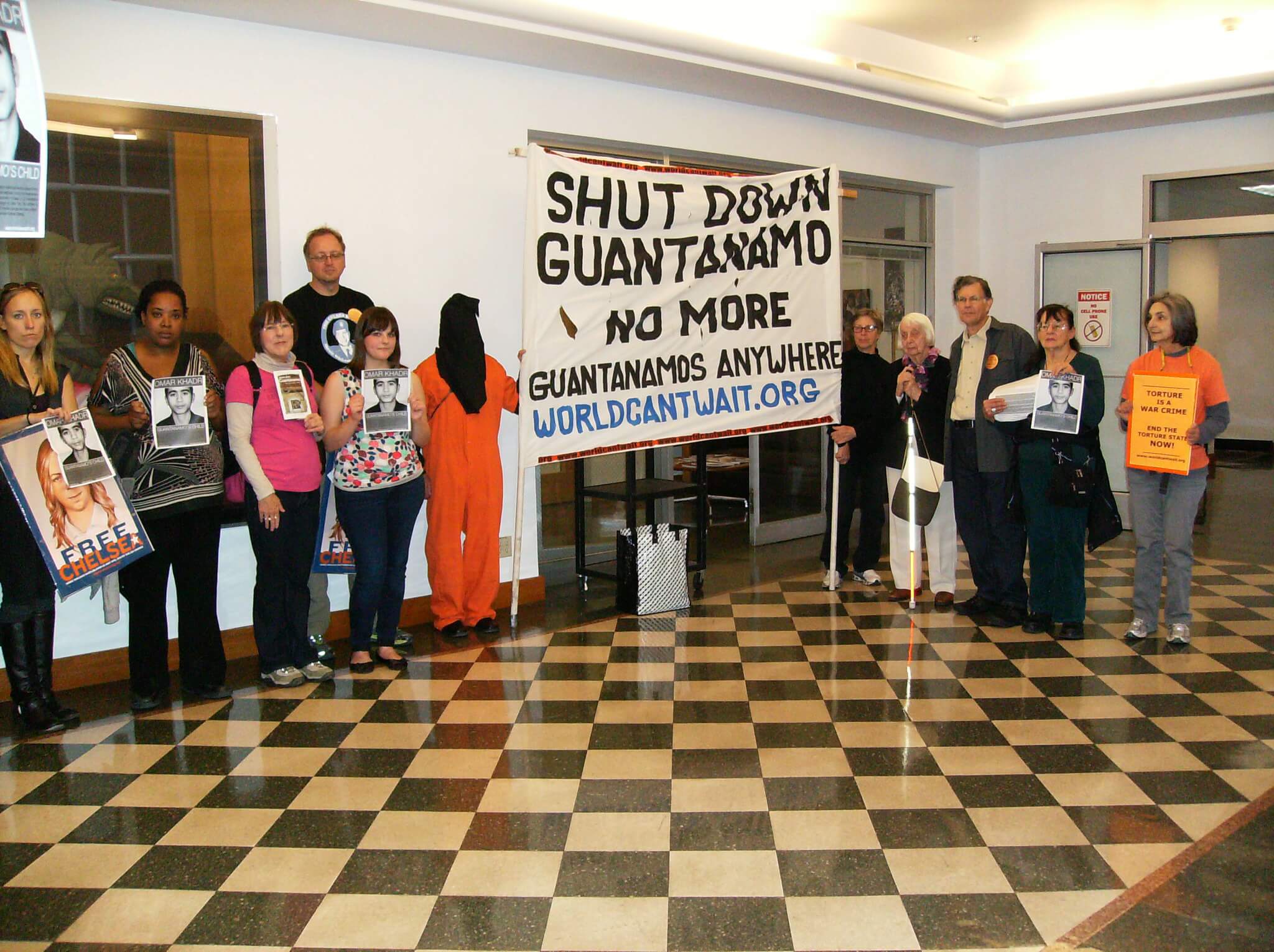
Photographs showing American soldiers abusing Iraqi prisoners at Abu Ghraib in 2003 fundamentally shifted global perception of American military conduct. No denial or explanation could override photographic evidence.
Emmett Till’s Funeral: Murder Made Visible

Photographs of Emmett Till’s brutalized corpse at his 1955 funeral in Mississippi shocked the nation and galvanized the Civil Rights movement. His mother insisted on an open casket specifically so photographs would show the reality of racial violence.
The Execution of Nicolae Ceaușescu: Revolution Documented
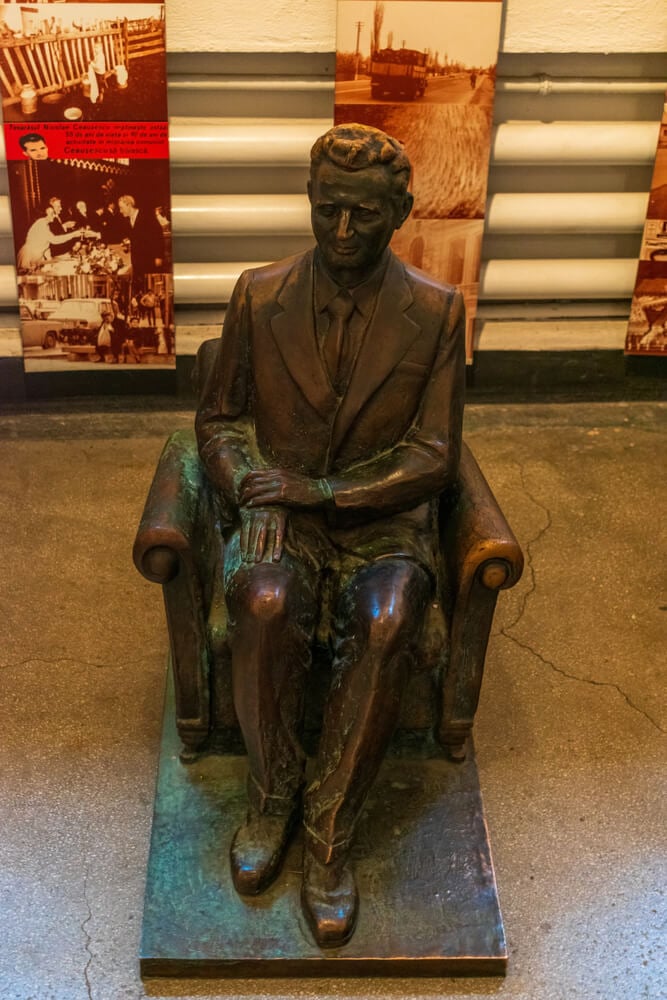
Photographs from the December 1989 execution of Romanian dictator Nicolae Ceaușescu provided visual evidence of the fall of communism in Eastern Europe. These images became symbols of peoples’ overthrow of authoritarian rule.
Marilyn Monroe’s Last Photographs: Death’s Prelude
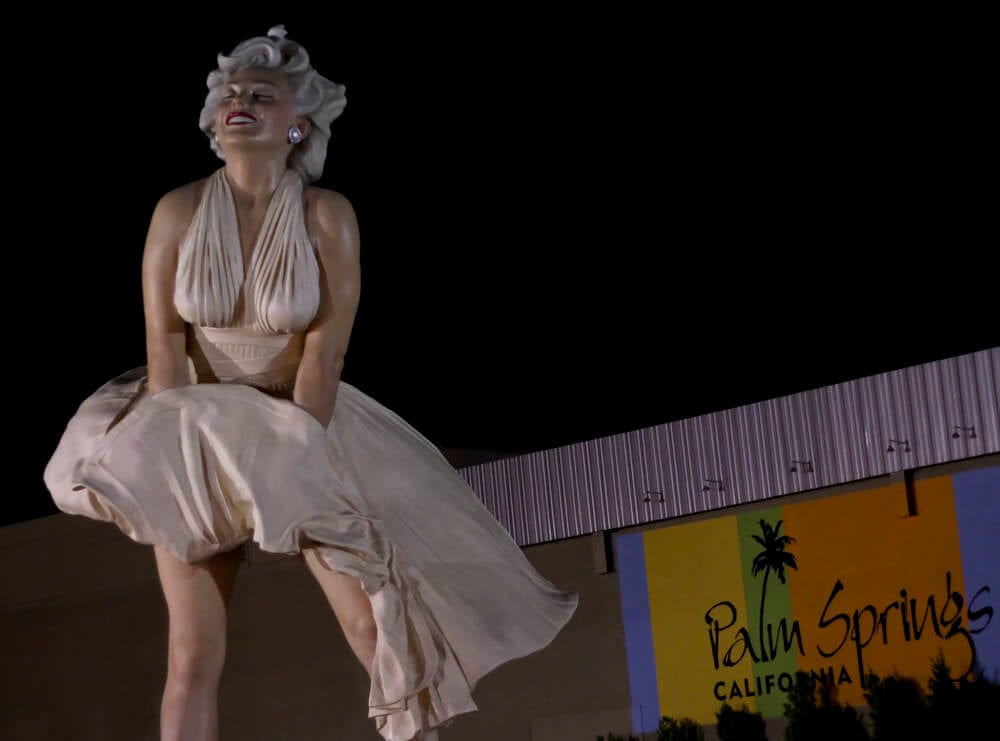
The final photographs of Marilyn Monroe taken shortly before her death in 1962 carry tragic weight. They show a glamorous icon unaware she had hours to live, transforming them into unintentional memorials.
The Fall of the Berlin Wall: Division’s End Documented
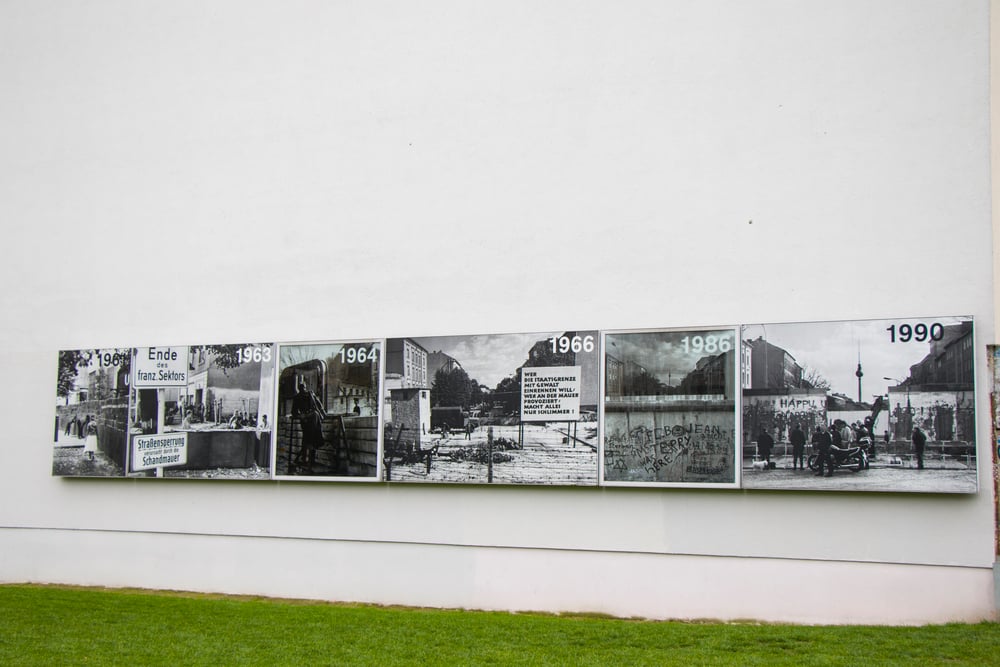
Photographs from November 1989 showing Germans breaking through the Berlin Wall provided visual confirmation that the Cold War’s symbol of division was crumbling. The images inspired freedom seekers worldwide.
Hindus and Muslims Together: Partition Photographs
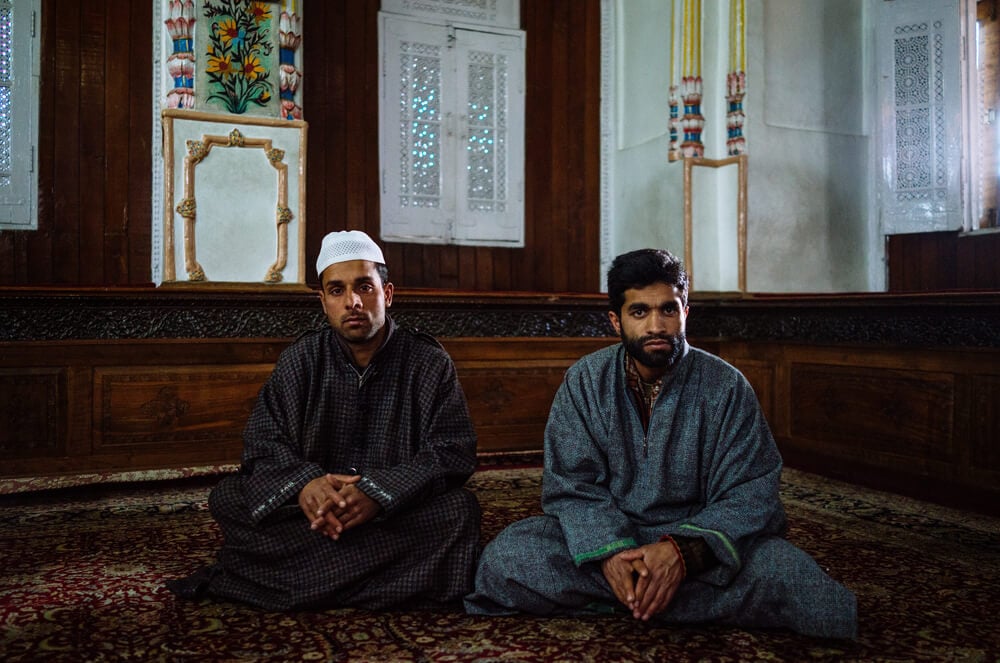
Photographs from India’s 1947 partition showing Hindus and Muslims fleeing violence together documented communal horrors in ways that text could not convey. These images informed global understanding of partition’s human cost.
The Moon Walk: Armstrong’s Photograph in the Lunar Dust
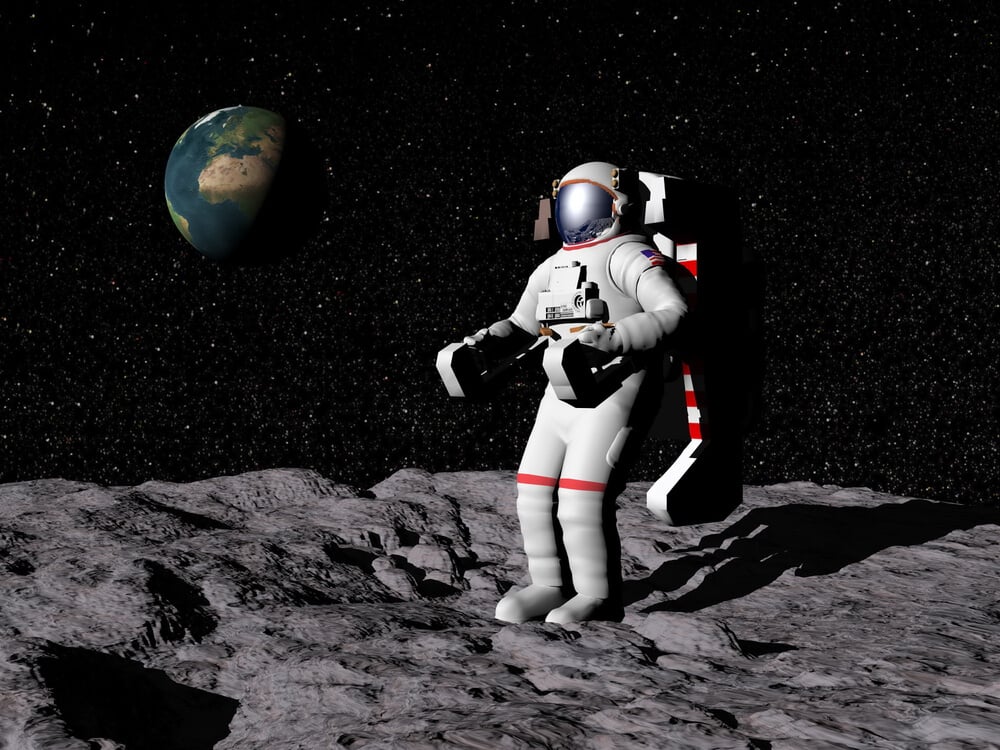
Buzz Aldrin’s photograph of Neil Armstrong walking on the moon in 1969 became the symbol of humanity’s greatest technological achievement. The image reshaped how humans understood their place in the universe.
Chernobyl’s Abandoned Childhood: Post-Disaster Photography
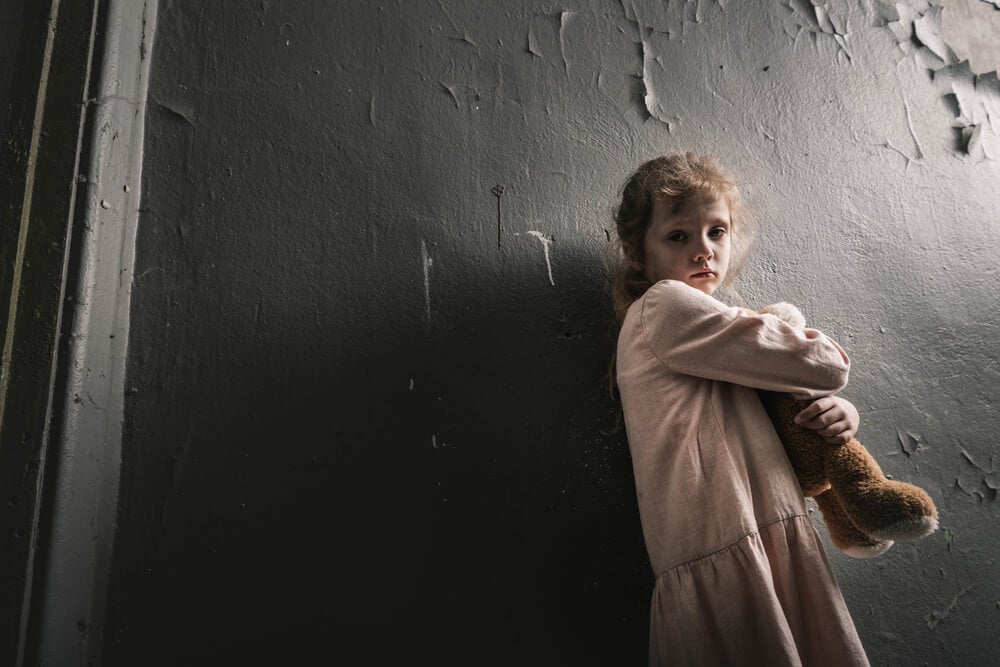
Photographs taken after the 1986 Chernobyl disaster showing abandoned children’s toys in evacuated villages conveyed psychological trauma alongside physical radiation. The images symbolized civilization’s abandonment at nuclear catastrophe.
Tiananmen Before and After: Temporal Documentation
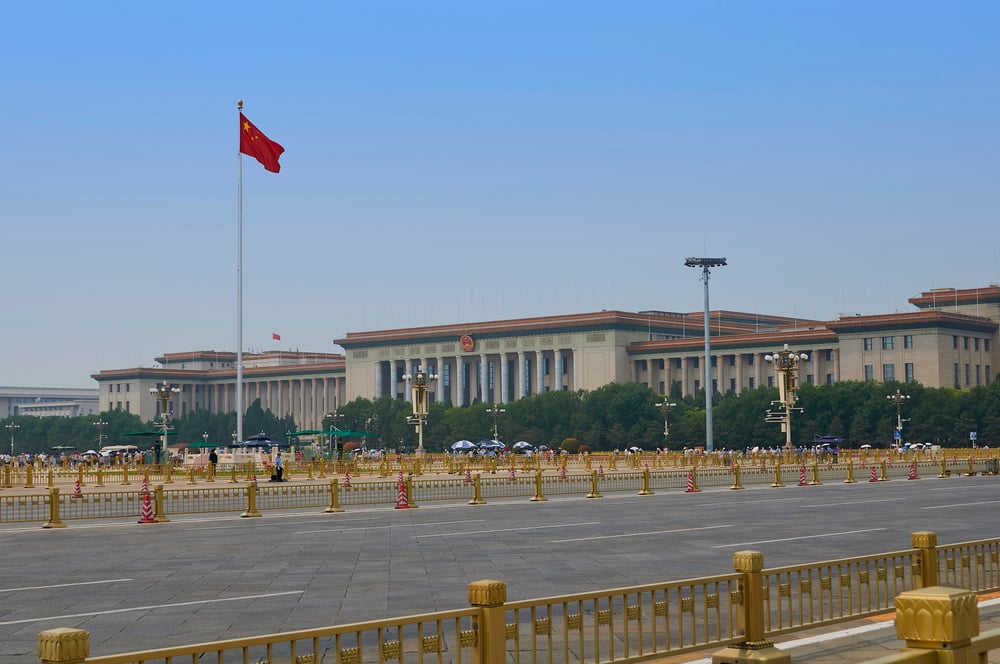
Photographs of Tiananmen Square on June 3rd and June 5th showed the transformation wrought by military crackdown. The visual contrast conveyed change more powerfully than any narrative.
World Trade Center in Smoke: September 11th’s Symbol
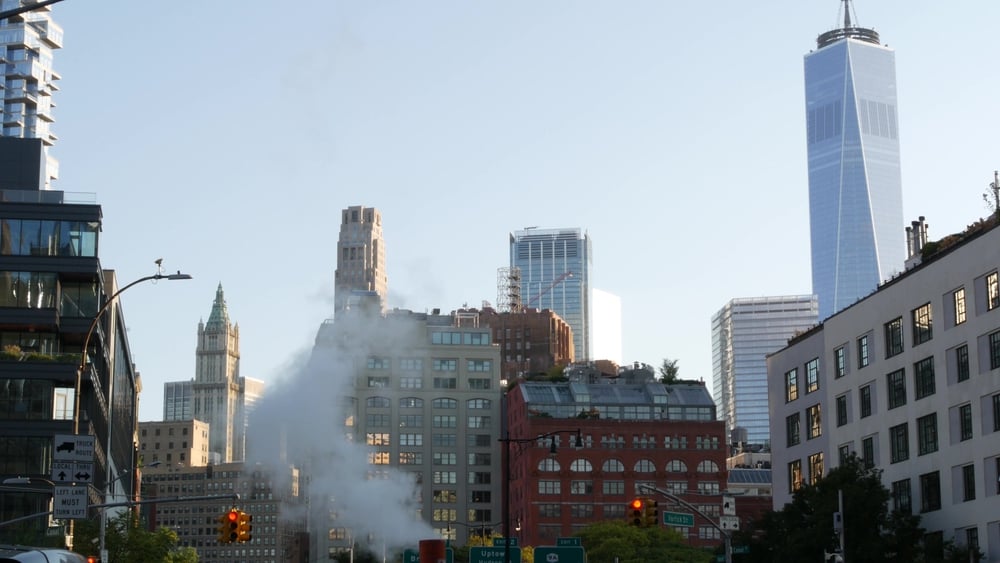
Photographs of the World Trade Center towers billowing smoke on September 11, 2001, became the defining images of that day. The photographs were so powerful that many news organizations eventually ceased running them out of respect.
The Photograph as Historical Record
These images demonstrate photography’s unique power to reshape historical memory. A photograph cannot be easily dismissed as propaganda or bias; it seems to contain objective truth.
Yet the power lies not in objectivity but in emotional impact—photographs change how we feel about events, and feeling changes how we remember and understand history itself.
More from Go2Tutors!

- The Romanov Crown Jewels and Their Tragic Fate
- 13 Historical Mysteries That Science Still Can’t Solve
- Famous Hoaxes That Fooled the World for Years
- 15 Child Stars with Tragic Adult Lives
- 16 Famous Jewelry Pieces in History
Like Go2Tutors’s content? Follow us on MSN.



