26 Record Albums Buyers Chase Down for the Pressing, Not the Music
Vinyl collectors hunt for specific pressings of famous albums with an intensity that baffles casual listeners. The difference between a first pressing and a reissue from ten years later can be the difference between a fifty-cent thrift store find and a ten-thousand-dollar treasure.
Pressing variations, label colors, cover details, and production numbers turn commodity records into investment pieces. The rarest records aren’t always the least known—they’re often records that sold well and were reissued repeatedly, making early copies genuinely scarce.
A worn original mono pressing of the right Beatles album outpaces a pristine modern reissue by a factor of a hundred.
The Beatles “Please Please Me” (1963)
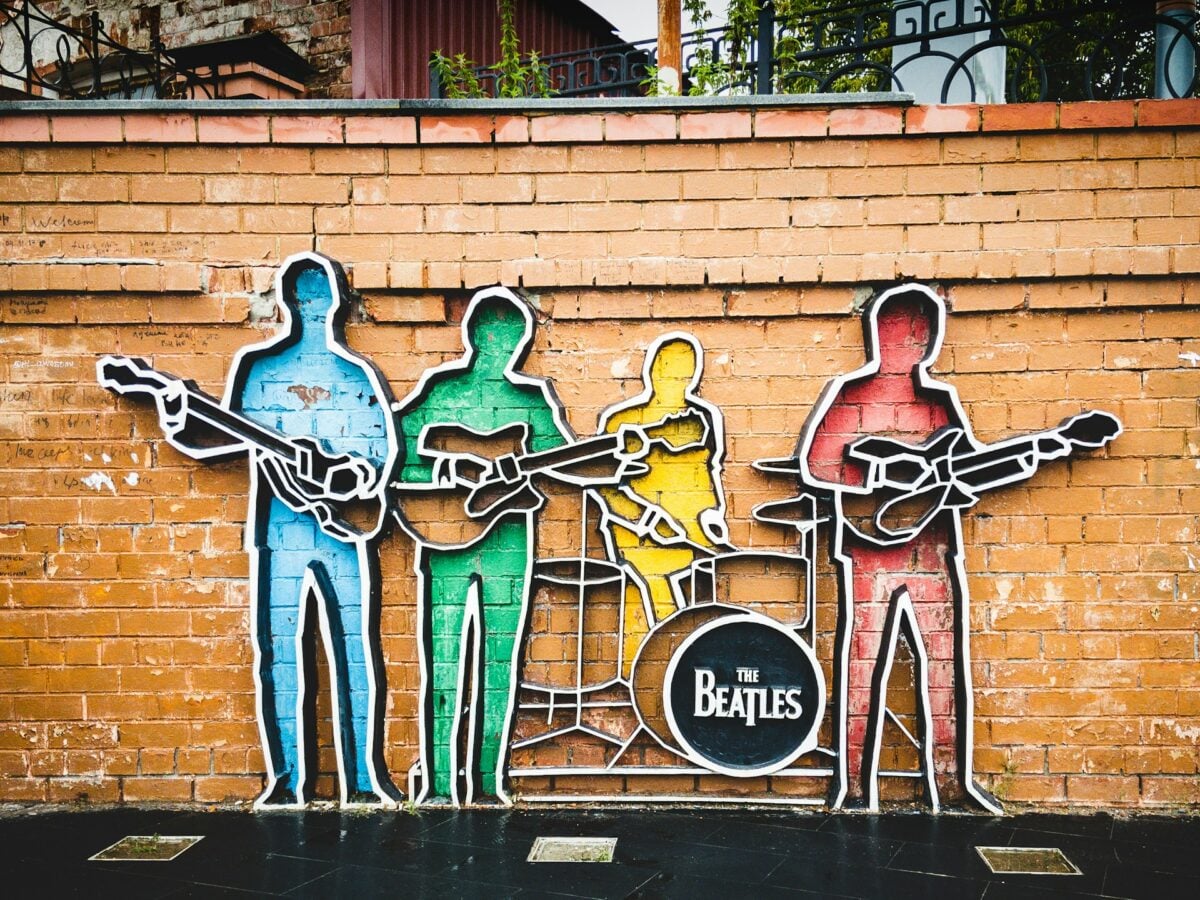
The gold and black Parlophone pressing of this debut album remains one of the most coveted rock records. Original UK first pressings fetch $2,000 to $10,000 depending on condition.
American Capitol pressings, while valuable, command considerably less.
The Beatles “Yesterday and Today” (1966)
This album’s famous withdrawn butcher cover—depicting the band with raw meat—makes it a holy grail for serious collectors. VG+ to NM copies sell for $10,000 to $125,000.
Even covers with the peel-off sticker removed hold four-figure prices.
The Beatles “White Album” (1968)
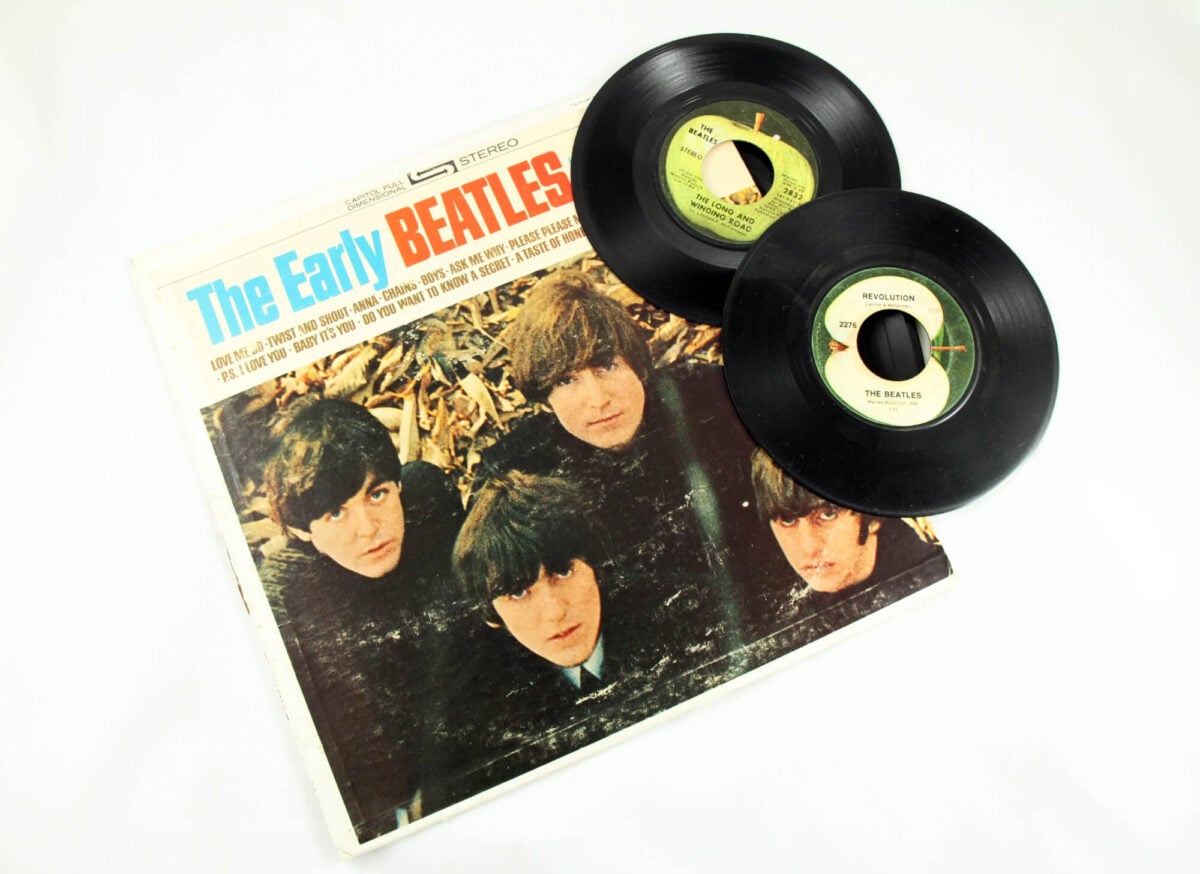
Early low-number copies of this self-titled double album command serious money. Numbers under 100 fetch $5,000 to $30,000 depending on condition.
The infamous number one pressing sold for $790,000 when Ringo Starr purchased it at auction in 2015.
Bob Dylan “The Freewheelin'” (1963)
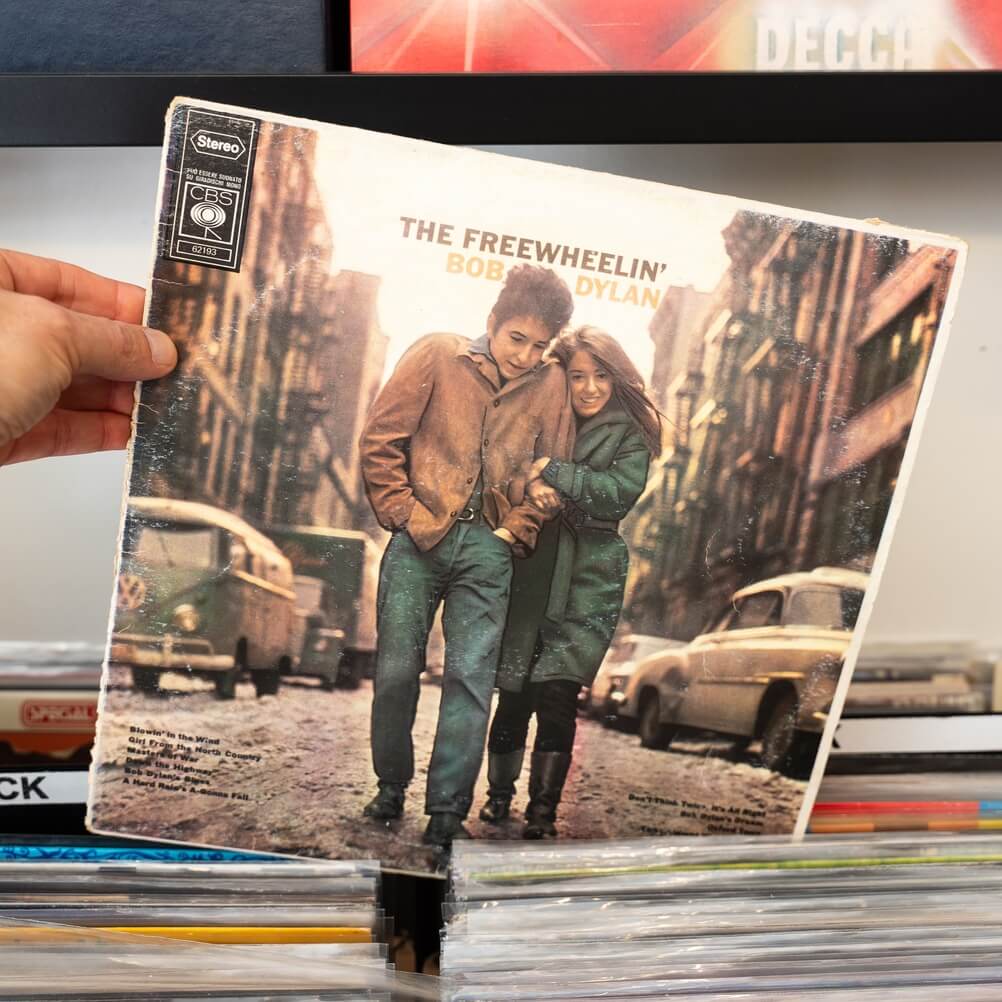
The withdrawn stereo first pressing of this iconic album reaches $20,000 to $35,000. The initial pressing featured four tracks that were removed before wider distribution, making early copies extremely rare.
Mono pressings sell for significantly less.
The Rolling Stones Mono Pressings (1960s)
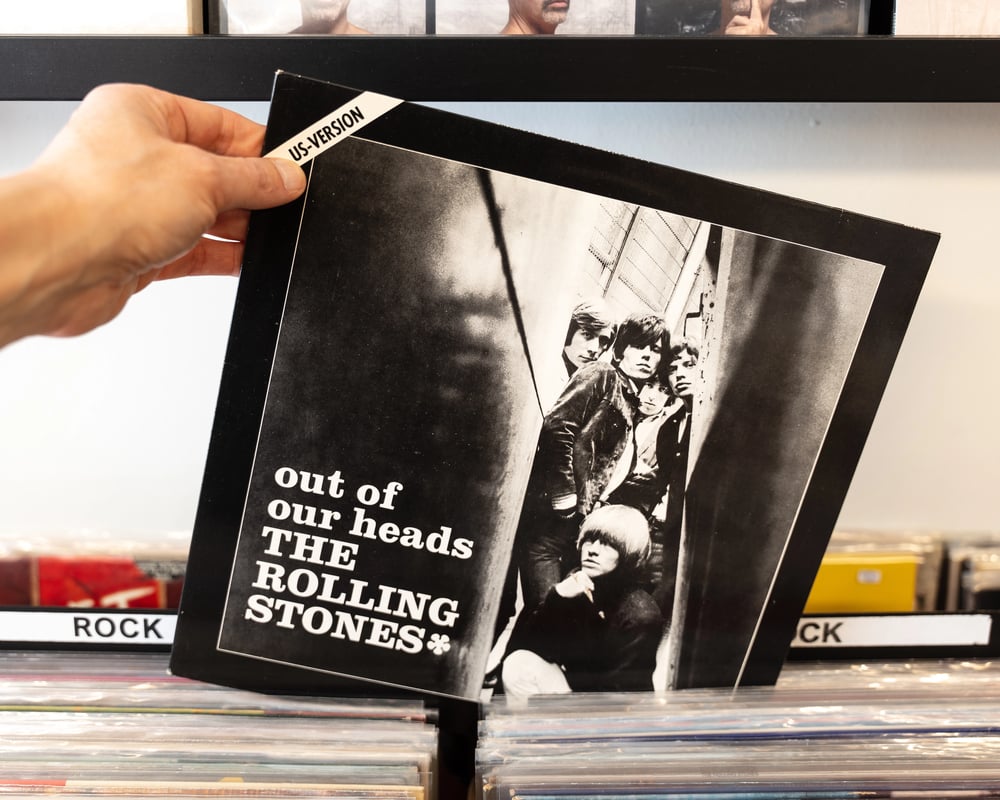
Original mono first pressings of early Stones albums command $1,000 to $8,000 depending on the specific title and condition. Stereo pressings, while valuable, pale in comparison—early stereo mixing was considered inferior to the mono masters.
The Velvet Underground & Nico (1967)
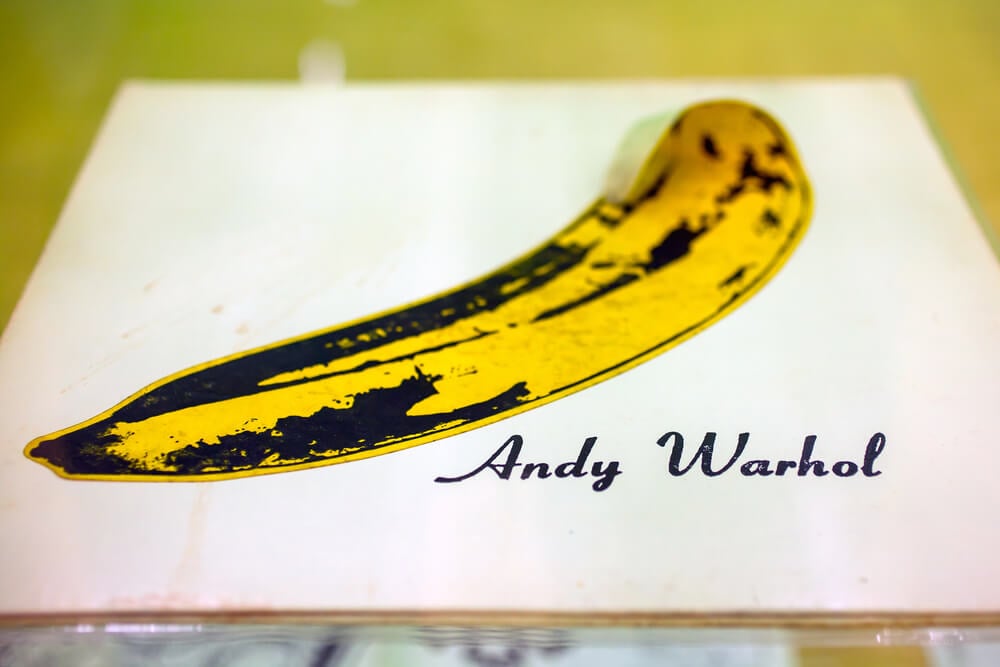
The famous edition with Andy Warhol’s peelable banana sticker that revealed pink underneath commands $5,000 to $25,000. Mono pressings with intact stickers reach the top of this range.
Copies with already-peeled stickers sell for $1,000 to $5,000.
Led Zeppelin I (1969)
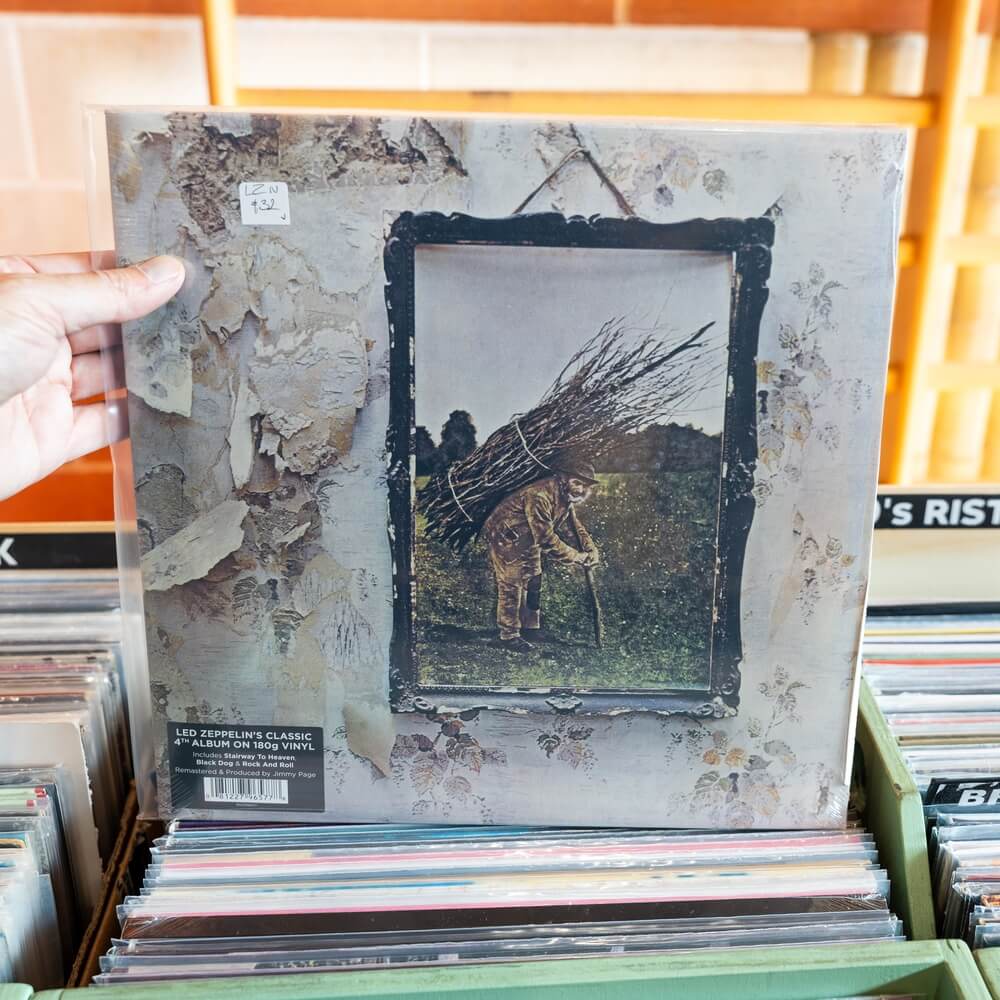
The first pressing with turquoise lettering on the cover (instead of the more common orange) reaches $2,000 to $8,000. This variant was quickly changed, making early copies with turquoise lettering genuinely scarce.
Pink Floyd “The Piper at the Gates of Dawn” (1967)

Mono UK Columbia pressings of this psychedelic debut fetch $2,000 to $6,000 in VG+ to near mint condition. The experimental Syd Barrett arrangements appeal to serious progressive rock collectors.
Queen “Bohemian Rhapsody” (1975)
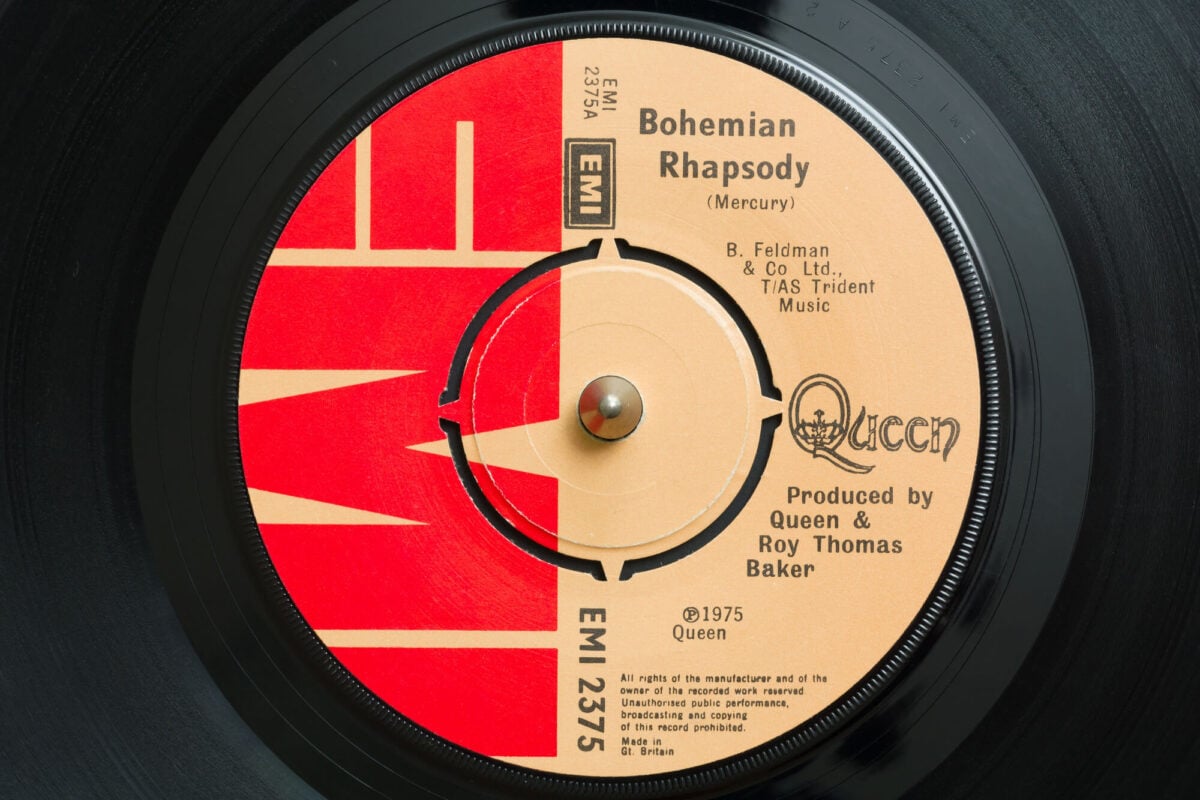
A blue vinyl promo pressing exists of this iconic single made only for radio stations and industry insiders. In pristine condition, these reach several thousand dollars. One signed copy sold for £4,000.
Jimi Hendrix “Axis: Bold as Love” (1967)
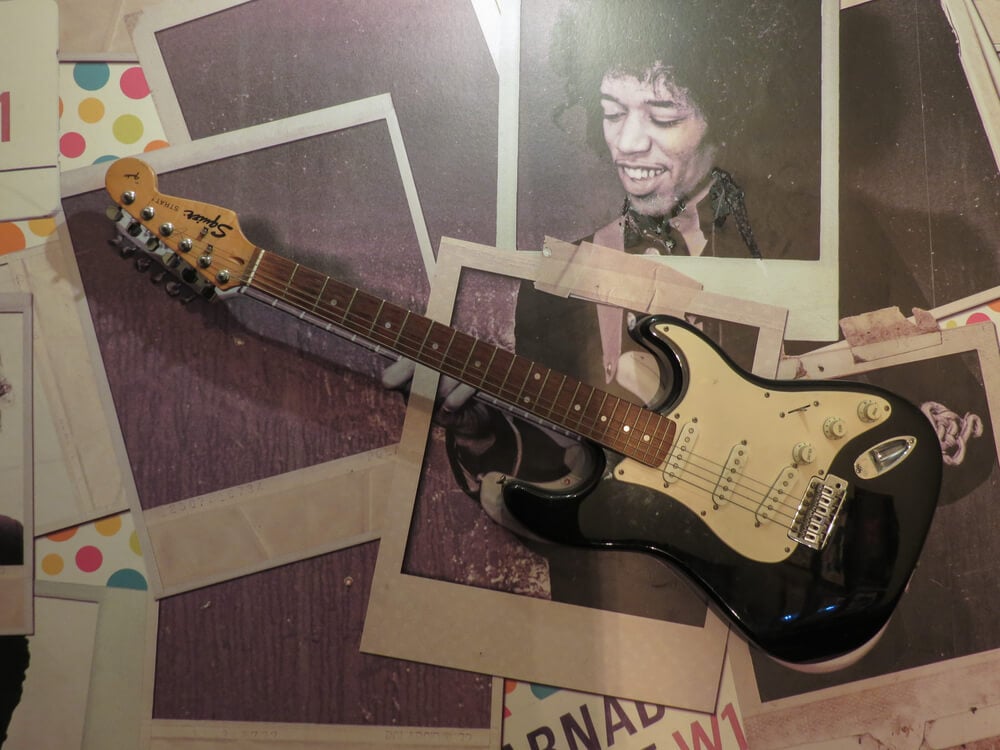
Original pressings with the flat cover artwork command $1,500 to $3,500. Mint condition examples without cover damage are particularly scarce.
The sonic quality of first-generation pressings attracts both collectors and audiophiles.
Jimi Hendrix “Electric Ladyland” (1968)
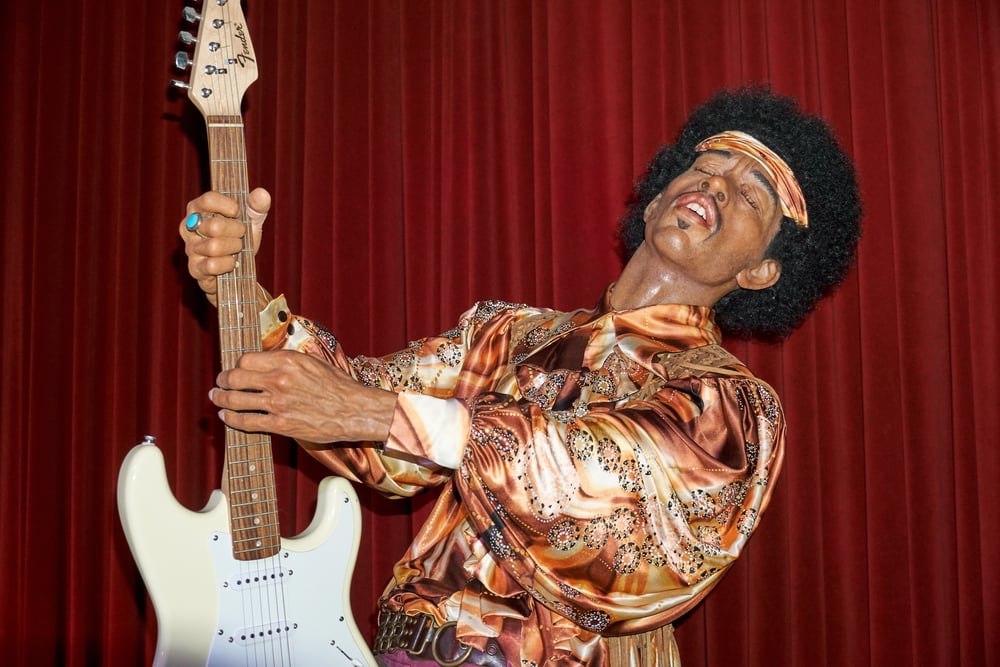
Early pressings with original gatefold art featuring the lenticular 3D cover reach $1,000 to $3,000. Covers where the 3D effect remains intact command premiums.
The Who “Tommy” (1969)
Original pressings of this ambitious rock opera on Decca (UK) or MCA (US) fetch $800 to $2,500. Two-album gatefold sets with both records in clean condition are particularly valued.
Miles Davis “Kind of Blue” (1959)
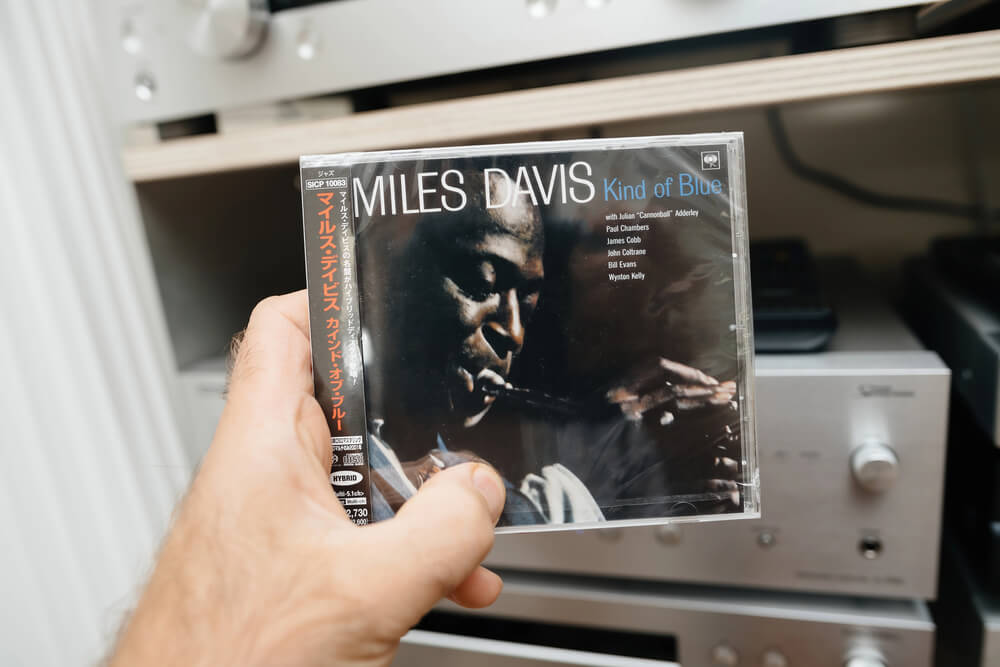
Blue Note mono first pressings with the deep groove designation reach $3,000 to $8,000. This groundbreaking jazz album remains consistently sought after by collectors.
Stereo pressings command less despite better sound.
John Coltrane “Giant Steps” (1960)
Original Blue Note pressings fetch $2,000 to $6,000 depending on specific pressing variations. Matrix numbers in the dead wax determine exact pressing identification and value.
Art Blakey “Moanin'” (1958)
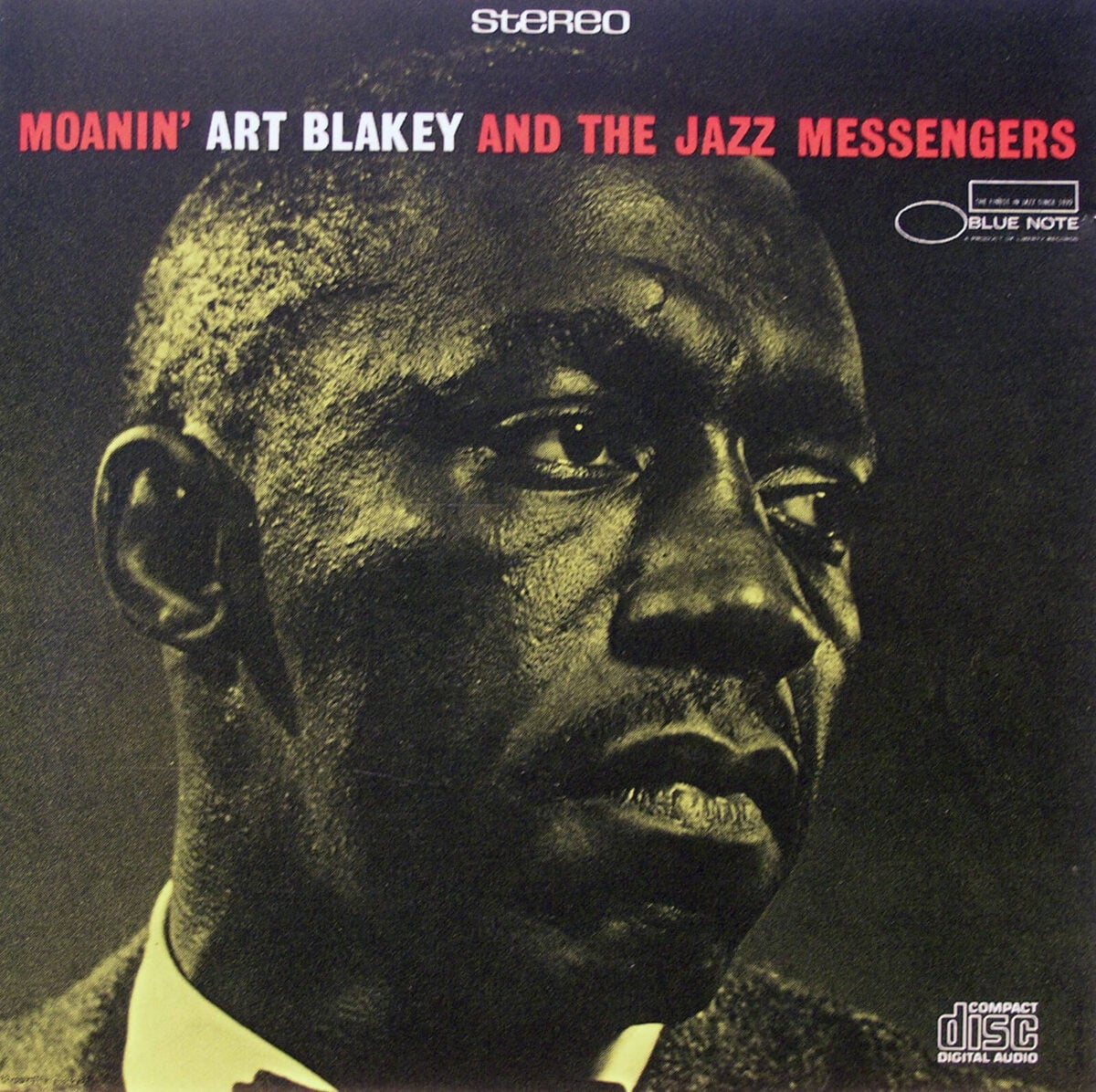
Original mono Blue Note pressings reach $1,800 to $4,500. The raw energy of Blakey’s drumming and the stellar ensemble performance create consistent collector demand.
Thelonious Monk “Brilliant Corners” (1956)
Rare early Riverside pressings sell for $2,000 to $5,000. The unconventional genius of Monk’s compositions appeals to jazz history enthusiasts and serious collectors.
Sonny Rollins “Saxophone Colossus” (1956)
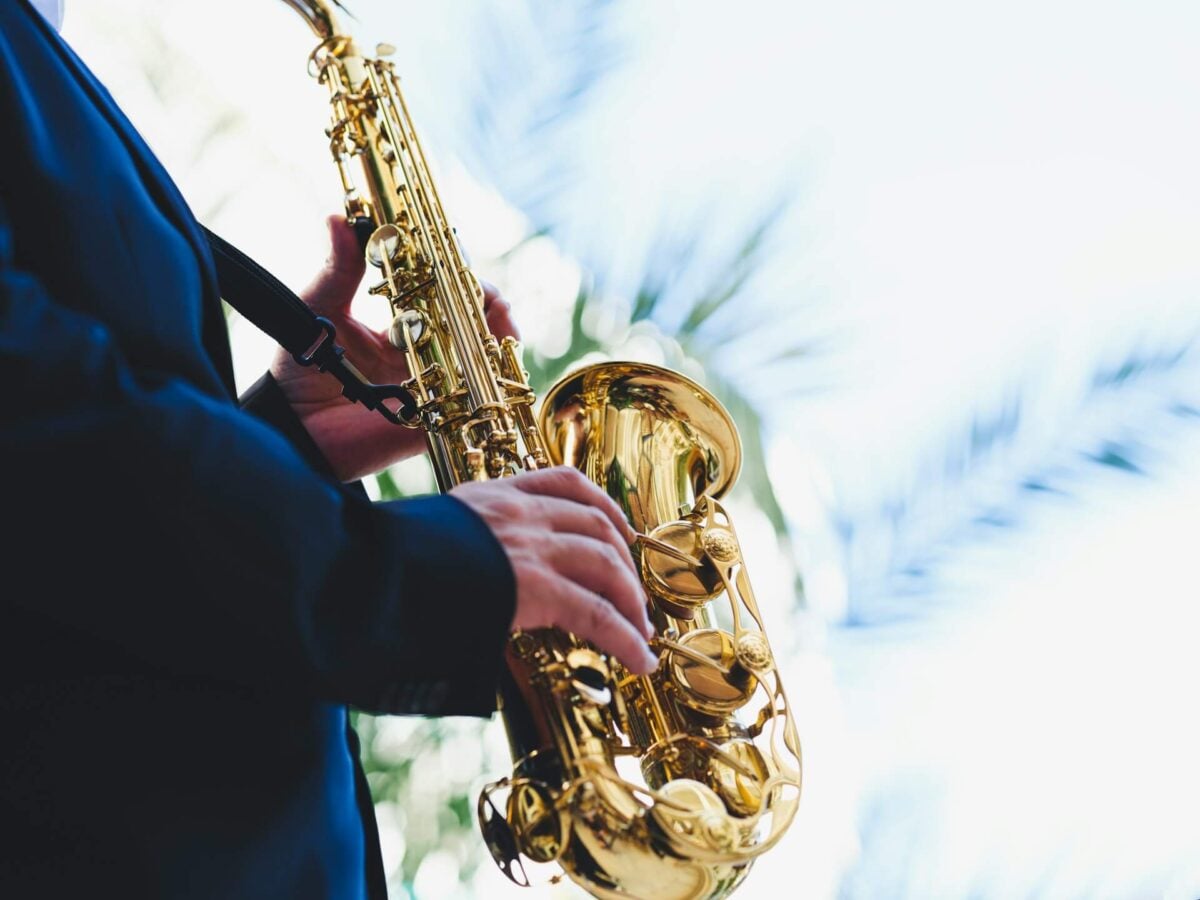
First pressings on Prestige Records command $1,500 to $3,500. The legendary “St. Thomas” composition on the B-side attracts both jazz and world music collectors.
B.B. King “Singin’ the Blues” (1957)
Original Crown Records pressings reach $1,000 to $2,500. The foundational blues authority on this record maintains collector interest across generations.
Howlin’ Wolf “Moanin’ in the Moonlight” (1959)
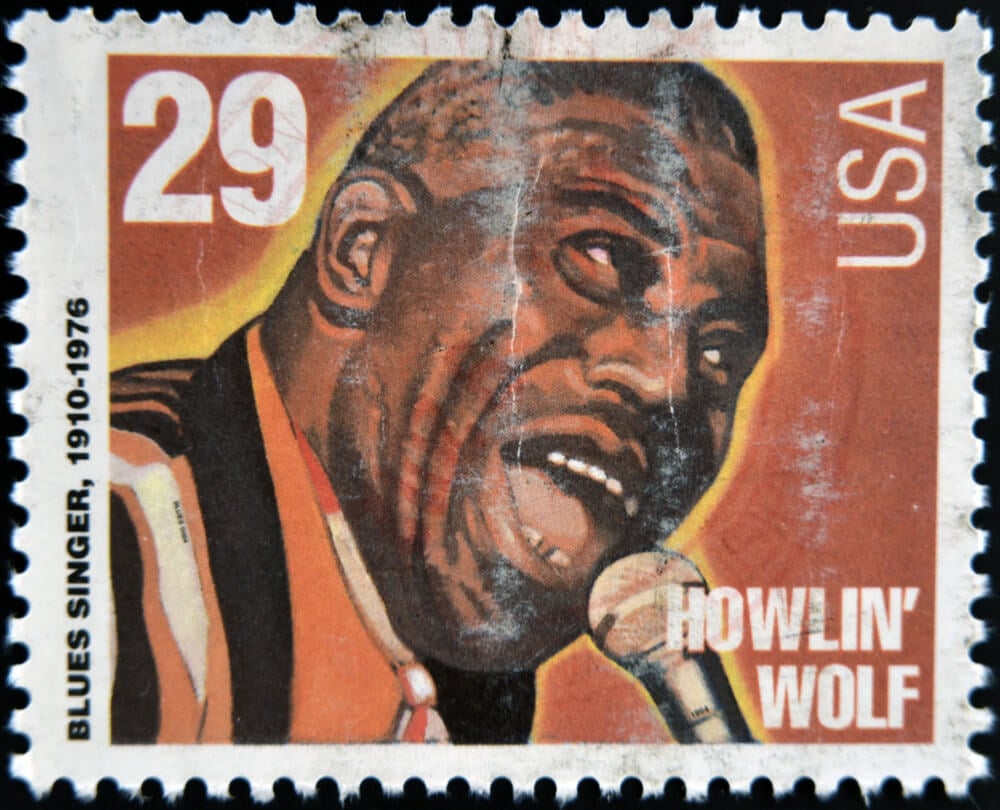
Rare early Chess Records pressings exceed $2,000. This electric blues classic remains sought after by serious blues collectors and sonic enthusiasts.
Billie Holiday “Lady Sings the Blues” (1956)

Mint-condition pressings on Columbia reach $2,000 to $3,000. This tragic masterpiece of autobiography and song commands respect and collector attention.
Chet Baker “Chet Baker Sings” (1954)
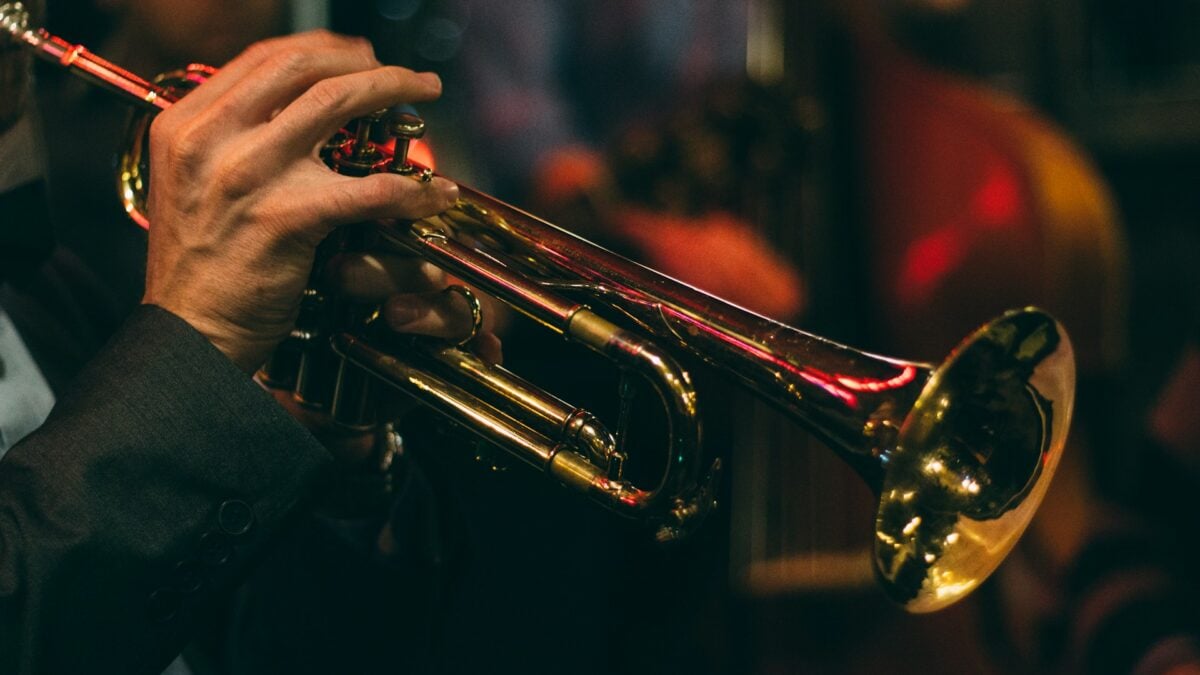
Original Riverside pressings command $2,000 to $2,500. The wistful tenor of Baker’s voice and the intimate accompaniment create enduring appeal.
Albert Ayler “Spiritual Unity” (1964)
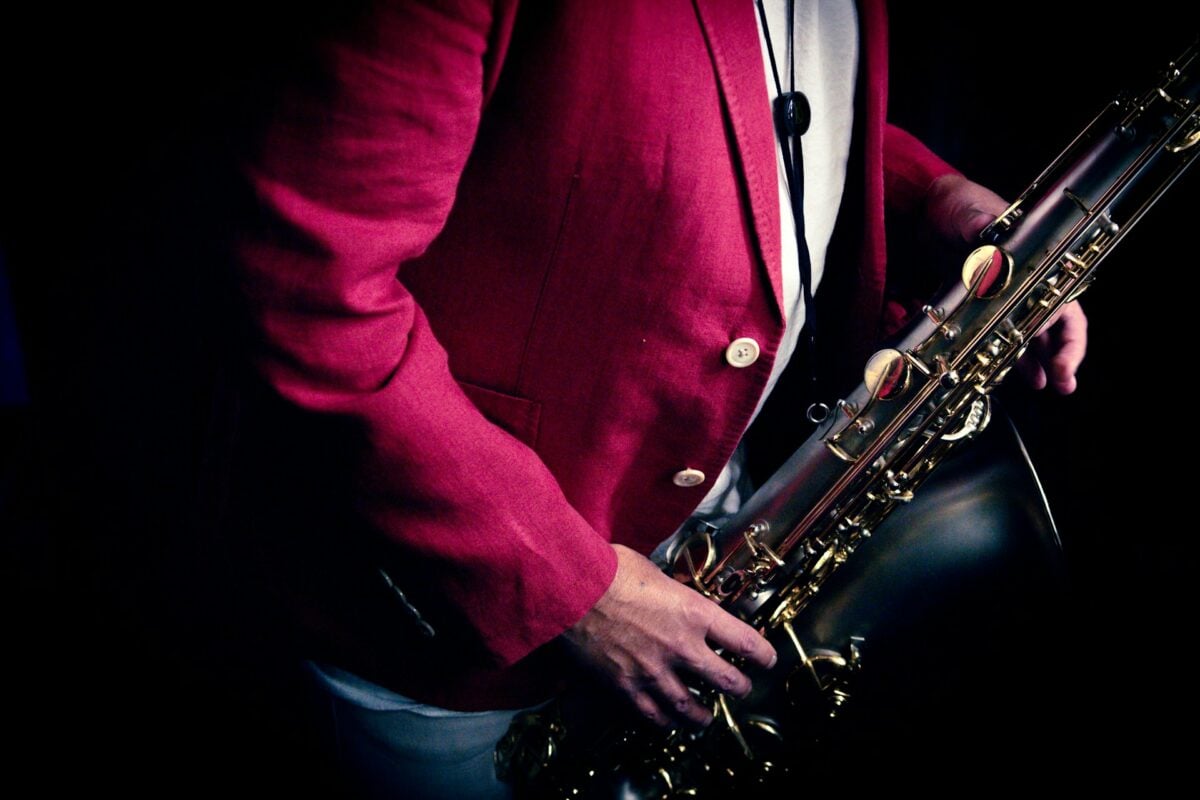
This pivotal free jazz record on the ESP label reaches $2,500 to $3,000. The experimental saxophone work defined avant-garde jazz direction.
Louis Armstrong “West End Blues” (1927)
Original recordings of this jazz standard can fetch up to $10,000. The historical significance and scarcity of original pressings command premium prices.
Joy Division “Unknown Pleasures” (1979)
First UK Factory Records pressing in excellent condition reaches $1,200 to $1,500. This post-punk debut became a collector’s essential after the band’s tragedy.
The Clash “London Calling” (1979)
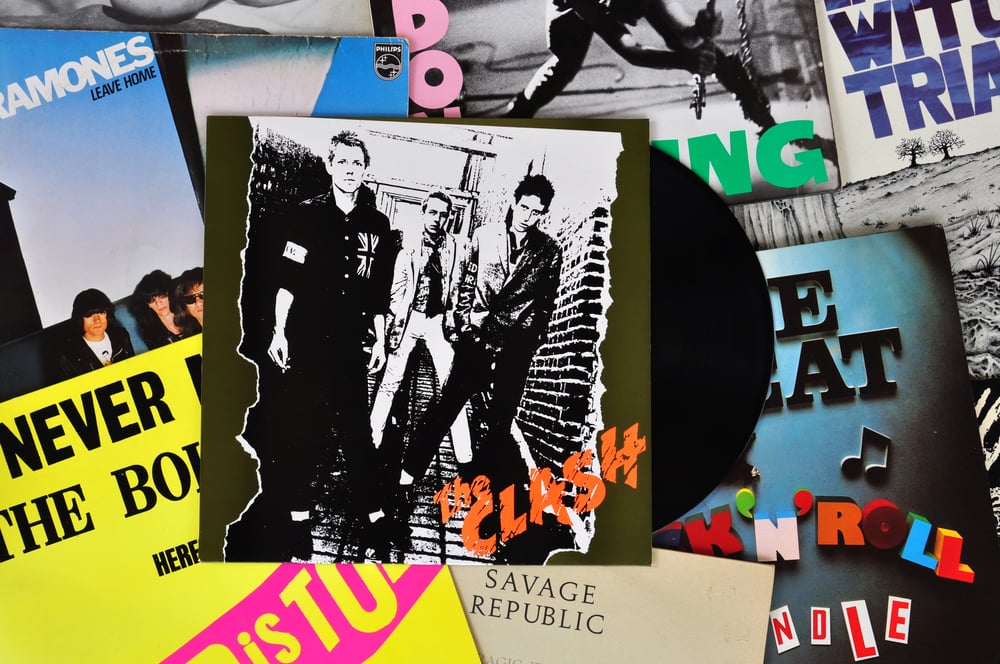
Promo edition copies and specific pressing variations command $1,000 to $1,200. This punk landmark maintains strong collector interest across decades.
Radiohead “OK Computer” (1997)
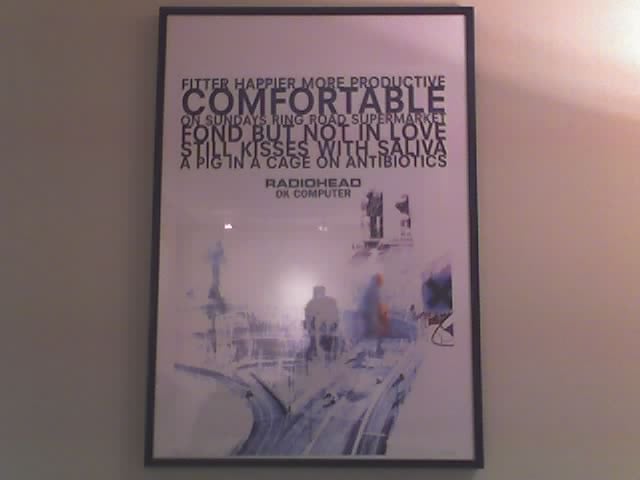
Promo pressing copies of this modern classic reach $2,000. The rarity of promotional editions and the album’s critical status support consistent pricing.
When the Pressing Matters More Than the Music
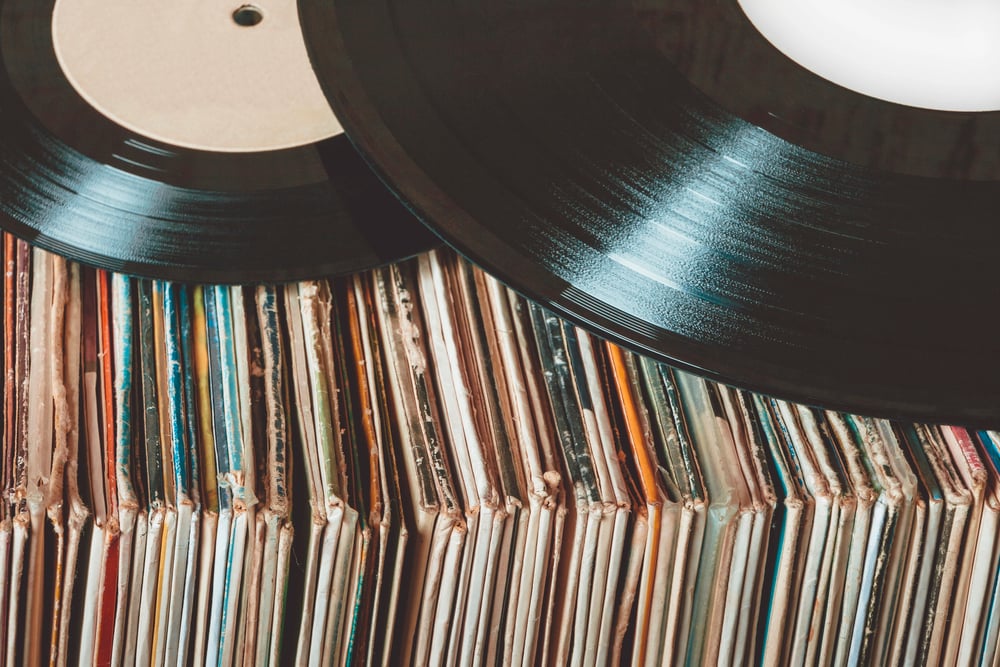
A record buyer might pass on a common album at any price but spend thousands hunting for a specific numbered pressing of something mass-produced. The condition of the vinyl itself, the label colors, the matrix numbers stamped in the runout groove, and the original factory finish determine value far more than the quality of the music.
Spending an hour learning your pressing’s catalog number and production variants transforms casual record hunting into strategic collecting.
More from Go2Tutors!

- The Romanov Crown Jewels and Their Tragic Fate
- 13 Historical Mysteries That Science Still Can’t Solve
- Famous Hoaxes That Fooled the World for Years
- 15 Child Stars with Tragic Adult Lives
- 16 Famous Jewelry Pieces in History
Like Go2Tutors’s content? Follow us on MSN.