26 Soft Drinks That Vanished From Shelves
Soda companies launch new flavors constantly, and most of them disappear without anyone noticing. A few, though, left enough of an impression that people still bring them up decades later, usually with a mix of fondness and disbelief.
Some were clever ideas a little ahead of their time, and others were marketing experiments that never quite made sense. A handful were longtime regulars that simply lost their audience.
Crystal Pepsi
PepsiCo launched Crystal Pepsi nationally in 1992, a clear, caffeine-free cola timed to an era when clear products seemed purer and lighter. Early sales were strong, but repeat buyers were few, partly because it did not taste quite like regular Pepsi.
A former Coca-Cola executive later said his company’s own clear drink, Tab Clear, was launched partly to muddy the category and drag Crystal Pepsi down with it. Crystal Pepsi faded by 1994.
Limited returns in 2016 and later years proved that nostalgia still sells, even for a drink that flopped the first time.
New Coke
On April 23, 1985, Coca-Cola replaced its 99-year-old formula with a sweeter recipe that had beaten Pepsi in blind taste tests. The backlash was immediate, with angry phone calls, protest groups, and shoppers hoarding cases of the old recipe.
Seventy-nine days later, the company brought back the original as Coca-Cola Classic. The new formula lingered under the name Coke II until 2002.
A limited New Coke reissue in 2019, tied to the third season of the series Stranger Things, revived the story for a generation that never lived through it.
Tab
Coca-Cola introduced Tab in 1963 as its first diet soda, sweetened at first with cyclamate and later with saccharin, and marketed heavily to weight-conscious women. Diet Coke, launched in 1982, quickly overtook it, but Tab kept a fiercely loyal following for decades.
In 2020, Coca-Cola discontinued Tab as part of a broad cut of weaker brands from its portfolio. Devoted fans stockpiled cases and mourned it online.
The pink can has since become a symbol of an earlier era of dieting, sweeteners, and shoulder pads.
OK Soda
Coca-Cola launched OK Soda in 1993 as an ironic, deliberately understated drink aimed at Generation X, with cans featuring artwork by alternative comic artists such as Daniel Clowes and Charles Burns. The marketing included cryptic slogans and a phone hotline where callers could leave messages and hear odd recordings.
The flavor was usually described as a fruity cola. OK Soda was tested in a limited number of markets, never went national, and was gone by 1995.
Its cans are now prized by collectors of 1990s ephemera, especially those with the Clowes artwork.
Pepsi Blue
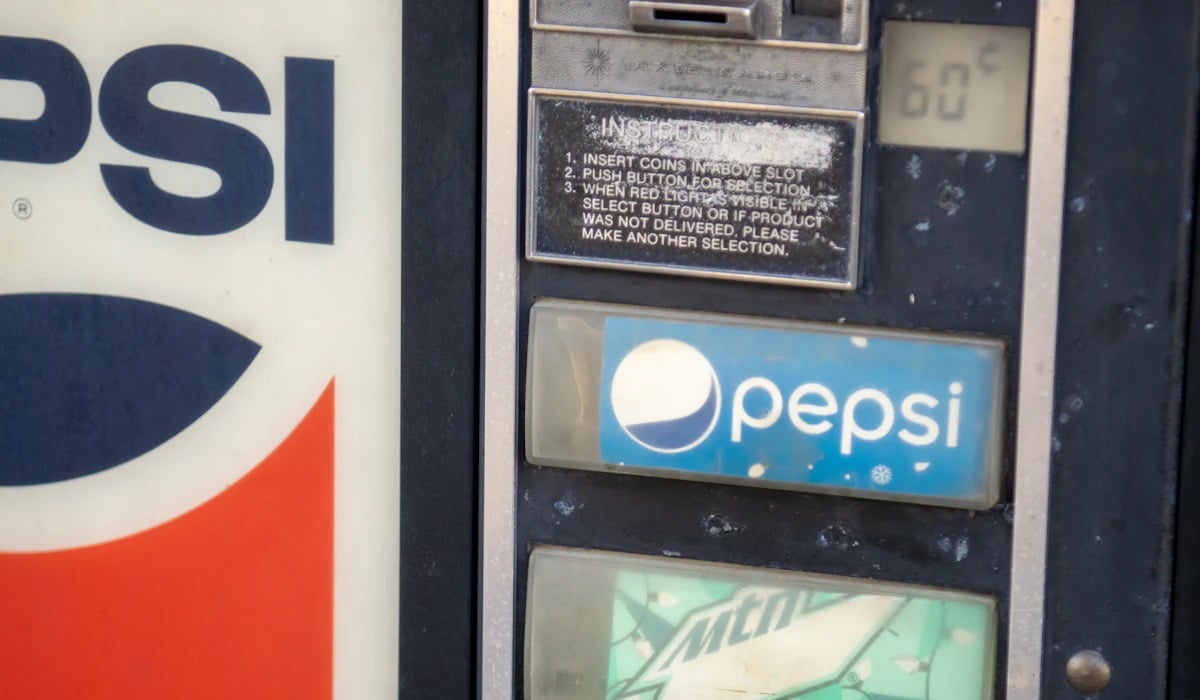
Pepsi Blue arrived in 2002 as a berry-flavored cola with a bright blue color, aimed squarely at teenagers and promoted with pop music tie-ins. The striking color came from artificial dye, which raised eyebrows among more health-conscious shoppers.
It was one of several novelty colas of the early 2000s competing for teenage attention, and sales were modest. Pepsi pulled it from the American market around 2004.
A limited return in 2021 stirred nostalgia among millennials who remembered drinking it, and the color looked just as strikingly electric as before.
Josta
PepsiCo released Josta in 1995, making it one of the first energy drinks launched by a major American soft drink company. It used guarana, a caffeine-rich plant from the Amazon, and had a spicy, berry-like flavor that fans struggled to describe.
Its cans featured a panther, and its following was small but loyal. PepsiCo discontinued it in 1999, just before energy drinks grew into a huge market.
Fans have kept online petitions alive for decades, pointing out that the company left the category right before it exploded.
Surge
Coca-Cola introduced Surge in 1997 as a citrus soda built to compete with Mountain Dew, with extreme sports advertising and a bright green bottle. It was popular with teenagers, but sales slipped after the initial burst, and Coca-Cola discontinued it in the early 2000s.
A grassroots fan campaign later persuaded the company to bring it back in 2014 through online sales, and limited releases have followed. Surge became a lesson in how organized online nostalgia can revive a dead product, at least for a while.
Slice
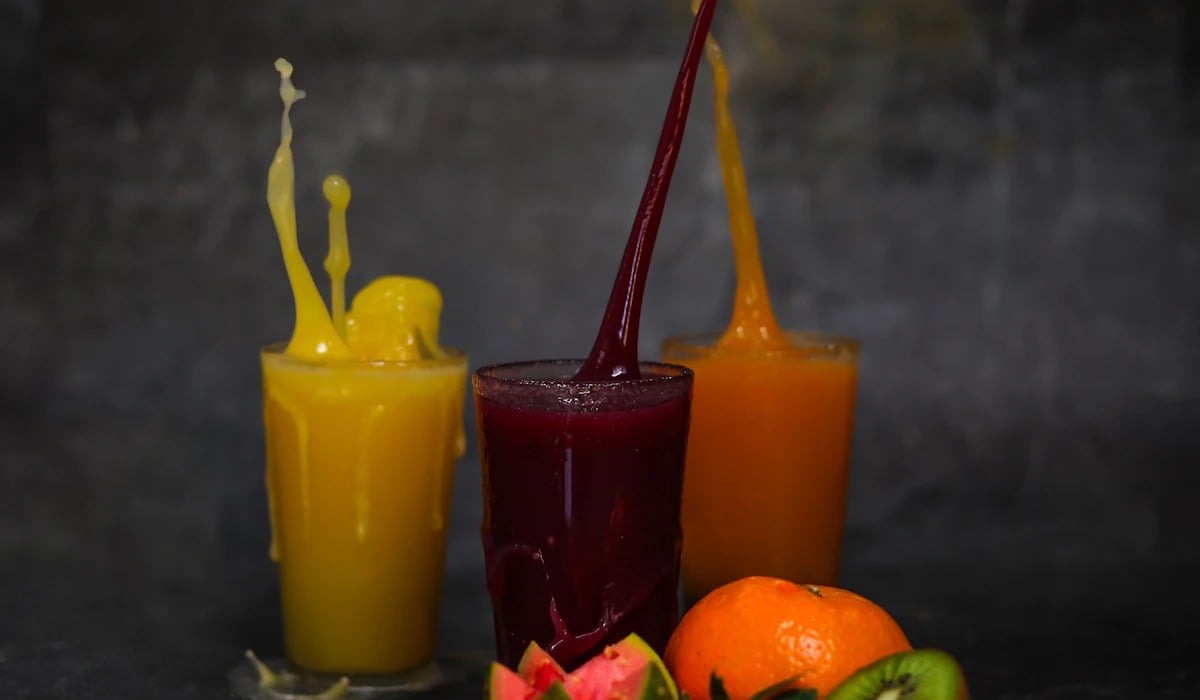
Fruit juice was the hook when PepsiCo launched Slice in 1984, a soda made with 10 percent fruit juice at a time when real juice in soft drinks was a selling point. Mandarin Orange Slice was especially popular, and the brand grew quickly in its first years.
Later reformulations cut the juice content, and the brand faded through the 1990s and 2000s. PepsiCo eventually sold the name, and later revivals took it in a different direction.
The original juice-blended Slice, with its bright fruit-themed cans, survives mainly in the memories of 1980s kids.
Like Cola
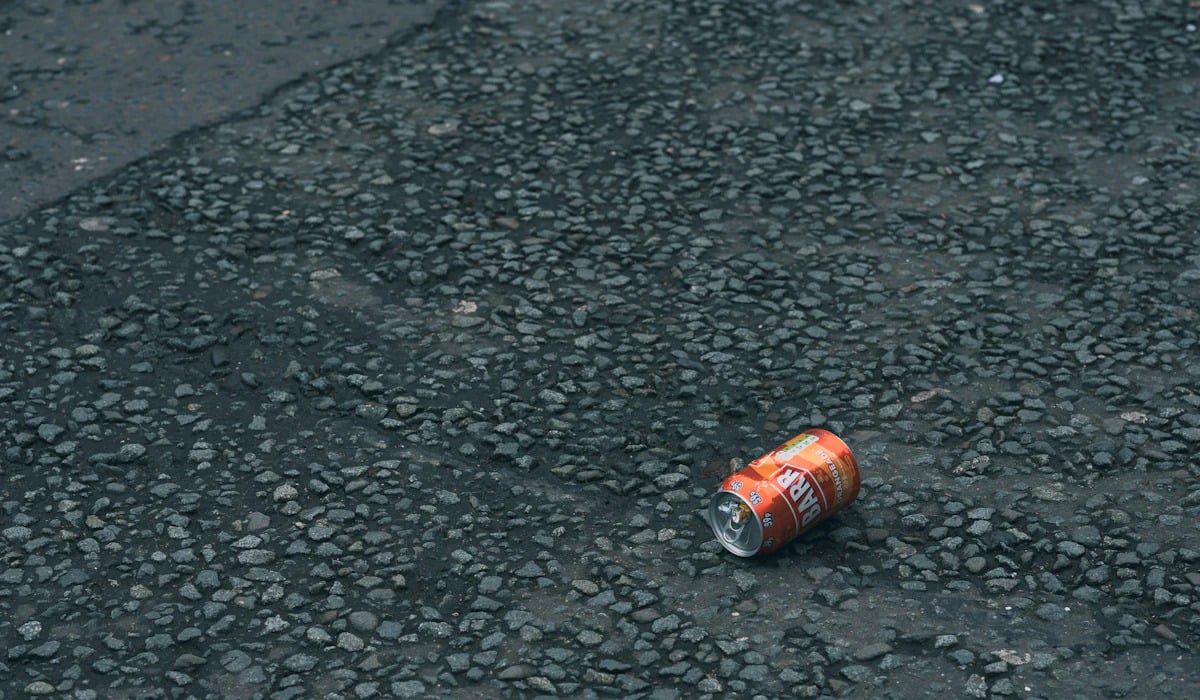
The Seven-Up Company introduced Like Cola in 1982 as a caffeine-free cola, riding a wave of public concern about caffeine. The company, owned at the time by Philip Morris, backed it with heavy advertising, including spots featuring comedian Tim Conway.
Coca-Cola and Pepsi soon launched caffeine-free versions of their own flagship colas, which erased the newcomer’s only real advantage. Like faded quickly in the face of that competition.
It disappeared from most American markets by the mid-1980s, remembered mainly by people who saw the commercials and wondered why a lemon-lime company was selling cola.
Holiday Spice, Pepsi’s Winter Cola
Pepsi Holiday Spice was a limited-edition cola flavored with cinnamon and ginger, sold during the 2004 holiday season and brought back briefly in 2006. It was meant to capture the taste of the season in a can, and the festive packaging made it look almost like a gift.
Reviews were mixed, but the drink built a small cult following. It never became a permanent offering.
Seasonal sodas are now common in supermarkets every winter, but Holiday Spice was among the early attempts by a major brand to sell the holidays in fizzy form.
Coca-Cola BlaK
Launched first in France and then in the United States, Coca-Cola BlaK arrived in 2006 as a coffee-flavored cola made with real coffee. It came in small, sleek bottles and targeted adults who wanted an afternoon boost without a trip to the coffee shop.
The flavor puzzled many buyers, who could not decide whether they were drinking coffee or soda, and the price ran higher than a regular cola. Coca-Cola discontinued it in 2008.
Coffee-flavored sodas have reappeared since, including Coca-Cola with Coffee, but BlaK was an early experiment that arrived before the market was ready.
Mr. Pibb
Mr. Pibb arrived from Coca-Cola in 1972 as a challenger to Dr Pepper, with a similar spiced cherry flavor.
It sold well in parts of the South and Midwest, especially in markets where Dr Pepper was weaker. In 2001, Coca-Cola reformulated the drink with more spice and renamed it Pibb Xtra, and the original name gradually disappeared from most store shelves and soda fountains.
The Mr. Pibb name and its original can design are now mostly memories, though fans still order it by the old name.
Pepsi AM
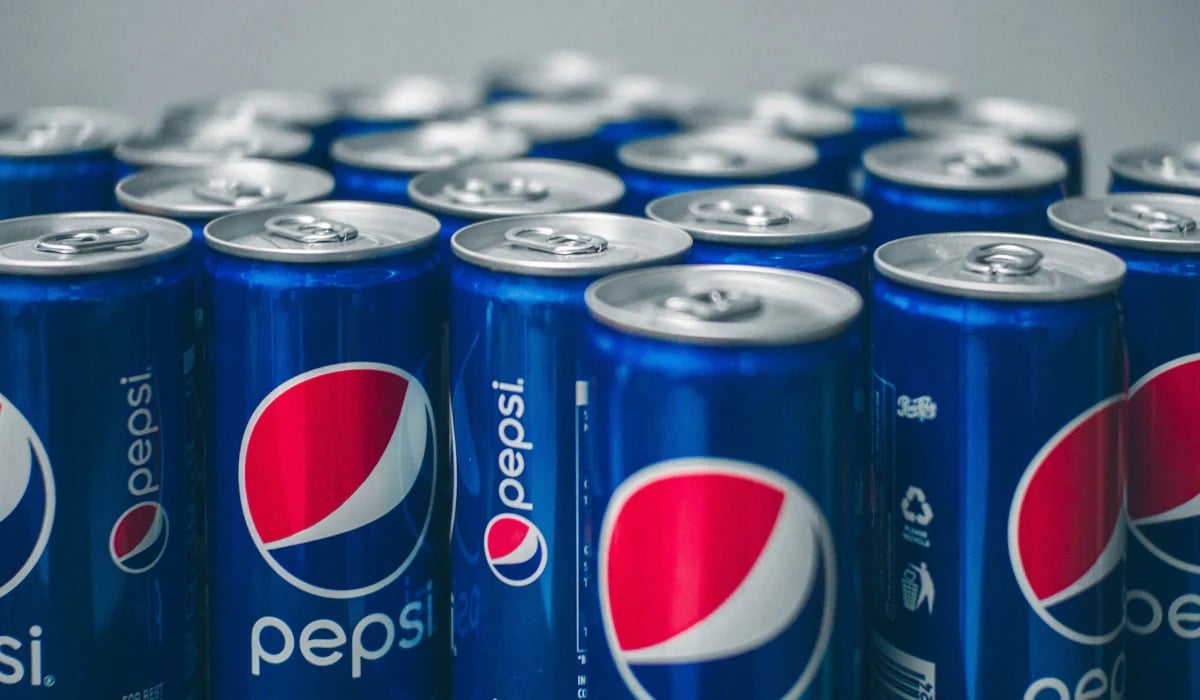
Breakfast was the target when PepsiCo tested Pepsi AM in 1989, a cola with extra caffeine aimed at breakfast drinkers who wanted an alternative to coffee. The idea was simple enough, but most consumers did not want a soda with their morning eggs, and sales were weak.
It was discontinued within about a year, never making it past test markets. Morning-focused drinks have since become common in the energy drink category.
Pepsi AM was an early bet on soda as a coffee substitute, made decades before the rest of the industry caught on.
Coca-Cola C2
Low-carb dieting was at its peak when Coca-Cola launched C2 in 2004, a midcalorie cola with about half the carbohydrates and calories of regular Coke. Pepsi launched a rival, Pepsi Edge, at nearly the same time.
Neither found an audience, since most consumers wanted either full sugar or zero calories rather than something in between. Both drinks were gone within a few years, and the low-carb craze cooled along with them.
Coca-Cola Zero, launched in 2005, took over the space with a different approach and became one of the company’s biggest successes.
Sprite Remix
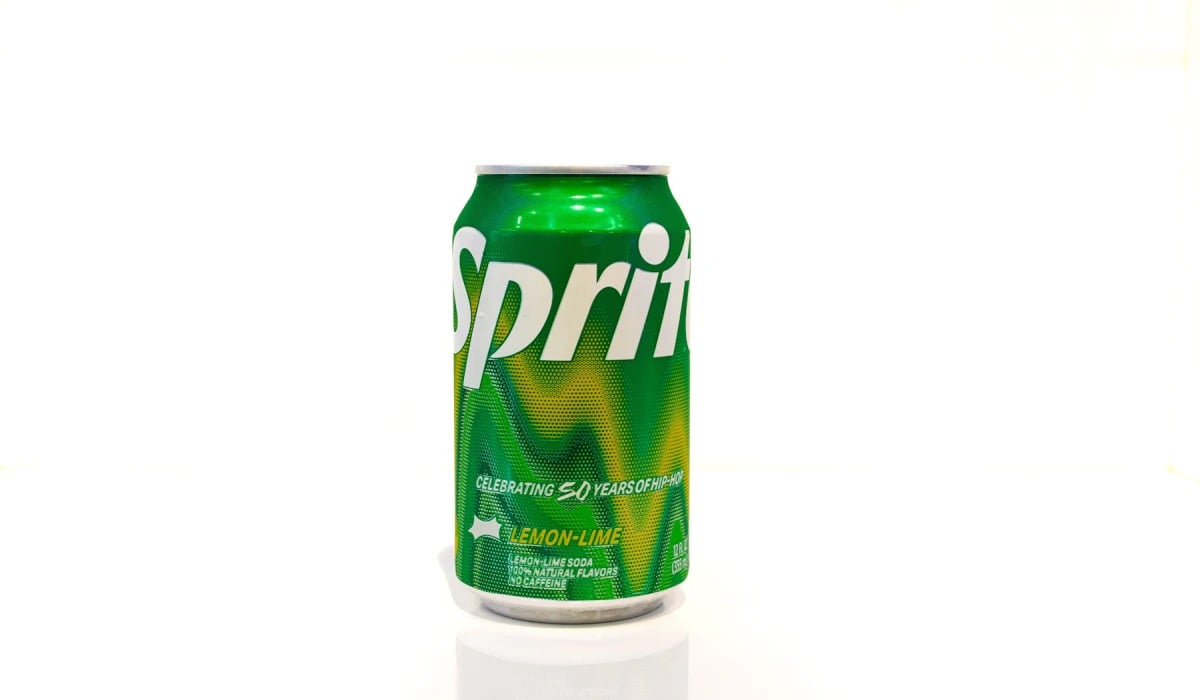
Sprite Remix arrived in 2003 as a tropical-flavored version of the lemon-lime soda, with a name and marketing tied to hip-hop culture. Later versions included Berryclear and Aruba Jam, each pushing the flavor in a new direction.
The drink was popular with teens, but Coca-Cola discontinued the line in 2005, after only a couple of years on shelves. Fans have petitioned for its return ever since, sharing photos of old bottles online.
It remains a favorite of early 2000s nostalgia, mentioned in the same breath as frosted tips, flip phones, and burned mix CDs.
Dr Pepper Red Fusion
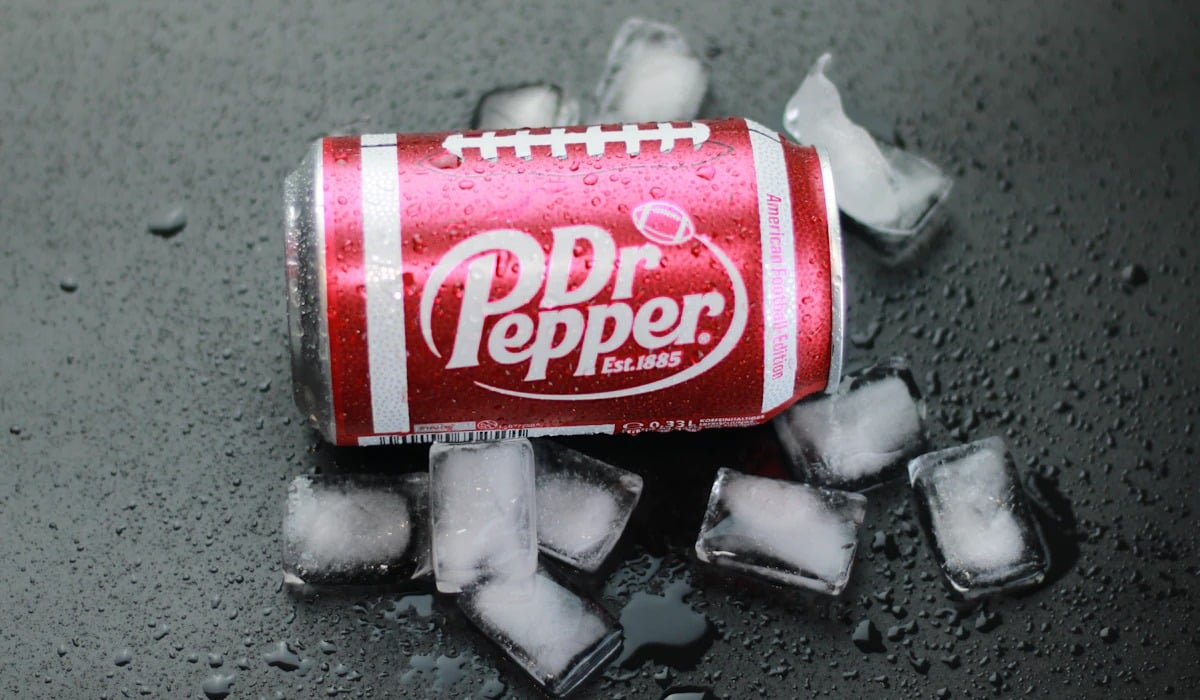
Dr Pepper Red Fusion was introduced in 2002 as a red-tinted Dr Pepper with a stronger cherry and berry flavor. It was one of the brand’s first major flavor extensions in years, launched with a big marketing push.
Sales were modest, and it was discontinued by around 2004. The red color was striking, but the flavor did not win over loyal fans of the original, who saw little reason to switch.
Later Dr Pepper flavors such as cherry and cream soda versions have enjoyed more success.
Caffeinated 7 Up Gold
In 1988, the newly merged Dr Pepper and Seven-Up companies launched 7 Up Gold, a brown, caffeinated soda flavored with cinnamon and ginger. It contradicted years of 7 Up marketing that had proudly promoted the drink as caffeine-free.
A diet version arrived alongside it. Sales were poor for both, capturing only a tiny sliver of the market, and the drinks were discontinued within about a year.
7 Up Gold remains a classic case study in how confusing a brand’s identity can sink a product, no matter how much money goes into advertising.
Patio Diet Cola
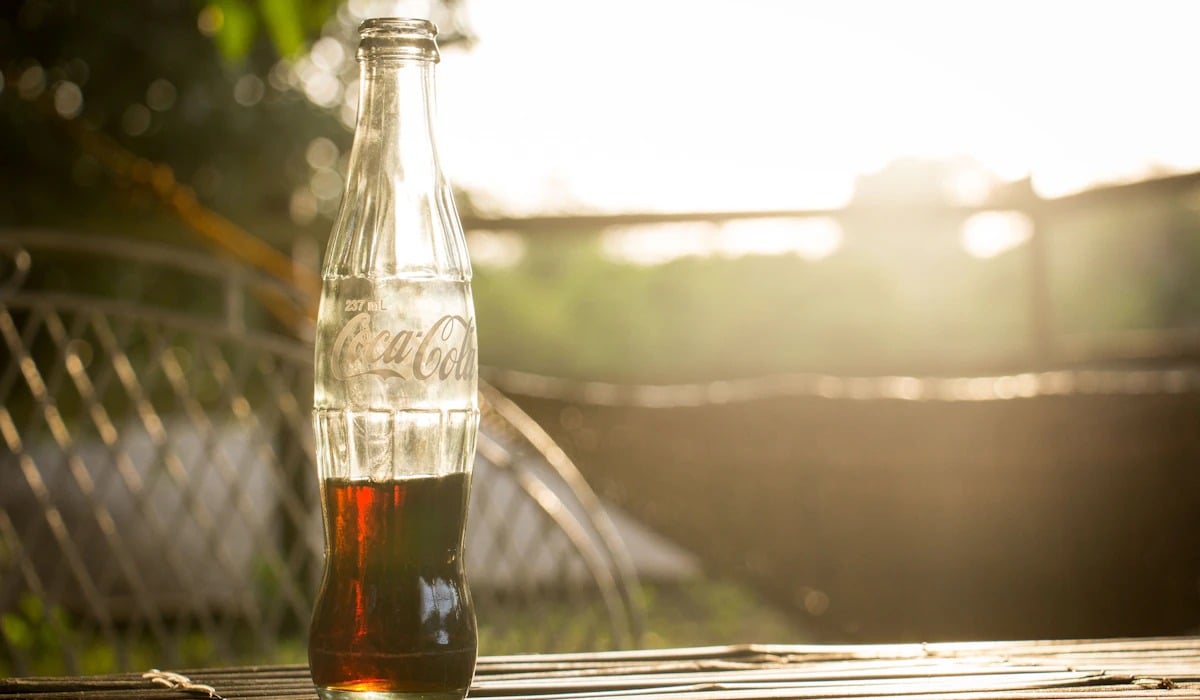
Pepsi’s first diet cola was sold under the name Patio in 1963, alongside Patio flavors like grape, orange, and root beer. The name evoked suburban backyards, the setting where Pepsi pictured people drinking it.
In 1964, the diet cola was renamed Diet Pepsi, and the Patio name faded. The early diet soda market was competitive, with Coca-Cola’s Tab arriving the same year.
Patio vanished from shelves by the late 1960s, but its diet cola lives on under the far more famous name it eventually took.
Pepsi Free
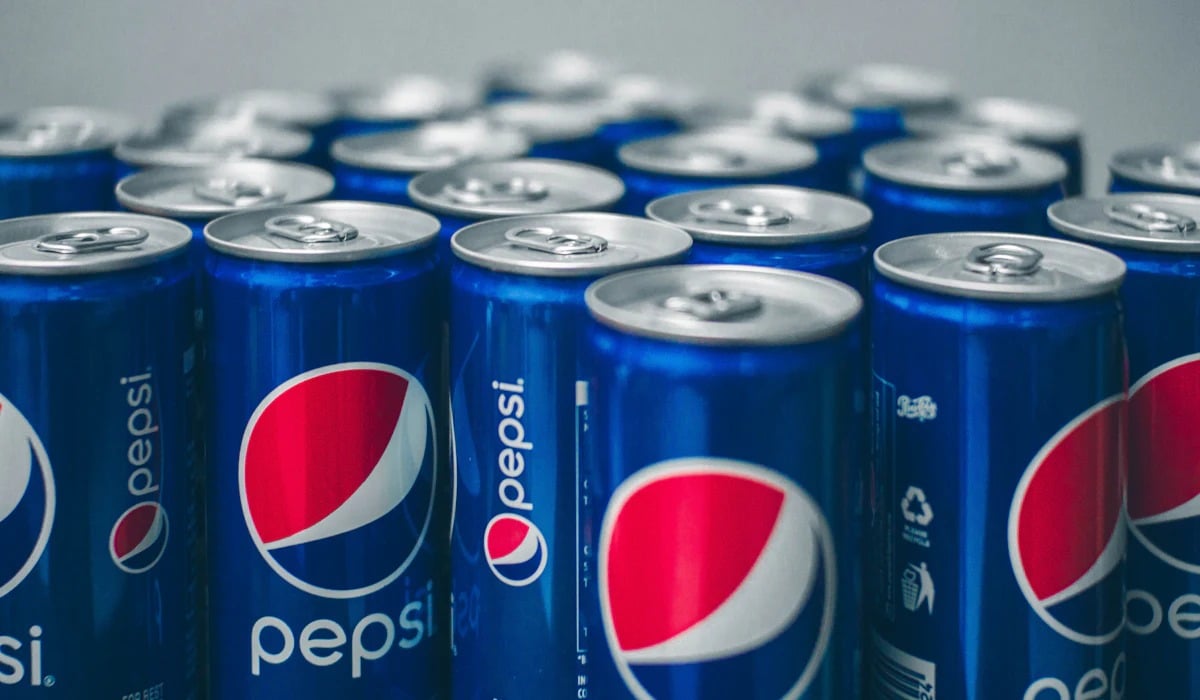
Caffeine worries in the early 1980s led PepsiCo to introduce Pepsi Free in 1982, a caffeine-free version of its flagship cola. It became famous through a joke in Back to the Future, the 1985 time-travel comedy, when a 1955 diner counterman misunderstands Marty McFly’s request for one.
In 1987, the name was changed to Caffeine-Free Pepsi, a plainer label that described exactly what was in the can. The drink itself survives under that name, but the Pepsi Free label is gone, kept alive mostly by movie fans who quote the scene.
Teem
PepsiCo introduced Teem in 1959 as a lemon-lime soda to compete with 7 Up, with an early test launch in St. Joseph, Missouri.
Teem was sold in the United States and Canada for decades but never caught up with its bigger rivals in sales. PepsiCo discontinued it in America in 1984, replacing it with Slice, though some soda fountains kept pouring it into the 1990s.
Teem still appears in some international markets, including parts of Africa, Asia, and South America. For most Americans, though, the name now draws a blank.
Jolt Cola

Jolt Cola launched in 1985 in Rochester, New York, marketed for its full sugar and doubled caffeine at a time when other brands were cutting both. Created by C.J.
Rapp, it became a favorite of college students and software coders pulling all-nighters, and it showed up in dorm rooms and computer labs across the country. The company behind it filed for bankruptcy in 2009.
The Jolt name later returned as an energy drink, but the original cola in its distinctive can is gone, along with its reputation as the official fuel of late-night cram sessions.
Orbitz
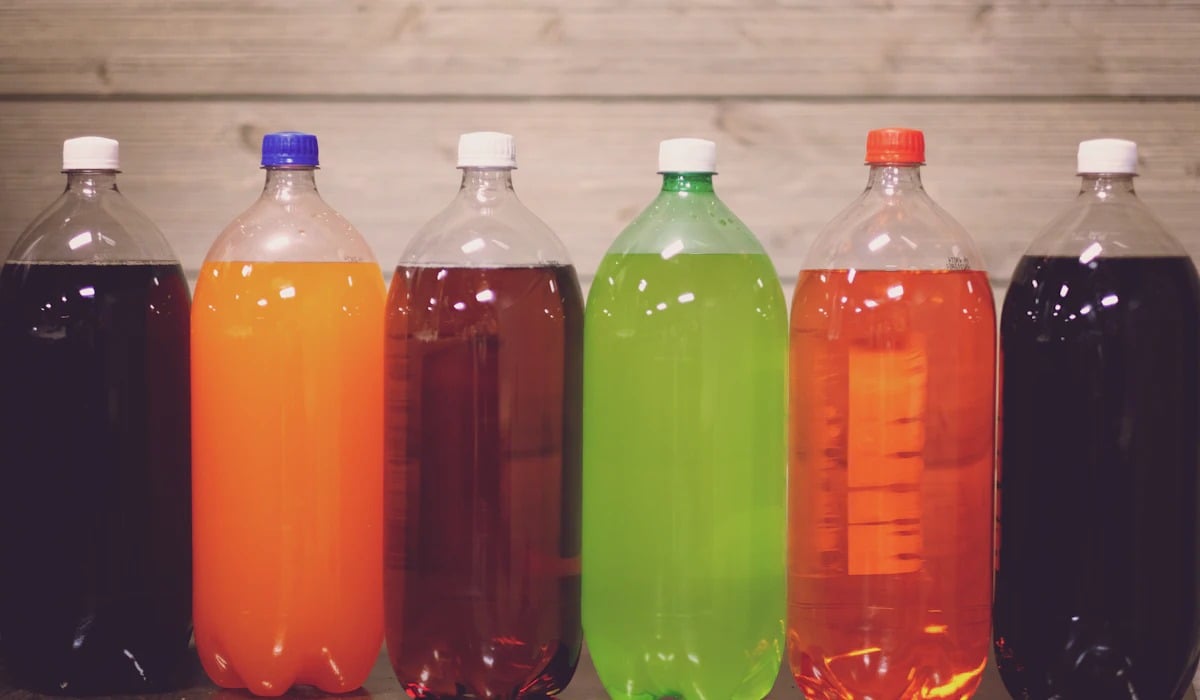
Clearly Canadian launched Orbitz in 1997, a fruit-flavored drink with small gel beads suspended in the liquid, giving it the look of a lava lamp in a bottle. Flavors included combinations like raspberry citrus and blueberry melon.
The drink drew plenty of curiosity, but many buyers found the texture of chewing a beverage odd, and few came back for a second bottle. It was discontinued within about a year.
Orbitz has since become a symbol of strange 1990s beverages and a favorite subject of retro snack videos and nostalgia lists.
Lemon-Tinged Pepsi Light
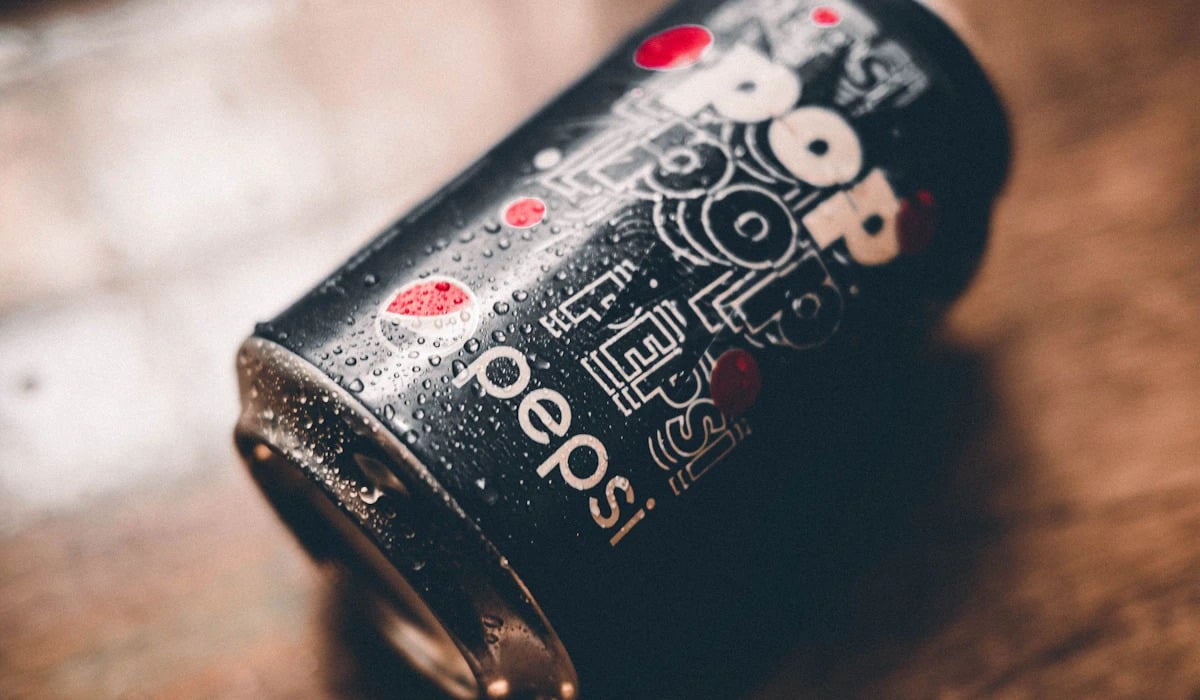
Saccharin’s bitter aftertaste was the problem Pepsi Light set out to solve when PepsiCo introduced it in 1975, adding a hint of lemon to a diet cola. It was positioned as a lighter, brighter alternative to Diet Pepsi.
As sweeteners improved, the lemon became less necessary, and the company later removed the lemon flavor entirely, leaving the drink with little reason to exist. Pepsi Light faded from American shelves in the years that followed.
Diet sodas with citrus flavors have returned in other forms, but none under that name.
Wink Grapefruit Soda
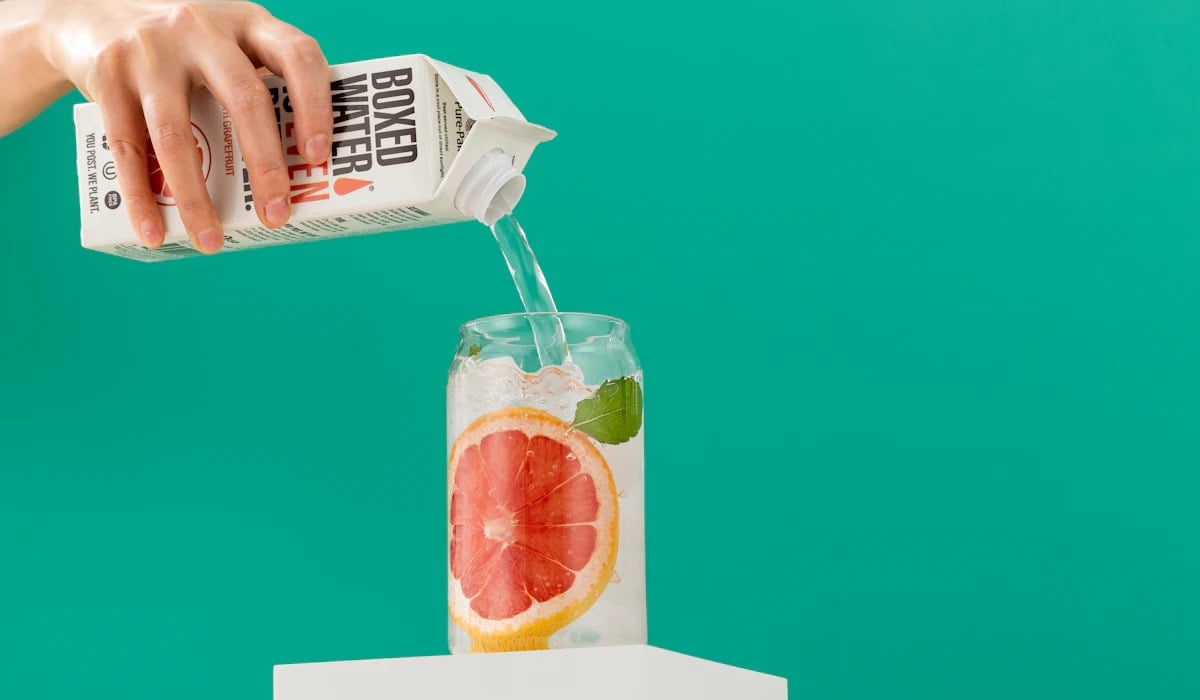
Canada Dry introduced Wink in 1965, a grapefruit-flavored soda sold in green glass bottles and advertised as the sassy one. A promotional Winkmobile with a giant bottle mounted on top toured towns handing out samples.
Wink remained a regional favorite for decades, often used as a cocktail mixer by grandparents who kept it in the basement fridge. Keurig Dr Pepper later discontinued the concentrate, and bottlers stopped producing it around 2020.
Fans still search for it online, and many insist its sharp citrus bite has never been matched by any other grapefruit soda.
Aspen Apple Soda
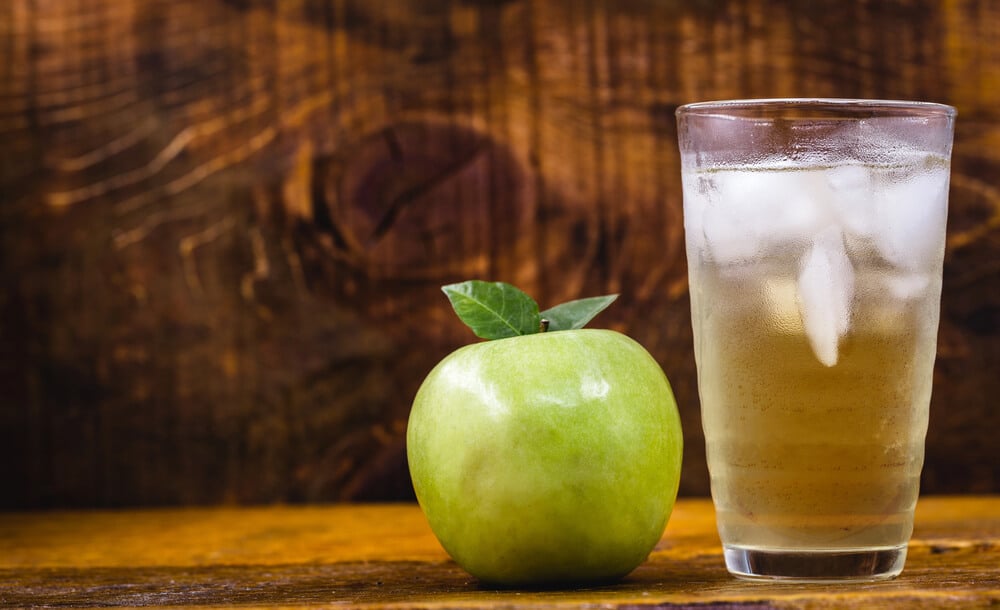
Apple soda got a rare big-brand push when PepsiCo introduced Aspen in the late 1970s, marketing it with ski lodge imagery. It came in regular and diet versions and aimed at buyers who wanted something lighter and less sweet than cola.
Aspen was discontinued in 1982 and effectively replaced in the company’s lineup by Slice. Apple sodas remain rare in the United States, though they are popular in parts of Europe and Asia.
Aspen lingers in memory as one of the few apple sodas ever pushed by a major American brand.
Quirst Lemonade Soda
Around 1979, 7 Up introduced Quirst, a lemonade-flavored soda backed by a catchy jingle that played on the word thirst. It aimed to capture buyers who wanted a citrus drink with more lemonade flavor than the flagship brand offered.
It did not last, and 7 Up refocused on its core lemon-lime drink. Quirst became one of several forgotten citrus sodas from the 1970s, a decade crowded with them as every major company chased the same thirsty market.
Even dedicated soda collectors rarely come across its cans today.
Fizz Fades Faster Than Memory
Most of these drinks failed for ordinary reasons. Buyers tried them once, shrugged, and went back to the colas they already loved.
Shelf space is expensive, and a flavor that fails to earn its spot does not stay long.
Yet the names endure. Crystal Pepsi, Surge, and New Coke have all come back for limited runs precisely because adults remember them.
Nostalgia has become a product category of its own, and soda companies have clearly noticed.
More from Go2Tutors!

- The Romanov Crown Jewels and Their Tragic Fate
- 13 Historical Mysteries That Science Still Can’t Solve
- Famous Hoaxes That Fooled the World for Years
- 15 Child Stars with Tragic Adult Lives
- 16 Famous Jewelry Pieces in History
Like Go2Tutors’s content? Follow us on MSN.