26 Things Kids Used to Build With Whatever They Found Outside
There was a time when “go outside and play” was the whole instruction. No kit, no manual, no adult hovering nearby with safety guidelines.
Just whatever the yard, the woods, or the vacant lot happened to have lying around that day. And somehow, out of sticks and mud and rocks and string, kids built entire worlds.
The structures weren’t always sturdy. They weren’t always logical.
But they were real in a way that store-bought things rarely are — made with intention, argued over, revised, and occasionally destroyed by a sibling who disagreed with the design. Here are 26 things kids used to assemble from whatever the outside world offered up.
Stick Forts
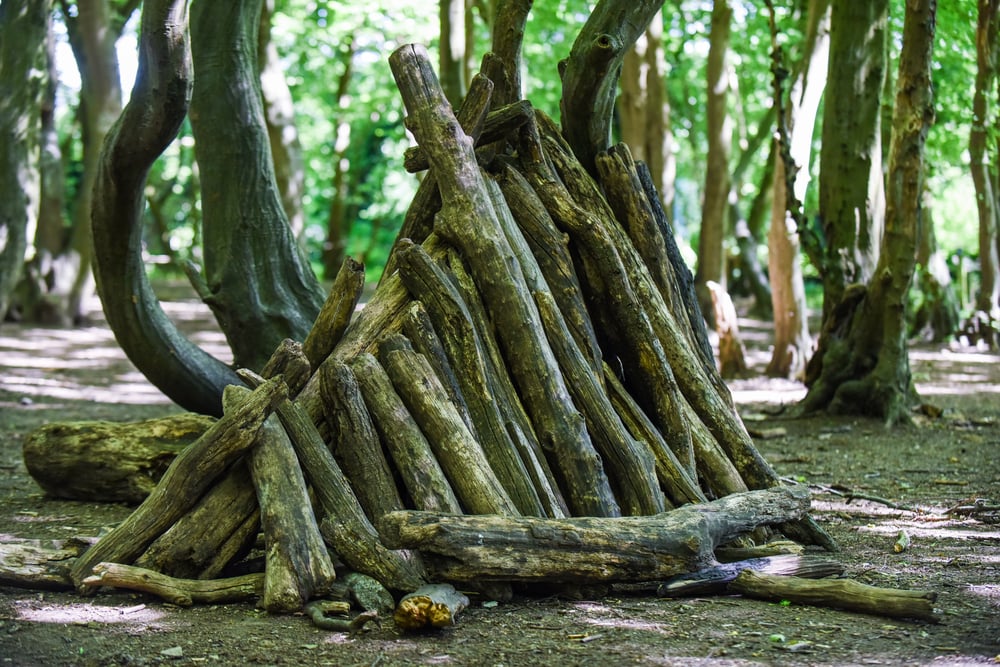
Stick forts are the original architecture. You dragged the longest branches you could find, leaned them against a tree, and called it a wall.
Nobody agreed on the floor plan, but that was half the point.
Mud Bricks
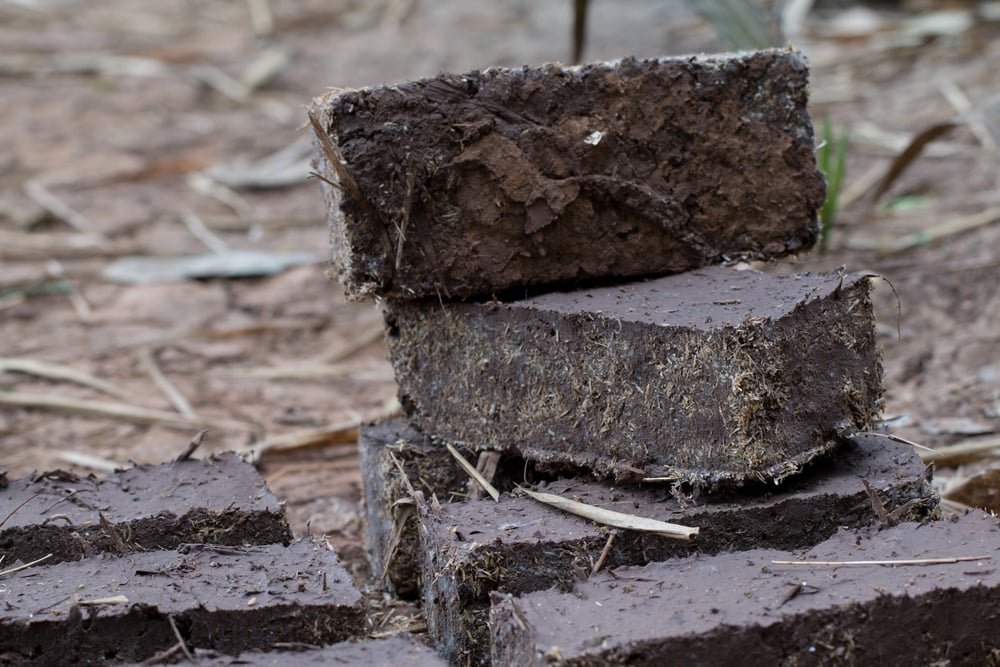
Mud packed into a rough rectangle, left to dry in the sun — it’s older than recorded history, and kids figured it out on their own every generation. The trick was getting the consistency right, which took about forty failed attempts. Some kids added grass to hold it together, which, turns out, is exactly what ancient builders did.
Twig Rafts
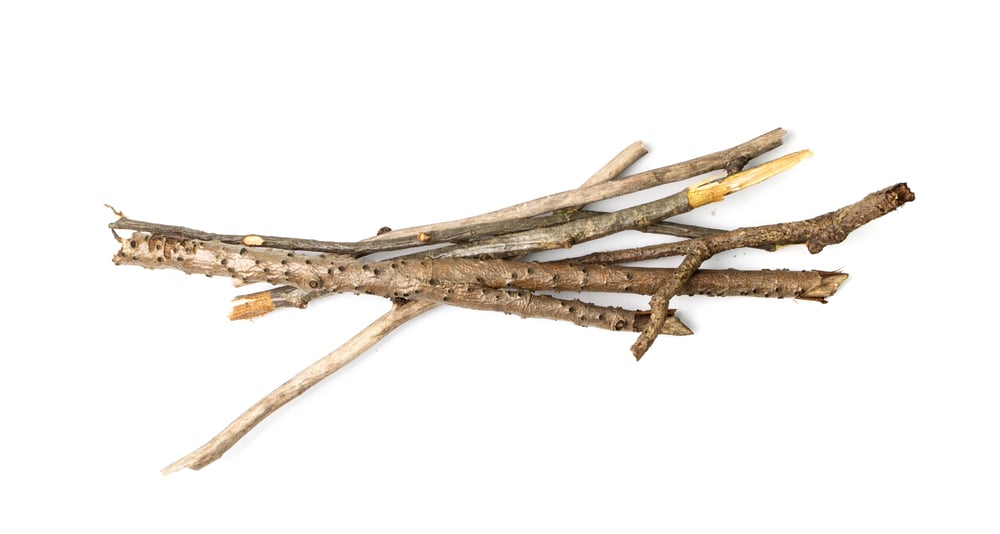
There’s something stubborn about the ambition of a twig raft — the idea that a bundle of sticks lashed with whatever string or vine happened to be nearby could carry something across a creek without sinking immediately, which it almost always did, and yet the building continued anyway, because the testing was the whole reason to build it in the first place. So you’d pull it out, add more sticks, tie tighter knots. And try again.
Leaf Shelters
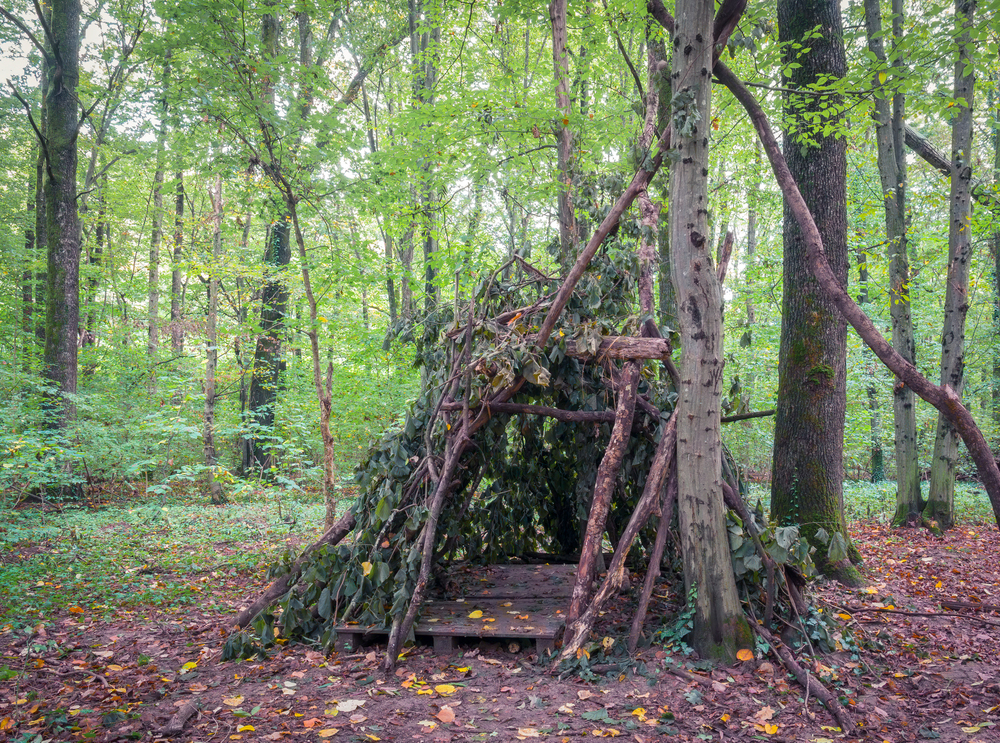
Leaves piled thick enough stop being decoration and start being insulation — that’s the quiet logic behind a leaf shelter. Kids would heap them against a low branch or a fallen log until the pile held a shape.
The smell of it, damp and earthy, was its own reward.
Rock Dams
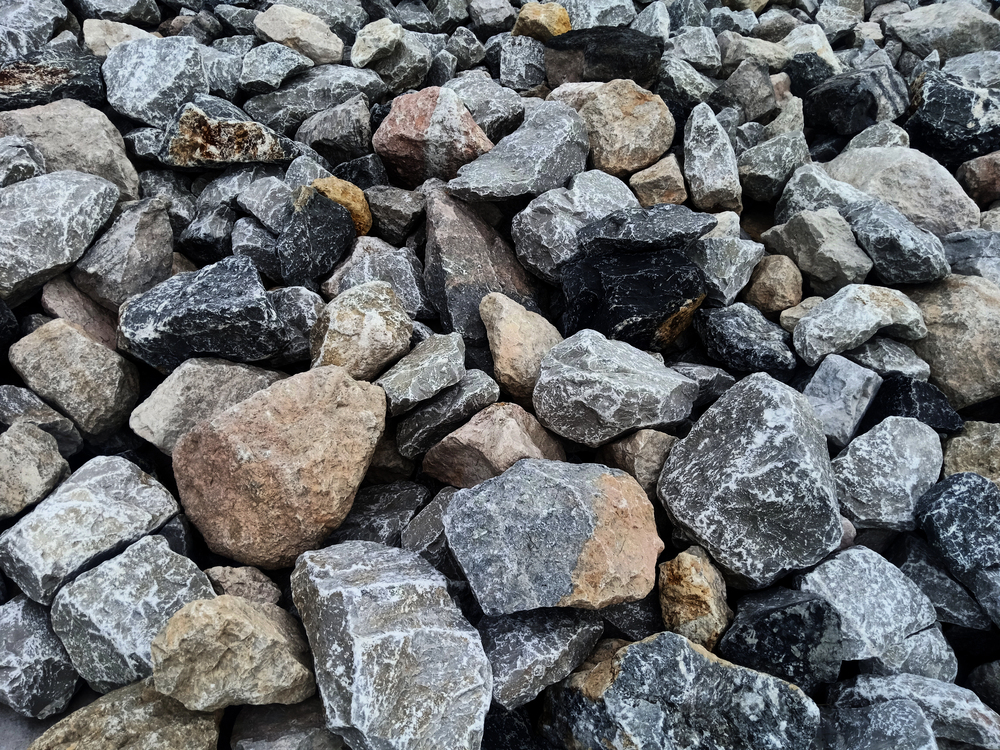
Rock dams are pure engineering instinct. Find a shallow creek, start stacking, watch the water redirect. Kids have been doing this since there were kids and creeks, which is saying something.
Bark Boats
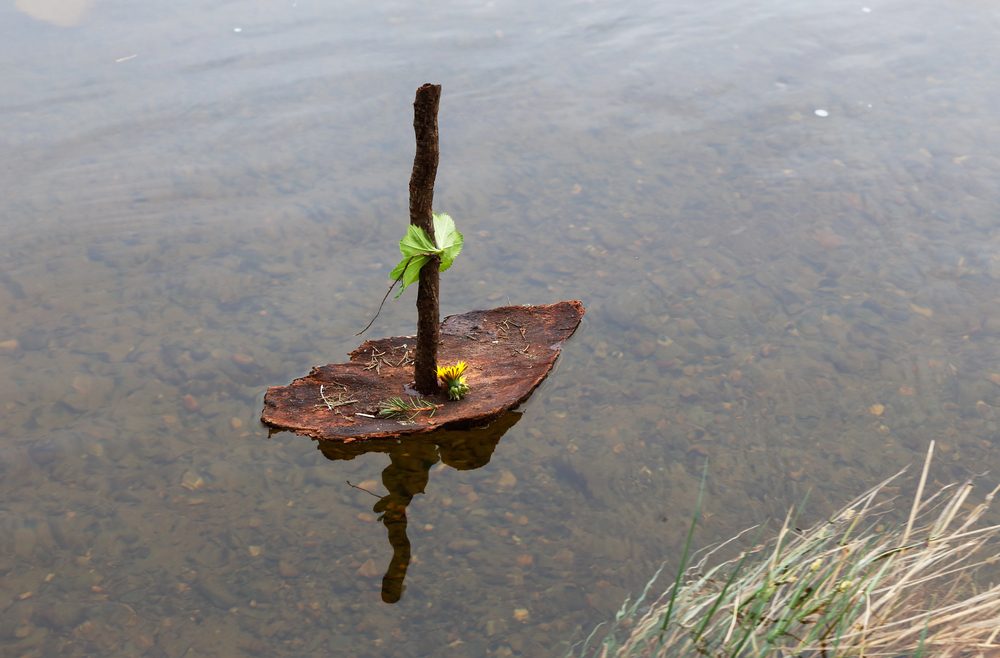
Peeling a wide strip of bark from a fallen log and setting it in the water is one of those ideas that arrives fully formed — you see the curve of it and you already know what it wants to be, the way some materials seem to carry their purpose inside them, waiting. The best bark boats had a leaf for a sail.
Most capsized within ten feet. That never seemed to matter.
Pine Cone Walls

Pine cones stacked into a low wall sounds like a minor project, but kids treated it like masonry. The uneven shapes meant every placement was a small puzzle. Fair enough — it taught patience without advertising the fact.
Grass Rope
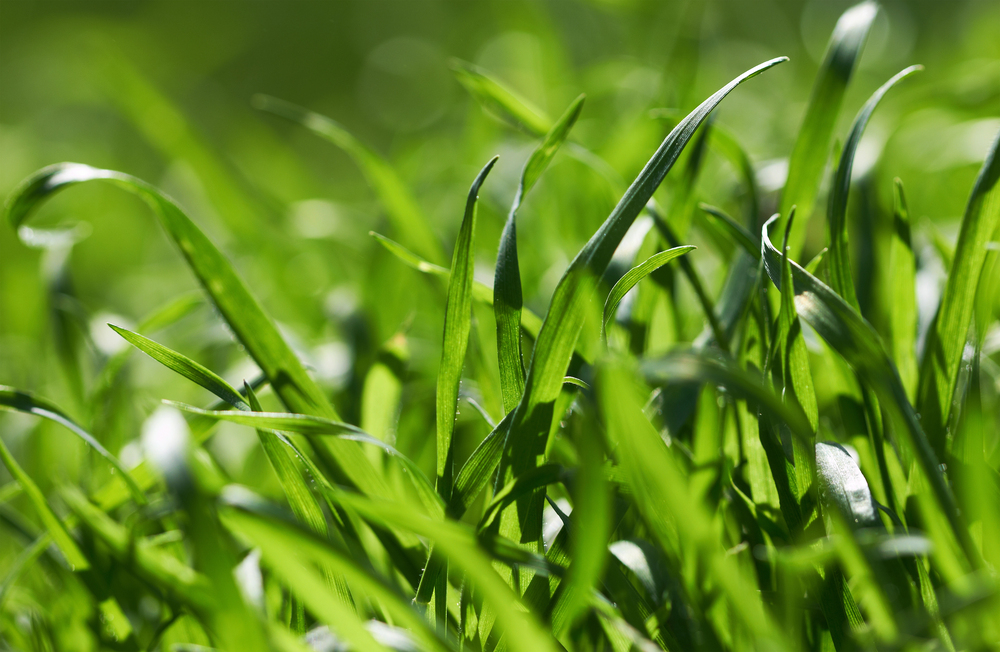
Twisting long blades of grass together into a cord is one of those skills that feels discovered rather than learned. Braid enough strands, keep the tension even, and you end up with something genuinely strong.
Kids used it to lash other things together, which led to bigger, stranger projects.
Snow Forts
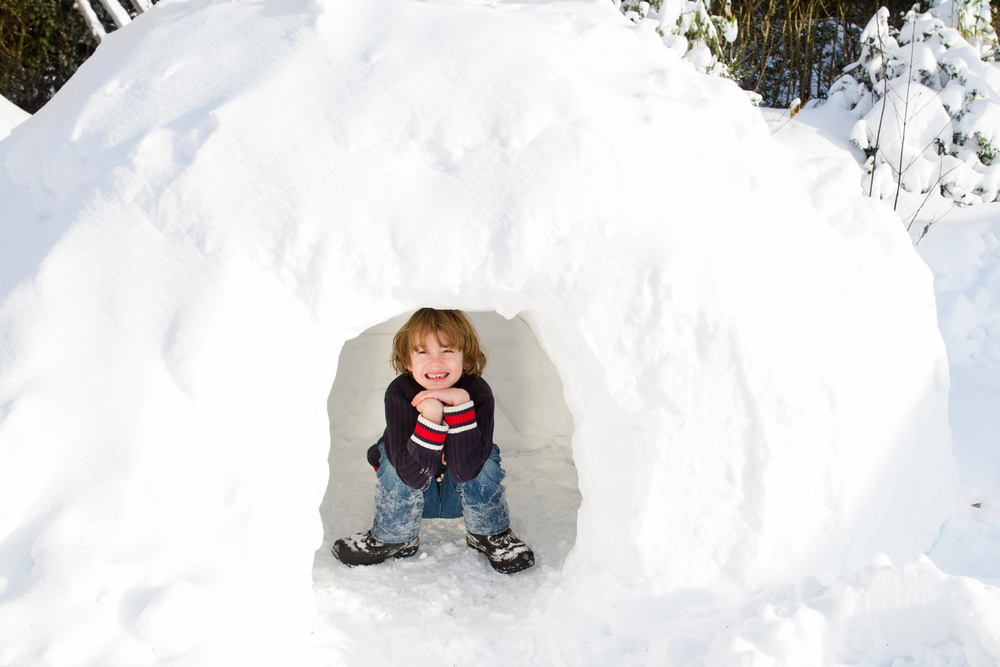
Snow forts deserve more credit than they get as architectural achievements. Packing snow into blocks, stacking them in a rough curve, leaving a gap for a door — that’s load-bearing wall logic, applied by an eight-year-old with wet mittens.
The ones with a roof were rare and celebrated.
Dirt Roads for Toy Cars
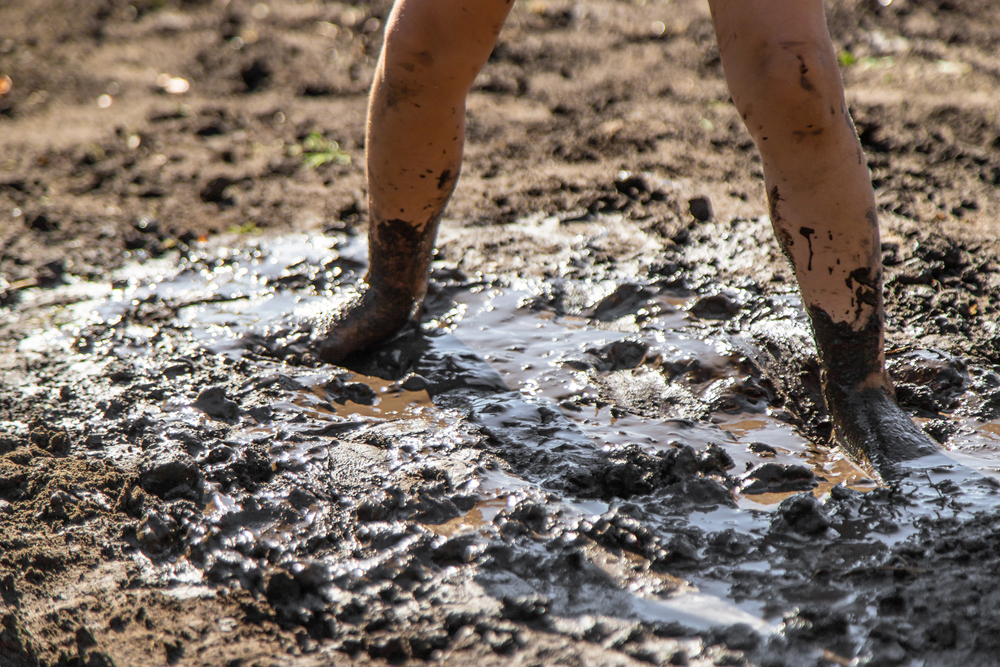
A stretch of bare dirt, a stick to grade it flat, and a few rocks placed strategically as obstacles — kids could spend an entire afternoon building a road system that existed entirely for the benefit of a single toy truck. The attention to detail was genuinely impressive: banked turns, tunnels under roots, bridges made of flat stones over shallow ditches.
Willow Branch Dens

Willow trees cooperate with builders in a way most trees don’t — their long, flexible branches bend without snapping and can be woven into walls that actually hold a shape (more or less, and better in summer than winter, when everything stiffens). Kids who grew up near willows knew this intuitively.
They’d weave the hanging branches back into the canopy to form a room underneath.
Pebble Mosaics
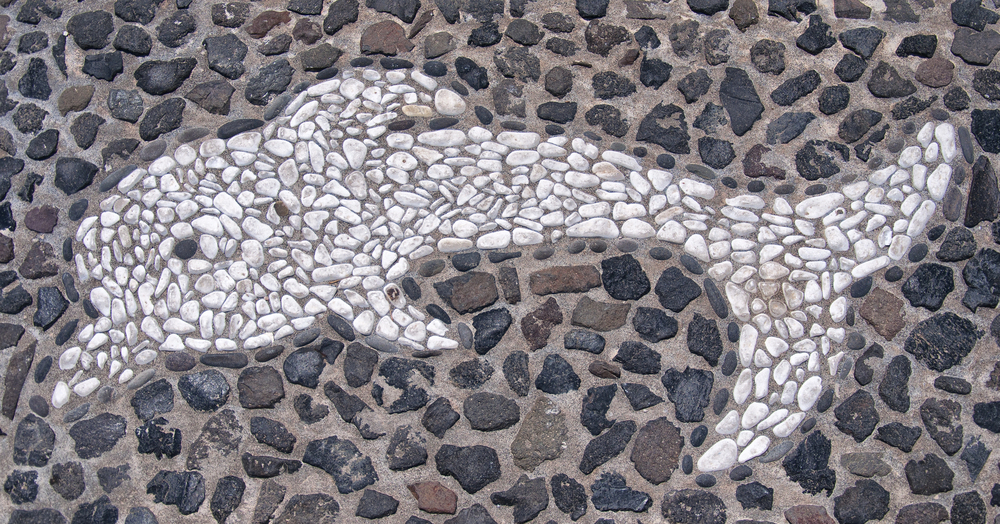
Arranging pebbles into patterns isn’t construction in the structural sense, but it’s construction in every other sense. Kids would spend serious time sorting by color and size, laying out a design on flat ground, revising it.
The finished thing had no function. That was fine.
Hay Bale Mazes
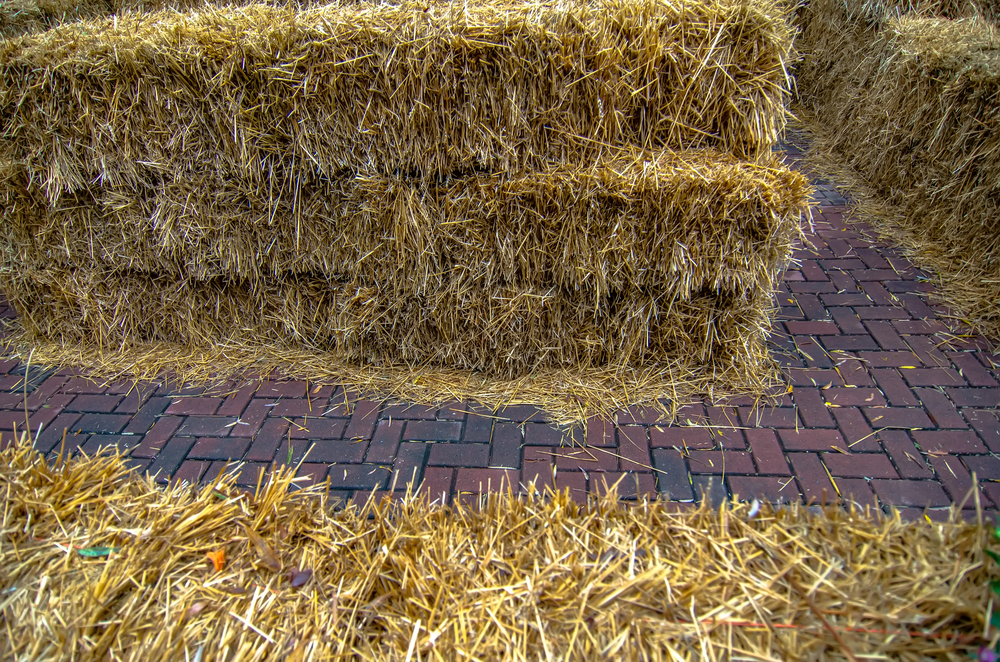
On farms or near them, hay bales were the best raw material available — heavy enough to stay put, stackable, and plentiful enough that a few borrowed bales didn’t register as a loss. A hay bale maze could get genuinely disorienting if the builder was committed.
Dead ends were considered a feature, not a flaw.
Acorn Cap Collections and Displays
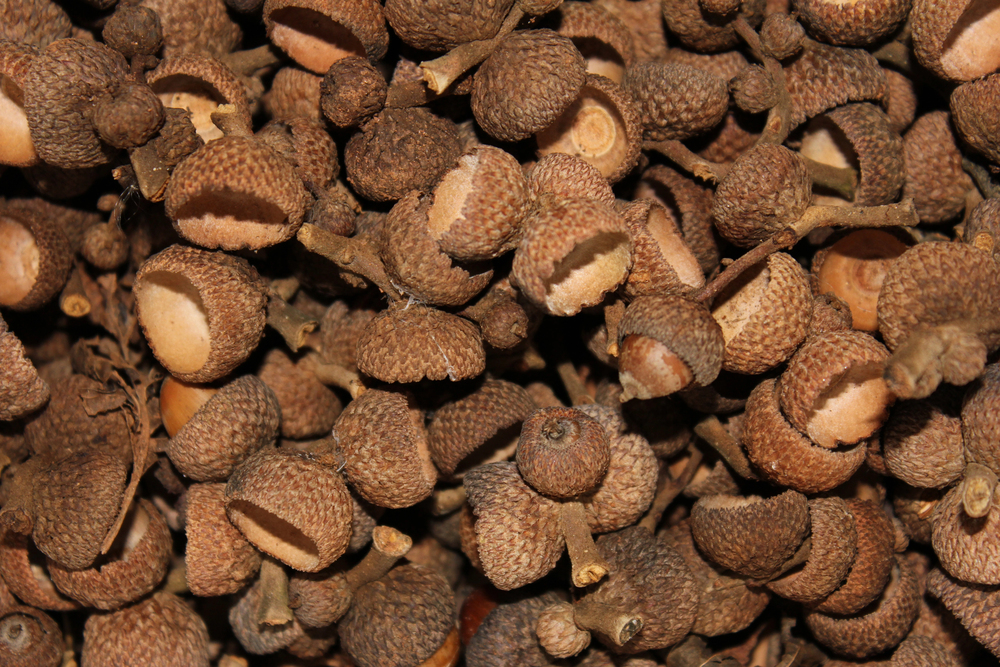
Calling this “building” might be generous, but the organizational ambition behind a serious acorn cap display was real. Kids would arrange them by size, line them up on logs, build little towers.
Some things get built because they’re useful. Some get built because arranging small objects into order is its own kind of satisfaction.
Sand Castles and Sand Cities
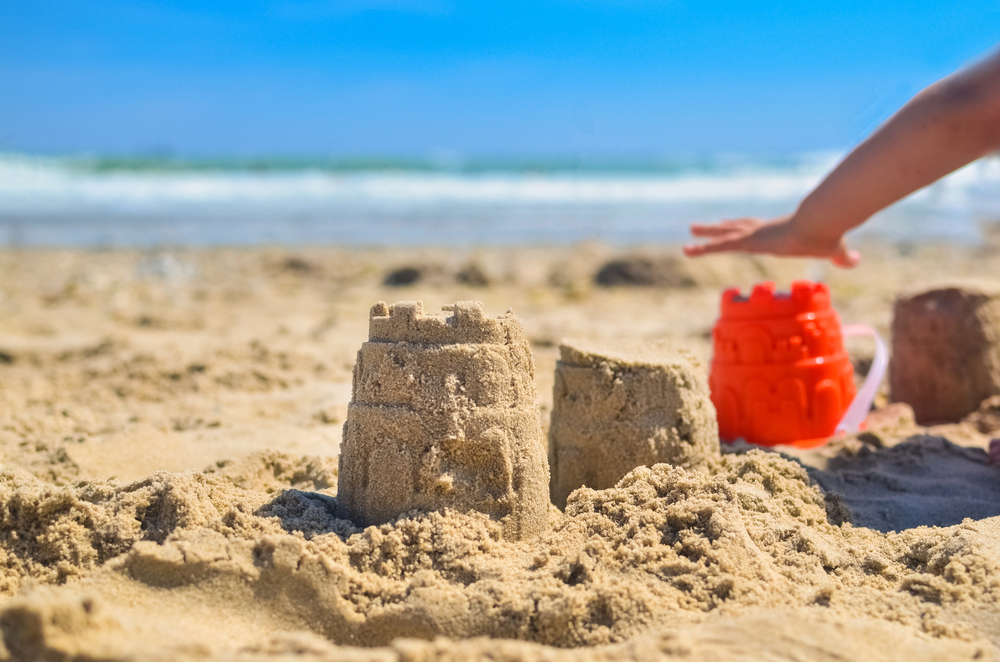
Sand castles are well known. Sand cities — the more serious project that happens when a kid stays on the beach for three hours and keeps expanding — are less discussed.
Whole road systems, moats, towers, aqueducts running water from a bucket. The tide destroying it at the end wasn’t a tragedy. It was, in some ways, the whole point.
Tree Branch Ladders
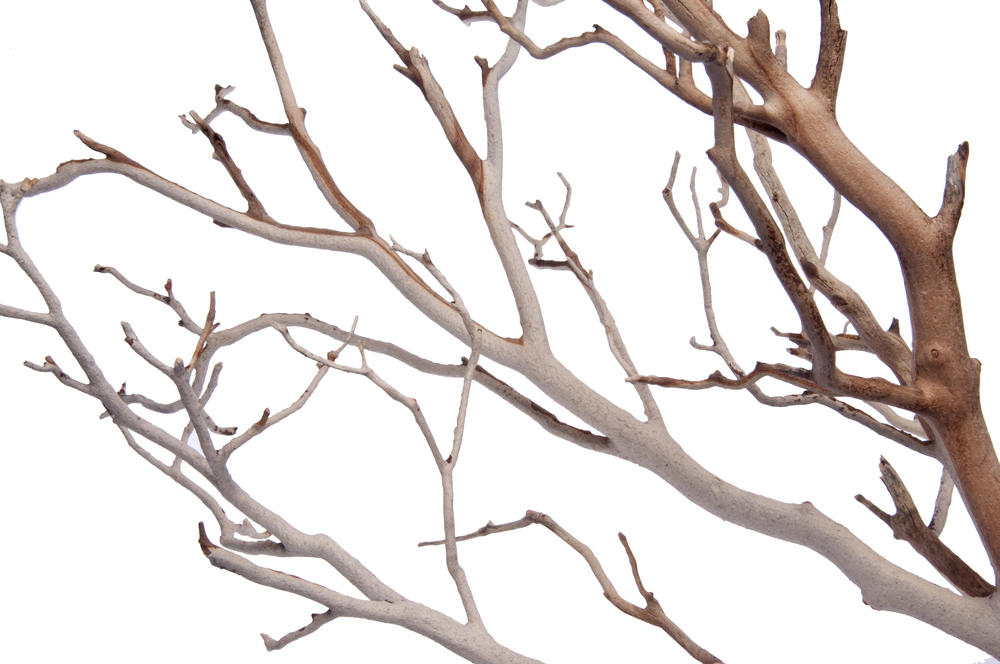
Nailing or lashing branches to a tree trunk at regular intervals to make a climbable ladder was a fundamental childhood project for anyone with a tree worth climbing. The spacing was always slightly inconsistent. The top rung was always a little too high. Nobody cared.
Cattail and Reed Shelters
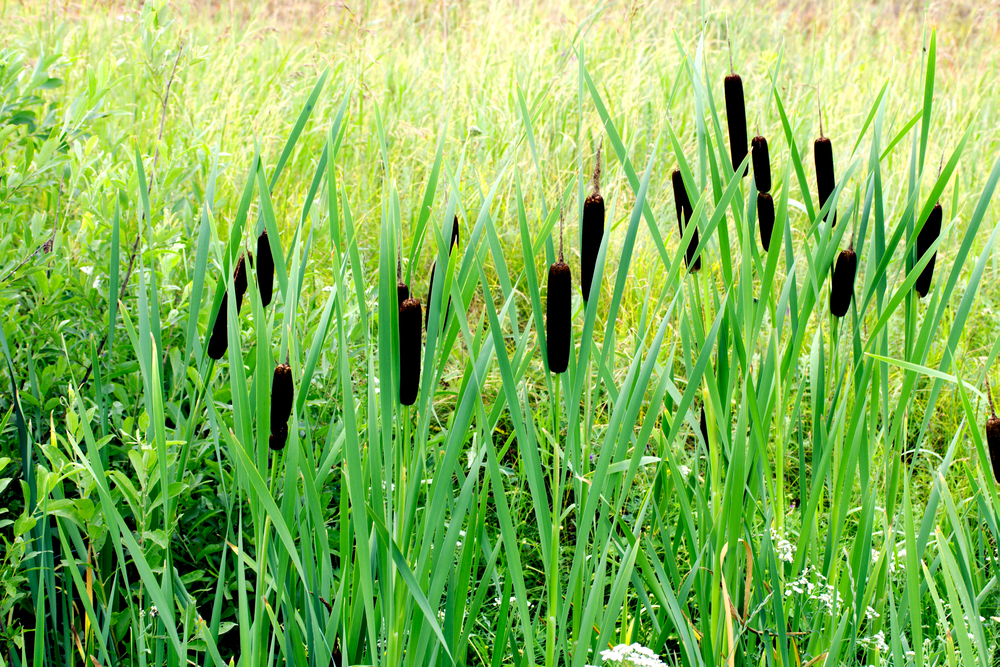
Cattails and reeds, cut and bundled, make a surprisingly effective building material — dense enough to block wind, flexible enough to arch — and kids who played near marshes or ponds often figured this out without being told, the way necessity has always been a more direct teacher than instruction. Bundle them thick, tie them at intervals, lean them together at the top. It holds.
Stone Stacking Towers
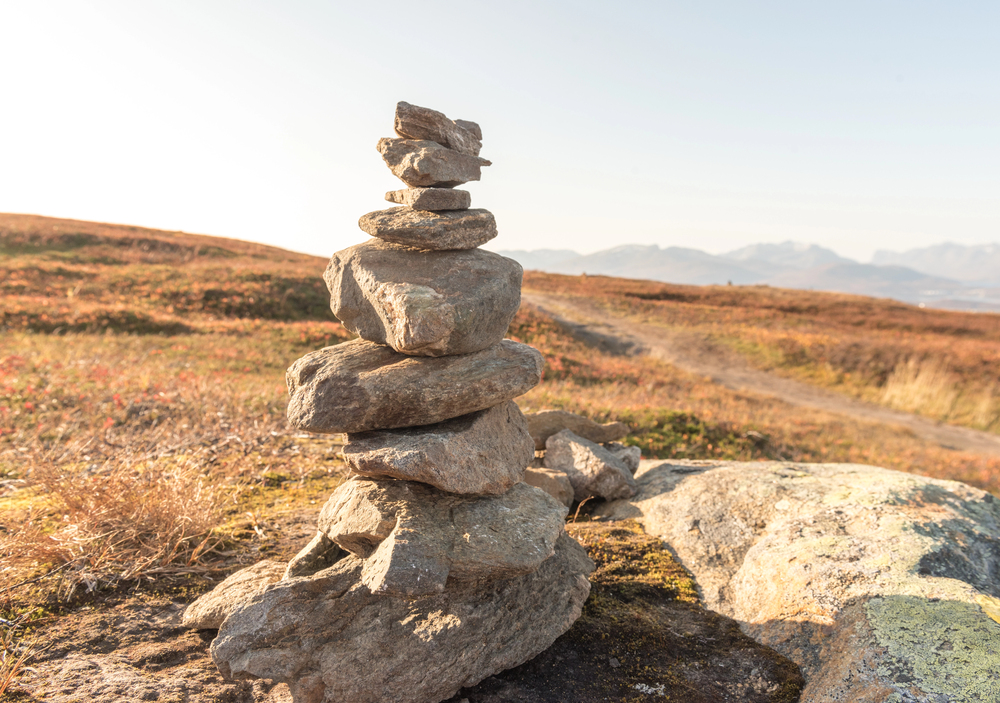
Stone stacking towers are a patience test disguised as a building project. The goal is to go as high as possible before gravity wins. Gravity always wins, eventually, but the attempt is the thing — and a seven-stone tower on an uneven surface is a genuine small triumph.
Bamboo Fences
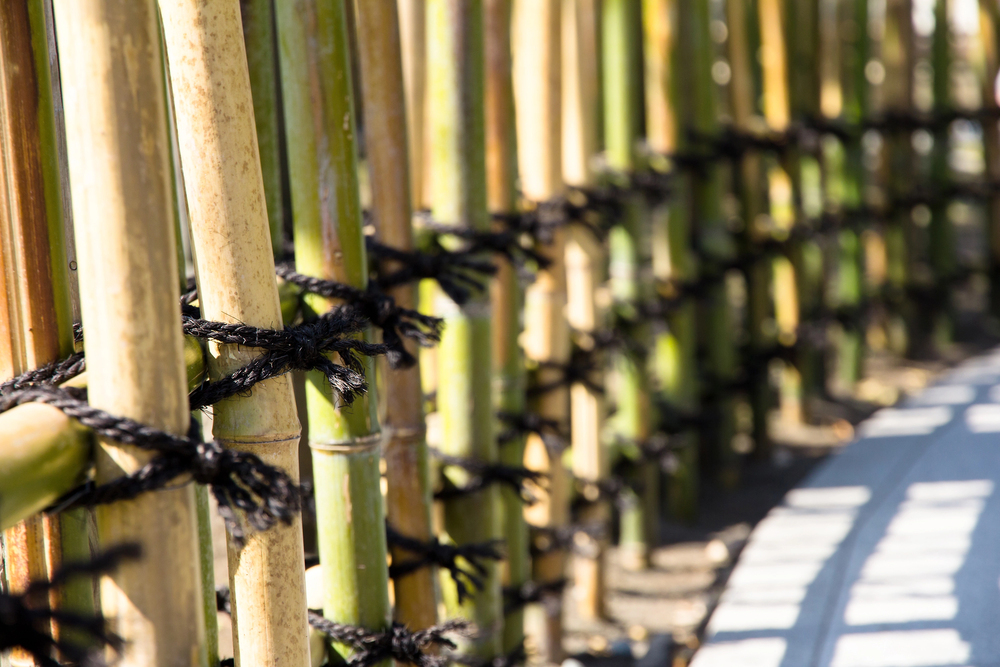
In parts of the country where bamboo grew wild and thick, it was the best free building material available: straight, strong, and so abundant that using it felt consequence-free. Kids cut it, stripped it, and built fences, walls, and enclosures for imaginary animals.
Bamboo also made good fishing poles, swords, and flag poles — versatility being one of its better qualities.
Pinecone and Mud Sculptures
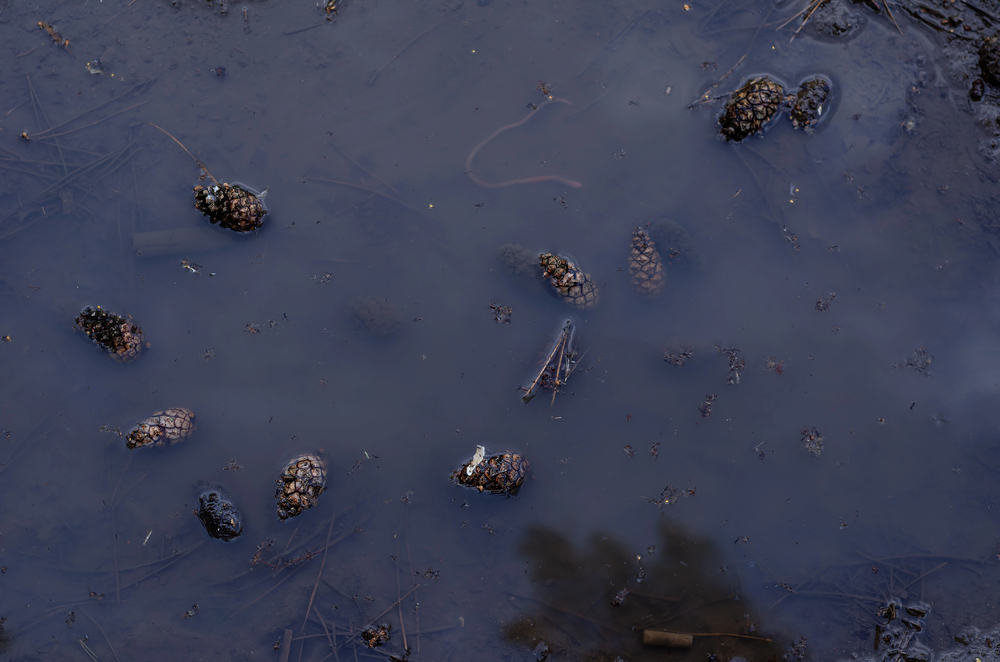
The combination of mud and pine cones produced something between architecture and art. Kids would press pine cones into a mud base to make walls with texture, or build figures with mud bodies and pine cone details.
Nobody called it sculpture. It was just what happened when you had both things available.
Dugout Hideouts
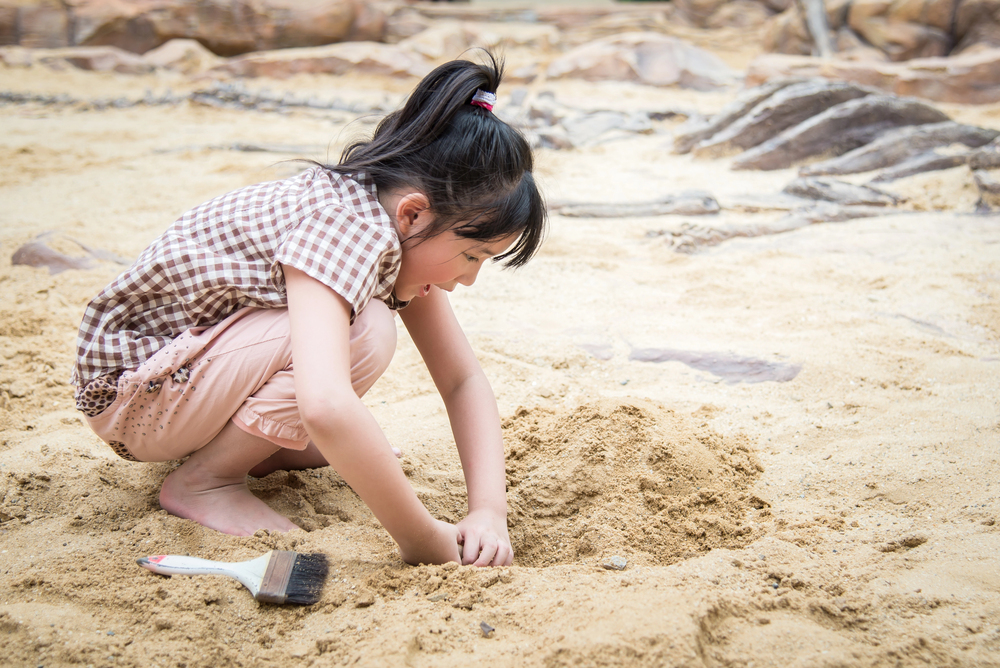
Digging a shallow depression in soft dirt, lining it with leaves or flat bark, and covering it with sticks and more dirt — the dugout hideout was for kids who wanted something more underground than a fort. The structural ambition often exceeded the actual stability.
Some collapsed immediately. Others lasted a whole summer.
Branch Teepees
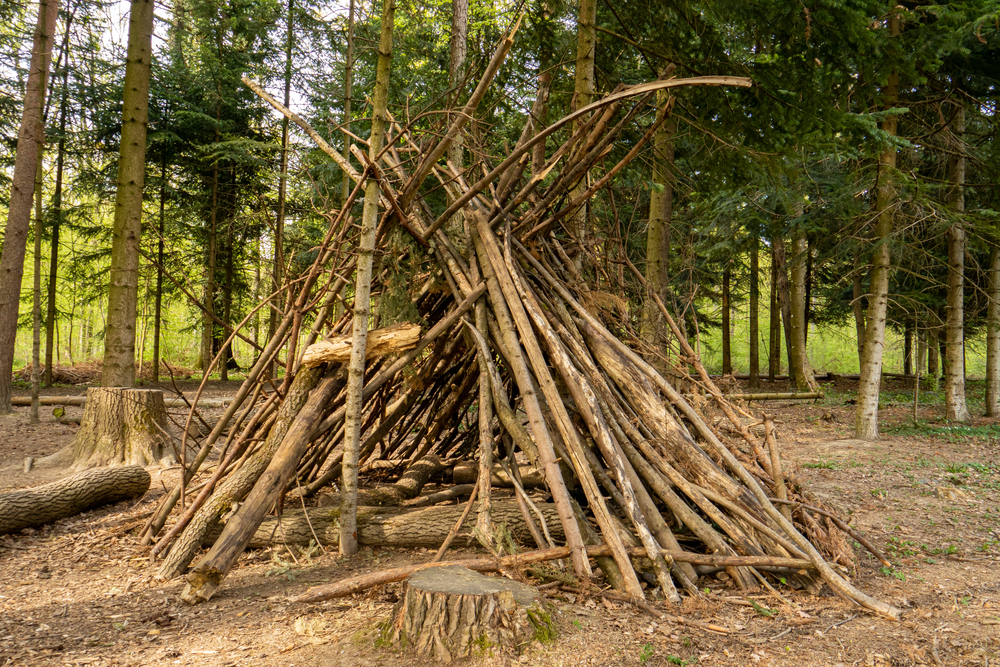
Three long branches, crossed and lashed at the top, spread into a tripod — that’s the skeleton of a branch teepee, and from there you added whatever you could find: more branches, leaves, bark, old burlap if you were lucky. The frame went up fast.
The covering took all afternoon and never quite sealed the gaps.
Flat Stone Stepping Paths
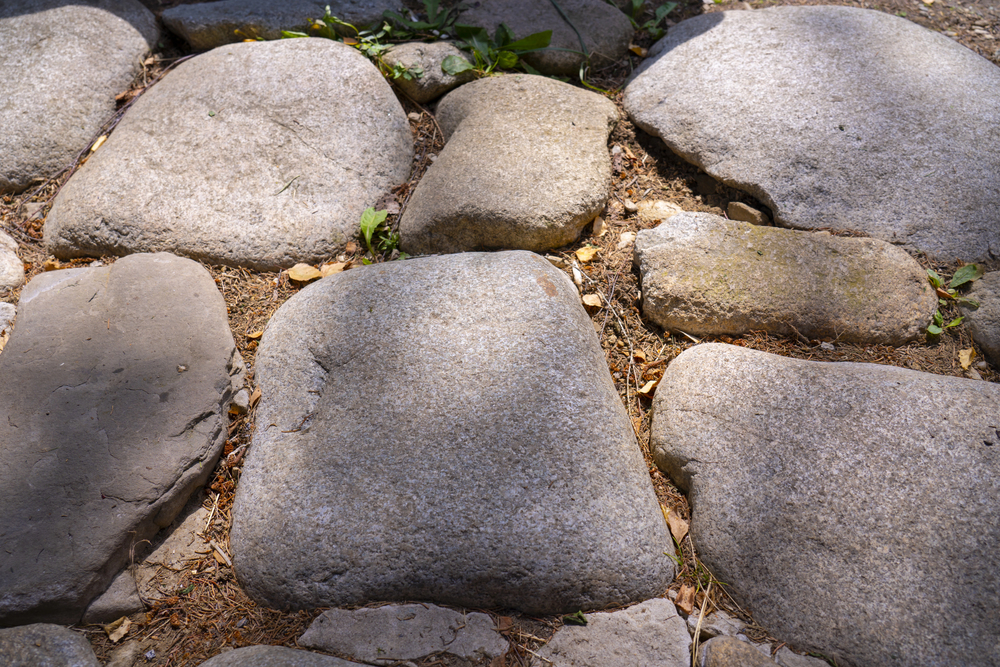
Laying flat stones across a muddy or uneven stretch of ground was practical building — a path you could actually use. Kids would scout for the right stones, test them for wobble, adjust the spacing. Some paths meandered in ways that made no geographic sense.
That was a design choice.
Woven Grass Mats
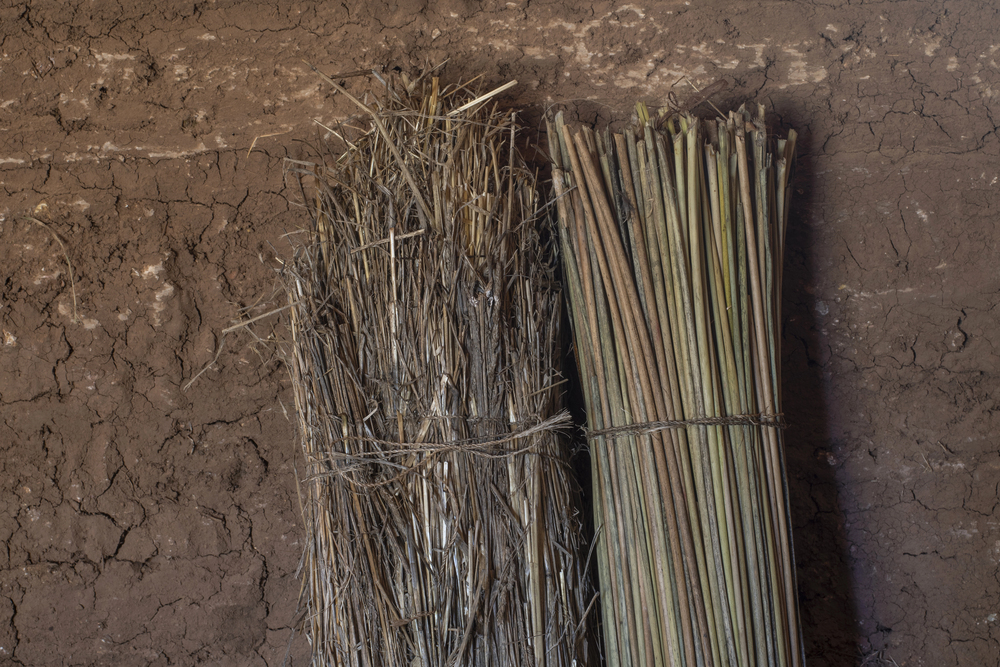
Weaving long grass blades over and under each other into a flat mat took more persistence than most outdoor projects, and the finished mat was never perfectly flat, never quite square, and always slightly damp — but it was woven, which meant it held together in a way that felt almost miraculous the first time it worked.
Mud and Stick Ovens
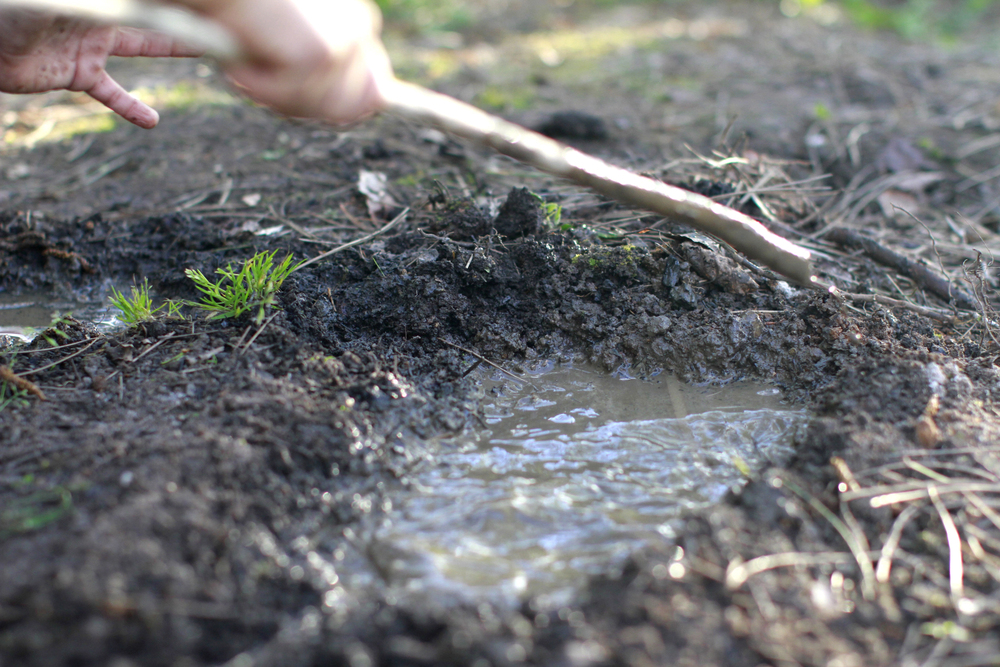
Somewhere between a fort and a science project, the mud-and-stick oven was the most ambitious outdoor build a kid could attempt. You shaped a dome from wet mud, let it dry enough to hold form, left a small opening at the front — and then, usually, filled it with sticks and tried to cook something. The oven rarely reached temperatures sufficient for actual cooking. Nobody ever admitted that.
What Gets Built When Nothing Is Handed to You

The absence of a kit turns out to be a gift. When there’s no instruction sheet, no pre-cut parts, no picture on the box telling you what the finished thing should look like, the building becomes entirely yours — the design, the failures, the stubborn revision after the third collapse.
Kids who built with whatever they found outside weren’t learning construction. They were learning that problems are just materials waiting to be used differently.
And that’s a lesson no kit has ever managed to include.
More from Go2Tutors!

- The Romanov Crown Jewels and Their Tragic Fate
- 13 Historical Mysteries That Science Still Can’t Solve
- Famous Hoaxes That Fooled the World for Years
- 15 Child Stars with Tragic Adult Lives
- 16 Famous Jewelry Pieces in History
Like Go2Tutors’s content? Follow us on MSN.